
As the demand for convenient and efficient takeaway solutions continues to rise, plastic food to go containers have emerged as a vital element for restaurants, food trucks, catering services, and more. With the increasing emphasis on sustainability, understanding the options available in plastic food packaging is crucial for any food business looking to meet consumer expectations while maintaining operational efficiency. This guide will delve into eco-friendly choices, durable practices, material comparisons, and regulatory considerations that shape the landscape of takeaway packaging. Let’s navigate through these essential aspects to help your business choose the best food to go containers that align with your operational goals.
Practical Paths to Sustainable To-Go Packaging: Plastic Alternatives, Design Choices, and Real-World Tradeoffs
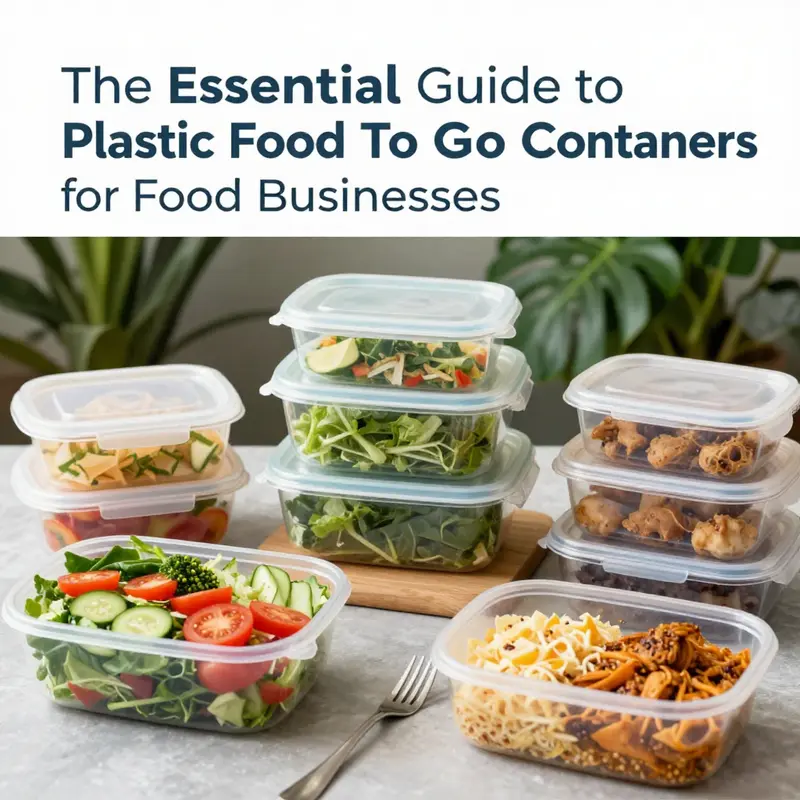
Sustainable choices and practical realities
The move toward more sustainable food-to-go containers is less about a single material and more about how materials, design, sourcing, and end-of-life systems work together. Raw material claims matter, but they rarely tell the whole story. A container that performs well during use but fails to enter a proper recycling or composting stream can still create lasting environmental harm. This chapter maps practical options for food packaging that balance functionality, regulatory safety, and lower environmental impact. It highlights where commonly used plastics improve sustainability, where compostable alternatives truly help, and where procurement and design choices make a decisive difference.
Polypropylene (PP) occupies a pragmatic middle ground for many foodservice operations. It is food-grade, heat-tolerant, and widely accepted by many recycling programs. As a material, PP resists staining, allows for clear visibility of contents, and survives repeated microwave cycles when labeled for that use. For businesses that need transparency for portion control and quick visual checks, clear PP containers are a sensible option. They can reduce food waste by helping staff and customers identify products at a glance. They also support reuse in some settings, when cleaning and inspection processes are in place.
Yet PP’s sustainability depends heavily on local recycling infrastructure. A polypropylene container that is recyclable in one city may be considered residual waste in another. Even when technically recyclable, contamination from food residues, mixed materials, or small hinged parts can move items to landfill. That reality shifts the focus from material choice alone to the broader system: design for recyclability, labeling for correct disposal, and alignment with regional collection capabilities.
Compostable materials answer a different set of priorities. Options derived from plants—such as molded fiber from sugarcane bagasse, polylactic acid (PLA), and cornstarch blends—offer a clear advantage in environments where industrial composting is available. They break down under controlled conditions and reduce long-lived plastic pollution. For businesses with access to commercial compost facilities, these materials provide a credible path to net waste reduction. They also carry marketing value for brands seeking to demonstrate measurable waste diversion.
However, compostables come with caveats. First, many require industrial composting temperatures and specific microbial conditions to fully break down. Home compost piles rarely deliver those conditions, so the end-of-life benefit can be lost if consumers dispose of compostables in household bins. Second, compostable plastics and fiber-plastic hybrids can contaminate recycling streams if mistakenly sorted into recycling. Third, cost is typically higher than conventional plastics, which affects margin-sensitive operations.
Because of these tradeoffs, the best applications for compostables are clear. They fit operations that serve concentrated, traceable waste streams. Examples include corporate cafeterias with an on-site compost program, campus dining zones serviced by local composting contractors, and large events where waste stations are closely monitored. In those cases, compostables can move from single-use to genuinely lower-impact solutions.
Design choices influence sustainability as much as the base material. Mono-material packaging, where lids and trays are made from the same resin, simplifies sorting and increases recycling yield. Avoiding mixed-material laminates and metalized coatings makes a package easier to process. Features like vented lids that reduce condensation can lower food rejection rates, and stackable geometries improve transport efficiency. Where possible, opting for a single type of plastic and minimizing adhesives will reduce contamination during recycling.
Labelling also matters. Clear, prominent disposal instructions reduce sorting errors by staff and customers. Symbols that indicate industrial composting, home composting, or recyclability should be accurate and supported by local guidance. Misleading or vague claims do more harm than good. Procurement teams should require suppliers to provide verifiable evidence for their disposal claims and instructions tailored to the regions where products are sold.
Sourcing decisions increasingly connect sustainability to supplier transparency. Procurement managers should ask for chain-of-custody documents, third-party certifications, and lifecycle assessments. Certifications such as OK Compost, ASTM compostability standards, FSC certification for fiber, and food contact approvals from recognized authorities indicate that a product meets specific environmental and safety benchmarks. Full lifecycle transparency should include raw material origin, manufacturing energy sources, and end-of-life scenarios.
Working with vertically integrated manufacturers can lower the cost and environmental footprint of packaging. Factories that control raw-material sourcing, production, and finishing can iterate faster on design changes. They may consolidate shipping, cut packaging waste, and reduce transport-related emissions. Sourcing from larger, compliant facilities also makes it easier to negotiate traceability and certifications at scale. For many buyers, strategic partnerships with such suppliers yield measurable sustainability gains without sacrificing affordability.
Yet buying choices must reflect operational realities. High-volume locations may benefit most from recyclable PP, due to lower cost and broad acceptance in many recycling systems. Lower-volume or brand-conscious establishments might prioritize compostables and tailor disposal systems accordingly. The transition is rarely binary. A mixed-material strategy, where rigid PP is used for durable reuse scenarios and compostables are deployed for single-use, wet items, often fits real-world operations best.
End-of-life logistics pose perhaps the greatest barrier. Even the best-designed compostable bowl or recyclable container fails to deliver environmental benefits without proper collection and processing. That gap has prompted creative solutions. Some businesses develop take-back programs. Others partner with local waste haulers to ensure compostables are captured. A few trial deposit or incentive schemes to encourage customers to return containers. These programs require investment in education and infrastructure, but they reduce leakage into landfill and improve actual recycling or composting rates.
Lifecycle thinking also highlights hidden tradeoffs. A lightweight PP container may transmit fewer emissions in production and transport compared to a heavier molded fiber alternative. Conversely, a compostable container may lock up carbon in a short-lived product that then returns nutrients to soil when composted correctly. Lifecycle assessments that consider raw material extraction, manufacturing energy, transport distance, and end-of-life processing provide the most reliable comparisons. Procurement teams should request such assessments when possible to avoid decisions based on marketing alone.
Quality and functional performance remain essential. Containers must protect food, prevent leaks, and resist staining from acidic or oily sauces. Durability reduces waste in multi-use models. Microwave-safe and freezer-safe labels expand use cases, reduce single-use reliance, and improve customer satisfaction. Attention to stackability and nesting geometry cuts storage and transport volumes, saving fuel and warehouse space. In practice, the most sustainable packaging is the one that customers use correctly and that preserves the food it holds.
Cost pressures also shape decisions. Compostable and specialty materials often carry price premiums. Larger buyers can offset those through negotiated volumes or supply-chain consolidation. Smaller operators can pursue hybrid strategies: use compostables where they deliver the most value, and choose recyclable PP elsewhere. Over time, as demand grows, economies of scale may reduce the premiums for compostable options.
Communication is a final, but pivotal, component. Clear signage at point of sale, staff training, and customer-facing information reduce misuse and contamination. If a brand commits to compostable bowls, customers must know where to dispose of them. If the packaging is recyclable only through specific municipal programs, instructions should be explicit. Transparency about tradeoffs builds trust and drives correct disposal behavior.
For buyers evaluating options, practical steps help translate aspiration into impact. Start by mapping where containers are used and what waste streams they enter. Prioritize interventions where disposal control is highest. Require suppliers to provide third-party certifications and lifecycle data. Choose mono-materials when recycling is the goal, and choose certified compostables where composting infrastructure exists. Explore partnerships for take-back or collection programs. Test small pilots, measure diversion rates, and scale what works.
One practical resource for understanding the limitations of recyclability is national waste statistics. These highlight how recycling infrastructure and consumer behavior shape outcomes. For instance, a trusted authority tracks plastics recycling rates and provides context for policy and procurement decisions. Refer to such resources when designing a packaging strategy: https://www.epa.gov/epawaste/nonhaz/municipal/plastics.htm
Wherever possible, pair material choices with measurable systems improvements. Improve labeling, invest in staff training, and collaborate with local waste management. These operational refinements often determine whether an eco-friendly material actually delivers environmental benefits. In short, sustainable food-to-go packaging depends on aligned design, sourcing, disposal infrastructure, and clear communication. When those elements work together, brands can reduce waste, maintain food safety, and meet customer expectations without compromising operational efficiency.
For businesses seeking compostable options alongside conventional choices, consider models that mix materials intentionally. Use compostable bowls for salads and wet items when composting is guaranteed. Use durable PP for reheatable or multi-use situations where recycling is routine. Optimize lid design for breathability to prevent condensation, and choose geometries that minimize headspace during transport. Those combined choices preserve food quality, reduce leakage, and improve diversion outcomes.
Finally, procurement should maintain a focus on continuous improvement. Materials and processing technologies evolve quickly. Maintain relationships with suppliers who provide transparent claims and are open to pilots. Require certificates and audits. Track diversion metrics and customer feedback. Sustainable packaging is not a single purchase decision. It is a program of coordinated choices that align material selection, design, logistics, and education to deliver measurable outcomes.
By treating eco-friendly packaging as a systems challenge rather than a single product choice, food businesses can achieve meaningful reductions in waste and emissions. Thoughtful material selection, paired with clear disposal systems and supplier accountability, turns promising materials into genuine environmental wins. For teams building a to-go program, the practical rule is simple: match material to infrastructure, design for reuse or recyclability, and measure the results.
For a ready example of compostable tableware that complements plastic alternatives, explore available kraft paper bowl options that are suited to industrial composting and commercial foodservice use: biodegradable kraft paper bowls.
Durable, Safe, and Stackable: The Evolution of Plastic Takeout Containers for Modern Food Delivery
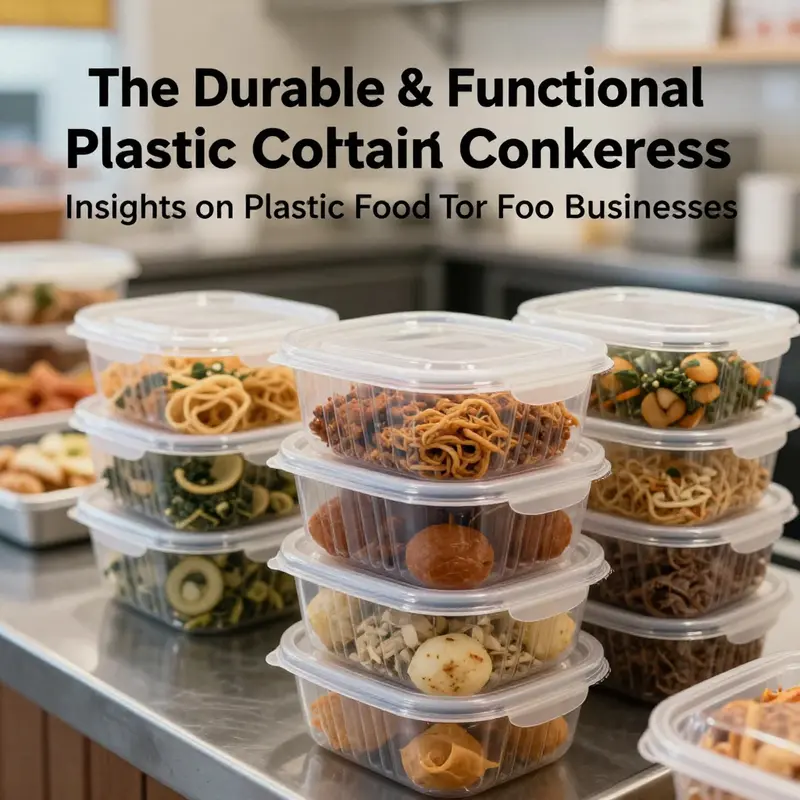
Durable, safe, and stackable plastic takeout containers sit at the heart of modern food delivery and meal-prep ecosystems. The typical consumer experience—unspoiled soups in transit, crisp salads arriving intact, and hot entrees that still feel ready-to-eat—depends as much on the engineering of the container as on the quality of the food itself. Behind the everyday convenience lies a careful balance of material science, design nuance, and market dynamics. Contemporary takeout packaging aims to preserve texture and temperature, prevent leaks, and project a perception of reliability and cleanliness that reassures customers from the moment they place an order to the moment they open the lid at home. To understand how these containers achieve that balance, it helps to trace the threads of three interlocking priorities: material performance, practical design, and evolving sustainability expectations, all while acknowledging the real-world constraints of kitchens, delivery fleets, and recycling streams.
Material choices sit at the center of performance. Polypropylene (PP) remains the workhorse for many takeout applications due to its combination of heat tolerance, chemical resistance, and overall toughness. It endures the rigors of microwave reheating and freezer storage, and, when produced with food-contact safety in mind, it offers a reliable baseline for damp dishes, oils, and sauces. Beyond heat resistance, PP’s rigidity contributes to a clean, professional presentation. It can be molded into crisp edges that resist crushing, yet still feel light enough to stack in large fleets and compact storage spaces. For shoppers who prioritize clarity and a premium feel, some manufacturers turn to high-performance copolymers that blend toughness with a glassy, transparent appearance. These materials, akin to Tritan-like resins, are prized for their clarity and shatter resistance, and they typically carry BPA-free assurances that align with growing consumer demand for safer storage options.
A larger conversation about materials also touches on the broader sustainability picture. Many in the industry are exploring the recycling realities of PP and related plastics, seeking pathways that align with municipal facilities and regional recycling ecosystems. PP, while recyclable in many jurisdictions, depends on local infrastructure and consumer participation. The uptick in on-the-go packaging has stimulated interest in designing for recyclability at the end of life, which means choosing resins and additives that facilitate sorting and processing rather than complicating it. At the same time, there is rising interest in alternatives that reduce reliance on conventional plastics altogether. Biodegradable and compostable options—often derived from sugarcane bagasse, cornstarch, or other bio-based feedstocks—offer a different value proposition. They can be microwave-safe and suitable for catering and restaurant use, yet they require traceable composting streams to realize their environmental benefits. These options are frequently more costly and can demand different handling at scale, so many operators weigh them against volume, customer expectations, and the available disposal infrastructure.
The design language of durable containers is equally influential. Secure interlocking lids and robust hinges are not cosmetic features; they are essential for preventing leaks when liquid-heavy dishes travel through crowded streets or bumpy rides. A well-engineered lid that clicks into place creates an airtight or near-airtight seal, reducing the risk of unintended spills and protecting the integrity of soups, sauces, and dressings. In brands that emphasize heavy-duty use, clamshell designs with built-in hinges safeguard contents from being crushed during stacking or during handling by delivery personnel who must move quickly from kitchen to curb to doorstep. The result is a container that survives the transit gauntlet while maintaining the eater’s experience—no splatters, no compromises on temperature, and minimal interaction required to enjoy a meal.
From a practical standpoint, the visual and tactile cues of a container matter. Clear, rigid plastics let staff and customers identify contents at a glance, enabling faster sorting in the kitchen and easier recognition in fridges and pantries at home. This visual simplicity translates into less guesswork, reduced food waste, and more efficient cold-chain management. The ability to stack and nest is another meaningful attribute. Stackability saves space in kitchens, in delivery bags, and in cold storage; nestability helps optimize storage during peak periods when space is at a premium. These traits are not mere convenience; they are operational imperatives that affect throughput, fuel efficiency, and the bottom line for businesses that move large volumes daily.
Another layer of functionality arises from safety and integrity features. Tamper-evident seals add a layer of consumer trust, signaling that a product has not been opened since leaving the kitchen. For multi-item orders or meals that include dressings and sauces, leak-resistant compartments and thoughtfully designed dividers ensure that accoutrements stay with their intended components rather than migrating across the container. These features reduce the likelihood of customer dissatisfaction tied to a messy unboxing and support the brand’s commitment to reliable service.
Sustainability remains a moving target, influencing both design and procurement decisions. The market now includes biodegradable and compostable options that blend bio-based materials with conventional plastics in some configurations. For operators seeking a more sustainable profile without sacrificing performance, it is common to evaluate the entire lifecycle: material sourcing, manufacturing energy, transport efficiency, use-case fit, and end-of-life disposal. In practice, this means selecting a container with a strong performance in the short term—durable enough for multiple uses in meal-prep or catering—while considering whether its end-of-life disposal aligns with a facility that can process recyclable PP or compostable bioplastics. The tension between cost, performance, and environmental outcomes is real, and decision-makers increasingly adopt hybrid strategies that pair traditional sturdy PP containers for everyday use with greener, compostable options for special menus or events where sustainability goals are heightened and the disposal path is clear.
In the marketplace, the range of sizes and configurations supports a broad spectrum of use cases. For bulk takeout in busy restaurants or caterers, the economics of large-order production favor straightforward, durable shapes with reliable sealing capabilities and consistent manufacturing tolerances. These containers are designed to travel from kitchen line to vehicle to consumer, maintaining their integrity across thousands of cycles and hours of transit. For meal-prep setups that anticipate repetitive use within a household or a workplace, designers emphasize compatibility with microwaves and dishwashers, easy cleaning, and resistance to staining. Of course, certain food types do pose challenges; tomato-based sauces or curry-heavy dishes are known to stain or cling to porous materials, and while modern plastics resist wear, repeated exposure to aggressive foods and heat can gradually affect appearance and performance. In response, some manufacturers offer coatings or surface treatments that improve resistance to staining and make cleaning easier, without compromising safety or recyclability.
As the market evolves, so does the language around how a container’s performance translates into a smoother customer experience. Tamper-evident features, for example, are no longer a “nice-to-have” but a customer expectation in many segments. The consumer may not analyze the engineering behind the seal, but they will notice a leak, a lid that doesn’t close properly, or a container that leaks during transfer. The ability to deliver a meal in a container that looks and feels reliable—without requiring special handling—translates into trust, repeat orders, and positive word of mouth. It also affects the daily rhythms of kitchens and delivery fleets. Operators can standardize on a core set of container sizes and lid styles, streamlining training, reducing errors, and ensuring that a driver can quickly recognize the right packaging for a given dish. The efficiency gained from standardization cascades into faster service times and more predictable delivery outcomes.
From a procurement viewpoint, the choice between a simple polypropene box and a more feature-rich design is influenced by volume, revenue per order, and the expected life of the container. Large-volume orders often leverage economies of scale, where unit costs drop as orders climb into the tens of thousands. In those scenarios, a basic, rugged container with a dependable seal can deliver significant savings over time. For businesses that position themselves as premium or eco-conscious, more advanced configurations with clear lids, enhanced seal integrity, or even hybrid materials can differentiate the brand and justify higher price points. The decision calculus becomes a balance sheet exercise, weighing upfront costs against long-term savings in leakage, breakage, and waste—and, increasingly, against the value customers place on sustainability and safety.
An important facet of this discussion is the broader ecosystem in which these containers operate. Packaging does not exist in isolation; it interacts with equipment in kitchens, logistics in delivery networks, and consumer habits at home. The containers must be compatible with common reheating practices, which are dominated by microwave use in households and many commercial settings. In this context, materials that tolerate repeated heating cycles without warping or releasing unwanted odors become crucial. Likewise, the containers must survive the transit environment. The best-performing designs account for knocks, temperature fluctuations, and the occasional sudden stop, ensuring that meals arrive intact rather than as compromised, soggy, or spilled fare. This alignment of material science, user experience, and logistical resilience underpins the practical value of durable plastic takeout containers.
For readers seeking a concrete sense of how the market has positioned these containers, note that the conversation frequently emphasizes the economics of bulk supply and the flexibility of designs. Many suppliers offer a wide range of sizes and configurations, enabling operators to tailor packaging to each dish. This flexibility matters when menus shift with seasons, customer preferences, or promotional offerings. It also matters for sustainability programs, which may require a catalog of container types that can accommodate different service models—from single-use to limited reuse—and that can align with recycling or composting facilities in the region. The result is not merely a box, but a packaging system that coordinates with cooking, transit, and waste management to deliver food with minimal environmental impact and maximum reliability.
To connect the thread between packaging design and practical decision-making, consider a broader comparison with alternative disposables. While paper-based or bioplastic options are increasingly presented as greener choices, their performance and cost profiles differ markedly in terms of heat tolerance, shelf life, and the ability to withstand frequent reuse. The plastic options described above remain appealing for their durability, clear presentation, and the established infrastructure supporting their use in kitchens and delivery fleets. For operators who actively compare options, a key takeaway is to align the container with the expected life cycle of the meal experience. If a product is intended for a one-hour delivery window with minimal handling, a sturdy PP container with a reliable lid can meet the demand at an attractive price. If, however, the plan is to emphasize sustainability and to channel waste toward composting streams, onboarding into a compostable program with clear disposal guidance may be the right path, even if it requires a different cost and logistics framework.
Internal link: for a perspective on eco-friendly packaging alternatives alongside plastic, you can explore examples such as this disposable take-away paper cup with a customizable logo, which demonstrates how brands present themselves in sustainable packaging ecosystems: disposable-takeaway-paper-cup-custom-logo-kraft-coffee-cup-with-lid. This kind of reference helps illuminate how packaging choices influence consumer perception and brand storytelling, even as plastic containers continue to dominate in many fast-paced service contexts.
In sum, durable plastic takeout containers are not just vessels; they are an integrated element of modern food service that shapes food quality, operational efficiency, and sustainability outcomes. The best designs marry material strength with practical features—airtight seals, robust hinges, and clear presentation—while offering the flexibility necessary to adapt to varied menus and evolving disposal realities. They also reflect a broader industry shift toward balancing cost, performance, and environmental responsibility. The result is packaging that protects what matters most—the food and the customer’s experience—while supporting the efficiency and scalability that define contemporary takeout and meal-prep operations. External resources offer further perspectives on the landscape of plastic takeout containers, their capabilities, and their role in restaurant supply chains: https://www.katom.com/plastic-takeout-containers.html
Choosing Materials for To‑Go Containers: Practical Trade‑Offs, Health Risks, and Real‑World Use Cases
Choosing the right material for food to go begins with understanding clear trade-offs. Practical needs such as portability, stackability, cost, and thermal performance sit beside health and environmental concerns. No single material fits every use case. The differences between common plastics, compostable fibers, glass, and silicone shape how food is stored, transported, and discarded. This chapter walks through those differences and offers applied guidance for households and businesses that rely on to‑go containers.
Polypropylene remains the most widespread plastic choice for to‑go containers. It is lightweight, resilient, and resistant to breakage. Containers made from food‑grade polypropylene often tolerate microwaving and resist many stains. They also stack well and are cheap to produce. For operators who serve large volumes, these properties mean faster service and lower inventory costs. But PP is not without limits. Repeated heating, abrasive cleaning, or prolonged storage of acidic sauces can lead to surface degradation. Over time, plastics may absorb odors and flavors, making them less suitable for reuse with different dishes.
A related challenge is chemical migration. Additives used in plastics, such as plasticizers and stabilizers, can move into food under certain conditions. Heat and acidity accelerate that movement. While many modern food‑grade plastics avoid the most notorious chemicals, substitutes have their own uncertainties. For anyone storing hot, fatty, or highly acidic foods in plastic, cautious handling is wise. That includes minimizing exposure time and avoiding high temperatures in the container wherever possible.
Standard single‑use plastics like PET and polystyrene remain common in low‑cost, high‑volume settings. They deliver low price per unit and strong visual clarity. But their environmental footprint is large. PET is recyclable where systems exist, yet contamination from food residues reduces recycling rates. Polystyrene is rarely recycled and persists in waste streams for long periods. For businesses and individuals aiming to reduce environmental harm, these plastics are becoming harder to justify for regular use.
On the other end of the spectrum sit biodegradable and compostable alternatives. Materials made from sugarcane bagasse and cornstarch have grown more available and practical. Bagasse is a fibrous byproduct of sugar extraction that becomes a sturdy molded bowl when pressed and heat‑set. Cornstarch composites can emulate plastic stiffness and provide microwave safety. These options break down in industrial composting conditions and lower the risk of microplastic pollution.
Compostable materials suit one‑time service models and green branding. They work well for salads, soups, and short‑duration deliveries. But they also bring trade‑offs: higher per‑unit cost, limits on reusability, and specific disposal requirements. If compostable packaging ends up in general landfill, the environmental gains shrink. For food businesses, pairing compostable containers with clear customer instructions and local composting programs is essential.
Glass and silicone present different value propositions. Glass is chemically inert. It will not absorb odors, nor will it leach plasticizers into food. Tempered or borosilicate glass handles temperature swings better than ordinary glass, making it safe for reheating. Its transparency helps kitchens and customers identify contents quickly. The downside is weight, fragility, and shipping cost. For meal‑prep subscription services and home reuse, glass often wins on safety and longevity. For delivery operators relying on rapid turnover and minimal breakage risk, glass may be less practical.
Silicone hits a middle ground. It is flexible, lightweight, and tolerant of heat and cold. Silicone containers fold for storage and survive ovens and freezers. They do not absorb flavors as readily as many plastics. Yet silicone lacks the visual clarity of glass or clear plastic, which can complicate inventory management. It is also more expensive than single‑use plastics, though cost per use decreases with repeated reuse.
Beyond material chemistry, design matters. Venting lids and compartmentalized trays are important details that adapt containers to different food types. For steam‑rich dishes, a ventilated lid reduces condensation and preserves texture. Compartments separate wet and dry components, keeping fries crisp and salads fresh. Hinged lids speed assembly and minimize lost lids in fast service. Stackability reduces storage footprint and improves route efficiency during delivery. When evaluating materials, examine whether the chosen design supports the intended menu.
Stain and odor resistance also shape real‑world choices. Tomato‑based sauces and curry can discolor and scent many plastics. Repeated exposure makes cleaning harder and shortens usable life. Staining affects perceived cleanliness and can push businesses toward single‑use replacement more often. Glass resists staining and odor retention, making it ideal for dishes with strong pigments or spices. If the menu includes many such foods, glass or high‑quality silicone may be the lower‑cost choice in the long term when measured by replacement cycles.
For operational decision‑making, consider three practical scenarios. First, high‑volume, low‑margin takeout: price and logistics dominate. Thin, stackable plastics provide low cost and space efficiency. The priority here is hygiene and consistent performance across many orders. Second, premium meal‑prep and subscription services: durability and customer perception matter more. Reusable glass or silicone containers add perceived value and reduce long‑term packaging spend. Third, eco‑oriented catering and events: compostable bagasse or cornstarch bowls align with sustainability goals and can reduce landfill impact when paired with proper compost collection.
Businesses should also think about cleaning and reuse protocols. Reusable plastic containers can be cost‑effective if washed correctly and rotated. Frequent inspections reduce the risk of food safety issues from microabrasions or chemical breakdown. For establishments that offer returns or deposits on reusable containers, clear tracking and sanitation procedures prevent contamination. For single‑use compostable items, staff training and customer communication are necessary so materials go to appropriate waste streams.
Regulatory compliance is another factor for commercial buyers. Food contact certifications and temperature ratings matter when containers will hold hot or acidic foods. Certifications verify that materials meet safety thresholds for migration and durability under normal use. Always check a supplier’s documentation for food contact approvals and recommended operating temperatures. These details can be the difference between a safe container and a costly product recall.
Logistics and lifecycle thinking complete the picture. The embodied emissions of different materials vary. Lightweight plastics have lower transport emissions per unit weight, but their end‑of‑life often leads to persistent pollution. Glass requires more energy to manufacture and transport, yet its long usable life and recyclability can improve lifecycle impact when reused. Compostable fibers may have low end‑of‑life emissions in ideal conditions but require industrial composting systems to realize those benefits. Weigh transportation, reuse potential, and disposal infrastructure when comparing materials for scale.
For consumers balancing convenience and safety, simple rules reduce risks. Avoid prolonged heating of fatty or acidic foods in plastic. Use plastic containers for short‑term storage and low‑acidity items. Reserve glass or silicone when reheating, storing potent spices, or preserving leftovers long term. Mark containers with contents and date to limit repeated reheating cycles. When in doubt, choose an inert material for hot or long‑stored items.
Marketing and brand positioning also reflect material choices. A reusable glass program signals premium quality and safety. Compostable packaging communicates environmental commitment. But sustainability claims must match operational reality. If compostable containers are disposed of in general waste, the credibility gap can harm reputation. Likewise, reusable programs that create hygiene concerns can backfire. Align material selection with logistics and customer behavior.
Finally, innovation in hybrid solutions is worth noting. Some suppliers pair compostable bowls with a separate clear lid for visibility and spill resistance. Others use recyclable polypropylene with a small vent mechanism that improves steam control. The market continues to evolve, and hybrid designs often deliver practical middle grounds between cost and performance. Evaluate these hybrids by total system performance rather than single characteristic advantages.
One practical resource for understanding odor retention and safety trade‑offs is a recent comparative analysis of plastic and glass containers. It highlights how material choice affects odor resistance, chemical migration, and long‑term usability. That analysis helps translate laboratory findings into everyday decisions about reheating and storage. For a concise overview of how plastic compares to glass in resisting odors and other behaviors, consult this external resource: https://www.healthline.com/nutrition/plastic-vs-glass-food-storage-containers
When sustainability is a top priority, pairing product selection with local waste solutions matters. A compostable bowl becomes beneficial only if it reaches a composting facility. A recyclable plastic works best where a reliable recycling stream exists. For restaurants and delivery services, engaging with municipal waste managers and educating customers increases the chances that eco‑oriented materials deliver real impact. For retailers, labeling instructions and brief disposal icons help close the loop.
In practice, many operators adopt a mix of materials. They reserve reusable glass for subscription plans and insulated deliveries. They use compostable bagasse for pop‑up events and single‑service meals. They keep supply‑grade polypropylene for low‑cost, high‑throughput operations that require low breakage risk. The combination approach leverages each material’s strengths while mitigating weaknesses.
Selecting materials for food to go is not a one‑time choice. Menus change, regulatory landscapes shift, and customer expectations evolve. Reviewing container performance regularly is a prudent step. Track breakage rates, staining frequency, return rates for reusables, and waste diversion outcomes. Use these metrics to refine material mixes and supplier relationships.
Ultimately, material choice matters not just for immediate convenience, but for health outcomes and environmental performance. Thoughtful selection—guided by menu characteristics, handling patterns, and disposal infrastructure—reduces risk and increases value. Whether choosing polypropylene for cost efficiency, bagasse for compostability, glass for safety, or silicone for flexibility, align the decision with practical use cases and system realities. That alignment ensures containers serve food well, protect customers, and fit within broader sustainability goals.
For businesses and consumers alike, the best strategy combines material knowledge with operational clarity. Consider thermal and chemical risks, evaluate lifecycle impacts, and design handling systems that match the chosen material. With careful choices, to‑go containers can balance convenience with safety and environmental responsibility.
For restaurants seeking compostable bowl options compatible with takeout menus, consider switching to a take‑away kraft salad paper bowl for cold and room‑temperature items. This type of packaging can simplify disposal for customers and align with on‑site composting initiatives.
From Safety Codes to Trash Streams: Navigating Regulations and the Environmental Footprint of Plastic Takeout Containers
Plastic food-to-go containers have become a familiar backbone of modern food service, offering durability, convenience, and portion control. Yet they sit at the crossroads of public health regulation and environmental accountability. The chapter that precedes and follows this one treats the technological variety and the market dynamics of these containers; here, the focus shifts to how safety frameworks govern what can be used to pack meals and how the broader life cycle of these containers shapes waste, resources, and policy. The result is a narrative where compliance, consumer expectations, and ecological considerations intertwine, guiding choices for manufacturers, restaurateurs, and shoppers alike.
Regulatory systems around food-contact materials operate on two fronts: ensuring the chemical safety of resins used to make containers and preventing any harmful migration of substances into food, especially under heat. In many jurisdictions, the materials most commonly approved for direct contact with food are certain grades of polypropylene and high-density polyethylene, selected for their chemical stability and relative inertness when heated. These resins are often identified by resin codes that help recyclers and manufacturers classify materials and design appropriate reuse or disposal pathways. The logic behind these codes is practical and health-centered: by knowing what a container is made from, processors can anticipate how it will behave under typical kitchen conditions, such as microwave reheating or brief oven exposure, and what hazards might arise if the container is damaged or misused. The regulatory emphasis is not merely on the container’s primary function but on the safety margins surrounding repeated use, temperature extremes, and long contact times with fatty or acidic foods that can heighten leaching risk.
Health regulators regularly evaluate migration potential—the likelihood that trace chemicals will migrate from the container into the food. This work includes reviewing the thermal resistance of the resin, the presence of any additives, and the effects of repeated heating cycles. It is not unusual for safety bodies to require testing for specific life-cycle stages, including high-temperature exposure and UV exposure, since light and heat can alter polymer matrices in ways that broaden migration pathways. The message from these evaluations is clear: while plastic containers can be engineered to be safe for food contact, safety is contingent on the right material choices, rigorous testing, and correct usage. For food operators, this translates into practical guidelines about what container types are appropriate for different foods, reheating practices, and storage conditions. It also means a cautious stance toward reusing single-use packaging far beyond its intended lifespan, given that cumulative degradation can alter barrier properties and potentially increase migration risks.
Beyond the material safety lens, regulatory landscapes increasingly consider environmental stewardship. Governments and organizations acknowledge that the convenience of plastic takeout must be balanced against long-term waste and resource use. The environmental narrative is driven by real-world problems: contamination of recyclables by food residues, the mixed-material nature of many packaging systems, and the uneven reach of advanced recycling infrastructure across regions. A major implication is that even when a container is technically recyclable, multiple practical barriers can prevent effective recovery. Food residue can contaminate streams, making sorting and processing expensive or impractical. Mixed packaging—where layers of plastic, foil, or compostable laminates are combined—can complicate recycling and disable materials from re-entering the circular economy. In many places, these realities have spurred policy actions such as bans or restrictions on specific single-use plastics, the promotion of compostable or reusable options, and incentives for packaging redesign aimed at recyclability and lower environmental footprints.
This regulatory-environment nexus also highlights the importance of lifecycle thinking. A takeaway container’s journey—from resin manufacturing to end-of-life fate—carries environmental costs that must be weighed alongside logistical benefits. Lifecycle assessments reveal trade-offs: a robust plastic container may excel in durability and shelf-life, reducing food waste and spoilage, but it can also demand energy-intensive processing and create waste streams that are challenging to manage at scale. Conversely, compostable and biodegradable alternatives can offer clear advantages in end-of-life disposal but often require industrial composting facilities to achieve meaningful breakdown and can come with higher production costs or performance constraints in hot or oily foods. The balance among safety, performance, cost, and end-of-life outcomes shapes the choices available to restaurants, retailers, and consumers.
A practical corollary of these considerations is how packaging design intersects with regulatory and environmental goals. Containers designed for safety should maintain their integrity under normal handling—stacking, transport, and on-site reheating—without compromising the food’s safety or the consumer’s experience. Yet design decisions also influence recyclability and compostability. A container that uses a single, widely recycled resin is easier to process, while layered or coated materials can complicate streams. In the push toward sustainability, there is growing interest in alternatives that feel comparable in performance but offer clearer end-of-life pathways. For example, bagasse or cornstarch-based options bring compostability into the conversation, while still addressing the demands of microwavable use and reliable sealing. The choice between a conventional plastic option and a biodegradable or compostable alternative is not simply a matter of materials preference; it reflects regulatory signals, waste-management realities, and the business’s willingness to align with evolving societal expectations about plastic pollution and resource stewardship.
In framing policy and practice, it is also important to recognize the role of education and usage guidelines. Regulators increasingly emphasize proper handling, labeling, and consumer information to minimize risk and maximize recyclability. Clear instructions on heating, washing, and storage can help prevent misuses that would otherwise undermine safety and sustainability goals. For instance, misusing a container beyond its heat tolerance can lead to deformation, leakage, or taste contamination, all of which complicate recycling or disposal further down the line. On the consumer side, awareness about not letting oily or fatty foods contaminate recycling streams is a simple yet powerful step toward better resource recovery. On the industry side, manufacturers and distributors can reduce risk by selecting materials with well-established safety profiles and by communicating the recyclability or compostability of their packaging in transparent, consistent terms. The convergence of clear regulatory guidance and consumer education creates a more predictable environment for responsible packaging choices, even as the market continues to evolve toward safer and more sustainable options.
The environmental conversation has evolved in part through case studies of policy experiments and real-world outcomes. In various jurisdictions, research compiled by environmental scientists has underscored the disproportionate share of takeaway packaging in non-recyclable waste and microplastic pollution. While early optimism surrounded recycling as a universal fix, modern analyses stress the logistical hurdles—collection efficiency, sorting accuracy, contamination control, and the economics of processing. Under these conditions, policymakers have pursued complementary strategies. Some focus on reducing material use and encouraging reusable systems, others on expanding the suitability of recyclates and improving processing technologies, and still others on providing incentives for more sustainable material choices. The overarching aim is not to vilify plastic—which remains a practical tool for food service—but to realign incentives so that safety, convenience, and environmental health can advance in tandem.
For practitioners in the field, these realities translate into concrete decision-making moments. When selecting packaging for a given operation, managers must weigh the safety profile of the resin against expected usage patterns, the likelihood of reuse, and the facility’s ability to handle end-of-life separation. A restaurant that prioritizes quick service and high turnover might lean toward sturdy, recyclable plastics that perform reliably in heat and during transport, provided the local waste system can accommodate them. A cafe that champions sustainability may experiment with compostable materials or reusable systems, accepting the need for invested collection, cleaning, and customer participation. Each approach carries regulatory implications—whether regarding permissible temperatures, labeling requirements, or end-of-life claims—and each carries environmental implications—reflecting the broader goal of reducing waste and minimizing ecological harm.
The story does not end with compliance alone. The future of plastic food-to-go containers lies in a balanced, system-wide approach. Innovations in material science offer potential paths to safer, lower-impact packaging, including resins designed for easier separation, higher recyclability, or compatible compostability under industrial conditions. Advances in recycling technology promise better recovery rates even for mixed or contaminated streams, while policy frameworks that promote extended producer responsibility can shift some of the accountability for waste management back to manufacturers. In the meantime, regulatory guidance continues to adapt, with increasingly specific standards around migration limits, heat exposure, and safe reuse practices. The result is a living landscape in which safety, performance, and environmental stewardship are not separate responsibilities but facets of a shared objective: to enable convenient, reliable food packaging that protects public health while reducing the ecological footprint of the takeout economy.
For readers seeking a broader understanding of the environmental dimension and the evolving research around takeaway container life cycles, a comprehensive external resource provides a rigorous examination of the environmental impacts associated with takeaway packaging. This peer-reviewed study scrutinizes the lifecycle burdens and the microplastic realities of disposable packaging used with takeout food, reinforcing the complex interplay of safety, resource use, and end-of-life management. External resource: https://www.sciencedirect.com/science/article/pii/S0048969718333147.
To bridge the conversation toward alternatives and practical choices within the regulatory-environmental framework, consider the option of eco-friendly, paper-based takeout components that are designed to align with consumer expectations for sustainability. For instance, firms offering customized, design-forward kraft paper bowls and lids illustrate how packaging can be engineered for functional performance—holding moist, oily, and hot foods while enabling consumer recycling or composting in appropriate systems. These options, while not plastic, still require careful attention to end-of-life pathways, manufacturing inputs, and reliability in busy service settings. For a sense of how such packaging is positioned in the market, one example is a design-focused range of kraft paper bowls suitable for soups and salads, including models with lids for containment and transport. This approach demonstrates how packaging ecosystems can diversify beyond conventional plastics without compromising safety or convenience. eco-friendly kraft paper bowls for takeout. The link above offers a concrete glimpse into the practical design and marketing considerations that accompany transitions toward more sustainable packaging options while maintaining service quality.
The regulatory and environmental narrative outlined here is not merely a checklist of rules; it is a framework for thoughtful packaging decisions that respect health safeguards, minimize environmental harm, and support the economics of modern food service. As consumers increasingly expect transparency about how their food is packaged and disposed of, businesses that integrate safety science with responsible waste management will be best positioned to navigate a shifting landscape. The transition involves not only choosing materials with proven safety profiles but also embracing packaging designs that simplify recycling, encourage reuse, and align with community waste-management capabilities. In this sense, the chapter on regulatory and environmental considerations forms a critical bridge between technical material science and practical sustainability, guiding decisions that influence every takeout experience—from the moment a meal is packaged to the moment the container disappears into a recycling bin, compost stream, or landfill.
In summary, the safety framework surrounding plastic food-to-go containers emphasizes material integrity, migration control, and responsible usage. The environmental narrative acknowledges the real costs of waste and the complexities of recycling, pushing toward innovations in materials and system design that can reconcile convenience with stewardship. The ongoing dialogue among regulators, manufacturers, and food operators will determine how these containers evolve in the years ahead, shaping not only whether a meal travels safely from kitchen to table, but how the packaging itself travels through our shared ecosystems with as little harm as possible.
Final thoughts
Choosing the right plastic food to go containers is about more than just convenience—it’s about balancing functionality with eco-friendliness and compliance. As consumer awareness of sustainability increases, food businesses must navigate through an array of materials and designs to find the perfect solution for their needs. Whether you prefer biodegradable materials or durable plastics, this guide empowers you to make informed choices that satisfy your operational demands while honoring environmental commitments. Remember, the right packaging enhances not just food presentation but also customer satisfaction, aligning with modern-day ecological expectations.