
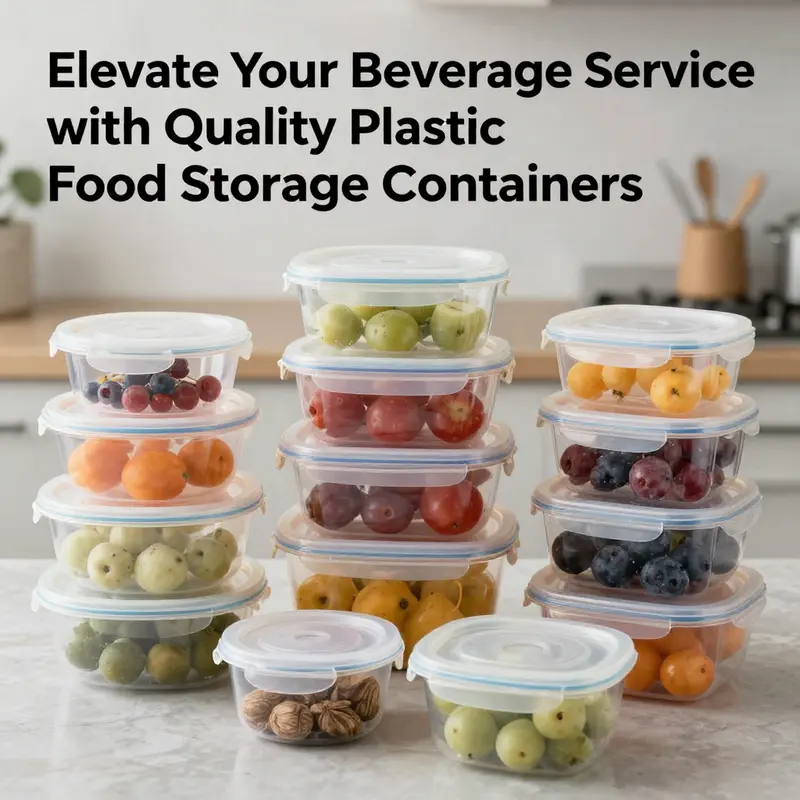
In the competitive food service industry, having the right storage solutions is essential. For bubble tea shops, restaurants, food trucks, catering services, and event planners in Utah, plastic food storage containers with lids provide both functionality and convenience. These containers meet various needs—from storing ingredients to transporting prepared meals—offering businesses a reliable and cost-effective way to manage their operations. This article delves into the wholesale market for these containers in Utah, exploring supplier options, product specifications, economic impacts, and crucial regulatory compliance that must be considered. By understanding these elements, businesses can make informed decisions that enhance their service delivery and support operational efficiency.
From Shelf to Service: Navigating Utah’s Wholesale Market for Plastic Food Storage Containers with Lids
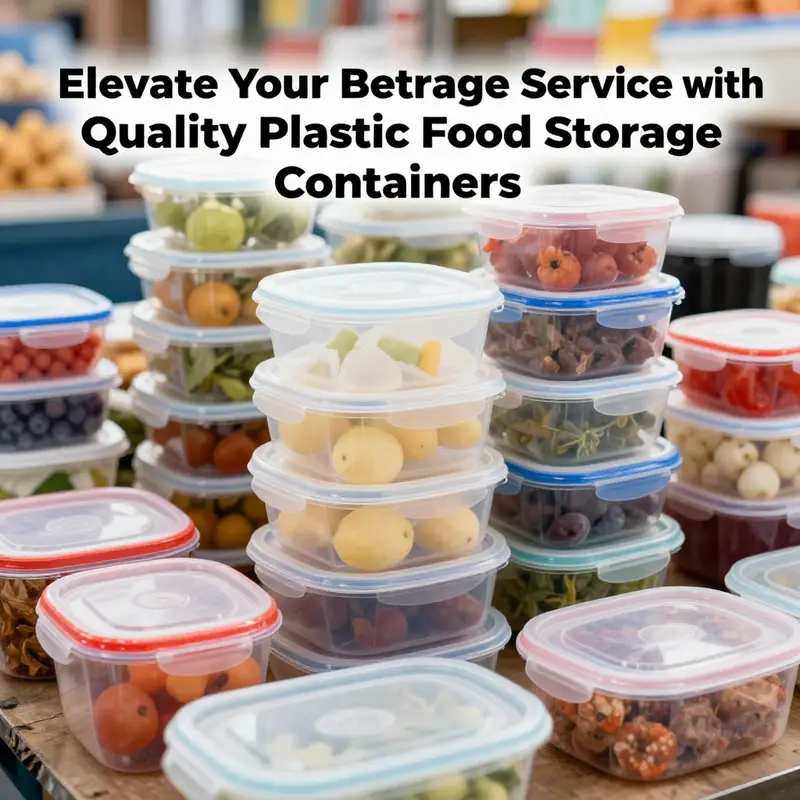
Utah’s wholesale market for plastic food storage containers with lids sits at the crossroads of national packaging trends and regional commerce. The state’s unique blend of growing urban centers, a thriving food-service sector, and a consumer culture oriented toward convenience makes it a focal point for wholesalers and end users alike. In practice, Utah’s market reflects broader shifts in the American plastics packaging industry, where demand for durable, leak-proof containers that preserve freshness intersects with the realities of distribution, inventory management, and rapid fulfillment.
Two primary demand drivers shape the landscape. First is the rising preference for convenience among time-strapped households and professional kitchens. Ready-to-eat meals and batch-prep solutions have become standard practice for families and businesses alike. Plastic containers with reliable lids are not merely storage tools; they are enablers of a streamlined workflow. They allow batch-prepped meals to be sealed, labeled, and organized for refrigeration or transport, reducing spoilage and confusion during busy service hours. The lid, often simplified to a secure snap or twist mechanism, is the linchpin in preventing leaks during transit and in preserving flavors, textures, and moisture profiles across multiple handling stages.
Second, the expansion of food service and takeout in Utah reinforces a steady demand for containers that travel well from kitchen to customer. Casual dining, quick-service concepts, and burgeoning delivery ecosystems rely on reliable packaging that can withstand stacking, cold-chain fluctuations, and the rigors of last-mile delivery. For operators, the value proposition hinges on durability combined with affordability, enabling large-volume purchases that keep unit costs low without compromising performance. In practical terms, this means a preference for shapes and lids that optimize space in stacking and transport while resisting deformation under pressure and temperature shifts.
Broadly, the U.S. packaging environment exerts a strong pull on Utah’s wholesale activity. The global plastic food container market has shown sustained growth, with substantial demand in North America driven by e-commerce, food-service diversification, and evolving consumer lifestyles. In the United States, the packaging sector benefits from ongoing shifts toward convenience and segmented consumption patterns, which in turn encourage wholesalers to standardize product lines, improve fill rates, and offer consistent pricing across seasonal peaks. Utah retailers and food-service buyers thus operate within a wider ecosystem where suppliers compete on a mix of quality assurance, lead times, and total cost of ownership rather than solely on sticker price.
Product design remains central to value in wholesale transactions. The market rewards containers that deliver multiple functional benefits: robust sealing lids that minimize leakage, clear bodies for quick visual inventory checks, and stackable geometries that optimize kitchen and warehouse space. Innovations tend to be incremental—stronger seals, clearer plastic for visibility, and more versatile lids that fit a wider range of volumes. Sustainability continues to influence design decisions, with manufacturers exploring recyclable materials and designs that ease recycling processes. Yet the practical reality remains: plastics offer a compelling combination of lightness, moisture resistance, and cost that sustains their dominance in Utah’s wholesale channel, even as buyers demand more sustainable packaging formats.
This ongoing tension between performance and sustainability shapes procurement behavior. For wholesalers and buyers, the question is how to balance upfront costs with lifecycle value. A container that lasts longer in cold storage or survives repeated use can yield meaningful savings by reducing waste, improving inventory turns, and lowering replacement rates. In a market like Utah, where food service and meal-prep activities are tightly linked to daily operation cycles, reliability translates into measurable improvements in service quality and customer satisfaction. It also underpins stronger supplier relationships, because predictable performance reduces the need for urgent reorders and quality disputes during peak periods.
Supply-chain dynamics in Utah favor a pragmatic blend of local and national sourcing. Regional distributors close to Utah’s major population centers provide immediate access to commercial-grade storage solutions and related equipment. Local access translates into shorter lead times, more predictable logistics, and easier returns when needed. This proximity is particularly valuable for operators who must respond quickly to changing demand, seasonal menu shifts, or marketing campaigns that require consistent packaging stock. At the same time, more specialized or customized orders—such as containers tailored to particular product lines or branding requirements—often move through manufacturers equipped with injection molding capabilities and rapid prototyping. These facilities can produce custom configurations with tighter tolerances and branding elements, though at a higher price point and longer lead time. The balance between stock, speed, and customization becomes a strategic decision for Utah buyers planning for both routine operations and promotional bursts.
Procurement decisions in Utah are guided by a set of practical considerations. Material safety is paramount. Food-grade plastics that comply with safety standards ensure consumer confidence and mitigate regulatory risk. The choice among resin families, barrier properties, and finishes affects performance in different storage environments—from freezer to microwave-friendly use—while meeting safety and regulatory expectations. Seal quality and lid design are also critical, determining leakage resistance and ease of use. A robust seal reduces cross-contamination risk and helps preserve product quality, a factor that resonates with food-service operators and households that portion meals in advance. The ability to withstand temperature fluctuations, while maintaining structural integrity during stacking and transport, is another key criterion for wholesale buyers who manage large inventory pools.
Another important factor is storage efficiency. The nesting and stacking behavior of containers influence warehouse layout and pantry organization. Uniform shapes reduce the complexity of inventory management and facilitate faster restocking, which is crucial for high-volume venues where downtime translates into lost revenue. In parallel, the packaging ecosystem increasingly emphasizes end-of-life considerations. Although plastic remains integral to many workflows, buyers are drawn to options that blend durability with recyclability or recycled content, aligning with broader sustainability goals pursued by businesses and municipalities alike. For wholesale buyers in Utah, these considerations are evaluated against the price-performance matrix, with value defined not merely by the lowest unit price but by the total cost of ownership across the container’s lifecycle.
From a market perspective, Utah’s wholesale activity tracks with national growth trajectories. Industry analyses project steady, incremental expansion driven by ongoing demand in food-service channels and continued consumer emphasis on convenient storage solutions. While Utah-specific data can lag behind broader industry metrics, the state’s proximity to national trends provides a reliable guide for wholesalers and buyers. This alignment also supports a practical rule of thumb: in a resilient market, flexibility matters. Buyers who maintain a broad supplier network, maintain safety-compliant stock, and plan for seasonal variability are better positioned to secure stable supply during peak periods and to weather price fluctuations.
A forward-looking thread in Utah’s market is the increasing interest in customization. Branded or logoed containers for restaurant groups, caterers, or events signal a convergence of functional packaging and marketing. The ability to align packaging with brand identity while maintaining performance adds a differentiated layer to wholesale negotiations. For Utah buyers, this translates into scalable production capabilities that can accommodate both modest pilots and larger rollout campaigns. The result is a dynamic, responsive marketplace where traditional plastic storage solutions coexist with evolving formats and branding opportunities, all shaped by the needs of a diverse customer base.
Ultimately, the Utah landscape for plastic food storage containers with lids thrives where convenience meets reliability and where the supply chain sustains swift, predictable fulfillment. The interaction of a growing food-service sector, a culture of home meal preparation, and an established distribution network creates a resilient wholesale market. Insights drawn from broader market analyses suggest this segment will continue to mature, driven by ongoing advances in material science, design optimization, and manufacturing efficiency. For buyers, the prudent path is to cultivate relationships with local distributors while remaining agile enough to engage with manufacturers for specialized, scalable needs. The result is a procurement posture that emphasizes quality, consistency, and adaptability across Utah’s diverse culinary and consumer landscape.
For packaging formats that blend durability with cost-effectiveness, many buyers also explore kraft-paper-based options such as wholesale-custom-print-kraft-paper-food-storage-salad-noodle-bowl.
External perspectives on the broader market reaffirm that plastic packaging remains essential to modern commerce, with steady growth anticipated as brands and retailers optimize supply chains, sustainability, and consumer convenience. A comprehensive industry overview offers deeper validation of the Utah experience, illustrating how regional markets participate in global dynamics and how continued innovation supports reliable, scalable packaging solutions across diverse channels. External resource: https://www.grandviewresearch.com/industry-analysis/plastic-packaging-market
Sourcing at Scale: Utah’s Wholesale Path to Safe, Durable Plastic Food Storage Containers with Lids
The Utah market for wholesale plastic food storage containers with lids sits at an intersection of practicality, regulation, and supply-chain logistics that few buyers fully appreciate until they face the daily demands of a bustling kitchen, a growing catering operation, or an online food business. In this landscape, the need is not merely for a container that can hold leftovers or bulk ingredients; it is for a package that preserves quality, protects safety, and travels efficiently from factory floor to pantry, restaurant, or storefront. Utah buyers—ranging from independent cafés and meal-prep outfits to distribution centers serving multiple clinics or campuses—often approach procurement with a twofold aim: to secure materials that are reliably food-safe and to lock in pricing that scales with volume. The dynamic is further complicated by the realities of global supply chains, where the best value often comes from sourcing through established wholesale channels that can guarantee consistency in material, weight, and fit while offering options for branding and packaging customization. Against this backdrop, the most astute buyers do not treat containers as a one-off purchase; they cultivate ongoing supplier relationships that balance cost, compliance, and service—and they do so with a keen eye on Utah’s regulatory and logistical environment.
A core consideration in this process is material safety. The overwhelming majority of wholesale plastic food storage containers are manufactured from food-grade polypropylene (PP) or similarly robust, BPA-free formulations. The appeal of these materials lies not only in durability and microwave tolerance but also in their resilience under stacking, freezing, and hot-filled scenarios that are common in commercial kitchens. When a supplier highlights a product as BPA-free and food-grade, that label becomes a baseline expectation rather than a marketing boast. Buyers in Utah often pair this with a close look at third-party certifications and the supplier’s stated compliance with health and safety norms. While not every product carries every certification, a credible hierarchy emerges: containers that meet recognized food-contact regulations, and suppliers who can point to independent testing or certifications from reputable bodies. This reduces risk and supports a restaurant’s or distributor’s own quality-control standards, which in turn protects brand reputation as products pass through storage, prep, and service stages.
Beyond material safety, the dimensional integrity of wholesale containers matters deeply. The best options come from injection-molded processes that yield consistent wall thickness, accurate tolerances, and stable lids that seal without warping. In practice, this means a container and its lid pair not only stack neatly for efficient pantry use but also minimize the chance of leaks, spills, or cross-contamination during transport. In a wholesale context, these traits translate into lower return rates, less waste from damaged goods, and smoother fulfillment cycles for a buyer organizing dozens or hundreds of SKUs. The Utah buyer’s challenge, then, is to identify suppliers who can deliver this level of consistency at scale, especially when orders shift from tens to thousands of units per run.
Price and value are inseparable from this technical performance. Wholesale buyers learn quickly that unit costs do not stand alone; they are affected by packaging size, container geometry, and the number of SKUs a supplier can accommodate in a single production run. Volume discounts are common, and many suppliers tier pricing so that a 100,000-unit order, for example, unlocks a meaningful reduction compared to smaller purchases. The calculus for Utah operations, which may operate on tight margins in food-service or home-delivery contexts, is the durability-to-cost equation: how many uses will the container survive, and how many times can it return to service in a single day without sacrificing containment or safety? In practice, a well-structured wholesale program will offer multi-pack configurations, compatible lids, and the option for stackable designs that save storage space and reduce handling costs during restocking.
Another important thread in Utah’s wholesale fabric is customization. Many buyers seek not just a plain container but a branded or branded-ready packaging solution. This is where the ability to imprint logos, color identifiers, or reusable symbols on the lid or body becomes a strategic asset for restaurants, meal-prep services, and retailers. Customization can range from laser or pad printing to label-ready options that facilitate easy rebranding or seasonal campaigns. Crucially, suppliers who offer this service can coordinate with freight and production calendars so that branding does not derail delivery timelines. For a business aiming to maintain a consistent shelf-to-service flow, the integration of custom labeling within the same supply chain reduces complexity, eliminates the friction of coordinating a separate printer, and helps ensure that packaging aligns with marketing initiatives.
Logistics and lead times, of course, shape quarterly planning in Utah. Shipping costs, transit times, and the reliability of supply affect every procurement decision. The most dependable wholesale programs provide transparent quotations, realistic lead-time estimates, and flexible shipping options that fit regional distribution needs. Buyers should expect to negotiate terms that cover bulk discounts, freight terms, and potential replenishment cycles that respond to seasonal demand spikes. A practical approach is to build a procurement plan that accounts for buffer stock and reorder points, especially when dealing with multiple SKUs with varying production calendars. In this context, samples become more than a courtesy; they serve as a risk-reduction tool that helps buyers compare fit, seal integrity, and material feel before committing to a large order. Many suppliers provide sample programs, which can be invaluable for Utah-based buyers who must validate performance under local freezer, oven, or dishwasher cycles.
The interplay between sourcing strategy and supplier selection is where the Utah market shows its maturity. Global B2B platforms have become the backbone of supplier discovery, with a wide array of factories able to accommodate bulk procurement. Buyers often favor suppliers who can demonstrate consistent quality through verified feedback, a track record of on-time deliveries, and clear communication channels. In this setting, the role of due diligence cannot be overstated. Buyers in Utah who prioritize safety and reliability tend to favor partners who can attest to a robust quality-management system, reliable traceability, and transparent manufacturing practices that align with international food-contact standards. The practical upshot is a procurement relationship that reduces the operational volatility that can otherwise disrupt a restaurant’s service or a delivery business’s throughput.
To illustrate the breadth of options without anchoring to specific brands, consider a typical wholesale pathway. A buyer sources from manufacturers that produce a broad line of leak-resistant, stackable containers designed for meal prep and takeout. They evaluate the material composition, ensuring the product is BPA-free and compliant with applicable food-contact regulations. They examine lid design for airtight performance, ease of use, and compatibility with a range of temperatures. They confirm the ability to customize packaging with branding while maintaining clean, restaurant-ready aesthetics. They negotiate price breaks tied to order size and confirm lead times that mesh with their inventory scheduling. They request samples to verify fit and performance in their own kitchen environments and then, if satisfied, place a bulk order with a supplier who can support ongoing replenishment and preferred terms.
In seeking this stability, Utah buyers also begin to appreciate how wholesale containers fit into a broader packaging ecosystem. They often look for compatible secondary packaging and storage solutions that can be integrated with food service operations, catering flows, and e-commerce fulfillment. The packaging strategy extends beyond the container itself to consider labeling, seal integrity, and even the recyclability of the packaging after its lifecycle. A careful assessment of these factors helps ensure that the procurement choice supports sustainability goals as well as operational efficiency. When buyers view containers as part of a system rather than as isolated items, they gain insights into cost-per-use, waste-reduction opportunities, and the potential for longer-term supplier partnerships that deliver both performance and predictability.
For Utah-based operations exploring the wider packaging landscape, one avenue for broader compatibility is to examine the ecosystem around versatile, disposable-to-reusable packaging formats that can be employed across different service models. While plastic storage containers with lids are the core focus, many buyers also consider complementary packaging options that serve takeout, meal-prep, and in-store display needs. The goal is a cohesive packaging suite that reduces the friction of choosing multiple suppliers and simplifies replenishment. To tie this concept to a concrete example in the packaging space, you can explore wholesale offerings that pair with branded, logo-ready paper storage bowls and other paper-based containment solutions. This approach supports mixed-material strategies where plastic containers handle bulk storage and prep, while paper-based solutions meet display or single-use service requirements. See for yourself how these components can be integrated in a wholesale framework by visiting the wholesale-custom-print kraft paper food storage salad noodle bowl offering, which demonstrates how branding and packaging design can be harmonized across material types while preserving procurement simplicity: Wholesale Custom Print Kraft Paper Food Storage Salad Noodle Bowl.
Ultimately, Utah buyers who succeed in this space do so by prioritizing reliability, safety, and scalability. They build procurement plans that account for the realities of global manufacturing—where factory schedules, shipping lanes, and regulatory changes can influence delivery. They maintain a steady dialogue with suppliers, validating product specifications, confirming compatibility with their existing storage and service workflows, and preparing contingency options should demand shift unexpectedly. They also recognize that packaging decisions ripple through the entire business model: from kitchen workflow and inventory control to customer perception and post-purchase experience. When done well, sourcing plastic food storage containers with lids wholesale in Utah becomes a strategic discipline rather than a series of transactional bets. It yields a packaging suite that protects food quality, supports efficient operations, and reinforces a brand’s reliability in a competitive market.
External reference: https://www.alibaba.com/product-detail/1-35-litre-food-grade-square-plastic_1600789491659.html
Bulk, Safe, and Stackable: The Quiet Anatomy of Wholesale Plastic Food Storage Containers with Lids in Utah
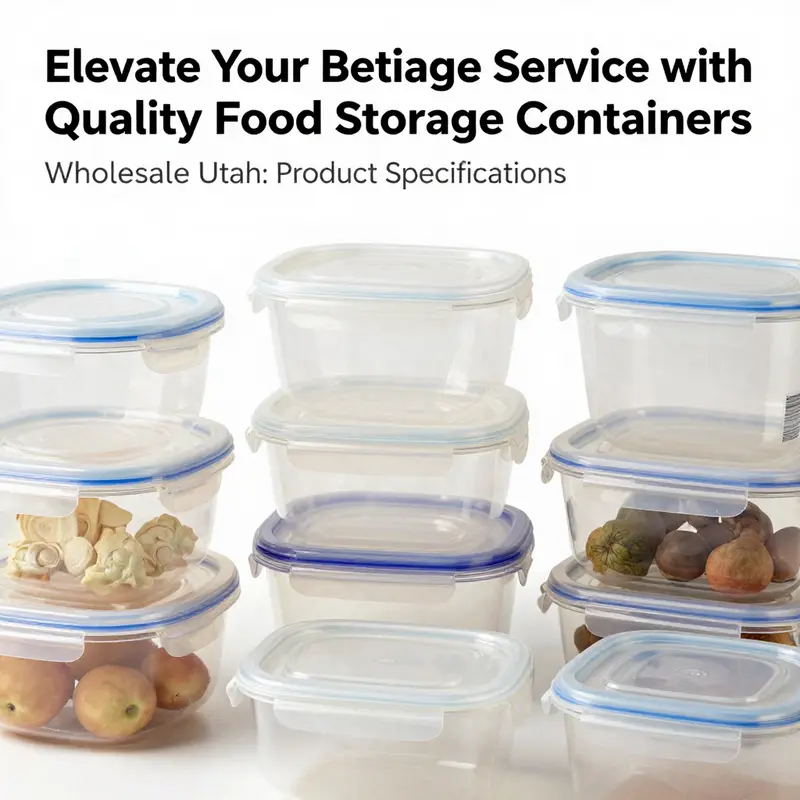
In Utah’s wholesale landscape, plastic food storage containers with lids sit at the intersection of practicality and safety. They are not just vessels for dry goods or leftovers; they are components of a carefully choreographed supply chain that feeds kitchens, cafeterias, micro-restaurants, and large retail operations. Plateaus of demand emerge where bulk purchasing intersects with regulatory assurances, where every lid click signals a commitment to freshness, aroma containment, and orderly storage. The state’s buyers—whether they are a school district with a rotating meal program, a catering service planning for a busy week, or a warehouse club stocking bulk staples—seek containers that combine reliability, safety, and scalable design. In this context, the choice of material, the architecture of the lid, and the precision of the seal become pivotal rather than peripheral details. A container is measured not only by how well it holds a product but by how predictably it preserves quality across days, how easily it stacks in a crowded cabinet, and how confidently it travels through the logistics network from supplier to shelf to service counter.
Material choice underpins this confidence. The predominant options—polypropylene (PP), polycarbonate (PC), and glass—reflect a spectrum of properties that matter in bulk procurement. PP offers lightness and fatigue resistance, which translates into manageable handling for large orders. PC provides clarity and toughness, which is valuable when visibility of contents matters in stock rooms or before a busy service shift begins. Glass, especially in tempered or reinforced forms, offers a temperature tolerance and a scent-neutral profile that some operators prize for long-term storage. Across these materials, safety takes center stage. The strongest lines of defense come from BPA-free formulations and the broader push toward recyclable plastics. In a market like Utah’s, where institutions increasingly demand traceable safety practices, labeling becomes as important as the container’s shape. Suppliers emphasize certifications and compliance marks that reassure buyers about food-contact safety and environmental responsibility. The trend toward food-grade materials is not cosmetic; it is a business-critical attribute that supports audits, daily use, and consumer confidence across many channels.
Design and sealing are where form meets function in the most visible way. Lids come in a variety of configurations that align with different use cases and handling workflows. Clear lids, for instance, enable quick visual checks of contents during inventory cycles or meal prep, reducing the time staff spend opening containers to confirm what lies inside. Snap-on lids offer straightforward, tool-free closure, a feature that matters in high-turn environments where speed must not compromise safety. Push-button or vacuum-sealed lids tilt the balance toward airtight performance, crucial for preserving freshness and blocking both moisture ingress and odor escape. Hinged lids provide a blend of easy access and secure containment, especially useful for mid-shift tasks that require frequent access to stored items without losing the seal. For glass jars within mixed storage systems, screw-on metal caps widely deliver a different category of seal, often chosen for its ruggedness and high-clarity aesthetics in premium applications.
Airtight and vacuum-sealed designs dominate in settings where moisture control and aroma management are essential. The ability to reduce gas exchange helps maintain crisp vegetables, preserve dry goods, and extend the viable life of prepared meals. These sealing strategies are not mere features; they are operational imperatives in environments where spoilage represents both a cost and a risk. The shapes available—square, rectangular, round, and circular—serve different stacking and space-utilization needs. Square and rectangular containers maximize cabinet real estate, enabling more uniform rows and predictable restocking. Round options, meanwhile, fit certain kitchen workflows or display contexts where visibility and gesture-free pouring are valued. Stackability is a recurring theme in wholesale purchases, translating into reduced warehousing space and faster pick-and-pack operations. The upshot is that a container is judged not only by what it holds but by how it behaves when the shelves are reorganized, when bulk orders are consolidated, or when a new line of products must be integrated into an existing storage system.
Capacity is another axis of measurement. In wholesale channels, buyers expect a broad spectrum—from small 30–50 milliliter units suitable for spices or medication storage to mid-range capacities around 500–1000 milliliters for pantry staples or ready-to-serve portions. Large formats, extending to 15 liters or more, address bulk storage needs, such as large quantities of grains, snacks, or batch-prepared ingredients. This range supports a single supplier’s ability to satisfy a variety of customers—from independent cafés to multi-site food programs—without forcing them to juggle multiple SKUs. The practicality of such scalability hinges on consistent wall thickness, uniform lid tolerances, and compatible sealing profiles. When a buyer orders in bulk, they expect predictable performance across batch lots, with each container meeting the same standards for fit and finish. In this sense, the wholesale proposition is not simply about volume; it is about harmonizing dimensions, materials, and closure performance so that every lid snaps as cleanly as its predecessor and every container stacks with the same ease on day one and day one thousand.
Certification and safety narratives loom large in Utah’s procurement decisions. Suppliers often carry credentials indicating adherence to safety and quality benchmarks that buyers rely on for compliance audits and regulatory reviews. Typical assurances include FDA recognition for food-contact safety, ISO standards that frame quality management, and HACCP-oriented controls that map out risk assessment and critical control points. In addition, many offerings highlight cosmetic or environmental certifications, CE/EU marks where applicable, and traceable supply-chain practices such as supplier audits and responsible sourcing commitments. For buyers, these certifications translate into concrete risk reduction: they simplify supplier qualification, shorten vetting cycles, and provide a verifiable trail for end customers who ask, directly or indirectly, about product provenance and safety. In markets like Utah, where procurement often spans education, healthcare, and hospitality sectors, the blend of material safety, packaging integrity, and sustainability credentials becomes a compact specification sheet that guides every purchase decision.
Customization rounds out the wholesale proposition. For brands and institutions that want storage solutions to reflect identity or operational needs, original equipment manufacturer (OEM) and original design manufacturer (ODM) pathways open the door to branded lids, specific color codes, or printed labeling. Customization can extend to lid texture, insert features such as measurement marks, and even modular interfaces that align with existing stackable systems. The capability to tailor packaging not only supports branding but also streamlines operations. For example, color-coded lids can help kitchen staff differentiate allergens or meal types at a glance, while etched measurement lines on the sides of containers reduce the need for separate measuring tools. In a wholesale context, such customization is often offered with scalable minimums, allowing a broad network of buyers to achieve a unified look and a uniform user experience while still benefiting from bulk pricing.
The Utah commercial environment also influences how wholesale packaging is evaluated and sourced. Buyers frequently weigh total-cost-of-ownership rather than unit price alone. Durability, reusability, and the ease of cleaning and sanitizing become practical criteria, especially in institutions that run tight schedules and high guest volumes. A program with a well-aligned supplier can reduce downtime caused by damaged lids or ill-fitting seals. It can also shorten restocking times, thanks to consistent packaging geometries that integrate smoothly with existing storage racks and transport trolleys. In such a setting, the physical properties of the containers—tolerances in lid dimensions, the pliability of the gasket material, and the uniformity of closure mechanisms—translate into measurable gains in throughput and reduced product damage. The broader takeaway for Utah buyers is simple: when storage containers work as designed, kitchen operations run more smoothly, and the day-to-day stress of inventory management drops noticeably.
To illustrate the broader ecosystem around wholesale storage, it helps to acknowledge the spectrum of related packaging options that accompany food storage needs. While plastic containers with lids dominate many bulk procurement programs, other formats—such as kraft paper storage bowls and related disposables—play a role in branding and secondary packaging strategies. For example, wholesale custom print kraft paper food storage salad noodle bowl offers an alternative packaging modality that complements plastic solutions in mixed-material programs. This reflects a strategic approach in which operators diversify packaging formats to balance cost, sustainability, and customer experience. The link below directs to a resource that outlines this broader packaging approach and demonstrates how packaging formats can be aligned with branding goals while meeting practical storage needs: wholesale custom print kraft paper food storage salad noodle bowl.
As buyers in Utah navigate this landscape, the decision matrix evolves beyond mere containment. It becomes a holistic assessment of how storage systems support workflow efficiency, regulatory compliance, and sustainability commitments. The choice of material informs recyclability and end-of-life considerations; the lid design informs ease of use and seal reliability; the shape and size influence space planning in warehouses and kitchens. Collectively, these attributes shape not only a supplier’s appeal but also the long-term performance of a storage program. A well-chosen line of wholesale containers can seamlessly integrate into day-to-day routines, enabling staff to locate, access, and repurpose contents with minimal friction. In turn, this reduces waste and improves accountability across inventory and meal preparation processes. It is in these quiet, often overlooked details that the practical value of wholesale plastic storage solutions—especially in a dynamic market like Utah—becomes evident.
The narrative of wholesale plastic food storage containers with lids in Utah thus rests on three pillars: safety and materials, reliable sealing and thoughtful lid design, and the capacity to scale across diverse operations. When these pillars align, a simple plastic container becomes a dependable backbone for food storage, back-of-house logistics, and consumer trust. The ongoing evolution of packaging technology—driven by stricter safety standards, evolving consumer expectations, and broader sustainability goals—will continue to shape how bulk buyers select, customize, and deploy these containers in the state. In the end, the best choices are those that blend predictable performance with flexible design, allowing kitchens and warehouses to adapt as needs shift without sacrificing safety or efficiency. This is the core advantage of wholesale plastic storage solutions: the ability to move quickly, store reliably, and seal in freshness across a spectrum of everyday operations in Utah.
External resource: https://www.alibaba.com/product-detail/1-35-litre-food-grade-square-plastic_1600789491659.html
From Warehouses to Worktables: The Economic Pulse of Wholesale Plastic Food Storage Containers with Lids in Utah
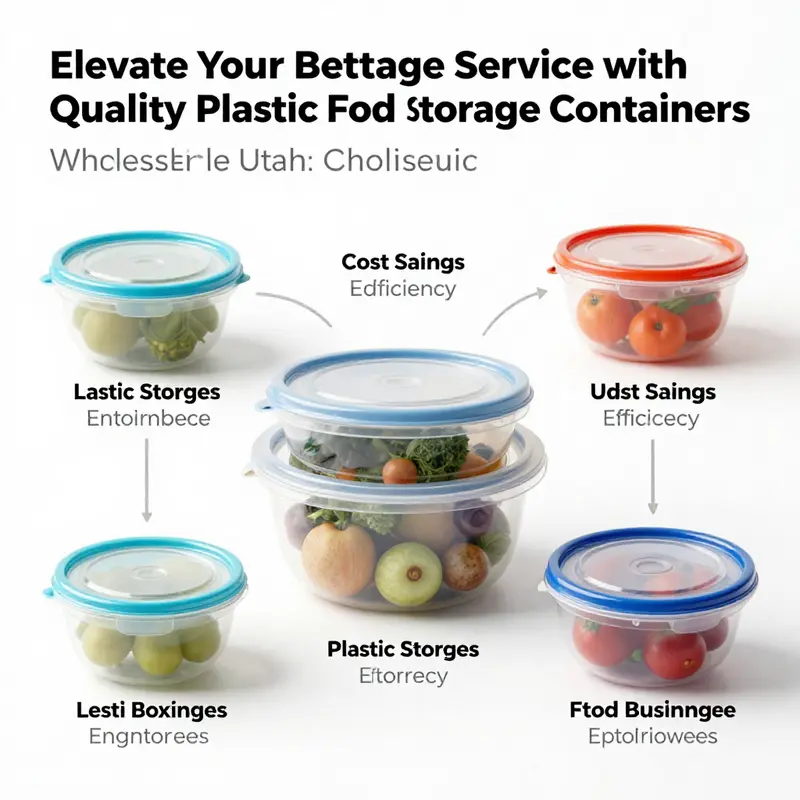
Utah’s wholesale landscape for plastic food storage containers with lids operates at the intersection of efficiency, safety, and entrepreneurial energy. The story of these containers in Utah is not merely about packaging; it is a window into how a regional economy mobilizes supply chains, supports small businesses, and adapts to evolving environmental expectations. In this chapter, we weave together the threads of logistics, local business ecosystems, and sustainability pressures to reveal how a seemingly modest commodity can exert a wide-reaching economic influence across the state.
Across Utah, wholesale distributors anchor a chain that links manufacturers, carriers, and end users—from small family-run eateries with limited storage space to mid-sized catering outfits and rapid-service concepts that rely on predictable stock availability. The value proposition in wholesale is not only the price per unit but the reliability of supply, the standardization of packaging, and the ability to tailor solutions to branding and workflow needs. When a restaurant or a meal-prep operation orders in bulk, the benefits ripples outward: fewer supplier trips, reduced handling costs, and a steadier cash flow that helps these businesses weather seasonal ebbs and market fluctuations. The local employment implications extend beyond warehouse staff and drivers: sales teams, inventory planners, quality assurance personnel, and even graphic or labeling specialists collaborate to keep shelves stocked and orders accurate. In a state with a growing population and a vibrant food scene, the wholesale channel acts as a backbone for operational resilience.
The local supply chain in Utah is shaped by geography, infrastructure, and a regulatory ethos that emphasizes safety and efficiency. Utah’s distribution hubs are often positioned near major corridors, enabling faster replenishment for retailers, food service operators, and even home-based food producers who operate on a small but steady scale. The logistics ecosystem benefits from investment in warehousing technologies, streamlined customs and compliance for cross-border shipments, and the steady demand generated by a diverse food service sector. When wholesalers optimize routing and consolidate shipments, transportation costs fall and lead times shrink. That translates into lower unit costs for buyers—costs that can be decisive for budget-conscious restaurants or multi-unit operators expanding into Utah or sourcing from local distributors.
For many small businesses, the economics of these containers extend beyond the sticker price. A bulk purchase often comes with longer payment terms, predictable delivery windows, and consistency in container dimensions that simplify storage, portioning, and cold-chain management. This consistency reduces waste, improves inventory control, and supports better food safety practices. In a market where spoilage rates directly influence margins, the predictability of a reliable packaging supply becomes a strategic asset. The ability to select lids that seal tightly, stack securely, and resist cracking under varying environmental conditions minimizes spoilage and protects both product quality and brand reputation. In practice, these advantages create a virtuous circle: cost savings from bulk procurement enable operators to reinvest in core capabilities—recipe development, staff training, and equipment upgrades—that further enhance service quality and customer loyalty.
The competitive dynamics of Utah’s wholesale packaging market push providers toward smarter product design and more nuanced service offerings. When wholesalers compete aggressively on volume, they must also deliver on quality and customization. Customization can include features such as tamper-evident seals, labeling options, and compatibility with existing storage systems. The broader trend toward eco-friendly and recyclable packaging adds another layer of strategic decision-making. Many buyers now seek packaging that aligns with sustainability goals, even at the wholesale level where margins are tight. Wholesalers respond with ranges of containers designed for recyclability, or at least with materials that can be diverted from landfills through state-approved recycling streams. This shift toward sustainability imposes both opportunities and costs: opportunities to differentiate through responsible product lines and costs tied to material sourcing, certification processes, and potential process modifications in manufacturing and logistics.
Market data and qualitative insights from Utah’s wholesale sector suggest that volume discounts are a primary driver of price competitiveness. When an order surpasses higher thresholds, unit costs can drop substantially, enabling buyers to achieve economies of scale that support broader procurement strategies. This pricing dynamic is not purely transactional; it influences procurement planning, supplier evaluation, and even the pace at which new operators move from trial purchases to regular, multi-month replenishment cycles. In practical terms, a small café that scales into a delivery model benefits from the same volumetric incentives as a large chain, with the added advantage that local distribution timeframes can be shortened, further stabilizing operating budgets.
A parallel thread in Utah’s packaging economy is the alignment with regulatory expectations and consumer sentiment around sustainability. The global push toward recyclable plastic packaging has found a receptive audience among Utah’s manufacturers and wholesalers, who must balance material performance with end-of-life considerations. In a market where customers increasingly ask for transparency about materials and processes, wholesalers that can articulate a credible sustainability story gain credibility with end users, including restaurants and retailers who must meet corporate social responsibility targets. The transition toward more sustainable options is not without friction. Short-term costs arise from upgrading to new materials, retraining staff, and potentially adjusting machinery or molds to accommodate different resins or thicknesses. Yet the long-range payoff can be meaningful: improved brand alignment with eco-conscious consumers, clearer compliance pathways, and enhanced access to markets that reward responsible packaging choices.
The economic milieu of Utah’s wholesale scene also reflects a broader supply-demand cycle that intersects with the broader U.S. plastics and packaging industries. National trends—such as consolidation among large distributors, the push for customization, and heightened emphasis on circular economy principles—shape local decisions. For Utah-based operators, maintaining competitiveness means combining scale with nimble, customer-centric services. They invest in forecasting, inventory optimization, and digital ordering platforms that reduce friction for buyers who need to adjust orders quickly in response to changing menus, seasonal promotions, or new regulatory requirements. The result is a dynamic, responsive market where lenders, suppliers, and buyers notice the reliability of supply chains as much as the price per unit.
Beyond the numbers, the real-life effects of this wholesale activity can be seen in how Utah’s food-service ecosystem functions. Take, for instance, the way meal-prep businesses, catering services, and pop-up concepts rely on a steady feed of containers with secure lids to prevent contamination and preserve freshness during transportation. The cost-per-use aspect matters, particularly for operators who operate on thin margins and need predictable packaging expenses to plan menus and service formats. The wholesale channel also enables upstart entrepreneurs to test concepts with minimal upfront investment in packaging infrastructure. By providing access to a range of container sizes, lid designs, and stacking configurations, wholesalers lower the barrier to entry for new ventures. In many cases, this accessibility translates into more diverse dining options for Utah residents and visitors, strengthening the local economy’s resilience through entrepreneurship.
There is also a clear linkage between packaging choices and the broader environmental and regulatory landscape. As municipalities and states introduce more stringent waste reduction targets, wholesale suppliers in Utah can act as catalysts for smarter consumption patterns. They can steer demand toward reusability, recyclability, and compatible recycling streams. This alignment helps businesses illustrate responsible procurement without sacrificing performance. In practical terms, it means that wholesalers who stay ahead of the sustainability curve are better positioned to win bids from multi-unit operators and institutions that require standardized, compliant packaging across locations.
To illustrate how these market realities play out in procurement conversations, consider the role of customization and branding in wholesale orders. Some buyers seek containers that can bear logos, production codes, or batch information for traceability. Wholesalers that offer customization options, even at scale, can help brands maintain consistency across locations and ensure that product handling aligns with food safety standards. The ability to add branding without compromising seal integrity or stackability can be a decisive factor when a buyer compares suppliers. The practical implications are straightforward: when packaging supports efficiency, traceability, and branding, it strengthens a buyer’s competitive position and, by extension, the health of the local economy.
In a region such as Utah, where interstates connect markets and logistics networks span the western United States, the wholesale packaging sector benefits from cross-border flows of materials and products. The consistency of packaging standards across suppliers lessens the risk of supply disruption, which is particularly valuable for food-service operators that must consistently meet demand. While the base material’s cost remains a significant factor, the total cost of ownership—considering storage space, labor, waste management, and delivery reliability—often proves more influential in long-term purchasing decisions. When wholesalers strike the balance between price, reliability, and sustainability, they enable Utah’s food service ecosystem to grow more confidently, expand to new neighborhoods, and support a more vibrant culinary landscape.
As Utah continues to evolve, the wholesale market for plastic food storage containers with lids will likely adapt through a combination of scale efficiencies, material innovations, and smarter logistics. A stronger focus on circular economy practices—recyclability, the reuse of packaging components, and end-of-life solutions—will shape both product development and procurement strategies. The consequences are not merely environmental; they touch employment levels, investment in local warehousing, and the ability of small businesses to compete in a crowded marketplace. The economic impact, while diffuse and incremental, accumulates across channels to contribute to Utah’s broader economic vitality. The containers that once served as simple, utilitarian vessels now symbolize a layered value proposition—one that encompasses cost, reliability, safety, and sustainable practice—helping small operators scale and larger operators optimize.
For readers seeking a broader framework tied to industry-wide trends, the U.S. plastics industry trends and sustainability landscape offers valuable context. It foregrounds how packaging decisions influence waste streams, regulatory compliance, and corporate strategy across sectors. This external lens complements the Utah-specific view, highlighting how wholesale packaging markets can align with national trajectories while maintaining the local nuance that makes Utah unique. In this light, the story of plastic storage containers with lids in Utah becomes part of a larger economic narrative about how packaging choices shape business viability, worker opportunities, and community resilience. As the market continues to evolve, Utah’s wholesalers and buyers will likely navigate a path that emphasizes reliable supply, responsible stewardship, and continued adaptability to changing consumer and regulatory expectations.
Internal link for related packaging concepts: wholesale-custom-print-kraft-paper-food-storage-salad-noodle-bowl
External resource for broader context: https://www.plasticsindustry.org/research/trends-and-sustainability
From Compliance to Procurement: Navigating Utah’s Wholesale Market for Plastic Food Storage Containers with Lids
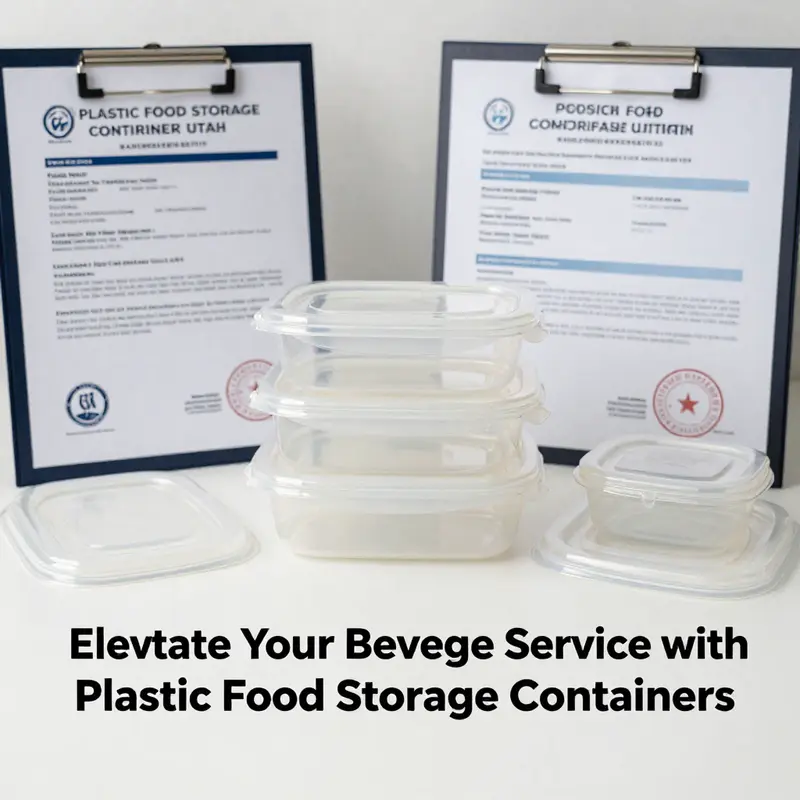
Utah’s wholesale market for plastic food storage containers with lids sits at a crossroad of efficiency, safety, and supply-chain discipline. Buyers in Utah do not simply chase the lowest price; they seek containers that perform under the conditions food businesses demand, while also aligning with federal rules and local expectations. In practice, that means a procurement strategy that blends regulatory literacy with a clear view of material science and supplier capability. The journey from factory floor to grocery shelf is not a straight line; it is a careful navigation of standards, certifications, and practical constraints that shape every bulk order.
At the heart of this navigation is the regulatory backbone governing food-contact plastics in the United States. The framework is anchored in federal rules that specify which materials may contact food and under what conditions migration of substances might occur. For wholesalers, manufacturers, and large-volume buyers, the essential expectation is verifiable food-grade certification from suppliers. Those certifications should be accompanied by evidence that the material is appropriate for the intended use and that any migration remains within safe limits for the foods it will touch. In Utah’s market, where retailers and service operators often place recurring, sizable orders, this documentation is not a luxury but a baseline requirement that reduces risk and accelerates decision-making.
Beyond the overarching FDA framework, specific applications call for additional standards and testing. If a container is intended for cold storage or freezing, it should demonstrate reliable performance at low temperatures; this is where standards such as ASTM F1506 are referenced to indicate low-temperature resilience. If a container may be used in a microwave, it must undergo appropriate microwave-safety testing, whether through UL, FDA-accepted processes, or equivalent third-party validation. The interplay of these standards becomes even more important for wholesalers who serve a spectrum of customers—from small catering outfits to large institutional kitchens—because each use case selects different performance criteria. The provider’s ability to supply documented evidence for these scenarios is a critical signal of reliability in a competitive Utah market.
Local considerations also shape the wholesale equation. While federal rules set the baseline, local health authorities in Utah may scrutinize the path from production to point-of-sale for reusable versus disposable containers, labeling requirements, and cleaning protocols. For retailers and food-service operators, the cost of noncompliance is high, not only in potential fines but in the reputational risk of supplying containers that fail under real-world use. The result is a habit of due diligence: requesting verifiable material safety data, third-party testing results, and declarations that align with RoHS and REACH requirements. In practice, this means buyers often ask for a package of documents from suppliers—complete material matrices, migration test results, and evidence of quality management systems that can trace every batch to a source.
Material choice matters as much as the certification trail. Among the most common polymers for food-contact storage containers are polypropylene (PP) and polyethylene terephthalate (PET). PP offers excellent heat resistance and remains stable up to temperatures around 130°C, making it suitable for microwave use in some scenarios and for dishwasher cycles in others. Its chemical inertness supports repeated reuse, a valuable trait for bulk purchasers who aim to maximize lifecycles and minimize waste. PET, by contrast, shines with transparency and strong barriers to gas and moisture, which can be advantageous for preserving the contents when clarity and visibility matter. Both materials are FDA-approved for food contact and fit common recycling streams, though recycling outcomes depend on local infrastructure and resin identification codes. For wholesalers, the choice between PP and PET is rarely about one being universally superior; it is about aligning the right material with the intended food type, expected temperature exposure, cleaning regimen, and end-of-life strategy.
The supplier’s capability often hinges on more than the raw material alone. A robust wholesale relationship requires a supplier that operates under ISO 9001 quality management principles, possesses FDA registration where applicable, and can provide a chain of traceability for each lot. Buyers should request complete MSDS/SDS documentation, third-party testing reports from laboratories such as SGS or Intertek, and declarations that the product complies with RoHS, REACH, and related international regulations. For Utah buyers, who frequently coordinate multi-site distribution, the ability to receive batch-specific documentation quickly is as important as the material’s performance. The procurement process, therefore, becomes a test of organizational rigor as much as a test of chemical compatibility.
From a practical standpoint, the wholesale pathway emphasizes scalable, predictable supply. Lead times must be understood and managed, and minimum order quantities aligned with inventory expectations. The best suppliers offer more than a price sheet; they deliver a protocol for quality assurance, a calendar of production cycles, and a responsive logistics network that reduces freight risk and ensures stable availability. Space planning for Utah warehouses also matters. Containers ordered in bulk require appropriate pallet configurations, protective packaging, and clear labeling that supports efficient unloading and inspection during receiving. When these logistical details align with consistent product performance, wholesalers can sustain competitive pricing without sacrificing safety or reliability.
Another thread in the wholesale tapestry is the possibility of customization. In many sectors—catering, cafeterias, schools—the ability to print or emboss logos, dates, or handling instructions on containers enhances brand identity and traceability. Suppliers that offer clear, tested processes for custom printing or labeling help buyers create value beyond the container itself. That said, customization often introduces additional quality checks and longer lead times, so it is essential to factor these into procurement planning and to confirm whether imaging methods affect the material’s safety profile or heat resistance. For Utah buyers, aligning customization with the intended use case—whether for a food-service program, a retail display, or a bulk storage solution—ensures that branding does not come at the expense of compliance or performance.
As part of the risk-management mindset, the environmental dimension also deserves attention. Reuse and durability reduce waste, but plastic containers ultimately reach end-of-life paths. Buyers should consider lifecycle implications, including recyclability and identification of the resin type. A responsible procurement approach includes clear communication about cleaning and reuse cycles, as well as guidance on how end users should dispose of containers. This is especially important in markets with ambitious municipal recycling goals, where container design and labeling can influence recycling rates. Even under wholesale dynamics, a thoughtful stance on sustainability strengthens supplier credibility and aligns with broader corporate responsibility objectives in Utah.
In this broader landscape, it is useful to acknowledge that wholesale buyers sometimes explore packaging options beyond plastic in parallel ventures, to inform risk diversification and supply flexibility. For example, retailers may experiment with wholesale custom-logo disposable kraft paper products for take-out contexts or secondary packaging applications where plastic is not strictly required. This diversification can help buyers respond to fluctuations in plastic supply, shifts in consumer preference, and evolving regulatory expectations. See wholesale-custom-logo disposable kraft paper soup bowl for a representative example of how packaging suppliers communicate wholesale branding capabilities in a similar marketplace.
The path to a sound wholesale decision thus depends on a blend of compliance, material science, supplier reliability, and strategic planning. Utah buyers who establish a documented framework for evaluating certifications, performance data, and supply chain resilience will typically outperform peers who rely on price alone. The framework begins with a clear understanding of the Food and Drug Administration’s principles for food-contact materials, continues through targeted performance testing for temperature and microwave use, and culminates in a procurement process that pairs backed documentation with transparent logistics and ethical environmental considerations. In practice, this means asking the right questions up front: What uses will the containers see? What temperatures will they endure? What cleaning regimens are expected? What documentation will the supplier provide for batch-level assurance? And how will we store and track the pieces once they arrive at Utah facilities?
For those who want to explore the breadth of wholesale packaging options within a safety-conscious and regulation-aligned framework, the landscape offers multiple pathways. A flexible supplier network can deliver consistent, compliant containers while also offering value-added services such as bulk printing, careful packaging for long-haul shipping, and responsive post-sale support. The result is a wholesale experience that stabilizes supply, protects brand integrity, and sustains quality from first order to repeat purchase.
External resource: https://www.fda.gov/food/food-contact-materials/federal-regulations-food-contact-substances
Final thoughts
In conclusion, the right plastic food storage containers with lids are essential for businesses in Utah’s food industry, from bubble tea shops to catering services. Understanding the market dynamics, supplier options, product specifications, economic benefits, and regulatory requirements is key to making informed procurement decisions. By prioritizing quality and compliance, businesses can enhance their operational efficiency and customer satisfaction. Investing in reliable storage solutions not only streamlines operations but also reinforces a commitment to food safety and sustainability in a competitive marketplace.