
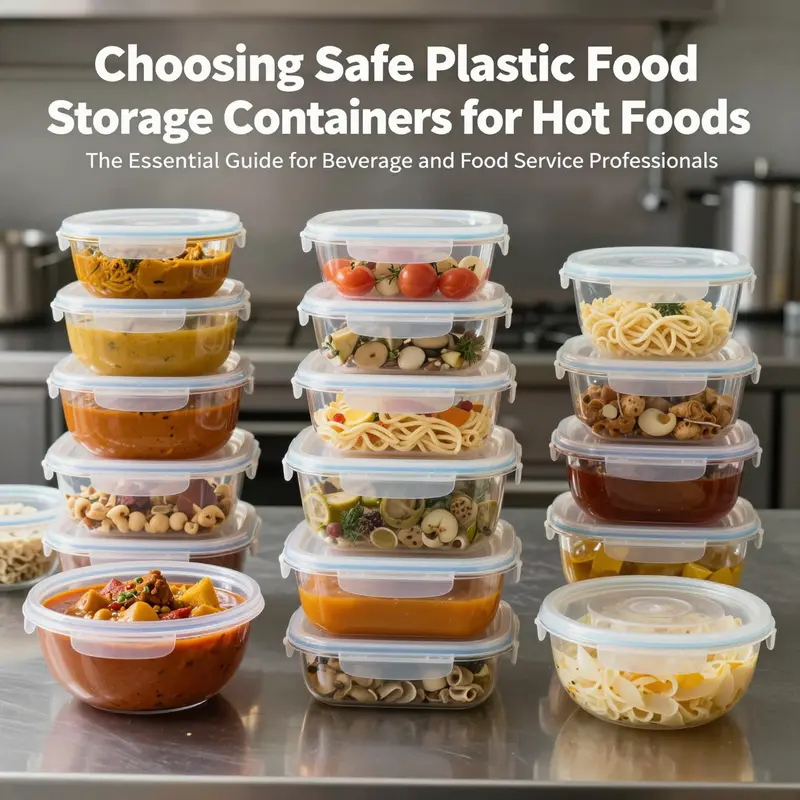
Selecting the right food storage containers is vital for ensuring the safety and quality of hot foods, particularly in the fast-paced environments of cafes, restaurants, and food trucks. Polypropylene (PP), identified by the recycling symbol ‘5’, is the gold standard for storing hot foods due to its high heat resistance and safety properties. In this guide, we will explore the key safety considerations, material comparisons, and practical uses of these containers, ensuring that business owners can make informed choices that prioritize their customers’ health and enhance operational efficiency.
Heat-Ready Plastics for Hot Foods: A Practical Guide to Safe Storing and Reheating
When you are faced with the need to store or reheat hot foods, the choice of container matters as much as what you put inside. Plastic offers convenience, but safety hinges on choosing the right material, understanding temperature limits, and following best practices that minimize chemical migration. This chapter moves through the landscape of plastic options with a steady focus on practical, everyday decisions that keep meals safe from the kitchen to the table. The journey begins with the simplest question: what plastic is truly safe for hot foods, and how can you tell?
At the core of safe hot-food storage in plastic is the material’s chemistry and the labeling that accompanies it. Plastics are not a single category, and not all plastics handle heat in the same way. The recycling symbol—a triangle with a number inside—acts as a shorthand guide to what the container is made from. Among these numbers, #5, which denotes polypropylene (PP), emerges as the one most generally considered suitable for hot foods and microwaving. PP can endure high temperatures in the lab and in consumer use. While the literature sometimes cites a broad upper limit, it is most practical to think of PP as a plastic that handles hot foods well—often cited in consumer-heat contexts as up to roughly 120°C (248°F) in everyday use, with some formulations and testing approaching higher thresholds in controlled environments. In any case, containers labeled as “food-grade” or specifically described as “microwave-safe” carry the implicit assurance that they have been tested for safe use with heated foods under typical conditions. Always check for these indicators on the packaging, and never assume safety based on appearance alone.
The distinctive safety advantage of PP lies not only in its heat tolerance but also in its chemical stability during short exposures to heat. When a container is labeled as food-grade and microwave-safe, the design and materials have been evaluated to minimize the leaching of undesired substances into food during normal use. This is particularly important when the food is hot, as heat can increase the likelihood of any migrating compounds moving from plastic into the meal. By contrast, other plastics—especially those with less robust heat performance—carry risks that they will soften, warp, or release substances when subjected to high temperatures. The contrast is not merely academic: it translates into everyday choices that affect taste, safety, and long-term health considerations.
In practical terms, the safe handling of hot foods in plastic hinges on two interrelated factors: the material itself and the way you use it. On the material side, the most reliable option for hot foods is PP, the plastic widely used for microwave-safe food containers. On the usage side, your handling habits—cooling hot foods before sealing, avoiding long storage at high temperatures, and ensuring the container is labeled for hot or microwave use—are equally critical. These steps work in concert to reduce the chances of deformation, migration, or other heat-induced changes in the container that could compromise safety.
A core warning is that not all plastics are equal when exposed to heat. The numbers #1 (PET), #6 (PS), and the broader family of #3, #2, #4, and #7 generally carry higher risks or are less appropriate for hot-food storage. PET is widely used for beverages and some single-use packaging, but it is not designed for repeated heating or hot-food contact and can deform at relatively modest heat levels. PS, commonly found in disposable takeout boxes and cups, can degrade and release styrene when heated. Other plastics in the broad family you might encounter in consumer packaging are often not recommended for hot foods because they are either not stable at high temperatures or are associated with substances that migrate under heat. The practical implication is straightforward: when hot foods are involved, the opt-in choice is PP with explicit microwave-safe and food-grade labeling, and even then, you should follow the recommended use guidelines.
Beyond the material, careful attention to labeling remains essential. A container may look sturdy and appear convenient, but without a clear “microwave-safe” symbol or a readable PP designation, you cannot rely on it for hot-food use. The labeling acts as a seal of safety that has been tested for consumer conditions, including microwaving. A label that explicitly states “microwave-safe” or “food-grade” reflects compliance with safety standards designed to protect your food and your health during heating. Conversely, there is a strong caution against using containers that do not clearly disclose their food-contact status. Even if something seems disposable or inexpensive, it is not worth the risk of chemical leaching or deformation when hot foods are involved.
A practical rule of thumb is to allow very hot foods to cool briefly before transferring them to any plastic container, even if that container is labeled as microwave-safe. The reason is twofold: first, very high surface temperatures can exceed the intended use range of some plastics, and second, rapid cooling helps prevent a sudden thermal shock that can warp the container or compromise its lid seal. This cooling step, while seemingly simple, plays a pivotal role in maintaining the integrity of the container and the safety of the stored food. It is a habit that aligns with broader safety guidelines issued by public health authorities and reflected in the research materials, including recommendations to avoid long-term storage of hot foods in plastic. The emphasis on cooling is not an exaggerated caution; it is a practical safeguard that reduces the likelihood of heat-related changes in the container and the potential migration of substances.
In the broader context of food storage safety, some consumers seek alternatives to plastic entirely. Glass, stainless steel, and ceramic containers offer excellent stability at high temperatures and do not pose the same chemical leaching risks associated with some plastics. If you value inertness and durability, these materials are strong contenders. Yet plastic retains a place for those who value lightness, cost-effectiveness, and convenience. For hot-food storage, the well-worn, science-backed guidance remains: if you choose plastic, polypropylene (PP) with explicit microwave-safe and food-grade labeling is the safest bet, and you should always let hot foods cool before sealing and storing.
Even with PP, there are limits to what is acceptable in practice. The rule against long-term storage of hot foods in plastic is an important one: prolonged exposure to heat, especially when fats and oils are present, can increase the migration of trace chemicals from the plastic into the food. Short-term reheating and immediate consumption tend to present far lower risks than prolonged storage. This nuanced understanding helps explain why some households may reheat in a container that is labeled for hot-food use but still should not keep the container in service for extended durations after a hot application. The consensus in the detailed research results is clear: use #5 PP containers specifically labeled for microwave or hot-food use, and favor glass or ceramic for long-term storage or repeated reheating cycles.
To translate these principles into everyday practice, consider the steps you can take with confidence. First, always inspect the recycling symbol and the labeling on any plastic container you plan to use for hot foods. If the container carries a #5 mark and a microwave-safe claim, you are operating within the most tested and recommended zone for plastic hot-food storage. If a container lacks labeling or carries a different plastic code, treat it as unsuitable for hot foods and look for alternatives. Second, when heating, vent lids if the design allows, and avoid tight-sealing plastic containers that trap steam and create extra pressure. Steam accumulation can stress the container lid and promote warping or leakage. Third, cool foods to a safer temperature before transferring them to plastic, and never reheat a cold container that has just been filled with very hot contents. The intent is not to complicate meal prep but to minimize risks inherent to heat-exposed plastics.
In practice, the choice becomes a balance between practicality and safety. If you need the convenience of plastic, PP remains the best-supported pathway for hot foods, with the caveats noted above. If your cooking style or health priorities favor a more inert option, glass or ceramic containers provide additional peace of mind by avoiding potential chemical migration altogether. And when you consider the packaging ecosystem beyond plastic, there are tasty compromises: using paper-based or fiber-based take-away or storage options for non-hot applications can reduce plastic exposure where appropriate, while reserving plastic for portions that truly require microwave reheating, always capped by mindful cooling and labeling. For readers who want to explore non-plastic options further, a look at kraft paper-based bowls and containers offers practical alternatives for certain take-out or meal-prep scenarios; for example, kraft paper bowls can be a sturdy, disposal-friendly option for cold or room-temperature offerings, and some options are designed to withstand brief warm-use conditions.
If you are curious about these kraft-paper alternatives, you can explore options like kraft paper bowls designed for take-out and storage, which provide a compostable or recyclable path for meals that do not demand microwaving or prolonged heat exposure. Kraft paper take-out bowls, with a variety of shapes and lids, can be a practical complement to a kitchen routine that values reduced plastic contact while maintaining the convenience of disposable serving ware. These options are particularly relevant for households and businesses seeking to optimize waste streams or align with sustainability goals, without compromising the safety and quality of hot-food handling when it is within the intended use of the container. For readers who want to consider such paper-based choices, a resource like kraft-paper take-out bowls showcases how packaging formats can align with both safety and environmental considerations, while still providing the practical benefits of a disposable or reusable serving and storage solution when applicable.
In closing, the overarching safety message remains consistent across the research: when storing or reheating hot foods in plastic, prioritize PP (#5) with explicit microwave-safe and food-grade labeling, follow the cooling and usage guidelines, and acknowledge the limits of prolonged heat exposure. If the situation calls for greater inertness or longer heat exposure, turn to glass or ceramic containers. The goal is not to eliminate plastic from kitchens entirely but to use it thoughtfully and safely, ensuring that the containers you choose are designed to handle hot foods and that they are used in ways that minimize risk. In this way, you can enjoy the convenience of plastic without compromising safety, and you can explore lower-impact alternatives when appropriate for your cooking and storage patterns. For readers seeking a practical comparison and a broader look at packaging options, remember that the right container is the one that aligns with your meals, your routine, and your safety priorities, while respecting the science behind heat, chemistry, and food contact.
External resource for further context: https://www.fda.gov/food/packaging-food-safety/food-contact-substances-fcos
null
null
Heat-Ready Polypropylene: The Practical Case for Safe, Hot-Food Plastic Containers
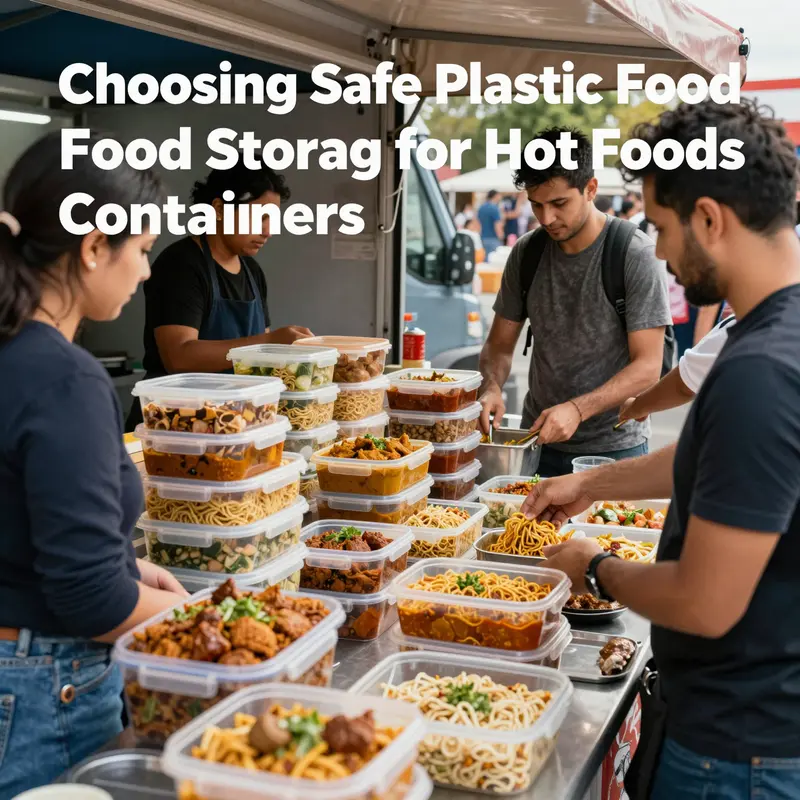
In modern kitchens, where time and efficiency often collide with safety, a single decision about the right container can ripple through morning lunches, weeknight dinners, and weekend meal prep. The core challenge is simple yet consequential: how to store, transport, and sometimes reheat hot foods without inviting unwanted risks or compromising texture and flavor. Amid the many plastics vying for a place in the pantry, polypropylene stands out as the most pragmatic ally for hot foods. It is not a glamour material in the way glass or stainless steel can be perceived, but its combination of heat tolerance, light weight, and broad compatibility with food safety standards makes it a quiet workhorse in kitchens that want convenience without compromise. When the goal is to handle hot foods reliably, PP offers a level of predictability that is hard to match in other common plastics. It is the material that, when properly used, makes the act of reheating, storing, and transporting leftovers both practical and safer than it would be with lesser heat-resistant options.
The appeal of polypropylene begins with its resilience under heat. Containers made from food-grade PP are typically designed to withstand temperatures up to roughly 100–120°C (212–248°F). That range matters because it covers the everyday needs of reheating leftovers and warming components of a meal directly in the container. For the home cook, this means soup can be warmed without transferring to a separate dish, rice and vegetables can be reheated with minimal moisture loss, and sauces can be brought back to a simmer within the container itself. Yet this capability is not a license to heat anything indiscriminately. The boundaries matter because PP, like all plastics, interacts with heat and food in nuanced ways. The label on the container, often marked with a microwave-safe symbol and a “5” or “PP” identifier, is not decorative. It is a pledge that the product has passed specific safety standards for contact with hot foods.
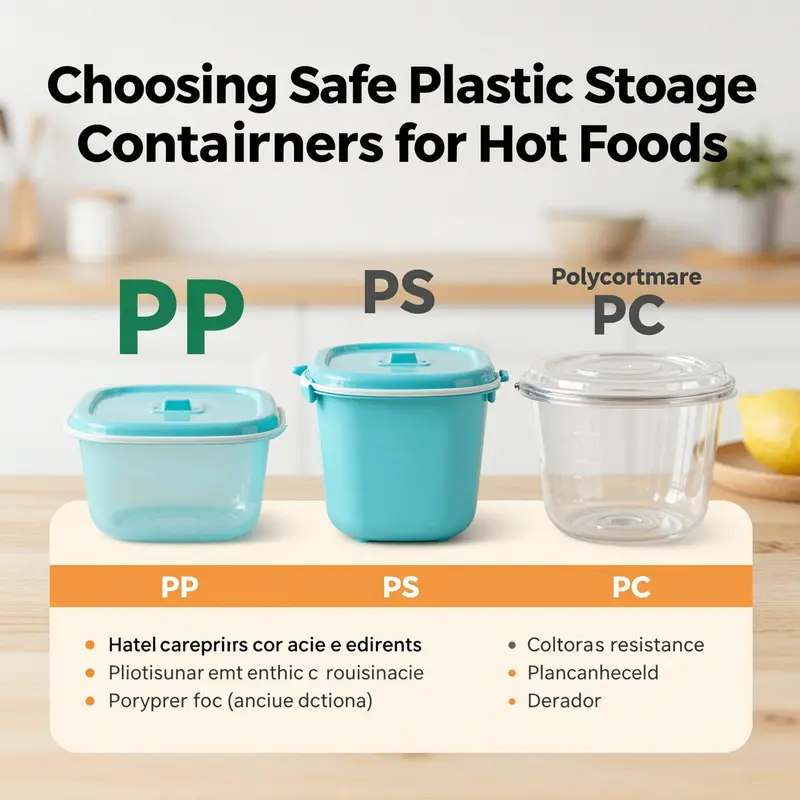
To understand why PP is the best-supported plastic for hot foods, it helps to reflect on its chemical stability under common kitchen conditions. Polypropylene’s crystalline structure resists significant deformation when exposed to typical reheating cycles. It can handle brief, controlled heat without warping, softening, or releasing unpleasant chemical odors. This stability is not universal across all plastics. Some materials will soften or warp with direct heat, others can migrate chemicals more readily, and a few have well-documented concerns around leaching when heated. The counterpoint to PP—plastics like polystyrene, which is frequently used for cheaper takeout boxes, and polycarbonate, flagged by many safety guides for potential BPA exposure—serves as a reminder that the choice of plastic matters not just for convenience but for long-term safety and peace of mind. In the practical kitchen, opting for PP means choosing a material whose reputation rests on repeated, predictable performance under heat, while still meeting food-safety expectations.
The path from material property to everyday practice is paved with clear safety cues. First, always read the label. A container marked as microwave-safe and identified as food-grade PP is not just a marketing line—it is a statement about the tested compatibility of the container with hot foods. The presence of the microwave symbol and a recycling code of 5 or the letters PP should guide decisions in the moment of meal planning. Second, do not assume that heat alone makes a container safe for every scenario. The limits of heat resistance mean that boiling liquids or extremely hot foods should not be poured into plastic containers without consideration of the time, duration, and method of heating. Third, do not overlook the role of the lid. When reheating in a PP container, removing the lid or leaving it slightly ajar helps release steam, prevents pressure buildup, and reduces the risk of the lid warping or the seal failing.
Safety also hinges on how the container is used before and after heating. Hot foods should not be dumped into an empty PP container when they are still very hot from the stove or oven. The practice of letting food cool to roughly room temperature before transfer protects the container from thermal stress that can cause deformation and pitting, which in turn can harbor bacteria or create microabrasions that weather future use. Once the food has cooled, a PP container can be safely reused for cold storage or refrigerated storage, and, when needed, reheated again under controlled conditions. This cooling step is not merely a precaution; it is a practical discipline that preserves the integrity of the container over time and ensures safer storage for the next use.
The practical uses of PP containers with hot foods extend beyond the kitchen’s four walls. When it comes to transportation, these containers offer a level of spill protection and insulation that makes them well suited for packed lunches or takeout-style meals that are warmed briefly before consumption. The containers can be stacked neatly, and many designs feature tight-sealing lids that minimize leakage. The caveat remains that the food should be allowed to cool enough to avoid excessive heat transfer to the container’s walls. This step protects the container and makes the experience of carrying hot food less risky for the user. In meal-prep routines, PP containers shine as workhorse vessels for storing prepped ingredients or partially cooked dishes. After cooking, letting the contents cool, then transferring them to a PP container for refrigeration or freezing, keeps the workflow efficient and reduces the risk of heat-related damage to more fragile kitchenware.
For those who rely on plastics for day-to-day convenience, a single, consistent rule can cut through ambiguity: use only containers that are explicitly labeled for microwave use and food safety. This is not a call to embrace plastics unthinkingly, but a reminder that safety standards reflect years of testing and regulatory oversight. It is also a sober nod to the limits of plastics. While PP is the most practical option for hot foods among the common plastics, it is not the best choice for every high-temperature scenario. When a meal demands prolonged exposure to high heat, or when the food is fatty and acidic, the migration profile of some plastics can shift in ways that are best avoided. In those cases, alternative materials—such as glass, stainless steel, or ceramic—offer inherent thermal stability and a reduced risk of chemical leaching. Yet even in those domains, plastic remains appealing for certain contexts where light weight, ease of transport, and cost are decisive factors.
The nuanced balance between safety, practicality, and cost is where the real decision-making happens in homes and kitchens. PP containers give users a controlled way to manage hot foods without stepping outside well-established safety boundaries. They enable a practical reheating workflow—reheat, cool briefly, store, and reheat again if needed—without the fear that a cheaper or less heat-tolerant container will fail mid-process. This benefit is not about playing it perfectly every time; it is about recognizing that certain everyday routines can be made reliably safer with the right container choice. When used in harmony with proper cooling, careful heating, and regular inspection for wear, PP containers can become a dependable backbone for hot-food storage and transport.
The safety mindset around PP is reinforced by guidelines that emphasize mindful use rather than absolute risk elimination. The simple acts of checking labels, removing lids during microwaving, and letting food cool before storage have outsized effects on the container’s lifespan and on user safety. Scratches, cloudiness, or discoloration are more than cosmetic signs; they can indicate material fatigue that increases the likelihood of chemical migration or structural failure under subsequent heat exposure. When signs of wear appear, replacing the container is the prudent choice. This conservative approach aligns with best practices in food safety and reflects a broader principle: food-contact materials should be treated with respect to their limitations and life cycle.
In discussing hot-food containers, it is important to acknowledge the boundary where plastics give way to more stable materials. Glass, stainless steel, and ceramic are inherently stable at high temperatures and do not pose the same leaching concerns as plastics when heated. For households that routinely store and reheat hot foods, these materials can offer peace of mind over the long term, even if they require more care or investment. PP, however, remains a compelling choice for those who value the flexibility of lightness, stacking efficiency, and lower upfront costs, coupled with a robust safety profile when used correctly. The goal is not to demonize any one material but to understand how PP fits into a complete strategy for safe hot-food handling.
The broader context of this conversation includes regulatory considerations and public guidance. While the everyday practice in homes is shaped by common-sense rules and manufacturer instructions, there is a larger framework that governs what materials can safely contact food and under what conditions. The labeling systems that identify microwave safety, the resin code that indicates PP, and the documented performance in heated scenarios collectively guide decisions for households seeking to minimize risk. It is worth noting that information from official sources—such as the food-contact materials guidelines provided by health and safety authorities—serves as an anchor for this discussion. In practical terms, that means relying on containers that carry explicit safety marks and avoiding reliance on impressions or assumptions about heat tolerance.
The conversation about hot-food plastic containers also intersects with environmental and sustainability considerations. While the focus here is safety and practicality, readers may wonder about the broader life cycle of PP containers. In many cases, PP is recyclable and can be integrated into circular-use models that reduce waste, provided local systems accept PP and the containers remain clean and undamaged. This is an important reminder that safe use of PP is compatible with responsible disposal and recycling practices. The emphasis remains on using the right material for the right purpose: PP for hot foods within its tested temperature window, minimal exposure to heat beyond stated limits, and mindful transfer strategies to protect both the user and the container.
Ultimately, the everyday cooking experience benefits from a material that behaves consistently when heat enters the scene. PP fits this niche by offering a practical blend of performance, safety, and affordability. It does not pretend to solve every thermal challenge, but it does provide a reliable framework for handling hot foods in a way that is predictable and manageable for most households. For someone who routinely prepares meals, stores them, and occasionally reheats portions, the decision to rely on PP containers for hot foods is a choice rooted in reproducible results: warmth without surprise, convenience without compromise, and safety anchored in clear labeling and responsible use.
In closing, the practical use of plastic food storage containers with hot foods is not about resisting change but about guiding it with informed choices. PP’s role in this landscape is to bridge the gap between everyday convenience and food-safety criteria. By recognizing the heat tolerance range, following labeling cues, cooling foods before storage, and choosing the right medium for the job, households can enjoy the benefits of plastic storage without trading safety for speed. For cooks who want the simplest, most reliable approach to hot-food storage and reheating, polypropylene remains the sensible default—provided it is used with care, kept within its limits, and complemented by occasional upgrades to glass, steel, or ceramic when the situation demands the extra margin that these materials offer.
For readers seeking authority and further guidance on how to navigate the landscape of food-contact materials, official sources provide practical, science-based information that complements the everyday know-how described here. The FDA’s resources on food-contact materials offer a reliable foundation for understanding what makes a container suitable for hot foods and how to interpret labeling and safety standards in real-world usage. These guidelines reinforce the core messages of this chapter: trust the label, handle heat with care, and choose the right material for the right task.
External resource for further reading: https://www.fda.gov/food/food-contact-materials
Final thoughts
In the world of food service, the safety and quality of hot food storage can significantly impact customer satisfaction and business reputation. By selecting containers made of polypropylene, businesses can ensure they meet high safety standards while also benefiting from the practical versatility these containers provide. Whether you’re a restaurant owner, a food truck operator, or an event planner, understanding material properties and adhering to safety considerations will help you make informed decisions that keep your food fresh and safe.