
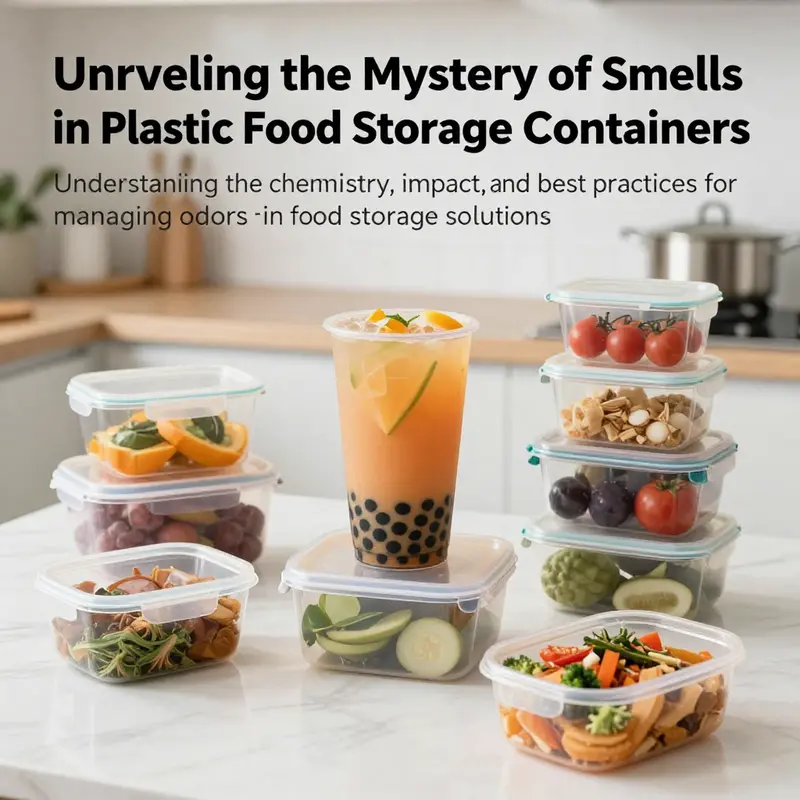
Plastic food storage containers are essential in the food and beverage industry, yet they present a common challenge: lingering odors. For bubble tea shops, restaurants, food trucks, and caterers, the quality and aroma of stored food and beverages are paramount. These strong scents can disrupt the experience for customers and impact the taste of future meals. The focus of this article is to enlighten professionals about the science behind plastic odors and how to tackle the issue effectively. Each chapter delves into different aspects related to this issue; starting with how plastics absorb food odor, the types of food that exacerbate the problem, effective cleaning techniques, health considerations, and finally, sharing consumer perspectives and best practices to manage those pesky odors.
null
null
Aroma in Flux: How Food Type, Temperature, and Time Shape Odor in Plastic Storage Containers
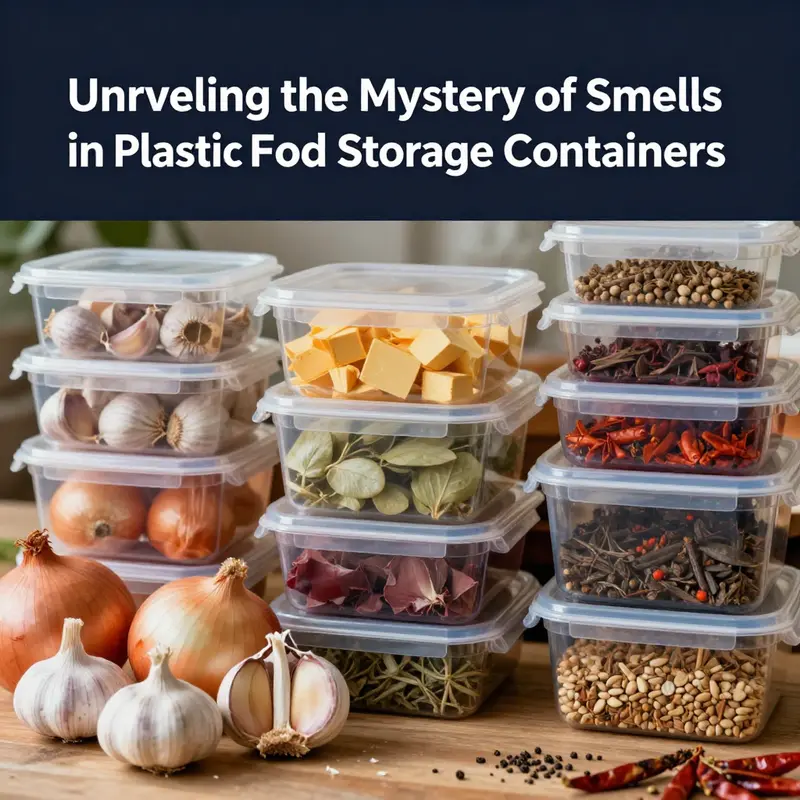
Odor in plastic food storage containers is not a single fault but a chorus of interacting processes. The lingering smell that many households notice after storing leftovers is born from the complex relationship between the stored food, the plastic itself, and the way we treat both. When we talk about plastic containers, the word semi-permeable comes up often. These plastics can absorb tiny amounts of fats, acids, and volatile compounds from foods over time, especially with repeated use. The result is not just a smell but the subtle, sometimes stubborn transfer of aroma from one meal to the next. In practical terms, this means that the garlic-heavy curry, the onion-laden soup, or the herb-packed sauce can leave an impression that lingers in the container long after the dish is finished. The science behind this is not about a single event but about ongoing interactions, the kind that accumulate with every use and every wash, every reheating in a microwave, every lid snapped shut in a damp kitchen corner.
Among the foods most prone to setting up shop inside plastic are those high in fat and those rich in aromatic compounds. Fatty foods, including red meats, fried items, and oil-based sauces, can seep into the microscopic pores and micro-cracks that exist in many plastic polymers. This seepage creates a reservoir of greasy residues, a breeding ground for bacteria, and a factory for rancid or foul-smelling byproducts over time. The smell may start as a faint note of oil but can evolve into a heavier, more persistent odor that is hard to remove with a simple wash. Then there are aromatic foods—garlic, onions, and a chorus of spices—that release volatile compounds so readily that the plastic itself becomes a temporary holding cell for them. Even after a container is emptied and cleaned, those volatile residues can remain and gradually migrate back into the next meal stored in the same container. The effect is not just a nuisance; for some cooks, it can color the perception of flavor, making a once-delicious soup feel tainted by memory of yesterday’s pasta.
Acidity and sweetness add another layer of complexity. Acidic foods, such as tomatoes and citrus, can interact with certain plastics in ways that stress the polymer matrix, potentially promoting the release of trace chemicals or altering the microenvironment inside the container. High-sugar items can also influence the internal chemistry by encouraging microbial growth in tiny hidden pockets where residues escape cleaning. The combination of sugar, acid, and fat can be particularly challenging because it creates a spiral: residues persist, they harbor microbes, microbes generate new odors, and those odors settle into the plastic until the next use. Temperature acts as the accelerator in this process. When foods are hot or warm, the plastic may soften, and the migration of additives or monomers can increase. The commonly cited caution about storing hot soups or stews in plastic containers is not only about safety in terms of heat transfer; it also reflects the fact that elevated temperatures can intensify the chemical moves inside the polymer matrix, allowing a stronger scent to escape and linger. In extreme cases, the heating conditions have been linked to the migration of microplastics and certain additives into food, a concern that moves the discussion from merely smelling odd to considering potential health implications when heating foods in containers not designed to withstand such conditions.
A recent wave of research has helped illuminate why some smells stubbornly persist. A study published in Environmental Science & Technology demonstrated that microwaving food in plastic containers can increase the release of microplastics and chemical additives into the food compared with other storage methods. The finding is not a single note but a chorus of interconnected factors: the type of food, its fat content, its acidity, and the method of heating, all of which influence how quickly and how strongly an odor develops in a given container. The practical implication is simple in concept, if not in everyday practice: the food you store and the way you heat it can dramatically shape the odor profile within the container. Even when regulatory agencies regard migration levels as safe within established limits, the sensory reality is clear—some people notice subtle off-flavors, especially in soups, dairy preparations, or baby foods when they are stored in plastic containers over time.
What this means for the everyday kitchen is not a call to abandon plastic storage altogether, but a prompt to attend to the conditions that promote odor formation. Cleaning routines and drying practices are part of the solution as much as the choice of container. When washing is incomplete, moisture can linger in tiny crevices, providing a microenvironment where bacteria and odor-causing organisms can linger. Inadequate drying can trap smells, making them more resistant to removal. Over time, microscopic pores may retain residues and become stations for odor generation, even after a thorough wash. The lesson is straightforward: for odors to fade rather than persist, attention must be paid to both the cleaning method and the drying process. A hot water wash with a good detergent, followed by thorough drying, can reduce the reservoir of residues that serve as odor sources, particularly in containers that see repeated use with fatty or aromatic foods.
From a materials and safety perspective, the smell narrative is also a reminder of the limitations of plastic as a storage medium for all foods. While plastics offer convenience, lightness, and resilience, their interactions with food substances are nuanced. In some situations, the strong aroma compounds from the stored food can become embedded in the polymer matrix. In other situations, the heat of storage or reheating can prompt migration of additives or monomers that contribute to a plastic odor. The insight underscores a classic kitchen balancing act: the choice of container should align with the type of food, its temperature, and the intended duration of storage. For foods that are high in fat or have sharp aromatics, considering an alternative storage material—such as glass or metal—can be a practical step toward odor control. The shift toward non-plastic options in sensitive culinary contexts is less about abandoning plastic and more about selecting the right tool for the job, especially when odor neutrality is a goal.
Still, plastic containers remain a mainstream option, and even within plastic storage there are strategies to minimize odor carryover. It starts with understanding that heat is the high-octane driver of odor transfer. Allowing hot foods to cool before covering and sealing can dramatically reduce the impetus for oil and additive migration. Drying and airing out containers after washing, rather than stacking them damp, lessens the opportunities for odor-causing microbes to take root. Using lids that seal well can trap odors inside, but if the seal is imperfect or if the container has internal residues, those odors can still migrate to subsequent meals. Some households adopt a rule of separation: dedicated containers for odorous foods, and a routine of washing with a more thorough scrub for those containers. The idea is pragmatic rather than punitive: a simple, repeatable habit can transform an odor-challenged storage system into a neutral, dependable setup.
The narrative of food types and odor in plastic is as much about trade-offs as it is about science. The same container that keeps a curry safe in transit or a salad fresh for a workday can also become a depot for last week’s garlic, last month’s onion, or a lingering aroma from a particularly pungent spice blend. The knowledge that high-fat and high-aroma foods pose the most persistent challenges provides a practical compass for households. It helps explain why some people notice odors more readily with certain leftovers than with others, and why a routine that works for one kitchen may be less effective in another. It also frames the broader public discourse about packaging choices: odor is not merely a sensory annoyance; it is a signal from the system about how materials interact with food, how heat accelerates those interactions, and how everyday habits either magnify or mitigate the issue.
For cooks who want to minimize odor without abandoning plastic altogether, the broader takeaway is to couple material awareness with mindful handling. Temperature management, meticulous cleaning, and deliberate storage choices are all defensive moves against odor transfer. When possible, consider alternatives for foods that are likely to leave strong residues or when long-term storage is anticipated. Emphasizing a clean, dry, and properly sealed environment reduces the likelihood that a container will become a reservoir of yesterday’s aromas. And when the occasion calls for a different approach, the availability of non-plastic options provides a practical path forward for odor-sensitive kitchens. The aim is not perfection but improved control—an environment in which flavor can be judged by its own merits, not by the memory of what was stored before.
Internal linking to practical packaging alternatives can be a helpful bridge for readers seeking concrete options. For kitchens seeking a low-odor alternative, many turn to recyclable paper-based options, such as a disposable kraft paper bowl take-away kraft paper salad bowl with PET lid. This kind of packaging presents a different interaction with food aromas and can offer a means to limit cross-odor transfer in some contexts, especially for short-term storage of non-greasy items or when transport convenience is a priority. See the linked product page for a representative example of these paper-based options: https://greendispopack.com/product/disposable-kraft-paper-bowl-take-away-kraft-paper-salad-bowl-with-pet-lid/.
Ultimately, the narrative of odor in plastic containers is a reminder that food storage lies at the intersection of chemistry, material science, and daily habit. The more we appreciate the ways in which food type, fat content, acidity, aromatics, and temperature shape the smell of what we store, the better we can tailor our practices to keep odors at bay. It is a dynamic conversation, one that evolves with new research, with the realities of kitchen life, and with the growing exploration of materials that can bridge the need for convenience with the desire for sensory neutrality. For readers who want to explore the science behind these processes in greater depth, the broader literature on how heat and contact with plastic alter chemical migration offers a rigorous framework for understanding the smell in plastic storage. A particularly informative external reference that surveys these dynamics can be found in recent work from a leading scientific journal: https://pubs.acs.org/doi/10.1021/acs.est.3c05467.
Odor-Proofing Your Food: Cleaning and Preventive Practices for Plastic Storage Containers
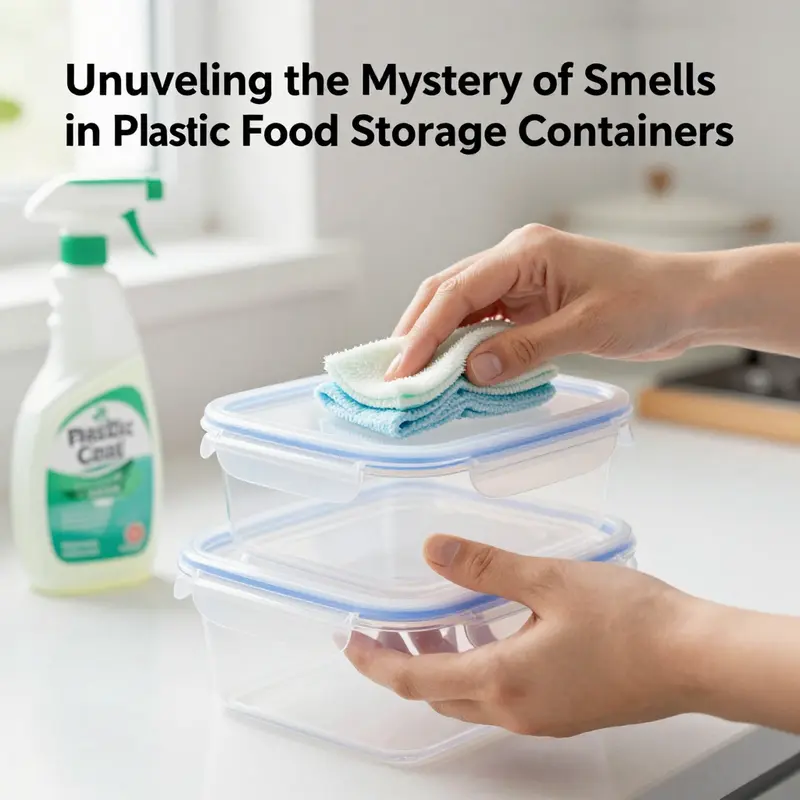
Plastic food storage containers often earn their keep by convenience, but their very nature makes them susceptible to holding onto smells long after the last crumb has left. The semi-permeable walls act like a quiet sponge, drawing in traces of oils, acids, and volatile compounds from stored foods. Repeated use compounds the problem: garlic’s sharp notes, curry’s lingering warmth, or citrus zest can migrate from one week to the next, creating a subtle backdrop that skews the flavor of future meals. This isn’t just about an unpleasant scent; it’s about how the container interacts with what sits inside it, and how that interaction can shape our eating experiences.
The science behind the phenomenon is nuanced. While modern regulatory oversight gates migration to levels deemed safe for most people, the experience of sensitive palates and particular foods—like soups that rest on a fatty layer, dairy that wants to stay cold yet not taste of yesterday, or infant meals prepared with care—can amplify perceptions of off-odors. In many households, the issue compounds when a lid is not sealing perfectly, or when a corner or seal traps damp residues that then decay. The result is a cycle: residues harbor bacteria, moisture lingers, odor molecules cling. The room inside the dishwasher or on the drying rack becomes a stage for release and recline, where even after washing, faint whispers of the last stored dish drift back into the air and into the next meal.
Enter the routine that makes a difference: a careful, repeatable cleaning method that respects the plastic’s material reality while staying practical for every day use. The goal is not to erase odor with a single heroic effort but to reduce the reservoir of lingering aromas by combining thorough cleaning, targeted deodorization, and smart drying. The guiding rule is simple: the cleaner the container is after each use, the less you will notice in the long run. Start with a deliberate initial cleaning that addresses every nook and cranny. Warm water helps dissolve fats, but so does a gentle detergent. Scrub the corners, edges, and the rubber seals that often trap microscopic particles and harbor a damp environment ideal for odor-causing bacteria. Rinse well until you do not detect any soapy scent. Soap residue itself can become a magnet for odors if left to dry inside.
When you want to go beyond basic cleaning, natural deodorizers provide safe, gentle, and often surprisingly effective options. Baking soda takes center stage because of its porous structure and its affinity for trapping odor molecules. A simple soak works wonders: dissolve about two tablespoons of baking soda in warm water and immerse the container for at least four hours, or even overnight. If a stubborn stain lingers, apply a paste of baking soda and water to the interior with a soft brush, then rinse. White vinegar, with its acetic acid, offers a complementary approach. A solution in a three-to-one ratio of water to white vinegar lets the container soak for two to four hours, after which a thorough rinse is essential. This method is particularly effective against garlic and onion notes, which tend to cling to plastic surfaces. The citrus pathway is equally accessible: place lemon slices or squeeze fresh lemon juice into warm water inside the container and let it sit for several hours. The citrus’s natural fragrance and acid help break down lingering odors, followed by a careful rinse. For a more nuanced aroma, used tea leaves are surprisingly capable. After brewing a pot, place the cooled tea or tea bags inside the container, seal it, and let it sit for roughly 12 hours. The tannins and polyphenols can interact with odor compounds, dampening a wide range of smells.
Beyond chemical deodorizers, physical methods offer a different route to freshness. Sunlight, though not a complete cure, can help break down organic odor molecules through ultraviolet exposure. A clean, dry container placed upside down in direct sunlight for six to eight hours can contribute to odor reduction, provided you have good air circulation. Open the lids and components to allow the breeze to carry away any vapor. The caution here is to avoid prolonged exposure to the hottest part of the day, as extended sun can warp or fade certain plastics and colors. A complementary practice is simple air-drying: after washing, let the container air-dry in a well-ventilated area until completely dry. This not only reduces moisture but also fosters an environment that discourages the regrowth of any residual bacteria.
Prevention is the most enduring cure. The first line of defense is choosing materials known for better odor resistance and durability. In general, containers manufactured from high-quality food-grade polypropylene or sturdy copolymers resist odor absorption more reliably than lower-quality plastics. Nevertheless, even the best plastics are not immune, particularly when exposed to high heat, prolonged storage, or fatty and acidic foods. As a rule, avoid using plastic containers for high-heat cooking or for heating in the microwave unless the manufacturer explicitly labels them as microwave-safe. Repeated exposure to heat can alter polymer chains and unleash new odor pathways. Coupled with this, maintain a steady regimen of deep cleaning at least once a month, especially if you regularly store strong-smelling foods. And practical storage habits matter: dry containers are happy containers. Leave lids off or ajar in a well-ventilated spot until they are completely dry, and consider using a small, neutral desiccant or a sachet of activated charcoal inside a storage bin to help absorb stray odors over time.
If odors persist despite best practices, it is worth considering the material’s condition. A container that continues to smell even after thorough cleaning may indicate material degradation or migration of additives beyond what is considered safe by standard guidelines. In such cases, replacing the container with a different material—such as glass or stainless steel—can often be the most reliable long-term solution for sensitive dishes or for households with children, where a strong sense of smell is more acute. The science behind odor retention is rarely black and white. It is the interaction of the polymer’s microstructure, any residual residues, cleaning efficiency, and storage habits that determines the final scent in a given kitchen. It is also why many households find that a simple reformulation of routine—what to wash with, how long to soak, and how to dry—delivers outsized improvements in freshness.
In a broader sense, your approach to odor is as much about kitchen culture as it is about chemistry. It is about keeping a routine that honors the environment and your health while acknowledging that not all plastics are created equal. The process is less about chasing perfection and more about achieving consistency: the consistent use of a reliable cleaning protocol, the consistent drying routine, and the consistent selection of containers that resist odor uptake. The effect is cumulative. Over months, the initial problem of smell can recede, and the once-mourning notes of garlic, onion, or fish become faint memories in the background of a week filled with meals prepared in glass or carefully cared-for plastics.
For readers who want a broader view on safe storage options and the related considerations of materials, consider this resource on eco-friendly packaging options as a supplementary reference. It helps place plastic storage questions in a larger context of sustainability and material choice. If you are seeking a deeper dive into the science and regulatory context behind plastic container smells, consult the external resource linked at the end of this chapter. It provides a grounded, research-backed explanation of how migration is assessed and what that means for everyday cooking and storage. For a detailed, science-grounded overview of how plastics interact with foods and odors, see the following external source: https://www.consumerreports.org/food-storage-containers/best-food-storage-containers-a123456789
Odor as a Health Signal: Interpreting Smell in Plastic Food Storage

Odor in plastic food storage containers is more than a nuisance. It can signal how materials interact with foods over time and reveal whether a container maintains its protective barrier. Plastic is semi-permeable; it can absorb trace oils, acids, and volatile compounds from the foods you store. With repeated use, this absorption can intensify, increasing the likelihood of odor transfer. A garlicky curry left in a container overnight may imprint a scent that lingers through several meals, even when the container appears clean. The odor serves as a practical cue about the ongoing exchange between food and polymer and the state of the container’s inner environment.
A deeper layer of concern arises when odors reflect migration of additives or breakdown products into food. Regulatory limits exist, but individual sensitivity varies, and some notice off flavors from soups, dairy, or foods prepared for babies. Common concerns include bisphenols and phthalates, as well as stabilizers and processing aids that influence plastic properties. Heating the container, especially in a microwave or with acidic or fatty foods, can accelerate leaching. Even within permitted migration, the possibility of exposure can be unsettling for those attuned to taste, aroma, and potential endocrine effects. The odor thus prompts reevaluation of which plastics are used for which foods and when to retire items that smell persistently.
Equally important is the link between odor and physical integrity. Persistent smells often accompany micro-damage that isn’t visible at a glance. Tiny cracks around the lid seal, gouges in the body, or warping that changes how tightly the lid fits can create microchannels for air and moisture. These changes undermine the container’s first line of defense against spoilage and contamination. Over time, moisture movement can create micro-environments that favor microbial growth or mold. A container may look intact, but microscopic fissures can harbor residues that resist cleaning. In food safety terms, odor signals the end of an effective barrier. When a container’s seal is compromised, contamination risks increase in ways not immediately visible, especially for highly perishable foods or containers that see frequent reheating.
The health considerations extend beyond chemical leaching and seal integrity to concerns about microplastics. Repeated washing, heating, and aging can cause plastics to shed microscopic fragments. Some studies suggest that particles smaller than a few micrometers can be ingested and interact with tissues, potentially triggering oxidative stress or inflammatory responses. While the full health impact of long-term microplastic exposure from kitchen use remains under investigation, the message is clear enough to warrant caution. Practically, containers that consistently emit strong odors may be approaching the end of their useful life, not just in scent but in material fatigue. When a container no longer behaves like a reliable barrier, the safest choice is to retire it and switch to a more inert, stable option.
Given these considerations, the default guidance favors materials known for inertness and durability. Glass containers offer a compelling alternative. Glass is non-porous and chemically inert, resisting odor absorption and additive migration. It maintains barrier properties across a wide temperature range and resists the gradual permeability seen in many plastics after repeated use. For households prioritizing minimal chemical interaction with food, glass reduces the likelihood of odor transfer and migration under common kitchen conditions. While glass may be heavier or more brittle than some plastics, the safety advantages—odor neutrality, resistance to staining, and straightforward cleaning—often outweigh these drawbacks in the long run.
Even so, the issue isn’t simply about replacing plastic with glass. A balanced approach considers cleaning routines, drying practices, and storage habits. Thorough washing targeting residual oils is essential, as is thorough drying to prevent microbial growth that can produce off odors. A disciplined habit of avoiding reheating in unverified containers, steering clear of highly aromatic or fatty foods in questionable plastics, and rotating stock to retire aging items at a prudent pace can help. Odor then becomes a practical diagnostic tool—an accessible cue guiding safer choices and better storage hygiene.
Beyond the home, these considerations feed into wider debates about packaging, safety standards, and consumer behavior. The odor issue intersects with additive safety, material lifespans, and how exposure concerns shape consumer practices. This perspective aligns with precautionary thinking: when a container begins to smell persistently, treat it as a sign not only of diminished aesthetics but of diminished protective function. The health stakes may range from mild discomfort to uncertain, long-term exposures, but the path remains clear: favor inert materials for long-term storage, maintain rigorous cleaning and drying, and retire items showing persistent odor retention or signs of material fatigue.
For readers seeking a broader evidence base, consumer testing and guidance offer practical benchmarks for odor risks and safety. Contemporary testing emphasizes both odor control and material performance, underscoring that odor-free storage is about preserving the integrity of the entire storage system. When odor persists after cleaning, it signals underlying material changes that can affect safety and quality. By incorporating this awareness into kitchen routines, households can reduce potential exposure and preserve the safety of a wide range of foods over time.
External resources provide further context on microplastics in food packaging and available alternatives. For those seeking deeper exploration, see the resource on microplastics in packaging: https://www.sciencedirect.com/science/article/pii/S2772854X2600001X
Odor in Plastic: Understanding and Restoring Freshness in Food Storage

Odor in plastic storage containers is more than a nuisance. It reflects how plastics interact with foods over time. Odor arises from a mix of surface micro-scratches, tiny pores, and the tendency of some molecules to migrate between food and the container. Oils, spices, and other flavors can move into the plastic matrix and then reemerge when the container is used again. Additives and plasticizers can also contribute to off scents, especially after heating or long storage. In many homes the odor is subtle but persistent, lingering after washing and becoming noticeable with certain ingredients.
Understanding the science helps you manage it. The key factors are porosity, surface roughness, and the level of cleanliness. Even a container that looks clean may trap residues in micro-scratches. The more use a container has, the greater the chance that odors will be retained and later re-released when new foods are stored.
Practical steps to restore freshness start with rapid cleaning after use. Wash promptly with hot soapy water, rinse thoroughly, and dry completely. For stubborn odors, try a gentle treatment such as a soak in hot water with baking soda or white vinegar for 15 to 30 minutes, then rinse and air dry. Harsh abrasives should be avoided because they can scratch the surface and create new odor traps.
After cleaning, allow the container to dry fully before stacking or reusing. If an odor remains, switch to a nonporous option like glass for strong or long lasting aromas, and reserve plastic for short term storage of mild items. When possible choose containers with smooth, tight lids and avoid heating foods in plastic unless the container is microwave safe and rated for such use. Regularly inspect containers for deep scratches and consider replacement when odors persist despite good cleaning.
For ongoing odor control, implement a routine: wash promptly after each use, avoid oil-heavy foods in older plastic, dry completely, and rotate storage materials. If you must reuse plastic, choose ones with clear labeling and high quality seals. A combination approach that uses more glass and nonporous materials for odor sensitive tasks can help maintain flavor integrity in meals while still offering the convenience of plastic for everyday use.
Finally, for readers seeking more data, look for independent testing on material odor retention and cleaning efficacy. This information can help you compare plastics to glass and other nonporous options and guide practical decisions for your kitchen. The goal is to preserve aroma and freshness while simplifying cleanup and storage across the week.
External resources are available for deeper reading on odor management and material performance, including consumer testing articles and manufacturer guidance.
Final thoughts
Understanding the nature and impact of plastic food storage container smells is crucial for food businesses. By grasping the chemistry behind plastic odor retention and implementing effective cleaning methods, professionals can avoid unpleasant surprises that might detract from food quality. Recognizing the types of foods that cause the most odor issues helps in optimizing operational strategies. The discussions on health considerations ensure that safety remains a priority in food storage practices. Ultimately, having proactive strategies allows food businesses to elevate service quality and meet customer expectations effectively.