
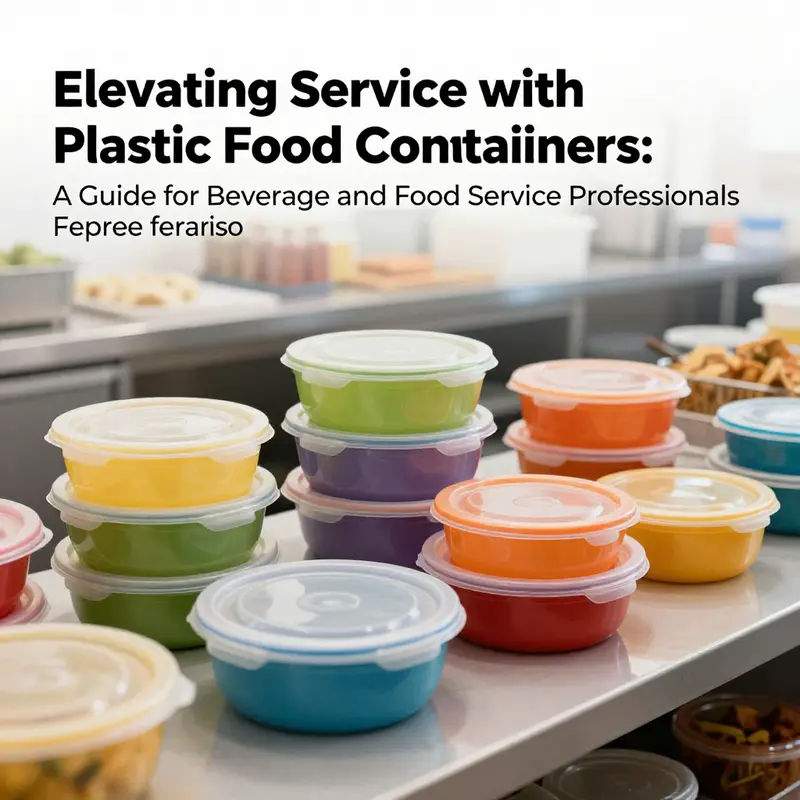
Disposable plastic food containers with lids have become indispensable in the food service industry. These containers are widely used across various sectors, including bubble tea shops, restaurants, food trucks, and catering services, due to their practicality and versatility. As consumer demands evolve, understanding the materials, sustainability trends, safety standards, market dynamics, and consumer preferences surrounding these containers becomes crucial. This comprehensive guide will delve into the material compositions that define these containers, the increasing importance of sustainability efforts, the regulatory landscape that governs their use, the economic impacts, and what consumers are looking for in disposable food packaging. Each chapter will provide valuable insights tailored to your business’s needs, equipping you to make informed decisions while optimizing your service efficiency.
null
null
From One-Time Convenience to Circular Choices: Sustainability Trends in Disposable Plastic Food Containers with Lids
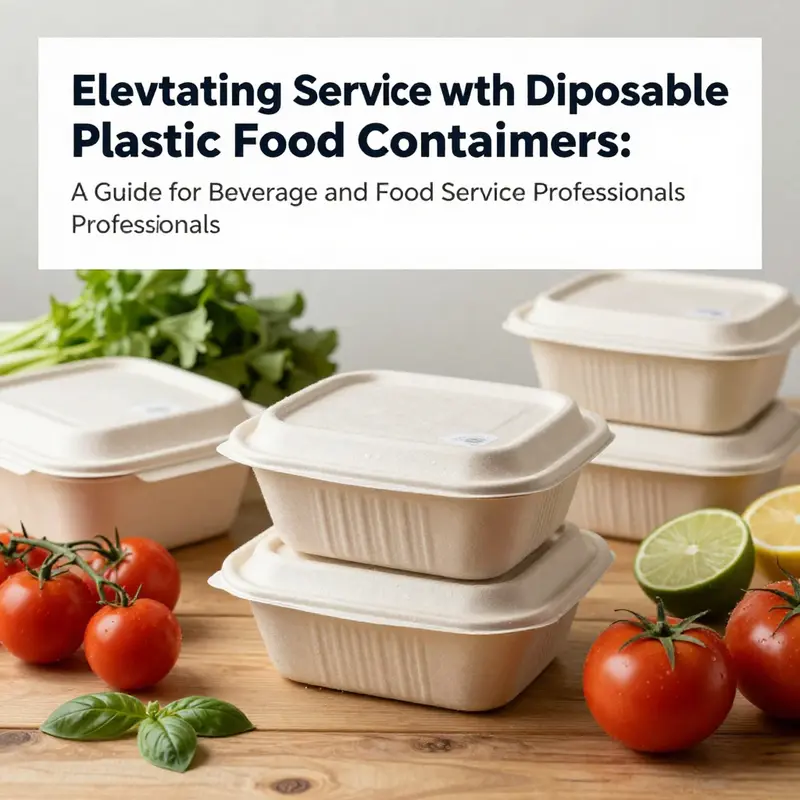
Across the spectrum of modern food service and home meal behavior, disposable plastic containers with lids have become a default for convenience, storage, and rapid service. They’ve earned their keep by offering light weight, predictable performance, and a cost structure that allowed vast scale. Yet, as environmental concerns intensify and regulation tightens, the industry is undergoing a discernible shift. The conversation now centers not only on whether these containers work, but on how they can work better for people and the planet alike. This chapter traces that shift, weaving together material choices, packaging design, end-of-life realities, and the evolving expectations of consumers who want both practicality and responsibility. It is not a nostalgic appeal for a single solution, but a portrait of a sector navigating trade-offs, embracing innovation, and aligning with broader ambitions for a circular economy. In doing so, it also points to practical paths for brands and suppliers seeking to balance cost, performance, and accountability in a market that continues to prize speed and reliability while demanding clearer signals about sustainability.
The most visible trend is a material shift away from conventional petroleum-based plastics toward biodegradable and compostable options, especially polylactic acid (PLA) and other plant-derived polymers. These materials hold the promise of reducing long-term persistence in the environment by enabling breakdown in controlled industrial composting facilities. In practice, however, the effectiveness of these options hinges on infrastructure and consumer disposal behavior. PLA and similar materials may perform well in composting streams that exist in certain regions, but they can contaminate traditional recycling streams if missorted. The result is a paradox: materials designed to divert waste from landfills can become recycling risks if disposal channels are not aligned and properly communicated. For this reason, many forward-looking programs emphasize not only the material itself but the context of end-of-life management, including how facilities handle industrial composting and how consumers recognize and follow disposal directions. The shift toward compostable and plant-based plastics intersects with a broader goal: to narrow the environmental footprint of disposables without sacrificing the clarity of what happens to them after use.
In parallel with material diversification, there has been a deliberate push toward design for recyclability. Brands and manufacturers are increasingly choosing mono-material configurations to streamline sorting and processing in recycling streams. The logic is straightforward: when a container is made from a single resin family, with fewer components and minimal adhesive complexity, the recycling system can recover the material more efficiently. This design discipline often involves reducing the number of different plastics used within a single product, simplifying the lid-to-container interface, and avoiding mixed-material features that complicate separation. At the same time, there is a growing appetite for including post-consumer recycled content in new products. The circular economy opportunity hinges on creating reliable demand for recycled plastic and ensuring that it can meet the safety and performance expectations of food-contact applications. When designed with recyclability in mind, even familiar shapes—deli-style containers, takeout boxes, and portion cups—can contribute to higher recycling rates and more consistent material streams.
Technology is quietly reshaping how these products communicate with users and how they fit into responsible consumption patterns. Smart packaging features, including RFID tags and scannable QR codes, are increasingly integrated to improve traceability from production to disposal. For a consumer, a quick scan can reveal the container’s origin, the specific materials used, and the recommended disposal method. For a brand, these technologies enable better inventory control, authentic labeling of sustainability attributes, and more precise data about end-of-life outcomes. The educational potential of this approach should not be underestimated: when customers understand how to recycle or compost a given container, their actions are more likely to align with environmental objectives. In the same breath, consumers begin to expect transparency as a baseline feature, not a bonus perk, in the packaging that accompanies their meals.
Yet even as the industry experiments with compostable materials and digital labeling, the practical realities of waste management remain a critical constraint. The sustainability narrative is strongest when it recognizes that compostability is not a panacea and that recyclability is not guaranteed in every market. The design-for-recycling mindset, therefore, coexists with a vigilant effort to educate users about local facilities and disposal options. This is where best practices in labeling and consumer communication become essential. Clear, visible guidance on whether a given container should be recycled, composted in an industrial facility, or disposed of as general waste reduces the risk of misrouting and contamination. Packaging teams that invest in easily understood disposal cues—ideally supported by both digital labeling and clear on-pack instructions—tend to see better outcomes for material recovery and overall environmental impact.
The industry’s challenges coexist with notable opportunities. Independent studies have highlighted that reusable packaging systems deliver substantial environmental advantages, including substantial reductions in energy use, waste generation, and greenhouse gas emissions when compared to single-use options. The macro implication is nuanced: while disposables can still play an essential role for short-term needs and high-volume events, a growing portion of the market, including institutions and households, is seeking alternative models that emphasize durability, reuse, and a tighter loop for materials. The takeaway is not simply to abandon disposables but to elevate the design and use-phase logic of disposables where reuse is impractical, and to accelerate the adoption of reusable systems where feasible. For businesses, this means weighing the lifecycle costs and benefits of different packaging options, staying attuned to consumer expectations, and recognizing that a well-considered mix can achieve both performance and sustainability goals.
To guide these decisions, many practitioners are adopting practical, forward-looking best practices. Material innovation remains a central lever: exploring plant-based and certified compostable plastics, while ensuring that the chosen materials can perform under typical food service conditions and survive transport without compromising safety. Equally important is the improved design for recycling. This involves simplifying container geometries, restricting the variety of plastics used within a single product, and avoiding multi-material assemblies that complicate post-consumer processing. Another key area is consumer engagement through digital labeling, which helps educate customers about disposal options, local recycling capabilities, and the environmental rationale behind packaging choices. When consumers understand why a lid matters in the context of closure, transport, and waste sorting, their disposal behavior becomes more aligned with the intentions of producers and waste managers.
The conversation around sustainability cannot ignore the broader policy and market dynamics shaping disposable packaging. Food-safety compliance continues to anchor product development, while regulatory pressures push for greater recyclability and, in some markets, for verifiable reductions in embodied energy and material use. Collaboration across the supply chain—from raw material suppliers to recyclers and waste-management services—becomes essential to achieving measurable gains. In practice, this means adopting standard testing protocols for compatibility with different food types, ensuring heat resistance where appropriate, and coordinating with waste-management networks to verify that the selected materials can be effectively sorted and processed in real-world systems. In short, the most resilient strategies marry material science, thoughtful design, end-of-life logistics, and clear communication.
Within this evolving landscape, there is space for practical, incremental progress that can accumulate into meaningful environmental benefits. For example, a move toward mono-material PET options with minimized lid adhesives can streamline recycling without sacrificing leakproof performance. Encouraging the use of recycled-content PET where safe and feasible can help close the loop, while continuing to reduce the overall reliance on fossil-based feedstocks. The push toward plant-based polymers and biodegradable options must be paired with clear guidance on disposal capabilities to avoid misroutes that would compromise recycling streams. As every packaging choice is weighed, it is crucial to consider the local infrastructure, the specific food context (hot versus cold, high-fat versus aqueous contents), and the intended use scenario (takeout, storage, microwave reheating). The long arc of progress hinges on harmonizing these dimensions in a way that preserves both function and responsibility.
For organizations seeking to navigate this transformation, one approach is to locate opportunities within the spectrum of available packaging formats rather than pursuing a single universal solution. A practical way forward combines material diversification with intelligent design and consumer-focused education. It also invites a more deliberate use of digital tools to convey end-of-life options, a practice that has the potential to improve sorting accuracy and downstream recovery. When manufacturers and retailers align on both performance and sustainability messaging, they create a more coherent experience for customers and a more predictable path for material recovery. In the end, sustainability in disposable containers with lids is not a single innovation but a system of practices that require coordination, transparency, and a willingness to adapt as markets and technologies evolve. This is the core tempo of the current moment: thoughtful material choice, savvy design, informed disposal, and a commitment to continuous improvement.
To explore tangible pathways within this evolving space, consider the broader packaging ecosystem and the role of alternative materials. The options extend beyond plastics to include fiber-based and molded-pulp alternatives that can be molded into container shapes with lids while offering different end-of-life profiles. The choice between these alternatives is rarely binary; it requires balancing performance criteria—such as heat resistance, seal integrity, and shipping resilience—with environmental outcomes, including recyclability, compostability, and overall energy intensity. Brands that prioritize transparency, responsible sourcing, and clear guidance on disposal are better positioned to earn consumer trust and to demonstrate accountability in the lifecycle of their products. Within this framework, the linked internal resource offers a glimpse into one segment of the broader sustainability conversation, illustrating how packaging design, material selection, and labeling converge to support more responsible consumption patterns. Dispo eco-friendly custom paper cups with lids is one example of how a company might pair functionality with a sustainability narrative, even as the sector continues to refine and optimize its own materials and processes.
As the chapter closes on current trends, it is useful to anchor the discussion in a practical takeaway: the most compelling sustainability story emerges when a packaging system aligns material choice, design for recyclability, consumer education, and end-of-life infrastructure. When these elements are harmonized, the result is not a single silver bullet but a credible, scalable pathway toward reducing environmental footprints while preserving the indispensable convenience that makes disposable containers with lids so pervasive. The journey is ongoing, and it invites ongoing collaboration among manufacturers, retailers, waste managers, regulators, and, crucially, consumers who are increasingly attentive to how the packaging around their meals is produced, used, and finally treated after use. For industry observers and practitioners, the evolving landscape’s real promise lies in the ability to translate ambition into practice—through materials that perform, designs that recycle, labeling that teaches, and systems that close the loop.
External resource for broader context: https://www.linkedin.com/pulse/disposable-plastic-food-containers-market-landscape-2026/
Guardrails of Safety: How Standards Shield Food in Disposable Plastic Containers with Lids
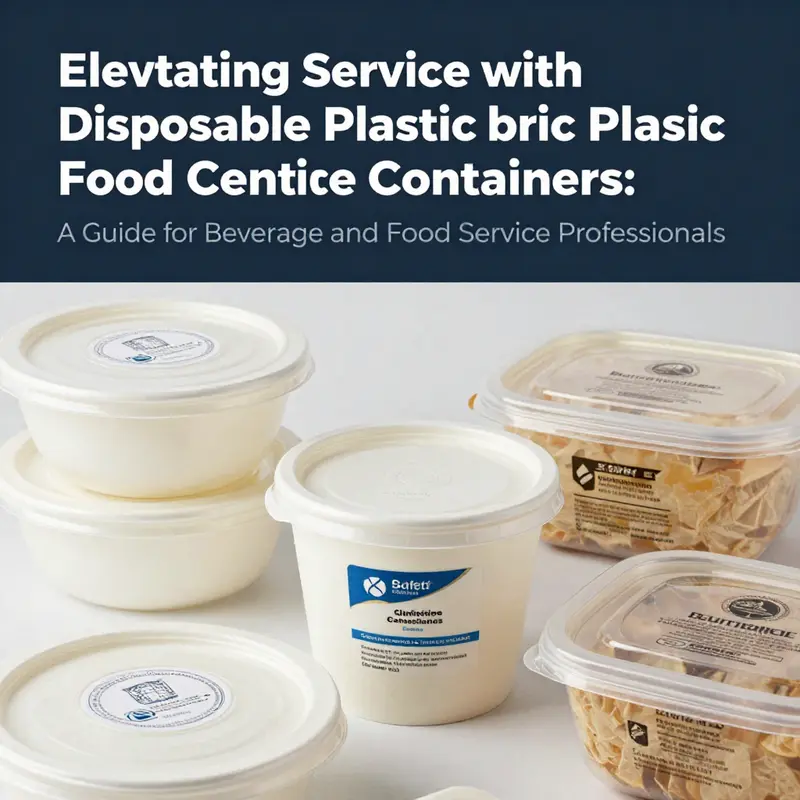
In the shifting landscape of meal prep, takeout, and short-term storage, disposable plastic containers with lids have become the quiet workhors of modern food service. Their appeal lies not only in convenience and affordability but also in a carefully engineered balance between performance and safety. The chapter that follows traces how safety standards are woven into everyday packaging decisions, ensuring that what travels from kitchen to table does not carry more than the intended nourishment. At its core lies a simple, steadfast aim: to prevent the migration of potentially harmful substances into food while preserving the integrity of the container through heat, handling, and time.
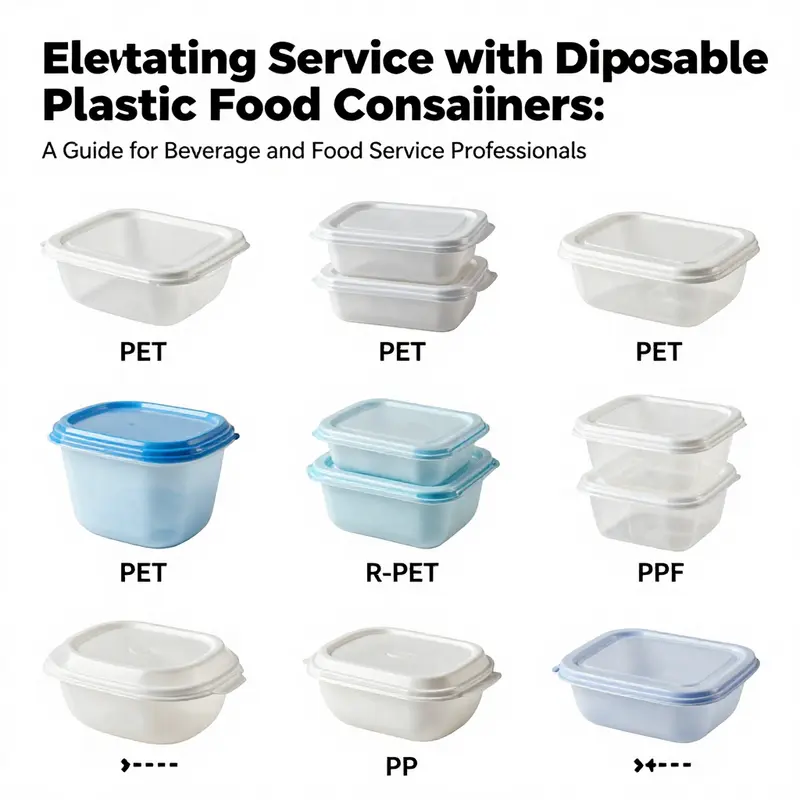
The materials that populate the disposable segment span a spectrum—from PET and APET, prized for their clarity and rigidity, to polypropylene, which earns favor for heat resistance and microwave compatibility. PET and APET containers are engineered to showcase food while providing a reliable barrier against leakage and contamination. Recycled variants of PET (R-PET) extend the sustainability narrative without sacrificing transparency or strength. PETG and EVA introduce a touch of flexibility and impact resistance, essential for containers that must survive the rigors of transport. Polypropylene, meanwhile, often takes center stage for hot foods and microwave reheating thanks to its higher heat tolerance and BPA-free claims in many consumer-facing products. Taken together, these materials illustrate how performance requirements—such as clarity for visibility, insulation for temperature control, and resistance to puncture or crushing—shape material choices.
Yet the story does not end with material performance. Safety standards are fundamentally about what happens at the boundary between container and appetite: the migration of additives, monomers, and trace metals into food. The core concern is not merely the presence of these substances but their propensity to migrate under real-world conditions. This is where migration testing and regulatory benchmarks come into play. International guidelines consider factors such as the nature of the food simulants, the duration and temperature of contact, and the specific polymers involved. The aim is to ensure that, even under common stressors like hot liquids, fatty foods, or prolonged storage, the levels transferred into food remain below established safety limits.
A pivotal example from the regulatory and testing landscape comes from a study conducted by a food research laboratory in Hong Kong. In that investigation, thirty disposable containers and their lids were evaluated for heavy metals and residual styrene monomers. The results provided an encouraging signal: every sample met the applicable safety standards when used as intended. This finding is meaningful because it signals that, under typical usage, modern disposable containers can perform their job without introducing harmful substances into food. It also underscores the importance of following usage guidelines, because real-world conditions can push some materials beyond their comfort zone if misused.
But the same study also revealed a critical caveat that researchers and manufacturers must heed. In migration testing designed to simulate extreme scenarios—such as contact with fatty foods at very high temperatures—one polystyrene (PS) container sample exceeded migration limits. The same sample met standards when the temperature was lowered from 120°C to 100°C. This dichotomy is a stark reminder that temperature is a dominant variable in migration behavior, particularly for PS and related materials. It is not enough to know that a material is generally safe; one must know the limits of its safe use. The takeaway for professionals is clear: select containers whose heat resistance aligns with the intended culinary context, and always adhere to guidance on hot servings and microwave use.
Regulatory frameworks that anchor these assessments draw on a mix of regional and international sources. In many regions, safety standards for migration testing reference established benchmarks from authorities governing food-contact materials. The Mainland China standards, for instance, provide local benchmarks that guide production and testing. The United States FDA framework offers parallel guidance, often with its own permissible limits and testing protocols. The convergence of these references creates a robust safety net that manufacturers can rely on as they design packaging for both domestic and export markets. A recurring thread across these regimes is the emphasis on compatibility with food safety standards, the need for tightly-fitting lids to prevent spill and contamination, and the pursuit of materials capable of insulating hot foods without compromising safety.
From a practical perspective, the implications of these standards extend well beyond laboratories and regulatory filings. They shape everyday consumer experiences, guiding what is considered acceptable for use in microwaves, how long a container can be reheated, and what kinds of foods can safely be stored in the container without degrading the packaging or the food itself. For hot foods, insulating properties and tight seals help maintain safety and quality by limiting heat transfer that could degrade the material or alter the food’s composition. For cold storage, the focus shifts toward stability, preventing condensation, microbial growth, and unwanted chemical interactions that could arise from prolonged contact with the packaging material.
The dialogue between safety and sustainability also enters the conversation as the packaging industry evolves. Alongside conventional plastics, there is growing attention to biodegradable and compostable options, including bioplastics derived from polylactic acid (PLA) and other bio-based polymers. While these materials can offer environmental benefits, they also demand rigorous safety assessments that account for their unique migration profiles and end-of-life characteristics. The overarching message remains consistent: safety standards must be applied rigorously, independent of the material’s ultimate fate, to ensure that packaging serves as a reliable barrier rather than a source of risk.
For practitioners in kitchens, catering operations, and takeaway services, the practical implications of safety standards are clear and actionable. First, always verify that the container and lid are specified as food-safe and free from additives known to pose concerns in your region. Second, match container materials to food type and serving conditions. Hot soups, gravies, and other high-fat, high-temperature items require materials with proven heat resistance and appropriate insulation, while cold items can benefit from clarity and puncture resistance without excessive heat exposure. Third, observe temperature guidelines during reheating and storage. The PS example from the Hong Kong study demonstrates that even small material choices can shift safety margins under extreme heat, so operators should avoid exposing certain plastics to temperatures beyond their stated tolerances. Fourth, select containers with dependable seals and well-fitted lids to minimize leakage and contamination during transport and handling. This simple design consideration can significantly enhance safety and consumer confidence.
The strategic takeaway for designers and manufacturers is to integrate safety into every stage of product development. This includes selecting polymers with favorable migration profiles, designing lids that fit tightly and uniformly, and validating performance through standardized testing that mirrors real-world use. It also means communicating clearly with buyers about the intended use of products—Microwave-safe claims, heat resistance ranges, and cautions about high-temperature contact should be conveyed in labeling and documentation so that users can make informed choices. In a market that prizes speed and convenience, safety standards provide the slow-burning assurance that packaging will perform as promised, even when meals travel across kitchens, offices, and homes.
As consumers increasingly demand transparency, the packaging ecosystem has a responsibility to uphold rigorous, accessible information. Manufacturers can support this by publishing clear data about heat resistance, contact time, and any conditions under which migration may occur. Regulators will continue to refine guidelines in response to evolving materials science and new consumer behaviors, but the core principle remains steady: protect food and people by setting practical, science-based limits on what packaging can impart to edible contents. When these guardrails are respected, disposable plastic containers with lids can deliver on their promise of convenience without compromising safety or trust.
For readers exploring adjacent considerations—such as how disposable formats intersect with sustainability goals or how to navigate the expansive market of bulk packaging—see the broader discussion on eco-friendly disposable options in the linked resource disposable-eco-friendly-custom-paper-coffee-cups-with-lid. This reference highlights how the industry is balancing safety with environmental performance without sacrificing usability. While the focus here remains on plastic containers, understanding the wider packaging ecosystem helps illuminate why rigorous safety testing persists as a central pillar of product development and selection. Given the diversity of materials and end-uses, buyers should approach each purchase with a clear view of intended use, temperature expectations, and regulatory compliance. The path to safe, reliable disposables is not a single rule but a disciplined application of testing, labeling, and responsible choices that reflect both science and responsibility to consumers.
External resources continue to play a crucial role in keeping safety assessments current. The Hong Kong FEHD study from 2005 remains a foundational reference for migration testing and the kinds of extreme conditions that reveal material limitations. While newer materials and testing methodologies have emerged since then, the core insight endures: heat and fatty content are among the most challenging scenarios for migration, and selectors must be mindful of this when evaluating packaging for hot, fatty, or long-duration contact. For readers seeking formal context and detailed methodologies, the official guidelines published by the health and regulatory authorities provide a rigorous framework for evaluating compliance and performance.
External resource: FEHD study on disposable plastic containers (2005) http://www.fehd.gov.hk
Between Convenience and Constraint: Market Currents, Costs, and Sustainability of Disposable Plastic Food Containers with Lids
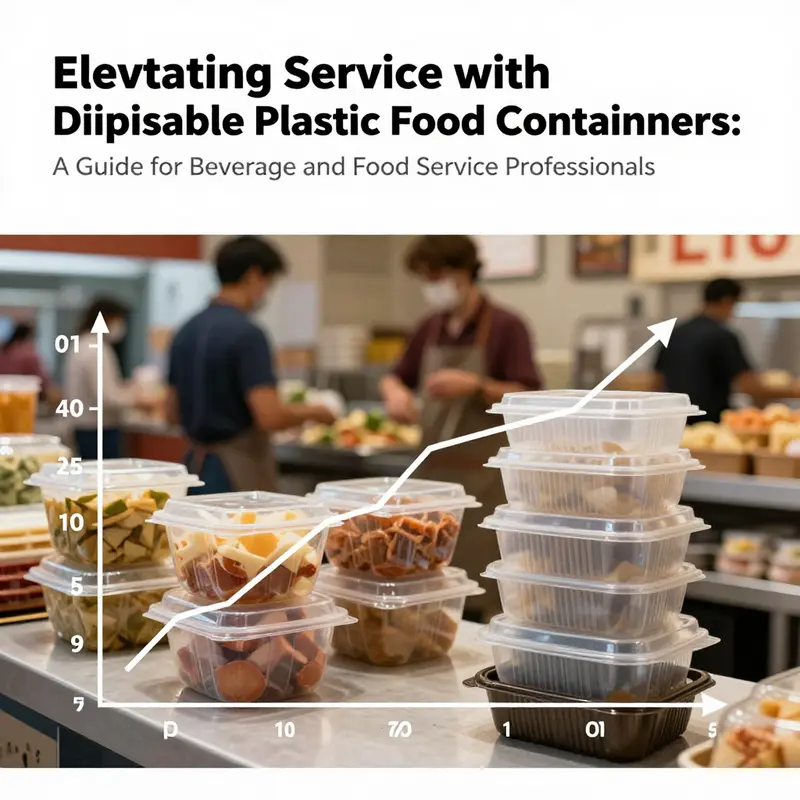
The chapter unfolds where appetite for immediate convenience meets the long-term calculus of cost, regulation, and environmental responsibility. Disposable plastic food containers with lids remain a fixture of modern food logistics, from quick-service takeout to home meal prepping, because they deliver a predictable balance of low unit cost, reliability, and ease of handling. Yet beneath the surface, the market is shifting on multiple fronts: growing demand for more sustainable options, tightening regulatory frameworks, and evolving supply chains that must reconcile scale with newer material technologies. The result is a dynamic landscape where price signals, material choices, and design innovations interplay to shape decisions for producers, retailers, and service providers alike. This chapter traces those currents, focusing on how economics, policy, and consumer expectations harmonize or clash in real time, and what that means for future practice in disposable packaging.
In the global marketplace, the push to reduce single-use plastics has moved beyond rhetoric into concrete policy and procurement patterns. Regions with stringent environmental rules are accelerating the adoption of biodegradable and compostable alternatives, including biopolymers derived from plant starches and other renewable feedstocks. PLA, polylactic acid, stands out in many conversations about compostable disposables because it offers a credible pathway to end-of-life solutions under industrial composting conditions. The economic implications of this shift, however, are intricate. Biobased materials often carry higher raw material costs, more complex processing requirements, and new logistics needs for composting infrastructure. For manufacturers, this means recalibrating capital expenditure, experimenting with blended material stacks, and rethinking how to certify compostability in a way that satisfies both regulators and end users. These considerations ripple through pricing, supplier selection, and product performance expectations.
Despite the momentum toward greener options, traditional plastics—especially those based on polypropylene (PP) and lower-cost polyethylene (PE) variants—still dominate the market in many regions. Their appeal is straightforward: robust barrier properties, heat resistance, and compatibility with a wide range of foods, paired with economies of scale that keep unit costs competently low. In fact, large-scale producers capable of sustaining high-output lines can deliver disposable containers with lids at remarkably rapid tempos, sometimes reaching tens of tons per day. This scale is not incidental. It supports just-in-time replenishment models, minimizes per-unit handling costs, and aligns with the needs of fast-food chains, catering operations, and corporate lunch programs where predictability matters as much as speed. The economics of scale also feed into pricing that makes disposables an attractive short-term storage and transport solution, even when longer-term environmental costs are considered by policymakers and corporate responsibility teams. The tension between this affordability and sustainability pressures creates a market reality in which hybrid strategies are increasingly common—retaining traditional plastic where it makes sense for cost and performance, while gradually introducing more sustainable options where consumer and regulatory signals demand it.
Technically, the market’s price architecture reflects both material science and logistical variables. In bulk terms, suppliers have been quoting unit prices in the relatively tight band of a few cents per piece for very large orders. For example, under bulk purchasing conditions, units have been observed in the range of two to four U.S. cents per piece for orders of 20,000 or more. When order quantities balloon past the million-piece mark, volume considerations can nudge the price into a new tier, with discounts that acknowledge the efficiencies of mass production. Such price scales are enabling broader market penetration, particularly in economies where recycling and waste management infrastructure remain uneven or underdeveloped. The economics here are not merely about the sticker price; they hinge on total cost of ownership, including disposal, potential landfill charges, and the regulatory cost of compliance. In practice, businesses weigh a mosaic of variables—manufacturing costs, logistics, storage, and end-of-life outcomes—before selecting a container type for a given use case. The flexible price landscape also incentivizes experimentation with alternative materials and shell designs that might offer favorable trade-offs between cost, safety, and performance.
Design innovation continues to reshape the practical value proposition of these containers. Modern disposable options often incorporate features that reduce leakage risk, simplify stacking, and improve transport resilience. Snap-on or press-fit lids remain standard, but the lids increasingly integrate functional touches such as leak resistance, resealability, and even small spaces for venting. Some designs incorporate features to support on-the-go consumption, including integrated straw access or cap-ready configurations that minimize handling. These enhancements matter in the real world where takeout, delivery, and business catering demand containers that are not only affordable but also dependable through the rigors of transit, handling, and changing temperatures. In this context, the choice of polymer—PP, PET, PETG, or recycled variants—becomes a strategic decision, balancing barrier performance, heat tolerance, clarity (where visibility of contents matters), and the ability to recycle efficiently after use. The conversation extends to recyclability credentials, as brands and regulators push for clearer labeling, better separation streams, and standardized testing to certify recyclability across jurisdictions.
A parallel thread in the market narrative concerns regulatory challenges that shape cost structures and strategic choices. Extended Producer Responsibility (EPR) policies, which require producers to fund the end-of-life management of packaging, are increasingly common in many regulatory environments. The practical effect is a shift in budgeting: what once flowed primarily through manufacturing costs now also encompasses compliance and waste-management obligations. For companies operating in global supply chains, this means developing hybrid portfolios that can pivot between traditional plastics and more sustainable materials depending on the regulatory climate of a given market. The adaptive approach often entails dual-stream packaging strategies, where a business offers both conventional plastic options for cost-sensitive applications and environmentally friendlier variants for markets with tight environmental standards or heightened consumer expectations. In some cases, this dual approach is essential to preserve brand integrity while avoiding nihilistic tradeoffs between affordability and accountability.
From a supply-chain perspective, the market’s current configuration emphasizes reliability and ease of procurement. Large-scale capacity can act as a buffer against demand volatility, a reality underscored by panel discussions of global marketplaces where foodservice operators, caterers, and meal-prep outfits seek consistent access to containers with predictable lead times. Yet such reliability is tempered by the reality that sustainability-oriented materials often introduce new supply vulnerabilities: feedstock availability, processing tech, and the maturation of composting or recycling ecosystems. The result is a strategic emphasis on supplier diversification, risk assessment, and collaboration across value chains to ensure that both everyday needs and longer-term sustainability commitments can be met. In practice, buyers are increasingly assessing suppliers not solely on price and capacity but on transparency around material composition, recyclability, compostability, and the ability to certify compliance with local waste-management standards.
Market observers also point to the ongoing role of real-time data in guiding purchasing decisions. Platforms that aggregate supplier listings, capacity claims, and pricing are instrumental for buyers trying to navigate a complex landscape where conditions can shift quickly with regulatory announcements, raw-material volatility, or shifts in consumer sentiment. For those seeking current input on pricing dynamics and supplier availability, the official marketplace listing for microwave-safe disposable plastic meal prep containers with lids provides a snapshot of capacity (for example, several million pieces per month) and tiered pricing that reflects both volume and regional considerations. While such data are useful, prudent procurement practice remains anchored in the broader context of environmental impact, end-of-life realities, and the regulatory milieu in which a business operates. In other words, price alone cannot dictate choice; the frame must include safety, durability, recyclability, and a clear alignment with policy direction.
The sustainability conversation is not a theoretical excursion but a practical constraint that affects risk management and profitability. Environmental cleanup costs, once viewed as externalities, are increasingly integrated into the business calculus through compliance costs, potential penalties, and reputational risk. Companies that succeed in this space are those that recognize this interdependence early and pursue layered strategies. They invest in material research, pilot projects for bio-based or recyclable options, and collaborations with waste-management providers to optimize post-use handling. They also acknowledge that consumer awareness is rising in tandem with demand for responsible packaging, prompting more transparent labeling and more explicit communication about end-of-life pathways. In this sense, the market is not merely pricing out plastic disposables; it is evolving toward packaging ecosystems where the convenience of one-time use is balanced by a credible plan for reuse, recycling, or safe composting.
The broader implication for the article’s arc is clear. Disposable plastic containers with lids are unlikely to vanish overnight, but their material mix, design, and deployment will continue to evolve in response to cost pressures, regulatory expectations, and sustainability aspirations. For operators, the path forward involves a calibrated blend of competitive pricing, robust supply chains, and a portfolio approach that accommodates both traditional plastics and more sustainable solutions. The value proposition remains strong where operational efficiency, product safety, and customer convenience converge, yet the strategic emphasis increasingly privileges those who can demonstrate responsibility across the entire lifecycle of their packaging.
For readers who wish to explore alternative packaging formats in more depth, a practical reference is available through a related packaging resource that discusses kraft-paper-based options and their applicability to food packaging in various service contexts. This contextual link provides a broader frame for understanding how non-plastic packaging fits into the overall landscape of disposable food packaging. See: disposable octagonal kraft paper packaging.
External context and data-driven market perspectives continue to evolve. To connect with current real-world data on the supply and pricing of microwave-safe disposable meal-prep containers from larger suppliers, consult industry listings and supplier dashboards that capture capacity, pricing tiers, and lead times across regions. These resources help translate the narrative of market dynamics into actionable procurement decisions, particularly for businesses seeking to balance cost competitiveness with sustainability commitments. External data point: https://www.alibaba.com/product-detail/Microwave-Safe-Disposable-Plastic-Meal-Prep_1600589737989.html
In sum, the market for disposable plastic food containers with lids sits at a crossroads. The continued demand for convenience, safety, and efficiency coexists with relentless scrutiny of environmental impact and a push toward more responsible material choices. The competitive edge for suppliers and buyers will hinge on a capacity to adapt—through design innovation, material diversification, and proactive alignment with regulatory and consumer expectations—while maintaining the reliability that keeps food flowing from kitchen to consumer. This is the fulcrum on which the next phase of disposable packaging pivots, shaping not just products, but the systems and standards that govern how we store, transport, and ultimately dispose of our meals.
What Buyers Really Want: Safety, Seals, and Sustainability in Disposable Plastic Food Containers with Lids
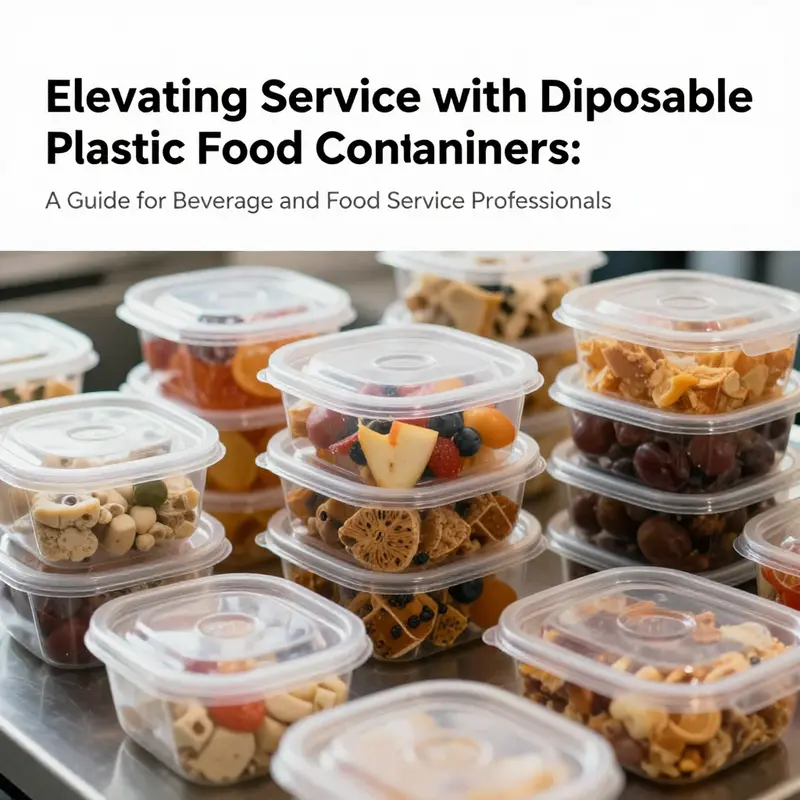
Consumer Priorities That Shape Disposable Plastic Food Containers with Lids
Consumers make choices about disposable plastic food containers with lids based on a tight cluster of priorities: safety, ease of use, and environmental impact. Each priority influences material selection, lid design, and the labels manufacturers display. Safety concerns focus on what materials touch the food, how those materials react to heat, and whether chemical migration is possible. Convenience factors include resealability, leak resistance, and stackability. Environmental preferences now steer many buyers toward recycled or compostable options, even when those options cost more. These combined forces guide both shoppers and suppliers as the market evolves.
Health and material safety rank at the top of buyer concerns. Shoppers increasingly avoid plastics tied to chemical migration. This shift pushed demand away from certain legacy polymers. In response, many suppliers emphasize food-grade HDPE and PP. Both materials resist heat and show low risk of leaching under normal use. Recycled plastics carry a different set of worries. Consumers understand recycling reduces waste. Yet they often worry about contamination and inconsistent quality in recycled streams. Clear communication from manufacturers can reduce these doubts. Labels like “food-grade” and third-party testing results help build confidence. When shoppers see an explicit safety claim, they are more willing to choose a disposable container.
Lids are not an afterthought for buyers. A secure lid signals care for food safety and freshness. Research shows half of consumers feel safer when a product includes a sealable lid. Resealable lids that prevent leaks are especially prized. Consumers want to carry meals without spills. They also expect lids to keep food fresh for hours. Practical features such as snap-fit closures, integrated seals, and snap-on rims score high. Microwave-safe lids, venting tabs, and clear tops for visual inspection add convenience. For takeout and meal prep, stackability and nesting determine how efficiently containers occupy storage and transport space. A lid that locks into place and stacks neatly reduces waste and saves handling time.
Transparency and clarity add perceived value for many buyers. Materials like PET and APET provide a window into the food, which helps sales of ready-to-eat items. Clear lids allow shoppers and consumers to inspect contents without opening the container. This supports both food safety and point-of-sale appeal. Conversely, opaque lids and containers help retain heat and block light, which benefits certain hot meals. Thus, the choice of a clear or opaque lid often depends on the intended use—showcasing versus insulation.
Environmental awareness now colors nearly every purchasing decision. A growing number of buyers weigh a container’s end-of-life outcome. They ask whether a product can be recycled in curbside systems. They ask if the material is made from recycled content. Recycled PET offers a transparent, lower-footprint option that often meets consumer expectations for clarity and strength. Compostable materials like PLA attract buyers seeking alternatives to petroleum-based plastics. However, such materials require industrial composting to degrade properly. When disposal systems are weak, compostable claims may fail to deliver real benefits. Buyers expect honesty in labeling and clear guidance on how to dispose of the container. Packaging that includes simple disposal instructions reduces confusion and supports environmental claims.
Regulations shape preference indirectly, but strongly. Rules that ban certain single-use items or restrict materials affect what consumers see on shelves. Standards and directives often define acceptable materials and labeling practices. These rules nudge manufacturers toward safer, lower-impact designs. As a result, many consumers now assume that common disposable food containers meet baseline safety and environmental standards. This assumption raises expectations for additional features, such as resealability and reduced plastic content. For more detail on regulatory frameworks that influence these products, see the EU Single-Use Plastics Directive: https://ec.europa.eu/environment/topics/plastics/single-use-plastics_en
Design trade-offs matter in real purchases. A container with a highly secure lid may use more plastic. A minimalist lid reduces material but may sacrifice leak resistance. Clear plastics look premium but can be harder to recycle in some municipal systems. Compostable lids may require specialized processing that is not available locally. Consumers often balance these trade-offs against immediate needs. For takeout, leakproof lids usually win. For home meal prep, buyers may prioritize microwave safety. For eco-conscious purchases, recycled content or compostable claims may tip the scale.
Communication and labeling play a critical role. Buyers respond to concise, trustworthy information. Labels that state the polymer, its safety status, and disposal instructions reduce friction. Claims like “microwave-safe,” “BPA-free,” and “recyclable” carry weight but must be credible. Third-party certifications and test reports increase perceived legitimacy. Visual cues such as clear recycling symbols and disposal icons also help. Where possible, manufacturers should include a short note on how to prepare the container for recycling. For example, emptying, rinsing, and nesting lids can improve recyclability in many systems.
Retail and food-service buyers also show distinct behavior. Restaurants and caterers value bulk availability, consistent quality, and predictable disposal outcomes. They often select materials that hold heat and resist oil and grease. For commercial use, stackable, space-saving lids reduce storage costs. Caterers also prefer lids that maintain presentation during transport. Many food-service buyers will accept a slightly higher cost for a lid that prevents leakage and preserves appearance.
End consumers, meanwhile, focus on convenience. Home meal preppers look for lids that snap on and off quickly. Office workers value compact, lightweight containers that fit bags and lunchboxes. Shoppers who order takeout appreciate venting lids for hot foods. Across these segments, a common preference emerges: lids must perform without fuss. Speed, reliability, and consistency beat novelty features in most everyday situations.
Innovation continues to address these preferences. Designers experiment with one-piece closures that reduce plastic use while preserving seal integrity. Recycled resin blends aim to deliver consistent safety and clarity. Compostable blends seek to match the handling and sealing performance of traditional plastics. The market rewards solutions that combine multiple consumer priorities: safety, leakproof lids, and reduced environmental impact.
Practical guidance helps buyers make informed choices. For hot foods, select containers and lids made from heat-resistant polymers. For display or salads, choose clear lids and bodies. If you care about recycling, look for products made from a single, commonly recycled polymer. When sustainability is the top priority, verify whether compostable materials are compatible with local facilities. Finally, favor products with clear labeling and disposal instructions. Simple, testable claims increase confidence and reduce the risk of improper disposal.
The interplay of safety, functionality, and sustainability defines demand for disposable plastic food containers with lids. Consumers no longer accept trade-offs without information. They want lids that seal, materials that are safe, and packaging that aligns with environmental goals. Manufacturers that clearly communicate how their designs address these priorities will win trust. Those who balance secure lids with thoughtful material choices and honest disposal guidance will meet evolving buyer expectations.
For an eco-friendly alternative in the disposable bowl category, consider this salad bowl with lid 750ml as an example of packaging that blends convenience with recyclable or compostable materials: https://greendispopack.com/product/salad-bowl-with-lid-750ml-disposable-takeaway-kraft-paper-bowl/
Final thoughts
In summary, disposable plastic food containers with lids are crucial for many food service operations, including bubble tea shops, catering services, and restaurants. Understanding the various materials, sustainability trends, safety standards, market dynamics, and consumer preferences will empower businesses to make informed decisions that align with industry best practices. As consumer awareness continues to grow, emphasizing environmentally friendly options while ensuring compliance with safety regulations can enhance brand loyalty and operational efficiency. By investing in high-quality disposable containers, your business can not only meet customer demands but also stay ahead in a competitive market.