
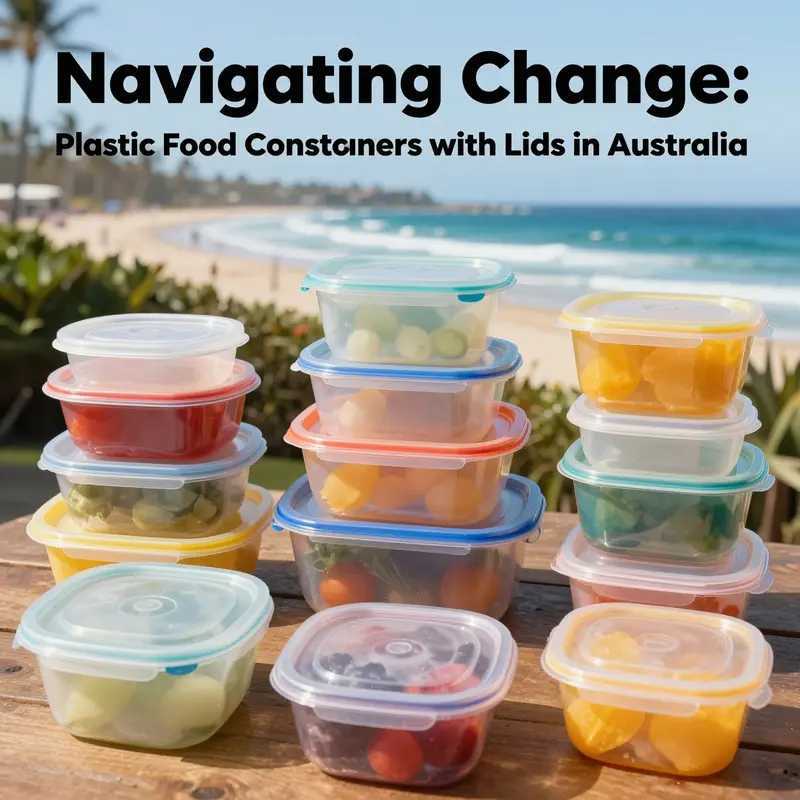
As Australia tightens its regulations on plastic food containers, especially with lids, businesses in the food service industry must stay informed to adapt effectively. This article highlights key regulatory changes impacting your operations, the materials you’ll find in plastic food containers, and the latest market trends that can influence your procurement decisions. By exploring these facets, businesses such as bubble tea shops, restaurants, and catering services can make informed choices that align with both compliance and customer expectations.
Beneath the Lid: Navigating Regulation, Materials, and Alternatives in Australia’s Plastic Food Containers with Lids
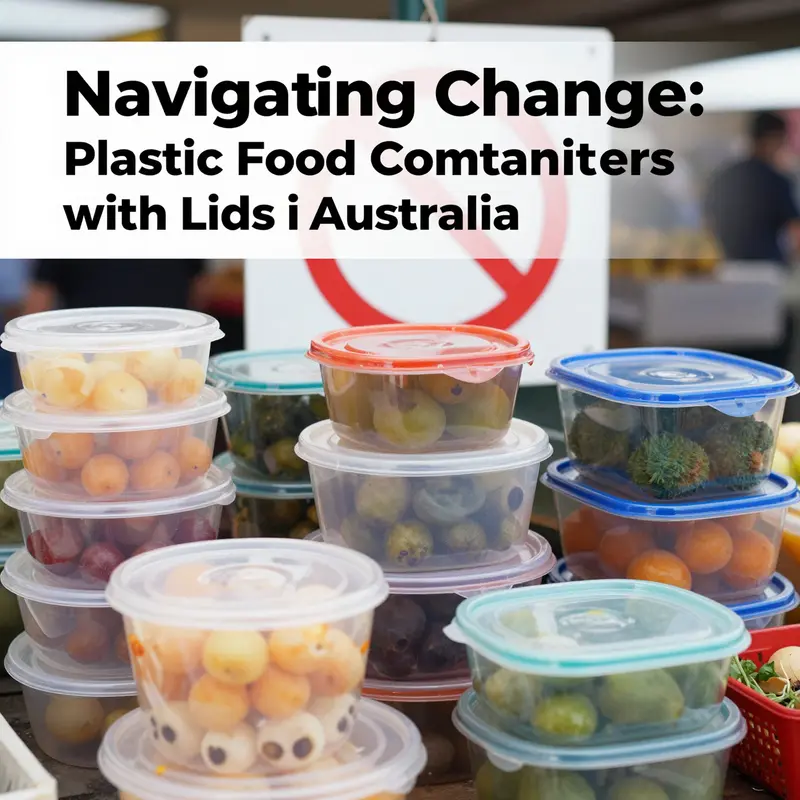
In Australia, the lid is more than a seal. It is a boundary between convenience and policy, between everyday eating and a broader commitment to stewardship of resources. The country’s packaging landscape is being reshaped by a convergence of public policy, consumer expectations, and engineering advances. This chapter traces how regulation has moved from a distant backdrop into the daily choices of manufacturers, suppliers, retailers, and households, particularly in Western Australia, where the Plan for Plastics has set in motion a phased, visible transition away from certain single-use plastic food containers with lids. The changes are not a simple ban on a single item; they are a signal that the economic and environmental costs of disposable plastics are being weighed more carefully, with a preference for designs that are reusable or easier to recycle. The narrative that follows weaves together regulatory milestones, practical implications for product design and manufacturing, and the evolving marketplace that consumers encounter when they shop for containers to store, heat, and transport food.
At the core of the regulatory shift is a recognition that plastic waste does not respect geographic boundaries, and that local governments can be laboratories for policy innovations with wider relevance. Western Australia’s Plan for Plastics embodies this logic. It articulates a phased approach to restricting or prohibiting certain plastic items, with a focus on items that fail to offer reusable or recyclable end-of-life options. The plan is not merely punitive; it is a framework for transitioning toward packaging systems that integrate design for reuse, material efficiency, and clearer pathways to recycling streams. The staged implementation, with specific milestones, reflects the understanding that businesses require time to adjust processes, retool equipment, and reconfigure supply chains while maintaining food safety and consumer convenience. As of the latest publicly available updates, the regulations continue to influence operations across the sector, from producers and distributors to retailers and service outlets, shaping practical decisions about what can be produced, sold, and used in everyday Australian life.
A critical feature of the WA policy is its nuanced approach to what counts as a “banned” item. The emphasis is not on erasing plastic containers with lids from shelves overnight but on steering practice toward containers that are reusable or recyclable at scale. This distinction matters for designers who must consider how a product will be disposed of or repurposed after use. It also matters for waste managers who must allocate capacity to collect and process materials that can be recovered economically. In the medium term, the policy landscape suggests that a broader portion of food containers with lids will be reevaluated for their end-of-life outcomes. For businesses, this translates into a push to evaluate whether a lid and container combination can withstand repeated cycles of use, how it performs in microwave or freezer environments, and whether its materials can be separated and recycled without degrading the quality of the recovered stream.
The regulatory trajectory is complemented by a practical recognition of existing safer, more durable alternatives. In the current Australian market, a substantial portion of what is readily available on shelves and in warehouses consists of containers made from polypropylene (PP), polyethylene terephthalate (PET), and high-density polyethylene (HDPE). Each material offers distinct advantages that align with different use cases. PP is valued for its heat tolerance and mechanical strength, making it a common choice for reusable lunchboxes and storage boxes that are designed to withstand repeated cycles. PET provides clarity and a strong barrier to gases and moisture, which is useful for display-type containers or primary packaging that benefits from visibility and lightness. HDPE is recognized for chemical resistance and robustness, an apt choice for containers that hold liquids or more reactive foods. Across households and foodservice settings, these materials are frequently marketed with claims such as “microwave-safe,” “dishwasher-safe,” or “freezer-safe.” While such claims are helpful, they also imply testing and compliance processes intended to ensure consumer safety even as reliance on single-use disposables declines.
For restaurants, cafes, and households adapting to these regulations, the practical implications are clear. The transition involves more than swapping plastic for a sturdier, more durable option. It requires design thinking that anticipates multiple lifecycle pathways. If a container is lined with a seal, its compatibility with dishwasher cycles and varying temperatures becomes a crucial determinant of its worth. If a lid is part of a system intended for stacking, shipping, and repeated use, designers must consider its mechanical integrity, ease of cleaning, and resistance to wear over time. In many cases, this means that the packaging ecosystem around the container—lids, seals, hinges, and even labeling—must be engineered to minimize waste while maximizing recyclability. And because lifecycle assessment is increasingly part of regulatory scrutiny, firms are being urged to account for resources spent in production, transport, cleaning, and end-of-life processing.
Consumer behavior is a crucial thread in this tapestry. Regulations alone cannot deliver environmental benefits unless the public embraces alternatives and uses them effectively. In the Australian context, a noticeable shift is underway—from a reliance on disposable items toward more durable, reusable options that can be returned for cleaning, refilling, or repurposing. This shift coincides with explicit messaging around waste reduction and recycling, including guidance on how to dispose of or recycle different materials and packaging formats. It also coexists with a range of incentives and educational campaigns designed to help households and businesses understand the value of choosing containers that align with a circular economy. When individuals choose to transfer their routines from single-use disposables to reusable systems, the impact multiplies across food storage, take-away packaging, and grocery shopping alike. The plan’s ongoing updates encourage public participation in policy design, inviting feedback and ideas from communities that interact most with these products on a daily basis. The collaborative nature of this process is essential; it signals that regulatory advancement depends not only on government action but also on industry willingness to innovate and on consumer readiness to adopt new habits.
In discussing the material reality of containers with lids, it is instructive to consider what a future-ready packaging system looks like in practice. Reusable plastic containers may continue to play a role for many households and food services, but their success hinges on reliable cleaning practices, durable materials, and clear labeling that communicates safe usage across different environments—microwave, dishwasher, freezer, and storage in the pantry or fridge. In tandem, a growing segment of the market is exploring non-plastic alternatives or hybrid designs that integrate recycled plastic with bio-based fibers, or switch entirely to pulp-based or cellulose materials that can be composted under appropriate conditions. Such options align with the plan’s emphasis on recyclability and reuse, and they respond directly to consumer demand for cleaner, simpler end-of-life outcomes. A practical example is the emergence of lids and seals designed to be compatible with a broad range of container bodies, reducing the need to replace entire systems when one component wears out. The integration of silicone seals with PP bodies is one such example of thoughtful engineering, aimed at preserving seal integrity while extending product life and reducing waste.
As a society, Australians are increasingly mindful of packaging footprints. Yet the transition is not a wholesale rejection of plastic; it is a recalibration of how plastic is used, valued, and managed after use. In many consumer journeys, the decision points are subtle and practical: Will this container survive multiple trips to the office or classroom, will it ship well without leaks, and can it be disposed of in a way that supports recycling or composting where available? The policy framework recognizes that success rests not only on what is banned, but on what is promoted—strong, reusable designs, clear end-of-life pathways, and accessible information for consumers who want to participate in a more sustainable system. In this sense, the lid becomes a symbol of a broader commitment: packaging should enable safe, convenient, and economical food handling while contributing to a cleaner environment.
From a design and supply-chain perspective, compliance means more than staying within the letter of the ban. It means rethinking the entire packaging ecosystem. Manufacturers are assessing whether their current product families can be adapted to achieve longer lifespans, whether alternative materials can meet performance requirements at a competitive cost, and whether the logistics of return and reuse can be integrated into existing distribution channels. Retailers and distributors, for their part, are evaluating shelf space and marketing narratives that emphasize durability, recyclability, and the affordability of sustainable choices. Consumers, in turn, are filtering options through a lens of practicality—seeking containers that fit their routines, are easy to clean, and can be recycled or composted with minimal hassle. This alignment of interests—policy, industry, and household behavior—holds the promise of a more resilient packaging system, even as it requires time, investment, and ongoing dialogue among all stakeholders.
In this evolving landscape, there remains a clear space for practical examples of how alternatives to plastic with lids can be integrated into everyday routines. For instance, designers and suppliers are increasingly experimenting with kraft-based bowls and other paper or pulp alternatives that can withstand typical food storage and serving contexts. These designs are not merely substitutes for plastic; they reflect a broader philosophy of packaging that is compatible with recycling streams or, where possible, composting infrastructures. Importantly, such shifts are not presented as guarantees but as part of a continuous improvement process driven by regulatory signals, cost considerations, and consumer preferences. For businesses, this means maintaining flexibility in product development, investing in material testing, and communicating clearly about the capabilities and limits of different packaging formats. It also means recognizing that the regulatory momentum may continue to evolve, potentially expanding the range of items subject to restrictions or requiring more stringent performance criteria for containers with lids.
Within this broader context, it is useful to acknowledge the practical steps that a business or a household can take today. For food-service operators, prioritizing reusable systems—sturdy containers that withstand hundreds of uses and reliable cleaning cycles—offers a tangible path to compliance and sustainability. When single-use disposables are necessary for reasons of convenience or safety, choosing containers that are clearly labeled as recyclable in the local waste system, or that utilize materials designed for recycling streams, can reduce environmental impact and support compliance with evolving regulations. For households, simple habits—storing leftovers in containers designed for multiple temperature ranges, using lids that seal tightly to prevent leaks, and reusing containers for meal prep and storage—create a practical bridge between convenience and responsibility. The aim is not to impose a heavy-handed doctrine but to encourage informed choices that align with both safety standards and environmental goals. In this way, the act of placing a lid on a container becomes an opportunity to reflect on how everyday packaging choices are connected to policy design, industrial innovation, and the value of a circular economy.
To illustrate the breadth of ongoing change, consider the role of information and outreach. The WA government reinforces that the public can participate in policy evolution by registering for updates and providing feedback. This invites communities to contribute their experiences, challenges, and ideas for improvements. The existence of an official channel for policy updates ensures that stakeholders stay informed about which items are affected, what alternatives are recommended, and how to navigate compliance requirements. For readers seeking concrete guidance, the government’s plastics portal offers a repository of official documents, guidance notes, and contact points for clarifications. This transparency supports not only compliance but also the emergence of best practices across sectors, from hospitality and food retail to household waste management. And as more businesses adopt reusable or easily recyclable packaging, the market responds with greater availability of alternatives and with innovations that address both performance and cost concerns.
In the ongoing dialogue between regulation and practice, the consumer’s role remains central. The choices people make at the point of purchase influence what manufacturers decide to produce and how supply chains reorganize around new standards. The shift toward reusable or recyclable containers is most effective when accompanied by clear labeling, reliable cleaning instructions, and visible signals about recyclability or compostability. When such information is accessible, consumers can make decisions that support the system’s overall goals rather than undermining them through inconsistent disposal practices. The policy framework, the market’s response, and household behavior thus form a feedback loop that gradually aligns interests toward a more sustainable packaging ecosystem. The lid, once a simple accessory, becomes a touchstone for a broader transformation in how Australians store, heat, transport, and ultimately dispose of food packaging.
For readers who want to explore practical pathways beyond plastics, there is a growing interest in alternatives that minimize environmental impact without sacrificing usability. Some providers are developing PP-based containers with enhanced sealing mechanisms and silicone gaskets to improve air tightness and longevity, while others are pursuing pulp-based bowls and cups designed for take-away or home use. The trading of ideas across materials science, industrial design, and waste management is accelerating, driven by regulatory signals and a public that increasingly values resource stewardship. The reality is not a single solution but a spectrum of options that can be matched to specific use cases, temperature regimes, and end-of-life infrastructures. In a mature packaging system, a restaurant, a consumer, or a wholesaler would have a clear map of which container family best fits which situation and how each option aligns with both safety standards and environmental objectives. The journey toward that mature system is ongoing, and every lid placed on a container is a reminder that packaging is not static—it’s a living interface between human activity and planetary boundaries.
To close this exploration, it is helpful to acknowledge a crucial point: regulatory change is a means to an end, not an endpoint. The end is a packaging ecosystem that reduces waste, improves recycling efficiency, and supports safe, convenient food handling. This requires ongoing collaboration among policymakers, manufacturers, retailers, and consumers. It also requires accessible information about what works in practice, what can be recycled where, and how to accommodate the diverse ways Australians store and heat food in homes, workplaces, and during travel. As the Plan for Plastics evolves, it invites continued experimentation, learning, and shared responsibility. The lid will remain a symbol of that responsibility, a practical fastener that now also stands for a commitment to a more sustainable packaging future. For those who want to see how these principles translate into real-world choices, a practical example can be found in the broader ecosystem of packaging options that increasingly favor reusable or recyclable designs, including paper-based alternatives that can meet the needs of many food-service and household scenarios. And for readers seeking additional context beyond national and regional policy, the external resource listed below offers a detailed view of the regulatory framework and its implications for industry and consumers alike.
Internal resource for further reading (example of a practical packaging option): disposable kraft paper bowl for food package with lid.
External resource (regulatory framework): https://www.dwer.wa.gov.au/our-work/plastics/western-australias-plan-for-plastics
What Keeps Food Safe and Sealed: The Materials Behind Plastic Food Containers with Lids in Australia
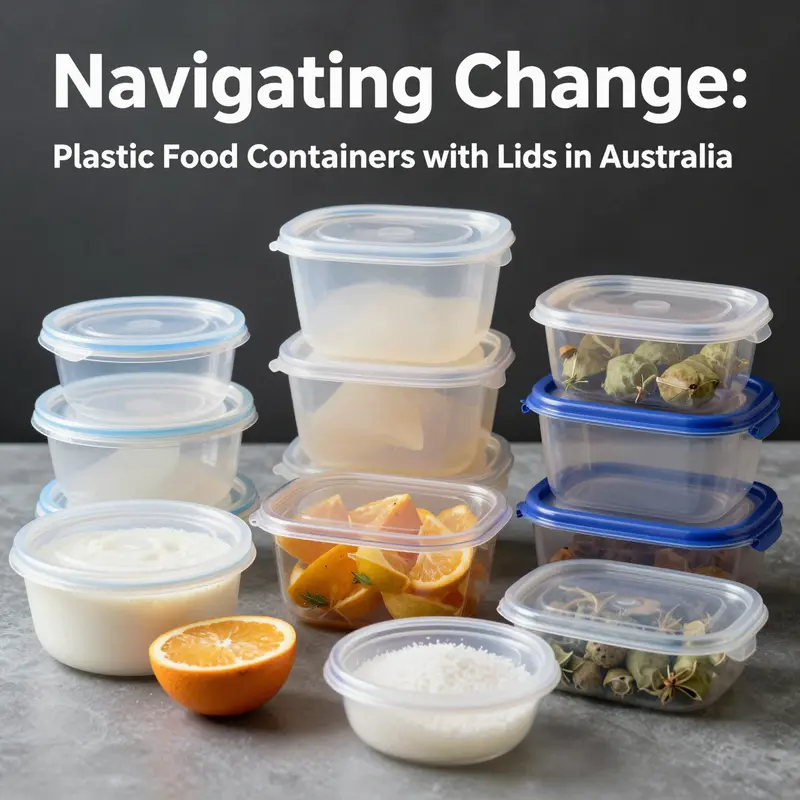
In Australia, the everyday act of storing and reheating food in plastic containers with lids sits at the intersection of safety, policy, and practicality. The regulatory landscape has shifted rapidly in the past few years, nudging households and food businesses toward choices that prioritize reuse, recyclability, and lifecycle thinking. The Western Australian state’s plastic ban, implemented in 2022, marked a turning point. One of its most visible steps was the prohibition of single-use plastic cups for cold drinks from October 1, 2022, a move that reflected a broader policy intent: to curb the most disposable, resource-intensive forms of packaging. While the ban began with a targeted measure, the trajectory is clear. regulators anticipate amplifying restrictions on plastics that are hard to recycle or degrade, a trend that aligns with global pressure to reduce plastic waste and its environmental footprint. Against this backdrop, consumers and businesses are increasingly drawn to options that promise durability, safety, and a rational end-of-life path. The choice of material, in other words, is not merely a matter of immediate convenience. It is a decision shaped by safety standards, environmental goals, and the practical realities of kitchens, markets, and supply chains.
The core materials that populate the shelves and households across Australia—polypropylene (PP), high-density polyethylene (HDPE), and polyethylene terephthalate (PET)—are chosen for reasons that connect chemistry to everyday use. PP is valued for its heat resistance and mechanical reliability. It remains a workhorse for lunch boxes and reusable storage containers because it can withstand repeated washing, frequent handling, and the occasional microwave session without losing integrity. The safety of PP-contact materials in Australia is anchored in compliance with the Food Standards Australia New Zealand (FSANZ) standards, which set the bar for how food-contact substances behave in real-world conditions. This regulatory backbone gives both manufacturers and consumers a shared reference point for what counts as safe interaction with food during storage, heating, and serving. The focus is not merely on keeping contents contained; it is about preventing any unwanted transfer of substances from the container to the food, even after months of use or numerous cycles of heating and cooling. PP’s resilience thus becomes a practical advantage in households that balance meal prep, portioning for busy weeks, and the need to reuse containers without compromising safety.
HDPE, another dominant material in this segment, brings its own suite of properties to the table. Its chemical resistance makes it particularly suitable for containers that hold liquids, sauces, or foods intended for longer storage. HDPE’s robustness translates into strong performance under chill and in the freezer, where some containers must endure cold-induced brittleness or density changes. The inherent opacity of HDPE serves a secondary protective role by shielding light-sensitive contents, which can be important for preserving flavor, color, or nutritional quality in certain foods. In the Australian market, HDPE’s stability and durability are complemented by its track record in recycling streams, where its resilience helps maintain material integrity through multiple reuse cycles. The capacity to reclaim HDPE at the end of a container’s life aligns with broader sustainability goals, making it a sensible choice for people who want products that can be responsibly managed beyond their initial use.
PET rounds out the trio in a different space. It is lightweight and highly transparent, offering clear visibility of the food inside, which is a valued characteristic for display packaging or clear storage solutions. However, PET’s strengths come with caveats. PET performs well for single-use or short-term reuse but is generally not suited for high-temperature processing or repeated heating. Its performance profile thus positions it differently in the consumer appetite for sustainability. PET’s recyclability is a central feature, and in many cases it is marked with the resin code ♻️1, a common indicator in Australia’s recycling streams. The interplay between PET’s advantages and its limitations is a reminder that material choice is rarely just about cost or aesthetics. It is about how a container will be used, how it will be cleaned, how it will be stored, and how the recycled material will re-enter the economy once its useful life ends.
Beyond the basic materials, the Australian market places a premium on labeling that addresses consumer health concerns. A familiar term on product packaging is BPA-free, reflecting ongoing consumer scrutiny about chemical exposure and food safety. While BPA has faced scrutiny, the safety framework for Australia’s food-contact materials is anchored in FSANZ’s guidance, which emphasizes that materials should not transfer harmful substances to food in a manner that could pose a risk to human health. The emphasis on safety is complemented by broader expectations around food-contact compliance. Labels often highlight that a container is microwave-safe, dishwasher-safe, and freezer-safe. These designations do more than signal convenience; they set expectations about how a container can be safely used—how it can be heated, cleaned, and stored without compromising its integrity. When a consumer reads that a polypropylene container is microwave-safe or a dishwasher-safe, the implicit trust is that the material’s stability will persist through repeated use. This trust is anchored in regulatory oversight but tested daily by domestic routines.
Even within a single material family, manufacturers recognize the need to adapt to user needs and sustainability goals. A notable design evolution has been the integration of silicone seals into PP-based containers. These seals enhance airtightness and durability, reducing the risk of leaks during freezing or transport and extending the life of the container. The silicone seal is not a substitute for good material selection; it is an enhancement that works with the base polymer to increase performance in real-world conditions. This kind of design thinking—where a durable plastic is paired with a resilient seal—reflects a broader shift in packaging toward longevity and reliability. It also nods to a reality that a growing share of consumers values products that can be reused many times over with predictable results.
Policy and practice move in tandem through a regulatory framework that Australia’s food safety authorities continually refine. The FSANZ Food Standards Code provides the backbone for what can contact food and how materials may interact with it. The Code is not a static document; it evolves as new evidence emerges about chemical migration, consumer exposure, and the environmental implications of packaging. The aim is to protect public health while enabling practical use of packaging in homes, schools, workplaces, and food service settings. For readers who want to dig deeper into the regulatory specifics, the FSANZ portal on Food Contact Materials offers access to current standards, guidance, and interpretation notes. This external resource serves as a touchstone for understanding how the Australian approach to packaging materials translates into everyday products and consumer expectations.
The material choices are also shaped by the environmental narrative that accompanies modern consumption. In Australia, growing environmental demands are pressuring brands to move toward recyclable materials and to participate in take-back and recycling programs. PET and PP, marked with ♻️1 and ♻️5 respectively, are widely recognized in recycling streams, and many products encourage consumer participation in recycling programs. The emphasis on recyclability is not merely about end-of-life—it is about how a product is designed from the outset. A container that is easy to recycle, easy to clean, and resilient enough to withstand multiple uses can reduce waste and extend the value of the raw materials. Yet the recycling story is not one-sided. It requires robust infrastructure—collection, sorting, processing, and market demand for recycled polymer resins—to close the loop. In Australia, as elsewhere, the success of these programs depends on coordinated action among manufacturers, retailers, and consumers, with policy incentives and public participation playing vital roles.
For many households, the practical path forward involves balancing the convenience of reusable plastic containers with the realities of busy schedules and diverse cooking routines. The design of a container—its material, its lid, its seal, and its ability to endure repeated washing—contributes to long-term cost savings and waste reduction. A PP container designed for regular microwaving and dishwashing can replace disposable options over time, provided it remains safe and functional after many cycles. An HDPE container optimized for long-term storage and cold temperatures can hold sauces or dairy products in the refrigerator or freezer without loss of form. A PET container, while often more suited to single-use applications or translucent display packaging, can still play a role in food service contexts that require lightweight, cost-effective solutions, particularly when end-of-life recycling is readily accessible. The interplay of these materials suggests a practical roadmap: choose the container that aligns with how you plan to use and reuse it, invest in proper cleaning and storage practices, and stay informed about regulatory updates that might shift the balance toward more sustainable options.
An underlying challenge remains: the tension between consumer demand for convenience and the policy imperative to reduce waste. This tension is not a sign of conflict but a signal that packaging design must evolve. It calls for continued innovation in materials science, manufacturing processes, and end-of-life management. Some designers and manufacturers are experimenting with bio-based or bio-degradable alternatives, but these options also require careful evaluation. Bioplastics and compostable polymers, for instance, may offer advantages in specific contexts but can demand different disposal pathways and may not be suitable for all heating methods or all recycling streams. The Australian market, with its strong focus on food safety and environmental stewardship, will likely continue to test these alternatives in pilot programs, while standard PP, HDPE, and PET remain the workhorse materials for most households and food-service operations.
In reporting on these choices, it is important to avoid oversimplification. The decision to use a particular material is a function of several factors: the expected frequency of use, the type of food stored, the need for portability, the heating or cooling method, cleaning practices, and the availability of recycling options in a given region. A container that excels at keeping moisture out and resisting heat may falter if it cannot be reliably cleaned, or if it cannot be recycled at the end of its life. Conversely, a container that is easy to recycle but lacks a robust seal or heat resistance may be impractical for daily use. The consumer-facing labels—such as microwave-safe, dishwasher-safe, freezer-safe, and BPA-free—are useful indicators, but they must be interpreted within the broader regulatory and environmental context. The FSANZ standards, recycling codes, and national waste-management policies all inform what these labels mean in practice.
For readers who want to explore a practical example of how packaging alternatives can be integrated into everyday menus while staying aligned with safety standards, consider the available options in eco-friendly packaging portfolios. One illustrative pathway is to examine products that combine PP-based containers with silicone-sealed lids and recyclable or compostable components where appropriate. Such configurations aim to deliver airtightness, durability, and user-friendly cleaning without compromising safety or environmental considerations. This approach reflects a broader industry trend: design for reuse, design for end-of-life, and design that communicates clear safety and care signals to the consumer. While specific product lines and brands are outside the scope here, the guiding principle remains consistent: choose materials that perform reliably under the conditions the container will encounter, and pair them with lids and seals that maintain integrity through repeated cycles of use and cleaning.
Readers who are planning menus, packaging strategies for small businesses, or household storage solutions can benefit from aligning material choices with these considerations. If you are evaluating whether a PP container is right for your use case, assess the heat tolerance, the lid sealing mechanism, and the ease of cleaning in your routine. If long-term storage and light protection are key, an HDPE option might be preferable. If transparency for product visibility or lower weight is a priority, PET could serve in appropriate contexts, with an awareness of its heating limitations and reuse expectations. In every case, the end-of-life path should be a central planning factor. Recycling options, local facilities, and community programs will determine how effectively the material cycle closes, whether the container is returned for reuse or recycled into new products. The dialogue among manufacturers, regulators, retailers, and consumers is ongoing, and it will shape the next generation of plastic food containers with lids in Australia.
As part of this ongoing conversation, the broader push toward sustainable packaging invites continued curiosity and dialogue. Government channels encourage public input to refine policies, and industry groups continue to experiment with smarter designs that extend life, reduce waste, and maintain safety. The official channel established by state and national authorities provides a conduit for feedback and for access to updates on policy changes and compliance expectations. For readers seeking to broaden their understanding and to stay current with regulatory developments, a practical step is to register for updates from official sites. This kind of engagement supports a more resilient packaging ecosystem in which safety, convenience, and environmental responsibility reinforce one another. The future of plastic food containers with lids in Australia is likely to feature designs that emphasize reusability, recyclability, and a transparent demonstration of safety through standards compliance and reliable performance in real-world use.
In sum, the materials at the heart of plastic food containers with lids—PP, HDPE, and PET—are more than chemical formulations. They are instruments of safety, practicality, and environmental responsibility. They enable households to store, reheat, and transport food with confidence, while regulators ensure that these practices do not compromise health. Consumers, in turn, navigate the landscape by reading labels, choosing products designed for durability and end-of-life compatibility, and participating in recycling programs. Through careful material selection, thoughtful design, and active engagement with policy developments, Australian households and businesses can maintain safe food practices while contributing to a more sustainable packaging economy. The conversation continues, and its direction will be shaped by ongoing innovation, robust standards, and collective commitment to a cleaner, safer food system. For those who want to explore a concrete path toward alternatives that emphasize circularity and reduced environmental impact, see this eco-friendly recyclable pulp take-away cup holder. And for a broader regulatory context, consult the authoritative FSANZ resource linked here: https://www.foodstandards.gov.au/food-contact-materials
Sealed for Convenience, Shaped by Policy: The Australian Market for Plastic Food Containers with Lids
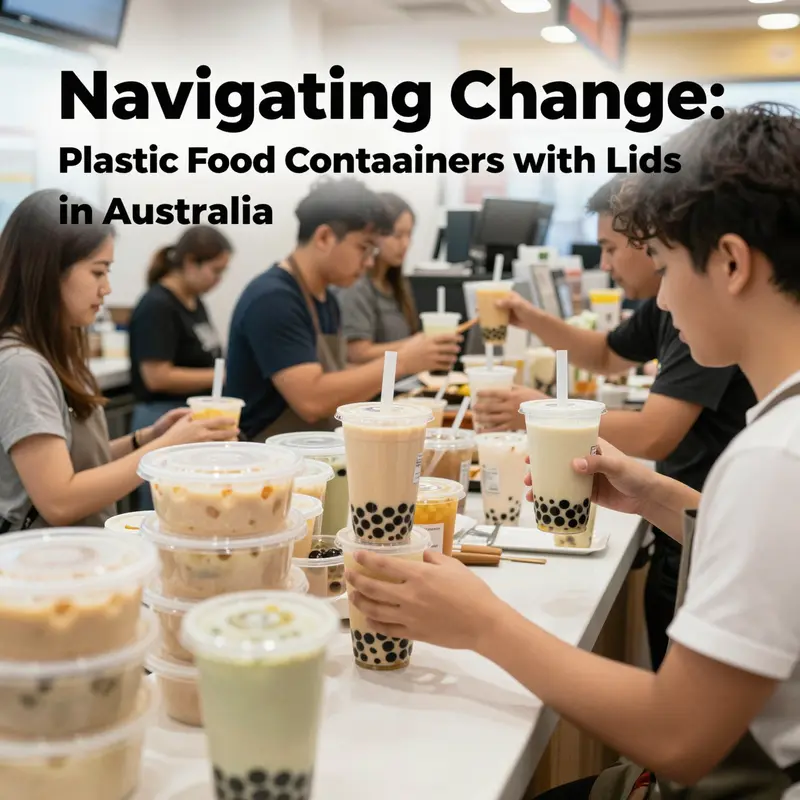
In Australia, the story of plastic food containers with lids unfolds at the intersection of daily convenience and evolving policy. Families stock up for meal prep, households organize leftovers, and small eateries rely on durable, stackable containers for takeout and delivery. Yet the regulatory backdrop is shifting, nudging households and businesses toward reuse, recycling, and, where possible, alternatives to conventional plastics. The tightened gaze of policy, the push from environmental programs, and the practical demands of modern food service together define the current trajectory of this market. As a result, what might be seen as a simple storage solution has become a bellwether for how Australians balance convenience, cost, and responsibility in packaging choices.
Market dynamics in Australia for plastic food containers with lids reflect a measured but steady growth path. The broader Australian Plastic Packaging Market was valued at about USD 2.9 billion in 2026 and is projected to rise to roughly USD 3.22 billion by 2031, with a compound annual growth rate around 2.15 percent. This tempo signals ongoing reliance on plastic packaging for durability, cost-effectiveness, and versatility, even as sustainability concerns spill into every layer of product development and procurement. In practical terms, retailers, caterers, and households continue to favor containers that can transition smoothly between stages of food handling—storage, reheating, serving, and transport—without compromising safety or cleanliness. The appeal lies in the way these containers combine light weight with resilience, making them a dependable choice for busy kitchens, restaurants offering takeout, and households that prepare meals in advance.
The most visible features steering consumer and commercial choices are the practical capabilities of the containers themselves. There is a noticeable shift toward products labeled microwave-safe, freezer-safe, and dishwasher-safe. These attributes align with how Australians manage meals—from thawing a batch of prepared lunches to reheating a single portion in the same vessel and cleaning efficiently after use. The market has witnessed a rising preference for reusable and stackable designs that can endure repeated cycles of use, washing, and stacking without losing seal integrity or structural strength. This is not merely about material resilience; it is about design that respects a busy lifestyle while delivering reliable performance. In a world of takeout and home-cooked meals alike, lids matter as much as the container body. A well-engineered lid that resists leaks, accommodates functional features like straw slots where appropriate, and remains securable without warping under heat or cold can determine whether a consumer stores leftovers for a day or a week without compromise.
Material choices underpin these capabilities. Polypropylene, PET, and HDPE remain the backbone of many mainstream plastic containers in Australia. Each material brings its set of advantages and trade-offs. Polypropylene offers robust heat resistance and structural integrity, which explains its prevalence in meal-prep boxes and commonplace storage containers. It also tolerates repeated microwave heating and dishwasher cycles, essential for the daily routines of households and the demands of food service. PET provides clarity, lightness, and cost efficiency, often found in transparent displays or lighter-weight, single-use or semi-reusable containers. HDPE delivers chemical resistance and sturdiness, making it suitable for liquids or foods that require secure containment. Yet, beyond raw material performance, recyclability and end-of-life handling continue to influence purchasing decisions. Consumers increasingly weigh not just a container’s immediate utility but its lifecycle implications—whether the product can be recycled in local streams, whether it offers a straightforward route to reuse, and how it integrates with local processing capabilities.
The regulatory environment in Australia—particularly in Western Australia but with implications across jurisdictions—illustrates how policy can reshape the practical economics of packaging. A notable development is the 2022 prohibition on single-use plastic cups for cold drinks in Western Australia. This policy, implemented on October 1, 2022, signals a broader shift in the policy architecture around disposable plastics. While the current stage does not blanket-ban all single-use plastic food containers, the trajectory suggests a tightening approach to disposables and a preference for reusable, recyclable, or compostable alternatives. The government and industry watchpoints emphasize a move toward systems that minimize waste, simplify recycling, and reduce litter. In parallel, policy feedback mechanisms invite public input, creating a dialog between stakeholders and regulators. For Australians following policy developments, registration channels offer timely updates and avenues to contribute to shaping future rules. The broader implication for manufacturers and retailers is a careful balancing act: delivering the flexibility that kitchens and food service demand while aligning with evolving standards for safety, recyclability, and environmental responsibility.
Within this shifting regulatory canvas, the market is responding with smarter design and broader material choices. A recurring theme is the emphasis on containers that can handle repeated use—paired with lids that maintain heralded seals and leak resistance. The practical realities of food service, meal prep, and home storage push designers to optimize for durability without sacrificing stackability and space efficiency. A growing subset of products features silicone seals and improved gasket geometry that enhance airtightness and longevity, reinforcing the promise of longer lifespans for containers, even under rigorous dishwashing or microwave cycles. This focus on durable, long-lasting design aligns with consumer expectations for value and sustainability, reducing waste by enabling more cycles of use before disposal.
In the consumer space, the demand for these containers is closely linked to meal preparation and delivery ecosystems. The appeal is simple yet powerful: a container that can serve as a reliable vessel for leftovers, a reusable lunchbox for daily work or study, and a safe vessel for reheating and transporting meals. The convenience of a lid that seals effectively translates into less spillage and more confidence when taking food on the go. For households and businesses alike, the ability to stack containers efficiently translates into space savings in cupboards, refrigerators, and commercial storage rooms. In such ways, the container ceases to be a mere receptacle and becomes an integrated component of a broader workflow that includes portion control, inventory management, and food safety practices. The market’s growth, though gradual, is thus rooted in everyday practicality as much as in macro-environmental concerns.
From a product development perspective, the broader market segment of plastic tubs and lids is forecast to experience remarkable growth in the coming years. A forecasted CAGR of around 14.8 percent from 2026 to 2033 signals intense innovation and specialization within container systems. This reflects not only incremental improvements in material performance but also a shift toward systems designed for specific functions—portion-controlled packaging for meals, modular stacking for storage efficiency, and compatible accessory ecosystems that extend the lifespans of primary containers. Designers are increasingly exploring smaller, portion-controlled formats—such as compact containers on the order of tens of milliliters—for salads and meal prep. These micro-designs balance the needs for precise portioning with the realities of environmental responsibility and cost efficiency. The trend toward modularity—where multiple containers with compatible lids can be nested or stacked in a single system—speaks to a longer-term strategy: to reduce space requirements while enhancing versatility for a wide range of uses.
In considering the broader implications of these shifts, it is important to note how market players communicate value. In a landscape where safety, durability, and sustainability compete for attention, clear labeling about microwave and dishwasher compatibility, heat resistance, and recyclability becomes essential. Retailers and manufacturers increasingly emphasize transparency around material composition, reuse cycles, and end-of-life channels. This clarity helps consumers make informed decisions that align with personal habits and local recycling capabilities. It also helps food service operators maintain consistent service standards, ensuring that containers perform under the rigors of busy environments without compromising food safety or safety compliance.
The push toward sustainability does not imply an outright rejection of plastic containers. Instead, it underscores a nuanced calculus: the choice between single-use disposables and reusable systems, and the selection of materials and designs that maximize reuse potential while remaining compatible with recycling streams. In this context, the conversation about alternatives often centers on two axes. First, improving the recyclability of plastic containers themselves—by adopting materials that are widely accepted in local recycling programs and by designing lids and bodies that can be sorted and processed efficiently. Second, expanding the use of non-plastic alternatives where viable, such as paper-based or compostable options for certain takeout and serving contexts. The objective is not to swing to the extremes but to expand the range of practical choices that align with consumer needs and environmental responsibilities.
For readers seeking to explore non-plastic pathways within a packaging ecosystem that still values the benefits of lids and containment, there are viable, aesthetically capable, and functionally robust options. Consider the rectangle takeaway kraft-octagonal paper bowl with lid, a design that demonstrates how non-plastic materials can meet the demands of takeout service and home storage. This option embodies several core advantages: it presents a reliable seal with an effective lid, supports heat tolerance sufficient for many hot and cold foods, and relies on materials currently perceived as more recyclable in many jurisdictions. While such alternatives do not replicate every performance characteristic of plastics—particularly in terms of long-term durability for repeated cycles—their emergence signals a broader portfolio of choices that retailers and consumers can draw upon. For those interested in exploring this paper-based alternative, the following link offers a closer look at a design that blends function with sustainability: new-design rectangle takeaway kraft-octagonal paper bowl with lid.
Beyond individual products, the Australian market is increasingly shaped by an ecosystem perspective. Retailers and food service providers are building supply chains and procurement strategies that emphasize lifecycle thinking. This includes selecting containers with proven performance in reheating and freezing, choosing materials with compatible recycling streams, and investing in lids that preserve moisture and prevent leakage during transport. The dialogue around container systems also intersects with broader sustainability efforts—reducing greenhouse gas emissions associated with packaging, minimizing waste through reuse programs, and supporting consumer education about recycling and proper disposal. In practical terms, this translates into packaging solutions that are designed not only for today’s needs but also for the waste management realities of tomorrow.
Policy dialogues also matter in shaping how packaging systems evolve. Public feedback channels, such as government portals and stakeholder consultations, play a role in guiding future standards and incentives. The combination of regulatory expectations and consumer demand creates a dynamic environment in which product performance, environmental footprint, and cost considerations are assessed in tandem. In such a climate, the value proposition of a plastic container with a lid hinges on a balance: the proven reliability of containment and heat resistance, the cost-effectiveness and versatility that support everyday use, and the ongoing possibility of adapting packaging formats to meet evolving environmental goals and regulatory requirements. As these pieces align, the Australian market for plastic food containers with lids remains a pragmatic, continually renewing sector shaped by the twin engines of function and responsibility.
For researchers and industry observers, it is useful to anchor the discussion in a sense of market scale and trajectory. The market’s size and growth rate reflect fundamental demand patterns across households and the food service sector. Yet the more meaningful story lies in how containers are engineered, marketed, and integrated into sustainable consumption practices. The rise of reusable-lid concepts, silicone-sealed designs, and smarter packaging formats corresponds with a broader trend of users seeking products that combine reliability with environmental mindfulness. In this sense, the Australian experience offers a case study of how a mature market negotiates continuity and change—preserving convenience and safety while embracing designs oriented toward reuse, recyclability, and thoughtful end-of-life management.
To readers who want to delve deeper into the broader packaging landscape, including specifications, performance benchmarks, and common uses of various container formats, industry guides and research sources provide valuable context. As the market continues to evolve, practitioners will benefit from staying informed about the latest design innovations, regulatory developments, and consumer preferences. The shifting sands of policy and practice invite ongoing collaboration among designers, manufacturers, retailers, and regulators alike. This collaboration can accelerate the adoption of packaging solutions that meet today’s expectations for safety and convenience while also aligning with tomorrow’s sustainability imperatives.
In sum, the Australian market for plastic food containers with lids is not a static category. It is a dynamic arena where everyday practicality, regulatory foresight, and environmental responsibility converge. Consumers increasingly value containers that perform consistently across heating, chilling, washing, and storage cycles. Food service operators see containers as an integral part of their service quality and brand promise. And policymakers view packaging as a lever for reducing waste and improving recyclability without sacrificing accessibility or affordability. The result is a landscape where plastic containers with lids remain essential, yet their design, use, and lifecycle are continually refined to reflect a society striving to balance convenience with a growing commitment to environmental stewardship. As policy and market signals continue to evolve, so too will the shapes, materials, and capabilities of the containers we rely on every day.
External resource for further reading and regulatory context: https://www.foodserviceaustralia.com.au/food-container-guide-2026
Final thoughts
The landscape for plastic food containers with lids in Australia is rapidly shifting due to regulatory changes and evolving consumer preferences. As businesses in the food sector adapt to stricter environmental policies, understanding the materials suitable for your operations and staying ahead of market trends will be crucial for success. Consider these aspects thoughtfully to enhance your service and meet both compliance and consumer demand.