
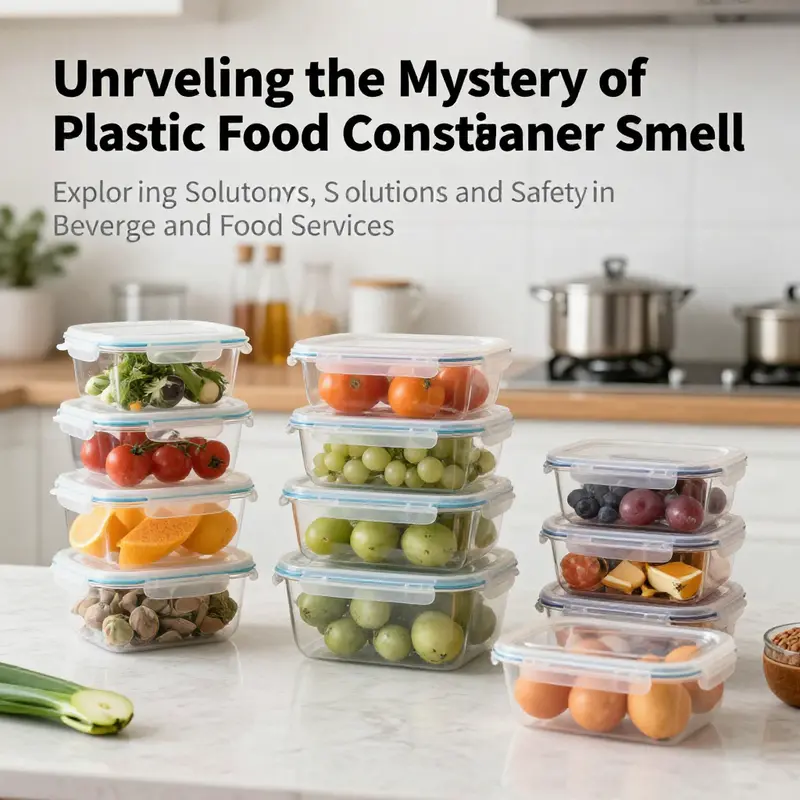
Odors from plastic food containers can be a challenge for any culinary operation—from bubble tea shops to catering services. The nature of plastic materials used in food storage, along with usage habits, significantly influences odor retention. This comprehensive exploration will delve into the causes of unpleasant smells, effective cleaning and maintenance strategies, and the implications for food quality and safety. A comparative analysis of plastic and glass will reveal the superior options for odor-free food storage. Lastly, we’ll provide regulatory insights to help you navigate the complexities of safe food practices. By understanding these aspects, food service professionals can enhance their operational standards and customer satisfaction.
Trace Scents: Unraveling the Chemistry Behind Odors in Plastic Food Containers
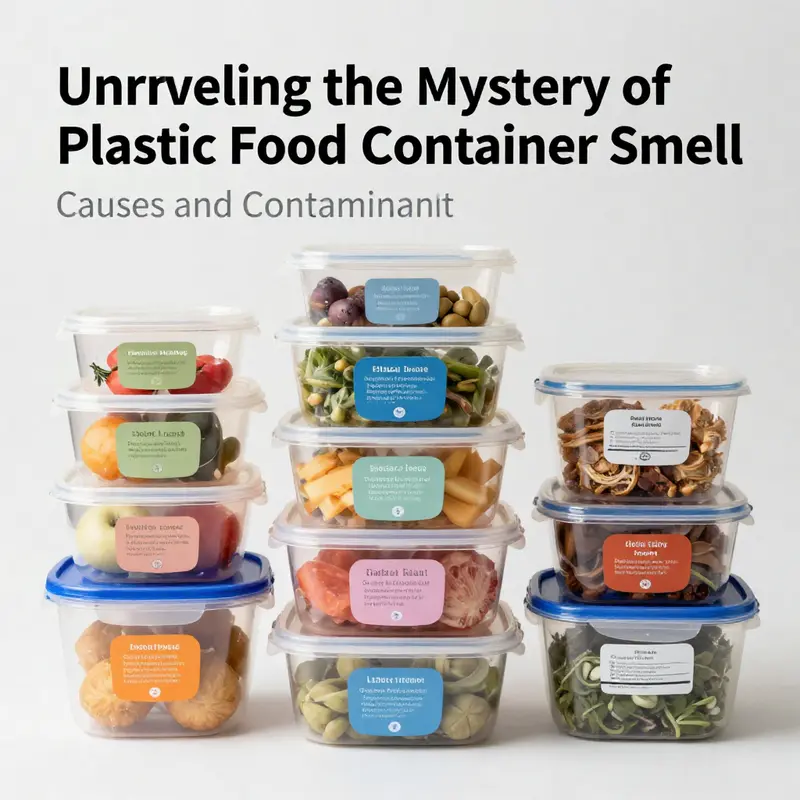
In kitchens around the world, the stubborn smell of storage lingers long after the meal is finished. A faint note of garlic, a hint of curry, or the unmistakable “plastic” tang can haunt a plastic container, even when it’s clean enough to reuse. This phenomenon is not merely a matter of perception; it rests on the chemistry of plastics and the way we use them. Plastic food containers are not perfectly inert shields. Many polymers, including polypropylene (PP), polyethylene terephthalate (PET), and polycarbonate (PC), are semi-permeable in their own right. They can slowly absorb trace amounts of the very substances they hold—oils from fatty foods, acids from tomato sauces, and various volatile compounds released as foods decompose or season. Over time, these absorbed residues nestle into the microscopic crevices and microstructures of the plastic surface. When later containers meet another fatty or aromatic item, those lingering compounds can migrate anew, releasing odors and, in some cases, subtly transferring flavor notes from one storage cycle to the next. This mechanism helps explain why a bright tomato-based sauce can color a future meal with a faint, tomato-like aroma, even if the container was thoroughly washed. The smell is not simply an inconvenience; it is a trace of the material’s interaction with food over time, a physical and chemical memory of past contents.
But odor does not arise from plastic alone. The very process of making plastic products introduces a family of compounds that can contribute to smells, especially under certain conditions. Plasticizers like phthalates are added to some plastics to improve flexibility and durability. These additives are not chemically bound to the polymer and can migrate into food when the container is heated, exposed to fats, or stored for extended periods. Heating is the accelerant. When a container is subjected to microwave energy or left atop a hot stove, temperatures can rise enough to mobilize these compounds. The result can be a composite aroma—a dish-like fragrance blended with what might be described as a faint chemical or “plastic” note. Some people, particularly when the containers hold sensitive foods like baby foods or dairy, report tastes or after-notes that feel more chemical than culinary, hinting at additive migration rather than mere odor from the food itself.
Beyond additives, there are residuals from the manufacturing process. Residual monomers and low-molecular-weight oligomers can remain in some plastics. When heated or aged, these small molecules can be released, contributing additional odor and even posing safety considerations for those with heightened sensitivities. The issue becomes more pronounced with repeated use and exposure to heat, as older or more degraded containers are more likely to shed volatile compounds. The notion that a plastic container could silently release fumes alongside food is disquieting, yet not unfounded; the chemistry is straightforward, if unwelcome. When plastics are overheated or degraded through use, thermal decomposition products can form. Volatile compounds such as formaldehyde, acetaldehyde, and benzene derivatives can emerge from aging polymers under stress. While the quantities may be small, they illustrate a real risk that odor is signaling: chemical migration from the container into the surrounding air and, potentially, into food. All of this underscores a simple point: odors are not merely a nuisance but a cue to ongoing interactions between storage vessel and its contents.
Given this background, practical strategies for reducing or preventing plastic container smells center on controlling exposure, residues, and conditions that accelerate migration. First, selecting the right materials matters. When possible, opting for food-grade plastics such as PP and HDPE provides more stability and a lower likelihood of leaching under normal kitchen conditions than some other plastics. These materials resist permeation better and tend to hold onto odors less aggressively. The most important caveat applies to heat: never microwave or boil food in a container unless it is explicitly labeled as microwave-safe. Heat is a principal driver of chemical migration and odor release, so minimizing exposure to high temperatures is a straightforward way to reduce odor transfer.
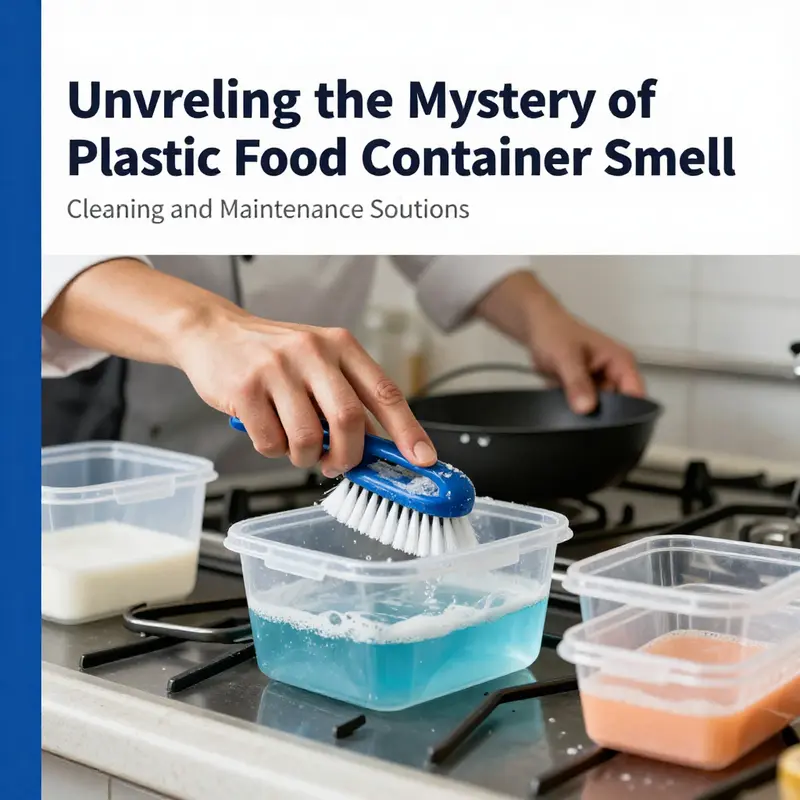
Cleaning practices are the next crucial line of defense. Regular, thorough cleaning after each use removes the sources of odor—the oils, acids, and particulates that can become embedded in microtextures. Warm water, mild dish soap, and a soft brush can remove stubborn grease and film. Attention to hard-to-reach corners and seams is essential, because residues there can become reservoirs of odor over time. A key insight from the research on this topic is that the odor compounds can reside in the surface layers for extended periods; thus, persistent cleaning, rather than a quick rinse, pays dividends in the long run. After washing, a drying routine matters as well. Allow containers to dry completely in a well-ventilated area, preferably upside down, to avoid moisture buildup and to inhibit microbial growth that can generate its own unpleasant aromas.
Natural deodorizing methods offer an appealing, low-cost option for odor control. A soak in a mixture of white vinegar and water for several hours can neutralize lingering lipophilic compounds and help remove surface oils. Placing lemon slices or tea leaves inside the container for a period can introduce fresh aromas that outcompete stubborn plastic notes. These approaches lean on simple chemistry: vinegar lowers pH and can disrupt the fat-and-odor interactions on plastic surfaces, while citrus and tea introduce volatile compounds with pleasant scents that can temporarily mask or displace less desirable odors. For households seeking a quick reset, these methods can be surprisingly effective, especially when combined with thorough drying and re-storage in a dry, ventilated space.
Another important aspect is choosing storage alternatives when appropriate. Glass containers are highlighted in many guides as a superior option for long-term freshness and flavor preservation precisely because glass is non-porous and inert. It does not readily absorb or release odors, does not stain as easily, and resists oxidation over time. For those who store foods for longer periods or who regularly heat meals, glass can reduce the risk of flavor carryover that often accompanies plastic storage. The switch to glass does not negate the need for cleanliness or proper drying, but it offers a more stable baseline for odor management. Within the broader conversation about packaging and storage, there is a growing emphasis on using materials that minimize chemical exposure while maximizing food integrity.
As consumers navigate these choices, it helps to anchor decisions in a broader understanding of safety and migration. Authoritative guidance and scientific investigations emphasize that the risk from plastic additives and residuals is tied to specific conditions: heat, fat content, duration of storage, and the quality of the polymer matrix. Even when regulatory bodies deem certain migration levels safe, the subjective experience of odor and taste can vary among individuals. This is especially true for delicate foods and sensitive palates, where even trace levels of migrant compounds may be perceptible. The pervasive implication is clear: odor is a useful signal of ongoing interactions between food, container material, and storage conditions. It invites consumers to consider not only whether a container looks clean, but whether its material and usage patterns align with the kind of food stored inside.
In the end, the question of plastic container smell is a matter of chemistry meeting daily life. The vivid, sometimes unpleasant scents are not merely a nuisance; they reflect a dynamic balance between how plastic is manufactured, how it is used, and how it is cleaned and stored. When a container retains a memory of past contents, that memory can influence future meals—sometimes subtly, sometimes more noticeably. For those seeking to minimize such interferences, a simple, layered approach helps: choose appropriate materials, avoid high heat, clean thoroughly and regularly, consider natural deodorizing steps, and when possible, rely on non-porous, inert storage like glass for long-term keep. And for everyday convenience, a paper-based option may be appealing as a temporary substitute, such as the disposable kraft paper bowl for food package with lid. disposable-kraft-paper-bowl-for-food-package-with-lid/
For readers who want to explore the science behind chemical migration from plastic packaging into food more deeply, a peer-reviewed synthesis provides a rigorous overview of how heat and food composition influence these processes: https://www.ncbi.nlm.nih.gov/pmc/articles/PMC9253471/. This external resource helps connect everyday kitchen observations with controlled experiments and broader regulatory considerations, reinforcing the idea that odors are not merely cosmetic but indicative of material–food interactions that deserve attention in daily storage practices.
Odors in Plastic Storage: How Smells Form, How to Restore Freshness, and Safer Alternatives
Plastic food containers carry more than just a lid and a label. They can harbor smells that linger long after the last bite, especially when oils, acids, or strong aromatics have been stored repeatedly. The core challenge is not just surface residue but the material itself. Many plastics used in food storage, including polypropylene (PP) and polycarbonate (PC), are semi-permeable. They can absorb trace amounts of oils, acids, and volatile compounds from the foods that sit inside them. Over time, these absorbed substances can become embedded in microscopic pores and on the surface, leading to off-flavors and stubborn odors. The problem often grows with repeated use or when containers hold fatty or acidic or highly aromatic foods like soups, sauces, or spices for extended periods. In addition, some plastics contain additives such as plasticizers or stabilizers that may migrate into food under certain conditions, particularly heat, fats, or long storage. Even when regulatory limits are considered safe, sensitive palates may detect subtle chemical or “plastic” tastes in delicate items like infant meals or dairy. Lower-quality containers may also carry residual manufacturing odors right out of the box, which can resist ordinary cleaning and become more noticeable as use continues.
To prevent or reduce these smells, it helps to understand both the substance and the surface it clings to. First, choose food-grade plastics that are known to be more stable and less prone to leaching. Polypropylene (PP) and high-density polyethylene (HDPE) are common examples that generally fare better than others when it comes to odor stability. However, even these materials benefit from careful use. Heat accelerates the migration of compounds from plastic into food and speeds up odor release, so it is prudent to avoid heating regular plastic containers unless the packaging explicitly indicates microwave safety. This isn’t simply a matter of odor; it relates to safety and flavor preservation as well. On the cleaning side, a thoughtful routine can dramatically reduce odors by removing the residues that trap smell at the microscopic level. Warm water with mild dish soap, applied with a soft brush to scrub seals, corners, and the inside surfaces, helps dislodge trapped grease and food particles that act as odor reservoirs.
Natural deodorizing agents offer a practical, low-risk approach. A white vinegar soak is particularly effective for alkaline odors such as garlic or fish; a 1:1 mix of warm water and white vinegar can be left inside the container for 30 minutes to an hour, then rinsed thoroughly. The acidity of the vinegar neutralizes lingering odors without leaving a harsh scent of its own. For a gentler, citrus-infused option, lemon juice helps break down odor molecules while imparting a fresh fragrance. Slices of fresh lemon placed in warm water for 30 to 60 minutes can work wonders; after use, the lemon pieces should be discarded and the container rinsed well. When odors prove stubborn, baking soda can be an ally. Sprinkling 1–2 tablespoons into a dry container, sealing it, and leaving it overnight in a cool, dry place leverages baking soda’s porous structure to absorb odors from the plastic itself. In cases of persistent stains, a baking soda paste—the mixture of baking soda with warm water in a 1:2 ratio—can be applied to stained areas, especially around seals and corners. Scrub gently with a non-abrasive sponge, then rinse after a 10‑ to 15‑minute dwell time. For the toughest residues, a diluted vinegar wash—one part vinegar to about ten parts water—can be used as a soak before normal washing.
Sunlight offers an additional, though time-limited, aid. A few hours of exposure to direct UV light after washing can help reduce odors and microbial traces. The caveat is to avoid extended sun exposure that could warp or degrade some plastics. These methods do not rely on harsh chemicals; instead, they leverage simple chemistry and natural energy to refresh the container. Daily maintenance should emphasize gentle cleaners and thorough rinsing. Use mild, neutral pH dish soap and avoid bleach, bleach-containing products, or abrasive scrubbers that can scratch the surface. Scratching creates microgrooves that trap grease and odors more readily and can harbor bacteria. Rinse under running water for at least 30 seconds, paying attention to areas around the seals and hinges where residue tends to collect. Never wipe a wet container with a cloth that could transfer bacteria; instead, invert it on a drying rack in a well-ventilated area so it dries completely.
Material-specific considerations help explain why odors persist or fade. PET containers should be kept away from hot liquids; heat can accelerate degradation and odor migration. They are generally not recommended for long-term use beyond a couple of years when used repeatedly. PP containers, with their higher heat tolerance, can withstand boiling water and steam sterilization, provided the label confirms microwave safety and dishwasher compatibility. PS containers are not intended for hot liquids and may become brittle with time, especially under heat and repeated washing. PVC, if present in any food-contact role, should be approached with caution since it can harbor phthalates and may not be ideal for fatty foods or aggressive cleaners. Understanding these nuances helps set expectations about odor persistence and longevity, encouraging safer, more informed choices for everyday storage.
When odor becomes a chronic issue despite cleaning, evaluation of replacement timing matters. Most plastic containers should be examined for cloudiness, cracks, warping, or persistent smells, and considered for replacement every one to two years. For infant feeding containers or any device used in contexts requiring the highest safety standards, more frequent inspection is prudent, with discard of any damaged items at the first sign of wear. If the goal is to minimize plastic use for odor concerns altogether, eco-friendly alternatives offer compelling advantages. Glass and other non-porous materials do not absorb flavors or odors to the same extent, resist staining and oxidation better, and can be a more durable solution for long-term storage. For readers curious about alternatives, there are options in the market for sustainable, practical storage that reduce reliance on plastics without compromising convenience. For those exploring alternatives, browsing biodegradable, eco-friendly kraft paper bowls or containers can provide a different approach to food handling and storage, often with lower odor retention and a different environmental footprint. The idea is not to demonize plastic but to provide a set of practices that protect flavor, safety, and longevity while offering viable paths to less odor-prone storage, should that be desirable. If you’re interested in exploring these paper-based alternatives, you can learn more about biodegradable options that align with sustainable storage practices from a range of eco-conscious suppliers, such as biodegradable eco-friendly kraft paper bowls, which illustrate one practical direction away from plastic reliance. biodegradable eco-friendly kraft paper bowls
For authoritative guidance on safe plastic use and cleaning, it is worth consulting official health resources. The U.S. Food and Drug Administration outlines food-contact materials and plastics in official guidance, emphasizing that safety and performance depend on material type, use conditions, and adherence to labeled instructions. This context helps frame personal choices around storage, cleaning, and replacement, reinforcing the idea that odor management is part of a broader safety and quality practice rather than an isolated hurdle. By combining careful selection, thoughtful cleaning, and appropriate replacement, households can minimize the odor burden of plastic containers while preserving flavor and safety in everyday meals. In parallel, considering alternative materials can offer additional peace of mind for those seeking long-term odor stability and environmental alignment. For those who want to explore authoritative recommendations in more depth, the FDA provides accessible resources on food-contact materials and plastics. The guidance emphasizes that following manufacturer labeling and safety standards remains the cornerstone of responsible storage.
External resource for further context: https://www.fda.gov/food/food-contact-materials/food-contact-materials
Odors as Warning Signs: Reading the Role of Plastic Container Smell in Food Quality and Safety
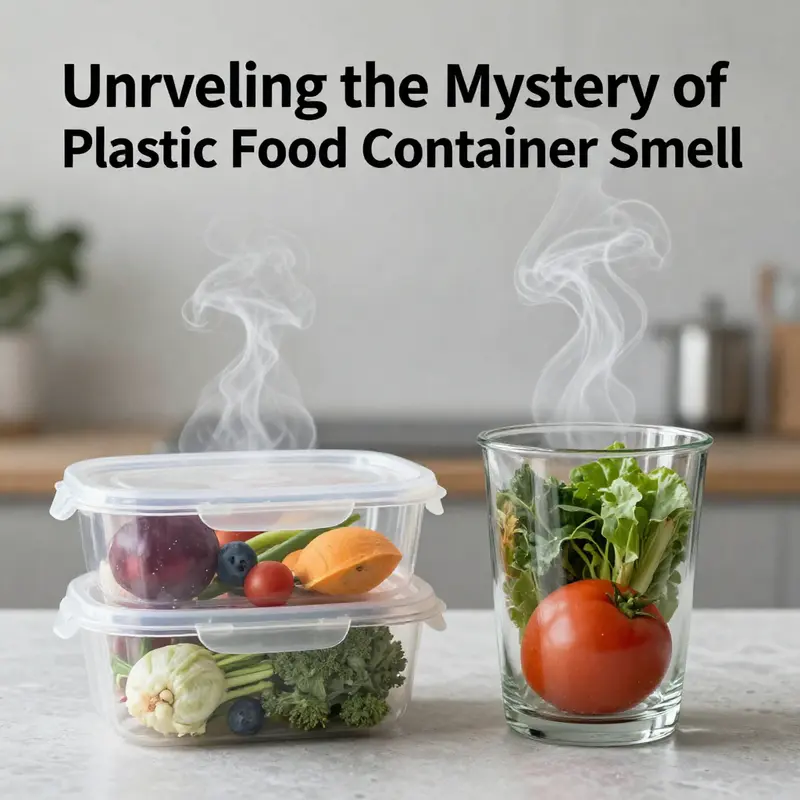
The scent that sometimes escapes from a plastic food container is not merely a nuisance to the nose. It is a signaling thread that runs through food quality, safety, and the everyday choices people make about storage. When a container begins to emit a plastic aroma, it often means more than a smell. It can indicate that the material is releasing volatile compounds and that the stored contents have interacted with the container in ways that matter for both flavor and health. Plastics are not perfectly inert, and many commonly used types are semi-permeable enough to absorb and gradually release substances along with the foods they touch. Oils, acids, and aromatic compounds from fatty sauces, soups, and spice blends can become embedded in the surface over time. Repeated use, frequent cycling between hot and cold, or prolonged storage can magnify this exchange, particularly with containers made from polypropylene and related polymers. The result is not only an off odor but a tangible shift in how the food looks, tastes, and smells after it is served or reheated. The aroma you detect is a composite, a mix of genuine food fragrance and volatile organic compounds migrating outward, a reminder that the boundary between packaging and product is more permeable than it might seem at first glance.
The science behind these odors points to a few recurring culprits. Additives that give plastics useful properties, like flexibility, can migrate under certain conditions. Phthalates, historically used as plasticizers, have the potential to leach when a container is exposed to heat or fatty substances. Although many regulatory bodies set safety margins, the perception of a chemical or plastic flavor can linger, especially in sensitive foods such as infant formula or dairy. In addition, residual monomers and oligomers—leftover raw materials from the manufacturing process—can be released when a container is heated or aged, even if their initial odor is faint. There is also the possibility of thermal decomposition products forming in degraded or repeatedly heated containers; in the worst cases, these can include volatile substances such as formaldehyde or benzene, compounds known for their health implications when exposure is extended.
This is not simply a laboratory concern. In daily life, the smells from plastic containers intersect with the way people judge a meal. A strong odor can bias our perception, tainting aroma and taste even if the actual contaminant levels remain below formal safety thresholds. For example, oil-rich sauces stored in plastic or warmed in a container may not only taste odd but can also accelerate the migration of chemicals, leading to a feedback loop where odor, flavor, and perceived safety influence each other. At the same time, the scent and its intensity can serve as a practical warning. A sharp, persistent odor can indicate that a container has undergone material changes or has absorbed substances in a way that increases the likelihood of chemical transfer during heating or storage. It is a cue that warrants caution rather than dismissal.
From a practical standpoint, this means that the choice of container matters as much as the food itself. Using food-grade plastics such as polypropylene or high-density polyethylene helps reduce the risk of leaching, but even these materials are not completely risk-free if subjected to heat, prolonged storage, or aggressive cleaning conditions. The guidance is straightforward: minimize exposure to heat, avoid microwaving or boiling foods in non-microwave-safe plastics, and be mindful of storage duration especially for fatty or acidic items. A thorough cleaning after each use reduces the residues that can harbor odors. Warm water, mild dish soap, and a soft brush to reach crevices are typically adequate for routine maintenance. Yet the odor itself can cling to the container if trapped grease and oil remain in micro-scratches or alongside seams. This is where deodorizing steps become practical rather than optional.
Soaking a container in a mild deodorizing solution—such as a mixture of white vinegar and water for several hours—can help neutralize lingering smells without introducing additional hazards. Likewise, placing lemon slices or used tea leaves inside the container for a period can help absorb and dissipate odors. After any deodorizing treatment, ensuring complete drying in a well-ventilated area is essential. Moisture can promote bacterial growth and, paradoxically, contribute to new odors if left to stagnate. Drying upside down on a rack or clean towel is a simple, effective habit that helps maintain freshness and reduces the chance that the container develops a new smell during storage.
Another crucial safeguard relates to the long-term condition of the container. Containers that show signs of wear—cloudiness, deep scratches, deformation, or a lingering odor after washing—should not be redeployed for storing or reheating foods. Worn surfaces can harbor residues more stubbornly, providing microhabitats where odors re-emerge or where chemical migration can be exacerbated by subsequent heating. In such cases, replacement is a prudent move, especially when the storage involves hot foods, oils, or acidic items known to raise the risk of leaching. For high-risk applications, alternatives that provide an even greater barrier to chemical transfer are worth considering.
If the goal is to keep meals safe and flavors true without repeated odor issues, it is wise to consider materials beyond plastics for certain uses. Glass containers offer notable advantages: they are non-porous and inert, so they do not readily retain or transfer odors or flavors. Glass resists staining and oxidation far more effectively than many plastics, making it a reliable choice for long-term storage and for foods that could intensify odor transfer. In addition, glass can often tolerate higher temperatures and more aggressive cleaning, which supports thorough sanitation. The trade-off—weight and potential breakage—should be weighed, especially for meals on the go. The overarching message remains the same: for foods where scent and flavor integrity are paramount, choosing containers with minimal odor retention and chemical interaction is a practical path to preserving quality.
In navigating these choices, it is helpful to build a simple mental checklist. First, assess the odor before using a container with a new or used item. If a noticeable plastic scent is present, postpone use or rely on safer alternatives until the scent dissipates through cleaning or deodorizing. Second, opt for food-grade plastics when plastic is necessary, and avoid heating them unless the product explicitly states microwave-safe status. Third, commit to regular, thorough cleaning and allow complete drying to prevent microbial growth that can compound odor issues. Finally, recognize that long-term freshness and flavor preservation can be better achieved with glass or other nonporous materials, particularly for hot, acidic, or oily foods.
For readers who are curious about packaging options beyond plastics, consider the broader context of safer storage choices. While plastic offers convenience, paper-based and glass solutions can offer meaningful odor and flavor advantages in certain settings. As a practical note, you can explore kraft paper containers that are designed for take-away and food-package use, which can reduce the exposure of foods to plastic-related odors and chemicals. See a disposable kraft paper bowl with lid for examples of such alternatives: disposable-kraft-paper-bowl-for-food-package-with-lid. This option illustrates how packaging design can align with flavor preservation and safety considerations without sacrificing usability. The goal is not to cast plastic as universally dangerous but to recognize when alternatives may better serve particular foods and situations.
For authoritative guidance on how to think about food contact materials and safety standards, consult the U.S. Food and Drug Administration guidelines on food contact materials. These resources provide regulatory context and practical recommendations for evaluating container choices in real-world kitchens. External resource: https://www.fda.gov/food/food-contact-materials/food-contact-materials
Scent Boundaries: How Plastic Traps Odors and Why Glass Keeps Food Fresh
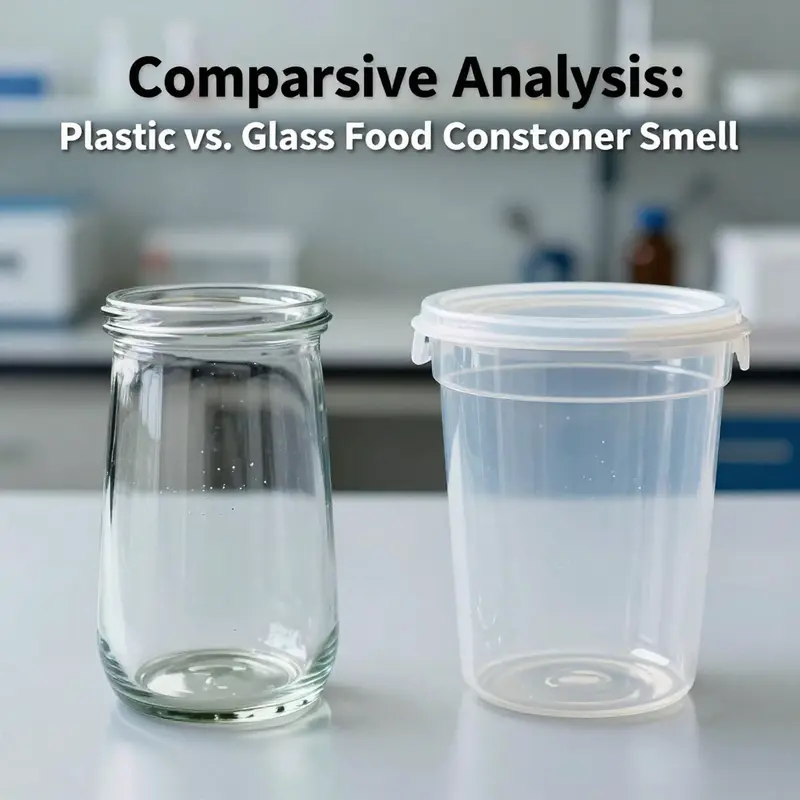
Odor in plastic food containers is more than a nuisance; it reveals an interaction between material science and daily habits. When meals are packed away for later, the container becomes a tiny laboratory where scent molecules move between food and surface, gradually shaping the aroma you finally notice when you open the lid. The reality is that many plastics used for food storage—polypropylene, LDPE, polycarbonate among them—are semi-permeable. They invite small amounts of oil, acids, and volatile compounds from foods to drift into microscopic pores and crevices that standard washing may not readily reach. What starts as a faint hint of aroma can deepen over weeks or months, especially with fatty, acidic, or highly aromatic foods like creamy sauces, tomato bases, garlic, curry, or fish. The result is not a single baseline odor, but a complex odor fingerprint that lingers in the container long after the last bite.
The science behind this lingering scent is twofold. First, the surface texture of common plastics is not perfectly smooth at the molecular level. Tiny pores and irregularities act as tiny traps for odor-causing molecules. When a strong-smelling item sits in a plastic container, those molecules can become embedded just beneath the surface. Even after washing, residues can remain, hidden from quick scrubs yet capable of re-emitting odor when warmed or re-exposed to similar foods. Second, the chemistry of plastic adds a dimension many don’t immediately consider: additives and stabilizers. Under specific conditions—heat, fats, or extended contact with acidic foods—some of these additives can migrate to the surface or into the food itself. While regulators set safety thresholds, some sensitive palates report subtle chemical tastes or a faint chalky/industrial note. Manufacturing leftovers can also contribute to an initial odor, particularly in lower-cost plastics, and this smell can be hard to eradicate without a thorough cleaning regimen.
Practical storage decisions matter as much as the chemistry. The type of plastic matters because not all plastics share the same degree of odor retention. Polypropylene and high-density polyethylene are generally considered more stable and less likely to impart or retain flavors than some other polymers. Yet even these plastics are not entirely inoculated against odor build-up. Repeated use, especially for fatty sauces or acidic foods, intensifies the problem. The best practice is to minimize the opportunity for odors to take hold in the first place. That means choosing materials that deter odor absorption when possible, cleaning with purpose, and avoiding conditions that accelerate chemical migration.
Cleaning is the frontline defense. Thorough cleaning after each use disrupts the odor cycle before it becomes a stubborn feature of the container. Warm water, mild dish soap, and a soft brush to scour away grease in seams and around lids dislodge trapped oils that can anchor smells. It’s worth noting that abrasive scrubbers and harsh cleaners can degrade the surface over time, increasing porosity and making odor retention worse rather than better. In addition, it helps to avoid letting strong-smelling foods linger inside the container for hours or days. A proactive routine—rinse promptly, wash, and rinse again—reduces the chances that a scent will set in.
Beyond regular washing, several natural deodorizing approaches have stood the test of home use. Soaking in a vinegar solution can help neutralize lingering odors, while placing lemon slices or tea leaves inside the empty container allows the interior air to absorb some of the aroma rather than the plastic itself. Drying is also critical; a damp container is a welcome host for bacteria, which can create or amplify unpleasant smells. Dry the container upside down in a well-ventilated area to promote airflow and prevent moisture pockets. These steps are simple yet effective in interrupting the odor lifecycle and preserving the fragrance integrity of future meals.
The role of storage habits cannot be overstated. Heat is a catalyst for odor release and chemical migration. Microwaving food in non-microwave-safe plastics, or placing hot meals into containers without heat tolerance, can accelerate the movement of volatile compounds into and out of the plastic. Even when the container is labeled microwave-safe, it remains essential to follow the manufacturer’s guidance and to avoid repeated cycles of high heat where possible. In many cases, using dedicated microwave-safe plasticware designed for hot usage or transitioning to glass for hot foods can dramatically reduce odor transfer and the risk of contamination.
This is where the case for glass storage becomes particularly compelling. Glass is non-porous and chemically inert, which prevents it from absorbing or retaining volatile compounds the way plastic can. Its surface does not harbor trapped oils, and it resists staining and oxidation more effectively over time. In practical tests that mirror everyday cooking and reheating cycles, glass containers consistently showed minimal residual odor after a week of even strongly flavored meals. In contrast, plastic often required more aggressive cleaning methods or repeated cycles to reduce odors, underscoring the friction between plastic’s convenience and its odor-retention tendency.
Acknowledging these differences does not dismiss plastic’s usefulness. The choice often hinges on context: portability, cost, lightness, and resistance to shattering make plastic ideal for many scenarios. Yet for those who prioritize long-term freshness and ease of odor management, glass offers a solution built on non-porosity and inertness. Within glass options, borosilicate glass stands out for durability and thermal tolerance, reducing the risk of thermal stress that might otherwise provoke odor migration in cheaper materials. Paired with BPA-free silicone-sealed lids, glass storage combines a robust barrier to odors with reliable sealing performance. This pairing minimizes both the ingress of scent into the container and the escape of volatile compounds back into the surrounding air when the container is opened.
To bridge theory with daily practice, consider how your kitchen routines map onto the chemistry at play. A quick, everyday switch can dramatically alter odor outcomes: store fatty or aromatic foods in glass rather than plastic, and use well-sealing lids to minimize air exchange. If plastic is unavoidable, opt for food-grade polypropylene or HDPE and dedicate such containers to specific types of foods to reduce cross-odor contamination. Cleaning should be thoughtful rather than ritualistic. A routine that includes thorough washing, careful drying, and occasional deodorizing treatments can preserve the original scent profile of your meals and reduce the possibility of stale odors embedded in the container’s microtexture. For readers who want alternatives that emphasize odor resistance beyond glass, one might explore packaging materials designed with minimized permeability and enhanced surface hardness, such as specialized borosilicate variants or silicone components designed for tight seals—though these approaches may involve higher upfront costs and different maintenance considerations.
An important note for curious readers who want more context on the broader discussion of materials and odors: there is a growing body of guidance around choosing storage systems that emphasize inert, non-porous characteristics. For those who prefer a greener or more sustainable option, exploring eco-friendly, recyclable alternatives can be a productive step. As a practical example linked to the broader conversation about substitution, consider exploring eco-friendly, recyclable pulp-based cups and bowls as a brief illustration of how non-plastic materials are being positioned in mainstream food handling. eco-friendly-recyclable-pulp-2-4-cups-coffee-take-away-cup-holder. This is not a direct endorsement of any particular product, but it helps frame the idea that odor-free storage is compatible with sustainability goals and can be achieved through thoughtful material choices.
In line with broader discussions of odor performance across materials, the evidence points toward glass as the more hygienic, odor-resistant option for long-term freshness. The practical implication is straightforward: if you are routinely storing leftovers for several days or more, or you frequently keep aromatic foods in storage, investing in glass containers with reliable lids can pay off in reduced odor carryover and a cleaner tasting result when you reheat or re-consume. The everyday trade-off between weight and convenience is real, but for those who value simplicity in odor management, glass presents a compelling balance of performance and peace of mind. Long-term, the choice of container—and the practices surrounding it—becomes a small but meaningful part of preserving flavor, aroma, and overall satisfaction with meals prepared at home.
For readers seeking a deeper dive into the science of odor retention and material interactions, see external resources that explore how odor behaves in different storage environments and why glass tends to outperform plastic for odor longevity. https://www.lifetips.com/food-storage/glass-vs-stainless-steel-containers-odor-longevity/ This broader perspective helps situate the practical tips within a larger framework of food chemistry and storage design.
null
null
Final thoughts
Managing smells in plastic food containers is crucial for any food service operation. By understanding the causes, implementing effective cleaning practices, and evaluating container materials, businesses can uphold food quality and safety. With insights into both modern solutions and regulatory standards, food services can enhance their operational practices while ensuring customer satisfaction. Consider transitioning to glass for long-term storage solutions, or adopt diligent cleaning and maintenance strategies for your existing plastic containers to maximize freshness.