
In today’s eco-conscious marketplace, food service operators from bubble tea shops to caterers are under increasing pressure to adopt sustainable practices, especially in plastic food container recycling. A robust recycling strategy not only helps mitigate environmental impact but also enhances brand reputation and customer loyalty. This article will delve into best practices tailored for the food and beverage industry, spotlight the challenges posed by contamination and improper recycling, and explain the importance of resin identification codes to ensure effective recycling processes. Each chapter offers valuable insights that enhance understanding and action towards efficient recycling, ultimately supporting both operational goals and sustainability commitments.
The Practical Path to Circularity: Everyday Actions That Make Plastic Recycling Work
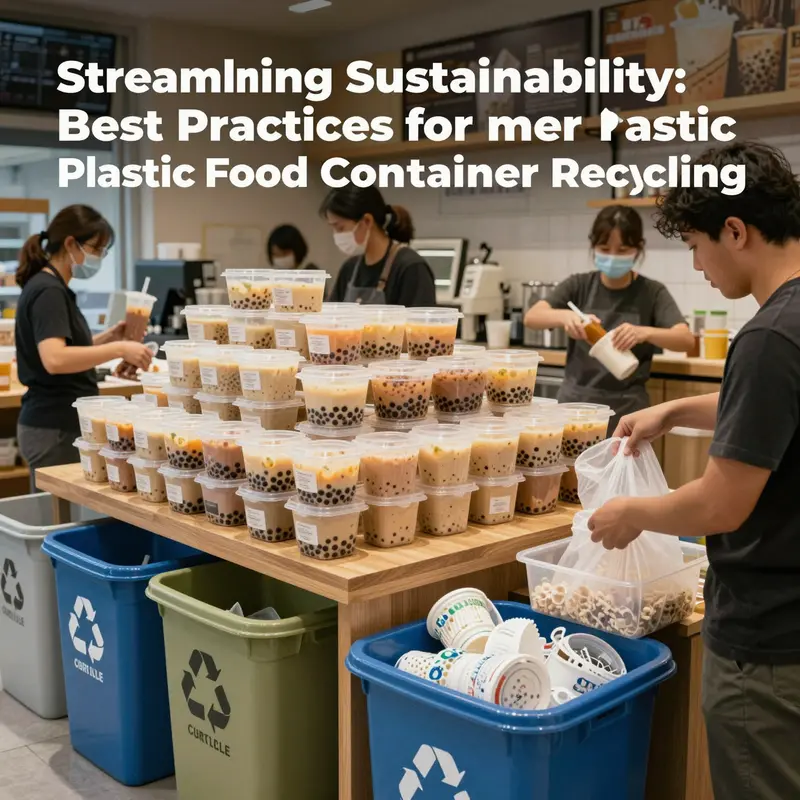
Everyday actions at home are the connective tissue of a circular plastics system. When containers are emptied, rinsed, dried, and clearly identified, they move more efficiently through sorting and reprocessing instead of becoming contamination that lowers resin quality. This chapter outlines a practical home routine—empty, rinse, dry, and identify—that supports reliable recycling in communities around the world. PET (#1) and HDPE (#2) dominate many programs due to established markets, while other resins may require closer attention to local guidelines and accepted materials. Key tips include reading labels, avoiding hot or multi-material packaging when possible, and prioritizing reuse to reduce overall plastic waste. While advances in chemical and mechanical recycling broaden options, the home discipline of cleaning and sorting remains the backbone of effective recycling. The ultimate aim is a simple, repeatable habit that helps cleaned plastics re-enter production rather than lingering as waste.
Clean Inputs, Clear Outcomes: Contamination Challenges in Plastic Food Container Recycling
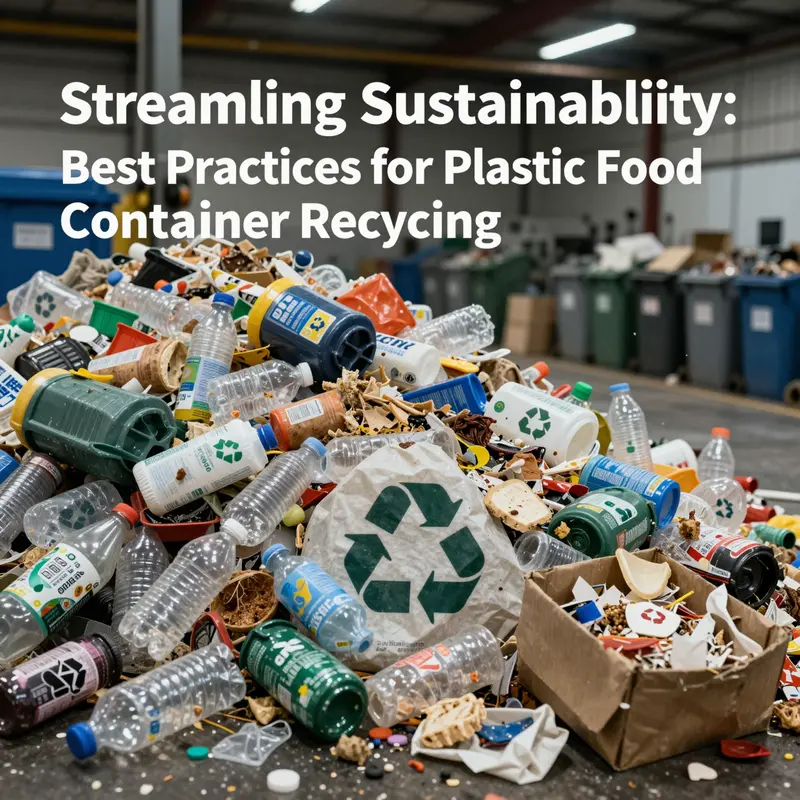
Contamination in plastic food container recycling is not a minor nuisance; it is a systemic constraint that shapes which materials can re-enter the economy and how smoothly recycling facilities operate. The simple rule – empty, clean, dry – serves as a practical threshold at the source, separating easily processable streams from costly detours.
The household doorstep is the first line of defense. Containers should be emptied and rinsed to remove sauces, oils, and solids, then allowed to dry before collection. Even small amounts of residue can interfere with sorting, clog machinery, or cause bale quality issues downstream. At processing centers, workers and machines aim to separate streams, but cross-contamination can still occur if inputs are not prepared properly.
Common feedstocks like PET (#1) and HDPE (#2) are among the most recyclable in many programs due to established markets. PET appears in bottles and clamshells; HDPE in milk jugs and tubs. Yet recyclability hinges on cleanliness: labels, adhesives, and residue can hinder separation and affect melt properties. Other resins such as polypropylene (#5) and a catch-all #7 mix present more challenges, especially for food-contact uses after reuse or processing.
Non-polymer impurities, including glue from labels and packaging fragments, can degrade bale quality and complicate reprocessing. In some cases plastics may degrade during storage, reducing mechanical performance before they reach the sorter. Additives intended to improve shelf life or durability can also complicate recycling, changing melt behavior and the properties of the recovered resin.
Health and safety considerations loom over recycled plastics destined for food contact. Even trace contaminants can raise concerns about safety. Regulators emphasize the need for robust testing and clear standards to ensure that recycled resins used in food storage meet safety requirements before broad use.
Design and labeling choices influence how easily a container can be processed. Containers should be designed for easy emptying and thorough cleaning, with simple, residue-free packaging. Resin codes and labels guide sorting, but labels themselves can become contaminants if not properly applied or if they contain non-polymer adhesives. Standardized labeling supports better consumer action and more reliable processing.
Practical implications extend to households, facilities, and policymakers. Home education campaigns, clearer labeling, and simple instructions help households participate without undue burden. Facilities benefit from improved screening technology, targeted contamination controls, and better bale sorting. Policy can incentivize clean inputs and support development of safer, more recyclable materials.
Packaging designers can help by selecting materials with clearer recycling pathways and minimizing additives that complicate processing. When producers align product design with end-of-life goals, the recycling stream becomes more predictable and resilient. The combined effect is a system that is more efficient, transparent, and capable of delivering high-quality recyclate for varied applications, including food contact under strict safety guidelines.
Ultimately, contamination management is about empowerment and efficiency. Households that practice true clean cycles extend the value of recycling downstream, while facilities and policymakers create the conditions that reward this discipline. The call to action remains straightforward: empty, clean, dry; label and package responsibly; support systems that maintain high bale quality; and invest in processes that keep recycled plastics safe for their intended uses.
Sorting Truths: How Resin Identification Codes Guide the Recycling of Plastic Food Containers
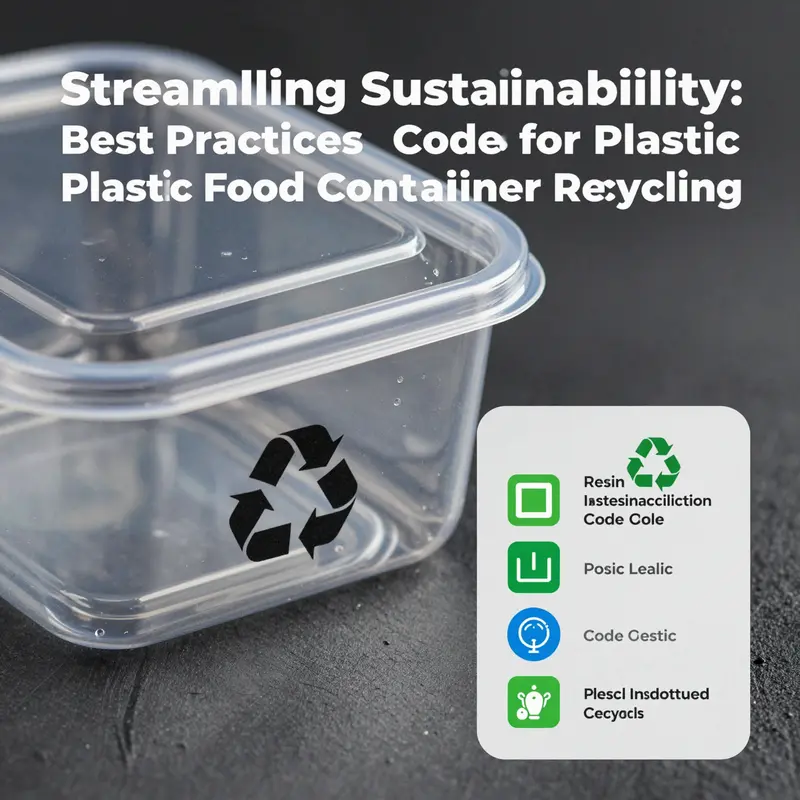
In the crowded stream of plastic packaging that fills homes and then landfills or recycling facilities, resin identification codes act as a compass for both industry and households. These numbers, nestled inside the chasing-arrows triangle on the bottom of many containers, are more than mere identifiers. They are a standardized shorthand that helps sort, separate, and ultimately reclaim the materials that still retain value after their primary use. The codes—ranging from 1 to 7—correspond to a family of polymers with distinct properties, processing requirements, and recycling outcomes. Understanding what each code represents, how it informs processing, and what it means for consumer safety turns a simple label into a practical guide for reducing waste and maintaining the integrity of recycled material streams.
At the core of the resin identification system is a straightforward mapping that most people can grasp with a moment’s attention. Code #1 denotes PET, or polyethylene terephthalate, a lightweight, clear polymer that dominates beverages and many clamshell food containers. Code #2 marks HDPE, high-density polyethylene, known for its durability and chemical resistance, commonly used in milk jugs and sturdy takeout containers. Code #5 stands for polypropylene (PP), a heat-tolerant polymer frequently found in microwave-safe containers and some yogurt tubs. Codes #3, #4, and #6 cover other common plastics with their own sets of characteristics, while #7, labeled as “Other,” encompasses diverse polymers that can include polycarbonate and other mixed resins; this is the catch-all category that is the most variable in terms of processing behavior and safety considerations.
This system serves a practical purpose beyond mere labeling. Recycling facilities rely on automated sortation lines that separate plastics by resin type to prevent cross-contamination. When a stream of mixed plastics enters a plant, the problems start to mount the moment different resins mingle in the same batch. Contamination can degrade the quality of recycled resin, complicate processing, and lower market value. In contrast, a stream that accurately reflects the resin type reduces processing friction, ensures more consistent resin properties, and supports the broader market for recycled plastics. The resin codes provide a common language to achieve that integrity, enabling a more predictable and efficient recycling process across varied collection systems and end markets.
The significance of the codes goes beyond factory floors. They ripple back to the consumer, shaping how people decide whether a container is suitable for reuse, what kinds of foods can be stored safely, and how to dispose of the item responsibly. For example, many households associate code #1 with water bottles and single-use convenience items, while code #2 is often linked with durable household containers. These perceptions influence reuse practices and inform decisions about heating or storing food in the container. The guidance becomes more nuanced with code #5, polypropylene, which is widely regarded as heat-resistant and suitable for repeated use in many households. Yet the most complex category, code #7, requires careful attention. Among the “Other” plastics, some may contain Bisphenol A (BPA) or other additives with potential health concerns, particularly when exposed to heat or acidic substances.
The role of resin codes in safety and environmental responsibility is reinforced by industry and standards bodies. The British Plastics Federation and PlasticsEurope, among others, have long endorsed these codes as a practical framework to streamline recycling operations and facilitate consumer decision-making. This endorsement matters because it signals a harmonized approach across regions and supply chains. For recyclers, codes enable more reliable sorting algorithms and better control over contamination, which in turn supports higher-quality recycled resin. For consumers, the codes offer a heuristic about heat resistance, reuse potential, and appropriate disposal paths. In short, resin identification codes function as a shared vocabulary that aligns the expectations of people and plants with the realities of material science and market dynamics.
Yet the value of resin codes rests on correct handling at the household level. The most common obstacle to effective recycling is contamination—leaving food residue, grease, or moisture on a container can derail an otherwise recyclable item. Contaminants attract pests, create odors at facilities, and—perhaps most consequentially—increase the chance that the container will be rejected or downgraded during processing. The Association of Plastic Recyclers emphasizes the practical mantra that accompanies every recycling step: empty, clean, and dry. A quick rinse to remove food particles, followed by air-drying, can prevent a cascade of complications down the line. This simple household habit protects the sorting stream and helps maintain the quality of recycled resin. As a waste management analyst remarked, clean, dry, and empty should be the mantra for every household recycler. A little effort at home prevents big problems downstream.
The consumer’s decision to reuse or dispose is intricately linked to the resin code itself. For containers labeled with #1 PET, the messaging is clear: these are generally suited for single-use applications and heating should be avoided after disposal, particularly when the container has held hot or fatty foods. For HDPE, code #2, the outlook is more favorable for reuse; this polymer’s higher rigidity and chemical resistance make it a safer choice for repeated use, provided the container remains undamaged. Code #5 PP presents another layer of practicality, standing up well to heat and repeated uses, which is why it appears in many microwave-ready packaging scenarios. Codes #3, #4, and #6, when they appear, require caution because their performance in recycling and in food contact scenarios varies and is highly dependent on the specific formulation and end-use expectations.
Code #7 deserves particular attention. While it covers a range of polymers, some items in this category may contain BPA or other additives that raise concerns about health implications, especially when subjected to heat or acidic foods. The presence of BPA in polycarbonate-based resins or other BPA-containing plastics remains a focal point of regulatory scrutiny and consumer debate. Accordingly, codes in the #7 category warrant careful consideration for food storage and repeated heating; when in doubt, many guidelines suggest avoiding reuse of #7 plastics for hot or acidic foods. This caution aligns with broader public health discussions that encourage informed consumer choices and safer storage practices.
What makes resin identification codes powerful is not just their technical accuracy, but their ability to translate complex polymer science into actionable behavior. They guide sorting decisions for recycling facilities, informing which streams can be merged or must be kept separate. They help manufacturers and policymakers design and regulate material streams with greater confidence. They empower buyers and households to assess reuse possibilities and the associated risks. And they anchor a circular economy ethos by clarifying where a given item can rejoin the material loop rather than ending up as waste. When communities invest in education about resin codes alongside better collection systems, the benefits multiply: higher recycling rates, better quality recycled resin, and clearer signals about product design for recyclability.
Despite these benefits, not all plastics labeled with a given code are equally recyclable everywhere. Municipal programs vary in the plastic types they accept, and factors such as local market demand, facility capabilities, and downstream processing constraints influence what happens after collection. This is why, even with clearly marked codes, the recycling outcome can differ by place. Consumers should check local guidelines, because a container accepted in one city may not be accepted in another, even if the code remains the same. The codes are a universal language, but they sit within a mosaic of regional systems that determine what is actually recycled and what is diverted to landfill. In this context, resin codes work best when paired with reliable local practices, clear labeling about reuse and heating recommendations, and a continuous push toward design for recyclability.
The broader implication of resin identification codes is their role in building trust along the recycling value chain. When collectors, sorters, processors, and manufacturers share a coherent understanding of what each code means, the overall system becomes more predictable. Companies can optimize processing lines for specific resins, reducing energy use and improving material recovery rates. Regulators can better assess environmental footprints and set targets grounded in the real behavior of plastics throughout the lifecycle. And consumers gain confidence that their actions—whether rinsing a container, choosing a safer resin, or avoiding heating a questionable item—are contributing to a more efficient and less wasteful economy. In this sense, RICs are not just labels; they are the operational backbone of a more circular future for plastic food containers.
The practical takeaway for readers is straightforward, but it rests on attention to detail and a willingness to engage with the science behind packaging. Look for the resin code on any plastic container you reuse or dispose of. Remember that PET (#1) and HDPE (#2) are the most widely accepted in many recycling programs, with PP (#5) offering particular advantages for heat exposure and repeated use. Be cautious with code #7 and consider safer alternatives for heating or storing hot foods. When in doubt, choose containers that show clear labeling about reuse and heating, and always prioritize emptying, cleaning, and drying before placing items in recycling streams or reusing them for food.
The resin identification system, while not a perfect solution, represents a pragmatic approach to improving recycling outcomes and guiding safer consumer behavior. It gives households a measurable way to participate in a circular economy and provides recyclers with the information needed to optimize their operations. In the end, the codes enable a shared discipline: treat containers as potentially valuable resources, not disposable waste, and handle them with the care appropriate to their material class. If households consistently apply the empty, clean, and dry standard, and if they pay attention to what the numbers mean, the recycling stream stands to become cleaner, faster, and more economically viable. The dialogue among consumers, designers, and policymakers tightens, as more people understand that these digits on the bottom of a container are more than a label—they are a framework for responsible use and responsible reuse.
External resource: PlasticsEurope – Resin Identification Codes (https://www.plasticseurope.org/en/our-industry/recycling/resin-identification-codes/)
Final thoughts
Incorporating robust recycling practices for plastic food containers is essential for food service businesses aiming to build sustainable operations. By adhering to best practices, addressing contamination challenges, and understanding resin identification codes, you can significantly improve your recycling efforts and contribute to a greener planet. As you navigate this journey, remember that every small step counts toward supporting sustainable development and fostering a positive environmental legacy.