
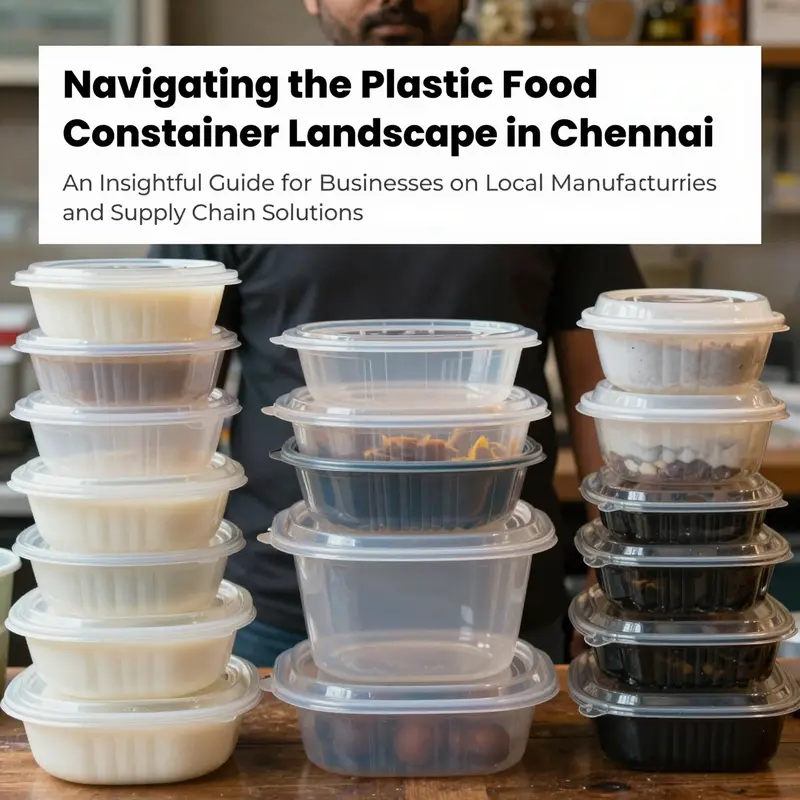
Chennai stands as a vibrant industrial hub, yet when it comes to plastic food container manufacturing, it faces notable challenges. This article delves into the landscape of plastic food containers in Chennai, specifically focusing on their availability for businesses such as bubble tea shops, restaurants, food trucks, and event planners. The exploration will cover three key areas: the lack of local manufacturers, dependence on external supply chains, and the role of the local market in this ecosystem. Each chapter contributes to a comprehensive understanding of how local businesses can navigate their needs for food packaging while aligning with safety and quality standards.
Bridging the Local Gap: Chennai’s Untapped Market for Food-Grade Plastic Containers
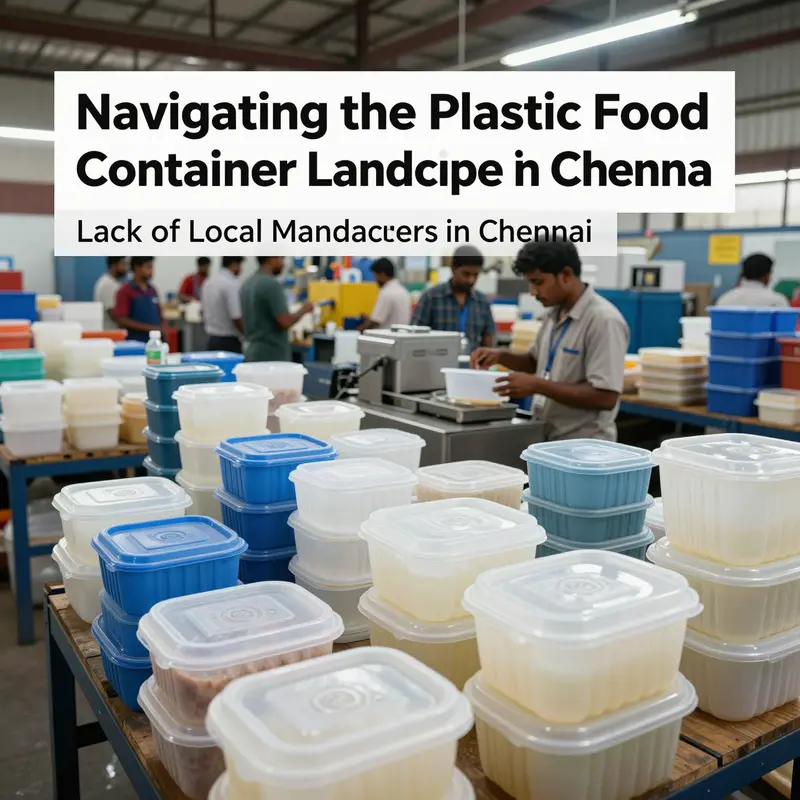
Chennai sits at a crossroads of rapid urban growth, vibrant service sectors, and a logistics network that makes the city a natural hub for distribution across South India. Yet when you look closely at the specific niche of plastic food containers—especially those that meet stringent food-grade standards—the local landscape reveals a conspicuous gap. The demand is real and expanding. Restaurants, cloud kitchens, and street-food vendors drive a steady tempo of packaging needs. E-commerce platforms and take-out culture have elevated the baseline requirement for reliable container systems, from simple disposables to more sophisticated, measured formats. Still, the local capacity to manufacture high-quality, scalable plastic food containers is not keeping pace with this demand, particularly for products that must comply with international or globally recognized food-safety standards. It is a story of a market with appetite but a supply chain anchored elsewhere, a pattern that becomes clearer the more you map the upstream and downstream links of the packaging ecosystem in and around Chennai.
From the outset, the absence of a robust, locally anchored hub for food-grade plastic container production does not imply a complete void. Chennai hosts a number of plastic-processing units, packaging distributors, and downstream conversion shops that assemble, customise, or rebrand containers sourced from outside. In practice, though, these local firms seldom own the upstream capabilities that define true food-grade plastics in scale. They rarely control the formulation, the molding capabilities, or the formal certifications that qualify a container for food-contact use. This distinction matters not only for quality assurance but also for the agility of procurement, the clarity of traceability, and the resilience of the supply chain in response to demand surges, regulatory changes, or trade disruptions.
The clearest signal in the local research landscape is the recurring emphasis on import-based supply for specialized packaging. Industry observers recognise that, despite Chennai’s strong industrial baseline and its strategic proximity to major ports, the most technically demanding segments of plastic food-container production—such as high-density polyethylene (HDPE) and polypropylene (PP) moulding, food-contact-grade material processing, and comprehensive quality-control regimes—are concentrated in other regions. Observations from market analyses and industry reports consistently point to international manufacturing clusters as the main sources for these products, with the core upstream steps executed in places with well-developed plastic injection-molding ecosystems and strict adherence to food-safety standards.
Where local capability exists, it tends to be in the form of assemblers or distributors who repackage or rebrand imported containers. They may handle sub-assembly tasks, labeling, or final packaging formatting for specific clients. But the critical upstream elements—precise resin formulations, mold design and fabrication, clean-room production environments, and certifications like food-grade approvals—are not typically controlled in Chennai by a native manufacturer. The consequence is a procurement environment that relies on a network of suppliers beyond regional borders, a pattern that is increasingly being utilised by buyers in Chennai who seek reliability, traceability, and scalable supply.
What does this mean for a buyer in Chennai who needs consistent access to food-grade plastic containers? It translates into a few practical imperatives. First, a robust sourcing strategy must acknowledge the supply chain’s geography. Buyers will likely engage with international vendors, primarily from established plastic-producing hubs in East Asia and other global clusters, to secure a steady stream of compliant containers. Second, and equally important, is due diligence around certifications and safety declarations. Prospective suppliers should be able to demonstrate clear compliance with food-contact safety requirements—whether those align with FDA, EU 1935/2004, or other recognized standards—and offer documentation that assures BPA-free properties, toxin-free formulations, and general toxicity-free status. Third, the logistics dimension cannot be underestimated. Export-ready manufacturers offer integrated solutions that cover material processing, mold design, quality control, finishing, and export logistics. Working with such suppliers can simplify complex cross-border processes and reduce the risk inherent in fragmented supply chains.
The evidence behind this sourcing mindset is clear in the way the market has evolved. Industry briefings and sector analyses underscore a pattern: while local packaging companies in Chennai can meet certain demand bands through distribution and assembly capabilities, the most scalable, reliable, and certifiably safe containers in large volumes are often sourced from manufacturing ecosystems abroad. A central argument in favor of importing is the full-spectrum control these suppliers maintain—from resin formulation and mold design to finished packaging in clean-room facilities that conform to international food-safety standards. The vertical integration in these factories enables a level of consistency and cost efficiency that can be challenging to replicate in nascent local units. For Chennai-based buyers, the strategic advantages of this approach are tangible: predictable lead times, clearer quality benchmarks, and the ability to scale quickly in response to business cycles.
There is a broader context that shapes these dynamics as well. The Indian packaging market has shown growing sophistication, with buyers increasingly seeking compatibility with international certifications, reliable traceability, and robust export-import logistics. The regulatory environment around food-contact materials in India continues to tighten, encouraging importers and local businesses to insist on genuine compliance rather than cursory assurances. In such a setting, a hybrid model often emerges: local distributors or manufacturers collaborate with foreign suppliers to bridge gaps in capability while keeping a foothold in local distribution networks. This hybrid approach supports both the immediacy of Chennai’s market needs and the longer-term trajectory toward greater domestic manufacturing sophistication.
Another dimension worth noting is the aspirational shift toward sustainable packaging. In markets like Chennai, where public appetite for responsible packaging grows alongside consumer demand for convenience, there is increasing attention to alternatives that reduce plastic use, increase recyclability, or favour compostable materials. In the domestic context, however, this transition must be measured against cost, availability of compliant materials, and reliability in mass production settings. For many buyers, the most practical path remains ensuring access to food-grade plastic containers that combine safety with stability, while also exploring sustainable packaging options where feasible. The internal dialogue in procurement teams often centers on trade-offs: the assurance of a proven supply chain versus the slower adoption curve of greener alternatives. In this light, the current local ecosystem may complement, rather than supplant, existing international supply chains. The real opportunity lies in how Chennai-based buyers organise their sourcing to balance risk, cost, and quality—establishing a resilient mix of local handling and imported manufacturing capability.
From a practical procurement perspective, the critical questions revolve around certifications, manufacturing conditions, and the reliability of supply. If a local supplier offers an imported container, how transparent is the documentation about the resin type, the molding process, and the cleaning and packaging environment? Are there verifiable brands of food-grade plastic that align with FDA or EU standards, and can the supplier provide recent third-party test results or certifications? Can the supplier support fast re-order cycles, provide risk-free samples, and accommodate the variability of demand that comes with a thriving restaurant and take-out market? These considerations carry more weight when demand spikes—during festival seasons, large-scale catering events, or peak hospitality periods—because the cost of stockouts or inconsistent quality becomes more consequential than the incremental savings from lower-cost domestic alternatives.
The practical route that many Chennai buyers have adopted involves strategic sourcing from China and other established centers with mature plastic manufacturing sectors. These suppliers offer end-to-end capabilities that can be leveraged in a turnkey fashion: mold design, injection molding, food-grade material processing, printing, and even front- and back-end quality-control measures. They often run clean-room environments that meet international expectations for food-contact manufacturing, and their export logistics infrastructure is tuned to handling large orders with demonstrable traceability. For procurement professionals who value consistency and scale, these are compelling advantages. The end-to-end nature of their operations translates into shorter procurement cycles, better standardization, and more predictable pricing across large purchase volumes. The trade-off is the complexity of cross-border procurement, the need to verify certifications, and the heavier upfront work to establish reliable supplier relationships and shipping arrangements.
In thinking about how to operationalize this reality, one must consider a structured approach to supplier qualification. First, identify potential partners that can demonstrate a comprehensive food-safety story: resin formulations appropriate for food contact, BPA-free declarations, and documented testing for migrating substances under typical usage conditions. Second, examine the mold design and manufacturing footprint: are their molds designed to support scalable production, with the flexibility to meet varied container shapes and sizes? Third, review the consistency of quality control: what are their processes for incoming material inspection, in-process monitoring, final packaging verification, and batch traceability? Fourth, assess certification readiness: can the supplier provide FDA or EU 1935/2004 declarations, as well as any regional certifications relevant to the Indian market, such as Bureau of Indian Standards (BIS) compliance for packaging materials? Fifth, evaluate export and logistics capabilities: can they manage duties, import paperwork, and reliable shipping timelines to Chennai or other Indian ports, ensuring that cost and delivery times remain predictable?
All of this translates into a pragmatic sourcing playbook for Chennai-based buyers. Begin with clear specifications that define the exact container family needed, the target food-contact material (for example, a BPA-free PP resin with appropriate migration limits), and the desired formats and sizes for different use cases—from compact single-serving cups to larger rectangular or round take-out containers. Build a vendor shortlist that includes a mix of manufacturers with demonstrated food-safety credentials and distributors with established local presence who can help with last-mile logistics and regulatory navigation. Request samples and perform independent testing in collaboration with local laboratories to verify compliance with Indian food-safety expectations and international standards where relevant. Establish minimum order quantities and lead times that align with demand predictability, while negotiating for scalable volumes and flexible MOQs as the business grows. Finally, insist on transparent, auditable documentation that supports traceability across the supply chain—from resin sourcing through finished container delivery.
One consequence of Chennai’s current manufacturing reality is the sense of opportunity it creates for investors and policymakers who see a potential to strengthen regional capabilities. Building a local hub for food-grade plastic container production would require a carefully structured program: incentives for technology transfer, investments in modern extrusion and molding capabilities, and the introduction of robust quality-assurance frameworks that align with international food-safety standards. By supporting local manufacturers to achieve certifications and scale, the city could diversify risk for local buyers who now rely heavily on imports. It would also potentially shorten lead times, reduce reliance on ocean freight for steady orders, and stimulate ancillary industries in the packaging ecosystem, including mold design, plastics recycling, and downstream printing and labeling services. The path to such an advancement would not be simple or immediate; it would demand coordinated efforts among industry players, government agencies, and financial institutions. Yet the prospect of a more self-reliant packaging sector—while continuing to leverage global supply networks when needed—remains an important objective for Chennai’s evolving industrial landscape.
In the meantime, the practical buyer in Chennai must make decisions under real-world constraints. The most straightforward route to reliability is to engage with suppliers who can demonstrate a complete, traceable compliance package and a proven capacity to deliver at scale. The advantages of this approach are clear: predictable product performance, stable supply, and the ability to plan procurement around core business cycles. The downsides include exposure to currency and trade fluctuations, complex import procedures, and the ongoing need to verify that overseas providers can maintain consistent quality over time. For many organizations, the solution lies in a balanced procurement strategy that preserves local capabilities for packaging assembly and distribution while leveraging external manufacturers for the core, food-grade plastic containers that require the most stringent quality control. That balance—between local adaptability and international scale—can offer Chennai a pragmatic path toward meeting rising demand without compromising safety or reliability.
To capture the broader narrative, consider the alternatives that buyers weigh in the context of Chennai’s current market dynamics. Some enterprises might explore compostable or paper-based solutions as a longer-term response to environmental concerns. Others may focus on multi-material packaging strategies that combine plastic containers with sustainable outer layers or liners for enhanced safety and consumer appeal. Each of these strategies has its own cost and logistics implications, and each requires careful supplier qualification to ensure compatibility with existing processing lines and regulatory expectations. In that sense, the market around Chennai is not a static picture of deficit; it is a dynamic field where demand signals, regulatory clarifications, and evolving best practices continually reshape what constitutes a viable supply chain. The smart buyer will track these signals, cultivate relationships with overseas manufacturers that can provide robust certification packages, and stay open to local partners who can assist with compliance, customization, and efficient distribution within the region.
For readers who want to trace the practical pathways that inform this chapter, a useful reference point is the broader global B2B marketplace that connects Chennai-based buyers with verified suppliers specializing in food-grade plastic containers. The ability to access a wide range of customizable, certified, and cost-competitive options through a trusted platform can be a game changer for procurement teams navigating these complexities. This external resource provides a lens into how such channels operate, the kinds of documentation that accompany food-grade plastic offerings, and the logistical considerations that accompany cross-border procurement. External reference: https://www.alibaba.com
In closing, the Chennai market’s current reality—lacking a dominant local manufacturing ecosystem for high-quality, food-grade plastic containers—does not spell inevitability but rather defines a clear strategic posture. Buyers can and do source reliably from international centers that offer end-to-end capabilities, strong safety certifications, and scalable production. At the same time, there is a meaningful conversation to be had about building domestic capacity that can reduce risk, shorten lead times, and anchor a more resilient packaging supply chain for the region. The optimal approach for today’s procurement teams lies in a well-structured, multi-sourced strategy that harmonizes the advantages of global manufacturing with the practical benefits of local distribution and customization. By prioritizing certifications, testable safety credentials, and robust logistics, Chennai can continue to grow its packaging footprint in a way that safeguards quality, supports sustainability where feasible, and keeps pace with the city’s expanding food service landscape. To broaden perspectives on packaging choices beyond plastics, consider the Kraft paper packaging path, which highlights a functional alternative for certain applications and underscores the continuing evolution of packaging decisions in response to market demands. Kraft paper packaging.
Beyond Borders: Chennai’s Packaging Dilemma and the Global Flow of Plastic Food Containers
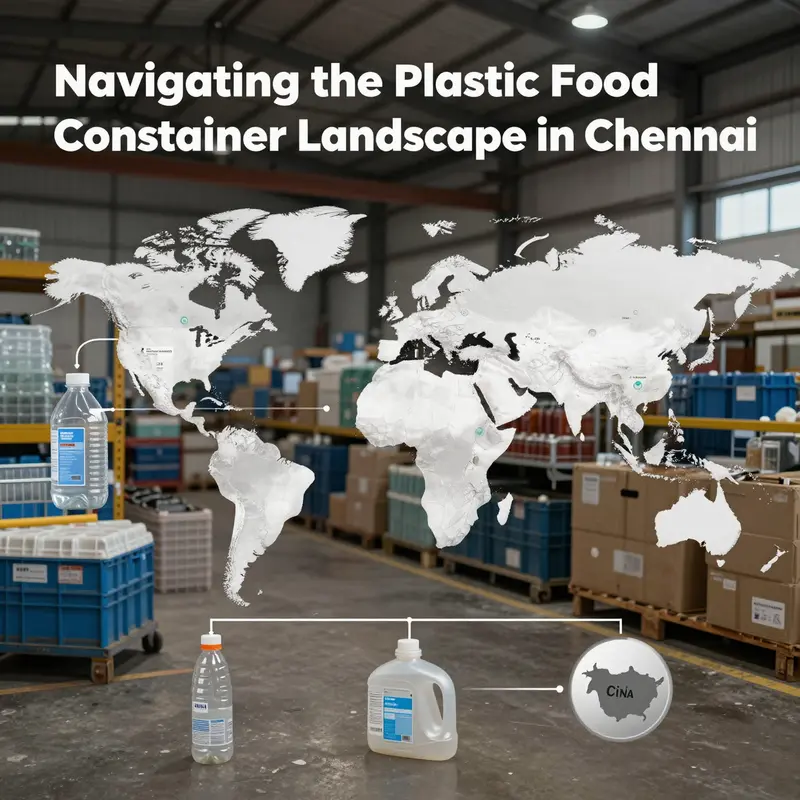
Chennai sits at a strategic hinge between India’s vast agricultural hinterland and its growing urban economy, a city whose markets, restaurants, and delivery services stretch the daily meaning of convenience. Yet beneath the bustle, a quiet constraint threads through the way plastic food containers reach the city’s kitchens, storerooms, and households. The local picture is not one of a self-sufficient, end-to-end plastics manufacturer ecosystem for食品级塑料容器; instead, it reveals a layered pattern in which demand pulls from abroad, while local capacity remains more oriented toward assembly, distribution, and downstream packaging tasks. This chapter follows that pattern, tracing how Chennai’s rising appetite for ready-to-use, food-grade packaging has been met not by an integrated regional hive of upstream plastic resin processing and rigorous food-grade molding, but by a complex, cross-border supply chain that leans heavily on international clusters. It is a story of economies of scale, regulatory alignment, and logistical finesse, all converging to keep the city well supplied even as local manufacturing footprints remain narrower than the market’s needs. In this context, the city’s packaging choices become less a reflection of local industrial identity and more a negotiation of cost, reliability, and compliance within a global market that is both highly capable and globally interconnected. The absence of a robust local hub for food-grade container production does not simply limit Chennai’s options; it also frames how local buyers, distributors, and manufacturers must approach risk, quality, and sustainability in packaging decisions. As the city expands its food service culture, including a surge in takeout, delivery, and home meal kits, the pressure to secure dependable supply lines grows in tandem with demand for safety and traceability. The result is a marketplace that leans on the strengths of distant producers while trying to insulate itself from the volatility that any single regional supply chain might invite. The net effect is a symbiotic dependence on external, specialized manufacturing ecosystems that excel at scale, precision, and regulatory compliance, particularly in the high-stakes arena of食品级 plastics.
The core dynamic driving Chennai’s packaging landscape is the reality that most upstream capacities—such as the injection molding of HDPE and PP resins into food-grade containers, quality-control regimes, and certified material formulations—tend to cluster in foreign regions with mature plastics sectors. In practice, the city’s demand for containers is met predominantly by importing from established production centers in other parts of Asia, with Guangdong’s manufacturing clusters in China standing out as especially influential. The Guangdong region—encompassing cities like Shenzhen, Guangzhou, and surrounding manufacturing belts—offers a suite of advantages that align with the needs of Chennai’s buyers. These include wide capabilities in high-speed injection molding, a full spectrum of food-grade resin options, and the ability to produce at scale with consistent tolerances. Suppliers in these clusters commonly report certifications and compliance frameworks that are recognized across global markets, including FDA alignment, EU 1935/2004 conformance, and other safety certifications that purchasing teams in Chennai typically scrutinize. They also highlight robust internal quality-control systems and the capacity to provide documentation and traceability that are essential for imported goods in a food-service or retail context. The practical implication for Chennai is a sourcing logic built on the reliability, predictability, and cost-effectiveness that such international clusters can deliver. The outcome is a steady flow of containers that meet regulatory expectations, shipped through port hubs and logistics networks that reduce lead times relative to hinterland production.
This dependence on external supply chains is reinforced by the logistical realities of India’s own geography and port infrastructure. Global buyers in Chennai benefit from proximity to international shipping corridors and established export handling facilities, which can translate into shorter transit times and more predictable delivery windows. For many buyers, the calculus is straightforward: secure capacious, compliant manufacturing in a location with established export ecosystems, then manage the import process and local distribution. The choice to source from Guangdong or similar clusters is not mere happenstance; it reflects a calculated balance of cost efficiency, production capacity, and the ability to secure a stable supply for fast-moving consumer goods, takeout food, and meal-prep packaging. It also means that Chennai’s local market, while actively engaged in the downstream segments of plastic packaging—such as cutting, bagging, labeling, and final assembly—remains less prominent as an upstream innovator or producer of食品级塑料容器. Local firms often position themselves as distributors, assemblers, or service providers rather than originators of the resin-to-container supply chain. This structural arrangement implies that any strategic effort to build domestic resilience would need to address not only material sourcing and fabrication capabilities but also the regulatory and certification architectures that govern food-contact packaging.
The economics of scale play a central role in this cross-border dynamic. Guangdong and adjacent provinces have built integrated supply ecosystems that harmonize resin suppliers, mold makers, processing houses, and quality-control laboratories under a single, efficiency-driven logic. For buyers in Chennai, this means a one-stop experience for orders that can range from small test runs to large, repeatable volumes with tight tolerances. The promise of a “smart factory” operation—where automation lines, process analytics, and supply chain visibility converge—translates into reduced unit costs, faster turnarounds, and improved consistency across batches. When a Chennai buyer seeks a new line of microwave-safe or freezer-resistant containers, the response from such manufacturers is typically calibrated to the scale, packaging format, and regulatory expectations of Indian buyers, who require clear documentation, material compositions, and traceability. The capture of large orders, repeated procurement, and predictable quality becomes a competitive advantage for suppliers in these regions, and for Chennai buyers, it frames a procurement strategy rooted in reliability and risk management rather than local resourcefulness alone.
Yet a supply system that leans heavily on distant production clusters is not without its tensions. The most visible concerns revolve around safety, environmental impact, and the lifecycle of plastics. Public and scientific scrutiny around microplastics has intensified in recent years, with research suggesting that certain polymer types, especially polystyrene, may contribute to microplastic particles that can migrate into food during heating or handling. While the exact numbers may vary by study, the underlying message is clear: the origin, composition, and handling of packaging can influence consumer exposure to microplastics and other contaminants. This reality elevates the importance of rigorous supplier qualification and material testing for Chennai’s importers. The regulatory expectations associated with FDA approvals, EU 1935/2004, LFGB, and related standards are not merely bureaucratic hurdles; they are fundamental assurances of safety that accompany cross-border trade. For Chennai’s buyers, the challenge is to verify not only the presence of certification on paper but also the robustness of the supplier’s quality-management systems, the stability of resin formulations, and the traceability of batches from the molding line to the finished container. In practice, this translates into due diligence activities that may include third-party testing, supplier audits, and the establishment of strict acceptance criteria for incoming goods. The result is a more resilient procurement approach that integrates regulatory compliance with operational reliability.
The local market’s role within this framework is multifaceted. While there are plastic fabrication shops, contract molders, and distribution networks in and around Chennai, their core competencies tend to be downstream—assembling, labeling, sterilizing, packaging, and delivering finished goods to retailers and food-service operators. They often lack the upstream assets required to formulate food-grade plastics at the resin level, or to develop new material compositions and certified processes from first principles. In other words, Chennai’s immediate ecosystem is adept at translating a foreign-made container into a distributable product rather than inventing a local recipe for a new food-contact plastic. This distinction matters for buyers who wish to influence sustainability outcomes, lifecycle impacts, and regulatory risk at the design stage. If the city is to move toward greater domestic resilience in packaging, it would likely require a coordinated investment that spans materials science, quality assurance, and regulatory compliance, alongside the infrastructure for rapid prototyping and pilot runs that can test new container formats in a controlled, import-friendly environment.
For procurement teams and packaging strategists in Chennai, the practical playbook builds on three pillars: robust supplier qualification, a keen eye for lifecycle considerations, and a focus on supply chain visibility. First, the emphasis on certifications such as FDA and EU compliance cannot be overstated. Buyers must request, verify, and periodically audit documentation that demonstrates the safety of the resin and the finished container under typical usage conditions, including heating and storage. They should demand BPA-free declarations and explicit statements about any potential leachates, especially in the contexts of microwave use, dishwasher cycles, or prolonged contact with fatty foods. Second, lifecycle considerations matter not only for the environment but also for risk management. Reusability, recyclability, and the presence of take-back or recycling programs can mitigate reliance on single-use plastics and reduce long-term exposure to supply chain disruptions. In Chennai’s local market, circular economy initiatives that recover, reuse, or recycle packaging can act as a counterbalance to the external dependency on imported containers. Third, supply chain visibility is essential to achieving reliable, timely delivery. This means transparent lead times, clear minimum order quantities, and documentation for customs clearance. Buyers should insist on a supplier’s capacity to provide batch-level traceability and quality-control data, enabling quick responses if a recall or quality issue arises. To support these aims, a practical pathway emerges: engage with B2B suppliers who have established manufacturing footprints in international clusters while simultaneously cultivating relationships with local distributors who can offer agile, on-the-ground service. The combination provides a balance of scale and responsiveness, which is precisely what Chennai’s dynamic food service economy demands.
The chapter’s final contours point toward a pragmatic, forward-looking synthesis. Chennai’s market is not inherently limited by genius or ingenuity; it is constrained by the architecture of its supply chains. The city’s appetite for variety—from compact lunchbox formats to larger, multi-compartment meal kits—will continue to push demand into the hands of suppliers who can deliver at scale with consistent quality. As e-commerce and food-delivery platforms expand their footprints, the pressure to secure reliable, food-grade packaging intensifies. In the near term, this means a continued reliance on imports from established manufacturing clusters, supported by a logistics network tuned for speed and predictability. In the medium to longer term, there is room for experimentation with more localized packaging strategies that emphasize recycling, refillable systems, or regional take-back schemes, which can soften the most exposed edges of international sourcing. The transition to such models will likely require policy support, industry collaboration, and investment in local testing facilities to confirm the safety and performance of alternative materials. The bottom line remains: Chennai benefits from a well-calibrated balance between global reach and local operational acumen, a balance that sustains the city’s vibrant food economy while guiding thoughtful, safer, and more sustainable packaging choices.
For readers seeking a concrete, immediate reference on the broader Chinese manufacturing landscape that underpins much of Chennai’s supply, the Plastic Food Container Supplier Guide offers a concise, industry-grounded perspective on top wholesale manufacturers in China. This external resource helps contextualize why many buyers in Chennai look outward for packaging solutions and how global standards shape the choices made across continents. External reference: https://www.supplychainexperts.com/plastic-food-container-suppliers-china/
Internal link: When considering alternative packaging formats that could reduce reliance on imported plastic containers, explore the option of eco-friendly packaging in recyclable formats such as paper-based or pulp-based alternatives. For a related option available in the regional market, see the page on eco-friendly recyclable pulp 2-4 cups coffee take-away cup holder. eco-friendly-recyclable-pulp-2-4-cups-coffee-take-away-cup-holder.
From Local Assembly to Global Sourcing: The Local Market Role of Plastic Food Container Manufacturers in Chennai
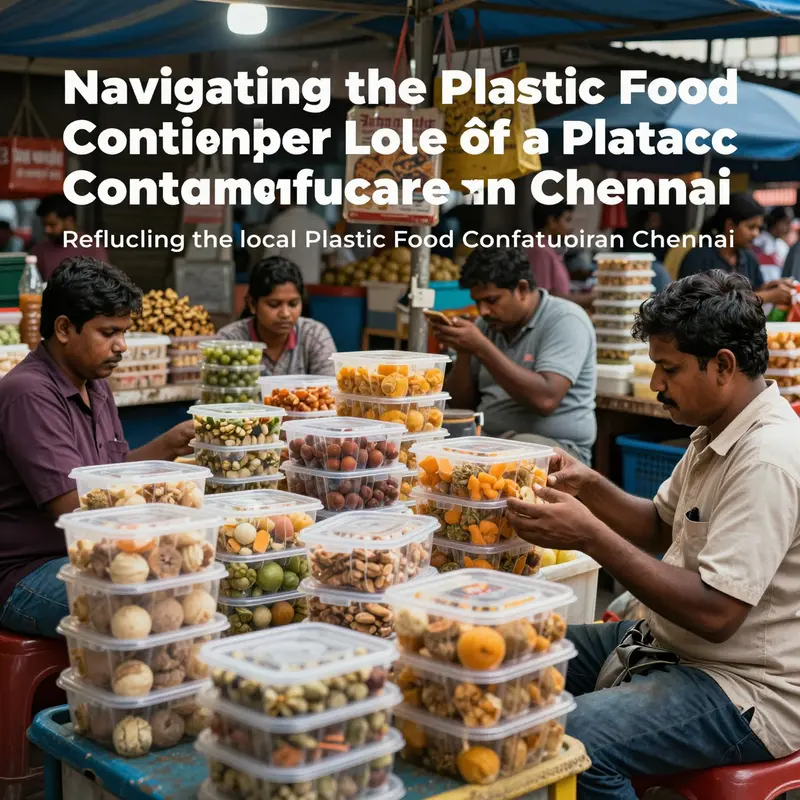
Chennai sits at a strategic crossroads of India’s industrial map. It is a city defined by momentum—automotive clusters, a robust IT ecosystem, and a pharmaceutical corridor that stretches into the hinterlands of Tamil Nadu and beyond. Yet when it comes to plastic food container manufacturing, the local story runs along a different tempo. The city is not known for a large, integrated ecosystem of food-grade plastic container production that rivals the scale of other regional hubs. Instead, what stands out is a mixed picture: a presence in lower-volume, customized packaging activities and a strong, dynamic distribution network that keeps a steady flow of imported packaging solutions moving through the market. This situation matters because it frames how Chennai contributes to the broader South Indian packaging landscape and why many local businesses look outward when they need reliable, compliant containers for large-scale food operations.
In the material world of packaging, scale matters. High-volume, food-grade plastic containers require tightly controlled supply chains, consistent resin quality, clean-room standards where applicable, and rigorous quality assurance processes. They also demand a regulatory listening ear—certifications that reassure buyers about safety, migration limits, and material leachables that could affect food products. The current reality in Chennai mirrors a broader pattern observed in several Indian markets: while demand remains robust, the region’s local manufacturing capacity for such specialized, food-grade containers has not matured into a full-fledged, vertically integrated ecosystem. This does not imply an absence of plastic packaging activity; rather, it signals a shift in where the value is created and how it is accessed. Local firms tend to excel in assembly, customization, and service-oriented roles that complement a supply chain increasingly anchored by international players and offshore manufacturing hubs.
If one maps the supply chain in this space, the city emerges as a hub of distribution, value addition, and regional coordination rather than a powerhouse of upstream plastic resin processing and mold-driven production for mass volumes. The core upstream work—such as injecting, thermoforming, and precision molding in the context of food-grade standards, plus the resin chemistry that underpins migratability and heat resistance—appears more concentrated in other regions of Asia. The literature and sector analyses of South India repeatedly highlight that the most capable clusters for food-grade plastic containers are not located within Chennai itself but are connected to broader national and international ecosystems. This difference is not merely a matter of geography; it is a reflection of how industrial ecosystems evolve when scale, specialization, and regulatory alignment converge.
For the local market, this dynamic translates into a twofold reality. On one hand, Chennai-based firms possess the agility to meet niche or mid-volume packaging needs. They routinely cater to restaurateurs, mid-sized food brands, and retail outlets that do not require the same cadence of supply as a mass-market dairy or frozen desserts operation. In these contexts, the local players can deliver quick turnaround on custom shapes, smaller batch runs, and packaging variants that accommodate unique product formats, branding, or portioning requirements. On the other hand, for large-scale, cost-efficient, fully compliant packaging programs—particularly those demanding specific certifications, strict allergen controls, and scalable, standardized lines—the market often looks outward. Suppliers in major offshore clusters provide end-to-end options: finished containers designed for specific food applications, along with the design of molds, printing, and the export logistics that help ensure reliable delivery within tight timelines.
This reliance on external capabilities is not a condemnation of Chennai’s entrepreneurial energy; it is a reality born from the economics of modern packaging. The South Indian market has a voracious appetite for plastics, but the most efficient way to satisfy that appetite at scale has frequently been to source from established offshore suppliers who offer integrated solutions. In practice, buyers may seek a combination of locally assembled components and imported fundamentals—reliability in resin quality, consistent color matching, and uniform print finishes—paired with flexible local distribution. The result is a hybrid procurement approach: the city acts as a bridge, coordinating inbound supply lines from abroad, managing stock at regional warehouses, and ensuring that the packaging arrives at the plant floor on time and in specification. In other words, Chennai’s local market role has matured into a critical intermediary function within a globalized packaging supply network.
The practical implications for manufacturers and buyers alike are clear. For local producers, there is opportunity in expanding from assembly into higher-value, more standardized operations. This would involve investing in controlled environments, pursuing recognized food-contact certifications, and building capabilities that support joint development with downstream customers. For buyers, the explicit value lies in leveraging the city’s proximity to logistics corridors, its ready access to distribution channels, and the presence of a robust service ecosystem that can manage import documentation, quality assurance, and regulatory compliance. In such a framework, a buyer can secure a reliable supply chain that blends the local advantages of responsiveness with the global benefits of scale and standardization.
One persistent thread in this narrative is the central role of international supply chains, particularly in the context of robust, standards-driven markets. The body of evidence from recent sector analyses suggests that for high-grade plastics used in food applications, the most mature production clusters reside in distant manufacturing hubs. These hubs provide complete vertical integration—from resin procurement and compound formulation to mold design, injection molding, and finished goods with validated food-grade status. In practice, Indian buyers often combine these offshore strengths with the logistical and commercial advantages found in Chennai. The logistics infrastructure here—ports, rail links, warehousing, and a dense network of distributors—supports a model in which international suppliers can reach Indian markets quickly and with lower risk, while local distributors handle regulatory documentation, post-sale service, and on-the-ground customization for regional preferences.
A key aspect of the Chennai market is its appetite for customization without abandoning compliance. Local manufacturers and distributors frequently tailor packaging to the needs of regional cuisines, weather considerations, and supply chain realities. This means varying container sizes, determined wall thicknesses, and specific closure types that guarantee secure sealing in climate conditions typical of South India. Yet even as customization thrives, buyers are mindful of safety and regulatory prerequisites. In practical terms, this translates to a demand for containers that are clearly labeled with material content, migration statements, and proof of compliance with international standards. The emphasis on safe materials is not merely ceremonial; it aligns with the expectations of multinational brands operating in the country, as well as local dairy, bakery, and processed foods producers who demand consistent performance across batches.
Within this ecosystem, one can observe the emergence of a distinct pattern: local players grow by integrating with what the global supply chain can offer while maintaining a foothold in regional service delivery. They act as the regional nerve center that translates the technical and logistical strengths of offshore manufacturers into practical advantages for Indian customers. This includes, for example, coordinating mold design concepts, aligning print and branding strategies with Indian market tastes, and ensuring the timely transfer of finished goods through the city’s distribution channels. The result is not a simple import-export equation but a nuanced, multi-layered supply arrangement in which Chennai’s market role is both catalytic and connective.
The literature also points to a broader trend that shapes decisions in Chennai: the rising emphasis on turnkey solutions from dedicated processing equipment centers in nearby international clusters. While Chennai’s own manufacturing footprint for food-grade plastic containers remains modest, the demand for integrated packages—molds, resins, processing know-how, and post-processing capabilities—has driven Indian buyers to partner with suppliers who can deliver complete lines. The cited clusters in China’s Jiaozuo, Qingdao, and Jinan, with their mature ecosystems in metal fabrication, motor engineering, and automation controls, exemplify a model of capability that the Chennai market increasingly seeks to emulate. Turnkey systems offer a compelling value proposition: finished packaging lines can be installed and commissioned within a concise window, often cited as 15 to 30 days, and can be supported by predictable after-sales service. For a local food business planning capacity expansion, such turnkey options reduce downtime, elevate quality, and provide a integrated path from design concept to scaled production.
In practical terms, the differentiation between local assembly and foreign-sourced packaging becomes a matter of risk, cost, and speed. Short-run, customized packaging—such as specific shapes or sizes for regionally popular products—can be efficiently handled by Chennai-based outfits that are nimble and cost-conscious. They can provide critical value to small and mid-sized brands, food service operators, and local retailers who require moderate volumes and fast turnarounds. Conversely, for large-scale launches, or for products where consistency and regulatory alignment are non-negotiable, the market relies on suppliers who can deliver end-to-end packaging solutions with demonstrated compliance, traceability, and long-term supply assurances. Those buyers likely source from the established offshore clusters and leverage Chennai’s logistics prowess to keep inventories flowing and production lines synchronized with demand.
To illustrate the practical effect of this market composition, consider the role of documentation and certification. For any food-contact plastic container that enters the Indian market, documentation attests to safety characteristics, migratory limits, and the absence of harmful substances. Buyers increasingly factor in third-party verification, clean-room standards for certain production runs, and continuous monitoring of supplier quality. In Chennai, this translates into a careful pairing of local network efficiencies with the assurances offered by international suppliers, who can provide certified materials, pre-approved resins, and documented quality control processes. It is this blend—local responsiveness with global reliability—that defines the city’s distinctive contribution to the plastic container landscape.
Meanwhile, the procurement strategy for many South Indian buyers is shaped by price pressures and the need for predictable supply. The cost sensitivity of regional food businesses makes the local distribution network particularly valuable. But price cannot trump safety and compliance; the market’s sophistication is increasing, and buyers routinely demand evidence of regulatory alignment, traceability, and consistent performance across batches. The net effect is a market where Chennai serves as a strategic node—a place where imported packaging solutions meet local distribution channels, where small-scale manufacturers offer customization, and where logistics infrastructure helps translate global manufacturing power into reliable, on-the-ground availability. In this way, the city’s market role is less about replacing global suppliers and more about integrating them into a regional ecosystem that emphasizes speed, safety, and service.
In considering opportunities for the future, several themes emerge. First, there is potential for Chennai to attract more forward-looking manufacturing investment aimed at higher-volume, food-grade container production. This would require creating a favorable environment for quality-control investments, enabling access to certified supply chains for resins and additives, and building a regional ecosystem that can support consistent, scalable production. Second, the city could strengthen its role as a focal point for import-and-distribute strategies, further integrating the logistics and compliance functions that offshore suppliers rely on to reach Indian clients quickly. Third, small to mid-sized local manufacturers could pursue partnerships that nurture capabilities in mold design, finishing, and food-contact testing, gradually closing the gap toward self-sufficiency in more segments of the packaging spectrum.
As this analysis loops back to the broader arc of the article, it is evident that Chennai’s plastic food container sector operates within a globalized gradient. The city does not stand alone; it thrives as a conduit—between international producers that offer scale and safety, and regional buyers who value agility and proximity. This dynamic helps explain why, in practical terms, many South Indian food and dairy businesses seem to rely on imported, ready-to-use solutions while local firms support adaptation, distribution, and customized service. The net effect is a market that, while not yet a fully self-contained manufacturing ecosystem, remains integral to the region’s food packaging strategy. It is a story of balance—between the efficiency of offshore manufacturing and the immediacy of local market access, between standardization and customization, and between regulatory rigor and commercial agility.
To readers seeking concrete pathways for engagement in this space, a cautious, well-structured approach proves most effective. Start by defining the scale and regulatory expectations of your packaging needs. If your operation demands large volumes with strict compliance, prioritize suppliers that can demonstrate robust food-grade certifications, documented migration data, and reliable export logistics. For niche or mid-volume applications, leverage local channels that offer customization, quick prototypes, and responsive service. In either case, maintain a clear line of communication with distributors who understand the Tamil Nadu market’s peculiarities, from climate considerations to branding aesthetics. The Chennai market’s strength lies not in monopolizing production but in orchestrating a synchronized, consistent flow of materials and services that meets diverse customer needs without compromising safety or reliability. This orientation—hybrid, integrative, and future-facing—will likely define the city’s packaging role for years to come.
As the discussion turns toward the next chapters, the emphasis shifts to how downstream packaging decisions influence product quality and consumer trust. The cross-border dimension remains critical, underscoring the importance of selecting suppliers that can align with evolving global standards while retaining the local advantages that make Chennai a pivotal node in India’s packaging network. An intimate understanding of how imported packaging integrates with domestic distribution helps stakeholders anticipate shifts in demand, respond to regulatory updates, and maintain competitiveness in a market that continues to grow both in scale and sophistication. For further context on how Chinese manufacturing clusters assist Indian buyers with end-to-end packaging solutions, see the external resource below. And for practical, locally relevant packaging options illustrating the kinds of containers that regional distributors commonly handle, the following internal link provides a representative example of available designs and formats worth considering in a Chennai-based procurement plan: disposable-octagonal-box-restaurant-food-kraft-paper-packaging. External resource: https://www.sourcingfromchina.com/ice-cream-cups-india-sourcing-guide/
Final thoughts
In summary, while Chennai lacks a solid foundation in local manufacturing of plastic food containers, businesses can adapt by understanding their dependence on global supply chains. By partnering with reliable suppliers from established manufacturing clusters and ensuring compliance with food safety regulations, enterprises can meet their packaging needs effectively. This holistic approach will not only enhance operational efficiency but also contribute to sustainability efforts in the food service industry.