
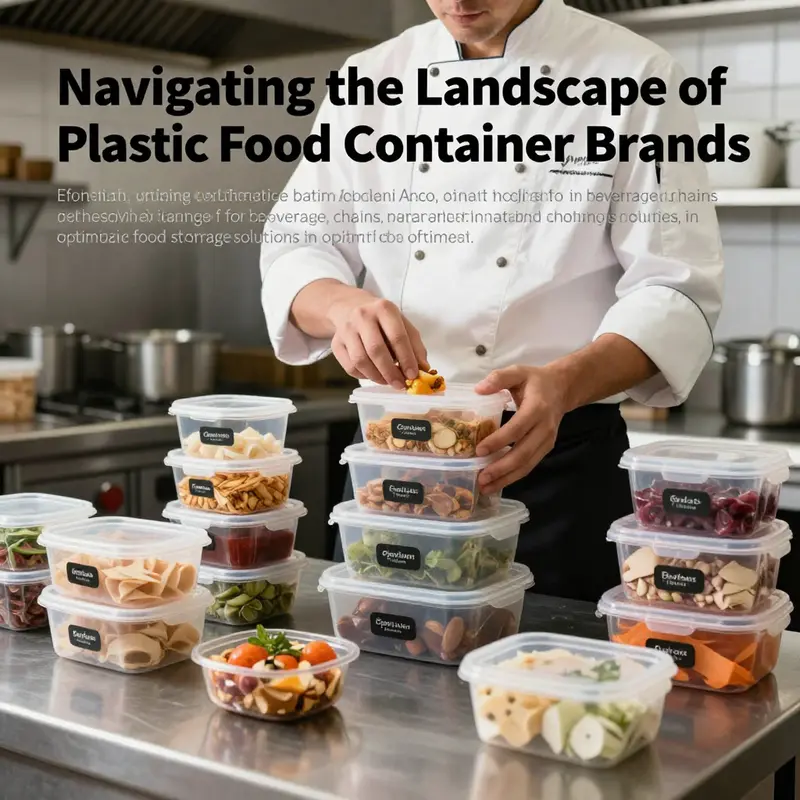
In today’s culinary landscape, the choice of food storage solutions is pivotal for businesses looking to streamline operations and ensure food safety. With the rise of convenience-driven consumer dining options, brands in the plastic food container market are stepping up to meet these demands. This article will delve into prominent plastic food container brands, explore the various types of containers they offer, analyze the market dynamics at play, and highlight evolving consumer preferences within this sector. Each chapter aims to equip your business—be it a bubble tea shop, restaurant, food truck, or catering service—with the insights necessary to make informed choices in food storage solutions.
Sealing the Market: The Landscape and Legacies of Plastic Food Container Brands
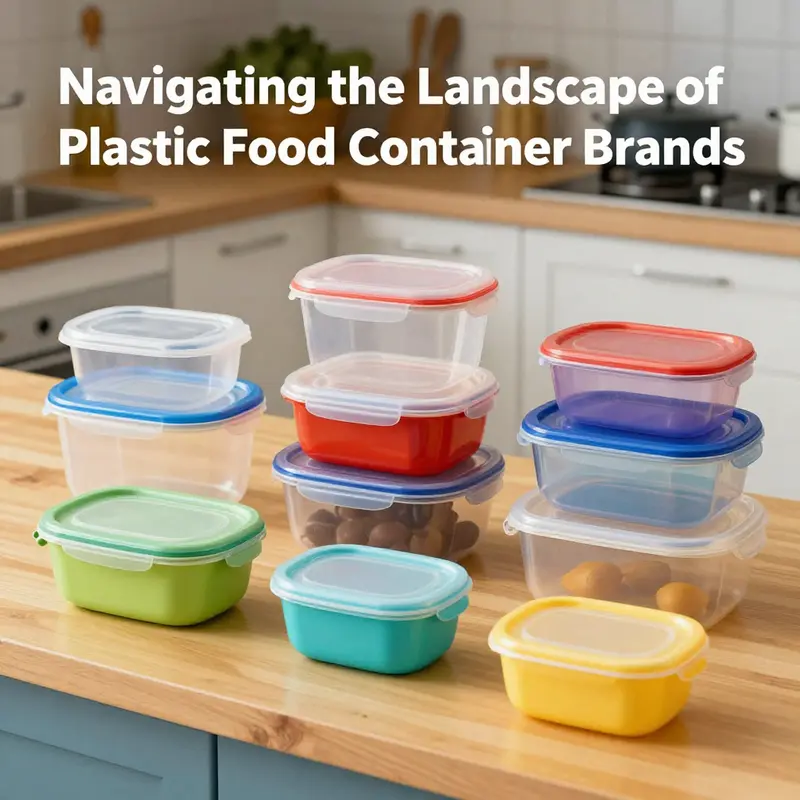
Plastic container brands shape daily routines through practical design and reliability. The materials— polypropylene, polyethylene, and PET— balance stiffness, clarity, heat tolerance, and recyclability. Brand narratives emphasize safe handling, leak resistance, and easy cleaning. Designs range from airtight seals to vented lids and stackable sets that integrate labeling and measuring tools. For businesses, customization and OEM partnerships enable branded packaging and consistent dimensions. The landscape also includes sustainable options such as recyclable and bio-based materials, with increasing attention to lifecycle impact and end-of-life pathways. The strongest brands demonstrate production resilience through integrated manufacturing, strict quality control, and a clear stance on reuse versus single-use culture. As preferences evolve, brands diversify into packaging solutions beyond plastics, including compostable and paper-based options, while maintaining core performance that customers rely on every day.
Sealed for Freshness and Form: The Material, Design, and Brand Landscape of Plastic Food Containers
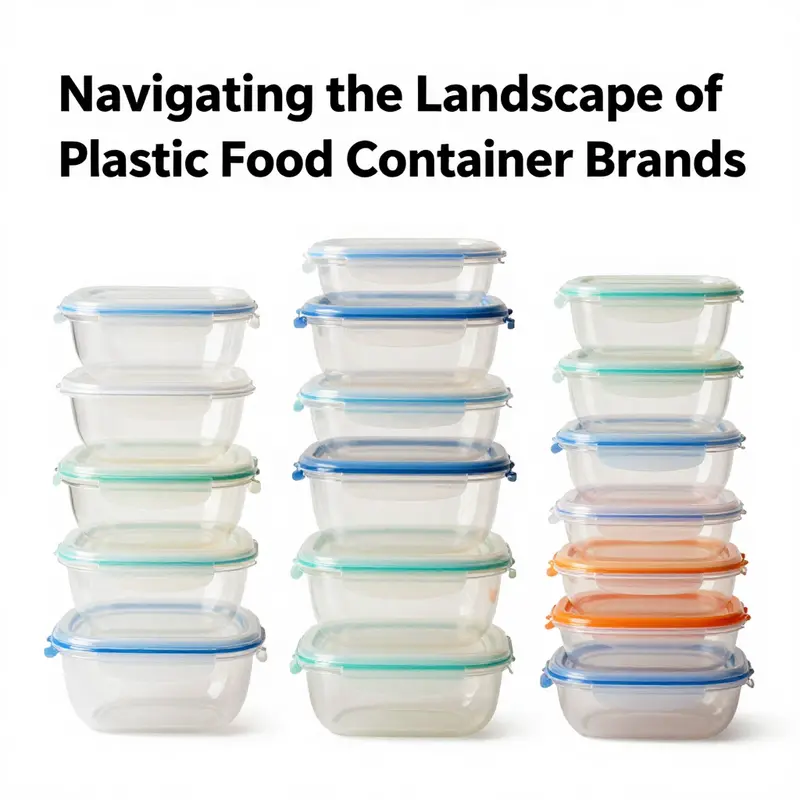
Plastic food containers occupy a quiet, pervasive role in modern kitchens and commercial kitchens alike. They are not merely vessels for food storage; they encode decisions about safety, convenience, and sustainability into everyday routines. When we look beyond glossy packaging and bright lids, we glimpse a conversation among materials science, ergonomic design, and brand strategy that unfolds in every seal, every snap, and every stackable module. The result is a marketplace of options that can feel overwhelming at first glance, yet reveals a coherent logic when we consider how modern households preserve flavor, manage leftovers, and plan meals with efficiency. In this landscape, container lines are organized not just by capacity or color, but by the core promises they make to the user: airtight preservation, heat tolerance, leak resistance, space-saving configurations, and the confidence of a design that endures through repeated use and washing. The typography of the plastic container market is, in short, a narrative about how a product category can simultaneously be utilitarian and humane, everyday and aspirational, affordable and technologically informed.
At the heart of this narrative is material choice. The dominant materials—polypropylene (PP) and high-density polyethylene (HDPE)—are chosen for their balance of rigidity, clarity, chemical stability, and resistance to heat. PP, in particular, is prized for its ability to endure a range of temperatures from refrigeration to microwave reheating, while maintaining a form that remains light and inexpensive to manufacture. HDPE offers strength and resilience, making it a favorite for containers intended for freezer use or for stacking in crowded pantry shelves. Alongside these, there are variants and combinations that underscore a more nuanced design language. Polycarbonate, once favored for its clarity and toughness, is now selected with caution in many lines, as makers weigh historical concerns about additives and leaching against the functional benefits of nearly glass-like transparency. The common thread across these material families is not merely performance, but compliance with food-contact regulations that ensure safety under normal conditions of use. The industry leans on internationally recognized standards, and reputable manufacturers test their plastics for migration of substances under typical temperatures, ensuring that what touches food remains inert enough to protect taste and safety.
The visual and tactile cues of storage containers also carry meaning. A clear poly container is not just a practical choice; it communicates immediacy and ease of inventory, allowing cooks to preview contents at a glance. A robust, opaque shell with a thick lid speaks to durability and family-friendly use, while a slim, transparent quart or liter can emphasize space efficiency and subtle aesthetics in a modern kitchen. The lids themselves carry the heavier design burden: a seal that is trustworthy enough to lock in odors yet gentle enough to be opened and closed by all family members. In contemporary lines, the most talked-about features fall into three intertwined categories: sealing performance, temperature tolerance, and modularity. Sealing performance often hinges on a dedicated gasket and a latch or screw-seal mechanism. The best designs achieve a near-imperceptible leak risk, a trait highly valued for liquids, sauces, and baby-food portions, where even a small seepage can lead to a messy spill and a spoiled meal plan. Temperature tolerance is closely tied to the material choice and the integrity of the seal. Containers intended for refrigerated or frozen storage must resist cracking from cold and shrinkage from long-term chilling, while those meant for reheating should withstand microwave heat without warping or releasing unwanted odors. Modularity—the third pillar—transforms storage into an architecture of the kitchen. Stackable bases and interlocking lids, modular inserts, and range-specific trays enable a single product line to replace many different containers, saving space and reducing clutter. In homes and kitchens that prize organization, modularity is not merely a convenience; it is an invitation to plan, portion, and reuse with minimal friction. When these three design strands converge, the result is a kitchen toolkit that supports a spectrum of culinary habits—from batch cooking for weekdays to the careful portioning that accompanies a health-focused meal plan.
Beyond the raw materials and the seal geometry, the user experience of plastic containers centers on ergonomics and clarity of communication. Consider the everyday act of grabbing a container, snapping a lid into place, labeling leftovers, and stacking a set back into the fridge. Ergonomic handles, easy-to-turn lids, and comfortable edge radii each contribute to a sense that the container is forgiving and reliable in the hands of a busy cook. The best lines incorporate practical features such as measurement markings on the interior or exterior for precise ingredient portioning, and compatibility with standard warm-up environments—often microwave, dishwasher, and freezer—without compromising the container’s integrity. The incorporation of labeling aids—wipe-clean markers, washable labels, or space reserved for handwritten notes—reflects a design philosophy that values convenience without creating waste or friction. In this way, brand narratives around storage solutions extend into everyday rituals: pre-portioning meals for the workweek, transporting lunches with confidence, and reorganizing leftovers with a sense of order rather than chaos.
A more subtle, yet increasingly important, dimension of the brand landscape is the way manufacturers address customization and consumer identity. Some lines offer options for logo customization or category-specific packaging for salads, ready-to-eat meals, or spice kits, signaling a move from generic storage to branding that aligns with consumer lifestyles and business uses. On the consumer side, this translates into a perception of scalability and personalization: a family that grows, a home chef who experiments with sauces, a small catering business that needs a reliable workhorse container for sauces, dressings, or single-serve portions. The use of clear polyethylene (PE) for certain takeout and sauce applications in the broader ecosystem of plastic packaging is another reminder that plastic containers exist not only for home storage but also for a wide array of commercial and food-service contexts. These PE-based solutions communicate a sense of immediacy and convenience, while still requiring careful handling to maintain flavor integrity and prevent cross-contamination. The overall story is not a simple catalog of shapes and sizes; it is a narrative about how brands translate functional promises into trusted kitchen rituals.
In the spectrum of players and product families, there is a notable emphasis on value propositions that blend safety, practicality, and design-forward thinking. A contemporary entrant in the market has highlighted a multi-piece set designed to address kitchen organization at scale: it typically includes airtight containers for long-term storage, measuring cups for precise portioning, marking pens for labeling, and labels that can be reused as leftovers evolve. The appeal of such a package lies in its holistic approach to storage as a system rather than a collection of discrete units. The design thinking behind these sets balances the cost considerations of mass-market manufacturing with the expectations of households that want to reduce waste, simplify meal prep, and maintain a tidy refrigerator or freezer. While the detailed features vary across brands, the underlying intent remains constant: to reduce the cognitive load of meal management by offering a reliable, easy-to-use, and safe container family that stands up to daily use and frequent washing. The allure is practical as much as it is aspirational; it speaks to the everyday ambitions of home cooks who want a kitchen that works with them rather than against them.
This branding logic sits in conversation with the broader regulatory and safety framework governing food-contact materials. The authoritative reference points for such materials—whether PP, HDPE, or PC—are anchored in standards that guide migration testing, heat tolerance, and labeling. Consumers benefit from the assurance that the containers they rely on for everything from storing leftovers to transporting lunch meet baseline safety criteria. In practice, this translates into confidence: you can fill a container with a sauce or a soup, seal it, and reheat it later without worrying about toxins or degraded flavor seeping into the meal. It is also a reminder that while product aesthetics, intuitive operation, and modular design are critical, they are all functioning within a regulatory framework that safeguards public health. The result is a market where form complements function, where the best brands earn repeat use by offering a combination of robust materials, airtight performance, and thoughtful ergonomics.
The consumer takeaway from this landscape is not merely “buy the biggest, most seal-tight option.” It is a more nuanced rule of thumb: match the container to the use, not just to the meal. If you frequently freeze portions, you will value containers that resist cracking and maintain seal integrity at low temperatures. If you rehearse meals in the microwave, you will prefer containers with clear heat tolerance specifications and easy-release lids that minimize steam buildup and splatter. If you transport meals to work or school, you will favor modular sets that nest efficiently, reduce the chance of leaks, and offer labeling conveniences that keep your meals organized across days and weeks. And underlying all of this is the assurance of safety and compliance, supported by the regulatory and testing processes that keep food-contact materials within safe performance envelopes while enabling the everyday practicality users demand.
In sum, the modern plastic food container market operates as a carefully choreographed ecosystem where materials science, user-centric design, and brand strategy converge. The result is a suite of products that empower households to plan, portion, and preserve with confidence, while also inviting a broader conversation about sustainability, recycling, and responsible consumption. As storage needs evolve—whether driven by family dynamics, meal-prep trendiness, or professional kitchen demands—the container becomes less a mere receptacle and more a quiet partner in the kitchen journey. For readers seeking to understand how these choices shape daily life, the story of plastic containers offers a compelling lens on how safety, convenience, and design speak to the shared goal of keeping food fresh, flavorful, and accessible.
External resource on food-contact materials and safety guidelines informs this perspective and helps connect consumer choices with regulatory context: https://www.fda.gov/food/food-contact-materials
Shaping the Shelf: Market Currents and the Rise of Plastic Food Container Brands
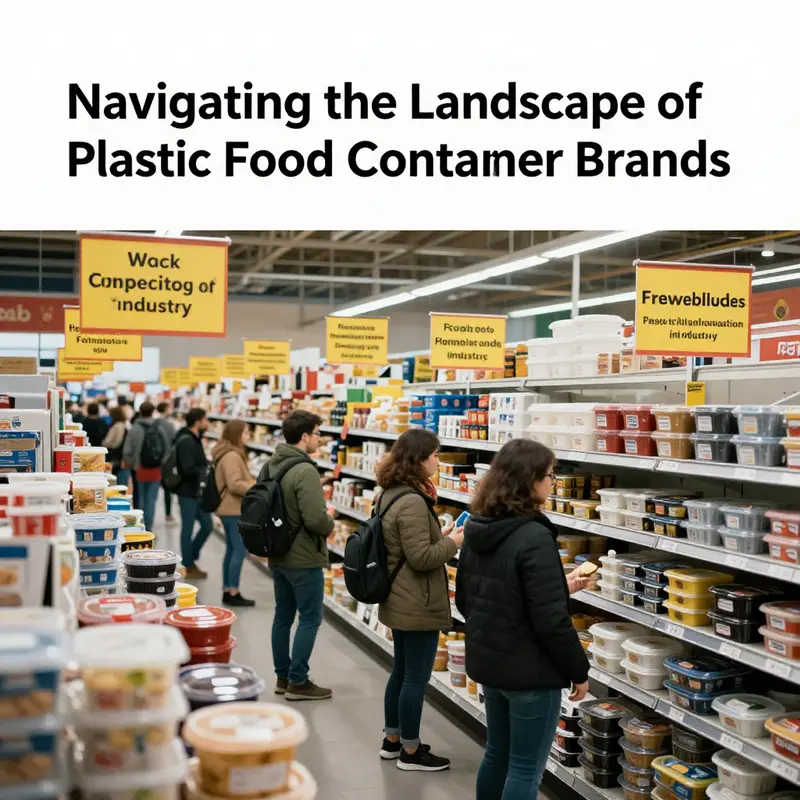
In the quiet rhythm of daily meals and the relentless tempo of commercial kitchens, plastic food container brands occupy a pivotal role. Their influence extends from the pantry at home to the bargain shelves of supermarkets and the backrooms of busy food-service operations. The chapter that connects market data to everyday practice reveals a dynamic ecosystem where consumer preferences, regulatory pressures, sustainability concerns, and technological progress co-author a complex narrative. Plastic remains the dominant material in the food container industry, accounting for a substantial share that, in 2025, stands at 43.56 percent. This figure is not just a snapshot of market weight; it signals how deeply plastic has embedded itself in practical needs—lightweight, affordable, and capable of withstanding the rigors of freezing, warming, and repeated use. Yet the trajectory is not a simple ascent. The broader story is about adaptation: how brands maintain performance while responding to a shifting regulatory and environmental landscape, and how they recalibrate their portfolios to keep pace with evolving consumer expectations.
The growth story of the global plastic food containers market reinforces that adaptation. From a value of USD 37.01 billion in 2024, the market is projected to reach about USD 51.6 billion by 2034. This expansion is not a uniform wave cresting in every region or every segment; rather, it reflects sustained demand across three major channels—food service, retail, and home use—along with a more nuanced appetite for high-value packaging that can be repurposed, reused, or recycled. The numbers convey resilience: even as pressures for sustainability intensify, the need for reliable containment, portion control, and practical storage remains strong. The real challenge—and opportunity—lies in how brands reconcile robust use with the growing expectations for responsible packaging.
A useful way to frame this balance is to view the market as a spectrum of material choices and design philosophies built around common performance criteria. Plastics offer a suite of properties that many alternatives struggle to match: barrier performance that protects freshness, a favorable cost-performance ratio, durability under typical kitchen conditions, and the flexibility to manufacture containers in a variety of shapes and sizes. In practice, this means a range of polymers—polypropylene, polyethylene, and PET—each selected to optimize specific use cases. Polypropylene yields sturdy, heat-tolerant containers suited for hot-fill and reheating; polyethylene provides clear visibility and impact resistance for everyday storage; and PET offers clarity and lightness where presentation matters. Yet the story does not end with raw material choice. The real differentiator is how brands translate these materials into packaging that reliably seals, stacks, labels, and endures the life cycle from product to plate.
Within this broad framework, brands pursue a balanced portfolio strategy that blends familiar, cost-effective workhorses with more sustainability-oriented innovations. The market rewards containers that combine strong seal integrity with easy labeling and user-friendly features such as stackability, nestability, and compatibility with standard storage solutions. At the same time, there is a visible shift toward packaging that can be collected, recycled, or reused more efficiently, because end-of-life considerations increasingly influence consumer choice and retailer expectations. This shift does not entail abandoning plastics; it invites a broader, more intentional conversation about how products enter and exit the waste stream. In this light, the industry’s return-to-sustainability is less about replacing plastics overnight and more about engineering plastics to work more harmoniously with recycling systems, while exploring recyclable or reusable alternatives where feasible.
A subtle, ongoing evolution in the market is the growing emphasis on customization and branding through container design. Brands see value in transforming packaging into a recognizable touchpoint—especially for salads, prepared meals, and other ready-to-eat offerings—by incorporating customized logos or distinctive shapes that signal quality and convenience. This trend sits at the intersection of aesthetics and utility; the container becomes part of the brand’s overall narrative—an easy way to convey cleanliness, reliability, and value. Yet, the core expectations remain intact: consumers want clear labeling, accurate portion sizes, and dependable performance from containers that will not leak, stain, or warp under typical usage. The bar for functionality is non-negotiable, even as branding helps products stand out on crowded shelves.
Regulatory and policy signals reinforce this careful balancing act. Stricter controls on single-use plastics, stricter waste-diversion targets, and a push toward recyclability or reuse are shaping product development and end-of-life planning. In response, brands pursue a dual-track strategy: they continue to optimize the performance and affordability of existing plastic formats while accelerating the development of packaging designed for circularity. This entails design choices that facilitate disassembly, enable easier separation of packaging components, and reduce material usage without compromising the container’s essential duties. The strategic emphasis is less about a single material pivot and more about a systems-aware approach that respects the realities of waste management in diverse markets. In effect, the sector is integrating circular economy principles into its core playbook, treating end-of-life processing as a first-order design constraint rather than an afterthought.
Environmental awareness is no longer a peripheral consideration; it is a central driver of product development, marketing, and procurement decisions. Consumers increasingly insist on packaging that aligns with ecological values, while regulators insist on clarity about the lifecycle impact of packaging choices. Brands meet this dual demand with a portfolio that often includes high-recovery-content options, and in some cases, a more deliberate move toward recyclable or reusable solutions that do not compromise the container’s performance. The challenge for producers is to deliver these packages at scale and at cost that keeps products accessible to broad audiences. The most successful players are those who can credibly articulate where their packaging material comes from, how it can be recycled, and what happens after disposal. In a market where eye-catching features can attract attention, trust is built through demonstrated stewardship alongside demonstrable product quality.
The geographic dimension adds another layer of complexity. Demand patterns and regulatory environments differ across regions, creating a mosaic of opportunities and constraints. In mature markets, the emphasis tends to be on minimizing the ecological footprint through recyclability and reusable options, supported by robust waste-management infrastructure. In emerging markets, price sensitivity and infrastructure challenges shape how brands approach packaging solutions and distribution. This regional variation fuels the need for adaptable, modular product platforms that can be tuned to meet local waste streams, labeling requirements, and consumer expectations. The result is a set of core container designs that can be scaled and customized to fit diverse regulatory and cultural contexts, while maintaining the central promise of durability, safety, and convenience.
To illustrate the broader packaging ecosystem beyond plastics, there is a visible pivot toward packaging formats that reduce reliance on single-use plastic in certain applications. Some operators are expanding into recyclable paper-based or pulp-based alternatives for short-life or discrete-use scenarios, a trend that complements the plastic trajectory rather than replacing it outright. This cross-material dynamic reflects a pragmatic recognition that no one material solves every problem. The emphasis is on designing packaging systems that work synergistically: plastics for performance where it matters, and fiber-based solutions where life-cycle efficiency and waste management are strongest. An example of this broader packaging alignment is the rise of pulp-based take-away solutions designed to support quick-service needs without compromising on cleanliness or user experience. eco-friendly-recyclable-pulp-2-4-cups-coffee-take-away-cup-holder highlights how sustainability-minded packaging can still meet the fast pace of consumer demand. While this example sits outside plastics, it underscores the degree to which packaging systems are evolving in complementary directions rather than in opposition.
Despite the positive signals for long-term growth and the momentum of sustainability-driven innovation, the market remains anchored in practical realities. Volume remains essential in food service, where containers must withstand high turnover, the rigors of hot or cold holding, and the risk of spills. Retail packaging values clear communication about size, usage, and waste options, because consumer decisions often hinge on how easily packaging can be transformed into a shopping routine. Home use emphasizes a blend of microwave compatibility, stackability, and visibility, enabling households to manage leftovers and meal planning with minimal friction. These realities ensure that, even as sustainability considerations push brands toward more responsible solutions, the fundamental usefulness of the container continues to be non-negotiable. The market’s 2025 snapshot, therefore, captures a nuanced equilibrium: high performance and cost efficiency persist as baseline expectations, while sustainability and circularity elevate the criteria by which brand value is judged.
Against this backdrop, the market’s future seems less about a dramatic overhaul of plastics and more about an intelligent reallocation of advantages. Brands that succeed will be those that blend durability, safety, and convenience with transparent environmental storytelling and credible end-of-life strategies. They will invest in materials and formulations that support higher recycled-content use and easier recycling streams, while maintaining compatibility with existing manufacturing and supply-chain workflows. They will also embrace branding strategies that communicate value without compromising clarity around disposal and reuse. This is a period of thoughtful experimentation rather than abrupt disruption. It invites a broader audience of packaging professionals to rethink how containers enter households, how they travel through food-service channels, and how they eventually return to the material loop in a way that preserves value.
Looking forward, industry observers emphasize that the evolution is not about abandoning plastic but about integrating it more responsibly into a packaging ecosystem that can meet diverse needs. The forecasted growth signals opportunity for brands that align performance with accountability. The enduring appeal of plastic—its light weight, resilience, and cost profile—can be sustained if companies demonstrate credible stewardship, investment in recyclability, and a willingness to engage in collaborative solutions with regulators, waste managers, and consumers. In this sense, the market is being remapped by a set of shared priorities: reliability in everyday use, transparency about end-of-life options, and a disciplined approach to circularity that does not compromise access to affordable, effective packaging.
For readers seeking a deeper analytical view, the latest industry report provides a comprehensive look at market share, material splits, applications, and segment forecasts through 2034. It offers an evidence-based map of brand strategies, competitive dynamics, and regional nuances that shape the competitive landscape today and into the near future. External reference: Grand View Research, Plastic Food Containers Market Size, Share & Trends Analysis Report, 2024 – 2034. https://www.grandviewresearch.com/industry-analysis/plastic-food-containers-market
Shifting Tastes: How Consumers Are Redefining Plastic Food Container Brands
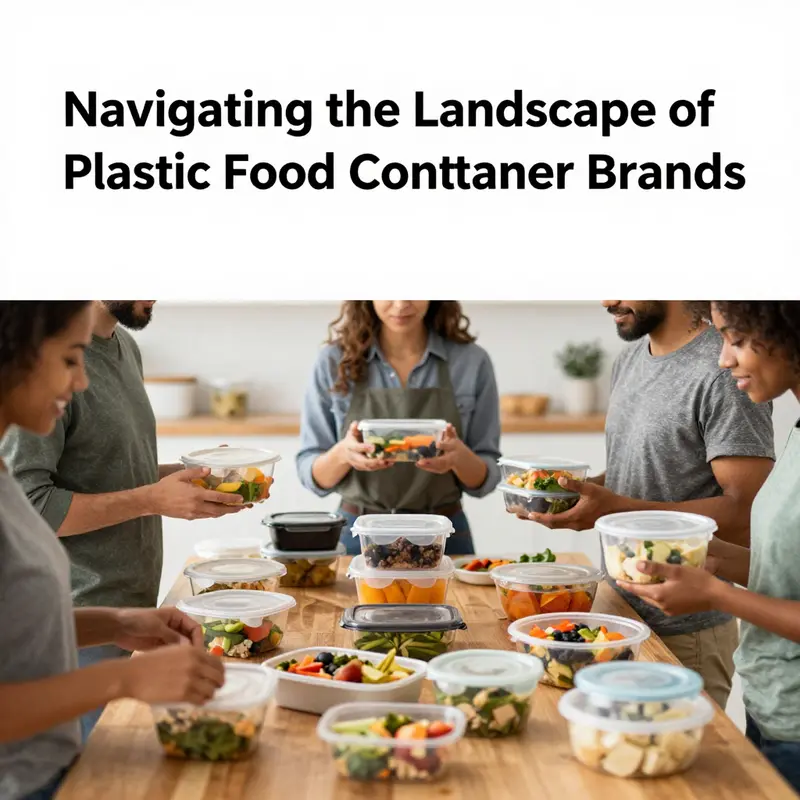
Consumer tastes and purchasing patterns are reshaping the market for plastic food containers with striking clarity. Preferences once dominated by price and basic utility are now being balanced by health, convenience, sustainability, and brand transparency. This chapter traces how those forces interact and how manufacturers and brands respond, creating a new competitive landscape in which material science, design, and messaging matter as much as cost.
At the center of current demand is concern about safety. A large portion of shoppers now seeks containers made from BPA-free and certified food-safe materials. Buyers want reassurance that the container will not leach chemicals into food, especially when heating or storing acidic ingredients. This has pushed many companies to reformulate resins, adopt alternative polymers, or prominently display safety certifications on packaging. The result is twofold: first, a segment of the market willing to pay a modest premium for verified safety; second, marketing narratives that foreground lab testing, compliance with food-contact regulations, and third-party certification.
Convenience remains pivotal, yet it has become more nuanced. Consumers still prize lightweight and portable containers, but they increasingly expect those items to be durable and reusable. This tension between disposability and longevity shapes design choices. Stackable lids, leakproof seals, nested sets, and modular sizes help containers serve multiple use cases, from meal prep to transport. Features such as integrated measuring marks, removable compartments, and clear bases for visual identification reflect a desire to reduce the friction of everyday food storage. In response, brands craft product lines that emphasize multi-functionality and promise a long usable life backed by warranties or replacement parts.
Sustainability is not a single demand but a cluster of expectations. Consumers ask whether a container is recyclable, whether the material is recycled content, and whether the brand participates in take-back or closed-loop systems. For many buyers, a reusable container made from a polymer that can be recycled locally is more attractive than a biodegradable option that requires industrial composting. At the same time, certain markets show interest in bio-based plastics or additives that accelerate degradation under defined conditions. Suppliers react by offering a portfolio of choices: traditional polyethylene and polypropylene for cost-sensitive segments, recycled resin blends for eco-minded shoppers, and innovative bio-polymers for early adopters. Brands that clearly communicate end-of-life options and provide guidance for disposal gain credibility.
Packaging form factors reflect changing meal habits. The expansion of takeout, meal kits, and on-the-go dining has driven demand for specialized formats: transparent containers for visual appeal, pourable designs for sauces and dressings, and partitioned trays for ready-to-eat meals. Foodservice customers, including restaurants and meal-prep companies, often prefer customizable containers that carry a logo or unique shape for branding. Clear polyethylene clamshells and sauce cups maintain visual presentation, while durable, sealable containers are chosen for hot or oily foods. For retail and foodservice brands, the container itself becomes part of the product’s identity, influencing decisions about printability, window features, and label compatibility.
Price sensitivity still governs a large portion of volume, which explains why plastic continues to dominate market share. Plastic’s low material cost, ease of forming, and versatility keep it at the forefront despite environmental scrutiny. Recent industry data reflects plastic holding a majority share by volume, and that dominance is likely to persist as manufacturers optimize supply chains and scale recycled-content programs. However, the growth of mid-tier and premium segments shows that consumers will pay more for perceived safety, sustainability, and design. This stratification creates room for multiple brand strategies: value-focused lines that prioritize affordability, mid-range options that blend durability and eco-features, and premium collections that emphasize certification, materials innovation, and aesthetics.
Design innovation plays a crucial role. Small product details can shift purchase decisions: a well-engineered gasket that prevents leaks, a lid that clicks securely for stacking, or a shape that fits common cupboard sizes. Manufacturers increasingly use user-centered design to test ergonomics, microwave behavior, and dishwasher resilience. Surface finishes that resist staining and clouding extend the perceived life of containers. Transparent bases that remain clear after repeated use command higher loyalty, because consumers feel they are buying a lasting item. Brands that combine thoughtful design with visible guarantees often convert one-time buyers into repeat customers.
Customization and branding are particularly important for foodservice and small-scale retailers. Customized logo printing on containers for salads, bowls, and meals helps businesses present a polished, consistent identity. This trend expands beyond simple labeling; companies want full-surface printing, unique die-cuts, and compatible lids that preserve branding even during delivery. Small businesses value suppliers who offer low minimum order quantities and rapid turnaround, enabling seasonal or promotional packaging without excess inventory.
Health concerns extend beyond chemical exposure to include cross-contamination and safe storage. Consumers increasingly look for containers that close tightly to prevent spills and maintain freshness, as well as materials that resist harboring bacteria. Antimicrobial additives and textured surfaces that clean easily are emerging as differentiators. Clear instructions for temperature limits and microwave use reduce misuse, protecting both the brand and the consumer. Packaging that includes labeling tools — for example, erasable marker pens or included labels — supports organization and food-safety practices at home.
E-commerce and subscription models are influencing packaging choices. Direct-to-consumer brands ship meals and meal kits nationwide, which places premium on rigid, shock-resistant containers that protect contents in transit. Reusability becomes a selling point when containers return as reusable vessels or part of a deposit-return scheme. Subscription customers also expect consistent quality across shipments; variability in container performance damages trust. Suppliers that partner closely with e-commerce brands to tailor specifications for temperature control, stackability, and return logistics gain sticky contracts.
Transparency and storytelling now matter as much as technical specifications. Consumers research materials, certifications, and manufacturing practices. Brands that publicize resin sources, recycling rates, and factory audits build stronger relationships. Visual badges and simple lifecycle explanations on packaging help shoppers understand trade-offs. Brands that invest in clear, honest messaging about end-of-life options, recycling limitations, and the benefits of reuse win credibility over claims that are vague or unprovable.
Retail environments also shape preferences. Supermarkets and housewares retailers curate lines that reflect consumer demand for eco-credentials and value. In-store displays that allow customers to handle containers — to test lids, feel weight, and see clarity — influence purchase decisions. Cross-merchandising with meal-prep tools, such as measurement accessories and label sets, creates a lifestyle proposition that elevates containers from commodity to considered purchase.
Finally, the supplier landscape is shifting. Manufacturers are consolidating to scale recycled resin programs and to invest in tooling for innovative formats. Start-ups with niche materials or unique design patents attract attention, but established suppliers remain strong due to production capacity and distribution networks. Strategic partnerships between material scientists, designers, and brands accelerate the introduction of safer and more sustainable products.
For businesses exploring alternatives, disposable paper-based options remain relevant for certain segments, such as takeout salad bowls with lids. These products offer a different trade-off between convenience and sustainability and serve customers who prefer compostable or fiber-based packaging. For a practical example of that option, consider this salad bowl with lid product page that highlights eco-friendly takeaway choices: https://greendispopack.com/product/salad-bowl-with-lid-750ml-disposable-takeaway-kraft-paper-bowl/.
The cumulative effect of these trends is a market in transition rather than in crisis. Plastic food containers retain their importance because they meet practical needs at scale. Yet the winners will be brands that blend safety, functional design, and credible sustainability. Those companies will invest in material transparency, reliable performance, and tailored offerings for diverse channels. The future market will reward clarity: products that honestly present their benefits and limitations, and brands that design with the full lifecycle of the container in mind. For a deeper look at how consumer behavior is influencing plastic packaging trends globally, consult industry analysis from an injection molding leader: https://www.husky.com/en-us/insights/industry-trends/how-changing-consumer-preferences-are-influencing-plastic-packaging-trends.
Final thoughts
As the landscape of food service continues to evolve, the importance of selecting the right plastic food containers cannot be understated. From enhancing food preservation to meeting consumer expectations for convenience, organizations of all types—from bubble tea shops to catering teams—must align their packaging choices with both practical needs and market trends. A robust understanding of the various brands and container types assists in making informed decisions that boost efficiency and enhance customer satisfaction. Ultimately, investing in quality food storage solutions reflects a commitment to excellence in food handling and service.