
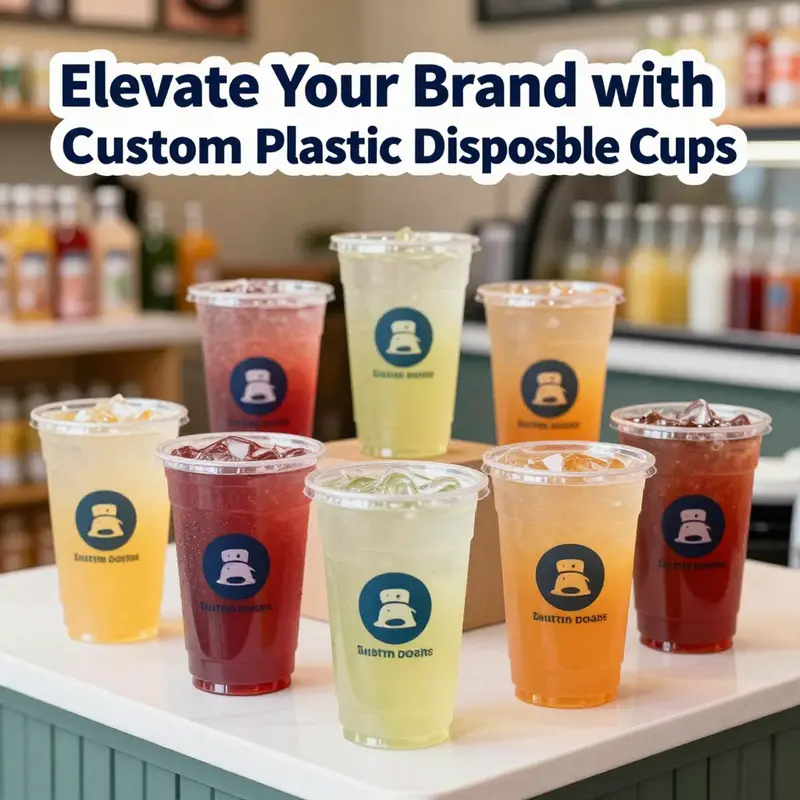
In today’s competitive market, plastic disposable cups with logos are not just functional; they represent a vibrant opportunity for branding and marketing. For Bubble Tea Shops, Beverage Chains, Restaurants, Food Trucks, Catering Services, Event Planners, and Corporate Procurement Teams, utilizing these cups effectively boosts visibility and customer engagement. Understanding the material and durability, customization options, and diverse applications of these cups will empower you to make informed choices that align with your brand’s identity and sustainability goals. Each chapter delves into these vital areas, weaving a complete picture of how these cups can work for your business.
Material Fortitude: How Plastic Cup substrates and Logos Align for Performance, Safety, and Brand Confidence
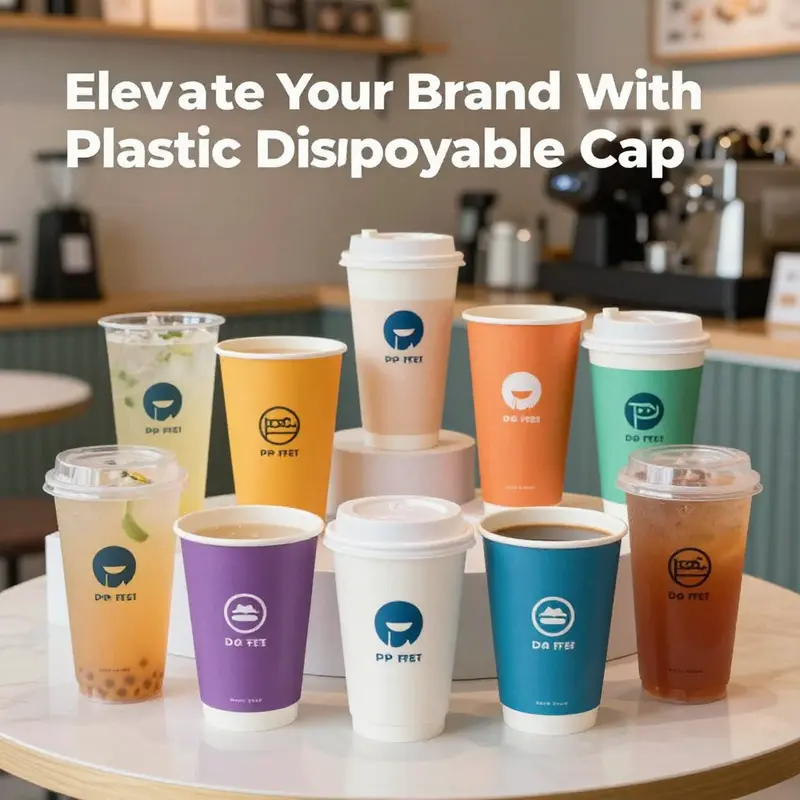
The appeal of a branded plastic disposable cup rests on more than a single, glossy logo. Brand editors, packaging designers, and operations leaders alike understand that the cup’s material choice and its engineered durability are the quiet engines of a successful marketing moment. A cup that can withstand the heat of a fresh-brewed coffee, survive a long line under bright showroom lights, and carry a durable image without fading is a cup that can stay in customers’ minds long after the beverage is gone. In this chapter we trace the material landscape that underpins plastic disposable cups with logos, examine how durability is engineered from resin to print, and connect these factors to the broader goals of safety, sustainability, and marketing impact. The discussion blends fundamentals with practical insights, revealing how modern manufacturing and printing technologies fuse to create cups that perform under real-world conditions while presenting a brand’s identity with clarity and confidence.
At the core of any branded cup is the pressure to reconcile two often competing needs: resilience in varied beverage environments and the precision of visual branding. Polypropylene (PP) and polyethylene terephthalate (PET) are the workhorses in this space, chosen for properties that align with different beverage profiles and service contexts. PP, often designated as a #5 polymer, is prized for its heat tolerance and durability. It can hold hot beverages such as coffee and tea, and its resilience makes it a logical choice for cups intended for both hot and cold uses. The material’s heat resistance, typically up to around 130°C (266°F), means a cup can be handed to a customer without the risk of deformation or premature failure when a hot drink is poured. This heat tolerance also allows for micro- and full-surface logo applications that maintain legibility even as steam swirls above the lid. In addition to heat tolerance, PP brings lightweight strength and flexibility, enabling thinner walls without sacrificing performance. That balance matters in branding programs that prize more surface area for logos while keeping per-unit costs in check during bulk runs.
In contrast, PET is the go-to option for cold beverage applications where clarity and a crisp, transparent presentation amplify the drink’s appeal. PET cups are noted for their transparency, which showcases the beverage’s color and ingredients—an attribute particularly valuable for fruit juices, bubble teas, and cold coffees that invite visual excitement. PET cups are typically lighter in weight than their PP counterparts and are often favored for single-use cold-drink campaigns where the visual appeal of the drink itself becomes part of the brand story. PET’s advantages come with a caveat: not all PET cups are intended for high heat or repeated microwaving, so when hot beverages are contemplated, manufacturers and designers may steer toward PP or specialized co-polymer blends. The safety profile of PET is reinforced by the emphasis on BPA-free materials and rigorous food-grade certifications, ensuring that the cup remains a trusted vehicle for branding without compromising consumer safety.
Between these materials lies a spectrum of options, including polystyrene (PS), which has historic usage in clear, rigid cups intended for cold drinks. PS can provide excellent clarity and stiffness, making it attractive for beverages where the cup’s transparency is a key part of the presentation. However, PS has limitations in heat tolerance, and concerns about environmental impact and recycling complexity have shifted many programs toward PP or PET alternatives when hot liquids are involved or when recyclability remains a central brand proposition. The decision matrix for material selection extends beyond heat resistance and optical clarity. It includes recyclability profiles, compatibility with labels and screen-printed graphics, and the intended life cycle of the brand’s campaign. As sustainability narratives become more central to consumer expectations, material selection increasingly reflects a balance among performance, end-of-life considerations, and the brand’s stated environmental commitments.
A crucial driver of durability and performance in branded cups is the way the cups are manufactured. Injection molding is a central process in ensuring consistent wall thickness, structural integrity, and leak resistance. By controlling the resin flow, cooling rates, and mold geometry, manufacturers create cups that resist buckling under gripping pressure, bending when stacked, and cracking when faced with accidental knocks or drops. This precision in thickness is not merely a matter of sturdiness; it also ensures that the ink or labeling applied during printing adheres properly and remains legible through handling, chilling, and warming cycles. Consistency in wall thickness translates to predictable part performance in bulk runs, which in turn reduces waste and rework—an important consideration when pricing and lead times hinge on high-volume production.
Printing technology sits at the intersection of aesthetics and endurance. For branded cups, the visual impact of a logo matters as much as its resilience to handling. Flexible printing methods, such as flexographic printing, enable vibrant multi-color logos on curved surfaces. Flexo printing is designed to work efficiently on plastics with variable thickness and is compatible with high-speed production lines. The formulation of inks and coatings is equally important; modern inks are formulated to resist the moisture of condensation, temperature fluctuations, and the friction of repeated handoffs. When done well, a logo remains crisp as a cup goes from a beverage station to a customer’s hand, then into a bag or a drawer, preserving brand recognition regardless of the cup’s orientation. In practice, dual-side logo placements have emerged as a savvy branding tactic. Placing the primary logo on one side and complementary messaging—such as a slogan, social media handle, or QR code—on the opposite side ensures visibility in multiple viewing angles. This strategy acknowledges how customers may hold, pass, or display the cup in a crowded environment, and it capitalizes on every rotational moment to reinforce brand identity without requiring a second cup or additional packaging.
The environmental footprint of these branded cups tends to arise not just from their presence at an event but from the full lifecycle—from resin procurement to end-of-life handling. Recyclability is a cornerstone of modern plastic cup design. Recyclable PP material is frequently highlighted as a standard option that aligns with both performance needs and responsible disposal practices. In many supply ecosystems, suppliers emphasize BPA-free formulations to address consumer safety concerns and regulatory expectations—an assurance that the cups can be used with hot or cold beverages without risk of unwanted chemical transfer. While recyclability is a strong default, the reality of consumer behavior and municipal recycling infrastructure means that program success often hinges on clear guidance to end users and robust post-consumer processing. Some suppliers expand the conversation by presenting eco-friendly alternatives beyond plastics, such as bagasse or cornstarch-based containers, to meet growing demand for compostable or more sustainable disposables. Although these alternatives may not carry the same print durability or heat resistance as traditional PP or PET cups, they represent a strategic option for campaigns prioritizing a broader sustainability narrative or a transition toward more circular material ecosystems.
The material choices also influence safety and compliance. Food-grade standards and certifications are essential signals for brands that want to assure customers that the cup is safe for direct contact with edible beverages. In practice, this means that resins, additives, and printing inks are selected to minimize migration and contamination risks, with testing procedures that validate performance under typical service conditions. The BPA-free designation has become a common expectation in many markets, reflecting a precautionary stance toward potential exposure. Consumers and brand teams alike respond to such assurances with greater trust, especially for campaigns that involve a wide range of drink types, from hot coffee to cold fruit-infused beverages. The certifications and testing regimes—whether internal or third-party—form a quiet but powerful layer of credibility that supports the visual branding with a tangible guarantee of safety and reliability.
With these material and manufacturing tenets in view, the question for many teams becomes how to optimize for both branding impact and practical use. The answer is rarely a single material or one printing technique. Instead, it is a careful orchestration of resin choice, wall thickness, heat tolerance, printing durability, and labeling strategy. A well-considered approach acknowledges that a cup’s appearance is inseparable from its function. A logo that looks brilliant on a bottle-green sheen can lose its legibility on a steaming cup if ink has insufficient adhesion or if the surface warps under heat. Conversely, a cup built with robust PP and a well-formulated ink system can preserve color saturation and edge clarity even after multiple handoffs, small drips, or a splash of ice—an outcome that strengthens brand recall in a busy environment.
The practical implications for planners and designers extend to the logistics of an event or retail deployment. Bulk pricing discussions often reveal how material and production choices influence cost-per-unit at scale. For example, the economics of 32-ounce, 24-ounce, or 500-milliliter formats depend on the chosen resin, the ease of mold setup, and the efficiency of the printing line. While some suppliers advertise ultra-low per-unit costs for large orders, these figures typically reflect cumulative benefits from high-volume presses, standardized color sets, and streamlined quality control processes. In these contexts, the durability of the material and the reliability of the print are not merely technical considerations; they are direct drivers of waste reduction, return on investment, and brand consistency across time and geography. A cup that endures during transit and on busy retail floors reduces the need for replacements, minimizes customer complaints about leakage or fading logos, and strengthens the customer’s association between the product and the brand.
Even as brands lean into durable plastics and high-fidelity logos, an awareness of environmental considerations remains part of the decision framework. The choice between PP and PET can influence recyclability pathways, especially when a campaign ends and the cups enter municipal streams. PP’s recyclability is widely recognized in many recycling systems, while PET’s recyclability depends on local infrastructure and sorting capabilities. The emphasis on recyclability is not merely a checkbox; it is a practical lever that brands can use in storytelling, supply chain negotiations, and post-event communications. When combined with clear labeling, transparent disposal guidance, and, where possible, partnerships with recyclers that accept food-grade plastics, the branding narrative becomes more credible and more executable. The broader corporate or campaign strategy often includes communicating environmental commitments to audiences who may be evaluating the brand through multiple channels, from social media posts to event signage. In this sense, the material and the logo work together not only to attract attention but also to align with a growing demand for responsible consumption and responsible disposal.
Turning from process to practice, it is worth noting how modern commercial offer structures support branding programs. Some suppliers provide a spectrum of sizes that accommodate different beverage formats and event themes—32 oz, 24 oz, 500 ml, and 700 ml are common anchors. The availability of multiple sizes helps ensure consistency of branding across a product line or a cross-channel campaign, letting a brand maintain a cohesive visual identity whether the drink is a cold fruit blend, a milk-based tea, or a hot-brewed coffee served with a lid. When combined with logo customization capabilities—ranging from screen printing to labeling—the field of options becomes broad enough to support both large-scale campaigns and more intimate, localized promotions. A durable cup that can carry on a brand’s identity across varied contexts—from a stadium concourse to a pop-up stand in a farmers market—can be a decisive element in the overall consumer experience, shaping perception long after the beverage has been consumed.
The chapter’s final reflection centers on the tie between material science and branding strategy. The strength of a plastic disposable cup with a logo is not just a function of the resin’s chemical properties; it emerges from a deliberate alignment among resin selection, wall-thickness control, printing resilience, and user-facing durability cues. The ultimate test is practical: will the cup withstand the physical realities of the environment—heat, condensation, stacking, transit, and casual drops—while preserving a logo that remains legible, color-stable, and true to brand guidelines? The closer these elements are aligned, the more likely a logo will endure in the customer’s memory, even after the cup has been discarded. In this sense, material fortitude is not merely a back-end concern for engineers; it is a central attribute that can amplify a brand’s reach and resonance across time.
For readers who want a concrete reference to explore more about plastic cup customization and the breadth of availability, an example of the kinds of products and customization options discussed here can be found in supplier catalogs emphasizing dual-side branding, printed logos, and bulk pricing structures. A practical example from a representative catalog demonstrates how the primary brand mark can be extended with secondary messaging on the opposite face, enabling brands to tell a two-part story in a single, portable format. Such configurations illustrate how the careful orchestration of material choice, print technique, and design strategy yields a disposable cup that is both functional and a moving billboard for the brand. The result is a cohesive experience that blends practical performance with visual impact, a combination that helps brands achieve strong recognition in crowded spaces while maintaining a responsible approach to materials and end-of-life considerations.
As a closing note, readers who wish to explore related product formats, printing flexibility, and broader sustainability options can consult industry resources that catalog logo-ready disposables, including entries focused on customizable cup formats and the printing methods that keep branding vibrant across many exposures. These references can illuminate a path from initial concept to final production, offering clarity on how a logo can stay legible and attractive as a cup travels from the beverage station to the customer’s hand and into the disposal stream.
To read further on related product formats and customization approaches in a broader disposables context, see the following external resource: Alibaba listing for BPA-free PP plastic cups.
Internal link cue: an example of broader branding flexibility can be found in the supplier’s catalog for dual-side artwork and multi-size formats, such as the option described under Disposable Custom Double-Wall Hot Paper Cups with Lid, which illustrates how a logo and supporting messaging can be arranged to maximize visibility across viewing angles while sustaining performance in busy settings.
For readers seeking a direct, practical point of reference related to logo-ready disposables and the breadth of customization options, you can explore a representative page that highlights custom logo printing and bulk availability: Disposable Custom Double-Wall Hot Paper Cups with Lid.
From Print to Pour: Smart Customization Strategies for Plastic Disposable Cups with Logo
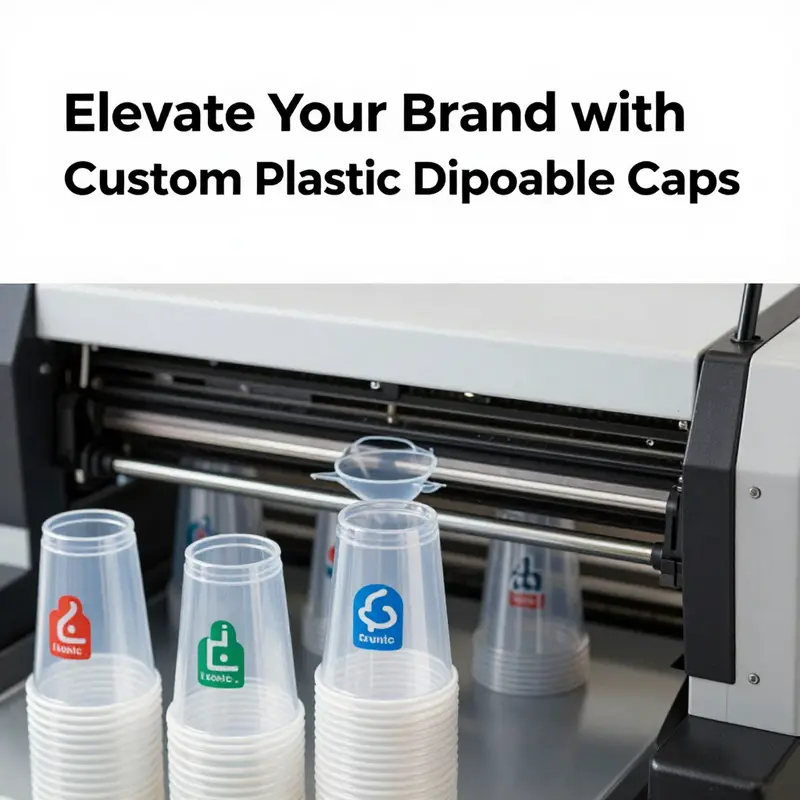
Customizing disposable plastic cups with a logo transforms a basic serving item into a powerful marketing asset. A well-designed cup carries more than a name; it communicates tone, quality, and intent the moment a customer lifts it. Successful customization balances three needs: brand visibility, functional performance, and supply practicality. Every choice—material, print method, layout, lid type, and packaging—affects how a cup looks in the hand and how it performs in real-world use.
Design decisions start with the substrate. Plastic disposable cups generally come in two primary food-grade materials: polypropylene (PP) and polyethylene terephthalate (PET). Each has clear strengths. PP resists heat and handles hot fills better than many alternatives. It is more flexible without cracking, and it can be produced in opaque or semi-transparent finishes. PET is prized for optical clarity. It showcases colorful, layered beverages and holds a crisp shape with a lightweight feel. Understanding these material properties guides the aesthetic and technical choices for printing and labeling. For example, a vibrant fruit tea with layered colors benefits from the near-glass clarity of PET. Coffee served as an on-the-go hot beverage works better in PP, where higher temperature tolerance and a comfortable weight matter.
Printing method must match both the design ambition and the order scale. Traditional screen printing remains a cost-effective choice for large runs. It lays down durable, opaque ink and supports bold spot colors that pop on both clear and colored plastics. For full-color photographic artwork or complex gradients, digital printing gives far more fidelity. Digital is ideal for shorter runs and rapid design iteration because it eliminates plate costs. Label application offers another path. Pressure-sensitive or shrink labels allow full-wrap graphics and photographic reproduction on clear cups, and they facilitate quick design swaps without changing the cup mold. On transparent cups, labels can be printed with white underbase or printed on translucent film to preserve the drink’s visibility while providing a printed canvas.
Layout and placement are small details with large impact. Dual-side logo placement—logo on one side and a slogan, QR code, or social handle on the other—ensures visibility regardless of how the cup is held. A centered, vertical logo works when photos are taken, and a wraparound band can create a theatrical reveal as the cup is rotated. Equally important is the use of white underprint on clear plastics. Without white ink beneath spot colors, printed art can look washed out against a transparent background. White underprinting provides opacity and maintains color integrity. For PET cups, consider leaving negative space for the liquid to show through; this strategy makes bright drinks part of the design, amplifying visual appeal.
Color fidelity and brand consistency require early alignment between design files and the production process. Pantone references and CMYK conversions must be checked against the chosen print method. Screen printing often works with spot inks that match Pantone codes closely. Digital printers rely on CMYK, sometimes extended with additional channels for white or varnish. For small logos that rely on fine detail, vector artwork in PDF, AI, or EPS formats ensures crisp reproduction. Raster images need a high resolution, typically 300 dpi at actual print size, to avoid soft edges. Suppliers commonly request outline fonts or embedded font files to maintain typographic integrity.
Artwork setup also accounts for the physical cup geometry. Most cups have curved surfaces and tapers. A flat artwork file must be scaled or distorted to match the cup’s wrap. Suppliers usually provide dielines or templates showing safe zones and bleed areas. Following those templates prevents logos from getting cut off near the rim or base. If the design wraps fully, consider seam placement. A seam placed near the back of the cup creates a clean front view. Conversely, a printed seam in the center can be hidden if the design accommodates it.
Regulatory and safety considerations guide ink and adhesive choices. Inks intended for food-contact packaging must meet local and international food-safety standards. Suppliers can provide certifications showing food-grade compliance and migration testing results. For hot beverages especially, ensure inks and labels remain stable under heat and do not release odors or off-tastes. Adhesives for labels must tolerate condensation on cold drinks and resist peeling during transport and display.
Sizing and ergonomics matter as much as print. Popular sizes span small single-serves to large take-home sizes. Each size changes the visible print area and the physical canvas for your logo. When designing for multiple sizes, scale the design proportionally and, where possible, create size-specific versions of the artwork. This avoids tiny logos on extra-large cups or oversized marks on small cups. Consider lid compatibility too. Dome lids, flat lids with straw slots, and snap-in spill-proof lids alter the cup silhouette and must align with the printed mark’s placement. Ergonomic shapes and textured rims improve user comfort and can be part of the brand experience.
Bulk economics shape customization strategy. Suppliers often set minimum order quantities (MOQs) that reflect tooling and setup costs. Screen printing typically requires higher MOQs due to plate preparation, while digital printing allows smaller runs. Labeling can offer the greatest flexibility for short runs or pilot campaigns because it reduces cup-specific tooling. Per-unit pricing drops significantly as quantities scale. For major events or sustained campaigns, larger batches yield savings. But overordering creates storage and obsolescence risks. A staged approach—pilot small runs with digital or labeled cups, then scale successful designs with screen printing—minimizes risk.
Lead times and proofing processes are vital for campaign scheduling. Proofing usually proceeds from a digital proof to a physical sample. Request a physical sample when possible. A digital mockup may not reveal subtle transparency effects, white underbase density, or how inks look against your chosen cup color. Confirm lead times for plate creation, printing, curing, and packaging. Factor in shipping windows and any delays for customs if sourcing internationally. When planning for seasonal events, reserve production slots well ahead of deadlines.
Sustainability is now a core consideration in customization decisions. Many plastic cups are recyclable when made from PP or PET, but recyclability depends on local waste infrastructure. Using a single resin family aids recycling. Avoid multi-material laminates that complicate sorting. Suppliers increasingly offer eco-conscious alternatives and compostable options for those who want to reduce plastic use. If sustainability is central to your brand, consider highlighting recycling instructions or a sustainability statement on the cup. For projects that want a paper look but need plastic performance, there are hybrid options. For those exploring alternative materials, reviewing related product categories can spark ideas; for example, an eco-friendly printed logo cold beverage cup demonstrates how brand messaging can pair with greener substrates.
Campaign tactics expand a simple logo into interactive experiences. A QR code printed on the cup connects the physical item to digital content. Use QR codes for loyalty offers, seasonal menus, or brief surveys. Place the code where it is easy to scan without having to remove a lid. Social handles and hashtags encourage user-generated content. Make sure these elements are legible at typical viewing distances; small text often becomes unreadable in photographs.
Packaging and shipping deserve attention equal to printing. Cups should nest efficiently to reduce pallet volume and shipping cost. For high-volume orders, discuss palletization schemes with suppliers. Consider adding protective inner packaging if printed surfaces are vulnerable to abrasion. Clear indications on cartons about orientation and handling preserve prints during transit. For retail distribution, sell-in packaging can double as promotion. Custom printed cartons or sleeves reinforce the brand story from warehouse to customer.
Quality assurance must be built into production. Establish acceptable defect rates for color variance, print alignment, and label adhesion. Random sampling during production helps catch issues early. Conduct adhesion and abrasion tests on representative samples. For laminated or shrink-label applications, test for cracking and curl under temperature and humidity extremes. Insist on documentation of batch testing, and verify certificates for food-contact compliance.
Operationally, partner selection matters as much as the creative. The right supplier offers clear communication, art templates, and a reliable proof process. Choose a printer with experience in plastic substrates and with the specific techniques you plan to use. Request references and images from recent runs similar to your project. Transparency about MOQ, tooling fees, and color setup costs prevents surprises. Clarify payment terms, lead times, and what is included in price quotes. If working across time zones, set overlapping contact windows for swift approvals.
Measuring return on investment requires tracking both direct costs and marketing impact. Calculate cost per cup including print, lid, and packaging. Estimate the effective cost per impression by combining distribution numbers and expected visibility. Branded cups at high-traffic events generate repeated impressions as people carry them through venues. Track redemption rates for QR-driven offers to gauge engagement. Use unique QR codes or short URLs per campaign to measure response and refine future runs.
Practical tips smooth execution. Ask for a mockup on the exact cup model, not just a generic template. Request digital and physical proofs. Keep core brand elements within the safe area. If you want the drink to complement the artwork, test designs with representative liquids. For short-term promotions, use labels to save cost. For permanent branding in cafe or retail contexts, invest in screen printing for durability and consistent color. Maintain a careful inventory cadence to avoid overstocking obsolete designs.
A final technical note concerns printing finishes and special effects. Spot varnishes and metallic inks add perceived value. Clear varnishes can protect high-wear areas. Metallics and foil stamping require specific substrate compatibility and may raise MOQs and costs. Textured coatings and matte or gloss finishes change tactile perception. Apply these selectively where they reinforce the brand, such as on a logo or headline rather than over the entire cup.
Customization turns a plastic disposable cup into a branded instrument. Smart choices align material, print technology, artwork, and logistics. When these elements work together, the cup becomes an extension of the brand—visually distinct, functionally reliable, and strategically costed. Thoughtful planning reduces waste, controls cost, and amplifies impact. The process starts with material selection and finishes with measurement of outcomes, but the most important step is aligning production decisions to your campaign goals. For detailed technical specs and supplier examples, see the manufacturer listing for customizable U-shaped PP cups: https://www.alibaba.com/product-detail/Wholesale-98caliber-500ml-U-Shaped-PP-Cups_601981875551.html
Where Logoed Plastic Cups Shine: Practical Uses, Strategic Placement, and Sustainable Choices

Branded plastic disposable cups with a printed logo do more than hold a drink; they act as moving billboards, subtle customer gifts, and practical touchpoints in experiences that shape how people remember a brand. Across trade shows, stadiums, cafés, product launches, and community events, these cups bridge function and marketing. They combine visibility with convenience and can be tuned to different goals—awareness, loyalty, product presentation, or sustainability messaging—when design, distribution, and material choices align with a campaign’s objectives.
The core appeal of printed plastic cups lies in their capacity to pair utility with impression. A clear PET cup showcases a colorful beverage and invites attention to both the drink and the logo. Opaque polypropylene cups impart a more durable, premium feel for hot or mixed-temperature offerings. Both materials meet food-contact standards for single-use service and work well with standard printing and labelling methods. When a cup travels beyond the point of sale—through a street, to a parade, or into an office—the logo continues to advertise without further spend. That extended reach is why marketers and operators plan cup campaigns with the same care they apply to flyers or digital ads.
Different settings call for different design and distribution strategies. At trade fairs and exhibitions, for example, promotional giveaways serve to anchor a brand in attendees’ minds across a crowded show floor. Handing a cup filled with a signature drink creates a sensory association with the brand. For maximum exposure, companies place their primary logo on one side and supporting messaging on the opposite side—slogans, social handles, or a QR code linking to a landing page. Dual-side printing ensures visibility from multiple angles and turns each use into an opportunity for engagement. For exhibitors who want to drive measurable follow-up, adding a QR code that offers a downloadable asset or a discount code converts passive impressions into trackable responses.
Product launches and corporate gatherings use branded cups to extend a curated experience. When a cup matches the launch theme—through color accents, a limited-run design, or a campaign-specific tagline—it reinforces the event narrative. Guests sip from packaging that reflects the product story, and the cup becomes a keepsake that ties the memory of the event to the newly released offering. For internal corporate events, logoed cups can subtly reinforce company culture while reducing the need for branded disposables that clash with presentation aesthetics. They provide a low-cost way to make a meeting or celebration feel intentional and cohesive.
Retail locations and foodservice establishments rely on printed plastic cups as mobile advertising and practical packaging. Cafés and bubble tea shops especially benefit from clear cups that showcase layered drinks and toppings; the visual appeal of the beverage becomes part of the marketing. For high-frequency consumer brands, distributing affordable, branded cups through loyalty programs or bundled promotions keeps the brand top-of-mind. A customer who receives a complementary branded cup during a promotion is more likely to recall the brand when making future purchases. In addition, logoed cups can elevate perceived quality: a simple logo printed on a sturdy PP cup signals professionalism compared with unmarked, generic disposables.
Catering companies and event planners use logoed cups to lift the perceived production value of their services. Even casual, large-scale events like outdoor festivals benefit from standardized branded drinkware. Uniform cups simplify logistics, reduce contamination risk, and accelerate service lines. For multi-vendor events, a single branded cup design worn by all concessions reduces visual clutter and increases the event’s perceived organization. In VIP zones or sponsor areas, cups can be upgraded with embellishments or foil stamping to mark distinction without adding complexity to beverage service.
Community outreach and non-profit events use custom cups as low-cost awareness tools. Branded cups distributed at fundraisers or awareness drives extend campaign reach beyond the event footprint. A cup printed with a cause-related graphic or org name helps message recall during post-event conversations. Because community events often target repeat engagement—volunteer recruitment, future donations, local program attendance—the cup acts as a physical reminder that sits on a counter or gets used at future gatherings.
Outdoor activities, sports tournaments, and music festivals present unique use cases where durability and visibility are essential. Plastic cups resist breakage better than ceramic and are safer in crowded, active environments. For these settings, cups must balance sturdiness with disposability; polypropylene offers heat and impact resistance, while specific PET styles provide clarity and lightness. Short-run branding—limited edition prints for a festival series, event-year logos, or collaboration artwork—also turns disposable cups into collectors’ items for attendees, extending brand exposure through social shares and souvenir keeping.
Sustainability considerations increasingly shape where and how branded plastic cups are deployed. Many organizations now choose recyclable PP or solutions with a lower lifecycle impact, and some opt for compostable or bioplastic alternatives where infrastructure supports them. Material selection should reflect a realistic assessment of local waste systems; a compostable cup only fulfills its environmental promise if composting facilities are available. When recyclability is the goal, using widely recyclable polymers and marking the cup with clear disposal instructions can improve end-of-life outcomes. Brands that factor sustainability into their cup strategy strengthen credibility with eco-conscious audiences and minimize the risk of appearing tone-deaf.
Strategic distribution plays a central role in maximizing return on investment. Placement matters: where attendees gather, lines form, or cameras point are high-value zones. Sponsors at events ask for exclusive drinkware rights because the cup’s repeated exposure across the event day builds incremental impressions. For retail and casual foodservice, combining cup distribution with a visible call-to-action increases recall. Simple techniques like printing the website on the bottom rim, adding a hashtag near the logo, or pairing the cup with a loyalty punch card convert single-use impressions into repeat touchpoints.
Customization options influence both perception and functionality. Screen printing provides bold, cost-effective branding for large runs. Labeling or shrink-sleeve wraps offer full-color coverage for photographic imagery. For tactile enhancement, embossing or texture bands add grip and a premium feel, helpful in cold or condensation-prone drinks. Material choice interacts with printing: PET’s clarity complements photographic drinks and wraparound labels, while PP accepts high-temperature uses and withstands hot liquids better. Choosing the right combination aligns aesthetics with intended use, whether it’s iced tea at a summer event or mixed hot-and-cold offerings at a trade show.
Sizing and shape are practical choices that also impact marketing. Common sizes—ranging from smaller 8–12-ounce servings to large 32–700ml formats—match standard beverage portions and event needs. U-shaped or tall fluted cups emphasize layered drinks and fit well in cup holders, while stout, wide cups suit thicker beverages like smoothies. The size you pick affects distribution: a smaller cup allows for more giveaways per shipment and can be more cost-effective for sampling campaigns. Larger cups, however, become more visible in a crowd and may be better suited for premium event activations.
Operational realities deserve attention. Lead times for printing and fulfillment vary by vendor and season. Large orders enjoy unit-price discounts, but quality control becomes paramount; inconsistent print registration or misaligned logos can undermine the campaign. Order samples before committing to a large run, and request proofs for both print placement and color accuracy. Shipping and storage also influence campaign timing—cups nest to save space, but lids and sleeve accessories add bulk. Factor these logistics into your timeline to avoid last-minute compromises.
Measuring effectiveness is often overlooked but straightforward. Trackable codes and QR links printed directly on the cup let you attribute specific activations to conversions. Social metrics—images of your branded cup shared by attendees—offer qualitative evidence of reach and sentiment. For retail partners, monitor redemption or repeat purchase rates linked to cup-based promotions. Simple surveys at events can reveal recall rates and whether attendees associated the cup with the intended message or sponsor. Combining behavioral data with anecdotal feedback yields a fuller picture of cup-driven ROI.
Risk management and compliance are necessary considerations. Ensure materials comply with local food safety regulations and that printing inks are certified for food-contact surfaces. For events with alcohol service, factor in safety and local ordinances regarding disposable drinkware. Clear communication about appropriate disposal is also part of brand stewardship; provide visible receptacles and simple instructions that match the cup’s disposal pathway.
Finally, consider complementary elements that amplify the cup’s effectiveness. Coordinated branding across napkins, sleeves, and lids creates a cohesive visual system that reinforces recognition. Cross-promotional bundles—pairing a branded cup with limited-time coupons or product samples—drive trial and increase perceived value. In some cases, offering a discounted refill policy during an event encourages reuse and repeat foot traffic, turning a disposable cup into a behavior-change tool that benefits both sustainability goals and sales.
For brands planning an activation, the central questions are simple: who will handle the cup, where will it travel, and what action should it prompt? Answering these aligns material choice, print method, size, and distribution so that each cup contributes to the broader campaign. When design and logistics align, plastic disposable cups with logos function as efficient, measurable, and adaptable tools that enhance visibility, reinforce experience, and support sustainability commitments.
For brands exploring technical standards or deeper material guidance, industry resources provide detailed specifications and application guidance: https://www.insideplastics.com/fancy-plastic-cups-technical-details-standards-applications-professionals
To compare plastic options with paper-based alternatives for specific use cases, consider the best-price 8oz double plastic-free single-wall paper cup, which can inform choices when event requirements or sustainability goals favor non-plastic disposables.
Final thoughts
Incorporating plastic disposable cups with logos into your branding strategy significantly impacts customer experience and brand recognition. Their durable materials ensure they withstand various beverages, while customizable options enhance your marketing message. From food trucks to large events, these cups serve as versatile tools to promote your offering uniquely and effectively. As more customers become conscious of sustainability, exploring eco-friendly options further positions your business as a responsible leader in the market. Consider implementing branded disposable cups to elevate your brand’s presence and connect more deeply with your audience.