
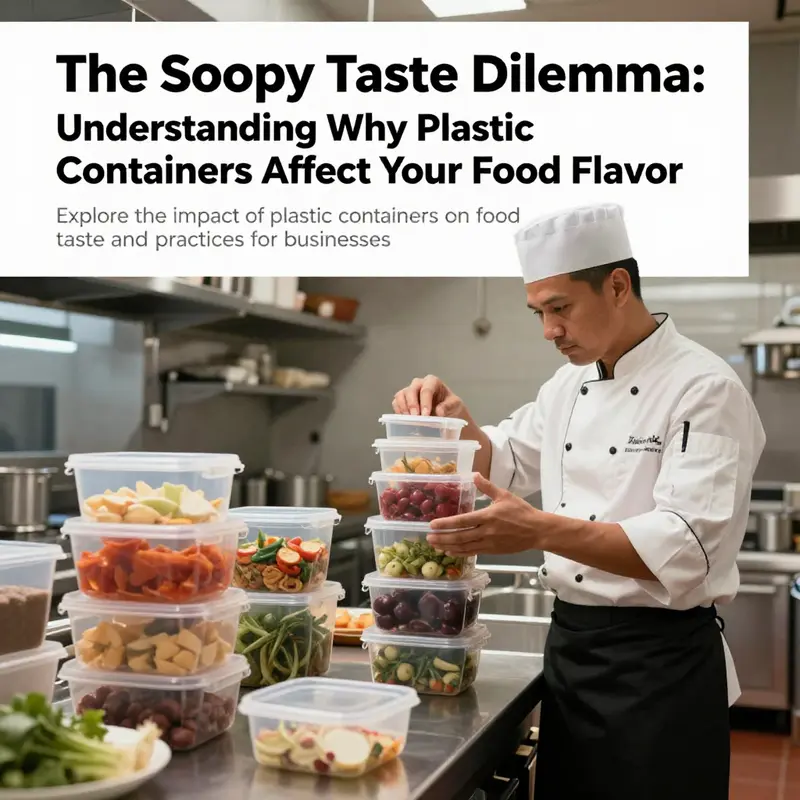
The culinary experience often relies on many factors, one of which is the materials used to hold food and beverages. Many operators in the food industry have encountered the unsettling phenomenon where food from plastic containers can taste like soap. As a beverage chain, food truck, or restaurant owner, understanding this issue can help maintain the integrity of your offerings. Each chapter will delve into the materials that contribute to this taste, the chemistry behind the phenomenon, best practices for selecting safe containers, the role of temperature, and the long-term effects associated with using plastic materials. Keeping this knowledge in mind can enhance your service quality and boost customer satisfaction.
When Your Leftovers Taste Soapy: The Plastics, Additives, and Conditions Behind Off-Flavors
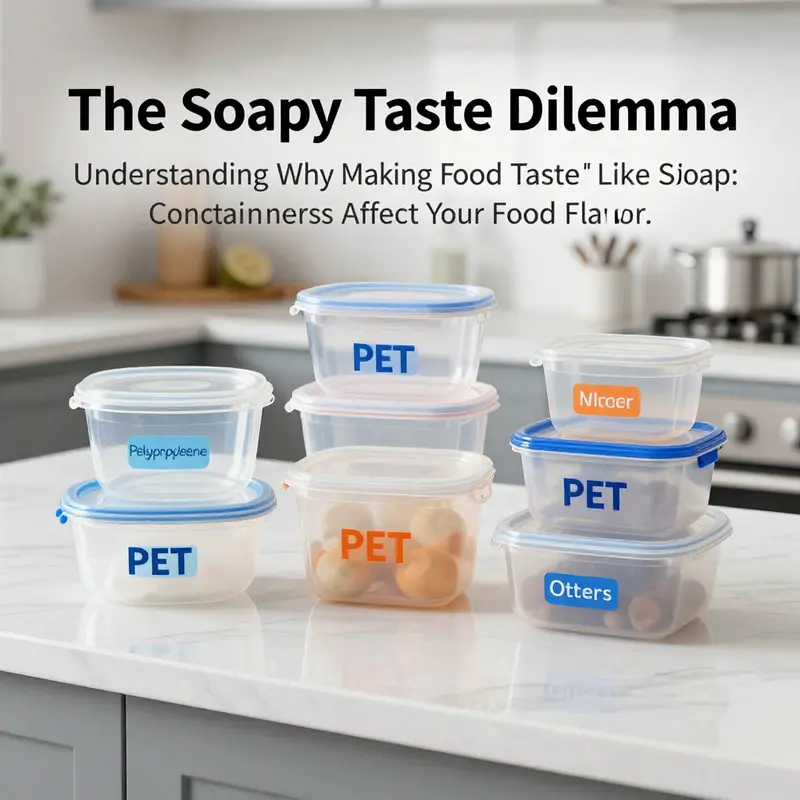
The unpleasant, soapy note that sometimes appears in food stored in plastic containers is not imaginary. It is a sensory clue pointing to chemical migration, material breakdown, or contamination. Understanding which plastics are involved and why they impart off-flavors helps you choose safer storage, reduce risk, and preserve the taste of food.
At the core of the problem is migration: small molecules moving from the plastic into the food. Most modern food-grade plastics are engineered to be stable and inert. Yet even food-grade materials contain additives—plasticizers, stabilizers, slip agents, release agents, and residual monomers—that can migrate when conditions favor it. Polyethylene (PE) and polypropylene (PP), two common food-contact plastics, are generally safe. But when they include flexible blends, recycled content, or low-quality manufacturing processes, they can carry compounds that smell or taste like soap.
Plasticizers such as phthalates used to make plastics flexible were historically common. Phthalates can give a chemical or soapy impression when they migrate into fatty or acidic foods. Regulation and industry shifts have reduced phthalate use in food-contact items, but older containers and low-cost imports may still contain them. Bisphenol A (BPA) was another additive that raised health and sensory concerns. Even when BPA is removed and replaced with alternatives like BPS or BPF, these substitutes can behave differently and sometimes lead to off-odors or flavors if the polymer formulation is poor.
The physics of migration is straightforward. Heat increases molecular motion and speeds diffusion. Acidic and fatty foods solubilize certain additives and thus pull them out of the plastic matrix. Repeated use, especially when combined with dishwashing heat or microwaving, accelerates polymer breakdown. Microwaving non–microwave-safe plastics can soften or warp the material, opening pathways for migration. Scratches, cracks, and surface wear increase the exposed area and trap residues, making off-flavors more likely.
Absorption is the other side of the coin. Plastics can absorb volatile flavor compounds from foods or cleaning products. A container that once held strongly scented detergent or a citrus cleaner may hold trace residues in microscopic surface irregularities. Those residues later release into food, creating a soapy or chemical taste. Similarly, prolonged contact with pungent sauces, spices, or oils can leave behind fragrances that alter subsequent meals.
Not all soapy tastes come from regulated additives. Residual monomers—small molecules left over from imperfect polymerization during manufacture—can create odors. Slip agents and processing aids used in film production sometimes migrate to the surface and leave a waxy or soapy note. Low-quality recycled materials add complexity: contaminants or incompatible polymers in recycled feedstock may leach unexpected compounds.
Practical detection and diagnosis rely on a few simple checks. First, note whether the taste appears only with specific foods. Fatty or acidic dishes are most likely to draw out additives. If only hot foods taste soapy, heat-driven migration is the probable cause. Second, inspect the container: discoloration, cloudiness, warping, or deep scratches are red flags. Third, consider the container’s origin. Items that lack food-safety labels or come from unverified sources carry greater risk. Finally, smell the empty container. A lingering detergent-like odor suggests either trapped cleaning agents or migrating additives.
Preventing and reducing soapy off-flavors is a matter of material choice and proper use. Choose containers explicitly labeled for food use. Look for terms like “food-safe,” “food-contact,” or clear material identifiers such as “PP” (polypropylene) or “PET” (polyethylene terephthalate) on the package. Prefer containers that state microwave and dishwasher safety if you plan to use them in those ways. Replace damaged or heavily scratched containers; small flaws matter for migration.
Cleaning practice matters. Use mild, unscented dish soap and soft cloths or sponges. Avoid abrasive scouring pads that roughen surfaces. Rinse thoroughly to remove cleaning residues. If a container smells faintly soapy, allow it to air out with the lid off and place it in sunlight for a short time—UV can help dissipate odors. For persistent smells, a paste of baking soda and water left to sit overnight can absorb residues. Alcohol wipes reduce greasy films but should be rinsed off afterward.
When in doubt, swap the container for an alternative material. Glass is nonreactive and resists absorption and migration. Stainless steel works well for many foods, though it may not suit acidic dishes for very long storage. For single-use or to avoid plastic entirely, responsibly sourced paper-based takeout bowls and cups are practical. If you want a paper option, consider a well-designed disposable kraft paper bowl with a secure lid that is intended for food use and waterproofing. A disposable kraft paper bowl for food package with lid can be a practical alternative when glass is impractical.
Reuse and lifecycle also matter. Repeated heating cycles and long-term reuse of thin, inexpensive plastics increase the chance of migration. If you reheat food in a container, transfer it to a microwave-safe ceramic or glass dish first. Store oily or strongly flavored foods in more resistant containers, and avoid leaving food in plastic for extended periods, especially in warm conditions or in sunlight.
Regulatory oversight reduces risk but cannot eliminate all taste issues. Agencies set migration limits and test materials for specific uses. However, small-scale vendors, vintage containers, and unlabeled items fall outside routine checks. Awareness and practical choices close that gap. Prefer grammatically clear labeling and certifications. When buying containers, seek transparent information on materials and intended use.
Understanding the science behind soapy tastes helps you treat symptoms and avoid the cause. The combination of susceptible plastics, migrating additives, heat, acidic or fatty foods, and surface damage creates conditions where off-flavors emerge. Address those variables with informed material choices, sensible heating and cleaning habits, and timely replacement. If flavor problems persist, switching to inherently inert materials like glass or choosing thoughtfully designed paper-food packaging offers a reliable solution.
For more detailed, technical guidance on how plastic food-contact materials affect food and safety limits, consult authoritative resources from food safety agencies. See the U.S. Food and Drug Administration’s overview on plastic food packaging for regulatory context and detailed recommendations: https://www.foodsafety.gov/food-contact-materials/plastic-food-packaging
Soap-Scented Secrets: Unraveling the Chemistry Behind Plastic Containers and Food Flavor
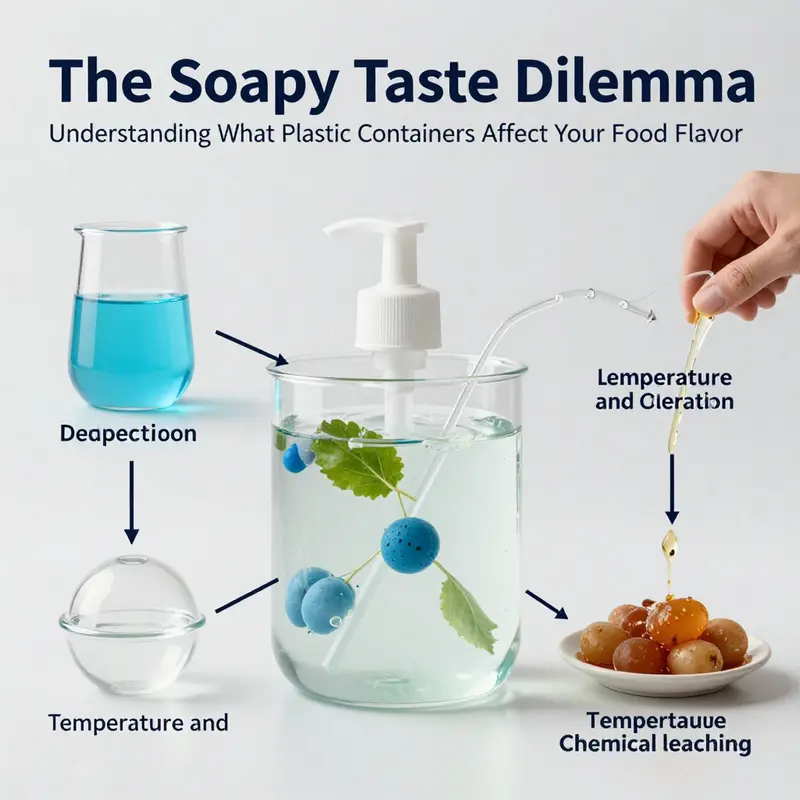
Many people have noticed a faint soap-like aftertaste in foods stored in certain plastic containers. The phenomenon is not purely subjective; it stems from chemical interactions at the food–plastic interface. While modern food-grade plastics are designed to be safe, the reality is more nuanced. The risk depends on the container’s material quality, labeling as food-safe, and how it has aged through use. When a container is mislabeled, made from lower-quality resin, or exposed to stress from heat, the chances of flavor transfer rise markedly.
At the heart of the matter is migration. Plastics are not hermetic seeds of flavor; they contain residual monomers and additives that can move into foods under the right conditions. In some plastics, especially certain polyethylenes and polystyrenes, residual compounds can leach when heated or when in contact with acidic or fatty foods. Heat increases molecular mobility, reducing the barrier between polymer and food. Even gentle warming in a microwave or dishwasher can accelerate this process, particularly if the container’s surface has been worn down by washing or scratching. The soapy note can appear as a hint of chemical sweetness or a lingering mineral-like aroma, depending on the mixer of compounds that migrate and the foods it contacts.
Repeated washing compounds the risk. Harsh detergents, abrasive scrubbers, and high-temperature cycles can erode the polymer surface, creating microcracks and rough patches where residues hide. Over time, those residuals can concentrate and mix with food residues that remain in the container after washing. If a container is reused many times, even with thorough cleaning, trace amounts may remain and slowly evolve into off flavors. In some cases, residual manufacturing chemicals may be left behind in trace amounts and can evaporate into the food when heated, giving a soapy impression even without obvious odor escaping from the container itself.
Another layer to consider is the acidity and composition of the food. Acidic ingredients like citrus or tomato-based sauces can destabilize certain additives in plastics, increasing their solubility in the food matrix. Fats and oils can also carry compounds away from the polymer and into the meal. This is why experts often recommend not using plastic containers for hot meals or for long-term storage of acidic foods. The same logic applies to reuse; with each cycle, the polymer experiences more bonds breaking, more surface area exposed, and more opportunities for compounds to migrate. The protective function of a seal or lid can be overwhelmed by heat, letting volatile compounds seep into the food more readily.
From a sensory standpoint, the taste of soap is not universal; it depends on personal sensitivity and the specific chemical crew released into the dish. Some people may barely notice any difference, while others perceive a distinct aftertaste that lingers on the palate. The science behind this perception lies in how the human tongue and olfactory system detect certain ester and alcohol-like compounds, which in some circumstances resemble the familiar notes of soap. The same flavor pathway that detects soapy notes can be activated by different molecular blends, which is why the same container might affect different foods differently. The practical upshot is clear: flavor integrity is a function of material quality, usage patterns, and the chemistry of the food itself.
To minimize risk, consumers can opt for containers labeled as food-safe and BPA-free and avoid microwaving plastics unless the product is explicitly designed for microwave use. After using plastic containers, wash them promptly with mild soap and warm water rather than aggressive cleaners. Replace containers that show wear, discoloration, or cracks, since these are signs that the polymer’s protective barriers have degraded. Whenever possible, keep hot or highly acidic foods out of standard plastic containers. When in doubt, transfer hot dishes to glass or stainless steel vessels for storage or reheating. This not only reduces the possibility of flavor transfer but also minimizes exposure to any potential leachates in the event of manufacturing impurities.
Beyond personal choices, the regulatory landscape shapes what materials are allowed for food contact. Standards aim to minimize migration of additives and breakdown products, but real-world use tests reveal that even compliant plastics can contribute to flavor changes under certain conditions. These nuances underscore why many cooks rely on safe guidelines and why a quick switch to inert materials can restore flavor clarity. The ongoing research in this area confirms that the science is not about vilifying plastics but about understanding material behavior under heat, acids, and prolonged use.
For those exploring alternatives, consider disposable kraft paper bowl for food package with lid. Paper-based and glass or stainless steel options differ in how they interact with flavors and how easily residues can be cleaned away. The goal is not simply to avoid the impression of soap but to preserve the sensory purity of the food you prepare or store. In practical kitchens, the decision often hinges on convenience, budget, and the intended use. A sturdy, chemical-free alternative can align with both taste integrity and environmental considerations, offering an option that does not compromise flavor when containers are used as part of a routine, whether for daily meals or meal-prep sessions.
Researchers continue to investigate the precise mix of migrants that produce these flavors, but the core lesson remains clear: the safest path for flavor and health is to favor materials designed for food contact, to limit exposure to heat and acidic foods, and to maintain containers in good condition. This aligns with the broader guidance from food-safety authorities that advocate for food-grade labeling, careful washing, and timely replacement of damaged goods. A growing body of work also emphasizes that the flavor consequences of plastic storage are not simply about taste; they reflect a complex interplay of chemistry, material science, and human perception that deserves thoughtful attention in kitchens, cafeterias, and laboratories that study packaging science.
In practice, flavor stability becomes a daily balancing act. The decision to reuse, for how long, and for what foods, hinges on paying attention to the container’s age, the kinds of foods it holds, and the temperatures it experiences. The knowledge that heat and acidity can alter migration dynamics nudges cooks toward safer defaults: favor food-grade glass or stainless steel when possible, and reserve plastics for cooled or non-acidic foods with short storage times. This approach respects both flavor and health, ensuring that the dishes you love taste as intended, rather than carrying uninvited notes from storage materials. The next time a dish unexpectedly tastes like soap, it may be a helpful reminder that flavor is a system property—one that deserves thoughtful material choices and mindful handling.
External resource: https://pubs.acs.org/doi/10.1021/acscentsci.2500123
Guarding Flavor: How Plastic Choices Impart Soapy Tastes and Safer Storage Alternatives
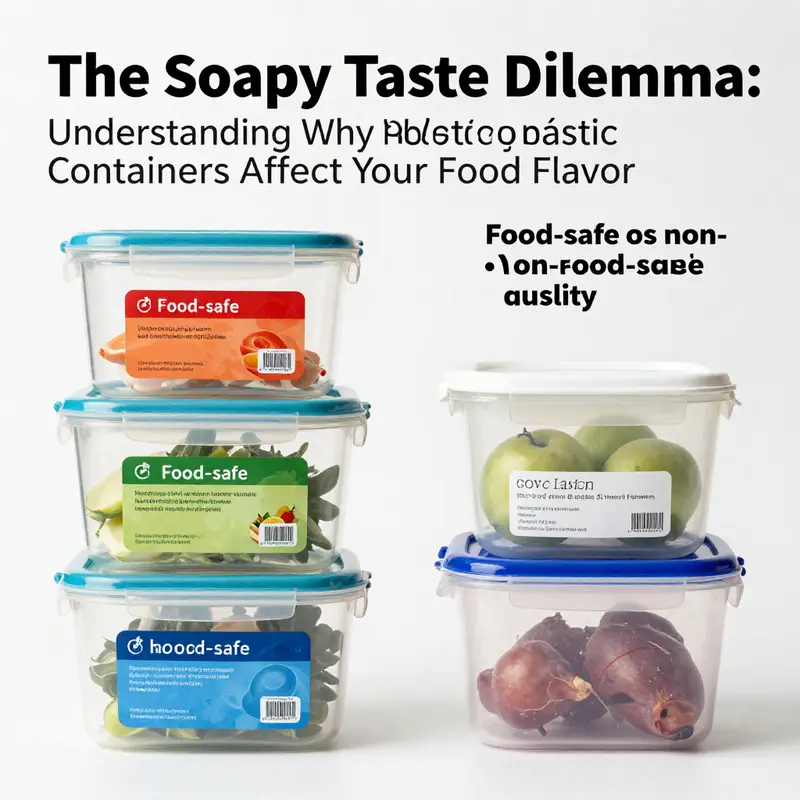
A subtle but stubborn kitchen mystery often emerges when a familiar dish turns unexpectedly soapy after a night in a plastic container. The taste is faint enough to be missed at first bite, yet persistent enough to distract from the food’s natural aroma. For households that routinely store leftovers, pack lunches, or reheat meals, this isn’t a trivial annoyance; it challenges trust in everyday materials. The root causes sit at the intersection of chemistry, heat, and habit. Not all plastics behave the same under pressure, and not every container is designed for food contact in every scenario. Yet many people treat plastic as a single, benevolent vessel for all meals. The truth is more nuanced: the material, its age, and how it’s used can collaborate to transfer flavors—sometimes even a faint soap note—from container to casserole, soup to sauce. Understanding this dynamic helps shift choices from reactive fixes to proactive, flavor-preserving practices in the kitchen.
Labeling is the first line of defense in this landscape. When a container is clearly marked as food-safe and, ideally, BPA-free, it signals an intention toward safer, more stable performance in contact with food. But labeling alone doesn’t guarantee flavor neutrality. The plastic family matters. Food-grade polyolefins such as polypropylene (PP) and high-density polyethylene (HDPE) are widely regarded for their relative chemical stability and lower odor-retention profiles. They resist some of the fragrance carryover that can haunt leftovers in other polymers. In contrast, containers crafted from lower-quality materials—or those not intended for food contact—may release additives or absorb residues from manufacturing or cleaning agents. Heating, in particular, can escalate chemical movement from plastic into food, a phenomenon scientists call migration. The effect is usually subtle and cumulative, often going unnoticed until the taste of the dish betrays the vessel’s influence. As a result, consumers who reuse containers for long periods, or those who mix non-food-grade plastics into their routine, may unwittingly invite soapy notes into their meals.
Heat is the amplifier in this chemistry. A quick zap in the microwave or a hot cycle in the dishwasher can raise a container’s temperature beyond what it can safely tolerate. When that happens, additives—softeners, stabilizers, and sometimes residual solvents from the manufacturing process—become more mobile. These molecules can mingle with fats, sugars, and proteins, shaping the flavor and aroma of the food. The outcome is rarely dramatic, but it is often perceptible. The consensus among food safety researchers is clear: only use containers labeled as microwave-safe if the product explicitly states so. For leftovers that must be warmed, transferring to glass or another microwave-appropriate vessel often preserves flavor more reliably than reusing plastic. The aim is not to demonize plastics outright but to respect their limits and to reserve heat exposure for containers designed to withstand it.
The wear-and-tear story further complicates the flavor equation. Everyday handling leaves surface micro-damage—scratches, scuffs, and subtle clouding—that creates microenvironments in the polymer. These imperfections can trap oils, food particles, and bacteria, forming a reservoir of odors that can outlive a surface’s clean appearance. Over time, these trapped substances can release aromas into new batches of food, subtly shifting taste and mouthfeel. This reality underscores the common-sense rule: wash promptly after use with hot water and a mild soap, and avoid abrasive scrubbers that deepen scratches. When cleaning is delayed, residues can bake into the plastic during subsequent heating, cementing the association between the container and a particular flavor. The cumulative effect of wear, heat, and imperfect cleaning is a greater likelihood that the next meal will embody flavors not present on the plate but embodied by the vessel itself.
A cautious approach to storage and reheating begins with a strong preference for high-quality, food-grade materials. The most effective defense against soapy notes is selecting containers that are clearly labeled BPA-free and designed for food contact. PP and HDPE are reliable options for many home storage needs, offering resistance to odor migration under normal kitchen conditions. At the same time, the container’s construction matters: sturdy lids, secure seals, and consistent wall thickness all contribute to a more stable barrier between food and container. Transparent, evidence-backed manufacturing practices—backed by certifications or independent testing—can provide additional assurance about material safety. In practice, this means avoiding containers with cloudy surfaces, cracked seams, or warped shapes, which can signal compromised integrity and elevated risk of off-flavors. It also means exercising restraint in reusing disposable containers beyond their intended lifespan. A vessel is not merely a receptacle but a safeguard for the food’s integrity; when its performance falters, flavor fidelity is the first casualty.
Beyond material choice, routine habits play a decisive role. Minimizing heat exposure is a straightforward way to reduce the risk of chemical migration. When you must reheat, opt for microwave-safe plastics that are explicitly approved for that purpose, and only for foods and settings recommended by the manufacturer. If you lack a true microwave-safe option, transferring the meal to glass or ceramic reduces the chance of imparting any lingering notes from plastic. Glass, in particular, is renowned for its inertness. It does not harbor or transfer odors in the same way as many plastics, and its performance is consistent over repeated use. Of course, glass requires careful handling and is less forgiving if dropped. For those who remain fond of plastic, the standard remains to choose reputable brands with transparent safety data and to retire containers after visible wear or persistent off-flavors emerge.
The broader landscape of guidance on food-contact materials emphasizes not only what materials can do safely but how to interpret the evidence. Migration limits—tiny quantities moving from container to food under specific conditions—lie at the core of safety assessments. When shoppers understand this framework, they can evaluate products beyond slogans or aesthetic appeal. Practical habits reinforce this understanding: wash promptly, use mild soap, skip harsh solvents, and replace aging pieces before scratches become a source of flavor trouble. Such practices translate to meals that taste like themselves and not like the vessels that once carried them. In addition to personal routines, informed shopping decisions—backed by safety data and regulatory guidance—empower households to balance convenience with flavor fidelity. The science is not opaque; it is actionable for anyone who wants to protect the aroma and taste of their meals without sacrificing practicality.
For households exploring alternatives to plastic entirely, the conversation often turns to materials that resist odor absorption more reliably. This chapter has argued that the right plastic choice can minimize soap-like flavors, but it has also highlighted the value of non-plastic options when flavor preservation is paramount. In practical terms, many families experiment with glass or carefully selected paper-based solutions for hot foods and liquids. For sustainable, odor-resistant options that do not compromise safety, consider biodegradable eco-friendly take-away kraft paper bowls designed for hot foods and liquids. biodegradable eco-friendly take-away kraft paper bowl. This approach demonstrates that thoughtful packaging can align with both safety standards and consumer desire for environmentally mindful choices, offering a neutral host for meals and a minimal footprint on flavor.
In closing, the question is not whether plastic is inherently dangerous, but how it is used and how it is cared for. By prioritizing food-grade, heat-appropriate plastics when necessary, avoiding heated use for non-approved containers, washing promptly, and retiring worn items, you reduce the probability that your food will taste like soap. When flavor fidelity matters most, you can tilt the balance toward materials and practices that keep aroma and taste true to the ingredients. If you want a reference point for the governing principles, consult official guidance on food-contact materials, which outlines safe migration limits and best practices for minimizing chemical transfer. The journey toward flavor-preserving storage is about informed choices, meticulous care, and a willingness to adopt better packaging when the kitchen reveals a stubborn soapy note. For a broader, regulatory perspective, the FDA’s guidance on food-contact materials provides accessible context on safe materials, migration, and practical safeguards that home cooks can apply in daily routines: https://www.fda.gov/food/food-contact-materials
When Heat Turns Plastic Soapy: How Temperature Makes Food Taste Off
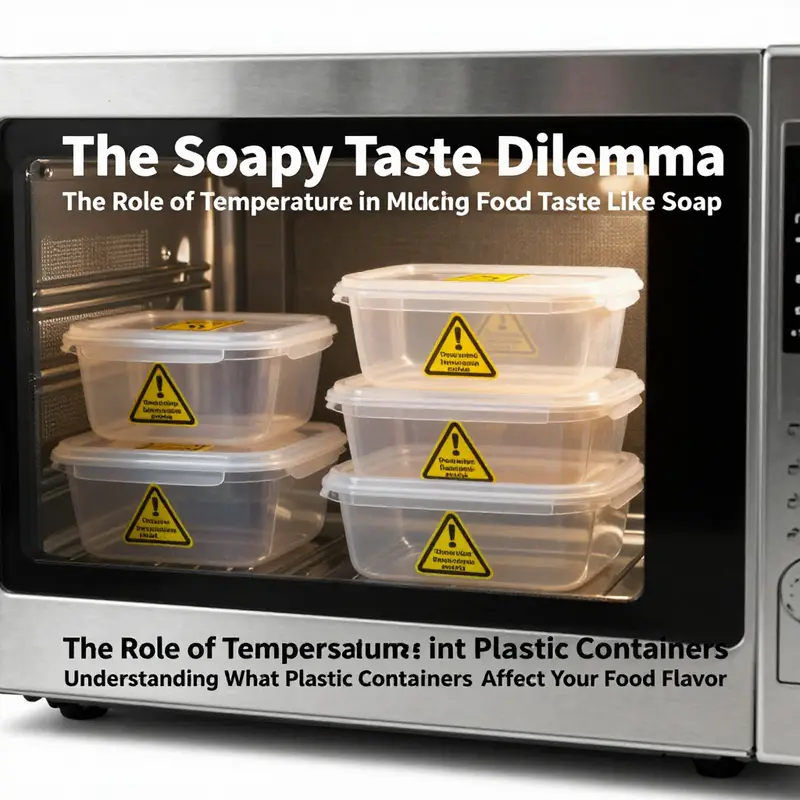
How heat releases chemicals that alter flavor
The unpleasant “soapy” note that can appear when you heat food in plastic containers is rarely a mystery of taste alone. It is a chemical story driven by temperature. Heat accelerates the breakdown of some plastics and frees additives that were never meant to be part of your meal. Those small molecules and volatile fragments can change aroma and taste, often in ways people describe as soapy, waxy, or chemical.
At the molecular level, many plastics rely on additives—plasticizers, stabilizers, colorants, and processing aids—to perform. Some of those additives are not covalently bonded to the plastic polymer. That means they can migrate out of the plastic matrix when conditions favor it. Temperature is the most important such condition. Above roughly 65°C (149°F), polymers begin to soften and their molecular mobility increases. Additives that sat happily inside a rigid plastic container at room temperature become more mobile when warmed. They can diffuse into food, or they can break down into smaller, volatile compounds that reach the nose and tongue as off‑flavors.
Phthalates are a prime example. These plasticizers make flexible plastics pliable. They are not chemically chained to the polymer and so they leach more readily when heated. Their sensory profile is often described as fatty, waxy, or soapy. Containers or wraps made from polyvinyl chloride (PVC, recycling code #3) can contain phthalates and are known to be poor choices for hot food. Polystyrene (#6) is another trouble spot. It tolerates heat poorly. When hot food meets polystyrene, the plastic can soften, warp, or melt microscopically. That increases migration of low molecular weight fragments and additives. The result can be a clear soapy impression on the food.
Bisphenol A (BPA) drew public concern because it can mimic hormones. Although many manufacturers have reduced BPA use in food-contact items, other bisphenol analogues are sometimes present. BPA and its relatives can also migrate under heat. Even when health risks are debated, the sensory impact of their migration is real. Low‑molecular‑weight polymer fragments and degraded additives can produce volatile organic compounds. These compounds affect aroma first, then taste. Our sense of “soapy” is often triggered by volatile molecules that target the same receptors as common cleaning agents.
Not all plastics behave the same. Food-grade polypropylene (PP, often recycling code #5) and polyethylene terephthalate (PET, #1) have better heat resistance and lower migration rates when used as intended. Yet problems still appear when a container is used outside its design limits. Microwaving an item that is not labeled microwave-safe can expose it to rapid, uneven heating. Dishwashers deliver hot water and detergents across many cycles. Reusing single-use containers or keeping a scratched, warped container increases surface area and micro‑abrasions. Those worn spots let more chemical migration occur and trap residues that can carry smells.
The perceived soapy taste sometimes has nothing to do with the plastic itself. Residual manufacturing solvents, improper rinsing after cleaning, or detergent residue can remain in a container and become noticeable when food is heated. Heat mobilizes those residues as well. This is why the first time you heat food in a new container, or in one that was used for non-food items, the off-flavor is most obvious.
Practical choices reduce the risk of off-flavors. First, use only containers marked “food-safe” or “microwave-safe” for heating. Those labels indicate the item was tested for typical migration under recommended conditions. Second, transfer hot food to glass, ceramic, or stainless steel before reheating. These materials do not contain plasticizers and are far less likely to alter flavor. If you need disposable options for hot takeaway, consider certified paper bowls designed for hot foods. For example, a disposable kraft paper bowl for food package with lid can be a safer single-use alternative for hot soups and stews.
Avoid heating cling film directly on food unless it is specifically labeled safe for microwave use. Many cling films contain plasticizers and can shrink onto food when heated, encouraging migration. Also avoid microwaving large blocks of dense food while enclosed in plastic; uneven heating can create hot spots that stress the plastic. If you must microwave in plastic, vent the lid to let steam escape and reduce temperature spikes.
Cleaning matters. Wash containers with mild dish soap and warm water. Rinse thoroughly to remove detergent residue. Avoid abrasive scrubbers that leave scratches. Do not use a dishwasher for plastics that are not dishwasher‑safe. Repeated dishwasher cycles can warp plastics and accelerate degradation. Inspect containers regularly. Replace those that show clouding, crazing, deep scratches, or permanent warping. Reusing thin, single‑use plastics is a riskier practice. Those items were not intended for many heat cycles.
Smaller steps help further. Cool hot food slightly before sealing it in plastic. This lowers temperature exposure during storage. When freezing and then reheating, move food from freezer into a glass or ceramic container for the microwave or oven. Avoid storing strongly flavored or oily foods in plastic for long periods. Oil and fat can solubilize hydrophobic additives, increasing migration over time.
Understanding risk also means recognizing that regulators set migration limits. Testing protocols measure how much of a given substance transmits from plastic into food simulants under defined conditions. Those limits are not a guarantee of taste absence, and they vary by region and by the chemical in question. Labels like “food-grade” and “microwave-safe” relate to those standards and to testing under recommended use. When you exceed the intended use—by overheating, mechanical damage, or by using non-food plastic—you step outside the protections the tests assume.
In short, temperature is the catalyst. Heat softens polymer matrices, accelerates diffusion, and releases additives and fragments. Those chemicals reach your senses as off‑flavors. Choosing the right container, avoiding unnecessary heating, and replacing damaged plastics keeps those flavors away. For authoritative guidance on acceptable levels of chemical migration and testing for food contact materials, referral to regulatory resources is useful: https://www.fda.gov/food/food-contact-materials-industries/food-contact-materials
When Plastic Changes the Taste: How Long-Term Use of Plastic Containers Alters Flavor and Health
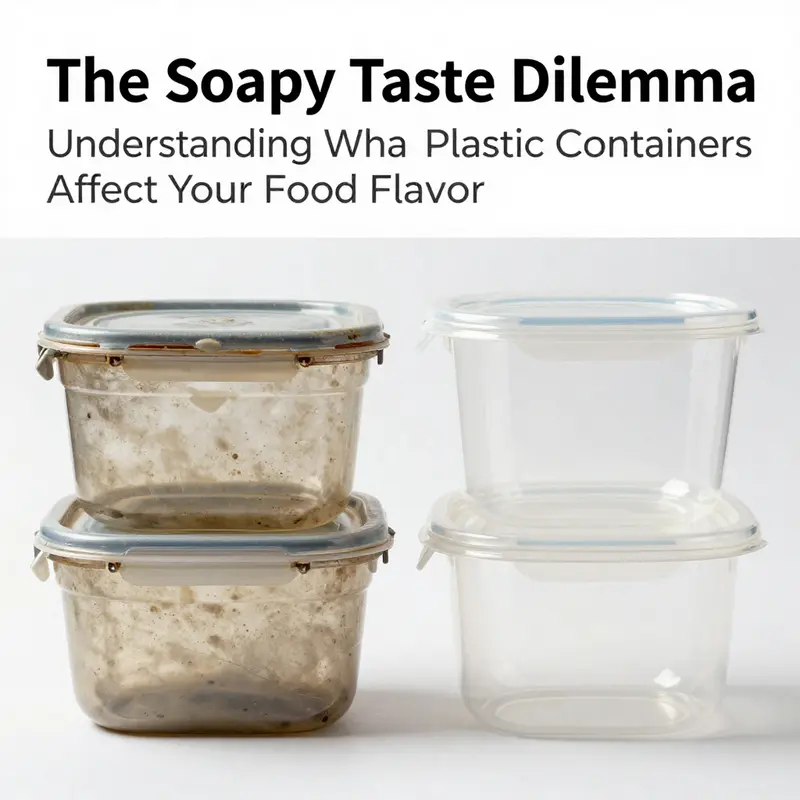
Why food starts to taste like soap—and what long-term use of plastic does to flavor and safety
Repeated use of plastic containers can change how food tastes and smells. This change is not just a fleeting nuisance. Over months and years, plastics interact with food, temperature, and cleaning routines. Those interactions gradually release additives, monomers, and tiny particles into what you eat. The result can be a faint soapy note, a chemical tang, or a dulling of the food’s true flavors.
Plastics are not a single material. They are blends of base polymers and many additives. Manufacturers add plasticizers, stabilizers, antioxidants, and colorants to give plastics flexibility, durability, and shelf appeal. Many additives are safe when locked into the plastic. Yet heat, fats, acids, and repeated wear loosen that lock. Hot soup or a greasy curry speeds the process. Acidic foods like tomato sauce make it worse. Over time, additives migrate into foods. When those chemicals reach taste thresholds, you notice them as off-flavors.
High temperatures accelerate chemical migration. Research shows that polystyrene releases more styrene when exposed to hot liquids. That release can be three to five times higher at 70°C than at room temperature. Styrene has a distinct, unpleasant aroma and can register as a plastic or chemical smell. Bisphenol A and some phthalates also leach more readily with heat. Even food-grade plastics that meet safety standards may release trace amounts when stressed repeatedly. Those traces usually fall below regulatory limits. But when exposure is chronic, and when containers are old or damaged, the combined effect may be perceptible.
Grease and oil act like carriers for lipophilic chemicals. Fats readily absorb and hold onto plastic-derived substances. Foods high in oil—fried chicken, creamy dressings, and some desserts—can become reservoirs of migrated chemicals. Recent studies suggest that oil-rich foods not only absorb additives more readily, but they also facilitate the transfer of microplastic particles from container walls into the food. Microplastics are microscopic fragments shed from larger plastic items. They can form during normal use, washing, or when containers scratch. Over time, a container can shed millions of particles.
Microplastics are invisible to the naked eye. That invisibility makes them an insidious problem. Even cold water rinsing can dislodge tiny fragments. When warm food is added, particle release increases many times over. Once ingested, microplastics may cross the gut barrier and enter the bloodstream. Early studies show they can accumulate in organs and trigger inflammation in sensitive tissues. The long-term health consequences are not fully mapped, but links to immune disruption and cardiovascular stress are already under investigation. This risk adds a health dimension to the sensory issue of soapy or plastic-like tastes.
Physical aging of plastic changes food quality beyond chemistry. Repeated cycles of heating and cooling, drying and wetting, cause warping, cracks, and discoloration. Those physical changes alter a container’s seal and barrier properties. A loose seal allows air and moisture to interact with stored food. Grains, powders, and dairy products then stale or grow mold faster. Flavors oxidize and fade. Nutrients degrade. The food may not taste like plastic, but it will taste older and flatter. In many kitchens, this subtle degradation is mistaken for poor ingredient quality rather than packaging failure.
Cleaning practices matter. Abrasive brushes and harsh detergents can roughen the container surface. Microscopic scratches multiply with each scrub. Those scratches trap food residues and harbor bacteria. They also increase the surface area that can release particles and chemicals. Conversely, using mild soap and soft sponges reduces wear. Washing new plastic containers several times before use decreases initial release of manufacturing residues. Still, washing does not halt long-term degradation. Scratched, sticky, or discolored containers are signs to stop using them for food.
Given the multiple pathways that change food flavor, mitigation centers on three approaches: reduce exposure, replace problem materials, and choose proper care. For immediate reduction in off-flavors, avoid heating food directly in plastic. Transfer hot soups or sauces into glass or ceramic bowls instead. Choose containers clearly labeled as food-safe and designed for the intended use, such as microwave-safe or freezer-safe. Even then, limit the time plastics spend in contact with hot or oily foods.
For longer-term safety and flavor preservation, consider non-plastic alternatives. Glass and glazed ceramic are inert and resist chemical migration. They also withstand high temperatures and offer stable seals. For takeout or single-use scenarios, suitable fiber-based options are available. If you need disposable containers, opt for certified food-grade kraft paper bowls with a reliable lining. They handle hot and acidic foods with less risk of transferring plastic-related tastes. One practical option for short-term use is this disposable kraft paper bowl for food package with lid, which balances convenience with lower plastic contact.
Practical habits extend the life of safe containers and protect flavor. Inspect containers regularly. Discard any that are cracked, warped, or stained. Avoid storing fatty or acidic foods in plastic for long periods. Do not use scratched containers for long-term storage. Limit dishwasher use for plastic containers; high-heat cycles accelerate aging. When reheating, transfer food to glass or ceramic instead of using the plastic container. For storage of highly aromatic items, choose glass jars with tight lids to preserve true flavor.
Awareness of sensory cues helps too. A faint soapy taste often signals chemical residues or surfactant contamination. Strong chemical or metallic notes suggest more serious migration. A flat or stale profile indicates oxidation or moisture issues. Take those cues as prompts to change storage methods immediately. Replacing worn containers stops further contamination and restores natural flavor quickly.
Long-term use of plastic containers affects flavor, food quality, and potentially health. The soapy taste is a symptom of deeper interactions between materials and food. Reducing risk means combining cautious use, careful cleaning, timely replacement, and, where possible, choosing inert alternatives. The extra effort preserves flavors and reduces exposure to emerging contaminants. For authoritative guidance on food-contact materials and safety standards, consult FDA resources: https://www.fda.gov/food/food-contact-materials
Final thoughts
By understanding the intricate relationship between plastic materials and food flavors, businesses can profoundly impact customer satisfaction. This knowledge empowers you to choose the right containers, maintain optimal temperatures, and practice diligent care in food storage. The pursuit of culinary excellence not only demands tasty food but also requires a commitment to ensuring that nothing, including your containers, compromises the flavors your customers love. Awareness and attention to detail in container selection can protect your dishes and boost your brand’s reputation.