
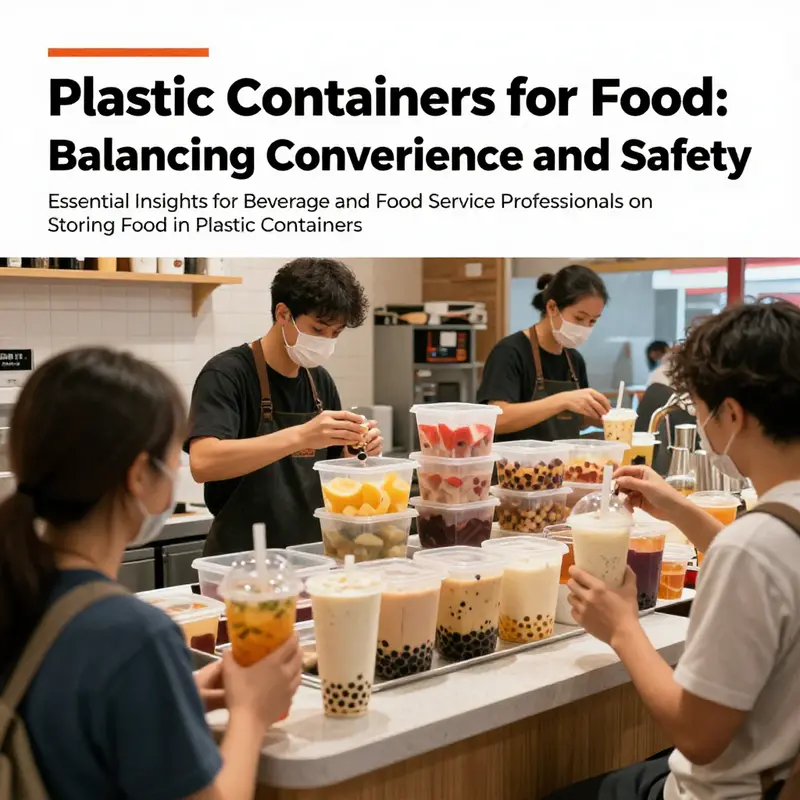
Plastic containers have become staples in food service environments, from bustling bubble tea shops to elegant catering events. Their affordability and versatility make them appealing for various food storage needs, but they also come with critical safety concerns. Understanding the best practices for storing food in plastic containers is crucial for beverage chains, restaurants, food trucks, catering services, event planners, and corporate procurement teams to ensure food quality and safety. This article focuses on the safety considerations of using plastic containers, the types available for food storage, their environmental impact, best practices for usage, and the alternatives available in the market. Each chapter will equip you with the knowledge to make informed choices about food storage solutions that align with your operational goals and health standards.
Safe, Sane, and Sound: A Thoughtful Guide to Storing Food in Plastic Containers
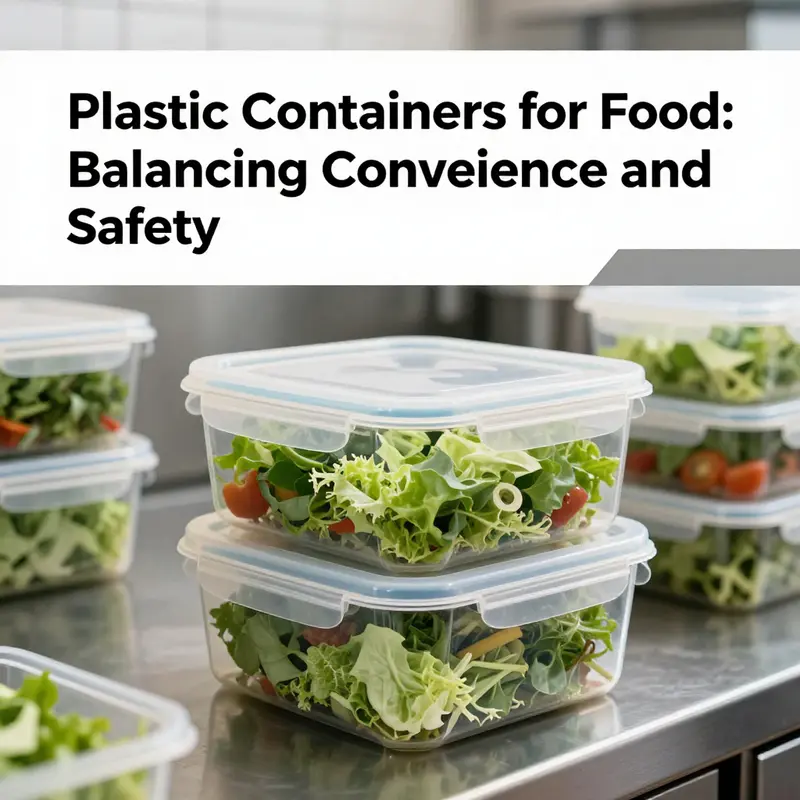
Plastic containers offer undeniable convenience for daily food storage. They are lightweight, often affordable, and designed to seal in freshness for a range of items. Yet the ease of use can mask subtle safety and quality concerns that matter when you consider what comes into contact with your meals over hours, days, or longer. This chapter follows a practical thread: how to balance the benefits of plastic with mindful choices that protect health and preserve flavor without getting lost in the complexity of material science. The goal is not to demonize plastic but to illuminate the boundaries where plastic is simply not the best option and where careful handling can make a meaningful difference.\n\nA central point is temperature. Heat is a powerful force that can change how a container behaves and how food tastes, and it can also influence what migrates from plastic into the food you plan to eat. When hot foods such as soups or stews are placed into plastic containers, the physics of heat can accelerate the movement of certain chemicals from the plastic into the food. Some of these substances, such as BPA and certain phthalates, have been studied for their potential health effects, including links to metabolic and cardiovascular concerns in some research contexts. Labels like microwave safe concern heating performance, not necessarily long term chemical migration, and they do not guarantee zero risk. Therefore, the prudent approach is simple and repeatable: allow hot foods to cool to room temperature before transferring them to plastic, and when reheating, remove the lid and use containers that are truly designed for reheating, or switch to glass or ceramic containers that tolerate higher and more variable temperatures.\n\nHeat is not the only variable. The chemical makeup of the plastic matters. Most reusable, food grade containers are made from polypropylene, labeled as PP or the recycling code 5. PP is commonly recommended for leftovers and for brief reheating because it generally maintains its form under typical kitchen temperatures and is relatively inert in many everyday storage scenarios. Still, not all plastics are created equal. Other codes commonly found in households—such as 1 PET, 2 HDPE, 4 LDPE—have distinct properties and different suitability profiles. Some plastics, notably PVC (3), PS (6), and certain other categories (7) can pose higher migration risks or lack the stability needed for repeated use. The takeaway is not a blanket rule against plastics, but a careful selection process: when you choose plastic, favor food grade materials with clear labeling and a well understood performance profile. If the container holders in your kitchen bear the PP designation and a heat tolerance consistent with your reheating needs, you have a practical baseline. However, for high heat applications and for long term storage of sensitive foods, the safer bet is to rely on glass or stainless steel. This recommendation aligns with broad guidance from food safety authorities that emphasize minimizing exposure to chemicals and reducing the variables that can compromise food quality over time.\n\nAnother critical factor is the storage environment itself. Certain foods are not kind to plastic over the long haul. Acidic foods, such as tomato based sauces, citrus dressings, and vinegars, can interact with plastic polymers in ways that may promote tiny migrations of substances into the food. Fatty foods can also influence plastic interaction because fats can carry additives from the container into the food more readily than other components. Alcoholic liquids, including wine or vinegar heavy marinades, can similarly promote breakdown of some plastics if stored for extended periods. The consequence is not an instantaneous health crisis but a gradual shift in flavor and in some cases an elevated risk of bacterial growth if the container s integrity is compromised by microdamages. As a practical rule, reserve plastic for foods that are not highly acidic, do not rely on plastic for long term storage, and favor glass or ceramic for items like sauces and oil rich ingredients that you intend to keep for several days. The guidance is consistent with multiple reputable sources that advise using glass or ceramic for sensitive items and hot storage, while acknowledging the value of plastic for everyday, short term tasks.\n\nDurability and reuse demand vigilance. Plastic containers marketed for single use purposes, such as many takeout boxes and beverage bottles, should not be reused. Repeated washing, pressure, and heat can create microcracks in these containers, which become hiding places for bacteria and can provide niches where small amounts of the container s material migrate into food. The habit of repurposing disposable containers is common, but it carries a measurable risk that rises with time and wash frequency. The safest approach is to treat those items as one time use and replace them when they show signs of wear or when you doubt their ability to seal effectively. Observing container health — cloudiness, color changes, cracks, or a persistent off odor after washing — should signal replacement rather than continued use. While this may seem wasteful, it is a straightforward way to reduce micro level food safety risks and to keep your kitchen routine aligned with best practices.\n\nEven when a container seems clean, the practical dimensions of daily life demand thoughtful cleaning and maintenance. Cleaning methods should respect the material. If a container is labeled dishwasher safe, it can withstand the heat and detergents of a dishwasher, but even then, it is wise to place plastic containers on the top rack to minimize exposure to the most intense heat and to avoid warping. For non dishwasher safe plastics, hand washing with mild detergent and warm water is preferable, with extra attention paid to the lid and the seal where moisture and food particles can linger. Abrasive cleaners or steel wool should be avoided, since scratching the surface creates micro channels where bacteria can hide and where microscopic breaches in the barrier can begin. The goal is a clean, dry container that remains intact and that does not acquire a porous surface after repeated scrubbing. A well cleaned container also reduces the risk of cross contamination by residues that cling to the crevices around lids or in the grooves of seals. In practice, this means a quick inspection after washing; a dry, odor free interior; and a lid that fits snugly without visible deformations. Keeping a small routine — wash, inspect, replace when necessary — permits plastic storage to continue serving well in a kitchen that also prioritizes safety, flavor, and environmental responsibility.\n\nThe decision to use plastic versus glass or metal hinges on more than safety alone. It involves convenience, energy use, and long term durability. Glass and stainless steel can be preferable for foods that require stable temperatures or long storage periods, because they are less prone to absorbing flavors or reacting with acidic ingredients. They also tend to maintain relatively stable temperatures, which helps reduce the rate of bacterial growth in certain contexts. Yet glass and steel are heavier, more prone to breakage, and often more expensive upfront. The choice then becomes a balanced assessment of what you store, how long you store it, and how you heat or reheat your meals. In many kitchens, a mixed strategy makes the most sense: everyday, short term storage for plastic, supplemented by glass or ceramic for hot or acidic items, and stainless steel for durable, robust storage in the fridge or freezer. Such a strategy can maintain safety and flavor while still preserving the practical advantages of plastic where they fit best.\n\nFor households seeking accessible everyday decisions, a simple framework helps. When you cook something hot or plan to reheat, favor glass or ceramic containers. For simple, short term storage of leftovers that aren t highly acidic or fatty, PP based plastics can be practical, provided you observe cooling guidelines and avoid prolonged exposure to heat. Always check that containers are labeled as food grade, and be mindful of the chemistry behind each storage choice. If you notice cloudiness, cracking, warping, or any off odor after washing, discard and replace. The goal is a clean, safe pantry where every container serves without compromising the integrity of the food it holds.\n\nIn the broader landscape of packaging and everyday practicality, a thoughtful approach to plastics not only protects health but also reduces waste and supports a more sustainable kitchen. If you are exploring alternatives or supplementing your storage toolkit, consider products designed for recyclable or reusable materials that align with your values and your household routines. A practical exchange between convenience and safety can guide you toward a system that minimizes risk while preserving the flavors you rely on. For readers who want to explore additional options in packaging and kitchen storage, a related resource on paper based and other non plastic containers can provide broader context and practical ideas for minimizing exposure to potential contaminants.
From PET to PP: Navigating Plastic Containers for Safer Food Storage
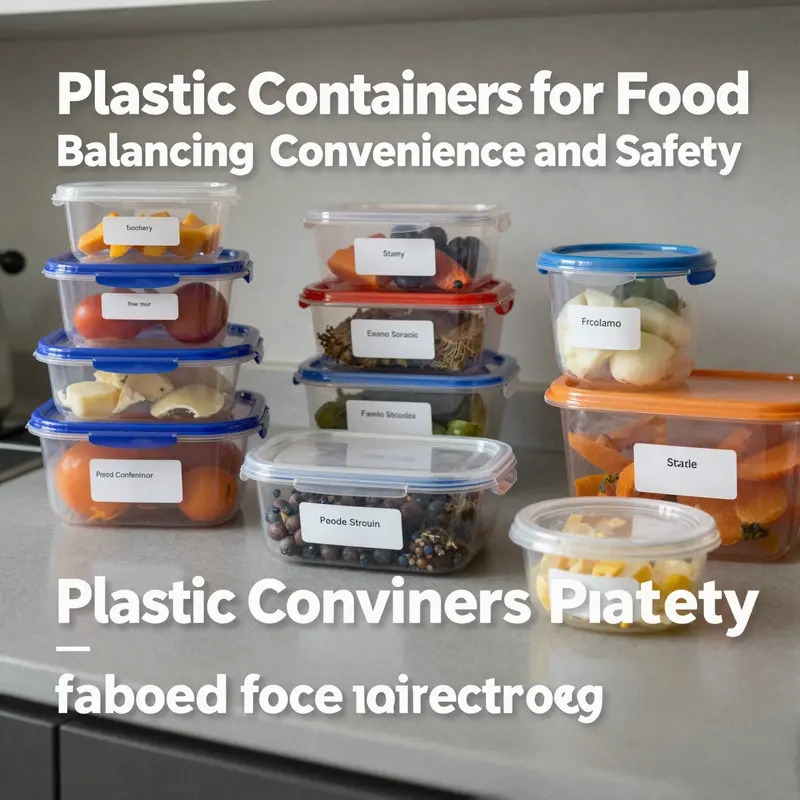
Plastic containers have become a familiar ally in modern kitchens. They offer quick access, light weight, and the ability to portion out meals for busy days. But safety and quality hinge on a basic truth: not all plastics behave the same way under different foods, temperatures, and storage durations. A practical understanding of the main plastic types helps translate general guidance into everyday choices. When you pick the right container for a given food and a chosen storage period, you reduce the risk of unwanted flavor transfer, texture changes, and potential health concerns. The journey from PET to PP is more than a catalog of acronyms; it is a practical map for keeping food safer and fresher from fridge to table. The decision tree starts with the food, passes through temperature, and ends with the container’s material and design. PET, HDPE, LDPE, PP, and PS each carry distinct properties that influence how well they protect or interact with the contents they hold. PET is familiar to many as the clear option used for single-use beverage bottles. It is light, transparent, and excellent at holding liquids. But despite its convenience, PET should not be reused or exposed to high temperatures. When heated beyond its comfort zone, PET can deform and, in some cases, release substances that are better left out of a regular diet. For food storage with longer time horizons, PET is generally not the best choice, and it is certainly not intended for hot foods. The rule of thumb is simple: PET is ideal for short-term, room-temperature or cool storage of beverages, not for repeated use or heated meals. Alongside PET, HDPE is another common material, often opaque and with a waxy feel. Its robustness has earned it a place in many nonfood applications, which is why caution is advised when HDPE is used for food storage. The main concern with HDPE in a storage context is the potential for chemical residue from previous contents, especially if the container has not been cleaned thoroughly or if it has carried products that could interact with food. The risk is not only a question of taste or odor; it concerns chemical compatibility and the possibility of toxic reactions if contents mix with residues. While HDPE is excellent for sturdy, everyday containers, it is not generally recommended for reuse in food storage when the previous contents and cleaning history are uncertain. LDPE is the soft, flexible cousin in the plastic family. It is widely used for plastic wraps and bags, providing pliability and a cost-effective barrier. However, LDPE is not a heavy-hitting performer when it comes to heat. Its low heat resistance makes it unsuitable for heating or reheating foods in the microwave, especially when oily foods are involved. When oil-based foods are heated in LDPE, there is a risk of melting and the potential release of harmful substances. That is why LDPE should never be used as a microwave wrap or for cooking in a sealed LDPE container. As tempting as it may be to repurpose a plastic wrap or bag for storage, LDPE’s heat limitations mean it is better suited to short-term, room-temperature tasks, not to reheating or cooking. The most commonly recommended plastic for real food storage is polypropylene, or PP. PP is celebrated for its high heat resistance, often tolerating temperatures up to 130 degrees Celsius (266 degrees Fahrenheit). This makes PP containers suitable for reheating in the microwave, a practical feature for many households. PP is widely used for takeout boxes and reusable meal containers, and the material is designed for repeated use and dishwasher cleaning. It is a strong candidate for daily storage needs because it combines durability with relatively low risk of chemical migration when used correctly. A caveat to keep in mind is that even if the body of a container is PP, the lid might be made from PS, or polystyrene. PS is more fragile and is not microwave-safe. The lid, if it is PS, should be removed or replaced when heating, to avoid risk from heat exposure. PS itself is often used for disposable foam containers and certain packaging, but it is not suitable for long-term storage or heating. In practical terms, this means that when you choose a PP-based container for storing meals that you intend to reheat, you should verify both the body and the lid. If the lid is PS, reserve heating for the container body alone, or opt for a different lid or container altogether. These material nuances matter not just for safety but for the quality of the food. For example, while PP can resist heat, certain combinations of lid design and storage conditions may still affect a product’s texture or taste if an imperfect seal traps moisture or permits condensation. The picture becomes even clearer when we map out each material’s behavior under the pressures of daily use. PS, often found in disposable foam packaging, is clear and brittle. It is not suitable for microwave use and is generally not recommended for long-term storage. Heating PS can release substances that neither taste pleasant nor pose a desirable risk. This makes PS a less versatile choice for anyone who plans to reheat or store leftovers for more than a short period. Beyond the material itself, practical storage decisions hinge on how the container performs as a system. Even a perfectly safe PP body can lose its edge if scratches, clouding, or cracks appear. Scratches can harbor bacteria by creating tiny crevices that are hard to clean, and cloudiness can indicate wear that makes the container more permeable to odors or moisture. The bottom line is to choose containers that carry the right labeling. Labels indicating microwave safety are a useful signal, but they are only part of the story. A container should be used within its temperature range, cleaned properly, and replaced when signs of wear appear. The conversation about plastics is not only about the ability to withstand heat. It also encompasses how the material interacts with the foods you store. Acidic foods, such as tomatoes and citrus, or acidic dressings, can interact with certain plastics over time, leading to flavor changes—sometimes described as a plastic taste. Oily foods pose a different challenge: fats can raise the temperature at which chemicals migrate, making the interaction more pronounced in some containers. For this reason, and to preserve flavor and nutrient integrity, many people keep acidic and oily items in glass or ceramic when possible, especially for longer storage. This practice aligns with broader storage strategies that emphasize temperature control and airflow. Even within plastic options, there are opportunities to reduce risk. One simple rule is to avoid storing hot foods in plastic containers until they have cooled to room temperature. Heat can accelerate any chemical migration and is the main reason many food safety guidelines caution against reheating directly in plastic. Another practical tip is to separate items that release ethylene, such as apples and bananas, from other produce when possible. Ethylene gas can accumulate inside an enclosed plastic container and hasten ripening and spoilage. If you are storing fruit, consider breathable options or store ethylene producers separately in paper or vented containers to minimize moisture buildup and extend shelf life. The broader principle here is thoughtful packaging: if you anticipate a long storage period or you plan to reheat, glass or stainless steel often offer the simplest, safest long-term options. For instance, glass is inert, easy to clean, and does not interact with food flavors in the way some plastics can. Stainless steel provides excellent durability and is widely used for durable, reusable storage containers. The choice between plastic and nonplastic options is not a moral choice but a practical one: weigh the food’s sensitivity to light, heat, pH, and storage duration against the container’s material properties and cleaning habits. When you select a plastic container, check the recycling code. The recycling symbol may tell you how the plastic was intended to be recycled, which often correlates with its safety profile for reuse. A general habit is to replace containers when they show signs of wear—cloudiness, scratches, or cracks can harbor bacteria and may promote chemical leaching if the surface is compromised. Careful cleaning is essential. Most PP containers are dishwasher safe, but always follow the manufacturer’s instructions. Some lids, particularly those made from PS, may not tolerate dishwasher heat or harsh detergents. Always disassemble lids when cleaning and ensure all components are thoroughly dry before reassembly. The ecology of storage matters as well. While the convenience of plastic is undeniable, mindful use includes considering alternatives for specific foods. For readers exploring packaging options beyond plastic, a quick look at kraft paper packaging can offer insight into breathable, compostable alternatives. For a practical example of these options, you can explore kraft paper packaging choices here: kraft paper packaging options. This link points to an internal resource that showcases how paper-based packaging can support freshness in ways different from plastic, expanding the toolkit for safe food storage without compromising convenience. The broader takeaway is that safe storage is about matching the container to the food and the anticipated storage duration. It is not solely about the container’s label but about how the container behaves under real-life conditions. In practice, this means resisting the temptation to reuse single-use plastic bottles beyond their intended purpose and avoiding heating or storing highly acidic or fatty foods in containers lacking the appropriate thermal and chemical stability. It also means recognizing that some foods simply flourish in nonplastic environments. If your goal is to maximize quality, flavor, and safety, the decision often comes down to using plastic when its properties align with the task—short-term, cool storage or reheating in a microwave-safe PP container—while turning to glass or metal when the risk of heat exposure, acidity, or prolonged storage increases. The knowledge that different plastics bring different capabilities should empower you to store confidently rather than guesswork. It is this deliberate approach—knowing which plastic type you are using, understanding its temperature limits, honoring its compatibility with the food at hand, and keeping an eye on wear and tear—that converts storage from a daily routine into a reliable safeguard for health and flavor. For readers who want a broader technical perspective, external resources provide further context on plastic container safety and migration risks, including expert discussions on the topic. External resource: Healthline offers a comprehensive overview of plastic container safety that complements the practical guidance in this chapter. https://www.healthline.com/nutrition/plastic-container-safety
The Quiet Toll of Convenience: Reassessing the Environmental Footprint of Food Storage Plastics
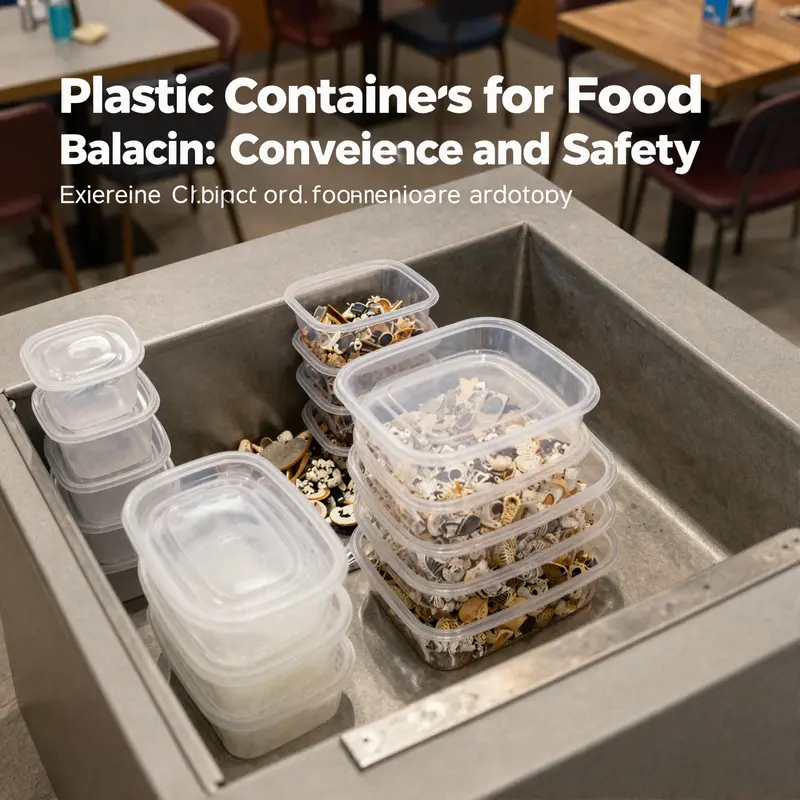
The ease of storing food in plastic containers has become almost invisible in daily life. We slide leftovers into a familiar snap of a lid, tuck a batch of cut vegetables into a translucent box, and forget that this small act participates in a larger, slower cycle of harm and renewal. The environmental impact of plastic containers for food storage is not a single dramatic event but a persistent, multifaceted pressure that travels from shopping aisles to rivers, soils, and, ultimately, human health. To really understand what we gain from this convenience, we must also understand what we lose when the plastic story outpaces the planet’s capacity to absorb, reuse, or safely recycle it. The path from kitchen to landfill or the natural world is not merely about waste; it is about material choices, systemic design, and our own routines that determine how long a product stays with us—and how long it stays in the world after we are done with it.
At the heart of the environmental narrative is the composition and persistence of the plastics that are most commonly used for food storage. Polypropylene and, in some cases, polycarbonate form the bulk of these containers. Polypropylene is lauded for its versatility, lightweight nature, and relatively favorable safety profile in short-term storage. Yet the environmental dimension extends beyond consumer safety to the entire life cycle of the material. Polycarbonate, on the other hand, has raised concerns not only about chemical migration into food in certain conditions but also about the broader implications of lifelong use patterns and end-of-life management. The crucial reality is that even when a container seems inert on the kitchen shelf, it participates in a longer global story of production, use, and disposal that has lasting consequences. The carbon footprint of manufacturing, the energy used to heat and mold, and the downstream fate of these polymers all contribute to an environmental ledger that grows year by year.
Degradation is a particularly stark facet of this ledger. In natural environments—whether in landfills, beaches, or oceans—plastic storage containers do not simply disappear. They slowly fragment. The timescale is measured not in days or months but in decades and even centuries. The literature points to a broad range: some plastics begin to break down over a century or more, while others endure for well over a thousand years. This vast range is not only a scientific curiosity; it is a practical warning. When containers linger for centuries, they continue to interact with ecosystems. They break into smaller and smaller pieces, becoming microplastics that drift through soil and water, settle in sediments, and become part of the food web in unpredictable ways. The realization that a single plastic bottle or container can contribute microplastics to drinking water, seafood, and the human bloodstream reframes our daily habits from trivial choices to decisions with long, cascading consequences.
The problem deepens when we consider how plastic fragments move through landscapes. In the environment, microplastics are not limited to the ocean. They are found in rivers that feed into harbors, in agricultural soils treated with contaminated irrigation, and in the air above industrial belts. The smallest particles—often less than a few micrometers in diameter—are easy to transport, and their tiny size makes them easy to ingest by organisms ranging from plankton to grazing mammals. In the food chain, microplastics can carry with them absorbed chemicals, additives, or sorbed pollutants, creating a potential vector for exposure that research increasingly suggests is not limited to distant ecosystems but can traverse regional boundaries and, over time, touch public health. While the full spectrum of health impacts remains an active field of inquiry, the presence of microplastics across drinking water and certain seafood supplies raises questions about cumulative, long-term exposure and the precautionary principle we often apply to chemical and material management.
The persistence of plastic waste in landfills and the broader marine environment underscores an urgent call for alternatives and changes in how we design, use, and dispose of food storage materials. The current configuration—where a consumer buys, uses briefly, and disposes of a container that remains in the world for decades or centuries—reflects a mismatch between product lifetimes and the planet’s capacity to absorb waste. This misalignment is not merely an issue of cleaner incineration or improved recycling; it demands a rethinking of the materials themselves and the systems that shepherd them through use and end of life. Recycling, while essential, is not a panacea. It is a complex process dependent on contamination levels, market demand for recyclables, and the efficiencies of collection and processing networks. When plastics are not efficiently recycled, they can end up in landfills where they occupy space, release methane in anaerobic conditions, and contribute to leachate concerns. In marine settings, abandoned or discarded containers contribute to the growing problem of marine litter, where physical harm to wildlife and the removal of natural aesthetics compound the broader ecological costs.
This is not merely a story of danger; it is also a story of choice and opportunity. The vast majority of households rely on plastic containers because they are inexpensive, lightweight, and versatile. But the environmental equation is evolving. The same properties that make plastic containers convenient can be addressed by redesigning packaging to be more durable in use and more responsible in end of life. The conversation is widening to include recyclable and reusable solutions that reduce the need for single-use plastics and invite a circular approach. In practical terms, this means exploring materials that can be repurposed, composted, or recycled with high efficiency and low contamination, as well as improving consumer behavior around washing, reuse, and proper disposal.
One tangible pathway in this direction involves shifting to food storage options that minimize environmental impact while preserving food safety. For example, when long-term storage is necessary, durable alternatives such as glass or stainless steel offer high durability and often better stability in temperature, reducing the need for frequent replacements. For everyday, short-term storage, options like breathable, paper-based or other low-impact packaging can lower the burden of post-use waste without compromising food safety. Within this broader shift, there remains a place for well-designed, compostable or recyclable alternatives that are specifically tailored to the types of food and storage scenarios we encounter. In this context, careful material selection becomes a form of environmental stewardship rather than a mere consumer preference.
In discussing alternatives, it is important to consider not only the material but also the system around it. A container is only as good as the way it fits into the recycling stream or composting infrastructure available in a given community. A product designed for a circular economy must be easy to separate, clean, and process within the local waste management framework. That is why consumer education, municipal recycling capabilities, and supply chain incentives are all critical components of reducing plastic waste. It is not enough to say “use less plastic”; the more robust and practical solution is to align the design of storage containers with reliable end-of-life pathways. When households understand how a container will be treated after use, the likelihood of proper disposal grows, and the environmental benefits become more tangible.
Alongside systemic changes, there is also room for mindful consumer habits that can reduce the environmental footprint of everyday storage. Reusable containers, when properly maintained, can drastically extend the usable life of a storage solution. Repurposing containers for multiple uses, avoiding heat exposure that could degrade materials, and selecting products designed for durability are all small habits with outsized environmental effects over time. Even within the spectrum of reusable options, there is a balance to strike between durability, safety, and practicality. For instance, choosing containers that can endure repeated washing and temperature changes without leaching additives or degrading ensures that reuse does not compromise food safety or quality. The aim is not to demonize plastic outright but to encourage a more nuanced approach to storage that weighs convenience against environmental responsibility.
From a design and policy perspective, the questions we face are about durability, recyclability, and accountability. How can manufacturers create containers that are easier to recycle, easier to clean, and more resistant to degradation in everyday use? How can communities ensure there are viable routes to reclaim and reuse materials, rather than allowing them to accumulate in landfills or the natural environment? Addressing these questions requires collaboration among designers, manufacturers, policymakers, and consumers. It also requires transparent information about the products we use, so that people can make choices that reflect both safety and sustainability. Even small shifts—like preferring storage options that minimize the need for frequent replacement, or choosing packaging that signals a clear end-of-life pathway—can collectively reduce the environmental burden of food storage.
Within the broader discussion of sustainable storage, it is instructive to consider how design choices ripple through daily routines. A simple change, such as selecting containers that are easy to clean and that maintain stable temperatures, can replace a cycle of frequent disposal with a habit of reuse and responsible disposal. It is also worth noting that humans often underestimate the long-term consequences of the smallest decisions. A box discarded after a single use may contribute to microplastic pollution for generations. Conversely, a shift toward durable, recyclable, or compostable options can attenuate that legacy. The transition is not instantaneous, and it does not demand perfection everywhere at once. It does demand intention: to check soil and water quality in your region, assess local recycling capabilities, and select storage solutions that minimize waste while ensuring food safety.
To illustrate a practical bridge between convenience and environmental accountability, consider how consumers can integrate low-impact storage into everyday life without sacrificing hygiene or speed. Choosing containers with clear labeling for recyclability helps ensure that the packaging can re-enter the material loop after use. When possible, opting for reusable options and limiting the demand for single-use plastics can reduce the overall weight of waste in landfills and the energy required for waste processing. Even the small act of selecting a container with a lid designed to resist leaks can reduce contamination in recycling streams, which in turn improves the efficiency and effectiveness of material recovery. In this way, the narrative of plastic storage becomes not a narrative of avoidance but a narrative of smarter, more sustainable choices that align with the realities of modern life.
For readers seeking a concrete alternative pathway, this discussion aligns with broader movements toward sustainable packaging. The emphasis is not only on the material itself but on the life cycle and the social-infrastructural context around it. When communities pair durable, recyclable materials with education and robust waste management, the environmental toll of food storage can be appreciably reduced. And as consumer demand leans toward responsibly designed products, manufacturers are incentivized to innovate—reducing environmental footprints while maintaining the practical benefits that make plastic containers so appealing in the first place. If you want to explore a tangible example of an alternative packaging approach in practice, you can examine a range of kraft-based options that emphasize recyclability and responsible end-of-life handling. For instance, see this relevant example: disposable kraft paper bowl for food package with lid. Such options illustrate how packaging can align more closely with environmental stewardship without sacrificing convenience.
Ultimately, the environmental impact of plastic containers for food storage invites a broader rethinking of how we live with materials. The question is not whether plastic is useful, but how we can design and manage plastic-containing systems so they coexist with healthy ecosystems and resilient communities. The evidence—ranging from long degradation times to pervasive microplastics—urges caution and imagination. It invites us to invest in design, policy, and behavior that reduce waste, enable effective recycling, and favor materials that can return safely to the biological or technical cycles. In this sense, the kitchen becomes a microcosm of a larger transition toward more sustainable production and consumption patterns. What starts as a domestic habit can, if guided by thoughtful choices, become a public good that protects soil, water, and human health for generations to come. External resources offer a broader lens on this transition and remind us that the conversation extends beyond household kitchens to the design of systems that govern how materials move through society. For a broader view on the environmental implications of storage choices, see: https://www.sciencedirect.com/science/article/pii/S235214652600078X.
Safe Shelves, Smart Choices: Mastering Plastic Food Storage Without Compromise
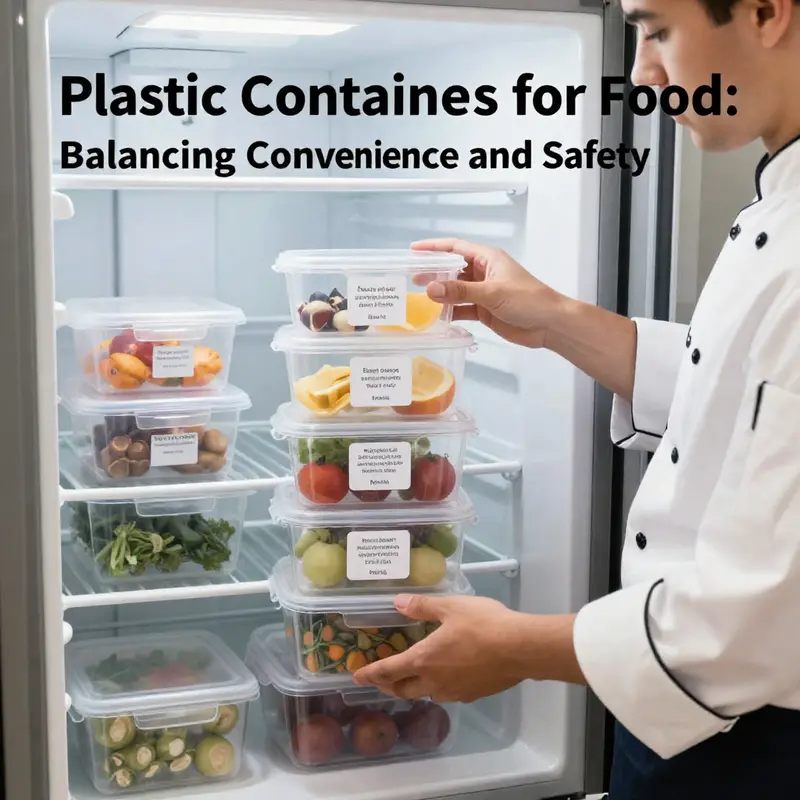
Plastic containers remain a practical backbone in most kitchens. They help with portioning leftovers and speeding meal prep, but safety depends on choosing the right materials, using them correctly, and knowing when to switch to other vessels.
Choosing the right material matters. Common food-contact plastics include codes #1 PET, #2 HDPE, #4 LDPE, and #5 PP, which are often suitable for short-term storage and routine washing. Codes in the #7 family can include BPA and BPA substitutes, so read labels and prefer containers clearly designed for food contact and temperature limits. When in doubt, prioritize options that specify food safety and provide guidance on heat and reuse.
Heat and temperature are central concerns. Do not heat or microwave foods in containers not rated for hot use. Let freshly cooked foods cool before transferring them to plastic, and reheat only in vessels labeled for microwave use. If you must warm food, consider transferring to a purpose-built container and avoid repeated cycles that can degrade plastic.
Food type also matters. Acidic and fatty foods can leach components from plastic over time, especially with long storage. For short-term use, plastic can work well if the container is clean and not damaged; for longer storage, glass or stainless steel are often better choices to minimize flavor transfer and leaching.
Care and storage habits help plastics last. Avoid reuse of single-use items, inspect containers for cracks or clouding, and follow label directions for washing. Store containers in cool, dry places away from direct sunlight and heat sources, and rotate stock so older leftovers are used first.
The safest approach is to use a mix of containers based on the food and the task at hand. For some foods and situations, glass or stainless steel may offer greater stability, especially for long-term storage and frequent reheating. In everyday meals, plastic can remain convenient for portioning and quick access when used thoughtfully.
Rethinking Food Storage: Safer, Smarter Alternatives to Plastic
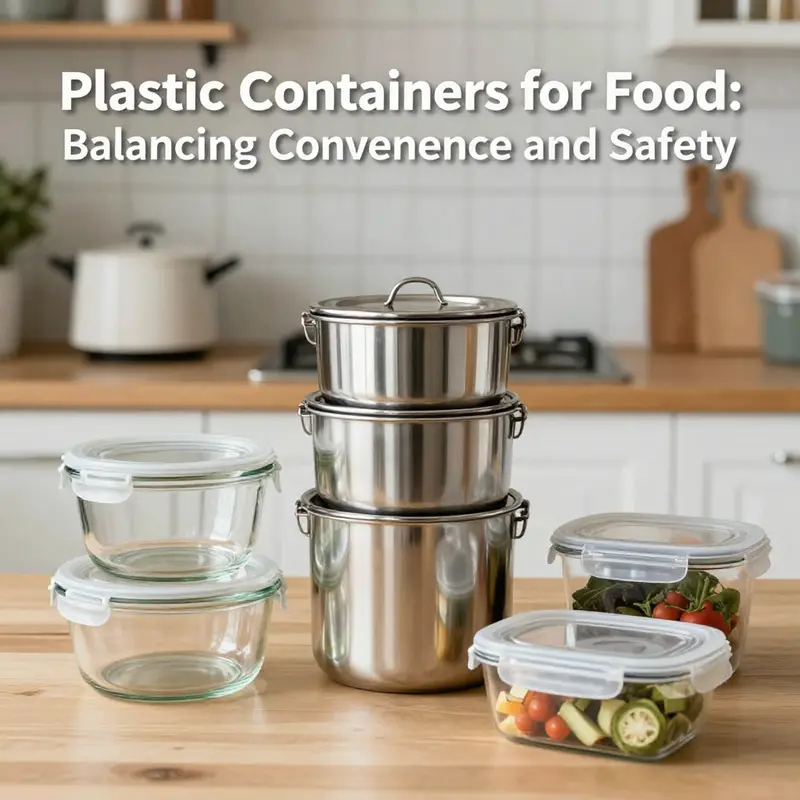
A practical guide to safer storage begins with a simple premise: choose the right material for the right job. Glass provides an inert, microwave-safe option for reheating and long storage; silicone offers flexible, collapsible containers for odd shapes; stainless steel handles dry goods and transport without the risk of leaching; ceramic or enamelware helps stabilize sauces and dairy while remaining durable. Use a mixed approach: favor glass for heat and acidity, silicone for flexible storage, steel for daily lunches and bulk items, and ceramic for dairy and sauces. With consistent practices, you can reduce plastic use without sacrificing convenience, preserving freshness, flavor, and health.
Final thoughts
In conclusion, while plastic containers offer convenience and affordability, it’s essential for food service professionals to consider safety and environmental impacts. By adhering to best practices, selecting the right types of containers for specific foods, and exploring alternatives, businesses can enhance food quality and safety. The choice of storage solutions ultimately reflects a company’s commitment to health standards and sustainability, positioning them favorably in a competitive landscape. As we continue to innovate in the food service industry, let us embrace solutions that protect our foods and our planet.