
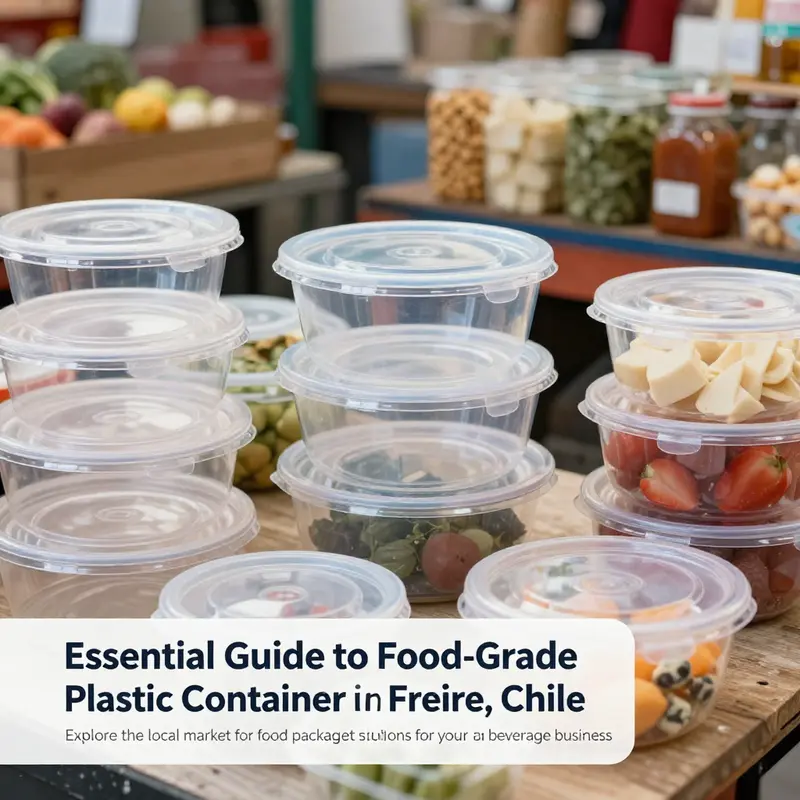
In the bustling food scene of Freire, Chile, the demand for reliable food-grade plastic containers is ever-growing. From bubble tea shops and restaurants to catering services and event planners, finding high-quality containers that meet safety standards and enhance customer experience is crucial. This guide delves into the market landscape, various types of food-grade plastic containers available, effective purchasing strategies, and the advantages of sourcing locally versus internationally. Each chapter provides valuable insights tailored to your business needs, enabling you to make informed decisions about your packaging solutions.
Clear Solutions for Freire’s Fruit Trade: Navigating Food-Grade Plastic Containers in Chile
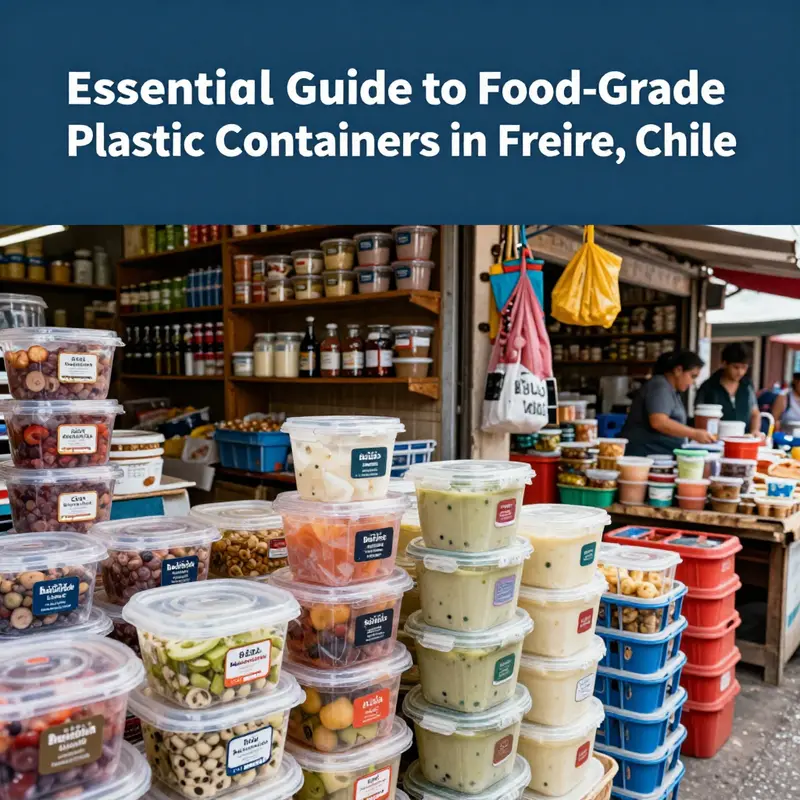
Freire, a rivered town in the Araucanía region, sits at the intersection of fertile soil, careful cultivation, and a demand-driven supply chain that moves fruit from field to global table. The story of packaging here is not just about protecting produce; it is about preserving the freshness, appearance, and safety that buyers expect, while aligning with strict regulatory standards and the realities of international logistics. In Freire’s growing ecosystem, food-grade plastic containers have emerged as a practical, scalable solution for handling delicate fruits such as stone fruits, berries, and fresh-cut assortments. The appeal rests on a simple equation: clarity, barrier protection, light weight, and a reliable seal that helps minimize losses during handling, storage, and transit. When sized and selected with care, these containers become invisible teammates in a workflow that spans harvest to wholesale, and finally to consumers who demand uniform quality at arrival.
The market forces shaping container choices in Freire are deeply practical. Production here benefits from a climate that lends long growing seasons and high fruit quality, which translates into a strong need for packaging that can showcase the fruit’s natural appeal. Consumers expect to see color, texture, and ripeness through a transparent barrier, and retailers rely on packaging that communicates freshness at a glance. Transparent PET clamshells have become a focal point in this context. PET’s clarity, combined with a rigid form, allows the product to be viewed without removing a lid, reducing the risk of contamination during display. Beyond aesthetics, the rigidity helps protect fruit from bruising during stacking and rough handling in transportation and cold-chain environments. In addition, the tight seal and the potential for venting features help maintain firmness and moisture balance, extending shelf life for transport to regional markets and export destinations.
From a design perspective, the choice of container is a translation of product risk management into a packaging decision. The delicate constraints of cherries, grapes, berries, and litchi call for containers that resist cracking, resist moisture buildup, and provide reliable stackability. This is not merely about containment; it is about maintaining uniformity in weight, appearance, and presentation from the orchard to a supermarket shelf halfway around the world. In Freire’s export-oriented segment, this translates into a preference for packaging systems that offer clear labeling options, consistent cavity dimensions, and compatibility with automated filling and capping lines that producers increasingly rely upon to keep costs in check and throughput steady. The result is a packaging ecosystem in which molded PET containers act as a bridge between horticultural excellence and consumer expectations, combining visibility with performance in a single, recyclable unit.
A thread running through this landscape is the interplay between local production realities and global trade dynamics. Freire producers frequently engage with international suppliers through market channels that support OEM and ODM arrangements, enabling small-batch testing and custom configurations. Such arrangements matter because they allow growers to trial packaging formats with minimal upfront risk, assess how different lid designs perform during cold storage, or experiment with vented versus non-vented configurations for particular fruit assortments. The capacity to request minor modifications—such as adjusting the inner cavity dimensions to accommodate different fruit shapes or adding tamper-evident features—helps maintain alignment with evolving buyer specifications without necessitating large-scale capital commitments.
The regulatory landscape in Chile reinforces the care that goes into selecting packaging. Food-contact materials are governed by standards that emphasize safety, hygiene, and traceability. National guidelines, aligned with international benchmarks, require packaging used in contact with food to meet clear safety criteria and to be produced in facilities that maintain robust quality-management systems. In practice, this means verifying that materials are food-grade, that they do not leach harmful substances, and that the packaging design supports hygienic handling from packing through to retail display. For Freire producers, this regulatory clarity reduces ambiguity and supports a smoother onboarding process when engaging with new suppliers. In addition to content safety, there is an emphasis on recycling and waste reduction. PET, being widely recyclable, aligns with broader sustainability goals across Chile’s supply chains and with consumer expectations that packaging materials contribute to reduced environmental impact.
Price is always a practical consideration in the Freire context. Market data from the broader supply network indicate that single-use transparent PET clamshells can be sourced at competitive unit prices, with variation driven by size, wall thickness, and features such as hinged lids or venting. For smaller growers and regional exporters, the economics of packaging interacts with labor costs, cold-chain reliability, and tariff regimes. While costs are non-trivial, the overall value proposition of PET clamshells often justifies the investment when weighed against reduced product losses, improved display appeal, and the potential to extend shelf life. In Freire’s export-heavy workflow, packaging cost per unit becomes a lever in pricing strategies and in negotiating with buyers who prioritize product safety, consistent presentation, and timely delivery.
The decision matrix for Freire’s users also includes a comparison with alternative formats. Kraft paper-based or compostable options, for instance, promise sustainability advantages and may align with consumer or retail preferences that favor reduced plastic usage. However, for delicate fruit that benefits from rigid protection and a clear view, plastic containers—particularly PET clamshells—often deliver more consistent performance in terms of protection against compression, moisture control, and translucency. In practice, growers commonly evaluate a spectrum of packaging formats, choosing a primary option for most shipments while reserving secondary formats for specific product lines, promotions, or regional tastes. This adaptability is essential in a market where export logistics, cold-chain reliability, and shelf-life constraints can vary with seasonality and with the target destination.
One important aspect of the Freire packaging story is the sourcing channel. International trade channels play a pivotal role, especially when local options do not meet the scale or the customization needs of a grower. The possibility of small-batch purchases allows a farm or a small cooperative to test container configurations, to validate fit with different fruit types, and to gauge how lids perform under chilling conditions. The risk with international sourcing rests in logistics, tariffs, and compliance overhead. Buyers who navigate these waters successfully typically establish clear supplier criteria: verified manufacturing capabilities, traceable supply chains, evidence of food-safety certifications, and a willingness to provide material data safety sheets and batch-level documentation. The aim is to minimize the uncertainty that can arise from long-lead times or variable quality, ensuring that every shipment closes the loop from field to fork with confidence.
Within Freire’s broader market context, there is also a push toward ensuring that packaging aligns with sustainability goals. Recyclability and the circular economy are not abstract concepts but practical considerations that influence procurement choices. PET’s recyclability supports this shift, especially when paired with clear labeling that aids consumer sorting and when producers participate in compliant recycling streams. For exporters, this creates a value proposition beyond mere containment; it signals a commitment to responsible packaging practices that can strengthen relationships with retailers who are increasingly ambitious about their own sustainability targets. In parallel, some producers explore hybrid approaches, using a mix of packaging materials or incorporating recyclable components into lids and trays to optimize waste streams. The guiding principle remains straightforward: packaging must protect the product, respond to regulatory demands, support efficient logistics, and align with long-term environmental commitments.
From a strategic standpoint, Freire’s packaging decisions are not isolated choices but components of an integrated supply chain strategy. Packaging interacts with cold-chain success, logistics planning, and the accuracy of product labeling. For exporters and wholesalers, the packaging choice influences how products are handled during transit, how much space they require in shipping containers, and how efficiently warehouses can process and display stock. The clarity of the container’s window benefits buyers and consumers alike, creating a visual assurance of quality that reduces hesitation at the point of sale. For growers, this translates into a direct line from harvest practices to shelf performance, with packaging acting as a visible marker of care and precision in production. In a market like Freire, where producers increasingly compete on quality and reliability, the packaging decision becomes part of the brand story—one that says the farmer’s yield meets the highest standards of safety, presentation, and sustainability.
This narrative suggests a pragmatic approach for stakeholders in Freire: embrace packaging formats that offer robust protection, clear product visibility, and scalable customization options while maintaining a vigilant stance on safety compliance and environmental responsibility. It also implies engaging with suppliers who can provide traceability, material specifications, and flexible production runs that accommodate testing, sampling, and sequence-based orders. As global demand for fresh fruit tightens, the packaging solution becomes less a cosmetic choice and more a fundamental element of the value chain—helping Freire’s fruit reach distant markets in good condition, with a presentation that matches the expectations of discerning consumers and rigorous retailers alike.
For readers seeking a broader frame of reference on Chile’s trade and regulatory landscape, consider this external resource that encapsulates the macro context, including agricultural exports, regulatory practices, and market dynamics: https://www.trade.gov/chile-market-profile. Within Freire’s local narrative, this background anchors the micro-level packaging decisions in a larger economic and policy environment that rewards safety, efficiency, and sustainable practice. And while the bulk of practical guidance here centers on container choice, testing, and compliance, there is value in recognizing how these choices ripple through the supply chain—from harvest crews and packaging lines to cold storage and international logistics, finally shaping how Chilean fruit competes on global shelves.
For those who want a broader perspective on packaging formats beyond plastic, a related angle is the exploration of sustainable, paper-based packaging options that can accompany a packaging portfolio in which plastic remains a dominant, protective choice. This broader view is captured in related packaging formats and formats that prioritize consumer perception and environmental stewardship. See this resource for a concise look at kraft paper packaging variations and their application contexts: disposable-octagonal-box-restaurant-food-kraft-paper-packaging.
In sum, Freire’s path to market leadership in fruit packaging leans on a practical blend of proven performance, regulatory confidence, supply-chain flexibility, and a clear-eyed commitment to sustainability. Food-grade plastic containers, especially transparent and rigid formats, offer a compelling balance of visibility, protection, and efficiency that aligns with the region’s agricultural strengths and export ambitions. They enable growers to present fruit with the same attention to detail that defines Chilean agriculture at large, while meeting safety standards and consumer expectations in a competitive global market. As Freire producers continue to tune their packaging configurations, the conversation will naturally expand to include optimization of lid systems, venting controls for specific fruit types, and potential integration with recyclable accessory components that enhance end-of-life outcomes. The chapter closes with a reminder that packaging is not a mere ancillary cost but a strategic asset—one that can elevate product integrity, drive consumer trust, and contribute to a more sustainable, resilient fruit trade from Freire to the world.
Clarity, Compliance, and Local Sourcing: Navigating Food-Grade Plastic Containers in Freire, Chile
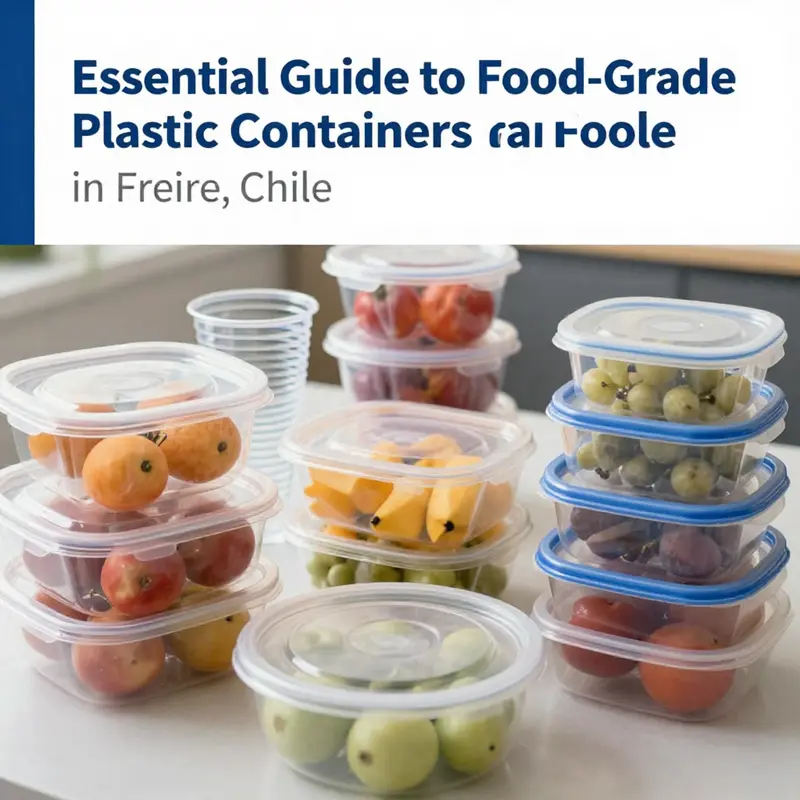
In Freire, Chile, the common thread running through the market for plastic containers used in food packaging and storage is a preference for clarity, reliability, and traceability. Businesses ranging from small cafés to regional distributors rely on containers that can preserve freshness, resist moisture, and present the contents visually to customers. The most prevalent options are rigid, transparent containers made from food-grade materials such as PET and PP. These materials are prized for their strong clarity, which makes it easy for shoppers to identify the contents at a glance, an attribute that matters in retail displays and in the kitchen where seeing a product directly can influence purchase and consumption decisions. Another factor that often drives choice is the design that accompanies the container: tight-fitting lids, secure seals, and sometimes stackable geometries. All of these features contribute to a practical balance between display aesthetics and efficient storage, both of which are crucial in Freire’s local markets and in the broader network of buyers who serve the region from nearby towns or through online channels that extend to national and international suppliers.
From a materials perspective, PET and PP dominate the landscape because they combine food safety with mechanical performance. PET offers excellent clarity and rigidity, which is particularly valuable for fresh fruits or ready-to-eat meals where visibility matters. PP, while slightly less transparent, brings heat resistance and chemical stability that are advantageous for products that might be stored longer or exposed to fridge and freezer environments. The choice between PET and PP often hinges on the intended application: lighter, see-through presentation for fruit segments or salads; more robust containment with secure lids and tighter seals for items that require longer shelf life or rigorous handling. In Freire’s climate and distribution networks, these distinctions matter because they influence not only the consumer experience but also logistics costs, waste management, and the environmental footprint of packaging operations.
The technical specifications that guide procurement are not merely about color and containment; they are rooted in safety standards and regulatory expectations. In Chile, food-grade containers must meet the standards and guidelines established by national authorities that oversee consumer safety and the integrity of food-contact materials. This typically includes clear labeling of the material type, indications that the product is suitable for food contact, and assurances that the container will perform under typical conditions of use without imparting contaminants or flavors to the food. Certifications and labeling that reflect a container’s compliance with recognized international benchmarks contribute to a smoother import process, a more straightforward local distribution, and a higher level of confidence among retailers and food-service operators. When a container carries the right markings, buyers know at a glance that the plastic has been designed to withstand the moisture, oils, and occasional thermal fluctuations associated with everyday food handling. In a market like Freire, where vendors operate across a spectrum of food categories—from fresh produce to prepared meals—the ability to align packaging characteristics with product requirements is a decisive advantage.
At the heart of material choice is the balance between durability and cost. The capacity range for these containers in Freire spans from compact 250 milliliters suitable for single portions or samples, up to larger capacities near five liters for bulk storage or catering applications. This spread reflects the diversity of consumer needs and the different formats that retailers, farmers’ markets, and home-based food businesses require. For smaller portions, a clear, rigid PET container with a tight lid can preserve moisture while still presenting the product attractively on display shelves. For bulk storage or transportation of perishable items, a sturdier polypropylene option with a robust sealing mechanism can resist deformation, minimize leakage, and facilitate practical stacking during transport and in storage facilities. The design language—from smooth sides to ribbed edges for grip, from standardized lid diameters to ergonomic tabs for easy opening—speaks to a user-centered approach that keeps the end experience in focus: convenience for handlers and confidence for consumers.
Beyond the material and capacity, the certification landscape provides an essential framework for selecting containers. A container marketed as food-safe is more than a marketing claim; it represents a set of expectations about its performance under routine handling, repeated openings, and exposure to moisture and oils. In Freire’s market, buyers look for indicators that the container conforms to recognized safety and quality benchmarks, whether those are global standards or those that are widely accepted in the South American packaging ecosystem. The practical outcome is straightforward: containers that carry reliable food-contact assurances reduce the risk of contamination, preserve flavor, and support compliance with any local waste and recycling guidelines. In addition, some buyers seek out ISO-based or similar certifications to ensure alignment with international best practices. These standards can guide not only product selection but also supplier audits and quality-control processes within local distribution networks. The result is a packaging ecosystem in Freire that can support both small pilot runs and larger scale operations with predictable performance.
Another key consideration that weaves through the Freire marketplace is customization. For retailers and small manufacturers aiming to build a distinct brand presence—even when packaging is a functional component—custom printing and labeling can transform a basic container into a recognizable packaging asset. The flexibility to add branded lids or printed information on the container itself helps communicate product details, storage instructions, and safety information in a way that is legible and accessible to customers. In practice, customization is often offered in tiered formats, ranging from simple logo embossing or label application to full-color printing on the outer surface of the container or lid. This capability is particularly valuable for small-batch orders or pilot runs where a business tests a new product concept, stores its goods in a store display, or markets a limited-time promotion. The ability to source containers that not only protect the product but also carry a brand message can make a tangible difference in consumer perception and sales momentum. The interplay between practical performance and branding is a reminder that packaging serves both functional and strategic purposes in Freire’s retail and wholesale channels.
Sourcing workflows in Freire reflect a pragmatic approach to balancing local availability with the agility offered by online platforms and international trade networks. For buyers looking to procure food-grade containers locally, a broad spectrum of distributors and regional wholesalers provides access to common formats and sizes. Local buyers can often find stock in established culinary supply corridors or through regional industrial suppliers who understand the nuances of food-service operations in Chile. The local option is complemented by the ability to explore online platforms that facilitate small-batch orders, samples, or prototypes, enabling a test-and-learn mindset that suits startups and microenterprises. In a market where demand can shift quickly, the ability to mix and match between stock items and customized runs without committing to large upfront volumes is especially valuable. Cost considerations are central in these decisions; bulk orders may enjoy favorable unit pricing, while smaller runs or samples demand a premium but deliver essential knowledge about product performance before scaling up.
When it comes to pricing, recent market observations suggest that bulk production and bulk shipments can bring unit costs down, with reported figures around a few tenths of a US dollar per piece in high-volume contexts. This pricing reality underscores the importance of planning for scale and the value of negotiating terms that reflect both the current market and projected demand. It also highlights the potential for local distributors to offer more predictable pricing by reducing freight charges and handling costs associated with long-distance logistics. For a small business owner in Freire, the incentive to pursue a local sourcing strategy is often reinforced by the opportunity to coordinate deliveries with other supply needs, simplify payment terms, and minimize the complexities that come with importing containers from far-away regions. The net effect is a robust, flexible procurement posture that supports experimentation—trying new shapes, different lid designs, or alternative closure systems—while maintaining a safety net against supply disruption.
Yet, the path from material selection to shelf-ready packaging is not without challenges. For buyers who consider international suppliers, the process may involve evaluating samples, negotiating minimum order quantities, and navigating tariff and compliance considerations. The appeal of international trade channels lies in access to a broader set of options, including a wider range of capacities, more varied lid configurations, and potential customization opportunities that might not be readily available in the local market. However, with these opportunities come responsibilities: evaluating lead times, understanding import duties, ensuring that the packaging materials meet Chilean regulatory expectations, and coordinating logistics that align with production schedules and distribution plans. Small-batch testing becomes a practical strategy in this context. By ordering sample quantities or modest pilot lots, a business can verify performance under Freire’s climate and handling conditions before committing to larger purchases. In many cases, this step also helps determine the most suitable material combination—PET for clarity and speed, or PP for resistance and heat tolerance—based on real-world usage rather than theoretical compatibility.
The interplay between local realities and global options is not merely about material choice; it also shapes decisions about sustainability and waste management. PET and PP are widely recyclable in many recycling streams, but the practical recyclability of containers depends on local capabilities and consumer behavior. In Freire and broader Chile, retailers and households must consider disposal pathways and the potential environmental impact. Packaging choices that support recyclability, minimize resource use, and encourage responsible disposal resonate with growing consumer expectations for sustainable practices. This is not just a compliance concern but a competitive differentiator in a market where customers increasingly prefer brands and products that align with environmental values. Packaging decisions therefore become part of a broader conversation about supply-chain responsibility, municipal waste management, and the long-term viability of the products offered to the community.
To navigate this landscape, buyers increasingly rely on practical, experience-based guidance. The key to success lies in aligning packaging choices with the specific needs of the product, the expectations of the consumer, and the realities of the Freire supply chain. Before selecting a container, it helps to map the entire lifecycle of the packaging: from production and transport to display, use, and end-of-life disposal. This mapping informs decisions about material compatibility, sealing integrity, lid design, and labeling requirements. It also clarifies the testing plan essential for ensuring that containers perform under the expected conditions: cold storage, moisture exposure, and the potential for repeated handling during retail display and consumer use. The result is a rational, evidence-based approach to packaging that respects both safety and efficiency while leaving room for branding and product differentiation.
In closing, the Freire container ecosystem is defined by the convergence of material science, regulatory expectations, and the practical realities of local sourcing. The choice between PET and PP, the presence of a secure lid, and the ability to stack and display the container effectively all contribute to a positive consumer experience and to the operational efficiency of food businesses. The story is not about chasing novelty for its own sake but about building a packaging system that supports freshness, safety, and brand presence within the constraints and opportunities of the Freire market. As the region continues to grow its food economy, stakeholders will increasingly value adaptable sourcing strategies, transparent product specifications, and a pragmatic approach to testing and scaling that makes room for both local resilience and global access. For those who wish to explore related packaging options in a practical, hands-on way, there is value in examining specific case pages on packaging lines that emphasize ease of use, durability, and branding potential. See the following internal resource for a related packaging option that emphasizes take-away design and branding opportunities: disposable kraft paper bowl take-away with PET lid.
External resource for further context and a real-world reference point on clear food-container options: https://www.alibaba.com/product-detail/Plastic-Clear-Food-Container-Packaging-for-Fruit_1600578349838.html
Strategic Sourcing for Food-Grade Plastic Containers in Freire, Chile: Compliance, Capacity, and Continuity
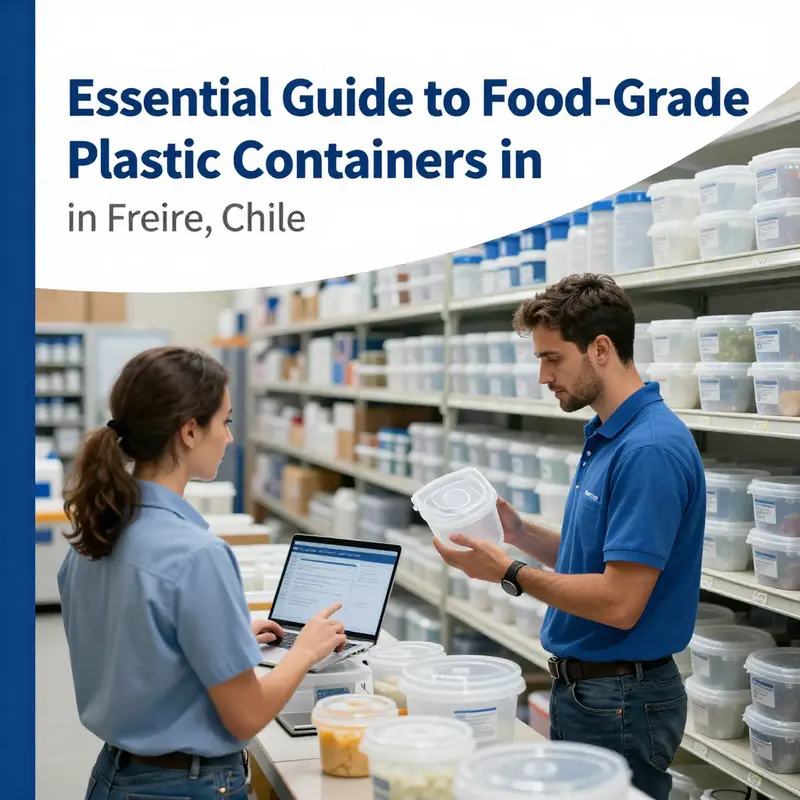
The city and surrounding communities of Freire, Chile, sit at an intersection of growing urban demand and the enduring practicality of packaged foods. Local grocers, cafés, and emerging online-market sellers increasingly rely on plastic containers that can keep foods safe, fresh, and recognizable from the moment a customer buys to the moment it reaches the home kitchen. In this context the procurement of food-grade plastic containers becomes less a matter of chasing the lowest unit price and more a discipline of strategic sourcing. It requires aligning strict safety standards, dependable supply chains, and responsible sustainability signals with the realities of international trade, local distribution, and evolving consumer expectations. The chapter that follows treats procurement not as a one-off buying decision but as a continuous capability that blends regulatory clarity, supplier insight, and a disciplined approach to total value. By tracing the pathway from compliance to capacity to continuity, the Freire buyer can build a resilient packaging portfolio that supports both current needs and future growth, while reducing risk to brands and customers alike.
Compliance forms the foundation of any food-contact packaging strategy in Freire. Although Chile does not operate a standalone, national regime that mirrors every nuance of European or North American food-contact standards, the practical expectations are clear and nonnegotiable. Buyers should require verifiable documentation that proves the material is food-safe and that processes meet recognized safety benchmarks. The dominant framework that informs supplier qualification includes elements drawn from EU Regulation 10/2011 on plastics in contact with food and FDA guidance under 21 CFR 177. These references are not mere burnish for a supplier’s brochure; they anchor audits, product testing, and ongoing compliance checks. At minimum, a supplier should provide a Certification of Compliance, material declarations, and robust material safety data (MSDS). A Declaration of Compliance that clearly links the resin family to food-contact safety is essential for traceability, especially when resins may be supplied through multiple rounds of manufacturing or by different subcontractors.
Beyond these general standards, the market is increasingly attentive to the integrity of claims around sustainability. When a supplier asserts that a container is compostable or biodegradable, buyers should expect recognized third-party certifications such as OK Compost (TÜV Austria) or the Biodegradable Products Institute (BPI). In Latin America, these certifications are becoming more widely accepted as evidence of responsible end-of-life behavior, though they do not replace the need for rigorous migration testing and migration limits for specific meals. The practical implication is that compliance is not a single certificate but an ecosystem of documents: DoC, MSDS, migration test reports, and chain-of-responsibility records that demonstrate resin origin, batch traceability, and supplier responsibility through every step of the supply chain. When a shipment arrives at a Chilean port, customs and health authorities will look for that documentation, and any gaps can trigger delays or penalties. A proactive procurement team will approach compliance as a living standard—one that is tested regularly through supplier audits, third-party testing, and proactive supplier development.
The sourcing map starts to lift from the regulatory base as teams consider the global supply network that serves Chilean markets. Chile’s strategic position—anchored by major ports such as Valparaíso and San Antonio—renders it well suited to imports from Asia, particularly from China. Within China, three provinces stand out as hubs of packaging manufacture and specialization. Guangdong, home to Foshan, Guangzhou, and Dongguan, is widely recognized for its injection-molding prowess, resin processing, and end-to-end packaging capabilities. The factories there can deliver high-volume production with consistent quality, supported by vertical integration that helps manage timelines and tolerance for change orders. Fujian, especially around Xiamen and Quanzhou, has established a reputation for sustainable and vacuum-formed containers. Suppliers here are often nimble in offering eco-friendly alternatives, including PLA-based options, alongside solid conventional packaging. Zhejiang, meanwhile, has evolved into a logistics-forward region with firms that provide end-to-end supply-chain services, including warehousing, customs clearance, and last-mile distribution. This trio of hubs gives Chilean buyers the latitude to balance price, lead time, and product characteristics like rigidity, clarity, and barrier properties, while building resilience against single-source risk.
Lead times from these hubs typically run from 25 to 40 days, depending on complexity, customization, and port congestion. The rise of digital prototyping and rapid-mold development means buyers can conduct virtual validation before committing capital to tooling. For smaller lots or pilot runs, many suppliers offer reduced MOQs and scalable programs that align with seasonal demand or test marketing initiatives. The emphasis for Freire buyers is to plan well in advance and to use digital tools to test concepts—from container shape to lid design and labeling—before committing to large production runs. In practice, this means combining a strong compliance posture with an agile product-development mindset. The procurement team should leverage a mix of standard-off-the-shelf designs for the steady, predictable needs and a smaller number of customized molds for campaigns or seasonal promotions. In this approach, digital prototyping saves both time and risk, letting brands converge on a solution that is safe, functional, and aligned with the product’s story.
A robust supplier evaluation framework helps translate the broad supply landscape into a reliable sourcing plan. The framework centers on five dimensions that collectively shape total value: compliance and safety, operational capacity, sustainability credentials, responsiveness and reliability, and total cost of ownership. Each dimension is more than a checkbox; it is a lens through which to anticipate performance and risk. Compliance is the baseline, but it becomes meaningful only when it is verified through documentation and traceable resin history. Operational capacity looks beyond current production to the ability to scale during peak seasons or unexpected demand spikes. Sustainability credentials matter because brands are increasingly measured by their environmental discipline and the credibility of their packaging choices. Responsiveness and reliability reflect how quickly a supplier communicates, resolves problems, and honors commitments, which matters when schedules slip or quality concerns arise. Finally, TCO captures the realities of import duties, shipping, inspection fees, defect rates, and potential brand risk from substandard packaging. A hypothetical example serves to illustrate the value of this approach. If a container is priced attractively at a penny per unit but lacks compliance documentation, the initial savings quickly vanish as a downstream audit reveals the deficiency, or a customer complaint about leakage triggers returns and reputational costs. The true cost is the chain of consequences that follows a single flawed decision.
With these principles in mind, Chilean procurement teams can identify suppliers who not only meet basic safety requirements but also demonstrate a track record in serving Latin American markets. Several verified suppliers have emerged in real-time sourcing discussions and buyer feedback, each bringing a distinctive value proposition. One supplier in Fujian specializes in compostable and vacuum-formed options and offers recognized compostability certifications such as OK Compost and BPI, making them an appealing option for brands pursuing green credentials. Another supplier in Zhejiang operates as a full-service logistics partner, with capabilities to manage Chilean distribution networks, warehousing, and last-mile delivery. A high-volume producer in Guangdong features ISO 9001-certified facilities and FDA-compliant processes, coupled with rapid prototyping and short sample-turnaround cycles. These profiles illustrate how the marketplace aligns with the Chilean buyer’s needs: safety, scalability, and support for sustainable ambitions, backed by a record of export experience to Latin America.
In the practical realm, the recommended verified suppliers provide concrete capabilities to address typical procurement questions. The Fujian supplier can accommodate compostable materials and low MOQs, a combination that suits startups and smaller brands testing new formats. The Zhejiang partner’s logistics platform is particularly valuable for buyers seeking predictable transit times and transparent warehousing options, reducing the complexity of Chilean customs and inland distribution. The Guangdong producer’s emphasis on ISO processes and fast prototyping helps brands move from concept to container with confidence, particularly when design iterations are frequent or when regulatory labeling needs evolve during a pilot phase. In combination, these suppliers form a cross-continental anchor for a Chilean packaging program that must balance price, performance, and risk management. The strategic takeaway is clear: build a supplier portfolio that reflects both regional demand and global manufacturing strength, while maintaining the flexibility to adapt to market shifts.
For Chilean buyers, practical selection should go beyond the familiar price-per-unit calculus. It should include a deliberate pre-shipment inspection (PSI) plan, carried out by a respected third-party auditor to verify dimensions, lid fit, seal integrity, and absence of contaminants. PSI helps ensure that the product delivered matches the tested samples and that no quality deviations emerge once production scales. It is equally important to maintain a continuous improvement loop with suppliers—an ongoing dialogue about material safety, process changes, and strategic product innovations. Digital platforms can support this ongoing collaboration by offering real-time shipment tracking, documentation repositories, and feedback mechanisms that correlate supplier performance with customer outcomes. A mature procurement organization will integrate supplier scorecards, risk assessments, and market intelligence into a single view that informs annual budgeting and strategic planning.
In the Freire context, it matters that the procurement approach integrates both local considerations and global capabilities. The local reality includes a distributed retail and foodservice landscape, where containers must perform across urban and semi-urban settings, in varying temperatures, humidity, and handling conditions. It also includes regulatory oversight and import procedures that place a premium on documentation and traceability. The global reality recognizes the availability of a broad ecosystem of suppliers and the opportunity to collaborate with manufacturers who can scale with demand while investing in sustainability and product safety. A disciplined sourcing approach therefore blends local market intelligence with global manufacturing strength to deliver packaging that is not only compliant but also compelling for brand owners and end users. The procurement strategy should, where possible, emphasize long-term partnerships with suppliers who demonstrate consistency, transparency, and a willingness to support product development, sustainability reporting, and agile responses to shifting consumer requirements. For Chilean buyers, this means cultivating relationships with firms that can provide engineering support for new container formats, access to stable resin streams, and consistent quality controls that withstand regulatory scrutiny and the pressures of seasonal peaks.
In addition to direct supplier relationships, buyers should consider the broader packaging ecosystem and the role of alternative materials when appropriate. While plastic remains a practical, high-performance option for many food packaging needs, there is value in evaluating alternatives such as recyclable PET and PP, as well as compostable variants where consumer demand and regulatory signals align. This consideration should be performed without compromising safety and shelf life. It is here that an understanding of consumer expectations becomes essential. The growing emphasis on hygiene, waste reduction, and product transparency means that brands will increasingly insist on packaging with clear labeling, robust seal integrity, and credible environmental claims. The procurement function, therefore, must balance performance with sustainability narratives, communicating clearly to internal stakeholders and external buyers how container choices fit within the brand’s broader ESG commitments. A well-structured supplier program, supported by strong compliance documentation and a commitment to continuous improvement, can help Freire retailers and manufacturers manage this balance effectively.
To connect with the broader packaging community, buyers may find value in exploring industry content and networks that discuss packaging formats, waste streams, and the evolving regulatory environment. For readers seeking context on packaging alternatives and sustainability considerations, the following resource offers a contemporary perspective on take-out and container design: high-quality-food-take-out-kraft-paper-rectangle-octagonal-bowl. While this internal link highlights a nonplastic option, it reflects the broader consumer and retailer emphasis on responsible packaging choices and the importance of aligning packaging materials with product goals. The choice between plastic and paper, between standard and customized designs, and between domestic production and international sourcing all hinge on the same core question: how to deliver safe, convenient, and sustainable packaging that supports brand promises while keeping costs predictable across the supply chain.
The chapter’s synthesis points toward an actionable procurement playbook for Freire. Start with a robust compliance package that includes EU 10/2011/FDA references, MSDS, DoC, and migration data. Pair this with a supplier ecosystem that spans Guangdong, Fujian, and Zhejiang, enabling a mix of high-volume capacity, sustainable materials, and agile logistics. Use a supplier evaluation framework that weighs compliance, capacity, sustainability, reliability, and total cost of ownership, ensuring that cost savings do not come at the expense of safety or brand integrity. Build a plan for PSI to validate samples in advance of large orders, and implement a continuous improvement process with suppliers to support product development and regulatory changes. Integrate digital tools for prototyping, tracking, and documentation, and maintain a portfolio that can respond to market signals and seasonal shifts. In this way Freire’s packaging procurement becomes a strategic capability that underpins food safety, consumer trust, and long-term business resilience.
As the procurement journey continues, the Chilean buyer can benefit from long-term supplier partnerships that extend beyond initial orders. These relationships can unlock co-development opportunities, sustainability reporting, and joint innovation efforts that keep the packaging at the forefront of market expectations. The suppliers listed earlier—each with distinct strengths in sustainability, logistics, and scale—offer a practical starting point for building this kind of collaborative program. The path forward demands diligence, transparency, and a shared commitment to safety and value. With careful planning, Freire’s food packaging programs can secure reliable containers that preserve product quality, protect public health, and reinforce the reputations of local brands in a rapidly evolving global marketplace.
External reference for further considerations on export logistics and compliance is available at the following portal: https://www.zjchaoji.com
Bridging Local Hands and Global Factories: Sourcing Plastic Food Containers in Freire, Chile
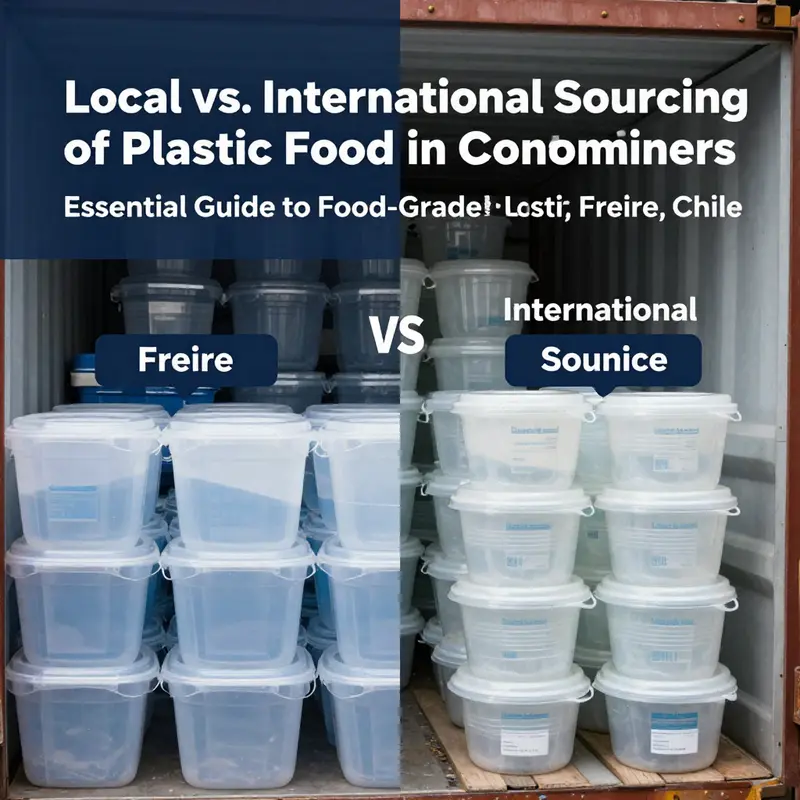
In Freire, Chile, the decision to source plastic food containers is not only a procurement choice but a strategic stance that shapes the supply chain from kitchen to shelf. The Freire landscape sits at an intersection of local networks, regional distributors, and global production hubs, inviting a pragmatic question: what can be produced or fulfilled close to home, and where do scale and variety justify the pull of overseas factories? The answer typically arises from a hybrid approach that respects market demand, regulatory expectations, and the rhythms of import and delivery that define modern packaging in Chile.
Local sourcing offers tangible advantages. Delivery times compress when containers and lids are produced nearby, supporting tighter inventory control and the fast pace of hospitality and food service. Communication is smoother when teams operate in the same time zone and share common business hours, and local partners can adapt quickly to last minute changes, demonstrate new products, or provide on site support during briefings that help kitchen teams understand packaging features in their own setting. For Freire operations testing new lines or seasonal ranges, agility is not a luxury but a practical need.
Yet local sourcing also presents limits. Nearby manufacturers may offer a narrower range of configurations and materials, which can constrain design freedom for containers with specific dimensions, multi pocket trays, or special lids and seals. Cost efficiency can be challenging when production volumes are smaller and access to raw materials is less favorable, potentially pushing unit costs higher than in large overseas ecosystems. For brands pursuing broad market reach or complex customization, relying only on local suppliers may cap growth and competitiveness.
International sourcing opens a different universe, especially for baseline, high volume items that require consistency and scale. Large regional and East Asian manufacturers deliver high volume production with repeatable quality, tight tolerances, and strong process controls. The payoff often includes lower unit costs, a broader range of forms and finishes, and supplier capabilities that align with food contact safety and compliance expectations across markets. But these advantages come with challenges such as longer lead times, more complex logistics, and a need for robust supplier assessment.
Regulatory frameworks shape international procurement. Buyers targeting cross border distribution must navigate standards such as FDA rules for food contact materials and EU regulations for materials intended to contact food. Common reference points include FDA 21 CFR Part 177 and EU Regulation 10/2011, which influence material choice, migration testing, and documentation practices. Suppliers are expected to provide traceability records, declarations of conformity, and safety certifications that reassure customers about product safety and performance.
Cost considerations and risk management are central to decision making. Unit prices for standard containers can be competitive, and lead times in the 15 to 30 day range are typical for mid sized orders, with opportunities to compress timelines through established networks. Nevertheless, procurement teams must not rely on price alone; reliability, quality, and genuine material claims require due diligence, sample testing, and documentation verification.
Biodegradability and environmental claims require careful scrutiny. Claims of recyclability or compostability depend on local waste infrastructure and standards such as industrial composting capabilities. Buyers should confirm that sustainability statements match local recycling realities to avoid confusing customers or creating operational issues in disposal streams.
A practical path for Freire is a hybrid model that combines the strengths of international manufacturing for standard, high volume items with local partners for speed, customization, and urgent needs. Start with a clear specification sheet covering intended use, resin type, temperature and chemical exposure, and migration limits. Request food safety certifications aligned with the markets you serve. Arrange trial orders to verify fit, leakage resistance, stacking behavior, and user experience. Build a cross functional team including purchasing, QA, operations, and kitchen staff to ensure feedback informs supplier selection and product design before larger commitments. QA should review packaging specs for cleanroom considerations and the presence of adhesives or surface finishes that could impact safety or acceptance.
In Freire, the packaging program should balance local resilience with international scale. Local suppliers can provide rapid replacement parts, test samples, and small runs, while international partners can supply standardized items with cost and supply stability. This blended approach also helps mitigate risks from port delays, tariff changes, or transportation disruptions. Logistics considerations, currency exposure, and inventory strategy should be evaluated as part of the plan.
The ultimate measure of success is how packaging decisions affect the customer experience. Containers that leak, warp under heat, or fail to seal reliably erode brand trust as surely as any compliance lapse. Materials selection, lid design, wall thickness, clarity, and odor resistance all influence handling, portioning, and presentation, shaping perceived value and operational efficiency. A robust sourcing program treats packaging as a strategic asset that supports safety, quality, and brand experience across the lifecycle from packaging to plate.
Beyond immediate procurement, Freire buyers can explore sustainable packaging options that complement plastics where feasible. Readers may consider pulp based or paper alternatives as part of a diversified toolkit, especially when paired with recycled contents or compostability where compatible with local waste streams. Such exploration does not diminish the role of plastic but broadens the set of solutions available to procurement teams. For those seeking deeper guidance on global sourcing dynamics, related materials on supplier evaluation, traceability, and cross border procurement provide additional perspectives on balancing cost, quality, and risk in a resilient packaging program for Freire.
Final thoughts
Navigating the landscape of food-grade plastic containers in Freire, Chile is vital for ensuring quality and safety in your food and beverage operations. By understanding the market, familiarizing yourself with the types and specifications of available containers, and choosing the right procurement strategies, you can select the best packaging solutions that align with your business goals. Whether you decide to source locally for convenience or explore international options for variety, making informed choices will elevate your service and satisfy your customers’ needs.