
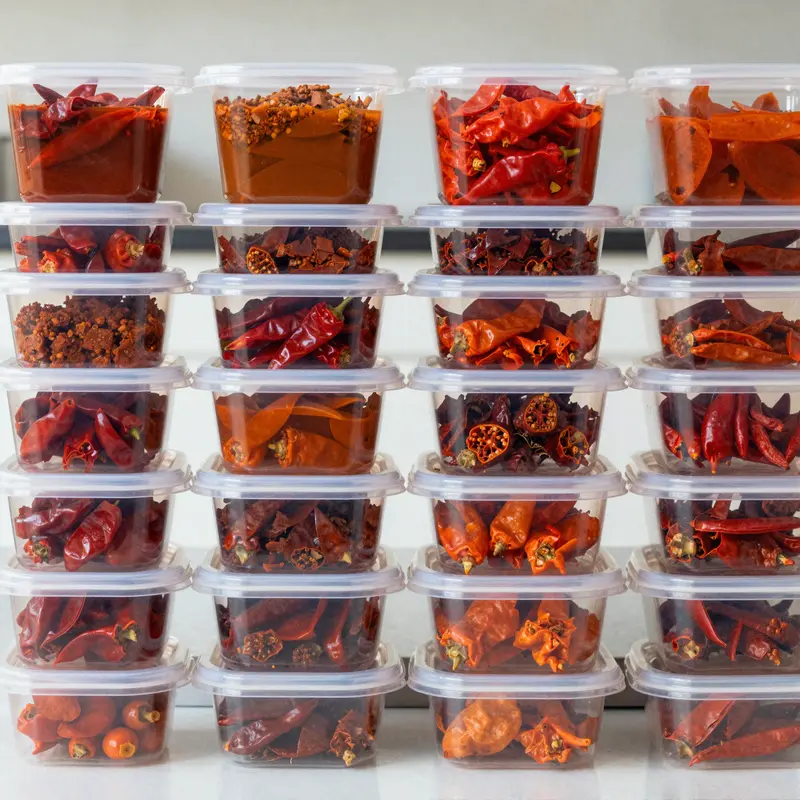
In the culinary world, particularly within restaurants and food service operations, the choice of storage solutions significantly impacts both safety and quality. For businesses offering condiments like mostazal chile, using appropriate plastic containers is not just about convenience; it’s about adhering to critical food safety standards, ensuring product integrity, and enhancing customer experience. This guide delves deep into plastic containers designed for food, focusing on mostazal chile specifically, and examines the importance of safety standards, material composition, and evolving market trends, which together shape the culinary sector’s approach to food storage. Throughout this article, readers will discover vital insights into how plastic containers serve as an essential tool for beverage chains, catering services, and more.
Guardians of Freshness: Navigating Chile’s Food Safety Standards for Plastic Containers in Mostazal
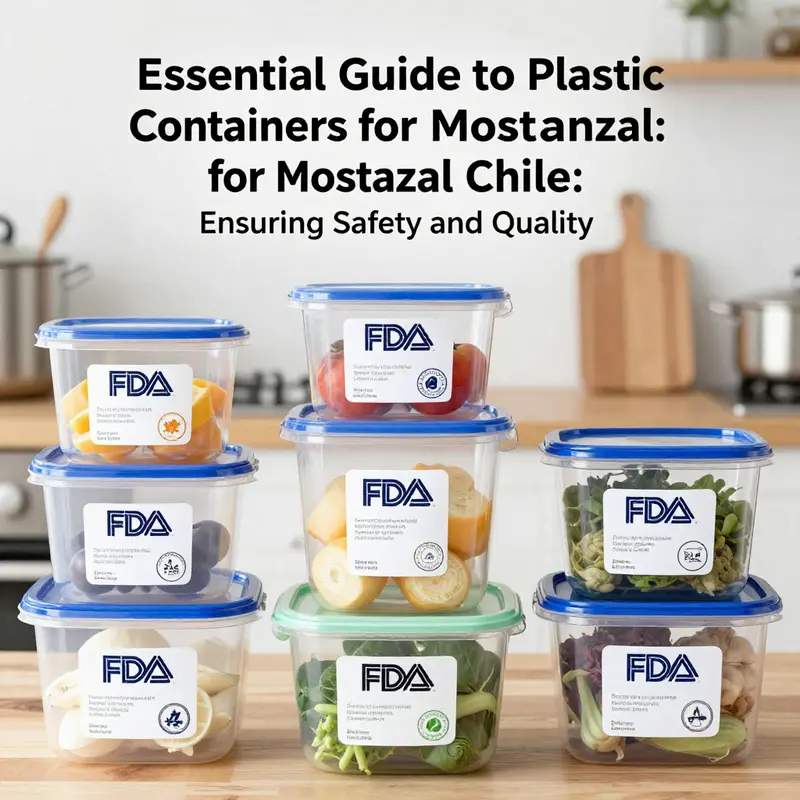
In Mostazal, a landscape of small kitchens, family eateries, and growing food businesses, the humble plastic container for storing or transporting sauces, pickles, and prepared foods is more than a convenience. It is a point where safety, practicality, and trust converge. Chile’s approach to food contact materials is precise and rigorous, reflecting a broader commitment to protecting public health while supporting a domestic market that often blends traditional flavors with modern processing. For anyone working with condiments or ready-to-eat products destined for local shelves or street-band stands, the material choices behind the lid and the poly that holds the chili sauce matter as much as the recipe itself. The regulatory frame is not an abstract set of numbers. It is a living guide that shapes how containers are produced, labeled, tested, and traced through a supply chain that may span farmers markets, neighborhood bodegas, and larger distribution hubs in and around the commune of Mostazal.
At the heart of this framework lies the general principle that all plastics and other materials intended to contact food must be manufactured under conditions that guarantee safety under normal or foreseen use. This means adherence to good manufacturing practice (GMP) and a disciplined approach to how substances migrate from packaging into food. The migration discussion is not academic. Acute or chronic exposure to unwanted substances can alter taste, color, or aroma, and in some cases pose genuine health concerns. The Chilean system delineates migration thresholds with care. For substances not listed on a positive migration list, a specific migration limit, or SM, is set at a tight 0.01 mg per kilogram of food. This threshold matters when sauces, acids, or vinegars are stored over time, particularly in reusable or recyclable containers that may see repeated cycles of use. The emphasis on safety is further nuanced by age-specific provisions: infant or specialized pediatric foods have a total migration limit (OM) of 60 mg/kg, ensuring that even in sensitive populations, contact materials stay within known boundaries. For other foods, including many prepared meals and condiments, the OM limit translates to 10 mg per square decimeter. These figures may seem abstract, but they directly influence the permissible design space for container materials, additives, and any recycled content used in production.
The practical implications for a Mostazal producer or distributor are clear. First, the container material—often polypropylene (PP) or high-density polyethylene (HDPE)—should be chosen not only for its mechanical properties and resistance to acids and oils but also for its compatibility with migration limits. PP and HDPE are widely regarded as suitable for a broad range of food items, including chili sauces and vinegary condiments, when they are manufactured to food-grade standards. The key is to verify that the packaging is produced under GMP, and that the product labeling clearly communicates its intended food-contact use. This communication is not merely about consumer confidence; it is a regulatory prerequisite in many segments of the Chilean market. When products are placed on shelves or into takeout streams, there is an expectation that packaging will perform as advertised, without introducing contaminants into the food or altering its sensory properties.
A central piece of the regulatory mosaic concerns the use of recycled plastics. If a supplier or manufacturer integrates recycled content into a container used for food contact, the same safety standards that apply to virgin resin must be met. The production facility supplying the containers must hold a health report issued by the Chilean Ministry of Health (Ministerio de Salud) confirming the safety of the recycling process and the materials produced. This requirement reinforces a broader commitment to transparency and risk management: recycled plastic can contribute to sustainability goals, but it cannot become a loophole that bypasses safety assessments. In practice, this means a chain of custody and verification mechanisms must be in place, so downstream users in Mostazal can trace the origin of the material and confirm its compliance with applicable rules.
Closely tied to material choice is the matter of labeling and traceability. Once a product enters the market, the packaging must, at the very least, convey its intended use for food contact. If the packaging does not touch food directly in its intended application, it must still bear clear labeling indicating its purpose, such as a “food contact” designation or a widely recognized symbol featuring a fork and glass. Such labeling is not decorative; it is a regulatory signal that helps regulators and buyers distinguish between consumables and packaging intended for non-food uses. For companies operating in Mostazal, this means designing packaging that carries a DoC (Declaration of Conformity) within the supply chain, enabling regulators to verify compliance and enabling retailers and foodservice operators to select products with confidence.
The pathway to compliance is supported by a range of documentary evidence. A manufacturer or importer can demonstrate conformity through testing reports from offshore laboratories, certifications from recognized bodies, or supplier statements that attest to GMP and material safety. In practice, this translates into a decision framework for local distributors and kitchen operators: ask for documentation that the container materials meet the specific OM and SM limits, confirm the recycling stream’s safety certifications if recycled content is used, and ensure theDoC is readily available and traceable along the supply chain. For a market town like Mostazal, where small businesses often juggle cost, speed, and quality, this documentation is not a luxury—it is a practical necessity that reduces recall risk, protects brand trust, and ensures ongoing access to formal markets.
As a local practitioner in Mostazal considers packaging options for chili sauces or pickled items, the material choice is complemented by a broader understanding of the packaging ecosystem. Plastic containers can deliver superior clarity for product visibility, airtight seals for freshness, and resilience under varying transport conditions typical of regional distribution. Yet the packaging landscape also includes non-plastic alternatives, and it is worth evaluating these in light of regulatory expectations and the expectations of customers who increasingly seek sustainability alongside safety. In some contexts, packaging decisions are influenced by the intended distribution channel—home storage, foodservice, or street-food formats each bear distinct requirements for ease of use, durability, and sanitary handling. For businesses weighing these choices, a pragmatic approach is to examine not only the material’s resistance to acids and heat but also the life cycle of the packaging, its end-of-life pathways, and the availability of return or reuse programs in the local economy.
From a practical standpoint, the choice of container influences more than safety and compliance. It shapes shelf life, consumer perception, and even culinary performance. A well-chosen container can preserve aroma, minimize texture changes, and prevent leakage during transport—factors that matter when a chili-laced sauce travels from a simmering pot in a home kitchen to a market stall. Yet each advantage must be balanced against regulatory constraints. In a regulatory environment as exacting as Chile’s, a packaging decision is a compliance decision as much as a design decision. The careful buyer will request GMP certifications, verify material safety data, and confirm that the container’s design, closure system, and surface treatment do not create unintended migration risks.
For operators who want to glimpse the broader spectrum of packaging possibilities while keeping a sharp eye on safety, several packaging formats complement plastic containers in the Chilean market. Kraft paper bowls and lids, for instance, represent an alternative approach that is compatible with many takeout and display scenarios. When considering a move toward paper-based solutions, it helps to evaluate how such packaging behaves under similar storage conditions—acidic sauces, refrigeration, and transport. A representative example of this packaging approach is the disposable kraft paper bowl with lid, which can serve as a functional option for certain service settings or for retail demonstrations where plastic is not ideal. See this option here for reference: disposable-kraft-paper-bowl-for-food-package-with-lid. While it is not a universal substitute for all plastic applications, it highlights the importance of situational packaging decisions within the safety and regulatory framework.
In practical terms, a Mostazal supplier should begin by mapping out the typical use scenarios for their plastic containers. Are the containers expected to hold chili-based sauces with high acidity for long periods? Will the containers be reused or subjected to heat during serving? Is there any plan to incorporate recycled content into the resin mix? Each of these questions feeds into the migration assessment, the GMP quality controls, and the labeling strategy. Once the use case is defined, the supplier can verify that the chosen material—whether PP or HDPE—has the necessary FDA-like or EFSA-aligned equivalents in the local regulatory mindset and that the product labeling and DoC align with Chilean expectations. Even small producers benefit from keeping a checklist: confirm GMP compliance, secure a migration report for the chosen resin, verify that any recycled content carries a health clearance, ensure the labeling indicates food-contact use, and secure a DoC that can be traced back through the supply chain. This discipline reduces confusion during audits and strengthens market access across the region.
The regulatory landscape in Mostazal and across Chile is not static; it evolves with new scientific findings, new packaging technologies, and shifting consumer expectations. Businesses that embed regulatory literacy into their product development and procurement processes will be better positioned to adapt quickly without sacrificing safety or performance. This means investing in supplier relationships that can provide up-to-date GMP certificates, migration data, and traceability documentation. It means building a culture of transparency in which DoCs and lab reports are not afterthoughts but standard operating documents. It also means engaging with regulators and industry bodies to stay informed about any amendments to the migration limits, recycling requirements, or labeling standards that could affect the integrity of the packaging used for a given chili-based product.
For a local operator, the core message is straightforward: packaging choices must be grounded in safety, clearly communicated to the customer, and supported by verifiable documentation. The container should resist the corrosive effects of acidic sauces, prevent leakage during transport, and remain stable under typical chill, freeze, or warm-serve conditions. It should carry appropriate food-contact labeling and a traceable DoC so authorities and partners can confirm conformity at any stage of the supply chain. In this way, the packaging becomes a reliable conduit for flavor rather than a source of risk. As Mostazal businesses continue to grow and diversify, integrating these safeguards into the packaging decision process will help maintain consumer trust, enable smoother regulatory interactions, and support sustainable practices that align with broader regional goals.
External regulatory reference and further reading can be found through the Chilean health authority’s official portal, which outlines the current standards, testing expectations, and compliance pathways relevant to plastic containers used for food contact: https://www.minsal.cl/.
Choosing Safe Vessels: Material Composition of Plastic Food Containers in Mostazal, Chile
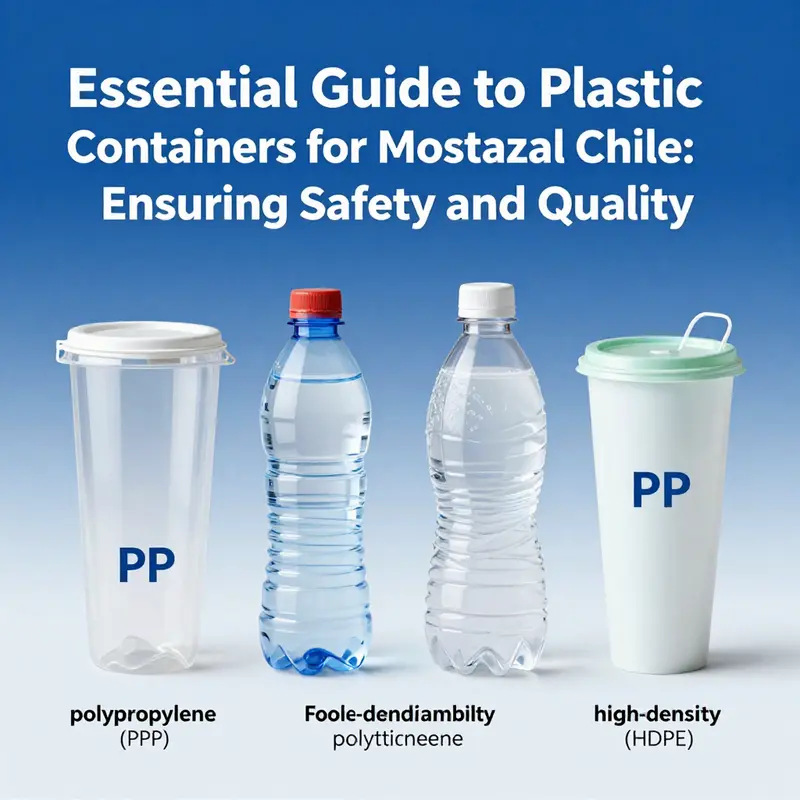
In the sun-warmed expanse of Mostazal, Chile, families and local kitchens rely on plastic containers to keep sauces, condiments, and ready-to-use ingredients fresh. The choice of material is not a mere matter of cost or convenience; it shapes safety, flavor, and even the environmental footprint of daily meals. When a jar of mustard-laced chili sauce sits in the fridge, the container that holds it becomes a quiet gatekeeper of quality. The material composition of these containers determines how well they resist acids, how much heat they can tolerate, and whether any substances migrate into the food over time. In Chilean markets and households, where soups, sauces, and marinated condiments often mingle with citrusy marinades or vinegar-based dressings, the interplay between container and content is a practical concern that echoes larger questions about food safety and sustainability.
Across the globe including Chile, the materials most commonly used for food contact plastics are polypropylene (PP), polyethylene terephthalate (PET), and polystyrene (PS). Each comes with distinct strengths and caveats that matter when storing spicy, acidic, or oil-rich foods like mustard chili sauces. Polypropylene has become a workhorse for many families and eateries. Its appeal lies in heat resistance, with a melting point around 160°C, which translates into performance that supports hot meals, soups, and even microwave reheating in some cases. For households that reheat leftovers, PP containers can simplify meal prep while keeping the integrity of flavors intact. More than heat tolerance, PP is chemically inert enough to minimize staining and odor retention, a practical advantage when the container must house peppery, acidic mixtures that might otherwise corrode a less resilient plastic. In many regulatory frameworks, PP is identified by recycling code #5, a marker that often signals a degree of recyclability and a familiarity to local recycling streams. This makes PP a familiar choice for takeout containers and daily food storage, especially in kitchens where repeated use or easy cleaning is valued.
Yet reality in Mostazal—and wider Chilean practice—also embraces PET for certain applications. PET’s transparency and strength make it a natural fit for visible, short-term storage of salads, dressings, or sauces that benefit from a clear container’s ability to showcase freshness. PET’s rigidity and clarity can help consumers assess product condition at a glance, a small but meaningful feature in busy kitchens or retail shelves. Importantly, PET is generally suitable for cold or room-temperature foods and is widely recyclable under code #1. However, its suitability for repeated use or high-heat scenarios is more limited. In contexts where sauces might be heated during preparation or used over longer periods, PET’s performance can become less predictable. This nuance matters for Mustazal Chilean households that value both convenience and safety, as repeated exposure to heat and acidity can influence long-term container behavior.
Polystyrene adds another layer to the conversation, often seen in the foam-style containers that accompany quick-service meals and takeout. The insulation and lightness of PS make it appealing for temperature retention and cost efficiency. But PS presents real trade-offs. It is prone to UV-induced degradation and carries concerns about microplastics and potential leaching when heated. In discussions of food safety and environmental impact, PS is often scrutinized more than PP or PET. While it remains prevalent in certain segments of food packaging, growing awareness of its limitations pushes producers and consumers toward alternatives that balance practicality with safety and sustainability. For households handling spicy sauces or acidic condiments, the choice among PS, PP, and PET involves weighing immediate usability against longer-term considerations of durability and environmental responsibility.
Beyond these traditional plastics, a broader shift is visible in both Chile and its global peers: the emergence of bioplastics, such as polylactic acid (PLA). These materials promise a renewable origin and more favorable end-of-life outcomes, especially in consumer-driven markets with strong waste management infrastructure. PLA and similar bioplastics are increasingly discussed as viable options for compostable or recyclable packaging. Yet they require industrial composting facilities to achieve meaningful degradation and may not perform consistently in all home settings. For families in More than a few Chilean communities, this means a careful assessment of local disposal capabilities before adopting bioplastic containers as a straightforward substitute for conventional plastics. The conversation around bioplastics underscores an essential truth: material choice must harmonize performance, safety, and the realities of local waste systems.
In Chile, and specifically in regions like Mostazal, regulatory alignment shapes how these materials are used. Food safety and packaging standards regulate what materials can come into direct contact with food, how they are labeled, and how they should be cleaned and stored. Local authorities, such as the SAG, set guidelines that work in tandem with international frameworks from agencies like the FDA and EFSA. The convergence of these standards provides a practical baseline for evaluating whether a container is appropriate for storing acidic or spicy foods such as mustard-chili sauces. A key practical note for consumers and small businesses is to look for indicators like “Food Grade” or “FDA Approved” or equivalent local certifications. Labels that specify BPA-free status can further reassure users about potential chemical migration, though it is important to understand that BPA is just one of many substances that can migrate from resin or additive packages into food under certain conditions.
The practical implications of these standards become clearer when considering the daily life of a Mostazal kitchen. A mustard-based chili sauce stored in a high-quality PP container with a secure lid benefits from a robust seal that minimizes leakage and preserves aroma. Acidic containers tend to resist corrosion and permeation better than weaker options, a factor that reduces the risk of flavor transfer or chemical interaction with other foods in the fridge. A well-sealed container also helps prevent the volatilization of spicy compounds, which can otherwise permeate nearby foods and alter their flavor profile. In households where space is a premium, leak-proof and odor-retentive designs translate directly into less waste and cleaner refrigerators. The seal and closure design matters as well; a tightly fitting lid reduces the chance of accidental spills during transport, an everyday concern in busy households or small-delivery operations that move jars, sauces, and condiments from kitchen to pantry to table.
Environmental considerations are no longer a marginal concern; they are part of the decision matrix for most consumers. In parallel with performance and safety, there is growing attention to the life cycle of plastic containers. Recyclability remains a critical dimension of responsibility for shoppers in Chile, where municipal recycling streams vary by community. PP’s relatively broad recyclability under code #5 helps align domestic practices with global trends toward reduced waste, while PET’s code #1 is also widely supported in many urban and semi-urban recycling programs. PS, especially in foamed forms, invites more caution because of its microplastic potential and its comparatively challenging end-of-life handling. These realities encourage a broader conversation about design for recycling, reuse, and safer material choices for households that routinely store condiments and sauces. In a culture that values both flavor and stewardship, this interplay between material science and daily practice becomes a practical guide for choosing packaging that protects both food and the environment.
For readers seeking alternatives or complementary packaging considerations, note the rise of paper-based and compostable options in similar markets. While these may not offer the same heat resistance or long-term durability as PP or PET, they present compelling advantages in terms of sustainability and consumer perception. Some packaging providers now offer take-away solutions that combine paper-based shelves with inner barriers or coatings designed to resist acids and oils. Such combinations can extend shelf life and preserve taste while aligning with broader environmental goals. In this sense, the category of plastic containers exists within a larger ecosystem of packaging choices, each with its own set of benefits and limitations. The choice, ultimately, hinges on matching the intended use with material properties, local waste infrastructure, and regulatory clarity.
From a practical perspective, the decision calculus becomes a matter of identifying the primary storage scenario: Will the container be used for short-term refrigeration of a mustard-based chili sauce? Is microwave reheating involved, or is the container only for cold storage? Is repeated use expected, or is the container destined for single or limited reuse? Answers to these questions, grounded in material science and regulatory guidance, direct the selection toward the most appropriate polymer family. In regions like Mostazal, where the day-to-day rhythm includes market-to-home shopping, families and small businesses benefit from containers that combine reliable performance with clear labeling. Labels should indicate suitability for food contact, heat tolerance, and any cleaning or sterilization instructions. They should also convey the plastic’s recyclability in local streams and, when possible, reflect better practices for minimizing environmental impact without sacrificing safety.
It is also worth noting that the broader discourse around plastic packaging is evolving. Growing consumer awareness about microplastics and chemical exposure is driving demand for clearer information about material safety. That demand translates into improved labeling, more rigorous testing, and a willingness among manufacturers to disclose the conditions under which a given container remains safe for food contact. For families in Mostazal and similar communities, this means greater confidence when selecting containers for sauces, including mustard chili varieties, and a better understanding of when to retire or replace a container that has become scratched, discolored, or begins to show signs of degradation. In the end, material composition is not merely a technical attribute; it is a practical safeguard that supports trust between cooks, suppliers, and consumers.
As readers consider their own kitchens and small-scale food operations, a simple guiding principle emerges: favor food-grade materials that are supported by clear labeling, reputable safety standards, and alignment with local recycling capabilities. A container that carries a reputable certification and a robust seal design tends to perform more reliably in the long run, preserving flavor and reducing waste. When possible, pair such containers with thoughtful storage practices—cool, dry environments; away from direct sunlight; and careful separation from strongly aromatic or highly acidic foods that might challenge the integrity of the container over time. The goal is not to chase the perfect material in a vacuum but to integrate safety, practicality, and sustainability into everyday storage decisions.
For readers who want to explore further background on global packaging standards and material behavior, a comprehensive overview from an international perspective offers useful context. External resources provide broader guidance on how materials perform under heat, acidity, and repeated use. You can consult broader standards and guidance here: https://www.plasticcontainerindia.com/ . And for those seeking related packaging options that blend convenience with environmental considerations, you can explore options such as the disposable take-away kraft paper-based solutions linked in many consumer guides and packaging blogs, including a reference to customizable, logo-friendly paper cups with lids. One example of such packaging, often discussed in packaging communities, is linked here: disposable-takeaway-paper-cup-custom-logo-kraft-coffee-cup-with-lid. This example illustrates how design choices can influence consumer perception, even as the core concerns of safety and compatibility with food content remain paramount.
In sum, the material composition of plastic containers used for food storage in Mostazal and across Chile reflects a careful balance. Heat resistance, chemical inertness, and durability must be weighed against recyclability, end-of-life management, and regulatory compliance. PP, PET, and PS each contribute different strengths, while bioplastics promise new pathways for sustainability—albeit with practical caveats about processing and decomposition. The ongoing dialogue among policymakers, manufacturers, and consumers continues to shape packaging choices in ways that aim to protect health, flavor, and the environment, one mustard-chili container at a time.
From Local Shelves to Circular Futures: Reading Mostazal’s Market Pulse on Plastic Food Containers
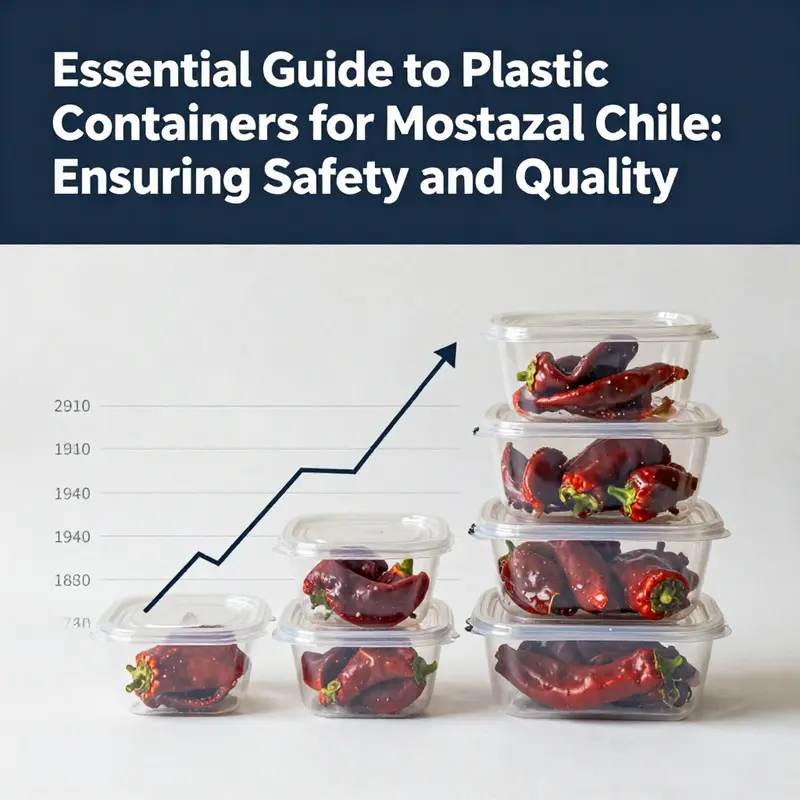
In the central valley of Chile, Mostazal acts as a microcosm of a broader shift in plastic packaging for food. Local markets, kitchens, and small eateries reveal a landscape where convenience, safety, and sustainability intersect to shape demand for containers that hold sauces, spreads, and ready-to-use meals. A closer look at the community shows regulatory signals, economic considerations, and cultural preferences pushing suppliers toward smarter, more recyclable solutions. While specific product lines may vary, the underlying dynamics align with a regional push toward better end-of-life management, clearer labeling, and materials chosen for compatibility with local waste systems.\n\nAmong households and small businesses in Mostazal, the appeal of food-grade plastic containers rests on durability, chemical resistance, and reliable seals. For sauces like mustard or chili-based condiments, the container matters as much as the contents. The preferred class tends to include polypropylene (PP) and high-density polyethylene (HDPE) jars, valued for chemical resistance, clarity (where applicable), and reusability. A practical guideline echoed by food-safety professionals is to select containers labeled food-grade, BPA-free, and compliant with recognized safety standards. Clear labeling becomes a practical assurance for families and micro-entrepreneurs who rely on these containers daily.\n\nRegulatory and market dynamics in Chile and the broader region influence product design and procurement. Some shifts resemble an Extended Producer Responsibility approach, encouraging packaging producers to support collection and recycling at end-of-life. This tends to favor materials that are easy to recycle or separate from other streams, and designs that facilitate disassembly or single-resin usage. As a result, manufacturers are prioritizing design for recyclability, minimizing mixed-material challenges, and choosing products that align with local recycling infrastructure. In turn, this drives product development toward containers that endure routine use while remaining recoverable in nearby facilities.\n\nThe broader market context also highlights a circular-economy narrative: consumers increasingly expect packaging to support responsible waste practices. In Mostazal, retailers and food-service operators seek suppliers who can demonstrate closed-loop or recycling partnerships. The outcome is a more resilient supply chain and clearer value propositions for end users. Growth drivers include convenience, expanding take-away and delivery services, and demand for durable, safe storage options. A typical capacity range for versatile storage—around 500 to 650 milliliters—often proves well suited for sauces and condiments, balancing space efficiency with practical portioning. Containers made from PP or HDPE commonly meet these needs and can withstand typical refrigeration or freezer use when designed appropriately.\n\nBeyond material choices, safety and compatibility remain central. Acidic sauces, oils, and vinegars require materials that resist corrosion and avoid flavor transfer. PP and HDPE deliver chemical resilience, but performance also depends on lid design, gasket integrity, and seal reliability. For Mostazal households and small businesses, the goal is containers that minimize leaks, preserve flavors, and facilitate safe storage. The end result is packaging that supports culinary quality while contributing to waste reduction when matched with proper disposal practices.\n\nIn summary, Mostazal’s packaging landscape illustrates how local markets translate regional trends into everyday decisions. The move toward recyclable materials, clear labeling, and responsible end-of-life management shapes supplier strategies, product design, and consumer expectations. For the community, the story is about practical, trustworthy containers that protect food while easing recycling and reuse—and for the broader article, Mostazal serves as a concrete lens on how Latin America’s plastic packaging market evolves toward sustainability and resilience.
Plastics in Place: How Food-Grade Containers Shape Mostazal’s Culinary Landscape
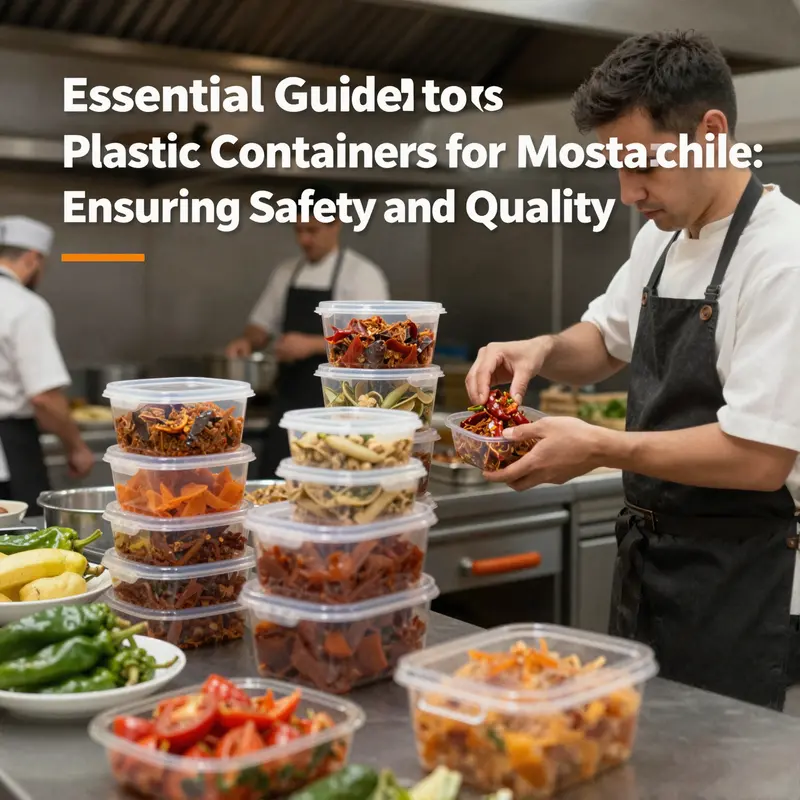
A modern kitchen relies on the quiet reliability of the containers that store, transport, and present ingredients. In Mostazal, Chile, plastic food containers support a culinary scene that blends traditional flavors with growing food services. They hold sauces, relishes, and condiments, keeping brightness and aroma intact as they move from kitchen to market stall or home dining table. The question is how these containers can protect safety, consistency, and accessibility under local conditions, heat from a sunlit kitchen, acidity from citrus or vinegars, and the everyday demands of busy households and cafes. By looking at global guidance, cooks and retailers in Mostazal can translate safety principles into practical purchasing criteria for sauces and peppers that demand protection and easy access. Across many regulatory regimes, food contact materials are designed to limit migration and ensure that packaging does not compromise health. Authorities emphasize that materials intended for contact with food meet standards for composition, cleanliness, and safety. A common thread is minimizing chemical migration, especially with acidic or spicy foods that can drive leaching from plastics. For Mostazal, the takeaway is simple: look for clear indications of food grade status, explicit suitability for acidic contents, and a container that remains robust through daily use and routine cleaning. From a materials standpoint, the most practical options fall into familiar families such as polypropylene and high density polyethylene. These plastics are widely used in food applications because they resist acidity, offer relatively low migration, and stand up to repeated washing. A typical size around 650 milliliters offers a practical middle ground for sauces and condiments, balancing generous portions with compact storage in pantry shelves or refrigeration. The lid design matters as well: a reliable seal prevents leaks during transport and helps preserve aroma and flavor. In settings that prepare sauces and condiments in larger volumes, these characteristics reduce spillage and waste while keeping products easily accessible. The environmental dimension cannot be ignored. Discussions around sustainability push toward reusable and recyclable packaging, careful use of recycled content, and clear pathways for end of life handling. In many regions, authorities encourage designs that enable cleaning, recycling, or repurposing rather than single use disposal. For Mostazal, these debates intersect with local supply chains, consumer expectations, and pragmatic logistics, guiding choices that respect safety, convenience, and environmental responsibility. Health and labeling considerations extend beyond material choice to clarity on safety attributes. A container labeled as food grade signals adherence to appropriate standards for materials in contact with edible goods. Labels such as Food Grade, BPA Free, and FDA Approved (or equivalents in local regimes) help bridge global guidance with local shopping decisions. For households and small cafes alike, clear safety claims reduce the risk of improper storage and support consistent product quality. The absence of localized, published data for Mostazal does not negate relevance. Global trends provide a practical blueprint that can be translated into concrete purchasing criteria for local vendors. When a sauce or pepper relish is intended for regional dishes or market stalls, the container should be chosen for aesthetic fit, ergonomic handling, and resilience to daily use and home refrigeration. In a city where family recipes meet contemporary dining, the container becomes part of the culinary experience: it preserves aroma, protects heat and acidity, and travels well from kitchen to table. In practice, several simple guidelines can help Mostazal’s businesses and home cooks make safer, more practical choices. First, prioritize containers made from PP or HDPE for acidic and mildly spicy condiments, given their chemical resistance and durability. Second, aim for a size around 650 milliliters to balance inventory efficiency and consumer convenience. Third, ensure a lid that seals well to prevent leaks, while offering a user friendly opening mechanism for markets and cafes. Fourth, require explicit labeling about food safety status, including whether the container is BPA Free, food grade, and suitable for use with acidic foods. Together, these measures promote safer storage and a more reliable consumer experience. The broader packaging conversation also invites consideration of alternatives and complementarities. In Mostazal, metal containers or resealable bags may play roles for temperature sensitive items or bulk storage, while plastic remains central for its affordability, lightness, and clarity. The goal is a packaging ecosystem that supports product safety, efficient workflows, and environmental considerations. Packaging decisions become part of a larger dialogue about supply chains, waste management, and consumer education as the city’s food scene evolves. For readers seeking a broader regulatory context, regional health authorities and international guidance offer reliable benchmarks for materials destined for contact with food. They emphasize clarity, testing, and labeling to minimize migration risks. This external backdrop provides a useful lens for local producers as they evaluate choices and align with broadly recognized standards, even as tastes and practices evolve.
Final thoughts
In conclusion, selecting suitable plastic containers for mostazal chile is more than a matter of storage; it is integral to maintaining food safety and quality standards within the culinary industry. Understanding the relevant safety certifications, the materials that provide durability and suitability for food retention, and the market trends that influence purchasing decisions will empower restaurants, catering services, and food trucks to make informed choices. By prioritizing safe and reliable storage options, culinary professionals can enhance both their operational efficiency and customer satisfaction.