
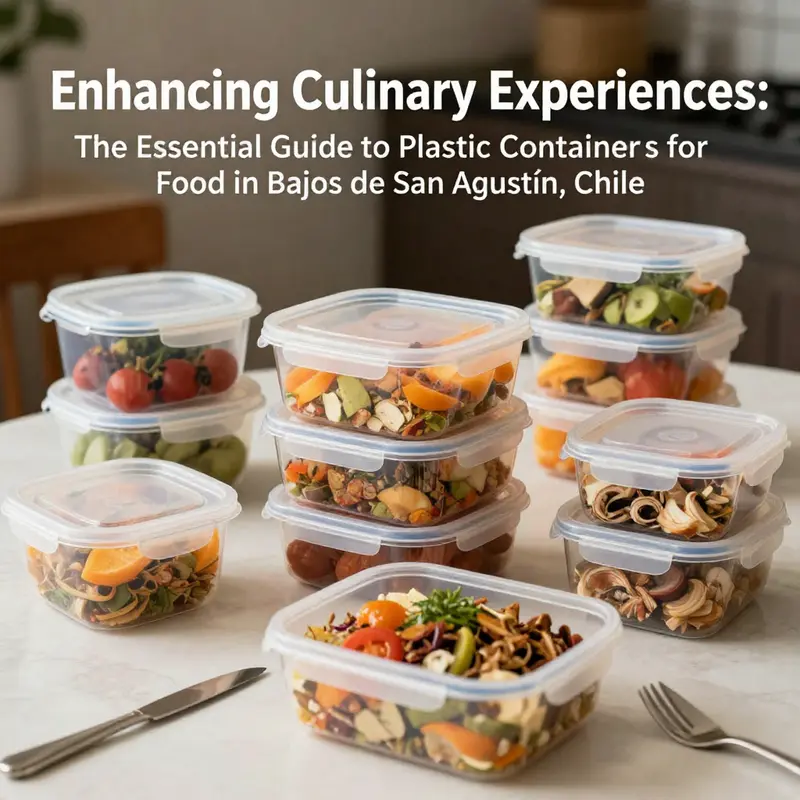
Food presentation and storage are vital in the culinary industry, and selecting the right containers is essential for maintaining food quality and safety. In Bajos de San Agustín, the demand for reliable, versatile plastic containers for food is ever-increasing, particularly among bubble tea shops, beverage chains, restaurants, food trucks, catering services, event planners, and corporate procurement teams. This guide delves into key aspects such as the safety of materials used in food-grade plastic containers, their functional diversity, and design features tailored to meet the needs of local businesses. Additionally, we’ll explore supplier options in the area and provide insights through market analysis, ensuring you find the perfect solutions for your culinary and hospitality needs.
Ensuring Food Safety: The Role of Material Standards in Plastic Containers in Bajos de San Agustín, Chile
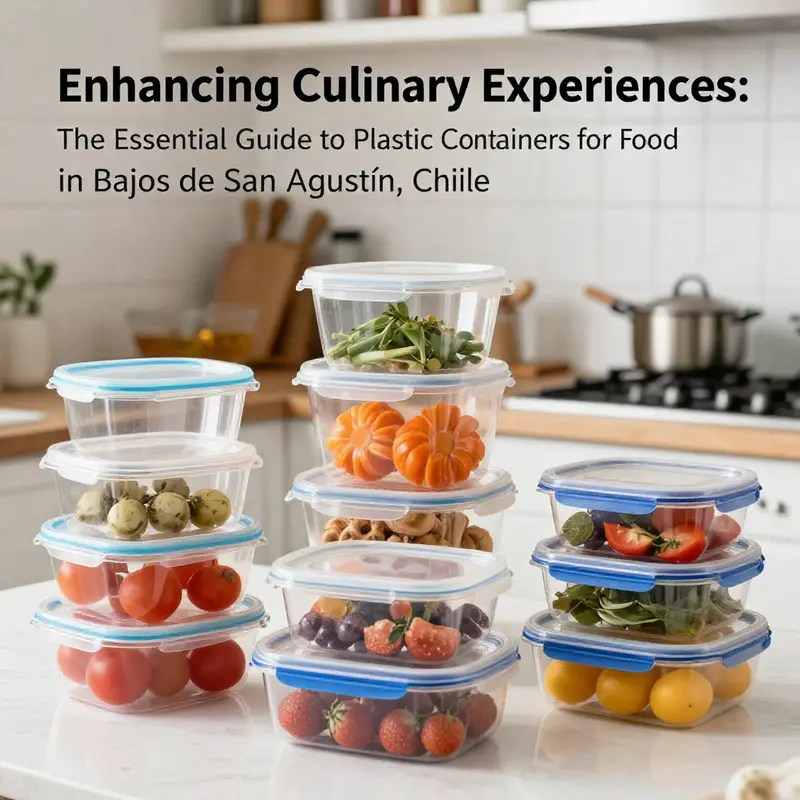
In the landscape of food service and storage, plastic containers stand as critical custodians of freshness and hygiene. In Bajos de San Agustín, Chile, the importance of material safety in plastic containers for food has driven both producers and consumers to maintain rigorous standards that protect public health while supporting current market demands. Despite the scarcity of localized reports specific to this region, the regulations and guidelines that govern these products in Chile are strongly influenced by international benchmarks and local enforcement by governmental agencies. The resulting framework not only dictates which materials may be used in the production of food containers but also sets stringent bounds on chemical migration, temperature tolerance, and durability, ensuring that consumers receive products that meet high safety standards.
The materials used in food-grade plastic containers are chosen for their inert characteristics, meaning that they should not react with food products and must restrict the migration of harmful chemicals into consumables. Producers typically select polymers such as polypropylene (PP) or polycarbonate (PC), and in some cases, newer composite materials that combine the mechanical strength of plastics with enhanced thermal properties. The underpinning idea is that, even when these containers are subjected to a range of temperatures and environmental factors, the chemical compounds do not leach into the food, causing contamination or altering nutritional content. In Chile, the use of these materials is governed by the Chilean Food Code (Código Alimentario Chileno), which draws on established protocols from both the European Union (EU) and the World Health Organization (WHO). These protocols impose limitations on substances like Bisphenol A (BPA) and a variety of phthalates, whose presence in plastic has been extensively scrutinized worldwide due to potential health risks.
An essential aspect of enforcing these high standards is the distinction between containers intended for repeated, long-term use and those designed for single or limited mobile applications. Reusable containers, particularly those that are subjected to heat for microwaving or freezing, must endure physical and chemical tests that simulate repeated cycles of usage. Manufacturers are required to provide comprehensive testing reports, which include migration test results from accredited third-party laboratories, thereby ensuring compliance with international safety norms. Even in a market as small as Bajos de San Agustín, where direct local data may be sparse, importers and local suppliers adhere to these rigorous requirements to retain both customer trust and regulatory approval.
Understanding the procedures that govern the safety of plastic containers is crucial. Chilean authorities, including the Chilean National Health Service and the National Superintendency of Food and Drug Control (Superintendencia de Salud, SIS), administer critical oversight. Their guidelines mandate that any plastic container used for food must not contribute to contamination through chemical leaching. For instance, chemicals like BPA, which have been used in the past for enhancing the durability of plastics, have been prohibited, particularly in products that come into contact with infants and young children. This is reflective of an evolving understanding that even minute exposures can have outsized health implications over time. Such regulatory rigor ensures that both domestic production and imported goods meet specific safety criteria, a reassurance in markets where consumers demand both quality and peace of mind when it comes to food preparation and storage.
The emphasis on safety extends beyond production to consumer practices. Many users in Bajos de San Agustín are encouraged to inspect labels and verify that the plastic containers they purchase are certified according to international safety standards. Labels that include certification marks such as CE and ISO 22000 serve as visible assurances that a product has passed multiple stages of quality control testing. In addition, consumers are advised to avoid exposing these containers to extreme conditions, such as using them in conventional ovens or subjecting them to excessive heat during washing cycles, as such treatment may alter the physical integrity of the plastic and increase the likelihood of chemical leaching. This consumer education effort is a hallmark of modern food safety protocols, intended to mitigate risks even after the product has left the factory floor.
A notable benefit of the established safety regulations is the way they facilitate international trade and bolster consumer confidence. The material standards applied in Chile are not arbitrary; they mirror guidelines that have been refined through decades of scientific research and global regulatory experiences. By aligning with such internationally recognized standards, Chilean manufacturers and importers benefit from an ecosystem in which products can be cross-certified for safety, thereby easing access to broader markets. This harmonization is particularly important in regions like Bajos de San Agustín, where local businesses rely on robust supply chains that often transcend national borders. The productivity gains and subsequent economic benefits for local businesses underscore the significance of maintaining such universal safety benchmarks.
Alongside the regulatory framework, there is an ongoing collaboration between industry experts and regulatory bodies to monitor innovations in food packaging technology. With rapid advancements in polymer science, new kinds of plastic materials are continuously being developed to improve safety, durability, and environmental sustainability. Researchers and manufacturers frequently explore options that not only reduce chemical risks but also improve the recyclability of plastic containers, addressing both health and environmental concerns. A balance is sought between chemical inertness and the need for physical robustness, ensuring that containers remain safe over long periods of use while being less impactful on the environment. This delicate balance is at the heart of many recent innovations in food packaging and is a subject of continued research in both academic and industrial arenas.
Investigations into the performance of plastic containers have revealed that their safety under various usage conditions remains a complex interplay of material science, regulatory oversight, and consumer handling. Testing regimes typically simulate situations where the container is repeatedly heated, microwaved, cooled, or exposed to acidic substances, replicating the conditions found in kitchens and restaurants. These tests aim to identify any potential weaknesses in the material, such as micro-cracking or the gradual weakening of the container’s structure. Even in scenarios where the containers appear intact, prolonged exposure to fluctuating temperatures or aggressive cleaning agents can induce chemical changes that may not be immediately visible. Therefore, both manufacturers and consumers in Bajos de San Agustín are encouraged to replace worn or damaged containers to preempt any risk of chemical migration.
Consumer behavior plays a pivotal role in ensuring ongoing safety. Educating those who come into daily contact with plastic food containers—whether in large-scale food service operations or in small family-run eateries—can dramatically reduce the probability of improper use. For instance, understanding that even containers labeled as safe have defined limits helps users avoid exposing them to conditions beyond their design. The guidelines are often communicated through product labeling and direct advisories from regulatory agencies, emphasizing the importance of maintaining the container’s integrity through proper cleaning and storage practices. These recommendations underscore the fact that – while the materials themselves are designed to be safe – their safety cannot be guaranteed if they are misused or mishandled on a repeated basis.
Another important aspect is the responsibility of producers and suppliers. In an environment where consumer safety is paramount, manufacturers are expected not only to conform to rigorous testing standards but also to facilitate transparent communication about product safety. This involves detailing the materials used, the tests performed, and the conditions under which the container retains its integrity. When a product has been certified by respected international bodies, it sends a strong signal to the market that due diligence has been performed. For local suppliers in Bajos de San Agustín, this means keeping detailed records of sourcing and testing results, and being prepared for inspections or audits by authorities. This commitment to quality assurance is a cornerstone of trust between the industry and its end users, forging a collaborative relationship that benefits both commerce and public health.
The journey towards optimal food safety is marked by continual improvements and adaptations. As new data emerges regarding the long-term effects of chemical exposure from plastics, regulatory bodies adjust their guidelines to reflect the latest scientific findings. In Chile, such adjustments are not implemented in isolation; they are part of a broader strategy that places consumer well-being and environmental sustainability at the forefront. The integration of new research into regulatory practices ensures that food containers produced and marketed in the region continue to meet or even exceed global safety requirements. This dynamic process of regulation, research, and refinement is central to the ongoing evolution of food packaging technology.
In addition to domestic monitoring, international cooperation has proven to be an invaluable resource for refining safety protocols. Many Latin American countries, including Chile, participate in global forums where experts share knowledge about best practices in food packaging safety. This collaboration influences the establishment of uniform standards that facilitate both regulatory enforcement and consumer education. The influence of international guidelines extends well beyond the laboratory; it informs the design, production, and marketing of food containers, ensuring that each component—right down to the chemicals used during manufacturing—meets rigorous safety benchmarks. This global perspective, infused into local practices in Bajos de San Agustín, serves as the underpinning for a market that is both competitive and deeply committed to health and safety.
Consumers, regulators, and industrial partners alike benefit from the transparency of this process. When buyers can see that a product has been vetted by reputable organizations and tested for various safety parameters, they gain confidence in the everyday tools that support their dietary habits. Moreover, awareness campaigns often remind consumers that safety is a shared responsibility. By following guidelines for use and disposal, and by keeping abreast of updates in safety recommendations, individuals contribute to a circular, trust-based market environment. It is this responsible behavior—bolstered by clear labeling and government oversight—that epitomizes the successful implementation of food container safety standards.
For those seeking further authoritative insights, a recommended resource on regulatory practices and compliance in Chile is available through the official website of the Chilean National Superintendency of Food and Drug Control. This resource provides detailed guidelines and updates on food packaging standards, illustrating the ongoing commitment to product safety and public health. For more detailed information, please visit Chilean National Superintendency of Food and Drug Control.
Overall, the narrative surrounding the safety of plastic food containers in Bajos de San Agustín is one of careful oversight, continuous improvement, and industry-wide collaboration. It underscores the idea that while materials science provides the tools to build reliable products, it is the concerted effort of all stakeholders—regulators, manufacturers, and consumers—that truly secures the integrity of the food supply chain. By adhering to strict safety protocols and remaining committed to ongoing research, the region sets a high standard for food safety, ensuring that every container used in storing or serving food not only meets international requirements but also contributes to the overall well-being of the community. This synergy between regulation and innovation is vital in fostering an environment where health and safety are never compromised, but rather celebrated as fundamental rights and responsibilities.
Innovative Plastic Solutions: Uniting Functionality and Sustainability in Bajos de San Agustín
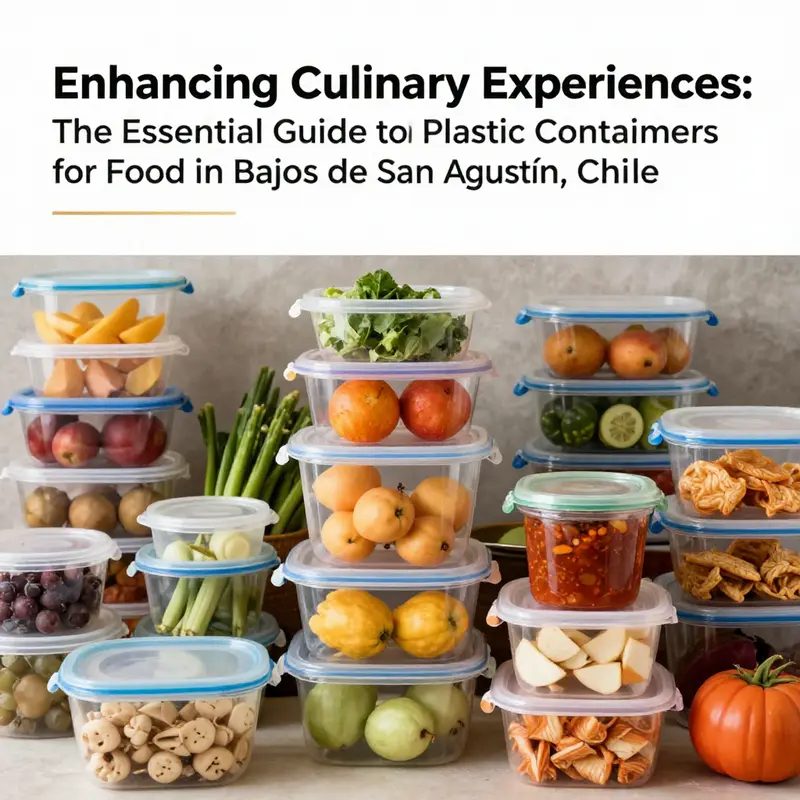
In the vibrant markets and busy kitchens of Bajos de San Agustín, Chile, the role of food-grade plastic containers is both fundamental and transformative. These containers, made from carefully selected materials such as high-density polyethylene (HDPE) and polypropylene (PP), have emerged as essential tools that balance practical food storage with a commitment to sustainability. Their evolution illustrates not only advances in material science but also a dynamic response to the local community’s need for safe, durable, and versatile packaging solutions that serve both domestic and commercial users.
Modern plastic containers are designed with a singular purpose in mind: to preserve the quality and integrity of food. In Bajos de San Agustín, where small-scale vendors and family-run restaurants coexist with larger commercial operations, the practical applications of these containers are manifold. They are used to store dry goods such as grains, spices, and cereals, maintaining their freshness over prolonged periods; they are equally effective for refrigerating dairy products and pre-cooked meals, ensuring that all items remain at optimal temperatures until consumption. The containers’ design features, including transparent walls, secure sealing lids, and resistance to temperature fluctuations, provide a confidence that food safety is never compromised. With their ability to withstand both freezing and relatively high temperatures, these containers not only protect food against spoilage but also enable hot and cold transportation without the risk of leakage or chemical interaction.
The design philosophy behind these plastic containers is one of functional diversity and practicality. In many local kitchens, the containers are chosen for their unique ability to serve multiple purposes. Some models offer stackable designs that maximize space in compact storage facilities, while others feature customized lids that guarantee a leak-proof experience even for liquid-based foods like soups and sauces. Sellers and consumers alike appreciate these ergonomic features, which reduce food waste and ensure that every item is preserved in a state as close to its original freshness as possible. Such versatility has naturally led to widespread adoption in both urban centers and more rural sections of Bajos de San Agustín.
Local food vendors have quickly adapted these plastic containers to meet the specific demands of their trade. Many of these vendors operate in environments where efficiency and durability are paramount; for example, street markets rely on containers that can endure constant movement and the occasional bump or drop. The impact resistance of these materials helps to mitigate breakage and damage during transportation, which is critical in maintaining the integrity of the food supply chain. In households, these containers are equally valued for their capacity to organize and extend the shelf life of ingredients that might otherwise quickly deteriorate. The combination of safe, food-grade materials and lightweight construction makes these containers a preferred choice, especially in areas where traditional refrigeration might be intermittent or energy resources are limited.
Beyond their immediate practical uses, the evolution in container design has also mirrored a growing trend towards a more environmentally responsible approach to food packaging. Although plastic has often been criticized for its environmental footprint, significant advancements in recycling technologies and the introduction of biodegradable additives have already begun to shift perceptions. In Bajos de San Agustín, local businesses and conscientious consumers are increasingly on the lookout for products that provide the necessary functionality without unduly burdening the environment. This shift is being driven by improved post-consumer recycling methods, as well as innovative research into new polymers that can meet the same rigorous food safety standards while being easier to break down or fully reprocess after use.
Packaging companies in the region have responded to these calls for sustainability with a diversification of their product lines. In addition to traditional plastic options, many now offer products that incorporate recycled materials or additives that aid in biodegradation. The dual focus on durability and eco-friendliness is particularly important in a location like Bajos de San Agustín, where environmental conditions and resource conservation are of growing concern. Containers that once epitomized traditional, single-use plastics are gradually being reimagined as integral components of an environmentally balanced food supply system. This transformation is evident in both the industrial design of the products and in the strategic choices of local businesses that support sustainable packaging practices.
The aesthetic dimension of these food containers cannot be overlooked either. Beyond mere utility, their transparent and sleek designs contribute to an enhanced consumer experience. For example, the clear view provided by many containers allows both vendors and consumers to quickly identify contents without the need to open the lid. This reduces the risk of contamination or unnecessary exposure to external conditions that might compromise food quality. Equally important is the fact that customization options are readily available. Businesses can choose containers that best reflect the branding and ambiance of their culinary offerings, thereby reinforcing their reputation as providers of high-quality, safe, and reliable food products.
The busy streets and marketplaces of Bajos de San Agustín often feature a mix of vending styles that benefit from the multifaceted benefits of these containers. For instance, some entrepreneurs package traditional dishes in containers that not only maintain temperature stability but also preserve the flavors and textures inherent to their recipes. In such cases, the containers become a silent partner in ensuring that the food reaches the consumer in a condition that is as fresh as when it was prepared. The lightweight design further aids in reducing the physical burden when transporting these dishes, making them ideal for use in both local delivery services and larger-scale distribution channels.
In the realm of domestic use, the benefits are equally significant. Home cooks routinely invest in plastic containers for daily meal preparation and storage. These containers support everything from bulk cooking endeavors to the preservation of seasonal produce. Their resilience is particularly beneficial in homes where food is purchased in larger quantities and then repackaged for daily consumption. With secure sealing lids and clear markings for measurement and portion control, they facilitate smarter organization and a reduction in food waste. Moreover, the safety inherent in the food-grade material means that users can confidently store acidic or oily foods without the risk of chemical leaching or contamination.
Integration of additional design features further enhances the functionality of these containers. For example, some newer models include compatibility with vacuum-sealing methods to extend the shelf life of perishables. The vacuum-seal technology minimizes exposure to air, reducing the likelihood of oxidation and microbial growth. This is particularly beneficial in a location where food preservation is key to combating the variability in local climate conditions. The introduction of modular designs that fit into compact storage spaces also reflects a deep understanding of the challenges faced by both small food vendors and large food distributors.
A noteworthy trend in the evolution of these containers is the melding of functionality with sustainability. As consumer awareness grows, so too does the emphasis on recyclable products. Manufacturers are now more openly discussing the lifecycle of their products, emphasizing the potential for reusability and recycling. Some innovative companies are even exploring partnerships with local recycling programs and collection schemes that ensure containers can have a second life after their initial use. This cycle of innovation—from production to reprocessing—reinforces the broader commitment of the region to sustainable practices.
The impact of these containers on food safety and waste reduction is palpable. The design improvements have greatly reduced instances of spoilage and contamination, which is particularly critical in a community where fluctuations in power supply or refrigeration infrastructure can lead to significant losses. Every improvement in container technology feeds directly into the reliability of the local food supply chain. This, coupled with the relatively low cost of plastic compared to alternative materials, has cemented their place not only as a temporary solution but as a long-term fixture in the culinary practices of Bajos de San Agustín.
Moreover, the cultural context in Bajos de San Agustín adds another layer of appreciation for these practical innovations. The community’s culinary heritage is rich, characterized by traditional cooking methods and recipes passed down over generations. Modern plastic containers have seamlessly integrated into this tradition by preserving the authenticity of flavors and textures. They help maintain the delicate balance of ingredients that can be easily altered by improper storage or handling. This is particularly important in a locale where culinary presentation is as much a part of cultural identity as the food itself.
The commitment to quality is evident not only in the performance of these containers but also in the careful consideration of their aesthetic design. Many local enterprises have adopted a visual strategy that includes sleek, modern lines and a minimalist approach to branding, ensuring that the containers do not overpower the presentation of the food but rather complement it. The clarity of the material provides an unobtrusive backdrop that lets the natural colors and textures of food shine through. In a marketplace where presentation can be as critical as taste, every element that contributes to a favorable eating experience is highly valued.
For those seeking an extended exploration of food packaging innovations, several related solutions are available that bridge the gap between traditional packaging and modern, eco-friendly alternatives. Innovative approaches in container design have even led some businesses to experiment with hybrid materials, combining the resilient features of plastic with sustainable alternatives like biodegradable polymers. This not only improves the overall performance of the packaging but also addresses environmental concerns by reducing the volume of waste that ends up in landfills. One insightful example of such innovative packaging is highlighted in a discussion on eco-friendly container solutions, where the integration of recyclable materials plays a pivotal role in the design philosophy.
Throughout the evolution of food packaging in Bajos de San Agustín, the interplay between technological advancement and practical utility remains a central theme. Modern plastic containers have transcended their initial design specifications to become multifunctional tools that secure food quality, optimize storage space, and promote sustainability. Their presence in the local markets is a testament to the region’s adaptive spirit and its readiness to embrace innovations that have a tangible impact on everyday life.
As the community continues to evolve, so too does its commitment to quality food packaging that protects both consumers and the environment. The durability and efficiency of plastic containers ensure that they will remain integral to food storage and transport, even as newer, greener materials are gradually introduced. The journey from simple storage solutions to sophisticated, multi-use packaging devices reflects a broader narrative of progress and adaptation. This evolution, grounded in both innovation and tradition, underscores the importance of these containers in maintaining food safety and reducing waste.
For those interested in the latest research and breakthroughs in material science and packaging technology, an in-depth exploration is available in the article, Food Packaging: Nanotechnology in the Agri-Food Industry. This external resource provides valuable insights into the future of packaging as it ventures further into environmentally responsible practices and state-of-the-art technological enhancements.
Modern Innovations in Food-Grade Plastic Container Design for Bajos de San Agustín, Chile
In the heart of Bajos de San Agustín, Chile, where culinary traditions meet modern consumer expectations, the evolution of food-grade plastic containers has become a testament to both innovation and practicality. The region’s vibrant food culture demands storage and transportation solutions that are safe, versatile, and tailored to local needs. Over time, manufacturers have refined container designs to meet rigorous standards for food safety and durability while still addressing environmental considerations—an imperative factor for an increasingly eco-conscious market.
The core of these design improvements lies in the careful selection of materials. Typically, high-quality plastics such as polypropylene (PP) have become the material of choice because of their resilience at high temperatures, excellent chemical resistance, and compliance with stringent food safety regulations. With polypropylene’s ability to withstand temperatures up to 160°C, these containers are robust enough to hold a wide array of dishes, ranging from piping hot soups to chilled desserts. This thermal resilience is crucial not only for ensuring that heat-sensitive foods remain uncontaminated, but also for accommodating modern culinary practices that often involve rapid transitions between heating and cooling.
Beyond material selection, the engineering of sealing mechanisms plays a pivotal role in the functionality of these containers. In a region where transporting food over short and long distances is a daily occurrence, preventing leakage and contamination is paramount. Enhanced designs incorporate secure, snap-fit lids often combined with a silicone seal to create a tight, leak-resistant closure. This emphasis on secure closures not only preserves the freshness and nutritional value of the food but also reduces the risk of spills during transit. The protection of food integrity through reliable sealing is a critical aspect of product development in Bajos de San Agustín, where both domestic kitchens and commercial food service providers rely on these containers to meet their high standards of hygiene.
Ease of use and efficient space management further define these innovative containers. The clever design of stackable forms—often approaching square or rectangular geometries—allows for optimal storage and systematic handling, whether at a busy restaurant or in a crowded household pantry. These design choices ensure that containers can be conveniently arranged, minimizing storage space while facilitating prompt access during busy meal preparation periods. The lightweight nature of these containers also proves beneficial in transportation logistics, where reducing physical strain and improving economic efficiency are essential. By prioritizing user-friendly dimensions and ergonomic considerations, designers are meeting the everyday needs of those who rely on these products for both commercial and domestic purposes.
A relatively recent trend that has taken root in the development of food-grade containers is the integration of clear labeling and traceability features. With heightened attention to food safety standards around the globe, manufacturers have recognized the importance of printing production batch numbers, recycling icons, and material composition details directly onto the container surface. These markings not only assist in quality control and inventory management but also serve as valuable tools for consumers seeking assurance that the product is safe and responsibly made. In regions like Bajos de San Agustín, where regulation and oversight are continually advancing, such transparency in labeling reinforces trust between producers and customers. Every container, by clearly displaying its origin and material content, helps build a narrative of safety, reliability, and meticulous care, thereby contributing to a broader culture of responsible consumption.
At the crossroads of functionality and sustainability is a key challenge that modern manufacturers are addressing with thoughtful design innovations. The global movement toward environmentally friendly practices has spurred significant research into bio-based and biodegradable alternatives. In response, many manufacturers have begun to experiment with incorporating materials derived from renewable sources such as sugarcane residue, corn starch, or recycled plastics. While these eco-friendly alternatives may sometimes exhibit different performance characteristics compared to traditional plastics, the drive to reduce ecological footprints has led to continuous refinement in their durability and usability. In Bajos de San Agustín, this green revolution is evident in the increasing availability of containers that balance environmental responsibility with the rigorous demands of food safety and thermal tolerance.
It is not uncommon to observe, for instance, the inclusion of recyclable symbols which promote consumer participation in waste reduction efforts. Enhanced by robust research and development, these sustainable designs are steadily bridging the gap between conventional durability and modern ecological demands. For those interested in exploring the latest advances in eco-friendly packaging, a range of sustainable packaging options can be found here. Such initiatives exemplify how economic interests and environmental stewardship can work hand in hand, providing a model for future innovations in food container design.
Moreover, the demanding conditions of local markets in Bajos de San Agustín have influenced container aesthetics and functionality in unique ways. Local culinary trends, from spicy stews to hearty soups, require containers that not only endure temperature variations but also withstand prolonged handling and repeated washing. In this light, the design process often involves extensive testing under various conditions, including exposure to acidic ingredients and mechanical stress. Such stringent quality assurance tests ensure that each product not only meets but exceeds the established safety and durability benchmarks. In effect, these containers are tailored to the local palate and lifestyle, embodying a blend of traditional culinary values and modern technological expertise.
In parallel with performance and safety improvements, the design evolution of plastic food containers in Bajos de San Agustín also emphasizes the importance of visual clarity and user convenience. Transparent construction, achieved by using certain food-safe polymers, allows consumers to easily identify the contents without opening the container. This simple yet effective feature enhances the consumer experience by streamlining food storage and retrieval while reducing the chances of misidentification that could lead to nutritional waste or spoilage. The combination of transparency and secure closures results in a product that is proof against accidental spills and contamination, thus assisting in the maintenance of both quality and operational efficiency in food handling.
These innovations are not static; they represent a dynamic interplay between technology, consumer feedback, and evolving regional standards. Manufacturers continue to refine the tactile and visual attributes of the containers, often collaborating with designers, engineers, and food safety experts. This multidisciplinary approach leads to incremental improvements that accumulate over time, resulting in containers that are not only functional but also aesthetically pleasing. The choice of materials that lend themselves to vibrant color printing and legible labeling further adds a visual appeal that resonates with modern consumers. Such attention to detail, where every aspect from texture to temperature resilience is optimized, underlines the commitment to creating containers that cater specifically to the local demands of Bajos de San Agustín.
Another fundamental component in the evolution of these containers is the integration of technologies aimed at improving overall user satisfaction and safety. Advances such as micro-textured surfaces enhance grip and reduce the chances of accidental slippage during use, while embedded antimicrobial treatments provide an extra layer of safety by inhibiting the growth of harmful bacteria. These technological enhancements are subtle yet significant, contributing to a product that is more than just a vessel for food—it is a carefully engineered component designed to enhance everyday living. When combined, these advances reinforce the container’s capability to meet and exceed the expectations of a demanding market, where every detail, from the seal to the surface finish, plays a crucial role in overall performance.
Looking ahead, the future of food-grade plastic container design in Bajos de San Agustín is poised to advance further with the advent of smart technology and greater environmental regulations. Innovations such as integrated sensors that monitor temperature or freshness levels are already under discussion in industry circles. Although still in early experimental stages, these smart additives could revolutionize food transport and storage by providing real-time data, ensuring optimal conditions are maintained throughout the supply chain. The growing emphasis on sustainability is also likely to accelerate the development of new biodegradable materials that do not compromise on strength or safety. As local producers adapt to these changing expectations, the landscape of food storage solutions will continue to evolve, weaving together modern engineering, consumer insight, and environmental mindfulness into an integrated design philosophy.
The evolution of plastic containers in this region is emblematic of a broader narrative of innovation that spans global trends and local exigencies. Each design refinement, from the materials selected to the intricacies of mechanical design, reflects a response to real-world challenges faced by producers, consumers, and regulators alike. This narrative is interwoven with lessons from scientific research and emergent industry standards, as evidenced by detailed studies available to interested readers. In this context, the local market of Bajos de San Agustín serves as both a testing ground and a showcase for pioneering practices in food container design—practices that aim to blend practicality with progressive environmental ethos.
In the final analysis, the journey of designing food-grade plastic containers for the Bajos de San Agustín region encapsulates a microcosm of modern manufacturing challenges. It is a journey marked by continuous improvements, cross-disciplinary innovation, and a firm commitment to food safety and sustainability. As consumer habits evolve and new challenges emerge, the quest to develop better, more adaptable containers remains a moving target. Yet, it is precisely this pursuit of perfection that drives the industry forward, ensuring that every container, regardless of its intended use or the food it holds, meets the highest standards of quality, functionality, and environmental responsibility.
For those who wish to delve deeper into the science behind these advancements, further insights can be gleaned from a comprehensive study available on ScienceDirect: Understanding the Material Science Behind Food-Grade Plastics.
Navigating Global and Local Pathways for Food-Grade Plastic Containers in Bajos de San Agustín, Chile
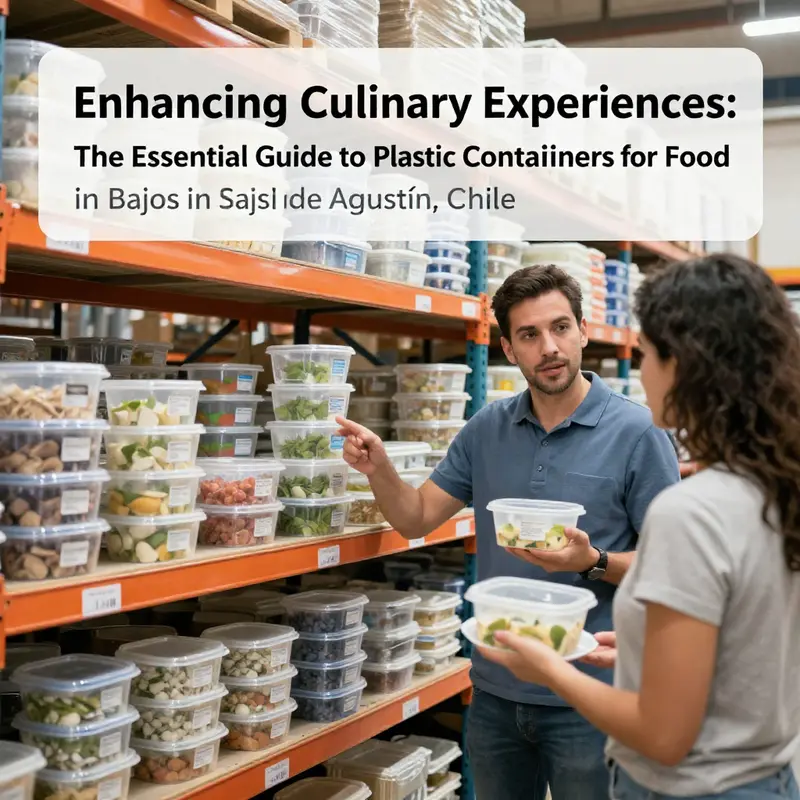
In the heart of the discussion on food storage, safety, and innovative packaging, exploring the diverse channels for sourcing food-grade plastic containers has become an essential topic for businesses and households alike, especially in regions like Bajos de San Agustín, Chile. The evolving demands of the food industry require a deep understanding of material safety, functionality, and sourcing strategies. This chapter examines how global suppliers, particularly from manufacturing hubs in China, have come to dominate the market while also considering ways that local distributors can still serve the needs of the region. With a growing consciousness toward product safety and durability, food-grade plastic containers constructed from polymers like PC (polycarbonate) and PP (polypropylene) offer reliable solutions without risk of chemical interactions with food. As packaging needs expand, it is critical to explore not only the advanced properties of these containers but also the channels through which Chilean businesses can access them.
The journey to secure high-quality plastic containers for food applications begins with materials that guarantee safety and reliability. Exploring the intricate properties of polymers, manufacturers in China have optimized their production processes over decades to ensure that their products meet rigorous food safety standards. Businesses in China, notably in cities such as Foshan, Ningbo, Shandong, and Zhejiang, have established their reputations as high-volume suppliers capable of delivering products that remain stable under various temperature ranges, resist acids and alkalis, and maintain clarity for easy visual inspection of food items. In these products, the design often focuses on clarity, tight sealing, and robust resistance to direct physical impacts, making them a popular choice for both domestic and international markets. The assurance of material safety means that food products, whether perishable or dry, remain uncontaminated during storage or transportation.
In this global marketplace, many Chilean importers are turning their attention towards establishing fruitful partnerships with international manufacturers. However, navigating this supply chain comes with its own challenges – from understanding international trade regulations to ensuring the logistical efficiency required to deliver these products to regions like Bajos de San Agustín. Importers benefit from tapping into established online marketplaces such as Alibaba.com, where manufacturers like those in Chongqing offer detailed product listings including specifications like a 240-liter plastic wheelie bin designed for food waste disposal. Although the focus on food-grade storage emphasizes smaller and more versatile containers, these platforms provide a comprehensive overview of product ranges and pricing, making it easier to assess quality against cost. This global perspective is a critical asset in planning procurement strategies for businesses in Chile. For instance, a well-known approach is to set up a robust import strategy, integrating order management systems and quality assurance protocols to address any potential issues in transit and customs, ensuring that the final product adheres to local food safety standards.
At the same time, Chilean businesses are not without options if they seek more immediate, local solutions. While direct listings of suppliers in Bajos de San Agustín may be scarce, there exists an opportunity for local distributors who import these goods in bulk. These distributors can bridge the gap between global manufacturing capabilities and the specialized needs of local businesses. In many cases, local companies can work directly with import agents who liaise with factories in China, securing better pricing and more tailored delivery timelines. This layered approach to supply acquisition can also help in reducing the carbon footprint and shipping complications that sometimes come with long-distance international trade. Moreover, local expertise becomes invaluable when aligning imported products with regional regulatory requirements and customer expectations. Entrepreneurs and business owners in Bajos de San Agustín are encouraged to explore local trade directories, leverage search engines with keywords such as “contenedores plásticos para alimentos”, and even network within local business associations to pinpoint distributors who provide these safety-certified products.
Innovation in design and functionality further amplifies the importance of selecting the right supplier. Today’s food-grade plastic containers are more than just simple storage solutions; they represent a fusion of cutting-edge chemical engineering and practical design. Manufacturers now incorporate features such as transparent walls for quick visual inspections of content quality, ergonomic handles for ease of transport, and specialized locking mechanisms that ensure airtight sealing. Despite these advanced features, businesses must also consider the economic aspects of procurement. Chinese manufacturers have maintained competitive pricing while upholding high standards, and many offer customization options to suit specific industry needs. For instance, small and medium restaurants, food service providers, as well as large chain supermarkets, all require tailored solutions that can be adapted to the volume, variety, and nature of the food products they handle. In this context, building a relationship with a reputable supplier, whether directly from a manufacturing hub or through a trusted local distributor, becomes a strategic decision that can have long-term benefits in reliability and cost management.
Moreover, there is a growing interest in sustainable packaging solutions which, even though not directly replacing plastic containers, offer an interesting perspective on environmental impact. While many available options such as those found with innovative packaging designs (see sustainable alternative packaging) have made significant strides in eco-friendly practices, the specific requirements for food safety and moisture resistance in plastic containers present specific engineering challenges that remain at the forefront of design improvements. The durability and longevity of plastic containers make them an attractive choice for many businesses focusing on long-term storage and transportation. Combining the ease of use with convenience and safety, food-grade plastic containers continue to be indispensable in many food supply chains. Closer to home, local initiatives and import strategies are increasingly under consideration as potential areas for improvement in sustainable business operations, prompting further dialogue between global manufacturers and local distributors.
For stakeholders in Bajos de San Agustín, identifying the correct supplier goes beyond just selecting a product; it is about establishing a resilient supply chain that guarantees product quality, timely delivery, and compliance with both international and local standards. The current challenge lies in balancing quality control with logistical prowess, particularly when the trade route spans continents. Continued efforts to explore local Chilean distributors, who often serve as intermediaries for major suppliers in China, are proving integral in meeting market demands. By evaluating factors such as response time, product reliability, and after-sales support, business owners are better equipped to forge partnerships that enhance their operational capabilities. Detailed assessments of supplier performance, coupled with financial transparency and risk management strategies, also play a crucial role in ensuring that the chosen food-grade plastic containers deliver both safety and economic value.
Ultimately, the pathway to sourcing high-quality food-grade plastic containers in regions like Bajos de San Agustín involves a blend of global research and local validation. For many businesses, the initial step is to familiarize themselves with the properties and benefits of modern containers, then blend that knowledge with practical approaches such as engaging with local experts, attending trade fairs, and leveraging online platforms to access the latest market innovations. International platforms like Alibaba highlight the remarkable reach of global suppliers who continue to set benchmarks for product quality and price competitiveness. As the food packaging landscape evolves, a comprehensive approach that marries global opportunities with local realities will likely prove the most effective strategy for ensuring an uninterrupted supply of essential food-grade plastic containers.
In summary, the dynamic interplay between global manufacturers and local distributors represents a microcosm of the challenges and opportunities available in today’s food storage market. The enduring focus on food safety, combined with innovations in material durability and design, ensures that these containers remain at the heart of efficient supply chains. By remaining open to both global and local sourcing methods, businesses in Bajos de San Agustín can secure products that not only comply with the highest safety standards but also deliver practical benefits in everyday operations. The process may require patience, research, and a willingness to adopt new trading methods, yet the rewards include enhanced product reliability, cost savings, and the peace of mind that comes with using containers engineered for food safety and performance.
This chapter has explored the multifaceted approach required to source food-grade plastic containers for a region with unique challenges and notable potential. As businesses continue to prioritize product quality and safety, establishing strong links with reputable suppliers – whether within Chile or internationally – remains a priority. The importance of a strategic sourcing approach cannot be overstated, as it lays the foundation for long-term success in a competitive, ever-changing marketplace. The ongoing dialogue between cutting-edge manufacturing techniques and responsive local distribution channels exemplifies a commitment to quality, sustainability, and continuous improvement in food packaging solutions. Moving forward, it is essential that Chilean business owners leverage these global insights while tailoring their procurement strategies to meet the specific demands of their market, thereby securing a future in which food safety and quality coexist with economic efficiency and sustainable practice.
Navigating the Evolving Landscape of Plastic Food Containers in Bajos de San Agustín, Chile: Safety, Demand, and Sustainable Shifts
In the Urban Hub of Innovation
Bajos de San Agustín, nestled within the broader metropolis of Santiago in Chile, may not have a dedicated, readily available dataset on the use and market performance of plastic food containers, yet its status as part of an ever-evolving urban and economic environment offers a rich tapestry for analysis. The plastic food container market here reflects global trends tempered by local consumer habits, regulatory interventions, and a growing demand for sustainable solutions. Throughout this chapter, we examine the interplay of material quality, design functionality, and environmental factors that continue to shape the offerings and expectations in this sector.
Historically, plastic containers have held a central role in domestic kitchens and large food-service establishments worldwide. Citing materials such as polycarbonate (PC) and polypropylene (PP) that adhere to food safety standards, these containers have been celebrated for their non-reactivity with food, ensuring that flavors, nutrients, and safety are preserved. In Bajos de San Agustín, these safety credentials are paramount as both commercial and household consumers seek assurances that their packaging will not compromise the food it holds. While detailed research on this specific region remains scarce, industry experts rely on macro-level insights from Chile and broader Latin America to understand the current market dynamics.
Shaping Market Trends Amid Urban Growth
Rapid urbanization is one of the chief drivers reshaping demand. As living standards continue to improve and cities expand, consumers increasingly opt for convenient, ready-to-eat meals and home-delivered foods. These evolving lifestyles elevate the role of high-quality, durable plastic containers that are designed to safeguard freshness and extend shelf life. In busy urban districts like Bajos de San Agustín, where residents value speed and efficiency, the use of lightweight yet robust containers meets not only everyday needs but also the rigorous demands of retail and transport logistics.
Simultaneously, the market is witnessing a diversification of container designs that cater to both commercial food services and household storage. Manufacturers are capitalizing on the inherent advantages of plastics such as cost-effectiveness, durability, and resistance to varying temperatures. This shift is further reinforced by the ability of plastic containers to adopt features like transparent bodies for easy content identification, secure sealing mechanisms to prevent spillage, and the capacity to perform under sterilization processes. On a practical level, these attributes translate into reduced food waste, improved efficiency in commercial kitchens, and enhanced consumer convenience.
Local businesses and larger retailers in Bajos de San Agustín find that the adaptability of plastic containers is a critical factor in meeting both conventional and emerging needs. In many cases, small local suppliers collaborate with international partners to ensure the highest standards of material safety and design innovation. These collaborations help bridge the gap between global trends and locally tailored products, fostering a marketplace that is both competitive and responsive to consumer needs. The evolution of distribution networks has also played a key role in ensuring that even remote parts of the urban area receive timely supplies of containers designed to meet specific local requirements.
Material Innovation and Functionality
A key element that underpins the market’s growth is the continuous evolution in the types of plastics used. Commonly, wall structures made of polyethylene (PE), polypropylene (PP), and even polyethylene terephthalate (PET) are hallmarks of modern food container design. These materials, celebrated for being lightweight and highly resilient, make plastic containers the preferred choice for a range of applications—from storing fresh produce to housing cooked meals in fast-paced restaurant environments. Such materials, when combined with contemporary technologies, also allow for large-scale customization that meets particular temperature control, anti-microbial, and aesthetic requirements.
In practice, manufacturers are working to refine the technological attributes of these containers, whether by increasing their heat resistance or improving their impact durability. For instance, advanced sealing techniques have prevented leaks and unwanted exposure to the environment, ensuring that refrigerated contents remain untainted during transit. These advancements are particularly significant in Chile, a nation with robust export sectors in agriculture, where maintaining food integrity throughout the supply chain is indispensable. Even as plastic containers continue to dominate the market due to their functional attributes, this region is also witnessing a gradual shift in consumer preference towards designs that combine traditional durability with innovative features and an environmentally friendly profile.
Balancing Functionality with Environmental Responsibility
Over recent years, environmental concerns have surged to the forefront of consumer consciousness. The blame for plastic pollution has spurred governments, including Chile’s, to reexamine the lifecycle of plastic products and introduce rigorous sustainability policies. The Chilean government’s progressive stance, embodied in the recent implementation of policies like the National Plastic Strategy, aims to reduce the use of single-use plastics and promote recycling and reuse. Although this regulatory wave imposes challenges on traditional plastic container markets, it simultaneously fuels research and industry shifts towards more sustainable materials and designs. Manufacturers find themselves in a dynamic position where they must reconcile the inherent benefits of plastic—its practicality and cost-effectiveness—with an evolving environmental mandate.
The sustainability revolution has spurred experimentation with recycled materials. Recycled PET and other innovative polymers are being increasingly integrated into container production lines. While these materials need to prove their equivalency in safeguarding food quality, early indications suggest that they can compete effectively with virgin plastics in many applications. In urban districts such as Bajos de San Agustín, where both governmental and consumer pressures push for greener practices, suppliers are gradually adapting their product lines. The drive towards sustainability is not solely a regulatory response but also a market strategy that appeals to an eco-conscious consumer base. Consumers in urban areas are progressively more interested in the provenance of their products, thereby indirectly influencing manufacturers to adopt practices that minimize waste and environmental footprint.
Moreover, the public discourse on sustainability is fostering collaborations between manufacturers, environmental researchers, and policy advocates. These alliances have encouraged the development of life cycle analyses that help companies understand the environmental impact of their products. A notable side effect of these initiatives is the emergence of innovative product designs that minimize material use without compromising on performance. For example, enhanced design techniques have led to thinner yet sturdier container profiles, reducing material waste while ensuring that the container performs its food-preserving functions effectively. This evolution in design and material science is setting the stage for an era where plastic food containers not only serve essential commercial functions but also embody environmental stewardship.
Market Dynamics and the Role of Local Retail
On a practical level, local retail conditions in Bajos de San Agustín are reflective of national trends. Urban markets in this region regularly witness a convergence of high volumes of food products stored and transported in plastic containers. As domestic retail practices evolve, with larger supermarket chains and convenience stores becoming more prevalent, the reliance on standardized, stackable, and transport-friendly containers grows. Additionally, the rise of e-commerce in Chile further propels the demand for secure, durable packaging that can survive the rigors of home delivery. These trends suggest a steady and robust market for plastic containers supported by both day-to-day consumer practices and larger infrastructural developments in logistics and food distribution.
The ramifications of these market dynamics extend beyond mere supply and demand. Retailers in Bajos de San Agustín are increasingly adopting packaging solutions that optimize both storage and presentation. For instance, food outlets looking to preserve freshness and extend the shelf life of perishables find plastic containers a logical choice. Their practical attributes, such as transparency and the availability of airtight sealing, have ensured that they remain a staple in the supply chains of food producers and distributors alike. Alongside traditional container features, modern packaging solutions are now incorporating ease of stacking and improved design aesthetics, features that not only reduce storage space but also enhance the visual appeal on retail shelves.
Furthermore, emerging trends in consumer behavior have prompted some retailers to experiment with packaging that displays an eco-friendly interface. Understanding that many consumers are actively seeking environmentally responsible products, a few local businesses have begun exploring alternative packaging materials, including recyclable plastics and even hybrid designs that combine paper and plastic for optimal performance. For those interested in exploring cost-effective and durable alternatives, there is a notable example available online that showcases a reusable packaging option. You can learn more about this durable food packaging alternative by following this internal link, which, while not plastic, emphasizes the broader industry shift towards integrating sustainability with functionality.
Toward a Resilient and Adaptable Future
The future of plastic food containers in Bajos de San Agustín appears poised between two dynamic trends: the enduring need for practical, reliable packaging and the transformative impact of sustainability imperatives. Industry analysts predict that even as regulations tighten, the intrinsic qualities of plastic packaging—such as light weight, durability, and cost efficiency—will sustain its popularity among businesses and households alike. Anticipated advances in the manufacturing sector, including the increased use of recycled materials and greener production processes, are expected to catalyze this dual trajectory. Companies are investing in research and development to create products that cater simultaneously to high performance and minimized ecological impact.
Collaborations between academic institutions, manufacturers, and government agencies are intensifying in response to the environmental challenges posed by conventional plastics. These partnerships are focused on developing innovative solutions that not only satisfy food safety and preservation standards but also address long-term environmental sustainability. As these cooperative efforts bear fruit, businesses in Bajos de San Agustín will likely witness a surge in consumer trust and market share by aligning their product offerings with eco-friendly practices. The market, therefore, is evolving into a space where quality and sustainability do not conflict but rather complement each other to forge a resilient future.
Amid these multifaceted shifts, it is clear that the story of plastic food containers in this vibrant urban district is one of adaptation and evolution. From robust material innovations that guarantee food safety to rising consumer demands shaped by urbanization and environmental advocacy, the narrative is complex yet promising. Even in the absence of region-specific data, the broader trends seen across Chile and Latin America offer valuable insights. The local market is dynamically responding to regulatory frameworks, consumer preferences, and technological advancements that together chart a path forward for the industry.
For professionals and consumers alike, this evolving landscape presents both challenges and opportunities. As the industry continues to integrate smarter design, improved material properties, and sustainable practices, the resultant products will be better positioned to meet the demands of a modern, eco-conscious market. Those interested in a deeper understanding of global trends impacting this field may refer to the Global Plastic Food Containers Market Size, Share & Growth Report, 2035, which offers extensive insights into both macro and meso-level market forces.
In summary, the journey of plastic food containers in Bajos de San Agustín reflects the broader transformations occurring in food packaging worldwide. As the region navigates the intersection of practicality, design innovation, and sustainability, stakeholders are continually reimagining what it means to deliver safe, convenient, and environmentally responsible solutions to the market. The layered narrative of this industry, marked by both resilience and progressive change, underscores a future where traditional functionalities blend seamlessly with modern exigencies, ensuring that the container of tomorrow not only preserves food but also upholds the values of a sustainable world.
Final thoughts
Understanding the vital role that plastic containers play within the food industry is crucial for maintaining quality, safety, and efficiency. In Bajos de San Agustín, professionals in catering, restaurants, and food delivery can greatly benefit from leveraging reliable plastic storage solutions. With the emphasis on material safety, functional diversity, and practical design features, as well as local supplier insights and market trends, businesses can make informed decisions that cater to modern culinary demands. By investing in quality plastic containers, you will ensure that your ingredients are stored properly, enhancing your food offerings and customer satisfaction.