
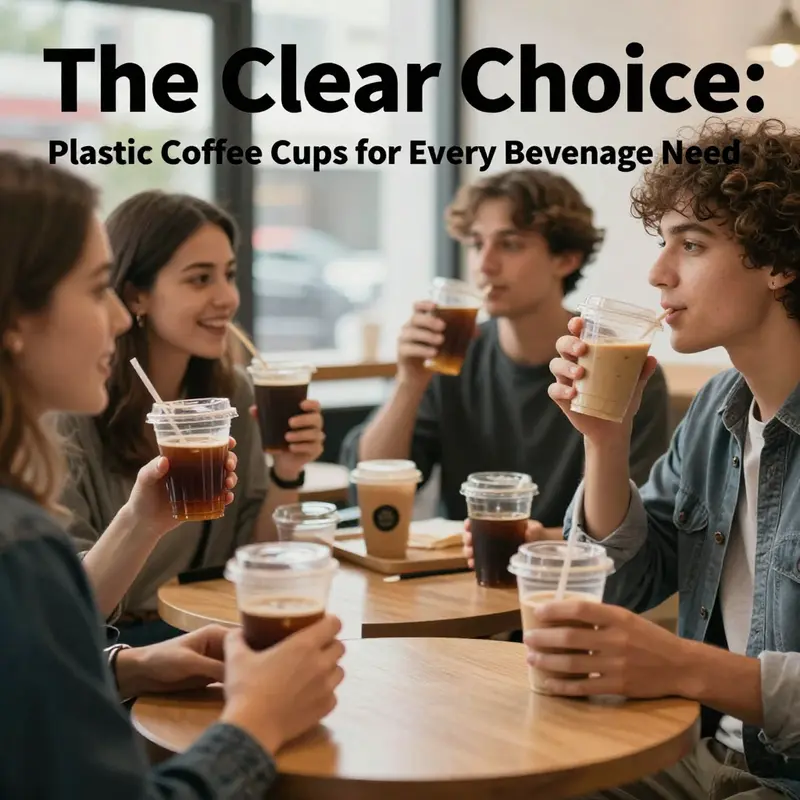
In the world of beverages, convenience and presentation are essential, which is where plastic clear coffee cups come into play. These ubiquitous containers offer both durability and versatility, making them a preferred choice for bubble tea shops, beverage chains, restaurants, food trucks, catering services, event planners, and corporate procurement teams. As we delve further into this topic, we will examine the material composition of these cups, their economic impact, the environmental concerns surrounding traditional plastic, evolving consumer preferences, and exciting innovations in sustainable alternatives. Each chapter will build on the last to provide a comprehensive understanding of how plastic clear coffee cups continue to play a significant role in the beverage industry today.
Clear Cups, Complex Choices: The Material Make-Up of Plastic Clear Coffee Cups
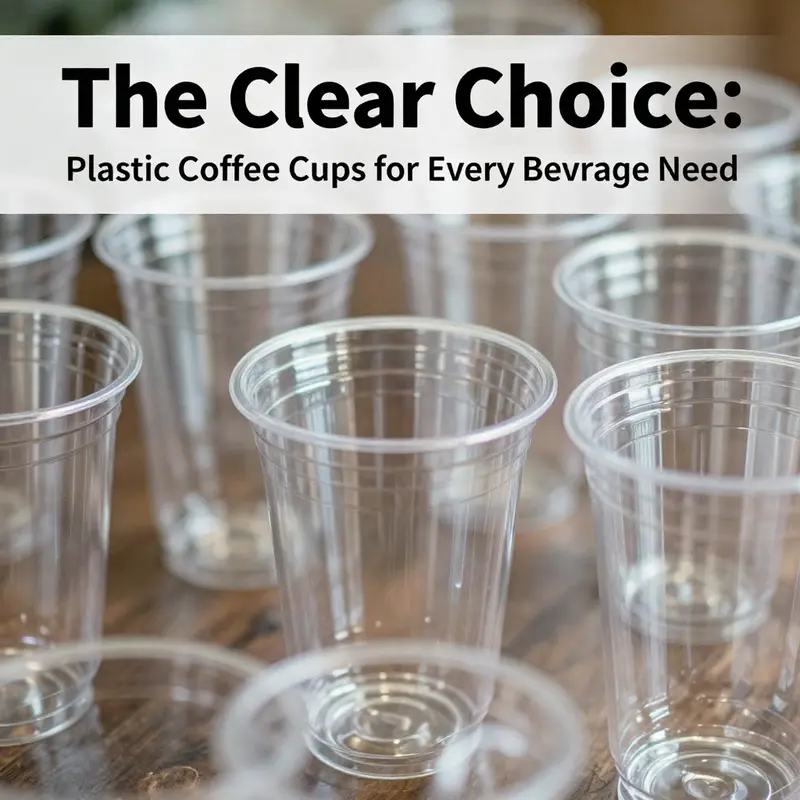
Plastic clear coffee cups sit at the intersection of everyday practicality and material science. They offer transparency to showcase beverages while delivering the durability needed for on-the-go service. The key material often used is polypropylene (PP), a thermoplastic that balances rigidity with a relatively high heat tolerance. PP remains clear enough for consumer interest and can withstand hot liquids, making it a common choice for hot drinks in cafes. Its higher melting point, around 160-170°C, contributes to practical performance during hot-fill and hot-drink service. In many markets PP is paired with lids and sleeves to manage heat and maintain structural integrity during transport.
However, the world of clear cups is not limited to PP. Some cold-drink formats lean on polystyrene (PS) for superior clarity and light weight, though PS can become brittle with heat and carry different recycling and safety considerations. Polyethylene (PE) often serves as an inner lining in paper-based or hybrid cups, providing a moisture barrier more than primary structure. PLA, a biobased option, is increasingly offered as a compostable alternative; it can maintain clear presentation but may perform differently at high temperatures and requires appropriate end-of-life infrastructure to realize its environmental benefits. Each material carries trade-offs in heat performance, cost, and environmental footprint, and many cup designs use multi-layer or hybrid architectures to balance these factors.
Beyond material choice, there is ongoing research into microplastics and how temperature influences release from cup surfaces. Some studies indicate that hotter beverages can increase the rate at which microplastic particles shed, a finding that has informed consumer safety discussions and labeling practices. While no single material is exempt from these considerations, the broader message is that temperature, surface finish, and mechanical wear all contribute to potential particle release. This has encouraged a shift toward reusable options and advances in surface engineering, while still recognizing the popularity and practicality of single-use clear cups.
From a sustainability perspective, industry conversations now often include recyclability, compostability, and end-of-life logistics. Biodegradable and biobased options are explored alongside traditional plastics, with the goal of preserving clarity and presentation while aligning with waste-management capabilities. For businesses, the takeaway is to weigh heat performance and consumer expectations for a crisp appearance against environmental goals, labeling accuracy, and supply-chain realities. The future of clear cup design will likely emphasize material transparency, safer formulations, and practical options for recycling or composting within local infrastructures.
Clear Signals, Competing Costs: Navigating the Economics of Plastic Clear Coffee Cups

The economics of plastic clear coffee cups sits at the intersection of convenience, cost, and consequence. In practice, operators value the transparency, rigidity, and speed of service that a standard 16 ounce PP cup paired with lids and straws provides. The unit economics can look attractive in high volume environments where marginal cost savings compound over thousands of transactions. Bulk sourcing, streamlined logistics, and vendor contracts help keep per unit costs predictable, enabling operators to price beverages competitively and maintain margin discipline in busy hours. However, these advantages are increasingly balanced against evolving policy landscapes and waste-management realities that can reshape the bottom line over time.
Across regions, regulators and institutions are recalibrating plastic use, pushing suppliers toward reusable, recyclable, or compostable options. The financial impact comes not only from higher upfront material costs but also from redesigns, certification, and changes to end-of-life handling. In some markets, higher disposal or landfill fees, extended producer responsibility schemes, and shifts in recycling infrastructure raise the full cost of a single-use cup, narrowing the historical gap between traditional clear cups and greener alternatives. For operators, the real question is how to balance short term revenue and long term risk with a packaging portfolio that remains adaptable to policy and consumer preference.
Sustainability trends are not merely regulatory headwinds; they can unlock new value. Biodegradable coatings, PLA-based layers, and reusable cup programs offer potential savings through waste reduction, supplier incentives, and brand differentiation. Yet the price premium for greener options persists in many contexts, especially where volumes are moderate or supply chains are still maturing. The path forward is rarely a single choice but a blended strategy: maintain the baseline of a reliable clear cup for high throughput periods while gradually testing reusable or recyclable formats in pilot locations. Financially, this approach spreads risk, preserves service quality, and builds experience that informs future capital allocation.
From a supplier perspective, the typical packaging bundle for a 16 ounce clear cup includes the cup, a compatible lid, and sometimes a straw. Buyers increasingly evaluate not only price per unit but total landed cost, shelf life, and the ease of integration with existing packaging ecosystems. The choice between polypropylene and polystyrene, the availability of alternative lids, and the logistics of replenishment all influence the total cost of ownership. In markets where circular-economy initiatives gain traction, retailers and food service providers pursue partnerships that reduce waste, share cleaning and maintenance costs for reusable systems, and respond to consumer demand for responsible packaging. In the near term, that means a careful, portfolio-based decision framework rather than an across-the-board switch.
Practically, operators should monitor three levers: price, policy, and performance. Price reflects raw-material trends, scale, and supplier competition. Policy captures regulatory risk, producer responsibility, and incentives for greener packaging. Performance considers the ability to maintain beverage quality, minimize leakages, and meet the expectations of customers who value sustainability alongside speed and convenience. By tracking these levers, businesses can adjust their cup mix over time, test cost-saving configurations, and communicate value to customers through clear packaging narratives.
In sum, the economics of plastic clear coffee cups remain a dynamic balancing act. The low unit costs and fast conversion that once defined the category are still present, but the landscape is increasingly shaped by environmental considerations, waste-management realities, and regulatory signals. The resilient strategy is not to cling to a single format but to build a diversified packaging portfolio capable of shifting with policy, supplier capabilities, and consumer expectations. This approach protects margins, preserves service quality, and positions brands to leverage greener options as they become more affordable and practical at scale.
From Clarity to Footprint: The Hidden Environmental Toll of Clear Plastic Coffee Cups
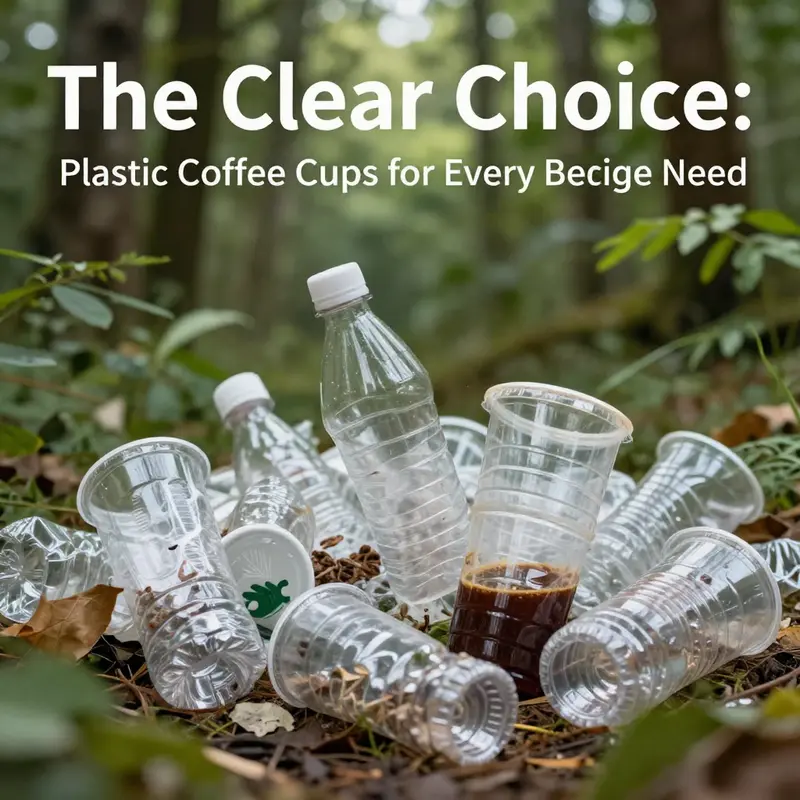
Clear plastic coffee cups have become a quiet ubiquitous presence in cafes, airports, events, and home kitchens. Their transparent walls showcase the beverage, inviting visual appeal and brand presence even before the first sip. Yet this clarity masks a growing conversation about the ecological footprint embedded in single-use packaging. Most of these cups are made from polypropylene or polystyrene, materials derived from fossil fuels that offer rigidity and lightness but little natural tendency to break down in the environment. When discarded, they can persist for hundreds of years, weathering into microplastics that migrate through land, water, and wildlife. The appeal of a pristine, see-through cup must be weighed against a longer-term reality: the waste streams they contribute to and the systems required to manage that waste responsibly. In this tension lies the challenge and the opportunity for a more sustainable beverage service sector.
The environmental concerns around plastic clear cups are not abstract. A widely cited study from URBIS estimated that hundreds of thousands of disposable coffee cups are littered every day, creating a visible blight and an unseen burden on ecosystems. The scale is not simply about a single container; it’s about cumulative waste from millions of daily transactions that rely on a material designed to be used once and then discarded. The litter problem compounds because these cups are often not easily captured by standard recycling streams. Even when recycling is technically possible, many cups are lined with polyethylene or other coatings that must be separated from the main plastic before processing. This extra step is not routinely addressable in many facilities, making efficient recovery both expensive and technically demanding. The result is a disproportionate share of cups that end up in landfills or as litter, where they fragment over time and contribute to microplastic pollution that can enter soils, waterways, and even food chains.
In response to these layered challenges, researchers and policymakers have pointed to alternatives that preserve convenience while reducing environmental harm. One prominent option is the use of compostable cups made from polylactic acid, a bioplastic derived from renewable resources like cornstarch. PLA cups are designed to break down under industrial composting conditions, offering a potential pathway to divert single-use cups from landfills. But the real-world environmental benefits hinge on the presence of appropriate waste management infrastructure. If PLA cups end up in standard landfills or the natural environment, their degradation is slow and uncertain, and they may contribute to the same hanging questions about resource use and end-of-life fate as conventional plastics. The crux is not merely the material but the system that surrounds it: collection, sorting, and processing capabilities, as well as consumer participation in proper disposal streams.
This is where the discussion naturally gravitates toward a broader set of strategies. Recycling technology itself must advance to handle multi-layered packaging with greater efficiency, and composting infrastructure must expand to accommodate industrial facilities that can responsibly process bioplastics. Meanwhile, many observers advocate for a move away from single-use solutions toward reusable alternatives that are durable, cleanable, and designed for long life. Reusable, insulated tumblers and ceramic mugs are cited for their potential to dramatically cut single-use waste when users commit to reusing. The trade-off is not only cost but practical considerations such as temperature retention, ease of cleaning, and user habits. Evidence from food science research suggests that while ceramic mugs do not inherently solve the sustainability equation, they can offer superior thermal performance in practice. For example, after about 30 minutes, coffee in a ceramic mug has been shown to retain warmth more effectively than in typical plastic alternatives. This thermal advantage can influence consumer decisions and reduce the perceived need for disposable cups in certain settings, particularly when customers expect beverages to stay hot during longer events or commutes.
As the market evolves, the conversation around substitution and containment becomes more nuanced. Even with alternatives, the footprint of packaging remains a function of lifecycle considerations—how often a package is produced, used, and ultimately disposed of. The drive toward sustainability is not only about material choice but about reducing overall resource use and emissions across the product’s life cycle. For businesses, this means evaluating packaging choices not just on upfront cost or appearance but on end-of-life performance, supply chain resilience, and alignment with local waste infrastructure. The decision landscape is further complicated by consumer expectations for clarity and transparency: a cup that looks pristine should also reflect responsible manufacturing and responsible disposal. This is where the role of industry standards, third-party certifications, and robust waste management policies becomes critical, ensuring that the appearance of a product does not eclipse its real-world consequences.
In practice, many buyers are navigating a spectrum of options. A portion of the market gravitates towardPLA-based cups or other compostable formats, while others emphasize durability and reusability through high-quality, long-life cups and mugs. The shift toward circular economy thinking is evident in the growing interest in reusable solutions—especially those that are designed to be preheated and maintained for longer service life. The knowledge base from studying disposable packaging shows that substitution is not a binary choice; it is about layering strategies to minimize waste, optimize recycling streams, and inspire behavior change among consumers and operators alike. For businesses, the decision often hinges on the local landscape of waste collection and recycling capacity, plus willingness to invest in infrastructure for reuse or composting. The bottom line is that the path to sustainability for clear plastic cups is not a single hinge but a portal to a broader system of design, disposal, and consumer practice that must work in concert.
For those seeking practical steps within this broader framework, it is worth considering the role of better design and smarter packaging ecosystems. When choosing materials, brands can prioritize cups that minimize barriers to recycling or composting. When possible, they can align with facilities that can process bioplastics without compromising performance in hot or cold beverages. Consumers, too, can contribute by participating in proper disposal streams and choosing reusable options whenever feasible. Education and clear labeling help demystify end-of-life choices, reducing contamination and increasing diversion rates. In this sense, the environmental assessment of clear plastic cups becomes a shared project, one that demands collaboration among material scientists, manufacturers, waste managers, retailers, and customers.
As the industry considers the next generation of cup designs, the vocabulary of sustainability shifts from a narrow focus on material type to a wider appreciation of system readiness. The choice to move toward compostables or reusable options is not purely about reducing waste; it is about enabling a resilient, adaptable packaging ecosystem that can respond to changing waste management capabilities and consumer behavior. If we can couple aesthetically appealing products with robust end-of-life pathways, the visible appeal of a clear cup need not be at odds with ecological responsibility. The challenge is real, but so is the opportunity to reimagine a staple of modern hospitality and everyday life in a way that preserves both the experience of a hot or cold beverage and the health of the environment that sustains us.
For readers seeking further context on the environmental dynamics surrounding disposable cups, a detailed examination by URBIS provides foundational data on the scale of litter and the broader waste-management challenges associated with coffee cups. See https://www.urbis.com.au/disposable-packaging-coffee-cups/ for additional background and data that informs policy considerations and industry best practices. In the meantime, readers curious about practical, lower-impact options can explore targeted product families designed to integrate with composting or reuse systems, such as eco-friendly recyclable pulp take-away cup holders. These offerings illustrate how a single packaging category can evolve toward sustainability through material innovation, process improvement, and a shift in consumer expectations.
Internal reference for further consideration: eco-friendly recyclable pulp take-away cup holder.
null

null
Clearer Than Ever: Innovations Driving Sustainable Alternatives to Plastic Clear Coffee Cups
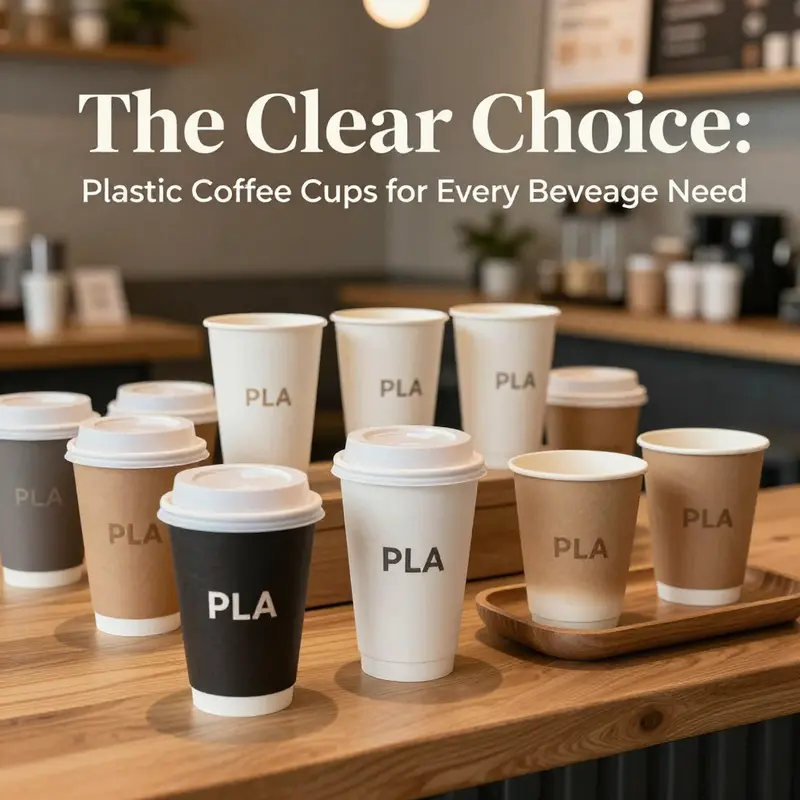
The sight of a crystal-clear cup gliding across a café counter has become so normal that many consumers scarcely notice the container itself. Yet behind that transparency lies a complex balance of performance, cost, and environmental responsibility. Plastic clear coffee cups have long fulfilled a simple, powerful promise: they show the beverage inside, resist heat, travel well, and do so at scale. But as questions about plastic waste accumulate, the industry is compelled to reimagine what counts as a superior cup. The chapter that follows threads a continuous narrative of innovation, describing how materials science, waste infrastructure, and circular economy thinking intersect to craft alternatives that preserve clarity and usability while reducing ecological footprints. The conversation remains practical and future-facing, because hospitality and retail operate in real-world time—budgets, demand surges, and waste streams all influence what can be adopted today and what readiness looks like for tomorrow.
At the core of the shift is a shift in material thinking. Plant-based plastics, particularly those derived from renewable resources such as cornstarch or sugarcane, offer a compelling path forward. These polymers can be engineered to be clear and rigid enough to cradle hot or cold beverages, yet designed to enter composting systems rather than landfills at the end of their life. The appeal is not only the renewable origin but the potential to close the loop when combined with appropriate waste management. In practice, plant-based clear cups can be formulated to withstand the heat of a latte while maintaining a level of rigidity that supports stacking, gripping, and brand presentation. Importantly, the path to a truly circular outcome hinges on more than the cup alone. It requires dependable industrial composting or take-back programs, reliable sorting streams, and consumer participation. In environments where those conditions exist, plant-based clear cups can offer a credible, high-performance alternative that aligns with sustainability goals without sacrificing the clarity customers expect.
Beyond plant-based plastics, researchers and producers are increasingly turning to agricultural byproducts to create viable cup alternatives that also reduce reliance on fossil fuels. Sugarcane bagasse and bamboo fiber stand out for their strength, lightness, and natural, paper-like feel. These materials can be fashioned into cups that are fully compostable and that offer excellent thermal insulation for cold drinks and moderate heat for hot beverages. Their aesthetic is distinct from plastic: they often exhibit a natural translucence or whiteness that signals a different kind of elegance—one rooted in bio-based fibers rather than petrochemistry. While their optical clarity may never mimic the pristine transparency of a plastic cup, their tactile and visual appeal can be paired with high-quality branding and premium event aesthetics. The trade-off is balanced by lifecycle advantages and the comfort that comes from knowing the cups are designed to return to the soil rather than the landfill when properly processed. In venues that emphasize sustainability as a core value, bagasse- or bamboo-based options offer a compelling narrative that resonates with customers who value environmental stewardship as part of the dining or event experience.
A parallel stream of innovation focuses on coatings for paper-based cups. Advances in water-resistant coatings made from plant-based waxes or bio-polymers are changing what a paper cup can endure. Traditionally, paper alone offered limited resistance to leaks when used with hot liquids, necessitating plastic linings that compromised compostability. New coatings aim to keep paper cups leakage-proof for both hot and cold beverages while maintaining compostability in industrial facilities. These coatings also support longer shelf life, reduce sogginess at the rim, and preserve the cup’s structural integrity during transport. The result is a high-performing alternative to plastic cups that can still be disposed of through appropriate composting channels. The coating technology, however, does not erase the realities of waste infrastructure. The best outcomes occur where consumer education, municipal collection, and composting facilities align to ensure that coated paper cups reach the right end-of-life pathway rather than slipping into regular waste streams.
The environmental impact of these innovations cannot be discussed in isolation from the systems that manage end-of-life. A key challenge remains connecting product design with the realities of recycling and composting infrastructure. Even the most thoughtfully engineered plant-based or bagasse-based cup becomes less compelling if it cannot be processed correctly after use. This is why industry peers emphasize standards, certifications, and third-party verification to establish trust across the supply chain. When a material is certified for industrial composting or certified as recyclable within a given system, cafés and event venues can plan with more confidence. The choice of a sustainable cup, then, becomes part of a broader waste-management strategy rather than a standalone product decision. Such thinking also supports a more transparent conversation with customers, who increasingly want to know what happens after the coffee is enjoyed and the cup is discarded.
An important practical dimension concerns the economics of scale. Clear plastic cups have long benefited from mature manufacturing, predictable supply chains, and global distribution networks that keep costs low. As alternatives are developed, price competitiveness becomes a focal point for buyers, particularly in high-volume settings like chain cafés or large events. The cost equation evolves with advances in material science, process optimization, and regional feedstock availability. Producers are exploring modular packaging systems and standardized dimensions across materials to simplify ordering and inventory. This streamlining helps small businesses and large operators alike maintain operational efficiency while transitioning to more sustainable options. The customer experience gains not only from the environmental narrative but from reinforced brand values around responsibility, quality, and consistency.
Brand presentation remains a critical dimension of any cup choice. The clarity of a cup does not merely showcase a beverage; it communicates expectations about how a business treats the entire package—from sourcing to waste. Even as new materials reduce environmental impact, designers must manage opacity in certain formats and preserve the visual appeal that customers associate with freshness and craftsmanship. In some contexts, the look may shift from absolute transparency to a clean, bright translucence that still reveals the product inside while signaling a responsible choice. The ability to pair the chosen cup with lids and accessories that complement sustainability goals further strengthens the overall package. For venues that host events, this alignment between product performance, aesthetics, and sustainability becomes a differentiator that can elevate the guest experience rather than merely satisfy it.
As operators weigh options, they may encounter a spectrum of solutions—from plant-based clear cups to bagasse- or bamboo-based alternatives and paper cups enhanced with bio-based coatings. The right choice depends on the specific service context, including whether the cup is used for hot or cold beverages, the expected shelf life, and the available waste-management infrastructure in the operating region. In addition, there are practical considerations such as stackability, grip comfort, insulation properties, and the ease of sourcing—factors that affect both customer satisfaction and daily workflow in busy service environments. A well-planned transition often begins with pilot programs that test not only the product’s performance but also the end-of-life path in local facilities. If outcomes align with sustainability targets and service quality, expansion follows with scaled procurement and vendor partnerships that reflect a long-term commitment rather than a short-term substitution.
The internal logistics of choosing a sustainable cup also intersect with consumer behavior. Customers are increasingly aware of the full lifecycle of packaging and want to see evidence of responsible practices in action. Transparent communication about material origin, end-of-life pathways, and third-party certifications can deepen trust and even influence repeat business. In practice, this means cafés and venues sharing clear messaging on their service counters and menus about the sustainability options available, while directing customers to the correct disposal channels. When done thoughtfully, the shift to eco-friendly alternatives can become part of a brand story that blends quality, aesthetics, and accountability into a single, coherent narrative.
The journey toward sustainable alternatives to plastic clear coffee cups is ongoing and iterative. It blends material science with waste-management realities, consumer expectations with operational realities, and aesthetic demands with ecological considerations. The momentum is driven by a growing recognition that high-performance cups can be both visually appealing and responsible. Operators who approach the transition with a systems mindset—one that considers feedstock, production, distribution, use, and end-of-life—stand a stronger chance of achieving meaningful, measurable outcomes. Within this evolving landscape, one practical option for those seeking adaptable, eco-conscious cup solutions is to explore pulp-based, recyclable cup holders as part of a broader packaging ecosystem that aligns with local disposal routes. eco-friendly recyclable pulp cup holder
For readers seeking a broader vantage, an external resource provides additional context on how sustainability is shaping packaging choices across the sector. It offers perspectives on policy, consumer behavior, and emerging materials that complement the technical developments described here. External link: https://www.ecocycle.org/blog/top-6-eco-friendly-alternatives-to-plastic-cups-in-2025
Final thoughts
Plastic clear coffee cups continue to be a staple in the beverage industry, offering convenience and eye-catching presentation. However, as consumer awareness grows regarding environmental impacts, the industry must adapt by embracing sustainable alternatives. By focusing on innovative materials and understanding the evolving market demands, businesses can enhance their offerings while aligning with environmental responsibilities. Keeping an eye on the trends will not only help beverage providers stay relevant but also cater to the growing base of eco-conscious consumers seeking both quality and sustainability in their choices.