
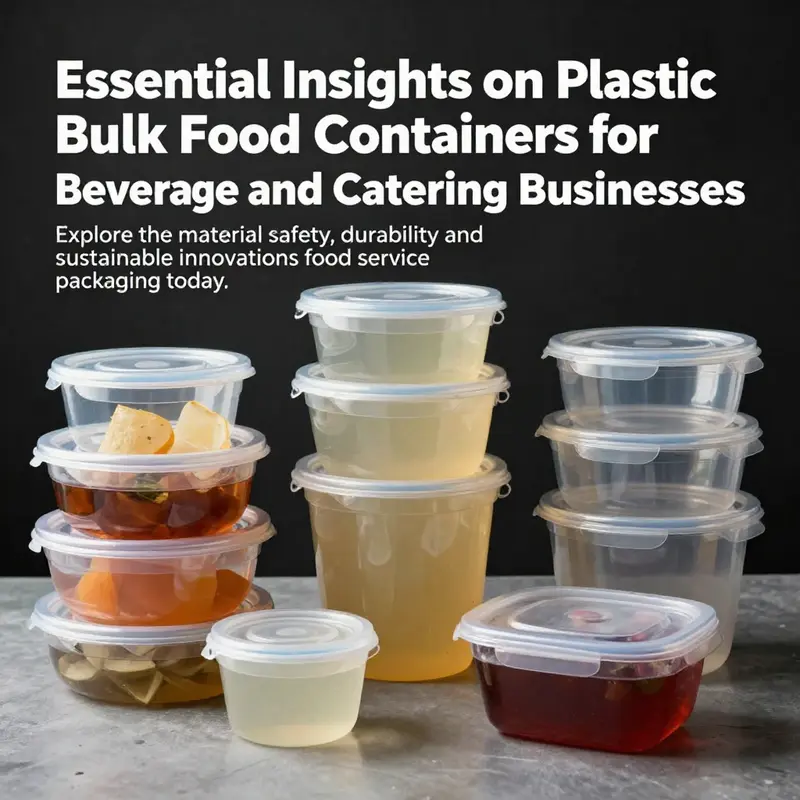
Plastic bulk food containers have become indispensable in various food service operations, including bubble tea shops, restaurants, food trucks, and catering services. These containers ensure safe transport, efficient storage, and effective service of large quantities of food and beverages. Understanding their material composition and safety standards is key to making informed choices that meet regulatory requirements while ensuring food integrity. Furthermore, their durability and performance are vital to managing logistics and optimizing space in bustling commercial environments. As we dive into the myriad applications of these containers across different sectors and explore the latest sustainable innovations, our aim is to empower organizations to make selections that honor their operational needs and environmental responsibilities.
Choosing Safe, Durable Plastic Bulk Containers for Food: Materials, Standards, and Storage Intelligence
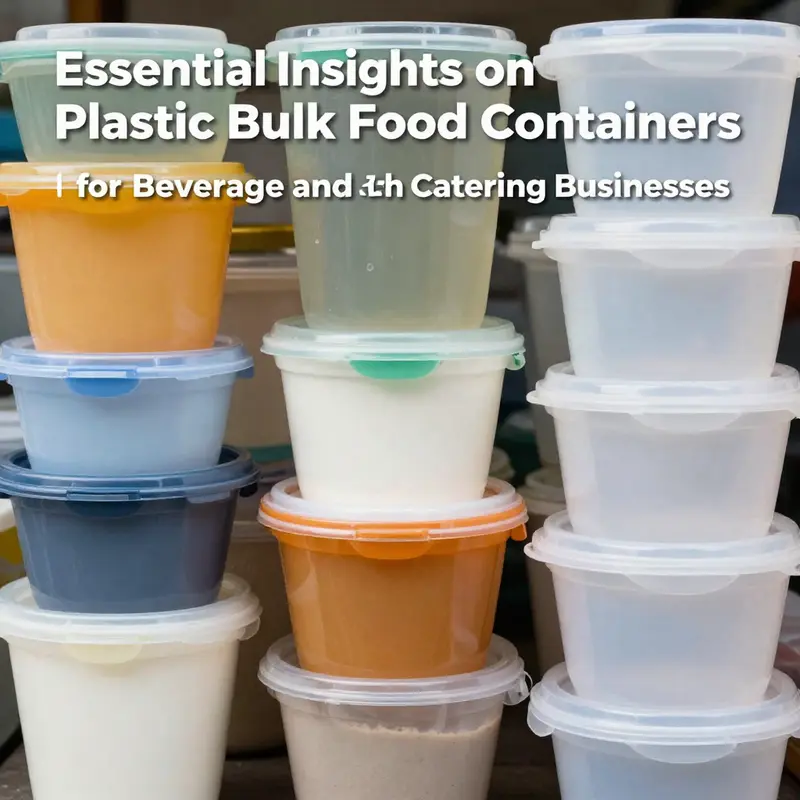
Plastic bulk containers for food are visible workhorses in kitchens, warehouses, and delivery operations. They organize large quantities, protect freshness, and streamline handling from prep to service. The backbone of their performance lies in material choice. Two polymers dominate this space because of their predictable chemistry, resilience, and food-contact safety: high-density polyethylene and polypropylene. Each brings strengths that suit different stages of the food lifecycle, from cold storage to hot filling, and from everyday reuse to the demands of a bustling, high-volume operation. Polypropylene, with its higher heat tolerance, excels where hot-fill processes or brief microwaving are routine. It resists deformation when containers are filled with steaming foods or hot liquids and can tolerate the thermal cycles of kitchen sanitation. This makes PP a natural fit for containers that need to withstand short bursts of heat and repeated use. High-density polyethylene, by contrast, offers outstanding moisture resistance, chemical inertness, and impact strength, which makes it ideal for long-term storage and transportation of dry goods. Its resilience against moisture and many sanitizers helps keep contents stable during transit and in damp environments. The practical implications are clear: PP is often chosen for containers that must endure heat and frequent cycle use, while HDPE is favored when moisture, chemical exposure, or rugged transport are the primary concerns. Both materials meet stringent food safety standards and are routinely used in returnable packaging systems that support large-scale food operations. A key detail that guides both design and regulatory compliance is the recycling code associated with each polymer. Polypropylene is identified by the recycling code #5, signaling its compatibility with many recycling streams, though actual end-of-life outcomes depend on local facilities. HDPE carries the code #2, a code that is widely accepted in many recycling programs and generally aligned with durable, reusable packaging needs. These codes are not only about end-of-life; they reflect the inherent chemistry that informs migration potential, cleaning compatibility, and long-term performance under typical food service conditions. The material choice also shapes how these containers interact with heat, cleaning agents, and the foods they hold. PP’s higher heat resistance supports hot-fill and microwave-safe expectations, but it also demands care. When exposed to prolonged high heat or frequent aggressive cleaning, any plastic can gradually experience changes in odor, staining, or surface integrity. Odor absorption can occur with highly colored foods or repeated contact with strong aromatics, particularly if containers are not cleaned thoroughly between uses. Odor and color can be mitigated with proper sanitization practices and by selecting food-grade, BPA-free variants that are designed to minimize adsorption and migration. HDPE, while superb in moisture resistance, is not universally optimal for repeated high-heat cycles. It can endure daily dishwashing and autoclave-like sanitation in some cases, but continuous exposure to high temperatures can alter the material’s surface and reduce its barrier properties over time. This is why many operators reserve HDPE for cold and ambient storage of dry goods, where its robust impact resistance keeps containers from cracking under rough handling and stacking. The safety story for both materials is grounded in compliance with established food safety frameworks. In the United States, the FDA sets a framework for food-contact materials, emphasizing that substances used in containers should not migrate into food at levels that pose a risk to health. In Europe, EFSA provides parallel assurances to ensure that materials used in contact with food are assessed for safety and do not introduce harmful substances into meals. Together, these bodies form a global baseline for what manufacturers must prove before a container can be offered for food service use. The practical upshot is a well-defined chain of responsibility: the formulation of resins, the molding process, the design of closure systems, and the finished product’s performance against heat, chemicals, and physical stress—all must align with safety expectations. In practice, this translates into several design features that support safe use in busy operations. Airflow is a common and important consideration. Many bulk containers incorporate perforations or mesh panels that promote air exchange. Airflow helps reduce condensation on perishable items such as fruits, vegetables, bakery goods, and prepared salads. By keeping product surfaces drier, airflow designs help extend shelf life and minimize microbial risks associated with damp, enclosed spaces. The opposite major feature is a secure closure system. Gasketed lids and snap-on closures are designed to be spill-resistant and airtight between uses and during transport. The benefit is twofold: proper closures help maintain moisture balance, preserve flavor, and keep debris or pests out while still allowing easy access for staff during loading and service. The design emphasis on air and seal integrity is complemented by a modular, stackable philosophy. Interlocking edges, stackable lids, and careful tolerances enable multiple units to be stacked vertically without compromising stability. The practical effect is a leaner footprint, which matters in crowded kitchens and warehouses where space translates to time and labor costs saved. In industrial settings, these containers are not merely passive vessels. They are part of a returnable packaging ecosystem that supports efficient distribution, reduces waste, and improves traceability across the supply chain. Durability is a core dimension of this ecosystem. Reusable bulk containers must withstand repeated cleaning, sanitization, and transport without losing performance. This means resin selection, wall thickness, and closure integrity all play a role. The good news for operators is that HDPE and PP have demonstrated strong long-term performance in real-world conditions, particularly when combined with a well-conceived lid design, proper stacking limits, and a routine inspection program. Yet every material has its limitations. Reuse brings wear: creased corners, stiffened gaskets, and microabrasions can degrade sealability and cleanliness. Some colored or acidic foods can impart lasting odors or stains if residues are not promptly removed. For this reason, many standards bodies emphasize the importance of using food-grade materials and avoiding additives or colorants that could migrate. It is also important to acknowledge that plastics are not completely inert forever. Repeated sterilization cycles, especially at high heat, can gradually affect the structural integrity of the resin. This may manifest as microcracks, whitening, or softening at the edges where loads and lids interact. Operators should follow manufacturer guidelines for permissible temperature ranges, maximum cycle counts, and recommended cleaning protocols. The real-world implication is a lifecycle approach to container selection. A container chosen for heavy-duty use is not necessarily the best fit for every application. When planning with safety and performance in mind, operators weigh not only initial cost but also expected frequency of use, temperature exposure, cleaning routines, and the types of foods stored or transported. For example, heavy usage in a catering operation with hot meals may favor PP with a robust gasketed lid for resistance to heat and reliable seal performance. Conversely, a distribution center focusing on dry goods and ambient storage may lean toward HDPE with strong impact resistance and low risk of heat-induced deformation. Beyond performance, there is a broader conversation about sustainability and lifecycle responsibility. The industry has seen a shift toward recyclable, reusable, and even compostable options, driven by both regulatory pressures and corporate commitments to environmental stewardship. While HDPE and PP are inherently recyclable in many systems, the ultimate environmental impact depends on end-of-life infrastructure and consumer handling. Some suppliers have begun to explore bioplastics or recycled PET where appropriate, balancing performance with reduced petrochemical reliance. In practice, this means selecting containers that not only meet safety requirements but also align with waste management programs and organizational sustainability goals. A thoughtful selection process considers compatibility with sanitation chemicals, tolerance for automatic washing lines, and the effect of repeated exposure to different detergents and sanitizers. It also involves ongoing monitoring of container condition. Routine inspection for wear, cracks, warping, and delaminating seals is essential to maintaining safety and performance. Staff training on cleaning frequency and methods plays a critical role in preventing cross-contamination and odor retention. The materials themselves carry a built-in safety language. The chemical inertness of HDPE and PP means they generally do not react with most foods. Yet certain medications, solvents, or aggressive acidic foods can alter surfaces over time. This is why selecting food-grade variants and testing compatibility with the intended food ranges is prudent. It is also why many operations insist on using containers that are explicitly designed for reuse and clearly labeled as BPA-free or otherwise compliant with modern safety standards. The choice between HDPE and PP, then, is a decision about performance envelope as much as it is about risk management. In contexts where temperature challenges are frequent, PP’s heat resistance can be a decisive factor. For operations requiring rugged transport and resistance to moisture, HDPE offers compelling advantages. The performance narrative is completed by governance: the safety standards and regulatory oversight provided by bodies such as the FDA and EFSA. These agencies emphasize that materials in contact with food must remain compatible with a broad range of foods, sanitizers, and processing conditions, and they require evidence that migration of additives will not threaten consumer health. The practical takeaway is this: the best container is the one designed with a clear understanding of how its material properties interact with the foods it holds, how it will be cleaned and sanitized, and how it fits into the broader supply chain. In that sense, material composition becomes a guide for safe usage as much as for durability. The ease with which a container can be cleaned, dried, and stored, the predictability of its performance under heat and during transit, and the confidence that the product won’t contribute unwanted substances into food—these are the kinds of assurances that come from choosing the right material and from adhering to sound handling practices. To connect this practical wisdom with current packaging choices, consider that many suppliers now emphasize recyclable, reusable options, and some explore bioplastics or recycled materials as part of a broader sustainability strategy. The goal is not to replace safety and performance with novelty, but to integrate innovation into a proven framework of safety and efficiency. For those seeking to explore packaging options that illustrate the breadth of this shift, one can examine a related packaging format that demonstrates how design, branding, and material choices intersect in modern takeout solutions. See the product page linked here: disposable-takeaway-paper-cup-custom-logo-kraft-coffee-cup-with-lid. This example underscores how packaging ecosystems are expanding beyond a single material family while reminding us that the core requirement remains unwavering: food safety and practical usability in real-world operations. For those who want to investigate official safety expectations in more depth, the FDA provides formal guidance on food-contact materials that helps frame best practices across resin types, cleaning regimes, and lifecycle considerations. FDA guidance establishes the baseline for what must be proven before materials enter the food chain, with migration studies and performance testing forming the backbone of product approvals. External references and regulatory details can be found in standard resources such as the FDA Food Contact Materials page, which offers authoritative information on compliance expectations for materials that touch food. FDA Food Contact Materials.
Built to Withstand: The Durability, Design, and Safety of Plastic Bulk Food Containers in Modern Storage
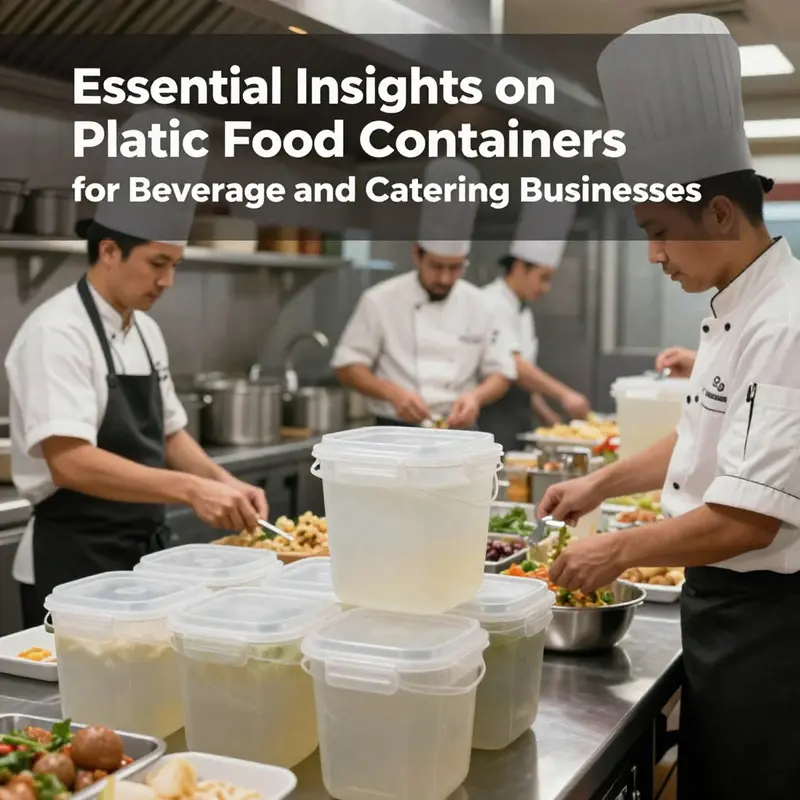
Bulk plastic containers for food storage are more than simple boxes. They are the quiet, reliable workhorses behind efficient kitchens, farms, caterers, and households managing large quantities of staples. Their value lies not only in capacity but in a careful blend of material science, dependable construction, and adherence to food-safety standards that keep meals fresh, contamination at bay, and operations moving. When a bulk container is chosen with intention, it becomes a long-term investment in organization, waste reduction, and predictable logistics. The everyday routines of bulk storage, transport, and ready-to-serve meals depend on a chain of decisions about composition, seals, and handling that extend the useful life of the container and the quality of the food it guards. In this sense, the durability and performance of plastic bulk containers are not merely a matter of toughness; they are a story about how materials meet purpose in dynamic environments where temperatures swing, loads shift, and repeated cycles of use test every edge and lid.
A central lever in this performance story is material choice. Over the years, high-density polyethylene (HDPE) has emerged as a standout for bulk storage of food. Its advantages are tangible: exceptional resistance to impact, robust chemical resistance, and stability under a wide range of temperatures. HDPE’s structural integrity under weight means heavy loads—such as bulk grains, pet foods, or prepared meals—can be carried and stacked with confidence. Importantly, HDPE is BPA-free, a factor that matters not only in regulatory compliance but in consumer perception and long-term hygiene. The emphasis on BPA-free variants reflects a broader shift toward safer, more resilient plastics in food-contact applications. While polypropylene (PP) is common in many consumer-grade containers and is noted for its recycling code #5 and good heat tolerance, HDPE’s blend of durability and resistance to deformation under repeated handling often makes it the preferred choice for bulk applications where containers must endure rough handling, frequent washing, and the occasional drop without cracking or losing their seal.
The design of these containers amplifies the material’s strengths. Airtight seals become more than a luxury; they are a necessity when freshness, moisture control, and hygiene drive down waste and protect product quality. In 25kg plastic pet food containers and similar bulk units, a reliable lid that locks securely and seals evenly across temperatures is crucial. Airtight lids work in concert with interlocking edges and reinforced bases to promote stability during transport and stacking, even in crowded storage rooms or on shipment pallets. The overall architecture—tolerances that keep lids aligning and gaskets intact, rims designed for repeat closure without fatigue, and bases reinforced to distribute weight evenly—matters as much as the resin itself. When you combine HDPE with carefully engineered lids, you gain not only durability but predictable performance across cycles of use, wash, and refilling. In practical terms, this means fewer incidents of lid creep, warping, or leaks that could compromise contents, reduce shelf life, or complicate transport.
Yet durability is not merely about resisting physical abuse. It also involves how a container behaves under heat, cold, and moisture—factors that strongly influence shelf life and user experience. For hot meals or takeout applications, there is a line of microwaveable or heat-resistant plastics designed to tolerate brief reheating or insulation needs. These materials can offer lightweight insulation and convenient service, but they carry trade-offs. Odor absorption becomes a genuine concern over time, especially if the container is repeatedly exposed to strongly scented foods or if proper cleaning is neglected. Odors can cling to the interior, subtly altering the perceived flavor of stored items and diminishing user satisfaction. This is where premium HDPE and carefully chosen BPA-free options can mitigate odorous retention, especially when combined with rigorous cleaning protocols and adherence to manufacturer guidelines for heat exposure. The contrast between the quick convenience of microwaveable designs and the long-term stability of odor-free, high-quality HDPE underscores a central tension in bulk storage: the most immediate benefits of convenience must be balanced against the ongoing demands of hygiene, taste integrity, and container longevity.
Alongside odor considerations, cleaning and sterilization play a decisive role in durability and safety. Plastic containers withstand repeated handling, washing, and sometimes sterilization better than many fragile materials. However, repeated sterilization cycles or aggressive cleaning agents can, over time, degrade coatings, gaskets, or the plastic surfaces themselves. There is a particularly important caveat for containers subjected to acidic foods or liquids, which can erode finishes or alter interior color over extended periods. The practical implication is straightforward: invest in food-grade, BPA-free HDPE or other high-quality resins, and pair them with lids and seals designed for the expected contamination profile. Regular inspection becomes a routine, not an afterthought—checking gaskets for cracks, lids for secure fit, and bases for any signs of deformation after heavy loads or repeated drops. When wear is detected early, a simple replacement of seals or lids can preserve the container’s overall performance, extending its useful life and maintaining food safety standards.
Durability in bulk storage also intersects with the behavioral realities of the environments where these containers live. In kitchen closets, warehousing bays, on farms, or in catering operations, containers experience vibration, air pressure changes during loading, and temperature fluctuations that can flex even resilient polymers. HDPE’s resistance to deformation under load supports long-term performance; the reinforced bases help prevent bowing when heavy products settle or when containers are stacked. Interlocking edges enable stable vertical stacking without sacrificing access to contents or making handling awkward. This is not merely a matter of convenience; it translates into tangible reductions in labor, risk, and waste. When staff can move a stack of bulk containers with confidence, more accurate inventory control and fewer accidental spills follow. And when lids seal tightly, the prevention of moisture ingress and pest intrusion contributes to shelf life and product integrity. In practice, these design features—tight seals, stable stacking, robust bases—support efficient workflows, reduce the likelihood of contamination, and lower the total cost of ownership by limiting spoilage and container replacement.
Another layer of durability concerns sustainability and lifecycle choices. The industry now increasingly blends durable resins with recyclable or recycled content, offering pathways to reduce environmental impact without sacrificing performance. HDPE is widely recyclable, and many manufacturers market BPA-free variants to address safety concerns while maintaining strength. But there is more to the story. Some users look toward bioplastics or recycled PET blends as part of an overall sustainability strategy. These innovations aim to reduce environmental footprints while maintaining the cleanliness, rigidity, and chemical resistance that storage containers require. The trade-offs can include cost, availability, or changes in heat tolerance and odor behavior, so selection must be tied to operating realities and sustainability goals. The bottom line is that responsible choices in material composition and end-of-life options can align durability with environmental stewardship, but they demand a clear understanding of the storage, wash, and usage cycle each container will endure.
To make sense of these decisions in real-world terms, practitioners weigh several criteria when selecting plastic bulk containers. Frequency of use and the expected temperature range are primary. If a facility routinely handles hot foods or engages in takeout services, a heat-tolerant, BPA-free HDPE option paired with a strong seal becomes a prudent investment. Aesthetic considerations—clear or translucent bodies to supervise contents, color-coding for different products, and labeling compatibility—can streamline operation, reduce cross-contamination risk, and support rapid access during peak periods. Yet durability must be balanced with cost and logistics. Reusable containers deliver long-term savings and waste reduction, but only when their integrity is preserved through careful handling, appropriate cleaning agents, and appropriate loading protocols. In this framework, a robust material like HDPE provides a reliable foundation, while the lid geometry, gasket material, and base reinforcement drive the practical outcomes that kitchens and warehouses care about most: fewer breakdowns, less waste, faster throughput, and safer storage.
Our understanding of durability and performance is also informed by regulatory and safety considerations. Reputable sources emphasize that food-grade materials and compliance with safety standards are essential to preserving the integrity of stored foods. Design features such as airtight seals, chemical resistance, and stability under repeated use align with established expectations for bulk containers used in a variety of settings—from households to farms to large-scale catering operations. The overarching takeaway is that material choice, combined with thoughtful design and disciplined maintenance, yields containers that not only survive busy environments but also safeguard food quality and consumer trust over time. When teams select containers that meet these criteria, they invest in consistency of service, reliability in service delivery, and the confidence that comes with predictable performance across every stage of the storage and distribution chain.
In connecting these threads to practical guidance, one can appreciate how non-plastic alternatives and substitutes inform broader storage strategies, yet the unique advantages of HDPE-based bulk containers remain clear in many contexts. For example, while non-plastic options such as kraft paper bowls or other paper-based packaging may serve discrete applications, bulk plastic containers excel in maintaining product integrity through cycles of filling, transport, and refrigeration. This juxtaposition—durable plastic features versus the flexibility of paper-based options—highlights how choosing the right container depends on the cadence of use, the temperature profile, and the importance of seal integrity. To contextualize this within the broader packaging landscape, consider how packaging formats with strong interlocking designs and secure lids can complement storage strategies in mixed-material environments, particularly where bulk dry goods require long shelf lives and minimized spoilage. For readers exploring adjacent packaging formats, a representative example in non-plastic bulk options can be explored here: https://greendispopack.com/product/wholesale-quarter-salad-1100ml-take-out-paper-kraft-bowl/ which illustrates how non-plastic bulk options can support a diversified storage and service approach.
As the discussion turns toward end-of-life considerations, it is important to balance durability with environmental responsibility. HDPE’s recyclability supports a circular economy when there is an established recycling channel and clear labeling. However, the long-term environmental footprint also depends on how often containers are refilled, the frequency of replacement due to wear, and the degree to which suppliers employ recycled content. Informed procurement, lifecycle analysis, and collaboration with waste-management partners help facilities optimize both safety and sustainability goals. Throughout, the thread connecting material science, design engineering, and practical operation is clear: durable, safe, and well-maintained plastic bulk containers enable predictable performance in diverse settings, reduce waste and contamination risks, and contribute to the efficiency and resilience of food storage and distribution networks.
Ultimately, the choice of plastic bulk container is a strategic decision that hinges on understanding the interplay between material performance, design rigor, and operational realities. HDPE emerges as a robust foundation for long-term use, offering resistance to impact, chemical stability, and a safer, BPA-free profile. When paired with airtight lids, reinforced bases, and thoughtful stacking features, these containers deliver reliable performance even under heavy loads and repeated cycles of use. At the same time, responsible cleaning, regular inspection, and adherence to safety guidelines ensure that the containers function as intended, preserving food quality and minimizing the risks inherent in bulk storage. For organizations aiming to align efficiency with safety and sustainability, these containers offer a practical, proven pathway that supports large-scale operations without compromising hygiene or integrity. The dialogue between material science, product design, and daily practice is ongoing, but the core message remains stable: choosing the right plastic bulk container means selecting a durable partner that can handle the rhythm of modern food storage and service.
How Plastic Bulk Containers Power Commercial Food Operations: Practical Uses, Handling, and Sustainability
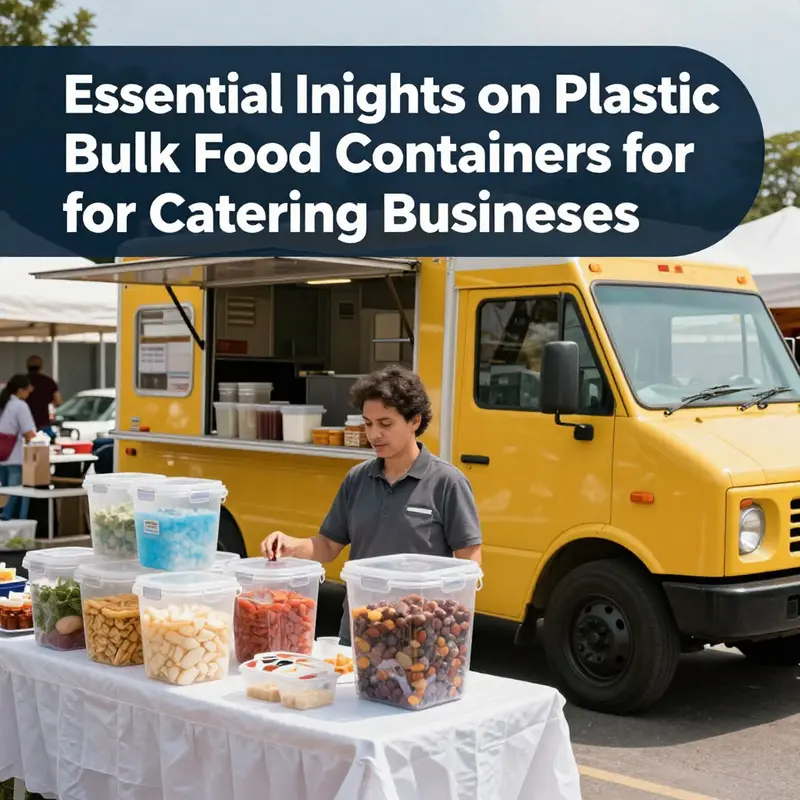
Plastic bulk containers are foundational tools across commercial food operations. They bridge production, storage, transport, and service with a combination of durability and flexibility. When specified correctly, these containers simplify workflows, reduce breakage, and lower total cost of ownership. This chapter unpacks how commercial kitchens, manufacturers, retailers, logistics providers, and hospitality operators use large food-grade plastic containers. It also explains the practical handling, sanitation, and sustainability choices that determine long-term performance.
Large-format containers appear throughout the food supply chain. In processing plants they hold liquids such as edible oils, sauces, and fruit concentrates. They store semi-solid products like purees, jams, and honey. Dry commodities, from rice and pulses to dried fruit, occupy stackable bins and drums. The material most often used is polypropylene (PP, recycling code #5). Polypropylene resists impact and temperature cycles. It does not shatter and tolerates repeated handling better than glass or ceramic. That toughness translates into fewer product losses during internal movements and transport.
Design features matter as much as material. Bulk containers often include secure, airtight lids and interlocking rims that enable safe vertical stacking. Stackability saves warehouse footprint and stabilizes loads during transit. Some models include vented lids that reduce condensation inside the container. That small detail helps maintain product quality for items sensitive to moisture or temperature differentials. For cold chain logistics, consistent thermal performance and tight seals prevent moisture ingress, frost buildup, and cross-contamination between batches.
In retail settings, transparent plastic packaging made from food-grade PET or PP functions as a quality window. Shoppers can inspect freshness without handling the product. Airtight seals slow oxidation and moisture loss, extending shelf life for fresh meat, seafood, and prepared salads. Retail displays also benefit from modular dimensions that align with shelving systems. Clear containers improve product visibility and reduce the need for frequent restocking, cutting labor cost.
For hospitality and large-scale food service, the capacity to portion and store pre-prepared meals is essential. Plastic bulk containers are used to hold meal components, sous-vide preparations, and bulk sauces. Their microwave compatibility and ability to withstand short-term freezing make them versatile for kitchens that prepare food in advance. In institutions such as hospitals, daycare centers, and long-term care facilities, plastic containers support safe handling for purees, therapeutic diets, and baby food, provided strict cleaning protocols are observed.
Logistics and warehousing place heavy demands on materials and dimensions. Plastic containers provide resistance to moisture, dust, and impact. Their standardized sizes integrate with automated sorting systems, conveyors, and pallet racking. Lightweight construction reduces shipping weight and energy use. For companies managing high-volume distribution, easy-to-clean surfaces and smooth interior geometries speed inspection and turnover. Many operators favor containers that permit safe forklift access and secure pallet configurations to reduce handling incidents.
Operational performance ties directly to hygiene. Food-grade plastics must comply with regulatory limits on chemical migration. Selecting BPA-free, FDA- or EFSA-compliant polypropylene minimizes risk of leachables. However, routine handling affects longevity. Repeated exposure to high heat, aggressive detergents, or acidic ingredients can promote micro-porosity. Micro-porosity, in turn, traps oils and pigments, leading to staining and potential microbial niches. Practical maintenance reduces those risks: use manufacturer-recommended sanitizers, avoid prolonged exposure to boiling temperatures, and employ mechanical cleaning where possible to remove residues thoroughly.
Sanitization protocols are central to safe reuse. Many commercial kitchens rely on high-temperature wash cycles, chemical sanitizers, or a combination. Certain plastics tolerate repeated sterilization; others degrade. Establish a verification schedule: inspect containers regularly for cracks, brittle edges, or warped lids. Replace containers that show wear. Clear labeling of use-cycles on the container itself simplifies management. Color-coding or printed batch IDs help maintain traceability and prevent cross-contamination between allergen and non-allergen product lines.
Inventory control benefits from container standardization. Standard sizes simplify planning, reduce wasted shelf space, and streamline compatibility with lids, seals, and automation. Standardization also aids lifecycle tracking and cost accounting. Procurement teams should evaluate total cost of ownership, accounting for purchase price, expected lifespan, cleaning costs, transport efficiency, and disposal or recycling options. In many cases, investing in higher-quality containers yields savings through reduced replacements and fewer product losses.
Sustainability considerations now shape procurement. Reusable and recyclable containers reduce single-use waste and align with corporate circularity goals. Some suppliers operate closed-loop programs: customers return used containers, which are then cleaned and reissued. These programs cut downstream disposal costs and reduce material demand. Recycled PET and PP options introduce lower-carbon feedstocks while maintaining food safety when produced to standard. Bioplastic alternatives exist but require careful evaluation; not all compostable plastics behave predictably in industrial processing or recycling streams.
Operational choices should weigh functional needs against environmental goals. For quick-service outlets that prioritize single-use convenience, high-quality paper-based bowls and lids now provide compostable or recyclable options for takeout tasks. For bulk storage and frequent reuse, robust polypropylene remains the practical choice. Where single-use and reusable needs intersect, hybrid strategies work well: pack prepared meals in recyclable paper bowls for front-of-house sales, and use durable plastic drums for back-of-house ingredient storage. For a compostable takeout item, see disposable kraft paper bowl for food package with lid for options that complement reusable containers in a mixed-use operation.
Traceability and regulatory compliance are essential. Containers used to store allergenic foods require strict segregation and labeling. Implement visual identifiers for allergen batches. Maintain documentation for container cleaning cycles and replacement records. A digital inventory system that links container IDs to batch numbers enhances recall readiness and audit transparency. When transporting food across jurisdictions, ensure container specifications meet both origin and destination safety standards.
Beyond hygiene and logistics, container ergonomics affect labor safety and efficiency. Handles, grip textures, and weight distribution matter during full loads. Containers designed for ergonomic lifting reduce strain injuries. Smooth contours and tapered walls allow nesting during return trips, saving space. For automated handling, include RFID or barcode tagging surfaces during procurement to enable real-time tracking.
Cost-effectiveness depends on context. For high-rotation items, lighter, stackable containers reduce per-use cost through lower energy and handling expenses. For long-term storage of specialty ingredients, invest in thicker-walled containers that resist chemical attack. Calculate break-even points by modeling expected cleaning cycles, replacement rates, and labor for handling and sanitation. Often, a mixed fleet of container types proves most economical across varying use cases.
Material innovations continue to improve performance. Advances in polymer blends and surface treatments limit staining and odor retention. Antimicrobial additives exist, but their use must respect regulatory approvals and avoid fostering false security; cleaning remains primary. Recycled-content plastics now reach composition levels that maintain necessary safety and strength when properly processed. For operators seeking reduced carbon footprints, certified recycled materials provide measurable benefit without sacrificing performance.
Finally, integration matters. Plastic bulk containers deliver the best value when their selection dovetails with broader operational systems. Choose containers whose dimensions align with shelving, pallets, and transport packaging. Standardize lid types to simplify storage and reduce spare-part inventories. Train teams on proper stacking, cleaning, and inspection procedures. Pair reusable containers with a return flow plan to maintain uptime.
Plastic bulk containers do not solve every packaging challenge. They must be selected and managed to match the food type, the service model, and sustainability objectives. When chosen thoughtfully, they improve safety, lower costs, and support scalable operations across manufacturing, retail, logistics, and hospitality. For more industry context and use-case examples, see the industry guide on food-safe plastic containers and applications: https://www.foodserviceequipment.com/plastic-food-containers-industry-applications/.
From Durable Bins to Circular Systems: Designing Sustainable Plastic Bulk Containers for Food
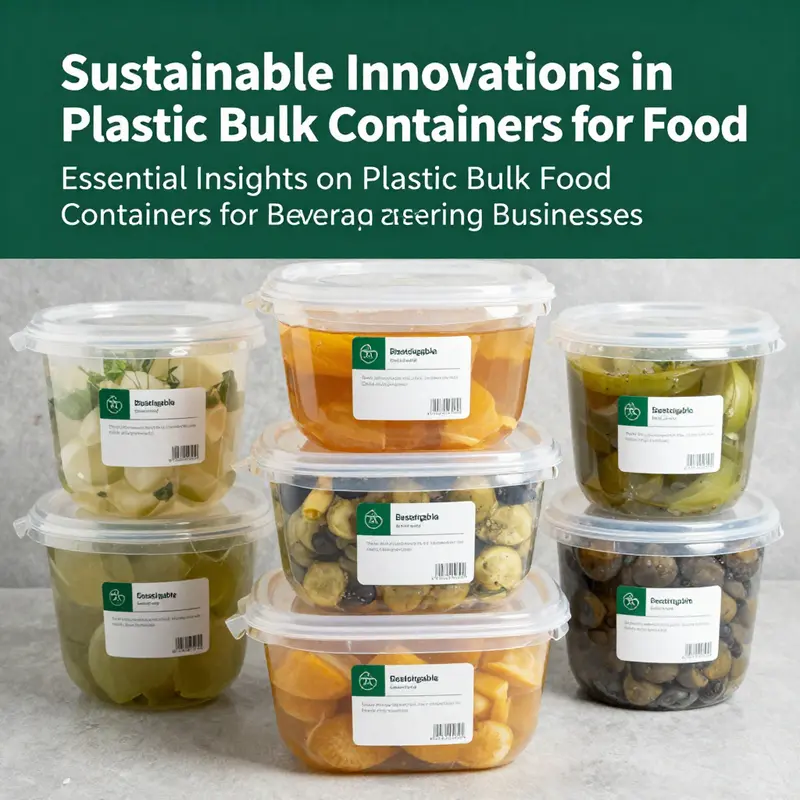
Plastic bulk containers have shifted from simple, rugged vessels to integral parts of a food system that must perform under pressure while respecting planetary boundaries. The modern bulk bin is expected to protect perishable goods through multiple legs of a supply chain, endure rough handling in warehouses and on trucks, withstand temperature fluctuations, and still be responsible in its end-of-life. These expectations push designers, manufacturers, and operators to consider not just how a container holds food, but how its life cycle unfolds—from the choice of resin to the way it is cleaned, reused, recycled, or returned to the soil through composting. The conversation about sustainability in this space begins with material selection. Polypropylene, often coded as #5, emerges repeatedly as a preferred workhorse. Its combination of good impact resistance, thermal stability, and retained strength after repeated use makes it well suited to commercial kitchens and large-scale catering that demand durable containment. Unlike glass or ceramic, polypropylene resists shattering when dropped and remains stable when hot or cold, a practical virtue in environments where containers are carried, stacked, and dispatched across miles of distribution networks. Yet durability alone is not enough. The food safety case binds the material to rigorous standards set by regulatory bodies, with an emphasis on food-grade quality and BPA-free formulations. The goal is to minimize risk without compromising performance, and this often means scrutinizing colorants, additives, and the potential for odor absorption when certain foods are stored or heated over long periods. In practice, a well-designed bulk container balances safety, cleanliness, and reuse potential. Its walls resist staining and odor uptake, but the reality remains that prolonged exposure to high heat or acidic contents can challenge even high-quality plastics. The pathway to sustainable use, then, hinges on both the choice of resin and the system in which the container operates. A circular approach treats the container not as a disposable asset but as an element in a closed loop that prioritizes reuse, cleaning efficiency, and end-of-life recovery. In this sense, the most effective plastic bulk containers are those engineered for reuse and recycling. They are modular, with long service life, so organizations can clean and reuse them many times before considering recycling as a final step. This design philosophy reduces the frequency of replacement, which in turn lowers the material and energy costs associated with production and disposal. It also smooths the path toward a more predictable and traceable supply chain, where containers travel with the goods they hold rather than becoming waste once their first use ends. The value proposition extends beyond immediate savings. When containers are designed for reuse, they contribute to lower greenhouse gas emissions across the lifecycle by reducing the need for new resin production, molding, and transport of replacement bins. The environmental benefits are most pronounced when a harmonized cleaning regime is established—one that uses appropriate, food-safe detergents and sanitizers and avoids harsh chemicals that could compromise the integrity of the material over time. This is not merely about durability; it is about maintaining hygienic performance so that repeated cycles of use do not become a source of contamination. In tandem with reuse, recycling design has matured. Contemporary bulk containers often incorporate high-quality, recyclable resins and standardized dimensions that align with widely used recycling streams. This alignment reduces stray waste and improves recovery rates at end-of-life processing facilities. Yet the path to circularity is not automatic. It requires clear labeling, straightforward dismantling, and, crucially, a system in which used containers are collected, cleaned, and redirected into a new product stream rather than ending up in landfills. Here, life-cycle thinking—through life-cycle assessment (LCA) and life-cycle costing (LCC)—becomes a practical tool. LCA examines environmental footprints across the entire life of a container, including raw material extraction, molding, transport, usage, cleaning, and end-of-life treatment. LCC, meanwhile, translates those environmental considerations into economic terms, helping organizations compare total costs and benefits across different packaging strategies. The embrace of LCA and LCC reflects a transparent approach to decision-making, where trade-offs are quantified and opportunities for improvement are identified. For instance, choosing a biopolymer or bio-based alternative may reduce fossil energy use and carbon emissions; however, if the end-of-life pathway is not well integrated into a composting or industrial recycling stream, the anticipated environmental gains may not materialize. In other words, sustainability is not a single material choice but an ecosystem of decisions that must align across procurement, storage, cleaning, transport, and waste management. Innovations in material science have opened new horizons in this space, particularly in the realm of bio-polymers derived from renewable resources. These polymers are designed to either maintain performance while reducing reliance on fossil fuels or to enable end-of-life pathways that return materials to the soil through composting. The real potential rests in ensuring that such materials can safely and efficiently re-enter the circular economy. It is essential to distinguish between true compostability and simple degradability. True composting requires industrial facilities capable of breaking down materials in controlled conditions, while home composting often lacks the temperature and microbial activity needed for complete decomposition. Therefore, when a packaging system promotes compostability, it should be paired with the appropriate infrastructure and consumer guidance, so that the end-of-life option becomes a viable option rather than a theoretical ideal. Container design enhancements further support sustainable outcomes by addressing two practical concerns: containment integrity and storage efficiency. Leakproof seals are central to preventing content leakage, reducing waste, and enabling reliable transport across multi-stop routes. A reliable seal also protects cleanliness by limiting the ingress of contaminants during handling. In addition, stackable structures optimize space during storage and transit. When interlocking edges and secure lids are integrated into a design, containers can be stacked without compromising stability, which translates into more efficient warehousing and reduced energy consumption in storage facilities. The dimensions themselves are a form of optimization. Designing for maximum load per container while minimizing excess material helps to lower material use and shipping weight. These design choices contribute to a more energy-efficient supply chain by lowering both the number of units needed and the energy required to move them. Yet every gain comes with caveats. Reusable plastics can become porous over time, potentially harboring bacteria if cleaning is incomplete or if sanitization cycles are too aggressive for the material. The risk underscores the central paradox of sustainability: improvements in one area can create vulnerabilities in another if not managed through rigorous maintenance regimes and standardized cleaning practices. To address this, maintenance protocols must be integrated into operational guidelines, with clear recommendations about compatible cleaners, temperatures, and cycle durations that preserve material integrity while ensuring thorough sanitation. Similarly, exposure to strong acids or aggressive sterilization processes can gradually degrade mechanical properties, making containers less reliable in demanding environments. In practice, choosing the right container for a given operation requires balancing frequency of use, temperature requirements, aesthetic and functional preferences, and long-term sustainability goals. It also involves recognizing that plastics can be part of a broader strategy that includes other materials where appropriate, as well as strategies to reduce overall packaging usage by maximizing reuse lifetimes and optimizing inventory. The market uptake of sustainable bulk-container solutions demonstrates that operators increasingly value durability, reliability, and safety alongside environmental performance. Digital platforms and distributors are guiding this shift by highlighting BPA-free options, transparency about material composition, and assurances that containment remains leakproof and hygienic across repeated cycles. While the pursuit of sustainability is not without friction, it is now common for organizations to align procurement with quantified environmental benchmarks, including targeted reductions in energy use, water consumption, and waste generation. The broader supply chain also benefits from such alignment. When bulk containers are designed for reuse and their end-of-life pathways are clearly defined, downstream partners can plan logistics with greater confidence. Fewer replacements mean lower embodied energy and fewer transport emissions, while more predictable waste streams enable better recycling or composting planning at facilities that handle large volumes of packaging later in the chain. It is also worth noting that sustainable container strategies extend beyond the walls of large processors and distributors. In smaller, community-based operations and regional distribution networks, reusable bulk bins and modular containers are increasingly substituting older, single-use practices. This shift supports more energy-efficient cooling methods and reduces reliance on fossil-fuel-based cooling for storage and transport. In fisheries and local food distribution, for example, reusable bulk containers can minimize waste and contribute to energy savings by enabling more efficient cold-chain management and reducing reliance on disposable alternatives. The cumulative effect across a region can be substantial, reinforcing the case for systemic change rather than isolated improvements. The adoption narrative is reinforced by tangible market signals. Where sustainability is integrated into product design, labeling, and supplier criteria, buyers can compare options and select containers that deliver on both performance and environmental outcomes. In this context, the role of standards, certifications, and third-party verification becomes important, helping to differentiate true circular-economy options from greenwashed claims. At the same time, operators must invest in training and operational practices that maximize the benefits of these innovations. Effective cleaning protocols, proper sorting at the end of life, and routine inspections to detect wear and tear all contribute to prolonging the useful life of bulk containers. Regular inspection is not just a hygiene measure; it is a risk management practice that protects food safety, protects the investment in durable plastics, and sustains the economic logic behind reuse over single-use choices. The sustainability story, then, is a story of systems thinking. It weaves together material science, product design, process engineering, supply-chain logistics, cleaning technology, and waste-management infrastructure. Each thread supports the others, and together they form a resilient fabric that can adapt as new materials, new cleaning technologies, and new regulatory expectations emerge. This integrated approach aligns with circular-economy principles: keeping materials in productive use for as long as possible, recovering value at end-of-life, and reducing the environmental footprint of both the containers and the foods they help transport. The practical takeaway for professionals seeking to implement sustainable bulk-container solutions is to treat packaging as an active, decision-driven component of the operation rather than a passive container. Start with a clear assessment of use frequency, temperature exposure, and cleaning capabilities. Consider materials that balance durability with recyclability, and design systems that support consistent reuse. Ensure that pathways for recycling or composting are accessible and that labeling communicates end-of-life options clearly to frontline staff and customers alike. Finally, embrace data-driven decision-making through LCA and LCC to compare options across scenarios, quantify trade-offs, and identify opportunities to reduce environmental impact without sacrificing safety or performance. The aim is not to chase a single silver bullet but to cultivate a packaging ecosystem that can evolve with sustainability goals, regulatory landscapes, and consumer expectations. For practitioners, the promise lies in scalable practices—modular, long-life containers that stack efficiently, seal reliably, and withstand the rigors of modern logistics while staying true to food-safety standards and responsible resource use. In the long run, this means designing today for a circular tomorrow, where plastic bulk containers are not disposable endpoints but durable links in a continuous loop of reuse, recovery, and renewal. As operators explore these possibilities, they can draw inspiration from broader packaging innovations that illustrate how sustainability can coexist with performance. To glimpse how related recyclable and reusable packaging concepts are gaining traction across markets, consider the broader ecosystem of materials that emphasize reuse, recyclability, and consumer-friendly end-of-life options, such as the eco-friendly recyclable pulp cup holder, which demonstrates how even seemingly small components can contribute to a more sustainable packaging platform when designed for end-of-life clarity and reuse. While plastic bulk containers remain central to food storage and distribution, their evolution into circular-system enablers depends on coordinated design, reliable cleaning, transparent labeling, and an infrastructure that supports high-quality recycling and composting where appropriate. This is the path toward truly sustainable packaging—one that respects safety and function while steadily reducing environmental impact across the supply chain. External resource: https://www.tosca.com/sustainable-plastic-bulk-bins/
Final thoughts
Plastic bulk food containers are not just practical tools for food service operations; they represent the intersection of safety, durability, and sustainability. Understanding the materials and safety standards is crucial for ensuring compliance and protecting public health. Their durability assures businesses continuity in challenging environments, while diverse applications highlight their versatility across the food industry. Additionally, the ongoing innovations in sustainable materials set the stage for a future where food storage solutions contribute positively to our environmental goals. With informed choices, operators can enhance operational efficiency and align with sustainability practices that resonate with today’s environmentally conscious consumers.