
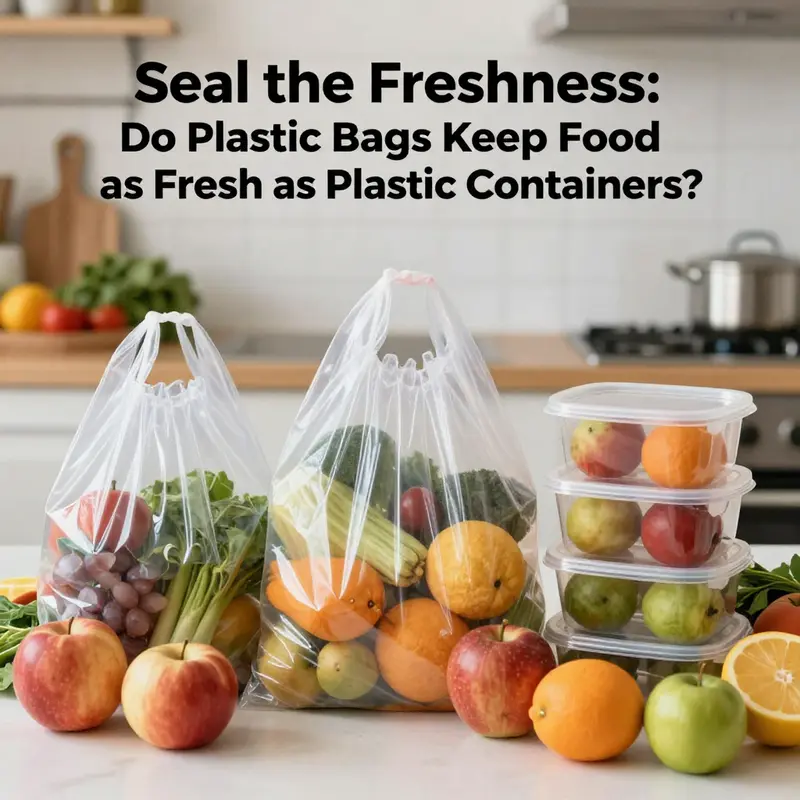
In the dynamic world of food service, the freshness of ingredients significantly affects flavor, presentation, and overall customer experience. Whether you run a bustling bubble tea shop or a food truck, understanding how to effectively preserve food freshness can make a notable difference in your service quality. This article dives into the comparison between plastic bags and plastic containers, two common storage methods. We’ll explore their material quality and its impact on food freshness, provide best practices for optimal food storage, and analyze the cost-effectiveness of each storage solution. By the end of this article, you’ll gain valuable insights into choosing the right storage method for your business needs.
Breathing Barriers and Freshness: Bags vs Containers for Everyday Food Preservation
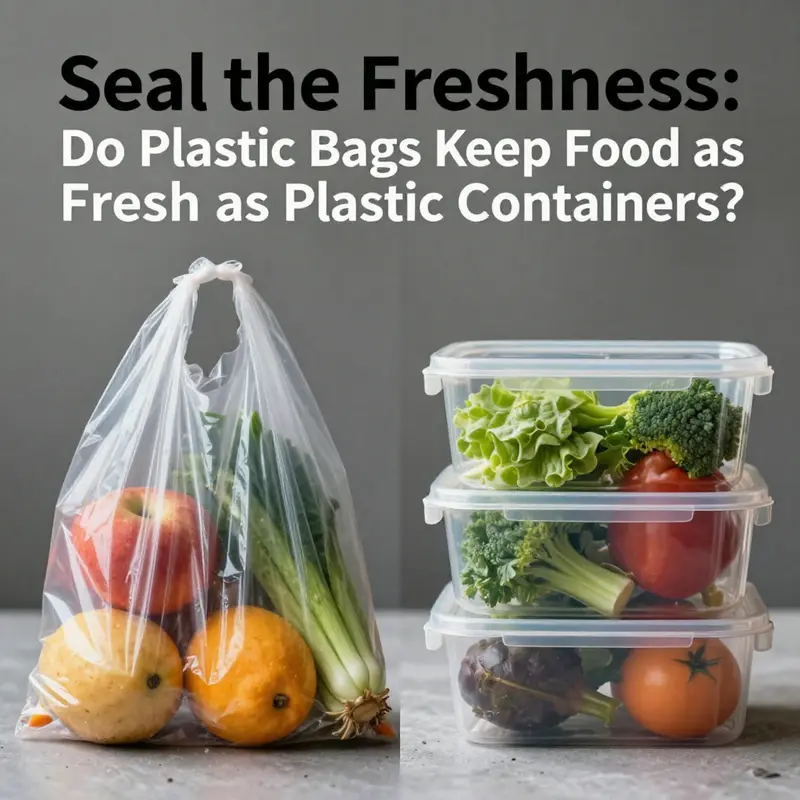
The question of freshness begins at the fridge door as you decide where to tuck away perishable items so they stay crisp, vibrant, and safe to eat seven days later. Do plastic bags keep food as fresh as plastic containers, and what affects that outcome? The answer rests on a set of interacting factors: air exposure, moisture balance, temperature stability, and the chemistry of the food itself. Bags are convenient, lightweight, and often inexpensive, making portioning easy and reducing upfront waste. High quality food grade polyethylene bags can serve as a barrier to contaminants and limit moisture loss in the short term, but their permeability and tendency to trap moisture and ethylene can shorten the life of delicate produce such as leafy greens and berries over longer horizons. Some bags marketed for home use are not designed for long term storage, and temperature swings can alter their performance.
In contrast, plastic containers with tight seals and rigid walls create a more stable microclimate. They help limit oxygen entry and moderate humidity, slow oxidation and microbial growth, and reduce odors and cross contamination. Containers made from safe plastics such as PP or HDPE are designed for repeated washing and storage, though care is needed to avoid cracks and scratches that harbor residues. Humidity control inside a container matters as much as the seal itself: a stable inner atmosphere supports crisp textures and longer shelf life for items like cooked meals, dairy, and pre cut produce.
Evidence from recent assessments suggests a practical takeaway. A 2023 CNFSA study found that sealed containers outperformed bags in preserving freshness for several perishable categories, with up to about 40 percent more freshness retained over seven days. Reusable containers also offer environmental and hygiene advantages, and their cost may be offset by longer use and reduced waste compared with disposable bags.
A balanced approach often works best: use breathable bags for brief, delicate items when a short window of freshness is needed, and rely on airtight containers for longer storage, bulk produce, dairy, and cooked dishes. Always choose food grade materials and avoid sealing containers or bags that are cracked or scratched. Maintain consistent fridge temperature and minimize frequent openings to protect the stored items. The overarching idea is to pair the right tool with the right task, layering strategies rather than chasing a single universal rule.
This is the end of the content.
Material Quality and Freshness: How Rigid Containers Usually Edge Out Bags, with Breathing Options for Delicate Produce
Material quality and freshness are not abstract ideas but practical forces that determine how quickly a stored item loses its bite, aroma, color, and texture. In home storage, small differences in what lies between the food and the outside air add up. The material you pick for packaging—whether a flexible bag or a rigid container—shapes how much oxygen, moisture, ethylene, and stray microbes reach the food. These are the levers of spoilage, and they operate differently depending on the packaging’s barrier properties, its structural integrity, and how it stands up to repeated use and washing. To understand why containers often outperform bags, it helps to picture two processes side by side: the movement of air and moisture, and the movement of life itself, the microbes that ride along with air and moisture and the metabolites produced by the foods as they respire and degrade. In this sense, the material choice is a control system for freshness, not a mere container for food.
Barrier properties sit at the core of this control system. Plastics differ in how much oxygen or water vapor can pass through them. A high-quality, rigid container made from materials like polypropylene (PP) or as a variant of polyethylene terephthalate (PET) tends to offer a more predictable barrier than most flexible bags. The rigid form supports a tighter lid with a gasket, creating an environment inside the container that minimizes oxygen ingress and moisture loss. This is crucial because oxygen drives oxidation and feeds aerobic microbes that hasten spoilage. A well-sealed container helps keep humidity at a steady level, which reduces dehydration of foods like cut fruits and vegetables and helps preserve the texture of items that otherwise dry out quickly.
By contrast, bags—often fashioned from low-density polyethylene (LDPE) or linear low-density polyethylene (LLDPE)—are intrinsically more permeable to gases and water vapor. Even premium reusable bags cannot always achieve the same level of consistent, long-term barrier as a quality container. The pliable material can flex, leak, or deform, disturbing the seal over time. The permeability issue matters most for items with high moisture content or delicate skins, such as berries or leafy greens, where even a small drift of air or moisture exchange can accelerate dehydration or encourage microbial growth. The permeability is not just about the bag material; it is also about how the bag is sealed. A bag that is closed with a quick pinch rather than a carefully formed seal can trap a pocket of air that sets the stage for uneven airflow, creating zones of moisture buildup or dryness that speed spoilage in some areas while leaving others inadequately protected.
Structural integrity amplifies these effects over time. Containers enforce form. Their rigid bodies resist punctures and leaks more reliably than flexible bags, which can be compromised by sharp edges, squeezing, or accidental tears. The seal itself matters: many high-quality containers use lids with silicone gaskets that tolerate repeated opening and closing while maintaining a near-airtight barrier. This is not merely a matter of convenience. A consistent seal reduces oxygen exposure, which slows oxidation and microbial growth, and it helps preserve a stable internal humidity that keeps moist foods from drying out and wilted greens from collapsing into a mush. However, even the strongest containers are not immune to degradation. Repeated washing, especially in a dishwasher that uses hot water and detergents, can create micro-scratches on plastic surfaces. These tiny imperfections can host bacteria and provide micro-channels that allow air and moisture to leak or diffuse unevenly. The net result is a slow erosion of the ideal internal environment that once existed inside the container. The more you reuse and rewash, the more likely the seal quality will degrade, and the more likely the stored food will feel the consequences of those micro-scratches.
Another dimension to consider is chemistry. Some plastic bags, especially older or cheaper ones, may contain additives that pose migration risks under certain conditions. Phthalates, once common as plasticizers, have generated concern about potential leaching into food, particularly when the packaging is heated or in contact with acidic contents. Even when used for cold storage, the combination of temperature shifts and prolonged storage can alter the migration dynamics, though the risk is context-dependent and regulated in many jurisdictions. This is why guidance consistently emphasizes using food-grade, BPA-free materials and avoiding heat exposure with non-food-grade bags. The caution is not a blanket condemnation of bags but a reminder that the integrity of the material matters as much as the design—breathable, food-grade bags for short-term storage of delicate items can be useful, whereas long-term, high-oxygen sensitivity foods benefit more from a robust, sealed container.
Breathability does not have to be rejected outright. For certain delicate produce, allowing a controlled exchange of air and moisture can slow the ripening process and maintain texture. A small amount of ventilation can prevent the accumulation of ethylene gas, a natural plant hormone that accelerates aging in some produce. The trick is to know the food and the conditions. For berries, herbs, and tender greens, a breathable barrier with a gentle venting strategy can help maintain freshness for a day or two without the risk of moisture buildup that leads to rot in hermetically sealed bags. In practice, the recommendation is to use food-grade, breathable bags for short-term storage of delicate produce, while reserving sealed, airtight containers for longer-term storage of items that need a stable, oxygen-restricted environment. To illustrate a practical alternative approach while staying within a broader sustainability frame, consider a disposable kraft paper bowl with a lid as a non-plastic option for certain storage and transport needs. For example, the disposable kraft paper bowl for food package with lid demonstrates how packaging choices outside plastic can still support freshness under the right conditions. disposable kraft paper bowl for food package with lid. This example underscores a broader point: the packaging choice should align with the food’s respiration rate, moisture needs, and the storage duration. The goal is not merely to wrap but to manage the internal microclimate effectively.
Lighting, temperature, and handling are not minor details either. Even the best container cannot compensate for a hot kitchen or a fridge with fluctuating temperatures. When foods are introduced into a storage system that experiences frequent temperature swings, the internal humidity can become unstable, and condensation can form on inside surfaces. Condensation fosters microbial growth on damp surfaces and can promote mold development on susceptible items. A high-quality container can dampen but not erase these risks. The same is true for bags. In a refrigerator that cycles between cool and slightly warmer, the barrier performance of the packaging will influence how quickly the product loses moisture or gains it, and how quickly ethylene accumulates if the item is a producer of this gas. The practical takeaway is simple: pick a packaging approach that matches the storage duration and the food’s biology, and maintain stable environmental conditions to preserve freshness as long as possible.
A note on maintenance is essential. Regardless of the container or bag, cleanliness matters. Containers must be cleaned thoroughly to prevent residual biofilms that can harbor bacteria between uses. If a container is scratched and stored with water marks or soap scum, the nooks and crannies invite microbial colonization even when the exterior looks pristine. Bags, if reused, demand careful inspection for punctures, seal integrity, and signs of material fatigue. Discard any packaging that shows cracks, tears, or a loss of seal performance. The goal is not perfection but a practical threshold: replace containers or bags when barrier performance clearly deteriorates, and opt for food-grade materials that minimize chemical risk and maximize barrier consistency.
For those seeking a science-grounded backing for these recommendations, consider the broader material science literature that quantifies how barrier properties translate into real-world freshness. The principle is straightforward: lower oxygen transmission rates and stable humidity inside the package slow both oxidation and microbial growth. Higher permeability and compromised seals hasten spoilage by letting in oxygen, moisture, and contaminants. Together, barrier performance and seal integrity form the backbone of any effective storage strategy. While this chapter emphasizes that plastic containers generally outperform plastic bags in preserving freshness, especially for longer storage, there remains a nuanced space for breathable bags when used correctly for delicate produce in the short term. The overall message remains practical and adaptable: choose the right tool for the job, monitor the food’s condition, and maintain the packaging’s integrity through careful use and timely replacement.
Further reading and a deeper dive into material quality and barrier properties can be found in peer-reviewed sources that explore how micro-level material flaws translate into macro-level freshness outcomes. For a concise synthesis of these ideas with a focus on food-contact materials, see the external resource linked here: https://www.sciencedirect.com/science/article/pii/S030881462500795X
Breathable Barriers and Tight Seals: Mastering Freshness with Plastic Bags and Containers
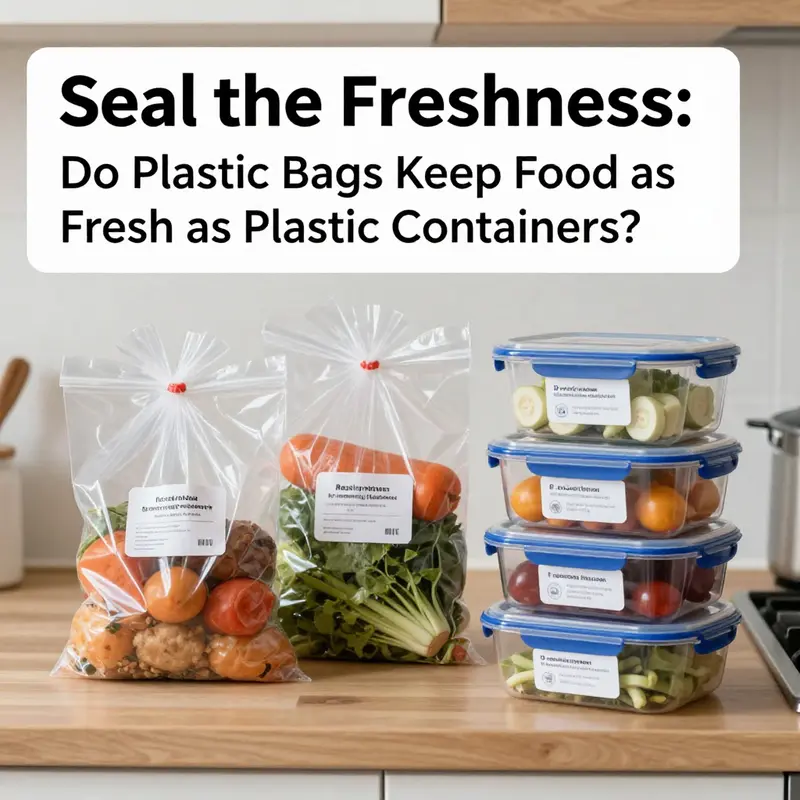
Freshness in the kitchen often feels like a moving target. Different foods have different needs, and the tools we choose to shield them—from the everyday plastic bag to the more substantial plastic container—play a pivotal role in how long flavors, textures, and nutrition stay at their best. The overall question guiding this chapter is simple in form but complex in practice: do plastic bags keep food as fresh as plastic containers? The answer is nuanced, shaped by material science, storage conditions, and the peculiarities of each food item. In a well-run kitchen, the distinction between bags and containers becomes less about a rigid rule and more about a thoughtful pairing of tool and purpose. When we examine the practical realities—permeability, airflow, moisture, and the quality of the materials—the scene emerges as a careful balancing act rather than a binary choice. Plastic bags, especially high-quality, food-grade polyethylene varieties, are prized for their lightness, flexibility, and affordability. They excel when you need to make quick, short-term storage decisions for many small portions or for items that benefit from a touch of air exchange. A bag can reduce moisture loss compared with leaving produce exposed, and there are instances when a bag provides an effective barrier against external contaminants. Yet not all bags are created equal. The consumer world is full of generic bags that are not designed for food storage, and some can carry additives or residues that migrate into food under certain conditions. The safest practice is to limit the use of non-food-grade bags to non-food applications and to reserve certified food-safe bags for edible storage. This distinction matters because certain additives, such as phthalates, can migrate into food under temperature fluctuations, light exposure, or prolonged contact. The risk is not a universal catastrophe, but a real concern that pushes careful shoppers toward food-grade products and a mindful approach to how long and how tightly bags are closed. A practical guideline is to avoid sealing them so completely that there is no airflow. A tiny opening or perforations can help maintain a micro-air exchange that slows the buildup of ethylene gas and moisture that would otherwise hasten spoilage for some produce. Leafy greens, herbs, and berries illustrate the principle well: in some cases, a vented bag that permits limited air movement yields better results than a perfectly sealed one. The science of permeability and the chemistry of ethylene emissions from certain fruits and vegetables explain why a bag can sometimes be a friend and, under other circumstances, a foe. For instance, when ethylene accumulates around ethylene-sensitive produce, ripening and decay accelerate. In such cases, partial sealing or a breathable bag—combined with prompt consumption or transfer to a more controlled environment—preserves texture and color longer than a hermetically sealed pouch. Plastic bags also hold a certain tactical value for short-term storage of delicate items once they are rinsed, spun dry, and patted gently. They offer an accessible way to separate produce or to portion out meals for quick evening prep. But the trade-off is obvious: bags provide less robust protection against oxygen, microbes, and odors compared with containers designed to create a more controlled micro-environment. This is where the analysis naturally proceeds from the bag to the container, which is often more reliable for longer-term storage, heavy use, or situations requiring a steady humidity and a stable barrier to external influences. Plastic containers—especially those specifically marketed as food-grade and BPA-free—make a case that is hard to ignore for long-range freshness and reliability. The first and most obvious advantage is their airtight or near-airtight seal. When oxygen exposure is minimized, microbial growth slows, and the propensity for moisture fluctuations is reduced. The result is a more consistent internal climate that helps foods hold onto their moisture without becoming soggy or dry, depending on the item. The result is not just lengthened shelf life but also a better preservation of texture and aroma, which is often the heart of what we mean by “fresh.” Sealed containers guard against odor transfer as well, a practical boon in shared refrigerators and compact kitchen shelves where different foods pile up in proximity. Moreover, the internal environment of a properly chosen container can be tuned to the needs of the food—whether that means maintaining a bit more humidity for greens, or a drier environment for certain fruits and nuts. The very concept of an internal climate matters because it translates into observable outcomes: crisper lettuce, less wilting, and a reduction in the rapid loss of vibrant colors that makes foods look appealing and appetizing. This is not to say that containers solve every problem. If a container is scratched, cracked, or otherwise compromised, bacteria can accumulate in the crevices, and residues may become harder to clean, inviting cross-contamination and odor retention. Over time, cracks and scratches can also harbor micro-pits that provide hiding places for microbes. Consequently, choosing containers that are durable, well-constructed, and free of visible defects becomes part of the ritual of responsible storage. Beyond durability, the material composition of containers matters. BPA-free labels reassure many shoppers, but the broader point is about safety and suitability for reheating and cleaning. Heating food in certain plastic containers can release compounds if the container is not explicitly rated for microwave use. In households that use microwaves, the guidance is straightforward: use microwave-safe containers for reheating, and prefer glass or ceramic when the dish is going to be heated for more than a minute or two. The practice protects both the consumer and the food, reducing the chance that heat-accelerated chemical interactions will compromise taste or safety. Cleaning practices intersect with these considerations, too. Containers—especially those with multiple compartments or intricate designs—demand thorough cleaning to avoid residual odors and bacterial accumulation. A thorough wash, with attention to seams, rims, and lids, helps ensure that the containers do not become carriers of flavors or microbes that can taint future meals. A simple but often overlooked step is to allow containers to dry completely before stacking or storing them. This reduces the risk of moisture-related damage or the growth of mold in hidden corners. The same principle applies to bags, where dry storage reduces the risk of mold growth during prolonged storage. The question of when to reach for a bag and when to reach for a container is not answered by a single rule but by the realities of the food at hand. For quick, short-term storage of berries, herbs, or delicate greens, a breathable bag may do the job well, especially if you are planning to consume within a few days and can manage small air exchanges. For leftovers, cooked dishes, or items requiring more robust protection from moisture loss, a sealed container creates a more reliable barrier against environmental fluctuations. It is a matter of balancing moisture control with airflow, and a matter of recognizing the specific vulnerabilities of each food item. The broader picture is one of strategy rather than improvisation. The decision to use a bag or a container should be guided by the food’s moisture content, susceptibility to ethylene, and the length of time you intend to store it. This approach is particularly relevant for perishable items such as dairy, meat, and seafood, where exposure to air and moisture can accelerate decline. Here, a container with a proper seal offers a safer, longer window of freshness. For staples such as flour, rice, sugar, and other dry goods, a well-sealed bag or container can be equally effective, provided that the packaging protects against moisture and pests. The best practice for these items is to choose packaging that is airtight, opaque, and easy to store. This reduces the potential for moisture absorption and pest intrusion while keeping the contents readily accessible. The conversation about freshness also benefits from a practical discipline: clear labeling. Even with the best containers or bags, you will gain an extra layer of protection by labeling every container with the contents and the date stored. This habit prevents a common pitfall—food being forgotten in the back of the fridge or pantry and consumed beyond its safe window. It is particularly important for perishable items like dairy, meat, and cooked dishes, where an expiration or use-by date serves as a clear reminder of safety thresholds. In shared refrigerators, labeling becomes even more crucial, reducing the chances of accidental cross-use and helping to coordinate batches and meal planning. The labeling practice is straightforward, but it compounds the overall system’s effectiveness. In addition to the practical steps of choosing the right container or bag, and labeling, there is a broader ethical and health consideration: the materials themselves. Plastic has long been a convenient friend to modern kitchens, but it must be handled with awareness. Even trace amounts of endocrine disruptors can be a concern during sensitive life stages. Minimize risk by avoiding heating in plastics not explicitly labeled as microwave-safe, and by favoring glass or non-reactive containers for reheating and long-term storage. It is not necessary to abandon plastic entirely; rather, it is about selecting the right tool for the job and using it correctly. The choreography of storage also involves organization. A well-organized refrigerator, freezer, and pantry minimizes time between shopping and consumption, which is essential because time is a frequent enemy of freshness. Keeping meat and poultry on the bottom shelf—where drips are least likely to contaminate ready-to-eat foods—reduces cross-contamination risk. Dry goods should be kept in sealed containers in dry, cool spaces away from strong odors that could affect contents or masks. A layered approach—bags for certain produces, containers for leftovers and items needing stronger protection—creates a flexible system. It is a system that respects the strengths and limitations of each tool while remaining mindful of the realities of daily kitchen life. For those who want to extend the practical options beyond plastics, there are additional considerations. The chapter’s logic aligns with a broader impulse toward safer, more sustainable packaging strategies that still honor convenience and affordability. When you factor in the cost of spoilage, the time spent on reorganizing shelves, and the energy involved in heating or reheating, the value of making careful choices becomes even clearer. The right container or bag can reduce waste, preserve flavor and texture, and keep a household running smoothly through busy weeks. It is, in short, a matter of stewardship: stewardship of food, of your kitchen space, and of your own health. When a decision is made to use a bag, you are endorsing a quick, light-touch approach for specific tasks. When you choose a container, you are investing in durability and controlled conditions that support longer-term preservation. Both have a place, and in practice, the best results come from using each tool where it is most appropriate. To illustrate the practical flexibility of these principles, consider a simple example: you buy a bunch of fresh berries. If you plan to eat them within a couple of days, a breathable bag with a small opening can minimize moisture buildup and allow a little air exchange to prevent mushiness. If you want to keep them longer or transport them for a picnic, a sealed, rigid container can preserve texture and minimize bruising during movement. If your storage routine requires a portable option for quick meals, a compact, lid-bearing container ensures you can pack items with confidence, knowing they won’t spill or leak into your lunch box. And if you are stocking the pantry with small treats or dry ingredients, a sealed bag or container, kept in a cool, dry place, can maintain dryness and prevent infestation. The aim is to build a practical, adaptable system rather than to chase an idealized cure-all. The evidence from research and best practices suggests that the overall answer to “do plastic bags keep food as fresh as plastic containers?” is: it depends. In most cases, plastic containers deliver superior protection against air, moisture, and contamination, especially for longer storage or items that demand stability. High-quality, food-grade plastic bags can be effective for short-term storage of delicate produce or for convenient portioning, provided they are used correctly and ventilated as needed. The key is to recognize the unique regulatory and safety considerations that come with any packaging choice. In an ideal kitchen, the choices are informed by quality, function, and context. The goal is to minimize waste, maximize freshness, and protect health, all while maintaining a practical workflow that fits real life. As you refine your approach, remember that packaging is not a one-size-fits-all solution. It is a toolkit, and the most successful kitchens use a diverse set of tools deliberately. The best practice is to select the right tool for the job, use it properly, and keep the system simple to maintain. For further reading on the topic of food-contact materials and labeling, you can consult authoritative resources that provide broader guidance on what is safe to store, how to heat stored foods, and how to interpret packaging labels. A reliable external resource offers clear, practical guidance on these issues and complements the kitchen-centered tips discussed here. For an authoritative overview, refer to the FDA’s guidance on food-contact materials and packaging. (External resource: https://www.fda.gov/food/food-contact-materials-labeling/food-contact-materials-and-food-packaging)
Balancing Cost and Freshness: The Economics of Keeping Food Fresh with Plastic Bags Versus Plastic Containers
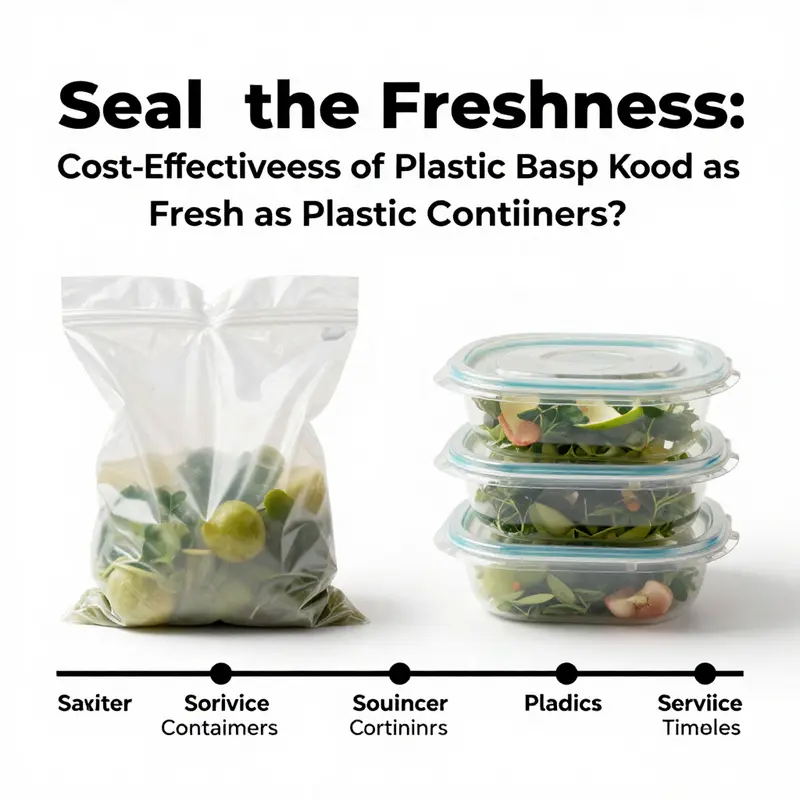
When people ask whether plastic bags can keep food as fresh as plastic containers, they are really asking about two intertwined questions: how well a packaging option preserves quality, and how much that option costs over time. The answer, especially from an economic perspective, is not a simple one-to-one verdict. It is a careful calibration of upfront price, ongoing reuse or disposal costs, the specific foods being stored, and the likelihood that storage choices will influence waste through spoilage or odor transfer. The economic logic behind these choices rests on a few steady principles: the cost per unit of packaging, the energy and labor embedded in production and cleaning, the protective value against spoilage, and the way these factors play out in the kitchen or the supply chain over days, weeks, or even months. In that sense, the debate over bags versus containers becomes a study in lifecycle costs, not merely a comparison of sticker prices at the point of sale.
High-quality plastic bags designed for food storage tend to offer an attractive short-term economy. In many cases, bags require less raw material, lower energy input in manufacture, and lighter weight in transport. For households and many small businesses, this translates into a low barrier to adoption, especially when the bags are certified food-grade and used with sensible ventilation. Yet the cost story does not end at the point of purchase. A bag that is inexpensive up front can become more expensive if it contributes to spoilage or contamination because it traps moisture and ethylene or because it is not robust enough to withstand repeated handling. In other words, the cheapest bag can end up being the most costly choice if it accelerates the very spoilage we seek to avoid. Conversely, a sturdy, airtight plastic container—often BPA-free and designed to control oxygen exposure—may cost more initially but can yield savings through longer shelf life, repeated use, and better protection against odors and physical damage.
To unpack the economics, it helps to separate direct monetary costs from the broader, sometimes less visible costs that accompany storage decisions. Direct costs include the sticker price of packaging and any associated accessories (like lids or sealing devices), as well as the energy and water spent across multiple uses for cleaning containers or disposal of bags. Indirect costs, often overlooked, cover the value of reduced spoilage, lost produce, or diminished quality that influences consumer satisfaction and waste management expenses. In everyday practice, these costs interact with the type of food in storage. Delicate produce—such as berries, greens, or freshly cut herbs—tends to benefit from well-ventilated, breathable packaging that can minimize moisture buildup. In that context, a breathable bag, when used correctly and with some air exchange, can offer a favorable cost-performance balance for short-term storage. The same bag, if sealed too tightly, can become a liability, trapping moisture and ethylene gas that hasten deterioration. A container, by contrast, excels when the goal is to maintain a controlled microclimate over a longer horizon or when the avoidance of cross-odor transfer and moisture fluctuations matters more than absolute permeability.
This dynamic becomes even more interesting when the storage horizon shifts from a few days to several weeks or months, or when scale enters the picture. In a household setting with everyday leftovers, the ability to reuse a durable container many times can drastically reduce the per-use cost of packaging. A container may carry a higher upfront cost, but its durability, coupled with reliable sealing and resistance to leaks, can curb waste and reduce the frequency with which food spoils in the fridge. For a small cafe, a robust container system may translate into lower waste, fewer spoilage incidents, and a workflow that minimizes cross-contamination. The energy and water costs associated with washing and sanitizing reusable containers are real, yet they are often offset by repeated cycles of use. In contrast, a single-use bag, even if inexpensive, becomes a cost center if it is used once and discarded after a short storage period or if it compromises the integrity of sensitive items.
The permeability and barrier properties of packaging materially shape these cost outcomes. High-quality, food-grade bags can offer meaningful moisture retention and a barrier against external contaminants, which reduces the risk of spoilage for certain items. But the practical benefit hinges on the absence of trapped air or moisture, and on allowing a little exchange of air for delicate produce. When a bag is vented or loosely closed, it can permit the air exchange needed to prevent anaerobic conditions that invite mold and bacterial growth. In contrast, airtight plastic containers create a stable environment that keeps oxygen out, maintains humidity levels, and can reduce the risk of cross-contamination and odor transfer. The trade-off is that containers are heavier and often more expensive to purchase and transport, demanding more storage space and more effort to clean between uses.
An economic lens also invites us to consider the cost of food waste. Spoilage represents a costly factor that many shoppers underestimate. Even when a packaging option is cheap, if it fails to shield the food adequately from moisture, gases, or temperature fluctuations, the hidden cost of waste can overwhelm any apparent saving. In some cases, the cost of spoilage is more closely tied to the consumer’s handling and storage practices than to the packaging alone. Yet packaging does play a significant role: correctly chosen and used packaging can substantially reduce the rate at which quality declines, particularly for produce and leftovers that are susceptible to moisture loss or odor absorption. For example, leafy greens stored in a overly airtight bag without ventilation can rot faster, while berries stored in a breathable pouch may retain their texture longer when kept cold. The economics of such decisions thus rests on a nuanced mix of material science, storage conditions, and the consumer’s routines.
From a business perspective, the cost-structure comparison often starts with invoice prices. Plastic bags demand less material and frequently lower production energy, which translates into lower manufacturing costs. These savings are often passed along the supply chain, making bags an attractive packaging option for producers seeking to minimize unit costs. The lighter weight of bags also reduces transportation and handling costs, a factor that can become substantial in large-scale distribution. However, when the goal is long-term storage, the value of light weight can be outweighed by the need for durability and reusability. A rigid container can be used again and again, spreading its cost over many cycles and lowering the per-storage-cost in the long run. In scenarios where the storage period extends beyond a few days, containers often emerge as the more economical choice due to lower spoilage and better maintenance of quality, which translates into higher product yield and, ultimately, greater revenue or cost savings for a household.
Industry analyses reinforce this view. They describe plastic bags as one of the most cost-effective packaging solutions available, particularly when the focus is on short-term storage, lower upfront investment, and lightweight logistics. Yet the same analyses acknowledge that long-term storage, critical in sectors like meal-prep, catering, and retail, frequently justifies the higher upfront cost of durable containers because of their resilience and repeat use. In practice, cost calculations must reflect the likely storage duration, the type of food, and the handling patterns of the user. A berry farmer, for instance, may find that breathable, food-safe bags reduce moisture loss enough to justify their use for quick turnover, while a supermarket that stores ready-to-serve meals benefits more from sealed containers that preserve freshness over a longer span and prevent cross-odor transfer.
The decision matrix also shifts with scale and context. In households with tight budgets, the appeal of bags is clear: a quick, low-cost solution for short-term storage. For small businesses, the calculus often weighs the frequency of restocking, the rate of waste, and the labor costs associated with cleaning and sanitizing containers. If a business operates an efficient workflow that maximizes reuse, the initial outlay for durable containers can be amortized over thousands of cycles, delivering a favorable cost per use. In contrast, if a business relies on single-use solutions for each service event, the economics favor bags or other lightweight packaging. In any scenario, the best choice is rarely the most economical option at purchase; it is the option that minimizes total cost of ownership across the storage lifecycle of the food product.
That lifecycle thinking leads to practical recommendations. First, for delicate produce and short-term storage, food-safe bags with controlled ventilation can be a cost-effective compromise, so long as they are used with proper airflow to avoid anaerobic conditions. Second, for longer-term storage or for items that require odor control and robust protection from physical damage, sealed plastic containers often deliver better value through repeated use and improved spoilage resistance. Third, given the environmental and waste-management considerations that accompany packaging decisions, many operators find a blended approach most economical: use breathable bags for certain items and rely on sturdy containers for others, guided by a careful assessment of spoilage risk, handling practices, and the expected service life of the packaging. In other words, the most economical path is not a single tool but a strategic toolkit tailored to the types of food, the storage horizon, and the operational realities of the user.
This nuanced approach to cost must also acknowledge safety and regulatory guidance. The use of non-food-grade bags can introduce risk, including potential leaching of additives, particularly under fluctuating temperatures. The direct costs of safety breaches—contamination, product recalls, and reputational damage—can greatly exceed the savings from using cheaper materials. Conversely, investing in high-quality, food-grade bags or containers may demand more careful maintenance, such as regular cleaning and appropriate storage conditions, to maximize their useful life and minimize the risk of microbial growth. These factors—material quality, hygiene practices, and the correct application of ventilation or sealing—collectively determine how far price alone can be trusted as a predictor of any packaging system’s value.
The economics of keeping food fresh also become clearer when we consider the broader supply chain. In commercial settings, the choice between bags and containers affects inventory management, warehouse space, and the energy footprint of storage. Lighter, flexible bags can optimize space in crowded refrigerators and reduce the energy needed for climate control, while rigid containers can stabilize inventory turnover by preserving quality more consistently. The cumulative effect of these decisions can be substantial. If bags enable more efficient stacking and less energy spent on maintaining an unstable environment, their cost advantage grows. If containers reduce spoilage rates by a wide margin, their higher purchase price is quickly offset by savings across the storage period and waste reduction. The key is to model these factors for the specific operation: what items are most common, how long they need to stay fresh, what storage temperatures are used, and how frequently the packaging is reused or discarded.
To illustrate the balancing act, consider a modest home pantry that routinely stores berries, leafy greens, and cooked leftovers. For berries and greens, a breathable bag with a small vent or perforations can slow moisture loss while letting gases escape, providing a favorable balance of cost and freshness when used within a day or two. For leftovers, a sealed container may extend shelf life the most, reducing waste and enabling a second or third meal opportunity. The overall cost experience emerges from the mix: the cheaper bag for quick-turn items paired with the sturdier container for longer-term items can yield a lower total cost than relying on one packaging type alone. Similar logic applies in a café or a small restaurant, where volumes and turnover are higher, and the economics of reuse become more pronounced.
One practical takeaway for buyers and planners is to think of packaging not as a single price tag but as an investment in a controlled microenvironment. The more precisely a packaging system can regulate moisture, oxygen, and temperature, the more efficiently it preserves food quality, and the less waste is created. This leads to lower total cost per usable portion over time. It also implies that any price advantage should be weighed against the expected storage horizon and the likelihood of spoilage. If a store or kitchen anticipates frequent restocking and short storage times, bags may offer a compelling, low-risk option. If storage is extended and the risk of spoilage is high, or if the business aims to minimize waste and odors across batches, containers may deliver superior value.
As a final note, practitioners should consider exploring packaging options beyond the familiar faces of bags and rigid containers. There are packaging forms and materials that blend affordability with practical performance, and these can alter the cost calculus in meaningful ways. For example, some operators examine kraft-paper packaging options for specific tasks, leveraging their low cost and favorable environmental profile for short-term storage and takeaway applications. Such options can be part of a balanced strategy that aligns with both budgetary goals and freshness requirements. For readers seeking to explore packaging options that extend beyond traditional plastic alternatives, a practical entry point is examining how different packaging geometries and materials affect cost per unit of preserved food over typical storage cycles. You can learn more about one such kraft-paper packaging option here: disposable-octagonal-box-restaurant-food-kraft-paper-packaging.
Ultimately, the takeaway is that cost-effectiveness in food preservation is situational and dynamic. Plastic bags are not inherently a bad choice, nor are plastic containers universally the superior option. The decisive factor is how the packaging is used, for what foods, and over what time horizon. When combined with careful handling, appropriate ventilation or sealing, and mindful waste management, the economics of keeping food fresh can tilt toward whichever tool provides the best balance of protection, convenience, and cost for a given context. In this light, the consumer’s question becomes more precise: what is the total cost of keeping this particular item fresh over its expected shelf life, and which packaging tool minimizes that total? The answer, again, is not a universal truth but a tailored calculation—one that recognizes the real value of both bags and containers in the ongoing quest to minimize waste while maximizing freshness.
External perspective can help ground these considerations. For a broader view of the cost dynamics at play in modern packaging, see industry analyses that compare the economics of plastic bags versus rigid containers. These sources highlight how small differences in material costs, energy use, and lifecycle performance accumulate into meaningful total-cost-of-ownership distinctions over time: https://www.packagingdigest.com/industry-news/cost-comparison-plastic-bags-vs-rigid-containers-2024 .
Final thoughts
Choosing the right storage solutions is crucial for food service operations aiming for freshness and quality. Understanding the pros and cons of plastic bags and containers allows you to make informed decisions that cater to your specific needs, whether it’s maintaining the integrity of delicate herbs or storing denser produce in a protected environment. Remember that while plastic containers generally provide better overall protection against air and moisture, properly ventilated and food-safe plastic bags can be effective for short-term storage. Tailoring your storage methods to the type of food, its shelf-life requirements, and your operational needs can significantly enhance the quality of your offerings, ultimately leading to happier customers and better service.