
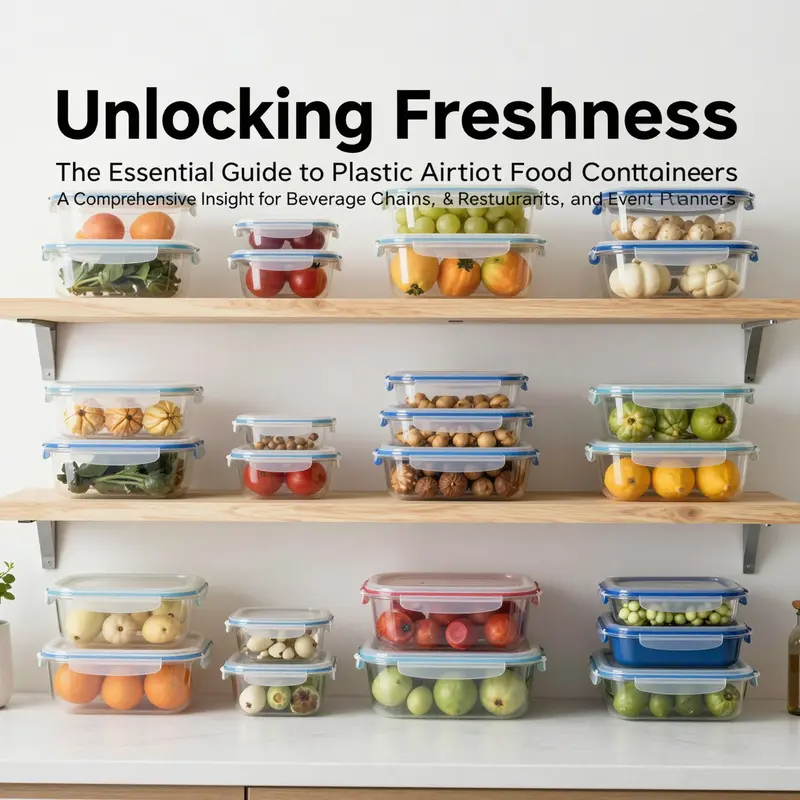
The significance of proper food storage cannot be overstated, especially in the competitive environments of bubble tea shops, restaurants, and catering services. Plastic airtight food containers are not just commonplace kitchen tools; they are integral in enhancing food quality and optimizing storage solutions. This guide delves into three critical aspects: the materials and safety standards ensuring your food storage is secure, the innovative design features that elevate functionality, and the diverse market options tailored for your specific needs. Join us as we explore how these containers can revolutionize your food storage strategies and uphold your brand’s commitment to freshness.
Guardians of Freshness: How Materials and Safety Standards Shape Plastic Airtight Food Containers
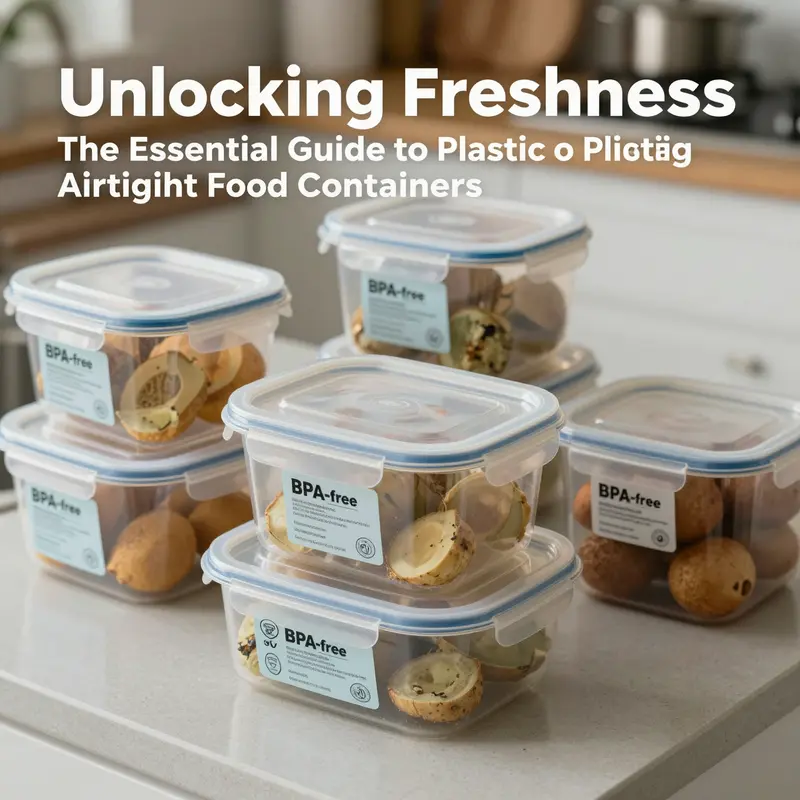
In the rhythm of a modern kitchen, plastic airtight food containers occupy a quiet but essential niche. They are more than simple receptacles; they are engineered environments designed to shield every crumb of dry goods, every chopped herb, and every leftover scoop from the kitchen’s tempests of moisture, oxygen, and contamination. The journey from raw polymer to dependable storage starts with a careful choice of materials and a suite of safety standards that govern how those materials behave in contact with food. The best containers become invisible allies, preserving flavor, texture, and nutrition while standing up to daily use. The story of their effectiveness unfolds at the intersection of chemistry, engineering, and regulation, where the micro-scale world of polymers meets the macro-scale realities of households and professional kitchens alike.
At the heart of most airtight containers lies polypropylene, a thermoplastic that has earned its place in kitchens around the world. Polypropylene is favored for its balance of resilience and lightness, a material that can resist heat up to roughly one hundred to one hundred twenty degrees Celsius when used as intended. This heat tolerance matters, because many households routinely reheat foods directly in their storage containers or transfer contents to microwave-safe vessels. The resin’s compatibility with food contact, when properly processed and labeled, gives manufacturers a reliable baseline for safe reuse. Yet the practical reality is nuanced: food safety is not a certificate for indefinite use. It is a promise that the container will perform as specified under typical conditions, and it must be interpreted through the lens of ongoing maintenance, proper sealing, and the guidelines that govern what is allowed to escape or migrate.
Another material that often enters the conversation is polycarbonate, known for its clarity and strength. The transparent appeal of polycarbonate is obvious; it allows you to see the contents without opening the lid, a feature many users value for quick inventory checks. However, concerns have long circulated about bisphenol A, a chemical once common in some polycarbonate formulations. Public and regulatory scrutiny led many manufacturers to pivot toward BPA-free variants and alternative materials for food contact. The shift did not undermine performance but did redefine what a safe long-term storage solution looks like. The emphasis moved toward materials that minimize any potential leaching risks while preserving the benefits of visibility and rugged durability. In this context, the industry often embraces clear, BPA-free plastics that maintain optical quality while reducing perceived risk, especially for households that store prepared meals or bulk items in the freezer or fridge.
High-density polyethylene, or HDPE, also makes frequent appearances in the pantry lineup. Its resilience against impact, moisture, and many chemicals makes it well suited to everyday storage. HDPE is widely regarded as safe for food contact, and its more opaque appearance can be a practical choice for color-coding or differentiating storage categories. The choice among PP, PC, and HDPE rarely rests on a single property; it rests on a balance of heat resistance, clarity, rigidity, and the intended use case. A container destined for soup or stews may benefit from a stronger, more temperature-tough polymer; a compact dry goods jar might gain from a clear body that enables quick scanning of its contents. The design language of modern containers—clear sides for visibility, tight-fitting lids, and robust locking mechanisms—emerges from these material decisions. The result is a storage system that feels intuitive in daily life yet relies on precise manufacturing processes behind the scenes.
The safety and reliability of these materials are not left to chance. Standards and regulatory frameworks provide the guardrails that translate material chemistry into consumer protection. In the United States, the Food and Drug Administration oversees materials used in food-contact products, setting the baseline expectations for safe migration and non-toxic exposure under normal use. Compliance with established standards—such as those outlined in federal guidelines—takes into account not only the absence of harmful substances in the end product but how those substances might migrate during routine conditions of use. Importantly, meeting FDA standards is a critical milestone, but it does not guarantee perfect performance under every unforeseen scenario. Containers may fare well under typical cycles of freezing, reheating, washing, and stacking, yet anomalies can occur if a seal is damaged, if the seal materials degrade with repeated heating, or if the container is subjected to extreme or non-standard conditions.
Beyond the United States, a broader ecosystem of safety and performance expectations can shape how a given container is designed and marketed. The mention of certifications and international standards—such as those associated with European, Asian, or global supply chains—reflects a growing consensus that food-contact plastics must balance mechanical durability with chemical inertness. In practice, this means manufacturers often seek BPA-free formulations, minimize the use of additives known to migrate under heat, and pursue gaskets and locking mechanisms that remain reliable across a wide range of temperatures and handling scenarios. The material choices then become a dialogue among heat resistance, mechanical strength, ease of cleaning, and the perception of safety among consumers who want durable, easy-to-use, and dependable storage solutions.
The sealing architecture of an airtight container is as important as the resin from which it is made. A gasket is more than a soft ring; it is a carefully engineered barrier that controls how air, moisture, and odors interact with the food inside. Tight dimensional tolerances achieved through precision injection molding—sometimes approaching millimeter-level exactness—support a seal that remains consistent across hundreds or thousands of use cycles. The locking mechanism, whether it is a twist-lock, a snap-fit, or a more intricate latch system, must resist accidental opening while remaining operable with a simple hand action. When the seal is compromised, the risk is not only leaks or spills but a gradual letting in of humidity or air that accelerates staling, sogginess, or freezer burn. In this light, the design of a reliable container becomes a study in applied physics: how a gasket compresses to exclude air, how the lid distributes pressure, and how a user’s interaction with the container—opening and closing, stacking, washing—affects long-term performance.
The practical benefits of well-chosen materials extend into the realm of daily life. A storage system becomes a companion to meal planning and prep, enabling predictable portions and consistent shelf life for a range of foods. For dry goods like grains, flour, sugar, and nuts, a low-moisture environment slows the growth of spoilage organisms and protects against flavor loss. For leftovers and snacks, an air-tight enclosure helps maintain moisture balance and texture, preserving the crispness of snacks or the creaminess of a prepared sauce, depending on the lid design and seal integrity. The modular, stackable aspect of many modern containers adds another layer of value. When space is at a premium, the ability to nest or stack containers with snug seals reduces pantry clutter while maintaining easy access to ingredients. Integrated measurement markings on lids, another thoughtful design feature, support precise portioning during meal prep and baking without requiring additional tools or measuring cups. These seemingly small features—clear visibility, precise measurements, interchangeable lids, and sturdy handles—collectively elevate the everyday practice of cooking and food storage into a reliable routine.
The conversation about safety standards also invites a careful look at the use-life of a container. Microwave safety labeling is a pragmatic feature, but it invites a caveat. Containers marketed as microwave-safe can still exhibit odor transfer or material degradation after repeated cycles of heating, particularly if used to reheat foods with high fat or sugar content, or if the container is not designed for such use. Freezer safety is another area where performance must be anticipated beyond initial impressions. Freezer-induced expansion and temperature fluctuations pose unique challenges to seals, as does condensation when containers are brought from the cold to warmer spaces. Dishwasher compatibility—and the chemicals used in detergents—introduces another variable. Repeated exposure to aggressive cleaners can wear seals or cloud plastics, affecting both aesthetics and performance. The practical takeaway is to read labeling carefully, follow care instructions, and replace containers at the first sign of seal wear, cracking, or clouding that accompanies loss of visibility or compromised airtightness.
For consumers, translating material science into a confident purchase requires a set of practical criteria that reflect both safety and convenience. Look for containers that openly advertise BPA-free materials and avoidance of harmful phthalates or plasticizers in contact with food. A well-designed product will emphasize airtight gaskets that remain pliable after repeated cycles, along with a locking system that can withstand daily use without loosening. Frost-resistant lids that hold a seal even when containers are stored in cold or humid environments can be a valuable asset for long-term storage of soups, stews, or batch-cooked meals. A moisture-barrier design, which minimizes ingress of ambient humidity, can be a meaningful safeguard for long-term storage of dry goods, particularly in temperate climates or households with fluctuating humidity. The best choices also integrate practical features such as stackability and modularity, enabling a kitchen to evolve with changing needs without compromising the integrity of the stored contents.
From a manufacturing perspective, material selection and safety compliance are part of a broader process that includes quality control, traceability, and continuous improvement. Precision injection molding achieves tight tolerances that support a uniform seal along the entire lid-to-container interface. The dimensional accuracy of the sealing geometry—down to measurements on the order of a millimeter—minimizes the risk of gaps where air could seep in. A well-made container should be able to maintain its performance across a cycle of use, washing, and occasional heating, while resisting scratches and clouding that would obscure the contents. The durability of the container under everyday handling—being carried in a tote, dropped from a countertop height, or stacked under heavier kitchenware—depends on the resin’s toughness, the thickness of the walls, and the consistency of the molding process. Designers weigh these variables against the consumer’s expectations for lightness, easy cleaning, and long service life, aiming to deliver a product that remains trustworthy over time, not merely at the moment of purchase.
The chapter of material science and safety standards thus reads like a narrative of stewardship. It tells how a polymer chosen for its safety profile becomes part of a systems approach to food storage, how a gasket becomes a priority for preserving freshness, and how the exacting work of manufacturing translates into everyday reliability. It also frames the responsibilities that fall on manufacturers and regulators alike: to minimize chemical migration, to ensure compatibility with heat and detergents, to label accurately, and to stand by the performance promises embedded in the product design. Consumers, in turn, become stewards of that trust through informed use—washing gently, avoiding heat extremes when not recommended, and inspecting seals and lids as part of routine kitchen maintenance.
The broader implications reach beyond the kitchen and into the routines of meal planning and sustainability. When a container system is designed with durable materials, reliable seals, and clear guidelines for use, it reduces waste by extending the shelf life of prepared foods and by enabling accurate portioning that supports healthier, more deliberate cooking. It also supports a shift toward reusability as a practical habit rather than a theoretical ideal, aligning with growing considerations of environmental responsibility. In this sense, the materials and standards governing plastic airtight food containers become a quiet but potent driver of safer cooking practices, organized pantries, and better stewardship of resources. The story of these containers is, at its core, a story about trust—trust that a chosen material is safe, trust that a seal will perform, and trust that the overall design will support healthier, more efficient everyday living.
For readers who want to deepen their understanding of how safety frameworks translate into real-world choices, the official guidelines on food contact materials offer a comprehensive map of the concepts that govern these products. They outline how migration is evaluated, what constitutes safe use in heating or freezing contexts, and how labeling communicates safety to consumers. While regulations can vary by region, the underlying principle remains consistent: materials designated for food contact should not compromise consumer health under normal use, and they should do so with predictable, transparent performance across a product’s life cycle. As kitchens continue to evolve with new materials and smarter designs, the dialogue between chemistry, engineering, and regulation will likely become even more nuanced, offering opportunities for safer, more convenient, and resilient food storage solutions.
External resource for further reading on regulatory standards and material safety: https://www.fda.gov/food/food-contact-materials
Sealed for Freshness: The Design Language and Practical Promise of Plastic Airtight Food Containers
The everyday kitchen is a theater of change. From the moment a bag of flour is opened to the next time the pantry doors swing closed, the fate of every crumb, kernel, and piece of fruit hinges on a simple, often overlooked tool: the plastic airtight food container. Far from being a mere receptacle, this hollowed object embodies a careful conversation between materials, geometry, and human habit. Its design is not incidental but intentional, built to shield food from the two relentless enemies it must outsmart: moisture and oxygen. In a realm where moisture can invite clumping, mold, or rancidity, and oxygen can drive oxidation that dulls flavor and aroma, the container operates as a mini-environment under controlled conditions. Its value becomes most evident not in a single notable moment but across countless daily routines—snack prep for busy weekdays, batch-cooking for weekend meals, or the quiet, repetitive act of stocking a jar with dried goods that will survive weeks or months. The design language it speaks is pragmatic yet elegant, balancing safety with ease of use, durability with lightness, and transparency with a clear, informative interior life that helps cooks plan rather than guess.
At the heart of any plastic airtight container lies a tight-sealing mechanism. The lid, forged through precision-molded processes, anchors a gasket or a resilient seal that fits seamlessly into the rim. This seal creates a barrier that slows the ingress of air and moisture while also minimizing the escape of aromas and the migration of odors from other stored foods. It is not merely a hinge and a lid, but a dynamic interface where engineering tolerances become culinary outcomes. The precision of the fit—tight yet forgiving—ensures that the seal remains reliable through countless cycles of opening and closing. In practice, this means leftovers stay close to their original texture, dry goods maintain their free-flowing behavior, and delicate items like powdered ingredients avoid clumping or caking. The seal’s integrity is reinforced by thoughtful design decisions, such as the placement and shape of locking mechanisms, whether they be a simple snap, a twist-lock, or a push-button release. Each mechanism is chosen to maximize a secure seal while keeping the user experience intuitive. A user who can operate the lid with one hand, even while the other hand holds a pot or a pushcart of groceries, experiences the functional poetry of design: a small motion that yields a dependable, long-lasting seal.
Material choice is equally consequential. Food-grade plastics like polypropylene and PET offer a practical triad of safety, durability, and clarity. PP is celebrated for its toughness and resilience against impact, a quality that matters when containers are bumped in crowded cabinets or slid across shelves. PET contributes to a clean, transparent body that lets the contents speak for themselves without removing the lid. Together, these materials create a container that resists routine chemical interactions, temperature fluctuations, and the wear that comes from repeated washing. The safety profile is reinforced by compliance with recognized standards that help reassure both home cooks and professionals. Containers designed for food storage frequently reference safety frameworks such as FDA regulations and European standards, signaling that the materials are chosen and tested with consumer health in mind. The result is a storage solution that is not just functional but trustworthy, a small yet important hedge against the risk of unwanted chemical migration or contamination.
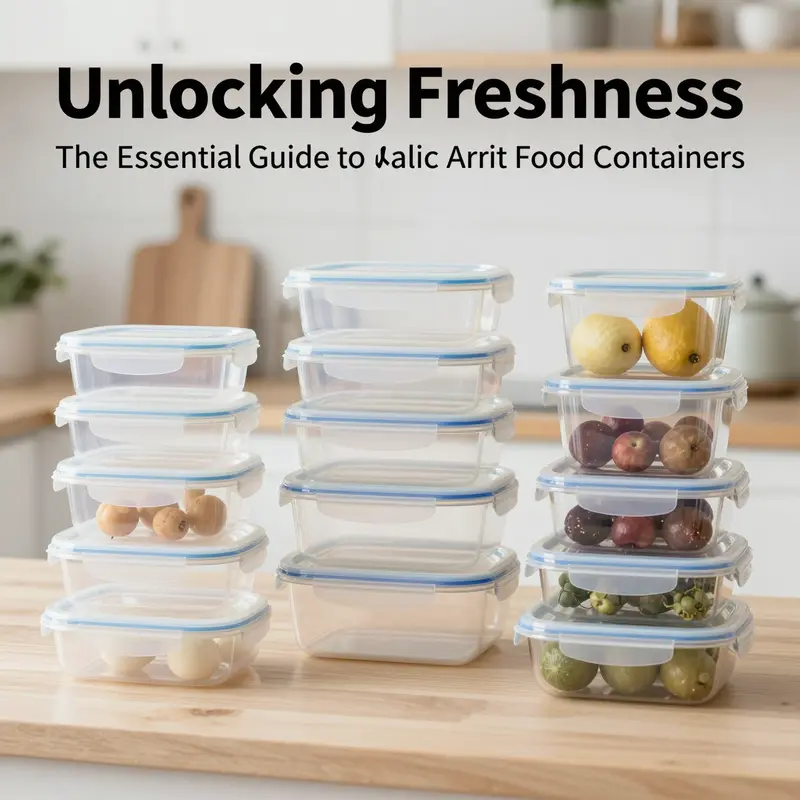
In addition to being safe and durable, these containers embrace versatility in everyday kitchens. A design that accommodates refrigeration, freezing, and even microwave reheating—within defined temperature thresholds—extends the container’s utility beyond static storage. In practice, this means onions can be stored in a crisp, protected environment, grains can be portioned and stacked for efficient meal prep, and soups or sauces can be kept refrigerated and later warmed directly in a compatible vessel. The ability to transition between cold storage and light reheating reduces dishwashing chores and minimizes waste, since fewer containers are needed to cover different stages of a meal’s life cycle. The practicality of versatility is amplified when the container shapes are chosen for space efficiency. Rectangular or square forms, with flat sides and stackable designs, fit neatly into shelves, drawers, and even narrow pantry spaces. When nested or interlocking lids ease into tight storage, the overall footprint of a kitchen can feel more orderly, which in turn reduces the cognitive load of meal planning and reduces the likelihood of overeager, over-purchased bulk storage that dissolves into clutter.
Transparency plays a quiet but essential role in everyday use. A clear or semi-clear container allows cooks to identify contents at a glance without lifting the lid. This simple visual cue saves time, helps prevent repeated opening that could erode the seal, and supports planning by letting you see whether a bag of rice, a jar of nuts, or a batch of chopped vegetables is running low. When combined with optional measurement markings on the lid or exterior—marks that are durable and easy to read—the container transitions from passive receptacle to a planning tool. The right markings enable precise portioning for recipes and meal-prep routines, reducing waste and supporting healthier, more intentional cooking. The ability to see what’s inside without exposing it to air is a small but meaningful contribution to kitchen efficiency, especially in busy households where every minute counts.
The concept of space optimization reveals another layer of design sophistication. Modern containers are often designed as part of modular, stackable systems that make efficient use of vertical space in pantries and refrigerators. Interlocking lids, rounded corners, and uniform height profiles enable clean stacking while preserving accessibility. A well-conceived stack system minimizes wasted space, helps maintain order in cold storage, and supports a more deliberate approach to inventory management. Such design considerations are particularly valuable in smaller kitchens or shared spaces where every inch matters. The outcomes extend beyond aesthetics; the organization becomes a practical ally in meal planning. When containers nest together during slow weekends or collapse into compact forms for travel or minimal-use periods, the design proves its worth through adaptability rather than constrained specialization.
Another dimension of design lies in the evolution of materials toward improved sealing performance. In recent years, manufacturers have explored advanced elastomeric compounds used in gaskets and seals to improve grip, wear resistance, and chemical stability. These materials, while not always named in consumer-facing literature, are engineered to maintain elasticity across a broad temperature range and to resist deformation from repeated closure cycles. The result is a seal that remains predictive in its performance, preserving its barrier properties even after months of use. The seal’s longevity is further enhanced by how it interacts with the container’s geometry. A gasket that stays in place, distributes pressure evenly around the rim, and seals without requiring excessive torque makes everyday operation more reliable and less fatiguing. In practice, this means fewer mis-sealed lids, fewer spills, and a lower likelihood of air ingress during day-to-day handling. The human factor—the way a user interacts with a lid—receives careful attention, because the most advanced materials are only as good as the ease with which they can be used correctly. A design that prioritizes intuitive closure, tactile feedback, and a satisfying sense of closure can transform a routine act into a dependable habit, which is essential for consistent food preservation.
Beyond the seal and the material, regulatory compliance anchors the design in a broader framework of safety and trust. Many contemporary containers are manufactured to meet or exceed standards that govern food-contact materials. These include, among others, safety and hygiene criteria defined by international bodies and national authorities. When a product adheres to such standards, it signals that the design has undergone testing for migration of substances, mechanical integrity under expected use conditions, and compatibility with common foodstuffs. This layer of assurance matters precisely because the container is not just about keeping a single batch of cereal fresh; it’s about enabling a daily kitchen routine that respects health, safety, and sustainable practice. The interplay between design, materials, and compliance thus becomes a narrative of responsibility as much as convenience, reminding users that safeguarding freshness is inseparable from safeguarding well-being.
Durability, another practical virtue, arises from the choice of plastics that are resistant to everyday wear. The ability to withstand repeated washing cycles in dishwashers and exposure to a range of temperatures without cracking or losing translucency is not a mere trivia. It translates into real-world benefits: fewer replacements, less waste, and a longer lifecycle for each container. This durability also carries an environmental dimension. A longer-lasting container reduces the consumption of single-use alternatives and, over time, contributes to a more sustainable approach to kitchen storage. While the initial cost might be higher than for disposable options, the long-term return—through reduced replacement frequency and increased efficiency in food management—becomes part of the value proposition that savvy households quietly notice as they reach for lids, not for alternatives.
The functional benefits extend into daily rituals that many cooks rely on for consistent results. User-friendly mechanisms—whether a straightforward push-button seal, a dependable twist-lock, or a clever combination of locking features—are not merely conveniences. They reduce cognitive load at a moment when fatigue or distraction might otherwise lead to compromised sealing. The presence of integrated features, such as removable inserts for subdividing contents or built-in measuring markers on the lids, turns the container into a compact tool that supports accurate portioning, batch cooking, and organization. The water-tight promise also supports liquids and powders with greater confidence, enabling homes and small operations to store sauces, dressings, or baking ingredients with an eye toward portion control and spoilage prevention. Comfort and practicality thus converge in the design, reinforcing the container’s role as a reliable workhorse in kitchens of all sizes.
In considering the broader ecosystem of use, the container’s design speaks to the way households categorize and access ingredients. A set of different sizes—from compact units for spice jars or small snack packs to larger volumes designed for bulk dried goods—allows a family to curate storage in a way that aligns with cooking rhythms. The rectangular form has become particularly favored for its efficiency in shelf space, aligning across shelves and drawers to form a neat grid of containment that mirrors the organization people already practice for groceries and pantry staples. This ecological fit—where container shape, size, and lid mechanics mesh with human habits—creates a virtuous loop: better visibility, faster finding, more precise measuring, less waste, and a more relaxed cooking flow.
To translate these design features into practical outcomes, it helps to connect the dots with a few concrete scenarios. Consider a batch of brown rice that needs to be kept dry and ready for weeknight meals. A polypropylene container with a tight gasket can shield the grain from humidity and odors, ensuring it remains free-flowing every time the lid is opened. The same container can slide into a refrigerator for short-term storage or slide out for quick meal prep, with clear walls that reveal the rice’s level without removing the lid. For baking enthusiasts who portion flour for recipes, a transparent container with a measuring scale printed on the lid makes it easy to gauge how much flour remains, reducing the risk of calling for too little or too much while cooking. For nuts and dried fruits, the barrier against oxidation matters more than aesthetics; the seal preserves oil content and flavor, delaying the onset of stale notes that can creep in with every passing day. When leftovers become a recurring feature of the weekly routine, the ability to reheat directly in a compatible container—without transferring contents to another dish—saves time and minimizes cleanup, a practical advantage that resonates with families juggling work, study, and errands.
The conversation between design and use also has a sustainability thread. Durable plastics, designed for repeated use and easy cleaning, align with a philosophy of responsible consumption. When containers are built to resist wear and maintain performance after many cycles, households waste less and invest less in disposable options. Moreover, the choice of materials and the emphasis on safe, food-grade components reflect a commitment to health and environmental stewardship. In a market that increasingly values transparency and responsibility, the container stands as a compact embodiment of modern kitchen ethics: it is not a flashy gadget but a disciplined tool crafted to support longer-lasting freshness, reduce waste, and simplify routines that would otherwise disrupt the enjoyment of food.
As with any tool, the real test of value lies in how it integrates with daily practice. A well-designed container invites more deliberate cooking and more mindful storage. It reduces guesswork about whether the almonds in the cabinet have gone rancid or whether a bag of oats has absorbed moisture. It guides better inventory management by providing a reliable, reusable, and easy-to-clean home for staples. And it supports a broader shift toward organized, efficient kitchens where quality storage becomes an everyday habit rather than a sporadic upgrade. The result is a more predictable kitchen environment, where the safety and flavor of ingredients are safeguarded by design, and where simplicity and reliability help cooks focus on what they love most: cooking well and sharing meals with others.
For readers who want to explore further into the material science and regulatory frameworks that underpin these practical benefits, the broader literature on food-contact plastics provides a rich context. Safety assurances, migration testing, and compliance with standards are not abstract concerns but essential guardrails. They remind us that the promise of a sealed, airtight container rests on a foundation of tested materials and proven processes. This foundation is what turns a storage solution into a trusted partner in the kitchen, capable of supporting a wide range of foods—from dry grains and baking supplies to smart meal-prep strategies and family-friendly leftovers—without demanding compromises in safety or quality. The design features described here, while seemingly simple, represent a convergence of material science, user experience, and food safety that makes plastic airtight food containers an indispensable class of kitchen tools.
External resource: for a detailed look at industry materials and seal performance, see an external reference on food-contact plastics and airtight sealing systems at https://www.alibaba.com/product-detail/OEM-KSA2102-Air-Tight-Plastic-Food_1602385239792.html?spm=a2700.102503.0.0.7f2b5d6aYKUJjV
Widespread Access, Diverse Designs: Unpacking Market Availability for Plastic Airtight Food Containers
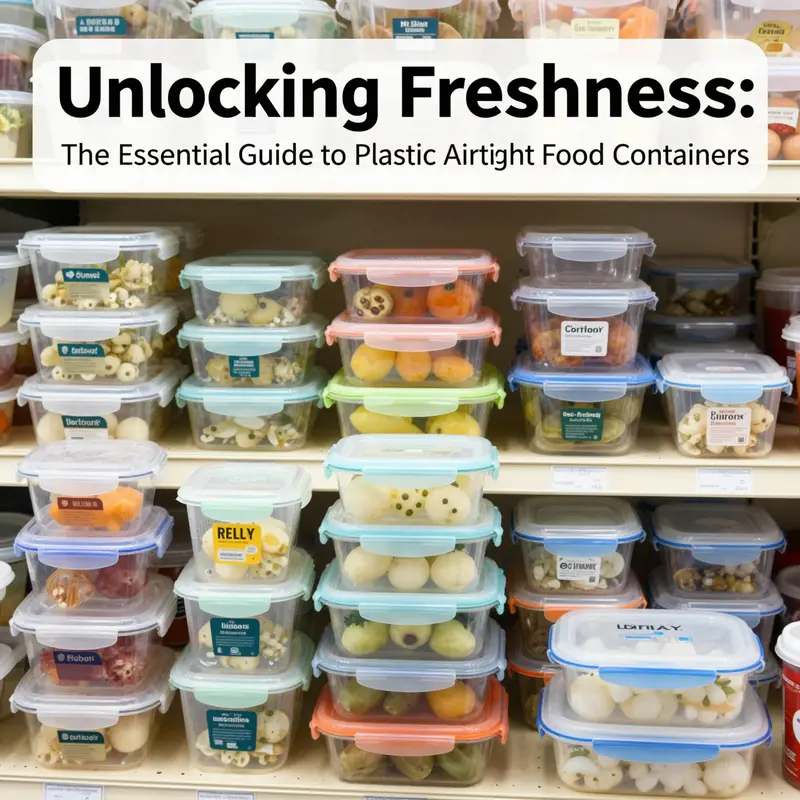
The shelf of a modern kitchen begins with a simple decision that quietly shapes daily routines: which container will keep tomorrow’s leftovers fresh, which tub will organize today’s pantry, and which system will fit into the limited space above the fridge. The market for plastic airtight food containers is not a fringe niche but a robust ecosystem that spans homes, schools, offices, cafes, and industrial kitchens. Availability is the first criterion many shoppers encounter. It isn’t merely about having more options; it is about the ways those options are engineered to meet diverse needs. In this ecosystem, materials, manufacturing precision, design language, and safety certifications converge to create a family of products that can be as affordable as a budget grain keeper or as advanced as a modular, integrated meal-prep system. The result is a continuum that supports both everyday use and specialized requirements, from routine fridge organization to high-demand, compliance-driven storage in industrial settings. The narrative of availability, in other words, is the story of how a universal need—keep food fresh, safe, and accessible—meets an equally universal constraint: space, time, and budget.
A first layer in this story is the material palette. Among the plastics most commonly employed in airtight containers, high-density polyethylene (HDPE) stands out for its light weight, moisture resistance, and toughness. Its resilience makes it an obvious choice for families packing lunches or for schools that need durable, reusable options that can withstand daily handling. But HDPE is not the only material in play. Polypropylene (PP), particularly in BPA-free formulations, is favored for its clarity, rigidity, and temperature tolerance. For some premium lines, manufacturers lean on specialty plastics such as Tritan, a tough, impact-resistant copolyester known for its clarity and shatter resistance. Each material brings its own flavor of performance: HDPE can shrug off impact and resist moisture; PP offers a balance of clarity and stiffness; Tritan delivers transparency that helps users see contents at a glance. The choice of material is not merely a label of durability; it is a statement about safety, recyclability, and user experience. The FDA 21 CFR 177 and other international certifications sit alongside these material choices, serving as the quiet seal that reassures consumers about safety and compliance. The result is a market where a single product line can be tailored to different regulatory environments, cleaning habits, and end-use scenarios—whether a household pantry, a daycare lunch program, or a coffee shop’s take-out system.
The shape and form of these containers matter almost as much as the material. Rectangular and square designs dominate in the realm of space efficiency, stacking neatly on shelves and nesting within each other when not in use. Round containers and clamshell lids crowd the edges of the market with specific advantages, especially for round portions or for events where quick portioning is valued. The logic is practical: in tight kitchens, every centimeter counts, and a well-proportioned rectangle can maximize vertical storage. The shapes are complemented by a spectrum of sizes. The range from compact 1.2-liter units to larger 4-liter capacities offers flexibility for everything from spices and nuts to large batches of pasta or grains. The inclusion of measurement markings on lids or walls of containers has become a subtle but powerful feature for busy cooks and meal preppers. Those markings transform a simple storage vessel into a tool for portion control, recipe planning, and budget management, reducing the need for extra measuring tools and keeping the workflow lean. The design language extends beyond the basic shell to the locking mechanism. Tight, precision-engineered seals and secure locks protect against leaks and spills, a critical attribute when transporting meals or storing liquids. The seal is not just a barrier against moisture and air; it is a signal of quality, capable of inspiring confidence in customers who depend on consistency in everyday use.
The availability story is completed by a constellation of features that expand the containers’ usefulness beyond mere storage. An increasing number of models are designed to be microwave-safe, freezer-safe, and dishwasher-safe. This triad of capabilities broadens the core value proposition: you can freeze leftovers, reheat them directly in the same vessel, and clean up with minimal fuss. For many households, this reduces the clutter of multiple gadgets and containers in the kitchen and aligns with the simplification goals of modern living. In professional contexts, such features support efficiency and safety; the ability to repackage, reheat, or re-use a container across different stages of a workflow helps streamline service and minimize waste. In all cases, the plastic container’s performance in different environmental conditions—whether the cold of a freezer or the heat of a microwave—speaks to the quality of the seal, the resilience of the material, and the thoroughness of the manufacturing process that set tolerance standards as low as a millimeter. That last detail—tight dimensional tolerances—summarizes the precision behind the market’s reliability. It is not enough to design a lid that closes; it must close with a seal that resists minute air infiltration, a key factor in extending shelf life and preserving flavor, aroma, and texture.
Manufacturers in this market operate a broad spectrum of production capacities and customization options. On the mass end, injection molding enables scale economies, rapid production, and consistency across tens of thousands of units. The precision involved ensures a snug fit between lid and body, which is essential for an airtight environment. On the bespoke end, some suppliers offer bespoke dimensions, locking mechanisms, and even logo customization to align with corporate branding or specific food-service needs. This capacity for customization flows from the supply chain to the consumer in a way that feels almost seamless. In addition to the physical characteristics, certification and compliance underpin confidence across markets. For containers designed for food contact, compliance with international standards such as ISO 9001, CE certification, and other safety regimes is not optional; it is a baseline expectation. Some suppliers also highlight compliance with UN hazardous goods standards in broader packaging contexts, signaling the ability to participate in complex distribution networks where safety and traceability dominate logistics decisions. The result is a market that can scale from a single household to a multinational food service program while preserving consistent quality.
The marketplace for plastic airtight containers is highly integrated with online channels and global supply networks. Online retailers and marketplaces broaden access, making it easy for consumers to compare brands, features, and price points. The diversity of options—ranging from budget-friendly, single-use trays to premium, reusable systems—meets the needs of different budgets and lifestyles. For many buyers, the decision hinges on a balance of cost, durability, and performance. The presence of recognizable features such as transparent bodies, clear lids, and measurement scales on the container itself contributes to a perception of value and clarity. When a consumer can see a product’s contents and gauge portion sizes at a glance, the likelihood of meal-prep success increases. The online marketplace also accelerates the adoption of more sustainable practices by making it easier to search for BPA-free options, recyclable materials, and products with longer lifespans. In this context, packaging and storage become not only matters of convenience but elements of environmental responsibility that are increasingly part of consumer decision-making.
The consumer segment for plastic airtight containers is diverse and increasingly sophisticated. For households, the emphasis remains on safety, reusability, and simple maintenance. A growing number of shoppers are seeking durable, food-grade plastics that can be cleaned easily and reused across many cycles. Reusability, in particular, has become a key driver as people recognize the long-term savings and waste reduction that come with durable storage solutions. For schools, offices, and cafeterias, the appeal lies in washability, uniform sizing, and the ability to standardize storage across departments. In industrial or commercial contexts, containers may be deployed for takeout packaging or for short-term storage in warehouses or production lines. These users value not only the airtight seal but also size variety, stackability, and dependable performance in the face of frequent handling. The market’s breadth also reflects a growing demand for eco-conscious options. Although plastic remains dominant, a portion of the market is migrating toward recyclable plastics and designs that optimize end-of-life handling. Consumers who weigh life-cycle impact consider not only the immediate benefits but how a container can be recycled or repurposed at the end of its life.
The overarching market trajectory aligns with broader industry forecasts. The global plastic food container market is poised to grow robustly, with projections suggesting substantial expansions through the next decade. These numbers reflect a combination of rising consumer interest in organized kitchens, the expansion of home meal-prep culture, and sustained demand in commercial food-service operations. The market’s growth is anchored not only in incremental product improvements but in the ability of manufacturers to respond to changing consumer preferences and regulatory landscapes. The forecasted expansion bears out in the increasing complexity and sophistication of product lines—containers that are leak-proof, freezer-ready, microwave-compatible, and designed to optimize space through modular stacking and slim profiles. As the market scales, the emphasis on safety certifications, traceability, and responsible materials grows in tandem. This is not simply a matter of selling more containers; it is about delivering reliable performance across a gamut of use cases while navigating sustainability concerns and evolving consumer expectations.
For consumers seeking guidance amid the abundance, the decision often comes down to a practical calculus: what will fit my kitchen, what will stand up to daily use, and what supports my values as a shopper. If space is at a premium, rectangular, stackable containers with clear walls and measurement cues can transform a crowded cabinet into a predictable workflow. If they frequently transport meals, a lid with a robust locking mechanism and a dependable seal becomes a priority. If they want to minimize waste, durability and recyclability take center stage, guiding choices toward materials and production processes that maximize lifespans and end-of-life options. The market responds to these signals with a spectrum of choices, from simple, cost-effective sets to premium, multi-piece configurations that promise longevity and performance. In many homes, a few well-chosen pieces can cover a wide array of needs—pasta storage, flour, cereals, nuts, snacks, leftovers, and even batches for freezing. In commercial settings, the logic extends to modular systems that can be scaled to accommodate growing demand, with seal integrity and hygienic design as critical performance criteria. The ubiquity of options means that even small kitchens can implement organized storage with confidence, while large operations can standardize across departments to streamline inventory, reduce waste, and simplify cleaning protocols.
The broader context of these dynamics is the steady ascent of consumer expectations and the continuing evolution of packaging technology. While glass and stainless steel provide durable, reusable alternatives, plastic remains dominant for a blend of affordable, flexible design, and reliability in quality. The market’s optimism, reflected in a predicted rise in overall value, is grounded in tangible improvements—more durable seals, clearer plastics, safer compositions, and smarter shapes that optimize space. In this sense, availability is not just about how many products exist; it is about how well the market’s offerings anticipate and meet the daily rituals of food storage. The rise of integrated features—such as scale markings, modular lids, and compatibility with a wide range of appliances—illustrates how design choices can elevate everyday life. Even as some consumers pivot toward eco-friendly materials or non-plastic options, the resin-based containers described here occupy a central place in modern kitchens, delivering convenience, efficiency, and reliability across a broad spectrum of life moments.
The ongoing dialogue between market availability and consumer behavior is visible in the way products are presented, packaged, and priced. Buyers weigh not just the upfront cost but the long-term value—how many years a container can withstand repeated cycles of washing, freezing, and reheating, and how easily it can be repurposed when needs shift. The ability to customize toward specific sectors, be it educational programs or corporate cafeterias, further expands market reach and helps align supply with demand across diverse use cases. In interviews with manufacturers and distributors, the consensus is clear: the market thrives on a mix of high-volume production and thoughtful, user-centered design that anticipates real-world use. This is how availability becomes more than a product attribute; it becomes a reliable promise that a storage solution can meet the practical demands of modern life while supporting safety, efficiency, and sustainability goals.
As the chapter closes on this exploration of market availability and consumer options, the thread that remains is one of practical relevance and forward-looking potential. Consumers approach the aisle with confidence when they see a clear alignment between their storage needs and the features offered by a given line: the right material for safe food contact, the right shape for space, the right seal for freshness, and the right set of capabilities for everyday tasks. The most compelling containers are those that disappear into the kitchen routine, enabling faster meal prep, cleaner organization, and less waste without requiring a trade-off in safety or quality. In this sense, the market’s breadth is a mirror of today’s kitchens: modular, adaptable, and resilient, with a design philosophy that treats storage not as a backroom afterthought but as an integral, efficient, and satisfying part of daily life. The continuing growth of the plastic airtight container market signals more than consumer appetite; it signals a shared recognition that good storage is a cornerstone of healthy eating, reduced waste, and streamlined routines. External resources provide further context on the market’s scale and trajectory, offering practitioners and curious readers a macro view of where these innovations fit within a global economy that values efficiency, safety, and sustainability. For a deeper exploration of market size and growth projections, see the external resource on global plastic food containers market dynamics: https://www.fortunebusinessinsights.com/plastic-food-containers-market-102397
Final thoughts
In conclusion, plastic airtight food containers are indispensable for maintaining food quality and safety in any food service environment. By understanding the materials and safety standards, recognizing the design features that enhance functionality, and exploring the diverse options available in the market, you can make informed choices that align with your business needs. Investing in quality airtight containers not only supports operational efficiency but also demonstrates a commitment to food safety that can strengthen your brand’s reputation.