
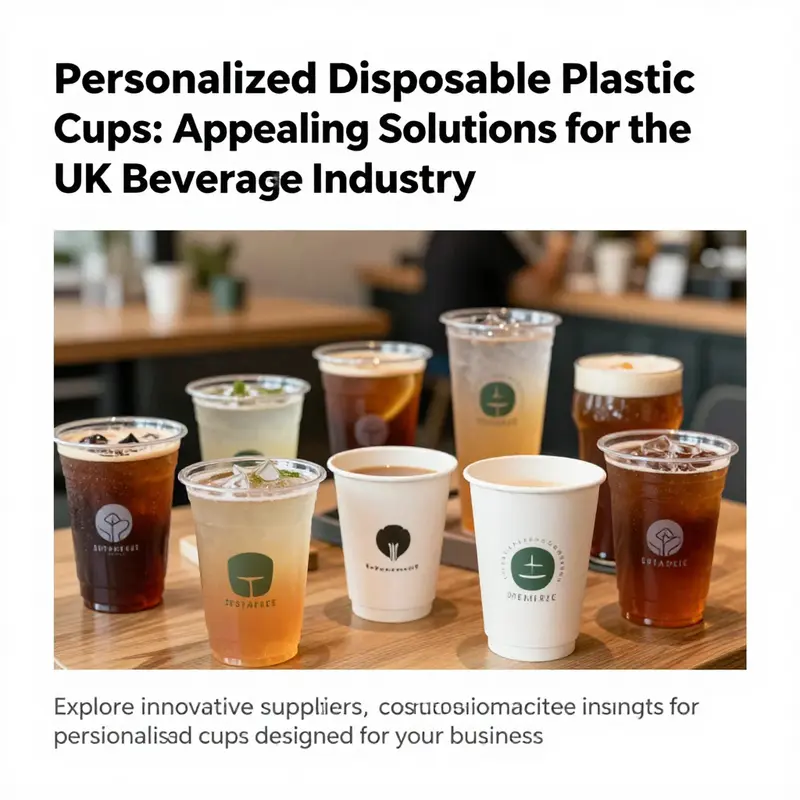
In today’s competitive beverage market, especially within the UK, branding and personalization play crucial roles in attracting and retaining customers. One effective way to enhance your brand visibility while providing practicality is through personalised disposable plastic cups. These cups are not only customizable but also serve as a canvas for branding during various events—from bustling bubble tea shops to corporate catering services. The following chapters delve into suppliers, customization options, environmental regulations, market trends, and popular use cases specifically tailored for beverage chains, restaurants, food trucks, event planners, and corporate procurement teams. Each chapter builds on the understanding of how these personalised cups can elevate your business, emphasize eco-conscious practices, and align with market demands.
Navigating the UK Landscape of Personalised Disposable Plastic Cup Suppliers
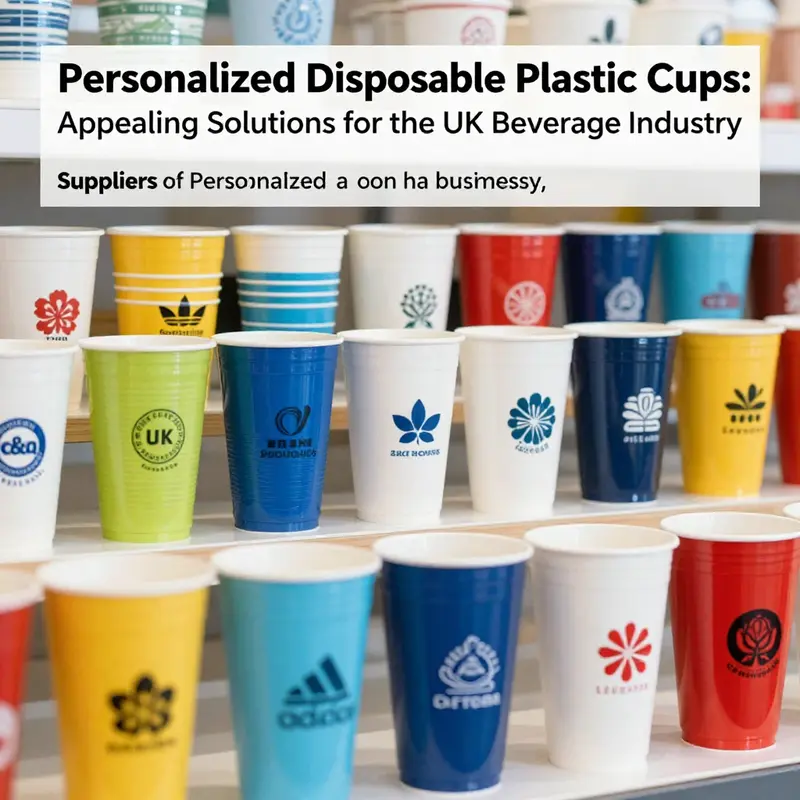
When a planner or brand manager begins the search for personalised disposable plastic cups in the UK, they quickly discover a market that blends art with logistics. The journey from concept to event or campaign hinges on the qualities of the suppliers behind the cups, from print fidelity and material choice to lead times and regulatory alignment. In practice, the supplier becomes a partner, translating a design brief into a tangible product that communicates a brand’s message while remaining compliant with evolving UK policy on single-use plastics. A straightforward principle underpins most decisions: the best supplier is one that blends technical capability with a practical grasp of event calendars, storage constraints, and the need for consistent quality across orders of varying sizes. This is especially important in the UK, a market that has actively tightened rules around single-use plastics in recent years and continues to steer buyers toward more sustainable options without sacrificing impact or speed.
Effective sourcing begins with a clear brief. Buyers should specify the event type, expected guest count, and the level of personalization required. Do you want a single, prominent logo, a full-color motif, or a subtle brand message wrapped around the cup? Will the cups be used indoors or outdoors, with potential exposure to heat or moisture that could affect print durability? All of these factors influence the choice of cup material, printing method, and the number of colours that can be faithfully reproduced. In the UK, suppliers commonly offer a range of capacities, including smaller tasting sizes and larger takeaway formats, with the printing options to match—digital printing for flexible runs and short lead times, and traditional methods for larger runs where bulk pricing becomes the main driver of cost efficiency. On the surface, the decision is simple: pick the size that fits the drink, the print so that it survives the event, and the price that aligns with the budget. Yet the nuance lies in the details—the way ink adheres to the cup, the color consistency across batches, and the integrity of the design from the first cup to the last.
Print quality is the fulcrum of this process. For personalisation to feel premium, buyers should assess resolution, colour fidelity, and the ability to reproduce fine line work. Not all cups carry identical printing capabilities, and the choice of substrate matters as much as the imprint. A cup that looks flawless in a digital proof may behave differently when it encounters hot liquids or prolonged handling. The best suppliers provide proofs or digital simulations that closely mirror reality, enabling purchasers to approve a design before production begins. In practice, the workflow often includes a proof stage, a small test run, and then full production. Understanding the lead times involved is crucial, especially for seasonal events or multi-city campaigns where multiple delivery windows must converge. The UK market appreciates transparency around production timelines, with clear expectations for turnaround from artwork approval, through production, to dispatch and final delivery.
Materials and sustainability are increasingly central to supplier selection. Contemporary buyers increasingly seek BPA-free materials and cups that are recyclable or compostable where appropriate. This reflects both consumer expectations and regulatory signals from authorities who have begun taxing certain single-use items and encouraging recyclability. The choice between conventional plastic and more sustainable options, such as recyclable formats or compostable coatings, can influence not only the environmental footprint but also the end-of-life handling at venues. Buyers should request explicit statements about content, certifications, and recyclability claims. The presence of third-party certifications or clear, verifiable labeling helps prevent greenwashing and gives event organisers confidence that their brand values align with responsible consumption. In practice, this means selecting a supplier who can offer a clear breakdown of material composition, print durability under typical serving conditions, and realistic guidance on disposal pathways for the cups after use.
Cost and order economics play a decisive role, particularly for organisations managing multi-site events, promotions, or ongoing brand activations. The economics of personalised cups hinge on factors that extend beyond the face value of the unit price. Minimum order quantities, the choice between digital printing and traditional methods, setup costs, and the incremental cost of adding additional colours all shape the total. Smart buyers negotiate for a staged approach: a small, low-risk initial run to validate the concept, followed by larger runs for rollout. This approach helps avoid waste and ensures the design translates well across volumes. In addition, flexible packaging options, such as compact bundles or recyclable shipping cartons, simplify logistics for organisers who must transport cups to several venues. The ability to adjust order sizes as campaigns scale up or down contributes to budgeting agility and reduces the risk of carrying excess stock.
Supply-chain reliability is another essential factor in the UK context. Organisers rely on suppliers who can commit to accurate delivery windows, especially when margins of error could disrupt schedules. It is helpful to inquire about contingency planning, such as backup stock or expedited options for urgent needs. A dependable supplier maintains robust communication channels and provides real-time updates on artwork approvals, production status, and shipping notifications. In an environment where external pressures—like weather disruptions or port delays—can affect timelines, a trusted partner with a track record of on-time delivery becomes a strategic asset. While large-scale campaigns may attract attention from multiple suppliers, the most resilient procurement teams cultivate relationships with a core set of providers who understand the brand’s standards, typical event cadence, and preferred packaging formats.
Beyond the mechanics of production and delivery, the ethical dimension of sourcing is increasingly present in decision-making. Buyers are more likely to examine the supply chain for governance, worker welfare, and environmental stewardship. The UK audience often expects brands to demonstrate transparency in how cups are produced, printed, and disposed of after use. A credible supplier can share information about waste-stream management, including the recyclability of the cup components and the availability of recycling streams at venues. In practice, this means asking about the end-of-life story for the cup: can the cup be recycled in standard municipal streams, or does it require specialized facilities? If compostable options are offered, buyers should confirm whether they are industrially compostable and what percentage of the cup is compostable. These questions are not merely about compliance; they are about aligning a brand’s environmental narrative with practical outcomes at events and in consumer hands.
As buyers weigh the options, an internal resource can help translate these considerations into action. For instance, a resource that surveys eco-friendly, printed-logo single-wall cups highlights how designs scale from small, intimate gatherings to larger promotions while maintaining visual impact. This kind of reference point supports a practical understanding of what is feasible within a given budget and lead time. It also reinforces the idea that sustainability and personalisation are not mutually exclusive when the supplier pool is capable and transparent. The best practice is to look for suppliers who can articulate print reliability, offer proofs, provide clear guidance on disposal options, and demonstrate a consistent track record of meeting deadlines. When all these elements align, a brand can execute a personalised cup programme that not only enhances the event experience but also reinforces responsible consumption and brand integrity.
In closing, the UK supplier landscape for personalised disposable plastic cups is characterized by a balance of print capability, material choices, and logistical reliability, all framed by a shifting policy backdrop that nudges buyers toward sustainability without compromising impact. The most effective sourcing approach blends a precise design brief with a practical procurement strategy: demand high-fidelity proofs, insist on transparency about material and disposal claims, test on a small scale before committing to a full run, and maintain flexible logistics that accommodate multi-site deployments. For teams that integrate these elements, personalised cups become more than a vessel for a beverage; they become a portable canvas for brand storytelling, a touchpoint for consumer engagement, and a responsible choice within the broader spectrum of UK environmental policy and market expectations. For readers seeking a concrete example of how a UK-based supplier can deliver this blend of capability and reliability, a focused exploration of eco-friendly printed-logo single-wall cups offers actionable insights into how design, material science, and logistics converge in real-world production. eco-friendly printed-logo single-wall paper cup.
External resource: https://www.brandedcups.com/
Printing Palettes and Promises: Navigating Customisation for Personalised Disposable Plastic Cups in the UK
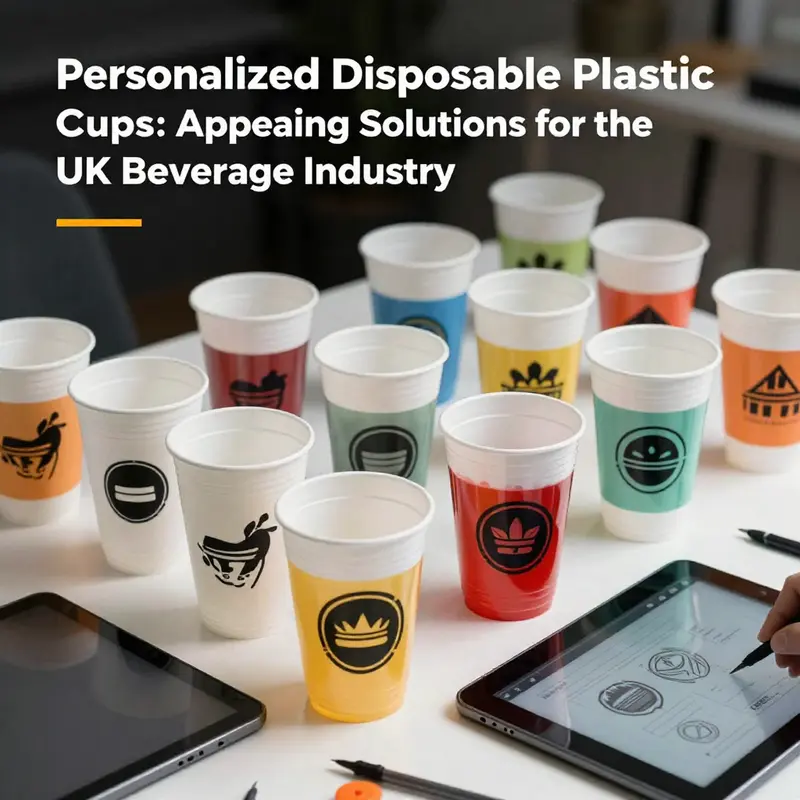
Customisation options for personalised disposable plastic cups in the United Kingdom have evolved into a careful dialogue between brand identity and daily practicality. Cups on display in venues, on event tables, or in retail settings act as small moving billboards. They must carry a logo, a name, a short message, and a colour story, while still feeling comfortable to hold and easy to dispose of after use. The choices buyers face begin with how the surface is decorated and extend to how a cup can sit in a broader branding ecosystem that includes lids, straws, and often a matching sleeve or packaging. Printing method matters because it sets the rhythm of the project. Digital printing has transformed the pace of work. It permits quick design refreshes and shorter runs, which is especially valuable for seasonal campaigns or limited time promotions. For campaigns that reappear or demand consistency across multiple events, the flexibility of digital workflows can reduce the risk of overproduction and waste. Offset printing, by contrast, offers tighter control over colour reproduction when volumes rise and orders become more predictable. It shines where a brand maintains a stable palette across large batches and needs a level of colour precision that remains stable from batch to batch. In practice, many buyers balance both approaches, selecting digital for small to mid size runs and offset for larger volumes or places where exact colour matching is non negotiable. The aim is to maintain the integrity of the brand while staying responsive to demand.
Colour management extends beyond the method of printing. Most suppliers accommodate a brand’s colour palette through Pantone references, sometimes in combination with CMYK simulations, to ensure a faithful rendition on a curved surface. The physical arc of a cup presents a particular design challenge; a wrap around design must read clearly whether the cup is held upright or rotated in a crowd. The best wrap designs account for the seam in the wrap, allowing critical elements such as the logo and key text to stay within a safe zone and to avoid distortion at the cup’s most visible angles. It is common to see a full or partial wrap that embraces the entire circumference, giving a consistent field for imagery while leaving margins that safeguard readability when the cup is grasped or stacked.
Size and shape options also shape the design conversation. While 16 oz remains a standard workhorse in many settings, suppliers in the UK frequently offer a spectrum of capacities, including smaller and larger formats to match beverage types and serving contexts. Beyond the body of the cup itself, buyers often opt for a complete set that includes lids and straws in coordinating colours or materials. A cohesive look, from cup to lid to straw, communicates attention to detail and reinforces brand consistency in busy environments such as trade shows, product launches, or hospitality events. In some cases, customers can choose different lid styles to balance spill resistance, stackability, and the visual language of the packaging. The interplay between cup colour, lid colour, and straw shade becomes a subtle but important element of the overall aesthetic.
Sustainability has moved from a compliance concern to a design parameter. In the UK, the regulatory environment surrounding single use plastics has grown more stringent, and buyers increasingly seek materials and finishes that are BPA free, recyclable, or compostable where feasible. A growing number of suppliers label their cups with sustainability credentials, enabling buyers to align their promotional objectives with environmental values. For many brands, the decision is not only about surface printing; it is about the entire lifecycle of the product. Recyclability of the cup material, the ease of separating components, and the availability of recycling streams for lids and straws are critical factors in cost calculations and messaging. Even within the confines of a disposable item, there is room to tell a responsible story through clear communications on packaging and through the design itself.
From a practical standpoint, the ordering process is a collaboration rather than a one way transaction. Design teams must prepare artwork in suitable formats, often vector based files with embedded fonts and clear dielines that show the printable area. Early proofs are essential, offering a digital preview and, where possible, a physical sample. The latter can be invaluable for catching issues such as legibility of small type, colour shifts, or edge bleeding that might become evident only when the cup is handled. Lead times vary with volume, technique, and stock availability. Suppliers typically publish expected timelines and offer rush options, though the fastest routes may incur surcharge or require simplified artwork. Minimum order quantities are common, but many suppliers provide flexible terms for smaller campaigns or pilot runs. The most successful projects align a brand’s calendar with these production milestones, leaving ample time for design iteration, proofing, and quality checks before a grand reveal.
The design brief itself is a blueprint. It starts with a clear logo lockup and the hierarchy of brand elements. A readable typographic scale matters more on a curved surface than on a flat sheet. Text should remain legible from a distance and under varied lighting conditions, which often means modest font sizes and conservative colour contrasts. It helps to think in terms of visual impact at quick glances during a busy event. For many campaigns, a strong silhouette or emblem can carry the brand even when other details fade from view at a distance. Designers should also consider how to handle multi colour palettes, including the possibility of using a single colour for the cup body with contrasting white or black printing for the logo. Accessibility considerations, such as high contrast between text and background, should guide choices so that the message remains inclusive and legible in diverse environments.
Another practical strand concerns the supplier relationship. Buyers benefit from selecting providers who can deliver end to end solutions, including cups, lids, and straws that coordinate with the chosen print. A single source reduces coordination overhead, ensures consistency across components, and facilitates a smoother returns or reprint process if adjustments are needed mid campaign. When seeking a partner, brands typically inquire about proofing options, material specifications, and durability tests that simulate handling in real world conditions. They may ask about the ability to maintain colour fidelity after chilling, heating, or condensation exposure. They also look for transparency around sustainability claims, such as the specific materials used and the availability of recycling streams in their target markets. While the conversation often begins with a design concept, it naturally broadens into packaging choices, production capacity, and the logistics of delivering finished cups to event sites or distribution hubs across the UK and Europe.
For teams exploring options that align with eco conscious goals, a useful path is to sample eco friendly or recycled content cups that still support high quality printing. The design brief can explicitly request a test print on such stock to verify that colour density, edge sharpness, and image clarity meet expectations. In addition to the printing technique and material class, the physical handling of the cup matters. A cup should feel sturdy in the hand, resist creasing or cracking under ordinary transport, and perform well in temperatures typical of the beverage it will contain. The tactile experience of the cup can subtly reinforce brand values, whether understated and premium or bold and playful.
For readers seeking a concrete example of the scope and precision offered in the market, there are suppliers who publish detailed features around customization, including full wrap print capabilities, a variety of lid styles, straw options, and colour matching processes. A person drafting an order can advance with confidence by requesting a design brief that includes the printable area, bleed, and safe zones; a recommended file format for logos; and a clear statement of the desired finish for the cup body. It is also prudent to confirm the availability of a packaging solution that presents the cups neatly at point of sale or at an event, ensuring that the end user perceives the brand as cohesive from the moment the cup is picked up.
As part of a broader content strategy for this chapter, consider exploring resources that discuss eco friendly and printed logo options for disposable cups and similar packaging. For instance, you can review an example of eco friendly printed logo single wall paper cups for ideas on how logos and branding can translate across different substrates and formats. This can inspire designers to reframe artwork for plastic cups while maintaining the core brand message and visual identity. eco friendly printed logo single wall paper cup
Ultimately, the journey from an initial concept to a finished customised cup is a partnership. It requires clarity about branding priorities, an informed view of material choices, and a realistic timeline that respects both the creative process and the realities of production. The best outcomes come from iterative dialogue, careful attention to the printable area, and a willingness to test options that might push a brand toward a slightly different shade, a new lid colour, or a revised layout that preserves readability while maximizing impact. In the UK market, where regulations and consumer expectations continue to evolve, the emphasis on responsible design and reliable execution is not a constraint but a framework within which brands can express their character through everyday objects. The end result is more than a cup; it is a portable extension of the brand story that travels with the product, from display cabinets to festival booths and back rooms of corporate events. As campaigns progress and new moments arise, the conversation between designer and supplier remains the engine that powers consistent, compelling, and compliant branding across disposable cups.
External resource: https://www.brandedcups.co.uk
null
null
Brand in a Cup: Market Trends Shaping Personalised Disposable Cups Across the UK
Across the UK, the market for personalised disposable cups sits at a crossroads of immediacy and responsibility. Businesses want cups that carry a message, a logo, or a seasonal design, yet they are navigating a tighter regulatory environment and growing consumer insistence on sustainability. Market research points to a steady but cautious uptick: a modest CAGR of about 1.9% and projected revenue near US$1.1 billion by 2030. This chapter explores how personalization and sustainability interact in practice, influencing decisions from supplier selection to campaign planning and product lifecycles.
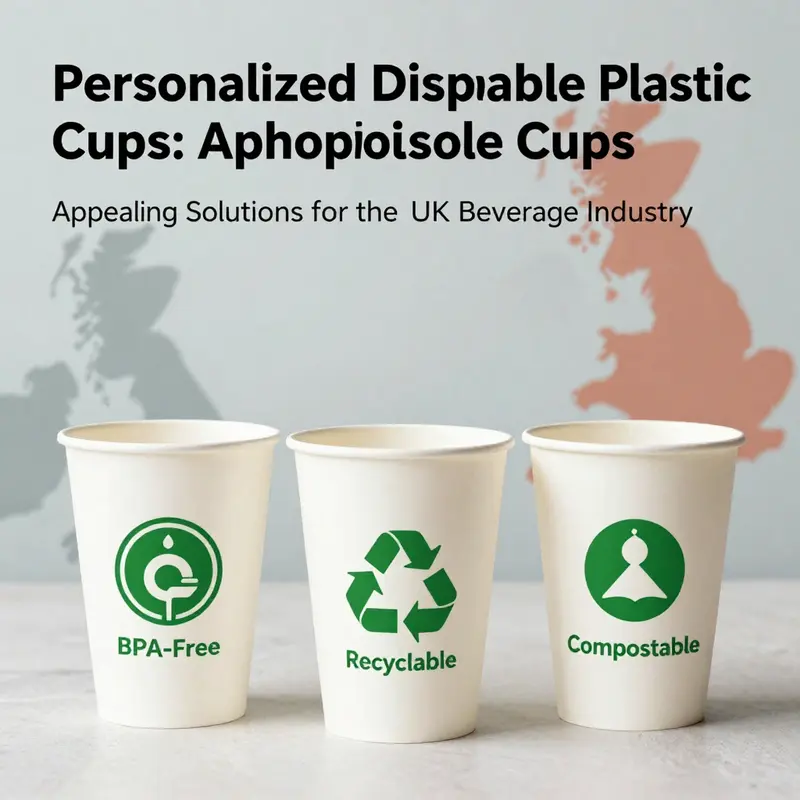
Sustainability dominates the conversation in contemporary consumer culture. People are increasingly aware that convenience must align with responsibility. In response, manufacturers are expanding beyond traditional single-use plastics toward biodegradable or compostable alternatives. PLA cups, for instance, offer a credible path to maintain branding flexibility while reducing environmental impact. The twist is that these cups can still be personalized with logos, text, or patterns, preserving the marketing value of a branded cup while addressing environmental concerns. In the UK, policy shifts and public scrutiny have created both challenges and opportunities for suppliers and users. The most practical guidance for buyers is to look for clear labels such as BPA-free, recyclable, or compostable. These tags help ensure compliance with evolving regulations and align with corporate sustainability goals.
The push toward personalization is not merely a matter of aesthetics. It reflects how brands use everyday objects to extend presence beyond a storefront or online banner. A well-printed cup acts as a mini-billboard at events, in queues, and during product launches. The impact is amplified when the design is aligned with a campaign theme, color story, or new product line. As digital printing technology advances, it becomes possible to achieve high-fidelity reproductions on relatively small runs. That lowers the barrier to experimentation. A designer can test several motifs, test different colorways, or tailor cups to specific venues and audiences without incurring prohibitive costs. Even small businesses can deliver a consistent brand experience across multi-channel touchpoints through custom cups.
From a practical standpoint, the rise of personalization goes hand in hand with smarter packaging decisions. The same cup that carries a brand message can also guide consumer behavior. For instance, design elements can signal whether a cold drink should be recycled, or whether the cup is intended for a particular event. In addition, the marketing value of personalized cups stretches beyond the event itself. Attendees often keep cups as mementos, or share images of cups on social media, extending the lifetime of the campaign beyond the actual day. The result is a measurable lift in brand recall, engagement metrics, and even post-event merchandise impact. This aligns with how campaigns can leverage seasonal moments or product launches to maximize visibility.
Sustainability and personalization are not separate journeys; they inform procurement choices and production planning. The UK market shows that consumers are willing to accept eco-friendly materials even when they cost slightly more upfront. The decision calculus for buyers often weighs long-term environmental impact against short-term price. Suppliers respond with a spectrum of options: recyclable cups, compostable alternatives, and even certifications that verify environmental claims. The availability of mixed-material or coated options can also influence performance, durability, and print quality. Buyers should assess not only the material but also the lifecycle of the cup, including end-of-life scenarios and compatibility with local recycling streams. In practice, this means asking questions about sourcing, manufacturing processes, and whether the cup can be disposed of through local facilities.
Design considerations matter as well. The most successful personalised cups balance bold branding with legibility and practicality. When screens or digital printers can reproduce fine lines and precise colors, campaigns can maintain fidelity across runs. But there is a caveat: the more complex the design, the more careful the calibration must be to avoid color drift during production. Brands often opt for simpler palettes to minimize risk while maximizing recognition. The aim is to create a compact design language that can travel from festival to office cafe without losing its essence. The result is a cohesive brand expression that travels through time and space with a single, repeatable asset. This is particularly important for campaigns that aim to be instantly recognizable in busy environments, where quick visual cues can influence consumer choice.
The channel mix for personalised cups is also evolving. Businesses are integrating cups into broader experiential marketing strategies, where drips of color and typography reinforce a narrative across multiple touchpoints. For example, cups used during product launches can echo the color scheme used in packaging, posters, or digital assets. Campaign performance in such cases benefits from the immediate visibility of the cup as people gather, sip, and share moments. Moreover, ongoing promotions can leverage limited-edition cups tied to seasonal lines, creating a sense of urgency and collectibility. This strategy also helps with data capture, as cups distributed at events can guide attendees to landing pages or apps where they can learn more or claim rewards.
The regulatory context in the UK continues to shape purchasing decisions. The combination of taxes on single-use plastics and the push toward circular economy principles means buyers should plan for end-of-life outcomes. Even when a cup is designed for single use, traders and end users should consider whether it is recyclable locally or if it can be composted in appropriate facilities. The feel of responsibility can influence consumer attitudes, making sustainability a component of the brand narrative rather than a passive compliance checkbox. In practice, this means marketing teams include sustainability metrics in their briefs, requesting transparent labeling and documentation that confirms recyclability or compostability. It also means procurement teams examine supply chain ethics, from raw materials to manufacturing emissions, and prefer suppliers who publish verifiable environmental data.
Where does the trend lead the market in the next few years? The research indicates a market that leans into sustainability while trying to preserve the premium feel of personalization. The value proposition evolves from simply offering a customized product to delivering a strategically integrated branding element. Brand teams will increasingly treat personalised cups as part of a larger conversation about consumer experience, environmental responsibility, and product storytelling. In practical terms, this means more flexible ordering options, including smaller batch runs for niche campaigns and scalable runs for mass events. It means greater emphasis on design libraries and reusable templates to shorten lead times while maintaining consistency. It also means a continued balance between cost efficiency and perceived value. As technology matures, margins can improve when designs are standardized across campaigns and seasons, while still allowing pockets of customization where there is the strongest brand signal.
From an organizational perspective, the market trend points to a more collaborative ecosystem. Brands, suppliers, and distributors are likely to co-create packaging solutions that emphasize transparency, recyclability, and consumer education. Standardized labeling and communication about end-of-life options can become a shared industry norm. In this environment, the capacity to tailor cups for regional preferences—such as language or color associations—can become a differentiator, while keeping production efficient. The UK’s market environment rewards those who align product design with environmental stewardship and clear consumer guidance. A buyer-friendly approach includes asking suppliers about certifications, print technology capabilities, and the reliability of supply chains to deliver consistent quality across diverse volumes.
In sum, the market for personalised cups in the UK is not simply about branding on the go. It reflects a broader shift toward responsible consumption and brand storytelling that travels through everyday objects. The CAGR and revenue projections underscore a steady expansion, but the real change lies in how cups are perceived, used, and disposed of. Brands are learning that a well-designed cup can be both a promotional vehicle and a statement of values. The convergence of sustainability and personalization shapes decisions at every stage—from concept and design to procurement, production, and end-of-life planning. For readers seeking a detailed quantitative benchmark, industry analyses point to a nuanced but confident outlook for 2025 to 2030, with continued interest in biodegradable and recyclable solutions without compromising brand impact. And for marketers looking to translate this trend into a practical plan, the small but powerful ritual of distributing a customized cup can be part of a larger strategy to embed sustainability into the brand’s narrative, rather than treating it as a separate initiative.
As a practical takeaway, consider aligning cup design with campaign goals, choosing materials that fit local recycling streams, and documenting the environmental claims you present to consumers. The interplay between design fidelity, material choice, and consumer expectations will continue to define how these cups perform in the market. The bottom line is that personalization can increase brand reach, while sustainability can sustain trust. The two trajectories reinforce one another, making personalised cups a telling indicator of how brands communicate with modern UK consumers.
For brands exploring sustainable, customized cup options, consider the eco-friendly-printed-logo-single-wall-paper-cup approach as a reference point for balancing print quality with environmental responsibility.
External resource: https://www.grandviewresearch.com/industry-analysis/disposable-cups-market
Brand Moments in a Disposable Moment: The Use Cases and Rising Popularity of Personalised Cups in the UK
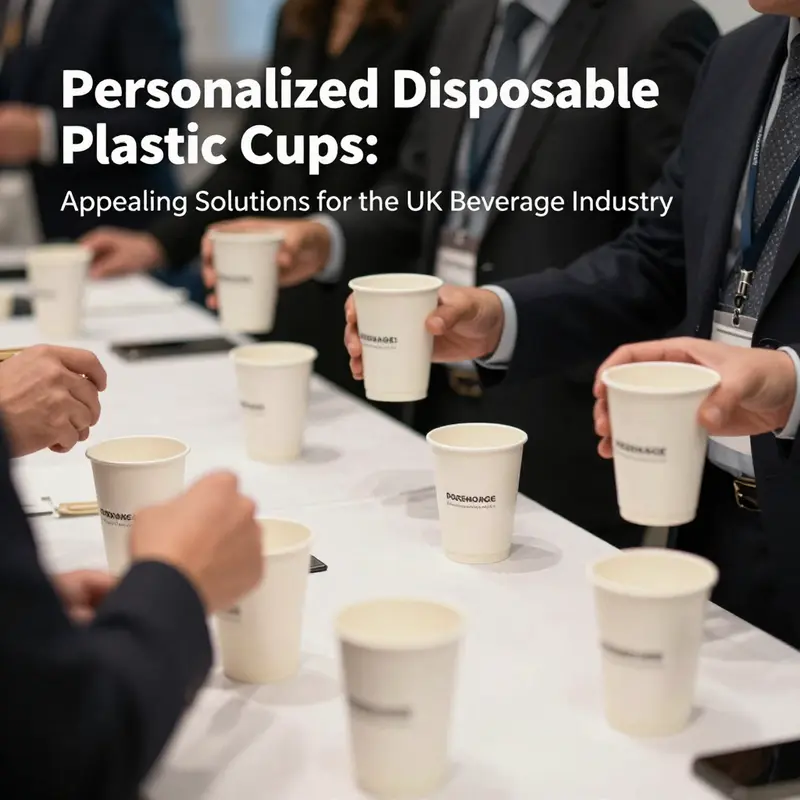
Across the United Kingdom, personalised disposable plastic cups have moved from novelty to a robust channel for branding, memory-making, and moments of connection at events both intimate and expansive. They sit at the convergence of quick-service practicality and tactile visual engagement, offering a portable canvas on which names, logos, and messages can travel from the table to the guest’s awareness and memory. The appeal rests not only on the cup’s function but on how a small design detail can shape the atmosphere of an occasion, turning a simple drink into a reminder of a shared moment.
From weddings to corporate gatherings, the use cases stretch wide. In weddings, cups can bear the couple’s names and the wedding date, turning a practical item into a keepsake that guests may wind up keeping in memories or photo albums. The design process—selecting color schemes that echo the wedding palette, choosing font styles that mirror the ceremony’s tone, and deciding on the cup capacity that matches the serving plan—becomes part of the event’s storytelling. These cups do more than stave off spills; they fold into the event’s narrative, offering a branded thread that guests encounter repeatedly, from the toast to the dance floor to the moment someone pockets a small, tangible memento.
In corporate settings, the same logic applies with a business emphasis. Organisers lean into bold logos, slogans, and color blocks to reinforce brand identity during conferences, product launches, or training days. A cup surfaces as a moving billboard that participants interact with during coffee breaks, seminars, or workshops. The branding is lightweight enough not to encroach on the experience, yet visible enough to contribute to post-event recall when attendees share photos on social platforms. These moments, though fleeting, can accumulate into a measurable uplift in brand visibility and perceived professionalism, especially when the design aligns with the event’s messaging and audience expectations.
Parties and celebrations exploit the same dynamics with a more playful tilt. A birthday bash or a milestone gathering can use personalised cups to mirror the party’s theme, using color, typography, and even caricatures or inside jokes to create a sense of intimacy. The cups become talking points, encouraging guests to mingle around the design as much as around the conversation. In charity fundraisers, the visual impact matters just as much as the functional one. Custom cups that carry a charity’s branding or a succinct call to action can support donor recognition, serve as a memorable thank-you for supporters, and function as mobile canvases that broadcast the cause in moments captured by attendees’ cameras and later shared online.
The versatility extends to capacity and configuration. A range of sizes—250ml, 330ml, and larger formats—appeals to different serving contexts, from quick coffee runs to party-friendly refills. Even within the disposable category, there is room for thoughtful design choices. Some environments benefit from a consistent brand color across all cups, while others lean into a mixed palette to reflect different stations, sponsors, or activity zones. The practical details matter as much as the graphic, with considerations for grip, print area, and readability shaping the final look and user experience.
A subtle but telling trend in the market is the blurring of lines between disposable and reusable. While the core product remains single-use, operators and brand owners are increasingly mindful of the end-of-life story for these cups. This awareness shows up in two ways. First, demand for cups with BPA-free formulations, recyclable or compostable labeling, and clear end-of-life guidance has grown. Buyers want to align with local regulations and consumer expectations around sustainability. Second, there is growing interest in hybrid solutions—high-quality reusable tumblers for outdoor events and festivals, designed to feature guest names or event branding. A commonly cited example is a 24-ounce (710 ml) reusable tumbler with a straw and lid that can carry a name or logo for outdoor gatherings, combining durability with brand visibility in a context that invites repeat use. This illustrates how market instincts are steering producers and purchasers toward options that balance convenience, cost, and environmental responsibility, even as disposable formats remain in high demand for certain settings.
The UK market reflects this balance between practicality and principle. Online marketplaces and dedicated print providers offer personalised disposable cups alongside a broader suite of branded drinkware. While cost, speed, and customization are the immediate drivers, buyers increasingly scrutinize the sustainability credentials of the cup and its packaging. Labels such as “BPA-free,” “recyclable,” or “compostable” are not mere marketing tags; they are signals to event planners that the product aligns with environmental standards and local waste-management capabilities. In addition to policy considerations, consumer values are evolving. A growing portion of buyers seeks to demonstrate stewardship through the materials they choose and the messaging they present on cups that travel from a host to a guest and back into circulation as waste or recycling.
In terms of availability and sourcing, the UK audience benefits from a mix of established suppliers with regional reach and international online platforms that offer quick customization and rapid delivery. The dynamic is not only about printers and machines but about the entire supply chain that supports the designer’s vision—from artwork setup and color matching to the logistics of fast production and compliant packaging. Suppliers often offer flexible options, enabling event organizers to print a one-off batch for a wedding or to scale up for a larger corporate conference. The result is a market where personalised cups can be both a cost-effective branding tool and a small but tangible souvenir that strengthens the emotional resonance of an event.
As a practical reference to broader choices in the category, many buyers consider eco-friendly alternatives in the same breath as plastic cups. The existence of paper cup options with printed logos demonstrates the market’s responsiveness to sustainability concerns without sacrificing the benefits of customization. For readers curious about these paper-based options, a representative example is the eco-friendly, printed-logo, single-wall paper cup, which showcases how brands are testing print quality, durability, and end-of-life plans in parallel with plastic cups. eco-friendly-printed-logo-single-wall-paper-cup
Design and messaging considerations play a central role in achieving the desired impact. The legibility of type, the hierarchy of information, and the alignment between the cup’s artwork and the venue’s visual language all contribute to a cohesive experience. When a guest sees a familiar logo or a date that anchors a memory, the cup becomes more than a vessel; it becomes a prompt for recollection and a cue for sharing, whether in a photo at the table or a post on social media. In this way, personalised cups become part of a larger event ecosystem that includes signage, programs, and digital touchpoints, all reinforcing a consistent brand or personal narrative.
The popularity of personalised disposable cups in the UK also reflects the deeper social function of shared rituals. A well-designed cup can signal hospitality, celebrate togetherness, and acknowledge generosity. When a host introduces a naming motif or a seasonal color scheme, guests respond with a sense of belonging. The small ritual of sipping from a customised cup can subtly elevate the perceived value of an occasion, underscoring that the event is thoughtful and tailored rather than generic. This, in turn, influences guest satisfaction, word-of-mouth, and even future decision-making about attending similar events or recommending the host to others.
From a market intelligence perspective, the rise in popularity is not merely about aesthetics. It is driven by how these cups fit into the broader logic of event management, where time, budget, and impact must be balanced. Personalisation offers a high-impact, low-friction method to differentiate a brand or occasion without incurring prohibitive costs. The UK audience—characterized by diverse demographics and a highly active events scene—responds to this blend of simplicity and sophistication. Providers respond with streamlined design tools, scalable production, and clear sustainability narratives, helping buyers translate creative concepts into tangible, on-brand cups that travel from the printer to the event floor with minimal friction.
The current availability landscape mirrors these buyer priorities. Online retailers and specialised suppliers provide a spectrum of options, from small, bespoke runs to larger batches for corporate programs. In practice, this means a planner can prototype a design on a single sample cup, refine the artwork, and then place a broader order that aligns with event logistics and waste-management plans. As turnover speeds up and customization tools become more intuitive, more organisations can experiment with different formats, colors, and messages to determine what resonates with their audiences. The result is an ecosystem where once-niche personalized disposable cups are now a mainstream tool for creative expression and strategic communication at events across the UK.
External resource takeaway: for a practical glimpse into a broader selection of branded, eco-aligned cup options, many readers will find value in exploring related product formats and materials that sit alongside plastic cups in the marketplace. This broader context helps clarify how sustainability, branding, and user experience intersect in a tangible product people handle and remember.
External reference: https://www.amazon.co.uk/dp/B0CQJXVY8L
Final thoughts
Personalised disposable plastic cups represent a significant opportunity for businesses in the UK to enhance their branding while meeting customer demands. As suppliers continue to innovate, offering diverse customization options that align with environmental standards, businesses in the beverage industry can remain competitive and responsive to consumer preferences. By understanding the market landscape and regulatory requirements, and leveraging the use cases highlighted, companies can utilize these cups not just as a functional item, but as an integral part of their brand identity and success. Investing in personalised disposable cups may just be the edge your business needs.