
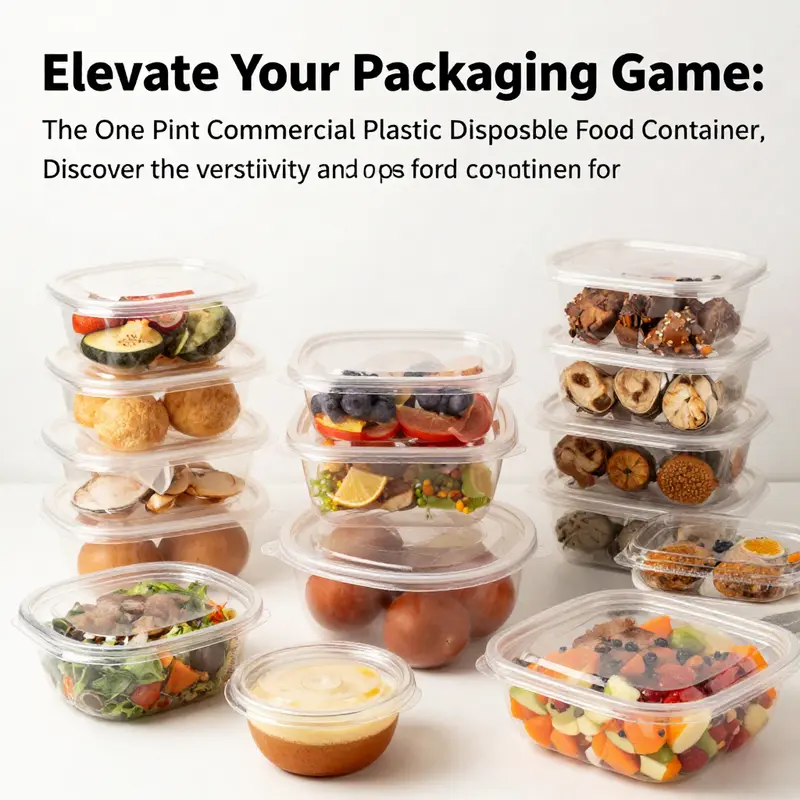
In an era where presentation, convenience, and sustainability are paramount, one pint commercial plastic disposable food containers have emerged as a staple for businesses in the food service and beverage industry. Whether you’re a bustling bubble tea shop, a gourmet restaurant, a nimble food truck, or an event planner managing multiple catering services, understanding the nuances of these containers can elevate your offerings. This article will guide you through the critical features of these containers, their applications across various sectors, the science behind the materials used, sustainability considerations, and a comprehensive market analysis to help you make informed procurement decisions.
null
null
One Pint, Global Reach: The Industrial Lifecycle of a Small Plastic Takeout Container
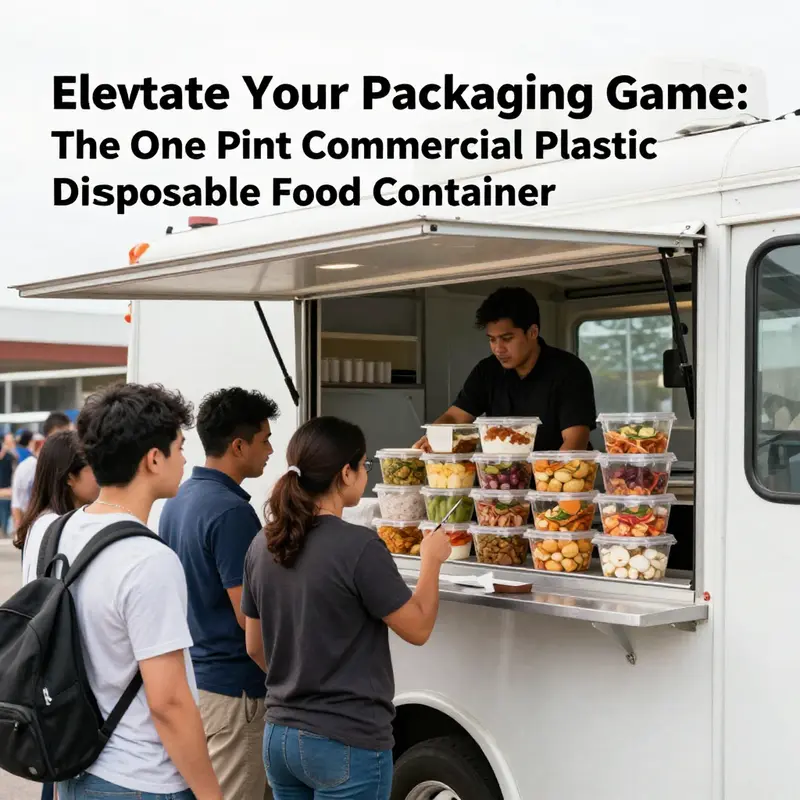
A single pint can feel almost quaint in a world of industrial packaging, yet its impact on the food system is both expansive and quietly consequential. The one-pint commercial plastic disposable food container is designed for a simple ambition: to protect, present, and transport a portion of food from kitchen to consumer with minimal fuss and maximal reliability. In practice, that means a tool whose value comes not from novelty but from consistency. It is a workhorse of the modern food service landscape, shaping how operators portion meals, how products are prepped on assembly lines, and how brands communicate freshness and care to customers who never see the work that happens before they open the lid. The container embodies a balance of clarity, strength, and practicality that keeps it in steady rotation across restaurants, caterers, meal-prep services, and retail cold cases, even as alternatives appear in other materials and formats.
Material selection lies at the heart of this balance. The most common variants are PET and PP, each bringing a distinct set of properties that align with different applications. PET offers excellent clarity, allowing the contents to shine through with an almost glass-like brightness. This transparency is not merely cosmetic; it is a strategic attribute in retail and food service, where a viewer’s confidence is sparked by visible texture, color, and portion size. PET’s rigidity helps resist crushing during transit, reducing product losses in busy delivery pipelines. Polypropylene, meanwhile, brings a different kind of resilience. PP containers often perform well under moderate heat and side-by-side with secure snap-on lids, they provide a reliable seal that helps contain aromas, juices, and sauces while limiting air exchange. This makes PP a sensible choice for meals that move through cold storage or are stored for a few days in a refrigerator. Yet not all PP variants share the same strengths when heat levels rise; some may warp if exposed to higher temperatures in microwaves or hot holding environments. Then there is the more insulation-focused niche where expanded polystyrene (EPS) has found a role. EPS variants can offer superior thermal insulation, a critical feature when hot foods demand longer hold times in transport, though the trade-off is often glossy recyclability questions and increased weight relative to thin-walled PET or PP designs. Taken together, material choices frame a container’s core competencies: visibility, structural integrity, barrier properties, and compatibility with temperature profiles in real-world workflows.
Sealability and lid design are not afterthoughts but essential performance criteria for industrial use. The operational kitchen demands lids that snap, click, or press into place with predictable consistency. A secure seal prevents leaks that could damage products, equipment, and brand reputations. In many models, vented lids address an everyday nuisance—condensation buildup that can fog the view of a display or hamper the performance of chilled or frozen products. This venting mitigates moisture buildup while preserving the integrity of the seal, a nuance that becomes increasingly important in high-volume takeout or catering operations where hundreds of containers may circulate through kitchens and delivery hubs in a single shift. These lids, whether press-fit or snap-on, are designed to coordinate with the container walls to deliver a reliable barrier against air and moisture ingress while preserving the crispness of salads, cream-based desserts, or noodle dishes that rely on texture to read as fresh.
The temperature story behind a one-pint container is nuanced. Cold storage is a given; many models are formulated to endure freezer temperatures and the rigors of long-haul storage. The more modest heat tolerance influences microwaving practices and hot-fill scenarios. Operators must be mindful that not every PET or PP option is microwave-safe, which has consequences for in-store and home reheating strategies. The practical implications run through every edge of the supply chain—from how a restaurant designs a menu with stable reheating profiles to how a catering service packages warming meals for bulk delivery. In this sense, the one-pint container is not merely a holding vessel but a chosen instrument that aligns with a kitchen’s operational rhythm, whether it’s a campus dining hall, a mobile food truck, or a multi-site catering enterprise.
Sustainability, compliance, and end-of-life considerations are increasingly central to decision-making. In response to shifting consumer expectations and regulatory pressures, manufacturers have expanded offerings around recyclability, lightweighting, and material efficiency. PET’s recyclable code (PET #1) is widely accepted in many recycling streams, and its reuse potential complements branding narratives around sustainability when coupled with responsible disposal programs. Lightweighting reduces shipping weight and fuel use, lowering the total cost of ownership for distributors and operators while limiting the environmental footprint of each unit. Yet the conversation does not end with recyclability alone. The chain includes responsible sourcing, waste minimization, and clear guidance for end users about proper disposal. In practice, this means packaging designs that encourage recycling, as well as collaborations with waste management partners to optimize recovery rates. The industrial context, then, is as much about lifecycle thinking as about daily performance. The one-pint container becomes a node in a broader system that strives to reconcile efficiency with environmental stewardship.
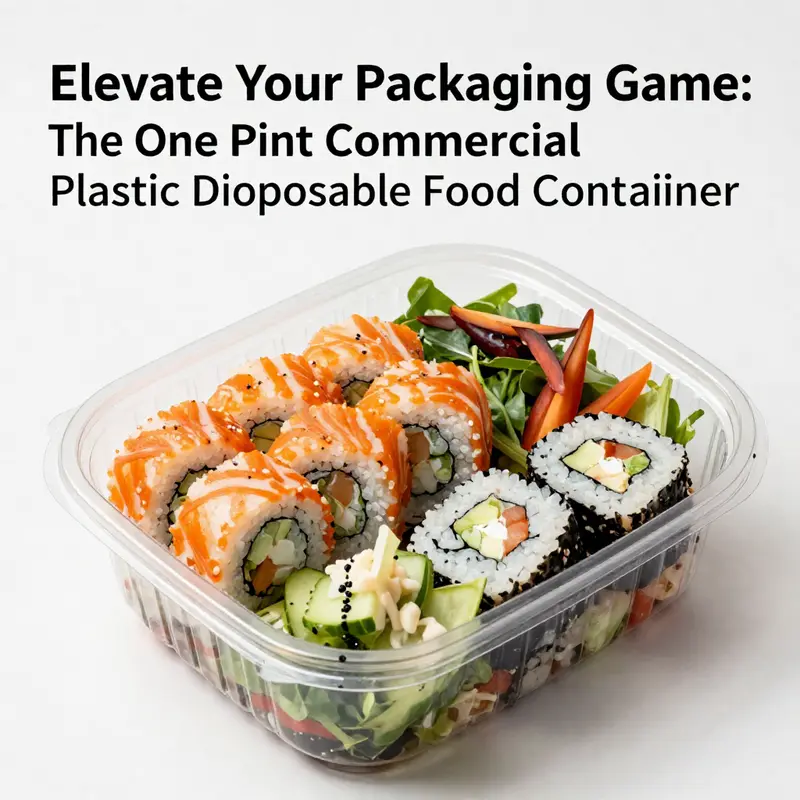
The industrial applications of this familiar container extend across multiple sectors with a logic of compatibility and efficiency that resonates from production floors to storefronts. In food manufacturing and processing, these containers serve a critical role in portion control. They enable consistent serving sizes for pre-made meals, desserts, and baked goods, while their clear form helps quality-control staff visually verify appearance and portion weight without opening a lid. The ability to hold ingredients or assemblies during line work reduces the risk of cross-contamination and supports hygiene protocols. In the restaurant and fast-food arena, takeout and delivery have become a dominant channel. Here, the container’s clear visibility, robust containment, and stackable geometry translate into fewer disruptions during peak service. Multi-component meals—think a complete rice-and-protein dish with a separate sauce compartment—often benefit from the container’s potential compatibility with a snap-on lid or vented lid design that preserves moisture and texture during transit. The aim is to protect flavor and integrity while enabling a straightforward customer experience: open, eat, and enjoy—without the messy surprises that can tarnish a brand’s reputation in a delivery-dominated landscape.
Meal prep and catering demonstrate yet another facet of the container’s versatility. Batch cooking and portioning benefits are clear: producers and caterers can seal in freshness, standardize portions, and simplify inventory management. Freezer-safe properties enable longer storage windows, making it possible to build menus that cater to corporate events, fitness-focused meal plans, and home-delivery subscriptions. In such contexts, the container acts as a reliable conduit for batch-built meals, where quick thawing and straightforward reheating support a consistent consumer experience. Its transparency aids internal logistics as well; staff can rapidly identify contents without breaking seals, which speeds up assembly lines and reduces handling errors—an advantage that compounds in high-volume settings.
In retail and grocery environments, the same container earns fame through its ability to showcase product appeal while serving as a protective, moisture-barrier vessel. Ice cream and frozen desserts, in particular, rely on a clear container to communicate product quality directly to the shopper’s eye. The packaging’s inert temperature barrier helps guardianship of texture and prevents premature thawing, while branding opportunities through optional printing or labeling can reinforce trust and perceived quality. The sustainability angle, too, matters in the retail corridor, where retailers increasingly favor recyclable or lightweight options that align with broader environmental commitments. This alignment with corporate sustainability goals often informs supplier relationships and procurement criteria, shaping how these containers are sourced, stored, and deployed on a mass scale.
The logistics and distribution domain is where the container’s practical design delivers real savings. The lightweight yet durable structure reduces freight costs and minimizes breakage during transit. Stackability and uniform geometry simplify warehouse handling, palletization, and order picking. Each container’s performance contributes to smoother cold-chain management, reduces waste, and helps maintain product integrity through the journey from kitchen to consumer. In a chain where every link bears cost and risk, the one-pint disposable container provides a predictable, repeatable performance profile that operators can rely on when planning menus, scheduling deliveries, and negotiating supplier terms. While these platforms can be a practical route to supply, operators must balance price with performance, ensuring material compatibility with hot, cold, or ambient storage, and with the facility’s own waste streams and recycling capabilities.
The broader packaging ecosystem is not static. It evolves with consumer preference, material science advances, and policy landscapes. Some operators experiment with paper-based or other alternative packaging trends to address environmental concerns, while others continue to lean into the well-understood performance of plastic in the one-pint class. Regardless of the material direction, the underlying logic remains: a compact, reliable container that can be produced at scale, integrated into existing workflows, and trusted to protect product quality from the moment it leaves the kitchen to the moment it reaches a consumer’s hands. For practitioners, that means choosing a container not as a standalone product but as a modular element of a broader system—one that influences menu design, staff training, cold-chain management, and sustainability reporting.
As you navigate options for your operation, it can be instructive to compare packaging families through a practical lens. For businesses exploring a broader packaging strategy, a feasible path exists in tandem with paper-based packaging alternatives that emphasize recyclability and compostability in certain contexts. A representative example of that segment can be found here: disposable-octagonal-box-restaurant-food-kraft-paper-packaging. While this link leads to a different material class, it illustrates how packaging choices are often evaluated across dimensions of visibility, protection, handling, and end-of-life. In practice, the decision is rarely binary. Operators may keep a plastic one-pint container for its proven performance in cold-chain and high-volume environments while piloting paper-based or alternative packaging for specific product lines, seasonal offerings, or branding narratives that emphasize sustainability.
For readers seeking deeper, technically precise guidance about plastic pint containers, the literature on their material grades, compatibility with different food types, and performance in industrial settings offers a clear picture of where the technology stands today. Detailed technical specifications and material grades relevant to industrial use can be found in the online resource at the end of this chapter’s related materials. This external reference provides a technical backbone for engineers and procurement specialists evaluating container performance across temperature ranges, barrier properties, and lifecycle considerations, helping to inform decisions that balance cost, quality, and environmental responsibilities while supporting the logistics and brand goals that define modern food service operations. In the end, the one-pint container remains a deceptively simple artifact with a surprisingly wide reach across the food industry, a cornerstone that enables precision in portioning, efficiency in handling, and reliability in the journey from kitchen to consumer.
One Pint, Real-World Polymerism: The Material Science Behind a Common Disposable Food Container
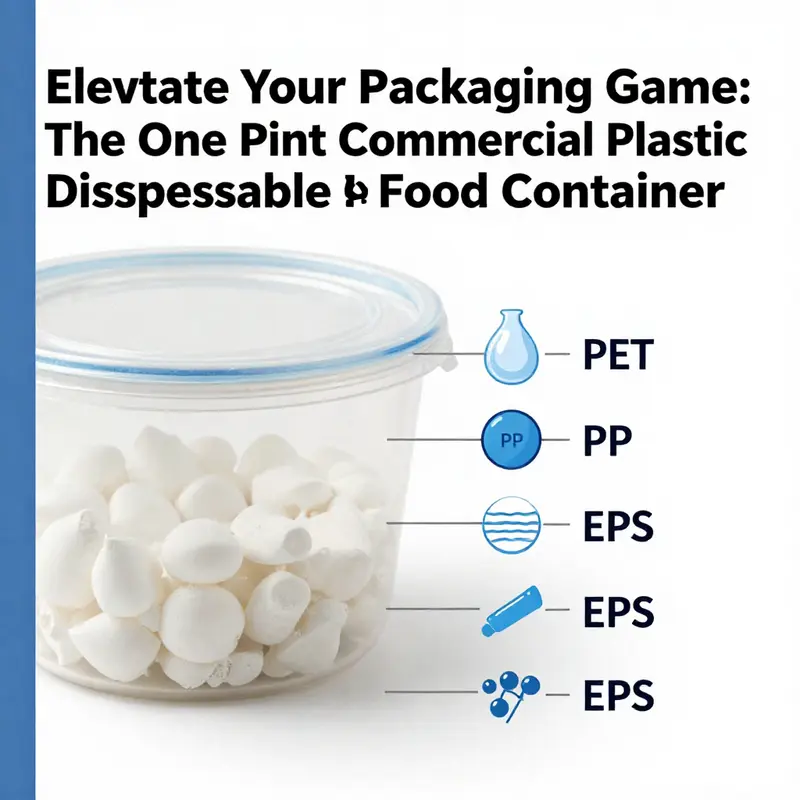
A one pint plastic disposable food container is more than a simple vessel; it is a compact system where chemistry, engineering, and practical logistics converge in a form that is familiar to kitchens, servers, and diners alike. When you lift a takeout cup of soup or a noodle box that fits neatly into a hand or a bag, you are also feeling the quiet labor of material science: the choice of polymer, the way a lid seals, and how the container behaves as heat, moisture, or oil migrate to the surface. The science starts with the material itself. In most commercial pint containers you’ll encounter polymers like polypropylene (PP) or polystyrene (PS). Each brings a distinct balance of clarity, rigidity, and barrier properties that suit particular foods and service models. PP is favored for its higher heat resistance, tolerating temperatures up to about 160°C (320°F). This makes it a practical option for foods that are warm to hot, and it remains a workhorse in both hot and cold applications. In contrast, PS offers exceptional rigidity and optical clarity at a lower production cost, which translates to sharp product visibility—an important consideration in display-oriented settings. The choice between these polymers is never only about taste and texture; it is a calculation about safety margins, cost per unit, and the ability to maintain the integrity of the food across distribution channels. The performance envelope also includes how the container handles oils, sauces, or soups that can threaten a less capable barrier. In this design space, moisture and oil barrier properties are critical. A container must resist permeation that would soften the container or cause leakage, which could ruin the packaging and the consumer’s experience. The materials selected are engineered so that when a lid snaps on and the box is handled, the seal keeps condensation and leakage at bay while allowing for efficient stacking and transport. This is why many variants include a secure-fit lid or a press-fit system, sometimes with venting to prevent pressure buildup. The lid’s compatibility with the base is more than a mechanical concern. It touches migration, recyclability, and even consumer perception. If a lid warps or becomes loose under heat, not only does the risk of leakage rise, but the user’s confidence in the product can erode. In other words, the performance of a one pint container rests on a dance between the resin’s chemistry and the geometry of the designed interfaces. Where the food gets warmer, the material’s heat tolerance comes into sharper relief. In practice, not all PP containers are microwave-safe. Some PP variants tolerate moderate heating, but exposure to higher temperatures can cause warping or deformation in PET, PS, or EPS (expanded polystyrene) types. This reality shapes how operators label and use these containers, and it nudges product developers to specify the intended use clearly—cold storage, room-temperature display, or hot-fill service—so that the end user experiences the container as a reliable partner rather than a limiting factor. The material science also encompasses safety and regulatory oversight. Migration is a central concept: the transfer of chemical components from packaging into food. It is not a theoretical worry but a testable property, evaluated under conditions that simulate real-world storage and heating. Food contact materials (FCMs) must meet stringent standards. Agencies like the FDA in the United States and EFSA in the European Union define limits on migratable substances and require the use of grades of plastic deemed safe for contact with food. The goal is to prevent harmful compounds such as legacy concerns around certain additives from leaching into the contents, which means that modern plastic pint containers are often formulated with approvals specific to food contact. The migration discussion is not merely about what is inside the container, but how the container interacts with what is inside it over time. Long storage, repeated reheating, or high-temperature exposure can influence the rate at which small molecules diffuse out of the polymer matrix. Consequently, manufacturers may employ barrier-enhancing strategies, include multi-layer structures, or select resins that minimize migration risk while preserving cost and performance. The design features extend beyond the base materials to practical aspects of daily use. A secure seal is essential, but so are features such as vented lids to prevent condensation without compromising freshness. Compatibility across components—base, lid, and any seals or inserts—requires careful material pairing to avoid delamination or tolerance issues during automated filling and capping lines. The packaging developer must account for the harsh realities of the food service environment: oily sauces, acidic dressings, and the rigors of stacking, shipping, and refrigeration. Even the tiniest mismatch can cause a lid to loosen or a seal to fail, leading to waste, contamination risk, and damaged brand confidence. In parallel with performance, sustainability has become a central axis in the selection of materials for one pint containers. The industry has leaned into lighter, recyclable plastics that minimize raw material use while maintaining mechanical performance. Recyclability is often most straightforward with PET and PP, though real-world recycling streams are complex. The push toward sustainable packaging also includes exploring alternatives—molded pulp fibers and bioplastics derived from renewable resources. These options promise lower environmental impact but must meet the same functional demands: barrier properties, temperature tolerance, and structural integrity during handling. For many operators, the decision is a careful trade-off among barrier performance, clarity (for product visibility in retail or self-service settings), cost per unit, and the attachment to existing recycling streams. The procurement landscape for bulk disposable containers reflects these trade-offs. In commercial kitchens and wholesale distribution, suppliers offer pint containers with a range of specifications, but the consensus is that the lowest total cost per usable unit often hinges on precise performance expectations rather than base material alone. The conversation may touch on hot-fill capability versus cold-chain reliability, the ease of stacking in transport, and the weight of the packaging as it relates to shipping efficiency. It is here that the modern packaging ecosystem begins to reveal its broader implications for branding and consumer experience. A takeout container is a vehicle for product visibility, hygiene, and trust. Transparent plastics allow customers to assess the contents at a glance, sharpening the competition for product appeal in a crowded market. But visibility alone cannot trump safety or performance. The material choice also signals a company’s stance on sustainability and regulatory compliance, which shape customer loyalty and brand reputation. While plastics dominate, there is an active dialogue about environmentally friendlier options that still satisfy the rigorous needs of food service. A shift toward recycled-content resins or to alternatives such as paper-based or molded fiber packaging is often contingent on achieving comparable barrier and heat-resistance metrics. In practice, many operators balance occasional use of paper-based solutions for certain menus or occasions with plastic containers for everyday takeout and high-volume catering. For those interested in the broader spectrum of packaging options, a case in point is a publicly accessible catalog of paper-based options that offers custom branding and lids, illustrating how brands translate visual identity into packaging choices across materials. This broader perspective reminds us that the one pint container sits within a continuum of packaging strategies. The decision matrix—cost, performance, safety, and environmental impact—remains central to a producer’s design philosophy and a buyer’s purchasing criteria. In the end, the science is not just about the resin’s chemistry; it is about delivering a reliable, safe, and appealing experience to the consumer while navigating a web of regulations, supply chains, and evolving sustainability expectations. For readers who want to explore the transactional side of the packaging world, there are bulk listings that detail material specifications, sizes, and price ranges, helping buyers benchmark what a standard pint container should offer in terms of performance and value. As we examine the logic of the one pint container, it becomes clear that its everyday utility is the result of deliberate material choices, rigorous safety considerations, and thoughtful design that together enable tens of thousands of meals to travel safely from kitchen to consumer without compromising quality or reliability. The chapter that follows will continue to trace how these materials influence the broader lifecycle of packaging, from production to disposal, and how evolving consumer expectations push the industry toward innovative solutions that honor both science and service. External resources point to industry listings that summarize current offerings for bulk plastic pint containers, underscoring how these decisions translate into real-world procurement and usage. External resource: https://www.alibaba.com/product-detail/Plastic-Pint-Containers-Bulk-Disposable-Food_1600895742824.html, which provides up-to-date, verified supplier listings for commercial-grade disposable plastic food containers, including specifications on material, size, quantity, and pricing. For readers seeking a contrasting packaging option with branding opportunities, a related internal resource on paper-based, custom-branded takeaway cups can be explored through a related product page that highlights logo customization and lid compatibility. See this example page on custom-logo Kraft paper cup packaging for a practical look at how branding intersects with packaging material choices: custom-logo Kraft paper cup with lid.
Small Vessel, Big Footprint: Navigating Sustainability and Compliance for One-Pint Plastic Food Containers
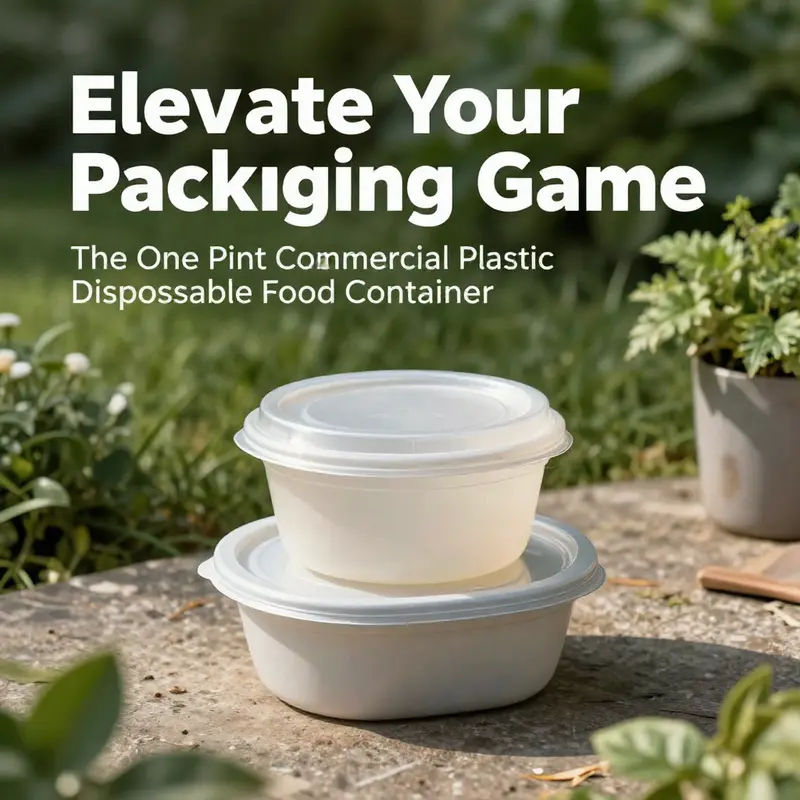
The one-pint commercial plastic disposable food container occupies a quiet but crucial niche in the modern food service ecosystem. It is a compact vessel that carries meals, soups, desserts, and salads from kitchen to consumer with minimal fuss. Its design emphasizes transparency, secure sealing, and portability, enabling a seamless takeout or catering experience. Yet beneath this unassuming convenience lies a complex interplay of material science, waste management realities, and evolving regulatory expectations that stretch far beyond the moment a lid snaps shut. In this chapter, we trace how a seemingly simple, single-use item sits at the intersection of performance demands—such as spill resistance, temperature tolerance, and hygiene—and a global push toward circular economy practices. The tension between practicality and responsibility is not a theoretical debate; it shapes procurement decisions, supplier choices, and the daily operations of coffee shops, food trucks, event caterers, and clinical laboratories that rely on such containers to protect food safety while sustaining business efficiency.
From a sustainability vantage point, the lifecycle of a one-pint container invites scrutiny at every stage. The journey begins with raw materials, where most variants derive from PET or PP polymers, chosen for clarity, strength, and compatibility with a wide range of foods. The allure of clear containers is straightforward: product visibility can enhance appeal in retail and service contexts, aiding upsell opportunities and reducing product waste by showcasing freshness. But the life cycle does not end with purchase. After use, the container enters a waste stream that is increasingly scrutinized for its environmental impact. Traditional clamshell designs, while practical, have historically contributed to plastic pollution and energy use across production, transit, and end-of-life processing. The call to reduce those footprints has sharpened in regions where waste infrastructure is uneven, and where curbside recycling programs rely on precise sorting to keep plastics out of landfills.
Material choices thus become a fulcrum of sustainability strategy. PET and PP offer distinctive advantages. PET can deliver excellent clarity and rigidity, which helps with product visibility and stackability in a busy service environment. PP can offer better heat resistance and a lower tendency to warp at moderate temperatures, expanding its suitability for some hot-fill or hot-hold meals. Yet not all variants are microwave-safe, and in some cases high temperatures can threaten the structural integrity of EPS foams or certain PET formulations. This practical constraint has a ripple effect: operators may need multiple packaging lines for different product profiles, or must adjust the contents and heating methods to preserve container performance. In parallel, the industry’s gaze has shifted toward recycled content and bio-based alternatives. Recycled PET or PP can substantially lower a product’s embodied energy and greenhouse gas emissions when responsibly sourced, while some manufacturers experiment with bio-based polymers or recycled-content formulations aimed at reducing fossil fuel dependence. While these options are promising, they also demand rigorous quality assurance, traceability, and compatibility testing to ensure food safety, barrier properties, and regulatory compliance are preserved throughout the container’s lifecycle.
The regulatory horizon in Europe—where much attention is being paid to packaging—adds a layer of accountability that extends well beyond the kitchen. The Circular Economy Action Plan and the Single-Use Plastics Directive have set a framework that pushes higher recycled content and more responsible design across plastic packaging. The ambition is clear: by 2030, a broad swath of plastic packaging, including items used for food contact, should incorporate meaningful recycled content. The effect on one-pint containers is indirect but real. It compels manufacturers to verify the origin and quality of recycled feedstock, ensuring supply chains can deliver materials with the traceability required for regulatory audits. As the Europe-wide push intensifies, a uniform waste recovery standard for mechanical recycling and the introduction of a mass balance approach for chemical recycling define how “recycled content” can be counted toward compliance targets. For businesses buying or supplying these containers, that means a demand for transparent documentation, auditable supply chains, and assurances that recycled materials meet safety benchmarks for food contact.
The consumer and corporate appetite for eco-conscious choices further accelerates this shift. Eco-friendly disposable containers—whether with recycled content, compostable variants, or even reusable systems—are increasingly marketed as sustainable options. Yet there are caveats. Compostability depends on specialized industrial facilities and proper waste sorting infrastructure that may not be readily available in every locale. Reusability challenges, including wash-and-reuse logistics, upfront capital, and hygiene controls, can complicate adoption in high-volume takeout environments. Against this backdrop, one-pint containers must still deliver the essential triad of integrity: a secure seal that resists leakage, a lid that minimizes condensation without sacrificing visibility, and enough rigidity to withstand stacking and transport. The performance envelope becomes a moving target as regulatory demands and consumer expectations evolve in tandem.
For operators, the implications of these developments are practical and immediate. Menu formats, service styles, and branding strategies all interact with packaging choices. A takeout coffee, a deli salad, or a portion-controlled entrée does not just require a container that holds the contents; it requires a packaging system that protects against cross-contamination, supports quick handling by front-line staff, and communicates the brand promise through clarity and presentation. Temperature performance, while not the only criterion, remains central. A container that warps or leaks under modest heat complicates kitchen flow, resists stacking efficiency, and can degrade the customer experience. That is why many food service providers still rely on a spectrum of compatible materials and designs, choosing PET for visibility in cold applications, PP for moderate heat tolerance, and occasional EPS variants where thermal insulation is prioritized—recognizing that each choice brings different sustainability trade-offs.
As the supply chain navigates these trade-offs, the transparency of the sourcing story becomes a meaningful differentiator. The procurement landscape for these containers increasingly blends price with provenance. On the wholesale side, bulk options are readily available from global platforms, where minimum order quantities begin at modest levels, and where the economics of scale shape what is feasible for a busy kitchen. For many buyers, that means balancing cost per unit with the assurance of material safety, recyclability, and supplier reliability. In practice, the most robust engagements blend clear contractual expectations around recycled-content quotas, post-consumer content eligibility, and end-of-life handling. The emphasis on verifiable origin and robust audit trails helps kitchen operators meet regulatory expectations while maintaining consistent product performance. The shift toward recycled or recyclable materials also dovetails with branding opportunities; a container that can be disclosed as part of a closed-loop or certified-recycled system adds a tangible narrative for customers who value sustainability.
The discussion would be incomplete without acknowledging the broader ecosystem of packaging alternatives and the role of communication in guiding choices. The packaging world is not monolithic; it encompasses a spectrum from traditional plastic clamshells to compostable bioplastics and paper-based solutions with plastic linings or PET lids. In the context of a one-pint container, the move toward more sustainable analogs has inspired designs that de-emphasize single-use reliance while preserving the functional benefits large-scale foodservice needs. For instance, eco-friendly alternatives—such as kraft paper bowls, corrugated or molded fiber options, and compostable liners—are increasingly positioned as compatible companions or successors in certain service models. For readers seeking concrete examples of how a business can pivot toward greener packaging while staying aligned with customer expectations, consider exploring a practical demonstration in the packaging marketplace, such as disposable-octagonal-box-restaurant-food-kraft-paper-packaging. This example highlights how a brand can integrate a sustainable shell around a familiar service model without compromising performance or hygiene. disposable-octagonal-box-restaurant-food-kraft-paper-packaging
The regulatory and market context, however, remains more than a backdrop. It forms the substrate on which corporate risk, consumer trust, and operational efficiency converge. The EU’s evolving import controls and monitoring frameworks for recycled plastics, set to take effect in 2026, underscore a broader principle: the stakes of packaging sustainability are not only environmental but also procedural. Manufacturers and end users alike must demonstrate traceability of recycled feedstocks, maintain documentation that proves compliance with safety standards, and implement rigorous audit procedures to ensure ongoing conformity with evolving rules. In this sense, the one-pint container is not merely a disposable item; it is a test case for how well the packaging ecosystem can translate ambitious circular economy goals into reliable, everyday products that serve a global hospitality industry. The outcome hinges on whether supply chains can deliver clean, certified recycled materials at scale without sacrificing the performance that kitchens depend on every day.
The narrative of one-pint containers, then, is a narrative of design discipline meeting regulatory clarity. It invites a careful balancing act: preserve the conveniences that enable fast service and consistent portioning, while actively reducing environmental impact through smarter materials, transparent supply chains, and adherence to robust recycling and reporting standards. Operators can respond by seeking suppliers who offer verifiable recycled content and clear end-of-life pathways; by embracing packaging options that align with local waste infrastructure; and by communicating the sustainability story to customers in ways that are accurate and actionable. The future of these containers will likely hinge on a mix of improved material formulations, smarter recycling technology, and stronger governance that makes sustainable choices verifiable and scalable. In the end, the one-pint container will stand as a microcosm of how modern foodservice negotiates speed, hygiene, and habit within a broader commitment to planetary stewardship.
External resource: For broader regulatory context, see the European Union’s guidance on plastic recycling and the circular economy, which outlines the pathways and standards shaping recycled-content requirements and oversight. https://ec.europa.eu/environment/circular-economy/plastic-recycling_en
One Pint, Big Impacts: Market Currents, Material Choices, and the Delicate Balance of Convenience in Disposable Food Packaging
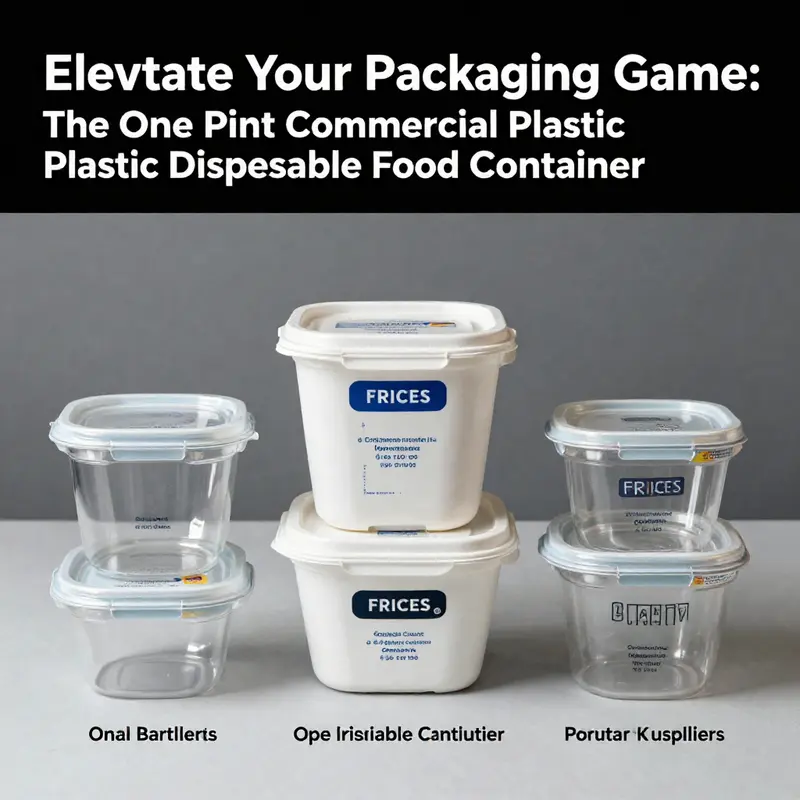
The one-pint commercial plastic disposable food container stands at a quiet crossroads of convenience, performance, and environmental consideration. In the rhythm of modern food service—from fast-casual outlets to mobile food stands and catered events—the need for a compact, reliable, and cost-effective vessel that can hold about 473 milliliters of soup, salad, or dessert is undeniable. The size matters not merely as a number on a shelf metric but as a practical standard that supports efficient handling, predictable portion control, and consistent branding across menus and takeout experiences. When you consider a container in this class, you are looking at a package that must stay intact during transit, present the product clearly to the customer, resist a range of temperatures from refrigerated freshness to room-temperature serving, and fit a logistics and purchasing framework that prizes scale and simplicity. These are the invisible forces shaping a market where a simple, single-use item can influence throughput, waste streams, and even a brand’s perceived value in the eyes of a consumer who is increasingly mindful of packaging choices.
From a market perspective, the category sits inside a broader growth trajectory for single-use food packaging that has accelerated as dining habits shift toward on-the-go meals and remote or delegated consumption. Industry analyses reference a global market that has surpassed the realm of tens of billions of dollars, with a steady longer-term projection toward mid-to-upper single-digit growth rates through the end of the decade. The momentum is driven by a continued expansion of takeout and delivery, complemented by a need for hygienic, clearly visible packaging that can showcase product appeal in a crowded display or a busy catering setting. The one-pint format—compact enough to be hand-held yet capacious enough to accommodate a meaningful portion—has benefitted from this momentum, as operators seek cost-effective vessels that align with labor efficiency, inventory standardization, and quick, hygienic service.
The materials story behind a one-pint container is equally telling. PET and PP are the dominant grades encountered in everyday use because they fuse clarity, strength, and cost efficiency. PET’s transparency is a practical advantage for items like yogurt, salads, and desserts, where visibility can drive purchase decisions. Polypropylene offers greater heat resistance, making it suitable for items that may require brief warming steps or hot-fill applications, while maintaining a relatively robust resistance to cracking under typical handling. A subset of variants uses EPS when insulation matters, such as hot soups or cold desserts where temperature stability is key, though those choices come with heightened scrutiny regarding environmental considerations and end-of-life disposal. Alongside these classic plastics, there is a slow but persistent infiltration of biobased and compostable options in some markets, reflecting a growing demand for materials that align with stricter environmental expectations while attempting to preserve the user experience—clarity, sealing performance, and ease of disposal.
The design of the container—not just the resin but the lid and its venting mechanism—has a direct effect on how well the vessel performs across a cold-to-warm continuum. The best-performing models seal securely to prevent leaks during transport and enable a clean, convenient opening without spillage. Venting lids address condensation that can accumulate in transit, ensuring product freshness while steering clear of soggy or compromised seals. Yet even with robust lids, not all variants are microwave-safe. This nuance matters because some operators want to offer convenience through reheating, while others strictly limit reheating to avoid texture degradation or safety concerns. The result is a nuanced decision matrix for buyers: how much heat tolerance is required, what level of optical clarity is essential for product visibility, and what degree of microwave safety can be credibly communicated to the customer. These are not minor labels but assurances that influence usage patterns in kitchens, in-store displays, and in consumer homes.
Sustainability remains a defining variable in the ongoing evolution of one-pint containers. The market’s preference increasingly leans toward materials that balance recyclability with performance. PET, in particular, is often highlighted for its recyclability attributes, and PP is widely accepted as a recyclable material in many jurisdictions. The environmental conversation around EPS is more contentious, given its insulation advantages contrasted with concerns about end-of-life impact. Against this backdrop, there is a rising interest in biodegradable or compostable options, particularly in regions with strong environmental mandates. The practical reality for operators is a balancing act: preserving product integrity and shelf life while minimizing waste and complying with evolving regulation. Lightweighting strategies—reducing resin thickness without sacrificing seal integrity, and optimizing container geometry for stackability and transport efficiency—play a crucial role in narrowing the environmental footprint per unit without eroding service quality.
Branding and product visibility have become integrated into the packaging dialogue as well. In a takeout or catering environment, the container is an advertising surface as much as a containment vessel. The ability to print logos, dietary icons, or allergen information on the body or lid of a one-pint container supports brand recognition and consumer trust. This need for on-package communication intersects with material choices; some plastics accept high-quality printings and coatings, while others must rely on labeling or lid overlays. The net effect is a packaging ecosystem where the container is a component of a larger sensory and informational presentation, contributing to perceived value at the moment of purchase and shaping repeat behavior.
Operationally, the economics of procuring one-pint containers hinge on scale and supply chain dynamics. For commercial kitchens and distribution networks, MOQs of fifty units or more are common on wholesale channels, with price points reflecting material, lid design, and any additional features such as venting or micro-waved compatibility. The cost spectrum can be broad, moving from a few cents per unit for the most basic translucent PP options to several times that figure for specialty or enhanced-safety variants. For managers juggling menu calendars, seasonality, and promotions, these cost differentials translate into tangible planning decisions. The choice of container subtly guides menu design and pricing, since a more rigid or heat-tolerant vessel may enable hot-serving options that would otherwise require different packaging. Simultaneously, the drive toward sustainability can shift purchasing toward materials that, while potentially pricier upfront, promise improved recyclability or composting credentials in markets with strong post-consumer waste management programs.
The competitive landscape for disposable packaging—whether in the one-pint size or adjacent formats—necessitates a careful alignment of performance, cost, and regulatory compliance. In addition to the raw material considerations, buyers must contend with evolving rules that limit or discourage certain plastics and impose labeling and reporting requirements. The environmental narrative is increasingly a consumer story as well: shoppers who rely on takeout or prepared foods often expect packaging to reflect a company’s environmental values. In response, producers and suppliers are experimenting with printing, branding opportunities, and packaging configurations that convey a commitment to sustainability without sacrificing the reliability that food service operations demand. The tension among these forces—cost, performance, and sustainability—defines the roadmap for future innovations in the one-pint container category.
For readers exploring alternatives that also balance performance and perception, it is instructive to observe how other disposable formats are integrating materials and design choices. A disposable kraft paper bowl with a PET lid, for example, represents a packaging approach that prioritizes a natural aesthetic and consumer-facing cues about recyclability, while preserving the practical features demanded by on-the-go meals. This category demonstrates that the packaging ecosystem is not monolithic; it is a spectrum in which traditional plastics coexist with fiber-based and hybrid solutions, each with its own strengths and trade-offs. disposable-kraft-paper-bowl-take-away-kraft-paper-salad-bowl-with-pet-lid
As the chapter closes on this snapshot of the one-pint plastic container, the thread tying it all together is clear. The unit is simple in form but complex in function: it must protect and present food, withstand the logistics chain, accommodate contemporary reheating patterns where relevant, and align with a shifting sustainability agenda. The future of this packaging format will likely hinge on a deliberate convergence of three strands. First, ongoing material innovation aimed at achieving better barrier properties, safer thermal performance, and clearer end-of-life pathways for recyclability or compostability. Second, smarter design and branding that elevate the customer experience without inflating per-unit costs. Third, a regulatory and market context that encourages responsible choices while preserving the operational benefits that make one-pint containers indispensable to the daily cadence of food service. In practice, this means operators who optimize container selection not as a one-off procurement decision but as a strategic lever that affects yield, customer satisfaction, waste streams, and the long-term sustainability profile of their business. The conversation around a simple, single-use package is, in truth, a conversation about modern convenience—how to deliver it with reliability, while continually refining the balance of cost, performance, and environmental responsibility that defines the industry’s present and its future.
External resource: https://www.alibaba.com/product-detail/One-Time-Use-Plastic-Food-Container-999_1600528875581.html?spm=a2700.details.related.3.1c9e5f5b3c3a9b5f5f7d
Final thoughts
Understanding the advantages of one pint commercial plastic disposable food containers can significantly impact your business’s efficiency and customer satisfaction. Their versatile applications, key features tailored for food service, material sciences that prioritize safety and performance, and the growing emphasis on sustainability create a compelling case for their use. By leveraging the insights from this article, you can make more informed decisions that align with your operational goals while enhancing your brand reputation for quality and sustainability.