
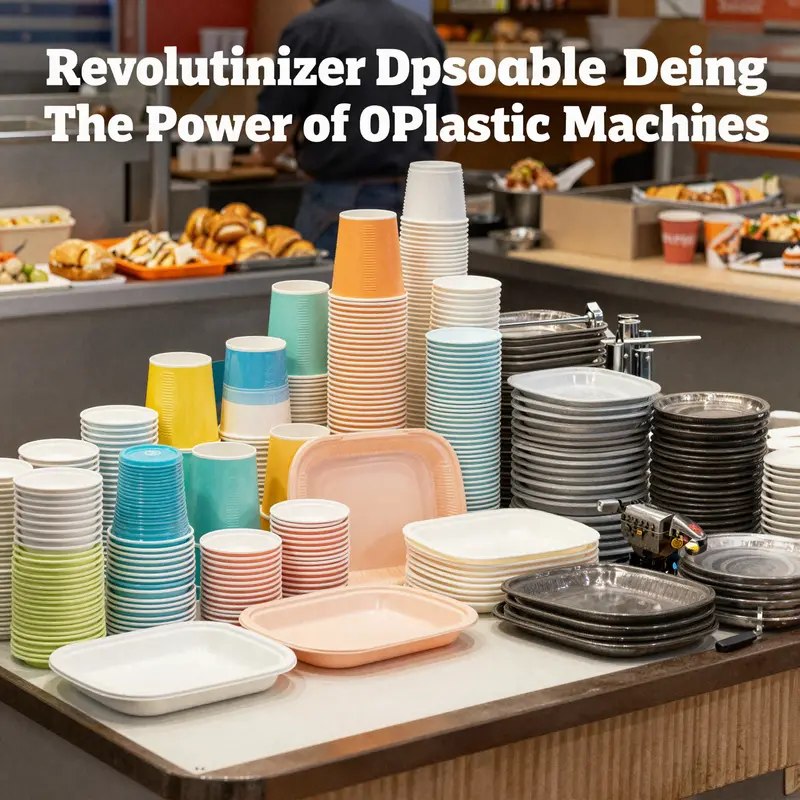
The booming demand for disposable plastic trays and cups is reshaping the food and beverage landscape. Whether you’re running a bustling bubble tea shop, a dynamic food truck, or a catering service, understanding the machinery behind these essential products is crucial. This article dives into OEM plastic cup machines, exploring their game-changing features, market dynamics, technological advancements, and sustainability considerations. Each chapter serves to illuminate different facets of these machines, providing valuable insights on how they can enhance operational efficiency and meet ever-evolving consumer preferences.
Chapter 1: Precision in Motion—How OEM Cup Plastic Machines Turn Disposable Trays into Efficient, Scalable Packaging
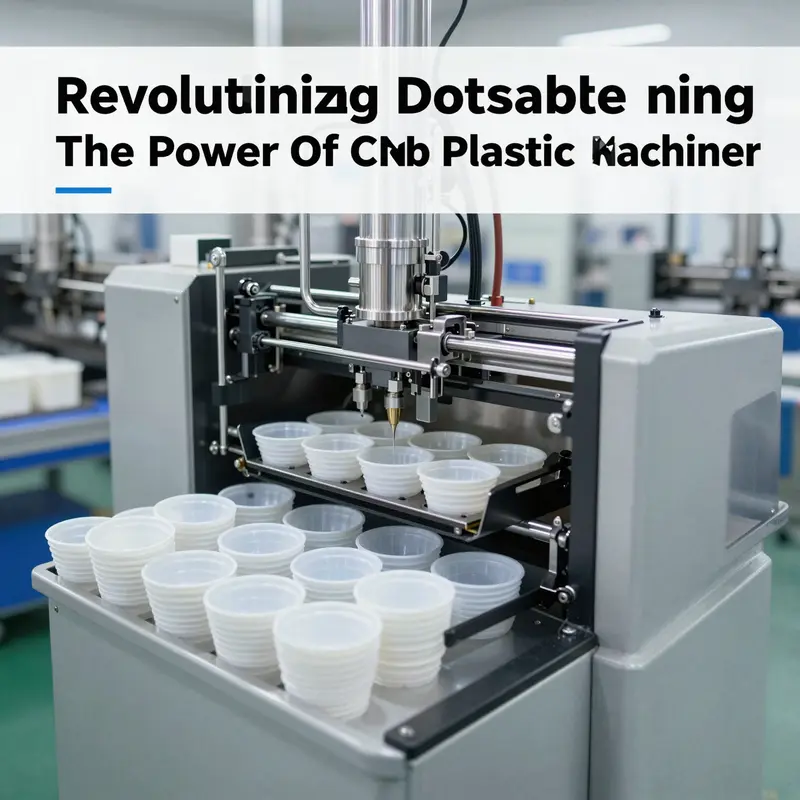
The modern landscape of disposable packaging hinges on machines that marry precision with pace. OEM cup plastic machines designed for producing disposable trays and cups sit at the center of this evolution, enabling high-volume production while preserving consistent quality across every unit. These systems are built not just to make a single part but to sustain an entire line of products—from thin-walled cups meant for hot beverages to sturdy trays designed for takeaway meals. The core achievement of an effective OEM thermoforming setup is its ability to execute an integrated, in-line process that transforms heated plastic sheet into finished items with minimal manual intervention. In practice, this means a seamless sequence of forming, sealing, trimming, and stacking that occurs in one continuous flow. The result is a predictable rhythm on the factory floor, a rhythm that supports dependable throughput and precise control over every parameter that shapes the final product.
At the heart of these systems is automated thermoforming, a technology that has matured into a compact, highly synchronized chain. The forming stage begins with a sheet of plastic—PP, PET, or PE materials that are chosen for their balance of rigidity, clarity, heat resistance, and cost. The sheet feeds into a heated platen or roll system that raises the material to an optimum forming temperature. A vacuum draws the softened sheet over a mold, creating the cup or tray profile. In many lines, the forming process is directly integrated with downstream operations: a tilting forming table may transfer the formed piece directly into a second station for trimming or stacking, reducing handling steps and minimizing the chance for misalignment or damage. The automation here is not merely convenient; it is essential for maintaining uniform wall thickness, consistent diameters, and accurate base shapes across tens of thousands of units per hour.
Control architecture is equally critical. A robust PLC (Programmable Logic Controller) controls heat, pressure, vacuum strength, dwell times, and the cycle timing that links all stations. Operators can fine-tune settings to accommodate different product geometries and materials, a capability that translates into enormous flexibility when product lines shift with changing demand. The ability to switch between materials—such as PP for clear, translucent drink cups or opaque trays made from PET or PE blends—without major hardware changes is a direct consequence of modular electrical and software design. The PLC-based approach also enables self-diagnostic functions, alerting technicians to sensor drift, heater malfunctions, or vacuum leaks before a fault escalates into downtime.
Material choices in these OEM lines reflect both performance needs and sustainability considerations. Clear, transparent cups are favored for consumer appeal, while trays must withstand cold or hot foods, accommodate micromesh or plastic lids, and maintain integrity during stacking and transport. Most systems can process standard food-grade plastics and can be configured for materials that balance clarity with strength. The ongoing push toward sustainability has nudged many operators toward lighter-weight formulations or alternative polymers that still meet safety and temperature requirements. In addition, there is growing interest in compatible biodegradable or certified compostable options that can integrate into existing line speeds with minimal adjustments to cycle timing and temperature controls.
Modularity is another defining feature. OEM lines are designed to accommodate customization without forcing customers into a fixed, single-product path. A machine may offer a range of mold sizes and forming areas, allowing small-batch specialty runs alongside large-volume standard products. Molds themselves are built from hardened steel or aluminum alloys, chosen for durability under repeated thermal cycling and for their ability to retain precise details across thousands or millions of cycles. While initial mold costs can be substantial, the longer service life and reduced scrap justify the investment, particularly for brands that demand high-clarity cups or premium-tray textures. The ability to upgrade or expand a line—as demand grows or product specifications shift—undoubtedly lowers total cost of ownership over the equipment’s lifetime.
Beyond form and function, safety and compliance remain non-negotiable. CE certification is a baseline expectation in many markets, signaling adherence to essential health, safety, and environmental standards. For buyers who export to the EU, the United States, or Asia, reliable certification fosters smoother regulatory clearance and helps secure end-user trust. In practice, this means robust guarding around moving parts, standardized electrical controls, clear access for maintenance, and well-documented electrical schematics and process parameters. The emphasis on safety extends to energy management and e-waste considerations. Modern lines actively pursue energy efficiency—optimizing heating elements, adopting better cooling schemes, and reducing idle power consumption. Operators benefit from lower operating costs and longer equipment life, while owners can align production with sustainability targets and cost-management strategies.
Operational reliability is not an afterthought but the backbone of a successful deployment. A turnkey mindset—a machine and its peripheral systems delivered, tested, and tuned for immediate production—appeals to companies that want predictable startup timelines and rapid time-to-volume. In practice, this often translates to a factory-ready package that includes pre-wired electrical cabinets, standardized piping for compressed air and vacuum lines, and a controlled environment for initial trials. Many providers emphasize their after-sales support as a critical differentiator. On-site installation, operator training, preventive maintenance programs, and quick access to spare parts all contribute to a lower risk profile for buyers expanding into new product families or geographic markets.
The economics of these lines also center on throughput, uptime, and the total cost of ownership. Throughput—expressed as units per hour—depends on several linked factors: the speed of the forming cycle, the efficiency of the trimming and sealing steps, and the effectiveness of stacking or handling downstream of the mold. Highthroughput configurations can produce hundreds to thousands of units per hour, a scale that justifies the upfront capital investment and the associated engineering. Yet speed cannot come at the expense of stability. Modern OEM lines integrate diagnostic cues and robust guarding to minimize nuisance alarms and avoid unnecessary stops. Operators benefit from intuitive HMI (human-machine interface) layouts that present clear, actionable data about cycle times, temperature bands, and mold temperatures. A well-tuned line delivers a steady rhythm—an essential capability in contract manufacturing or large-scale food-service supply chains where consistency translates into fewer rejects and more predictable lead times.
How do producers decide which path to take when selecting an OEM line for disposable cups and trays? The choice hinges on alignment with product portfolio, flexibility to accommodate future SKUs, and the net impact on labor costs. Automation reduces reliance on manual labor and mitigates human variability, but it also introduces complexity in setup and maintenance. In practice, buyers weigh the ease of changeovers, the availability of skilled technicians, and the level of documentation that accompanies the system. The best suppliers offer not just equipment but a full ecosystem: integrated molds with predictable cycle performance, clear trouble-shooting guides, spare-part availability, and a plan for upgrades that keeps pace with evolving market needs.
Lead times for turnkey thermoforming lines reflect the current manufacturing climate, where customization remains standard and shipping windows can vary with regional demand. It is common for standard components and modular frames to be delivered within a few weeks, while fully customized mold sets and control software adaptations may stretch toward a month or more. A practical implication is that buyers should align procurement with production planning, ensuring that mold designs, color options, and sheet-material specifications are finalized before fabrication begins. This reduces the risk of delays once the line is assembled and running. It also highlights the importance of detailed pre-project engineering, where the vendor maps out the exact layout, electrical loads, and air/vacuum requirements needed to achieve the intended throughput and product tolerances.
In the broader market, the integration of OEM cup machines with downstream packaging systems and quality control stations is increasingly common. Inline thermoforming lines are frequently paired with vision-based inspection and automated stackers that feed into carton packing or tray-lidding operations. This end-to-end approach minimizes handoffs and supports traceability, a growing requirement for food safety, recall readiness, and product certification. The value of such integration extends beyond immediate efficiency gains. It enables manufacturers to maintain tighter control over material usage, reduce scrap, and implement more robust process controls that help ensure uniform wall thickness and lid fit across every item. Even as lines become more capable, the principle remains simple: if the process can be automated, it should be, provided it yields measurable improvements in consistency, waste reduction, and overall equipment effectiveness.
From a strategic view, buyers increasingly assess the supplier ecosystem behind the OEM line. A credible supplier is not only a machine maker but a partner who can deliver mold sourcing, ancillary automation modules, and long-term service. The best partnerships include options for branding or customization—sometimes described as OEM services—that let customers tailor the equipment to their own product lines, specification standards, and packaging aesthetics. This level of alignment matters, especially for companies pursuing brand differentiation through consistent, premium-looking disposables. It is common to see offerings that encompass design support for trays and cups, mold fabrication, and optional color or additive options that affect the final appearance and performance of the product. In short, the value proposition of an OEM line is not just about speed; it is about the robustness of the entire system, the predictability of its output, and the confidence that a supplier will stand behind the equipment with timely service and ongoing improvements.
For readers seeking a practical glimpse into the breadth of available capabilities, consider the opportunity to explore related packaging solutions that complement thermoforming lines. Such exploration often reveals the compatibility of various packaging ecosystems, including paper-based bowls and lid assemblies that can diversify a manufacturer’s offerings without requiring a complete equipment overhaul. This is where cross-material insights become valuable, allowing packaging operations to incorporate greener or more diverse lines while preserving core manufacturing efficiencies. If you are considering a broader packaging strategy, a nearby example of customizable, post-processed disposable products can provide context for your decision-making. For instance, a selection of ready-to-ship, customizable paper-based disposables demonstrates how producers are balancing sustainability, performance, and cost.
As you review the options for OEM cup machines, keep in mind the practical realities of production scheduling, maintenance planning, and operator training. The most successful implementations begin with a clear roadmap that outlines product families, changeover procedures, and preventive maintenance cycles. The roadmap should also address safety training, spill containment, and emergency shutdown protocols—elements that safeguard personnel and minimize unplanned downtime. The end goal is a line that operates with minimal manual intervention yet remains flexible enough to pivot quickly when market demand shifts. Given the pace of change in consumer preferences and regulatory expectations, the ability to adapt without sacrificing reliability is the hallmark of a modern, well-executed thermoforming line.
Internal reference: For readers curious about packaging materials that extend beyond plastic, a relevant example of customizable, eco-conscious cup solutions can be found in this product page linking to a line of disposable double-wall hot paper cups with lids. The anchor text mirrors the URL path to emphasize the link between the machine’s capabilities and downstream packaging options: custom double-wall hot paper coffee cups with lid.
External resource: For a broader perspective on the technology’s regulatory and safety context, see the CE-certified equipment overview on a major global supplier platform. This external reference provides practical details about control systems, safety standards, and integration considerations that inform OEM line selection and qualification. https://www.alibaba.com/product-detail/CE-Certified-Plastic-Cup-Making-Machine-PLC-Control_1600482597355.html
From Line to Lifecycle: The Market Dynamics of OEM Cup Plastic Machines for Disposable Trays
The market for OEM cup plastic machines dedicated to producing disposable trays is moving with a cadence that matches the tempo of modern food service and retail packaging. Demand for convenient, hygienic, and cost-effective single‑use solutions has become a defining driver in how manufacturers plan capacity, choose automation, and position their products in crowded marketplaces. As consumers increasingly gravitate toward on‑the‑go meals, snacks, and beverages, three interlocking forces shape the economic and strategic landscape for OEM thermoforming lines: product complexity and customization, the relentless push for efficiency and quality, and the evolving material and sustainability context in which these machines operate. Together, they create a dynamic where capital investment, process control, and supplier collaboration become the determining factors in a plant’s long‑term competitiveness. The result is a quiet but powerful reallocation of value along the packaging chain, as manufacturers transform raw trays and cups into branded, durable then recyclable ends of the consumer experience. In this world, the machine is not only a tool for forming plastic; it is a strategic asset that can unlock differentiation, resilience, and margin when coupled with the right governance of design, material choice, and production planning.
At the core of this transformation is in‑line thermoforming, a technology that integrates forming, trimming, stacking, and sometimes printing into a single, continuous workflow. The elegance of an in‑line setup lies in its capacity to minimize handling, reduce contamination risk, and tighten cycle times. The forming station, where a sheet or roll stock yields a tray, cup, or lid, is followed by trimming operations that remove flash and shape the final product with precision. Stacking systems then align the parts for downstream packaging or automated palletizing. In some configurations, inline printing or labeling can be added, turning a production line into a branding and packaging system without requiring separate, later-stage equipment. This integrated approach is especially valuable in markets that require fast changeovers and frequent shifts in product dimensions or opening styles for different clients or brands. The result is a line that not only produces volumes but also channels design choices—such as wall thickness, depth, and lid compatibility—into the overall equipment footprint, changeover protocol, and maintenance schedule.
Operational reliability, a core concern for any high‑volume thermoforming operation, rests on a trio of capabilities: robust PLC control, precise servo actuation, and compliant safety and quality features. A modern OEM line will typically feature programmable logic controllers that orchestrate the forming cycle, cut patterns, and stacking sequence with tight synchronization. Servo-driven forming tables or molds ensure repeatable geometry and stable cycle times, which translate into consistent product weight and dimensional accuracy. Safety interlocks, CE or other regional certifications, and an established warranty framework reassure buyers who compete on uptime and total cost of ownership. Importantly, these lines are designed for quick changeovers, enabling producers to switch from one tray size to another with minimal downtime. The capacity for rapid retooling, when combined with modular tooling and standardized clamping systems, reduces the opportunity cost of product introductions or seasonal promotions. In this sense, the machine becomes a platform for agility, not merely a physical device for mass production.
The economic pull of OEM lines is reinforced by the broad ecosystem that supports them. Suppliers can offer complete sets of inline equipment, a turnkey package that reduces the friction of vendor management and integration risk for customers. This is particularly valuable in regions where manufacturing ecosystems are developing quickly, as it helps local producers scale, meet domestic demand, and pursue export opportunities without relying on intermittent imports. The presence of a supportive after‑sales network—spare parts, remote diagnostics, on-site maintenance, and operator training—becomes a critical differentiator. In a market where downtime carries a steep penalty, the assurance that a supplier remains at your side through upgrades, repairs, and routine service is almost as important as the machine’s raw speed or the precision of its forming station. The best OEM providers position themselves as partners in improvement, not only as equipment vendors, and that stance affects everything from pricing and payment terms to the willingness to share process know‑how for higher yield and better material utilization.
A significant portion of the market growth is being driven by the materials that can be formed and sealed on these lines. Polypropylene (PP) and polyethylene terephthalate (PET) remain cornerstones for clear, sturdy trays and cups, offering a favorable balance of cost, rigidity, and recyclability. Polystyrene (PS) and high‑impact polystyrene (HIPS) continue to find niches where clarity or cushioning properties are essential. The ability of OEM lines to handle multiple resins—sometimes on the same line via different “grades” or tool sets—adds a layer of flexibility that is highly valued in volatile markets. Manufacturers can quickly pivot between product lines or respond to price swings in raw materials, a capability that translates into resilience. Yet the material choice is not purely economic. Regulatory and consumer expectations are steering packaging toward recyclability and, increasingly, towards lighter weight without sacrificing performance. In this context, machine builders must consider not just form fidelity but also how material selection affects scrap rates, energy consumption, and the feasibility of recycling streams at the end of the product’s life. The best lines are therefore designed with material compatibility in mind, ensuring clean separation of layers, easy de‑inking or de‑lamination when needed, and compatibility with post‑consumer processing facilities.
The economics of scale play a central role in the decision to deploy an OEM thermoforming line for disposable trays and cups. Market data from major B2B platforms shows a steady rise in demand for automated thermoforming and molding equipment capable of producing cups, food trays, clamshell containers, and lids. Buyers are typically looking for turnkey functionality, reliable performance, and predictable procurement costs. The price points observed in the market tend to cluster in the tens of thousands to low six figures per set, with typical minimum order quantities around a single set for testing and initial ramp‑up. This pricing reality reflects not only the sophistication of the equipment but also the breadth of options—multi‑station forming, integrated trimming, accurate stacking, pre‑form or post‑form printing, and advanced sensors—that modern lines can incorporate. For many buyers, this means that the business case for automation hinges less on a single feature and more on how the line integrates into a broader production architecture that includes feeders, downstream packaging, sealing operations, and warehousing logistics. In other words, the ROI story is not only about faster cycles; it is about reducing labor bottlenecks, minimizing waste, and delivering consistently high quality at scale.
The market also reflects a broader trend toward customization and branding. Consumers increasingly expect packaging to convey product identity and promise freshness. Brands want uniquely shaped trays, embossed or debossed logos, and seals that indicate tamper resistance or enhanced shelf life. On the production side, OEM services that allow customers to tailor product dimensions, wall contours, lid fit, and sealing mechanisms are central to competitiveness. The ability to offer a complete, branded solution—where the same line can be repurposed to create different SKUs with minimal downtime—becomes a key selling point for suppliers and a decisive factor for buyers evaluating total cost of ownership. This is where the interplay of tooling, die design, and mold maintenance becomes critical. The lifecycle economics of a line are inseparable from how easily a company can retool for a new shape, how robust the sealing technology is, and how well the line can maintain product integrity across high-speed runs.
The supply chain and regional manufacturing dynamics add another layer of complexity and opportunity. In emerging markets, local capacity to produce and assemble complete inline lines helps reduce delivery times, lower freight costs, and support regional service networks. Conversely, buyers in mature markets often demand established safety records, proven process controls, and a steady supply of spare parts. The result is a bifurcated market in which standard lines are widely adopted for mass production, while highly specialized configurations—designed for specific tray geometries, sealing philosophies, or regulatory requirements—find niches with premium pricing. For manufacturers, this environment rewards partnerships that combine engineering excellence with practical knowledge of end-use applications. A machine operator who understands how to minimize flash, optimize material usage, and troubleshoot stacking misfeeds can dramatically improve yield and uptime, which in turn strengthens the business case for ongoing investment in automation.
The sustainability and regulatory backdrop cannot be ignored. As governments and industry groups push for reduced environmental impact, packaging lines must accommodate alternative materials, recyclability goals, and waste minimization strategies. OEM lines are increasingly designed to accept post‑consumer resin or biodegradable options where technically feasible, while also delivering process guidance to ensure consistent performance with these materials. The economics of sustainability come not only from potential material cost savings but also from reduced waste, lower energy intensity per finished unit, and enhanced brand equity with customers who value responsible packaging. In practice, this means the line must be robust to varying resin densities, have precise temperature and pressure control, and support closed‑loop recycling streams or compatibility with municipal recycling schemes. The implication for manufacturers is clear: invest in lines that can adapt to evolving material landscapes, rather than betting on a single resin family that could become suboptimal as regulations shift.
From a broader market perspective, the OEM cup plastic machine ecosystem supports a cascade of downstream capabilities. A fully integrated setup can link forming to trimming, stacking, lid sealing, and even labeling within a single automation corridor. This cohesion reduces handling, minimizes product damage, and accelerates the pace from raw stock to finished goods ready for distribution. It also creates opportunities for data collection and process optimization. With sensors capturing cycle times, scrap rates, and tool wear, managers can pinpoint bottlenecks, schedule preventive maintenance, and calibrate process parameters to sustain consistent quality as demand fluctuates. The ability to extract actionable insights from production data turns a thermoforming line from a mere asset into a strategic platform for continuous improvement, enabling more precise forecasting, higher service levels, and better alignment with customer expectations for on-time delivery.
For readers seeking concrete market context, recent data from large B2B marketplaces highlights a steady, upward trajectory in the availability and listing of automated lines capable of producing disposable cups, food trays, clamshell containers, and related lids. While the exact configurations vary—from single‑cavity to multi‑station lines and from air‑assist to servo‑driven forming assemblies—the underlying value proposition remains consistent: high speed, repeatable performance, and the potential to scale with demand. This aligns with a broader pattern in packaging manufacturing, where automation is positioned not merely as a cost saver but as a strategic driver of product innovation and market responsiveness. In this landscape, OEM suppliers that can demonstrate a clear path to faster changeovers, robust after‑sales support, and adaptable tooling become preferred partners for brands and contract manufacturers alike. The capacity to tailor the line to product family needs, to support branding opportunities, and to integrate with downstream packaging and logistics systems will continue to separate leaders from laggards as capacity constraints and competitive pressures intensify.
Within this narrative, a practical touchstone remains the ability to prototype and test new tray and cup designs before committing to full production. Many suppliers offer sample or starter kits that allow manufacturers to trial new geometries, sealing methods, and material mixes at a low entry cost. This accelerates innovation cycles and reduces the risk of scale‑up. By lowering the barrier to testing, these offerings foster a climate where brands can explore packaging concepts with greater confidence, knowing they can iterate quickly based on performance, cost, and consumer response. The cascading effect of such early prototyping is a more vibrant market, where incremental design improvements accumulate across regions and time to yield meaningful gains in product performance and sustainability. A culture of rapid experimentation, backed by capable OEM lines, helps align product development with shifting consumer preferences while preserving the operational discipline needed for mass production.
If there is a throughline to take away, it is this: the market for OEM cup plastic machines powering disposable trays is increasingly defined by integration, adaptability, and data‑driven optimization. The lines themselves are becoming platforms for design experimentation as much as engines of volume. The best manufacturers treat line performance as a function of three intertwined elements: mechanical reliability and process control on the factory floor; material strategy and end‑use performance that meet evolving consumer and regulatory expectations; and a collaborative ecosystem of partners who can help reimagine packaging workflows, from design and prototyping through to packaging design, labeling, and final delivery. In such a setting, the true economic impact of OEM plastic forming equipment lies not only in per‑unit productivity but in how the equipment enables a business to move quickly from concept to market, to protect margins through efficient operations, and to sustain competitive advantage in a marketplace that prizes convenience, clarity, and responsible packaging.
For readers who want a closer look at related packaging ecosystems, a practical entry point can be found in resources discussing disposable cup solutions and related take‑away packaging, such as a page that highlights disposable custom double‑wall hot paper cups with lids. This example underscores how branding opportunities, consumer experience, and packaging performance converge when a formable and sealable line is aligned with an end‑product strategy. Discontinuous or poorly integrated packaging can undermine even the most advanced line, whereas a well‑orchestrated system—capable of rapid changeovers, precise sealing, and clean finishes—executes the full promise of automation: consistent quality at scale, adaptable design, and dependable delivery.
In sum, the market dynamics surrounding OEM cup plastic machines for disposable trays are defined by a balance of speed, flexibility, and reliability, all tethered to material choice and lifecycle considerations. The economics of scale meet the economics of design, and together they shape a production culture that can respond to changing flavors of demand—from bulk food service contracts to brand‑led, in‑store packaging programs. As suppliers and buyers continue to navigate price ranges, service commitments, and the integration of sustainability into packaging strategy, the line becomes a strategic asset rather than a simple purchase. It is the convergence of engineering finesse, material science, and market intelligence that will determine which manufacturers can convert a line‑item investment into enduring competitive advantage in the disposable packaging arena.
External resource: https://www.alibaba.com/product-detail/OEM-Disposable-Plastic-Machine_1600498341314.html?spm=a2700.13090411.0.0.1d4a6f5eUZLhOz
From Inline Thermoforming to Total Line Intelligence: How OEM Cup Machines Redefine Disposable Trays in a Connected Packaging Chain
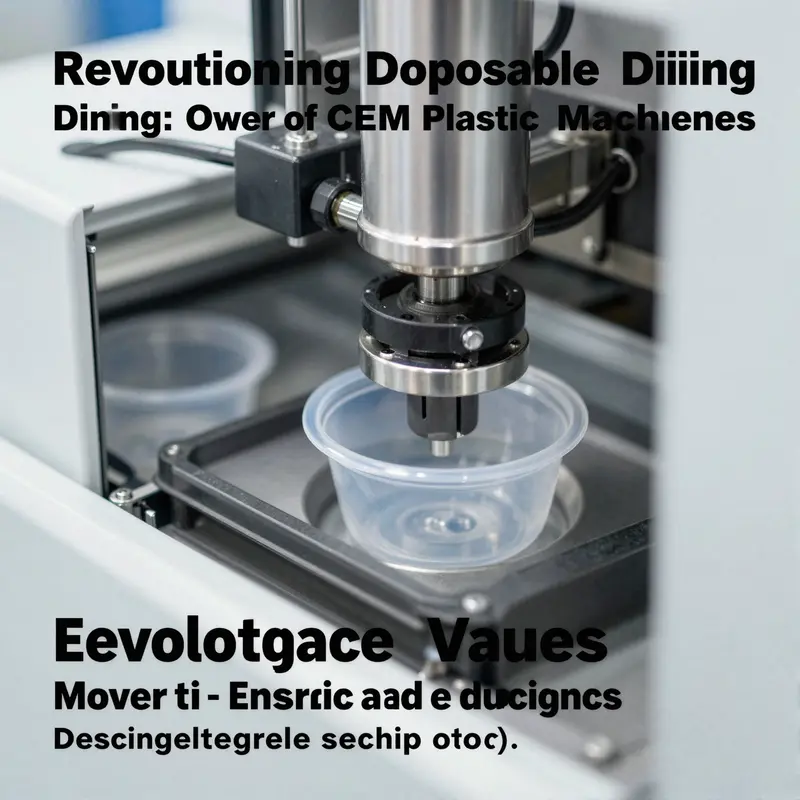
The shift in how disposable trays and cups are produced is not just about faster cycles or bigger presses. It is a wholesale rethinking of the entire production line, where OEM cup plastic machines used for disposable trays sit at the center of a tightly integrated workflow. The modern machines are built around inline thermoforming, a process that couples forming, trimming, and sometimes even finishing operations into a single, synchronized line. This integration is more than a matter of convenience; it is a strategic response to rising demand for consistent quality, waste reduction, and the ability to customize at scale without sacrificing throughput. As demand grows across food service, health care, and consumer goods, manufacturers seek systems that can adapt quickly to evolving product specs, changing materials, and shifting sustainability targets. In this context, the latest OEM cup plastic machines are not just machines; they are intelligent nodes in a connected packaging ecosystem, capable of delivering reliable performance while enabling real-time decision making on the shop floor.
At the core of these systems remains the thermoforming module, which shapes single- or multi-layer plastic sheets into cups, lids, trays, and lightweight containers. The forming stage requires precise temperature control and uniform pressure to ensure consistent wall thickness and structural integrity. Modern equipment achieves this with advanced heating blankets and servo-controlled platen movement, balancing rapid heat-up times with the need to avoid material distortion. The forming area is carefully matched to the intended product size and geometry, whether that means a standard round cup, a shallow clamshell tray, or a tray with a distinctive geometry designed to optimize stacking and shipping. Even small variations in mold temperature or material density can ripple through the line, which is why the inline approach is so valuable. It minimizes handling steps and aligns downstream activities—cutting, trimming, stacking, and sometimes labeling or embossing—into a single, continuous rhythm.
Where the transformation truly becomes transformative is in the monitoring of every stage of this rhythm. Smart automation and digital monitoring systems have moved from luxury features to essential capabilities. Today’s OEM machines monitor temperature uniformity, forming pressure, cycle time, material usage, and even veneer-like surface finish in real time. The data streams feed into centralized control platforms, enabling operators to spot anomalies before they escalate into quality defects or downtime. This capability is particularly critical in the production of disposable trays and cups, where margins are thin and branding opportunities hinge on consistent appearance and performance. When a recipe for a specific cup size or tray depth is loaded, the machine can reproduce exact conditions from run to run, batch to batch, and line to line. It also supports rapid changeovers—shifting from one product family to another with minimal downtime—by auto-calibrating forming parameters, tools, and downstream devices.
The value of automation extends beyond speed. Waste reduction is a defining advantage of modern OEM lines. Inline monitoring helps minimize scrap by ensuring precise cutting and perforation, clean separation from the web, and accurate stacking. In a typical high-volume scenario, even a few grams of material saved per cycle translates into significant annual savings and lower environmental impact. Materials themselves have grown more diverse, expanding the possibilities for disposable trays and cups. While polypropylene, PET, and polyethylene remain common, there is a growing appetite for biodegradable and compostable alternatives, such as PLA, where the end-of-life story can be aligned with customer sustainability goals. The ability to process multiple materials on the same line—switching from standard PET to a PLA blend, for example, with minimal retooling—adds a dimension of resilience to production planning.
Customization is no longer a niche capability reserved for premium runs. OEM lines now offer broad customization options without sacrificing throughput. Trays and cups can be tailored to non-standard dimensions, specific branding requirements, and functional asks such as improved sealing or better heat resistance. The branding can extend into the molded surface itself, with embossed logos or color-matched graphics executed during the downstream finishing stage. Even the lids, if produced on the same line, can carry branding elements that align with the tray design, creating a cohesive package that stands out on shelves and in delivery boxes. This degree of customization is enabled by modular tooling, quick-change-form blocks, and controlled servo actuation that digitizes the physical tuning process. The operator can implement a new set of dimensions, reprogram the cycle timing, and trigger a sequence of finishing operations without disrupting the core forming cycle.
The emergence of compact, mini plastic cup making machines offers a different but complementary pathway for market entrants. These smaller systems provide an accessible entry point for home-based enterprises, training facilities, or startups testing a new concept. They demonstrate that the economics of thermoforming can be approachable at smaller scales, which broadens the overall market and fosters innovation around new product formats, such as single-serve yogurt cups or specialized jelly cup configurations with secure lid mechanisms. While these mini lines deliver lower output per hour, they embody a crucial principle: the same fundamental thermoforming logic can scale up or down with appropriate auxiliary equipment, control systems, and process tuning. In practice, the mini units function as incubators for ideas that once would have required large capital commitments, enabling a smoother path from concept to commercial viability.
A central advantage of the OEM approach is the ability to deliver a complete, integrated solution rather than a loose collection of parts. The “complete set” ethos means customers receive a line configured to their product families, with careful attention to the flow of materials, the timing of each step, and the reliability of downstream components such as stackers, conveyors, and end-of-line packaging interfaces. This full-service model is reinforced by robust after-sales support, including remote diagnostics, routine maintenance programs, and rapid access to spare parts. The value proposition becomes even stronger when considering end-to-end traceability. With inline data capture and centralized analytics, manufacturers can trace a single tray or cup from resin material lot to finished package, a feature that resonates with sectors requiring stringent quality assurance and regulatory compliance.
The industry also recognizes the critical role of sustainability in design decisions. The push toward recyclable and biodegradable materials is not merely a marketing claim; it is increasingly a design constraint. The machines must accommodate different resin types and thicknesses without compromising cycle times or seal strength. Material compatibility is a key parameter in the early stages of line configuration, preventing costly rework or downtime later in the project. In many cases, manufacturers aim to create sealed trays that protect contents from leakage and contamination while enabling efficient recycling streams after use. In this sense, the line’s intelligence extends to end-of-life considerations, guiding decisions about trimming practices, lid compatibility, and packaging waste streams to support circular economy goals.
The narrative of technological progress in these machines also passes through the lens of process control architectures. PLCs, programmable logic controllers, remain the backbone of control, but contemporary lines are enhanced with advanced servo drives, precision actuators, and feedback loops that ensure tighter tolerances. This combination yields steadier product dimensions, tighter seals, and more predictable performance across shifts and operators. The human element, too, is evolving. Operators are guided by intuitive interfaces, clear dashboards, and actionable alerts that reduce training time and improve decision quality on the floor. The result is a manufacturing environment where machines do not merely operate; they collaborate with human teams to optimize material usage, reduce downtime, and accelerate time-to-market for new tray and cup formats.
From a materials and process perspective, the variety of acceptable substrates supports a wide range of product applications. PP, PET, and PE are common choices, valued for their chemical resistance, clarity (in some variants), and barrier properties. Yet, sustainability pressures have accelerated the exploration of biodegradable polymers and compostable composites. PLA-based formulations, for instance, offer an appealing pathway for catering to environmentally conscious brands and consumers, provided the line can accommodate their thermal and mechanical characteristics. This requires careful calibration of forming temperatures, mold designs, and sealing parameters to maintain product integrity while ensuring compostability at end-of-life. The integration challenge is to harmonize these material choices with the line’s speed and precision, so that switching from a conventional plastic to a bio-based option becomes a routine, low-risk operation rather than a costly disruption.
Chain integration also drives logistical and supply-chain advantages. When a single OEM provider designs and implements the entire line, the risk of mismatches between upstream resin suppliers, the forming equipment, and downstream packaging equipment declines significantly. This reduces the friction points that often arise in multi-vendor projects. It also enables more accurate forecasting for maintenance windows, spare parts inventories, and upgrade roadmaps. In turn, customers gain a more predictable production calendar, with fewer emergency repairs and shorter intervals between product launches. The result is a more resilient manufacturing footprint able to respond to shifting demand patterns, seasonal spikes, and new regulatory requirements.
To illustrate how these threads come together in practice, consider the lifecycle of a typical line configured to produce disposable cups, lids, and hinged-lid trays for a take-away market. The journey begins with a sheet or roll of resin, which enters the forming station after passing through an intelligent preheating zone. The heating elements are calibrated to deliver uniform temperature across the web, a prerequisite for achieving consistent wall thickness as the sheet softens and contorts under pressure. The forming platen moves with exacting precision, guided by servo-control loops that ensure repeatability from cycle to cycle. As soon as a cup or tray is formed, trimming is executed with surgical accuracy, removing flash material and shaping the rim for sealing or stacking. The downstream stackers take over, presenting finished items inpearl-like alignment, ready for the next stations—whether that is a lid application, a venting feature, or a simple heat-seal operation. A camera-based inspection system eyes the product for defects in real time, flagging anomalies and prompting automated adjustments before the item leaves the line. If branding or printing is desired, a downstream digital printed or embossed lamination stage can apply logos or color schemes, linking the product to a brand’s visual identity. Finally, the finished items are collated into stacks or into trays that are ready for packing, transport, and display. Each step is synchronized with the others through a central control system, so that if a signal indicates a deviation, the entire chain can adapt without interrupting throughput.
This integrated approach is not merely about machines performing tasks faster. It is about the capacity to translate product design changes into production reality with minimal cost and risk. When a brand decides to adjust tray depth, change the lid design, or switch to a different material, the line can accommodate these shifts through software updates, tooling exchanges, and reconfigured process windows. The emphasis on flexibility is not optional; it is essential to staying competitive in a market where consumer preferences oscillate between convenience, sustainability, and premium packaging aesthetics. In this sense, the OEM model—designing, supplying, and supporting a complete line—embodies a philosophy of continuous improvement, where the line is not a fixed asset but a dynamic platform for growth.
As the chapter closes on these observations, it is worth returning to the broader implications for the packaging sector. The trend toward digitally enabled lines that can handle a mix of plastics and bio-derived materials, while offering rapid changeovers and robust after-sales support, points to a future in which packaging lines become more modular, more transparent, and more aligned with circular economy objectives. The ability to log and trace material provenance, to measure energy consumption per unit, and to optimize waste streams across the line all contribute to a more responsible and resilient manufacturing ecosystem. In this ecosystem, the goal is not merely to produce disposable trays and cups efficiently, but to do so in a way that preserves resources, supports brand storytelling, and maintains product integrity from the supplier to the end consumer.
For practitioners seeking deeper technical grounding, the broader literature on industrial plastic tray machine technology provides context on how inline thermoforming interfaces with downstream finishing and packaging modules, including how process control strategies are structured to maintain stability across varying production conditions. This body of knowledge underpins the practical choices manufacturers face when selecting an OEM provider, from the architecture of control systems to the compatibility of tooling and the availability of comprehensive service offerings. External resources on industry practice offer deeper dives into the specifics of how these machines are designed to handle different resin systems, optimize energy use, and integrate with modern warehouse and logistics ecosystems. See the external reference for a detailed technical overview of contemporary plastic tray machine technology: https://www.plasticmachinesupply.com/industrial-plastic-tray-machine-technology.
When considering internal references to related material, one might explore how branding and packaging design intersect with machine capability. For example, a broad range of take-away and custom packaging products demonstrates the demand for adaptable sleeves, lids, and container formats that align with consumer expectations and retailer requirements. If readers are looking for tangible examples of related sustainability-focused packaging formats, a relevant gateway is the selection of eco-friendly and recyclable packaging solutions available in the industry. A single, representative resource that connects to this broader ecosystem is the disposable kraft paper bowls and related compostable or recyclable options commonly discussed in packaging blogs and supplier catalogs. In particular, a practitioner might examine the inline production considerations for coated paper or composite food-service items when evaluating non-plastic alternatives and how those materials influence the machine design and process flow. For further reading linked to the broader packaging landscape, see the internal reference: disposable-700ml-kraft-paper-bowl-take-out-octagonal-rectangle-paper-bowl.
In sum, the current generation of OEM cup plastic machines for disposable trays embodies a synthesis of precision, flexibility, and intelligent operation. The inline thermoforming paradigm, supported by smart automation, modular tooling, and sustainable material options, positions manufacturers to respond rapidly to evolving design briefs while maintaining high standards of quality and efficiency. The future lies in expanding the frontier of what is possible on a single line: more diverse materials, even tighter process control, and richer integration with business systems that translate factory floor performance into strategic advantage. The chapter that follows will delve into how market dynamics, regulatory landscapes, and consumer expectations shape the ongoing development of these technologies, ensuring the conversation remains anchored in practical realities while continuing to push the boundaries of what an OEM cup plastic machine can achieve for disposable trays.
Sustainability by Design: Integrating Eco-Conscious Innovation into OEM Cup Plastic Machinery for Disposable Trays
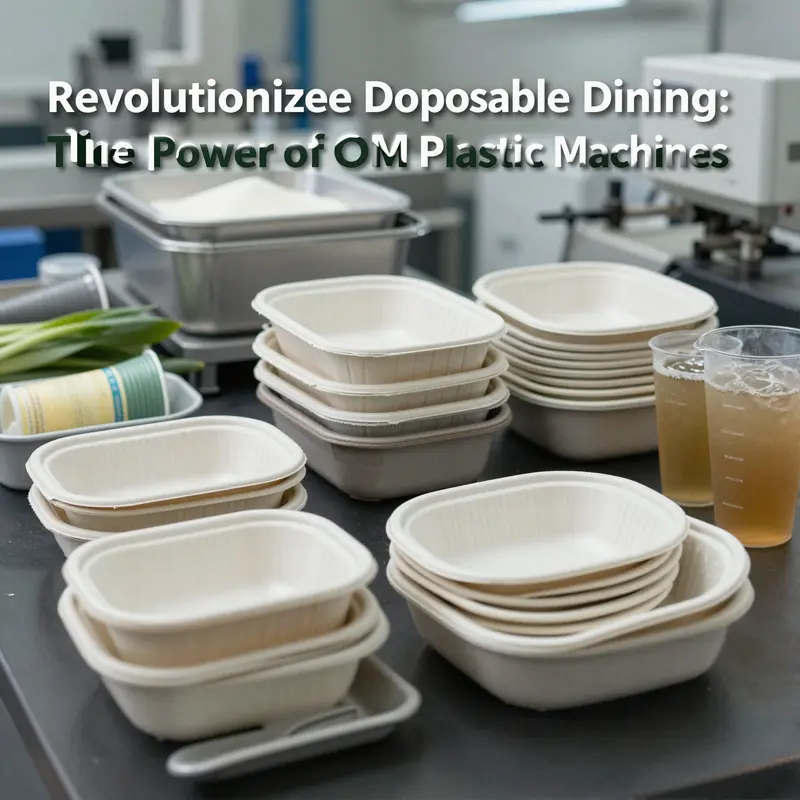
The push toward sustainability in the realm of disposable packaging has grown from a corrective impulse into a strategic design imperative. For OEM cup plastic machines that manufacture disposable trays and related containers, this shift means more than substituting materials or chasing compliance; it demands a holistic rethinking of how lines are engineered, how they interact with feedstock, and how the finished products live after their short, serviceable lives. The machine itself becomes a partner in a circular economy, not merely a enabler of throughput. In this view, sustainability stops being a feature and becomes a core design criterion, threaded through every decision from material compatibility and energy use to waste minimization and end-of-life pathways. The result is a form of manufacturing that preserves performance and productivity while reducing environmental impact, a balance that increasingly defines competitive advantage in high-volume thermoforming operations.
Raw materials sit at the heart of this recalibration. Traditional disposable containers have relied heavily on fossil-based polymers such as polypropylene and polystyrene because they offer the necessary stiffness, heat resistance, and clarity for packaging needs. Yet these plastics contribute to persistent waste streams and pollution when not properly recovered. The shift toward bio-based and recycled resins is now expanding the palette of options OEMs can program into their lines, without sacrificing the stringent tolerances required for food-contact packaging. Bioplastics derived from renewable resources, such as polylactic acid (PLA) or polyhydroxyalkanoates (PHA), are increasingly demonstrated in contexts where process parameters—temperature profiles, incubation behaviors, cycle times—can be tuned to the resin’s unique rheology. Likewise, recycled polymers, including rPET and recycled PP, are being adapted to thermoforming environments through feedstock conditioning and targeted annealing strategies that restore clarity and impact resistance while maintaining safety for direct contact with food. Material compatibility is not a mere procurement detail; it is a machine parameter set, one that dictates nozzle temperatures, forming pressures, fed scrap ratios, and even the geometry of forming tools. When a line is configured to run a mix of recyclable or biodegradable resins, the control philosophy of the PLCs and the reliability of the servo motors become even more critical, ensuring repeatability across resin batches and reducing scrap that would otherwise undermine sustainability gains.
Waste management begins at the design stage with an eye toward material efficiency. In high-volume thermoforming, trimming losses and flash can account for a non-trivial portion of total material use. Modern OEM lines respond with intelligent feedstock optimization, improved sheet utilization, and precise gate and flange design that minimize waste in the trimming phase. The integration of simulation tools into the engineering workflow allows manufacturers to map cycle-time windows against waste generation, enabling pre-production tuning that yields leaner runs. This is not abstract theory; it translates into measurable reductions in material use per part and a gentler overall environmental footprint for the trays and cups produced. The in-line nature of thermoforming—forming, trimming, stacking, and sometimes sealing in a continuous loop—facilitates tighter process control, enabling trims to be recovered and redirected into regrind streams that feed back into the same line. In effect, the machine becomes a closed-loop processor, capable of reusing its own byproducts with minimal quality loss when designed with recyclability in mind.
Energy efficiency sits alongside material efficiency as a central sustainability axis. The modern OEM line is increasingly equipped with advanced control architectures, including PLC-based optimization, servo-driven axes, and real-time energy monitoring. These systems enable precise control of heat energy and cycle timing, reducing peak power demands and smoothing energy draw. CE certification and other regional standards formalize energy performance expectations, but the practical benefits come in the form of lower operating costs and reduced carbon intensity per tray or cup produced. Some manufacturers pair conventional heating with heat recovery systems that reclaim waste heat from forming and trimming phases, reusing it to pre-heat incoming material or support downstream processes. The result is a more resilient operation that can adapt to shifting load profiles without sacrificing throughput. Such strategies are particularly valuable when lines are tasked with processing a variety of materials, each with its own thermal signature. The control system thus becomes not only a productivity engine but a thermal management tool, steering the line toward stable temperatures, reduced cycle variability, and less energy wasted as excess heat.
End-of-life considerations are inseparable from the manufacturing choices that precede them. A truly sustainable OEM line seeks to produce trays and cups that can re-enter a recycling stream with minimal contamination or can be composted where appropriate. Achieving this requires careful attention to material selection, additives, and layer structures that might complicate recycling or compostability. The trend toward compatibility with recyclable packaging streams is advancing, with lines being designed to handle resins that are widely accepted in local recycling infrastructures and to minimize multi-material laminates that hinder end-of-life recovery. Beyond recyclability, there is value in designing for disassembly, so that components of the packaging system itself—such as lids, liners, and seals—can be separated from the tray stream for more efficient processing. In tandem with material choices, regulatory compliance plays a critical role. Food-contact safety standards—ranging from FDA approvals in certain markets to RoHS and REACH in others—shape the materials and additives that can be used in lining and forming. These standards are non-negotiable in global supply chains, but they also spur innovation by encouraging alternative formulations that are safer for both consumers and the environment. Manufacturers must therefore balance the immediacy of production demands with a longer horizon of regulatory evolution, ensuring that new materials and processes can adapt as rules shift.
The sustainability equation is further strengthened by thoughtful supply-chain collaboration. An OEM line that can process a range of feedstocks gains resilience, but only if suppliers can provide consistent quality and compatible processing temperatures, moisture content, and contaminant profiles. This requires a close alignment of material specifications with process windows and maintenance cycles. In practice, this means joint development efforts that bring together resin suppliers, machine tool designers, and food safety experts early in the project. The outcome is a line that can switch between materials—from traditional PP and PS to bio-based or recycled resins—without costly downtime or yield penalties. Such adaptability is essential as brands increasingly demand packaging that aligns with circular economy goals. For readers seeking practical context on how sustainability is being reflected in broader disposable packaging, a real-world example can be found in the eco-friendly options available in the paper-cup space. For instance, a form of packaging that embraces recyclability and recycled content can illustrate how consumer expectations are shaping machine design. See this example of an eco-friendly disposable paper cup for ideas on how sustainable packaging designs are evolving in adjacent sectors: eco-friendly disposable paper cup.
The customer and market lens also reframes how performance is judged. Throughput remains essential, but the metrics of success expand to include material efficiency, energy intensity per unit, and the rate at which waste is diverted from landfills. This broadened set of KPIs encourages OEMs to optimize forming geometry and cooling cycles not just to maximize speed, but to minimize the energy and material penalties associated with each product. It also spurs a materials-management mindset that treats scrap as a resource rather than waste. In practice, this means refining process parameters so that trim scrap is consistent in size and composition, enabling easier reprocessing and fewer impurities in the regrind stream. The result is a more predictable recycling loop, improved yield, and a smaller environmental footprint per tray or cup while maintaining the high standards required by food packaging applications.
Beyond the technicalities, sustainability in OEM cup plastic machinery implicates the broader ethics and responsibilities of manufacturers. There is a growing expectation that equipment makers not only comply with environmental regulations but actively contribute to the reduction of plastic leakage in the economy. That involves offering clear documentation on the lifecycle of materials used in forming and packaging, providing guidance on end-of-life disposal, and supporting customers with take-back or recycling programs where feasible. It also means transparent communication about the limitations and trade-offs of certain materials. For example, while PLA might offer renewable feedstock advantages, its performance under heat and moisture exposure can differ from conventional plastics. A responsible OEM will articulate these realities, propose suitable applications, and work with customers to design tray geometries and packaging configurations that maximize recyclability or compostability within real-world waste streams.
The interplay of design, material science, and processing controls reveals a future where OEM lines are as much sustainability partners as they are production accelerants. The lines will be configured with modularity in mind, enabling rapid retooling to accommodate new resins or end-of-life directives as markets and policies evolve. Operators will benefit from standardized communications protocols that support traceability of material lots, enabling better life-cycle assessments and more precise end-of-life planning. In this context, the machine ceases to be a static asset and becomes a living part of a value chain committed to responsible packaging. The resulting packaging ecosystems foster innovation not only in the products themselves but in the infrastructure that makes them possible—from material suppliers to waste management partners to policymakers who shape the rules of the road. The net effect is a supply chain that can react to environmental signals with agility, while preserving the core strengths of high-volume thermoforming: speed, precision, and reliability.
To illustrate how sustainability thinking translates into practical design choices on the floor, consider the human element: operators and maintenance teams who interact with these lines every day. A line designed for sustainability also simplifies upkeep and reduces operational risk. For example, modular tooling and standardized consumables reduce downtime during material changes, while sensor-driven maintenance reduces unplanned stops that waste energy and resources. Clear, non-proprietary documentation supports faster diagnostics and longer equipment life, a benefit to customers who require dependable performance alongside environmental stewardship. The human factor matters because sustainability is not merely about new resins or clever heat recovery; it is about creating operating environments where people can implement best practices consistently, learn from data, and drive continuous improvement across shifts and sites.
As discussions move from concept to practice, the OEM landscape is embracing a more nuanced view of the trade-offs involved in sustainable packaging. Firms are increasingly prepared to invest in process development, pilot programs, and collaborative trials that test new materials, dyeing and printing systems, and barrier layers that can extend shelf life while reducing waste. The systems engineering follows suit: software updates for energy management, sensor suites for real-time quality assurance, and modular cooling patents that allow a single line to serve multiple product families with minimal conversion effort. The convergence of these capabilities creates lines that do not merely produce disposable trays and cups; they generate environmental value at every turn—from the feedstock to the finish, to the end of life and beyond.
For manufacturers curious about concrete pathways to begin or accelerate this journey, the message is not to wait for perfect materials or flawless market conditions. It is to start with a clear design brief that prioritizes recyclability and energy efficiency and to build internal capability to test, validate, and scale sustainable options. The journey is iterative: material suppliers propose formulations, engineering teams adjust process envelopes, and operators provide feedback from daily use. Over time, this collaboration yields lines that demonstrate measurable reductions in energy use, waste generation, and life-cycle impact, all while meeting or exceeding the demanding standards of food-contact packaging. In essence, sustainability is not a bolt-on feature; it becomes an operating equation that governs every choice, every parameter, every inspection criterion of the forming process.
External considerations shape this trajectory as well. Public and private sector policies are increasingly aligned to reward manufacturers who demonstrate circular-economy performance. Brands seeking lower-s emissions and higher recyclability are partnering with OEMs to design trays and cups that are easier to reclaim and remanufacture. This broader movement reinforces the idea that the machine itself is part of a sustainable system, not an endpoint. It also emphasizes the importance of transparent documentation and traceability—key enablers for customers who must report on material sources, energy consumption, and end-of-life outcomes in sustainability disclosures and regulatory filings. In this sense, the eco-system around the OEM line becomes as important as the mechanical line itself, because it provides the information and incentives that drive responsible choices across the value chain.
External resource for broader context in sustainable industrial practices and the commercial realities of machine-driven packaging can be found here: https://www.alibaba.com/product-detail/Disposable-Plastic-Cup-Making-Machine_1600587723596.html. This source highlights the regulatory and performance standards commonly encountered in modern plastic cup and tray production, including CE-certified, PLC-controlled machinery with warranties and regulatory compliance—factors that underpin sustainable investment decisions and long-term reliability. Integrating these benchmarks with the design philosophy outlined above helps ensure that sustainability is both technically viable and economically prudent for OEMs and their customers alike.
To close this thread on a note of practical integration, consider the broader packaging ecosystem and the evolving expectations of consumers, regulators, and retailers. The shift toward sustainability is not a departure from efficiency; it is a redefinition of efficiency itself—one that values material stewardship, energy discipline, and end-of-life clarity as core performance indicators. When OEM lines are designed with these principles at their core, they become enablers of packaging that supports safer, cleaner cities and more responsible consumption patterns. In turn, that creates new opportunities for process optimization, market differentiation, and long-term resilience in an industry that is constantly under scrutiny for its environmental footprint. The pathway is not merely about choosing a greener resin or installing a heat-recovery unit; it is about reimagining how a forming line can contribute to a circular economy, while continuing to deliver the scale, speed, and precision that customers depend on for everyday use.
External resource note: For further context on the technical and sustainability practices in modern plastic cup and tray production machinery, refer to the detailed overview available from industry sources cited in the research results.
Final thoughts
Understanding the intricacies of OEM plastic machines for disposable trays is vital for beverage chains, restaurants, and event planners aiming to optimize their operations. From innovative features that enhance production speed to sustainability practices that cater to a more environmentally conscious market, these machines play a crucial role in the future of food service. Adopting the right equipment not only boosts efficiency but can also align businesses with consumer expectations for quality and environmentally friendly practices. Ultimately, the investment in cutting-edge OEM technology underscores a commitment to excellence and responsiveness in an ever-evolving industry.