
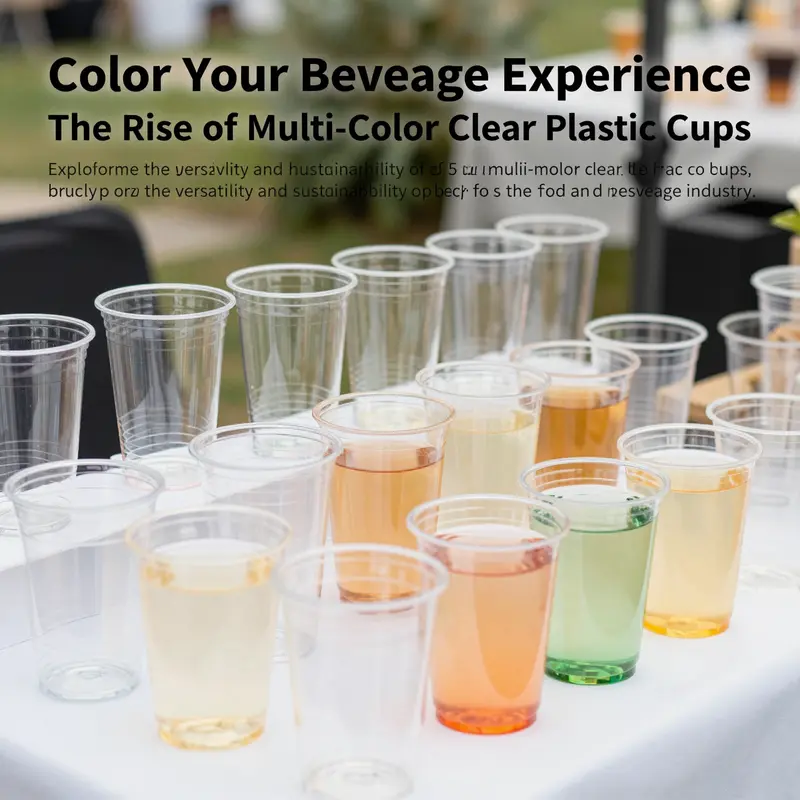
In a world where aesthetics and functionality collide, multi-color clear plastic cups are making waves in the food and beverage industry. These 5 oz cups not only cater to an array of delicious beverages but also enhance the visual appeal of any setting, be it a busy restaurant or an elegant event. Their robust, BPA-free plastic construction ensures safety and durability, while the vibrant colors boost your branding and presentation. In the following chapters, we’ll explore the versatile applications of these cups, delve into their material and sustainability aspects, and take a closer look at current market trends and consumer preferences, empowering businesses to make informed decisions.
Seeing Color, Sensing Convenience: The 5-Ounce Multi-Color Clear Cup as a Small-Scale Stage for Service Wins
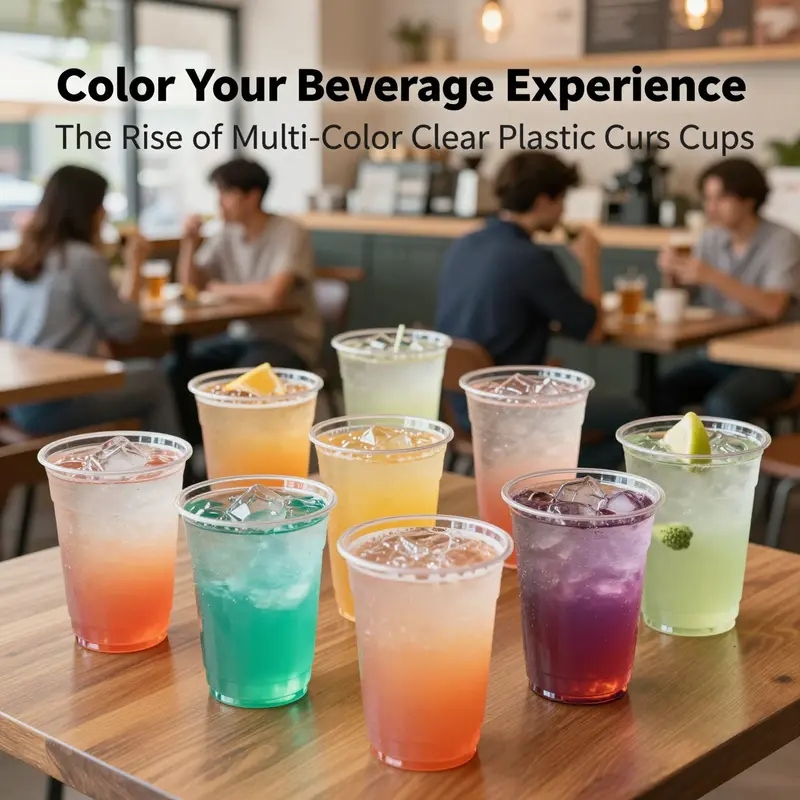
Every event, every café counter, every school fair that relies on quick, repeatable service hinges on a single, often overlooked decision: the cup. In the world of small servings, the 5 oz size has earned a quiet, unassuming prestige. It sits at the intersection of portion control, ease of handling, and visual storytelling. When the cup is clear and the color story comes from the cup itself rather than from the contents, the experience becomes more deliberate, more appealing, and more practical for both server and guest. Multi-color, clear plastic cups in this size do more than hold liquids or desserts; they frame color, reveal texture, and cue expectations about portion, quality, and atmosphere. The form is simple, but its impact can be surprisingly nuanced, shaping how a moment is perceived, how a brand is remembered, and how many uses a single package has in a busy service environment.
Clarity is not simply a matter of taste; it is a strategic feature. In a crowded display of desserts, beverages, and bite-sized treats, visibility mediates desire. The transparent walls invite the eye to rest on a layered drink or a fruit-forward dessert, letting color gradients, frost, and glossy surfaces narrate the story before one taste is taken. A 5 oz cup with a vibrant hue or a subtle multi-color palette acts like a courier for perception. It communicates that portions are careful and that the experience—whether a sampling flight in a café, a party canapé station, or a school event snack bar—has been designed with consideration for guests’ time and attention. The color in the cup is not merely decoration; it is the frame that helps each spoonful or sip register as intentional, portion-controlled, and thoughtfully presented.
From a safety and durability standpoint, the choice of a clear plastic cup in this size is also strategic. BPA-free construction is more than a compliance label. It signals the modern standard to customers who are increasingly aware of what touches their food and drinks. The cups’ light weight is a practical advantage in any setting that involves long lines, outdoor events, or a need to keep transport manageable. Glass might offer a premium texture, but in many contexts, the risk of breakage and the challenge of portability make plastic a better fit. The 5 oz capacity—small enough to encourage impulse sampling, yet ample enough to present a satisfying portion—complements the safety profile and the practical realities of service lines, buffet stations, and dessert kiosks.
One of the subtler aspects of these cups is the potential for color coordination without complicated decor. The multi-color option serves as a built-in design element that can echo event themes, brand palettes, or seasonal motifs. In a venue with a cohesive color language, the cups act as a continuation of the décor, not an afterthought. For example, a family-friendly fair might use a spectrum of cups that align with a rainbow theme, while a cafe could choose colors that mirror a seasonal menu. The cups become part of the composition, allowing staff to introduce variety without added effort or cost in disposable props. This is especially valuable in settings where speed matters and where staff members wear many hats. A well-chosen cup reduces the need for additional cups, napkins, or wrappers while still delivering a visually engaging moment for the guest.
The practical versatility of the 5 oz, multi-color, clear cup extends into both serving and presentation logistics. Its compact size is a boon for portion control, a factor that is particularly important when sampling menus, sushi bars, dessert stations, or beverage flights. The smaller footprint means more stations can be set up in a given space, enabling guests to explore a wider array of offerings without crowding a counter or overwhelming a single display. This spatial efficiency translates into smoother service during peak times, a clearer path for guests to move through lineups, and fewer spill incidents that can mar a moment or derail a mood. The cups’ secure handling is enhanced when the exterior is slightly textured or when the lip design supports a comfortable, stable grip. In outdoor environments, the combination of light weight and shatter resistance reduces the likelihood of breakage during transport, setup, and cleanup, offering peace of mind to organizers and operators alike.
The lids and spoons that often accompany these 5 oz cups contribute a layer of versatility that is sometimes underappreciated. A lid can transform a casual tasting into a take-away experience, enabling guests to carry a sample to a nearby seating area, a group gathering, or a temporary queue where they can savor at leisure. The included spoon—often designed to nest with the cup or to rest neatly on a lid—simplifies the ritual of tasting, especially for desserts, layered parfaits, or fruit-and-yogurt combinations. In many settings, these accessories can extend the life of a cup beyond a single serving by enabling self-contained, on-the-go enjoyment. For events that aim to minimize waste, the ability to reuse cups that are sturdy enough for light reuse—especially when lids and spoons are clean and dry—adds a small but meaningful tailwind to sustainability goals. Even when the cups end up in a municipal recycling stream, their BPA-free, clear plastic can support responsible waste management practices if the local infrastructure accepts them, aligning with broader efforts to reduce single-use materials without sacrificing user experience.
From a safety and sanitation perspective, the capacity to observe contents through a clear wall is a double-edged sword. On one hand, it invites trust when guests can see precisely what they are consuming, which is particularly valuable for layered beverages and colorful desserts that rely on visual appeal. On the other hand, it places a premium on rigorous handling and eye-catching cleanliness. In busy venues, staff workflows that minimize contact with cup rims and interiors—through the use of tongs, tongs-like accessories, or well-ordered beverage stations—help maintain visual clarity and guest confidence. The cups’ shape and edge design can influence how easily a guest can scoop, sip, or spoon with minimal spillage. A smooth rim that feels comfortable against the lips, coupled with a stable base that reduces tipping on uneven surfaces, contributes to a positive tactile experience that complements the visual appeal. The goal is to foster a sense of care and precision from the moment a guest selects a cup until the last bite or last sip.
Beyond the immediate dining or event context, these cups offer opportunities for branding and promotional storytelling. The transparency of the container works in tandem with branded lids, printed sleeves, or color-coordinated accessories to convey a coherent message. For a business that wants to emphasize a contemporary, clean, and efficient image, the cups provide a streamlined canvas on which logos or slogans can be applied through lids, stickers, or printed packaging that accompanies the cup. The impact is subtle but real: a guest who receives a brightly colored cup with a crisp, legible inscription is more likely to associate the moment with quality and care. In a crowded service landscape, such associations can tilt the balance toward repeat visits rather than one-and-done experiences. The cups become not merely vessels but components of a larger brand narrative that can be read quickly in a moment of decision.
As with any disposable item, the environmental considerations are part of the conversation. The shift toward BPA-free plastics is part of a broader trajectory toward safer materials. For venues seeking to balance convenience with responsibility, the possibility of reusability emerges as a meaningful option when materials are robust enough to withstand repeated cycles of washing and reuse. In practice, the 5 oz format is a logical choice for limited-repeat usage: it minimizes the volume of plastic used per serving while maximizing the number of turns a set of cups can handle between replacements. The decision matrix grows more nuanced when considering event scale, guest churn, and the lifecycle costs associated with inventory management. In a modern operation, the cup thus becomes a microcosm of sustainability thinking: it is small, but its cumulative impact is measurable. Staff training, streamlined washing protocols, and clear labeling about proper reuse practices can push the environmental performance of the cup higher without compromising the guest experience.
Color strategy remains one of the most accessible and effective tools for shaping guest perception. The 5 oz clear cup—by itself a neutral vessel—takes on personality through color. A bright, high-contrast hue can energize a display and cue certain flavors or moods. A softer, pastel mix can evoke a sense of gentleness or whimsy, making a dessert flight feel approachable to younger guests. A more sophisticated palette—think jewel tones or metallic accents on caps or lids—can upscale a dessert bar or beverage flight, signaling premium ingredients or a curated menu. The color story can be synchronized with seasonal menus, school events, or corporate gatherings, creating a cohesive guest experience that feels well-designed rather than piecemeal. In practice, staff can leverage color as a nonverbal cue to guide choices, encourage sampling, or reinforce dietary or flavor categories. This kind of nonverbal communication cuts down on decisions and speeds service, especially when lines stretch or the pace accelerates during peak times.
The discussion would be incomplete without acknowledging the role of the 5 oz cup in kid-friendly settings. Children respond to color and scale in intuitive ways, and a clear plastic vessel in a vivid color can transform a simple sip into a moment of delight. The cups support playful presentation without sacrificing safety. When paired with lids and spoons that are easy to handle, they encourage independent exploration of textures and flavors, making a lunchroom or party table feel like an accessible tasting station rather than a crowded obstacle course. Even in these smaller contexts, the choice of a durable, shatter-resistant cup reduces the risk of accidental spills and injuries, which is a meaningful consideration for caregivers and event organizers alike. In short, the 5 oz multi-color clear cup functions as an amplifier of small experiences, turning quick servings into memorable interactions that guests carry with them beyond the moment.
From a logistical vantage point, these cups offer a straightforward calibration of supply and demand. The 5 oz size is a sweet spot for fast-service environments that want to minimize waste while maximizing impression. They accommodate sampling programs, flight-style beverage menus, layered desserts, or bite-sized treats with ease. For operators who test new menu items or experiment with seasonal flavors, the cups can be deployed as a low-risk, high-return format. They encourage guests to try a variety of items, broadening engagement and driving incremental sales per guest. The color variety, in particular, supports a flexible approach: a venue can rotate color themes through the calendar year, keep a consistent price point, and avoid the extra cost and labor of redecorating for each seasonal shift. The cups, in effect, become a versatile tool in a service designer’s toolkit, enabling rapid iterations without heavy capital expenditure or procedural upheaval.
In considering the broader ecosystem of containers, the 5 oz multi-color clear cup holds its own as a practical alternative to larger vessels when the goal is to offer brief, focused experiences. Its size lends itself to tasting menus, to sample flights, and to educational activities where participants are invited to observe, compare, and catalog flavors, textures, and aromas. It is equally at home in a casual café environment where a guest might choose a small beverage to accompany a pastry, or in an event setting where guests move between stations, sampling a curated array of offerings. The cups’ design encourages a quick, efficient, and enjoyable interaction with food and drink, a combination that resonates with both service providers and guests in a marketplace that prizes speed, cleanliness, and a sense of care.
To bring these threads together, the 5 oz multi-color clear cup exemplifies how form supports function in everyday service. It is not merely a vessel; it is a lever for presentation, a facilitator of efficient workflow, a canvas for color-driven branding, and a safeguard for safety and portability. It enables guests to see, choose, and savor with clarity and confidence, while giving operators a straightforward path to consistent quality, reduced waste, and adaptable branding. In a world that prizes both flexibility and reliability, the cup proves that the smallest elements of a service proposition can carry outsized influence. The experience of using it—its weight, its rim, its transparency, its color accents, and the gentle feedback of a lid and spoon—resonates in a way that can shape a guest’s memory of an event, a café visit, or a school celebration. And when these moments accumulate across a business day, week, or season, the seemingly modest choice of a 5 oz, multi-color, clear cup becomes a quiet engine of guest satisfaction and operational efficiency.
For readers who want to explore related packaging options that align with the same values—ease of use, safety, and sustainable thinking—there is a resource that highlights environmentally conscious choices in beverages and serving ware. This reference underlines the importance of material choices, color strategy, and practical design in creating a cohesive guest experience: eco-friendly printed logo cold beverage cup. While the focus here is on clear plastic cups, the broader lesson remains: the container is part of the service design, and thoughtful selection can elevate both perception and performance. The same spirit of mindful selection can be applied whether you are curating a display for a dessert bar, shaping a sampling station at a festival, or outfitting a school cafeteria for a week of themes and activities.
As this chapter closes its loop, it is helpful to anchor the discussion in the practical realities of sourcing and usage. The 5 oz, multi-color clear cup is often bundled with lids and spoons, forming a compact kit that operators can stock, rotate, and deploy with confidence. The pieces fit into a straightforward logistics frame: consistent sizing, predictable performance, and a simple aesthetic that works across a wide range of contexts. The material’s clarity ensures that color and texture are always front and center, while the cups’ stability and durability support a seamless guest journey from selection to final bite or sip. In this way, a small, affordable item becomes an essential component of a polished, guest-centered service model. And because the cups are compatible with a variety of service styles—from self-serve beverage stations to supervised dessert tastings—they support a flexible strategy that can adapt to fluctuating crowd dynamics, changing menus, and evolving guest expectations.
Ultimately, the appeal of the 5 oz multi-color clear plastic cup lies in its unassuming efficiency. It is a vessel that respects both the guest and the staff, offering a clear window into the moment it helps create. Whether used for juice flights, layered parfaits, or a bright, fruit-forward mini-salad served in a dessert cup, the cup elevates simplicity into something perceptibly intentional. The visual impact, the tactile experience, and the practical gains—the control over portions, the ease of handling, the safety profile, and the capacity to support branded storytelling—combine to make this a dependable, enduring option in the modern service toolkit. In the end, the cup does not simply hold what guests crave; it reinforces the care with which those cravings are met, one transparent, color-sparked serving at a time.
Source: Plastic Cups Pack 100: Key Standards, Physical Properties, and Engineering Applications. This product listing from an e-commerce platform provides detailed information on the practical uses, physical properties, and suitability of clear plastic cups, including multi-colored variants, for events and everyday use. https://www.amazon.com/Plastic-Cups-Pack-100-Transparent-Unobtrusive/dp/B0BQ9LZ7V6
Clear by Design: Material Choices, Performance, and Sustainable Pathways for 5 oz Multi-Color Clear Plastic Cups
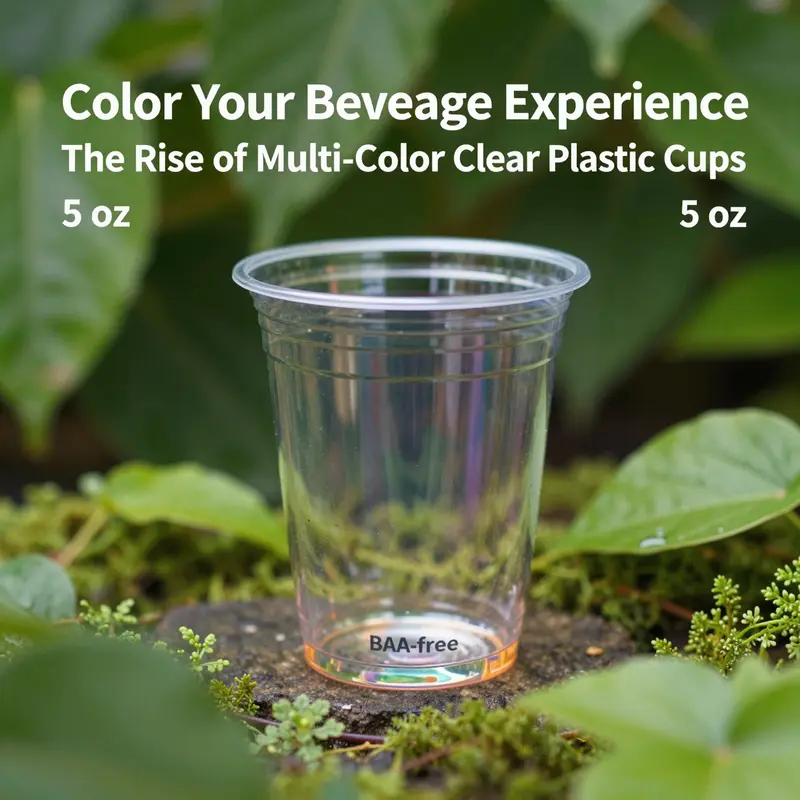
Clear plastic cups in the 5 oz category occupy a quiet yet essential niche in modern food and beverage service. They are light enough to handle with ease, sturdy enough to resist minor impacts, and transparent enough to showcase the colors and textures of every dessert, drink, or appetizer they cradle. The addition of subtle color through multi-color variants adds visual interest and helps brands differentiate offerings in crowded settings, from casual pop-up events to more formal tasting experiences. Yet beneath the surface of aesthetics lies a continuous balancing act: the need for reliable performance in diverse serving conditions and the responsibility to manage waste and resource use in a world where plastic pollution looms large.理解ably, consumers and businesses alike expect objects that perform well and align with evolving sustainability expectations. In this sense, the 5 oz clear cup becomes not just a vessel, but a small test case for how we weigh material choice, product design, and end‑of‑life considerations in everyday packaging.
At the heart of material choice are two durable thermoplastics that dominate the clear cup landscape: polypropylene and polystyrene. Each resin brings distinct strengths to the table. Polypropylene offers excellent impact resistance, good clarity, and a higher resistance to heat compared to polystyrene. These traits make PP-based cups a practical option for serving both ambient and mildly hot beverages, as well as foods that benefit from a rigid yet flexible structure. Polystyrene, by contrast, is renowned for its exceptional clarity and a rigid, crisp feel that enhances the presentation of beverages with bright color or layered ingredients. PS cups can convey a premium, glass-like appearance that some service environments prize when the visual impact of the drink is paramount. This clarity is not only about aesthetics; it also influences perceived quality and appetite appeal, which in turn can shape consumer experience and purchasing decisions.
The choice between PP and PS, however, also carries environmental implications that extend beyond immediate performance. Traditional PS and PP resins are not inherently biodegradable. When end-of-life stewardship is limited, these cups can contribute to plastic waste that persists for years or decades in landfills or the natural environment. The short life span of many 5 oz cups—often used for single-use snacks, tastings, or event samples—can amplify waste if recycling streams are weak or contaminated. This is not a call to abandon clear cups but rather an invitation to consider the full lifecycle of the product, from raw material sourcing and manufacturing to consumer behavior and waste management infrastructure. The material choice, in other words, becomes a signal about what a brand values in its product system: immediate practicality or long-term environmental stewardship, or ideally, a thoughtful blend of both that minimizes harm without sacrificing user experience.
Against this backdrop, the market has begun to broaden the palette with biodegradable and compostable alternatives derived from renewable resources. Polylactic acid, or PLA, has emerged as a prominent option for 5 oz clear cups marketed as sustainable. PLA is produced from fermentable feedstocks such as corn starch or sugarcane and is designed to break down in industrial composting facilities under defined conditions. For applications where industrial composting infrastructure is accessible, PLA-based cups can reduce the persistence of material in the environment and offer a credible path toward a circular economy. Yet the practicalities of PLA are nuanced. Industrial composting facilities are not universally available, and home composting guarantees are not applicable. PLA cups may not perform as well in high-heat or very hot liquid scenarios, and the presence of colorants or multilayer coatings can influence compostability and recycling compatibility. Consumers and businesses must therefore assess whether their local facilities can acceptPLA cups and whether the cups carry credible compostability certifications that reflect robust testing and standardized performance.
The interplay between recyclability and end-of-life management further complicates the sustainability narrative for 5 oz clear cups. Many cups are labeled as recyclable and carry resin codes that indicate PP (#5) or PS (#6). In practice, however, recycling success hinges on the capacity of local facilities to accept and correctly process small, clear cups that may be discarded with other packaging. Small size, thin walls, and the presence of color additives or printed designs can complicate sorting and contamination controls. In some communities, PS and PP cups are accepted, but the overall recovery rate remains low due to curbside recycling limitations, missorting, or inadequate processing streams. The result is a paradox: products designed for reuse and recycling can still end up in landfills if the local end-of-life system is not aligned with their material realities. This reality motivates a greater emphasis on reusable use-cases, high-quality recycling streams, or alternatives like compostable options where appropriate, rather than relying exclusively on conventional recycling as a silver bullet.
For brands seeking to align with green values while maintaining the clarity and flexibility that consumers expect from a 5 oz clear cup, the question becomes how to balance material performance with end-of-life responsibility. One avenue is to pursue clear cups that either incorporate recycled content or are designed to be recycled within robust, certified programs. Some suppliers advertise BPA-free construction, a claim that speaks to consumer concerns about chemical exposures and product safety. Even when BPA-free status is not a direct issue for clear PP or PS cups, it can be part of a broader commitment to safer materials and better manufacturing practices. The challenge remains to verify that such claims are consistent with actual material composition and with the capabilities of the consumer’s local recycling or composting infrastructure. In other words, the promise of a greener cup is only as strong as the system that accepts, processes, and ultimately reintroduces the material into use cycles.
Alongside material choices, color and printing add a distinct layer of complexity to sustainability. Multi-color cups typically rely on dyes and pigments that are embedded in the plastic matrix or applied as surface decoration. These colorants can influence recyclability, either by altering the material’s recyclability profile or by introducing contaminants that complicate sorting. In some cases, color additives may shift the value of reprocessed resin, resulting in downcycling rather than a closed loop. The more vibrant and varied the color story, the more careful a brand must be about the end-of-life plan, because color-rich plastics can require more energy and specialized processing to recover usable materials. This is not a fatal flaw but a factor that designers and procurement teams must weigh when setting packaging visuals and choosing between high-clarity transparent cups and color-enhanced variants. Appreciating the aesthetics while acknowledging the recycling realities helps establish a more honest dialogue with consumers and with the waste infrastructure that will ultimately determine the cup’s fate after it leaves the event or the store.
The sustainability conversation also intersects with standards and certifications that guide responsible production and disposal. Compostability certifications, such as those aligned with industrial composting procedures, are intended to reassure buyers that a cup will break down under defined composting conditions. These standards—whether framed around recognized criteria like ASTM D6400 or equivalent programs in other regions—provide a useful signal about performance and end-of-life expectations. Yet the presence of a compostability claim does not automatically equate to real-world suitability. Facilities that can process compostable cups, including the appropriate separation and collection streams, must exist and be accessible to the consumer. Similarly, the recyclability claim presumes that the cup is compatible with the local system, that it remains uncontaminated by food waste or residues, and that it can be sorted and processed into a marketable resin. These nuances underscore a broader principle: sustainability is not a single attribute but a system property. It emerges from product design, material selection, labeling accuracy, consumer behavior, and the structure of waste management networks.
In the marketplace, the conversation around 5 oz clear cups has also evolved to include a broader set of sourcing and lifecycle considerations. Brands increasingly evaluate not just the resin type but the entire supply chain—how resin is produced, how colorants are sourced, and whether the manufacturing process uses energy and water efficiently. Some suppliers now highlight options such as recyclable or compostable variants that aim to reduce environmental footprints without compromising the crisp clarity or the visual impact that customers expect from a clear cup. This shift reflects a growing recognition that packaging is a system-level decision rather than a one-off product specification. When a business commits to a more sustainable cup, it should also consider the practical realities of adoption: the availability of compatible lids and utensils, the feasibility of reusing cups in appropriate contexts, and the potential to integrate the cup into a more circular packaging approach that emphasizes collection, sorting, and material recovery.
To illustrate the ecosystem at work, consider how a brand might navigate the choice between a conventional PS or PP cup and a PLA-based alternative. In environments where the waste management infrastructure supports industrial composting, PLA cups can provide a legitimate path toward reduced long-term waste and a tangible demonstration of environmental responsibility. In other areas, however, the same PLA cup may underperform in hot beverage applications, or it may not be accepted by the local recycling stream, leading to unintended waste. The pragmatic takeaway is not to default to a single option but to tailor the choice to the application, climate, and waste-capture reality of the consumer base. It is exactly this kind of pragmatic, site-specific thinking that separates responsible packaging decisions from well-meaning but impractical green claims. In short, the 5 oz clear cup becomes a test case for how a product category can evolve to meet varied needs while still preserving clarity, convenience, and a viable path toward sustainability.
From a practical standpoint, the decision framework for purchasing 5 oz clear cups often centers on three core factors: material performance, end-of-life options, and certifications that help verify claims. First, assess whether the cup will be used for hot or cold beverages, the potential for structural stress during transport, and the degree of transparency required to showcase the product’s color and texture. If clarity is paramount, a PS-based cup may remain the preferred option, provided that other sustainability considerations—like proper disposal—are addressed through robust post-consumer recycling or validated composting channels. If heat resistance and impact strength are the priority, PP-based cups may offer a better balance of performance and recyclability in regions with strong recycling or deposit systems. If the application supports composting infrastructure, consider PLA as part of a portfolio of options, with careful attention paid to local facility capabilities and the cup’s ability to withstand the liquids it will hold.
Second, end-of-life planning should be explicit and informed. Brands can support better outcomes by choosing products that advertise clear, accurate recycling or composting guidance and by educating their customers about proper disposal. This education can include simple, on-pack instructions about rinsing cups to minimize contamination, separating cups from other packaging when feasible, and directing customers to local facilities that accept their specific cup type. Third, seek credible certifications that provide third-party validation of environmental claims. Certifications can help differentiate products in a crowded market and offer a more reliable signal to consumers than marketing language alone. While no single attribute guarantees sustainability, a combination of recyclability or compostability certification, BPA-free claims where relevant, and transparent material disclosures can collectively enhance trust and support more responsible consumer choices.
Within the broader packaging ecosystem, it is worth noting how other materials are positioning themselves in relation to clear cups. There is a growing emphasis on offering packaging options that preserve the sensory appeal of food and beverages while reducing waste and expanding end-of-life possibilities. For example, compliant choices in the paper cup family demonstrate how brands are expanding their sustainability portfolios beyond conventional plastics to embrace compostable and recyclable formats that align with different consumer contexts and local waste infrastructures. This diversified approach does not require abandoning the recognizable advantages of a clear, color-capable cup; instead, it invites a more nuanced strategy that matches the right material with the right disposal pathway and the right consumer behavior. In practice, this means detailing the product’s lifecycle story—from feedstock sourcing to end-of-life outcome—and encouraging customers to participate in the recycling or composting programs that best fit their community. The net effect is a packaging system that remains visually compelling and functionally reliable while embedding a stronger emphasis on environmental responsibility.
For designers and decision-makers seeking to integrate sustainability into the 5 oz clear cup category, several practical steps can translate these principles into action. Start by mapping the cup’s intended use: Is it for hot coffee, cold cocktails, or dessert samples? Does the setting provide accessible recycling or composting infrastructure? What are the local standards for resin codes and post-consumer processing? With these questions clarified, you can prioritize material options that align with real-world waste streams rather than theoretical benefits. If the project calls for multi-color presentation, consider whether the design can be achieved with purely surface decoration or with color‑neutral finishes that facilitate recycling. When choosing between PS and PP, weigh the temperature range and mechanical demands against the facility’s ability to recover the resin efficiently. When PLA is an option, confirm industrial composting availability and ensure that the product carries credible certifications that withstand scrutiny. Throughout the decision process, maintain clear, honest communication with customers about what the cup can and cannot do in terms of disposal. This transparency helps avoid greenwashing and builds trust with consumers who increasingly scrutinize packaging claims.
The broader takeaway is that 5 oz multi-color clear plastic cups are not simply containers; they are microcosms of modern packaging dynamics. The decisions behind their materials, colors, and end-of-life pathways reflect how a society negotiates convenience, aesthetics, safety, and responsibility in a shared environment. As markets evolve and waste-management systems improve, these cups can become more than passive vessels. They can become exemplars of deliberate design—where performance meets responsibility, and where consumer experience is enhanced by thoughtful stewardship of resources. Achieving this balance requires ongoing dialogue among manufacturers, retailers, waste managers, and the public. It also requires ongoing data collection and transparency about composition, processing, and outcomes so that each party can make informed choices and contribute to a packaging ecosystem that values clarity, compliance, and care for the environment.
In this spirit, the ongoing exploration of 5 oz clear cups—whether standard PS or PP, or innovative PLA-based variants—should continue to center on practical sustainability without dampening the consumer experience. The right cup can deliver crisp presentation and reliable use while supporting a system in which resources are conserved, waste is minimized, and end-of-life options are accessible and effective. This is not merely an industry preference; it is a reflection of a collective commitment to responsible consumption that aligns with broader environmental goals and regional capabilities. For readers who are combining design sensibilities with stewardship, the cup becomes a tangible reminder that even small packaging choices can have meaningful cumulative effects when guided by clarity, evidence, and an openness to diverse, appropriate solutions.
As a practical reference point for those evaluating market options, the landscape shows a range of 5 oz clear cups that emphasize eco-conscious features—whether through recycled content, recyclability, or compostability credentials. The market continues to expand, offering choices that balance sensory appeal with responsible disposal, and it is worth keeping an eye on how new standards and facility capabilities might shift the optimal choice for any given application. For those who want to explore concrete sourcing options aligned with these considerations, a widely available supplier listing illustrates the breadth of options in the 5 oz category, including clear cups designed to meet different sustainability criteria. External readers may consult market listings for a snapshot of available options and certification claims, such as PLA or recycled-content variants, while keeping in mind the local infrastructure that will ultimately determine end-of-life outcomes.
To connect the broader packaging narrative with practical procurement insights, consider how the eco-conscious paper cup category has grown as an adjacent option for applications where composting facilities are robust and consumer participation in disposal programs is high. For teams evaluating the sustainability of plastic cups, cross-referencing with paper cup options can reveal opportunities to optimize overall waste streams by channeling certain service contexts toward compostable or recyclable formats that suit the local ecosystem. For more on eco-friendly paper cup options and their availability, see the article on eco-friendly paper cups with lids at the linked resource below. This cross-pollination of ideas helps teams sculpt a packaging strategy that respects the unique demands of each setting while advancing shared environmental objectives.
In sum, the journey of a 5 oz multi-color clear plastic cup—from material selection to end-of-life fate—exemplifies how contemporary packaging must balance performance with responsibility. Designers and buyers who approach this balance with rigor, transparency, and attention to local realities can craft solutions that delight customers and contribute to a more sustainable packaging landscape. As technology, facilities, and consumer expectations continue to evolve, so too will the possibilities for clear cups that not only showcase beverage color and texture but also demonstrate a genuine commitment to environmental stewardship.
Internal link reference: For a broader look at eco-friendly packaging options in related categories, see the discussion on eco-friendly custom paper coffee cups with lids. eco-friendly custom paper coffee cups with lids.
External resource: For market visibility on 5 oz clear plastic cups that emphasize sustainability-oriented options, a supplier listing provides context on available materials and certifications. https://www.alibaba.com/product-detail/Wholesale-5-oz-Clear-Plastic-Cups-Durable_1600328793272.html?spm=a2700.12558939.0.0.1f1a3b1cDvXnYi
null
null
Final thoughts
The versatility of multi-color clear plastic cups, especially in the 5 oz size, offers an exciting opportunity for businesses to elevate their beverage presentation. From restaurants to catering services, these cups provide not only functional benefits but also a dash of color that captivates customers. As sustainability becomes more integral to purchasing decisions, selecting BPA-free options further reinforces a commitment to health and environmental responsibility. By understanding the extensive applications and current market trends, businesses can cater to consumer preferences while remaining at the forefront of a competitive landscape.