
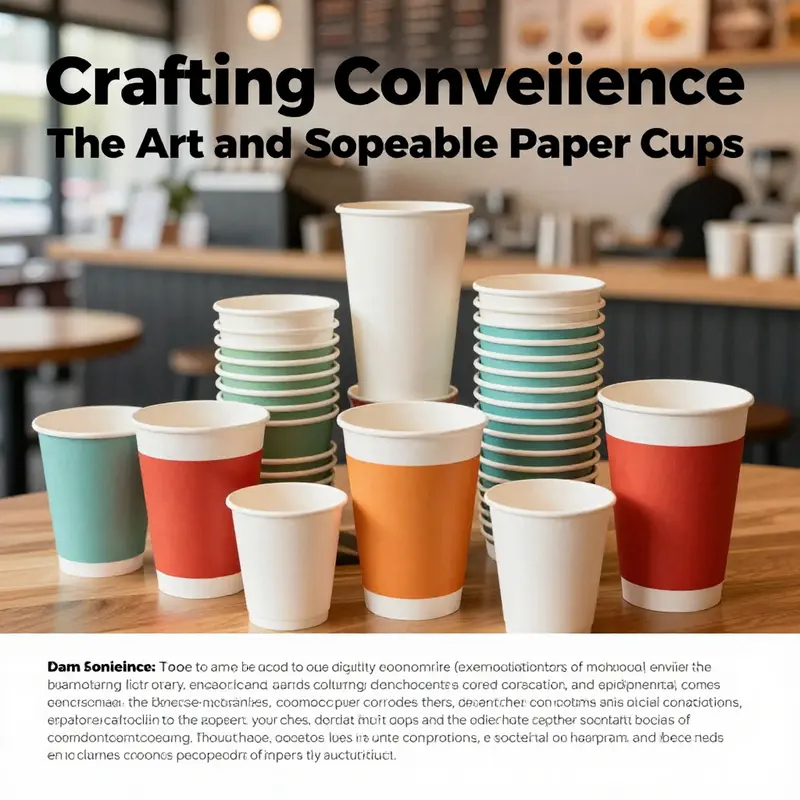
The journey of disposable paper cups begins long before they are filled with your favorite beverages. As staples in bubble tea shops, restaurants, and food trucks, these cups play a vital role in the beverage service industry. In this exploration, we delve into the technology that underpins their production, revealing how advanced machinery efficiently transforms raw materials into leak-proof vessels. Beyond the manufacturing process, we’ll probe into the economic impact of disposable paper cups, examining their contribution to the beverage market and costs associated with production and waste. Environmental concerns surrounding their use and disposal are paramount in today’s eco-conscious society, prompting innovations in sustainable materials and recycling practices. Furthermore, the geopolitical landscape influences manufacturing locations and trade dynamics, a ripple effect that impacts your supply chain. Finally, we’ll look at the societal implications of using disposable cups, considering convenience, cultural habits, and the push towards smarter, greener solutions. Each of these chapters not only connects to the overarching narrative of disposable paper cups but also highlights how challenges become opportunities across various sectors.
Engineering the Everyday: The Technology That Turns Paperboard into Leak‑Proof Cups
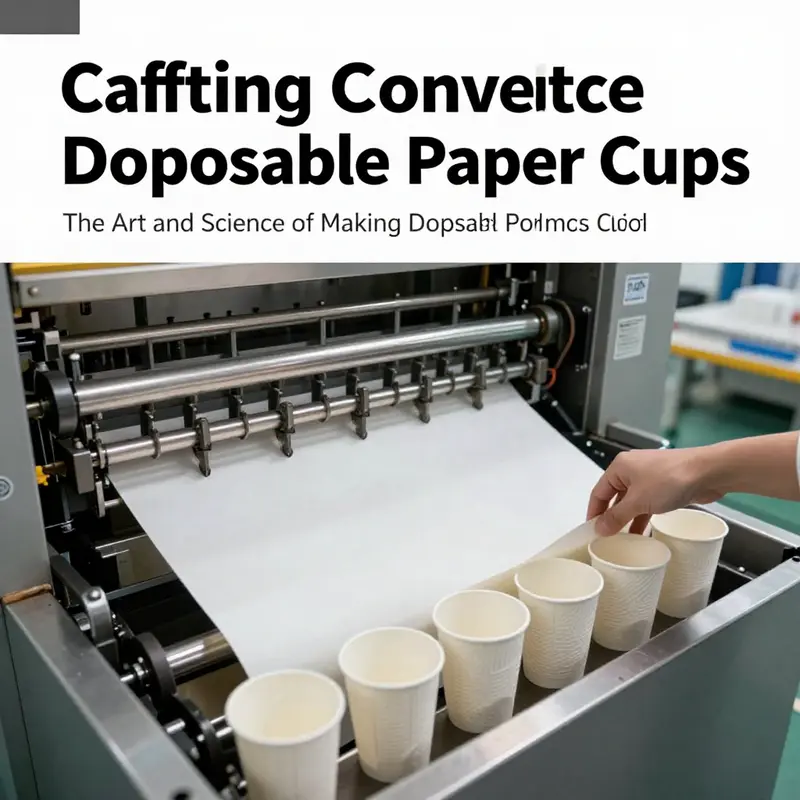
The disposable paper cup is a deceptively simple object. It begins as a flat sheet of paperboard and ends as a lightweight vessel people carry to meetings, concerts, and street corners. Between those two states lies an engineered sequence of material choices, coating science, and precision manufacturing steps. Together, these elements create a cup that must be stiff enough to hold hot liquid, thin enough to stack, sealed enough to resist leaks, and cheap enough to produce at massive scale.
At the heart of the process is the paperboard itself. This material is selected for strength, foldability, and surface smoothness. Most paperboard used for beverage cups is made from wood pulp and comes in a narrow weight range that balances rigidity with formability. Boards too light will collapse under hot liquid. Boards too heavy raise costs and slow forming lines. The chosen grammage also affects printing quality and the adhesion of subsequent coatings.
Raw paperboard is not liquid resistant, so the next critical step is adding a barrier. Historically, a thin film of polyethylene has been the industry standard. This polymer is extruded or applied as a melt onto the paper surface to create a continuous waterproof layer. The barrier can be placed on the inside surface only, on both sides, or on the exterior alone for specific applications. Single-sided coatings are common for hot drinks and promotional cups, where insulating and leak-proofing the interior is the priority. Double-sided barriers are used for cold beverages to prevent external condensation from weakening the board.
Application methods vary by scale and the properties desired. Extrusion coating feeds molten polymer through a die directly onto a moving paper web. The molten plastic forms a thin, uniform film and bonds to the fibers as both cool. Spray or curtain coating methods exist as alternatives, particularly when working with novel, water-based barrier chemistries. These approaches are compatible with continuous high-speed production lines, where the paper moves rapidly through coating, drying, and winding stations.
Sustainability concerns have driven intense development in coatings. Compostable barriers made from polylactic acid and other bio‑based polymers are now commercially available. Water-based dispersions aim to replace solvent-based adhesives and inks, reducing volatile emissions. Each alternative must match PE’s barrier performance without adding prohibitive cost or complicating downstream recycling. The coating is where the trade-offs are most visible: enhanced compostability can mean reduced shelf life for certain products, while recyclable-friendly coatings may require changes in processing infrastructure.
Once coated, the paperboard is printed and slit to the right width. High-speed flexographic and gravure printing presses apply brand artwork and regulatory information. Modern production favors water-based inks to minimize solvent use and to facilitate safer handling and lower VOC emissions. Printing must be precise because misregistration wastes material and creates quality issues later in the forming process.
Cutting and feeding stages turn wide rolls into blanks sized for specific cup volumes. Cutting knives and rotary dies produce tapered rectangles that will form the cone shape of a cup. The geometry of the blank determines the cup’s taper, stackability, and finished volume. Precision here reduces scrap and ensures consistent performance on forming machines.
Forming machines are where flat blanks become three-dimensional vessels. These automated systems combine folding, seam forming, bottom insertion, and rim curling in rapid succession. The process generally follows a predictable pattern: blanks are guided into a forming head, which wraps the board around a mandrel or die to create a tube. An overlapping seam is created and secured, most commonly through heat sealing or ultrasonic bonding. Heat sealing melts the barrier layer and fuses the overlapping edges to create a continuous, liquid-tight joint.
Simultaneously, preformed bottom pieces — typically circular disks cut from the same coated board — are inserted and sealed to the tube’s base. Correct bottom placement is vital. If misaligned, the cup will leak or fail under load. The sealing step here also relies on thermal control, pressure, and timing to ensure a reliable bond without scorching the paper or degrading the barrier.
Edge finishing follows. A machine curl forms a smooth rim by folding the upper edge over a thin bead, creating a lip that is comfortable to drink from and resistant to delamination. This curl also reinforces the top so lids can seat securely. In some designs, an additional beading step adds a second fold to further strengthen the rim for heavier beverages.
After forming, cups pass down a cooling line to stabilize the seals and prevent deformation. Vision systems and mechanical gauges inspect dimensions, seam integrity, and rim uniformity. Automated leak tests often involve filling sample cups or using pressure tests to find weak seals. Quality control is continuous and integrated with the line, enabling rapid adjustments. Defect rates must be minimal because even a small percentage of leaks translates to large losses at industrial output.
Production scale varies. Large automated lines can form dozens of cups per minute, running continuously with minimal human supervision. Smaller operators use semi-automatic or manual forming machines to meet lower volume needs. These compact systems are suited to custom sizes and short runs, but they are slower and offer less flexibility for high-speed printing or complex coatings.
Design considerations extend beyond manufacturing speed. Thermal performance for hot drinks is managed through paper weight and barrier location. Double-walled constructions and corrugated sleeves add insulation when needed. For cold drinks, external anti-condensation coatings and double-sided barriers keep the cup rigid and comfortable to hold. Stackability and nested storage are engineered through careful taper angles; too much taper makes cups rattle and become unstable, while too little taper interferes with easy dispensing and stacking reliability.
The industry has made substantial strides in waste reduction and material efficiency. Optimized blank layout and tighter tolerances reduce scrap. Advances in adhesives and seal technologies shorten cycle times and lower energy use. At the same time, the challenge of end-of-life remains acute. Traditional polymer-coated cups are technically recyclable, but separation of plastic and fiber is costly. Many recycling streams cannot accept these mixed-material items, so they often end up in landfill or incineration.
To respond, manufacturers are testing several pathways. First, fully compostable cups paired with industrial composting infrastructure can divert organic waste from landfills. Second, soluble or easily separable coatings can make fiber reclamation economically feasible. Third, improved collection and sorting systems, combined with clear labeling, help recycling processors identify and route cups appropriately. Regulatory measures and deposit systems will likely accelerate these shifts by changing the economics of collection and treatment.
Technical innovation continues on material fronts. Recycled fiber content is increasing, provided that strength and barrier requirements are met. New barrier chemistries aim to balance compostability, recyclability, and cost. Inks, adhesives, and coatings are being reformulated to reduce environmental impact and to support circular material flows. These developments require collaboration between paper mills, coating formulators, equipment manufacturers, and waste managers.
The paper cup is the product of many engineering choices, each with trade-offs. Materials science decides whether the cup will be compostable or easily recyclable. Coating methods determine barrier effectiveness and line speed. Forming technology governs seal quality and cosmetic finish. Quality control and inspection maintain reliability at scale. Together, these systems transform flat paperboard into a dependable single-use container.
As consumer expectations and regulations evolve, so will the technology. Manufacturers will continue to refine coatings, adopt more sustainable inks, and improve machine efficiency. The aim is to preserve the convenience and safety of disposable cups while reducing environmental costs. For readers who want a practical example of a commercially available single-wall option, see this 8oz double plastic-free paper cup listing. For a broader discussion of waste management and the lifecycle of disposable cups, the U.S. Environmental Protection Agency provides an overview that explores disposal, recycling, and sustainability considerations: https://www.epa.gov/sustainable-management-waste/understanding-disposable-cups.
Counting the Cost: The Economic Footprint of Disposable Paper Cups Across Markets and Waste
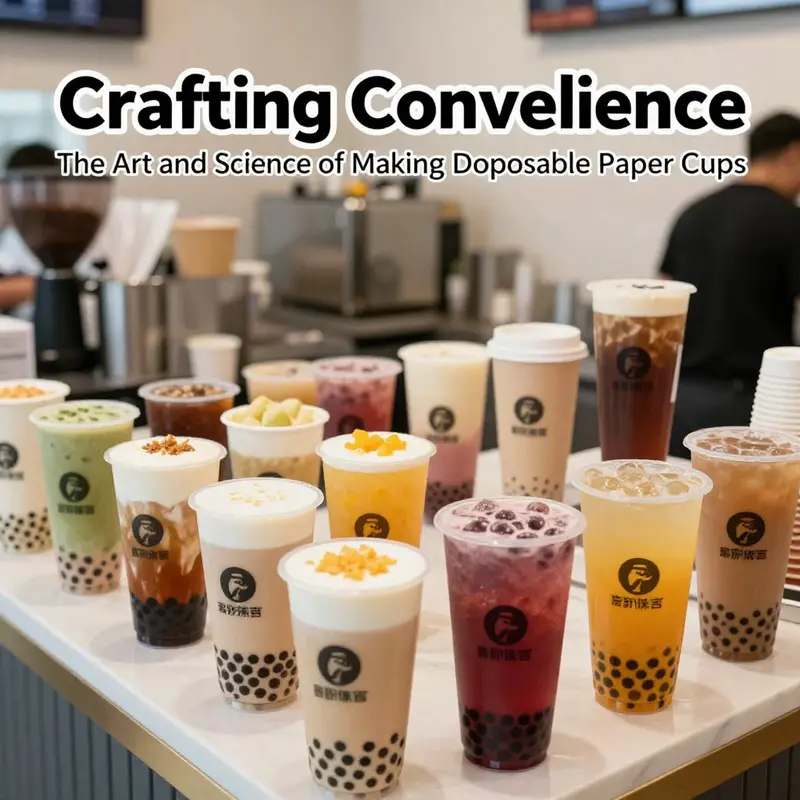
Every disposable paper cup is more than a single-use item. It sits at the crossroads of manufacturing efficiency, consumer habits, retail economics, and municipal budgets. The chapter that follows unspools this intricate web, tracing how a simple container translates into a multi-layered economic story. At its core lies a simple equation: convenience and hygiene delivered at scale against the backdrop of resource use, waste management, and evolving policy. When you glimpse the ledger behind these cups, you see expenses and opportunities distributed along four main axes: producers and suppliers, food-service operators, consumers, and the public sector tasked with waste stewardship. Understanding that balance helps explain why disposable paper cups have both fervent supporters and stern critics, and why the market for them remains robust even as sustainability conversations intensify.
Market dynamics establish the macro frame in which every kitchen, café, and event planner operates. In the recent past, the global market for disposable paper cups was valued at about USD 3.5 billion. Projections place the market near USD 5.8 billion by the early part of the next decade, signaling a steady demand trajectory across food service, hospitality, and retail. The appeal is straightforward: a product that is lightweight to store, easy to transport, and compatible with a wide range of beverages. The economics of scale matter here. Large operators can spread fixed costs across millions of cups, driving per-unit costs down and supporting aggressive pricing, promotional campaigns, and reliable supply. The upside for manufacturers lies not just in the cup itself but in the entire ecosystem of coating, forming, and packaging that keeps the lines running, from raw paper stock to the final, boxed shipment.
But the numbers do not tell the whole story. Growth is driven by consumer expectations of speed, cleanliness, and safety. In a landscape crowded with alternatives, disposable cups remain appealing for venues that prioritize quick turnover and minimal clean-up. Yet the same factors that fuel demand—consistency, traceability, and predictable performance—also carry hidden costs. The production cycle is energy-intensive. Paper stock, coatings, heat forming, cooling, and inspection all consume electricity and water. Even as automation squeezes labor costs, the energy and material inputs per cup accumulate, especially when low-margin, high-volume outlets must buy on price and availability. The result is a market that rewards efficiency and reliability as much as it rewards novelty or sustainability when price remains competitive.
Environmental costs are the gravity that often tugs economic assessments toward caution. Despite being labeled as “paper,” most disposable cups are lined with polyethylene or similar coatings that prevent leaks and extend usability. These coatings complicate recycling. They require specialized sorting and processing to separate plastic from paper, a challenge that pushes the true cost of waste management onto municipalities and taxpayers. In practical terms, this material path translates into a substantial waste stream: in one large economy, more than 50 billion disposable cups are discarded annually, with recycling rates stubbornly below 1 percent. The economic implications go beyond environmental impact; they translate into municipal landfill space, extended collection routes, treatment facilities, and long-term contamination concerns. These are costs that the broader economy bears, even when the consumer pays only a small price at checkout.
Such environmental headwinds have begun to reshape the competitive landscape. The industry is increasingly evaluating alternatives that align with evolving policy and consumer sentiment. Water-based barriers and other renewable coatings promise easier separation from paper at end-of-life, though they must prove effective against heat, moisture, and shelf-life demands. Reusable cup systems offer another strategic counterweight to single-use consumption, especially in high-traffic venues. The idea is straightforward: a single reusable vessel, multiplied across the year, can substitute for hundreds or thousands of disposables, shifting the cost equation from per-cup price to lifetime usage and washing costs. This dynamic elevates the role of operational practices, including dishwashing capacity, system reliability, and the speed of turnover, in determining the true cost of hospitality and events.
Regulatory landscapes further tip the economics toward change in some regions. In a few markets, policymakers are testing or implementing pricing mechanisms that internalize some externalities of single-use disposables. A notable example is a policy initiative aimed at charging per cup or per use, intended to curb waste and encourage alternatives. While the specifics vary, the underlying objective is common: to align market incentives with environmental goals. These regulatory nudges influence procurement choices, with operators weighing the upfront cost of more sustainable options against the long-term savings from reduced waste charges and enhanced brand legitimacy. Even in places without formal pricing schemes, consumers increasingly expect stores to provide recycling options or to participate in cup-return programs. In practice, this means operators must consider not only the sticker price of cups but also the potential savings from waste reductions, improved municipal relations, and consumer trust.
From the viewpoint of food-service operators, the economics of disposable cups are frequently embedded in a larger packaging and labor cost structure. A typical outlet negotiates with multiple suppliers for a steady stream of cups, lids, and sleeves, while also managing the back-end costs of storage, inventory, and waste disposal. Even if the per-unit cup cost is modest, the annualized expense grows quickly with volume. For chains and large venues, packaging costs are a meaningful line item, but they are just one piece of a broader cost mosaic that includes energy for heating and refrigerating beverages, the cost of cleaning and warehousing, and the labor required to handle orders and service counters. The economy of scale often makes disposables attractive in the short term, but the long horizon is shaped by changes in consumer behavior, regulatory pressure, and the availability of more sustainable options.
Contextualizing this within a broader consumer economy helps reveal the true value proposition of disposables. On the one hand, they enable frictionless service, reduce the need for reusable ware in high-volume environments, and support hygiene standards that consumers expect. On the other hand, there is a growing economic argument for reusables, especially in settings where daily traffic is predictable and washing infrastructure exists. A ceramic mug, used consistently over a year, can substitute for hundreds of disposable cups. While the initial investment in durable ware carries higher upfront costs and requires ongoing maintenance, the per-use cost tends to fall dramatically over time. In jurisdictions that promote or subsidize return-and-reuse models, the long-run economics can tilt decisively toward sustainability. Businesses that embrace these models may gain a competitive edge through lower waste charges, stronger sustainability credentials, and improved relationships with communities and regulators.
The conversation about materials and design also matters for the future of the market. As coating technologies evolve, the line between performance and recyclability blurs. Innovations aimed at enabling easier separation of plastics from fibers, or at substituting fully biodegradable barriers, could alter the cost structure and the recyclability profile of cups. At the same time, consumer expectations around quality and experience—such as the cup’s ability to maintain temperature or resist leaks—continue to constrain the pace of transition. In practice, the industry faces a balancing act: preserve the reliability and convenience that drive demand while pursuing coatings and system designs that ease end-of-life processing and reduce environmental burden.
For readers seeking a concrete example of how market dynamics interact with procurement choices, consider the wholesale segment of disposable cup supply. Operators who buy in bulk to stock a broad range of venues face a different set of incentives than small, independent outlets. Bulk purchasing can drive unit costs down, but it also concentrates waste and increases exposure to price volatility in raw materials and energy. The decision to source a particular cup type, whether for hot beverages or cold drinks, involves trade-offs between barrier performance, recyclability, and the space available for storage. In this context, the choice of a cup is rarely a stand-alone decision. It reflects a broader strategy about cost containment, brand alignment, and environmental responsibility. For readers exploring practical options in this space, anchor text such as wholesale take-away cups can guide toward suppliers and packaging that fit specific business needs. wholesale take-away coffee cups across markets illustrate how scale and standards shape pricing, availability, and service quality across the chain.
Looking ahead, readers should watch how the market absorbs and adapts to policy changes, evolving materials science, and shifting consumer norms. The trajectory suggests ongoing growth, but with a sharpened focus on sustainability, circularity, and cost efficiency. The economics of disposable cups will increasingly hinge on the ability of producers to reduce material intensity, improve end-of-life processing, and deliver reliable performance at a price that remains attractive to businesses and consumers alike. In this sense, the chapter is less a story of a single product than a study of how modern economies balance convenience, hygiene, and accountability within a shared industrial system. The implications reach beyond the café counter, affecting municipal waste programs, packaging innovation pipelines, and investor assessments that price risk according to policy and public sentiment.
External resource for a broader market picture: https://www.marketresearchfuture.com/reports/disposable-paper-cup-market-1977
From Pulp to Landfill: Tracing the Environmental Footprint of Disposable Paper Cups
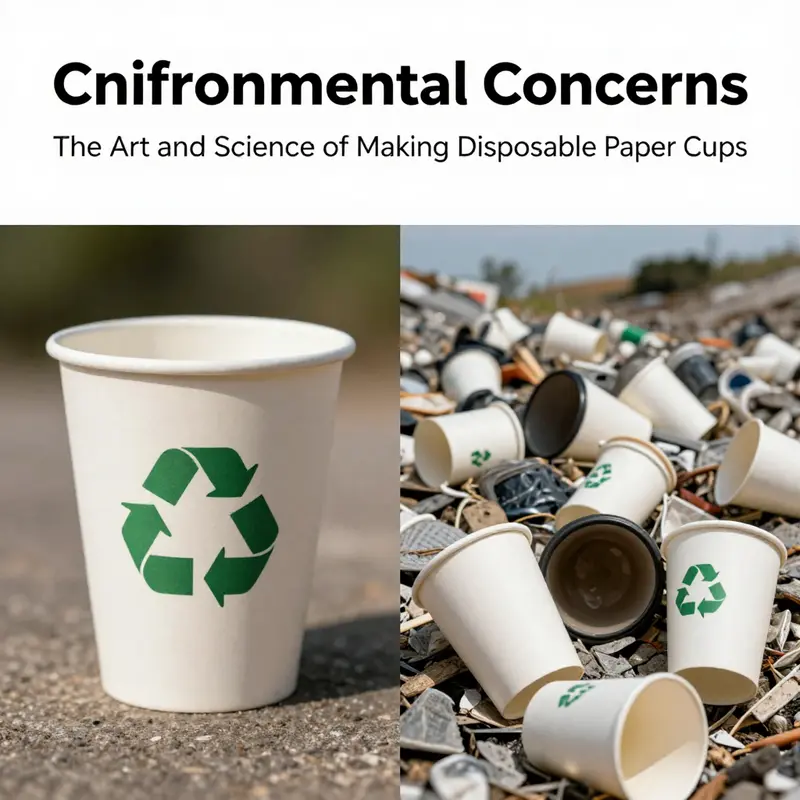
The disposable paper cup sits at the intersection of convenience, hygiene, and environmental consequence. It appears simple—a sheet of paper folded into a cup, a lid snapped on, a quick beverage enjoyed, and then forgotten. Yet the journey from freshly pulped fibers to the waste stream threads together a complex set of choices about materials, energy, water, and end-of-life fate. The popular narrative often frames paper as inherently greener than plastic, yet that narrative hides a technical truth: most cups rely on a plastic barrier to perform their core function. The interior lining, and sometimes an outer coating, prevents leaks and protects the contents during transport and handling. That barrier, while small in thickness, makes recycling far more challenging. In practice, the environmental benefits of a paper cup depend not only on the renewability of the base material but on how the entire lifecycle is managed—from forest to factory to landfill or recycling facility. When the consumer discards a cup, the impact is not only waste generated at a single moment; it is the cumulative result of sourcing, processing, and post-consumer processing that shapes the cup’s overall ecological balance. The chapter that follows traces these threads, showing how a simple object can embed a range of environmental trade-offs, and it considers where innovation and policy might tilt the ledger toward a more circular economy.
The scale of use compounds the stakes. In the United States alone, tens of billions of cups are discarded annually. Recycling rates for coated paper cups remain extremely low, and contamination from residual liquids and food further reduces recoverability. The consequence is a world where the majority of cups do not rejoin the paper recycling stream. Instead, they end up in landfills or are diverted to energy recovery streams, if such facilities exist. This reality is not merely a headline; it translates into real resource use and emissions. The production lines that shape these cups operate with impressive speed and efficiency, but those gains in throughput do not automatically equate to lower environmental costs. High-speed forming, coating, drying, and sealing consume substantial energy, and the fibers themselves come from forests that require management, planting, and harvest. The interconnectedness of these decisions means that improved recycling, smarter coating chemistries, or better end-of-life infrastructure can yield meaningful environmental improvements, even if the basic concept of a single-use cup remains popular in many markets. The question is where to intervene most effectively—at the source of materials, in the coating formulation, in packaging and labeling, or in the waste management system that processes cups after their use.
Material choices lie at the core of this challenge. A typical cup is built from paperboard that is designed to be lightweight and stiff enough to hold hot liquids. The crucial complication is the barrier layer: a thin plastic or wax coating that prevents leaks and protects the cup as it travels through the supply chain. Single-sided coatings are enough for many domestic or promotional applications, while double-sided coatings are common for cold drinks where moisture resistance is essential on both surfaces. The barrier is the main reason recycling becomes technically difficult. Paper recyclers must separate the polymer from the fiber, a process that is costly and not always feasible at scale. Even when a facility can handle coated fibers, the adhesive and barrier chemistry can degrade pulp quality and reduce the value of the recycled material. As a result, most cups do not re-enter the paper recycling loop. This reality has accelerated interest in alternative barriers—water-based coatings, bio-based films, or other renewable chemistries—that can deliver the needed performance while enabling more straightforward recycling. The trade-off is not only material performance; it is the life-cycle impact of producing and applying these coatings, and the feasibility of collecting and reprocessing cups after use. A growing body of industry discourse emphasizes how barrier chemistry can influence recyclability, and it points toward options that keep strength and spill resistance while easing separation in recycling streams. For readers seeking a glimpse into how these considerations play out in practice, a relevant line of inquiry focuses on eco-friendly options that balance barrier properties with recyclability. See an example here: eco-friendly custom paper coffee cups with lids.
The environmental footprint of manufacturing amplifies the challenge. The process begins with turning raw pulp into a sturdy sheet, then uses heat, pressure, and precision mechanical work to transform that sheet into a cup. Even in automated settings, each cup demands energy for preheating, forming, sealing the bottom, and curling the rim. Water enters the equation through pulping, washing, and coating processes, and it may appear in smaller amounts but accumulates when scaled to billions of cups. The choice of pulp also matters. Some pulping methods use chemical processing that generates emissions and chemical byproducts, while other approaches emphasize lower-energy or lower-impact pathways. The barrier coatings add another layer of resource use, including the energy and chemicals required to apply and cure them. The overall energy and water footprints are not simply a function of the cup’s function; they reflect the broader industrial web that supplies fibers, chemicals, and capital equipment. The environmental calculus therefore benefits from a life-cycle perspective, one that accounts for all stages rather than focusing solely on the end-of-life outcome.
End-of-life realities further complicate the outlook. The sheer volume of cups, combined with limited recycling capacity for coated papers, means that much of the waste winds up in landfills. Contamination from drinks and food residues reduces recyclability, while the polymer barrier complicates separation from the fiber. In many regions, municipal facilities lack the specialized equipment needed to extract the plastic from paper fibers, and the economic incentives for doing so are often weak. Even when cups are diverted to recycling streams, the process costs can be high, and the final pulp quality may be reduced, lowering the value of the recycled material. In landfills, the paper portion decomposes relatively quickly compared with the stubborn barrier, which can persist for decades and beyond. The long tail of disposal has broader implications for soil and water quality, and it underscores the need for improved collection, sorting, and processing infrastructure. Some waste-to-energy plants offer a compromise by converting much of the waste into energy, but this approach trades one form of emissions for another and does not recover potential material value. End-of-life thinking thus reframes the cup not as a standalone product but as a signal of how well a region’s waste system aligns with circular economy goals.
Policy and market dynamics add another layer of complexity. In some jurisdictions, policymakers are exploring pricing or deposit schemes designed to discourage wasteful disposal and to encourage reuse. A notable policy thread in parts of Asia aims to implement cup-by-cup pricing to reduce waste, with pilots and legislative conversations anticipated around 2025. While not universal, such initiatives illuminate how the economics of disposable cups can shift when waste becomes costlier or when consumers gain access to convenient reuse options. The industry responds with a mix of strategies: continuing to offer single-use cups for certain channels, promoting take-back and return programs, and collaborating with waste processors to improve separation and recovery. Design choices respond in parallel; coatings become more recyclable-friendly, weights are trimmed to reduce material use, and labeling clarifies disposal requirements. The broader aim is to seed a more circular flow where the cup is not merely a single-use item but part of a system that reduces waste through rethinking materials, collection, and reuse.
Innovation is driving hopeful avenues, though challenges remain. Water-based barrier coatings, bio-based films, and fiber-friendly adhesives are among the approaches researchers and manufacturers are testing. Reuse-oriented systems—such as deposit-refund schemes, near-field return networks, and closed-loop washing and refilling—offer the potential to dramatically reduce waste. Yet they require substantial changes in store logistics, consumer behavior, and energy budgeting for washing and reconditioning. The mathematics of reuse demand careful life-cycle assessment: washing, transporting, and reusing cups must offset the energy and water spent in those processes to deliver a true environmental benefit. In other words, reuse works only when implemented as a system, not as a cosmetic add-on. The cup must be designed with this system in mind, from the materials chosen to the shape that minimizes leakage and facilitates cleaning, to the labeling that educates consumers about proper handling. The pursuit is not merely to create a better cup but to reimagine the drinking vessel as a component of a circular economy—one that values resource recovery as much as consumer convenience.
In the end, the environmental concerns surrounding disposable paper cups are not a single problem with a single fix. They are a constellation of material science questions, manufacturing choices, waste-management capabilities, consumer habits, and policy signals. Each element can influence the others, and meaningful progress will likely come from coordinated changes across the value chain. As readers reflect on these dynamics, the broader implication becomes clear: small adjustments in coating chemistry, in the design of take-away systems, or in household recycling practices can ripple through the system, reducing waste and conserving resources. The chapter invites readers to see beyond the cup’s immediate function and to consider how the entire lifecycle—pulp, barrier, processing, use, and disposal—shapes the environmental footprint. By recognizing where intervention is most effective, we can move toward alternatives that preserve the cup’s utility while aligning with a more sustainable material economy.
External resource: Disposable Paper Cup Environmental Bane (ScienceDirect) https://www.sciencedirect.com/science/article/pii/S0956053X20304567
Borders, Policies, and Paper Cups: The Geopolitics of Disposable Cup Manufacturing
Disposable paper cups sit at the intersection of factory floors and policy rooms, where decisions about margins, materials, and markets are shaped as much by politics as by heat seals and coatings. The geopolitics of this industry is not about dramatic events but about the quiet orchestration of environmental rules, trade patterns, and regional specializations that determine who can supply what, when, and at what cost.
A major driver is the push toward sustainability. International standards embed environmental performance into market rules; packaging directives curb single-use plastics and encourage recyclability. Manufacturers must anticipate these rules as they design products and processes. The shift toward stricter standards changes the economics of cup making, driving investments in barrier technologies and more energy-efficient lines. Transparency and standardized testing are increasingly rewarded, pushing suppliers to harmonize methods for measuring thickness, permeability, and biodegradability.
Sourcing is another geopolitical layer. Virgin pulp, barrier films, and coating materials depend on forest management, pulp markets, and maritime logistics. The geographic concentration of inputs confers bargaining power on suppliers and makes cost structures sensitive to tariffs and governance that affect forestry and land use. Disruptions ripple through the value chain, from price spikes to shifts toward alternatives.
Manufacturing hubs matter too. Large East Asian clusters dominate equipment supply and high-volume production, creating resilience but also concentration risk. A dominant cluster can influence pricing, delivery timelines, and technology trajectories, shaping what downstream markets demand.
Technology and innovation add another axis. Energy efficiency, barrier films, and smart manufacturing influence strategic autonomy. Regions that lead in coatings and machines can set terms of trade for downstream recyclers and end-users. Recyclability and compatibility with diverse waste systems become geopolitical tools as nations position themselves as standard-setters.
Trade policy and environmental measures intersect with geopolitics. Tariffs, subsidies, and technical standards alter competitiveness across borders. Circular economy policies can encourage regional production or take-back schemes, affecting plant footprints and supply chains. The policy environment rewards those who design for end-of-life realities across regions, while challenging those with brittle, non-compliant processes.
A final note on the human dimension: engineers, operators, and suppliers translate regulation into practical choices on the plant floor. The shared goal is a cup that is safe, lightweight, and compatible with diverse waste-management realities. The route to that goal is shaped by global norms, regional power dynamics, and the push for smarter, cleaner production.
Beyond the Line: Social Costs and Consequences of Making Disposable Paper Cups
The production of disposable paper cups reaches far beyond factory floors. It shapes public health, consumer habits, municipal budgets, and environmental futures. The same automated lines that turn coated paperboard into a sealed cup also set in motion effects that ripple through communities, ecosystems, and economies. Understanding these effects requires looking at the full arc: raw material sourcing, manufacturing technologies, product design choices, and the systems that collect or fail to collect used cups.
Paper cups are often presented as a compromise between convenience and sustainability. They are lightweight, stackable, and leak-resistant. Modern forming machines can produce dozens of cups per minute, allowing businesses to meet high demand. But that efficiency masks trade-offs. The inner polymer barrier that keeps a cup from leaking also complicates end-of-life processing. Paper cups with polyethylene linings cannot be recycled in standard paper streams without separation. New water-based barrier coatings offer a path forward, but their adoption remains limited. Where design choices favor cheap, established coatings, the result is a product that closes quickly after use, not after service.
The human health implications are another layer. When hot liquids meet coated paperboard, chemical migration can occur. Studies have identified trace elements and microplastics in the contents of brewed beverages served in disposable cups. Some of the compounds detected are of toxicological concern when exposure is frequent. For workers in production plants, repeated handling of coated materials without adequate protections can increase occupational exposure. For end users, the greatest risk is cumulative. Occasional use carries low risk. Daily dependence on disposable cups can raise lifetime exposure to harmful substances.
Microplastics complicate both health and environmental narratives. They enter the food chain through drinking and through waste mismanagement. A polymer lining that flakes or sheds micro-sized particles becomes a vector for persistent pollution. Those particles move beyond a single city. They circulate through waterways, settle in soils, and accumulate in organisms. In regions where waste infrastructure is underdeveloped, the scale of the problem grows. Without reliable collection and processing, cups disposed of on streets or in open dumps fragment and disperse. The human and ecological costs compound.
Environmental harm also arises upstream. Sourcing paperboard demands fiber, water, and energy. Large-scale production of paper cups requires a steady input of virgin pulp unless manufacturers intentionally use recycled fiber. Even when recycled fiber is available, the need for a barrier coating often biases procurement toward fresh, uniform substrates. Forest landscapes feel the pressure. Water consumption and greenhouse gas emissions increase across the supply chain. When cups end up in landfills, their slow degradation under anaerobic conditions releases greenhouse gases and leachates. The perception that paper equals compostable leads to confusion. Consumers often assume paper cups biodegrade easily. In many disposal contexts, they do not.
Municipal systems are strained by mixed expectations and inadequate infrastructure. Single-stream recycling often rejects paper cups because of the polymer lining. Where dedicated facilities exist, separation remains costly. Many cities lack the scale or funding to install cup-specific processing lines. That gap produces a classic tragedy of design: a product meant for single use that requires complex, multi-step processing at end of life. The financial burden falls on local governments and taxpayers, not manufacturers or consumers. Some jurisdictions have moved to shift costs. Fees, levies, or deposit-return schemes aim to internalize externalities. These mechanisms can nudge behavior but require political will and enforcement.
Consumer behavior sits at the center of change. People tend to choose convenience over environmental nuance, especially when options are unclear. Reusable alternatives exist and are technically superior on many measures. But the transition depends on habit, infrastructure, and incentives. Without clear pricing signals, consumers rarely choose reusables. A combination of awareness campaigns and economic measures produces better results. Taxes on single-use containers, discounts for using personal cups, and standardization of reusable systems all help. Equally important is making the sustainable option the easiest option to use. When refill stations are plentiful and incentives align, behavior shifts quickly.
Corporate responsibility can amplify or mitigate impacts. Manufacturers and brands decide on coatings, materials, and machine investments. Choosing barrier technologies that are easier to recycle reduces downstream costs. Investing in equipment that can produce cups compatible with municipal composting can transform disposal outcomes. Yet such decisions entail higher upfront costs or changes to existing supply chains. Smaller producers and cafes face barriers in switching, lacking scale to absorb new expenditures. Large manufacturers can drive standards by adopting better practices and by supporting waste infrastructure where they operate. Policy can accelerate this alignment by mandating design for circularity or by subsidizing transitions.
Equity concerns must inform any pathway forward. The burden of waste and pollution is not evenly distributed. Low-income neighborhoods and informal settlements often receive fewer waste services. They may host more litter and open dumps, heightening health risks. Meanwhile, regulatory measures that increase the cost of single-use cups without affordable alternatives risk creating access barriers for small businesses and consumers with limited means. Effective policy balances environmental goals with social equity. That means pairing restrictions or fees with support for small vendors and investment in public infrastructure.
Cultural factors also shape outcomes. In some places, disposable cups are integral to daily life and social rituals. Attempts to eliminate them without offering acceptable substitutes meet resistance. Solutions that respect local practices—reusable glassware in community hubs, deposit systems tailored to small kiosks, or sterilizable personal containers—tend to be more successful. The same is true for policy. Measures designed with stakeholder input produce smoother adoption and fewer unintended consequences.
Technological progress appears on several fronts. Advanced forming machines reduce waste in production and improve seal consistency. New barrier chemistries lower contamination of recycling streams. Systems that pair product design with collection networks increase the chance that cups are processed correctly. However, technology alone cannot fix the mismatch between mass production and limited end-of-life systems. Without parallel investment in collection and processing, even well-designed cups can pollute.
The most durable path forward combines design, policy, and behavior. Design should prioritize materials that either integrate into existing recycling streams or are compatible with industrial composting. Policy should align economic incentives with social goals. Behavior change programs should make reusables accessible and rewarding. Industry must accept responsibility for the full lifecycle of its products. Consumers, while important, cannot carry the weight of change alone.
A pragmatic approach recognizes that disposable cups will not vanish overnight. They serve needs in healthcare, transit, and events where reusables bring logistical challenges. Reducing harm means targeting the most damaging parts of the system. Phased restrictions on non-recyclable linings, subsidies for compostable alternatives, and improved municipal processing deliver measurable gains. So do deposit schemes and modest levies that shift cost signals.
The social consequences of making disposable paper cups are layered and long-lasting. Choices about coatings, production efficiency, and distribution ripple through communities. Thoughtful policy, equitable implementation, and better product design can bend those ripples toward benefits. Continued attention to health impacts, including emerging research on chemical migration and microplastics, must inform regulation and procurement. For readers who want a data-driven exploration of toxic elements found in disposable paper cups, consult this study for detailed findings and methodology: https://www.mdpi.com/2306-5729/11/2/188
For those seeking practical alternatives or industry-ready options, exploring recyclable and plastic-free cup models can help. Retail and hospitality operators should evaluate lifecycle costs, not just unit price. Communities should demand transparency and infrastructure investment. When design, policy, and behavior align, the hidden social costs of disposable cups begin to recede.
Final thoughts
The crafting of disposable paper cups presents a fascinating intersection of technology, economy, and environment. As the beverage industry continues to evolve, understanding the intricate details of cup production aids in improving services while addressing sustainability. Awareness of the economic and societal implications serves as a guide for stakeholders in making informed choices that balance convenience with environmental stewardship. By embracing innovative solutions, we can continue to serve beverages within a framework that values our planet and the communities that thrive upon it.