
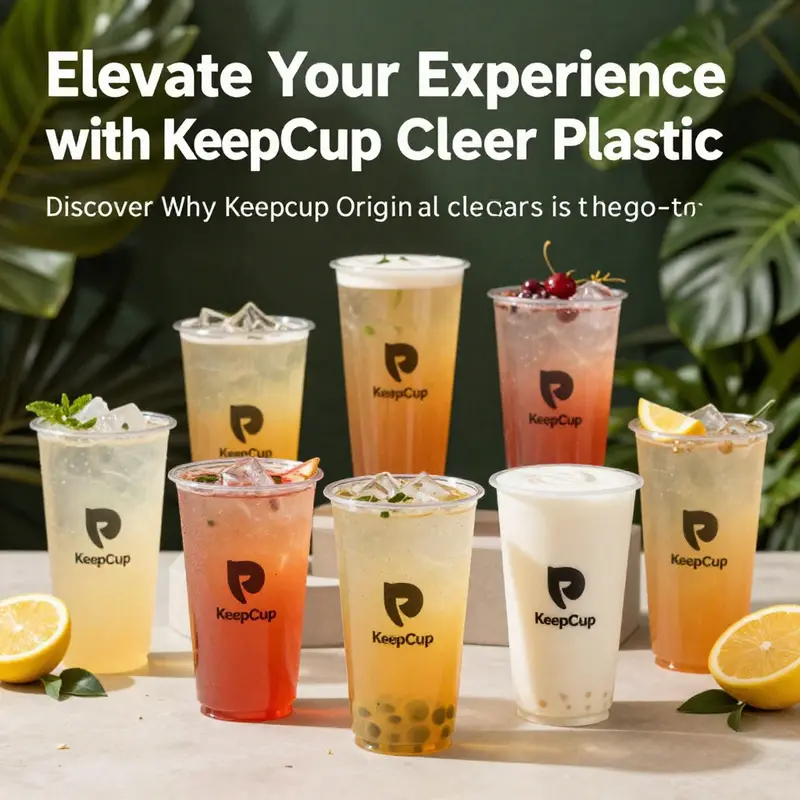
As the global move towards sustainability intensifies, beverage establishments, particularly bubble tea shops, restaurants, and catering services, are increasingly seeking eco-friendly alternatives to single-use cups. The KeepCup Original Clear stands out as an innovative solution that not only meets the aesthetic and practical needs of businesses but also aligns with environmentally responsible practices. This article explores three key aspects: customer satisfaction, environmental impact, and design practicality, all of which play essential roles in evaluating the value of the KeepCup Original Clear for your beverage service needs.
Clarity, Comfort, and Conviction: Reading Customer Satisfaction in a Clear Plastic Reusable Cup Review

The morning ritual often begins with a small, almost ceremonial choice: which cup will carry the day’s coffee, tea, or cocoa? In the realm of reusable drinkware, the clear plastic cup stands out not merely for its transparency but for how its physical properties shape the user’s experience, and, ultimately, how satisfied a user feels with the decision to reach for it again tomorrow. When a chapter aims to understand customer satisfaction in this category, it cannot rely on a single metric or a single anecdote. Satisfaction is a tapestry woven from reliability, usability, aesthetics, and personal values. The current research landscape for a specific clear plastic, reusable cup—at least as presented in the materials at hand—offers a useful starting point, but it also shows a conspicuous gap: detailed, granular customer feedback is sparse. Without a robust collection of ratings, comments, and performance notes, a full, data-driven verdict about satisfaction remains elusive. Yet a careful synthesis can still illuminate why many users gravitate toward this kind of cup and what would strengthen their contentment over time.
Durability and heat resistance emerge as primary anchors of satisfaction in any durable beverage vessel. A clear plastic cup designed for hot drinks must resist warping, maintain its shape, and keep its lid sealed as it travels through frenzied mornings, crowded commutes, and careless slips into bags or cup holders. Even in the absence of exhaustive user scores, the design intent is clear: create a vessel that feels sturdy yet approachable, light enough to carry with one hand, and capable of supporting liquids at higher temperatures without deforming or imparting off-flavors. The emphasis on BPA-free plastics further reinforces a consumer wish list that blends safety with everyday practicality. When a user pours a hot drink and notices a steady, confident grip, an unyielding seal, and no immediate warping of the wall, satisfaction begins to form, often before the beverage cools enough to tempt the lid into squeaking or leaking.
An equally important thread in this conversation is the cup’s “clear” design—its transparency is not merely aesthetic. It serves a functional purpose that directly affects satisfaction: it lets the user see how much beverage remains, how evenly the liquid distributes around the cup, and whether any residues or buildup might affect future uses. Clarity in design reduces the cognitive load of daily use. It minimizes guesswork about whether the cup is full or empty, which can be a small but recurring source of annoyance that bleeds into overall satisfaction. In a market where many cups obscure liquid levels with opaque walls or color-tinted plastics, the simple visual access provided by a clear vessel becomes a subtle but meaningful differentiator. The intuitive advantage of visibility often translates into time saved during rushed mornings and a more confident sense of readiness to tackle the day. Such a feature—when paired with a dependable seal—beats the friction of constant checking and rechecking, a common stress point for people who juggle multiple responsibilities before leaving the house.
The interaction between form and function is, in practice, a negotiation. A consumer’s satisfaction hinges on how well the product delivers on its stated promises while accommodating real-life complexities. A 12-ounce capacity, a fit within standard cup holders, and a splashproof lid are not mere specs to be checked off a list; they are a promise that the cup will ride in a tote or a car console without becoming a spill hazard or an awkwardly oversized accessory. When a cup feels snug in a car’s cup holder, when its lid clicks shut with a satisfying, almost tactile resistance, and when the transparency of the wall conceals no unexpected distortions or fogging after a run through the dishwasher, satisfaction begins to accumulate with each use. In other words, performance in daily contexts—commuting, office days, or weekend outings—builds a reservoir of positive sentiment that can translate into repeat purchases and brand affinity, even in a market crowded with alternatives.
Yet the research landscape reveals an important caveat: there is insufficient, explicit customer satisfaction data for this specific product category. That absence matters because it means claims about user happiness must be carefully framed as interpretive syntheses rather than definitive assessments. The lack of detailed ratings, direct user quotes, and behavior-based performance notes makes it challenging to quantify how often a customer would recommend the cup, how many users report occasional leaks, or how frequently dishwasher cycles yield better or worse results. It also means a significant portion of the satisfaction equation—nuances such as “does the cup carry flavor from one drink to another” or “does the lid remain secure after a month of daily use in a gym bag”—is left to inference. To be truly persuasive, any narrative about satisfaction must acknowledge this gap and propose paths for gathering richer feedback in the future.
That said, several universal themes consistently emerge when people think about their daily interactions with a clear, reusable cup. First, the durable construction and heat tolerance are not abstract preferences; they are practical outcomes that shape legendary mornings and busy office hours alike. A cup that warps, cracks, or loses its seal under heat not only disrupts the drinking experience but raises concerns about long-term reliability. Users who have encountered such failures in other vessels know how quickly a single incident can erode confidence and reduce the likelihood of future usage. In contrast, a cup that maintains its integrity under pressure—without leaking into a bag, without warping near the lid’s seams, and without releasing heat to the touch beyond a comfortable threshold—tend to garner higher satisfaction, not just in the moment but as a cumulative experience over weeks of use.
Second, the ease of cleaning—being dishwasher-safe and resistant to staining or odor retention—feeds directly into satisfaction. In the churn of daily life, a vessel that is simple to care for reduces maintenance friction. The promise of dishwasher compatibility matters because it signals that the cup can be integrated into a routine that already includes busy schedules, limited time for special-care rituals, and a desire to keep kitchenware hygienic with minimal effort. When the cup comes out of the dishwasher looking nearly as clear as it did when first purchased, without lingering smells or film deposits, users are more likely to reuse it, reinforcing a positive feedback loop of satisfaction and habit formation.
The aesthetic dimension—clean lines, a minimalist silhouette, and the allure of the clear material—also interacts with satisfaction. For some users, the visual appeal is more than decoration; it is a cue that reinforces a sustainable choice. A sleek, transparent wall communicates a sense of modern practicality, signaling that the cup is a deliberate, rational purchase rather than a decorative accessory. Fashion and function meet in a way that makes the daily habit feel thoughtful rather than merely functional. When a consumer admires the cup’s design and simultaneously experiences reliable performance, the perceived value rises. This dual affirmation—design elegance plus dependable function—often translates into a willingness to recommend the product and to consider it for future upgrades or multiple quantities for family use.
Beyond the mechanics of use, the sustainability narrative adds a further layer to satisfaction. The idea that a reusable cup replaces countless disposables casts a positive halo over the product. In many households or office settings, the decision to adopt a reusable cup aligns with broader values around environmental responsibility. Satisfaction, in this frame, becomes a blend of personal convenience and moral alignment. A user may feel pleased not only because the cup meets practical needs but because the act of choosing it contributes to reducing waste. That sense of ethical clarity can be surprisingly powerful; it solidifies brand loyalty and can become a persuasive story told to friends, colleagues, and family members who are evaluating their own everyday habits. The strength of this sustainability narrative, however, depends on transparent communication about materials, durability, and real-world waste reductions—an area where precise, quantified data can strengthen trust and satisfaction over time.
Given the current gap in granular customer feedback for this specific clear plastic cup, readers should approach satisfaction as a composite: a sum of performance certainty, maintenance ease, aesthetic satisfaction, and alignment with personal values. Each of these components interacts with the others in nuanced ways across different use cases. A commuter who relies on a cup for morning coffee on a crowded train may value leakage resistance and lid integrity above all else. An office worker who spends the day at a desk might place a premium on dishwasher safety and odor resistance, seeking a cup that looks clean and feels effortless to care for. A parent packing lunches and drinks for children could prize size appropriateness, durability against drops, and the ability to cut through clutter with a simple, reliable design. The same product can deliver high satisfaction in one scenario and more modest satisfaction in another, depending on context, routine, and expectations.
This context-sensitive nature of satisfaction strongly suggests a path forward for brands and researchers: capture richer, more nuanced data about user experiences across diverse scenarios. A diary method, short periodic surveys, and open-ended prompts after typical usage cycles could surface actionable insights. For instance, questions might probe whether the lid maintains its spill-proof character after repeated opening and closing, whether the clear wall shows wear or clouding over time, and whether the cup’s scale marks (if any) remain legible after wash cycles. Such data would illuminate not only what customers value most but how those values shift with changes in daily life, seasonal needs, or even consumer education about material safety and environmental impact. In the absence of robust datasets, a cautious, reader-friendly narrative can still convey meaningful tendencies: durability and leak resistance tend to anchor satisfaction, while aesthetic appeal and sustainability add layers of positive sentiment that reinforce ongoing use.
To connect these reflections to practical guidance, consider how a brand—without naming any particular model—might communicate its value proposition in a way that nurtures satisfaction. Transparent information about heat resistance, dishwasher compatibility, and safe materials can set accurate expectations. Clear, honest product testing that includes everyday scenarios—commute missteps, gym bag handling, office desk routines—helps users anticipate performance. When a brand acknowledges potential limitations and offers practical tips, it builds trust, and trust is a key ingredient in lasting satisfaction. For example, communicating that the cup performs well up to a certain temperature threshold, that the lid’s seal is engineered to resist accidental openings in transit, and that dishwasher use is recommended for best results creates a credible picture. This, in turn, lowers the risk of disappointment that comes from overpromising and underdelivering. In the longer arc, such clarity can lead to stronger customer loyalty, repeat use, and positive word-of-mouth—each a vital contributor to satisfaction in the competitive space of reusable drinkware.
From a design perspective, the interplay between the product’s core features and the user’s evolving expectations is dynamic. Consumers increasingly expect not just durability and functionality but also compatibility with diverse lifestyle patterns. A cup that slides easily into a standard car cup holder, that seals securely without requiring a tight twist, and that remains visually pristine after repeated dishwasher cycles—these features collectively reduce friction and boost satisfaction. The perception of value compounds when the cup’s lifecycle supports sustainability goals: if users feel their purchase materially reduces waste and aligns with green principles, their satisfaction is likely to extend beyond the immediate utility of the cup and into the broader narrative of responsible consumption.
As this chapter considers the broader arc of a clear plastic reusable cup’s satisfaction profile, it also invites readers to contemplate how feedback ecosystems could be strengthened. The absence of a comprehensive, product-specific satisfaction dataset invites a proactive approach: researchers and brands can co-create user feedback loops that capture real-world usage across households, offices, and transit environments. Such a collaboration could yield deeper insights into how customers perceive value, how often they encounter issues, and which design tweaks would most effectively raise overall satisfaction. In practical terms, this means inviting customers to document a few simple data points after a standard week of use: a quick scale for leak incidents, a note about dishwasher experience, a reflection on the perceived heat in the cup’s exterior, and a short assessment of how clear the cup remains aesthetically after several uses. With the right scaffold, even a seemingly ordinary product can reveal a rich portrait of user contentment that informs better design, clearer communication, and more meaningful environmental impact.
An important takeaway for readers is that satisfaction in this context is not a single moment of delight but a sustained experience. It is built through consistent reliability, simple maintenance, and a sense of moral alignment with personal values. While the current research acknowledges insufficient granular data for definitive statements, the converging themes—durability under heat, seal integrity, dishwasher compatibility, ease of cleaning, and the enduring appeal of a clear design—offer a robust framework for thinking about how customers judge these cups over time. Brands that recognize and cultivate these facets stand to gain not just one-time purchasers but loyal advocates who will share their experiences with others, helping to extend the life of the product in a market that increasingly prizes sustainability and everyday practicality.
For readers who want to explore related threads in the broader ecosystem of sustainable drinkware and packaging, consider resources that discuss the environmental implications of disposable versus reusable options. These contexts help frame the satisfaction discussion within a larger narrative about waste reduction and responsible consumption. As a practical bridge to further reading, you can explore related content that delves into sustainable packaging solutions and consumer choices, such as this resource focusing on eco-friendly cup options and ongoing packaging innovations: eco-friendly recyclable cup holder.
For readers seeking a wider environmental perspective beyond the product persona, an external resource can offer insight into how households and institutions assess waste reduction and recycling commitments. The U.S. Environmental Protection Agency provides accessible guidance on reducing waste and encouraging responsible recycling practices, which helps frame individual choices within a national and global sustainability conversation. To explore that broader context, see the EPA’s overview on recycling and waste reduction: https://www.epa.gov/greenerliving/recycling-and-reducing-waste.
In sum, even with limited product-specific feedback data, a thoughtful examination of satisfaction in the clear plastic reusable cup category reveals a multi-layered picture. Users value reliability and leak resistance as foundational, but they also prize the ease of cleaning, the visual clarity that helps manage daily routines, and the alignment with personal and environmental values. When these elements converge, satisfaction is not a one-off verdict but a durable sentiment that grows with each successful use, each easy cleaning cycle, and each mindful moment of sustainable choice turned into habit. The path forward is clear: strengthen feedback loops, communicate design realities honestly, and continue to refine both material science and user experience so that the next rounds of this simple, transparent vessel deliver even more consistent satisfaction across diverse daily lives.
Rethinking the Brew: The Environmental Footprint of the Clear Keep Cup in a Circular-Cup World
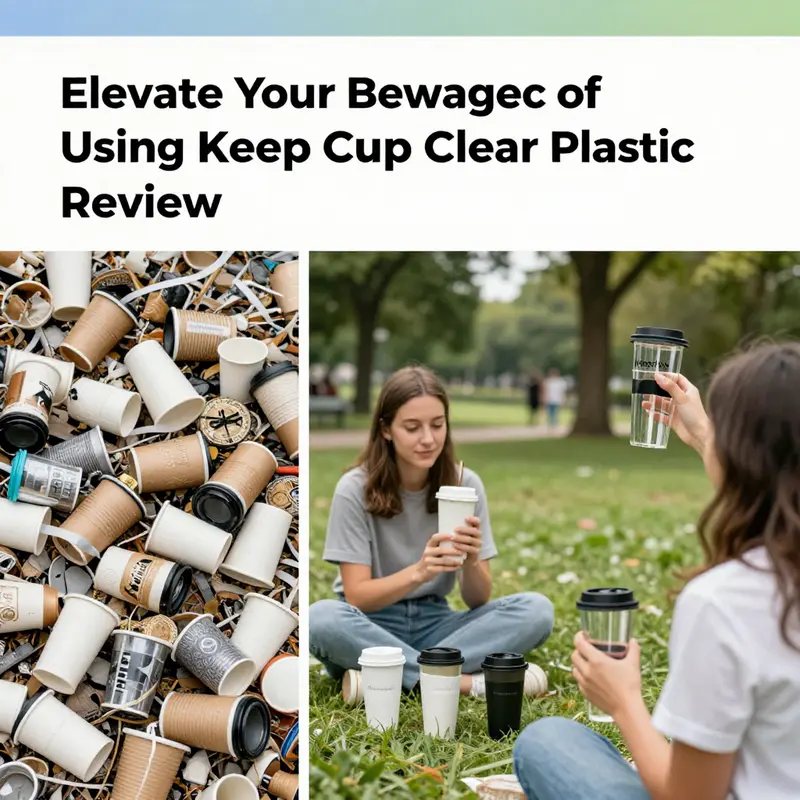
Across the daily rhythms of a modern coffee routine, the simple choice of a cup can ripple outward into measurable environmental outcomes. The Keep Cup Original Clear, a reusable plastic cup designed for hot beverages, offers a pragmatic answer to the waste produced by disposable cups. This chapter takes a close look at the environmental impact of using a clear plastic Keep Cup, unpacking how durability, reuse, and lifecycle dynamics translate into real-world benefits. It also situates the cup within a broader landscape of sustainability, where every sip can be part of a larger effort to reduce waste, conserve resources, and minimize pollution. In doing so, it weaves together the practical realities of daily use with the emergent evidence from lifecycle analyses and independent assessments, painting a nuanced portrait of what it means to swap single-use for a reusable option in a world saturated with take-away culture.
The Keep Cup Original Clear is made from a clear, BPA-free plastic that feels lightweight yet robust. Its design emphasizes everyday practicality: a transparent body that lets you gauge exactly how much coffee remains, a splashproof lid that supports mobile transport, and a barista-grade construction that withstands the heat of hot beverages without warping. In addition to its functional attributes, the cup’s aesthetic—its minimalist, unadorned clarity—conveys a sense of purity and responsibility. For many users, the appeal extends beyond personal convenience. It aligns with a broader commitment to reduce waste and to adopt a reusable framework that fits into crowded schedules: the commute, the office, or a quick stop between meetings. The cup’s measured 12-ounce (340 ml) capacity is a practical compromise between volume and portability, fitting standard cup holders and balancing the need for a satisfying serve with the realities of reuse in everyday life.
What happens, though, when a consumer replaces dozens of disposable cups with a single reusable one? The answer, supported by lifecycle thinking, hinges on how often the reusable cup is used and how it is cared for. In that sense, the Keep Cup is less an object of a momentary habit and more a component of an ongoing behavioral shift. The ingredient story—polypropylene (PP) as the typical material for this kind of clear plastic Keep Cup—matters because it frames both the durability of the product and the efficiency of its end-of-life processing. PP is known for its ability to withstand repeated cycles of washing, filling, and exposure to heat without structural failure. This resilience matters when you consider how many cycles must occur before the environmental advantages outweigh the burdens of production and washing energy. The 20 to 40 uses threshold for greenhouse gas emissions, and the 20 to 70 uses threshold for fossil fuel consumption, are not arbitrary numbers; they reflect a lifecycle reality. When a single PP Keep Cup passes those thresholds, its advantages start to accumulate in earnest.
The numbers take on even greater significance in high-efficiency, closed-loop contexts—such as large concerts, sports arenas, or corporate events—where cups are collected, cleaned, and reused in a tightly managed system. In those settings, the breakeven point can shrink dramatically. A cup that might require many personal uses to outperform a disposable alternative can, in a well-run venue, begin delivering net environmental benefits after just a few uses. This nuance matters because it speaks to how systems design interacts with consumer behavior. In the real world, the bottle’s or cup’s destiny is not determined solely by its material properties or its design. It is shaped by how effectively a system can collect, clean, and reintroduce used cups into service. When the loop is tight, even modest reuse rates can yield outsized benefits.
A pivotal strand in this conversation comes from the Greenpeace East Asia Circular Cups Impact Assessment, which provides a rigorous, comparative lens on reusable versus disposable options. The study confirms that, even at conservative reuse rates, reusable cups made from PP outperform single-use variants across key environmental indicators—climate change, resource depletion, and ecological toxicity—when used enough times. The researchers stress that the environmental advantage grows with each additional reuse, reinforcing the case that a clear plastic Keep Cup can be a meaningful choice for those who value both practicality and planet-mindedness. Importantly, the assessment emphasizes that the magnitude of benefit is contingent on actual usage patterns and the efficiency of the recycling and cleaning stages that follow a cup’s initial life.
The take-home message is not a simplistic, one-size-fits-all verdict. It is a reminder that the environmental cost of any given cup is distributed across its entire life, from production to end-of-life processing. For PP cups like the Keep Cup, the upfront manufacturing footprint is spread more thinly across tens of uses when the cup is consistently employed rather than set aside. Every wash, rinse, and reuse adds to the overall tally, but the energy and water demands of cleaning must be weighed against the emissions saved by avoiding new disposable cups. Modern dishwasher and cleaning technologies can optimize this balance, especially when households and businesses adopt energy-efficient appliances and temperature-controlled cycles. In practice, that means users who habitually reuse their Keep Cup—filling, carrying, washing, and refilling—are contributing to a multi-faceted reduction in the demand for single-use plastics.
The environmental discussion, however, cannot exist in a vacuum. It is essential to recognize that the cup’s environmental profile sits within a broader ecosystem of packaging choices. While a clear PP Keep Cup excels in durability and reuse, the cumulative impact also depends on the systems that bring coffee to the consumer: the cups, lids, and sleeves used by shops; the energy and water costs of washing facilities; and the policies and behaviors that encourage refillable and reusable practices. In that sense, the Keep Cup becomes part of a circular economy—one where products are designed for long life, easy maintenance, and eventual reintegration into new cycles of use. The literature on circular cups points to a broader truth: even modest improvements at the personal level—consistent reuse, proper cleaning, and thoughtful disposal—can converge with institutional changes to yield meaningful environmental dividends over time.
From a consumer standpoint, a practical pathway to maximizing these benefits lies in embracing routine rather than intermittent reuse. The clarity of the Keep Cup’s design—a transparent body that reveals coffee levels, paired with a dependable splashproof lid—invites a straightforward habit: refill, seal, and carry. The ability to monitor liquid levels helps avoid waste from over-pouring or spills, and the reliable seal reduces the fear of leakage in bags or purses, encouraging people to bring their cup along more often. The dishwasher-safe nature of the cup further reduces the friction of maintenance; almost any kitchen or workplace can accommodate regular cleaning without special care. When a cup is kept clean and used consistently, the lifecycle benefits multiply. The environmental calculus shifts from a static judgment about a single product to a dynamic assessment of how a user’s habits accumulate environmental payoffs over months and years.
Yet, some cautions deserve attention as well. The environmental superiority of a reusable PP cup depends on how it is washed and how often it is used. If a cup is rarely used and frequently discarded for new disposables, the system becomes less efficient. The energy required for washing, the detergents used, and the potential for microplastics to escape into water streams are concerns that warrant mindful management. Advances in dishwasher efficiency, careful selection of cleaning cycles, and responsible disposal at end-of-life are all pieces of the puzzle. The lifecycle framework encourages a holistic view: we must weigh the cup’s benefits not just in isolation, but in concert with how society organizes waste, how homes and offices manage washing, and how retailers and venues design their take-away ecosystems.
Within that landscape, the Keep Cup’s transparent body has a subtle but meaningful symbolic role. Its visibility mirrors the transparency we seek in sustainable consumption. When a consumer can see the coffee level, they can more accurately judge their own consumption, which can contribute to less waste. The cup’s clear design also invites questions about the materials themselves: PP is chosen for its practical performance, but it is still a plastic with a lifecycle that extends beyond a single drink. The question, therefore, becomes how aggressively a consumer can align product use with recycling and end-of-life opportunities. In regions with robust recycling infrastructure, PP’s recyclability can close the loop. In places where curbside recycling is limited, the emphasis shifts toward durable reuse and responsible waste avoidance. Either way, the Keep Cup acts as a tangible prompt to contemplate the full arc of a product’s life—from design and manufacturing to daily use and final disposal.
The lifecycle numbers cited in the research add texture to this narrative. The 20–40 uses threshold for greenhouse gas emissions implies that the earlier a cup is used, the quicker it starts to outperform disposables in climate terms. The 20–70 uses threshold for fossil fuel consumption reinforces the same message from a broader energy-use perspective. In high-efficiency venues, the reduction in emissions can materialize in as few as three uses, underscoring how system design and operational discipline magnify the environmental benefits of a reusable cup. Greenpeace East Asia’s 2023 assessment reinforces the idea that a minimum reuse rate—twice, or in a more conservative reading, 20 uses—still yields superior outcomes across the key indicators of environmental health. The practical implication is clear: to realize meaningful gains, a commitment to reuse must be sustained, supported by a culture of cleaning and responsible handling.
For readers who want to explore related packaging alternatives that echo the same ethos—reducing waste, supporting reuse, and aligning with circular economy principles—there are examples beyond the coffee cup aisle. One such example highlights eco-friendly packaging innovations that extend beyond a single cup to consider cups, lids, and take-away solutions as a cohesive system. This broader context helps situate the Keep Cup within a spectrum of options that collectively move consumer culture toward longer product life, shared infrastructure, and reduced resource use. As you weigh your own habits, the question becomes how to integrate a reusable cup into a sustainable routine that transcends personal convenience and resonates with the larger goal of minimizing disposable waste across take-away channels. The evidence suggests that when individuals pair a durable reusable cup with thoughtful cleaning and mindful usage, they contribute to a measurable shift toward lower environmental impact over time.
To connect this discussion to real-world decision-making, consider how your everyday choices scale up. If you are a daily coffee drinker who rides a bus to work and stores a Keep Cup in your bag, you are not simply substituting one container for another. You are participating in a micro-economy of reuse that, when repeated across thousands of users, multiplies into significant waste avoidance. When you couple this personal habit with a workplace or campus culture that encourages reusables, the effect is amplified. The Keep Cup, in this role, becomes more than a product; it becomes a signal—a daily reminder that the act of sipping a drink can be aligned with a responsible approach to resources. It can also serve as a prompt for retailers and venues to design more robust refillable programs, reduce reliance on single-use disposables, and adopt cleaning-and-reuse streams that minimize energy and water waste while maximizing product longevity. The net effect is a more sustainable operational model that benefits customers and the environment alike.
In closing the circle of this chapter, the environmental impact of using a clear plastic Keep Cup is best understood as a function of use, care, and context. The materials choice—polypropylene in many cases—grants the cup durability and washability that support repeated cycles. The ethical choice, then, is to commit to those cycles: to reuse, to wash efficiently, and to avoid drifting back to disposable habits when a reusable option is at hand. The numbers from lifecycle assessments and independent analyses are not abstract: they are practical guidelines that help transform a simple daily action into a meaningful contribution to global sustainability. The Keep Cup Original Clear embodies this principle through its design, its performance, and its alignment with the circular economy mindset. It invites users to participate in a narrative where a single cup is not merely a utensil but a participant in a system oriented toward long life, responsible use, and deliberate stewardship of resources.
For readers seeking a broader sense of how reusable and disposable packaging compare in a real-world context, a closer look at industry-wide analyses reveals how small, habitual changes aggregate into substantial environmental benefits. The Greenpeace East Asia Circular Cups Impact Assessment provides a rigorous, independent benchmark that helps translate the numbers into everyday decisions. It is a reminder that the path to sustainability is not paved by a single product alone but by the combination of individual choices, product design, and system-level improvements that together shift the trajectory of waste, energy use, and ecological impact. By embracing a reusable option like the Keep Cup and coupling it with thoughtful maintenance and an awareness of local recycling realities, consumers can contribute to a more responsible culture of consumption without sacrificing the convenience they value.
For those exploring practical links and concrete examples of related sustainable packaging choices, consider the broader ecosystem of eco-friendly take-away solutions that emphasize reuse, durability, and responsible end-of-life management. As you browse through options that echo the same principles as the Keep Cup, you may encounter products such as the eco-friendly corrugated ripple-wall paper coffee cup with lid, which serves as a contrasting reference point for the types of packaging that still rely on single-use dynamics. This contrast helps illuminate the relative benefits of a well-used reusable cup versus disposables, especially when integrated into events or venues that can support streamlined collection and cleaning processes. The shift toward reusable cups is thus not just about one item in isolation; it is about reimagining the take-away experience as a more sustainable, collaborative enterprise.
If you want to dive deeper into the broader literature that supports these conclusions, you can explore the environmental impact studies that underpin this discussion. The Greenpeace East Asia Circular Cups Impact Assessment offers a detailed, data-driven examination of how reuse rates influence key indicators across a life cycle. It provides a rigorous framework for thinking about the interplay between product design, consumer behavior, and system efficiency. The assessment highlights the potential for substantial environmental gains when reuse is consistently practiced, especially in contexts that optimize cleaning, collection, and recycling streams. This external reference serves as a valuable reference point for readers who want to move beyond individual choices and consider how policy, infrastructure, and industry practices can collectively bolster the case for reusable cups as a mainstream, scalable strategy.
Detailed Research Results for the Chapter: Greenpeace East Asia’s Circular Cups Impact Assessment demonstrates that even conservative reuse rates yield clear advantages when set against disposable cup lifecycles. The research underscores that the environmental benefits of reusable cups accumulate with repeated use, particularly when the system supports efficient return and cleaning cycles. For those who want to review the formal findings and methodology, the original study provides a thorough analysis that complements the practical discussion here. As with any lifecycle evaluation, the take-away is that context matters—the efficiency of waste collection, the energy mix used in cleaning processes, and local recycling capabilities all shape the ultimate outcomes. Nevertheless, the overarching narrative remains consistent: reusing a PP cup like the Keep Cup Original Clear is a meaningful step toward lower emissions, reduced resource depletion, and diminished ecological toxicity when used as part of a deliberately designed reuse culture.
Internal Link: For a broader take on sustainable take-away packaging within a similar ecosystem of eco-friendly solutions, you can explore this example of reusable packaging alternatives that emphasize durability and sustainable design: Eco-friendly corrugated ripple-wall paper coffee cup with lid.
External Resource: Greenpeace East Asia Circular Cups Impact Assessment. https://www.greenpeace.org/eastasia/reports/59618/circular-cups-impact-assessment/
Clear Form, Steady Function: A Thorough Look at the Design and Everyday Practicalities of the Clear Plastic Reusable Cup
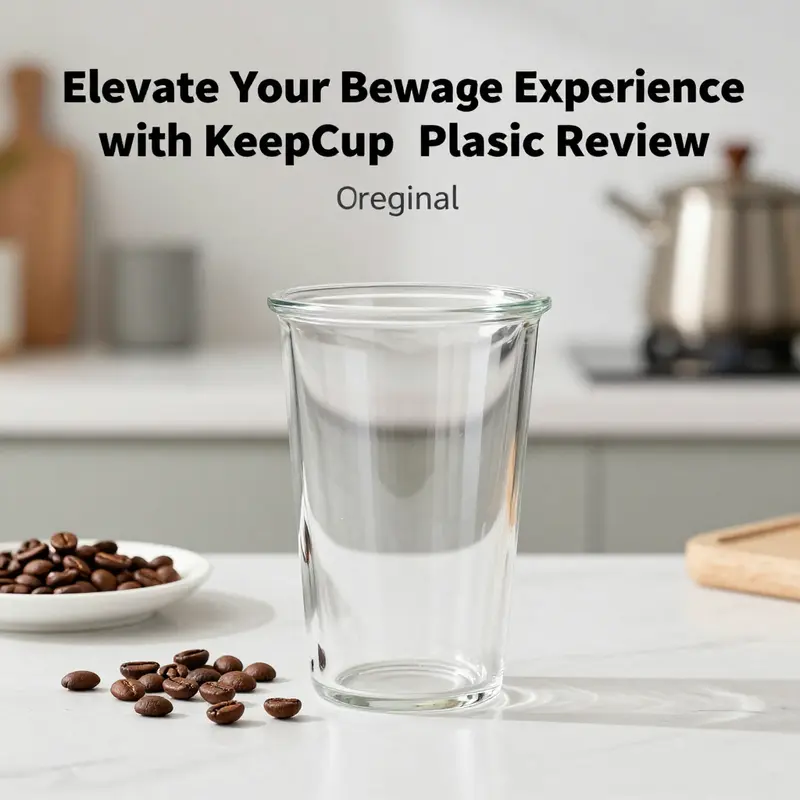
The shift from disposable to reusable hulls of daily life has never been just about reducing waste. It’s about creating objects that dissolve into routine with minimal friction, so sustainable choices become second nature rather than exceptional acts. The clear plastic reusable cup exemplifies this idea in a way that few other design statements can—it’s honest about its purpose, built to be used, cleaned, and carried without fuss, and transparent in more ways than one. Its design invites a reconsideration of what users expect from a cup they intend to reach for dozens of times a week. Rather than pushing form over function or leaning entirely on eco-cred, this cup blends a straightforward aesthetic with practical features that address real-world coffee rituals. What emerges is not just a vessel for hot liquids but a small, durable tool that nudges behavior toward less wasteful habits while staying reliable enough for busy, caffeinated mornings.
From a design perspective, the first thing that strikes a reader or user is the simplicity of the silhouette. The body is clear, almost uncluttered, allowing the drink’s color and level to be read at a glance. That transparency brings a quiet confidence: you know exactly how much you have left, whether you’re on your commute, at your desk, or grabbing a quick refill on the way to a meeting. The choice of a transparent, non-toxic plastic matters beyond aesthetics. It communicates maturity in the product category—no gimmicks, just a belief that the best cup is one that disappears into your routine while standing up to daily use. The material itself is lightweight yet surprisingly resilient, designed to endure the bumps and small knocks of a city lifestyle. It’s the kind of construction that rewards regular use rather than occasional admiration.
The physical feel of the cup reinforces its role as a daily companion. Its balance sits comfortably in the hand, with a modest weight that suggests sturdiness without bulk. The lack of a heavy outer shell or intricate texture keeps it easy to grip, even when the coffee inside is steaming hot. The minimalist lines carry an air of modern practicality that many users find appealing; the design doesn’t try to shout, it simply shows what a reusable cup can be when it sticks to essential principles. In practice, this translates to fewer awkward moments when you’re juggling keys, a phone, and a bag during a crowded commute. The cup’s dimensions are chosen to fit standard cup holders, a deliberate nod to the realities of on-the-go life. If a user intends to keep a beverage at a comfortable sipping temperature on the way to work, the cup’s size and form help manage that expectation without overpromising heat retention.
A second design axis worth foregrounding is the lid. The press-fit mechanism is a straightforward solution to the perennial travel-kettle problem: spills. This isn’t a lid that’s trying to win a sealing contest with gimmicks; it’s designed to stay in place and minimize leaks while you’re walking or riding through a crush of crowds. The lid’s construction also attends to cleanliness. A well-sealed cap reduces splashback in transit, and its shape makes it easier to wipe down or rinse between uses. Within the same practical circle sits another small but meaningful feature: a removable plug that exposes the drinking opening. This tiny detail matters because it lowers the barrier to sipping while you’re in motion. You can take a drink without removing the lid entirely, which reduces the likelihood of spills when you’re reaching across a seat or sliding into a car. Combined, these features reflect a design language that favors reliability over spectacle. The product is not trying to reinvent the wheel—it’s trying to make the wheel roll more smoothly on busy mornings.
The material itself is chosen with a practical lifecycle in mind. The plastic is BPA-free and designed to be free of toxic concerns that might worry a user about repeated contact with hot beverages. That choice matters to people who want to minimize potential health risks while still enjoying the experience of a hot drink. It also signals a broader commitment to consumer safety and sustainability. The cup is explicitly built to be dishwasher-safe, a feature that turns cleanup into a low-effort task rather than a chore. In households with heavy use, this can be a deciding factor: a product that tolerates frequent cleaning without showing wear tends to stay in rotation longer, reducing the need to replace it as quickly as a more delicate vessel might require.
The practical implications of these design choices become clearer when you map them onto daily routines. Consider a typical morning: you fill the cup with a hot coffee, snap the lid in place, and head out the door. The splashproof lid does the essential job of keeping spills contained if you’re walking through a gust of wind or jostling onto a bus. The removable plug adds a moment of flexibility—if you’re in a hurry, you can slip the plug back to the side and take a quick sip without removing the lid. The transparent body isn’t just about aesthetics; it serves a real function: you can see whether you’re at the last gulp or if you need to top up. That level of visibility reduces the risk of leaving the cup at a friend’s house or at the office by accident, which is a surprisingly common friction in the morning rush. In an era when people are juggling more tasks than ever, these small design decisions accumulate into a smoother user experience, a cup that makes sustainable choice feel almost automatic.
In terms of thermal behavior, this clear plastic cup performs within a reasonable range. It’s not engineered as a vacuum-insulated mug, so it won’t match the long-form temperature retention of high-end travel mugs designed for hours of heat. Yet it does keep a hot drink within a comfortable range long enough to be enjoyed during a short commute or a mid-morning work session. The trade-off here is clear: the cup sacrifices long-term insulation for lightness, quick washing, and everyday manageability. That choice aligns with the product’s core purpose—encouraging people to replace disposable cups with a durable, easy-to-use alternative that fits into daily life without demanding a major shift in behavior. It’s a practical compromise, and for many users, it’s precisely what makes the cup a reliable default rather than a special-occasion accessory.
Care and longevity form another critical angle in the design conversation. The clear plastic version is simple enough to be cleaned with standard dishwashers, and its smooth surfaces resist buildup that can plague more complex shapes. With minimal crevices, it’s easier to dry and less prone to lingering residue that can affect flavor or hygiene. The simple form ensures there aren’t hidden pockets where old coffee might hide, a common complaint among frequent users of more intricate vessels. This ease of cleaning translates into more consistent maintenance over time, which in turn supports longer use before replacement becomes a consideration. Users who keep a daily cup at their desk or in their car often praise this facet as a real convenience, a small but meaningful reason to prefer a reusable option to a disposable one.
Nevertheless, the material’s performance does carry caveats. Prolonged exposure to very hot liquids can stress any plastic over time, and the lack of full vacuum insulation means you should recalibrate expectations about heat retention. The durability that makes the cup appealing for everyday use does not render it immune to warping or micro-damage under extreme conditions. The message here is practical rather than alarming: treat the cup as a sturdy everyday tool, not a miracle vessel that will perform like a premium insulated mug in every situation. This is particularly relevant for users who carry drinks across long commutes, during very cold mornings, or on trips where temperature stability becomes a higher priority. In those cases, users often supplement this cup with a separate, more insulated option for longer journeys and rely on the clear plastic cup for daily, quick-use scenarios.
One of the more subtle but meaningful themes in the design narrative is the alignment with a broader sustainability ethos. The product’s transparent body and clean lines communicate a sense of honesty—nothing hidden, nothing unnecessarily ornate. It invites users to focus on practical, repeatable behavior: refill, wash, reuse. The brand messaging that often accompanies such cups emphasizes sustainability as a daily habit rather than a program or a campaign. When people see a cup that clearly displays its contents and its level of usage, they may be reminded of the impact of each refill and cleaning cycle. In this way, the cup functions as a tangible reminder that everyday choices accumulate into meaningful environmental outcomes over time. Rather than a single grand gesture, the cup supports a continuing pattern of behavior that can reduce waste year after year.
From a consumer psychology perspective, the combination of visual clarity and reliable performance helps reduce decision fatigue. When morning routines are rushed, you want a product that is straightforward and dependable. The clear body and simple lid design reduce the cognitive load associated with using a cup on autopilot. Users don’t need to think about complicated mechanisms or delicate parts; the cup is designed to work as soon as it’s in hand. That immediacy is crucial because habit formation often hinges on smooth, repeatable experiences. If a reusable cup feels like a chore to use, it risks being abandoned in favor of the familiar, one-time choice. The design here aims to nudge behavior in the opposite direction: make reuse frictionless, and the habit of bringing a personal cup becomes a natural default in daily life.
In terms of context, the cup also integrates well with the kinds of environments many readers inhabit. It’s sturdy enough for office desks and break rooms, but compact enough for the backseat of a car or a gym bag. The dishwashable nature and neutral design pair with a wide range of interiors—from minimalist workspaces to busy kitchens—without clashing with existing aesthetics. Its simplicity works as a kind of democratic design: it does not demand a particular lifestyle or a specific coffee ritual. Instead, it accommodates any routine that involves a hot beverage on the go. That inclusivity is at the heart of its practical appeal. For many people, the cup becomes a reliable companion that blends into the background of a day, quietly supporting sustainable choices without becoming an obstacle to their pace or preferences.
The practical benefits, however, are not the entire story. The clear, honest appearance also has a social resonance. In environments where sustainability is part of organizational values or personal norms, the visible commitment to reuse can function as a small, public signal. When a person makes a point of carrying a reusable cup, it communicates a stance—one that many colleagues and friends recognize and sometimes mirror. This social dimension matters because behavior is often reinforced by shared norms. A daily cup that looks simple and clean because it is well cared for can contribute to a broader perception that sustainability is an accessible, everyday choice rather than a rare act of discipline. The design, then, offers more than just function; it participates in a culture of reuse that can influence how people think about trash versus treasure in the setting they inhabit.
The story of this clear plastic cup is not a tale of perfect performance, but a portrait of balanced design. It acknowledges a trade-off: lightweight resilience and immediate usability versus long-haul insulation. It favors ease of cleaning and a sleek, modern look over features that cater to extreme temperature stability. For most daily routines, this balance works beautifully. It gives users a reliable, aesthetically pleasing, and straightforward tool for replacing disposable cups with a reusable alternative. The value lies not in novelty but in consistency—the kind of consistency that makes sustainable behavior easy to adopt and maintain over time.
In this light, the capsule of features—clear visibility, splashproof lid, a breathing room for quick sipping, and straightforward cleaning—reads as a practical catechism for reusable-cup design. It’s not a statement piece that expects to win a product design award while remaining impractical for daily life. It is a tool built from lived experience: hours spent on the go, mornings when time is tight, and kitchens that demand convenience as much as ethics. Through this lens, the plate-sized questions that buyers bring to the table—Will it keep my coffee hot? Will it leak in my bag? Will it survive daily washing?—find pragmatic answers embedded in the form, the material, and the fortunate alignment of function with everyday needs.
The overarching takeaway for a reader who is weighing the value of a clear plastic reusable cup is that the strongest argument rests on the quality of the daily experience it enables. The cup is not about showing off an eco-brand promise; it’s about proving that sustainability can be integrated into the morning ritual without adding friction. If the goal is to reduce waste, simplify cleaning, and maintain a sense of everyday ease, this model presents a coherent, well-considered option. It translates environmental intent into tangible, repeatable behavior: a simple, sturdy vessel that you can rely on for the commute, the desk, and the midday refills. It’s an argument less about ideals than about practical consistency—an argument that might make the cup a permanent feature of weekly routines rather than a temporary accessory.
For readers who want more technical specifics and user feedback, the official product page provides detailed specifications, care instructions, and a sense of community experiences that align with the themes discussed here. This external resource can offer a more granular look at material safety, dishwasher compatibility, and lifecycle considerations. External resource: https://www.keepcup.com/products/keepcup-original-clear
Final thoughts
The KeepCup Original Clear emerges as an exemplary choice for beverage providers looking to enhance customer satisfaction while fulfilling their environmental commitments. With its ingenious design, reliable performance, and positive sustainability impact, businesses can leverage the KeepCup to not just serve drinks but also convey their brand’s dedication to eco-friendly practices. As beverage chains, caterers, and event planners navigate customer preferences and sustainability standards, the KeepCup Original Clear stands ready to make a significant difference in their operations.