
In today’s fast-paced beverage industry, the allure of reusing disposable plastic cups is undeniable for many establishments, from bubble tea shops to catering services. However, while the convenience of these single-use items may seem appealing, the associated health risks and environmental impacts should not be overlooked. This article delves into the dangers of reusing disposable plastic cups, particularly focusing on the potential health hazards, environmental ramifications, and the microbial contamination risks that can arise from such practices. Each chapter will provide a comprehensive overview of these issues, highlighting the need for caution and presenting safer, eco-friendly alternatives that can elevate your business practices.
Beyond One-Use: The Hidden Health Costs of Reusing Disposable Plastic Cups
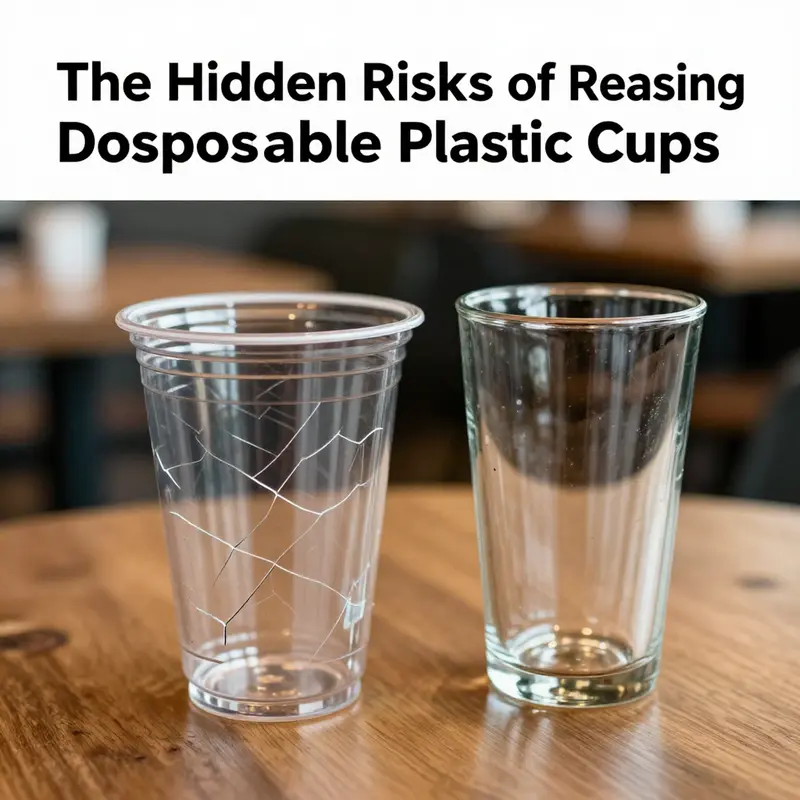
In the daily rhythms of offices, events, and quick-service settings, a stack of disposable plastic cups often feels like a convenience blanket—cheap, plentiful, and easy to discard after use. The idea of reusing them can seem sensible in the moment: a tepid cup for a second sip, a quick rinse, and back on the shelf. Yet beneath that ease lies a set of health and safety questions that many people overlook. Reusing disposable cups—especially those made from polyethylene terephthalate, the PET plastic most commonly labeled with code #1—appears practical, but it is not a practice designed or regulated for repeated use. What starts as a frugal choice can quietly evolve into a risk chain, where heat, moisture, and repeated handling push the cup’s materials and surfaces toward a tipping point that favors contamination and chemical migration over time. The chapter that follows weaves together the practical realities of everyday reuse with the underlying science of plastics, microbes, and chemistry, offering a cohesive view of why the safest approach is to treat these cups as truly disposable and to seek durable, reusable alternatives when possible. This is not a simple warning against reuse; it is a careful look at how everyday actions intersect with material science and public health, and how small choices in cups and cleaning routines can accumulate into meaningful differences in safety over weeks and months.
The central concern rests on three interlocking realities: material degradation, microbial contamination, and structural instability. Each factor amplifies the others, so that a cup that has endured a few uses can become a nexus of risk. First, material degradation occurs when PET or other single-use plastics are exposed to heat, light, or harsh detergents during cleaning. A hot beverage, such as coffee or tea, can raise the temperature inside the cup above levels that the plastic was designed to withstand. Over repeated exposures, the polymer chains can break down, leading to microfractures and increased surface roughness. Those tiny imperfections do more than just alter appearance; they create nooks and crannies where residues linger and microdroplets can remain. In theory, degradation may enable trace chemicals to migrate into the liquid. While PET itself does not contain BPA, it is produced with catalysts that can include antimony compounds. Trace antimony has been identified as a potential leachant under certain conditions, particularly when the cup is reused many times or subjected to heat or acidic liquids. The long-term health implications of such low-level exposure remain the subject of ongoing study, but the risk is not purely hypothetical: the more you reuse a cup and the hotter the contents, the greater the opportunity for substances to migrate into the beverage.
Second, and intimately connected to material changes, is the risk of microbial contamination. Every sip introduces saliva and the mouth’s microbial milieu into the cup. Even when a cup appears clean, microscopic scratches and fissures in the plastic can trap microscopic residues and create microenvironments where bacteria and other microorganisms can multiply. In warm, damp environments—think of a cup that has been rinsed but not thoroughly dried—the risk escalates. Bacteria such as E. coli, Staphylococcus species, and coliforms can colonize the tiny crevices that standard washing might not fully eradicate. Those microbes do not require a large surface to thrive; a small pocket of moisture and food residue can sustain a colony that then seeds subsequent uses. The problem compounds when cups are stored in shared spaces where warm conditions persist, or when cleaning is rushed or incomplete. Even if a cup appears visually clean, the unseen microbial life inside those micro-shelters can pose health risks after multiple uses, particularly for individuals with compromised immunity, digestive sensitivities, or repeated contact with contaminated surfaces.
A third factor—structural instability—unfolds as a cup is subjected to repeated handling, bending, and storage cycles. Disposable cups are engineered for one use, with material thickness and joint integrity chosen for single-time pressure and disposal. Reuse invites stress and flexing that the cup was never meant to endure. Warping, cloudiness, or faint white lines can signal microstructural damage that increases the surface area exposed to liquids and air. This not only amplifies microbial colonization but also enhances opportunities for chemical migration. As the plastic film becomes more porous and the edges become rougher, tiny particles—referred to as microplastics in broader discussions—can migrate into beverages. While the absolute quantities might be small, repeated exposures accumulate, and the health implications of long-term, low-dose microplastic ingestion remain an area of active investigation.
It is useful to acknowledge that some sources suggest occasional reuse of cups for cold drinks may present lower risk than reuse with hot beverages. The idea rests on the premise that cold liquids impose less thermal stress, which is a valid observation in the context of material science. Yet the consensus among safety experts emphasizes that even limited reuse carries cumulative risks. Cold beverages do not negate microbial concerns; they can still leave residues behind after sipping that are vulnerable to bacterial growth if not thoroughly cleaned and thoroughly dried. And critically, repeated handling and cleaning—especially with aggressive detergents or inadequate sanitization—still erode the cup’s material integrity and may promote the leaching of trace additives. Taken together, these factors suggest that the safest practice is to treat disposable cups as truly disposable, resisting the urge to reuse them in the name of frugality or convenience.
To understand the practical implications, it helps to consider the typical pathways by which reuse occurs in the real world. In a busy break room, cups are rinsed quickly with tap water or lightly washed in a sink, then left to air-dry or stacked damp for later reuse. The problem is not that any single wash is catastrophic; it is the cumulative effect of many small degradations. Each cleaning cycle can abrade the surface, smear residues into micro-scratches, and alter the cup’s microstructure. The presence of heat—as from a hot beverage or from washing in warm water—accelerates polymer movement and can intensify the leaching potential of additives. When these factors combine with imperfect drying, the cup becomes a reservoir for microbes and a conduit for chemical migration. The risk is not just hypothetical. The science behind polymer degradation and microbial growth in single-use plastics is well established in controlled studies, and real-world reuse scenarios introduce a level of variability that makes precise safety guarantees difficult to maintain.
The regulatory framework for single-use plastics reflects a balance between practical use and safety expectations. Agencies have approved PET and similar plastics for one-time use under controlled conditions, meaning they meet specific criteria for a single-handling context. Those approvals do not translate into a green light for endless reuse. Instead, they acknowledge that the product is designed to deliver safe performance for its intended purpose. When users choose to reuse, they are operating outside the scope of those approvals, and the long-term health implications—which may involve incremental exposure to antimony or other additives—are less well defined. This gap between design intent, regulatory clearance, and real-world practice is precisely where the precautionary principle becomes a useful guide. In effect, it suggests that if the use pattern changes from single-use to repeated use, the risk assessment should be revisited, and safer alternatives should be considered.
One way to frame the conversation is to look at what happens if a cup is reused for a period under less-than-ideal conditions. If a cup stored in a warm environment is reused, and if it holds a beverage that is mildly acidic or high in minerals, the potential for chemical migration can increase even in the absence of heat. The same cup, subject to repeated mechanical stress from clinking and stacking, may develop microfractures that act as new surfaces for microbial colonization and chemical exchange. The cumulative effect of these processes can push a seemingly small risk into a more noticeable risk. While isolated reassurances may exist that one-off reuse is acceptable, the body of evidence supports a more cautious approach: treating disposable cups as one-time-use items is a straightforward way to minimize these intersecting risks.
In practical terms, the chapter’s synthesis points toward a clear set of implications for households and institutions seeking to minimize risk. First, where possible, replace single-use cups with durable, reusable options designed for repeated use. Stainless steel and glass containers offer robust performance when cleaned properly, and many BPA-free plastic variants are manufactured with repeat-use in mind. Each of these materials has its own maintenance considerations, but they are built to tolerate repeated cleaning cycles, higher heat, and longer lifespans without the same risk profile as disposable cups. Second, if reuse is considered for purely cold beverages in a non-intensive setting, manage expectations regarding safety and cleanliness. The emphasis should be on meticulous cleaning between uses, thorough drying, and avoidance of prolonged storage with residual liquid. This approach does not fully eliminate risk, but it helps reduce the likelihood of microbial growth and reduces the chance of cumulative chemical migration compared to repeated use with hot liquids.
A practical, forward-looking approach also involves examining broader packaging strategies. When communities and businesses weigh options for beverages that require disposable serving ware, it is prudent to consider packaging that is explicitly designed for reuse or that relies on materials with proven repeat-use performance. There is a useful debate to be had about balancing convenience, cost, and safety, and it is a debate that benefits from clear information about how different materials behave under reuse. For readers who want to explore safer, alternative packaging options in a connected way, one relevant resource discusses eco-friendly design and labeling for cold-beverage cups. See this related option for more on safer, reusable or more sustainable cup choices: eco-friendly-printed-logo-cold-beverage-cup-paper-cup-with-lid.
Throughout this examination, the thread that remains constant is the value of aligning everyday practices with the evidence about material safety. The chapter does not deny the appeal of reuse; it simply insists on honoring the physics of plastics and the biology of microbes. If a user insists on reusing a cup, the safest posture is to avoid heat entirely, minimize the time the liquid spends inside the cup, and ensure the cup is thoroughly cleaned and dried after every encounter. But even with meticulous care, the underlying design and material properties of disposable cups generally do not support reliable long-term reuse. This underscores a broader message that resonates across the article: the most reliable way to reduce potential harm is to shift away from disposing toward reuse strategies built on materials engineered for repeated use, with established guidelines for cleaning, sanitizing, and long-term durability. The path toward safer consumption—especially in busy, variable environments—requires both informed decision-making about cup materials and a commitment to practices that preserve the integrity of the beverage container.
For readers seeking additional context and a broader safety perspective on reuse practices, external resources summarize the kinds of risks that arise when single-use plastics are used repeatedly, including chemical leaching and microbial concerns. A helpful overview can be found in external health resources that examine how reuse subjects plastics to conditions that can alter their safety profile over time: https://www.healthline.com/health/reusing-plastic-water-bottles#risks. This external perspective complements the in-text considerations and supports a cautious, evidence-informed approach to choosing how to serve and consume beverages.
In sum, the question of harm in reusing disposable plastic cups is not a binary one. It hinges on the interplay between material science, microbiology, and human behavior. The best practice—per regulatory intent and safety guidance—is to treat these cups as single-use items. When the goal is to minimize risk while still acknowledging the realities of shared spaces and event settings, safer, reusable alternatives and thoughtful, rigorous cleaning routines offer a practical path forward. The next sections of this article will further explore these alternatives in depth, looking at design principles, cleaning protocols, and the broader environmental implications of single-use versus reusable systems. The overarching aim remains clear: to support informed choices that protect health without sacrificing practicality, while keeping an eye on how packaging choices shape daily behaviors and long-term safety.
From Trash to Trust: Rethinking Reuse of Disposable Plastic Cups in a Circular Economy
Reusable cup programs must be designed to deliver true environmental benefits. Reusing disposable PET cups without a scalable cleaning and return system often yields limited gains and can raise health risks due to repeated contact with heat, detergents, and micro-damages. A durable, purpose-built reusable cup, used in a controlled deposit and return system with centralized cleaning, tends to outperform single-use cups across key life-cycle indicators. The literature and pilots show that when reuse is scaled within a closed-loop design, energy, water, and emissions are reduced compared to ad hoc reuse. Policy makers and businesses should prioritize system-level circular strategies over individual reuse gestures to realize true sustainability.
From Surface to Sip: Microbial Contamination Risks in Reusing Disposable Plastic Cups
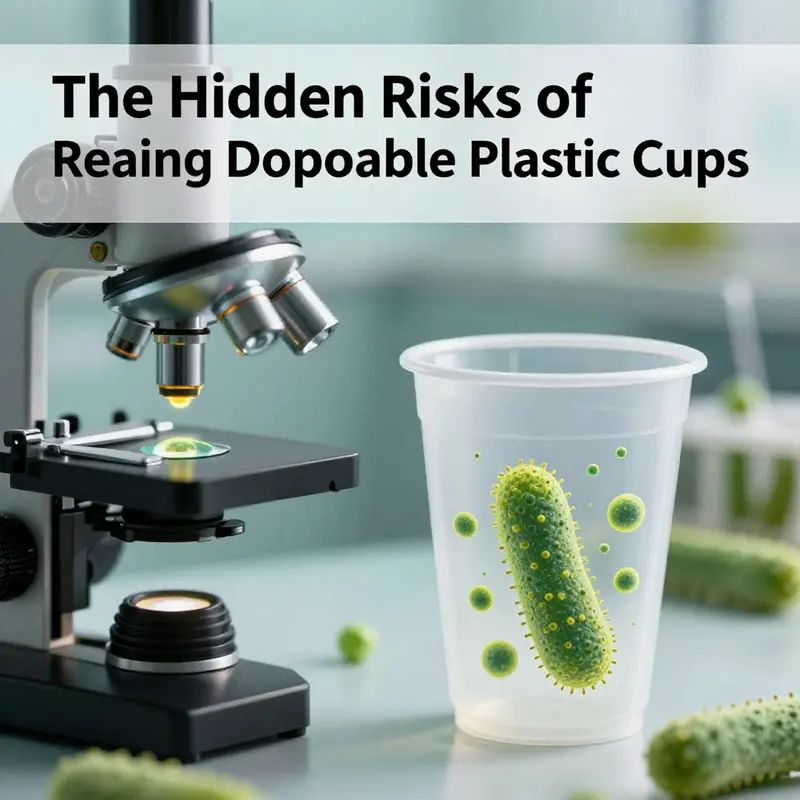
Each time a disposable plastic cup is rinsed and reused, a quiet deliberation happens in the kitchen or the break room. The logic is simple: save a little money, reduce waste, reuse what is already at hand. But beneath that everyday efficiency lies a set of biological and material challenges that many people overlook. The cups most of us reach for—those designed for single use, often made from polyethylene terephthalate (PET) and labeled with recycling code #1—were engineered for one purpose, then discarded. Reuse stretches those designs past their intended lifespan, and the consequences are not merely aesthetic. They touch on cleanliness, safety, and even the gradual release of substances from the plastic itself when conditions are less than ideal. The chapter that follows is not a war cry against reuse; it is a careful examination of what happens when a single-use object is pressed into a role it was not built to fill. It aims to illuminate the path from surface contact to sip, where unseen microbes and evolving materials interact in ways that can influence health and well-being over time.
First, consider the material at the heart of the matter. PET cups are smooth to the touch and relatively light, which makes them convenient for carrying beverages. Yet the same smoothness is not an absolute shield against minute imperfections. PET is a plastic with a microstructure that can develop scratches during handling, cleaning, and repeated use. Each micro-scratch is a potential harbor for residues and microcosms of organisms. When a cup surface is pristine, cleaning seems straightforward: a quick wash, a rinse, perhaps a sanitizing step. But once scratches accumulate, cleaning becomes less effective. The pores and crevices created by wear are not always accessible to detergents, and some residual film can cling to the inner walls. Over time, these microenvironments can shelter bacteria and other microorganisms that are capable of surviving routine cleaning routines. And the problem is not simply one of visible grime; it is about microscopic habitats where microbes can adhere, persist, and in some cases multiply if given a sugary beverage or lingering moisture.
The second axis of risk concerns heat and chemical exposure. A hot beverage can push the cup beyond what it was designed to tolerate. Heat accelerates chemical processes in plastics and can increase the likelihood that additives or trace contaminants migrate into the liquid. In PET cups, this can include substances that, while present in tiny quantities, may become detectable as the cup ages and experiences repeated cycles of heating and washing. Antimony, often cited in discussions of PET as a catalyst-related element used in manufacture, can leach under higher temperature conditions. While the amounts are typically small, repeated exposure raises questions about cumulative intake. Phthalates, another class of additives found in some plastics, also warrant attention when considering repeated exposure. These chemical movements are not necessarily dramatic from one use to the next, but the cumulative effect of many cycles can become more consequential. The broader implication is not that PET is inherently dangerous in any single use, but that reuse introduces a sequence of conditions—heat, detergents, mechanical stress—that can shift the balance toward more concern than benefit over time.
Even when cups are washed with care, there is a different form of risk that accumulates through use: microbial growth. Plastic’s tendency to accumulate microscopic scratches can create a landscape where bacteria and other microbes hide in plain sight. In such microhabitats, ordinary washing may not reach every nook and cranny. Pathogens like certain strains of Escherichia coli and other opportunistic microbes have emerged in studies as potential inhabitants of reused single-use containers. It is not merely the presence of these microbes that matters, but the conditions that allow them to multiply. Room-temperature storage or the lingering warmth of a beverage that remains in contact with the inner surface for hours can provide a hospitable environment. Sugary drinks, which serve as a food source for many microorganisms, can act like fertilizer for bacterial colonies tucked into the cup’s micro-scratches. The interplay of surface irregularities, residual moisture, and nutrient availability makes the reused PET cup a more complex microbial environment than a freshly washed glass or stainless steel vessel.
The 2025 study referenced in contemporary discussions emphasizes a pragmatic point: reuse elevates the risk of significant bacterial growth in containers that were not designed for repeated use. The study draws attention to the fact that bacteria can proliferate more rapidly in containers that are subjected to multiple cleaning cycles, especially when cleaning is inconsistent, incomplete, or performed with suboptimal methods. This evidence aligns with a precautionary approach to single-use plastics, reinforcing the notion that the safest practice is to treat these cups as truly disposable whenever possible. It is not a universal condemnation of all reuse, but a portrait of risk that grows with time and repetition. The practical takeaway is clear: if reuse is contemplated, it should be anchored in rigorous hygiene protocols, controlled temperature conditions, and a clear understanding of the material’s limits. Absent those safeguards, the probability of contamination increases and the potential consequences—ranging from mild gastrointestinal discomfort to more serious infections—becomes more plausible.
A broader understanding must also acknowledge how routine cleaning strategies fare against the particular challenges of disposable plastic cups. Conventional dishwashing, even when performed in a kitchen sink or commercial setting, tends to rely on mechanical agitation and detergent chemistry to remove residues. However, embedded micro-scratches and the plastic’s slightly porous microstructure can retain microscopic residues that escape ordinary cleaning cycles. Temperature and duration become critical variables: hotter temperatures can hasten cleaning, but they also intensify the risk of accelerated leaching if the cups themselves begin to degrade under heat. The cleaners’ chemistry matters as well; while harsh detergents may be very effective at removing surface grease, they can interact with plastic polymers in ways that alter the cup’s surface and its future cleanliness prospects. The consequence is a cycle: more aggressive cleaning could erode the cup and potentially release more microplastics or additives into subsequent beverages, while gentler cleaning may leave behind residues that serve as nutrients for microbes. Neither extreme guarantees safety, and the middle ground—reusing a single-use cup after multiple washes—often falls short of the level of sanitation achieved with materials designed for repeated use.
Given these material and microbial dynamics, many health and safety communities advocate for cautious consideration regarding reuse. The CDC’s guidance on preventing foodborne illness underscores that reusable containers should be cleaned properly and that single-use plastics are not designed for repeated use due to hygiene risks. While the CDC’s official messaging covers a broad spectrum of containers and contexts, the emphasis on thorough cleaning, avoidance of cross-contamination, and recognition of the limits of single-use plastics translates directly to the reusable-question. The core message is not to shame reuse but to recognize that when a container’s lifecycle includes many cycles, the risk profile shifts. This shift is why many institutions and households choose to invest in containers expressly designed for repeated use—materials such as stainless steel or glass—or BPA-free plastics engineered for longevity and safer repeated contact with food and beverages.
In practical terms, the safer path hinges on a few core ideas. First, accept that single-use PET cups are not built to endure repeated handling or intense sanitation routines. Second, if reuse is pursued, it should occur only with a clear, rigorous cleaning protocol that addresses the micro-scale textures of plastic, plus a strict regime of temperature control and drying to minimize residual moisture. Third, explore alternatives that align with repeated-use expectations. Stainless steel and glass offer robust surfaces that resist scratching and maintain cleanliness more effectively under repeated washing. BPA-free plastics can be a middle option, but they still require appropriate cleaning strategies and an understanding that ongoing use will eventually wear down protective layers and alter surface properties. The central thread is that safety depends on aligning use with design intent and on implementing hygiene practices that are proportionate to the material’s limitations.
As a practical illustration for readers weighing options, it is worth considering the broader family of cup types and the trade-offs between reusability and safety. For individuals who prize convenience and wish to minimize waste, paper-based single-use alternatives can provide a compromise. Paper-based cups, especially those designed for takeout and reuse in the consumer’s daily routine, often come with different cleaning expectations and are not subject to the same micro-scratch dynamics as plastic cups. They can, in many contexts, offer safer one-time uses or more forgiving pathways for occasional reuse. When exploring these options, consumers might find it helpful to examine products that emphasize liner materials, lid compatibility, and the overall sustainability profile of the packaging. In such a decision, the concern over microbial contamination remains a guiding constraint: the fewer opportunities there are for bacteria to persist or proliferate, the lower the risk when handling beverages.
For readers seeking a concrete, product-related pivot toward safer choices, consider exploring disposable options that are designed with simpler cleaning in mind and that fit within a broader hygiene framework. A practical example is the disposable single-wall paper cup with lids, which represents a class of cups designed for one-time use but easily complemented by lid systems that minimize exposure to environmental contaminants between servings. The choice of cup type—plastic versus paper, disposable versus reusable—should therefore be guided by a risk assessment that weighs microbial contamination potential, material degradation, handling practices, and the intended frequency of use. If reuse remains on the table, it becomes essential to implement robust sanitation protocols, ideally under conditions that minimize the cups’ exposure to heat and mechanical wear.
Within this framework, an internal reference can be useful for readers who want to connect the discussion to practical options across different materials. For those exploring paper-based alternatives, a detailed overview of disposable single-wall paper cups with lids is available here: disposable single-wall paper cup-12oz-16oz with lid. This resource provides a sense of how paper cups are positioned for single-use contexts, including considerations about lid compatibility and transport, which can help readers compare the microbial and maintenance implications of different cup families.
Ultimately, the question of harm in reusing disposable plastic cups sits at the intersection of science, everyday habits, and environmental ethics. The scientific threads—microbial ecology on polymer surfaces, the physical wear of single-use plastics, and the chemical dynamics of additives under repeated contact with heat and detergents—point toward a precautionary stance. The pragmatic answer for many households and workplaces is to treat PET cups as disposable, reserving reuse for containers that have been explicitly designed and validated for repeated use. Where reuse is pursued in practice, the path demands meticulous cleaning, careful temperature control, and a clear, honest appraisal of the material’s limits. In the end, the safer approach combines informed choices with disciplined hygiene, and it invites a broader conversation about the most sustainable and health-conscious ways to hydrate in shared spaces.
For readers who want authoritative guidance on handling and storing beverages safely, the CDC’s resources on preventing foodborne illness offer detailed recommendations on sanitation, cross-contamination prevention, and container hygiene. These guidelines reinforce the chapter’s core message: single-use materials are not designed for repeated use, and even well-intentioned reuse carries cumulative risks that accumulate with time and handling. By grounding everyday decisions in such guidance, individuals can better navigate the trade-offs between convenience, safety, and environmental responsibility. See the CDC resource for a thorough, official framework on safe food and beverage practices: https://www.cdc.gov/foodsafety/food-safety-during-an-emergency.html
From Reuse to Real Reusables: Building Safe, Circular Cup Systems for a Cleaner Beverage Culture
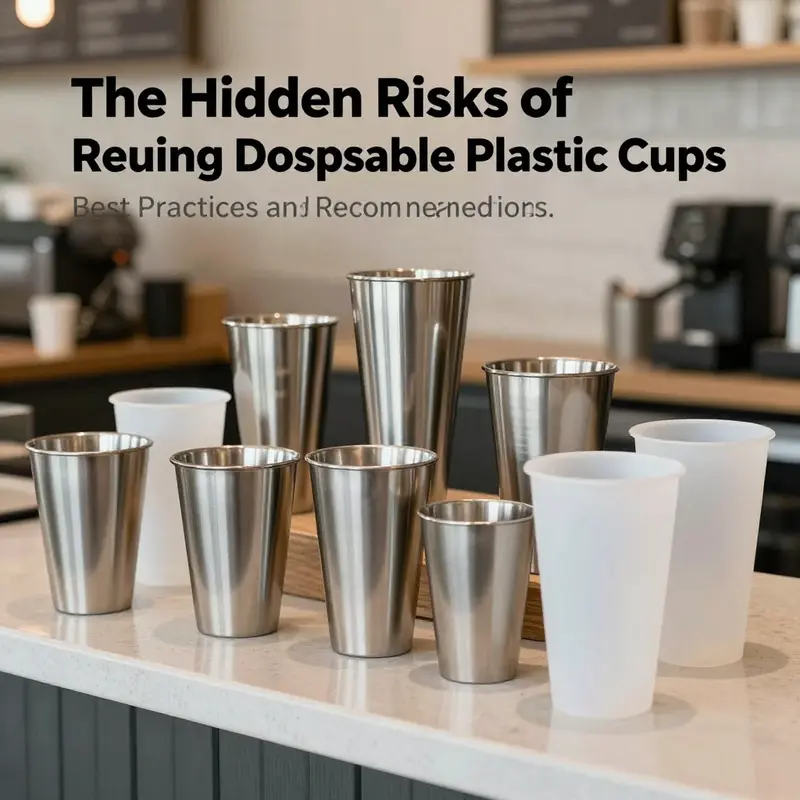
Reusing disposable plastic cups may feel like a quick fix to a growing waste problem, but the evidence that underpins this practice is sobering. PET cups, coded as #1 in recycling systems, are designed for a single pass through a consumer’s hands and a single encounter with a wash basin. When reused, they are exposed to heat, harsh detergents, and repeated handling, all of which accelerate material degradation. The result is not just a shorter lifespan for the cup, but the potential for chemical leaching, microplastic release, and a rising risk of microbial contamination. The sentences that come to mind often run in one line: don’t gamble with repeated use of a single-use cup. Instead, seek systemic, scalable, and hygienic strategies that reduce risk while still bending the curve toward sustainability. The conversation, then, moves beyond the lens of personal restraint and toward a broader, industry-wide commitment to alternatives that are truly fit for repeated use and reliable sanitation.
What follows is a synthesis of best practices that align with a safer, more sustainable beverage culture. The core idea is to pivot away from encouraging people to labor under the fragile life cycle of a disposable cup and toward circular models that distribute responsibility across organizations, facilities, and supply chains. The first step is to reframe the problem: reuse of disposable cups is not simply a challenge of personal hygiene or individual behavior; it is a design and logistics problem that demands system-level solutions. A central tenet of this reframing is the recognition that a reusable cup system is only as good as its sanitation, return, and redistribution processes. In other words, the value of reuse rises or falls with how well a system can guarantee cleanliness and ease of use for everyone involved. In recent analyses, researchers have highlighted the environmental advantages of well-managed circular systems, noting that a clean, durable cup can achieve a lower footprint after a modest frequency of use compared with a single-use cup, provided the system is designed to minimize energy use, water use, and transport emissions. A leading takeaway from recent discussions is that scale and governance matter: systems must be designed to deliver consistent hygiene, predictable performance, and true scalability across venues, campuses, and hospitality networks.
Adopting reusable cup systems that operate on circular models is the most direct route to improved safety and sustainability. Rather than relying on individuals to carry, wash, and reuse a flimsy container, organizations can employ centralized programs that manage inventory, cleaning, and distribution. In such systems, a durable, refillable cup is borrowed or issued to a customer, returned after use, and then cleaned at a centralized facility before being deployed again. The benefits of this approach are threefold. First, central cleaning reduces the variability that often accompanies home or on-site handwashing. Street-level sanitization is notoriously uneven, and even the most conscientious consumer can miss hard-to-reach crevices that harbor bacteria. When a cup is handled by a professional cleaning process—designed for the demands of high-volume environments—microbial risks drop significantly. Second, centralized systems lift the burden of re-cleaning from the consumer. The friction of washing, scrubbing, and drying becomes an operational priority rather than an individual burden. Third, and perhaps most important, circular models can optimize the lifecycle of cups, ensuring a durable material stays in circulation long enough to deliver environmental gains while maintaining strict hygiene standards. This is not a theoretical ideal; real-world implementations around the world show how centralized take-back, cleaning, and redistribution can create a zero-waste loop for containers. A widely cited finding in recent reporting suggests that a reusable cup can outperform a single-use alternative after a surprisingly modest number of uses when the cup is part of a controlled system that prioritizes sanitation. This insight, gleaned from industry analyses and environmental reporting, underscores the practicality of shifting from disposable reuse to systemized circularity. When these systems are well designed, the public benefits—lower litter, less resource extraction, and fewer emissions—increase in tandem with improved safety outcomes.
If you picture a well-run circular cup program, you might imagine a campus or a retail setting where cups circulate through a closed loop. Customers borrow or receive a clean cup, use it, and return it to a designated point. The cup travels to a centralized cleaning facility, where it is thoroughly sanitized, inspected for wear, and returned to the pool of ready-to-use containers. The process is deliberate, repeatable, and transparent. It is designed to be seamless for users, with clear instructions and minimal friction. The objective is not merely to replace one-use cups with another form of plastic; it is to create a system that guarantees consistent hygiene, provides predictable performance, and scales across multiple sites. In practice, this means investing in robust cup designs that resist warping, cracking, and staining while remaining easy to clean. It also means establishing reliable collection points, standardized cleaning protocols, and a logistics framework that can handle peak periods without compromising sanitation. When done well, circular cup programs demonstrate that reuse can be practical at scale while also delivering meaningful reductions in environmental impact.
A crucial lever in these systems is the quality and safety of the materials used. The emphasis should be on non-toxic, durable substances that are designed for repeated use. Stainless steel, glass, or food-grade silicone options offer resilience against heat, staining, and wear, and they are easier to sanitize than many plastics. The goal is to avoid low-quality plastics that degrade quickly, shed microplastics, or leach chemicals under repeated exposure to heat or detergents. By prioritizing materials that are inert, stable, and easy to clean, institutions can reduce the risk of chemical migration and microbial growth, even in busy service environments. The conversation around materials should also address user experience. A cup that is comfortable to hold, easy to drink from, and simple to stack or store will encourage consistent use within a circular system. A durable design reduces the need for frequent replacement, which in turn minimizes waste and energy use associated with production and disposal.
There is a complementary piece to material choice: the power of visible, consistent hygiene signals. When a program communicates cleaning standards, inspection routines, and return incentives clearly, participants are more likely to engage with the system correctly. Consumers, staff, and suppliers all benefit from transparent guidelines, routine maintenance schedules, and easily accessible return points. The psychological friction of reuse—fears about cleanliness, doubts about the effectiveness of cleaning—fades when people see evidence of rigorous sanitation processes, regular audits, and consistent outcomes. In this sense, the success of a circular cup system hinges as much on human factors as on the physical design of the cup itself. A well-run program makes reuse not only safe but also straightforward and reliable.
Within the broader strategy of replacing disposable cups with truly reusable systems, it is essential to consider how to encourage participation and retention. Deposit return schemes are one of the most effective policy tools to drive high return rates. By charging a small refundable deposit and returning it upon return of the cup, these programs create a tangible incentive for customers to participate in the loop. While the exact design of a deposit system will vary by jurisdiction and context, the underlying logic is straightforward: people respond to immediate, measurable rewards. The success stories that have emerged from universities and retail pilots around the world demonstrate that relatively modest deposits can shift behavior significantly, increasing reuse rates, reducing litter, and supporting a circular economy. In communicating these policies, it is important to emphasize convenience and benefit. The system should be easy to navigate, with visible return points and quick processing. It should also offer a clear value proposition to users, such as discounts, loyalty points, or the satisfaction of contributing to a cleaner environment. When users perceive tangible benefits and have reliable access to clean cups, participation tends to rise, making the circular model more effective and sustainable.
On-site infrastructure is another essential pillar. The most successful programs integrate reusable cups into the daily rhythm of a location. Cafés, offices, hotels, and events should provide on-site washing facilities or dedicated dishwashing services for reusable cups. Free or discounted cups can be offered to encourage uptake, while clear signage promotes reuse and explains the return process. The economic logic is straightforward: a centralized washing facility can achieve higher throughput and more consistent sanitation than ad hoc cleaning by individuals in their homes or workplaces. In many contexts, this approach also yields cost savings over time by reducing the purchase and disposal costs associated with single-use cups. The architectural logic of such systems is simple but powerful. It requires a predictable flow: collect, sanitize, redistribute. When this flow is implemented with attention to workflow, staffing, and maintenance, it becomes a reliable, scalable backbone for a beverage program that truly minimizes waste and risk.
Policy and industry innovation form the outer ring of best practices. Advocating for policies that ban or restrict single-use plastics, while mandating the adoption of reusable or refillable systems, creates a stable policy environment that supports the transition. Public procurement rules can require circular packaging solutions in government buildings and events. Investment in research and development for scalable, hygienic cleaning technologies—such as high-temperature washing, UV sterilization, and automated inspection—helps ensure safety and efficiency across large networks. The private sector can contribute by rethinking supply chains, standardizing cup dimensions and materials, and coordinating with service providers to maintain consistent quality. In this ecosystem, equipment manufacturers can play a vital role by offering high-capacity, energy-efficient washers designed for reuse programs, paired with monitoring systems that track cleanliness and performance across sites. The overarching aim is to move beyond symbolic shifts toward durable, systemic transformations that align hygiene with environmental goals.
A practical note runs through this entire discussion: the future of safer, more sustainable cups is not about clinging to the idea of reuse for its own sake. It is about designing and operating systems that make safe reuse feasible, scalable, and socially acceptable. The most compelling evidence points to circular models that centralize cleaning, standardize materials, and create frictionless pathways for users to participate. In such systems, the perceived burden of reuse evaporates. People do not have to worry about washing or sanitizing at home; they simply engage with a trusted, efficient mechanism that guarantees safety and sustainability. The result is a culture that values not just the act of reuse, but the reliability and integrity of the system that makes reuse possible. It is a shift from a piecemeal, homegrown approach to a coordinated, industry-wide effort that recognizes the limits of individual action and the power of collective infrastructure.
In keeping with the goal of a more sustainable beverage ecosystem, it is important to highlight concrete examples of how these principles translate into practice. A widely cited model involves a circular cup program that coordinates borrowing, returning, cleaning, and redistribution across multiple venues, enabling a shared pool of durable cups that travel coherently through the network. Such a model reduces the need for disposable cups and ensures that sanitation standards are applied consistently at central facilities. It also leverages economies of scale, as larger networks can invest in more efficient cleaning technologies, better staff training, and more sophisticated inventory management. The resulting system is not merely an alternative to disposables; it is a robust framework for sustainable hospitality and retail operations that aligns environmental goals with customer expectations for hygiene, convenience, and value. To illustrate the practical potential, consider how a series of campuses, offices, and retail locations can link their cup pools for greater efficiency. A single design standard, uniform cleaning protocols, and interoperable return points enable cups to move across sites with minimal disruption. The social benefits are notable as well: a visible commitment to reuse signals to customers that the organization takes environmental responsibility seriously, strengthening trust and loyalty. When customers perceive these commitments as part of everyday operations rather than as an optional preference, participation becomes self-reinforcing and enduring.
For readers seeking a concrete example within a broader market, a real-world case demonstrates how a well-structured reusable cup program can be integrated into daily operations, and how the shift away from disposable-use mentality can be framed as a positive, even uplifting, transformation. In practice, this means partnering with facilities that can provide rapid turnover and consistent sanitation, establishing clear signage that explains how the system works, and training staff to manage the flow of cups with attention to detail. The outcome is a service experience that feels smoother, safer, and more responsible to users who might otherwise have concerns about cleanliness or reliability. Importantly, a well-executed circular approach also unlocks environmental benefits beyond the immediate reduction in waste. With fewer disposable cups entering landfills or the waste stream, communities can reduce municipal waste treatment burdens and lower the energy and resource costs associated with producing new cups. These improvements contribute to broader sustainability targets and demonstrate how careful system design can yield measurable, positive outcomes at scale.
As a closing thread through this discussion, consider how the chapter’s recommendations cohere with broader shifts toward truly circular economies. Replacing disposable cups with a robust, user-friendly reusable system is not an isolated tactic; it is a piece of a larger transformation that includes how organizations design products, manage resources, and interact with customers. The success—and safety—of these systems relies on clear governance, rigorous cleaning standards, and thoughtful consumer engagement. It requires an emphasis on durable materials, a commitment to convenient on-site infrastructure, and policy landscapes that support scalable, hygienic reuse. Taken together, these elements form a practical, evidence-based path forward that aligns health, safety, and environmental stewardship with everyday beverage practices. In place of encouraging casual, repeated reuse of disposable cups, the recommended approach is to invest in circular systems that make reuse safe, predictable, and widely accessible. The dialogue shifts from a debate about whether reuse is good or bad to a design-and-implementation challenge about how to make reuse work—for people, for businesses, and for the planet. The result is not merely a reduction in waste; it is a fundamental reimagining of how we drink, how we clean, and how we value materials in a world that cannot afford to overlook the consequences of our disposables.
To illustrate a tangible path forward that aligns with the chapter’s logic, consider a practical design choice that fits into a broader circular framework. A reusable cup system can be implemented in venues by offering a durable cup with clear labeling, ensuring that the cup is easy to return, and routing it to a centralized cleaning facility with standardized procedures. An example of the type of product that could support such a system is a reusable cup designed for high-volume environments, featuring a simple, ergonomic shape, robust materials, and a surface that withstands repeated cleaning. For readers who want to explore a real-world example of the options available within this framework, there is a product page that highlights an eco-friendly, printed-logo cold-beverage cup with a lid—an option that exemplifies how circular systems can scale while maintaining brand customization and usability. See https://greendispopack.com/product/eco-friendly-printed-logo-cold-beverage-cup-paper-cup-with-lid/ for more information. This reference is not an endorsement but illustrates how durable, reusable containers can be integrated into broader programs emphasizing hygiene, safety, and sustainability. It is through such integration that the chapter’s recommendations become actionable, helping organizations move beyond the assumption that reuse of disposable cups is a safe or practical long-term solution.
External resource: For a broader, policy-focused perspective on why reuse matters and how economies adapt to circular models, readers can consult the Guardian’s coverage on reusable packaging and circular economies, which synthesizes real-world implementations and environmental outcomes at https://www.theguardian.com/environment/2026/feb/02/reusable-packaging-loop-circular-economy-plastic-waste.
Final thoughts
In summary, reusing disposable plastic cups carries significant health and environmental risks that can affect not only customer safety but also the reputation of your business. By understanding the health implications, environmental consequences, and microbial contamination associated with these practices, businesses such as bubble tea shops, food trucks, and catering services can make informed choices. Transitioning to safer, reusable alternatives not only benefits customer health but also enhances brand image and commitment to sustainability. The challenges of single-use plastics are substantial, but the insights shared in this article can guide your operations towards safer and more responsible practices.