
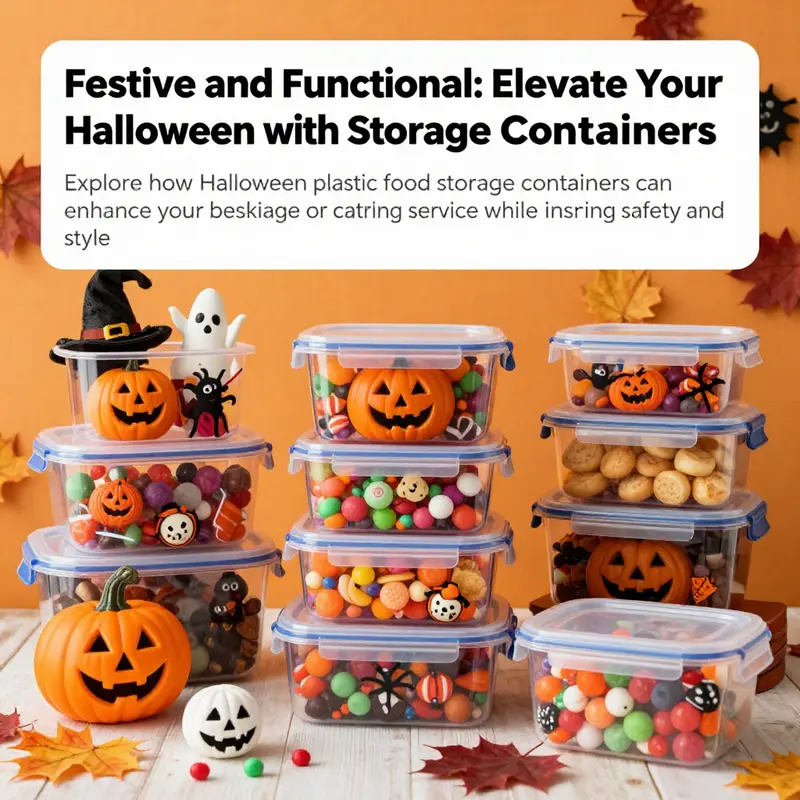
As Halloween approaches, businesses in the food industry are seeking effective ways to incorporate festive themes into their offerings, especially in an era where consumer preferences increasingly lean towards experience-driven service. Halloween plastic food storage containers are more than just storage solutions; they promise a blend of functionality and spooky charm. This article delves into the design and practicality of these containers, the importance of material quality, understanding market trends, and their environmental impact. Each chapter presents a critical aspect that reinforces the overall narrative of how these containers can elevate your Halloween-themed events and offerings, setting your business apart in a competitive landscape.
Design and Functionality of Halloween Plastic Food Storage Containers
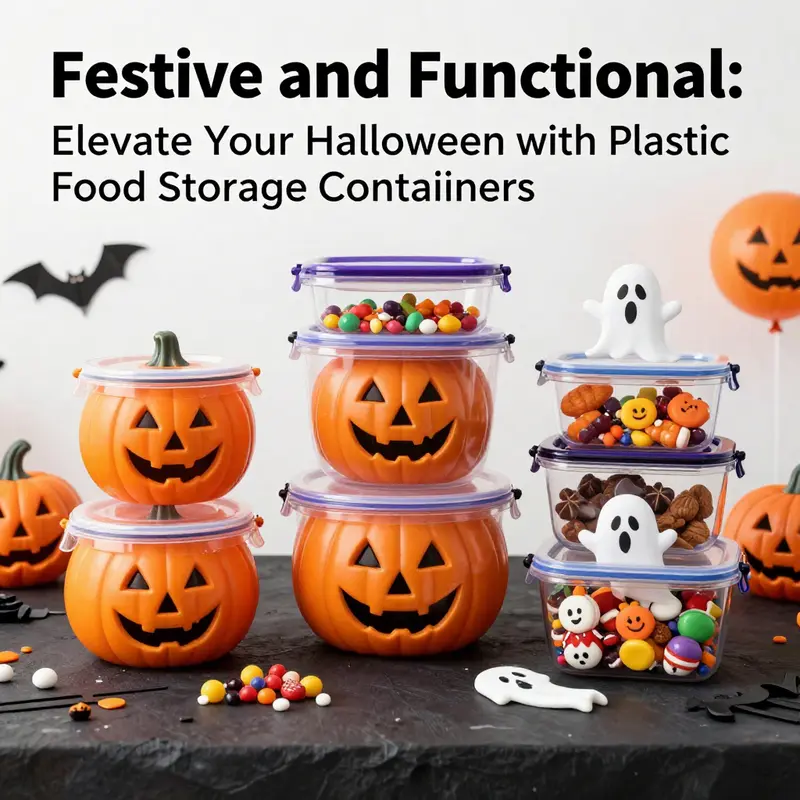
Design and Functionality of Halloween Plastic Food Storage Containers
The autumn air carries a hint of cinnamon and candlelight, and with it comes a familiar ritual: the collection, display, and distribution of treats. Halloween plastic food storage containers sit at the crossroads of celebration and practicality, marrying festive appeal with everyday usability. They are not mere receptacles; they are small, portable stages for the season’s rituals—candies organized for a neighborhood parade, cookies arranged as party favors, snacks tucked away for a late-night movie marathon, all while adding a dash of seasonal charm to a kitchen shelf or a party table. Their value lies not only in what they hold, but in how they hold it together during a time when accessibility, visibility, and ease of use matter as much as appearance.
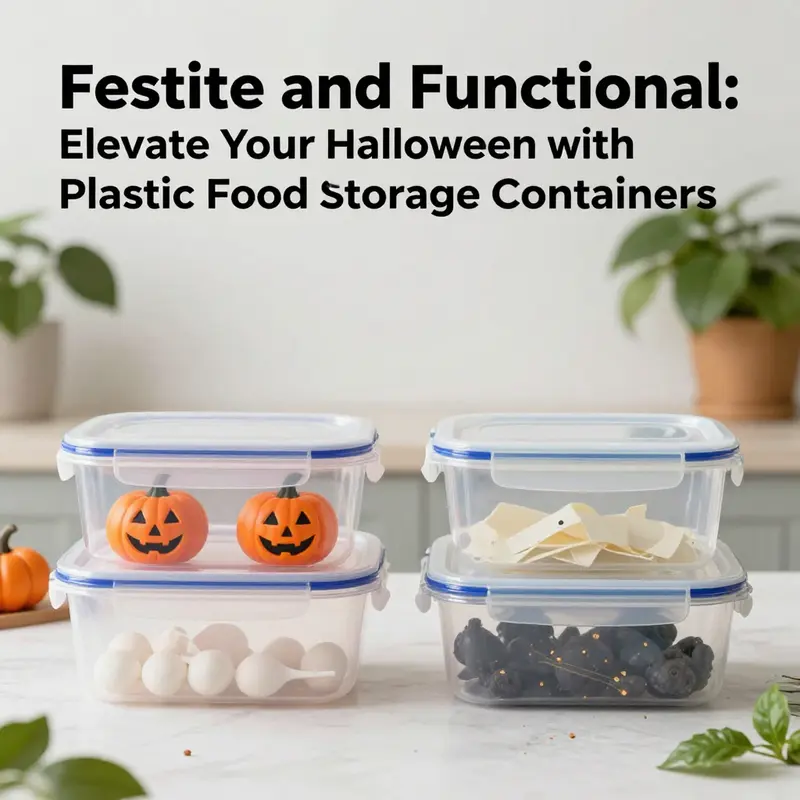
From the outside, these containers often speak the language of Halloween itself. Thematic patterns—witches, pumpkins, bats, ghosts, and other iconic silhouettes—decorate the bodies of the most popular designs. Color choices reinforce mood: high-contrast combinations, bright accent hues against a dark backdrop, and clear or translucent plastics that reveal what lies inside. The result is a combination of decorative whimsy and practical clarity. Visibility is more than convenience; it is a way to manage the flow of a gathering or the rhythm of a trick-or-treat route. When contents are easy to see, quick decisions follow—how many treats are left, which bins still need replenishment, and which ones must be kept away from small hands until a later moment.
Behind the cheerful surface, the design language of these containers is guided by a few fundamental principles. The thematic patterns are not just surface ornament; they work with form to cue expectations. For example, round shapes and curved edges soften the feel of a holiday display while maintaining a sturdy, stackable footprint. The color strategy often uses high-contrast combinations to command notice in crowded rooms or dimly lit porches. Yet there is also a quiet stand-out power in the transparency of the material. Clear or translucent plastics let hosts and guests glimpse contents at a glance—an advantage during party planning or candy sorting after a long evening of door-to-door collecting. This blend of color, shape, and visibility makes these containers more than storage items; they are part of the holiday theater.
Material choice is central to both safety and performance. Plastic, when designed for food storage, is typically selected for its durability and resilience. The best designs prioritize food-safe materials and resist the everyday demands of seasonal use: accidental spills, temperature changes, and the occasional bump from a hungry or hurried child. BPA-free plastics are common in consumer-grade options, providing reassurance about safety while avoiding harsh chemical interactions with stored treats. The lightweight nature of plastic is not incidental; it matters when carrying sacks of candy from door to door or distributing treat-filled containers at a gathering. When the season calls for moving many items across rooms or around a yard, a lighter container reduces fatigue and makes participation easier for little ones and grown-ups alike. In this sense, the practical advantages of plastic—lightweight resilience, cost-effectiveness, and broad availability—have shaped Halloween storage into an accessible ritual rather than a fragile chore.
Functionality sits at the same table as design. A crucial feature is the lid. Airtight or snug-sealing lids help preserve freshness and keep odors contained, which matters as treats mingle with the aroma of autumn air and kitchen aromas. The presence of such lids means candy stored in these containers stays drier and crisper, and it limits the intrusion of humidity or stray odors that might otherwise alter taste or texture. This is especially important when treats must survive a trick-or-treat route, a classroom party, or a neighborhood gathering where multiple dishes share space on a single table. The lid also supports reusability. Many families prefer to reuse containers year after year, either for candy storage between Halloween seasons or for other kitchen needs. The ability to clean easily, to stack neatly, and to resist cracking under routine use all contribute to longer service life and a smaller seasonal footprint.
The sizes and shapes of Halloween plastic containers are not arbitrary. They are chosen to balance capacity with storage efficiency. A typical round form, roughly compact in footprint, makes shelves and tabletops look organized without dominating the space. The goal is to maximize surface area for display while keeping the containers easy to grab and carry. For homes that juggle a steady stream of parties, gatherings, or classroom activities, sets that include multiple containers allow for separation of different treats or ingredients. One child’s candy can be organized apart from another’s, helping hosts manage portions and minimize cross-contamination between items that require different storage conditions. The ability to adapt—multipurpose use for snacks, toppings, or small gift packs—speaks to the versatility at the heart of these products.
Ergonomics and portability are often emphasized in the design language. Handles or grips, when present, are sized for comfortable lifting and single-handed transport. Even without handles, the rounded rims and smooth surfaces facilitate easy carrying and passing around a table or porch. Lightweight construction reduces the effort needed to transport a binful of goodies for trick-or-treating or a party setup. The ergonomic design makes it easier for children to participate in the candy distribution process, which can be part of the learning of sharing and organization during the holiday. Beyond function, ergonomics contribute to the broader experience of Halloween, turning counting and distributing treats into a small, manageable ritual rather than a chore.
In the broader home ecology, these containers do double duty as keepsakes and practical tools. When the party ends and shelves need to be reset, the same containers can be repurposed as storage for cookies, nuts, or pantry staples. Their transparent nature helps maintain a sense of order, which supports ongoing kitchen organization long after the ghosts and goblins have retreated for another year. The renewal of the season’s mood—clear, bright, and playful—parallels the practical cycle of reuse that many households aim to cultivate. In this sense, the containers serve as a bridge between celebration and daily routine, maintaining a consistent thematic thread while adapting to evolving storage needs.
The design ethos also responds to consumer expectations about safety and cleaning. Plastic storage options are frequently chosen for their compatibility with common cleaning practices. Many plastics used for food storage are designed to be dishwasher-safe, making cleanup after a Halloween party straightforward. This feature is especially valued when the aftermath includes sticky candy residues or chocolate smears that can cling stubbornly to surfaces. The ease of cleaning reinforces a sense of preparedness and reliability. It is easier to wipe away a mess than to scrub a stubborn surface, and the knowledge that a container can be washed without fear of degradation is a comfort many hosts appreciate during a busy season.
From a shopping perspective, the value proposition rests on a blend of aesthetics, practicality, and cost efficiency. The season’s special designs naturally command attention, drawing the eye to products that promise to elevate both display and storage. Yet the most appealing features are not merely decorative; they are functional enhancements that support smoother hosting and more joyful celebrations. The ability to see inside at a glance, to seal in freshness, to carry with ease, and to fit neatly into a kitchen cabinet or closet wall all contribute to a sense of preparedness for the Halloween season. The containers thus function as a practical extension of a host’s organizational system, adding a festive layer without complicating daily routines. In this way, they help maintain a sense of control and ease during a period that is often busy and bustling.
Styling and versatility remain central to their appeal. Because designs lean into the season, they pair well with other party decor—cushions of orange and black, carved pumpkins, string lights, and table runners that echo the same motifs. The intent is not to overwhelm a table with novelty but to complement it, providing just enough thematic flavor to elevate the ambiance without compromising the room’s usability. This balance between decoration and utility makes Halloween plastic containers part of a holistic approach to seasonal hospitality. They are the kind of product that becomes a staple not by dominating the scene but by quietly supporting it: a reliable vessel that doubles as a small piece of seasonal art.
The narrative of design and functionality also touches on the broader sustainability conversation. Reusable containers align with a mindset that values durability, easy maintenance, and a longer life cycle. Though plastic is lightweight and economical, thoughtful design ensures it lasts across multiple Halloweens and beyond. The goal is not merely to accumulate more decorative pieces but to invest in storage solutions that can be repurposed year after year, reducing the impulse to upgrade every season. When households opt for containers that are durable, safe for food storage, and easy to clean, they make a choice that supports both practicality and responsible consumption. This is not a commitment to plastic as an end in itself but to a functionally sound approach to seasonal storage and display.
For readers exploring these ideas in more practical terms, a nearby option to consider is a wholesale line that offers versatile, food-safe containers designed for mixed-use storage, including Halloween-themed applications. Such selections provide an example of how the same core principles—visibility, airtight sealing, durability, and ease of transport—translate across different materials and product families. The emphasis remains on creating a cohesive experience: a container that looks right on a table, holds treats securely, stacks neatly for storage, and travels smoothly from porch to kitchen during a busy evening. The result is a storage system that supports celebration without adding complexity to the host’s routine.
As this chapter threads together appearance, practicality, and seasonal relevance, the broader article can continue by examining buying considerations, usage scenarios, and creative decoration ideas that extend beyond the shelf. The chapter’s focus on design and functionality lays a foundation for understanding how such containers fit into everyday life during Halloween, while also inviting readers to think about how similar design principals can inform other seasonal storage needs. The interplay of form and function—the way a cheerful surface can house serious utility—remains at the heart of these products. They remind us that even everyday objects can contribute to the magic of a holiday, turning simple storage into a small, welcoming ritual that helps families share and savor treats with ease.
For readers who want to explore related storage options that bridge seasonal styling with practical use, consider visiting the wholesale section dedicated to durable, design-conscious food storage solutions. There, you can find options that reflect the same priorities: clear visibility, secure lids, adaptable sizes, and designs engineered to support festive occasions as well as everyday pantry organization. Wholesale options can provide guidance on bulk purchasing, customization opportunities, and how to align storage choices with party planning goals. This approach reinforces the idea that storage solutions, when thoughtfully designed, can enhance both the aesthetics and the efficiency of home life during Halloween and beyond.
External resource: For a broader look at industry supply examples and design cues used in Halloween-themed containers, you can review a supplier listing that illustrates materials and construction choices across a range of decorative storage options. https://www.alibaba.com/product-detail/100-recyclable-Halloween-Party-Plastic-Clear_1600573795672.html
Internal link note: To see an example of wholesale, customizable storage solutions that echo these ideas in a different material family, you can explore Wholesale Custom Print Kraft Paper Food Storage Salad Noodle Bowl, which demonstrates how the same principles apply to paper-based storage and presentation. This link provides a sense of how design, visibility, and portability translate across product categories while maintaining the festive spirit. Wholesale Custom Print Kraft Paper Food Storage Salad Noodle Bowl
null
null
Seasonal Sparks: How Market Trends and Consumer Preferences Are Redefining Halloween Plastic Food Storage Containers
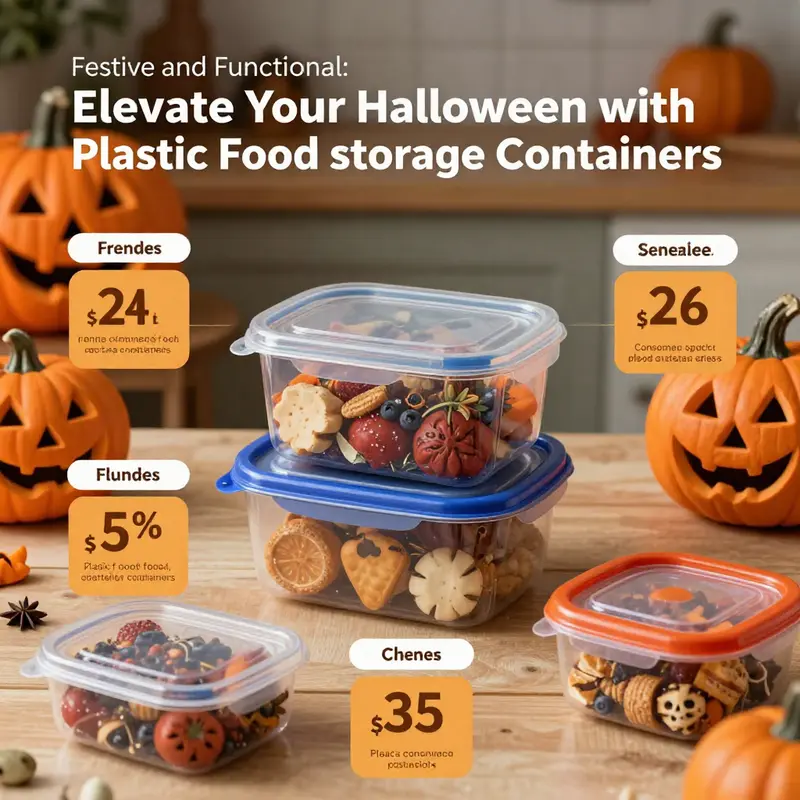
The seasonal niche of Halloween invites a unique blend of whimsy, practicality, and fleeting moments of shared delight. Plastic food storage containers designed for trick-or-treating, party favors, or snack organization sit at the intersection of celebration and everyday use. They are not just vessels for candy; they are part of the ritual—the way households transport treats from door to door, how homes transform a dining room into a Halloween vignette, and how hosts orchestrate a small, portable display of seasonal charm. Even before the costumes come out, shoppers are evaluating containers not only for safety and performance but for how well they fit the mood of the holiday. The result is a market that rewards both function and form, where a container’s design can translate into reposts, photo-worthy moments, and shared experiences that stretch beyond the moment of use.
In examining market trends and consumer preferences for Halloween plastic storage solutions, trends in the broader plastics and packaging landscape offer meaningful context. The shifting tides toward sustainability—driven by policy, safety standards, and consumer values—are reshaping how seasonal containers are imagined, sourced, and disposed of. Biodegradable materials such as polylactic acid (PLA) and polyhydroxyalkanoate (PHA), along with an uptick in recycled plastics like rPET, are moving from niche demonstrations into more mainstream options. In the Halloween aisle, this translates into opportunities to offer festive designs that still align with green goals. Consumers, especially those who celebrate Halloween as a family activity or a social media moment, increasingly expect packaging to be easy to recycle, easy to clean, and, ideally, reusable in some form after the initial use. The appeal is not merely environmental; it also aligns with broader narratives of cost-consciousness and transparency about what is inside the container and how it is produced.
The environmental drive does not stand alone. Technological innovation continues to push the boundaries of what a simple storage item can offer, especially when a seasonal event demands quick, reliable access and spirited presentation. Advances in material science are introducing antibacterial or antimicrobial coatings that help curb the growth of residues on candy and snacks, especially in warm autumn evenings that can tempt a quick spoilage. Improvements in sealing techniques—think tighter lids, gasket systems, and snap-fit mechanisms—increase the container’s ability to safeguard contents during transport from doorstep to party. This matters for Halloween, where crowds can mean long trips in crowded neighborhoods, variable weather, and a mix of indoor and outdoor uses. At the same time, design innovations are leading to modular systems that let families customize a single container for different uses. A round jar that serves as a candy option at a party can transform into a compact snack organizer, or be repurposed as a centerpiece with a few clever embellishments. The trend toward modularity resonates with Halloween’s desire for flexible, shareable spaces—the kind of practical appeal that makes seasonal packaging both collectible and repeatable year after year.
Demographics play a substantial role in shaping what households want from Halloween containers. Generational shifts influence design expectations and buying behavior. Gen Z consumers, who often seek products that deliver both style and sustainability, gravitate toward containers that look good in photos and can be repurposed after the holiday. They favor compact, efficient packaging that travels well, supports group activities, and can be integrated into a social event’s décor. The expanding new middle class places a premium on value but also on experience. For these buyers, packaging is part of the event—an accessory that elevates the act of giving candy, sharing treats, or presenting party favors. An aging population contributes another layer of complexity; ease of use, readable labeling, and accessible opening mechanisms become important considerations. In practice, this means designs with ergonomic lids, larger, easy-to-grip handles, and clear labeling that helps someone quickly identify contents in dim lighting or a busy kitchen.
At the same time, the Halloween shopping calendar imposes its own rhythm. Early-season planning emphasizes display and mood creation, with retailers and home cooks seeking containers that can double as decorations while remaining practical for storage and transport. Seasonal packaging often functions as a visible invitation to participate in the holiday—an opportunity to showcase a theme, color palette, or iconic imagery like pumpkins, bats, ghosts, and witches. The visual language matters as much as the material performance. When a container is visibly festive, it becomes more than a storage solution; it is a prop in the holiday narrative, something that can be shared on social media, gifted to neighbors, or used as a centerpiece for a Halloween table. The practical benefits—visibility of contents, ease of access, and the assurance of food safety—remain essential, but the halo around the container’s appearance adds a layer of value that can influence purchase decisions and post-use sentiment.
Yet data on Halloween-specific preferences for plastic storage remains limited within the available research. The broader analysis of the plastic container market highlights a few durable truths: plastic remains favored for transparency, cost, and handling—attributes particularly relevant when dealing with candy volumes, mixed snack assortments, and children’s parties. The lightweight nature of plastic makes it an especially attractive option for trick-or-treating rounds and neighborhood events where people carry multiple containers, often in crowded or uneven spaces. The resilience and impact-resistance of plastic help to avoid spills and leaks when containers are jostled during transit, a common situation on busy Halloween streets or at bustling house parties. These characteristics—visibility, affordability, and durability—help explain why plastic remains a dominant material for seasonal uses, despite environmental concerns and the growing interest in sustainable alternatives.
An interesting facet of seasonal packaging is the opportunity to use containers as part of the decor without completely sacrificing practicality. Some producers and retailers lean into the idea that a container can serve dual roles: a festive vessel for candies and a reusable object that maintains its function after Halloween ends. This dual-role concept aligns with the broader shift toward value-focused consumption, where households prefer items that can stretch across occasions rather than being dedicated to a single holiday. In practice, this means designing containers that can store snacks in daily life, be repurposed for home organization, or function as a decorative jar with a neutral aesthetic after the holiday passes. The balance is delicate: the design must feel special during October while not feeling out of place in November or December’s kitchen shelves.
From a marketing perspective, the seasonal window offers a chance to tell a story through packaging. The narrative around a Halloween container can emphasize safety, cleanliness, and ease of use for families with kids who participate in trick-or-treating. Messaging can highlight the container’s sealing performance, its capacity to keep candies fresh, and its portability for a night of neighborhood exploring. At the same time, retailers can emphasize the design’s ability to transform a table or entryway into a festive display, turning a functional item into a talking point. The most successful designs, in this sense, translate a practical feature set into an emotional payoff—delight, shareability, and a sense of participation in an ongoing holiday tradition. The social dimension matters, because Halloween is as much a community event as it is a domestic routine.
While the contemporary literature points to these broader trends, it is important to acknowledge a gap: there is limited information addressing how specific Halloween-themed plastic containers perform in terms of consumer preference, seasonal sales cycles, or long-term reuse beyond the holiday. This gap does not negate the value of existing insights; rather, it highlights an area ripe for targeted inquiry. Understanding Halloween-specific behavior would require in-depth consumer research—panels that examine seasonality in gift-giving, party planning, and home storage, as well as qualitative studies that explore how families perceive the balance between style and sustainability during a holiday that thrives on both tradition and novelty.
In practice, practitioners who want to balance trend alignment with seasonal demand can take a few grounded steps. First, recognize that sustainability is no longer a niche concern; it is a baseline expectation for many shoppers. The inclusion of recyclable plastics, recycled-content materials, or compostable options should be paired with clear labeling that helps consumers recycle correctly and understand the container’s end-of-life options. Second, embrace design language that evokes Halloween without overwhelming practicality. A container can feature iconic imagery with color cues that signal content type or usage—candy, cookies, or party favors—without becoming so ornate that it limits its post-season utility. Third, invest in modular designs that can be repurposed. A stackable, seal-tight system can serve as a candy jar, a kitchen organizer for snacks, or a decorative accent when repurposed as a centerpiece with a few seasonal add-ons. Fourth, ensure accessibility and safety are front and center. Ergonomic lids, easy-to-grip handles, and clear labeling support a broad range of users, including younger children helping with trick-or-treat preparations or older adults hosting Halloween gatherings.
For readers seeking a practical touchstone outside of the direct Halloween context, consider the broader assortment of disposables and storage solutions that intersect with seasonal use. There is value in exploring related options that share performance criteria, such as transparency for easy content identification, reliable seals to prevent leaks, and lightweight but sturdy construction for transport during events. These cross-cutting attributes can inspire Halloween-focused designs that meet consumer expectations while maintaining the efficiency needed for party planning, bulk candy distribution, and everyday kitchen organization. The idea is not to replace Halloween-specific features with generic ones but to integrate seasonal motifs with durable performance so that the container remains a useful companion long after the last glow of the jack-o’-lantern has faded.
From an internal perspective, the packaging ecosystem benefits from viewing Halloween containers as part of a larger narrative about living with plastic in a conscious, purpose-driven way. In practice, this means considering how seasonal packaging can be designed to reduce waste, while still delivering the aesthetic and functional rewards that motivate seasonal purchases. For instance, a design team might experiment with lids that seal more securely yet are easier for younger users to operate. They could also explore color palettes that evoke autumnal warmth while allowing the containers to blend with everyday kitchen decor once the holiday is over. The most enduring designs are those that can transition from a Halloween display to a practical, reusable storage solution, allowing households to continue enjoying the container beyond October without feeling they have purchased a one-off gadget.
The absence of Halloween-specific market data in the current research landscape does not render these insights speculative. Rather, it points to a cautious, incremental approach to product development. By grounding seasonal design in robust, general performance criteria—visibility, safety, ease of transport, and durability—providers can introduce Halloween-themed containers that satisfy practical needs while delivering a festive spark. Retailers can frame these containers not only as seasonal items but as part of a broader celebration of thoughtful, long-lasting kitchen organization. In doing so, they create pathways for repeat purchases—consumers who buy a Halloween-themed container might return later in the year for everyday storage needs, turning a seasonal impulse into a durable habit.
For readers looking to explore adjacent packaging options that share a production and supply chain ecosystem with Halloween containers, there are practical examples worth considering. Some households and small businesses blend practical disposables with seasonal flair by using versatilе take-away and storage solutions that align with eco-friendly practices. A single container can serve multiple roles: a kid-friendly trick-or-treat bucket substitute, a snack bowl at a Halloween party, or a bright centerpiece that doubles as a compact storage jar afterward. The synergy between ease of use, decorative potential, and safe storage makes these containers appealing across various use cases, even beyond the October rush. The market response to such flexibility is likely to favor brands that can demonstrate durability, recyclability, and a design language that resonates with the holiday’s visual identity while maintaining a straightforward user experience.
As the conversation around Halloween containers evolves, one practical takeaway emerges clearly: seasonal packaging thrives when it speaks to both the moment and the everyday. The containers that perform best in this niche are those that offer something tangible in a single purchase—clear content visibility, reliable sealing, comfortable portability, and a look that is festive yet adaptable. They must invite sharing, whether through a photo that sparks a broader decorative trend or through a gifting moment that turns a simple treat into a small ceremony. In this sense, Halloween plastic storage containers become more than mere containers; they become small carriers of communal ritual, practical tools for family life, and, when designed thoughtfully, lasting keepsakes that outlive the October dust.
For households seeking eco-conscious choices that can still capture the holiday spirit, there is value in examining related packaging formats that echo the same practical virtues. Disposables designed with sustainable materials or recycled content offer a thoughtful compromise for those who want to celebrate with flair while minimizing waste. The conversation extends beyond a single event to a broader, ongoing assessment of how we store and share food, how we celebrate together, and how we can do so with designs that respect the environment while delivering reliable performance. In this light, Halloween becomes a catalyst not only for decoration and fun but for broader conversations about the role of plastic in the home. It invites designers, manufacturers, retailers, and consumers to imagine containers that honor the season’s magic while fitting into everyday routines—providing safe, visible, portable storage that can be enjoyed long after the last treat is unpacked.
To add a practical note for readers who want to explore related packaging options, consider a range of disposables that lean into eco-friendly materials and clearer labeling. For example, a line of disposable kraft paper bowls with lids can illustrate how a simple shift in material and presentation can influence consumer perception and usage patterns. These products demonstrate how a practical vessel can be reimagined to support seasonal celebrations while still aligning with sustainable goals. If you are curious about these options, you can explore further through offerings like disposable kraft paper bowls with lids, which provides a tangible contrast to plastic storage solutions and sparks ideas for hybrid seasonal setups. This exploration invites a broader conversation about how households choose between plastic and paper-based solutions, especially in the context of Halloween where display, transport, and reuse all come into play.
For those seeking a broader perspective on sustainable packaging trends that intersect with Halloween planning, the environmental and regulatory landscape offers guidance. While the details of Halloween-specific consumer behavior require targeted study, the direction is clear: more brands will pair festive aesthetics with clear, responsible packaging choices. This alignment helps consumers feel confident in their choices at the store, during trick-or-treating, and at home afterward. It also fosters a rhythm of mindful consumption that reflects evolving attitudes toward waste, recycling infrastructure, and the long-term value of reusable or recyclable designs. In short, the seasonal demand for Halloween containers sits at a crossroads where aesthetics, practicality, and sustainability converge—a convergence that will likely grow more pronounced as both consumer expectations and policy frameworks continue to evolve.
External resource for a broader sustainability perspective: https://www.epa.gov/sustainability
null
null
Final thoughts
Halloween plastic food storage containers not only elevate the aesthetic appeal of seasonal offerings but also serve a crucial role in ensuring food safety and convenience for businesses. Their unique designs and lightweight construction make them an ideal choice for beverage chains, catering services, and event planners looking to enhance their holiday presentations. By embracing the insights shared in this article about design, material quality, market trends, and environmental impact, you can make informed choices that align with both consumer expectations and sustainability commitments, ultimately enriching your service during the festive season.