
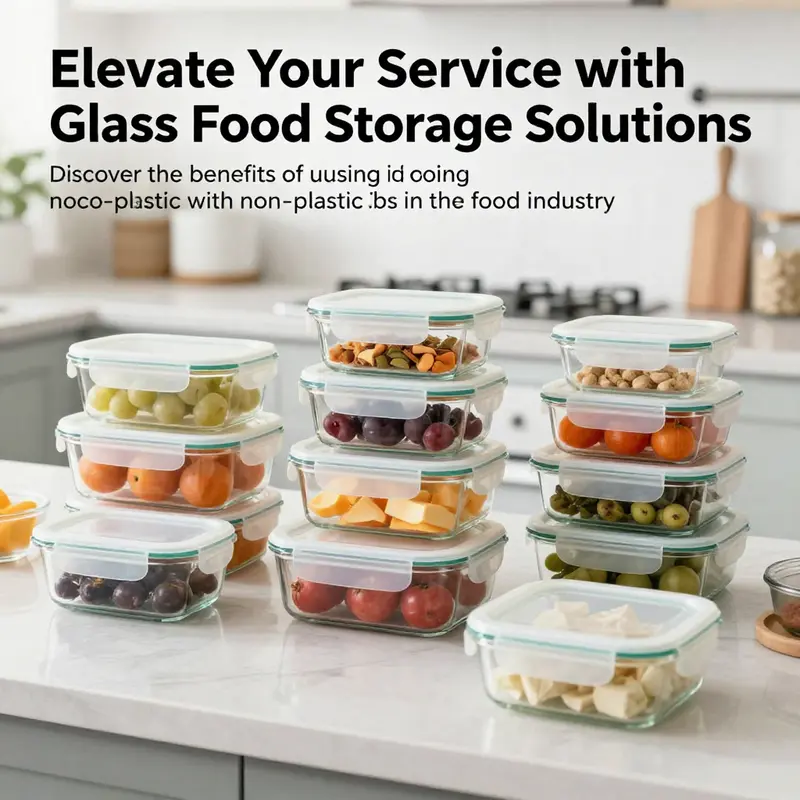
As health consciousness rises in our society, the need for safer food storage solutions has never been more pronounced. For bubble tea shops, restaurants, food trucks, and catering services, choosing the right food storage containers can significantly impact both consumer safety and business efficiency. This article delves into the advantages of opting for glass food storage containers that come with non-plastic lids. We will explore five essential chapters covering health and safety, innovative designs and materials, long-term economic benefits, environmental sustainability, and the evolving market trends that favor glass alternatives. Understanding these aspects will empower businesses to make informed decisions that align with health standards and consumer preferences.
Healthy and Safe: Why Glass Food Storage Containers with Non-Plastic Lids Are the Smarter Choice
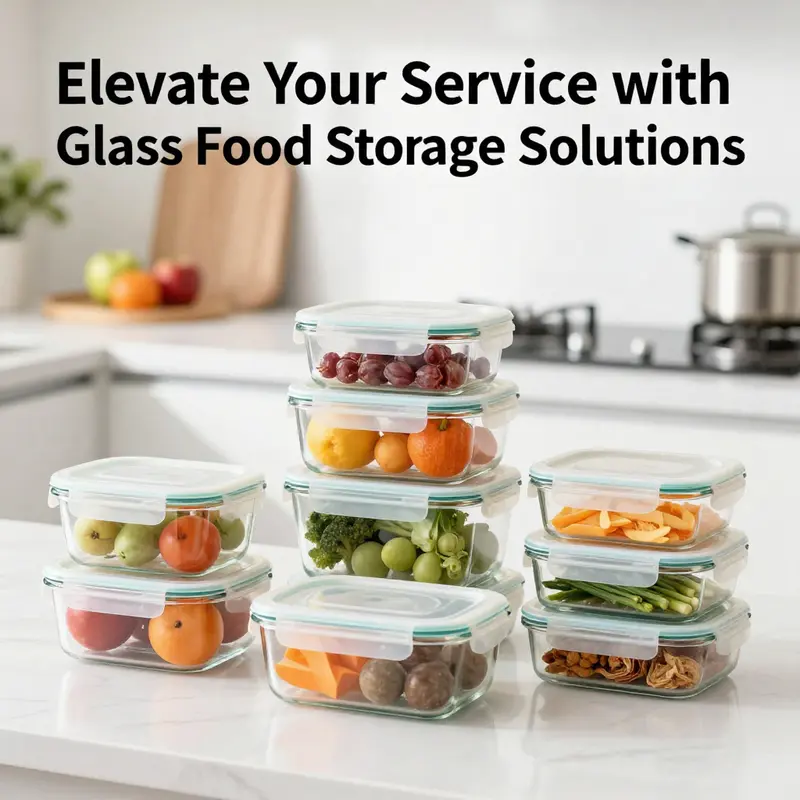
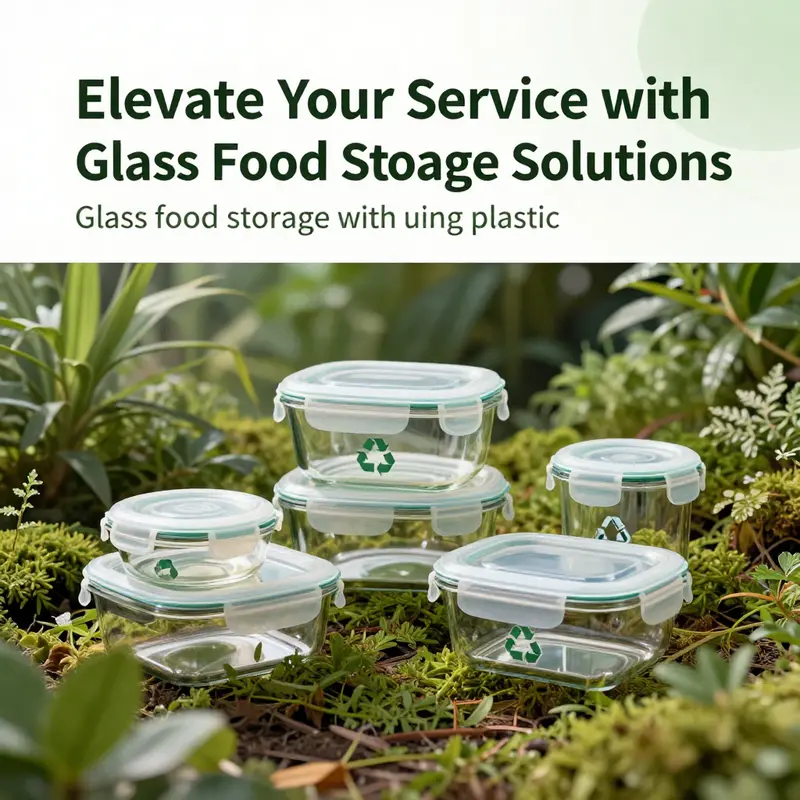
In the evolving landscape of kitchen health, the shift away from plastic storage is more than a trend; it is a deliberate, science-informed choice. Glass storage containers with non-plastic lids stand at the forefront of this shift, offering a combination of chemical inertness, hygienic resilience, and practical convenience that plastic simply cannot match. The conversation around food storage often centers on convenience and price, but when health and long-term well-being are the priority, glass emerges as a material with a quiet but profound advantage. Glass does not interact with food in the way porous plastics can; it remains a passive vessel, preserving flavors and nutrients rather than altering them with every rinse or reheating. This relationship between material and food is not just a technical detail but a daily safeguard whose value compounds over the years as families store more meals, leftovers, and ingredients in their kitchens.
At the core of the glass advantage is chemistry. Glass is chemically inert and non-porous, meaning it does not seep additives or contaminants into food, regardless of storage duration or contact with different foods. By contrast, even high-quality plastics can release trace amounts of plasticizers when used repeatedly or heated, a concern that has driven public health researchers to scrutinize substances such as BPA and certain phthalates. Dr. Lena Patel, a leading environmental health scientist, has highlighted a practical distinction: “玻璃在化学上是惰性的,非多孔的,这意味着它不会向食物中释放任何有害化学物质,无论储存时间有多长。这是即使高质量的塑料也无法比拟的巨大优势。” In everyday terms, glass acts like a clean slate, ensuring that what you store remains exactly what you intended to store.
This chemical stability translates into tangible benefits for meals and daily routines. Food stored in glass is less likely to acquire the faint, stubborn flavors that plastics can impart after repeated use or long storage. The absence of odor absorption means yesterday’s curry or garlic will not linger into tomorrow’s yogurt, a common complaint among users of older or cheaper plastic containers. Even when you wash glass in a dishwasher, its smooth, non-porous surface resists the micro-scratches that can harbor bacteria in plastic containers. The overall hygiene profile of glass improves with every cycle of use, contributing to safer leftovers and a more predictable outcome for meal prep.
But the glass story is not only about purity. It is also about resilience and versatility in real kitchens. Modern glass storage options leverage materials such as high borosilicate glass, capable of withstanding extreme temperature swings. A well-designed glass container can move from the refrigerator to the microwave or oven and back to the table—often without a perceptible change in performance. The practical range of this material allows for direct transfer from cold storage to hot service, enabling cooks to reheat soups, stews, or sauces safely and efficiently. This adaptability reduces the need for multiple containers and minimizes the risk of cross-contamination during transfer. While no material is perfectly indestructible, borosilicate glass is notably resistant to thermal shock when used within its intended temperature limits, making it a durable partner for daily cooking and storage tasks.
A further dimension of glass’ durability lies in its maintenance profile. The smooth, non-porous surface of glass does not trap food particles, oils, or aromas in the way that porous plastics can. Even after months of use, a properly cared-for glass container can be restored to a near-original state with simple cleaning, leaving no lingering residues that could affect future meals. This is particularly important for households that store a variety of ingredients—bright turmeric, strong-smelling fish, or assertively flavored sauces—where odor transfer is a frequent complaint among plastic users. In glass, the risk of cross-flavor contamination is markedly reduced, because the container’s surface does not harbor microscopic pockets where odors and residues hide.
Lids, the other half of the equation, deserve careful attention because they determine whether the glass is delivering its full health and hygiene potential in daily use. The shift toward non-plastic lids—often silicone seals paired with metal or glass bodies—addresses two critical issues: chemical exposure and reliable sealing. Silicone gaskets create airtight seals that minimize both liquid leakage and air ingress. A well-executed seal reduces oxidation, slows the drying-out of foods, and helps preserve texture and color. In conjunction with a sturdy locking mechanism or a precise, twist-lock closure, the combination offers a confidence that leftovers won’t spill when containers are transported in bags or stacked in a crowded fridge. The goal is a holistic system where the vessel and its lid work in concert to protect health and maximize usability.
From an environmental perspective, non-plastic lids paired with glass bodies offer advantages that extend beyond the kitchen. The lifecycle story is clearer: glass can last for years with proper care, and individual components such as silicone seals or metal clasps can be replaced if they wear out. This modularity supports a sustainable approach, reducing waste and promoting repair over replacement. A durable, repairable system makes sense in households aiming to minimize their ecological footprint while maintaining a high standard of cleanliness and food safety. When a lid’s gasket wears, for example, replacing just the gasket instead of discarding the entire container embodies a practical, planet-conscious mindset. This approach aligns with broader consumer desires for products that combine longevity, performance, and responsible stewardship.
The design language of glass storage has evolved to balance aesthetics with function. Clear, crystal-like glass allows users to identify contents at a glance, reducing the need to open multiple containers to locate ingredients. The transparency also serves a psychological function: seeing the food as it is, rather than deciphering opaque labeling, invites mindful consumption and reduces waste. In addition, many contemporary glass containers adopt a modular shape—square or rectangular profiles that maximize cabinet and refrigerator space while enabling neat, stackable organization. The visual clarity and orderly form bring a sense of calm to the kitchen, turning storage into an intentional design choice rather than a mere necessity. This is where health and aesthetics intersect, offering a practical upgrade that enhances cooking, meal planning, and the overall kitchen experience.
Yet every material has trade-offs, and glass is no exception. Weight is a practical consideration; glass is heavier than plastic, which can influence handling, especially for children, the elderly, or anyone managing a busy, multitask kitchen. Fragility is another factor; a dropped container can shatter, creating both a safety hazard and interrupted meal plans. The key to mitigating these concerns lies in selecting robust glass options and matching lids designed to support secure use in daily life. For instance, some designs feature reinforced rims, thicker walls, and a lid system that distributes pressure evenly, reducing the risk of cracks or chips. When families approach these trade-offs with a thoughtful mindset—prioritizing safety, proper handling, and suitable usage contexts—the benefits of glass storage become compelling enough to outweigh the inconveniences.
Ultimately, choosing glass storage containers with non-plastic lids is about aligning everyday practices with long-range health, hygiene, and efficiency goals. It is a decision that reflects a broader understanding of how material choices shape daily routines, from the moment food is prepared and stored to the moment it is reheated and served. The move away from plastic is not merely about avoiding a potential hazard; it is about embracing a material that communicates clarity, precision, and care. In dense urban kitchens and quiet family homes alike, glass storage is becoming a baseline expectation for those who want to protect health without compromising on practicality or beauty. As more households adopt this approach, the kitchen evolves into a space where science informs craft, where safety is a daily habit, and where storage becomes a deliberate act of stewardship rather than a passive compromise.
External resource: https://www.healthline.com/nutrition/glass-vs-plastic-food-containers
Engineering a Safer Kitchen: Design and Materials for Glass Food Storage with Non-Plastic Lids
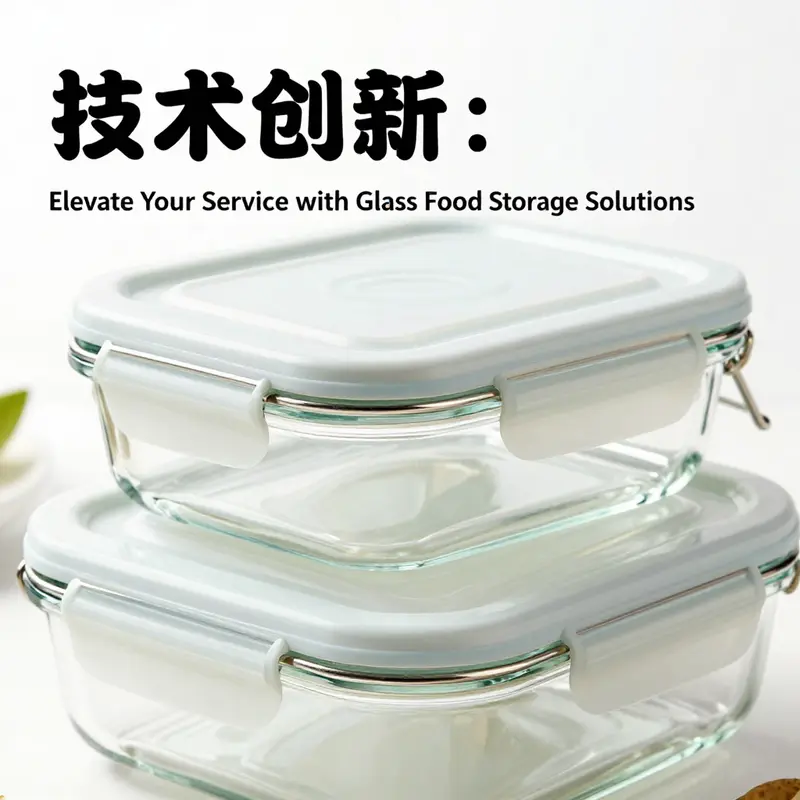
Every kitchen tells a story about the choices we make with what we store, heat, and re-use. In the last decade, the narrative has shifted away from plastic-centric solutions toward a more deliberate, design-forward approach: glass storage containers paired with non-plastic lids. This shift is not merely about replacing one material with another; it is about redefining reliability, safety, and beauty in everyday routines. The core driver behind this transformation is the recognition that kitchen storage is a critical interface between what we eat and how we live, a space where chemistry, physics, and craft converge. When we place a jar of leftovers into a container that can endure a freezing chill, a microwave burst, or a blistering oven—without letting odors linger or flavors mingle—we begin to reframe what “storage” means in a healthy, sustainable home. The design and materials that underpin these glass containers are neither accidental nor superficial. They reflect a careful response to the limitations of traditional plastic boxes and the growing appetite for durable, non-toxic, and aesthetically graceful kitchen tools.
At the heart of this movement lies material science that favors high borosilicate glass. This is not the ordinary glass of everyday windows; it is a glass engineered for thermal resilience and chemical inertness. The key advantage is thermal stability across wide temperature differentials, a property that makes it possible to go from the cold of the refrigerator to the heat of a microwave or oven with minimal risk of cracking. In practical terms, this means a container can be safely placed in the freezer, thawed, heated for serving, and even roasted or warmed gently, all without the dramatic risk of thermal shock that plagues many other materials. The glass itself does not impart odors or flavors, nor does it contribute flavors from yesterday’s sauces. It resists staining from pigments like tomato and turmeric, preserving the purity of the contents and reducing the need for aggressive cleaning. The result is a container that stays clean, remains clear, and looks as pristine after repeated use as it did on the first day. For households that prioritize flavor integrity and hygiene, the appeal is immediate and practical.
But no discussion of glass storage would be complete without addressing the lid—the partner that completes the system. Here, the non-plastic mandate drives a set of design choices that are equally consequential. The sealing component often relies on food-grade silicone gaskets that perform reliably under high heat and frequent washing. Silicone’s elasticity and heat tolerance enable a tight, repeatable seal that keeps moisture and air at bay, protecting both texture and aroma. The structural counterpart to the gasket is a metal latch or a rigid, mechanically engaged closure that clamps the lid to the glass body with precision. This physical locking mechanism is more than a convenience; it is a safety feature that prevents leaks during transport or accidental tipping in the fridge, on the counter, or in the backpack. Together, the gasket and clamshell-like locking system form a barrier that is robust against routine wear and tear, a key factor when households rely on versatile containers for soups, stews, chopped vegetables, or marinated ingredients.
A further iteration of lid design embraces modularity and replaceability. Some premium configurations integrate the silicone seal as a standalone component that can be removed for thorough cleaning and replacement. This is a simple but meaningful step toward longer product life and more sustainable use. When the gasket wears after years of service, it is re-tasked as a consumable, while the glass body remains as the durable backbone of the system. Such a separation of wear parts underscores a philosophy of repairability rather than disposability, aligning with broader environmental goals while delivering real value to families who plan their meals in advance and store them for later use.
From the perspective of everyday function, these containers excel in more than heat resistance and leak-proof lids. Their design often prioritizes intuitive handling and space efficiency. A modular, stackable form allows several containers to nest neatly, occupying a fraction of the cabinet or refrigerator door space that their plastic predecessors once demanded. Wide mouths on many models invite easy access to bulky ingredients, from leftover chili to roasted vegetables, while clear, uncolored glass makes it effortless to identify contents at a glance. The transparency is more than aesthetic; it is practical, eliminating the need for sticky labels or guesswork and reducing the time spent searching for the right container while a meal is being assembled. The combination of clarity and geometry also plays a considerable role in kitchen organization. When pieces stack securely, the entire storage system becomes a visual and physical cue for order, encouraging better portion control and planning.
The environmental argument for glass with non-plastic lids hinges on lifecycle thinking. Plastics have a well-documented tendency to degrade over time, releasing micro-plastics and absorbing odors that can migrate into foods. By contrast, glass endures through countless cycles of use and cleaning, resisting absorption and odor carryover. The non-plastic lids, particularly those using metal or replaceable silicone seals, further reduce the risk of chemical migration associated with aging plastics. This is not just about personal health; it is about reducing the environmental footprint that accompanies single-use or rapidly degraded packaging materials. The emphasis on durability and repairability is a direct response to the mounting concern about waste. Instead of discarding containers after minor cracks or seal replacements, households can opt to rehabilitate the system with new gaskets or a renewed lid. In practice, this translates into a long lifespan and a diminishing rate of replacement, which aligns with the values of a more sustainable kitchen culture.
To translate these design intentions into real-world use, manufacturers have focused on the interaction between form and function. A broad truth emerges: successful glass storage systems transcend mere containment. They become a coherent ecosystem that supports cooking, reheating, and storing across a spectrum of daily routines. A well-designed glass container can be taken from the freezer to the microwave to the oven for a gentle, direct finish, then moved to the table for serving, with its appearance remaining pristine and inviting. The lids, free from plastics, contribute to a clean, modern aesthetic that complements stainless steel appliances and wooden surfaces alike. This synthesis of performance and appearance matters because it changes how people perceive their kitchens. A storage system that looks and feels confident invites more deliberate meal planning, less waste, and a greater sense of control over what enters the body and, ultimately, the planet.
Indeed, the modern kitchen is increasingly a stage for sustainability narratives that blend science and craft. The glass-and-non-plastic lid paradigm does not merely avoid a problematic material; it represents a holistic approach to food storage that considers heat safety, chemical exposure, odor integrity, ease of cleaning, and the emotional comfort of a space that feels well organized. When a family labels a container with easy-to-read markings, sees that the contents are visible and intact, and experiences no cross-flavor contamination after washing, the cumulative effect is a daily reinforcement of healthier choices. The design philosophy, therefore, is not a sterile technical exercise; it is a lived practice that honors health without sacrificing convenience or beauty.
The practical implications extend to how one develops routines around meal prep and leftovers. With glass containers, fear of microwave explosions or warped lids becomes less of a concern, thanks to the robust thermal properties and reliable sealing systems. This reliability translates into more confident experimentation at home: batch cooking, marinating, and flexible meal planning become approachable activities rather than intimidating experiments. For families, this can mean better retention of nutrients, more consistent textures, and a reduction in discarded food due to spoilage. In this sense, the material and structural choices are not abstract engineering feats; they are everyday enablers of healthier, more mindful eating habits.
Beyond individual households, the broader cultural shift toward plastic-free, reusable storage reflects evolving consumer values. It is a response to a growing demand for products that combine safety with sophistication, durability with ease, and practicality with care for the environment. Although the market remains diverse and not all paths align perfectly, the central thread remains clear: glass containers with non-plastic lids offer a tangible and meaningful way to rethink how we store, heat, and enjoy food. The discourse around these products mirrors larger conversations about sustainability, health, and design as interdependent forces shaping modern living. Consumers who adopt this approach often discover that the more they invest in well-made, repairable pieces, the more they appreciate how a kitchen can function as a quiet act of daily stewardship.
For readers exploring this trend, a practical moment of consideration is the selection process itself. The landscape of options favors those that pair high borosilicate glass with robust, non-plastic sealing systems and a thoughtful approach to geometry and stacking. It is worth evaluating how a lid’s locking mechanism behaves when the container is fully loaded and tilted, or how easy it is to replace a gasket without tools. It is equally worth contemplating whether the container body is designed to resist staining or whether it will show wear after frequent use. Such criteria are not mere preferences; they are indicators of long-term value and, ultimately, of a kitchen tool’s capacity to support a healthier, more organized lifestyle. In this light, the move toward glass with non-plastic lids is less about a trend and more about a durable design philosophy that respects both human health and environmental resilience.
As households continue to demand more from their kitchens, the conversation around design and materials will continue to evolve. Yet the core logic remains stable: glass offers a safe, inert, and enduring platform for food storage, while non-plastic lids remove a host of potential chemical concerns. When combined, they deliver a cohesive system that handles the realities of modern cooking—from freezing and reheating to fresh preparation and elegant presentation—without compromising on safety or serenity. For those who seek to align daily rituals with broader values of health and sustainability, glass storage with non-plastic lids represents a meaningful and practical path forward. In the end, it’s not just about keeping food fresh; it’s about crafting a kitchen that supports a healthier life and a gentler footprint on the world.
To explore related opportunities in sustainable packaging and storage innovations, consider reviewing resources focused on eco-friendly packaging options and how they intersect with home food storage habits. eco-friendly packaging options.
External resource for broader safety and material context: https://www.fda.gov/food/packaging-labeling-food-contact-substances/food-contact-substances
长期回报的选择:非塑料盖玻璃储存容器在家庭厨房中的经济价值与可持续性
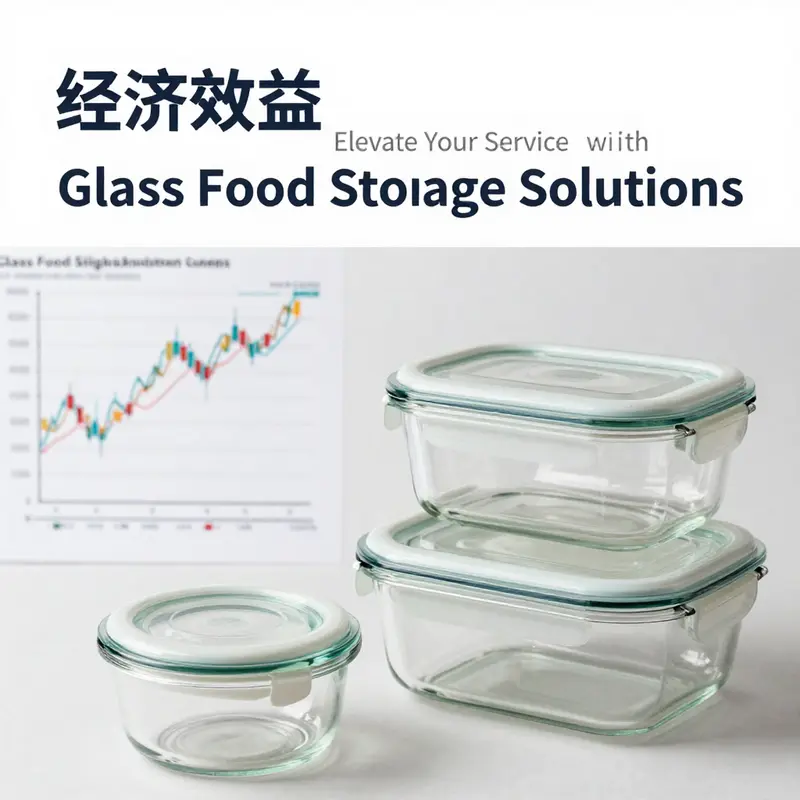
在评估家庭厨房的长期成本与健康风险时,玻璃食品储存容器(带盖、非塑料盖)常被视为一个理性而前瞻性的选择。它们的经济回报并非即时的折扣,而是通过长期使用带来的安全、便捷与低耗费的综合体验。初次购买时的价格确实比普通塑料容器略高,但如果将视野扩展到十年甚至更久的使用周期,单位成本往往会显著下降,甚至在多场景的综合使用中转化为更高的性价比。对于关注健康、可持续生活方式以及对厨房整洁与效率有高要求的家庭来说,玻璃容器的长期价值不仅体现在单次交易,也体现在日复一日的使用积累中。
从材料本身出发,玻璃的耐用性是长期投资最直接的回报。优质玻璃通常具备极长的使用寿命,在恰当的日常护理下可以维持十年以上的功能性和外观;相比之下,塑料容器在反复加热、冷冻、清洗后易出现划痕、变色、变形甚至微裂纹。这些物理损伤会促使你更频繁地更换容器,形成持续性的开支。更重要的是,玻璃容器避免了塑料在高温环境下可能发生的化学迁移问题。尽管市场上常见的微波炉安全标签无法根本排除潜在风险,长期暴露也可能让如双酚A等内分泌干扰物进入食物链,健康成本随时间累积。
从经济学的角度,玻璃容器的多功能性直接转化为成本节省。玻璃罐身通常可直接放入冰箱、微波炉、烤箱甚至洗碗机,减少对不同用途容器的额外采购。这种厨房到餐桌的一站式解决方案意味着家中不再被大量重复性容器占据空间和预算。密封性也是关键环节。非塑料盖往往配备食品级密封圈、金属卡扣等非塑材料,形成更可靠的气密和物理锁紧,能显著降低液体泄漏和内容物渗出的概率。对于家庭成员而言,这不仅降低清洁负担,也降低因泄漏导致的浪费和意外成本。
在食材保鲜与浪费减少方面,玻璃容器的闭口密封与不多孔结构有明显优势。氧气与水分进入容器的速度被有效降低,食材的风味、质地与营养在更长时间内得到保留,从而减少因腐败而产生的废弃物。这一效应在长期统计中转化为直接的经济回报:同样的购物预算,能以更低的比例用于食材的损耗。当你把目光从单一取用场景扩展到整个月度乃至年度的食材管理,玻璃容器的价值就更直观。
另一个维度来自材料的环境与可持续性。玻璃本身的可回收性和可循环性强,使用过程中的碳足迹相对较低,且避免了塑料微粒在环境中的长期积累。这种环保属性在未来的法规与市场趋势中会转化为潜在的隐性成本节省——随着对一次性塑料限制的加强,提前转向可重复使用材料的家庭往往在合规成本方面更具弹性。
设计层面的进步也推动了经济回报的提升。许多高端玻璃密封罐采用模块化、对齐性强的方形或规则几何设计,便于堆叠与存放,最大化空间利用率。这种美学与实用性的结合不仅提升厨房的整洁度,还在视觉上降低了时间成本——找到、拿取、归位的过程更高效。至于盖子的维护,常见的解决方案包括可拆卸的硅胶密封圈、金属卡扣结构,以及有些设计中实现了盖子与主体的可替换或可回收性。这些细节共同提升了长期使用中的维护成本控制,避免在短期内因部件损耗而产生额外开支。
当然,作为投资的一部分,理解对比数据也有意义。严格意义上的成本计算需要考虑初始投入、使用寿命、维护成本、替换频率,以及由损耗引发的食材浪费的综合因素。以十年为周期,玻璃容器的单位成本若能被其极长的使用寿命和多场景适用性抵消,那么其单位年成本就会被显著压低。换句话说,玻璃容器在长期内的总拥有成本往往小于塑料容器,尤其是在高频加热、清洗与长时间保存食物的家庭场景中。这一现象在健康与可持续消费的讨论中尤为重要,因为它强调了成本与风险的权衡不是以一次性价格来衡量的,而是以多年使用带来的综合收益来评估。
另一方面,耐热与耐冷的能力也为长期投资提供附加价值。高硼硅玻璃、耐温范围广的材质使容器能够安全地在极端温度下使用——从冷藏到快速热处理再到微波或烤箱应用,而不会因为热冲击而出现裂纹或变形。这种耐久性意味着你可以更自如地在同一个容器中完成从前一天的冷藏、到当天的热处理、再到餐桌上享用的全过程,而无需额外购买专门用于不同阶段的器皿。与之相对,塑料容器在强热、强冷的反复刺激下,往往更易发生质量下降,长期使用的健康隐患也使得其真实成本上升。
若把家庭日常的点滴变化纳入估算,玻璃容器还能带来间接的经济收益。更少的异味残留和更快速、简单的清洁,意味着在厨房清洁用品的消耗上也会有所下降。更均匀、持久的密封性降低了食品和香料串味带来的二次购买或丢弃风险。对于准备大量自制餐食或带饭的家庭,玻璃容器的整洁与可观的外观还能提升家庭用餐的体验,减少外出购买高热量或不健康食品的冲动,这在健康成本层面也转化为可衡量的经济利益。
在长期投资的视角下,消费行为也会随之调整。选择玻璃容器的人群通常会更倾向于购买少而精、耐用、可回收的产品组合,而非频繁替换的低价塑料包装。正是这种消费理念的转变,推动了更高效的资源利用与更低的总体支出。对营养与健康高度重视的家庭而言,这种转变不仅是经济层面的,但也成为生活质量、居家美学与环境责任的综合体现。
综合以上因素,玻璃食品储存容器(带盖、非塑料盖)的长期投资价值在于其十年以上的使用寿命、零化学迁移的安全性、多场景的高效适用性,以及对食物保鲜与浪费控制的正向作用。虽然初始成本略高,但长期使用中的成本分摊、维护简易性、以及对健康与环境的潜在收益,使得其总拥有成本远低于塑料容器在相同场景中的长期表现。对于希望用更少的东西换取更多内在价值的家庭而言,这是一项值得认真考虑的长期投资。
关于进一步的参考与证据,可以参考对玻璃容器与塑料容器在耐用性与安全性方面比较的权威解读。Healthline 的相关综述指出,玻璃容器在耐用性、零化学迁移以及长期餐食准备中的优势,使其成为更优的长期选择。若你愿意进一步了解,可以查阅该资源以获得更全面的对比信息: https://www.healthline.com/nutrition/glass-vs-plastic-food-storage
null
null
Healthy Kitchens Without Plastic: The Rise of Glass Storage with Non-Plastic Lids
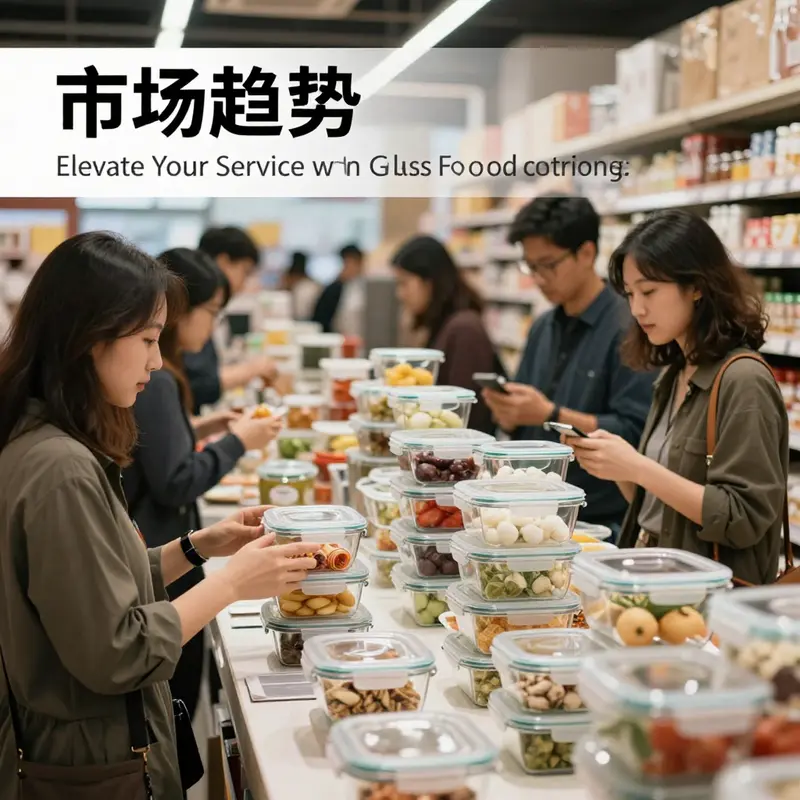
The move away from plastic in the kitchen is no longer a niche preference but a widespread shift driven by health, safety, and sustainability concerns. Across households, conversations about what is stored next to steaming pots and cold leftovers have grown sharper. The core worry is not only the taste of food but the chemistry that can accompany storage. Years of research have highlighted potential risks from certain plastics when heated or repeatedly washed, including the migration of chemicals like BPA and phthalates into food. This concern has given rise to a practical, aesthetically pleasing alternative that many families now see as both a health safeguard and a hospitality upgrade: glass storage containers with lids that are not plastic. Glass, by its very nature, offers a different relationship with food. It is inert, non-porous, and non-reactive, which means it does not interact with prepared meals, sauces, or acidic ingredients in the way some plastics can. The everyday advantage is clear: the food’s flavor and aroma stay true, and the container does not acquire lingering odors from prior contents. The implications reach beyond flavor. When glass is used, there is a built-in encouragement to reimagine day-to-day storage as part of a long-term, waste-conscious lifestyle. The containers themselves often become heirlooms of a kitchen philosophy—functional, resilient, and designed for a future where reuse outpaces disposal. The practical benefits of glass extend into the realm of temperature management. High-grade borosilicate or engineered soda-lime glass can withstand a broad temperature range, from freezing to near-boiling, without the risk of thermal shock that can crack ordinary glass. In a well-designed system, a cold container can be moved directly into hot water for quick sanitation, and a portion can be warmed in a safe, controlled manner without the fear of releasing toxins or degrading the container’s integrity. This resilience is part of why glass storage has grown as a foundation for safer kitchens. The lids used with glass containers reinforce that safety with equal resolve. Modern non-plastic lids have evolved far beyond simple closures. They feature silicone seals that are food-grade and highly resistant to temperature, creating airtightness that helps prevent leaks and reduces oxidation. A robust locking mechanism—often a metal clasp or a similarly engineered attachment—provides the physical lock that keeps contents secure even when a container is inverted or jostled during a busy morning routine. Some premium designs have moved toward an integrated, detachable lid module that combines a silicone seal with a metal or glass rim. The practical benefits of this approach are severalfold: the seal stays flexible with years of use, the lid is easy to replace if the gasket wears out, and the entire module can be recycled when the life of the container ends. In this sense, the shift to glass with non-plastic lids is not merely a substitution of materials but an investment in a lifecycle that reduces chemical exposure and waste. The advantages are not purely technical. Consumers are drawn to glass for the clarity that comes with transparency—literally and figuratively. The ability to see the contents without opening the lid reduces the need to rummage and guess, which in turn lowers the risk of cross-contamination during meal prep. Glass also maintains a clean surface that resists staining and lingering flavors. The surface is smooth and non-porous, making it less likely for residue to harbor bacteria or odors compared with porous alternatives. And because glass is dishwasher-friendly and, in many cases, microwave- and oven-safe within safe temperature parameters, daily routines become less fraught with compatibility concerns. The health narrative that accompanies this practical performance is reinforced by credible voices in environmental health science. For health-conscious households, the bottom line is not only the absence of plastic additives in food but the predictable performance of a material that does not shed toxins when heated or chilled. As one environmental health researcher has summarized, glass tends to be inert under a wide range of conditions; it does not react with food, does not absorb odors, and, in general, does not release toxins even when used at higher temperatures. This scientific framing clinches the case for glass as a safer choice for everyday food storage, especially for acidic or highly flavored foods that can pick up lingering tastes in less inert vessels. The practical implications also echo in the kitchen’s everyday choreography. Glass containers, particularly those with modular and stackable shapes, enable more efficient organization. They align with space-conscious storage strategies, allowing cabinets and refrigerators to be arranged with a disciplined order. The shape and size variations designed for square, rectangular, or cylindrical configurations help optimize shelves and drawers, reducing clutter while maintaining easy access to ingredients. Beyond aesthetics, this structural efficiency translates into real-world time savings. It is easier to locate the right container, quickly assess what’s inside, and remove only what is needed. The result is less waste and more mindful use of ingredients. In many households, the upgrade to glass storage becomes a small but persistent catalyst for broader changes in food routines. People begin to plan meals with a sense of permanence, knowing that the containers will endure. This mindset fosters more careful shopping, better portioning, and a greater emphasis on freshness. The non-plastic lid design, with its durable gasket and reliable closure, supports a sealed environment that maintains moisture balance and flavor integrity. It also discourages the practice of reusing throwaway containers, encouraging a long-term investment in a cohesive kitchen system. The shift is not isolated to personal choice alone. As sustainability conversations move from abstract ideals to concrete actions, more families recognize the value of durable, reusable vessels over disposable alternatives. The lifecycle advantage of glass storage, with its potential for minimal waste and a lower environmental footprint, resonates with broader societal goals around circular economies. The narrative of glass storage intersects with a growing set of packaging conversations that emphasize recyclability and longevity. Take, for example, a related packaging category that shares a similar ethos of sustainability: eco-friendly recyclable pulp-based containers used for take-away beverages and foods. The broader trend toward responsible packaging supports the idea that kitchens can be designed around materials that minimize chemical exposure while maximizing reuse. For readers curious about how sustainable packaging options relate to every part of daily life, a practical reference point can be found in discussions about recyclable pulp-based cup holders and their role in reducing waste in take-away contexts. See an example resource here: eco-friendly recyclable pulp coffee cup holder. This connection illustrates how a conscious material choice—whether for a home storage jar or a take-away cup—fits into a unified approach to healthier, cleaner living. The movement toward glass storage with non-plastic lids therefore embodies a broader shift in everyday practice: it is a quiet, deliberate defiance of disposable culture, coupled with a deliberate choice for materials that honor health and the planet. It is not merely about avoiding plastic; it is about embracing a system in which the kitchen serves as a reflection of one’s values—clarity, reliability, and longevity. The future of this category looks promising, driven by innovations in glass formulation, sealing mechanisms, and modular design that further reduce waste and extend product life. Smart features could eventually assist with shelf-life tracking or remind households when gaskets or lids require replacement, while lifecycle assessments illuminate the true environmental benefits over time. In sum, glass food storage containers with non-plastic lids stand at the intersection of health science, practical kitchen engineering, and sustainable consumer behavior. They offer a straightforward path to a healthier home, a tidier kitchen, and a more responsible relationship with everyday waste. This chapter, then, is less a pivot away from plastic and more a deliberate return to materials that honor safety, durability, and aesthetics, inviting readers to imagine a kitchen where clarity of material mirrors clarity of purpose. For those exploring how this choice connects with broader packaging and consumer habits, the link to safer, more sustainable options—like the recyclable pulp-based take-away solutions discussed earlier—provides a meaningful context without detouring from the core message. External resource: https://www.fda.gov/food/packaging-labeling-food-safety/food-packaging-materials
Final thoughts
Choosing glass food storage containers with non-plastic lids is more than a trend; it’s a strategic decision that enhances health, safety, and sustainability in the food industry. These containers offer numerous advantages, from superior durability and chemical safety to innovative designs that cater to modern consumer preferences. As the market continues to shift towards sustainable practices, investing in glass storage solutions becomes a wise choice for businesses aiming for long-term success. By prioritizing health and environmental responsibility, companies not only meet current consumer demands but also pave the way for a more sustainable future in food storage.