
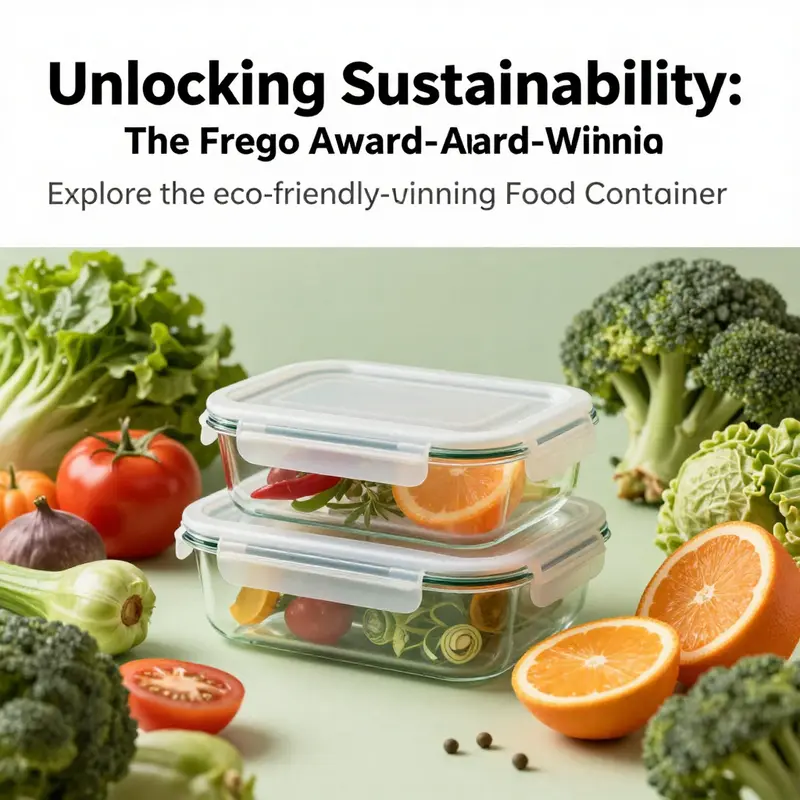
In an era where sustainability is increasingly crucial for consumers and businesses alike, Frego’s award-winning plastic-free glass and silicone food container emerges as a revolutionary food storage solution. Specifically designed for sectors like bubble tea shops, beverage chains, restaurants, food trucks, catering services, event planners, and corporate procurement teams, the Frego container not only excels in functionality but also champions environmentally friendly practices. This article delves into the key features and benefits of the Frego container, its environmental impact, and how consumers are receiving this innovative product, ultimately advocating for a transition towards a more sustainable future in food storage solutions.
Redefining Fresh: Features and Benefits of a Plastic-Free Glass-and-Silicone Food Storage Solution
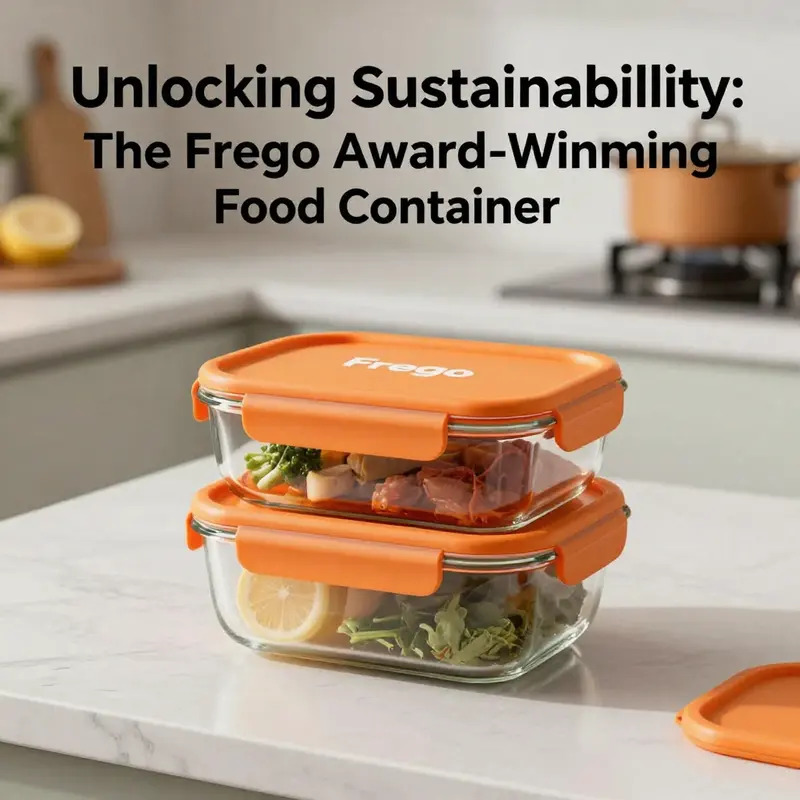
In kitchens that aim for fewer plastics and more durable, health-conscious choices, a plastic-free glass-and-silicone storage solution stands out as a model of thoughtful design. This chapter explores how the fusion of borosilicate glass and non-toxic silicone translates into real-world advantages—from everyday meal prep to compassionate on-the-go living. The philosophy behind such a container is straightforward: build a system that respects both the safety of the food it holds and the health of the planet, while remaining reliable, adaptable, and easy to integrate into daily routines. The result is not merely a storage device but a practical statement about how we treat leftovers, how we plan meals, and how we reduce dependence on single-use plastics without sacrificing convenience or flavor preservation.
At the core of this storage solution is borosilicate glass. Known for its durability and resistance to thermal shock, borosilicate glass handles the realities of a busy kitchen with grace. You can transfer a hot pot of soup directly into the container, and you won’t be met with rapid cracking or crazing. Likewise, it’s not unusual to find this glass resting safely in a chilled freezer or a refrigerator shelf. The material’s ability to withstand significant temperature changes makes it a versatile workhorse for reheating leftovers, freezing portions for later, or storing prepped meals that will be pulled from the fridge in the morning. This versatility matters because the more temperatures a container can comfortably tolerate, the less you need to rely on multiple different vessels. Fewer vessels, fewer moments of rummaging through cabinets, and a clearer path toward an organized, waste-conscious kitchen.
But material strength is only part of the equation. The container’s health and safety story is anchored in non-toxic, BPA-free construction. In a landscape where concerns about chemical migration and contact with food have grown louder, the choice of materials matters as much as the design details. The silicone components—typically used for the lid and any sealing elements—are selected to be food-grade and free from toxins that could leach into meals. This combination reduces the risk that storage becomes a barrier to a healthier diet, helping families, students, and professionals alike feel more confident about what’s in their lunchboxes and prime ingredients stored in the fridge. The emphasis on non-toxicity aligns with broader shifts toward safer kitchen ecosystems, where every element, from the jar to the seal, is designed with safety as a baseline, not an afterthought.
The operational heart of the system lies in its lid technology. An airtight, dual-lock mechanism is designed to create a robust seal that resists leaks and preserves freshness. When you seal the container, you’re not merely preventing spills; you’re protecting the quality of the food inside. This is especially valuable for transporting meals, whether to work, to school, or on weekend trips. The reliability of the seal matters most when you’re juggling portion control, a busy schedule, and the need to keep ingredients intact over several days. A truly effective lid is quiet in its confidence—no stubborn fiddling, no unexpected drips, just a secure hold that stands up to the rigors of daily life.
Capacity is another practical dimension. The container offers a sizable 64-ounce capacity, which translates into ample space for meal prep, batch cooking, or leftovers from a family dinner. This generous size supports a range of uses—from storing a hearty batch of soup for the week to portioning out lunches for several days. In practical terms, the capacity reduces the number of containers you need to manage and simplifies the logistics of daily meals. It also encourages a more deliberate approach to leftovers: when you know you have a reliable, sizable container, you’re more inclined to cook in bulk, reduce waste, and reimagine how you distribute meals across family members or between home and work. It’s a small shift, but in aggregate, it compounds into meaningful sustainability gains.
The design language of the container reinforces its eco-friendly character. Minimalism here is a deliberate choice: fewer decorative elements, more function. The glass body is clear and clean-looking, letting you see contents at a glance and encouraging mindful portioning. A sleek silhouette contributes to a modern kitchen aesthetic, while also supporting practical uses—stacks well, fits into most standard refrigerator shelves, and reduces clutter. Even the choice of color—an energetic Honeysuckle orange for the lid or accents—serves a dual purpose: it adds a touch of personality to day-to-day meals and makes it easy to identify your container among a sea of similar items. The color is a reminder that sustainable choices can be both practical and visually appealing, helping users integrate a plastic-free routine into styles and spaces they already love.
Beyond the materials and the mechanics of sealing, there’s a vital health-related benefit that resonates in households, workplaces, and schools: reduced exposure to single-use plastics. When a durable, reusable option is chosen over disposable alternatives, the lifecycle impact shifts dramatically. Fewer items end up in landfills, and the make-up of the product favors materials that are long-lasting and, in many cases, recyclable at the end of life. The emphasis on a glass-and-silicone framework reflects a broader cultural move toward products designed to stay in rotation for years, not months—an approach that helps minimize plastic consumption without compromising on convenience.
Durability is not merely about resisting cracks under heat. It’s also about longevity in everyday use. The borosilicate glass, paired with high-quality silicone, holds up well under routine wear and tear. It’s dishwasher-safe, typically top-rack friendly, and designed to endure the repeated cycles of washing, reheating, and refilling that define modern kitchens. This resilience supports a shift away from disposable culture toward durable, repairable, and reusable solutions. It’s a practical commitment: your storage system remains reliable across temp changes, daily handling, and the occasional drop in a hectic morning routine. In this sense, the container becomes more than a vessel; it’s a durable partner in a lifestyle aimed at reducing waste without sacrificing flavor, texture, or food safety.
From a culinary perspective, the container’s temperature compatibility broadens the spectrum of cooking and storage methods you can employ. It’s safe for use in microwaves for reheating, in ovens for warming, and in freezers for freezing. This triad of compatibility is a boon for meal-preppers who like to move fluidly from raw ingredients to finished dishes across multiple environments. You can prep a batch of roasted vegetables, store them in the container, reheat portions in the microwave for quick lunches, and even use the same vessel as a reheating tray in some oven-friendly contexts. The continuity of the container’s performance across these environments minimizes the need for switching vessels mid-process, which translates into simpler cleanup, less dish clutter, and a more streamlined cooking rhythm.
In practice, the leak-resistant design plays a crucial role in road-tested scenarios. For a parent packing lunches, for a commuter on a train, or for a traveler carrying meals on a road trip, the assurance that contents won’t drift, spill, or mingle with other items is a meaningful improvement to daily logistics. It’s not just about keeping noodles from escaping into a lunch bag; it’s about preserving the texture and aroma of the food inside. When you know your soup stays put, your rice stays separate, and your sauces stay contained, you approach each meal with less stress and more confidence. This practical reliability extends beyond pure convenience; it supports a more mindful approach to food storage, where confidence in a container encourages you to plan ahead, minimize waste, and choose healthier, home-prepared options even when time is tight.
The everyday implications of these features extend into how people shop, cook, and organize their kitchens. A container that is glass on the interior means you are less likely to absorb leftover flavors or residues from previous meals—an issue that can arise with certain plastics. The non-toxic materials and robust sealing contribute to a cleaner food environment, which is especially important for households with children, where safety and simplicity take on added importance. The design also invites creative uses: you can marinate ingredients, stash sauces, portion out snacks, or even serve as a compact, climate-resilient carry container for picnics or hikers who want to keep foods fresh without resorting to disposable options.
To readers who are curious about close-to-home practicality, consider how these features translate into a typical day. You wake up and prepare overnight oats, carefully portioning into the container, seal it, and place it in the fridge. The next morning, you reheat directly in the microwave, or you transfer it to a small oven-safe tray if you’re starting the day with a warm breakfast in mind. You toss in the lunch you prepared the night before—grilled vegetables, quinoa, a protein portion—knowing the seal will keep it fresh for hours as you commute. You arrive at work with no leaks and no worry about cross-contamination in your bag. The container’s efficiency becomes a quiet backbone to a day that otherwise blends schedule with nutrition.
For those who appreciate a small, practical signal of a sustainable habit, the container’s minimalism is a virtue. It discourages the impulse to buy multiple, similarly shaped plastic containers that wind up abandoned in drawers. Instead, one well-designed glass-and-silicone vessel can do the job of several transitional storage options, particularly when you add in the resilience and temperature versatility discussed above. The result is a kitchen that feels lighter, cleaner, and more intentional—an environment where the focus shifts from accumulating gear to making smarter, safer, and more sustainable choices with the tools you already own. In this sense, the container becomes part of a broader conversation about sustainable living—one that emphasizes longevity, non-toxicity, and practical value as core criteria for every purchase.
As you navigate the practicalities of daily life, the question of maintenance inevitably arises. Cleaning a glass vessel with a silicone seal is straightforward, with most dishwashers accommodating the load. A quick rinse and a gentle wash by hand can extend the life of the silicone gasket and keep the seal performing optimally over time. It’s worth noting that while oven safety is a highlighted feature, the lid and any sealing components should be treated with care to preserve their pliability and pressure-retaining qualities. This attention to care is not a burden; it’s an investment in the long-term utility of a storage system that many households rely on to maintain a healthier, plastic-free kitchen culture.
In the broader arc of sustainable kitchen design, a plastic-free glass-and-silicone container serves as a tangible bridge between daily practicality and environmental ethics. It demonstrates that the choice to move away from disposable plastics can be expressed not only in occasional recycling or waste reduction but in the everyday durability of the tools that shape our meals. The combination of heat resistance, non-toxic materials, robust sealing, and a capacious form factor lines up with a philosophy of stewardship—one that treats food as a precious resource, worth safeguarding through carefully chosen, long-lasting containers. And it shows that responsible design can be beautiful and functional at the same time—an invitation to envision kitchens where style and sustainability move in step rather than at odds.
For readers seeking a connected sense of eco-minded options within a broader ecosystem of sustainable dinnerware and storage solutions, a related avenue worth exploring is one of the eco-friendly serving and takeaway options available in the same family of brands. This related line of products underscores a shared commitment to reducing single-use items while offering practical, reliable alternatives that fit into busy lives. To explore a related option, see this kraft-paper octagonal bowl listing, which highlights how compostable or recyclable servingware can complement a plastic-free approach to everyday meals and gatherings. kraft-paper-octagonal-bowl-in-stock-ready-to-ship-fast-delivery
External resource: for a broader perspective on the materials and safety standards that guide plastic-free storage solutions, see the official product page of the material family discussed here. This external reference provides context on why borosilicate glass and food-grade silicone are favored for reusable containers and how manufacturers approach safety, durability, and performance in real-world use. plastic-free food container product page
Rethinking Waste: The Environmental Journey of a Plastic-Free Glass-and-Silicone Food Container
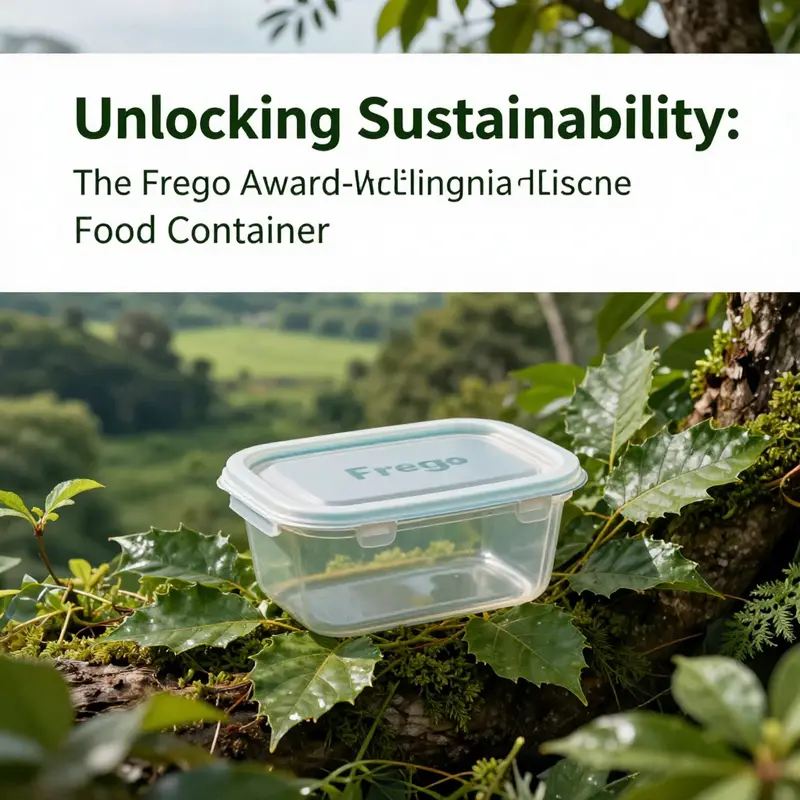
Every kitchen is a balance of choices, a daily negotiation between convenience and consequence. When households shift from disposable wrappers, bags, and single-use containers to reusable vessels designed to endure, the ripple effects reach far beyond the countertop. The environmental narrative surrounding a plastic-free glass-and-silicone food container is not just about a single product; it is a meditation on how design, materials, and behavior converge to redefine resource use, waste streams, and the pace at which communities move toward a more circular economy. In this light, the container becomes more than a storage box. It becomes a deliberate act of stewardship—an instrument that, through repeated use and thoughtful care, helps disengage daily routines from a system that treats plastic as a disposable norm and instead treats materials as assets with earned value across time. Its environmental impact rests on three intertwined pillars: elimination of single-use plastics, material durability and recyclability, and the capacity to support longer product lifecycles without compromising safety or convenience.
First, the most straightforward environmental dividend comes from replacing disposable packaging with a reusable alternative. When a family stores lunch leftovers, preportions meals for the week, or ferries a thermally stable snack to the office, the need for plastic wraps, disposable bags, and film is reduced. Each reusable unit that circulates in the kitchen represents a reduced demand for petrochemical-derived products destined for landfills or, worse, oceans. Over time, this translates into meaningful reductions in plastic waste, a tangible factor in alleviating pollution in marine environments and in landfills that struggle to accommodate the sheer volume of discarded packaging. The visual cue of a trusty, transparent, glass surface—visible remnants of what was stored and when—also encourages mindful consumption. When households can see a portion of leftovers through a clear borosilicate glass, it becomes easier to repurpose what might have been forgotten or wasted. The dual-lock lid, engineered to seal tightly, helps preserve freshness without recourse to single-use film or bags, further trimming the environmental footprint associated with storage and transport.
Second, the materials themselves carry a narrative about longevity and end-of-life pathways. Borosilicate glass is renowned for its durability and recyclability. It resists thermal shock, tolerating a spectrum of uses—from microwave reheats to freezer storage and even oven warming—without degrading in ways that plastics inevitably exhibit over time. This resilience is not merely a convenience; it has environmental implications. A container that can endure years of use with minimal loss of performance reduces the frequency of replacement, which in turn lowers the ongoing demand for raw materials, manufacturing energy, and associated emissions. The silicone component, while not biodegradable, offers a remarkable durability when cared for properly. It resists tearing and cracking, stands up to frequent washing, and maintains its flexibility across a wide temperature range. Together, these materials invite a lifecycle mindset: a single, well-maintained container can outlast countless disposable alternatives and, at end-of-life, find its way back into a circular system through established recycling channels that accept glass and high-quality silicone at specialized facilities.
To understand the environmental calculus of such a container, it is essential to consider the broader context of material sourcing and processing. Borosilicate glass is heavy but recyclable; its recycling streams, while not as geographically universal as plastic, exist in many urban and regional waste systems and require less degradation during remelting than conventional soda-l-lime glass. Silicone, on the other hand, resists biodegradation but is celebrated for its durability and tolerance to heat, cold, and repeated washing. Its end-of-life option is more nuanced; while it can be recycled in specialized programs, it generally finds its best value in long-term use rather than downcycling into lower-grade products. This combination encourages a careful, purposeful approach: use the container for as long as possible, maintain it with regular cleaning, and seek out recycling options that preserve the material’s value once it has reached the end of practical life. The overarching message aligns with a circular economy principle: materials designed to last, to be repaired, and to be recovered. In a world where many products are engineered for rapid turnover, a container built to endure offers a pathway away from throwaway culture.
Historically, consumer packaging systems relied heavily on plastics because of their lightness, cost, and versatility. Yet the environmental cost of production, the persistence of plastic waste, and the challenges of end-of-life management have prompted a rethinking of what counts as responsible design. The container under discussion embodies a shift in priorities. It markets not just safe containment but a philosophy of use that minimizes wasteful habits. Its leak-resistant seal reduces the spill risk that often leads to additional plastic wrapping or bagging for transport. In practice, this translates into fewer incidental disposables—less cling film, less foil, fewer ice packs, fewer zip-top bags—that accumulate in landfills and contribute to microplastic pollution when they degrade. Each meal prepped and stored in a reusable vessel becomes a small but cumulative win against the waste stream, a quiet victory that adds up when multiplied across households, schools, workplaces, and small eateries.
The conversation around environmental impact is incomplete without acknowledging consumer behavior. The promise of a plastic-free container is most powerful when it is paired with routine, so the device becomes a trusted tool rather than another gadget to manage. The design encourages careful cleaning and dry storage, habits that extend use-life and preserve material integrity. Glass, though sturdy, benefits from hand-washing or dishwasher use with gentle cycles to avert thermal and mechanical stress. Silicone’s resilience hinges on regular maintenance, avoiding abrasive cleaners that can erode its surface over time. In practical terms, this means a choreographed routine of washing, drying, and stacking that minimizes the risk of chips, cracks, or degraded seals. As households adopt meal-prep habits and bulk storage tendencies, the container becomes an ally, not an afterthought, in reducing both food waste and packaging waste. The daily choices—how often to wash, how to thaw, how to reheat—become expressions of a broader sustainability commitment, and the container’s performance informs those choices with reliability and safety.
An important aspect of the environmental story is transparency in claims and the availability of credible information to guide decision-making. Sustainability is a landscape of certifications, lifecycle analyses, and sourcing disclosures, not a single claim on a label. For some readers, the pull toward a plastic-free option is strengthened when the product demonstrates non-toxicity and low risk of contaminant transfer into food. The borosilicate glass used in these containers is inherently non-reactive, a characteristic that helps reduce concerns about leaching during reheating. The silicone component, while designed to be food-grade and safe, invites thoughtful consideration of how it is manufactured and maintained. The environmental calculation grows more robust when users have a clear sense of the container’s long-term value: its capacity to replace countless disposable containers, its resilience through temperature shifts, and its potential for recyclability at the end of life. In this sense, the container functions not only as a storage device but as a practical demonstration of how good design can align consumer convenience with planetary health.
The lifecycle arc of a reusable container also intersects with broader policy and industry initiatives. When households invest in durable, reusable systems, demand shifts away from one-way packaging. This, in turn, encourages manufacturers and retailers to support more circular options and to participate in take-back or recycling programs that recognize the value of glass and silicone as recoverable materials. The environmental narrative gains additional depth when consumers pair these products with responsible purchasing habits—favoring items that are built to last, that come with repair options, and that are part of a credible stewardship program. The idea is not to demonize plastics outright, but to recognize the real, measurable benefits of high-durability, non-toxic alternatives and to foster a consumer culture that prizes longevity and repairability.
Beyond the kitchen, the implications of adopting plastic-free storage extend into the supply chain, distribution networks, and even the rhythms of daily life. For instance, a family that uses a robust, multi-purpose container for leftovers may also extend its use to transporting meals, snack packs for outings, or patient or caregiver meal delivery. In each case, the risk of spillage or contamination is minimized, and the need for secondary packaging or protective wrappers decreases. The cumulative effect is a lowering of ancillary packaging waste and, in some cases, a reduction in the energy demands of storage and transport across households. In effect, the container becomes a node in a larger system that rewards durability, efficiency, and careful stewardship of material resources. It is, in short, an invitation to re-examine everyday routines through the lens of planetary value rather than convenience alone.
The internal choice of adopting such a container also invites reflection on the broader landscape of eco-friendly options. When considering a move away from disposable plastics, many households encounter a spectrum of materials and designs, each with its own trade-offs. A glass-and-silicone solution emphasizes non-toxicity, heat resistance, and long-term use, which align with several global sustainability goals, including waste reduction, resource efficiency, and clean production standards. The message to consumers is not to abandon all plastics in favor of glass and silicone alone but to cultivate a portfolio of choices that emphasizes reuse, durability, and end-of-life recoverability. A practical step in this direction is to explore accompanying packaging options that emphasize recyclable and compostable materials where appropriate, and to seek out products that provide clear, third-party-backed information about their life cycles. Such diligence helps ensure that the environmental benefits claimed are realized in practice, not merely asserted in marketing.
For readers who want to broaden their understanding of the packaging ecosystem and how a plastic-free storage container fits into it, consider exploring related eco-friendly storage and take-away options. As one related path, the world of pulp-based, recyclable, and biodegradable packaging presents a compelling alternative for those seeking to shrink the footprint of daily meals. The idea is to curate a set of tools that work in harmony with the home’s routines and the local waste system, rather than adopting a single solution without regard to its end-of-life context. The value of this approach lies not in perfection but in progressive reduction of reliance on disposable plastics and in strengthening the habits that keep packaging out of landfills and oceans. A practical part of this strategy involves selecting vessels that perform well in real life—durable enough to endure daily use, safe for frequent reheats, and simple to clean—while remaining mindful of how waste streams are managed in one’s community. In this sense, the container’s environmental impact is best understood as a collaborative outcome: the product’s design and materials align with a user’s practices, and those practices, in turn, are shaped by the local infrastructure that handles disposal, collection, and recycling.
To connect the practical with the aspirational, consider one concrete example of how packaging ecosystems can be designed to complement reusable containers. A robust, recyclable cup holder made of pulp-based materials can support customers who bring their own containers to coffee shops, reducing the need for disposable cups and lids. This approach demonstrates that the shift away from plastics is not a single product pivot but a cultural and logistical realignment—one that favors reuse, encourages responsible disposal, and honors the environmental dividends of durable, non-plastic options. Such integrated thinking highlights that a plastic-free storage container is not an isolated gadget but a catalyst for reimagining how households, retailers, and waste systems interact to minimize environmental impact. The sum of these parts—material choice, durable design, careful maintenance, and mindful use—constitutes a meaningful step toward a more sustainable everyday life.
As a closing reflection, the environmental narrative surrounding this plastic-free, glass-and-silicone container is not about absolutes but about trajectories. It invites us to measure impact not by a single act of purchase but by a constellation of small, repeated decisions that build toward less waste, lower resource intensity, and higher confidence in what remains after use. In that sense, the container is a practical embodiment of a broader shift—one that treats materials as valuable assets, design as a tool for stewardship, and daily routines as opportunities to reduce harm to ecosystems. The result is a kitchen culture that values transparency, durability, and responsibility, and a world that inches closer to the ideal of waste-free living through the humble act of storing tomorrow’s meals in a container built to last.
External reading and further context can be found at the official sustainability overview, which frames the broader conversation about non-toxic, long-lasting storage solutions and their role in reducing plastic use and waste: https://www.frego.com/
Internal linkage note: for readers interested in related eco-friendly packaging alternatives, see this related option focused on recyclable pulp-based storage solutions: eco-friendly-recyclable-pulp-2-4-cups-coffee-take-away-cup-holder.
null
null
Final thoughts
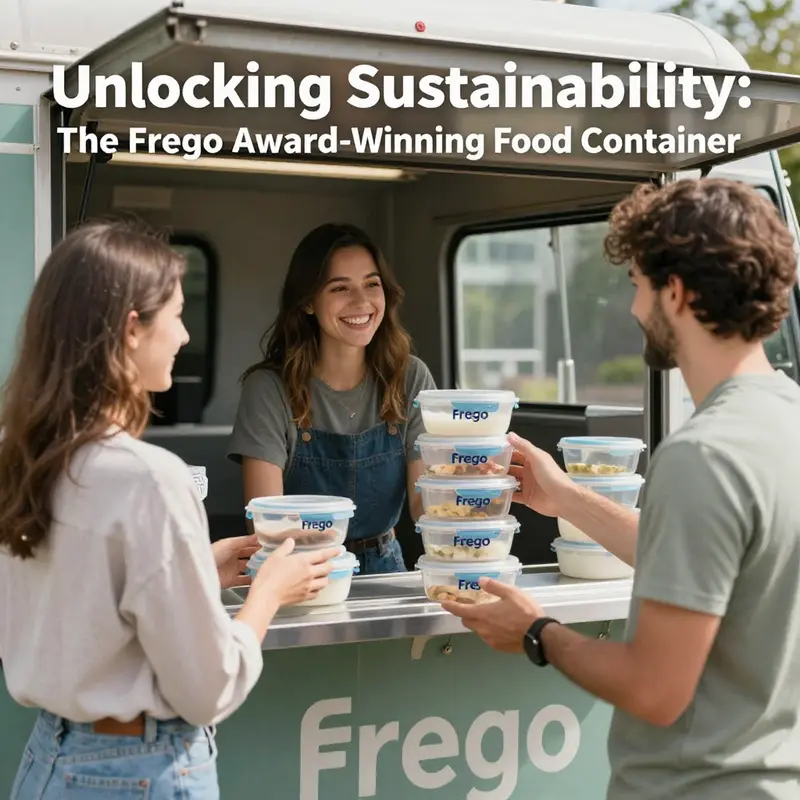
The Frego award-winning plastic-free glass and silicone food container stands out as a beacon for sustainable practices in food storage. Its features align seamlessly with the needs of cafes, restaurants, event planners, and other businesses striving to be eco-conscious. As consumer interest in environmentally responsible products grows, embracing the Frego container not only contributes to reduced plastic waste but also enhances brand image and customer loyalty. The positive reception from consumers reaffirms that sustainable choices can coexist with practical solutions, paving the way for a greener future in food service.