
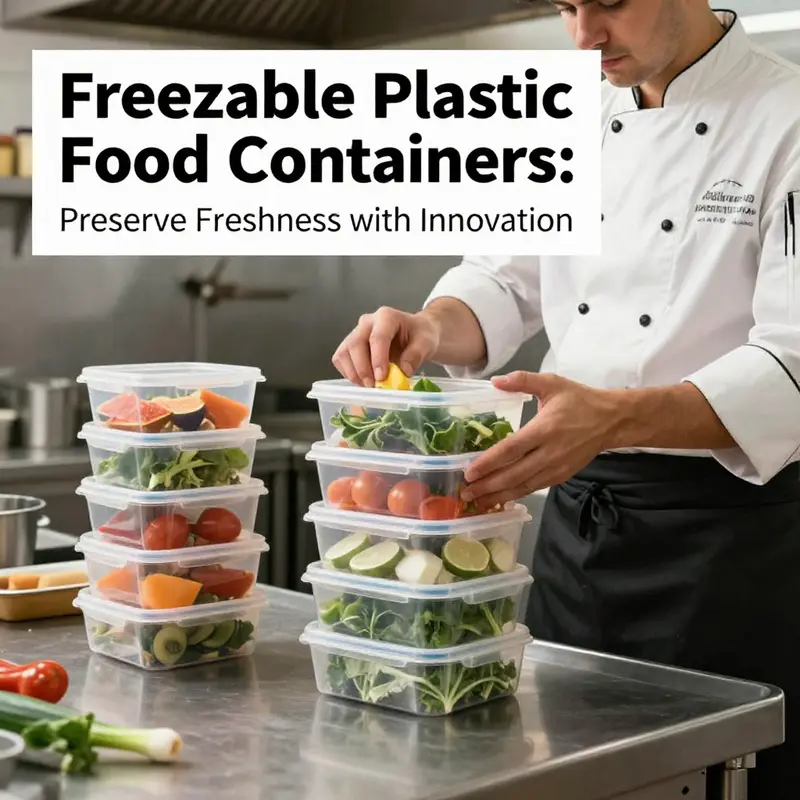
In today’s food service landscape, efficient storage solutions are essential. Freezable plastic food containers stand out as versatile allies for catering services, restaurants, food trucks, and beverage chains. Their ability to withstand low temperatures without compromising quality makes them perfect for storing leftovers, meal prepping, and event planning. This article explores their innovations, materials, practical applications, and eco-friendly options. Each chapter delves deeper into how freezable plastic food containers can revolutionize food storage and serve as a practical choice for your business.
Chilled by Design: Innovations in Freezable Plastic Containers that Redefine Freshness
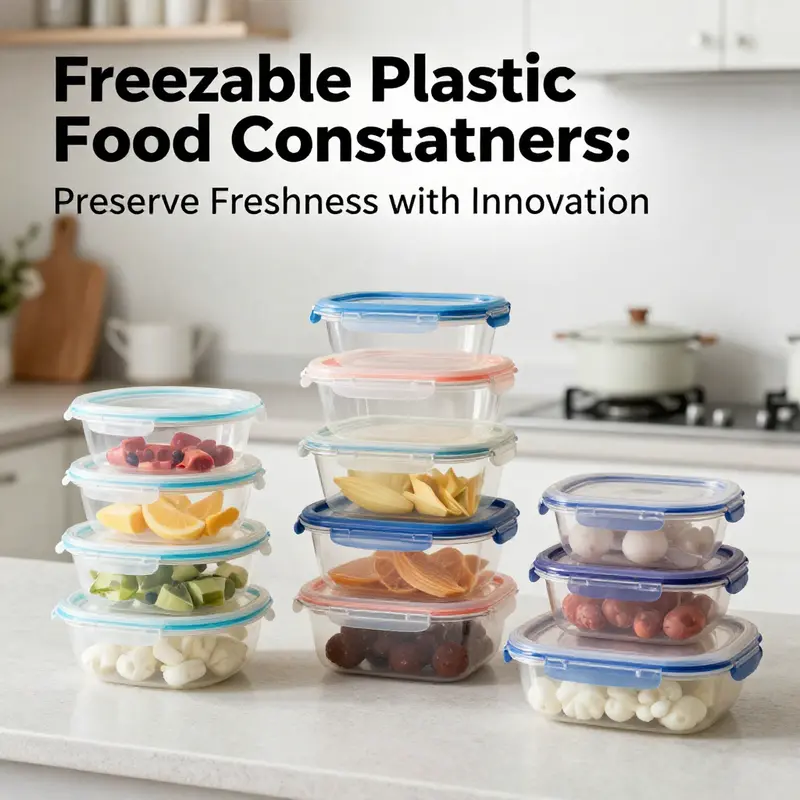
The evolution of freezable plastic food containers reflects a broader shift in how people think about freshness, safety, and convenience. Where once the freezer was viewed as a passive environment in which food endured chilling, today’s designs actively manage temperature, texture, and logistics. Consumers want packaging that protects flavor, preserves nutrients, and travels well—from the home freezer to a crowded office lunchroom or a roadside meal. In response, manufacturers have pursued smarter thermal management, safer materials, and more user-friendly forms. The result is a class of containers that do more than hold leftovers; they help guarantee that meals stay close to their ideal state until the moment they are enjoyed. This pursuit is not merely about better insulation or stronger lids. It is about a coherent system where the container, the frozen gel it encloses, and the surrounding air collaborate to minimize heat transfer, reduce condensation, and safeguard the integrity of diverse foods during storage and transport.
A central pillar of these innovations is the dual-wall structure that houses a sealed, freezable gel layer between two layers of plastic. This configuration moves the traditional freezer dynamic from simply placing cold inside the vessel to actively maintaining a low-temperature interior surface even when the container is outside the freezer. The gel layer absorbs heat efficiently, pulling warmth away from the food and keeping the inner surfaces chilled for hours. In practical terms, this means a container can begin its journey in a freezer and still offer a cool, stable interior after hours in an office bag or lunch bag. The effect is particularly pronounced for meal-prep routines and outdoor dining, where reliable temperature control can be the difference between a fresh-tresh texture and a soggy, compromised meal.
To extend those gains, designers have layered in an insulating air gap between the inner and outer walls. This thin air buffer acts as a thermal barrier, slowing the progression of heat from the external environment toward the food inside. Combined with the gel core, the air layer reduces the rate of temperature change, which helps maintain a consistent coldness inside the container. And because these devices are typically manufactured from BPA-free polypropylene (PP), they offer a reassuring combination of durability, light weight, and chemical safety. PP’s resilience in freezing conditions helps resist cracking or becoming brittle when temperatures dip, which is essential for containers intended to be re-used again and again.
The practical benefits extend beyond temperature stability. Modern freezable containers emphasize secure, airtight seals that keep out moisture and odors, as well as leak-proof lids that prevent spillage during transport. This is crucial for multi‑meal days, where sauces and moist foods might otherwise seepen or migrate between compartments. The trend toward stackable designs also speaks to real-world kitchen management. When space is at a premium, a container that nestles neatly with others minimizes clutter and simplifies meal-prep routines. Some models even offer multi-compartment layouts, allowing users to portion out meals without using separate bags or boxes. Such configurations support portion control and reduce waste by helping people plan balanced meals with precise quantities.
Materials choice remains central to safety and sustainability narratives surrounding freezable containers. The use of BPA-free plastics aligns with consumer demand for safer food-contact materials. Reusability is another key factor; a durable PP container that can endure repeated freezing, washing, and microwaving addresses the practical needs of busy households and frugal eaters alike. At the same time, manufacturers are attentive to the environmental promises of their products. While recyclable and reusable plastics are highlighted, there is a growing interest in eco-friendly disposables that still offer freezing and microwave compatibility for occasions that call for convenience without long-term commitment. The balance between reusability and disposability is now part of a broader conversation about lifecycle impact, with many designs marketed as having longer service lives and lower per-use environmental footprints than single-use alternatives.
These advancements are not merely technical; they are also shaped by how people think about food safety and quality. Temperature stability reduces the risk of rapid ice crystal formation that can degrade the texture of soups, stews, and more delicate items like berries or milks. The inner surface of the container remains cooler longer, lowering the chance that food sits in unsafe temperature zones when it is taken from the freezer and moved into a bag for a day of errands or a commute. For professionals in catering and food delivery, the implications extend to predictable performance: predictable texture, predictable taste, and reliable customer satisfaction. In this sense, the innovations in freezable plastics are as much about dependable experiences as they are about raw materials and clever engineering.
The design language of these containers now often embraces versatility and ease of use. The lids are engineered to snap shut with a reassuring click, forming an airtight seal that reduces both leaks and odors—an attribute especially valued when meals contain sauces or dressings. The versatility is evident in the way many models support microwave reheating, a common expectation among home cooks who want to minimize waste and time. The same containers, once chilled in the freezer, can be warmed in the microwave without removing a lid or resorting to awkward transfer steps. This convenience is a major driver of user adoption, especially for busy families and professionals who value rapid, reliable meal turnover.
The sustainability story, while not exclusive to freezable plastics, is increasingly intertwined with the design ethos. In addition to reusable PP-based models, there is growing attention to disposal options that align with eco-conscious routines. Companies are exploring disposable packaging that remains microwave-safe and freezer-safe, crafted from materials intended to minimize environmental impact in commercial settings where large volumes are used. This trend responds to the realities of foodservice operations that require efficient, cost-effective packaging without sacrificing safety or convenience. Yet even as disposables enter the conversation, the emphasis remains on reducing overall waste through smarter design, better recycling streams, and products built for multiple uses rather than single-season life spans.
Looking toward the horizon, several promising directions hint at how freezable containers might evolve further. Biodegradable materials could offer a more complete end-of-life solution for disposable variants, while smart temperature indicators could provide real-time feedback about whether a meal has maintained safe conditions during transit. The idea of self-cooling mechanisms integrated into the container remains speculative but intriguing, suggesting a future in which temperature management becomes even more proactive and less dependent on external freezers. Across these possibilities, the throughline is clear: customers want storage that not only holds food but also preserves its quality with fewer steps, less waste, and greater confidence.
In contemplating how these innovations relate to broader packaging ecosystems, it is helpful to view freezable containers as part of a continuum rather than a single category. They sit at the intersection of performance, safety, and convenience. The gel-filled, dual-wall concept embodies a principle that marketers and designers increasingly embrace: packaging should participate in the preservation of food, not merely contain it. The gel layer acts as a silent partner to the freezer and the freezer-to-table workflow, and the surrounding walls, infused with modern plastics science, act as efficient conduits that minimize thermal intrusion. The result is a more resilient tool for home kitchens, workplaces, outdoor events, and delivery challenges alike—a tool whose value grows as the demands of modern eating become more dynamic and precise.
Within this evolving landscape, the internal conversation among manufacturers often circles back to two essential goals: safety and simplicity. The former centers on materials that withstand freezing without compromising food integrity or consumer health. The latter emphasizes intuitive use, from easy-open lids to clear markings that help users identify appropriate reheating settings. When these goals align with advances in thermal management, the container becomes less a mere vessel and more a micro climate that extends the life and enjoyment of the food it guards. In this sense, the future of freezable plastic containers lies in systems that couple robust engineering with thoughtful ergonomics, producing products that move as smoothly through daily routines as the meals they store.
For readers who are exploring the practical dimensions of these developments, one entry point into the broader ecosystem of packaging options is the spectrum of eco-friendly, recyclable substitutes that also meet freezing and reheating needs. The idea is not to replace freezable plastic containers with cardboard or paper alone, but to integrate a family of packaging choices that aligns with different event scales, budget considerations, and sustainability preferences. In kitchens that emphasize green practices, creative use of multi-compartment designs and stackable forms can reduce waste by consolidating portions and cutting down on packaging. In commercial contexts, disposable options that still deliver safety and performance can support high-volume service with reduced cleaning burdens, while remaining mindful of end-of-life considerations.
As researchers and designers continue to push the boundaries, it is worth noting how the user experience threads through every technical choice. Easy-to-clean surfaces, resistance to staining and odors, and clear indicators for recommended use all contribute to a sense that the container is reliable rather than finicky. Consumers respond to that reliability with consistent usage, which in turn reinforces a feedback loop that encourages further innovation. The more people rely on these systems, the more they expect them to perform with quiet consistency—keeping meals cold, textures intact, and journeys hassle-free from freezer to table. The narrative of these innovations, then, is not merely about keeping cold; it is about delivering predictable quality in the moment of consumption and in the hours that separate storage from nourishment.
For readers curious about current market offerings and real-world examples of these principles in action, one can explore contemporary listings in the broader marketplace. As with any rapidly evolving product category, the best way to understand practical performance is to observe how different designs handle common tasks—from freezing and reheating to transporting multiple components without leakage. These observations illuminate how the theoretical advantages of dual-wall gel layers, insulating air gaps, and robust lids translate into everyday reliability and satisfaction. This chapter has traced the core ideas shaping these devices, but the lived experience of users—home cooks, students, caregivers, and delivery professionals—continues to propel ongoing refinement and experimentation. In the end, innovations in freezable plastic containers are about more than temperature; they are about ensuring that a meal remains a small, dependable win in a busy day.
To deepen your understanding of related eco-friendly packaging options while considering practical alternatives, you can explore resources focused on sustainable disposable and reusable packaging concepts. For a broader view of how these packaging choices integrate with everyday workflows, see the eco-friendly recyclable pulp cup holder discussion here: eco-friendly recyclable pulp cup holder.
External reference for market context and current listings can be found at a widely used marketplace that hosts a variety of freezable container options, including gel-layer designs and related innovations: https://www.ebay.com/sch/i.html?_nkw=plastic+freezing+container+food+storage+containers
Between Safety and Structure: The Material Science of BPA-Free Plastics in Freezable Containers
A concise narrative that introduces the topic and outlines the key themes: safety of BPA-free plastics in freezing conditions, long-term durability under repeated freeze–thaw cycles, the role of polymer structure such as polypropylene and high-density polyethylene, the interaction with lids and seals, and the broader context of substitutes and additives. The goal is to present a readable, evidence-informed exploration of how BPA-free plastics perform in real-world freezer use, including microstructural evolution, sealing integrity, and practical design trade-offs that influence longevity, safety, and user experience.
Freezer-Ready Solutions: Bridging Home Kitchens and Commercial Operations with Freezable Plastic Containers
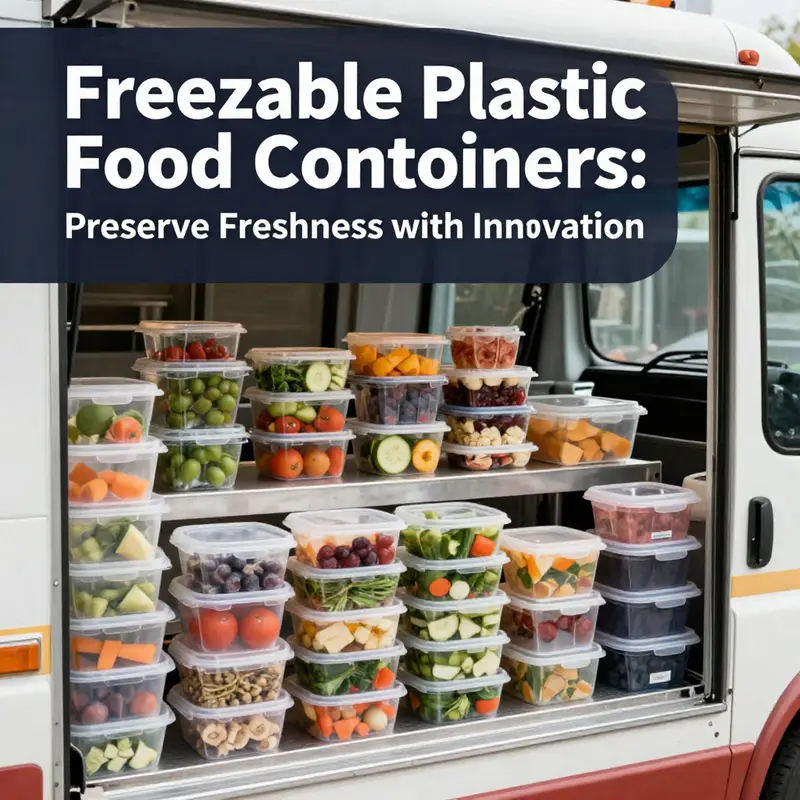
Freezable plastic food containers have quietly become a foundational element in both everyday home routines and the disciplined rhythms of commercial kitchens. Their value emerges not from a single feature but from a confluence of design choices that together enable safer storage, easier organization, and more reliable preservation of food across diverse settings. In households, these containers support a cycle that begins with planning and extends through thawing, reheating, and sharing meals with family and friends. In professional environments, they underpin workflows that demand consistency, portion control, and rigorous hygiene. Because the same fundamental characteristics—temperature resilience, leak resistance, clear visibility, and modular scalability—translate across contexts, freezable containers function as a quiet but powerful bridge between domestic convenience and commercial reliability.
At the household level, the appeal starts with preparation. Meal prepping has evolved from a weekend hobby into a practical habit for busy families and individuals who want to balance nutrition, time, and budget. Freezable containers provide a straightforward way to portion breakfasts, lunches, and dinners into single-serving units. The ability to freeze these portions without fear of cracking or leaking supports a careful approach to grocery budgeting and waste reduction. When leftovers accumulate, these containers become a system for reclaiming infringing food before it spoils. The transparent plastics, typically food-grade polypropylene or high-density polyethylene, let users see what’s inside without opening each lid, saving minutes during a hectic weekday morning. The BPA-free assurance offered by common materials is essential in a consumer culture increasingly attentive to safety in cold storage. The containers’ leak-resistant lids prevent cross-contamination in the fridge and freezer, a practical guard against drips that can degrade other foods and complicate cleaning routines.
Organization is another daily benefit. Stackable designs conserve precious freezer and fridge real estate, enabling a tidy grid of containers that makes locating ingredients or prepared meals fast. In small kitchens where space is at a premium, this efficiency translates into less time spent rummaging through shelves and more time for cooking or enjoying meals. The clear, sometimes frosted, walls also simplify inventory awareness; it’s easy to identify what remains and what needs to be used, reducing the chance of forgotten leftovers becoming waste. Even when the freezer is crowded, the modular nature of these containers supports a flexible layout that adapts to changing meal plans or grocery cycles. In this way, a simple design choice—clear walls and uniform shapes—becomes a practical system for daily life.
A notable feature that broadens their utility is the internal freezable gel layer found in some models. This layer absorbs cold from the freezer and maintains a chilled environment within the container for extended periods, sometimes up to eight hours even if the container is later moved to a different location. This capability matters when lunchboxes are carried to work, school, or outdoor activities, where a traditional frozen item might melt and create soggy, unappealing contents. The gel layer works in concert with the outer plastic to buffer temperature fluctuations, helping foods stay below the threshold where quality and safety begin to decline. It is particularly valuable for insulated lunch containers or for transporting items that benefit from sustained cold, such as dairy products, fruit, or leftovers that haven’t finished their final reheating step. Yet this gel layer does not alter the basic handling rules: containers remain primarily designed for freezing, with many models explicitly labeled for freezer safety rather than direct oven or broiler use.
Material choice reinforces the safety and performance story. BPA-free plastics, especially PP and HDPE, are durable at low temperatures and resistant to cracking when subjected to rapid temperature changes. The transparency of these plastics is more than a convenience; it is a practical feature that streamlines daily routines by reducing unnecessary openings and inspections. In kitchen practice, this translates into shorter exposure times for perishable items and fewer opportunities for contamination. While some models advertise microwave compatibility, it is crucial to heed labeling instructions. Generally, the containers themselves can withstand safe thawing and reheating cycles if the product is clearly marked as microwave-safe, and if the lids are removed during heating. In both home and commercial contexts, following the manufacturer’s directions protects the integrity of the container and the safety of the food.
Commercial settings bring a different dimension to the story of freezable containers. Restaurants, catering services, and food manufacturers rely on these vessels not only to store ingredients but to preserve consistency across batches and shifts. Bulk storage of sauces, dressings, pre-portioned meals, and ready-to-serve components becomes more efficient when containers are standardized, stackable, and durable. In high-volume operations, the ability to freeze, thaw, and even reheat—when appropriate—helps maintain uniform product quality and reduces waste. The temperature tolerance of many freezable containers spans a broad range, commonly from subfreezing levels to the upper end of safe reheating temperatures. This breadth supports divergent workflows: deep-freezing for long-term storage and controlled thawing for quick meal assembly during service. The moisture and chemical resistance of these plastics also contributes to food safety, minimizing the risk of moisture intrusion or chemical migration that could compromise flavor or safety. In practice, the containers enable a reliable system for holding bulk ingredients, measuring and portioning with precision, and reducing the potential for cross-contact between different menu items.
From a logistical perspective, standardization matters. In commercial operations, standardized container sizes simplify inventory control, labeling, and shelf planning. The ability to nest and stack reduces clutter in walk-in freezers and on prep lines, promoting a neater, more efficient workflow. The use of clear plastics improves visibility within stockrooms and cold storage areas, saving seconds that accumulate into minutes as staff move between stations. In such environments, the containers also aid in compliance with food safety regimes. Their design supports robust cleaning and sanitation practices because many models are dishwasher-safe and resistant to repeated washings without degrading. When combined with well-crafted lids that seal tightly, these features also help manage moisture balance inside the container, which is critical for maintaining texture and flavor in sauces or vegetables that might otherwise become limp or soggy.
Best practices in both settings begin with purposeful selection. It is essential to choose containers that are explicitly freezer-safe and BPA-free, aligning with FDA guidance on safe food-contact materials. In circumstances where reheating is anticipated, users should verify whether the product is labeled as microwave-safe and follow any guidance about removing lids before heating. For households, labeling becomes a personal ritual—names, dates, or color codes can prevent confusion and reduce waste. For commercial kitchens, labeling supports traceability and inventory management, enabling staff to track batch numbers and shelf life with confidence. Sanitation is also a shared concern. Durable plastics withstand frequent cleaning, but cleaning practices must respect the manufacturer’s recommendations, which often specify compatible detergents and rinse temperatures. This reduces the risk of chemical residues or surface damage that could compromise safety.
An overarching theme across both domains is sustainability. Reusable freezable containers contribute to a reduction in disposable packaging waste, especially in settings where bulk items, sauces, or meals are prepared in advance. There is a growing recognition that eco-friendly disposable options exist as well, offering compostable alternatives that can be suitable for certain service contexts. Nonetheless, the balance between reuse, durability, and environmental impact remains nuanced. In households, the value of durable, reusable containers often justifies their initial cost, given the long lifespan and reduced annual waste. In commercial contexts, the calculation weighs not only purchase price but also the rate of turnover, cleaning costs, and the potential for waste reduction through portioning practices.
The broader narrative of freezable containers is enriched by their versatility. They transition seamlessly from home use to professional environments, supporting healthy meal routines and professional meal workflows alike. They are not a magic fix for all storage challenges, but when chosen and used with care, they become a practical backbone for planned meals, on-the-go nourishment, and reliable product quality. The gel-enhanced variants, in particular, offer a meaningful enhancement for situations that require maintained cold conditions without continuous refrigeration during transport. They embody a design principle: a simple solution that magnifies effectiveness through thoughtful layering—where a durable outer shell, a trusted seal, and a reactive cold core work in concert to deliver consistent outcomes.
In practice, the decision to adopt freezable plastic containers in a household or a business often begins with a concrete assessment of needs. How many portions are typically prepared each week? What are the most common items stored or sold? How much space is available for shelving or cold storage? How frequently will reheating or disposal be part of the workflow? Answering these questions clarifies how to choose sizes, lid styles, and whether to favor features like added gel layers or multi-compartment configurations. For busy kitchens and busy homes alike, the goal is not only to keep food safe and fresh but to do so in a way that minimizes friction—fewer lids to misplace, fewer containers that don’t stack neatly, and fewer moments of rummaging that interrupt the flow of daily tasks. When these containers are integrated thoughtfully, they become a quiet but powerful enabler of healthier eating, more efficient operations, and a calmer, better-organized culinary environment.
External resources can provide additional context on safety standards that govern freezable storage. For instance, regulatory guidance emphasizes the importance of using materials that are freezer-safe and BPA-free, which helps consumers and professionals alike maintain confidence in food safety while navigating the complexities of cold storage. Interested readers can consult detailed information from reputable health and safety authorities to complement practical knowledge gained from hands-on use and supplier specifications. External resource: https://www.fda.gov/food/food-contact-materials-notifications/freezer-safe-food-storage-containers-bpa-free-options
Chilled Commitments: Crafting a Sustainable Future with Freezable Plastic Food Containers
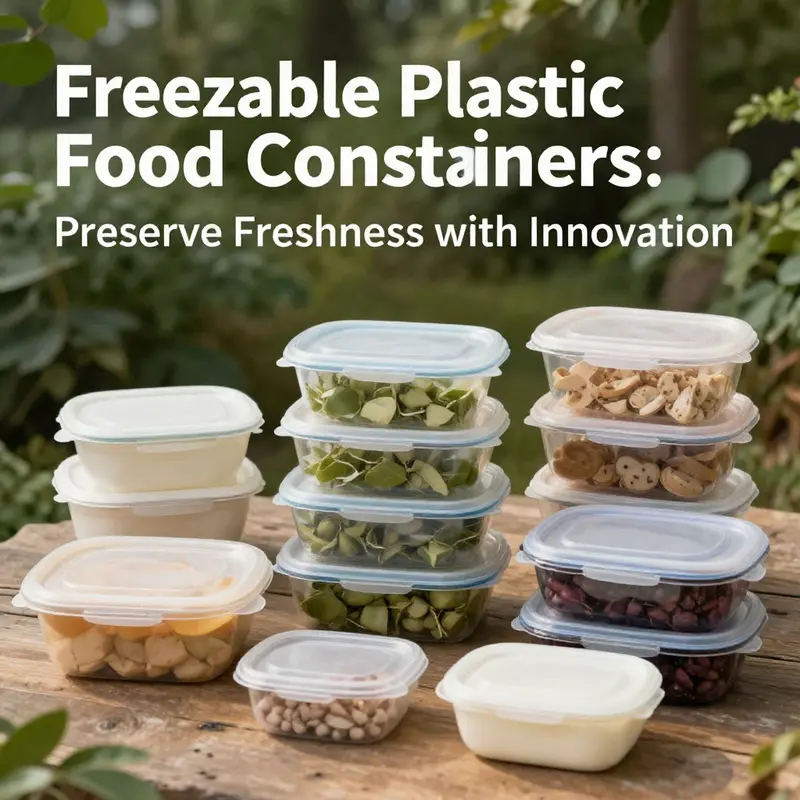
Freezable plastic food containers sit at an interesting crossroads of practicality and responsibility. They promise to shield leftovers, support meal prep, and reduce waste by preventing spoilage. Yet the long-term footprint of single-use plastics and the broader ecosystem of packaging complicate their appeal. The tension is not just about keeping foods cold; it is about choosing materials, designs, and usage patterns that extend life, cut waste, and minimize energy and resource use over time. In this chapter, the conversation turns to sustainability and the eco-friendly options that frame freezable plastics not as a short-term convenience but as part of a more deliberate, waste-conscious food system. The discussion builds from the key insight that reuse, recyclability, and responsible material choices can transform how we store, transport, and eventually dispose of food, even when the containers themselves are designed for freezing and re-use.
At the heart of this sustainability conversation is the material science that makes freezable containers durable enough to withstand the freezer while remaining safe for repeated use. Most freezable plastics employ polymers like polypropylene, which holds structural integrity under freezing conditions and remains relatively inert during the freezing and thawing cycles. These choices matter because every kitchen decision—what you store, how you seal it, and how often you reuse the container—adds up to environmental outcomes. A crucial nuance is the balance between performance and end-of-life options. An airtight seal and leak-proof lid protect food quality and reduce waste by preventing spoilage or leaks, yet they also influence whether a given container is easily recyclable at the end of its life. Manufacturers and regulators are increasingly focusing on labeling, compatibility, and clear guidance about disposal, which helps consumers connect daily use with broader sustainability goals.
One practical path toward greener use of freezable plastics lies in rethinking the freezer as a domain where less energy-intensive options can thrive. In practice, containers designed with durable, low-temperature plastics can shrink energy needs by reducing the frequency with which food must be reheated or repackaged. If a container keeps a portion consistently cold for longer without frequent opening, it can help stabilize the temperature inside a meal, potentially reducing overall energy usage in the kitchen. This effect becomes more pronounced when paired with efficient lid designs and tight seals that deter warming air from penetrating during storage. While the energy benefits are modest in isolation, they compound across households and institutions that rely on frozen storage, contributing to a quieter, steadier energy footprint over time.
The sustainability conversation around freezable containers also invites attention to materials beyond traditional plastics. A growing strand of research emphasizes reusable silicone alternatives as a means to lower the cumulative waste generated by single-use bags and wraps. A lifecycle analysis conducted by the European Commission indicates a clear threshold: reusable containers must be used between roughly twenty and fifty times to surpass single-use plastics in terms of carbon emissions and resource use. In real-world terms, silicone bags and similar reusable storage options often exceed this threshold when used daily for freezing and meal prep. Their durability and ability to withstand sub-zero temperatures make them highly effective at reducing plastic waste, especially for individuals who prepare meals in advance or portion out meals for the week. The underlying insight is simple but powerful: longevity compounds environmental benefit. If a silicone bag can endure the freezer and the dishwasher, its environmental advantages strengthen with each reuse, turning a seemingly small daily habit into meaningful waste reduction over months and years.
This reframing does not imply that all freezable plastics should be swapped for silicone or other elastomeric products. Rather, it highlights an integrated approach to sustainability in which decisions about one component—silicone, rigid plastic, or composite gel-layer containers—are made in the context of overall waste, energy use, and end-of-life options. For households seeking to minimize waste without forgoing the convenience of freezing foods, silicone storage becomes a compelling option because it blends resilience, chemical safety, and reusability across many cycles. The same logic extends to recyclable plastic packaging, which offers a middle path between single-use disposables and long-lived, reusable systems. Recyclable plastics designed for freezer safety and with clear guidance about end-of-life handling empower both individuals and businesses to close loops more effectively. They can be used repeatedly for different meals and then recycled where facilities exist, reducing the volume of waste that ultimately ends up in landfills.
In practice, the choice between reusable silicone bags and recyclable plastic packaging hinges on context, including how often the container will be used, the types of foods stored, and the availability of recycling streams in a given locale. For many households, a hybrid approach works best: silicone bags for long-term freezing and portion-controlled meal prep, paired with recyclable plastic containers for mixed-use scenarios where heat resistance and stackability are prized. This approach aligns with the broader goal of sustainable food storage by extending the usable life of containers, defending against spoilage, and simplifying end-of-life decisions. It is a narrative of pragmatic stewardship rather than rigid purity—a recognition that different tools can play complementary roles in a more sustainable kitchen.
The practical implications of these choices extend beyond the home. For businesses and institutions that rely on bulk food storage, the shift toward eco-friendly packaging is not merely about compliance or branding. It is about operational efficiency, cost management, and supply-chain resilience. Reusable and recyclable packaging options enable facilities to reduce waste streams and embrace cycles of reuse and recycling that are more compatible with circular economy principles. When containers are designed for freezer use, compatible lids, and clear labeling, facilities can optimize inventory, minimize spoilage, and shorten the path from product to repurposing at the end of a container’s life. In addition, the market is increasingly recognizing the value of certifications and material disclosures that help buyers verify the environmental claims of storage solutions. Such transparency supports a more informed marketplace where sustainable choices are straightforward to identify and compare.
As consumers, we can translate these insights into daily practices that broaden the impact of sustainable options. First, treat silicone bags as part of a long-term investment in waste reduction: clean and dry them after use, avoid sharp objects that can puncture seals, and rely on them for multiple freezer cycles before replacing. Second, when choosing recyclable plastic packaging, look for clear indications of recyclability and compatibility with local facilities. Third, use the freezer strategically: portion meals, label with dates, and plan for consumption before the quality window declines. These habits reduce the churn of packaging, conserve resources, and minimize the energy and water footprints associated with food preparation and storage.
The integration of sustainability into freezable plastic containers also depends on accessible information. Consumers benefit from labeling that communicates not only safety and usage instructions but also end-of-life guidance. Certifications that attest to food-contact safety, recyclability, and low environmental impact help create a trustworthy framework for decision-making. In parallel, ongoing research and development continue to expand the palette of eco-friendly materials and designs. The aim is not to force a single solution but to broaden the options so households and institutions can tailor their storage strategies to local waste management realities while still reaping the practical benefits of freezing foods. This balanced posture—combining durability, safety, and responsible disposal—defines a mature, thoughtful approach to freezable containers that keeps both the kitchen and the planet in mind.
For readers exploring packaging options that minimize waste while preserving food freshness, consider resources that discuss eco-friendly packaging choices in practical terms. A relevant reference highlights how reusable and recyclable packaging can complement each other in real-world freezing and storage contexts. disposable-octagonal-box-restaurant-food-kraft-paper-packaging provides a useful example of how paper-based, recyclable options can fit into a broader sustainability strategy, especially in settings where disposables are still necessary but where waste and recyclability are a priority. This kind of packaging, while not a direct replacement for freezer-safe plastic, signals a trend toward material diversity and end-of-life clarity in the packaging ecosystem. It also underscores the importance of selecting storage solutions that align with local recycling capabilities and community waste-management practices. The takeaway is clear: sustainability in freezing storage is not a single choice but a spectrum of options that can be matched to needs, habits, and infrastructure.
Ultimately, the chapter on sustainability and eco-friendly options in freezable plastic food containers invites a broader vision of kitchen practice. It is a call to blend performance with responsibility, to recognize that the freezer is a tool not just for preserving food but for stewarding resources. By embracing durable, safe materials, adopting reusable silicone alternatives where appropriate, and supporting recyclable packaging where feasible, households and businesses can reduce waste, lower energy footprints, and still enjoy the convenience that freezing offers. The path forward is intentionally incremental and practical, built on informed choices, durable design, and a flexible mindset that treats sustainability as an ongoing process rather than a fixed destination.
External references can deepen understanding of these concepts and provide additional context for the benefits of reusable storage solutions in freezing applications. For further reading on the comparative environmental performance of reusable versus disposable freezing options, see the external resource linked here: https://www.greenlivingtips.com/reusable-silicone-bags-vs-ziplocks-freezing-food/.
Final thoughts
The evolution of freezable plastic food containers has paved the way for enhanced food preservation, making them an invaluable asset for any food service operation. With innovations in material science, practical applications for both commercial and household settings, and a steady focus on sustainability, opting for these containers can elevate your service while prioritizing quality and efficiency. As you consider your options for food storage solutions, reflect on how integrating these advanced containers can streamline your operations while benefiting your customers and the environment.