
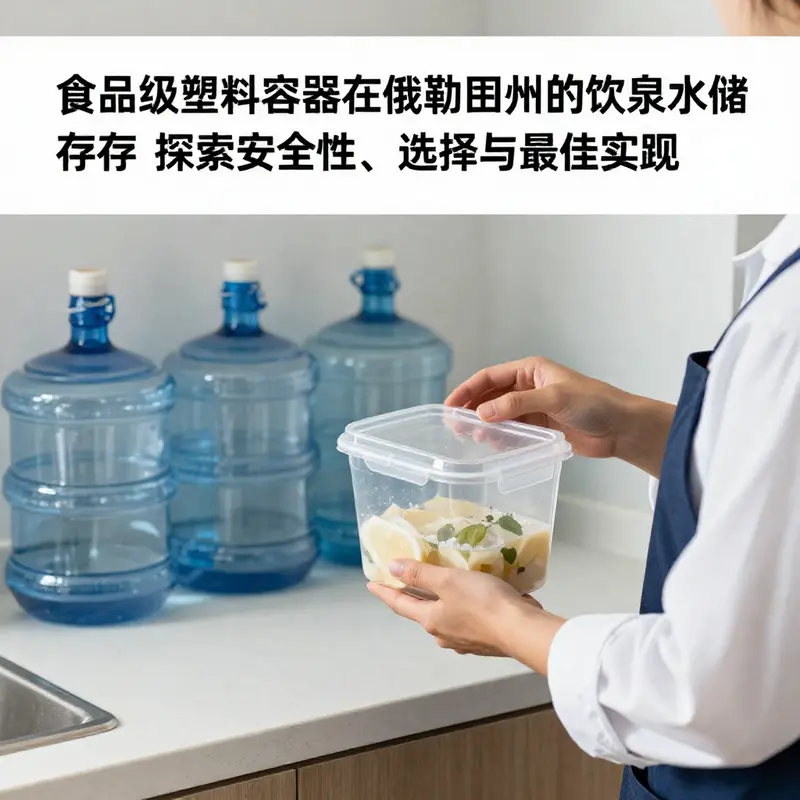
在俄勒冈州,食品级塑料容器作为饮用水储存的选择愈加普遍。然而,许多食品与饮料行业的经营者仍对安全性与合规性存在疑虑。本文将深入探讨食品级塑料在俄勒冈州水储存的安全性与法律框架,帮助泡茶店、餐馆及餐饮服务提供者选用合适的容器。此外,我们还将分享最佳实践及可行的替代方案,确保饮用水的安全和品质。
在俄勒冈州水储存中的安全网:材料、法规与可持续选择
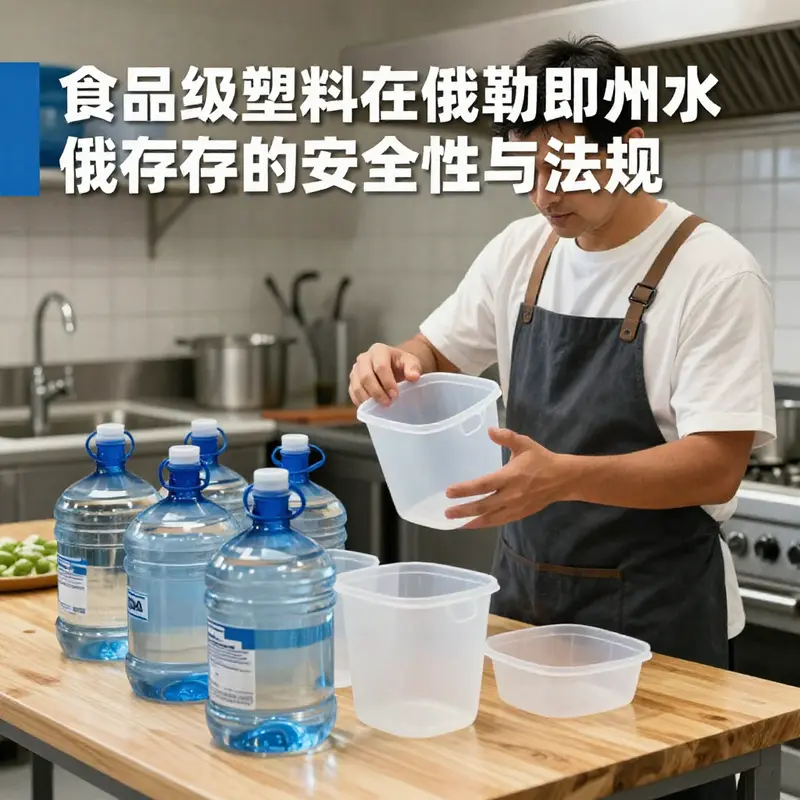
在俄勒冈州,饮用水储存的安全性受到材料本身、法规框架与使用环境等多重因素共同影响。常见的食品级塑料,如聚丯烯(PP,5号)和高密度聚乙烯(HDPE,2号),在耐化学性与耐温性方面表现稳健,通常被推荐用于长期水储存;聚对苯二甲酸乙二醇酯(PET,1号)在需要透明观测水质时有一定应用,但不宜长期高温存放。需要避免的是容器的明显损伤,如划痕、裂纹或异味,因为物理缺陷可能成为微生物滋生的温床并提升物质迁移风险。随着 SB543 的实施,俄勒冈州禁止在食品容器中使用聚苯乙烯泡沫(PS)以及全氟烷基与多氟烷基物质(PFAS),这意味着在日常储水中应优先选择不含被禁成分的材料,并留意标签与成分清单。实际选择时,PP 与 HDPE 的组合仍然是最稳妥的选择,必要时可考虑经认证的无 BPA 选项,但要核对具体成分并评估大容量储存时的适用性。除了材料本身,良好的清洗、适度消毒、清晰的标签与合适的储存环境同样关键,避免阳光直射、远离热源与污染源。最后,在追求可持续性的同时,可以将玻璃、不锈钢与食品级硅胶等替代材料纳入权衡,把“食品级标签、成分透明、适用于液体储存”作为第一原则。通过综合考虑法规边界、材料特性与实际使用情景,家庭层面的水储存能够在合规前提下实现更高的安全性与可持续性。
在俄勒冈州储水的材料逻辑:如何选择与维护食品级塑料容器以确保安全
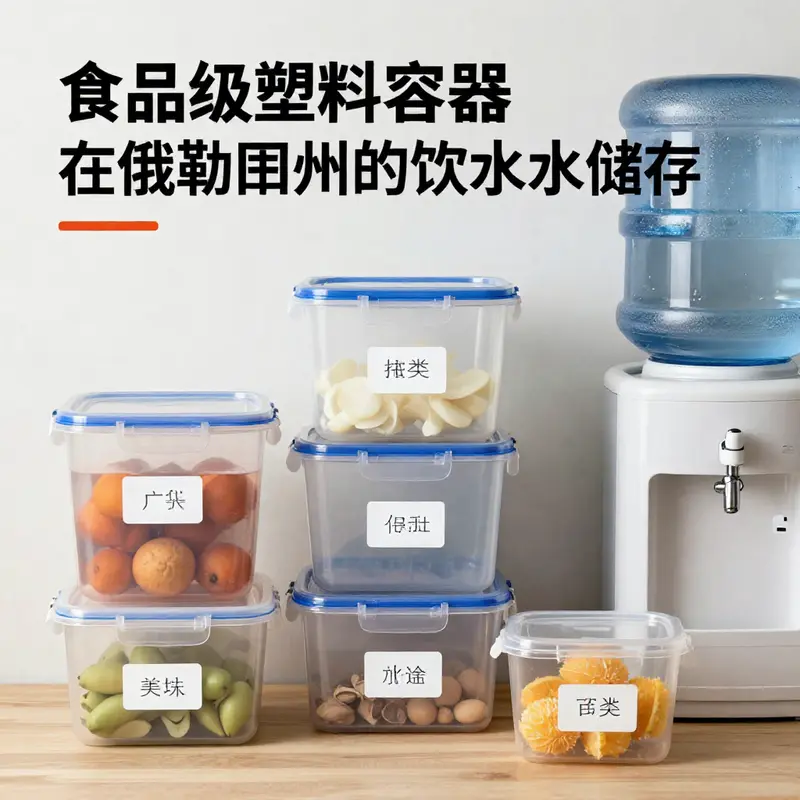
在俄勒冈州,气候以多雨、潮湿和冬季低温为特征,储存饮用水的实践若不考虑材料和使用条件,便可能带来意想不到的健康风险。将水储存在食品级塑料容器中,看似简单,但要真正做到安全、合规并兼顾长期可持续性,必须把“材料安全、耐久性、气候适应性”这三条主线贯穿始终。这个章节旨在以一个连贯的叙述,带你理解FDA与州级公共卫生部门对食品级塑料容器的基本要求,解释为何HDPE和PET在饮用水储存领域被广泛推荐,以及在俄勒冈的湿润环境中如何选择、使用、维护这类容器,同时提供清晰的实际操作建议,帮助居民做出更稳妥的储水决策。整个讨论不是单纯的材料罗列,而是一种以安全为核心、以现场实用性为导向的判断框架,确保你在现实情境中能够作出与风险相称的选择。
在全球范围内,食品级塑料容器的安全性被严格定义为不向水中或食品中释放有害化学物质。美国食品药品监督管理局(FDA)对食品级塑料设定了检测与合规的基本标准,意味着材料在常见储存条件下应避免迁移出有害成分。俄勒冈州作为一个对公共健康高度重视的州,也要求用于饮用水储存的材料符合联邦标准,并且明确禁止在储水容器中使用已知具有健康风险的成分,例如双酚A(BPA)或邻苯二甲酸盐(phthalates)。这些规定不仅关系到水质的纯净性,更直接关联到人身健康的长期保护,因此,理解并遵循这些标准,是在俄勒冈州储水的第一层底线。对许多家庭而言,合规并非抽象的法规条文,而是日常生活中对家庭成员健康的负责态度。
When Water Meets Compliance: Navigating Food-Grade Containers and Oregon’s Rules for Safe Home Storage
In Oregon the question of storing drinking water in used food grade plastic containers is not a simple yes or no. It sits at the intersection of public health, environmental stewardship, and practical household planning. This chapter follows the logic that underpins the wider article: how to store water responsibly in a way that respects both the law and personal health, while also acknowledging the realities of limited space, budget, and concerns about plastic usage. What makes Oregon distinctive in this regard is a layered framework that recognizes the safety of materials meant for contact with food and drink, while also insisting on ongoing vigilance about container condition, storage conditions, and the limits of what is appropriate to store in the home. The aim is not to fear every container or to promote a one size fits all approach, but to illuminate a path that minimizes risk and maximizes durability and clarity in household water storage practices.
At the core of this path is the definition of food grade and the standards that govern containers used for water storage. In the United States, the safety of containers destined to touch food and drink is largely assessed through the lens of FDA guidelines. When a container meets FDA standards, it has been tested for chemical migration and is deemed unlikely to release harmful substances into water under normal use. In Oregon, the state health system aligns with these federal benchmarks while adding its own practical expectations for materials that actually end up on kitchen shelves and in pantries. A central tenet is straightforward: containers used for potable water should not contain substances that pose known health risks, such as certain plasticizers or additives associated with long term exposure. In practice this translates to favoring plastics that are widely recognized as safe for food and liquid storage, and avoiding those whose safety profile is ambiguous or associated with long term use concerns.
Two materials stand out as the workhorses of safe water storage in households across the state. Polypropylene, commonly labeled as PP or sometimes noted as the fifth recycling category, and high density polyethylene, HDPE or the second category, are routinely recommended for food and drinking water storage. Both materials are resistant to chemical degradation and refrigerated or room temperature storage, and crucially they are less prone to leaching under typical household conditions compared to other plastics. These materials also tolerate a reasonable range of temperatures, which is important for storage in garages, basements, or other spaces that might experience seasonal swings.
By contrast certain plastics simply do not align well with the water storage use case. Polycarbonate, identified by the seventh recycling category, has a controversial history related to certain additives and migration concerns. Even when a container is marked BPA free, it does not always provide a clear assurance about suitability for prolonged contact with drinking water. The Oregon guidance emphasizes caution here: if a container has visible scratches, cracks, discoloration, or any odd odor, it should be retired from use. These signs can harbor microbes or indicate a breakdown in the barrier that protects water from external contaminants. In other words, the moral of the story extends beyond the material composition; the physical condition of the container matters just as much as the material itself.
To put this into everyday practice, imagine the household pantry as a small but important part of a water system. The containers you select should be clearly labeled as food grade and suitable for liquids. When reusing a container that previously held something else, it is essential to confirm its history and clean it thoroughly before filling with water. A container that once held heavy oils, cleaners, or solvents should never be repurposed for potable water. The guidance is careful here: it does not stigmatize reuse per se, but it does insist on a verifiable history and a reliable cleaning protocol to ensure there is no residual contamination that could compromise water safety.
Cleaning and preparation are duties that every household can manage with straightforward routines. Before first use expect clear direction and a calm approach. Start with a gentle wash using warm water and mild dish soap. Avoid harsh cleaners that can leave residues or create a film on the interior surface. Rinse thoroughly until no soap remains. If you want an extra layer of assurance, a brief rinse with a sanitizing solution designed for food contact surfaces can be prudent, provided you follow the product’s instructions and the container’s material tolerance. After cleansing and drying, label the container with the fill date and the intended content. This labeling is not merely bureaucratic; it is practical, especially when multiple containers live in the same storage area. It helps you track rotation and reduces the chance of mixing concentrations or contents that should remain separate.
Storage conditions have a surprisingly large impact on the longevity and safety of stored water. The Oregon guidance emphasizes keeping containers sealed, so they act as barriers against dust, pests, and household contaminants. A snug lid or cap is essential, since exposure to even a small amount of air can encourage microbial growth or odors over extended periods. The storage environment should be cool, dry, and shielded from direct light. Ultraviolet exposure can degrade plastics and accelerate the migration of additives, which is precisely what responsible storage seeks to minimize. Darkness and cool temperatures aren’t just about aesthetics; they represent practical strategies to slow down chemical changes and microbial proliferation that can compromise water quality.
Another practical guideline centers on how long water can remain safely stored. Even when a container is pristine and the water quality is excellent at sealing, the guideline practices in Oregon urge residents to rotate stored water. A twelve month horizon is commonly recommended as a general upper limit, even if the container remains intact. There are two reasons for this. First, plastic materials age over time, with potential changes in their barrier properties. Second, the water quality can subtly drift due to factors like ambient temperature fluctuations and the introduction of air during use. Regular rotation fosters a habit that keeps the water fresh, reduces the chance of stagnation, and allows periodic checks on container integrity and storage conditions. This is not a rigid rule carved in stone, but a sensible practice that aligns with public health perspectives and common sense about plastic aging and microbial risk.
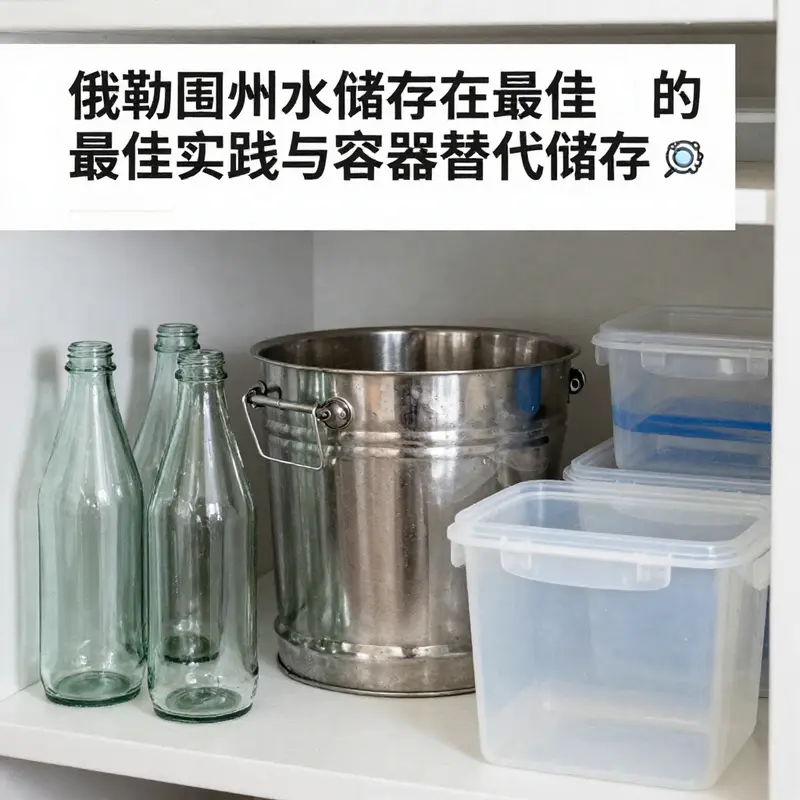
The practical side of using food grade plastic containers for water storage cannot ignore the reasons many households consider alternatives. In Oregon as elsewhere, there is a strong push toward safer and more sustainable options for long term water storage that minimize the environmental footprint while preserving water quality. For individuals who want to minimize plastic contact altogether or who anticipate fragile or aging containers, alternatives are often worth considering. Glass bottles offer inertness and minimal chemical migration, which makes them attractive for many households, especially when used for shorter durations or for storage in controlled environments. The tradeoffs are real, however: glass is heavier, more fragile, and can be impractical for households with limited storage space or frequent transport needs. Stainless steel water storage vessels present a compelling combination of durability, recycleability, and inert surface characteristics. Stainless steel does not leach chemicals, resists corrosion, and can be designed to serve as long term storage solutions. Yet the cost can be higher, and the weight can present logistical considerations for smaller homes or apartment living. Food grade silicone containers offer flexibility and heat resistance, which can be appealing for certain uses, such as emergency kits or short term storage in dynamic living spaces. They also come with seals and closures that require careful inspection to guarantee an airtight hold between fill and use. Each alternative has its niche, and the Oregon context favors a thoughtful choice based on the household’s storage goals, risk tolerance, accessibility, and environmental values.
A recurring theme in the guidance is the overarching importance of the container’s condition and the care given to it over time. The history of a container matters as much as its current state. Used containers introduce a layer of complexity because their past may include exposures to substances not compatible with drinking water or to cleaning regimes that leave residues that are difficult to fully remove. For households choosing to reuse containers, a conservative approach is advisable. Confirm the container previously held food or drink products, ensure it is free from cracks and scratches, and commit to a robust cleaning and sanitizing routine before filling with water. Even minor nicks can harbor bacteria or harbor microplastics produced by ongoing wear, thus the emphasis on choosing containers that still look and feel sturdy and clean over time. The goal is to preserve the container’s integrity and to avoid any scenario where the container becomes the source of contamination rather than a safe vessel for water.
Beyond plastic, there is a broader conversation about sustainability and resilience that Oregon residents often engage in. The state encourages the use of green infrastructure and thoughtful water management practices. When the storage system is part of a broader home water strategy, the choice of container content, material, and design all contribute to a holistic approach to water resilience. For example, small scale rainwater collection systems can be maintained under exemptions if they are used for non potable purposes or kept within set capacity limits. Yet for drinking water storage, the emphasis remains on strict material safety and careful handling, which means prioritizing clearly labeled food grade containers and avoiding containers whose origin or condition is uncertain. The emphasis on safety does not preclude imagination or innovation. It invites households to design systems that fit their space and needs while staying within the boundaries of public health guidance and local regulation. In practice this might mean combining compact food grade containers for everyday use with a second, more durable storage vessel for longer term or higher volume needs, all backed by a routine that includes periodic inspection, cleaning, and rotation.
One thread that runs through the best practice narrative is the distinction between drinking water storage and other water uses. Drinking water, which is the focus of health guidance and personal safety considerations, demands a higher standard of assurance. For non potable uses such as garden irrigation, toilet flushing, or cleaning, households may employ a broader spectrum of containers and practices. The law and the health guidance reflect this distinction by emphasizing that containers used for drinking water must meet clear standards and must be maintained to prevent contamination. This does not make rainwater collection inherently dangerous or impossible; it simply places drinking water storage under a framework that prioritizes safety, traceability, and accountability for the consumer. If a household does choose to pursue rainwater harvesting at any scale that could involve drinking water, it is essential to pursue the proper permitting and to align with state water resources regulations. In contrast, for small scale household use that remains clearly non potable, following standard safety measures for food grade containers and ensuring clean storage remains a sound approach. The practical upshot is that Oregon residents have meaningful flexibility, but they also bear a responsibility to understand when a practice crosses the line into regulated activity and to obtain any necessary approvals before proceeding.
When it comes to practical implementation, the act of storage is inseparable from the act of ongoing stewardship. A well stocked and well maintained set of containers acts as a durable backbone for household water security, especially in times of weather volatility or supply interruptions. The careful selection of container materials, coupled with disciplined cleaning, labeling, and rotation protocols, reduces the risk of contamination and helps ensure that storage is a dependable contributor to a household’s resilience. The choices about containers are not merely about preserving taste or odor, though those are important. They are about ensuring that safe drinking water remains accessible and trustworthy, even if municipal supplies are disrupted or during emergency preparedness scenarios. In this sense, the best practice is not simply about choosing the right plastic or metal; it is about embedding water safety into the rhythm of daily life, so that when a family reaches for a stored glass or a sealed bottle, they can do so with confidence.
The conversation about container alternatives is not a binary decision between plastic and nonplastic. It is a spectrum that invites households to weigh cost, practicality, and environmental impact in a nuanced way. If a household uses plastic containers, the best posture is to choose high quality, food grade plastics and to treat them with care, recognizing their finite life after repeated use. If a household can invest in glass or stainless steel for long term storage, these materials offer peace of mind about chemical migration and aging. But even in those cases, maintenance matters: glass must be protected against impact, and stainless steel must be free from coatings that could corrode or delaminate over time. In all cases the storage environment and the container’s history will determine the quality of the stored water. As households decide how to balance risk, cost, and convenience, the Oregon context provides a clear menu of safe choices and prudent practices, while maintaining the flexibility to adapt to changing needs.
This chapter does not pretend to resolve every potential scenario. It acknowledges the real world where budgets, space, and personal preferences influence storage decisions. It also insists on clear boundaries: use containers that are clearly labeled as food grade and suitable for liquids; inspect containers for damage; clean and sanitize thoroughly before first use; store in a cool, dark place with a secure lid; rotate supply within a twelve month window; and be mindful of the container’s life cycle and the environment. In the balance, the recommended approach for many households who want to reuse containers is careful reuse only when the container’s history is known, the container is in good repair, and the cleaning protocol is robust. For households who prefer to avoid plastic altogether or reduce plastic exposure, the chapter highlights glass, stainless steel, and silicone as solid alternatives, each with its own set of practical tradeoffs. What remains constant is the commitment to safety, compliance, and responsibility; these are the foundations of a water storage system that is reliable, affordable, and aligned with the values of health and stewardship that define the Oregon approach to water storage.
For readers exploring how to apply these principles in their own homes, the path is straightforward but requires attention to detail. Start by choosing containers that are clearly labeled as food grade and appropriate for liquids. If you are reusing a container, verify its history and inspect for damage. Practice a routine cleaning protocol using mild soap and hot water, then rinse thoroughly. Label the container with the fill date and content, and store it in a cool, dry place away from direct sunlight. Consider a rotation plan that does not exceed twelve months and that prompts periodic inspection of seals, lids, and overall container integrity. If your storage plan involves larger scale rainwater harvesting or any form of significant water storage, consult the local water resources department to ensure you understand licensing requirements and any exemptions that may apply to your situation. Embracing these steps can transform water storage from a one off precaution into a steady, dependable component of a resilient home.
In closing, the Oregon framework for water storage invites us to see containers not as disposable add-ons but as part of a reliable, long term system. By prioritizing safety, clarity, and durability in container choice and storage practice, households can build a storage solution that supports health and resilience without compromising environmental values. The chapter above outlines a pragmatic path that respects regulatory boundaries, acknowledges the realities of reuse and space constraints, and remains open to sustainable alternatives when appropriate. It is not a doctrine of prohibition but a guide to thoughtful stewardship that makes safe drinking water more attainable for families across the state, now and in the years ahead. For a formal overview of the legal framework and best practices, see Oregon’s Rainwater Harvesting Guidelines at the following external resource: https://www.oregon.gov/odw/pages/rainwaterharvesting.aspx
Final thoughts
综上所述,食品级塑料容器在俄勒冈州的饮用水储存是安全的,只要遵循相关的法规与最佳实践。对于泡茶店、餐饮业者以及活动策划者,了解这些信息至关重要,能够在合规的同时提供安全、健康的产品。优先考虑选择合适的容器,并时常更新时间,以确保饮用水的质量与安全。