
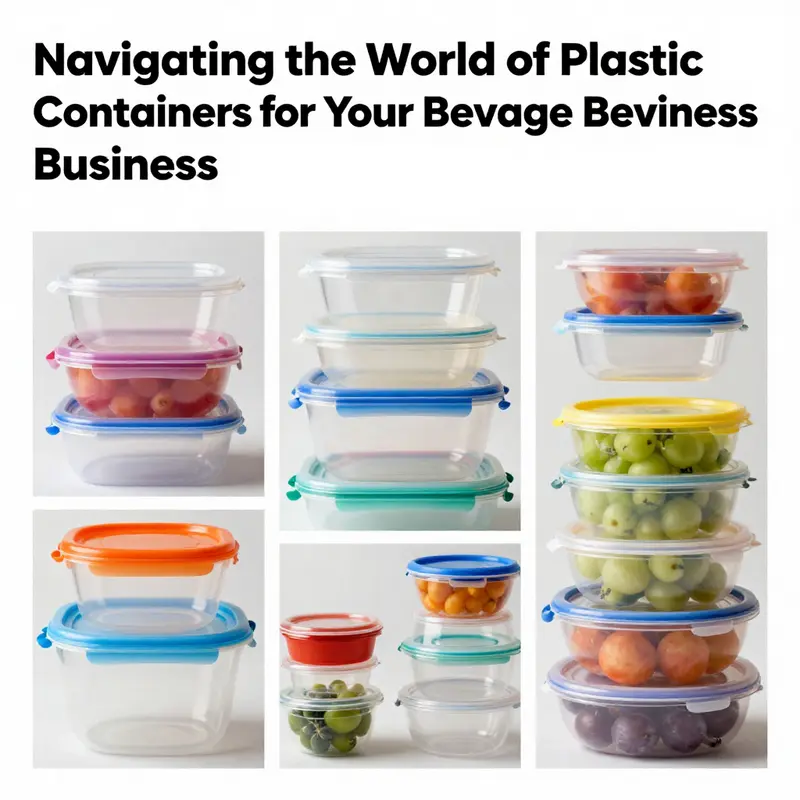
The evolution of food packaging materials has paved the way for businesses in the beverage and food service industry to thrive while ensuring safety and sustainability. As food safety and environmental concerns continue to rise, plastic food containers have emerged as indispensable tools for restaurants, bubble tea shops, and catering services. Through this exploration, we will delve into the various plastic types suitable for food containers, their unique characteristics, and how modern regulations shape their use. The discussion will also highlight current trends in the industry, emphasizing the need to adapt to both consumer preferences and regulations in this dynamic market, ultimately guiding your procurement teams in informed decision-making.
From Polymers to Pantries: Major Plastic Materials in Food Containers and Their Impact on Safety, Performance, and Sustainability
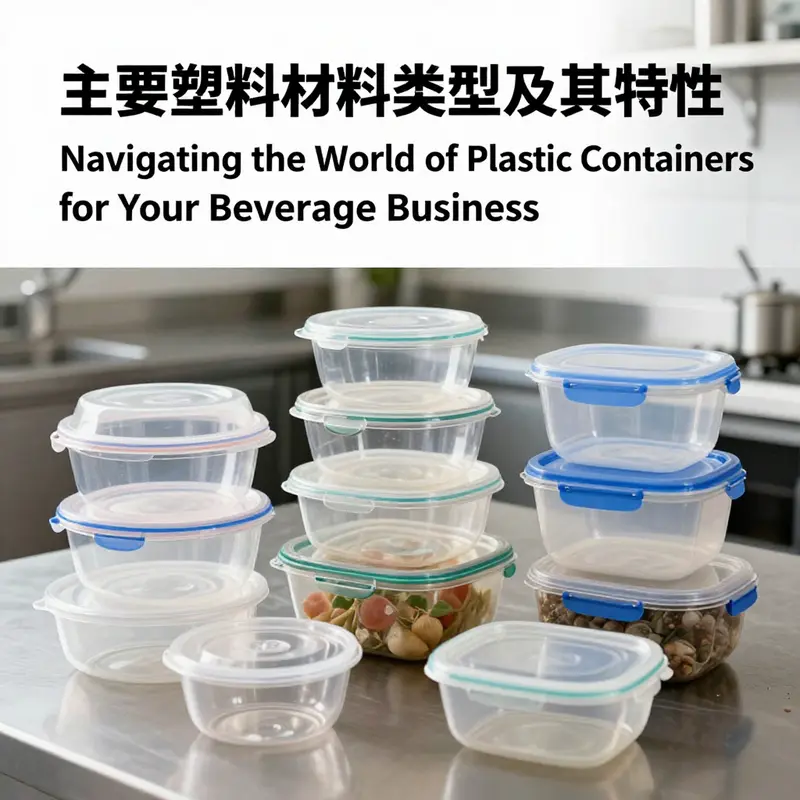
Food packaging sits at the quiet intersection of science and daily life, where material choice governs more than appearance or price. Behind the everyday convenience of a takeaway box, a yogurt cup, or a bottle of drinking water lies a carefully balanced set of properties: barrier performance to keep oxygen and moisture at bay, mechanical strength to withstand handling, chemical stability to avoid reacting with contents, and safety under diverse use conditions. In the realm of modern food containers, plastic materials have become almost indispensable because they combine light weight, formability, cost efficiency, and versatile barrier traits. Yet the same materials that enable easy storage and convenient transport also demand a rigorous understanding of how they interact with food, how they behave under heating or repeated use, and how they fit within a larger system that includes recycling, waste reduction, and consumer health. The core substances spanning this landscape—polypropylene (PP), polyethylene terephthalate (PET), high-density polyethylene (HDPE), low-density polyethylene (LDPE), polystyrene (PS), and polycarbonate (PC)—each carry a distinctive profile that steers their ideal applications, their limitations, and the questions they raise for safety and sustainability. Reading these profiles in a single frame helps illuminate not only why certain containers are chosen for a given food matrix but also how changes in consumer expectations—such as microwave-ready meals, reusable packaging, or greener end-of-life options—reshape the material choices available to manufacturers and regulators alike. The narrative is not a mere inventory of plastics; it is a story about the tradeoffs embedded in every packaging decision, from layer thickness and transparency to heat tolerance and migratory behavior, and how these tradeoffs align with evolving safety standards and environmental priorities. This integrated view also helps explain why the industry is increasingly moving beyond single-use norms toward recyclable, and in some cases biodegradable, alternatives that still meet the demanding requirements of food safety and logistics. The following discussion distills the principal materials in current use, their intrinsic characteristics, and their practical implications for handling, heating, and disposal, while anchoring the analysis in contemporary guidance and regulatory context that informs best practice across the supply chain.
The most frequently encountered plastics in food containers form a spectrum of properties that can be traced back to their chemical backbones and molecular architectures. Polypropylene emerges as a standout for hot-fill and microwave applications. Its crystalline structure provides thermal stability and chemical inertia, allowing it to endure typical reheating cycles without leaching or deforming. In practice, PP is widely used for microwaveable lunch boxes, durable food storage containers, and lids that must resist repeated opening and closing while maintaining a tight seal. This combination of heat tolerance and stability under typical kitchen conditions makes PP a go-to material for containers that are designed to be washed and reused. The data supporting these design choices were reinforced by regulatory and industry assessments around 2022, which highlighted PP as one of the safest and most robust options for food contact due to its resistance to corrosion and its stable interaction with common food constituents. The takeaway is clear: when heat and reusability are primary requirements, PP is often the material of choice, provided that the product design adheres to established cleanliness and migration limits.
In parallel, PET has earned a reputation for clarity, strength, and excellent gas barrier properties. These traits render PET highly suitable for beverages, ready-to-consume foods, and other applications where visibility and rigidity are valued. PET’s transparency makes it ideal for consumer appeal and product differentiation, especially in beverage packaging that communicates freshness and purity. However, PET’s heat tolerance presents a fundamental limitation: it generally does not perform well under high-temperature contents beyond about 70°C. This constraint drives its use toward cold or room-temperature items and reinforces the conventional guidance against reheating PET containers containing hot liquids or foods. Moreover, contemporary guidance emphasizes that while PET bottles are considered safe for their intended use, repeated use or exposure to high temperatures can elevate the risk of undesirable material migration, underscoring the need for careful adherence to usage guidelines. The public health message here is nuanced: PET is safe for its designed, single-use role, but misuse—especially involving high heat or prolonged reuse—can alter its risk profile.
HDPE represents another cornerstone in the packaging ecosystem, prized for its rigidity, chemical resistance, and reliable sealing properties. Its robust nature makes HDPE a frequent choice for milk bottles, edible oil containers, and some non-food applications where durability and ease of sealing matter. Yet, the practical deployment of HDPE hinges on strict differentiation between food-grade and industrial-grade variants. Food-grade HDPE has established compatibility with a broad range of food substances and is generally considered safe when manufactured and used according to regulatory expectations. This material’s maturity and compatibility with everyday storage tasks help explain its continued prevalence in the dairy and household storage sectors, as well as in certain cleaning and household product containers. HDPE’s performance under typical handling and storage conditions reinforces the reliability customers associate with durable, reusable containers, a factor that manufacturers leverage alongside consumer demand for practicality and long-term reuse.
LDPE, by contrast, offers exceptional flexibility and sealability but comes with a trade-off in heat resistance. Its softness and toughness make it well suited for film applications, such as stretch films, cling films, and flexible pouches where conformability and light transmission are less critical. In food packaging, LDPE’s role tends to emphasize barrier flexibility and the gentle handling of delicate items. The material’s low-temperature resilience allows it to perform well in cold storage scenarios, yet its temperature limits mean it should be avoided for heating or direct contact with hot foods in most circumstances. This distinction highlights how the same family of polymers can occupy diverse niches simply by tuning molecular weight, branching, or processing conditions to deliver the right balance of softness, clarity, and barrier behavior for each use case.
PS, particularly in its solid or foamed forms, is widely recognized for high clarity and low cost, but its heat sensitivity and brittleness pose fundamental restrictions for food contact applications. PS-based foam containers are common in takeaway settings due to low cost and good insulating properties. However, when asked to withstand hot food or microwave exposure, PS tends to lose its mechanical integrity and can risk migration concerns, especially if not properly sterilized or if the container is intended for long-term storage. The consumer safety messages for PS emphasize avoiding heating in PS containers and selecting alternatives for hot meals whenever possible. While PS remains relevant for certain cold or ambient-temperature packaging and for disposable cups, its role in heated or long-duration contact with food is increasingly scrutinized from both safety and environmental standpoints.
PC, or polycarbonate, historically occupied a niche in transparent, impact-resistant containers, including some baby bottles and reusable drinkware. The key caveat has centered on its association with certain bisphenol A (BPA) concerns, which spurred regulatory actions and a broad shift toward BPA-free alternatives. In recent years, the packaging industry has moved away from PC in many food-contact applications, substituting safer, BPA-free polymers with equivalent optical and mechanical performance. The contemporary perspective treats PC-like performance as achievable through safer materials, ensuring that high clarity and rigidity do not come at the cost of health risks for consumers.
These six materials—PP, PET, HDPE, LDPE, PS, and PC—form a spectrum that correlates with functional demands in food packaging: heat tolerance, rigidity or flexibility, barrier properties, transparency, chemical inertness, and lifecycle considerations. Each material’s recommended uses reflect an alignment between its intrinsic properties and the practical realities of food safety, consumer behavior, and supply-chain logistics. Yet the same spectrum also reveals tensions that have grown more visible as consumer expectations evolve. The rise of home microwaving and ready-to-heat meals heightens the emphasis on heat resistance and chemical stability; growing concerns about single-use waste push the industry toward recyclability and reusability; and increasing scrutiny of chemical migrants—including BPA and its substitutes, such as BPS and BPF—has sharpened the regulatory lens through which every packaging decision is judged. In this light, material choice becomes not a standalone technical decision but a hinge point in a broader system that links food safety, user experience, and environmental responsibility.
Guidance for safe use, migration considerations, and end-of-life implications occupy a central stage in the decision matrix. A concise practical framework emerges when considering the commonly used resin codes and their typical usage patterns. The resin identification codes, which appear as recycling symbols on the bottom of containers, summarize pragmatic guidelines. Code 1 (PET) is typically intended for single-use beverage bottles and should not be heated. Code 2 (HDPE) is widely regarded as safe for repeated-use applications, particularly in cold or room-temperature contexts. Code 5 (PP) is favored for microwave heating and hot-fill processes, provided the product is explicitly labeled as microwave-safe. Code 6 (PS) generally carries cautions about heating and should be avoided for hot foods. Code 7 (other) includes various materials, some of which may contain BPA or related compounds, thus requiring careful selection and, where possible, BPA-free alternatives. These practical signposts help consumers and professionals navigate everyday choices in a sea of options, aligning desired performance with safety requirements.
Migration concerns remind us that even seemingly inert plastics interact with their contents. Substances can migrate from containers into foods, particularly under thermal stress, presence of fats, or long storage periods. BPA has dominated public attention for years, but attention now extends to substitute substances such as BPS and BPF, whose health implications are still being studied. The current consensus in many regulatory and scientific circles emphasizes a precautionary approach: minimize exposure where feasible, prefer materials with well-characterized safety profiles, and maintain clear labeling about intended use, heating, and reuse. The narrative from 2022 through 2026 shows a steady move toward BPA-free PC alternatives, safer PP formulations, and improved film laminates that reduce permeation while maintaining clarity and barrier performance.
Beyond safety, the environmental dimension cannot be neglected. Consumer demand for recyclable packaging has pressed manufacturers to design products with end-of-life in mind. HDPE and PP recycling streams are relatively mature in many regions, while PET’s recycling infrastructure remains robust but requires careful handling to prevent contamination. LDPE and PS streams pose more complex recycling challenges due to cross-contamination concerns and the economics of processing foams and thin films. These realities have accelerated interest in circular design—creating products that can be efficiently sorted, collected, and reprocessed into new packaging or other materials—and in exploring alternative feedstocks such as biobased resins. Biobased plastics like PLA and PHA, derived from renewable resources, offer the promise of lower fossil carbon footprints and can be compostable under industrial conditions. Yet they come with trade-offs: compostability is often conditional, requiring controlled facilities, and the mechanical and barrier performance must be carefully matched to end-use needs. In practice, biobased options expand the palette for sustainable packaging, but they also demand precise specification and clear consumer communication to prevent confusion with conventional plastics.
From a market perspective, the packaging industry has seen rapid shifts in response to safety regulation and consumer preference. The Chinese market, for instance, has exhibited notable growth in the value and volume of plastic container production and usage, paralleling a global expansion in takeout and pre-prepared meals. The trend toward convenience has kept demand high for containers that combine durability with light weight and effective barriers, while increasing emphasis on recycling and biodegradability has driven investment in material innovations and process improvements. In this complex landscape, the key objective remains clear: ensure that every packaging choice preserves food quality and safety, supports efficient logistics and consumer use, and aligns with a responsible approach to resource use and waste management. The result is a dynamic ecosystem where material science, regulatory oversight, manufacturing capability, and consumer behavior converge to shape the contours of what a plastic container can and should be in the modern food system.
The practical consequences of these material profiles extend to how meals travel from kitchen to table. When a container is selected for heat tolerance, clarity, or seal integrity, it also carries with it considerations about reuse, washing, and disposal. A PP-based container that can withstand microwaving offers convenience for reheating, but it also invites users to repurpose the vessel, which may create safety risks if the container is not designed for repeated exposure to heat or if residues are not properly cleaned. In contrast, PET’s superb transparency is ideal for consumer appeal, yet its use is constrained by heat limits and migration considerations if subjected to high temperatures or repetitive use. HDPE’s ruggedness supports long-term storage, but differentiating food-grade from industrial-grade HDPE is essential to avoid unintended exposure to non-food-grade materials. LDPE’s flexibility makes it excellent for barrier films and wraps, yet its poor heat resistance underscores why it is rarely chosen for heated contents. PS remains a cost-effective option for cold or ambient packaging, but caution is warranted due to potential styrene exposure in certain conditions and the broader push to minimize disposable foam in many markets. PC’s durability and clarity offered early advantages, but a decisive shift toward BPA-free materials has defined modern packaging choices, pushing the industry toward safer substitutes wherever possible.
In this evolving matrix, the guiding principle is that material choice should be informed by the intended use: whether the primary goal is to deliver a cold beverage with maximum shelf-life, to provide a robust reheatable meal container, or to preserve delicate foods during transport. Each scenario calls for a nuanced balance of safety, performance, and environmental responsibility. The conversation is not about selecting a single “best” plastic but about matching a polymer’s profile to a use case, understanding its limitations, and recognizing the broader implications for health, waste, and resource stewardship. As regulatory bodies refine migration limits and testing standards, and as consumer demand tilts toward transparency and sustainability, manufacturers are increasingly asked to design packaging that is safe by design, easy to recycle, and capable of delivering reliable performance across the entire life cycle. The ongoing dialogue among scientists, policymakers, and industry players thus centers on how best to translate the chemistry of plastics into packaging that protects food, respects health, and aligns with a more sustainable future.
For readers seeking a regulatory touchstone, the U.S. FDA provides a comprehensive reference on plastics and food contact materials, detailing safety standards, migration testing expectations, and compliance requirements that guide global practice in this field. This resource helps connect the material profiles described here with concrete regulatory expectations and the practical steps manufacturers take to reduce risk while optimizing performance. See the FDA guidance at the following external resource for a current regulatory context: https://www.fda.gov/food/food-contact-materials/plastics-and-food-contact-materials
从保护到循环:食品容器塑料材料的行业应用与未来发展
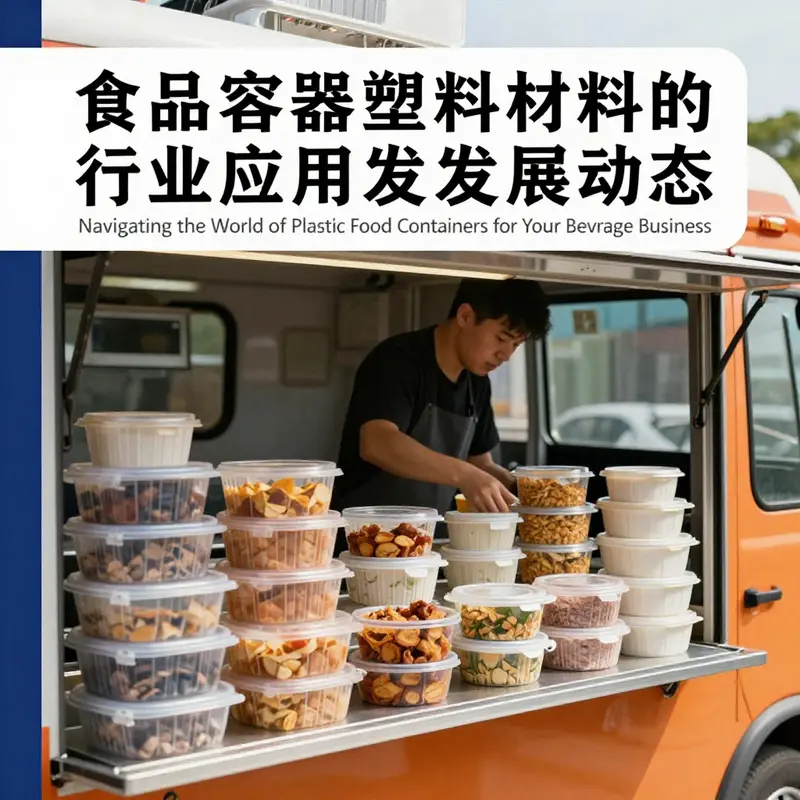
食品容器塑料材料在现代食品体系中承担的不仅是简单的保护功能,更在供应链的各个环节影响着效率、成本、安全与环境。随着消费者对健康与环境议题的关注日益增强,行业正把关注点从“如何防护”扩展到“如何实现循环利用与可持续性”,并在数字化与智能化的浪潮中探索新的设计与生产范式。塑料材料的应用并非静态的,它与加工工艺、回收体系、法规约束以及消费者行为之间形成一张动态的网络。正是在这样的背景下,食品容器塑料材料的行业应用显得格外重要,也更具挑战性。
在全球范围内,塑料材料在餐饮外卖、家庭日常储存、预制餐食以及零售包装中的角色日益突出。2023年全球一次性塑料食品包装容器市场规模的行业数据表明,该领域的容量达到一个相当可观的层级,其中外卖配送仍然是最大的驱动因素,约占比接近一半的市场份额。这一现象并非偶然,而是以移动互联网与网络餐饮平台的快速普及为背景的必然趋势。便捷性、低成本和快速供应成为推动消费升级的重要因素,而塑料材料凭借其轻便、强韧和良好的阻隔性能,在这些场景中显现出明显的优势。与此同时,市场对食品安全与卫生的要求也在升级,推动了对更高温耐受、优良化学稳定性和更强抗泪液、抗油脂的材料设计的追求。此时,材料的选择不仅关乎成本,更直接关系到食品品质与消费者信任的建立。
在应用层面,塑料食品容器的使用场景高度集中于外卖与家庭日常使用。2023年的市场数据表明,外卖配送作为核心场景,需求量和包装规格的多样性共同推动了容器材料的标准化与定制化发展。同行业之间对功能性的强调逐步深化,例如针对冷冻食品设计的低温冲击耐受性提升,以及可实现精确计量的盒盖设计,这些都在提升用户体验的同时,提升了包装的再次利用潜力。对冷链环节的重视也带来对阻氧性与防潮性的进一步要求,使得材料组合和结构设计必须在保质期、阻隔性能与成本之间达到新的平衡。与此同时,高端礼品市场对包装的外观与造型提出更高的审美与品牌传递需求,推动表面装饰、成型技术与材料的跨界创新。
在可持续性转型方面,行业正在经历从“以一次性为主的传统塑料”向“可回收、可降解、单一材质的可循环系统”转变的过程。全球碳中和目标催促企业重新思考包装体系的全生命周期,从原料选择、生产方式、包装设计到回收端的回收利用流程,均需进行系统优化。生物基材料如聚乳酸(PLA)与PHA等逐步进入公共视野,但真正的挑战在于它们与现有回收体系的结合效率,以及材料在实际使用中对物理性能的兼容性。设计上,非主体部分如瓶盖、标签、密封件的分离设计成为提升回收效率的关键,简化的分离流程有助于提高回收率并降低处置成本。对于原料端,行业内的研究正努力在兼顾性能的前提下,降低原材料对环境的压力,通过可再生资源来源、低碳生产路径以及更高的能源利用效率来实现环境目标。
技术创新是推动行业转型的另一大引擎。注塑、吹塑和热成型等传统加工工艺正朝着更高自动化、更精准工艺控制与更低能耗的方向发展。模内贴标、热封工艺优化、以及传感与数据驱动的过程监控成为提高生产稳定性和质量一致性的关键手段。这些智能化元素不仅提升产线的可视化与追溯能力,也为回收端的分拣系统提供了更清晰的材料信号,从而进一步提升循环再利用的可行性。市场对细分化解决方案的需求日益增加:某些下游领域对化学稳定性、耐溶剂性和长期密封性有严格要求;而面向儿童或家庭使用的产品则在安全开启、错位防误、抗摔等方面提出更友好、更高标准的设计。
在行业的发展动态中,材料科学与包装工程的融合显现出强烈的趋势。聚丙烯(PP)以其耐热性与化学稳定性著称,广泛用于耐热容器与微波加热场景;聚乙烯(HDPE/LDPE)则在柔韧性与密封性能上占优,常用于保鲜袋和密封罐;聚苯乙烯(PS)以其透明度与成本优势在一次性餐盒与杯具中占有一席之地,但耐热性不足成为其局限之一;PET则以透明与强度在饮料瓶与即食包装中发挥重要作用。如今,行业对“材料与设计的协同”有了更深的认识,即通过单一材质的复合化、分离易回收的部件设计,以及对使用场景的深入理解,来提升整体循环效率。这种思路不仅有助于实现更高的回收率,也有助于降低全生命周期的环境负担。
在市场规模与未来趋势方面,行业数据显示,2020年至2023年间中国市场呈现稳健增长,且全球对环保材料的需求激增,促使企业加大研发投入。围绕“从一次性向可回收、可降解的材料体系转型”的议题,企业纷纷探索以PLA、PHA等生物基材料为代表的新型包装解决方案,并在设计阶段就融入易分离、易回收的理念,以应对日益严格的法规要求和回收体系的完善。与此同时,法规对一次性不可降解塑料制品的限制日趋严格,促使行业加速向循环经济模式转型。对消费者而言,价格、性能与环境友好之间的权衡仍然是购买决策的重要因素,因此企业需要在成本控制、性能保障和环境承诺之间寻求更有效的解决方案。
在探索替代材料的过程中,纸基与生物基材料的融合也成为一个重要话题。对于消费者与监管者而言,透明度与可追溯性是信任的重要组成部分。因此,包装设计不仅要关注材料本身的性能,还要关注材料如何在生产、使用与回收的各个阶段保持可识别性、可分离性与可处理性。与此同时,数字化工具正在推动整个供应链的协同优化。通过物联网、区块链等技术,企业能够实现从原料溯源到运输、存储、再利用的全程数据可视化,从而提升监管合规性并增强消费者信心。
未来的食品容器塑料材料,将继续在功能性、环境友好性与智能化之间寻求平衡。更高效的回收体系、更加友好的设计方法以及更精准的材料开发将共同塑造一个以循环为核心的新型包装生态。行业的关键挑战在于如何在保持食品安全与用户便利的前提下,降低全生命周期的环境负担;而机会则来自于材料科学与加工技术的深度融合、以及全球范围内对于可持续解决方案日益强烈的需求。通过持续的技术创新、系统性思考和跨产业协同,食品容器塑料材料有望在未来实现更低碳、 更高效、 更安全的包装生态。
在此章节的讨论中,我们也可看到一个更广的形势——替代材料并非单独的“替代者”,而是整个包装体系的升级驱动。纸质、复合材料、以及生物基材料的组合应用,可能成为实现回收率提升与碳足迹下降的关键路径之一。设计师、工程师与回收行业的从业者之间的协同,将决定未来包装体系的实际可行性与可持续性水平。对制度与市场的适应,也需要以证据驱动的评估为基础,确保新材料在实际应用中的性能不被妥协,同时又能实现更高效的资源利用。
本章在回顾行业应用与发展动态时,强调了一个核心观点:食品容器塑料材料的未来不是单纯的“更好材料”的问题,而是一个系统性的优化过程,涉及原料选择、加工工艺、产品设计、回收分拣、法规监管与市场教育的全链条。只有在各环节形成协同,才可能真正实现从“保护食品到保护环境”的转变。基于此,我们将继续在后续章节中,进一步探讨不同材料体系的性能权衡、具体设计原则,以及智能化生产对行业效率与安全性的提升路径。
外部参考资源:https://www.marketresearchfuture.com/reports/global-food-packaging-market-size-share-trends-analysis-report-2032
法规框架下的食品容器塑料材料安全边界与健康警示
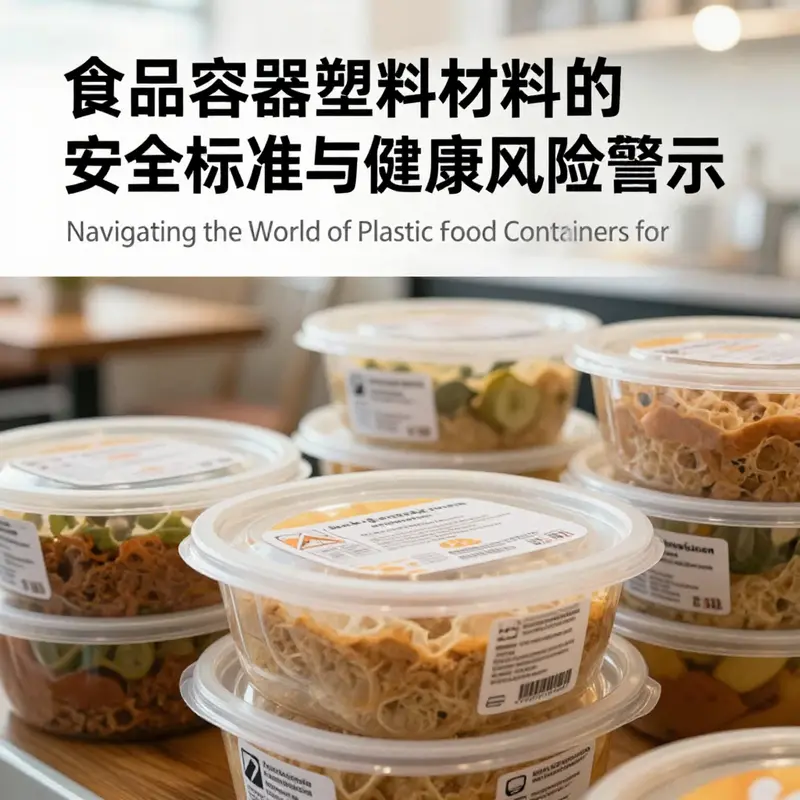
塑料在食品容器中的应用带来便利与成本效益,但安全性需由严格标准与监管框架保障。区域法规形成全球性体系,中国 GB 4806.6-2016 对常用塑料如聚乙烯、聚丙烯、聚苯乙烯、聚对苯二甲酸乙二醇酯等设定重金属、总迁移量与特定迁移量的上限。欧盟则以 EU No 1935/2004 与 EU No 10/2011 强调材料在正常使用条件下的稳定性与低迁移风险。
迁移是一项综合变量,受温度、接触时间、食品组成、容器几何和材料分子结构等因素共同作用。标注为“可微波安全”或“耐热”仅在特定条件下成立,超过条件使用风险会增加。高脂肪食品在热处理时更易促进某些化学物质的迁移。重复使用与清洗也可能导致材料降解、表面微裂纹与微生物积累。
健康警示的核心在于知情选择与谨慎使用。关注食品级标识、使用温度、是否可重复使用、以及对油性或酸性食品的适用性。必要时应优先选择玻璃、陶瓷或不锈钢等替代材料。
企业应提供明确的温度上限、食品类型建议与替代材料对比信息,监管机构通过抽检、标签要求与信息公开提升市场安全。创新材料如低迁移或可回收材料正在加速研发,但需在成本与性能之间实现平衡。跨行业协作是实现健康、可持续与消费者信任平衡的关键。
公众也应提升健康素养,避免在微波炉中使用非微波专用的塑料容器,避免长时间将酸性饮料或油性食品储存在塑料容器中,关注材料与加工过程的透明信息。
参考资料包括欧洲委员会关于食品接触用塑料材料的核心法规与评估流程,及替代设计与包装材料案例,以帮助理解全球监管趋势与健康风险警示的进展。
食品容器塑料材料的市场规模、演进与可持续未来
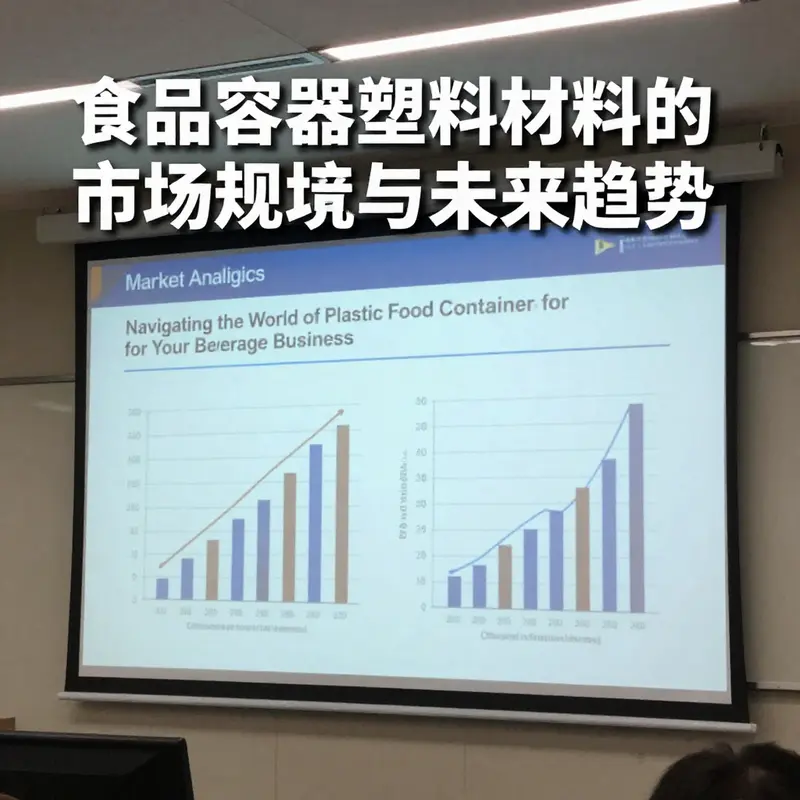
塑料材料在食品容器领域的地位已成常态。它们以轻量、可塑性强、成本相对低廉以及出色的阻隔性能著称,成为餐饮外卖、家庭储存、预制餐食及零售包装的核心支撑。其根本功能在于保护食品免受物理损伤、化学污染与微生物侵袭,从而显著延长保质期、维持风味与营养,并为供应链的效率提升提供条件。全球市场在2023年的总量达到约2,530.5亿元人民币,折合约360亿美元,预计在未来十年内持续增长,2032年的预测规模接近3,629.58亿元人民币。区域差异与回收再利用的推进将成为重要的驱动因素。就中国市场而言,2025年的市场规模已达到897.5亿元人民币,显示出中国在全球塑料食品容器版图中的重要地位与快速增长潜力。行业正在从单纯的规模扩张转向以可持续发展为核心的高质量发展路径,强调材料安全性、可追溯性与回收体系的完善。
Final thoughts
In summary, understanding the types of plastic materials used in food containers, along with their applications and safety standards, equips stakeholders in the beverage and food service industry with the knowledge needed to make informed choices. As the demand for sustainable solutions continues to rise, staying updated with industry trends will enable businesses to adapt, thrive, and maintain a competitive edge while fostering a commitment to safety and environmental sustainability.