
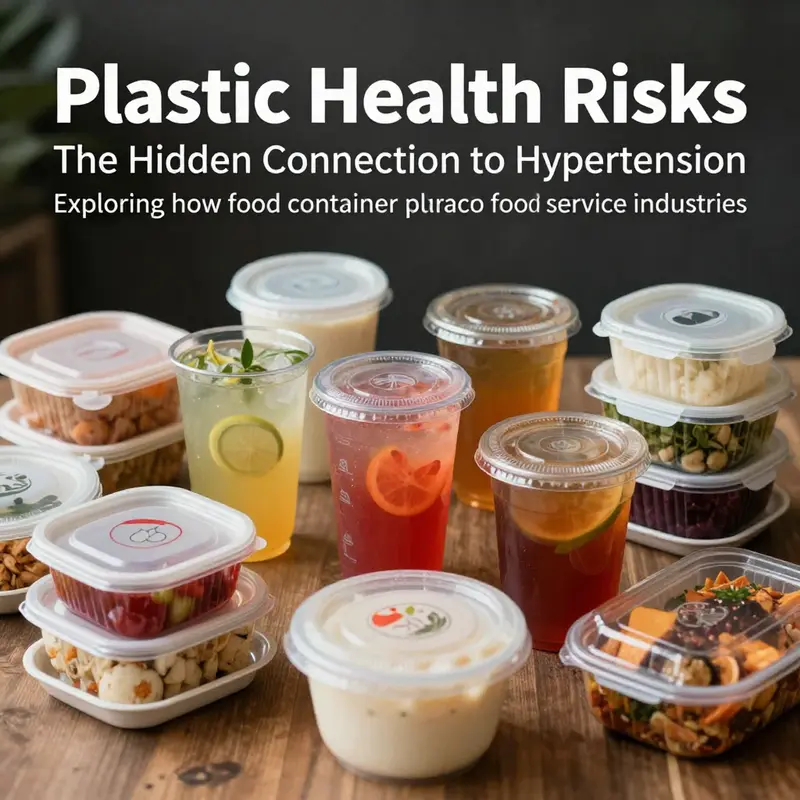
The use of plastics in food service is ubiquitous—from bubble tea shops to banquet venues. However, growing scientific evidence raises alarming questions about the health implications of these materials, particularly their link to hypertension. As health-conscious consumers demand safer options, it becomes essential for businesses in the food and beverage sector to understand the risks tied to the plastics that contain their products. This article will journey through the health implications of food container plastics, elucidate the chemical mechanisms at play, and outline preventive measures and regulatory frameworks that can guide industry practices towards safer alternatives.
null
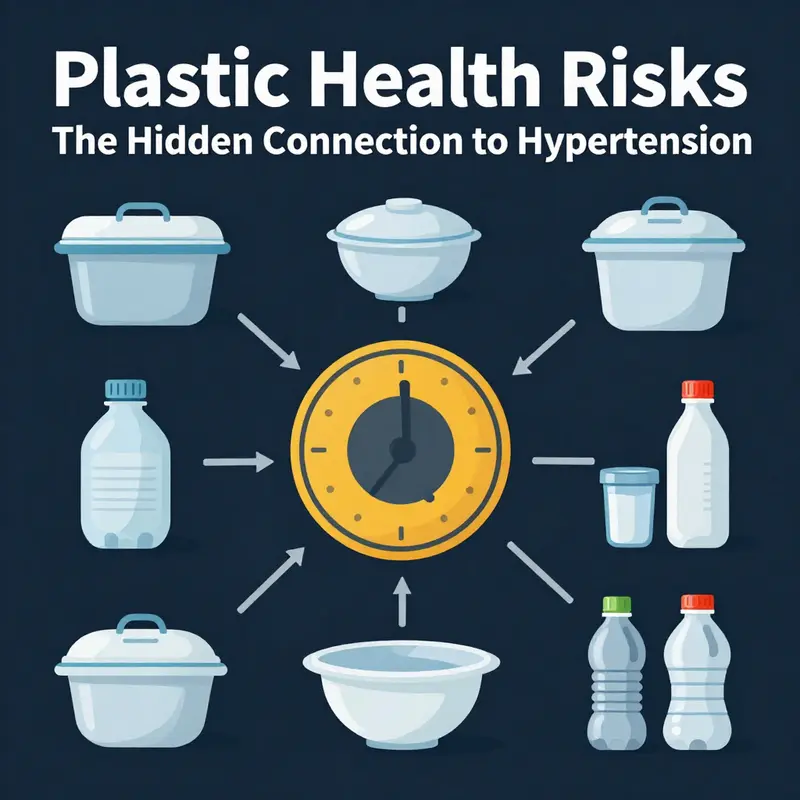
null
Plastic Packaging, Endocrine Disruptors, and Blood Pressure: A Mechanistic Perspective
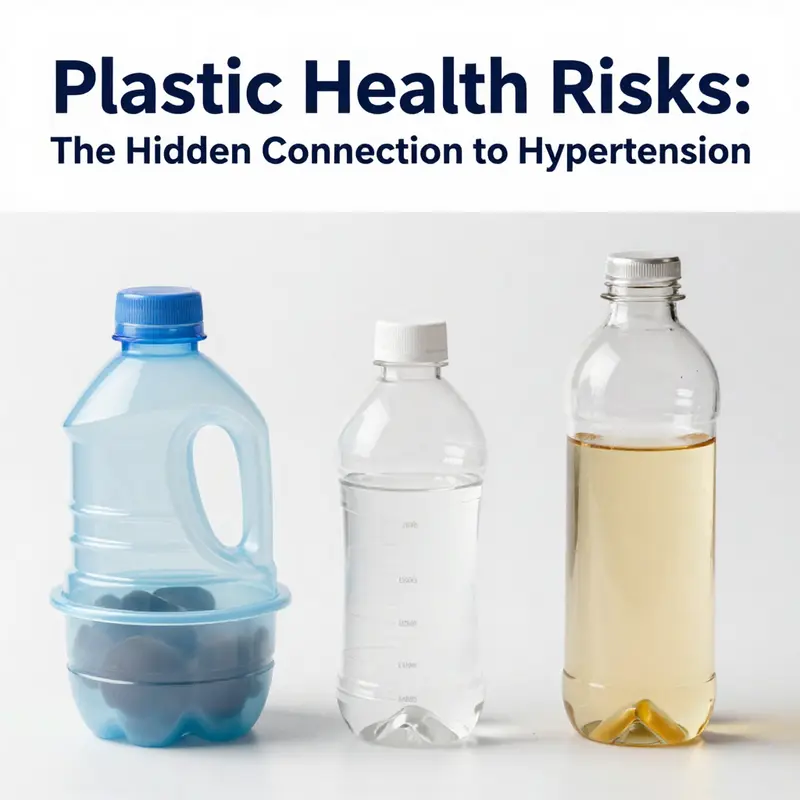
A growing thread in cardiovascular science connects everyday food-packaging choices with subtle shifts in blood pressure. This chapter summarizes how plastic containers, when used to store, heat, or transport food and beverages, can release endocrine-disrupting chemicals such as BPA and certain phthalates into the contents. Under realistic conditions—reheating, high-fat foods, or long storage—these chemicals migrate more readily, creating cumulative exposure over time.
Endothelial function and vascular tone may be affected. BPA and phthalates can interfere with nitric oxide signaling, leading to reduced vasodilation and greater vascular resistance. Oxidative stress and low-grade inflammation often accompany endocrine disruption, contributing to arterial stiffness and hypertension risk, especially in susceptible individuals.
The evidence base includes laboratory studies, human biomonitoring, and some clinical trials showing associations between higher urinary or serum levels of plastic-associated chemicals and higher blood pressure. While uncertainties remain regarding exact doses and vulnerable populations, the convergence of mechanistic data and epidemiology supports a plausible link that is relevant to daily life.
From a public-health perspective, practical steps like avoiding heating food in plastic, using glass or ceramic containers for hot meals, and preferring fewer plastic-packaged foods may reduce cumulative exposure. Policy measures and safer packaging research are also important to clarify dose-response relationships and to protect sensitive groups.
In sum, while plastic leachates are just one of many determinants of blood pressure, they embody a modifiable exposure pathway at the intersection of consumer behavior and cardiovascular risk.
Guardrails for the Plate: How Preventive Measures and Regulation of Food-Contact Plastics Could Influence Hypertension Risk
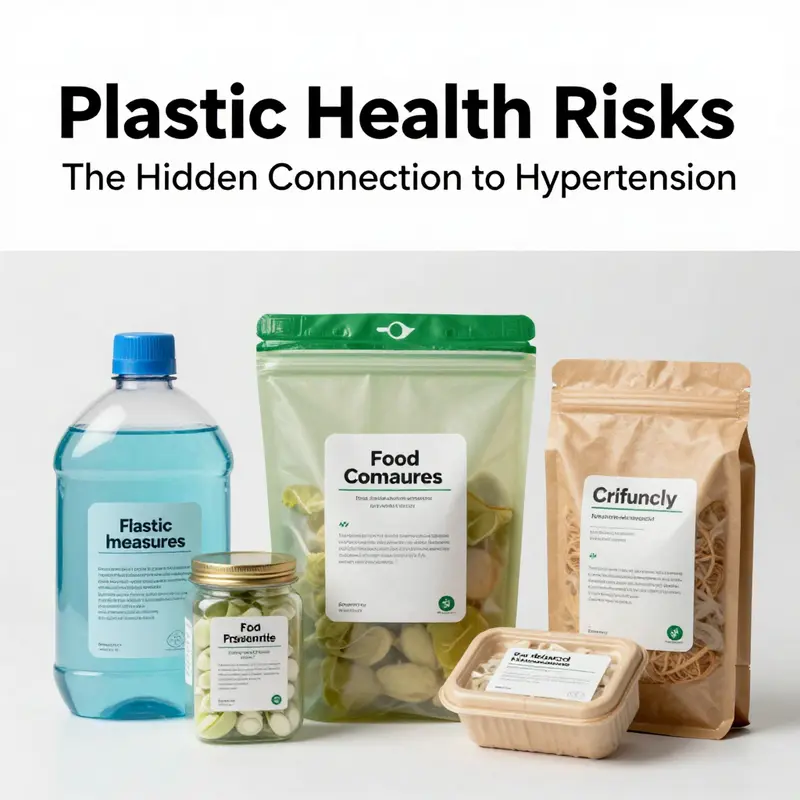
A growing undercurrent in public health debates centers on the everyday materials that touch our food and drink. In particular, the plastics used to store, package, and heat foods raise concerns beyond general safety and pollution. The chapter that follows tracks how preventive measures and regulatory frameworks around food contact plastics intersect with cardiovascular health, especially the risk of hypertension. While the available research does not offer a definitive causal link between plastic packaging and high blood pressure, the picture that emerges is one of plausible biological mechanisms, real-world exposure, and policy responses designed to minimize those exposures. In this sense, preventive regulation operates not just as a safeguard against immediate toxic effects, but as a proactive strategy to reduce chronic, systemic risks that accumulate over a lifetime. The narrative that unfolds here connects the safeguards written into standards with the health outcomes that many researchers suspect may be affected by endocrine-disrupting chemicals (EDCs) such as bisphenol A (BPA) and certain phthalates migrating from containers into the foods we consume every day. The emphasis is on the policy architecture, the practicalities of prevention, and the broader implications for hypertension risk, rather than on isolated laboratory findings alone.
From the outset, one can observe that the regulatory landscape around food contact materials is designed to reduce chemical migration and to ensure traceability and accountability across the supply chain. In many jurisdictions, standards require that products intended for food contact meet general safety requirements and that they be clearly labeled for consumer awareness. This is not merely a bureaucratic exercise. When a packaging system conforms to a safety standard, it is more likely to perform under real-world conditions—during storage, in transit, and under heat exposure in kitchens and microwaves—without releasing significant amounts of chemicals into food or beverages. The principle is straightforward: minimize contact with substances known to interfere with endocrine or metabolic processes, particularly under conditions that accelerate leaching such as high temperatures or acidic environments. The practical upshot is that careful regulation helps keep potential drivers of hypertension—through hormonal disruption or metabolic dysregulation—at lower, more manageable exposure levels.
A central pillar in the preventive framework is the explicit attention to chemical migration. Regulatory authorities recognize that migration is not uniform; it varies with the type of plastic, the presence of additives, the nature of the food or liquid, and the temperature to which the container is exposed. For instance, certain plasticizers and plastic polymers have been scrutinized for their propensity to migrate into fatty foods or hot liquids. When such migration is material, the possibility of systemic exposure to EDCs increases, particularly among populations with high consumption of packaged meals or frequent heating of containers in microwaves. Although the direct link to hypertension remains an area for ongoing investigation, the precautionary approach is to limit the use of materials and additives associated with higher migration risk, especially for products intended for long-term storage or for applications involving heat. In practice, this means stricter certification processes, robust supplier verification, and a culture of ongoing testing rather than a one-off compliance check.
A notable feature of the preventive framework is the emphasis on labeling and consumer awareness. Standards often require that products indicate their intended use for food contact and display universal symbols that communicate safety considerations. The goal is to empower consumers to make informed choices—especially when it comes to reheating foods, using containers for hot contents, or repurposing containers beyond their specified purpose. The policy logic here is simple and powerful: when people understand how, where, and under what conditions a container should be used, the likelihood of unsafe exposure declines. This is particularly relevant for heat-related leaching, where many households unknowingly heat foods in containers that are not heat-resistant or not designed for repeated use. In such contexts, even modest reductions in exposure could translate into meaningful differences in long-term cardiovascular health outcomes.
Beyond labeling, the preventive regime includes explicit prohibitions and testing requirements aimed at preventing specific chemical exposures. In many regulatory systems, phthalates—used historically as plasticizers—are subject to risk prevention guidelines due to their association with adverse health effects in both animal and human studies. To minimize potential migration into foods, certain packaging components or seals containing phthalates are banned for oils and alcoholic beverages, reflecting a recognition that these matrices can be particularly permissive to chemical transfer. If suppliers cannot provide valid certificates or proof of composition, the guidelines mandate testing for phthalate levels in raw materials used to produce packaging. This creates a chain of accountability; from material suppliers to manufacturers and, ultimately, to retailers and consumers. The practical impact is a reduction in the likelihood that high-phthalate materials end up in contact with hot oils or spirits, contexts where migration can accelerate under heat and time. While these steps do not automatically eliminate all exposure concerns, they represent an important guardrail that reduces the probability of higher-dose exposures that could, in theory, contribute to elevated blood pressure over the long term.
The regulatory approach often translates into fixed maximum residue limits for certain substances in specific product categories. For example, authorities may set quantitative limits for residues of particular phthalates in spirits or oils, such as DEHP or DBP, thereby curbing the extent to which these compounds can be present in consumables. Such limits, while embryonic in their reach, create concrete thresholds that manufacturers must observe and document. The existence of numeric limits contributes to a risk-management culture that tracks exposure through the product life cycle—from raw materials and process controls to finished packaging and consumer use. This systematic attention is essential when dealing with chronic exposure scenarios that could intersect with hypertension through hormonal disruption, metabolic effects, or vascular responses. The key point is that regulatory thresholds convert complex toxicology into actionable standard operating procedures for industry and meaningful protection for the public.
Implementation of preventive measures is, however, not confined to national borders. Global perspectives on food packaging safety increasingly recognize the interconnectedness of markets and supply chains. In the European Union, for instance, policy developments aim to curtail single-use plastics by 2030 and to tighten controls on PFAS and related substances in food-contact packaging. The rationale is not solely environmental but also health-driven: reducing plastic waste and limiting harmful chemical migrants both serve to decrease overall exposure to substances that could perturb cardiovascular regulation. Although the hypertension connection is not spelled out in every regulatory document, the logic is coherent. By lowering a broad spectrum of chemical exposures in foods and beverages, regulators reduce potential contributors to chronic health conditions, including high blood pressure, especially for susceptible individuals such as those with existing metabolic risk factors or a family history of hypertension.
At the national level, safe usage practices offer pragmatic guidance for households and institutions. Consumers are advised to wash new containers before first use and to avoid heating non-heat-resistant plastics or containers that aren’t explicitly labeled for microwave use. This is not merely aboutcleanliness; it is about reducing cumulative exposure stemming from routine, often overlooked, behaviors. The advice to avoid storing acidic or hot foods in containers with colored glazes—an area where migration may be more pronounced—reflects a precautionary stance aimed at reducing leaching potential. The call to replace damaged items, including cracked plastics or moldy utensils, constitutes a basic but vital preventive measure. Even when regulatory frameworks are robust, the everyday handling of containers remains a critical determinant of actual exposure in real life. The synergy between policy and practice thus becomes clear: standards set the ceiling for safety, but the floor—how people use containers daily—shapes the actual degree of exposure people experience.
In the broader environmental and industrial context, governance efforts extend beyond product-specific requirements toward systemic change. Governments and regulators increasingly focus on reducing plastic pollution and promoting sustainable packaging solutions. This governance shift aligns with preventive health aims by encouraging reuse, reducing waste, and encouraging materials with lower migration potential. The long-term public health payoff goes beyond acute safety; it includes a decline in chronic exposures to harmful substances that could, in theory, influence cardiovascular risk profiles over decades. The European Union’s anticipated bans on certain single-use plastics and the push to restrict PFAS in food contact packaging exemplify how environmental stewardship and health protection can be mutually reinforcing. While hypertension-specific outcomes are difficult to prove through regulatory actions alone, the precautionary posture embedded in such policies makes a compelling case for minimizing all forms of chemical exposure that could perturb vascular function or metabolic control.
A final dimension concerns the translation of regulatory measures into consumer confidence and behavior. When standards are clear and enforceable, consumers are better positioned to make informed choices about the types of containers they use, how they store foods, and how they heat meals. Knowledge about labeling, safe use, and material compatibility becomes a practical asset in reducing exposure. This is especially relevant for populations that routinely rely on packaged foods or who frequently reheat meals in their containers. The policy mix—standards, prohibitions, testing, and public education—serves as a comprehensive strategy to curb exposure and, by extension, potential contributors to hypertension. The aim is not to point to a single cause of high blood pressure but to reduce the overall chemical milieu that could tax the body’s hormonal and metabolic systems over time.
To illustrate how these regulatory and preventive principles translate into real-world choices, consider the packaging landscape as an ecosystem of decisions. A consumer might select a container option that is clearly labeled for food contact, preferably one that has undergone independent testing and bears a compliance statement. For institutions, this means integrating supplier verifications, batch certifications, and routine testing into procurement processes. It also means recognizing the heat and acidity variables that influence migration and choosing materials with proven stability under those conditions. In practice, such choices can be linked to a broader strategy of healthier dietary patterns that, over the long term, may contribute to lower hypertension risk at the population level. A concrete example in packaging choices—highlighted for illustrative purposes only and not as an endorsement—could be the shift toward safer, paper-based or other low-migration packaging for hot meals. For readers seeking a tangible reference point, one example of packaging options that align with cautious material use is available at this link: disposable-octagonal-box-restaurant-food-kraft-paper-packaging.
Despite the careful design of preventive measures and regulatory frameworks, the literature remains cautious about drawing definitive causal lines from plastic packaging to hypertension. The strongest evidence to date links certain plastic-related chemicals to cardiovascular endpoints in observational and mechanistic studies. A representative study published in Environmental Health Perspectives reported that higher urinary BPA levels in adults correlated with higher blood pressure, a finding that underscores biological plausibility but falls short of proving causation. Another line of evidence comes from questionnaires and exposure assessments that suggest associations between higher reported exposure to some plastic-containing products and an elevated risk of cardiovascular disease, including hypertension. This is not a verdict on causality; it is a signal that carefully controlled, long-term studies are needed to disentangle the many factors that contribute to hypertension. In the meantime, the policy posture—minimizing migration of EDCs, strengthening product identification, and enforcing rigorous testing—serves as a prudent approach to curb potential risk factors that could, over a lifetime, contribute to elevated blood pressure.
From a public health perspective, then, the preventive and regulatory apparatus around food contact plastics functions as a form of risk reduction. It is built on the premise that reducing exposure to hormone-disrupting chemicals can protect metabolic and vascular homeostasis over time. While hypertension is multifactorial, reducing one potential source of exposure aligns with broader strategies to lower the incidence and burden of cardiovascular disease. The regulatory framework also prompts industry accountability and spurs innovation—pushing designers and manufacturers to develop packaging that minimizes migration while supporting sustainability objectives. Because hypertension often reflects a complex interplay among genetic predisposition, diet, physical activity, stress, and environmental exposures, reducing a modifiable environmental contributor—plastic-derived chemicals—offers a partial but meaningful path toward better cardiovascular health at the population level.
In sum, the chapter of policy, practice, and science that unfolds here argues for a coherent, integrated approach. Regulations and preventive measures that limit chemical migration from plastics into foods—especially under heat, acidity, or prolonged storage—are aligned with the precautionary aims of public health. They also recognize the plausible link between certain plastic-associated chemicals and cardiovascular risk, including hypertension. Even in the absence of conclusive causal proof, the convergence of mechanistic data, exposure assessment, and regulatory action makes a strong case for robust governance and conscientious consumer behavior. The consequence is not only safer food contamination profiles but a possible reduction in long-term hypertension risk for communities around the world.
As this discourse moves from policy toward everyday practice, it also raises questions for future research. What are the specific exposure thresholds at which small, chronic doses of EDCs could influence blood pressure trajectories across different life stages? How do combined exposures to BPA, phthalates, PFAS, and other migrants from packaging interact to shape cardiovascular risk? Which specific regulatory measures yield the greatest public health dividends, and how can they be implemented across diverse food systems without compromising food safety or affordability? These questions point to a research and policy agenda that remains urgent and evolving. In the context of current knowledge, the emphasis remains clear: strengthen preventive measures and regulatory frameworks for food contact plastics, promote safer packaging solutions, educate consumers about proper use, and continue to monitor health outcomes with rigorous, long-term studies. If pursued with resolve, this agenda could contribute not just to safer plates today but to healthier blood pressure profiles for generations to come.
For readers seeking further context on phthalate risk prevention in food, the State Administration for Market Regulation provides guidance that informs much of the current regulatory approach. This resource is especially relevant for those who want to understand the concrete steps authorities take to guard against phthalate contamination in food contact materials. https://www.samr.gov.cn/zwgk/tzgg/sjdt/202404/t20240419_677157.html
Final thoughts
As businesses in the food and beverage sector, understanding the link between food container plastics and hypertension is not just about compliance—it’s about a commitment to health and safety. By proactively considering the materials used in packaging, adopting preventive measures, and adhering to regulatory standards, companies can play a pivotal role in safeguarding public health while enhancing their brand reputation. The awareness of these issues can drive positive change in the industry, ensuring a healthier future for both consumers and businesses alike.