
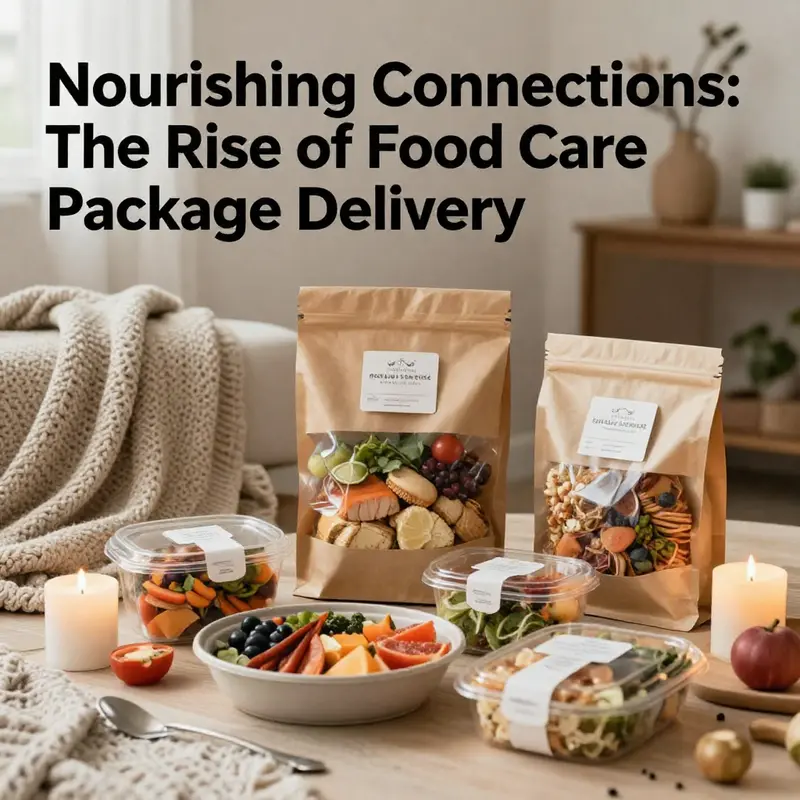
The emergence of food care packages delivery services has revolutionized how we communicate care and support. These thoughtfully curated packages, filled with gourmet ingredients and comforting treats, provide nourishment not only for the body but also for the soul. For bubble tea shops, restaurants, and catering services, the opportunity to incorporate such wellness-centric offerings can enhance customer loyalty and foster deeper connections. This article will explore the innovative trends in food care packages, their emotional and physical health benefits, as well as their significant market growth and economic impact, providing actionable insights for businesses looking to engage with this burgeoning market.
Beyond Comfort in a Parcel: Emerging Trends Redefining Food Care Package Delivery
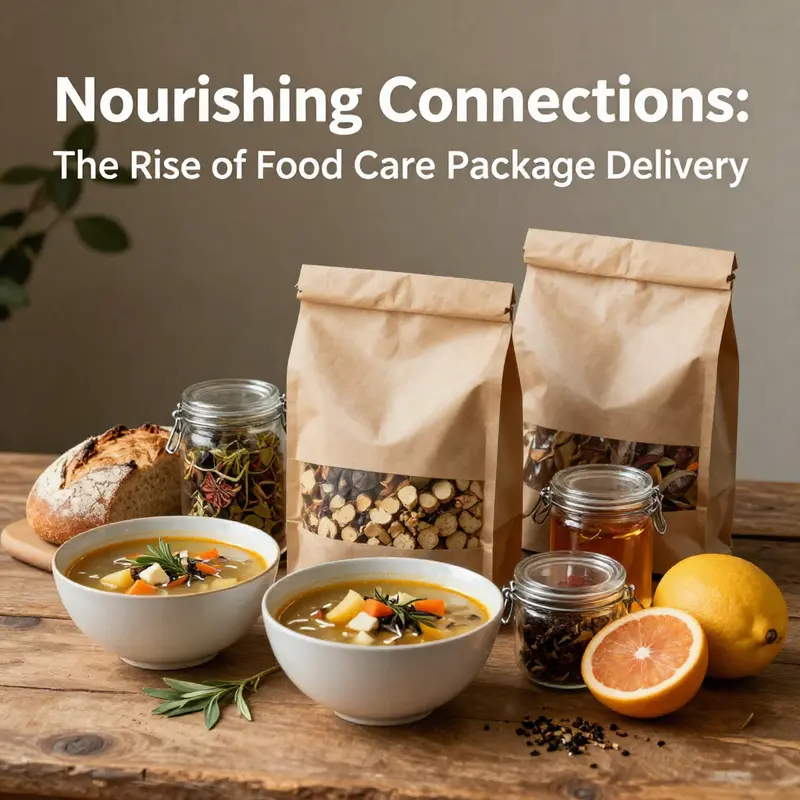
Care packages have long carried the warmth of a handwritten note and the scent of home cooking, but the modern practice of delivering food care packages has evolved into a sophisticated blend of nourishment, technology, and meaning. The latest wave of innovation treats a box of soup or a basket of artisanal treats not merely as a gift but as a controlled, curated experience designed to support recovery, comfort, and connection. The delivery moment has become a service of care in transit, where temperature control, transparency, and personalization work in tandem with the symbolism of sharing a meal. In this landscape, the delivery experience is inseparable from the content, the packaging, and the social intent behind the gesture. The goal is to move from a oneportunity moment to a series of meaningful, reliable interactions that acknowledge a person’s needs while honoring ecological and logistical realities. As this field matures, it is less about the quantity of items and more about how a package communicates care through thoughtfulness, safety, and sustainability.
One of the most visible shifts is the infusion of smart packaging into everyday care boxes. Temperature-sensitive indicators provide a tangible guarantee that warmth and freshness have been preserved from kitchen to doorstep. A small strip on the package can reveal if a soup should be heated or if a delicate dessert has remained within an acceptable temperature range during transit. These indicators do more than prevent waste; they also offer peace of mind to recipients who may be managing illness, recovery, or dietary restrictions. Alongside this, QR codes embedded on packaging unlock a broader range of information. A quick scan can reveal the nutritional profile of a meal, suggested serving sizes, allergen notes, and even the provenance of ingredients. This creates a sense of transparency that consumers increasingly expect, especially when meals are part of a medical or wellness plan. The combination of assurance and accessibility strengthens trust, which is crucial in caregiver relationships and in the broader perception of food care as a responsible, thoughtful service.
Complementing the hardware are software-enabled systems that tailor care packages to individual needs. Subscription-based models have moved beyond generic monthly boxes to highly customized assortments. These personalized packages consider dietary restrictions, medical conditions, fitness goals, and cultural preferences. For people navigating recovery, chronic illness, or dietary transitions, a curated rhythm of nourishment can reduce decision fatigue and improve adherence to dietary recommendations. Healthier meal components, familiar comfort foods, and culturally resonant flavors can be sequenced to support mood, energy, and appetite. The subscription approach also lends predictability for caregivers and healthcare providers who coordinate care plans, making it easier to align nourishment with clinical goals and discharge instructions. It is not merely about what is inside the box but when and how often it arrives, enabling a reliable cadence of support that matches a patient’s recovery trajectory or a caregiver’s routine.
A parallel and equally pressing trend centers on packaging’s environmental footprint. Eco-friendly design is no longer a niche preference; it has become a core expectation for consumers who want visible evidence of stewardship. Biodegradable containers, compostable wraps, and minimalistic designs reduce waste without sacrificing sturdiness or function. This shift aligns packaging with broader commitments to sustainability and social responsibility. It also prompts a more deliberate approach to material selection, waste reduction, and end-of-life options. The packaging choice itself becomes a form of communication, signaling to recipients that their care is thoughtful not only about nutrition but also about planetary health. For care packages that travel across regional and national networks, the move toward compostable or recyclable packaging also supports more resilient supply chains by reducing disposal friction at the destination and lowering the environmental cost of returns or discarded materials.
Within this sustainability frame, a specific design philosophy emerges: modular, reusable, or ultra-light packaging that protects contents while minimizing weight and bulk. A striking example of this mindset is the use of packaging that can double as a serving vessel or can be repurposed for storage, thereby extending the life of the package beyond its initial use. The practical upshot is reduced waste and lower energy consumption in both transit and at home. To illustrate how design choices translate into real-world practice, consider the option of disposable octagonal packaging that balances stability with ease of disposal. For organizations exploring packaging innovations that prioritize sustainability and usability, this approach demonstrates how form and function can align with environmental commitments. See this example for an idea of how packaging form can support both presentation and practicality: disposable-octagonal-box-restaurant-food-kraft-paper-packaging.
The health care dimension of food care deliveries is expanding as partnerships with healthcare providers become more prevalent. These collaborations enable targeted distribution of nutritionally balanced care packages to vulnerable populations, including the elderly and patients recovering from illness. When clinicians and care teams can prescribe or recommend specific meal plans within a delivery program, nourishment becomes an extension of medical care rather than a separate benevolence. The logistics involved—secure handoffs, privacy compliance, and careful coordination with home health services—require a sophisticated operating model. Yet the payoff is substantial: consistency in nutrient intake, improved hydration, and a sense of safety that comes from knowing that someone is paying attention to daily meals as part of a broader treatment plan. Such partnerships also create opportunities for standardization and benchmarking, enabling providers to monitor intake patterns, adjust menus in real time, and align meals with rehabilitation milestones. In practice, these collaborations translate into a more holistic form of support where food becomes a therapeutic companion rather than a decorative extra.
Beyond the clinical and technical implications, the trend toward experiential gifting has opened new emotional horizons for food care packages. Recipients often savor not just the flavors but the story behind the box—the care that went into selecting comfort foods, the personal touch of handwritten notes, and the shared experience of enjoying a meal that travels across miles to reach them. Soup-based care packages have gained particular traction for their soothing associations with healing and warmth. Alongside soup, complementary items such as sourdough bread, infused olive oil, and spiced crackers create a self-contained moment of calm that invites slow, mindful enjoyment. When designed with intention, a package turns into a small ritual: a quiet pause in a difficult day, a moment of connection with a caregiver or family member, and a reminder that someone is thinking of the recipient’s well-being. This experiential layer, while intangible, is a powerful driver of satisfaction and loyalty, reinforcing the value of care that travels well.
The rise of local sourcing and community integration further enriches the narrative of care packages. By curating ingredients from nearby producers or regional artisans, providers can offer fresher options, support local economies, and reduce the carbon footprint associated with long-haul distribution. This approach does not merely optimize logistics; it also creates a sense of place and belonging. Recipients may feel the care package is a reflection of their neighborhood or region, a small mirror of community resilience presented in edible form. The synergy between local sourcing and sustainability strengthens the social value of care packages, presenting nourishment as a bridge between the personal and the civic. It also cultivates collaboration among chefs, farmers, and logistics partners, expanding opportunities for small businesses to participate meaningfully in a nationwide or cross-regional delivery network.
Technology remains a steady ally in managing the complexity of care package delivery. Real-time tracking and temperature monitoring can be integrated with customer-facing interfaces to keep recipients informed while enabling caregivers to anticipate needs. The transparency that results from these capabilities contributes to a sense of empowerment: recipients can plan meals around arrival times, caregivers can adjust schedules to accommodate dietary changes, and healthcare teams can review adherence without intruding on privacy. The integrity of the meals themselves—ensuring freshness, avoiding cross-contact, and maintaining nutritional balance—depends on a disciplined supply chain, precise temperature control, and robust quality assurance protocols. When these elements converge, the act of sending a care package becomes an orchestrated, trustworthy experience rather than a one-off gesture.
Taken together, these trends describe a field in which nourishment, technology, and humanity intersect. The modern food care package is not a single meal but a carefully packaged program of support. It acknowledges that recovery and comfort require more than calories; they demand predictability, dignity, and a shared sense of care that travels with the recipient. The packaging itself becomes a conversation, a small act of stewardship that speaks to the values of the sender and the needs of the receiver. In this sense, the latest innovations are less about flashy novelty and more about aligning multiple threads—safety, personalization, sustainability, and social responsibility—into a coherent, compassionate service.
External insights into these developments offer further context for practitioners and researchers alike. For a deeper examination of how these innovations are being implemented, and how they may shape future practice, see the overview of innovative trends in food care package delivery at the following external resource: https://www.foodnavigator.com/News/2024/08/15/3765987/Innovative-trends-in-food-care-package-delivery
Nourishment as a Gesture: How Food Care Packages Support Body, Mind, and Community
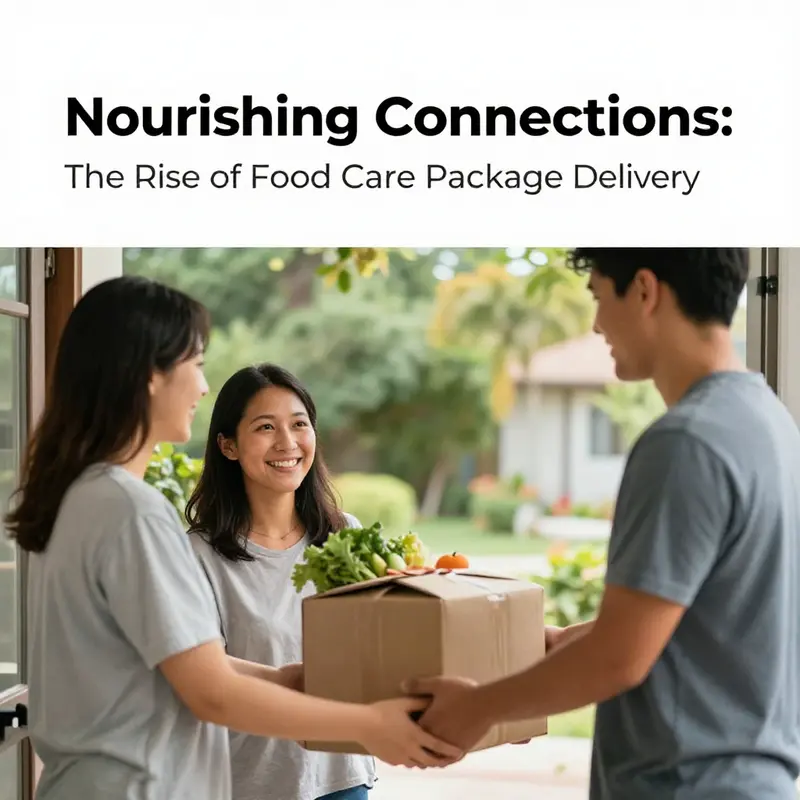
A careful box arrives at the moment when someone needs to feel seen more than anything else. A food care package is not just a collection of items; it is a deliberate act of presence, a physical reminder that another person cares. In the moments after illness, surgery, emotional strain, or hardship, nourishment becomes both a practical support and a vessel for human connection. The meals arrive with warmth, but so too does a quiet sense of companionship, a reminder that recovery is not a solitary path. The best packages blend nutrition with comfort, practicality with tenderness, and quality with a sense of shared ritual. In that blend lies a simple truth: when care is delivered through food, it travels beyond the stomach to reach the heart and the everyday rhythms that sustain someone through pain and fatigue.
Physically, these packages are designed to meet needs that often accompany distress. They curate nutrients in a way that makes recovery feasible, even when energy is scarce or appetite is unpredictable. A thoughtfully assembled box might feature soups that are rich in vegetables, lean proteins, and minerals that support immune function and digestion. These aren’t just comforting; they are purposeful. Ready-to-heat soups reduce the energy cost of mealtime, an important factor when fatigue makes stove time feel like a hurdle course. The convenience matters as much as the ingredients. When energy is limited, the ability to heat and eat within minutes translates to more calories and nutrients moving through the body without the burden of complex meal preparation. This instantaneous nourishment can stabilize mood as well as physiology, because the body’s chemistry often mirrors its energy balance. A dose of broth and vegetables can combat the weakness that follows surgery or illness and provide a steadier platform for healing to unfold.
Beyond soups, the presence of protein, fiber, and healthy fats in a package helps to maintain muscle, support digestion, and keep a steady blood sugar level. A well-curated assortment may include granola or oats for a quick, energizing breakfast; herbal or decaffeinated teas to soothe the system and encourage hydration; and baked goods that satisfy a craving without spiking sugar. Each item is chosen not only for its taste but for its ease of use and its capacity to be shared or saved for a later moment when energy returns. The result is a balanced assortment that respects the recipient’s need for nourishment while safeguarding against waste; items chosen for longevity and reliability reduce the stress of meal planning during a period when mental bandwidth is already stretched thin.
In a practical sense, nutrition becomes a daily act of restoration. Bone broth, when included, supplies minerals and amino acids that support gut integrity and immune resilience. When the box is opened, it often reveals a quiet rhythm—a pattern of heat, stir, and savor—that echoes the slower pace that healing sometimes requires. The benefit extends to digestion, which can be sensitive after illness or medical interventions. Gentle, familiar flavors paired with easily digestible textures help soothe the stomach while still delivering essential nutrients. This is not about indulgence alone; it is about steady, respectful nourishment that recognizes the body’s changing capacities and responds with kindness. The inclusion of options like herbal teas or lightly sweet baked goods can provide comfort and maintain energy without overwhelming a recovering appetite. The careful selection process behind each item speaks to a broader objective: to support consistent intake and minimize the risk of nutritional gaps during a vulnerable period.
But nourishment is not only about calories and vitamins. The emotional dimension of care messages, textures, and flavors often proves equally important. Food carries memory, culture, and a sense of safety. A bowl of soup triggers neural pathways linked to warmth and care, drawing on past experiences of sharing meals with loved ones. The sensory familiarity of a familiar soup or a grandmother’s bakery-style cookie can evoke feelings of safety and belonging, even when the recipient is miles away from their usual daily routines. The concept of comfort food—linking taste to memory—finds a science-backed ally in the practice of care packaging. When a recipient tastes a familiar flavor or aroma, a cascade of positive associations can begin to ease anxiety, reduce perceived pain, and promote relaxation. The emotional relief often travels in tandem with physical relief, creating a holistic sense of healing that is greater than the sum of its parts.
A central feature of emotional healing here is the explicit expression of care. A package communicates that someone took time to choose items with the recipient’s needs and preferences in mind. Tailoring to dietary restrictions, allergies, and personal tastes signals respect and dignity, reinforcing the recipient’s sense of value and self-worth during a difficult stretch. This kind of personalized attention matters for mental health. When people feel seen, their anxiety may lessen, and their mood can lift enough to re-engage with daily life—whether that means returning to work, resuming light activities, or simply sleeping more restfully. The emotional impact of thoughtful curation connects the giver with the recipient in a meaningful way, transforming a routine delivery into a memorable moment of acknowledgment and hope.
The social dimension of food care packages is perhaps the most powerful, because it translates into shared moments that remind recipients they are not alone. A care package can spark conversations with family and friends, inviting them into the healing process even when they cannot be physically present. The act of sharing food—whether within a household or among a circle of supporters—carries a social warmth that can buffer loneliness and reduce feelings of isolation. Even when the box is opened in solitude, the act of receiving and consuming the contents can foster an internal sense of connection to others who care. In clinical and communal settings alike, the social fabric around food offers resilience, giving recipients something to look forward to and a reason to maintain daily routines that support recovery.
The packaging itself plays a role in this experience. A well-designed box is not merely a container; it is a curated stage for the moment of unwrapping, a small theater where nourishment and care unfold together. The tactile experience—the texture of sturdy packaging, the warmth released by a sealed container, the scent of savory steam as a lid is removed—contributes to the sensory memory of care. Thoughtful packaging also minimizes waste and reduces the risk of spoilage, which can amplify anxiety for someone navigating recovery. In this way, practical design choices support the emotional and physical aims of the package. The emphasis on durable, food-safe materials reflects a larger commitment to environmental mindfulness, a quality many recipients value as an extension of care itself.
The synergy between physical nourishment and emotional support becomes even clearer when we consider the broader arc of recovery. Recovery is rarely a straight line; it has weather, fatigue, and moments of doubt. A care package can serve as a reliable anchor during those fluctuations. A steady supply of nourishing foods can prevent nutritional regression at a moment when appetite may waver. The consistency of a regular delivery, coupled with the personal touch of the accompanying note or card, can stabilize routines and provide a rhythm that helps a person regain momentum. In this sense, care packages function as a practical intervention in addition to the emotional support they convey. They reduce barriers to nourishing meals, offer a bridge from hospital or clinic to home, and create a quiet, hopeful cadence that supports both body and mind as healing progresses.
The customization of packages—ensuring alignment with dietary restrictions, cultural preferences, and personal rituals—further enhances their impact. Respect for dietary needs is not a mere courtesy; it is a form of safety that helps recipients maintain energy and comfort without discomfort or distress. For example, a package that respects gluten-free, low-sodium, or dairy-free requirements will be more likely to be fully consumed, maximizing caloric and nutrient intake during critical recovery windows. When people can enjoy every item in a package without worry, the emotional relief compounds, and the act of eating becomes something to look forward to rather than a source of strain. Personalization also extends to timing and pacing. Some recipients may benefit from a weekly cadence, while others may prefer a smaller, more frequent shipment. The ability to adapt to changing needs over days or weeks transforms food care into a dynamic support system rather than a static gift.
An often underappreciated facet of care packaging is its potential to stimulate social sharing and communal healing. When families or friends participate in the act of packaging, they imbue the food with their own care energy. This creates a broader ripple effect: the recipient experiences care, but so do the people who contributed to the package, reinforcing social bonds and a sense of shared purpose. In communities where illness or hardship can be isolating, such collective acts of giving help to maintain social capital—the networks of relationships that nourish resilience. Packaging becomes a conduit for these networks, a tangible reminder that the community stands with the person in need. As such, the value of food care packages extends beyond nutrition; they help knit together a support system that can endure long after the immediate crisis has passed.
From a practical standpoint, many providers recognize that care is most effective when it is continuous, predictable, and adaptable. Continuity ensures that individuals do not face prolonged gaps in nutrition, especially during periods of reduced appetite or limited mobility. Predictability helps families plan and coordinate care with healthcare teams, caregivers, and everyday routines. Adaptability allows the package to evolve with the recipient’s recovery—adding or substituting items as energy levels rise or fall, or as dietary and cultural needs shift. This flexible approach acknowledges that healing is a process and that the best care respects that process. The overarching aim is not to overwhelm but to sustain: to offer steady nourishment, steady empathy, and a steady reminder that care is ongoing, not episodic.
The way care is delivered can also influence a recipient’s sense of agency. When someone feels they have some control over their nourishment—whether by selecting from a curated set of options, choosing the frequency of deliveries, or adjusting dietary parameters—they regain a measure of independence. This sense of agency is essential for psychological well-being and can help counteract the helplessness that sometimes accompanies illness or hardship. Care packages that invite thoughtful choices, while still guiding recipients toward healthy options, strike a balance between support and autonomy. The design of these choices matters: a straightforward, straightforward selection process, with clear labels and simple preparation steps, reduces cognitive load and makes the act of nourishment a positive, empowering experience rather than a source of stress.
In a landscape where the act of giving has shifted toward experiential gifting, food care packages stand out for their dual capacity to delight the senses and to anchor healing. They are gifts that invite sharing, contemplation, and participation in the recipient’s recovery, rather than solitary consumption. The experience of opening a package—seeing the colors, smelling the fragrances, hearing the steam as a jar is opened—creates a moment of pause that can be emotionally restorative. These moments accumulate, weaving a narrative of care that can enrich a person’s sense of purpose and belonging during a difficult season. Each package thus becomes a micro-ceremony of care, a ritual that marks progress, even if progress feels slow, and a reminder that warmth and nourishment are within reach, even when life otherwise feels distant or overwhelming.
To close this circle of nourishment and care, the guiding principle remains clear: care packages should honor the body’s needs while attending to the mind’s longing for connection. When executed with attention to nutrition, emotional resonance, personalization, and practical design, these packages offer a holistic form of healing. They become more than a delivery of meals; they become a lifeline of comfort, a facilitator of recovery, and a symbol of enduring humanity—proof that, even in time of trial, a single thoughtful act can reframe a day, a week, or a month. The message embedded in each note and each nourishing item is simple, but powerful: you matter. The nourishment that arrives at the door carries with it a network of care that surrounds the recipient, soothing fear, sustaining energy, and slowly guiding them back toward strength and light.
For sustainable serving options that preserve warmth and reduce cleanup, many caregivers and recipients appreciate practical, eco-friendly vessels. In the spirit of thoughtful design, consider durable, disposable options that keep meals hot and hands clean without demanding heavy labor. A simple, robust paper bowl can be a quiet hero in a home recovery setting, allowing people to enjoy a comforting bowl of soup with minimal fuss and maximal accessibility. See a practical example of such packaging options here: kraft paper bowls for take-out packaging. This choice aligns with the broader goals of care packages: ease of use, reliability, and a sense of simplicity that supports recovery rather than complicates it. The right containers help keep the focus on nourishment and connection rather than on logistics, and that focus makes care feel more intimate and manageable for someone navigating healing.
The science of comfort foods provides a crucial backdrop to these observations. The Neural pathways associated with memory, flavor, and emotional regulation respond to familiar tastes with subtle, comforting signals. When a recipient encounters flavors that evoke safety and home, the brain can reduce stress responses and promote a calmer state. This biochemical dividend, while modest, can have meaningful effects on appetite, sleep, and mood during recovery. The synergy between taste-based comfort and social support has been documented in broader explorations of food and well-being, and it resonates strongly with the practice of delivering care through meals. While science cannot erase the stress of illness or hardship, it does illuminate why something as simple as a well-timed bowl of soup can feel transformative. It is a reminder that nourishment and kindness can work together to ease the burden of healing and help people reclaim a sense of normalcy.
In sum, the emotional and physical health benefits of food care packages delivery arise from a deeply human intersection of nutrition, empathy, and connection. The physical rewards—adequate calories, balanced nutrients, easy-to-prepare meals—support recovery in tangible ways. The emotional rewards—a sense of being seen, remembered, and valued—provide the psychological fuel that helps sustained healing feel possible. When these elements come together in a single, thoughtfully assembled package, care ceases to be a one-off gesture and becomes a durable practice—a way of extending presence, breath, and nourishment across distance and time. This is the promise of food care packages: a steady, compassionate system that honors both body and spirit, and that, in the process, strengthens the ties that keep communities resilient and hopeful.
External resource for deeper reading on the healing potential of soups and comfort foods: The Healing Power of Soup in Care Packages. https://www.healthline.com/nutrition/comfort-foods-soup
Care on the Move: Market Growth and the Economic Footprint of Food Care Packages Delivery
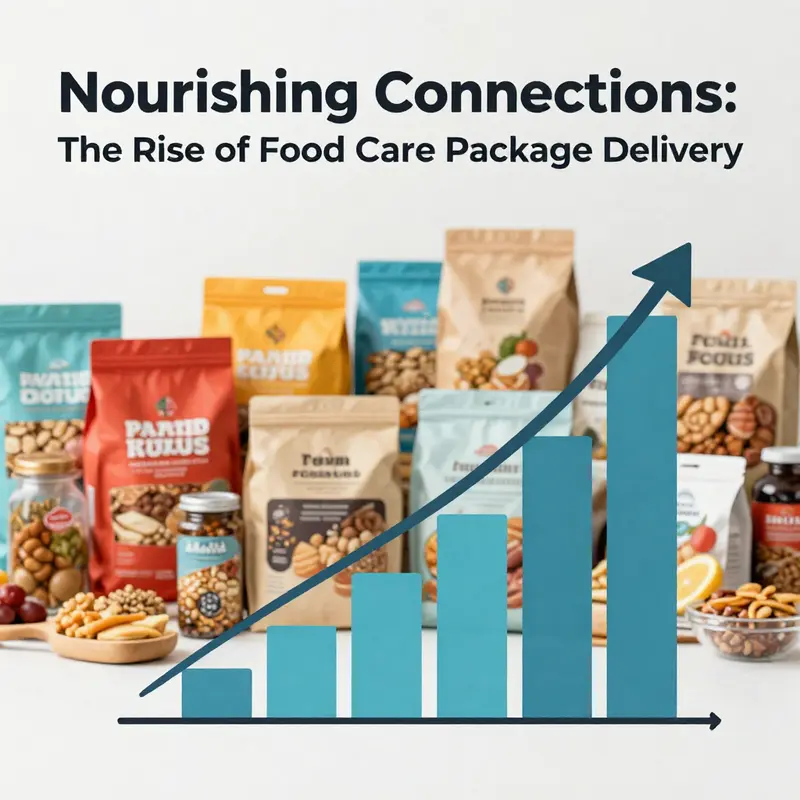
Across the landscape of modern provisioning, food care packages delivery sits at a unique crossroads. They are not merely meals; they are signals of support, rituals of comfort, and practical solutions for recovery or loneliness. In the broader arena of food delivery, care packages occupy a niche that blends nourishment with emotional intent. The logistics behind these packages demand precision as much as empathy, ensuring that a warm bowl, a comforting bread, or a fragrant tea arrives intact and ready to ease a moment of strain. This chapter traces how the market for these offerings is expanding, the economic implications for workers and regional producers, and how innovations in packaging, sourcing, and delivery platforms are reshaping what it means to send care across distances. The trajectory is not accidental. It reflects a consumer base that values reliability, relational significance, and the ability to transform a simple delivery into a moment of respite during illness, vulnerability, or stress, especially where in-person support is scarce or distant.
The growth sits within a larger tide of meal kit delivery and box-based shipping that extends beyond simple convenience. The global meal kit delivery services market is projected to grow at a compound annual growth rate (CAGR) of 8.8% from 2025 to 2033, reaching about USD 77.6 billion by 2033. This expansion is driven by a persistent appetite for home cooking that requires minimal effort, coupled with a desire for culinary exploration. Urban life, with its time constraints and crowded schedules, has accelerated the appeal of pre-measured ingredients paired with chef-inspired flavor profiles. Care-package strategies have learned from this logic, borrowing the efficiency of pre-portioned components and the reassurance of curated quality while layering in emotional value. What begins as convenience for the busy household evolves into an enabling framework for caregivers and recipients alike: nourishment becomes a shared ritual rather than a solitary necessity. A well-designed care package, even when it contains mostly familiar staples, communicates attention to the recipient’s needs and a steadying presence in uncertain moments.
In parallel, the market for food delivery boxes—systems that transport prepared meals, soups, and curated assortments with safety and freshness in mind—has its own vigorous trajectory. By 2034, this broader category is expected to reach USD 91.77 billion, growing at a robust 14.76% CAGR from 2026 through 2034. The higher growth rate here reflects innovations in packaging, temperature control, and the ability to ship delicate items across long distances. Consumers increasingly demand reliable, ship-ready experiences: meals that stay hot or cold as appropriate, packaging that preserves texture, and materials that demonstrate a commitment to the planet. The faster growth in boxes also mirrors the expansion of direct-to-consumer channels, where regional producers can reach national audiences without sacrificing the artisanal edge that characterizes their offerings. Although some of these advances add cost and weight, they are increasingly viewed as essential to quality and trust in the delivery experience. The packaging apparatus, from insulation to clamshells to liner materials, becomes a competitive differentiator that translates into repeat orders and broader brand resonance across communities that prize thoughtful care.
The economic footprint of this sector extends far beyond top-line sales. As delivery services scale, they create jobs across the spectrum—from logistics analysts who forecast demand to last-mile drivers who navigate urban corridors, to packing specialists who tailor packaging to temperature needs and fragility. The rise of food delivery as a business model also strengthens direct-to-consumer links for local farmers and artisans. When a regional producer can reach a national audience through a curated box or a meal-kit ecosystem, it reduces reliance on wholesale channels and expands income opportunities for smallholders. This shift contributes to regional economic resilience, providing seasonal revenue streams that smooth out the cycles of harvest and tourism. For communities that prioritize local sourcing, the intermediate step of a care-package strategy can translate into stable demand for seasonal produce, baked goods, and preserves, which sustains local employment and preserves culinary heritages. The broader implication is clear: when care packages become a conduit for local products, they also become a platform for community wealth and skill transfer, enriching local supply chains while offering recipients a tangible link to place and craft.
Beyond jobs and income, the sector is quietly driving sustainability and competitive differentiation through packaging innovations. Temperature-controlled solutions, moisture barriers, recyclable or compostable materials, and lightweight designs are becoming standard rather than exceptional. Even when costs rise, brands and consumers recognize that superior packaging reduces waste, protects quality, and reinforces trust during transit. The packaging narrative—how a product is contained, labeled, and recycled—becomes part of the brand story and a lever for customer loyalty. Smart delivery concepts, such as real-time temperature monitoring and transparent condition reporting, reassure recipients that their care packages arrive as intended, a factor that translates into repeat orders and positive word-of-mouth within communities that value thoughtful, reliable support during illness, bereavement, or recovery. The emphasis on packaging is not merely about protection; it becomes a signal of stewardship—the promise that a package sent to a loved one reflects consideration for the environment and a commitment to reducing waste across the supply chain. In this sense, packaging serves both practical and ethical objectives, aligning business goals with consumer values.
A subtle but powerful driver of growth is the shift toward experiential gifting. Care packages are evolving from simple assortments into curated moments—a meticulously chosen assortment of foods, comforting textures, handwritten notes, and a rhythm of anticipation that arrives with the delivery. This is not merely about the act of eating; it is about shared rituals that anchor relationships when face-to-face contact is limited or distance is a factor. When a recipient opens a thoughtfully assembled box, they receive a sensory tapestry designed to soothe, uplift, and nourish. The emotional resonance of these moments becomes a form of social capital, encouraging senders to invest more in curation, personalization, and the storytelling that accompanies a well-composed package. In this sense, the growth of care-packaging ecosystems mirrors broader consumer trends toward meaning over abundance, and convenience married to conscience. The result is a virtuous cycle: higher perceived value drives willingness to pay for premium ingredients and careful assembly, which in turn funds better sourcing, more skilled labor, and more sustainable packaging choices.
Technology and data act as the quiet architects of this expansion. Platforms that coordinate chefs, bakers, farmers, shippers, and customers deploy sophisticated forecasting, route optimization, and spoilage reduction. They enable customization at scale: dietary-specific menus, seasonally aligned baskets, and regional variations that celebrate local specialties. Quality control becomes a logistical discipline as much as a culinary one, requiring cold chains, insulated packaging, and timely handoffs between processors and carriers. The result is a supply chain that not only delivers sustenance but also preserves the integrity of the producer’s craft. In dense urban markets, these capabilities unlock new opportunities for culinary artisans to reach broader audiences while maintaining the fidelity of their work. As data flows improve, so does the ability to balance supply with demand across a mosaic of small producers and large-scale kitchens alike, reducing waste and increasing efficiency without sacrificing the personal touch that characterizes care-driven offerings.
Pricing dynamics and margins in care-package delivery reflect a careful balance of premiumization and efficiency. Consumers are often willing to pay for premium ingredients, artisanal touches, and the assurance that a package will arrive in optimal condition. Yet the economics of shipping such items can be unforgiving; weight, temperature control, and the need for rapid fulfillment compress margins. This tension pushes operators toward larger, curated assortments that achieve economies of scale while maintaining the personal touch that differentiates their offerings. Partnerships with local suppliers become a strategic asset, enabling variable-cost models where the cost of ingredients tracks with harvest cycles but packaging and logistics maintain a stable baseline. This approach is particularly relevant for care-oriented segments that promise repeat, multi-week deliveries as families and caregivers build routines around nourishment and comfort. The discipline of forecasting not only ingredients but also the cadence of gifting occasions helps ensure that the right products are in stock at the right time, minimizing stockouts and reducing waste while maximizing recipient satisfaction.
Regional considerations shape how these economies unfold. Urban markets with dense logistics hubs can deliver with speed and reliability that reinforce consumer confidence, while rural and peri-urban regions benefit from direct-to-consumer channels that bypass traditional distribution bottlenecks. International expansion adds layers of complexity, as cold chains, regulatory compliance, and cultural preferences interact with language, payment, and shipment scheduling. The ability to thread supply networks through small manufacturers, farmers, and specialty bakers strengthens food ecosystems, but it also requires investment in certification, traceability, and risk management. For some communities, care-package delivery becomes a portable extension of social services, connecting households in need with neighbors who want to offer nourishment and warmth. These dynamics illustrate how market growth translates into tangible economic activity and social value, weaving together commerce and care into a cohesive system that sustains livelihoods and social resilience across diverse geographies.
The packaging dimension, while often a backstage actor, is central to scale. A single, well-designed box can carry heat, preserve moisture, and communicate care as clearly as a handwritten note. The design of packaging—ease of opening, readability of ingredients, and clarity of allergy or dietary information—shapes the recipient’s experience and, ultimately, the brand’s reputation. Innovations in materials science are enabling lighter yet stronger wrappers, insulation that reduces energy use in transit, and components that can be reused or composted. Brands that invest in sustainable packaging often find it justifies premium pricing and builds loyalty among environmentally conscious consumers. The practical realities of shipping—loss, damage, and spoilage—also sharpen the focus on quality control, supplier vetting, and contingency planning, ensuring that a promise of nourishment does not become a disappointment for the recipient. The box, in effect, is a portable interface to care that encodes reliability, thoughtfulness, and responsibility for both people and planet.
The collaborative ecosystem around care packages—chefs, bakers, farmers, shippers, and digital platforms—is still in its early stages of maturation, yet it shows how a relatively small idea can cascade into a sizable economic engine. It is not merely about delivering meals; it is about delivering reliability, comfort, and a sense of connection that endures beyond the moment of arrival. In policy terms, this growth invites attention to workforce development, training in cold-chain practices, and investment in regional infrastructure that supports last-mile delivery. In the broader economy, the ability to scale through curated boxes and meal-kit concepts can diversify income for rural producers, create stable employment within logistics networks, and stimulate demand for ancillary services such as packaging design, labeling, and supply-chain software. All of these factors coalesce into a more resilient, adaptable economy that can absorb shocks and still deliver warmth to households in need. The momentum is not a mere reflection of consumer appetite; it is a signal of how communities can reframe care as a productive, value-creating activity that strengthens social ties and local economies alike.
As the market matures, the interplay between consumer expectations and supply-chain innovations will define the next wave of growth. Expect more hybrid offerings that combine ready-to-eat items with chef-driven, shareable experiences; more emphasis on transparency, traceability, and sustainability; and more partnerships that bind local food cultures to national and regional markets. The care-package delivery model, when viewed through the lens of market economics, reveals not only a flourishing niche but a scalable, adaptable ecosystem that can contribute to public well-being and economic vitality. For researchers and practitioners, the signal is clear: the strength of this sector lies not only in appetites met but in the networks and capacities built to meet them—human capital, supplier diversity, and the infrastructural backbone that makes rapid, reliable delivery possible. The story is still unfolding, and its trajectory will be shaped by how well the industry aligns culinary craftsmanship with efficient, sustainable, and emotionally resonant delivery. Alongside evolving consumer demand, a broader adoption of eco-conscious packaging and digitally enabled logistics will likely push the sector toward greater efficiency, resilience, and social impact in the years ahead.
In this evolving landscape, a single insight quietly underpins the optimism of stakeholders: care packages are increasingly seen as part of value-based commerce. They fuse nourishment with social connectedness, and they translate local art and foodways into scalable, nationwide access. The economic signal is robust: growth in the delivery boxes and meal-kit spaces is not just a story about higher spending. It is about new job families, new ways to monetize regional specialties, and new expectations about how goods move from producer to plate—safely, swiftly, and with integrity. The capacity to deliver warmth at scale depends on disciplined sourcing, inventive packaging, and platforms that can orchestrate a complex web of producers, drivers, and recipients. In that sense, the market growth figures are not mere forecasts; they describe a living system that blends craft, care, and commerce into a durable social and economic infrastructure. For readers seeking a broader frame, the evolving evolution of food delivery beyond the household plate is a reminder that nourishment, when packaged with care and delivered with reliability, can become a nationwide, even regional, platform for prosperity and connection.
External reference: The rapid evolution of food delivery across consumer channels is further explored in analyses that emphasize the integration of technology, supply chain resilience, and sustainability considerations shaping the future of food care package ecosystems. See McKinsey’s insights for a broader macro view: https://www.mckinsey.com/industries/consumer-packaged-goods/our-insights/the-rapid-evolution-of-food-delivery
Final thoughts
The journey through the world of food care package delivery has revealed a compelling narrative of nourishing connections forged through thoughtful culinary offerings. As bubble tea shops, restaurants, food trucks, and catering services embrace this trend, they not only provide comfort but also contribute to emotional wellbeing, creating shared moments of joy and support. With the market poised for continued growth, integrating food care packages into service offerings can significantly enhance customer loyalty and community connections. The time is ripe for businesses to evolve their engagement with customers by embracing and promoting the warmth that comes from sharing a meal.