
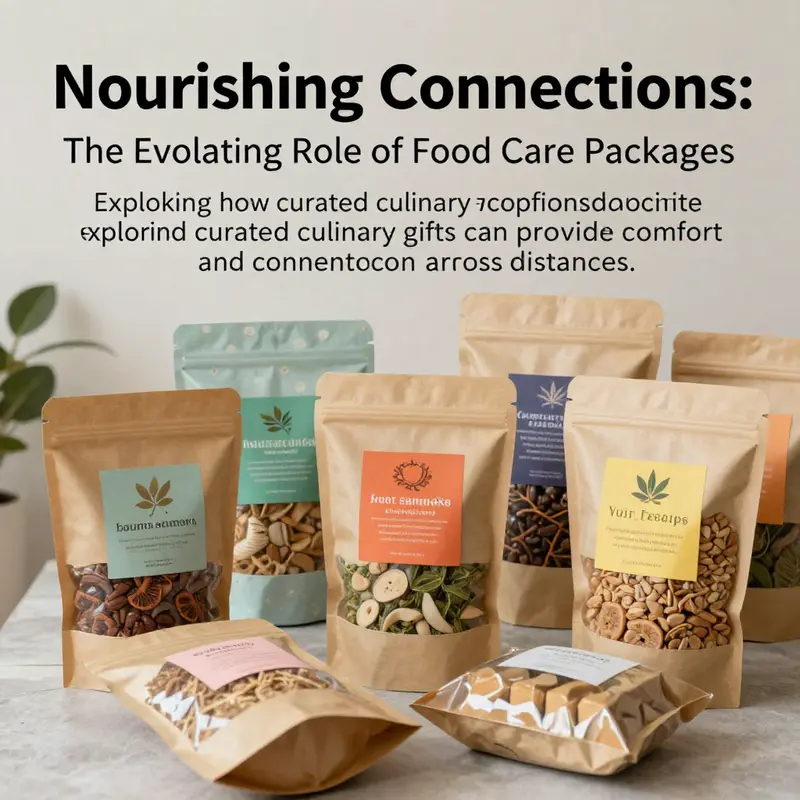
Food care packages for delivery have emerged as meaningful gestures that touch on deep emotions. They represent not just sustenance but a bridge of compassion, allowing recipients to feel cared for during challenging times. This article delves into the essence of food care packages, revealing how each element plays a crucial role in offering support and nourishment. Each chapter will explore different facets, beginning with the powerful emotional connections these packages foster, then examining the critical role of quality ingredients, moving into the holistic design aimed at creating comfort, and finally considering the importance of accessibility in catering to diverse dietary needs.
Emotional Nourishment on the Move: How Food Care Packages Deliver Care Across Distances
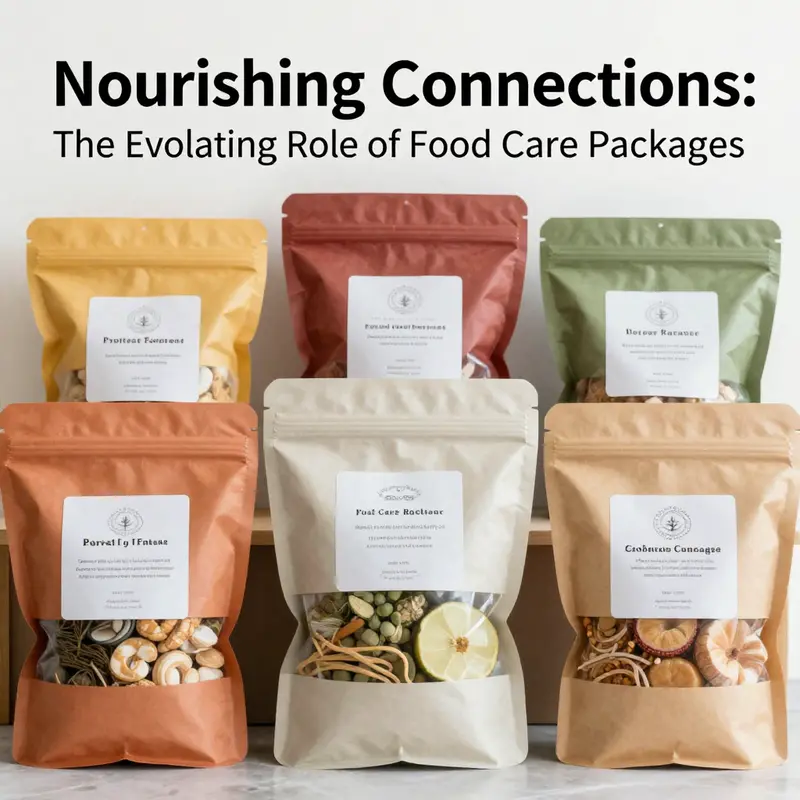
When we think about care, the image often centers on presence rather than parcels. Yet in the bright quiet of a doorstep exchange or the unexpected arrival of a box at a hospital ward, food care packages have become one of the most intimate forms of support people can offer. They carry the sender’s intention in every layer—from the warmth of a carefully chosen soup to the texture of a bread crust that crackles when opened. As Dr. Lena Patel, a clinical nutritionist who speaks often about nourishment beyond calories, reminds us, food is not merely fuel; it is a language of care. A bowl of soup can say, I’m thinking of you, I want you to heal. In that sentence lies the core truth of modern food care packages: they are not just meals, but messages of presence transmitted through taste, scent, and texture, distilled into a moment of calm in the middle of upheaval or fatigue.
The emotional heft of these gifts rests on what they promise beyond nourishment. They offer a palpable sense of companionship when illness or stress makes the world feel isolating. A package can acknowledge the patient’s current reality while also signaling a future where recovery is possible. The act of opening the box becomes a ritual of care—from the first whiff of warmth to the last crumb of bread crust, the recipient experiences a deliberate pause, a moment carved out of a busy day solely for their well-being. The emotional benefit grows from consistency. When a caregiver or friend sends a thoughtful bundle repeatedly, it becomes less about the immediate sustenance and more about the ongoing message: you are seen, you matter, you are not alone.
The evolution of care packages has shifted toward a holistic, sensory experience that respects both mood and appetite, especially during recovery. The so-called soup basket stands at the forefront of this evolution. It is not merely a culinary assortment but a small, self-contained sanctuary designed to ease discomfort and invite rest. A well-composed basket does more than fill a stomach; it invites a pause in the day. Imagine artisanal soups that carry clear, restorative broths alongside creamy textures that feel like warmth poured into a bowl. Add to that a crusty sourdough loaf that yields softly to the touch and a drizzle of infused olive oil for dipping. Spiced crackers offer a contrast in crunch, while a comforting herbal tea can gently ease the transition from wakefulness to quiet time. The handwritten note tucked into the tissue paper becomes more than sentiment; it is a human voice reaching through distance, a reminder that someone cared enough to choose the specifics of this moment.
The careful curation of a package matters because our appetites fluctuate during recovery. A single day may call for something soothing and mild, while another may crave a flavor that sparks appetite and movement. Modern care packages respond to this shift by presenting a balanced variety—textures that satisfy different sensory experiences, from velvety soups to crisp crackers, from warm beverages to soft breads. The choice of options can become a small, personal map of the recipient’s needs and preferences. Dietary inclusivity is another essential dimension. Packages that offer gluten-free, dairy-free, vegan, or low-sodium options honor diverse health requirements and expand the circle of people who can receive support without hesitation. A thoughtful package anticipates potential food sensitivities and openly communicates serving suggestions, preparation steps, and storage tips. These details transform generosity into practicality, lowering barriers and making the gift accessible to a broader range of recipients.
This practical sensitivity extends to how a package is assembled and presented. Presentation is not a superficial flourish but a key part of the experience. A well-designed basket becomes a micro-environment—a small sanctuary that slows time and invites breathing. The goal is to create a pause in the day, a moment of mindfulness that can sustain someone through the hardest hours of illness or stress. Crusty bread chilled just enough for a satisfying bite, a jar of comforting soup warmed gently on the stove, a lemon-y herbal tea that awakens the senses, a sachet of herbs whose aroma travels ahead to the kitchen—each item contributes to a sense of ritual. The packaging itself has a role to play. A sturdy, easy-to-handle container, clear labeling with simple serving suggestions, and a reliable method for reheating or storing can transform a good gift into a reliable, repeatable experience. Even the bag or box in which the items arrive carries emotional meaning, signaling care through thoughtful, durable construction that reduces waste and makes the experience feel dignified and respectful.
Distance, ironically, becomes a strength in this story. The growing ubiquity of nationwide delivery means a loved one can send that moment of pause across state lines and time zones. For caregivers who cannot be physically present, the box becomes a vehicle of presence. It becomes a stand-in for a phone call that lingers after the call ends, a handwritten line that survives the daily hustle, and a shared table that exists in a moment of imagined togetherness. The logistical reality—packing, shipping, and the guarantee of freshness—must align with the emotional intention. Designers of care packages increasingly collaborate with professionals who understand nutrition and texture, ensuring that the selection maintains its integrity from their kitchen to the recipient’s desk, bed, or kitchen table. The result is a delivery system that respects both the science of nourishment and the art of giving.
In this ecosystem, the packaging materials themselves matter. Eco-conscious choices communicate respect not just for the recipient but for the wider world. Recyclable or compostable containers, clear guidance on disposal, and packaging that minimizes waste without compromising heat, aroma, or freshness—all these elements convey a consistent message of care. The sensory story remains central: the glow of warmth from the soup, the scent of bread as it breaks, the fragrance of herbal tea, and the soft touch of a card that feels intimate rather than commercial. The tactile, olfactory, and visual cues work together to reassure the recipient that someone has thought deeply about their comfort, even from afar. When the package arrives, the recipient is invited into a sanctuary of nourishment that transcends the simple act of eating.
The emotional resonance of food care packages also reveals itself in the subtle psychology of anticipation. The moment of receiving a package disrupts the monotony of a day and interrupts worry with possibility. The anticipation primes the body for healing by cultivating a positive, hopeful mood that can influence appetite and energy levels. Medicine sits on the periphery here; what matters is a felt sense of care that nourishes the mind as much as the body. The handwritten note, sometimes the only personal touch in a sea of carefully chosen items, can become a talisman of support—reassuring, intimate, and enduring. Over time, repeated gifts can reinforce a sense of rhythm and reliability. They become markers of recovery milestones or days when the world feels heavier, offering a steady cadence of comfort that helps rebuild a sense of normalcy.
As the practice of delivering food care packages evolves, so too do the ideas about what makes a gift memorable. Variety and balance remain central, but the focus now includes how a package can be repurposed in the recipient’s home. A soup basket may double as a host gift for a family gathering, turning a moment of vulnerability into an opportunity for shared warmth. A package may be designed to support caregivers themselves, including items that simplify meal preparation, such as easy-to-heat soups and versatile bread, paired with quick notes of encouragement. In other words, these gifts can be crafted to acknowledge the reciprocal nature of care—the truth that caring for someone often comes with the need to care for ourselves as well. This awareness fosters a broader culture of generosity, one that recognizes the value of slowing down and making space for nourishment to do its quiet, healing work.
The craft of designing such packages invites creative experimentation while remaining anchored in empathy. It invites questions that are concrete and humane: Do the items accommodate a single person or a family? Are there options for different diets? How can the recipient store or reheat the foods without stress? What sensory elements can be added to transform the experience into a ritual rather than a purchase? Answering these questions requires listening—to doctors, to nutritionists, to recipients, and to the families who decide to send support. It requires a patient understanding of the emotional terrain that illness, grief, or upheaval creates. The best packages emerge from iteration: a careful balance of comfort foods and practical items; the warmth of a card that feels personal rather than generic; and packaging that communicates dignity and care in equal measure.
In practice, these packages become a bridge connecting past habits with future healing. A person might recall the comfort of a grandmother’s soup on a sick day, or a late-night snack that kept them going through a difficult chapter. The care package honors those memories while offering something new—textures that surprise in gentleness, flavors that spark curiosity within safety, and a layout that makes the package easy to navigate when energy is scarce. The sentiment travels beyond the box’s contents; it travels through the recipient’s routine, inviting them to sit, to breathe, and to let the moment of nourishment become a quiet, enduring act of hope. This is the heart of the emotional connection described in contemporary research: food care packages are not passive deliverables but active, deliberate acts of care that reframe what it means to receive kindness in times of need.
For those seeking guidance to design such meaningful gifts, the practice benefits from a conscious blend of culinary thought and logistical care. Thoughtful selections, clear labeling, and – very importantly – a respect for the recipient’s space and preferences create a package that feels personal rather than generic. The goal is to transform a simple delivery into a living experience of support—one that the recipient can savor and share. In this sense, even the smallest decisions—the choice of a bread crust, the warmth of a bowl, the scent of tea—contribute to well-being. Because care lives in these details, the practice of assembling a care package becomes as much an art as a science, and the recipients’ gratitude affirms its value again and again.
In closing, the emotional resonance of food care packages lies not in the novelty of their contents but in the consistency and thoughtfulness behind them. They are warm lines of communication sent through the channels of nourishment, allowing distance to feel shorter and time to bend toward healing. In a world where delivery can be instantaneous yet impersonal, these packages remind us that care can still arrive with a heartbeat: a note, a texture, a scent, a moment of pause that says, you belong here with me, even if we are miles apart. To someone wrestling with illness or stress, that is everything—and it can come in a box, carefully packed, and sent with the quiet confidence that care, like soup, travels with intention and lands as comfort.
From Field to Bowl: Elevating Food Care Packages with Quality Ingredients and Thoughtful Craft
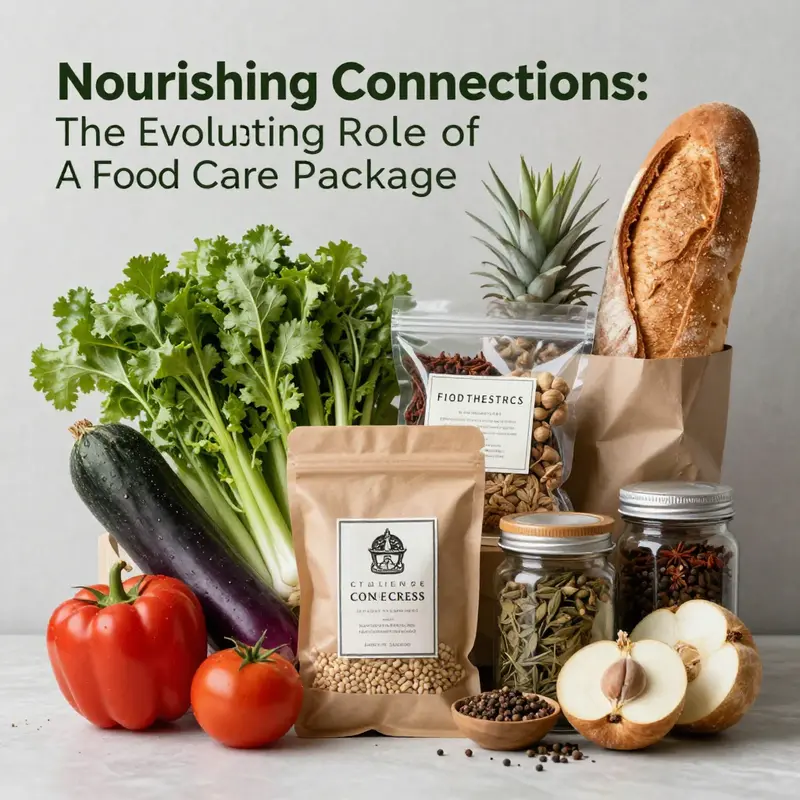
When a care package travels across distance, the ingredients inside are more than sustenance; they become a language of presence. In this chapter, we explore how quality components transform a simple delivery into a meaningful act of caregiving. The best packages do more than fill a stomach; they acknowledge a person’s moment of need with attention to taste, nourishment, and the stories that accompany each bite. As a behavioral nutritionist has noted, food is a language of love, and when someone sends a handmade soup, they are communicating that you matter enough for them to care about what you eat. This sentiment anchors the culinary perspective that quality ingredients are not merely a luxury but a framework for empathy, healing, and connection. The journey from ingredient to bowl matters as much as the act of delivery itself, because it sets the emotional tone of the entire experience and signals respect for the person receiving the package.
From a culinary standpoint, the use of premium ingredients elevates more than flavor; it heightens the potential for restorative benefit. Gourmet soups crafted with organic vegetables, slow-simmered broths, and seasonal herbs deliver depth, balance, and a sense of nurturance that mass-produced options often cannot provide. The texture and aroma of a well-made broth can spark appetite during recovery when taste and interest may waver. Rich, slowly developed flavors align with the caregiver’s intention: to slow the pace of sickness, to invite the recipient back into a moment of sensory life, and to offer a small, reliable ritual of comfort. The premium components—whether a velvety carrot-ginger puree, a clear consommé brightened with citrus zest, or a robust mushroom broth—become a quiet, enduring source of encouragement, a tangible reminder that someone is cheering from afar.
Equally important is the conscious selection of ingredients that support varied diets without compromising taste. Modern care packages increasingly embrace dietary inclusivity, offering gluten-free, dairy-free, vegan, or low-sodium formulations. This isn’t about accommodating trends; it’s about removing barriers so more people can receive nourishment without the burden of second-guessing labels or hidden allergens. In a broader culinary landscape, some care packages even draw on regional or culturally inspired profiles that emphasize nutritious foods made without MSG or preservatives. Such choices reflect a commitment to clean, honest ingredients that respect both the recipient’s health needs and their palate. Ingredient transparency becomes a trust signal: a reader can scan a label, understand where its elements come from, and feel confident in what they’re choosing to consume. The result is not a static list of items but a dialogue about wellness, culture, and the shared joy of food prepared with care.
This emphasis on quality extends beyond the soup itself. The source of ingredients—the farms, markets, and producers—matters because it shapes flavor, nutrient density, and the overall sustainability of the gift. Recipients are increasingly drawn to stories of farmers who grow with soil health in mind, harvest at peak ripeness, and ship within hours of picking. Local sourcing isn’t just a marketing phrase; it often translates into deeper aroma, brighter colors, and a shorter supply chain that preserves nutrients and reduces waste. When a package proclaims a farm-to-bowl narrative, it invites the recipient into a shared ecosystem of care, inviting them to savor not only the meal but the values behind it. The act of choosing ingredients with provenance also supports a broader culture of mindful consumption, where every bite is tethered to ethical practices and a respect for the labor that brings food from field to table.
Equally crucial is how the package communicates its ingredient story. Clear, accessible labeling and upfront allergen information empower recipients and caregivers to navigate recovery with confidence. In a time when transparency is a consumer expectation, care packages that detail sourcing, dietary suitability, and seasonal considerations distinguish themselves from generic options. Such transparency fosters a sense of security and trust—the emotional bedrock of a healing journey. The narrative of quality becomes a tangible experience when the recipient can trace flavors back to farms, regions, or cooks who poured care into the preparation. It is this traceability that makes a care package feel intentional rather than incidental, transforming a meal into an edible testimony of empathy and attention to detail.
The packaging itself plays a pivotal role in preserving the integrity of quality ingredients and extending the emotional reach of the gift. A thoughtfully constructed container does more than keep contents intact; it preserves aroma, texture, and warmth, turning a hot bowl into a comforting ritual rather than a fleeting moment. The so-called “soup basket” trend encapsulates this philosophy: a curated set that might include a comforting soup, crusty bread, infused olive oil, spiced crackers, herbal tea, and a handwritten note. These elements cohere into a self-contained sanctuary of comfort, offering a pause from daily chaos and a cue to slow down and savor nourishment. The container matters as much as the contents because it frames the experience; a sturdy, well-designed vessel protects the dish from temperature drops, avoids leaks, and presents the meal with care. In practice, this means selecting packaging that can travel across town or across the country without compromising flavor or safety. For soup, that often means insulated liners, leak-proof containers, and labeling that clarifies heat-up time and serving suggestions. The result is a package that remains faithful to its culinary intention from the moment it’s sealed to the moment it reaches the recipient’s hands.
The practical realities of delivery heighten the importance of alignment between ingredients and packaging. A higher standard for the contents demands packaging that can sustain the meal’s quality during transit. This includes choosing vessels that are compatible with hot liquids, that minimize movement and spillage, and that respect the recipient’s preferences for warm, comforting meals. Portion size is a thoughtful design decision: a single-serving option can be a comforting indulgence during a day when appetite fluctuates, while a family-style arrangement acknowledges the needs of households navigating recovery together. In either case, clear serving suggestions—perhaps a note that suggests pairing a soup with bread and herbal tea—help the recipient translate the care into savorable moments rather than guesswork. The clarity of guidance matters; it reassures the recipient that the giver anticipated practical realities and prepared accordingly.
Delivery expands the reach of quality ingredients, enabling caregivers to bridge continents and time zones with a curated experience. Nationwide delivery services have made it possible to transport warmth and nourishment across distances, reinforcing the idea that distance does not diminish care. An effective care package carries with it a sense of continuity: the same level of attention can accompany a friend who lives miles away as if they were nearby. This portability becomes a feature of the modern caregiving landscape, where families and friends use food to sustain not only physical health but emotional resilience during illness, recovery, or moments of emotional need. The emotional impact is amplified when the contents are chosen with care and the packaging is designed to invite the recipient to pause, breathe, and savor what has arrived at their door.
In evaluating a quality-focused food care package, the criteria extend beyond taste. The best packages demonstrate a coherent philosophy: ingredients chosen for flavor and nourishment, information that supports safe and comfortable consumption, and packaging that preserves freshness, temperature, and dignity in the delivery moment. The emphasis on local sourcing, sustainable practices, and transparent labeling reinforces a broader commitment to responsible consumption that respects the environment and the craftspeople who contribute to each bowl. For recipients, this means trusting that the package they receive is a reflection of the values they hold and the care they deserve. For senders, it means choosing offerings that align with ethical standards, culinary integrity, and a genuine desire to support wellbeing through every bite.
The practical takeaway for anyone considering a food care package is to weigh not only the appetite appeal but the story behind the ingredients and the care with which the package is assembled. Ask questions about where ingredients come from, how they’re prepared, and what packaging is used to ensure safety and warmth. Seek out providers that offer dietary clarity, mindful sourcing, and a design aesthetic that communicates calm and reassurance. In this light, a package becomes less about a temporary moment of comfort and more about a lasting impression of thoughtfulness, respect, and shared humanity. The ship arrives carrying more than food: it carries a promise that someone has listened, cared, and chosen with attention to the recipient’s needs.
To illustrate the practical confluence of ingredient quality and packaging, consider how a well-constructed container can reinforce the culinary story. The packaging choices—whether a sturdy kraft bowl, a recyclable or compostable wrap, or a lid that helps retain heat—support the sensory and nutritional goals of the package. The goal is to ensure that what travels from kitchen to doorstep remains faithful to the cook’s intention: warmth in the bowl, clarity about what’s inside, and a presentation that honors the moment of gifting. In the same breath, the small touches—like a handwritten note that acknowledges recovery milestones or a simple selection of comforting add-ons—create a relational radius around the meal, transforming it from a commodity into a personal gesture of care. The quality ingredients deserve no compromise, and the packaging should reflect that same standard of respect and attentiveness. When both elements align, the act of giving nourishes more than the body; it nourishes hope, connection, and a sense of being held in a moment of need.
In practice, readers can apply these principles by seeking out providers who foreground quality and transparency while delivering an experience that feels intimate and practical. Look for offerings that clearly describe ingredient sourcing, offer dietary accommodations, and provide guidance on serving temperatures and portions. A well-crafted care package respects the recipient’s recovery timeline and invites them to savor rather than endure a moment of stillness. It treats nourishment as a daily act of care, not a one-off gesture, and it recognizes the emotional labor of healing as something that deserves ongoing attention, signaled through every bite and every breath of the packaging environment. The outcome is a holistic experience in which food acts as a catalyst for comfort, connection, and healing—a reminder that thoughtful curation can turn a simple meal into a meaningful, enduring gesture.
For those who want to explore the interplay of packaging and ingredient quality in greater depth, many care package providers are continually refining their offerings to balance culinary integrity with practical delivery considerations. The most resonant examples align taste, nutrition, and packaging to produce a cohesive story. The recipient receives not only warmth and sustenance but the sense that someone took the time to select ingredients with intention, to present them with care, and to deliver them with respect for the journey each item has taken from seed to bowl. In the end, quality ingredients are the heart of a compassionate act, and the packaging around them is the quiet, supporting frame that makes that act legible, durable, and thoroughly memorable. high-quality food take-out kraft paper rectangle-octagonal bowl.
External reading for broader context on ingredient integrity in at-home food experiences can be found here: MATCHA – Savor A Culinary Trip To Japan From Home.
Crafting Comfort in Transit: The Holistic Design of Food Care Packages for Delivery
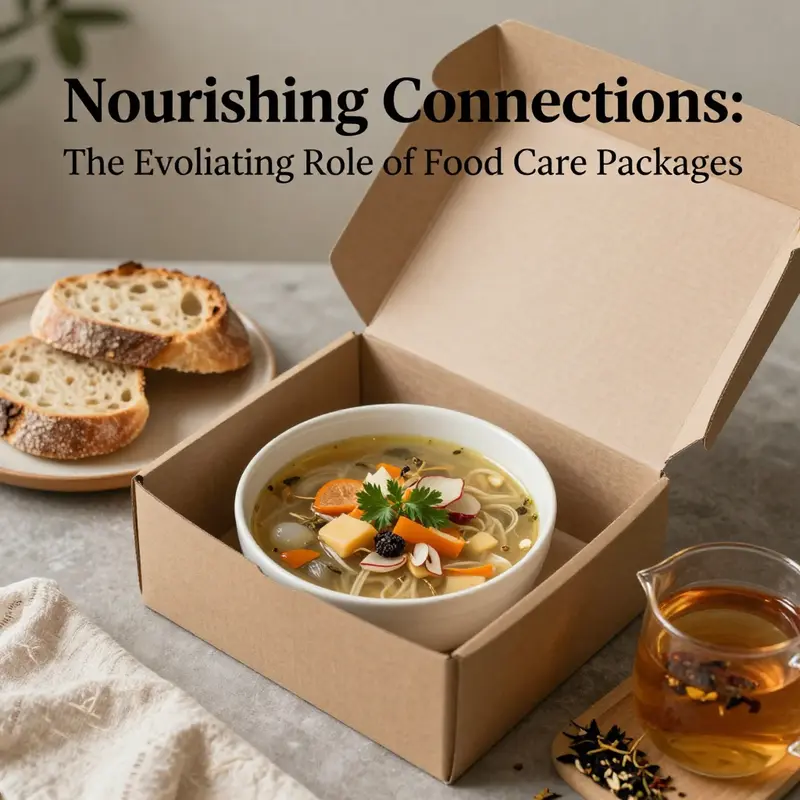
A food care package is never merely a meal; it is a practiced act of care that travels. In the quiet economy of kindness, the package becomes a bridge between distance and presence, a thoughtfully assembled invitation to pause, nourish, and feel seen. The holistic design of these deliveries goes beyond choosing nourishing items. It attends to how the body experiences food, how the senses respond to a moment of calm, and how the heart recognizes a friend’s attention. In this light, a well-crafted care package is not a single dish but a compact sanctuary—an edible lullaby that begins the healing process before the first spoonful is even tasted.
At the core of this design is an understanding that well-being is multi-layered. Food nourishes the body, yes, but care packages also feed curiosity, memory, and mood. The bowl of soup in a care package does more than warm a stomach; it says, quietly but powerfully, that someone has held a day in their hands and is choosing to send it back, steaming and hopeful. A single, steaming bowl can almost become a ritual: the first inhale of steam with a fragrance of roasted garlic or herbs drifting from a comforting broth, the memory of a grandmother’s kitchen or a favorite neighborhood café, the sense that care can arrive through a doorway even when we cannot go outside. The design therefore weaves together nourishment with sensory and emotional cues to create a momentary retreat from the stress and pain of illness, recovery, or emotional strain.
The sensory richness of a true care package is not accidental. A gourmet soup basket engages multiple senses in a deliberate choreography. The warmth of a hot, well-seasoned broth invites comfort. The texture of a crusty, crusty-edged sourdough bread crackling as it is pulled from its wrapping offers a tactile reminder of home. A drizzle of infused olive oil over a slice of bread releases an aromatic invitation, a small drama of scent that signals nourishment is within reach. The crunch of a spiced cracker adds a playful counterpoint to the smoothness of the soup, while a fragrant cup of herbal tea provides a gentle, restorative finish. Each element is chosen not only for flavor or texture but for how it contributes to a self-contained moment of pause. It becomes a sanctuary in a busy day, a pause button that arrives on the doorstep.
To enhance this sanctuary, the care package often includes personalized touches that acknowledge the recipient’s individuality. A handwritten note, a short message of encouragement, or a quick anecdote can transform an ordinary assortment of foods into a personal ritual. These small, human gestures—carefully tucked into the package—make the experience intimate, reminding the recipient that they are not alone. This is where the emotional and psychological dimensions of well-being intertwine with the physical. Food becomes a language of presence, a way to say, without saying too much, I am thinking of you, I am here, I want you to heal.
The modern approach to packaging itself reflects this holistic intent. A well-designed care package is a self-contained ecosystem: it safeguards warmth, preserves freshness, and minimizes the risk of contamination, all while presenting the contents as a cohesive whole. The packaging materials chosen play a critical role here. Sturdy, clean containers with secure lids prevent spills and reduce anxiety about travel—especially when the recipient is fragile or recovering. The containers must be robust enough to withstand a cross-country journey, yet simple enough for the recipient to open without frustration. A practical but thoughtful detail is the use of insulated sleeves or boxes that maintain temperature during transit and slow the first drop in heat, allowing the recipient to savor the food at the moment of arrival rather than immediately reheating or rushing to consume lukewarm fare.
Every successful package also considers safety as a design principle. The best holistic designs balance emotional intention with scientific rigor. Transparent food-safety practices are essential for recipient trust and for the health of vulnerable individuals—elderly readers, those in recovery, and others with heightened sensitivity. Guidelines indicate hot foods should be kept at temperatures above 60°C (140°F) during transit, while cold items should stay below 4°C (39°F). Packaging must be sturdy and leak-proof; lids must be secure to prevent spills and contamination. Delivery operators play a critical role in ensuring timely, careful handling to minimize exposure time. Beyond temperature control, care must be taken to avoid high-risk items, such as raw or undercooked foods, when the recipient is especially vulnerable or if refrigeration is uncertain upon arrival. While the intention is often to offer indulgence, the safest practice is to tailor the content to what can be delivered safely without compromising nutrition or safety. These considerations are not obstacles to generosity; they are the scaffolding that makes generosity reliable, consistent, and accessible for everyone.
The spectrum of offerings in a holistic care package often includes more than a single jar or tray. The “soup basket” has become a touchstone for thoughtful composition, but its value is amplified when paired with complementary items that extend the moment of calm. A loaf of crusty bread, a small jar of infused olive oil, a handful of spiced crackers, a selection of herbal teas, and perhaps a simple dessert or fruit can turn a meal into a small, restorative ritual. The bread acts as a vehicle for the warmth of the soup, the olive oil awakens the senses with a velvety sheen and fragrance, and the tea invites a quiet, contemplative pause after nourishment. This constellation of items is a deliberate, sensory-rich design that orchestrates comfort rather than merely providing sustenance. The effect is not only practical but symbolic: it communicates that care is complete, that it attends to the appetite, the palate, and the soul.
For designers and curators of such packages, customization emerges as a core principle. Platforms offering curated gourmet delivery services can tailor selections to cuisine preferences—Italian, Japanese, Mediterranean, or others—while honoring dietary needs such as vegetarian, vegan, gluten-free, or low-sodium options. Portion size can be adjusted from a single-serving dinner to a family-style feast, making the package appropriate for a range of households and recovery stages. This flexibility is essential when delivering care across distances, as it respects both appetite variations that accompany illness and the practical realities of meal prep in the recipient’s home. Customization also allows for cultural and personal resonance. A dish or a flavor profile that mirrors the recipient’s culinary memories can transform a care package from a generic aid into a meaningful, culturally resonant gesture.
From a practical standpoint, the physical components of the package must align with the delivery model. Many providers now emphasize sustainable, recyclable packaging and the use of kraft-based materials that communicate warmth and care without excess plastic. The choice of containers matters almost as much as the ingredients inside. A disposable kraft paper bowl with an optional lid, for instance, can support both heat retention and ease of disposal, while maintaining a clean, minimalist aesthetic that readers often associate with comfort and quality. For readers who are curious about specific packaging formats, consider a practical example such as disposable kraft paper bowls with lids that are designed for food packaging—an option that balances functionality with an eye toward sustainability. Such containers can be integrated into a broader aesthetic that includes parchment-wrapped bread or a simple kraft-toned sleeve that holds a handwritten note and tea sachets. The result is a cohesive, low-stress experience for both senders and recipients.
The logistics of delivering care packages nationwide add another layer of design discipline. In a world where a message can travel as fast as a dinner plate, ensuring consistency in quality across geographies becomes an art. The best care packages are those designed with a clear vision of what the recipient needs at the moment they receive them. This often means prioritizing items with stable shelf-life, easy reheating instructions, and clear serving suggestions. A well-documented serving guide reduces guesswork and supports caregivers, nurses, or family members who may be assembling multiple gifts in a week. In this sense, the package doubles as a small toolkit for recovery—a curated set of components that can be enjoyed with minimal fuss but with maximum comfort.
Yet even with all this structure, the heart of the care package remains human. The act of choosing items, writing a note, and packaging the contents becomes a ritual of care in itself. The sender’s mindfulness—considering dietary restrictions, preferences, allergies, and the emotional state of the recipient—transcends the sum of its parts. When a recipient opens a box and senses the care that went into selecting each element, they feel not just fed but understood. The care package becomes a mirror of compassion, reflecting the sender’s attention, memory, and intent. And in a world where distance can feel like a hurdle, this careful design makes a tangible difference. It creates a shared moment that can soften anxiety, anchor hope, and provide a practical path toward recovery and well-being.
For practitioners seeking inspiration or practical options, consider exploring packaging components that blend design with function. A few practical choices include sturdy, cleanly sealed containers that minimize spill risk, temperature-insulated carriers to maintain warmth or coolness during transit, and lids that secure contents without making opening a chore. The rituals of opening—the crackle of a paper sleeve, the sight of a steaming bowl, the aroma of herbs—are part of the therapeutic cadence of the package. When the design respects both safety and sentiment, the end result is not a gift that sits on a shelf but a daily reminder that care travels with purpose.
In this framework, the packaging itself becomes an extension of care, a portable refuge that travels with the recipient. It is a physical embodiment of the promise to be present, even from afar. The challenge and the opportunity lie in balancing emotion with evidence, flavor with safety, and speed with thoughtfulness. The best holistic care packages recognize that healing is not a single event but a series of small moments—each one a chance to reaffirm connection, to offer nourishment, and to cultivate calm amid life’s upheavals. When executed with care, a food care package does more than satisfy hunger; it restores a measure of agency, dignity, and warmth to someone navigating illness, recovery, or emotional strain.
For those who want to see how these principles translate into tangible packaging options, a representative delivery solution focuses on the physical vessel that carries all the other elements. A practical choice is a disposable kraft-paper bowl with a lid, designed to be sturdy, clean, and spill-resistant, paired with a compatible warm wrap that preserves heat without compromising convenience. This kind of container supports a hot soup lineup and can be nested within a broader basket that includes bread, oil, spices, tea, and a personal note. The result is a compact, transport-friendly ensemble that still feels premium and thoughtful. The link here anchors a concrete packaging option that aligns with the holistic design ethos described above: disposable Kraft paper bowls with lids for food packaging.
As the practice of sending care packages evolves, the goal remains consistent: to honor the whole person—their palate, their health, and their heart. The most successful designs do not treat food as a one-size-fits-all remedy; they treat care as a personalized ritual. They acknowledge that a recipient may experience fluctuating appetites during recovery, requiring a spectrum of textures and intensities—from creamy and comforting to light and clear. They mercy-test spiciness and salt levels, offer dairy-free and gluten-free options, and provide clear serving suggestions so a caregiver does not have to guess what to do with each component. They acknowledge that recovery is rarely linear and that a moment of delight can be a turning point in a difficult day. And they preserve the dignity of the recipient by presenting the contents in a way that is easy to understand, easy to open, and easy to share with others in the household.
The literature and guidance available to care-package creators continually emphasize safety as the invariant: it is the foundation that makes generosity reliable. The Food Safety and Inspection resources stress careful handling during transit, temperature control during cooking, and secure packaging to prevent contamination. The practical implication for anyone assembling a care package is a disciplined approach to sourcing, packing, and labeling. Ingredients should be fresh, shelf-stable when needed, and clearly labeled with any dietary considerations. The care package should invite a moment of pause, a moment of nourishment, and a moment of connection, all anchored by a robust, safety-first framework that ensures the experience remains positive across time and distance.
In closing, the holistic design of food care packages for delivery is less about a recipe and more about a philosophy. It is about translating care into a portable experience that honors sensory delight while meeting real-world constraints. It is about the tenderness of a handwritten note tucked into a warm, heat-retaining box, the aroma that invites one to slow down, and the practical assurances that the food will arrive in good condition. It is about reframing delivery from a simple transaction into a meaningful ritual of healing, where nourishment, safety, and presence travel together to support someone in their moment of need. The best packages are not loud; they are coherent, compassionate, and dependable—an everyday reminder that care can arrive with the warmth of a shared bowl and the quiet certainty that someone believes in your recovery. For those who want a concrete example of packaging that aligns with these principles, consider a practical solution that harmonizes form and function—an option like the disposable kraft paper bowl with a lid, designed for reliable food packaging, which can be integrated into a holistic soup-and-bread assortment. See the example here: disposable Kraft paper bowls with lids for food packaging.
External resource on safety practices can be found here to ground these design choices in current guidance: https://www.foodsafety.gov/food-safety-during-covid-19
Designing Inclusive Food Care Packages for Delivery: Nourishment That Fits Every Body
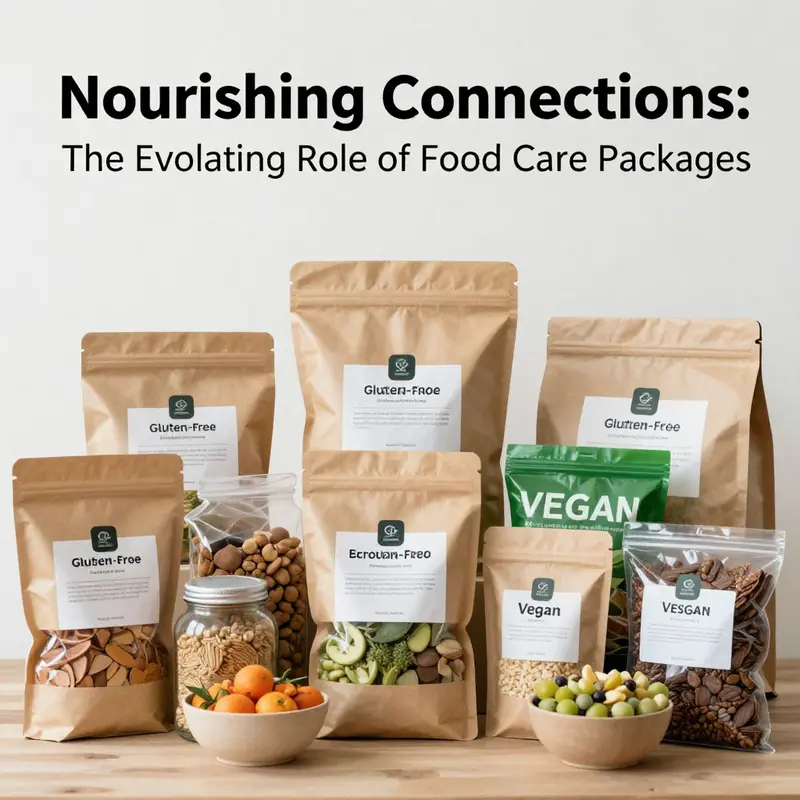
Designing Inclusive Food Care Packages for Delivery: Nourishment That Fits Every Body
A thoughtful food care package does more than fill a stomach. When crafted to meet diverse needs, it becomes an act of practical empathy. The essentials of accessible care packages revolve around three intertwined aims: support healing, respect dietary restrictions, and create a calm, nourishing experience. These aims guide every choice, from the base recipe to the packaging and delivery timing.
Start with food that helps the body and soothes the mind. Soups and broths often lead because they are hydrating, gentle on digestion, and rich in nutrients. Clear broths can ease nausea and keep electrolytes steady. Pureed soups provide calories and protein without taxing the mouth or jaw. Plant-based broths and legume purees deliver fiber and phytochemicals. Warmth itself matters; a hot container feels like a small ritual of care. People recovering from illness, managing chronic conditions, or coping with stress benefit from meals that are easy to sip, digest, and reheat.
Dietary inclusivity must be intentional, not an afterthought. A truly accessible package offers clear labels, alternative choices, and serving notes tailored to specific needs. That means providing low-sodium versions for cardiovascular or post-operative recipients. It means dairy-free and lactose-friendly options for those with intolerance. Vegan and allergen-free soups, prepared without cross-contact, welcome people with multiple restrictions. Low-carbohydrate, higher-protein selections support metabolic needs, while soft-textured, high-calorie variants help those with poor appetite or difficulty swallowing.
To put inclusivity into practice, curate components that pair easily with the main dish while offering alternatives. A single package might contain one small loaf of crusty bread and a sealed portion of gluten-free crackers. It can include both a dairy-free herb butter and an olive oil infusion for drizzling. Individually wrapped garnishes, such as chopped scallions or lemon wedges, allow recipients to customize flavor and spice. A clear ingredient card lists allergens, salt content, and reheating instructions, reducing guesswork and ensuring safety. When senders choose between single-serving and family-style portions, brief serving suggestions help recipients decide whether to eat right away, share, or refrigerate safely.
Quality matters for emotional impact. Artisanal, small-batch preparations elevate the meal beyond basic nutrition. When the primary dish is slow-simmered or chef-crafted, it communicates value and attention. That said, gourmet does not mean exclusive. Aim for premium yet accessible ingredients: bone broth alternatives made from nutrient-rich vegetables, locally sourced grains, and legume-based proteins that replicate mouthfeel and comfort. Use seasonal produce to maximize flavor and reduce preservatives. These choices improve taste and increase the likelihood the food will be eaten and appreciated.
Packaging deserves equal thought. Containers must retain heat, resist leaks, and be easy to handle. Biodegradable, microwave-safe bowls work well for soups. Secure lids prevent spills and protect caregivers and couriers. Clear labeling with reheating times and refrigeration windows reduces waste. Thoughtful touches—like a labeled seam that indicates which item is dairy-free—make the unboxing frictionless. Sustainable materials reinforce a message of care that extends beyond the recipient. For those sending food across states, choose packaging that withstands transit and temperature shifts while remaining recyclable or compostable.
Small complementary items transform a meal into a moment. A warm beverage, such as a calming herbal tea, pairs naturally with soup and supports hydration. Single-serve honey or sugar-free sweeteners suit diverse diets. A small jar of infused oil or a packet of toasted seeds can add texture for those able to eat more robustly. Include utensils that are sturdy and comfortable for weak hands. A handwritten note or printed card with simple encouragement anchors the package emotionally. These non-food elements signal presence and care in ways that ingredients alone cannot.
Hydration and micronutrients matter as much as calories. Recovery often demands electrolytes, vitamin C, zinc, and B vitamins. Include foods that provide these nutrients in bioavailable forms. Citrus-based broths, vegetable-minestrone with legumes, and chicken or mushroom broths with added turmeric and black pepper are sensible options. For recipients with swallow or digestion issues, concentrate nutrition into smaller volumes; add collagen or protein powder packets to be stirred into soups or smoothies. When designing kits for long-term needs, separate packets of powdered supplements keep doses accurate and flexible.
Clarity in portioning and instructions reduces stress. For single-serve care, label each container with the number of servings and reheating suggestions. For family-style portions, include guidance for freezing and thawing. Simple microwave and stovetop instructions accommodate different kitchens. If the recipient has limited mobility, suggest no-cook pairings like room-temperature grain salads or pre-sliced fruit that require no utensils. Clear storage timelines—”Consume within 48 hours refrigerated”—prevent foodborne risk and embarrassment.
Consider accessibility beyond diet: sensory preferences, cultural foodways, and social context matter. Some people need bland, familiar flavors when ill. Others find comfort in bold, spicy notes. Offering a mild and a bolder option recognizes this range. Include culturally relevant flavors when possible. A soup kit that reflects a recipient’s culinary background can evoke home and belonging. Ask the sender about preferences when ordering, or provide a short questionnaire to better tailor choices. Respecting culture and taste increases the gift’s emotional resonance.
Delivery logistics make or break the care package’s effect. Timing is crucial—meals arriving during recovery should coincide with peak need. Overnight or same-day couriers reduce the risk of spoiled items. Temperature-controlled transport helps maintain safety and texture. Real-time tracking and delivery notifications relieve anxiety for both sender and recipient. If the recipient lives alone or is immunocompromised, allow for contact-free drop-offs or designate safe drop spots. Where nationwide delivery is used, partner with carriers experienced in perishables to ensure consistent, safe handling.
Cost and scalability influence how widely accessible these packages can be offered. Modular design lowers price points while maintaining quality. Offer a base healing-soup option with add-on choices: a protein packet, a gluten-free bread, herbal tea, or a handwritten note. This lets senders customize without paying for components some recipients cannot use. For organizations sending many packages, bulk ordering of sustainable bowls and lids reduces costs. Choosing suppliers that balance ethical sourcing with reasonable prices keeps offerings inclusive.
Customer experience matters for senders too. An intuitive ordering process should guide choices toward dietary needs. Filters for allergies, meal textures, and portion size make selection straightforward. Provide sample bundles for common scenarios—post-surgery recovery, chemo care, new parent support, or long-distance comfort. Clear return policies, guarantee of freshness, and responsive customer service reassure buyers when a loved one’s health depends on the delivery.
Measuring impact helps improve future packages. Simple feedback tools—short surveys or optional follow-up calls—reveal what worked and what didn’t. Did the recipient appreciate the texture? Was the salt level appropriate? Did the package arrive on time and in good condition? Use this information to refine menus, adjust portion sizes, and redesign packaging. Tracking nutritional variables and recipient satisfaction can also inform partnerships with health professionals who may recommend certain formulations.
Accessibility intersects with dignity. Design that prioritizes ease of use preserves autonomy. Easy-open caps, teaspoons with textured grips, and containers that double as reheatable bowls let recipients manage meals without assistance. Avoid packaging that requires tools or excessive strength to open. Respectful presentation—minimal plastic, simple labeling, thoughtful portions—keeps the experience human and empowering.
Finally, communication holds everything together. Clear notes about ingredients, reheating, and storage reduce confusion. Honest timelines about delivery windows set realistic expectations. When sending as a gesture of care, include a personal message that names the reason for the package. Specific, empathetic words—”Thinking of you during recovery”—make the meal more than a commodity.
An accessible food care package is the sum of many careful choices. It combines healing nutrition, dietary inclusivity, resilient packaging, and humane delivery to create a supportive experience. Every element should anticipate the recipient’s needs and reduce friction. When done right, these packages deliver comfort, preserve dignity, and strengthen connection across distance.
For practical packaging options that balance durability with compostable materials, consider a disposable 700ml kraft paper bowl that keeps soups hot and travels well: https://greendispopack.com/product/disposable-700ml-kraft-paper-bowl-take-out-octagonal-rectangle-paper-bowl/
For an external resource on inclusive, gourmet soup formulations and allergen-conscious menu design, see this detailed provider overview: https://www.soupergirl.com
Final thoughts
Food care packages for delivery serve as powerful tools of connection, compassion, and culinary delight. By understanding the emotional significance, prioritizing quality ingredients, focusing on holistic design, and ensuring accessibility, businesses can create packages that resonate deeply with recipients. As the demand for these thoughtful gestures continues to grow, exploring innovative approaches to food delivery will serve not only the hunger for sustenance but also the desire for connection in an increasingly distanced world.