
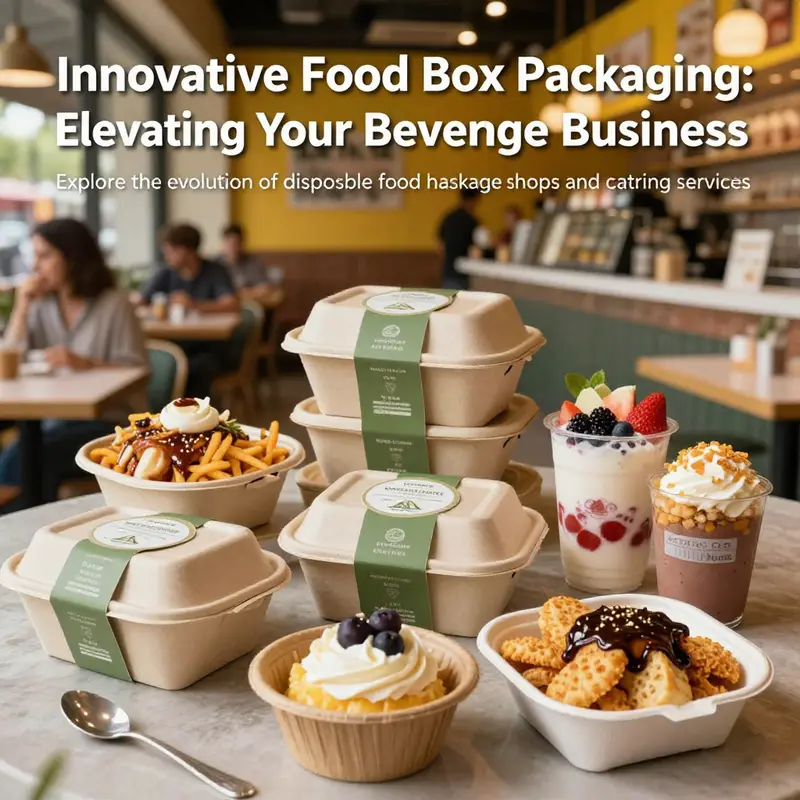
In today’s competitive food service landscape, the packaging you choose can significantly influence customer perceptions and the success of your business. Whether you’re a bubble tea shop, restaurant, food truck, or catering service, disposable food box packaging has evolved into an essential element of your brand identity and operational efficiency. This article delves into the latest trends in food box packaging, starting with the innovative materials that prioritize sustainability, followed by user-friendly designs that enhance the customer experience. We will also explore the rigorous performance standards these packages meet, their versatility across different food types, and the importance of certifications and compliance with environmental regulations. Let’s uncover how these elements combine to create exceptional disposable packaging solutions for your business.
From Renewables to Smart Labels: Material Innovations Redefining Disposable Food Box Packaging
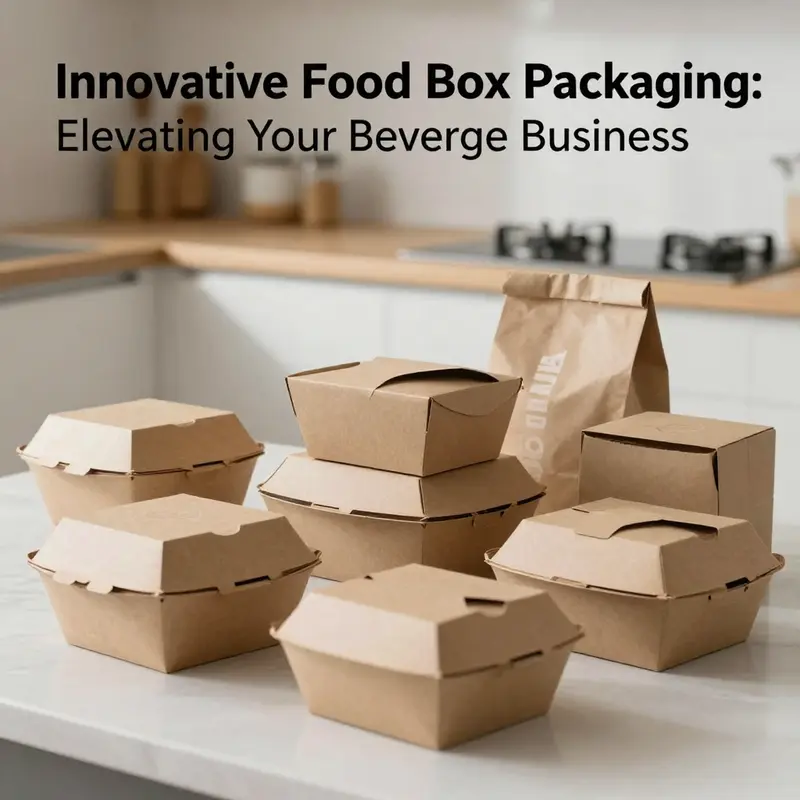
The evolution of disposable food box packaging is converging on a simple truth: the box is no longer just a container. It is a material platform that speaks to sustainability, safety, and experience in the same breath. Where prior generations relied on plastic monoliths for strength and moisture control, today’s packaging seeks to balance a cradle-to-cradle mindset with the demanding realities of quick-service logistics. Material innovation sits at the heart of that balance, driving a portfolio of options that range from agricultural byproducts to bioplastics, all while layering in functional enhancements that extend shelf life, simplify handling, and reinforce brand narratives. The result is a more resilient, more responsible, and more customer-friendly category, capable of meeting diverse food types and distribution channels without compromising performance or aesthetics.
One foundational shift is away from fossil-fuel–based carriers toward renewable-resource streams. Renewable agricultural waste, such as sugarcane bagasse and bamboo fiber, is proving its worth beyond just a lower carbon footprint. Bagasse, the fibrous residue left after juice extraction, yields a sturdy, heat-tolerant material that can be molded into boxes and bowls with minimal processing. Bamboo fiber, with its rapid renewability and inherent stiffness, contributes to rigid box structures that resist bending under heat and moisture. The appeal is twofold: these materials reduce dependence on virgin plastics and offer a clear, natural aesthetic that resonates with increasingly sustainability-conscious consumers. A key advantage is compostability and biodegradability under appropriate conditions, which alleviates end-of-life pressure on landfills when facilities exist to accept such waste streams. In practice, this means brands can advertise a tangible environmental choice to customers while supporting more sustainable waste infrastructure in the communities they serve.
Yet durability and safety must coexist with green credentials. Here, high-performance bioplastics enter the conversation. Compostable polymers like polylactic acid (PLA), derived from corn starch and other sugars, deliver excellent clarity and heat resistance that suit consumer-facing box designs. PLA can be molded into a wide range of shapes, from sleek rectangular takeout boxes to elegant octagonal bowls that fit premium menus. However, the real-world effectiveness of PLA hinges on the availability of industrial composting facilities designed to break it down efficiently. In markets with robust composting networks, PLA-based packaging can align with ambitious sustainability claims. In places without mature facilities, the environmental benefit can be attenuated unless managed through take-back programs or alternative end-of-life solutions. This reality underscores a broader principle in material innovation: the best solution is context-aware. Companies increasingly pair material choices with local waste-management realities, rather than pursuing a universal dichotomy between compostable and noncompostable.
Active packaging technologies add another layer of sophistication to the material toolkit. Beyond simply containing food, modern boxes can actively contribute to freshness and safety. Oxygen scavengers embedded in the packaging act as silent guardians against residue oxygen that can accelerate staling and that can foster microbial growth in moist foods. Antimicrobial coatings, formulated to be food-safe and compliant with regulatory standards, can further suppress surface contamination without resorting to chemical preservatives inside the food itself. These features are most valuable for delicate products such as prepared meals, salads, or sauces that travel long distances or pass through multiple handling environments. The net effect is a longer, more predictable shelf life and a reduced risk of compromised quality, which translates into fewer rejected deliveries and lower waste. The consumer benefits through consistent taste and texture, while operators enjoy simpler inventory planning and improved brand reliability.
Smart packaging features are the visible signals of this progress, turning packaging into a portable data platform. Temperature-sensitive indicators can alert handlers and consumers to heat abuse, a common concern for soups, noodles, and other hot dishes during transit. QR codes linked to origin data, ingredient sourcing, and sustainability metrics enable traceability that reassures customers about safety and ethics. This degree of transparency aligns with a growing demand for clean-label products and ethical supply chains. When a box carries verifiable information about its material lineage and production standards, it becomes a tool for brand storytelling and trust-building, not merely a transit vessel. The integration of such features into disposable packaging also supports reverse logistics and take-back programs, where brands can offer recycling guidance or pickup incentives as part of a broader environmental strategy.
Material innovation does not occur in a vacuum. Market dynamics are shaped by evolving regulations, consumer expectations, and the technological ecosystem that supports new materials. Regulatory pressures are driving manufacturers to document material composition, recyclability, and compostability in credible terms, often backed by third-party certifications. Forest stewardship, recycled content, and safe-to-handle substrates are now baseline expectations for many buyers, particularly in markets with strong environmental governance. In response, brands are increasingly seeking certifications such as forest-certification marks and compostability approvals that can be independently verified. Certifications help translate technical performance into consumer confidence, turning packaging into a credible signal of responsibility rather than a mere cost center.
The design language of these innovations also matters. As the materials shift toward more sustainable inputs, packaging designers are embracing forms that optimize performance while enhancing brand visibility. Ergonomic handles, clear display windows (often made from compostable films), and cutouts for quick access are common, but the finish—whether matte lamination, UV coating, or tactile embossing—has become a strategic differentiator. Customization is no longer a luxury; it is a competitive necessity in crowded digital marketplaces where one’s box must stand out on a delivery app while still communicating quality and ethics. The choice of material and texture can reinforce a narrative about care for the planet and attention to detail, reinforcing the consumer’s perception of the brand at the moment of choice and receipt.
Within this evolving landscape, specific packaging formats illustrate the practical balance of performance and sustainability. Kraft paper remains a workhorse for many disposable boxes and bowls, prized for its strength-to-weight ratio and compatibility with a broad range of printing and finishing techniques. While not every application can be fulfilled by a single material, the kraft route exemplifies how paper-based systems can meet heavy-load requirements and moisture challenges when reinforced with thoughtful construction and sizing. For instances where a particular presentation matters, a modular approach that blends paper with minimal, well-considered polymer interfaces can provide the necessary rigidity or moisture barrier without fully departing from sustainable principles. Such a design philosophy is evident in a growing number of octagonal and rectangular shapes that balance handling ease, stackability, and consumer appeal while preserving recyclability.
The integration of practical features with sustainable principles is also reshaping the supplier landscape. Suppliers now offer a broader palette of substrates and finishes, enabling designers to tailor products to specific food categories, from noodle bowls to delicate salads. The result is a more nuanced decision matrix for operators who must balance performance, cost, and ESG commitments. In this context, it is not surprising that some brands are exploring end-of-life scenarios as part of their packaging strategy—partnering with recyclers or composting programs and communicating those options clearly to consumers. This approach aligns with broader sustainability goals that extend beyond the box into the broader supply chain and waste-management system.
The narrative of material innovation is also tightly connected to customer experience. A well-chosen material and a thoughtful design can elevate a customer’s perception of value and care. When a box is easy to carry, simple to open, and visually communicates a brand story, the overall experience becomes cohesive from purchase to consumption to disposal. This is where the synergy between material science and branding shines: performance is not sacrificed for sustainability, and sustainability is not merely a marketing claim but a demonstrable attribute that customers can observe and trust. A practical example in the field is the use of a kraft-based octagonal box for premium meals, where the structure supports robust transport while a clear, tactile finish communicates quality. For those curious about specific packaging configurations, the following reference illustrates a real-world application of a kraft-based, restaurant-grade option: disposable-octagonal-box-restaurant-food-kraft-paper-packaging. The link embodies how traditional shapes can be refined with modern materials to deliver both performance and brand appeal.
Looking ahead, the trajectory of disposable food box packaging points toward materials that are not only environmentally responsible but also capable of delivering superior performance across diverse food types and distribution channels. The ideal future blends renewable inputs with functional additives and smart data features that together reduce waste, improve safety, and deepen consumer trust. It is a future that requires collaboration across disciplines—materials science, product design, waste-management infrastructure, and regulatory science—to ensure that the promise of sustainability translates into real-world benefits for restaurants, retailers, and diners alike. As standards mature and supply chains adapt, the most compelling packaging solutions will likely be those that demonstrate a clear, verifiable sustainability story without compromising the deliverable performance that today’s fast-service operations demand. The chapter of material innovation is unfolding with each new formulation, each new product design, and each new data point that makes sustainability measurable and actionable. For researchers and practitioners, the message is simple: align material choices with end-of-life realities, embrace intelligent packaging where it adds value, and maintain a relentless focus on the customer experience as the guiding principle for all innovations.
External resource for further reading: ScienceDirect Topics provides an authoritative overview of the evolution of food packaging materials, including trends in biodegradable and active packaging technologies, offering a broader context for the innovations discussed here.
Delighting the Dine-in and Deliver Experience: Design, Feel, and Function of Disposable Food Boxes
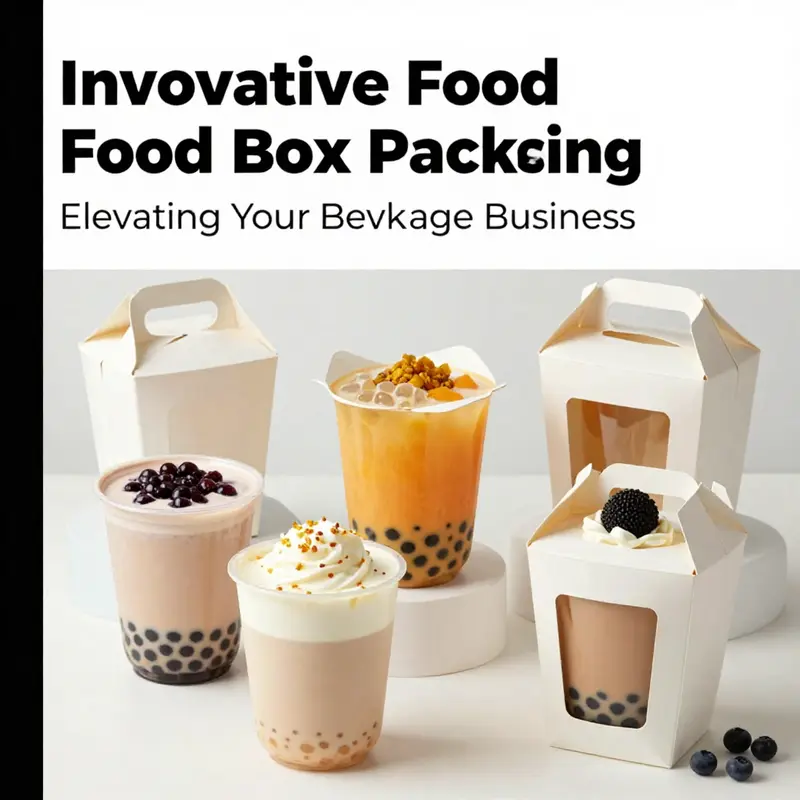
The moment a box arrives at a customer’s doorstep, it begins shaping the meal long before the first bite. In the world of food service, the box is not merely a container; it is an ambassador for the food inside. The most memorable packaging is often the least noticeable in use—an unobtrusive, well-balanced blend of practicality, aesthetics, and sustainability. In this chapter, we explore how design choices in disposable food box packaging influence user experience from the moment of unboxing to the last crumb. We consider how materials, form, and features work together to support comfort, clarity, and confidence. The aim is not just to keep food safe and intact but to frame the entire eating experience as something considered, refined, and respectful of the consumer’s time and values.
At the heart of user experience is the journey the customer undertakes: receiving the meal, opening it, transferring contents to a plate or bowl, and sometimes reheating or finishing the dish. In each stage, design elements reduce friction. A secure, hinged or locking lid is more than a splash of convenience; it is a shield against spills during transit, when a saucy curry, broth, or oil-rich dish makes even the best-fitting bag a risky proposition. A robust lid creates trust—consumers feel that the food is cared for, that it will arrive as intended, and that the price paid includes more than just the sum of its ingredients. Built-in compartments further this trust by preventing unwanted mingling of flavors and textures. When serving multiple items, such as noodles with toppings or a salad with delicate add-ons, a box that keeps components separate preserves visual appeal and preserves temperature balance. The result is a dining experience that feels orderly rather than chaotic, even in the unpredictable context of delivery.
Aesthetics play a pivotal role in shaping perception. The surface quality of the box—the texture of the paperboard, the color palette, the finish—tells a story about the brand and its values. A surface that feels premium yet approachable can elevate a meal, signaling care, quality, and environmental mindfulness. The use of natural textures, like uncoated or lightly coated kraft paper, communicates a commitment to sustainability without sacrificing tactile pleasure. The finish matters too: a matte lamination can convey understated sophistication, while a subtle UV coating can protect branding elements and add a touch of sheen that catches the eye on a crowded platform. The design language must align with the brand’s voice, whether it leans toward minimalist elegance or vibrant playfulness. This alignment ensures that the packaging acts as a coherent extension of the dining experience, not a separate, unrelated element.
One practical design trend that profoundly affects user experience is transparency. Clear, compostable windows let customers glimpse the contents, which can reassure them about portion size, freshness, and presentation. A window also helps in the context of quick-service or takeout where diners want to confirm what they’ve ordered before reaching for utensils. However, transparency must be balanced with structural integrity and moisture control. In many systems, a compostable film combined with a sturdy paperboard frame enables visibility while preserving heat and moisture barriers. The option to label clearly with concise, legible information—ingredients, allergens, reheating instructions, and branding—further streamlines the eating process and supports safer dining choices.
The material choice itself shapes both experience and ethics. Paperboard containers derived from renewable resources offer a sturdy, print-friendly surface ideal for branding while supporting environmental narratives. When lined with moisture barriers, these containers can hold soups, stews, or sauces without compromising integrity. The tactile quality of a paper-based box—its rigidity, the feel of the surface, and the crispness of its edges—conveys a sense of care, even before the consumer reads any copy on the lid. In contrast, plastic options such as polypropylene bring exceptional heat resistance and microwave safety, attributes that directly influence satisfaction for hot meals and leftovers. For some cuisines and service models, the heat resilience of plastic remains unmatched, enabling safe reheating without sogginess or leakage. Yet the industry increasingly weighs the environmental footprint, pushing for designs that retire plastics in favor of paper-based or compostable alternatives wherever feasible. The evolving material mix creates a design space where ergonomics, performance, and sustainability are not trade-offs but harmonized outcomes.
The interplay between usability and sustainability often manifests in form features that also support reusability and brand experience. Ergonomic handles, for instance, empower customers to carry boxes comfortably through crowded streets, into offices, or around homes. A well-positioned handle reduces the risk of dropping a box and spilling its contents, particularly during wet or saucy meals. Cut-out sections or perforations can offer quick access to the contents without requiring tools or force, which is especially useful for meals that are eaten on the go. These features become performances of respect: they acknowledge the consumer’s time constraints and the realities of busy days. When integrated with structural reinforcement—such as reinforced corners or double-wall construction—these ergonomic solutions also reassure the user that the packaging can withstand the rigors of transit, a silent promise that the food will arrive in its intended state.
Brand expression is inseparable from utility. The contemporary disposable food box is a canvas for storytelling, not merely a vessel. High-clarity printing, embossing, or debossing can introduce tactile diversity that invites touch as part of the dining ritual. Matte finishes can soften the look and signal sustainability, while selective gloss can highlight focal elements, such as the lid’s edge or a window frame. The trend toward customization enables brands to deploy seasonal colors, limited-edition textures, or mission-driven graphics that resonate with audiences concerned about climate impact or social responsibility. The key is balance—branding should be legible at a glance, not overwhelm the food’s own appeal, and it should remain legible after transit, so that the consumer remains oriented toward its contents and their origin.
This balance also demands practical considerations around cost and scalability. Customization that looks exquisite on a sample can become prohibitive in high-volume production. The most successful designs translate well across different sizes and shapes, enabling a family of boxes to share branding assets while serving diverse menus. Here, modular form factors and standard performance thresholds enable designers to push creative boundaries without sacrificing reliability or ecological integrity. The industry’s shift toward paper-based, certified, and recyclable formats underscores a broader truth: great user experience arises when design, material science, and logistics align. A box that looks striking and feels premium, yet performs reliably in hot, humid, or slippery conditions, and ultimately returns to a circular economy, accomplishes more than a clever appearance. It creates trust across every touchpoint—from the supplier’s production line to the consumer’s kitchen.
The consumer’s emotional connection to packaging is another growing emphasis. The tactile pleasure of a smooth, well-finished surface or the organic warmth of a natural-textured paper can elevate the dining ritual, making a simple meal feel special. Yet emotion is inseparable from responsibility. A box whose materials are clearly recyclable, or compostable where possible, signals that the brand respects the consumer’s values. The perception of stewardship matters. When customers believe their packaging choices help protect the environment, their satisfaction extends beyond the plate. They feel part of a larger story about sustainability and stewardship, and that feeling reinforces loyalty and advocacy. In this sense, packaging design becomes a conversation between brand and consumer, about quality, care, and the shared responsibility of reducing waste.
Practical guidance for designers and operators often converges on a few core principles. First, prioritize functionality: lids should lock securely, compartments should separate effectively, and moisture management must be reliable. Second, optimize for the full cycle: production, distribution, and end-of-life processing should be considered from the outset. Third, align aesthetics with sustainability: natural textures and earth-toned palettes can convey care without compromising readability or performance. Fourth, maintain flexibility: designs should scale across menus, from delicate salads to hearty noodle bowls, while remaining cost-effective and easy to recycle. Finally, integrate the experience with the broader delivery journey. Packaging must be legible in app thumbnails, withstand courier handling, and support easy disposal by customers at home or work. Across these dimensions, the future of disposable food boxes rests on the ability to deliver a dependable, delightful, and conscientious user experience.
A concrete illustration of these principles appears in the growing variety of box shapes and sizes tailored to specific meal types and service models. For instance, specialized forms and dimensions allow for efficient packing of complex dishes and can even reduce the need for secondary wrappers or inserts. The octagonal and other non-traditional shapes, when crafted from sturdy kraft paper, offer unique visual interest while maintaining recyclability. For readers exploring tangible examples, a practical reference to a robust design is available through a collection of box formats that highlights the harmony between form and function in paper-based packaging; you can explore an example such as an octagonal kraft paper box used in restaurant packaging at this link: disposable octagonal box for restaurant kraft paper packaging. This kind of solution demonstrates how a distinctive silhouette can become a visual cue for quality and care without sacrificing the integrity of the contents.
As we look ahead, the narrative around disposable food boxes is less about choosing plastic or paper in isolation and more about crafting experiences that honor the meal, the moment, and the planet. The strongest packaging elevates the act of eating into a small, meaningful ritual: unboxing becomes a calm, confident moment; carrying feels effortless; and the contents arrive with warmth, flavor, and intention intact. The next exploration moves from experience design to performance and durability, examining how these design commitments stand up under heat, moisture, and the realities of high-volume service. In doing so, we will see how certified materials, clever engineering, and thoughtful branding converge to deliver packaging that is not only disposable in its life cycle but enduring in its contribution to a better, more considerate dining ecosystem.
External reference for further reading: https://www.example.com/disposable-cube-food-packaging
Guardrails of Convenience: Navigating Performance Standards in Disposable Food Box Packaging

Performance standards for disposable food box packaging do more than guarantee safety. They embed a shared language that translates sustainability goals into measurable, verifiable outcomes. As the market shifts toward paper-based packaging, standards ensure that eco-friendly choices still deliver reliable performance in real-world use. They align engineering, manufacturing, and logistics so boxes survive the rigors of handling, stacking, and temperature fluctuations without compromising user experience. In this chapter, we explore how structural integrity, material safety, labeling, and environmental criteria interact to create packaging that not only protects food but also communicates trust to diners, operators, and regulators. The result is a system where convenience, safety, and sustainability reinforce one another, rather than competing for scarce attention on crowded takeout platforms.
Structural performance sits at the core of this system. A takeout box must hold its shape when weighed down by roasted vegetables, sauces, or soups, and it must stay stable when stacked during bulk pickup or display. Testing regimes, such as those referenced in the General Technical Requirements for Disposable Plastic Tableware published in 2024, frame expectations for how much a container’s height may change under load. In practical terms, the standard commonly cited across the industry is a maximum height change of about five percent from empty to loaded states. This seemingly modest threshold hides a demanding mix of material science and design discipline: the box must resist buckling, tearing, and spine failure under moisture, heat, and rough handling, while still remaining light enough to optimize transport emissions. The emphasis is on predictable behavior across a wide range of products and service contexts, from hot noodle bowls to soups and layered salads.
Material safety and hygiene anchor every performance assessment. Food contact materials are not merely structural; they are potential vectors for contamination if corners are cut in production or storage. Chinese regulatory architecture reflects a layered approach: safety, usage performance, and environmental protection are addressed by an array of standards and monitoring systems. The Shanghai Group Standard for Takeout Boxes, for example, targets the peculiarities of high-volume, fast-turnaround markets, ensuring materials used for direct contact with food meet stringent hygiene criteria. Beyond national oversight, third-party certifications like FSC status on fiber sources provide reassurance to brands and customers that forestry practices underpin sustainability claims. Biodegradable and recyclable substrates—kraft paper, corrugated cardboard, and FSC-certified art paper—are favored because they combine renewability with functional resilience. The choice of these materials is inseparable from performance; a box that degrades too quickly or absorbs moisture is less a solution than a failure of design.
Labeling requirements complete the safety and information loop. When packaging surfaces exceed a certain area, regulatory codes require that essential information—ingredients, storage conditions, expiration dates, manufacturer details—be clearly legible. In the Chinese context, the National Food Safety Standard for Prepackaged Food Labeling sets a practical benchmark: if a container’s maximum surface area exceeds 35 square centimeters, mandatory content must present with minimum text height of 1.8 millimeters. The clarity standard supports consumer confidence, especially in busy takeout and delivery settings where quick checks can prevent misinterpretation or misuse. Labels also convey safety certifications, recycling instructions, and disclaimer notices. Taken together, these requirements help avoid confusion, reduce misuse, and enable responsible disposal, which in turn reinforces sustainability appeals without compromising accessibility.
Environmental considerations now travel hand in hand with performance tests. The packaging ecosystem increasingly seeks to minimize plastic waste through substitution with paper-based materials and through end-of-life assurances. Standards such as the Environmental Label Product Technical Requirements for Packaging Products set the stage for responsible claims about compostability, recyclability, and overall life cycle impact. The push toward circular economy models adds another layer of complexity: reusable packaging systems with defined reuse cycles and system checks aim to ensure that durability and hygiene are preserved across multiple uses without inviting greenwashing. In practice, this means that performance testing expands to cover repeated use, cleaning, and return logistics, alongside conventional drop tests and heat exposure protocols. The result is a portfolio of packaging that meets modern demands for sustainability while still delivering the reliability customers expect in daily use.
Design and performance are inseparable partners in this landscape. Modern disposable food boxes are engineered to withstand heat, remain microwave-safe when appropriate, and resist compression during transport. Reinforced cardboard structures can offer up to thirty percent greater strength than standard single-wall counterparts, enabling safe transport of wet, saucy, or heavy items like pizzas, noodle bowls, and bakes. Yet, the most transparent forms of branding—windows built from compostable films—must balance visibility with moisture barriers and compostability. Some models employ rigid PET or PP insert frames to preserve freshness and showcase contents, offering a premium display but typically at a higher environmental cost. The challenge for designers is to harmonize these features with the material’s fiber content, ensuring that a product remains both functional and ecologically responsible across its entire life cycle. The best designs therefore treat performance, aesthetics, and sustainability as a unified objective rather than competing goals.
Market compliance and certification frameworks shape the competitive landscape as much as technical performance. Packaging programs increasingly incorporate third-party verifications to verify fiber origin, compostability, and food contact safety. FSC certification confirms that the wood and fiber sources come from responsibly managed forests, while standards for food-grade safety ensure direct contact materials meet hygiene criteria. In many markets, regulatory bodies monitor labeling, chemical migration, and migratable substances, enforcing traceability from raw materials to finished boxes. This transparency helps brands build trust with operators and consumers alike, differentiating products in crowded delivery channels. The result is a market where a well-certified, well-tested box is not a marginal choice but a core component of a brand’s sustainability and service promise. Practices such as robust supplier audits, batch testing, and clear documentation are increasingly commonplace as part of a mature packaging ecosystem.
Integrated into the broader packaging strategy, performance standards inform practical tradeoffs and innovation pathways. Designers weigh material costs, sourcing reliability, end-of-life scenarios, and brand expression within the constraints established by regulation and certification. For instance, a durable kraft-based box may be paired with a lid design that reduces heat transfer and keeps contents secure, while a windowed variant may showcase a product’s quality with minimal impact on compostability. In supplier conversations, this alignment translates into performance-oriented specification sheets and testing protocols that verify that each batch meets load, moisture, and temperature requirements before it ships. The result is a more predictable, scalable supply chain where local production facilities can adapt to varying demand and regulatory updates without sacrificing safety or sustainability. And for brands seeking practical exemplars, consider this option that embodies durable, eco-friendly design: disposable octagonal box for kraft paper packaging.
Against this backdrop, the discourse around performance standards remains dynamic. Stakeholders continue to refine test methods, expand environmental criteria, and tighten labeling conventions to reduce ambiguity. The future likely holds a more integrated framework that couples digital tracking with material science, enabling incident reporting, batch-level sustainability scoring, and real-time compliance checks. In this evolving field, what matters is not a single feature but a coherent system that guarantees box integrity, protects food safety, and reinforces a brand’s commitment to responsible packaging. The ongoing iteration of standards will inevitably accelerate the adoption of paper-based solutions, provided that performance does not falter under the pressure of real-world use.
For detailed technical specifications, refer to the official document: General Technical Requirements for Disposable Plastic Tableware (GB/T XXXXX-2024): https://www.sac.gov.cn/.
null
null
Certifications that Safeguard Every Bite: Navigating Compliance in Disposable Food Box Packaging
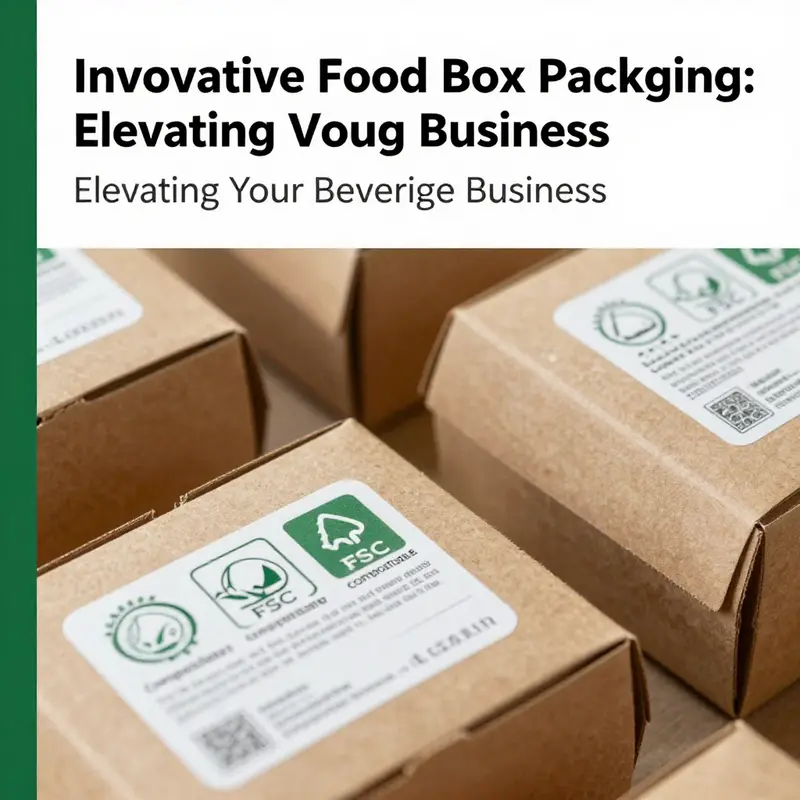
Certification and compliance form the backbone of trust in disposable food box packaging. As operators strive to balance convenience, performance, and sustainability, the standards that govern direct food contact, environmental responsibility, and hygienic controls guide every decision from material choice to labeling. This chapter examines how global regulatory frameworks and third-party certifications shape the safety, quality, and credibility of paper-based, single-use boxes. It also considers how brands can navigate the complex landscape without sacrificing speed to market or design flexibility, all while aligning with evolving consumer expectations for transparency and environmental stewardship.
At the core of any disposable food box is a simple, yet consequential promise: the packaging must not jeopardize the food it holds. That promise is realized through food-grade material standards, which verify that materials approved for direct contact do not leach harmful substances into the contents. In the United States, the U.S. Food and Drug Administration (FDA) sets stringent guidelines for materials that come into contact with food. These guidelines scrutinize the performance of polymers, coatings, inks, and barrier layers to ensure compatibility with a wide range of foods and temperatures. In Europe, the European Food Safety Authority (EFSA) undertakes a parallel responsibility, evaluating safety data and usage conditions so manufacturers can demonstrate that their packaging materials meet EU-wide expectations for consumer protection. The result is a framework that informs testing methods, permissible additives, and threshold limits for migration, all of which frame the design decisions behind even the most basic disposable box.
Beyond the raw safety of materials, the environmental footprint of packaging is increasingly embedded in certification regimes. Biodegradable and compostable certifications provide a clear path to verifying that packaging materials can break down under appropriate industrial conditions. In North America, standards such as ASTM D6400 outline criteria for compostability, ensuring materials can contribute to a contained, technologically advanced composting stream. In Europe, EN 13432 establishes similar criteria, aligning manufacturers with the expectations of composting facilities and waste management infrastructures across the region. For brands committing to circularity, these certifications are not mere labels but verifiable claims that help customers and partners distinguish truly sustainable options from mere green marketing. The credibility of these certifications improves when they are paired with forest stewardship credentials, such as FSC verification for the paper supply. Together, they signal that every layer of the packaging—from the fiber source to the final consumer-facing surface—has undergone independent assessment.
To maintain consistent quality and safety across production runs, food safety management systems come into play. ISO 22000 provides a comprehensive framework for integrating hazard analysis, critical control points, and continuous improvement across the entire production chain. It fosters a culture of hygiene, traceability, and proactive risk management that supports both crisis readiness and everyday control of operations. When combined with the Global Food Safety Initiative-based schemes like FSSC 22000, manufacturers gain a robust, auditable system that many retailers and foodservice operators require as a prerequisite for partnership. These frameworks are not only about preventing contamination; they also elevate process discipline, supplier qualification, and product traceability. In practice, they translate into documented cooking and cooling procedures, validated cleaning routines, supplier risk assessments, and clear records of corrective actions when deviations occur.
Labeling and information disclosure complete the compliance picture by ensuring consumers receive accurate, actionable data. National and regional standards address ingredient declarations, allergen warnings, and date markings, all critical for consumer safety and informed choice. Jurisdictions such as Australia and New Zealand impose specific labeling requirements under their Food Standards Code, where non-compliance can lead to recalls or regulatory action. Transparent labeling reduces confusion at the point of sale or delivery and helps customers assess whether a packaging solution matches their dietary needs and safety expectations. In parallel, the packaging industry increasingly emphasizes supply chain transparency, including the origin of raw materials, the chain of custody, and the environmental claims attached to the box. Such transparency is not an afterthought; it is a foundation for consumer confidence in a market where sustainability demands are rising alongside convenience.
A crucial dimension of compliance is the alignment between packaging design and its certification status. Certification bodies do not operate in isolation; they interact with product development teams, suppliers, and manufacturers through audits, testing, and documentation reviews. For a disposable box made from kraft paper or corrugated board, the journey typically begins with selecting materials that can satisfy both food-grade standards and compostability criteria. Then, coatings, inks, and adhesives are chosen to meet migration limits while preserving printability and visual appeal. The result is a packaging system that can be hot-filled, microwaved, or reheated in some cases, yet remains within the constraints of its certification profile. When a packaging design incorporates features such as window films or carry handles, manufacturers must ensure that every component remains compatible with the overall compliance strategy. This is where third-party verification becomes essential, offering an independent assessment that reinforces the manufacturer’s internal quality controls.
For designers and operators, certification is more than a checklist; it is a strategic tool for differentiation and risk management. Consumers increasingly expect brands to publish clear, accessible evidence of their environmental and safety commitments. Certifications and certifications-related claims help brands stand out on crowded delivery platforms, in-store displays, and online catalogs. When a packaging system carries well-understood benchmarks—food-grade safety, industrial compostability, and recognized food safety management systems—retailer partners gain confidence to place orders, forecast volumes, and allocate shelf or delivery space with greater certainty. This is not about abandoning efficiency; it is about channeling it through a framework that protects health, safety, and the planet while enabling scalable growth.
An important practical consideration is the ecosystem in which compliance operates. Compliance is not a terminus; it is part of a lifecycle that involves ongoing supplier audits, production controls, and post-market surveillance. The paper fibers used in disposable boxes often originate from renewable sources and may be certified for responsible forestry, reinforcing environmental narratives without compromising safety. Likewise, recycling and composting streams are designed to receive packaging waste without producing hazardous residuals, provided end-users follow proper disposal guidelines. For brands, the diligence invested in certification translates into clearer consumer messaging and reduced risk of regulatory disruptions. It also informs supplier selection and contract terms, encouraging alignment around documented processes, testing protocols, and incident reporting.
To illustrate how these principles come together in real-world packaging strategies, consider the design choices and certification contours that influence a typical paper-based box. The box may rely on a single-material construction with minimal surface coatings to optimize recyclability, while still delivering on heat resistance and moisture management. If a compostable coating is used, it must align with the relevant ASTM or EN standard and maintain compatibility with the paper substrate. In regions with strict labeling rules, allergen declarations and product content information must be clearly visible and legally compliant. Workflows then extend to supplier qualification, where raw materials are vetted for their own compliance footprints, including chain-of-custody documentation and certifications for the fiber and adhesives. The result is a packaging solution that travels smoothly through supply chains, from the moment raw fibers are pulped to the moment the box heads to a consumer’s doorstep.
For teams seeking concrete, navigable pathways through this landscape, the internal design and testing brief often anchors on a specific packaging format that can demonstrably meet multiple standards. A practical example is the incorporation of a robust, recyclable kraft-based box designed with interior moisture management capabilities and a simple, printer-friendly surface that supports compliant labeling and branding. In such a scenario, an explicit, well-documented map of applicable standards—food-grade compliance, compostability, and safety management—helps ensure that every stakeholder speaks the same language when evaluating performance across temperature, handling, and transit conditions. It also fosters a culture of accountability, where deviations are captured, investigated, and rectified with documented corrective actions. In practice, this reduces the likelihood of recalls, product withdrawals, or consumer backlash tied to packaging failures rather than the food itself.
For readers seeking an applied example of design and compliance integration, consider exploring disposable octagonal box kraft paper packaging. The format illustrates how thoughtful construction and certified materials can deliver both a premium aesthetic and a credible environmental profile. Such a case highlights the value of aligning packaging choices with certification trajectories early in the development process, ensuring that labeling, testing, and supplier controls are embedded in the project timeline rather than appended as afterthoughts. This approach helps teams avoid late-stage redesigns and ensures that the final product can scale across markets with minimal friction.
Beyond the internal considerations, external regulatory references provide authoritative guidance as regulatory landscapes evolve. The FDA’s materials safety criteria remain a pivotal resource for manufacturers operating in or exporting to the U.S. market, while EFSA guidance informs European producers seeking harmonization across member states. As sustainability claims gain prominence, standardized certifications—whether compostability under ASTM D6400 or EN 13432, or forest management attestations like FSC—offer defensible bases for environmental messaging. The consensus across jurisdictions is clear: safety and sustainability are not competing priorities but complementary pillars of responsible packaging. Brands that integrate these pillars into their product development, supplier management, and go-to-market strategies position themselves to meet rising consumer expectations and to navigate regulatory transitions with confidence. In short, certification and compliance are not burdens; they are enablers of resilience and trust in a fast-moving market.
External reference: For authoritative information on packaging standards and compliance, refer to the U.S. FDA’s food safety resources at https://www.fda.gov/food.
Final thoughts
Understanding the advancements in disposable food box packaging can provide your beverage business with a competitive edge. By leveraging innovative materials, enhancing user experience through thoughtful designs, and ensuring you meet high-performance standards, you can elevate your brand’s image and operational efficiency. The versatility and compliance of these packaging solutions also play a crucial role in catering to a diverse customer base while meeting sustainability goals. As you consider your packaging needs, remember that the right disposable food box can greatly influence your overall success, making it a worthwhile investment for the future of your business.