
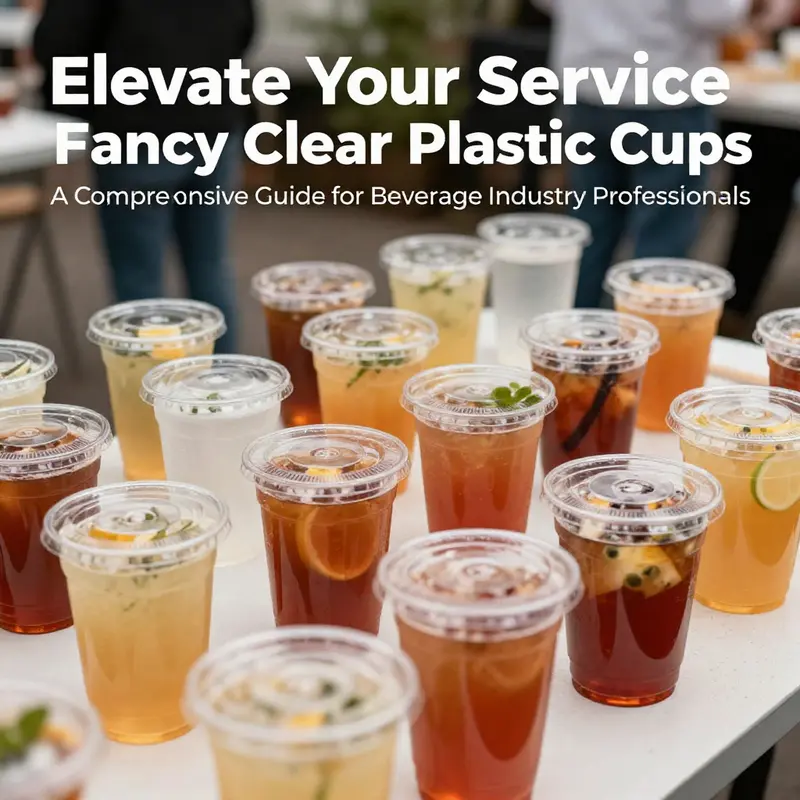
Fancy clear plastic cups have revolutionized beverage presentation in various sectors, including bubble tea shops, catering services, and corporate events. Their crystal-clear design augments the visual appeal of drinks, making them a preferred choice for establishments focused on quality and aesthetics. This guide delves into the distinctive design features, materials, and safety standards of these cups, illustrating their versatile applications in event planning and highlighting recent market trends. Additionally, it addresses sustainability practices in their production, ensuring that your choices align with environmental consciousness. Each chapter offers valuable insights that cater specifically to the needs of beverage chains, food trucks, and corporate procurement teams, paving the way for informed selections that elevate customer experience and environmental responsibility.
The Art and Functionality Behind Elegant Transparent Plastic Cups

Fancy clear plastic cups are much more than a disposable serving accessory; they are a reflection of modern design sensibilities that balance aesthetic appeal with unmatched functional performance. Their design has evolved to meet the demands of a wide array of events and commercial applications, transforming routine beverage service into an experience marked by clarity, elegance, and durability. Each element of these cups has been carefully considered to enhance both the visual appeal and the practical reliability needed in high-volume settings such as weddings, corporate events, and upscale parties.
One of the most striking features of these cups is their absolute transparency. This clarity is more than just a visual treat; it serves as a canvas that showcases the natural hues and textures of drinks, whether it be the rich amber of a cocktail, the inviting swirls of an iced coffee, or the vibrant layers of a layered beverage. The inherent transparency allows hosts and event organizers to highlight unique drink concoctions, making every beverage an integral part of the overall decor. In every curve and edge, the clear design accentuates colors and garnishes in a way that traditional opaque drinkware simply cannot achieve. This visual interplay elevates a seemingly mundane function into an art form.
Beyond clarity, the shape of these cups plays a pivotal role in their appeal. Designers explore a variety of silhouettes—from elegantly flared rims to subtly tapered bodies—that provide both comfort and visual finesse. The contours of a cup are meticulously engineered not only to provide a comfortable grip but also to serve as a subtle nod to sophistication, making them suitable in settings that demand refined style. The integration of refined geometrical shapes contributes significantly to the overall ambiance of an event, where every detail matters and every design element tells a part of the story. This thoughtful design philosophy transforms everyday items into durable works of art that attract attention even before the beverage is sipped.
Surface finishes further enhance the sensory engagement offered by these cups. Whether it is a matte coat that provides a soft, understated elegance or a glossy finish reflecting ambient light, the texture contributes to a tactile experience that complements the visual allure. In some designs, the addition of metallic accents like silver or gold rims adds a layer of luxurious contrast. Such accents often serve as a deliberate method of brand differentiation and event personalization. The subtle shimmer against the clear body not only catches the eye but also creates a sense of festive exclusivity. These added details transform the simple act of sipping a drink into a multisensory ritual that leaves a lasting impression on guests.
Equally important is the integration of decorative elements that broaden the product’s versatility. Custom embossing and debossing allow for the incorporation of logos, mottos, or themed designs that can be tailored to the specific needs of an event or brand identity. This seamless melding of aesthetics and functionality turns the cups into powerful promotional tools. When a company hosts a corporate event or a couple celebrates their wedding, these personalized touches add gravitas and distinction. The delicate interplay of artistic detail with functional design can also be a clever way of conveying brand values, creating a unified message through an everyday object that is both useful and visually captivating.
Functionality is never sacrificed in pursuit of design perfection. Behind the refined exteriors lies an engineering focus on durability and safety. With materials such as high-grade, food-safe plastics like PET and PP, these cups are built to endure the rigors of everyday use while ensuring that beverages remain uncontaminated by harmful chemicals. Their BPA-free construction and compliance with strict international standards provide peace of mind for event organizers and end users alike. This commitment to safety is particularly critical when the cups are used for both hot and cold drinks. The careful selection of materials ensures that the cups maintain their integrity across a range of temperatures, making them a versatile choice for diverse applications.
The production process of these cups is as innovative as their design. Advanced manufacturing techniques allow for precise control over thickness and texture, ensuring a consistent product that stands up to the demands of busy event environments. Such attention to detail is evident in features like leak-proof construction. By designing cups with secure, often cleverly integrated lids or tight seals, manufacturers have solved the challenge of spill management in high-traffic settings. This practical aspect is essential in reducing waste and ensuring that the cup’s elegant appearance is maintained even in less-than-ideal conditions. As a result, these cups are well-suited not only for formal events but also for casual outdoor gatherings where reliability is as crucial as style.
In recent years, sustainability has emerged as a significant focus within the industry. The need to balance luxury design with environmental responsibility has led to innovations in material composition and recycling technologies. Manufacturers are increasingly opting for eco-conscious materials that satisfy the strict regulations of food contact while also being biodegradable or easily recyclable. This green revolution is reflected not only in the selection of raw materials but also in the overall design strategy. By incorporating sustainable features, these cups help reduce environmental impact without compromising on the clear, sophisticated aesthetics that set them apart. For instance, eco-friendly options, which are now available as part of various product lines, make use of recyclable components while still delivering the high-performance and visual quality expected by clients. To explore an eco-friendly solution, you might find more details in an interesting article on an eco-friendly recyclable product here.
The impact of these design features extends well beyond the confines of product functionality; they influence the entire event experience. Hosts can coordinate the visual elements of the party or corporate gathering around the inherent beauty of these cups. The right cup becomes a subtle yet powerful statement piece that complements the decor and reinforces the event’s theme. Whether it is used to serve a signature cocktail at a grand celebration or as part of a carefully arranged table setting in a corporate mixer, the design elements work synergistically to create a memorable atmosphere. The cup’s transparency, form, and finish combine to invite guests into an immersive experience where every detail speaks to a sense of quality and care.
For professionals and planners alike, understanding the underlying design considerations behind these cups provides valuable insights into market trends and consumer expectations. The evolution of design from purely functional to elegant and experience-oriented products is indicative of broader shifts in taste and values. In a marketplace where first impressions matter, the role of design becomes as crucial as cost-effectiveness and reliability. The subtle sophistication achieved through advanced design techniques signals a shift towards products that serve not only a practical purpose but also act as ambassadors of style and innovation.
Furthermore, the continued refinement of these cups is supported by ongoing research and industry standards that continually push the boundaries of what is possible with plastic tableware. Detailed guides on material composition, manufacturing processes, and performance standards, such as those found in comprehensive industrial reviews Outside Resource, shed light on the technological advancements behind every product iteration. These resources provide in-depth technical insights that inform best practices and guide future innovations. As the industry moves toward more sustainable methods and designs that offer enhanced functionality, the clear plastic cup stands out as a prime example of thoughtful evolution in everyday objects.
In summary, the design of fancy clear plastic cups represents a harmonious blend of art, functionality, and safety. Every aspect – from transparency and shape to surface finish and eco-friendly material choices – is aimed at enhancing the overall consumer experience. This intricate design process not only beautifies the presentation of beverages but also ensures that the cups can resist rigorous use without succumbing to damage, making them a dependable choice for any occasion. Ultimately, these cups are more than just vessels for drinks; they are a testament to the continuous pursuit of excellence in design, marrying practicality with an aesthetic appeal that delights the eye and engages the senses.
Refined Transparency: Unveiling the Materials and Safety Standards of Elegant Clear Plastic Cups
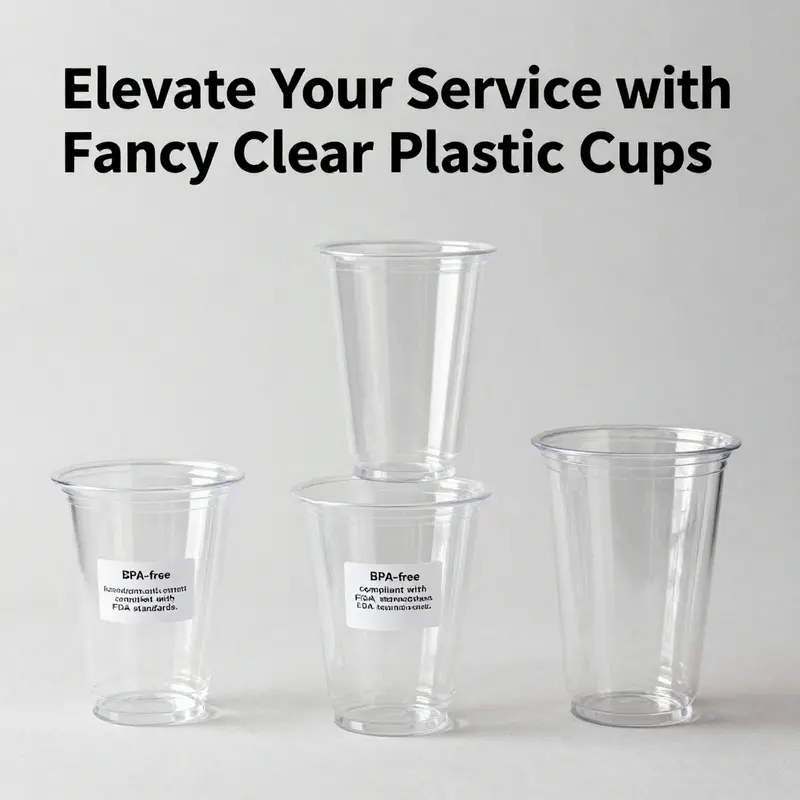
The sophisticated charm of fancy clear plastic cups rests not only in their striking crystal-like appearance but also in the careful selection of premium materials and adherence to rigorous safety standards. In this chapter, we explore the meticulous processes behind their manufacture, the advantages of each constituent material, and the global regulatory frameworks that ensure these cups are both stylish and safe for food and beverage applications.
At the core of these cup designs lies a balance between aesthetics and durability. Manufacturers often choose high-clarity thermoplastics such as Polyethylene Terephthalate (PET) and Polystyrene (PS) for their superior optical properties. PET, in particular, is celebrated for its excellent strength-to-weight ratio and exceptional resistance to stress, which prevents warping or cracking under everyday use. Its transparency enhances the visual display of vibrant beverages, making every drink appear as a work of art. Polystyrene, while offering a slightly different tactile quality, adds its own unique advantages when clarity and rigidity are prized. The blending of these materials is a feat of engineering that elevates simple disposable cups to a level that can stand up to upscale event expectations.
The selection of these plastics is driven by more than just visual appeal. They are chosen because they meet essential safety and quality standards. These materials are formulated as food-grade plastics, which means they have undergone thorough testing to confirm that they do not leach harmful substances into beverages. Regulatory bodies such as the U.S. Food and Drug Administration (FDA) and the European Food Safety Authority (EFSA) have established strict guidelines that require all materials coming into contact with food and drink to be free from contaminants or toxins. In effect, each cup is a testament to engineering excellence where form meets function in a way that safeguards public health. This is particularly critical for cups used in settings like weddings, corporate events, and photo-worthy gatherings where both presentation and safety are paramount.
Beyond PET and PS, many innovative manufacturers are incorporating Polylactic Acid (PLA) into their product lines. PLA is derived from renewable resources like corn starch, and it offers the dual benefits of safety and environmental responsibility. While not always as robust as traditional plastics, PLA-based cups serve as a forward-thinking option for those who prioritize sustainability without sacrificing the refined, clear aesthetic that defines fancy plastic cups. Even when utilizing PLA, producers ensure that these materials comply with international standards, including those set by food safety authorities, ensuring that the cups remain free from BPA, phthalates, or any other harmful agents.
An important aspect of designing these cups involves not only the body itself but also the accompanying components such as lids and straws. The lids are frequently made from durable materials like silicone or Polypropylene (PP). Silicone offers its unique flexibility and heat resistance, ensuring a secure and leak-proof seal even when the cups are used with hot drinks. PP, when used for both parts and accessories, has the benefit of withstanding temperature variations and mechanical stresses. Both silicone and PP are recognized for their resilience and are similarly subjected to stringent food-contact safety tests. This layered approach, where every component of the cup adheres to high standards, ensures that fancy clear plastic cups are reliable in every facet of use.
The manufacturing process itself is calibrated with precision. Specialized molding techniques enable the production of cups that are uniform in thickness and exhibit exceptional clarity. This uniformity is important for maintaining aesthetic appeal as well as ensuring consistent structural integrity. Manufacturers invest in advanced quality control systems capable of detecting even minute flaws in the final product. This vigilance minimizes the occurrence of chipped or compromised cups that could detract from a high-end event experience. Such measures also contribute to longer shelf life and better performance across a range of temperatures, from chilled cocktail mixers to warm beverages.
While the technical aspects of production are critical, the aesthetic allure remains the driving force behind the demand for these cups. The clarity of the plastic provides a blank canvas that enhances the color and texture of the beverage contained within. For upscale events where presentation is as important as functionality, the visual impact is a primary selling point. The elegant design and clean surface allow light to play across the cup, creating effects that add to the festive atmosphere. Such visual dynamism is not merely decorative but also serves as an indirect assurance of quality, reinforcing the idea that these products meet the highest standards of both design and safety.
One cannot ignore the growing environmental consciousness among consumers and event planners alike. The contemporary market is witnessing a surge in demand not only for products that appear luxurious but also for those that contribute to sustainability. In response, many manufacturers now offer eco-friendly alternatives that are as responsible as they are attractive. Some products are now fabricated from biodegradable plastics, and others are designed with recycling in mind. These eco-friendly variants do not compromise on the clarity or strength needed for high-end applications, thereby providing organizers a balanced solution that meshes environmental ethics with commercial efficiency.
The meticulous selection and testing of materials underscore a deep commitment to safety. Across international markets, the production of these fancy clear plastic cups is regulated by well-defined standards that dictate everything from the chemical composition to the mechanical durability of the products. These standards help ensure that when a cup is used for a party or a corporate event, users are not exposed to harmful chemicals even when the product comes in contact with diverse types of beverages. The notion of safety here is comprehensive, covering thermal stability, chemical inertness, and physical robustness. It is a holistic approach where every element, no matter how insignificant it may seem, is scrutinized and validated before reaching the consumer.
For many professionals, understanding the interplay between material properties and safety certifications is a vital aspect of successful event planning. Designers, distributors, and event managers pay close attention to these details, knowing that the quality of tableware reflects on the overall perception of the event. Standards set by agencies such as the FDA require each batch of material used to be traceable and subject to exacting tests. These tests are not limited to static conditions but also simulate real-world usage, including temperature fluctuations and physical impacts that may occur during transportation and handling. The extensive validation procedures provide a high degree of certainty that each cup meets all the necessary criteria to be safely used in food-contact scenarios.
To illustrate these concepts in a more practical context, consider the scenario of an upscale outdoor gala where guests are served artisanal cocktails in elegantly designed clear cups. The transparency of the cup not only showcases the vibrant hues of the beverages but also ties in with the overall theme of refined minimalism common in contemporary decor. Here, the durability provided by PET ensures that even if a cup is accidentally dropped, it remains intact, enhancing the guest experience by avoiding interruptions to the event flow. Moreover, the assurance of food safety provided by compliance with international standards adds an extra layer of trust essential for high-level functions. In essence, the material and safety attributes of these cups make them an integral part of the overall event aesthetic.
Beyond the immediate benefits of safety and visual appeal, the responsible use of materials in these cups may also inspire further innovations in the foodservice and event planning industries. The shift towards eco-conscious design is opening new avenues for research and development, where even traditional staples like plastic cups are undergoing transformations. For instance, research into novel biodegradable polymers with enhanced optical clarity is on the rise, promising a future where environmental sustainability and luxury design are no longer mutually exclusive. This proactive approach is also evident among manufacturers who continuously refine their production processes to minimize waste and reduce energy consumption while strictly adhering to safety standards.
This multifaceted pursuit of excellence extends into the realm of performance testing. Extensive evaluations determine how these cups behave under stress, such as exposure to acidic beverages or high-temperature conditions. Manufacturers work hand in hand with independent laboratories to simulate scenarios that mimic actual event conditions. The results from these tests help refine the design and even the chemical composition of the materials used. As a result, every production run of fancy clear plastic cups becomes a benchmark in quality, engineered to maintain its aesthetic quality and structural integrity over time and through various usage conditions.
During this entire process of enhanced quality, emphasis is also placed on consumer education. Producers and suppliers are committed to sharing detailed information about the materials used and the testing they undergo. This transparency builds trust with buyers who are increasingly discerning about the products they choose for their events. In fact, many industry-oriented publications and technical guidelines explain that the reliability of these cups stems from a rigorous adherence to internationally recognized safety protocols. Such comprehensive educational outreach reinforces that every detail, from the selection of PET to the testing of silicone lids for leak-proof performance, has been managed with the utmost concern for the end-user’s safety.
A noteworthy development in this area is the integration of eco-friendly packaging solutions along with premium plastic cups. For instance, businesses looking to create a cohesive sustainable brand identity often explore complementary products such as recyclable or biodegradable cutlery and containers. In this context, interested readers may explore further options for sustainable tableware by reviewing resources such as the detailed offerings found in eco-friendly packaging solutions available online eco-friendly recyclable pulp cup holders. This integration of eco-friendly practices across various product lines not only enhances brand image but also meets the rising consumer demand for environmentally responsible products.
The intersection of advanced materials science and consumer safety regulations has culminated in a product that stands at the forefront of modern event planning. Fancy clear plastic cups are no longer seen merely as disposable items; they represent a carefully engineered solution that marries art with science. Their design incorporates state-of-the-art plastics with proven performance characteristics, vetted through stringent, internationally recognized testing protocols. In doing so, these products set a high standard for the industry, ensuring that even as they elevate the aesthetic of any occasion, they do so without compromising on the health or safety of the consumers.
For those interested in uncovering the technical depth behind these materials and safety standards, a comprehensive examination of food-grade PET and related plastics can be found in specialized guides such as the FDA-backed resource available at this FDA guide on food-grade PET safety. This external reference offers further insights into the regulatory frameworks and scientific assessments that underpin the high quality of fancy clear plastic cups, reinforcing confidence in the safety and functionality of each product.
In summary, the journey from raw thermoplastics to a refined, elegantly finished product is characterized by a meticulous selection of materials, rigorous safety testing, and a commitment to environmental sustainability. Every stage of production is designed to ensure that each cup delivers on the promise of both beauty and reliability, making fancy clear plastic cups the ideal choice for moments that deserve nothing less than perfection. Whether showcased at a sophisticated event or used in a high-end café, these cups are a symbol of thoughtful design and responsible manufacturing—a true fusion of art, science, and safety.
Fancy Fluid Elegance: The Role of Clear Plastic Cups in High-End Event Celebrations

The appeal of fancy clear plastic cups in modern event planning goes far beyond their transparent facade. They effortlessly combine aesthetic charm with unmatched functionality, making them a favored choice for sophisticated banquets, chic weddings, dynamic corporate gatherings, and lively themed parties. Unlike traditional glassware, these cups offer the luxury of a refined look without the fragility or considerable cost. Their crystal-clear design provides a stage on which the vibrant colors and textures of any beverage are beautifully showcased, transforming every drink service into an artful expression of celebration.
Over the past few years, event planners and organizers have increasingly recognized the blend of functionality and style that these cups deliver. Many choose them not only for their visual appeal but also for their inherent practicality. The transparent nature of the cups allows guests to appreciate the quality of their drinks—a cool cocktail, a frothy latte, or a vibrant mocktail—all while reinforcing the overall ambiance of the event. The versatility of these cups is evident in the range of occasions they serve, from lavish weddings and formal receptions to understated corporate conferences and trendy outdoor soirées. Whether it is the soft glow of ambient lighting at a nighttime celebration or the brilliance of daylight at a garden party, the clarity of the cups enhances every setting by adding an element of understated luxury that complements any decor style.
One of the key reasons these cups have become a staple in upscale events is their robust build. Engineered with food-grade, BPA-free materials such as PET or PLA, they meet high safety standards expected in food and beverage service. For many event professionals, this dual assurance of safety and sophistication is priceless. When serving both hot and cold beverages, there is the additional peace of mind that comes from knowing these cups comply with stringent regulations such as those by the FDA in the United States, as well as international guidelines. Their ability to contain liquid securely, even in dynamic environments where guests are mingling and dancing, highlights their practical advantages while remaining enigmatic and stylish.
The design features of these fancy cups are crafted with an eye for modern elegance. A silver rim or other metallic accents add a luxurious contrast to the transparent body, elevating the overall presentation. This aesthetic detail is not merely decorative; it also hints at a thoughtful design process that pays attention to every nuance. The clean lines, sleek shapes, and polished surfaces reflect a modern minimalist philosophy, where less is more and every detail plays a part in creating a cohesive experience. For hosts and event designers, such details matter deeply, as they subtly reinforce the theme of the event and create memorable visual cues for guests. The integration of subtle metallic accents with the clear body of the cup demonstrates how design innovation transforms a simple disposable item into a coveted accessory that enhances a celebration.
Beyond their visual and tactile appeal, fancy clear plastic cups serve as a highly effective medium for branding and personalization. At corporate events or product launches, every element of the decor is an opportunity to communicate a brand’s image and message. With these cups, companies can imprint logos, slogans, and event-specific graphics directly onto the surface, turning each cup into a mini billboard. As guests carry their drinks through the venue, the consistent display of branded information reinforces brand identity and creates additional touchpoints for customer engagement. This multipurpose functionality not only ensures brand consistency but also boosts the overall sophistication of the event experience. The cups provide a canvas that is as versatile as it is visually striking, ensuring that every aspect of the event is aligned with the desired image—be it elegance, innovation, or a combination of both.
The success of these cups in elevating events is also intertwined with a growing demand for eco-responsible products. In an era where sustainability is central to consumer choices and corporate responsibility, manufacturers have adapted by offering environmentally friendly versions of these cups. Made from biodegradable or recyclable materials, many options now support greener practices without sacrificing style or durability. Event planners who align their celebrations with eco-friendly practices often find that the choice of tableware can play a significant role in communicating their commitment to sustainability. The cups, therefore, are not only a practical choice but also a statement about responsible and forward-thinking design. They allow hosts to celebrate in style while keeping environmental impacts to a minimum—a combination that resonates with modern sensibilities.
A closer look at these cups reveals how even the smallest design choices can have large ramifications for the overall event ambiance. For instance, the clarity of the cup is its most prominent feature, allowing every detail of a carefully crafted cocktail to shine. This quality is especially prized in settings like outdoor weddings or garden parties, where natural light further accentuates the drink’s color and texture. The interplay between the natural environment and the refined design of the cup creates a dynamic visual effect that transforms ordinary beverages into a part of the decor itself. Every sip becomes an experience, and every glance at a brightly colored drink is a reminder of the care and sophistication woven throughout the event planning process.
In addition to their decorative functions, these cups contribute significantly to the smooth operation of events. Their disposable nature alleviates concerns about breakage and reduces cleanup time in busy settings. This practical benefit is particularly valuable in outdoor or high-energy events where the risk of accidents with glassware is high. The resilience of the cups ensures that spills are managed and that guests can move freely without worrying about accidents involving fragile tableware. This functionality is balanced with a sense of elegance, quietly assuring hosts that expensive glass alternatives are not the only way to achieve a luxe presentation. In this way, the cups embody a graceful compromise between form and function, serving as both a design element and a pragmatic solution for large-scale events.
At times, cultural or thematic elements define an event’s story, allowing hosts to weave narratives that are both visually and emotionally compelling. With clear plastic cups, the narrative can take on additional layers of meaning. They serve as a silent canvas that hosts can decorate to reflect specific themes—be it a vintage-inspired soirée, a modern minimalist affair, or even a festive seasonal celebration. Their adaptability makes them an ideal choice when the event requires a personal touch that elevates the guest experience. Such versatility is perhaps best described as a marriage of art and practicality: the cups are a functional accessory that can be transformed into an integral part of the event’s storytelling. Their use in themed parties underscores an element of transformation, where a disposable item can become a memorable keepsake associated with a significant celebration.
As event design continues to evolve, the integration of digital and physical branding is also gaining traction. With innovative printing technologies, intricate designs and even augmented reality elements can be incorporated onto the surface of these cups, further elevating their role as active participants in the guest experience. Imagine a scenario where a simple drink not only reflects a luxurious aesthetic but also interacts with digital content displayed on event screens. While still an emerging trend, this approach hints at the endless possibilities for these cups to redefine modern event experiences. It is this forward-thinking spirit that keeps fancy clear plastic cups at the forefront of conversation among designers, planners, and brands alike.
Moreover, the balance of durability and elegance found in these cups is a testament to the extensive research and quality controls integrated into their production. Ensuring that each cup withstands temperature changes and remains leak-resistant, manufacturers devote significant resources to optimizing both the physical properties and the visual appeal of the product. The outcome is a cup that not only meets high safety standards but also continues to impress guests throughout even the most active events. It is this commitment to excellence that has enabled non-traditional materials to securely take their place in a market once dominated by classical glassware, proving that innovative design can be both luxurious and reliable.
Event planners today are not just designers of space; they are curators of experiences. In this context, every element—from the napkin folds to the choice of tableware—contributes to the tapestry of memories created on that day. Fancy clear plastic cups have thereby emerged as silent yet powerful contributors to these memories. Their ability to enhance the visual appeal of a setting, combined with their practical advantages, makes them indispensable tools in the modern event planner’s arsenal. They serve as reminders that even the most utilitarian objects can be transformed into symbols of creativity and care.
For those looking to explore eco-friendly alternatives in addition to these stylish essentials, options like an eco-friendly recyclable pulp coffee take-away cup holder offer another dimension of sustainable design choices, each complementing the overall theme of environmentally conscious celebration. The relationship between functionality and aesthetic is further enriched when such sustainable alternatives are incorporated into the planning process, aligning every element of the event with a commitment to both beauty and responsibility.
In essence, fancy clear plastic cups are emblematic of a broader shift in event planning—a movement that values integration, sustainability, and innovation. They represent the convergence of design and practicality, ensuring that even everyday items can evoke a sense of wonder when thoughtfully curated. The fusion of tangible functionality with visual allure transforms them from mere vessels into icons of modern sophistication. If the evolution of event planning is measured by the details that make a celebration unforgettable, these cups stand out as an essential component that perfectly encapsulates the essence of contemporary luxury.
For further insights and a closer look at the technical aspects and performance standards of such designs, interested readers can refer to this detailed example from an external resource: Munfix 100 Silver Plastic Cups on Walmart.
Clear Vision: Navigating Market Dynamics and Sustainability in Fancy Clear Plastic Cups
The evolution in the market for fancy clear plastic cups has become a noteworthy study in how design, material innovation, and sustainability converge to shape an industry that once might have been dismissed as a mundane category of disposable goods. As consumer tastes evolve and demands grow ever more refined, the humble clear plastic cup is now celebrated for its ability to merge style with practicality while meeting increasing performance standards. Recent trends indicate that these cups not only elevate the visual appeal of beverages but are also at the forefront of environmentally responsible, technologically enhanced design solutions that cater to both high-end events and everyday commercial needs.
At the heart of this market shift is the rising prominence of eco-friendly materials. Manufacturers are increasingly adopting biodegradable and recyclable materials such as polylactic acid (PLA) and PET, which are derived from renewable crops and engineered to minimize environmental impact. This forward-thinking approach is crucial in an era where sustainability commands consumer loyalty and regulatory bodies enforce stringent guidelines on food-safe products. With the emphasis on eco-friendly manufacturing practices, producers have managed to retain the user-friendly attributes of plastic, including durability and a lightweight design, while reducing the carbon footprint typically associated with plastic production. Such innovations have allowed the market to experience dynamic growth, as highlighted by industry projections which foresee a strong compound annual growth rate extending into the early decades of the twenty-first century.
These environmentally oriented changes are complemented by significant technological advancements in production and design. Modern clear plastic cups now incorporate features that not only add to their visual sophistication but also enhance their usability and safety. Improvements in leak-resistant design ensure that these cups can handle both hot and cold beverages, a critical factor in their widespread adoption for varied applications, from lavish weddings to corporate and promotional events. The integration of subtle yet striking elements – such as silver rims or delicate decorative patterns – elevates the customer experience by adding a touch of modern luxury that no longer associates the product solely with low-cost disposability. This melding of aesthetics and functionality fortifies the cup’s role as a preferred accessory in settings where presentation is paramount.
Beyond the physical attributes and environmental credentials, the market’s trajectory has been bolstered by powerful economic and consumer trends. A confluence of sartorial design trends paired with the everyday need for convenience in hosting social events has precipitated a shift favoring plastic alternatives that are as pleasing to the eye as they are practical. Trend analyses reveal that the clear plastic cup market is appreciated for its capacity to showcase the natural colors and textures of beverages. Whether serving up frothy iced coffees, vibrant cocktails, or refreshing sparkling drinks, the transparency of these cups enhances the sensory appeal, making each pour a visual spectacle. As consumers increasingly appreciate the artistry of food and drink presentation, the role of such cups in crafting memorable experiences becomes more pronounced.
Innovation continues to drive the product’s design choices. Researchers and developers in the sector are addressing challenges such as heat resistance and structural integrity, meaning that even when challenged by a high volume of use or exposure to variable temperatures, the clear plastic cup consistently performs at a high standard. The evolution of production techniques has meant that product life spans are extended and that the disposable nature of these items no longer entails a compromise in quality. This rethinking of disposable solutions has been instrumental in winning the support of event planners, food service providers, and hospitality professionals, all of whom now regard these cups as not just a commodity, but as a critical design element that complements modern aesthetics.
Market studies reveal that growth in the fancy clear plastic cup segment is not merely anecdotal but is underpinned by measurable industry data. Projections indicate a robust growth rate, driven by expanded applications ranging from upscale events to streamlined commercial service. Such forecasted expansion is tied to innovations that improve not only the physical properties of the cups but also the broader consumer experience. For instance, manufacturers have begun exploring customizability, offering products that can be tailored in terms of rim design, capacity, and even printing options. This level of customization is particularly appealing to businesses seeking branded solutions that resonate with their business ethos and event themes. By offering a product that is as versatile as it is attractive, suppliers have effectively tapped into a market that values individuality, creative expression, and environmental accountability.
The importance of safety standards cannot be overstated. These cups are produced with food-grade, BPA-free plastics that adhere to the highest regulatory standards, ensuring they are safe for use with all types of beverages. This adherence to guidelines and safety protocols is critical in building consumer trust. Whether used in small private gatherings or large-scale events, the guarantee of compliance with stringent FDA regulations and international food contact material standards is a cornerstone of the product’s appeal. When events are planned with the confidence that every item—from decorations to tableware—meets rigorous health and safety expectations, organizers are empowered to focus on the overall experience rather than on logistical or legal concerns.
In addition to regulatory compliance, the market’s pivot to sustainable practices is a response to growing consumer awareness regarding environmental impacts. Eco-conscious consumers not only demand stylish products but also insist on items that contribute to a greener planet. In many ways, the clear plastic cup is emblematic of the new market ideology: one that fuses aesthetics with sustainability, where elegance is never compromised by environmental responsibility. This trend is particularly visible in sectors such as hospitality and food service, where businesses are keen to align their brands with green initiatives. As a result, suppliers have been quick to introduce products that highlight attributes such as compostability and recyclability. These innovations signal to consumers that it is possible to combine beauty with a commitment to ecological ethics.
These dynamic market changes have also spurred manufacturers to rethink the logistics of supply and storage. The durability of modern fancy clear plastic cups—resistant to both breakage and spills—means that they offer exceptional value for money when compared to traditional alternatives like glass or ceramic. This fact makes them highly popular in scenarios where cost-effectiveness and ease of use are as valued as style. Indeed, many event organizers have recognized that the risk of damage, which previously made glassware a less attractive option, is now largely mitigated by the resilient nature of advanced plastics. The net result is a rising preference for these cups in settings that require both visual impact and practical durability.
The development of such products reflects a broader industry trend in which aesthetics are no longer solely considered a luxury but are now integrated into the core functionality of everyday items. Ambitious designers are keenly aware that an elevated presentation can transform ordinary objects into statements of style and innovation. With the advent of coatings, refined molding techniques, and meticulous finishing processes, clear plastic cups have emerged as a canvas for creative expression. Whether used in a high-profile event or in day-to-day business operation, these cups have become symbols of a cautious yet confident approach to modern design.
The interplay between design innovation and environmental sustainability is further highlighted by how these products are marketed to both commercial enterprises and individual hosts. Suppliers now emphasize eco-friendly credentials through transparent labeling and detailed information about material origins. One example of a complementary product in this burgeoning field is an option available for businesses interested in environmentally responsible catering solutions. More details can be found on an informative page about eco-friendly packaging options here. This link serves as an example of how products outside the primary category can complement the sophisticated design of fancy clear plastic cups, forming a cohesive ecosystem of packaging that is both aesthetically appealing and ecologically sound.
In the broader scope of consumer goods, the clear plastic cup market stands out as an exemplar of the modern confluence of style, safety, and sustainability. Its ongoing transformation reflects the careful calibration between market demands and the imperatives of environmental stewardship. Businesses and event planners are increasingly aware that every detail, down to the choice of tableware, speaks volumes about their commitment to quality and sustainability. This detailed understanding of market trends ensures that as new innovations continue to emerge, the core values of functionality and eco-responsibility remain firmly at the forefront.
Looking ahead, it is clear that market projections for fancy clear plastic cups will remain robust. As society places even greater emphasis on minimizing waste and reducing environmental impact, manufacturers are likely to expand their portfolios to include even more sophisticated, customizable eco-friendly products. By integrating cutting-edge materials and designs that pay homage to both aesthetic values and modern performance standards, the industry sets a high benchmark for competitors and innovators alike. This evolution is not only a testament to the inherent versatility of plastic as a material but also a reflection of the transformative power of creative, responsible design.
For industry professionals and market enthusiasts who wish to explore the nuances of these shifting dynamics further, in-depth analysis is available in detailed reports such as those provided by research organizations. One such comprehensive source details the trends, innovations, and growth projections related to this market and can be consulted for additional insights at Plastic Cup Market Trends, Innovations, Scope & Regions 2026-2033. This further underscores the commitment of stakeholders to remain informed and proactive amid ongoing changes in consumer behavior and technical advancements.
In summary, the market for fancy clear plastic cups is witnessing a remarkable renaissance, driven by a blend of sustainability initiatives, performance enhancements, and design innovations. It is a sector that has courageously stepped away from its origins as a simple commodity, evolving into a sophisticated product line that resonates with modern tastes and environmental values. As production techniques continue to improve and consumer awareness grows, this unique segment is well-positioned to define new industry standards. The seamless integration of artful design and robust functionality in these cups not only invites admiration but serves as a beacon for future advancements in the field of disposable yet refined tableware.
Green Innovation in Transparent Elegance: Sustainability Practices Behind Fancy Clear Plastic Cups

Fancy clear plastic cups have transformed from a utilitarian item into a statement of refined style and environmental responsibility, and the journey behind their sustainability practices is as clear and compelling as the product itself. At the heart of this evolution lies an industry-wide commitment to reducing environmental footprints while maintaining the premium aesthetic that event planners and commercial users value. In an era where design sensibilities meet the demands of eco-conscious consumers, manufacturers are reinventing the conventional production processes for plastic cups by incorporating sustainable materials, energy-efficient methodologies, and rigorous standards of compliance. This melding of sophistication and sustainability has not only redefined design parameters but has also shaped entire supply chains, placing a premium on circular economy principles and responsible resource management.
One of the most significant breakthroughs within the production of fancy clear plastic cups is the move toward biodegradable materials. Traditionally, plastics such as Polyethylene Terephthalate (PET) and Polypropylene (PP) have been favored for their durability and transparency, but increasing awareness of environmental issues has spurred innovation in resins derived from bio-based sources. Manufacturers, notably in dynamic hubs like Zhejiang Province, have invested heavily in developing biodegradable formulations. These new resins offer similar clarity and strength while ensuring that when the cups are disposed of, they contribute less to the persistent problem of plastic waste. By incorporating materials that have a reduced environmental impact, producers are able to align with global sustainability goals. This commitment to eco-friendly innovation represents a radical shift that not only mitigates the negative impact on ecosystems but also reassures consumers who demand products that leave a lighter footprint.
The journey toward more sustainable production involves a deeper rethinking of manufacturing processes themselves. Energy usage, water consumption, and waste generation during production cycles are all being meticulously optimized. Advanced manufacturing equipment now operates with higher efficiency, using less power and generating fewer byproducts. Among the primary strategies employed is the reduction of raw material usage through precision engineering and lean manufacturing techniques. This systematic tightening of production processes has led to improved yields and a reduction in scrap material. Moreover, modern factories are embracing renewable energy sources—such as solar and wind power—to further drive down their carbon emissions. The commitment to efficiency extends to meticulously controlled production environments that ensure that every stage of the process, from resin casting to cooling and finishing, is executed with environmental accountability in mind. In some cases, innovations have resulted in the achievement of near-zero waste production, transforming what was once a byproduct into a valuable resource for the creation of additional products. Such forward-thinking initiatives are vital for aligning production practices with the urgent need for sustainable, resource-conserving operations.
Complementing process enhancements are the eco-friendly design alternatives that are increasingly being offered to meet both market and regulatory demands. Not only are manufacturers now producing cups that are biodegradable and recyclable, but they are also promoting reusable options designed for multiple cycles of use. For instance, integrating accessories like biodegradable straws and reinventions of traditional plastic drinkware into multi-use concepts has become a preferred strategy. Eco-friendly features are routinely highlighted in product literature, with manufacturers emphasizing that these cups are free from harmful chemicals, compliant with international safety standards, and capable of handling both hot and cold beverages without degradation. The transparent nature of these cups is no longer simply a stylistic attribute but also a testament to the clarity and honesty of the production process. By sharing the journey from sustainable raw material selection to efficient production practices, companies build trust with consumers who are increasingly concerned with both aesthetics and environmental stewardship. Moreover, the industry has employed innovative ideas such as incorporating post-consumer recycled content into new cups, thereby closing the loop on what was once wasted. This approach not only minimizes the reliance on virgin materials but also emphasizes a balance between form, function, and environmental responsibility.
Central to these eco-conscious efforts is a steadfast adherence to rigorous international standards and certifications. The integration of regulatory compliance ensures that sustainability is achieved without compromising the functional integrity of the product. Items, especially those designed for food contact, must meet stringent requirements concerning chemical leaching, temperature resilience, and structural performance. Manufacturing processes are audited and certified according to protocols established by global authorities, which helps guarantee that sustainable practices are matched by uncompromising safety and quality. As manufacturers embrace certifications from agencies that specialize in environmental performance, confidence among end-users grows, fueling a virtuous cycle of demand for products that are as ethical as they are elegant. The evolution of sustainability protocols in the production of fancy clear plastic cups also involves extensive research and collaboration with environmental scientists, industry engineers, and production experts. This collaborative effort results in products that not only meet the aesthetic and functional needs of elegant events but also align with the broader societal push towards responsible consumption and production. For readers wishing to delve deeper into eco-friendly packaging solutions, an informative perspective can be found through a detailed discussion on sustainable design in eco-friendly printed logo cold beverage cup paper cup with lid, which expands on similar themes of transparency, safety, and environmental care.
Another vital aspect of sustainable practices in the production of fancy clear plastic cups is the establishment and nurturing of regional innovation hubs. In areas such as Guangdong and Zhejiang, high-volume production facilities integrate advanced eco-friendly technologies with a well-established tradition of manufacturing excellence. These regions have become synonymous with innovation in plastic manufacturing, where traditional craftsmanship meets modern sustainability imperatives. The highly flexible manufacturing models adopted by these regions allow for customization through Original Equipment Manufacturer (OEM) and Original Design Manufacturer (ODM) practices while still adhering to environmentally sound production methods. By collaborating closely with local governments and international environmental organizations, these hubs ensure that local production not only meets domestic demand but also sets global benchmarks for eco-friendly practices.
Investments in research and development have spurred significant breakthroughs, enabling manufacturers to experiment with alternative materials and novel recycling methods. The emphasis has transitioned from merely meeting regulatory standards to exceeding them by pioneering products that are both elegant and sustainable. Detailed life cycle analyses help identify energy-intensive steps, and continuous improvements are applied to ensure that the product’s overall environmental impact is minimized. Through comprehensive monitoring of production stages, companies are able to pinpoint inefficiencies and innovate in areas like heat recovery, water recycling, and byproduct repurposing. This relentless pursuit of improvement has led to the creation of products that not only appeal visually and tactically but also deliver on the promise of reduced environmental degradation. The entire production continuum, from the sourcing of raw materials to the logistics of distribution, is being overhauled to emphasize a harmonious relationship with nature, showcasing how even everyday products like clear plastic cups can be at the forefront of sustainability initiatives.
Yet, sustainability in production is as much about corporate responsibility and environmental sensitivity as it is about maintaining a competitive edge in the market. The pressures of consumer demand, coupled with the urgent necessity to mitigate climate change, have created an environment where sustainable practices are no longer optional but rather a fundamental component of business strategy. Companies that prioritize green initiatives benefit not only from improved brand reputation but also from enhanced operational efficiencies that, in many cases, reduce long-term costs. This synergy between ecological responsibility and economic performance has catalyzed a broader industry trend wherein innovation is driven by the dual imperatives of quality and accountability.
Moreover, the evolution of sustainable practices in the production of fancy clear plastic cups is influencing adjacent sectors. For example, industries that rely heavily on single-use packaging are now exploring similar eco-friendly alternatives, inspired by the technological and process innovations witnessed in cup manufacturing. As manufacturers continue to lead by example, the adoption of comprehensive sustainability practices encourages a ripple effect across the global manufacturing landscape. The ethical and economic benefits of these practices provide a roadmap for industries facing similar challenges, reaffirming that sustainability and beauty can indeed coexist harmoniously. Such cross-industry influences magnify the impact of environmentally sound production habits, ensuring that transparency in design also translates to transparency in environmental commitments.
The impressive strides the industry has made in sustainable manufacturing are a testament to the power of innovation when it is harnessed to serve not just market demands but also the planet. The integration of biodegradable materials, energy-efficient production processes, and the creation of responsive, adaptable manufacturing hubs are all evidence of a significant evolution in how products are conceived, produced, and distributed. As environmental regulations tighten worldwide and consumer expectations evolve, manufacturers are not only meeting these challenges but are also transforming them into opportunities. The clear plastic cups that once symbolized convenience now embody a richer narrative—a narrative that speaks to environmental stewardship, technical ingenuity, and the dynamic interplay between aesthetics and ethics.
This profound transformation, driven by a commitment to excellence and sustainability, is laying the foundation for future innovations. As the industry moves forward, continuous improvements and technological breakthroughs will further streamline production processes and enhance product quality while reducing environmental impact. These advances serve as an inspirational model for manufacturers across various sectors. For those keen to explore how sustainable practices are reshaping disposable packaging, further insights can be found in the comprehensive external resource available at Plastics Industry – Sustainability in Disposable Packaging. Through such resources, industry professionals and interested consumers alike can gain a deeper understanding of the strategies that are making elegant, eco-friendly products a reality.
In sum, the sustainability practices adopted in the production of fancy clear plastic cups represent a remarkable confluence of design innovation and environmental responsibility. Manufacturers are not only adapting to the changing market dynamics but are actively pushing the envelope to create products that are as sustainable as they are stylish. By embracing biodegradable materials, optimizing production efficiencies, adhering to international standards, and fostering regional innovations, the industry is setting new benchmarks in sustainable manufacturing. This transformation is a compelling reminder that everyday products, when thoughtfully reimagined, can contribute meaningfully to a greener future, ensuring that the clarity of design is matched by the clarity of environmental intent.
Final thoughts
The rise of fancy clear plastic cups has transformed the landscape of beverage presentation and service across various sectors. With their stylish design, compliance with safety standards, and versatility, these cups have become indispensable for professionals in the beverage industry and event planning alike. As market trends continue to lean towards sustainable practices, choosing the right plastic cups not only enhances customer experience but also supports environmental responsibility. By integrating these insights into your procurement strategies, you can elevate your brand’s service quality while aligning with consumer preferences for eco-consciousness.