
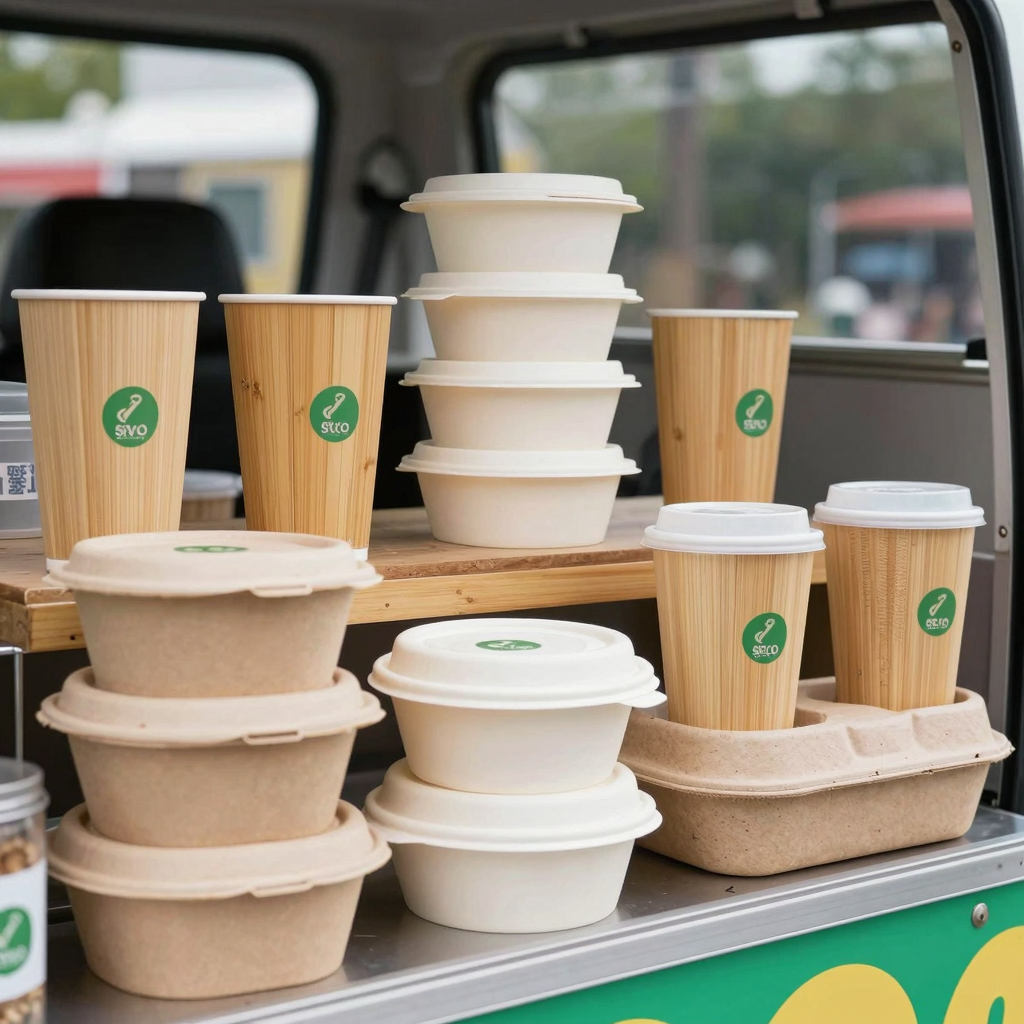
In the bustling world of food service, the demand for disposable 1 cup food containers has surged, particularly among bubble tea shops and food trucks. These quirky, mobile vendors thrive on convenience, serving up delicious beverages and meals at a rapid pace. The need for quick service, easy transport, and portion control is critical, facilitating a high-volume, on-the-go consumption pattern. As consumer preferences evolve toward more sustainable practices, the food industry faces the challenging task of balancing convenience with environmental responsibility.
Today, many operators are looking for eco-friendly options, replacing traditional plastics with biodegradable materials such as bamboo fiber and sugarcane bagasse, which are not only compostable but also visually appealing. Research shows that a staggering 65% of consumers favor businesses that utilize sustainable packaging solutions, indicating a clear trend towards eco-conscious dining experiences. This shift not only helps the planet but also aligns with the growing expectation from millennials and Gen Z, who are willing to pay more for such alternatives. Choosing the right disposable tableware, therefore, becomes not just a matter of practicality but a strategic decision that can enhance a brand’s reputation and customer loyalty. For more insights into how disposable food containers are transforming the industry, read more here and discover sustainable packaging trends.
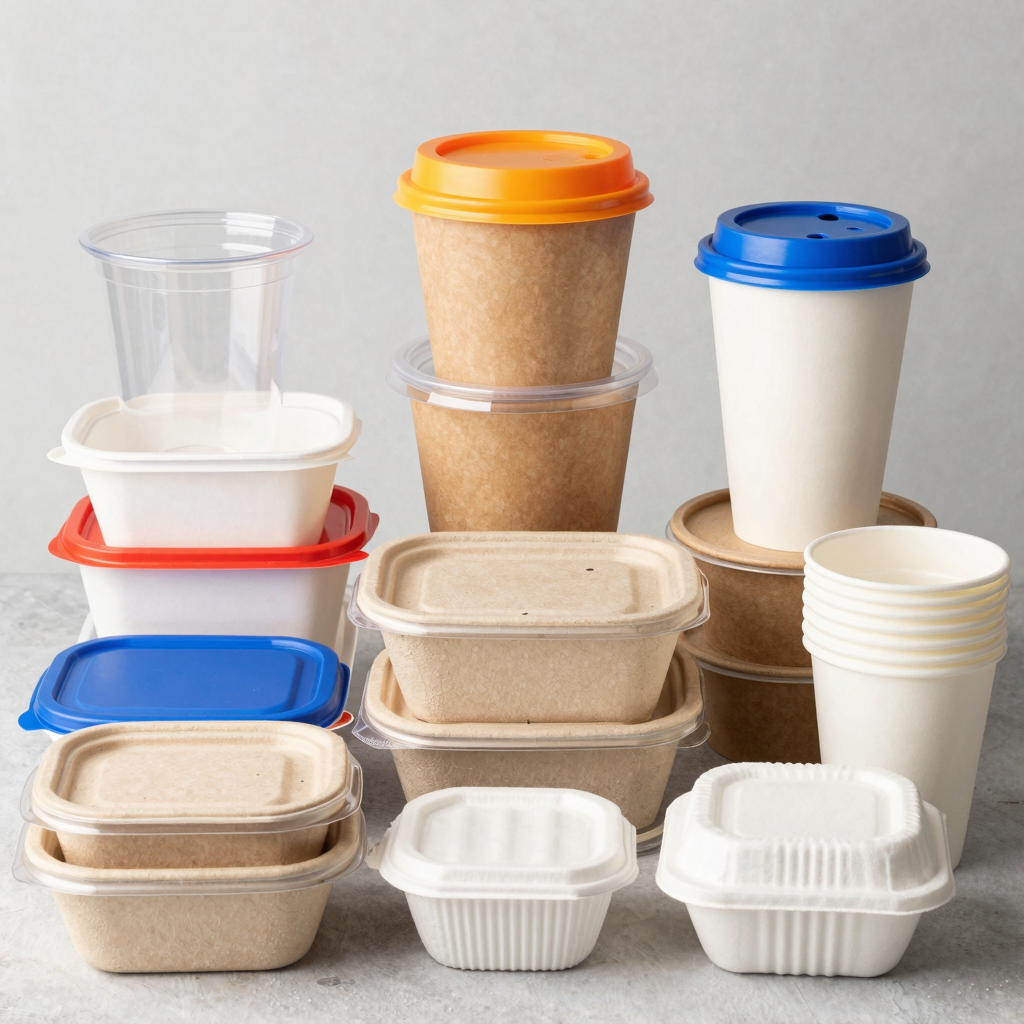
Types of Disposable 1 Cup Food Containers
Here are some popular types of disposable one-cup food containers that cater to different needs in the market:
-
Plastic Cups
Made from materials like polypropylene (PP) or polystyrene (PS), these cups are highly durable and lightweight. They are typically cost-effective and can hold both cold and hot beverages. However, their environmental impact is a consideration due to their long decomposition time. Learn more about lightweight plastic options. -
Compostable Cups
Composed of plant-based materials such as PLA (polylactic acid) or recycled paper, these eco-friendly options break down within a commercial composting environment. They are ideal for businesses looking to enhance sustainability without compromising on usability. -
Kraft Paper Cups
Made from recycled paper, these cups are typically double-walled for insulation, making them suitable for hot liquids. They are biodegradable and provide a rustic look, appealing to many consumers and businesses focused on natural aesthetics. -
Foam Cups
These cups provide excellent insulation and are often used for hot beverages. Despite being lightweight and inexpensive, they are less eco-friendly compared to other options, as they can take decades to decompose. -
Biodegradable Plastic Cups
These cups combine the durability of traditional plastics with the eco-friendliness of compostable materials. They retain strength during use but are designed to break down in landfills or composting facilities, making them a responsible choice for businesses looking to reduce waste.
Choosing the right type of disposable food container is essential for businesses like bubble tea shops, food trucks, and catering services, especially in a market increasingly influenced by sustainability trends.
Explore more about eco-friendly packaging options.
Benefits of Disposable 1 Cup Food Containers
In the bustling world of food service, every decision counts. For businesses like bubble tea shops, restaurants, food trucks, and catering services, using disposable 1 cup food containers can provide remarkable benefits, enhancing convenience, hygiene, and sustainability.
Convenience for Fast-Paced Environments
One of the leading advantages of disposable food containers is convenience. These lightweight containers are ideal for high-traffic settings, allowing for quick and efficient service. With no need to wash dishes, businesses can streamline their operations and focus more on customer experience. According to a National Restaurant Association report, disposable containers can turn over service time and reduce cleanup efforts significantly, leading to a more fluid operation.
- Faster Service: No dishwashing means faster turnaround times for orders, crucial for busy establishments.
- Reduced Breakage Risk: Disposable containers eliminate the worry of breakage common with glass or ceramics, especially during events or in outdoor settings.
Hygiene and Safety
Hygiene is another compelling reason to adopt disposable 1 cup food containers. In an era of heightened health awareness, single-use containers help prevent cross-contamination. They are designed for one-time use, reducing the risk of transmitting germs between customers. Many modern disposables are also made with food-safe materials, providing peace of mind for both businesses and their patrons.
Commitment to Sustainability
Sustainability is at the forefront of many consumers’ minds today. Fortunately, disposable food containers have evolved to meet these demands. Businesses can now choose eco-friendly options made from materials like cornstarch, sugarcane pulp, and other biodegradable substances, which significantly lessen their environmental impact. According to a Forbes article on sustainable packaging solutions, these materials break down faster and can often be composted, closely aligning with modern sustainability goals.
- Meeting Regulatory Standards: With many localities implementing stricter regulations on single-use plastics, using biodegradable containers can help businesses comply without sacrificing convenience.
- Appealing to Eco-Conscious Customers: An increasing number of consumers prefer environmentally responsible options, making sustainable disposables a smart marketing strategy.
Final Thoughts
In summary, disposable 1 cup food containers offer multiple benefits for businesses in the food service industry. From convenience and enhanced hygiene to supporting sustainability efforts, they represent a practical investment in the future of food service. As your business looks to improve efficiency while meeting customer expectations, consider incorporating these containers into your operations for optimal results.
| Material | Durability | Cost per Unit (USD) | Eco-Friendliness |
|---|---|---|---|
| Plastic | Durable | $0.01 – $0.03 | Low |
| Paper | Moderately Durable | $0.04 – $0.08 | Moderate |
| Biodegradable | Less Durable | $0.05 – $0.15 | High |
Data sourced from industry-standard material performance and cost benchmarks as of 2026.
Overview
The use of disposable food containers has become ubiquitous in modern dining, from quick-service restaurants to corporate events. However, their environmental impact is a pressing concern that businesses must consider when choosing packaging solutions. This analysis explores both the negative and positive aspects of disposable containers, focusing on sustainability.
Negative Environmental Impact
-
Waste Generation: Over 100 million tons of single-use food packaging are produced annually, yet only 14% is recycled. In the U.S., approximately 2 million tons of disposable food containers end up in landfills each year, contributing significantly to global pollution-especially in oceans, where 40% of all plastic packaging is related to food delivery (World Economic Forum).
-
Pollution: Disposable containers, particularly those made from polystyrene (EPS), have a high environmental cost. A study published in the Journal of Cleaner Production found that EPS containers have the highest impacts regarding fossil fuel consumption and greenhouse gas emissions. For instance, reusable polypropylene containers need to be used 3-39 times to mitigate their environmental impact compared to single-use EPS containers (ScienceDirect).
Positive Aspects: Eco-Friendly Options
-
Compostable Containers: A growing market for compostable food containers shows promise. Made from materials like PLA (polylactic acid) and sugarcane, these options can significantly reduce waste. The U.S. Environmental Protection Agency reports that when composted correctly, these containers can divert nearly 40% of organic waste from landfills, preventing about 1.5 metric tons of CO₂ emissions for every ton composted (EPA).
-
Lower Carbon Footprint: Studies indicate that compostable food containers generate 30-50% lower greenhouse gas emissions over their lifecycle compared to traditional plastic options. Proper composting not only aids in waste management but enriches soil health, boosting organic matter content (European Commission Joint Research Centre).
-
Adoption Trends: Many countries are moving towards sustainability. Policies mandating compostable packaging have emerged globally. For example, compostable containers could prevent over 10 million metric tons of CO₂ emissions yearly if adopted widely and processed appropriately (World Economic Forum).
Conclusion
For bubble tea shops, restaurants, food trucks, and catering services, choosing sustainable packaging options is not merely a trend but a responsibility. By integrating eco-friendly containers into their operations, businesses can significantly lower their environmental impact while appealing to environmentally conscious consumers. As new regulations and consumer preferences shift towards sustainability, it’s crucial for all players in the food service industry to embrace change for a greener future.
Case Study: How One Bubble Tea Shop Achieved Success with Disposable Containers
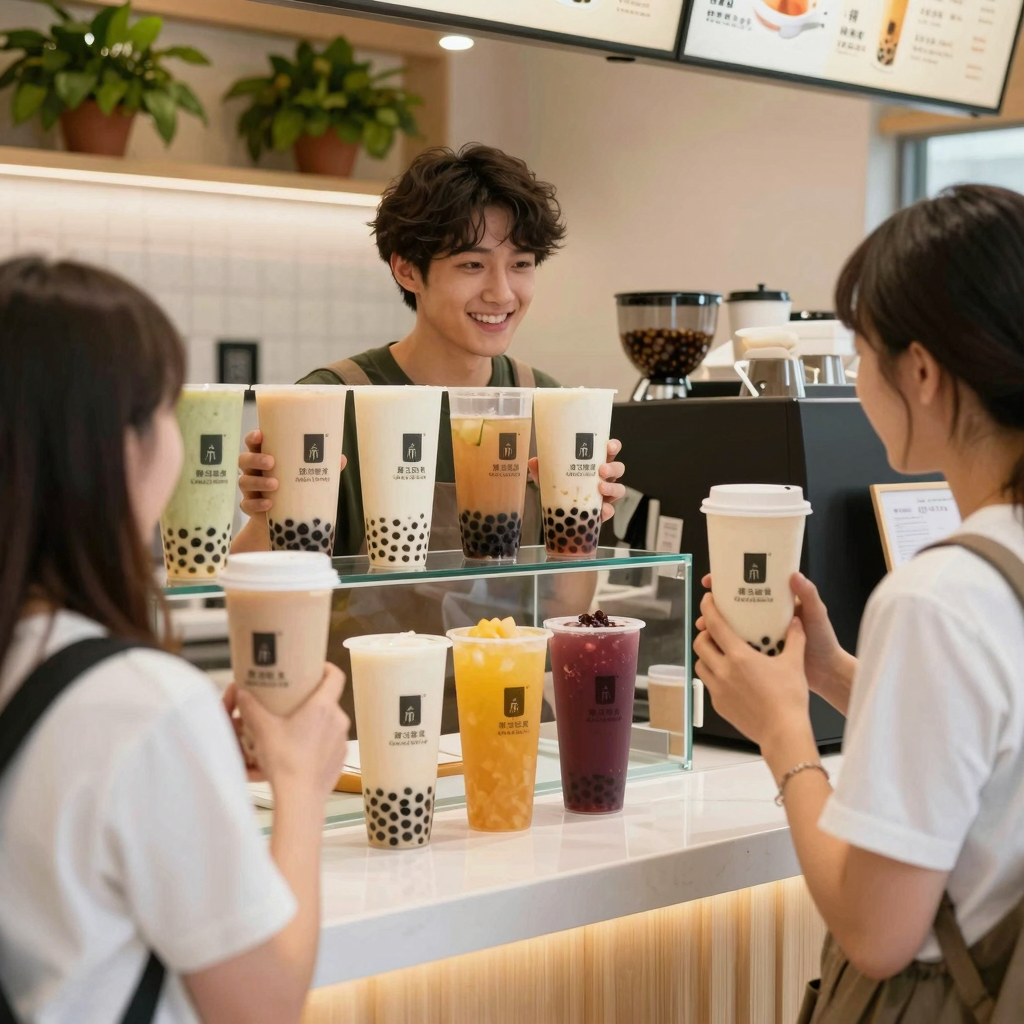
In today’s vibrant beverage market, a bubble tea shop, TeaTastic, stands out not only for its delicious drinks but also for its innovative use of disposable food containers. Located in the heart of a bustling city, this establishment has effectively utilized disposable 1 cup food containers to enhance operational efficiency, customer satisfaction, and address environmental considerations.
Operational Efficiency
TeaTastic adopted disposable containers to streamline its order fulfillment process. By using custom-designed, eco-friendly plastic cups, the shop reduced the need for washing and sanitizing glass containers, thus saving water and labor costs. According to a 2024 survey by the National Restaurant Association, 74% of U.S. fast-food chains still rely on disposable plastic containers for takeout, and TeaTastic capitalized on this trend by optimizing its production and supply chain management. The disposable cups also boast leak-proof technology, significantly minimizing spill incidents, which further enhances service speed and customer experience.
Customer Satisfaction
With the convenience of disposable cups, TeaTastic has noted a marked increase in customer satisfaction. Customers appreciate the lightweight and portable options that fit perfectly in cup holders while on the go. The shop also offers a range of cup sizes (including the popular 16 oz clear plastic cups), which caters to various preferences. Incorporating a QR code on the cups linking to loyalty rewards encourages repeat visits. Customer feedback indicates that approximately 86% of patrons prefer takeaway drinks in disposable cups for their ease of use and convenience, aligning with findings from the U.S. EPA regarding plastic packaging usage in food service.
Environmental Considerations
While there are growing concerns regarding the environmental impact of disposable containers, TeaTastic has implemented measures to offset this. The shop exclusively uses recyclable and biodegradable containers, engaging in active community efforts to raise awareness about plastic waste. They have collaborated with local clean-up initiatives and offered discounts to customers who return used cups for proper recycling. This approach not only aligns with customer preferences for sustainable practices, as indicated by the 2026 study on bubble tea waste but also reinforces the shop’s commitment to the environment.
Conclusion
By effectively utilizing disposable 1 cup food containers, TeaTastic has cultivated a successful and sustainable business model that resonates with modern consumer expectations. From operational efficiency to prioritizing customer satisfaction and fostering a commitment to environmental stewardship, this bubble tea shop exemplifies how businesses can innovate with disposable packaging while addressing pressing environmental concerns. Their story serves as an encouragement for other beverage chains, food trucks, and event planners to embrace similar practices for enhanced operational success and customer engagement.
“Using Green Dispopack’s disposable food containers has transformed our business! The quality is top-notch, and our customers appreciate the sturdy design. The team was incredibly helpful in making sure we had exactly what we needed for our events. I highly recommend their products to any food service professional looking for reliable and eco-friendly solutions!”
- Sarah Thompson, Owner of Bubble Bliss Cafe
If you’re looking for great products for your business, learn more about eco-friendly options here.
Get Your Tailored Quote Today!
At Green Dispopack, we understand that every business has unique requirements when it comes to disposable tableware. Whether you’re a bubble tea shop looking for the perfect cup, a restaurant in need of eco-friendly containers, or an event planner organizing a large gathering, we are here to provide high-quality solutions tailored to your specific needs.
Our disposable food containers are designed to meet the demands of any culinary environment, ensuring reliability and safety for both you and your customers. With a wide variety of styles and materials available-including 16 oz clear plastic cups and compartmentalized containers-you can count on us to deliver the quality you expect.
Don’t settle for generic options when you can have personalized solutions that reflect the quality of your service. Reach out to us today for a bespoke quote tailored to your business’s needs. Our friendly team is ready to assist you in choosing the right products at competitive prices.
Contact us now and let us help you elevate your food service experience. Quality, reliability, and satisfaction are just a message away. We look forward to hearing from you!
In conclusion, choosing reliable and eco-friendly disposable 1 cup food containers offers numerous benefits for businesses in the food service industry, including bubble tea shops, restaurants, and catering services. These containers, made from renewable resources such as sugarcane bagasse or compostable materials, not only minimize environmental impact but also support sustainable practices. The shift towards eco-friendly solutions helps reduce greenhouse gas emissions and landfill waste while ensuring compliance with health and safety standards.
Partnering with a trusted provider plays a crucial role in this transition. A reliable food packaging supplier guarantees product safety and adherence to regulations, safeguarding your brand’s reputation and ensuring customer satisfaction. This commitment to quality and sustainability can enhance your market position, as consumers increasingly prefer brands that prioritize environmental responsibility.
We encourage you to explore options for disposable 1 cup food containers that align with your business values and operational needs. By investing in eco-friendly packaging from a reputable supplier, you can contribute to a cleaner planet while also meeting the demands of your customers. Consider checking out the benefits of eco-friendly packaging and evaluating your packaging suppliers to make informed decisions that positively impact your business and the environment.