
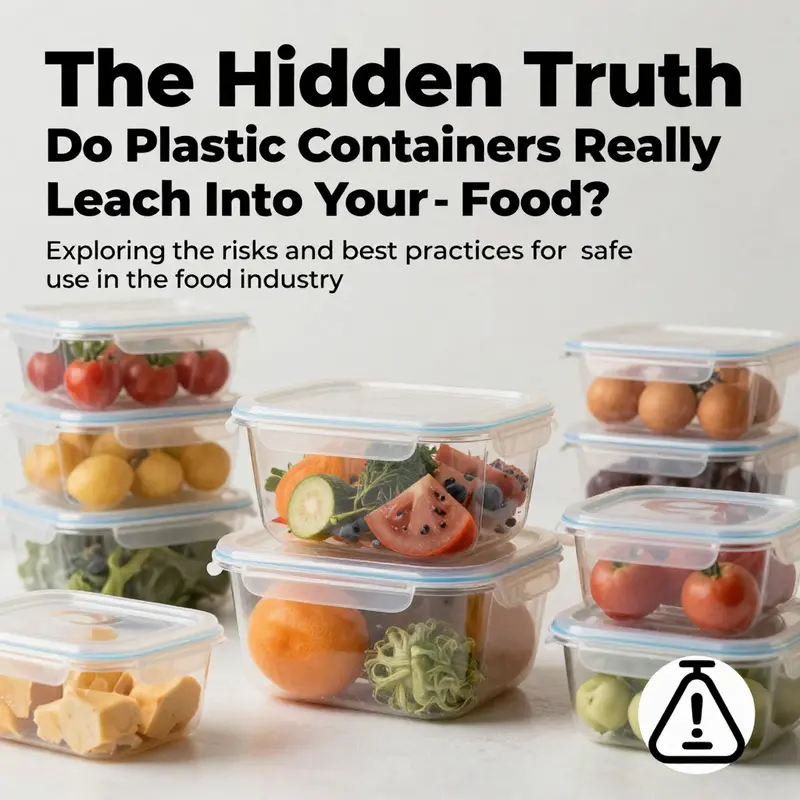
As the demand for convenience and ready-to-eat meals continues to surge, the choice of packaging becomes crucial, particularly in industries such as bubble tea shops, restaurants, and catering services. Plastic containers are prevalent due to their lightweight nature and cost-effectiveness; however, growing concerns about safety and health impact cannot be ignored. Understanding whether plastic containers leach harmful chemicals into food is essential for food service providers aiming to ensure customer safety and maintain a good reputation. In the chapters that follow, we will delve into the mechanisms behind chemical leaching from plastic, examine the risks associated with specific harmful substances, explore the emerging issue of microplastics, review the regulatory framework governing plastic safety, and discuss best practices for the safe use of plastic containers. By arming you with this knowledge, we aim to guide your business toward safer and more sustainable packaging solutions.
null
null
Heat, Hormones, and Hazard: Unpacking the Leaching of Chemicals from Plastic Food Containers
Plastic has become a ubiquitous yet murky backdrop to modern meals. We reach for containers for lunch at work, for takeout, for meal prep, often without considering what sits between the packaging and the plate. The question of whether plastic containers leach chemicals into food is not merely academic. It hinges on the everyday choices we make about heating, storage duration, and the type of food we carry. When plastic is put to use with hot meals, fatty sauces, or acidic liquids, the likelihood that some substances will migrate into the edible contents rises. The migration, or leach, occurs because plastics are not a perfect wall between food and the substances that hold them together. They are complex polymers blended with additives that impart flexibility, durability, or heat resistance. In practice, whether a given container releases chemicals depends on a trio of factors: the material’s composition, the temperature and duration of contact, and the characteristics of the food itself, especially fat content or acidity. This interplay helps explain why a simple act like reheating soup in a plastic container can heighten exposure, while a clean, cold storage practice tends to be less risky, albeit not risk-free. The risks, however, span a spectrum from immediate sensory concerns to longer-term health considerations, making it essential to understand not just if leaching happens, but why and how much.
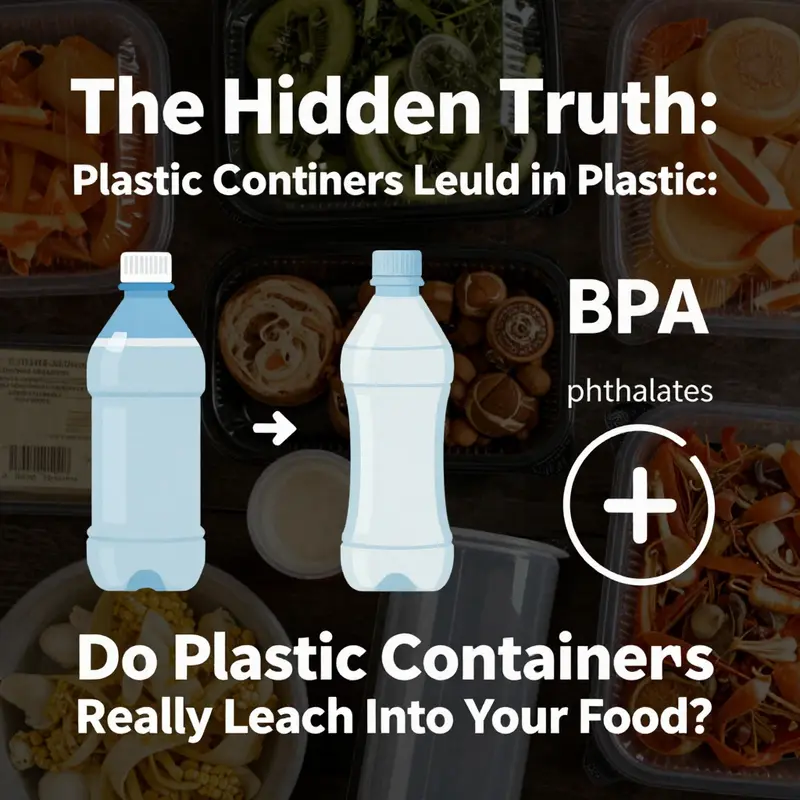
Among the chemicals most often discussed in this context are bisphenols and phthalates. Bisphenol A, BPA, has long attracted attention because of its ability to mimic estrogen in the body. It can interfere with hormonal signaling, with potential consequences for reproductive health and development, especially in children. In response to mounting concerns, many manufacturers moved away from BPA in favor of substitutes like BPS and BPF. Yet the science suggests that these replacements may behave similarly in the body, and their long-term effects remain a topic of active investigation. In the same family of issues, phthalates—used to impart flexibility to plastics—have been linked to hormonal disruptions and adverse developmental outcomes. The migration of such compounds depends on the specific plastic and its additives. A 2019 study conducted under real-world conditions—such as microwaving and typical household use—found that even plastics marketed as BPA-free released endocrine-disrupting chemicals under certain conditions. The takeaway is not a condemnation of all plastics, but a reminder that not all plastics are equally safe, and that safety depends on correct use.
The practical implications of these findings extend into everyday habits. Heat is a powerful amplifier of chemical migration. When hot foods meet plastic packaging, the speed and extent of leaching increase. Microwaving is a common scenario where this risk is magnified: heat can alter the polymer matrix, soften coatings, and promote the transfer of additives into the meal. Beyond temperature, the duration of contact matters. A brief, cool storage period may present little danger, but prolonged storage—especially when the container is not intended for repeated reuse—can gradually shift the balance toward higher leaching. Then there is the food itself. Fatty and acidic foods are more conducive to chemical migration. Fats can dissolve certain compounds more readily, and acidity can facilitate the transfer of others. This means that citrus marinades, tomato-based sauces, or oily dressings can interact differently with a plastic container than plain water or a non-fat dairy product.
A key part of the story is the concept of risk management rather than absolute guarantees. Even when a container is labeled BPA-free, the absence of BPA does not guarantee safety. The substitutes may carry similar risks, a point underscored by experts who emphasize that “Even BPA-free doesn’t always mean safe. Some replacement chemicals, like BPS and BPF, behave similarly in the body and may pose comparable risks.” This caution is not a reason to abandon all plastics, but a prompt to scrutinize use patterns and seek safer alternatives when possible.
From a regulatory perspective, many countries have established safeguards for food-contact plastics. Standards aim to ensure that, under typical use, the materials meet safety thresholds and are designed to minimize migration into food. Reputable manufacturers often select base polymers that are considered safer for food use, such as polypropylene (PP) or polyethylene (PE). These materials tend to be more stable than others when used within their intended temperature ranges. Still, the real-world picture changes with heat and time. Containers designed to tolerate microwaving or repeated high-temperature exposure must be clearly labeled for that use. In practice, avoiding heating plastic in non-microwave-safe containers and not reusing single-use plastics can substantially reduce exposure, though not eliminate it entirely. The broader message is one of informed caution rather than blanket prohibition.
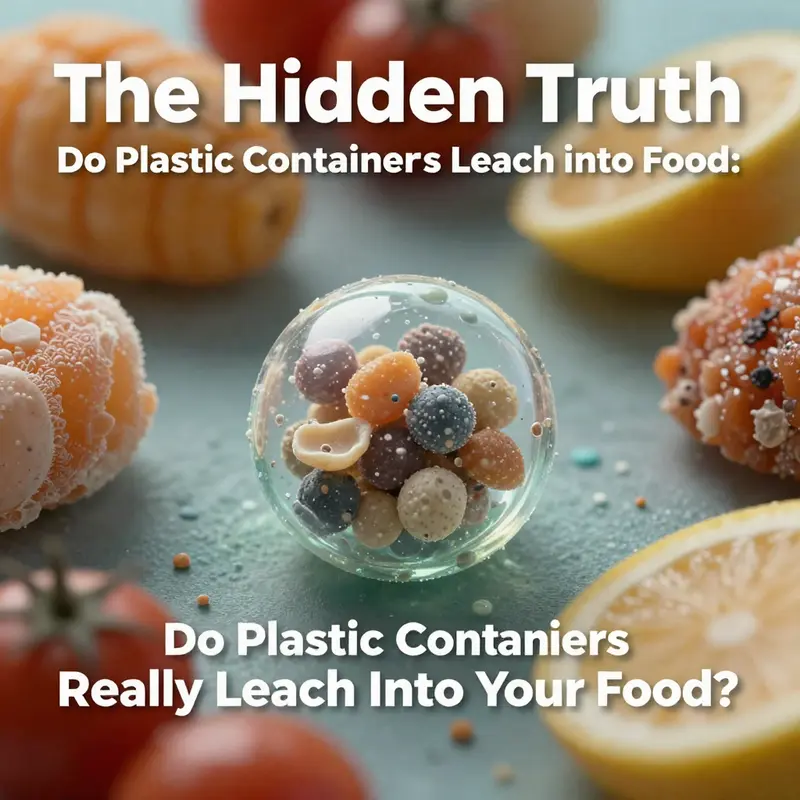
Even when direct chemical migration is limited, another pathway merits attention: microplastics. Wear and tear, abrasion, or repeated heating can cause tiny fragments to shed from containers and enter food. These microplastics, though not always laden with concentrated toxicants, represent an additional route by which plastic materials intersect with the human body. The health implications of chronic microplastic ingestion are still under study, but the cumulative exposure from packaging, processing, and consumption is something researchers continue to monitor. Consumers should recognize that even in the absence of a strong chemical signal, microplastics are a potential byproduct of everyday use.
Safety-conscious practices can meaningfully reduce exposure. First and foremost, heat should not be applied to plastic containers unless the container is explicitly labeled microwave-safe and designed for such use. When in doubt, transfer hot foods to glass, ceramic, or stainless steel containers before reheating. For long-term storage, favor non-plastic options for fatty or acidic foods, where migration tends to be more pronounced. Glass, stainless steel, and certain ceramics offer inert profiles and tend to maintain their integrity under repeated heating. For those who must use plastic, choosing containers made of PP or PE and avoiding transparent plastics that might enable higher heat transmission can be prudent. It also helps to be mindful of the recycling codes on the container. In many cases, plastics coded with numbers such as #1 (PET), #3 (PVC), #6 (PS), and #7 (other, including polycarbonate) are associated with higher risk or less predictable behavior under heat. The labels alone cannot guarantee safety, but they provide a useful quick reference as part of smarter decision-making.
From a consumer standpoint, there is value in seeking safer packaging options and adopting best practices that reduce risk without sacrificing convenience. A straightforward step is to favor alternatives for hot or long-term storage. When possible, use glass or stainless steel for reheating and storage. If plastic must be used, ensure it is labeled microwave-safe and limit the duration of contact with hot foods. Do not reuse single-use plastic containers for hot foods or long-term storage, as repeated exposure can exacerbate migration. And for certain foods—especially acidic or oily ones—consider alternative packaging materials, as these foods can accelerate chemical migration compared to water or plain dairy. The goal is practical risk reduction, not perfection.
Those who design packaging also bear responsibility for reducing potential leachables. Standards and certifications play a critical role, but the ultimate test is how materials behave under real-world conditions. In this context, the shift toward safer food-contact materials has been gradual and ongoing. The market increasingly recognizes the benefits of inert, stable materials for hot foods, while design innovations seek to minimize additives that could migrate. Consumers can participate in this shift by demanding safer options, supporting products that are clearly labeled for the intended use, and avoiding improvisation with packaging that has not been tested for the specific conditions of use.
For readers seeking practical guidance tailored to everyday meals, consider exploring packaging options that are explicitly designed for safe food contact. One practical route is to consult resources that discuss safer packaging choices and how to interpret labeling and usage guidance. For instance, ceramic, glass, or stainless steel containers are commonly recommended when heating food or storing meals for extended periods. A thoughtful approach combines the reliability of non-plastic options with a careful evaluation of how hot meals are transported and reheated. It also invites a broader conversation about reducing plastic packaging overall, without sacrificing the convenience that modern life demands. If you choose to reference packaging materials online, you can connect with resources that describe the differences between various containers and the science of migration, while remaining mindful of the limitations of labels and manufacturers’ claims. For a related discussion on safer packaging options, see kraft paper bowl for food packaging.
In sum, plastic containers can leach chemicals into food, particularly when heated, stored for long durations, or used with fatty or acidic foods. The primary chemicals of concern—bisphenols and phthalates—have well-documented effects on hormonal systems, and their replacements may not be significantly safer in practice. Regulatory safeguards and material choices like PP and PE help, but they do not eliminate risk. The most reliable strategy is to minimize exposure by avoiding heating food in plastic, favoring inert alternatives for hot or long-term storage, and staying informed about the nature of the packaging you buy and use. Through informed choices and prudent usage, the convenience of modern packaging can be balanced with a commitment to safer, healthier meals.
External resource: https://www.verywellhealth.com/microwaving-food-in-plastic-containers-4859542
Does Plastic Containers Leach into Food? Tracing the Invisible Path of Chemicals and Microplastics
Plastic surrounds our meals in many forms, from clamshell takeout boxes to yogurt cups and meal-prep containers. The question of whether these plastics release substances into our food has evolved from a concern to a nuanced understanding of risk, one that balances material chemistry, temperature, duration of contact, and the nature of what we’re storing. The core message remains pragmatic: plastic can leach chemicals, especially under stress, and a growing strand of research points to microplastics as an additional, less visible route for exposure. Yet the conversation is not merely about danger but about how material choices in daily life shape the composition of the foods we eat, sometimes in ways we can mitigate with mindful behavior and better packaging design.\n\nChemically, plastics are made to be changeable and durable, attributes that are precisely what makes them potentially problematic when in contact with food. The process of migration, or leaching, occurs when small molecules migrate from the plastic into the food through diffusion. Heat acts as a powerful accelerant in this equation. When a plastic container holds hot soup, when a plastic tray is used to heat leftovers in a microwave, or when fatty, acidic, or oily foods sit in contact with plastic for extended periods, the likelihood and quantity of migration rise markedly. The substances most often discussed are plasticizers and additives designed to keep plastics flexible or durable. Phthalates, such as DEHP, have long been implicated as endocrine disruptors with potential effects on reproductive health and development. Bisphenol A, BPA, and its substitutes like BPS and BPF, have prompted particular concern because of their hormonal activity and associations with metabolic and developmental outcomes in some studies. It is not that every plastic container will expose every eater to these chemicals, but rather that under the right conditions—high heat, long storage, or contact with fatty or acidic foods—the door to leaching opens more widely.\n\nThere is also the unglamorous but increasingly investigated dimension of microplastics. Even when a container does not release potent chemicals in measurable quantities, wear and tear over time—repeated washing, temperature cycling, and mechanical stress—can shed tiny fragments of plastic. These microplastics can be ingested with food, and while the full health implications are still being studied, early signals suggest they can accumulate in the gastrointestinal tract and provoke inflammatory or immune responses in sensitive individuals, especially with chronic exposure. A 2024 review by H. Wang highlights microplastics as a novel food safety risk factor, emphasizing the need to understand how these particles interact with gut tissues and how they might contribute to long-term health effects. Taken together, chemical leaching and microplastic exposure illuminate a broader reality: plastics can transfer material to our meals, and the magnitude of that transfer depends on how we use them and how old they are.\n\nA crucial nuance concerns labels like BPA-free. For years, “BPA-free” was marketed as a safer default, but the science has evolved. Substitutes such as BPS and BPF may exhibit similar endocrine-disrupting activities, and some studies show that these alternatives behave biologically like BPA in key assays. A 2019 study published in the Journal of the Endocrine Society found that many tested plastic food containers released endocrine-disrupting chemicals under realistic use conditions, including microwave heating. The message here is cautions: a label can be reassuring yet not fully protective if the substitutes carry comparable activity. This overlap helps explain why regulatory bodies and researchers urge a layered approach to risk reduction—reducing exposure opportunities, rather than relying solely on labels.\n\nOne natural question is how regulatory safeguards shape everyday safety. In many jurisdictions, food-contact plastics are subject to safety standards and certification processes administered by regulatory authorities. Reputable manufacture typically relies on polymers deemed safer for food contact, such as polypropylene (PP) and polyethylene (PE), which tend to degrade less readily under normal household use. Still, the safeguards are not perfect shields, especially when plastics are pushed beyond their intended use. For example, high-heat applications or contact with highly acidic or fatty foods can accelerate migration beyond expected norms. This reality underscores a straightforward guideline: if a container is not explicitly labeled microwave-safe, or if it looks aged, warped, or cracked, it is wise to substitute glass, stainless steel, or ceramic for heating and storage. In ordinary circumstances, modern, food-grade plastics can be considered acceptable for cold storage, but heat and time remain the saboteurs of safety, particularly for low-quality or non-food-grade plastics.\n\nBeyond the chemistry, practical everyday decisions matter. A few widely recommended behaviors can meaningfully reduce exposure. First, avoid heating food in plastic containers that are not labeled microwave-safe. Second, minimize using plastic bags for hot foods or drinks, as they are prone to melting and chemical transfer under heat. Third, prefer BPA-free and phthalate-free products whenever possible, but remain aware that substitutes may carry similar risks. Fourth, limit plastic packaging for acidic foods like vinegar or citrus, and for oily foods, as these can accelerate migration. Finally, when in doubt, choose safer alternatives such as glass, stainless steel, or ceramic for both storage and reheating. Each choice represents a small but cumulative reduction in the potential dose of chemicals and microplastics entering the body through daily meals.\n\nIn food-service contexts, the problem is amplified by volume and speed. Takeout environments rely on a range of containers designed for hot foods, cold beverages, and efficient stacking. The tension between practicality and safety is real: customers want containers that are sturdy, leak-resistant, and affordable, while manufacturers strive for materials that perform under heat and pressure. This is where the concept of safer packaging design becomes essential. Materials that resist heat and chemical migration perform better over time and contribute to a lower overall exposure for populations that rely on fast-casual and takeout meals. There is a broader takeaway for diners and operators alike: choosing packaging with robust certifications and opting for reusable or recyclable options where feasible can help reduce the cumulative exposure that occurs when millions of meals pass through plastic packaging daily.\n\nTo connect the science with everyday action, consider the following narrative of use and reuse. A meal prepped in a plastic container with the intention of rapid refrigeration, then heated in a microwave, and finally stored again, passes through multiple stressors that can amplify leaching. The heat pulse during microwaving, combined with repeated cycles of cooling and reheating, can create a dance of migration that is greater than the sum of its parts. In contrast, using glass or stainless steel for both storage and heating eliminates the heating step in plastic altogether, breaking a key chain of risk. For many households, this is not a call to abandon convenience but an invitation to adopt a layered approach: reserve plastic for short-term, cold storage, and reserve heat-intensive tasks for non-plastic materials. In settings such as takeout or food courts, a practical compromise lies in selecting packaging designed for both safety and performance, and minimizing reuse of single-use containers—a simple habit with meaningful health benefits.\n\nThe research landscape does not exist in a vacuum. It is connected to broader questions about how humans interact with manufactured materials daily. The intersection of chemical leaching and microplastics reminds us that exposure is not a single event but a continuum, spanning production, packaging choices, handling, and disposal. The emergence of microplastics in food chains, in particular, reframes the topic from a purely chemical risk to a system-level concern about how materials degrade and shed particles during routine use. This broader perspective aligns with public health goals that advocate for safer packaging, more durable materials, and transparent labeling that communicates not just whether a product is BPA-free, but whether it is designed to resist heat and mechanical wear that can drive migration and fragmentation.\n\nIn this context, an informed consumer dialogue becomes essential. When choosing containers or takeout options, looking beyond the label to the material and intended use matters. A simple, practical step is to favor containers that are explicitly rated for the expected use—storing cold foods in safely designed plastics, heating in non-plastic alternatives, and seeking packaging that bears recognized safety certifications. For those who want to explore safer packaging options more deeply, there is a growing ecosystem of alternatives that emphasize recyclability, material purity, and performance under heat. For examples and practical options, consider safer disposable paper-based and other packaging designed for takeout and storage, such as the following example: disposable-takeaway-paper-cup-custom-logo-kraft-coffee-cup-with-lid/.\n\nFor readers seeking a broader scientific grounding, the global literature points to endocrine-disrupting chemicals in plastics as a persistent concern, even when products are marketed as BPA-free. A comprehensive external resource to deepen understanding is available through peer-reviewed research that outlines how various plastics release these compounds under real-world conditions and why substitutes may not be superior in practice. This body of work underlines the importance of ongoing regulation, continued development of safer materials, and consumer practices that reduce exposure—especially for vulnerable populations such as pregnant people and children.\n\nExternal resource: https://www.ncbi.nlm.nih.gov/pmc/articles/PMC10763548/\n\nAs this chapter navigates the close-fitting space between science and daily life, the overarching takeaway remains clear: plastic containers can leach chemicals into food, and microplastics add another layer of exposure risk that warrants attention. Heat, duration, and the nature of the food all tilt the balance toward greater migration. BPA-free labels provide some reassurance, but they do not guarantee safety, given the activity of substitutes and the possibility of microplastics breaking away from aging containers. By anchoring choices in the best available science—favoring non-plastic alternatives for heating, limiting long-duration contact with plastic, and selecting packaging with clear safety certifications—we can reduce the likelihood and quantity of substances entering our meals. The goal is not to eliminate plastic use entirely but to manage it wisely, integrating safer packaging, mindful handling, and informed consumer behavior into everyday routines. This integrated approach helps ensure that the meals we enjoy are less about risk and more about nourishment.
Leaching and Regulation: Safety of Plastic Food-Contact Materials
Plastic food-contact materials can migrate chemicals into food under certain conditions. In normal use many are designed to be stable, but heating, long storage, or contact with fatty or acidic foods can increase migration. Regulatory agencies set limits on migration and require safety testing, yet assessments may not capture every real life scenario. Common concerns include additives and substitutes such as plasticizers and certain polymer coatings that may act as endocrine disruptors. The term BPA-free is common, but replacement chemicals like BPS or BPF may have similar activity. Consumers can reduce risk by avoiding heating plastic containers, using glass or metal for hot foods, and minimizing long storage of high risk foods in plastic. It is important for regulations to rely on realistic testing, transparency, and updated safety data as new substitutes appear. Researchers, policymakers, and industry can work together to improve materials, labeling, and practical safety guidance. The goal is not to eliminate all risk but to minimize exposure and provide clear information to help users make safer choices in everyday cooking, storage, and takeout.
From Heat to Harmony: Navigating Plastic Leaching and Safer Food Storage Choices
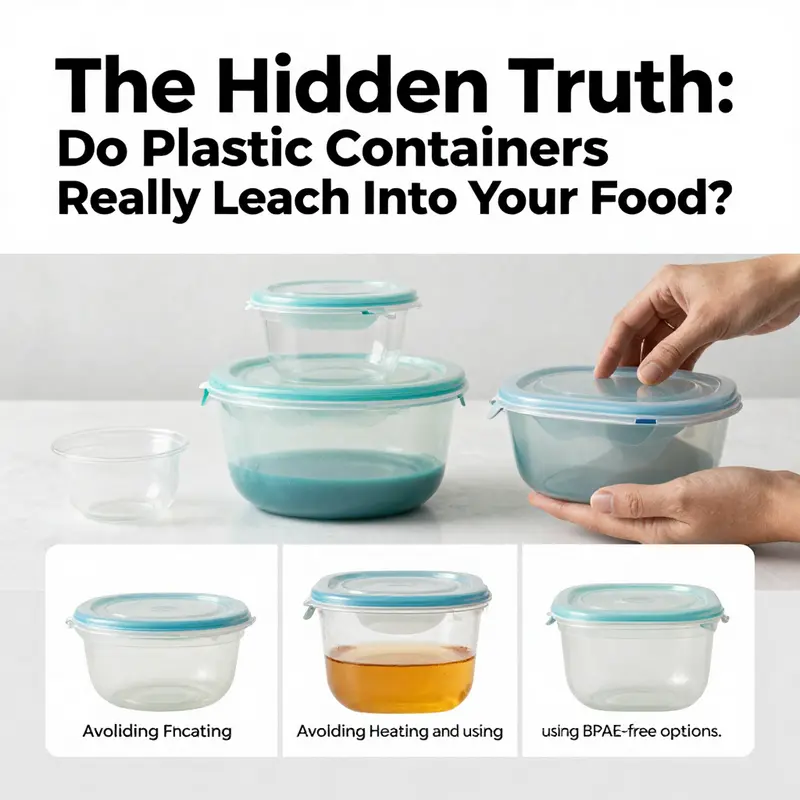
The question of whether plastic containers leach into food is not a simple yes-or-no verdict. It is a nuanced reality shaped by the kind of plastic, how long food stays in contact with it, the temperature involved, and the chemical nature of the food itself. When you pour soup into a plastic tub, or reheat a meal in a plastic takeaway container, you are introducing a set of conditions that can influence what, if anything, migrates into the food. The risk is not uniform across all plastics, but the vulnerability is real enough to merit careful attention. In the body of research, the common thread is that migration increases with heat, and the most concerning substances tend to be those added to the plastic core to impart flexibility, durability, or barrier properties. When heat enters the equation, particularly with fatty or acidic foods, the potential for chemical migration rises. This means that even plastics marketed as food-grade may behave differently under real-world conditions than they do in a laboratory setting. The practical takeaway is not to fear every plastic encounter, but to understand when and how the risks intensify and what everyday choices can minimize exposure without sacrificing convenience.
A central focus of safety discussions centers on the kinds of chemicals that can migrate. Among the most discussed are phthalates and bisphenols. Phthalates are widely used as plasticizers to give flexible plastics their stretch and resilience. They have been associated with hormonal disruption and potential impacts on reproductive health and fetal development. Bisphenol A (BPA), long scrutinized for its estrogen-mimicking properties, has spurred a broad shift toward BPA-free alternatives. Yet the replacement chemicals, including variants like BPS and BPF, have prompted questions of comparable risk. Research conducted under real-world conditions — including scenarios that involve heating and repeated use — has indicated that many containers labeled as BPA-free can still release endocrine-disrupting compounds. This insight highlights a cautionary note: substitution does not automatically equate to safety, especially when the substitutes participate in the same or similar biological pathways as BPA.
Beyond these well-known compounds, the landscape includes fluorinated coatings and a spectrum of microplastics. Fluorinated compounds may be part of certain coatings used to improve moisture or slip resistance in packaging. While their direct migration into food is less frequently documented than that of phthalates and bisphenols, their presence in the packaging system raises questions about cumulative exposure. Microplastics add another layer of concern. Even when chemical leachates are minimal, plastic containers can shed tiny particles during wear, tear, or reuse, especially when subjected to heat or prolonged storage. The ingestion of microplastics is not merely a theoretical risk; what is still being understood is how these particles behave inside the body, how much accumulates over time, and what, if any, health consequences might follow. In this sense, the issue spans chemistry, toxicology, and environmental health, reminding us that material choice in everyday containers is not an isolated decision but part of a broader picture of consumer safety and cumulative exposure.
Regulatory safeguards exist to reduce risk, and they often hinge on the materials used and the conditions under which those materials are deemed safe for contact with food. In many countries, food-contact plastics are subjected to quality standards and certification processes designed to ensure consistent performance under typical use. Materials such as polypropylene (PP) and polyethylene (PE) are commonly relied upon because of their relatively favorable safety profiles when not exposed to extreme heat or prolonged contact. Yet these safeguards assume careful adherence to recommended use, and they rely on the premise that containers are used as intended: clean, in good condition, and not subjected to repeated cycles that degrade the polymer matrix. The reality is that consumer habits frequently push these boundaries—heating leftovers in containers, microwaving meals, or storing acidic or fatty foods for extended periods. Each of these practices can shift the balance toward greater migration and, by extension, greater exposure.
Within this context, the practical guidance becomes a matter of foresight and deliberate choice. First, always check labeling with care. Containers marked as microwave-safe and meant for food use reduce uncertainty compared with generic plastics; however, even these labels do not guarantee zero migration under all conditions. If you must heat, opt for containers explicitly designed for that purpose and limit the duration and intensity of heating. A prudent rule is to avoid heating in plastic unless the manufacturer provides explicit approval. Second, do not reuse single-use containers, especially those that have held hot meals or beverages. Repeated use can compromise integrity, leading to microcracks and greater surface area for potential leaching. Third, be mindful of the food type. Fatty and acidic foods tend to accelerate chemical migration, as their constituents can act as solvents for plastic additives. For these categories, consider switching to safer storage options after cooking or during cooling and reheating cycles.
The choice of storage material matters. Glass, stainless steel, and ceramics emerge as reliable alternatives when long-term storage or reheating is involved. They generally offer stable barriers, reduced risk of chemical migration, and better resistance to heat over time. This is not about abandoning every plastic option, but about using plastic thoughtfully and within its safe operating envelope. For daily habits that involve takeaway packaging or home storage, it is reasonable to reserve plastic for short-term storage at room temperature and to reserve metal, glass, or ceramic for hot meals or for containers that will undergo multiple heating cycles. In practice, this means recognizing when a container can be used once or twice for cool or room-temperature storage and when a different material would better serve the purpose for hot foods.
To translate these ideas into a practical mindset, consider the scientific narrative behind the recommendations. Researchers emphasize that the migration potential hinges on the interplay of temperature, contact duration, and the chemical nature of the food. A high-temperature environment acts like a solvent, coaxing additives from the plastic into the food matrix. The longer the contact and the higher the temperature, the greater the opportunity for migration to occur. The presence of fats, oils, or acidic components in the food can further enhance this process by increasing the mobilization of additives from the polymer. In other words, the risk profile is not static; it changes with how the container is used and what is inside the food. Acknowledging this dynamic helps in crafting a balanced approach that prioritizes safety without sacrificing everyday practicality.
What, then, can be done in daily life to minimize exposure while maintaining convenience? The core strategy is to minimize heat exposure and to favor safer materials for high-temperature scenarios. When you reheat or store hot foods, select containers labeled for heat resistance and, ideally, made from materials with a long track record of safe use. If you must reuse a plastic container, ensure it shows signs of intact structure—no cracks, discoloration, or warping. If there is any doubt about its integrity, discontinue use. For meals stored for longer periods, consider switching to glass if the food is likely to be fatty or acidic, particularly when stored in the fridge or freezer. And for the containers themselves, choosing the right design and material helps. Polypropylene containers tend to be a common choice for food storage because of their high heat resistance and relatively stable performance under typical domestic conditions. Yet even with PP, caution dictates avoiding excessive heating and prolonged contact with hot foods.
Another dimension worth considering is the broader context of consumer safety information and how people interpret labels. The scientific literature shows a nuanced landscape where labeling alone does not fully capture the safety profile of a material under real-world conditions. This complexity underscores the importance of combining label literacy with prudent use. A useful mental model is to treat plastic as a potential mediator of chemicals rather than an inert barrier. In practice, this means using the container for its intended purpose, selecting materials with a history of safe use for hot foods, and prioritizing alternatives when conditions demand higher heat, longer storage, or exposure to fatty or acidic contents. While the performance of each material varies, the underlying principle remains consistent: minimize unnecessary heat exposure and select materials that are better suited to the specific food context.
For readers seeking a more comprehensive, science-based exploration of safe storage and the nuances of chemical leaching, there are authoritative resources that summarize findings and translate them into actionable guidance. One such resource discusses how to store food in plastic containers without excessive chemical migration and highlights the importance of design, labeling, and usage practices in reducing exposure. This broader perspective helps bridge the gap between laboratory findings and kitchen routines, offering a clearer path to safer everyday choices. For readers who want to explore further, an external, science-grounded overview is available that details the mechanisms of leaching, the role of different plastic families, and the practical steps that individuals can take to minimize risk while preserving convenience.
In closing, the question of leaching is not a binary verdict but a continuum of risk shaped by heat, duration, and the food’s chemical profile. The bottom line remains consistent: heat, age, and improper use can amplify the migration of certain substances from plastic into food. To minimize exposure, avoid heating food in non-microwave-safe plastics, avoid reusing single-use containers for hot foods, and opt for safer alternatives—glass, stainless steel, or ceramic—when possible, especially for fatty or acidic foods or for meals that will be stored or reheated repeatedly. By combining mindful material choices with an informed understanding of how plastic behaves under real-world conditions, it is possible to meet daily needs without compromising long-term health. To deepen your understanding beyond the kitchen, consider exploring packaging options that align with safer storage principles, such as disposable octagonal kraft paper packaging designed for take-out and food service, which represents a pathway toward reducing reliance on plastics in certain contexts. disposable octagonal kraft paper packaging
For a broader, science-based overview of how plastic contact with food can influence health outcomes, see external research that synthesizes laboratory findings with real-world guidance. This resource presents the mechanisms of chemical migration, the comparative safety of different polymer families, and practical steps for reducing exposure in daily life. The key message is practical and hopeful: informed choices, proper labeling, and safer storage materials collectively lower risk without sacrificing the convenience that plastics often provide in modern diets. External resource: https://www.bloomberghealth.jhu.edu/health-topics/plastic-food-containers-leaching/
Final thoughts
In conclusion, while plastic containers offer undeniable convenience for the food industry, it is essential to navigate their use with informed discretion. Understanding the potential risks of chemical leaching, the dangers of microplastics, and the regulatory landscape empowers food service providers to make better choices for their customers’ safety. By following recommended best practices and opting for safer materials, businesses can protect both their clientele and their reputation. In an industry where health and safety are paramount, prioritizing knowledge and responsibility can set a brand apart. Let us all move forward towards a more informed, safer use of plastic in food service.