
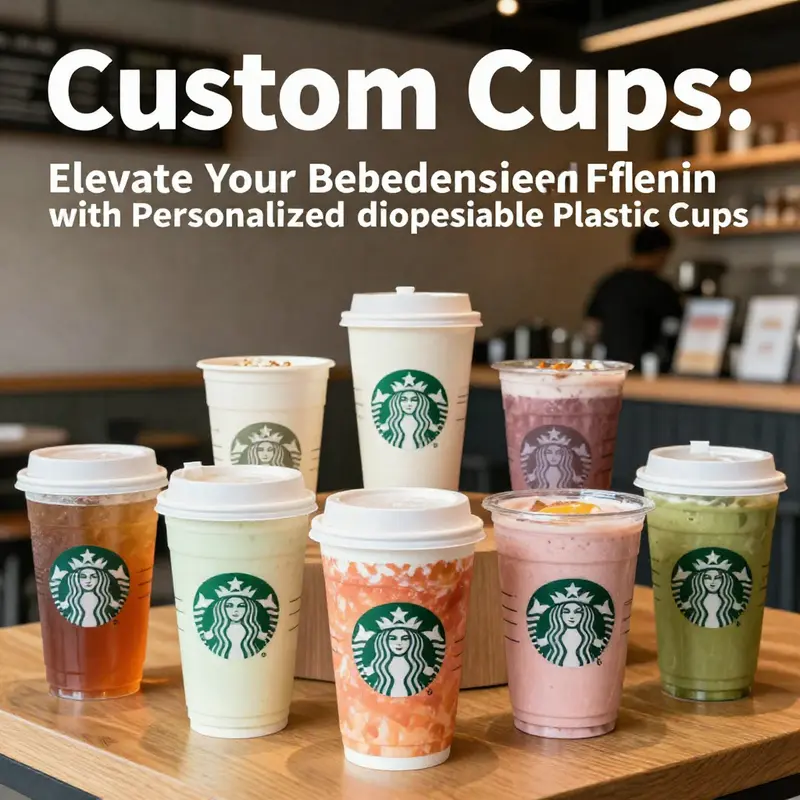
Personalized disposable plastic cups are more than just a beverage container; they are a pivotal element in enhancing brand visibility and customer engagement. For bubble tea shops, beverage chains, restaurants, food trucks, catering services, and event planners, these cups blend functionality with branding potential. In the following chapters, we will delve into critical aspects: the safety standards of the materials used, the vast possibilities for customization and branding, the sleek designs and enhanced functionality, and the pressing environmental considerations. Each section will illuminate how personalized cups can significantly impact your business operations and customer satisfaction.
Ensuring Safety and Excellence: Material and Regulatory Standards for Personalized Disposable Plastic Cups
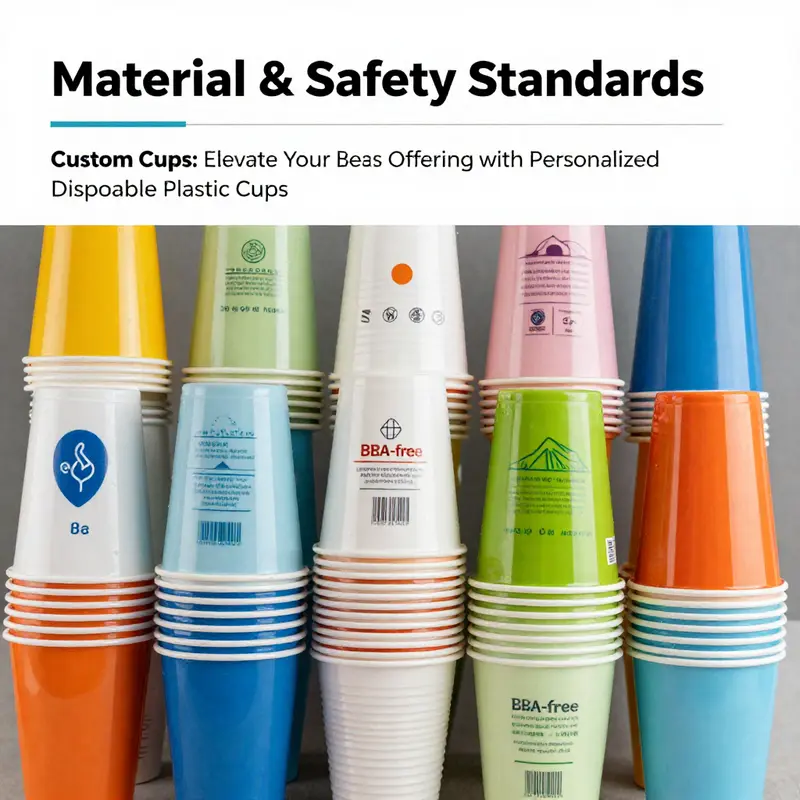
Disposable plastic cups that carry personalized branding are much more than simple vessels for beverages; they are emblematic of rigorous material science, uncompromising safety standards, and innovative manufacturing practices that ensure both functionality and reliability. In an industry where every touch point matters, manufacturers are held to strict criteria relating to material composition, thermal and chemical stability, and regulatory compliance. This chapter explores in great detail the critical aspects of material selection and the comprehensive safety measures that underpin the production of personalized disposable plastic cups.
At the heart of these cups is a carefully engineered choice of materials. Predominantly, food-grade plastics such as polypropylene (PP), polystyrene (PS) and polyethylene terephthalate (PET) are used. Among these, polypropylene stands out as one of the safest and most versatile materials available. With exceptional thermal stability—sometimes enduring temperatures up to 167°C—PP not only safeguards against degradation in hot applications such as coffee or tea but also retains its structural integrity when subjected to the rigors of the printing process involved in personalization. The ability to withstand both hot and cold beverages without leaching harmful substances is a primary reason why PP is frequently selected for these products.
This material’s clear, resilient nature also plays a crucial role in maintaining the vibrancy and accuracy of custom prints. When a business chooses to personalize its plastic cups, the visibility and fidelity of the printed logo or design are of paramount significance, and PP offers just that. Due to its chemical resistance and capacity to be molded under precise conditions, manufacturers are able to integrate intricate designs without compromising the safety or durability of the cup. In addition, plastics used in these cups are produced to be BPA-free and free from other potentially harmful chemicals. This aligns with international safety standards and instills consumer confidence that every sip taken from a personalized cup is free from risks associated with chemical contamination.
Regulatory frameworks governing materials used in food-contact items are surface-level markers for safety and quality. In many countries, including China, strict standards such as GB 4806.7—2016 for food contact materials and QB/T 4049—2021 for plastic drinking cups serve as baseline requirements. These standards regulate the migration of harmful substances from the plastic into beverages, ensuring that under normal conditions of use, no toxic chemicals are leached into the drink. Compliance with such rigorous standards is mandatory for both manufacturers and suppliers who strive to ensure that every personalized cup produced meets internationally recognized benchmarks for safety.
Beyond the boundaries of Chinese regulations, global markets require adherence to additional safety protocols, including those laid out by institutions like the U.S. Food and Drug Administration (FDA) and the European Food Safety Authority (EFSA). These agencies have established strict guidelines and testing protocols to certify that food contact substances, including plastics used for personalized cups, remain inert under normal usage scenarios. This mosaic of regulations, though complex, plays an integral role in governing manufacturing processes, material selection, and labeling. Businesses and consumers worldwide benefit from these layers of oversight, as they guarantee that even highly personalized products do not inadvertently compromise consumer health.
It is worth noting that personalization, particularly printing directly on the cup body or lid, necessitates a careful balance between aesthetic appeal and material integrity. The printing process itself can be demanding—a process which requires the cup material to maintain its clarity, strength, and surface uniformity to ensure consistent display of logos and graphics. Therefore, only materials that can meet these high printing standards while also having the capacity to endure handling, temperature variations, and extended storage periods are considered suitable for personalized disposable cups. Manufacturers invest significantly in research and testing to ensure that the printing inks are compatible with these polymers, that they do not interact adversely with the plastic, and that the finished product retains its market appeal along with its safety profile.
An additional dimension of material standards involves the selection of plastics that are not only safe for food contact but also address the emerging concerns regarding environmental sustainability. While traditional plastics such as PS and PET are effective in delivering exceptional functionality, their environmental impact is a growing concern around the globe. The production of these materials historically relies on non-renewable petroleum resources, and improper disposal can contribute to long-lasting pollution. In light of this, manufacturers are increasingly turning towards eco-friendly alternatives and recycling initiatives. For instance, variations of PP that incorporate recycled content provide an opportunity to balance high-performance requirements with more sustainable production practices. Some innovators are even exploring the use of biodegradable polymers like PLA (polylactic acid) to offer a more environmentally friendly option. Although PLA may require industrial composting conditions to break down effectively, such advances in material science signal a promising shift towards products that do not compromise safety or aesthetics while mitigating environmental impact.
Within the context of personalized disposable plastic cups, specific regulatory restrictions are instrumental in guiding material choices, especially when products are destined for sensitive consumer segments. It is well-known, for example, that polycarbonate (PC) is generally avoided in the production of cups meant for infants or young children due to the potential migration of bisphenol A (BPA), a chemical compound that has raised substantial health concerns. Therefore, in applications where personalized cups might be distributed among children, manufacturers strictly opt for BPA-free materials like PP or even advanced BPA-free polymers such as Tritan™. This vigilant approach ensures that even the most prematurely handled products adhere to stringent safety criteria.
Another critical facet of these safety measures revolves around labeling. A properly labeled cup serves multiple purposes: it informs the user about the material composition (often indicated by a recycling or material identification code such as #5 for PP), provides details about the manufacturer, and states the appropriate temperature ranges or beverage types for which the cup is safe. Compliance with labeling requirements is not merely a bureaucratic formality; it is an essential component of the consumer’s ability to make informed decisions and to use the product correctly. Disclaimers, manufacturer identification numbers, and even production license codes are all integrated into the product design to ensure traceability and accountability, thereby reinforcing the product’s credibility in both domestic and international markets.
Beyond the manufacturing process and regulatory compliance, there are practical guidelines for the safe use and disposal of personalized disposable plastic cups. It is imperative for users to understand that, despite the cup’s durability and heat-resistant properties, these items are designed for single-use applications. Extended or repeated use of disposable plastic cups can lead to material degradation, which in turn may result in micro-scratches on the surface that can harbor bacteria or even lead to chemical leaching. Particularly when cups are repeatedly exposed to hot drinks or acidic liquids, their integrity can be compromised over time, potentially turning a once safe product into a health risk. Therefore, best practices dictate that disposable cups are used strictly within the parameters specified by manufacturers and are not repurposed in ways that exceed their intended use.
Manufacturers also emphasize proper storage and handling to maintain the safety and quality of the cups. Extreme temperatures, whether in storage or during transit, can have adverse effects on the polymer chains that constitute the plastic. Exposure to temperatures beyond recommended levels may cause warping, discoloration, or even a reduction in the cup’s barrier properties against eventual microbial contamination. Users and vendors alike are advised to store these cups in cool, dry conditions, and to inspect them regularly for signs of deterioration before use. The adherence to such protocols not only extends the product’s functional life but also preserves its compliance with the meticulously laid out safety standards that are foundational to its design.
One must also consider the broader implications of personalized branding on these disposable products. The very act of personalizing disposable plastic cups introduces an additional layer of complexity into the production process. Every stage—from the selection of a safe plastic substrate to the application of durable inks—has to be executed with precision to ensure that the added aesthetic elements do not interfere with the cup’s safety. For example, the curing process of printing inks must be calibrated so that it does not release residual chemicals onto the beverage contents. Quality assurance mechanisms are therefore built into the production lines, where multiple tests are conducted to verify that the final product consistently meets food safety and quality standards. Ensuring that the personalization process does not compromise the underlying food-grade qualities of the plastic is a technical challenge that manufacturers have met through rigorous testing and continuous innovation in both materials science and printing technology.
Advances in testing methodologies have led to the development of highly specialized procedures for evaluating the safety of personalized disposable cups. In laboratories around the world, cups are subjected to conditions that simulate real-life usage. High-temperature tests evaluate thermal stability, while exposure to various food simulants helps in assessing the rate of migration of chemicals from the cup material into the beverage. Such meticulous testing is an indispensable part of modern manufacturing and regulatory oversight. By simulating challenging conditions, these tests provide manufacturers with valuable insights into how the cup will behave after printing, throughout its shelf life, and during actual consumption. The results of these tests are used to fine-tune the choice of materials, the parameters of the printing process, and the overall design of the disposable cup. In this way, companies are not only achieving compliance with existing standards but are also pushing the frontier of what is technologically possible in the domain of food-safe packaging.
Use of proper documentation and certification also plays a central role in guaranteeing safety. Manufacturers are required to maintain detailed records of raw material origins, processing conditions, and testing results. Such documentation becomes essential when the product needs to be verified by regulatory bodies or when issues are identified during post-production quality control. This documentation not only instills a sense of confidence among distributors and retailers but also helps consumers verify that the product they are using aligns with the highest safety standards. By maintaining transparency throughout the production process, the industry builds and sustains a high level of trust with its clientele, further cementing the reputation of personalized disposable plastic cups as reliable and risk-free products for everyday use.
Another point of emphasis is the careful management of use conditions when it comes to hot beverages. Although many personalized plastic cups are engineered to withstand heat, best practices suggest that their use with very hot liquids should remain within specified temperature limits. Manufacturers clearly indicate if a product is designed for hot or cold beverage consumption. For example, while PP may survive temperatures that exceed 100°C, repeated exposure to such conditions may result in the cup losing its pristine condition or even in minute leaching events over time. These precise guidelines are particularly important for businesses that rely on personalized cups for serving beverages at high temperatures. Ensuring that each cup is used within its intended parameters not only prolongs the product’s effective use but also minimizes any potential risks that could arise from unintended misuse.
In terms of environmental stewardship, there is a growing realization that safety and sustainability must go hand in hand. While the primary mission of material and safety standards is to protect consumer health, there is an equally compelling need to address the environmental consequences of disposable product use. Manufacturers of personalized disposable plastic cups are increasingly exploring ways to reduce the environmental footprint of their products. This has led to investments in research focusing on recyclability and the development of alternative materials that meet both safety and eco-friendly criteria. For instance, some companies are actively experimenting with recycled plastics that maintain the same clarity and safety profiles as virgin materials. Meanwhile, the shift towards biodegradable options like PLA, despite their current limitations in home composting, represents an encouraging step towards more sustainable production practices in the packaging industry.
The meticulous design, testing, and regulatory compliance associated with personalized disposable plastic cups ensure that they are safe for food contact while also delivering the branding and creative expression that businesses desire. Each step in the manufacturing process—from the sourcing of high-quality, food-grade polymers to the application of custom prints—has been refined to bridge the gap between functionality and marketing effectiveness. This process places consumer safety at its core, translating complex chemical and thermal tests into tangible benefits that every end user experiences with every sip.
For those interested in additional insights into eco-friendly innovations in food packaging, there are resources that explore further sustainable alternatives and practices. One such resource discusses modern innovations in disposable beverage containers, providing a deeper understanding of how environmental concerns are shaping industry trends. It is crucial for businesses to remain informed about these shifts as they adapt their production and usage strategies to meet both regulatory demands and consumer expectations.
In summary, the industry’s commitment to safety in the production of personalized disposable plastic cups is evident in every facet of their design and manufacturing. The choice of materials such as polypropylene, adherence to strict regulatory standards, rigorous testing protocols, and comprehensive labeling practices collectively ensure that these cups not only fulfill their role as functional beverage carriers but also serve as reliable vehicles for personalized branding. The integration of aesthetic personalization with uncompromised safety standards encapsulates a thoughtful blend of science, innovation, and consumer care.
For readers looking to delve deeper into the regulatory frameworks that govern the production of food-contact plastics, the FDA Guidance on Food Contact Substances – Plastic Materials offers an authoritative external resource that details the testing protocols and safety criteria used worldwide.
Elevating Brand Narratives: The Transformative Power of Customization on Disposable Plastic Cups
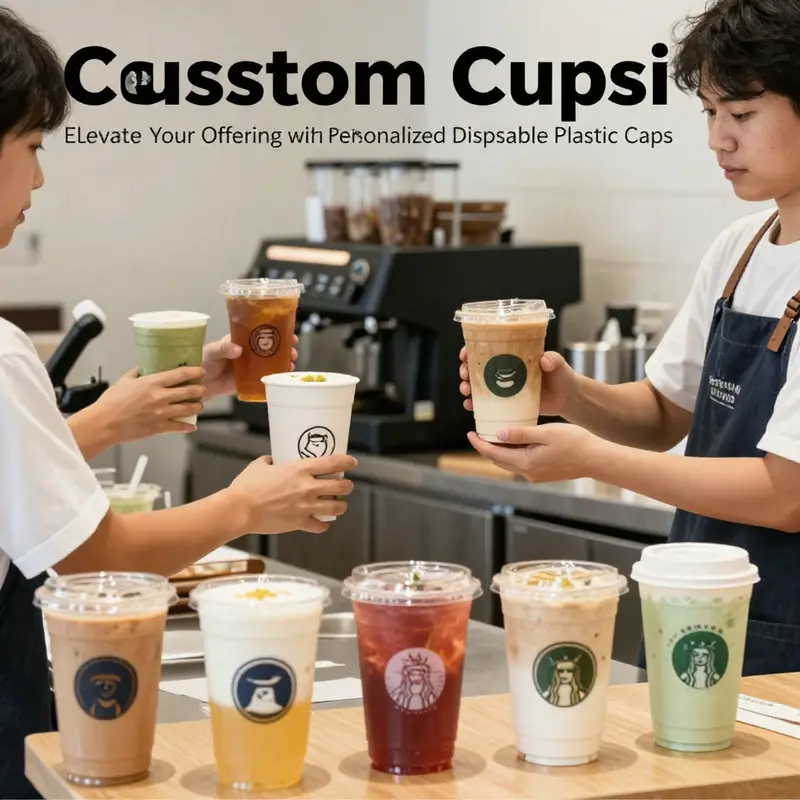
Disposable plastic cups have long served as a practical solution for serving beverages, but in recent years they have evolved into much more than simple containers. In today’s competitive marketplace, these cups have become canvases on which brands express their identity and connect with consumers. Through advanced printing techniques, dual‐side logo strategies, and vibrant customization options, these everyday objects have transformed into powerful tools that capture brand stories, evoke emotions, and leave lasting impressions. The journey of customization in disposable plastic cups illustrates a shift in advertising where functionality meets creativity, turning even single-use items into mobile ambassadors of brand identity.
Much of this transformation stems from the ability to place a company’s core message on every surface of the cup. Duplex printing technology now enables manufacturers to imprint key logos, slogans, and even scannable QR codes on both sides of the cup, ensuring that no matter how a customer holds or rotates the vessel, the branding remains visible. This method of dual-side logo placement not only maximizes visual impact but also reinforces the brand message with every glance. Whether at festivals, corporate events, or a local coffee shop, the carefully designed imagery and messaging on the cups act as constant reminders of a brand’s values and personality. The result is a seamless integration of marketing into daily routines, where every sip becomes an opportunity for brand engagement.
The magic of customization does not rely solely on printing techniques. It is the thoughtful combination of design, material science, and marketing strategy that has redefined these disposable items. Cups are available in a range of sizes—from compact 300ml options ideal for a quick refreshment to larger 1000ml versions that accommodate a wide range of beverages—so that every consumption occasion can be matched with the perfect design. The modern materials used, such as high-density polyethylene and premium acrylic, are not only lightweight and durable but also provide an excellent surface for full-color digital prints. These materials, rigorously tested to ensure food safety and safety standards, give brands the confidence to innovate with vivid, eye-catching designs without compromising on user trust or product reliability.
At the heart of the branding revolution is the art of storytelling. Each cup becomes a mini billboard, a portable narrative that conveys the ethos of a company. The process begins with strategic design choices: selecting the right color palettes, fonts, and imagery that all speak to the values and vision of the brand. Some companies opt for bold, intricate designs that capture the attention of onlookers, while others choose a minimalist style that subtly reinforces an image of refined professionalism. Regardless of the approach, the ultimate goal remains the same—to craft a visual experience that transforms an everyday object into a memorable brand interaction.
One of the most significant benefits of personalized disposable cups is their dual function: practicality allied with promotional power. In many scenarios, the cup is the only branded item a customer comes into contact with. As a result, it has become essential to use every available surface to communicate the brand message. For example, one side might feature a striking company emblem while the other presents a catchy slogan or a social media handle. This deliberate, dual-sided approach ensures that the branding is both comprehensive and unavoidable, turning a simple beverage container into a potent piece of mobile advertising. The strategic positioning of every design element creates a tactile conversation between the brand and its customers, drawing them into a narrative that extends far beyond the product itself.
In this context, advanced printing technology plays a pivotal role in elevating the consumer experience. Modern digital printing methods have reached a level of sophistication where high-resolution images and intricate patterns can be printed without any loss of clarity or vibrancy. The precision with which these images are applied is crucial when dealing with curved surfaces and variable cup thicknesses. Manufacturers carefully align the artwork to ensure that even slight deviations in the printing process do not diminish the overall impact. The integration of techniques like screen printing, digital inkjet, and even laser engraving has allowed brands to experiment with textures, finishes, and 3D effects that add a new dimension to the visual appeal of their disposable cups.
Beyond the technical aspects, the aesthetic impact of a well-customized cup cannot be overstated. The clear, vibrant designs make the cups not just functional objects, but also objects of desire and conversation starters. Consumers often associate a meticulously designed item with a brand that values quality and detail. Even in settings where the beverage is a fleeting necessity, the visual cue provided by the branded cup elevates the overall experience. This subtle yet effective form of communication works especially well in high-traffic venues such as sporting events, festivals, and conferences where the disposable cup might be the only brand representative that a customer sees. With each interaction, the brand narrative is reinforced, building trust and recognition over time.
The versatility of these cups further enhances their appeal. Designed for both hot and cold beverages, personalized cups are engineered to maintain the temperature of the drink while remaining comfortable to hold. Innovations such as double-walled construction and foam insulation have helped address issues like exterior condensation, ensuring that the cup remains a pristine canvas for the brand’s message even under demanding conditions. The multi-functional nature of these designs allows them to be deployed across a variety of settings—from casual street food vendors and large-scale corporate events to intimate private gatherings—thereby broadening the scope of their branding impact.
A key part of the evolution in disposable cup customization is the growing emphasis on sustainability. While concerns about plastic waste have led to increased scrutiny, many manufacturers are proactively addressing these issues through the use of recycled materials and eco-friendly inks. The industry is gradually shifting towards sustainable practices without sacrificing the visual appeal and durability of the product. In this light, brands are finding that the move toward eco-conscious customization not only enhances their image as responsible corporate citizens but also meets the increasing demand from environmentally aware consumers. For more insights on eco-friendly custom designs, visit this resource for further inspiration.
The process of achieving such high levels of customization involves an impressive level of collaboration between designers, marketers, and engineers. Each project starts with a thorough understanding of the brand’s identity, target audience, and marketing goals. Designers work meticulously to create concepts that can be practically applied to the curved, three-dimensional surface of a disposable cup. The challenge lies in balancing the artistic vision with the technical constraints of mass production. Factors such as the cup’s curvature, material composition, and the printing technique are all taken into account when finalizing the design. This rigorous process ensures that the final product is not only visually compelling but also meets the functional requirements of durability, safety, and cost-effectiveness.
In many respects, personalized disposable plastic cups represent a democratization of high-impact marketing. Historically, elaborate branding tools were often reserved for larger companies with extensive budgets. Today, even small and mid-sized businesses have access to affordable customization options that allow them to compete on a level playing field. This shift has opened up new possibilities for creative expression and customer engagement. Brands can now experiment with innovative designs, limited-edition prints, or event-specific graphics without incurring prohibitive costs. As a result, what was once a standard, one-dimensional object has become a dynamic medium capable of capturing the imagination and attention of a diverse consumer base.
Such customization also plays a key role in building emotional connections with consumers. Every element of the design—from the choice of colors and typefaces to the placement of logos and slogans—is deliberately chosen to evoke certain feelings and associations. A well-designed cup can spark curiosity, convey reliability, or even elicit a sense of nostalgia. In environments where consumers have many transient touchpoints with brands, these small moments of connection become increasingly valuable. When customers engage with a product that reflects a well-crafted brand story, the resulting emotional resonance can foster loyalty and advocacy long after the beverage has been consumed.
The operational efficiencies achieved through modern manufacturing techniques also contribute significantly to the appeal of personalized disposable cups. Technology has advanced to a point where high-resolution, multi-color printing can be performed rapidly and at scale, without compromising quality. This means that even when a brand requires thousands of custom cups within a tight timeframe, every unit maintains the same high standard of design fidelity. The scalability of these production methods ensures that brands can launch large-scale marketing initiatives while keeping the per-unit cost low. Such operational advantages have transformed disposable cups from a mere logistical necessity into an integral part of a broader, cost-effective marketing strategy.
Moreover, the strategic use of design elements on disposable cups represents a seamless blend of art and commerce. Attention to detail is paramount: even the tiniest design choice, such as a slight variation in hue or the curvature of a printed line, can have a significant impact on how the brand is perceived. This relentless pursuit of perfection is not merely about aesthetics but about crafting an identity that resonates with consumers at multiple levels. Every cup is a story, a piece of the larger mosaic that defines the brand’s image in the public mind. The cumulative effect of such thoughtful design is a product that feels both personal and polished, reinforcing the idea that quality and creativity are at the heart of the brand’s ethos.
In practice, the impact of these advanced customization techniques is evident in the way disposable cups are used in real-world scenarios. At trade shows, for instance, a company may distribute hundreds or even thousands of cups embossed with its logo and designed in the colors that best represent its brand. These cups not only serve their practical purpose but also act as miniature agents of brand communication, continuously engaging with potential customers throughout the day. Such visibility ensures that the brand remains top-of-mind, long after the initial point of contact. The cups become lasting reminders of the brand’s presence, subtly reinforcing its message every time they are used.
Personalized disposable cups also excel in their ability to adapt to various themes and campaigns. For instance, during seasonal promotions or special events, the design can be quickly modified to reflect the mood or message of the moment. This flexibility allows brands to remain agile, tailoring their marketing efforts to resonate with current trends and consumer interests. The result is a product that not only meets immediate functional needs but also evolves to capture the essence of the brand in real time. Whether featuring festive imagery during holiday seasons or sleek, modern graphics for product launches, each design is carefully curated to enhance the overall branding strategy.
Technology continues to play a significant role in pushing the boundaries of what is possible with disposable cup customization. The advent of interactive printing methods has introduced a new level of consumer engagement into the equation. Some designs now incorporate augmented reality features or scannable codes that, when activated by a smartphone, lead consumers to exclusive online content or interactive experiences. This merging of physical and digital marketing creates an immersive experience that goes beyond the mere visual appeal of the cup. By bridging the gap between offline interactions and online engagement, these innovative elements add depth to the brand narrative, transforming a simple beverage container into an interactive touchpoint.
The blend of creative ingenuity and technical expertise in customizing disposable cups is a clear demonstration of how even the most commonplace objects can be transformed into impactful marketing tools. With every iteration, brands learn how to better connect with their audience, refine their message, and capture the fleeting attention spans of modern consumers. The evolution of these cups—from plain, single-use items to intricately designed artworks—serves as an inspiring example of how innovation can redefine traditional products.
The story of customization in disposable plastic cups is one of constant evolution and adaptation. As new technologies and design methods emerge, brands continuously explore novel ways to infuse creativity into even the simplest of items. The intricate balance between functionality and aesthetic appeal has resulted in products that are as practical as they are visually striking. With designs that can be updated on a whim to reflect new marketing campaigns or seasonal themes, these cups embody the very spirit of modern advertising—dynamic, responsive, and always evolving.
Moreover, the ability to mass-produce these highly customized items without sacrificing quality has made them an ideal choice for brands with diverse marketing needs. Bulk orders for events, promotions, or everyday takeout have become a norm, with each cup carrying the same level of attention to detail and vibrant branding. The consistent quality across massive quantities is a testament to the advances in printing technology and quality control processes that underpin the manufacturing of these products.
In conclusion, the humble disposable plastic cup is no longer just a vessel for beverages—it is a strategic canvas for storytelling and brand reinforcement. Through dual-sided printing, innovative design, and the seamless integration of interactive elements, these cups have emerged as an essential tool for modern branding. They combine practicality with aesthetic brilliance and offer businesses a cost-effective way to leave an indelible mark on their customers. The transformative journey of these cups reflects a broader trend in marketing where every detail matters, every surface tells a story, and even the most transient objects can become enduring symbols of brand identity.
Innovative Design and Functional Excellence: How Personalized Disposable Plastic Cups Elevate Brand Presence
The world of personalized disposable plastic cups stands at the crossroads of practical design, innovative functionality, and creative branding. With an increasing demand for beverages served in visually intriguing, cost-effective containers that can be customized to mirror a brand’s identity, these products have evolved from simple drink holders into dynamic marketing tools. Today, businesses and individuals alike are discovering how these cups not only serve a crucial functional role in delivering beverages but also transform every serving into an opportunity to enhance brand recognition.
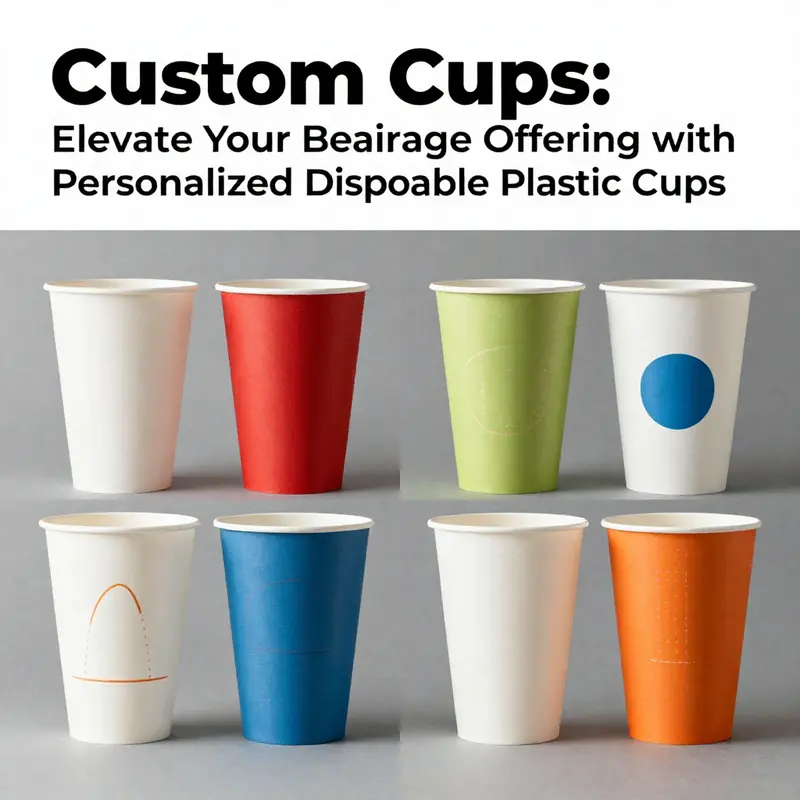
From the outset, the design of personalized disposable plastic cups is driven by a desire to balance aesthetics and utility. The creators of these cups aim to achieve a sleek, modern look that catches the eye while ensuring that the item fulfills all aspects of its purpose. Advanced materials such as polyethylene terephthalate (PET) and polypropylene (PP) are carefully selected to provide maximum durability and reliability. PP, for example, is widely favored due to its impressive heat resistance, which allows the cup to withstand temperature variations. This property makes the cup suitable for serving both steaming hot beverages and icy cold refreshments. Manufacturers emphasize safety through compliance with rigorous food-grade standards, ensuring that every cup is BPA-free and meets international regulations for food contact. Consumers are therefore afforded a product that balances form and function with safety, inspiring trust through its quality design features.
The journey of design begins with the transparency and visual appeal that these cups provide. The clear structure not only allows the beverage to be admired before sipping but also becomes a canvas for intricate, high-quality printing. Vibrant colors, detailed patterns, and the logos of businesses come alive on the surface of the cup, making each serving a miniature work of art. The ability to print custom messages and brand elements transforms otherwise mundane items into extension of corporate identity and personality. For instance, a local café might have a series of cups featuring seasonal designs and their signature colors, enticing customers both visually and emotionally. This blend of visual appeal and custom branding makes each cup a unique experience, where every sip becomes a subtle reminder of the brand’s commitment to quality and innovation.
Beyond their aesthetic appeal, personalized disposable plastic cups have redefined functionality with several innovative design features that cater to the needs of a diverse range of users. One of the remarkable aspects is the integrated approach to ensuring leak resistance and transportability. Many of these cups include well-engineered lids that are designed not only to fit snugly but to prevent spills during movement. Security seals such as peelable foil or breakable closures serve as an additional layer of integrity, assuring users that the contents have not been tampered with. Moreover, some cup variants come with built-in straws and ergonomic shapes that allow for convenient handling and usage in fast-paced environments. Whether it is an on-the-go commuter grabbing their morning beverage or an office worker who requires a spill-free drink during long meetings, every feature is tailored to promote both convenience and reliability.
The customization potential of these cups significantly amplifies their appeal and functionality. Every aspect of the cup, from its colour palette to the finish on the surface, can be meticulously personalized to align seamlessly with a brand’s visual identity. Customization is not limited to artwork alone; manufacturers also offer an array of physical modifications such as varying cup capacities, thickness adjustments, and the integration of other elements like lids with additional printing space. This flexibility extends the utility of personalized plastic cups well beyond their primary function as beverage containers. They become ambassadors of a brand’s message and values, particularly in corporate settings and promotional events where every detail carries the potential to make a lasting impression. In one notable example, businesses have commissioned cups with unique design features such as tinted rims and embossed logos, ensuring that even in competitive markets, the presentation of their product stands out remarkably.
A key consideration in the design of these cups is the aspect of functionality balanced with environmental responsibility. While plastic as a material class has historically raised concerns regarding sustainability, recent innovations have introduced alternatives that are both eco-friendly and economically feasible. Some manufacturers now produce cups from recycled plastics or materials that are intended to biodegrade over time. This progress reflects a broader shift in the industry, where creators are dedicated to reducing the reliance on non-renewable resources while still delivering a product that upholds high standards of performance and safety. By adopting environmentally conscious practices such as water-based coatings and recyclable designs, the functional evolution of personalized disposable plastic cups aligns with growing consumer trends towards sustainability. Customers who might have been cautious in the past now have more options that marry design excellence with ecological sensitivity.
The practical applications of personalized disposable plastic cups are as diverse as they are compelling. In many commercial environments, the cups assume a dual role: they facilitate the efficient and hygienic serving of beverages and concurrently serve as cost-effective marketing channels. Small businesses, large corporations, event organizers, and even individuals planning personal celebrations have all taken advantage of the customizable nature of these cups. From pop-up cafes and food trucks to multi-day conferences and grand weddings, the cups are adapted to match the particular demands of the occasion. Their varying sizes, which typically range from as little as 300 ml to upwards of 1000 ml, cater to different drink types and presentation needs. Whether the intent is to serve a robust coffee, a layered boba tea, or a refreshing summer cocktail, the design elements of these cups consistently facilitate optimal user experiences, ensuring that both the beverage and the branding message are delivered effectively.
Another essential facet of functionality involves the ergonomic and structural elements that enhance user interaction with the cups. These products are engineered for lightweight portability without compromising on durability. The use of resilient plastics ensures they can endure the rigors of transport while still providing a reliable performance, even when filled with dense, viscous liquids or beverages containing sizable ice cubes. The thickness of the material, typically falling between 0.6 mm and 0.7 mm for standard sizes such as 9-ounce cups, has been optimized after extensive testing to strike the perfect balance between flexibility and structural integrity. This durability is further demonstrated by the cups’ ability to withstand minor mishaps such as accidental drops or knocks, making them an ideal choice for fast-paced environments like sporting events and busy urban settings where reliability is paramount.
In addition to practical design enhancements, the versatility of these cups in business applications is magnified by their cost-effectiveness. Platforms that specialize in bulk orders, for instance, provide opportunities for businesses to acquire large quantities with pricing that is remarkably affordable. Bulk ordering options with minimum order quantities starting at a few tens of thousands of units allow companies to implement wide-ranging promotional campaigns without incurring prohibitive expenses. For businesses looking to elevate their brand presence at events or in everyday operations, these cups offer a dual advantage: they serve both the functional role of beverage service and the strategic role of reinforcing brand identity. Their role as physical embodiments of a brand’s ethos is particularly significant during events such as product launches, corporate retreats, and public festivals, where every detail counts in establishing a memorable consumer experience. For those interested in exploring additional packaging options that complement these design features, a look at the high-quality coffee cup solutions available here reveals a wide range of alternatives that maintain a similar commitment to functionality and aesthetic value.
Furthermore, the design evolution of personalized disposable plastic cups reflects a broader trend in packaging that emphasizes the fusion of technology and creativity. With high-precision printing techniques and the ability to incorporate intricate branding elements, these products have moved well beyond simple, generic packaging. They now incorporate digital design elements that allow for stunning visual effects, such as holographic imprints and gradient color schemes that shift subtly with the angle of light. This innovative approach not only enhances the visual allure of the cups but also plays a significant role in driving consumer engagement. By transforming a routine item into an element of interactive design, these cups captivate audiences and encourage repeat usage, as consumers often associate the aesthetic quality of the product with the overall quality of the brand. This type of innovative design has positioned personalized disposable plastic cups as true exemplars of modern marketing tools that effectively merge function and form.
Technological advancements in manufacturing have also contributed to refining every aspect of design and functionality. Automation and precision engineering have made it possible to achieve a high degree of consistency and quality control in large-scale production runs. Modern production lines are equipped with state-of-the-art machinery that guarantees every cup meets strict standards with respect to dimensions, weight, and print quality. This reliability is particularly crucial when catering to international markets where adherence to regulatory standards is mandatory. In many cases, manufacturers must ensure that every cup not only meets safety certifications such as those stipulated by the European Commission but also resonates with the stylistic preferences of diverse consumer groups. In this context, the technology that drives personalization is at the heart of a tailored consumer experience, where rapid prototyping and on-demand customization empower businesses to respond swiftly to market demands while boldly showcasing their brand identity.
The broader impact of innovative design on consumer behaviors should not be underestimated, as it fosters an environment in which functionality marries aesthetic appeal, ultimately influencing purchasing decisions. Consumers today are more informed and discerning about the products they choose. When a disposable plastic cup is laden with creative, custom branding, it not only enhances the user’s immediate experience but leaves a lasting impression that extends well beyond the initial interaction. This longer-term impact is critical in competitive market spaces, where consistent brand visibility helps build loyalty and advocacy among customers. Through each use, every custom-printed cup reinforces an invisible yet powerful marketing narrative. The idea that a simple cup can serve as an extension of a brand’s identity is a testament to the ingenuity of modern design and offers endless possibilities for innovative promotional strategies. By reframing what was once considered a trivial item into a key element of branding, companies are effectively turning everyday actions into subtle yet persuasive marketing opportunities.
Practical design and functionality are further elevated when creative design features combine with sustainable innovation. The focus has shifted toward creating products that not only please the eye and function flawlessly but also minimize environmental impact. Researchers and producers are dedicating resources to develop new composites and biodegradable materials that promise to reduce reliance on conventional plastics. This sustainable approach is not only in line with consumer expectations but is rapidly becoming a requisite in an increasingly eco-conscious marketplace. As more environmentally friendly alternatives are introduced, the design of personalized disposable cups will likely continue to incorporate materials that are both robust and recyclable, ensuring that the solution is effective from both a consumer and an environmental standpoint. Such initiatives signify the next chapter in packaging innovation where products are designed with a holistic view that embraces aesthetics, functionality, and sustainability in equal measure.
In summary, the evolution of personalized disposable plastic cups has been marked by a relentless pursuit of design perfection and functional excellence. Every component has been carefully considered—from the choice of durable, food-safe materials to the integration of user-friendly features like leak-resistant lids and secure closures. Manufacturers continue to push the envelope by incorporating cutting-edge printing techniques and advanced manufacturing processes that ensure every cup meets the highest standards in both performance and visual appeal. As businesses strive to leave lasting impressions on their customers, the role of these cups as versatile marketing platforms has never been more apparent. They enable companies to connect with their audience in tangible ways, transforming routine beverage consumption into interactive brand experiences.
For those interested in a deeper dive into the finer points of customization and functionality, further details and insights are available through additional resources such as the comprehensive guide on advanced branding techniques for disposable cups found at this external source. This evolution in design underscores how every element—from material selection to innovative print design—works in harmony to deliver exceptional performance while reinforcing brand identity, making personalized disposable plastic cups a cornerstone in the future of marketing and functionality.
Balancing Innovation and Ecology: The Environmental Impact of Personalized Disposable Plastic Cups
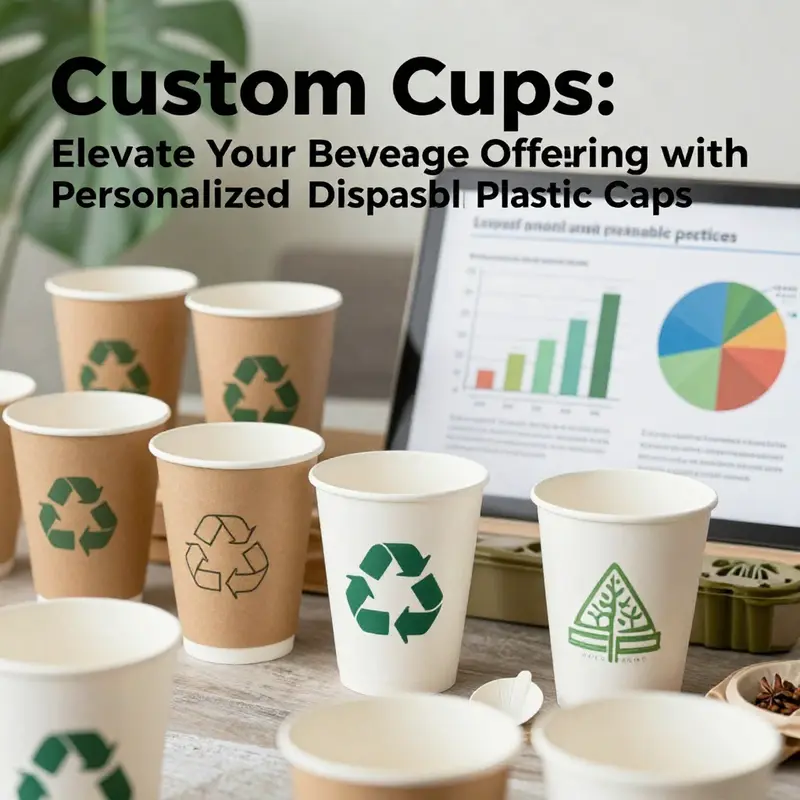
Personalized disposable plastic cups offer a blend of marketing prowess and convenience that appeals to many businesses and event organizers. Yet, beneath the surface of their customized appeal lies a set of environmental challenges that call for careful scrutiny and a commitment to sustainability. The environmental implications of these seemingly innocuous products extend far beyond their immediate utility, encompassing issues related to production, waste management, and the long-lasting effects on ecosystems.
Manufactured primarily from plastics such as polypropylene and polystyrene, these cups are celebrated for their durability and ability to maintain beverage temperatures—qualities that have secured their place in the fast-paced world of events and promotional campaigns. However, the same properties that make these cups ideal for personalized branding also contribute to their persistence in the environment. As widely used disposable items, they are produced in vast quantities for a very low cost, sometimes as little as four cents per unit, which fuels their widespread distribution. Unfortunately, once discarded, these plastic cups do not break down easily and instead fragment, contributing to the generation of microplastics that remain in natural habitats for decades.
One of the most concerning aspects of these disposable cups is their tendency to break down into microplastics under environmental conditions. Exposure to sunlight initiates the process of photoaging, during which the integrity of the plastic degrades and microscopic particles are formed. Research has shown that this breakdown process is not merely a physical change but also a chemical one. The formation of environmentally persistent free radicals (EPFRs) on the surface of these microplastics leads to the production of reactive oxygen species (ROS) when exposed to further environmental factors. These ROS are capable of inflicting oxidative stress on living organisms. For example, studies have documented that microplastics derived from disposable plastic cups inflict oxidative damage on organisms such as nematodes, ultimately causing reduced mobility, stunted growth, impaired reproductive capabilities, and even DNA damage. Such impacts are significant, as they point to a cascade of adverse effects on wildlife and potentially entire ecosystems.
The scientific community remains deeply concerned about the presence of these microplastics in environmental matrices. Once in waterways and soil, they are readily ingested by aquatic and terrestrial organisms. The accumulation of plastic contaminants in the food chain can lead to detrimental outcomes not only for wildlife but also for human populations that depend on these ecosystems for food and water. The resilience of these plastic remnants, derived from materials originally chosen for their stability and resistance to high temperatures, now poses a lasting environmental liability. As the microplastics degrade further, the release of EPFRs and the continuous generation of ROS represent ongoing threats that persist long after the original product has been discarded.
In addition to microplastics, the overall lifecycle of personalized disposable plastic cups raises serious concerns about resource utilization and waste management. The production process for these cups typically relies on non-renewable petroleum resources. As global demand for such disposable items increases, so too does the strain on finite fossil fuel reserves and the environmental consequences of their extraction and processing. The cumulative impact of manufacturing, transportation, and disposal of these cups has a significant carbon footprint, contributing to greenhouse gas emissions and exacerbating the challenges of climate change. Moreover, the challenges associated with recycling these materials further compound the issue. The relatively low market value of used disposable plastic cups, coupled with their often-complicated composition—especially when layered with inks, adhesives, and sometimes additional coatings for heat resistance—results in low recycling rates. Such factors underscore the need for more responsible approaches to waste management and resource use.
Environmental responsibility in the context of personalized disposable plastic cups extends beyond merely the act of recycling. It calls for a rethinking of material choices and the implementation of sustainable practices across the entire lifecycle of the product. Many manufacturers have begun exploring eco-friendly alternatives, such as cups made from recycled plastics or plant-based biopolymers like corn starch. These alternatives, while promising, are not without their own challenges. Biodegradable materials, for instance, require specific industrial composting conditions to break down effectively. Without proper disposal infrastructure, even these more sustainable alternatives can persist in the environment, contributing to pollution rather than alleviating it. The quest for truly renewable and sustainable materials is ongoing, with many experts advocating for a comprehensive approach that includes reducing overall consumption and reusing products wherever possible.
Despite their environmental drawbacks, personalized disposable plastic cups remain entrenched in a market that values immediacy and customization. Their ability to serve as moving billboards for brands and events is a prized asset in a landscape that is becoming increasingly competitive and image-conscious. Every time a cup is used, it reinforces a brand’s identity, making it a powerful promotional tool. However, this convenience comes at a cost that is often externalized to the environment. As consumer awareness about environmental issues grows, the demand for solutions that harmonize functionality with sustainability is also on the rise. Businesses are increasingly expected to align their practices with environmental values, prompting a reconsideration of the materials they use.
Recent technological advancements are paving the way for more sustainable practices in this domain. Companies are investing in research to develop new forms of plastic that offer the same benefits—durability, thermal resilience, and ease of customization—without the long-term environmental downsides. Some of these innovations include water-based coating technologies that reduce the reliance on harsh chemicals and improve the recyclability of products. Others are looking at the lifecycle of the product from a cradle-to-grave perspective, incorporating design principles that emphasize ease of disassembly for recycling and broader compatibility with waste processing systems. These emerging technologies hint at a future where disposable items, including personalized cups, may become a part of a circular economy rather than a linear one, thereby reducing both environmental impact and resource wastage.
The environmental challenges posed by disposable plastic cups also provide an opportunity for companies to demonstrate corporate responsibility. The integration of sustainable practices not only helps mitigate environmental harm but also strengthens the brand’s reputation among consumers who are increasingly attuned to ethical issues. By choosing to invest in environmentally friendly materials and enhanced recycling protocols, businesses can align their marketing strategies with broader sustainability goals. This alignment can generate significant goodwill among consumers, who are often willing to support brands that practice environmental stewardship. In this way, a move toward more sustainable disposable cups can serve dual purposes—boosting brand visibility while also addressing the pressing need to reduce environmental pollution.
Growing consumer and regulatory pressures have mobilized both businesses and governments to re-examine the life cycle of disposable products. Several jurisdictions have instituted stricter regulations regarding the use of non-biodegradable plastics, driving innovation toward eco-friendly alternatives. In some regions, bans on single-use plastics have already been implemented, forcing the industry to adapt rapidly. Such regulatory measures have also spurred collaboration between industry stakeholders and environmental organizations, leading to the development of standards and certifications that ensure product safety without compromising ecological integrity. For companies that invest early in these sustainable practices, the long-term benefits include not only reduced environmental impact but also a competitive edge in a market that increasingly values green credentials.
Despite these promising developments, the transition to a more sustainable paradigm is not without obstacles. The cost of research, development, and production for eco-friendly alternatives is often higher than that of traditional plastics. This cost differential can deter small businesses with limited margins from adopting sustainable practices, thereby perpetuating the status quo. Additionally, the existing infrastructure for recycling and proper waste management may not be adequate to handle a sudden influx of alternative materials, which could lead to unintended environmental consequences if these newer materials are not processed correctly. In many cases, the implementation of sustainable solutions requires a holistic approach that addresses issues ranging from manufacturing to consumer disposal practices. For instance, educational campaigns that promote responsible disposal and recycling can play a crucial role in ensuring that even biodegradable alternatives do not end up contributing to pollution.
In the realm of personalized disposable plastic cups, the environmental narrative is deeply intertwined with the commercial appeal that has made them so popular. The cups themselves are designed to be eye-catching and vibrant, often featuring bold logos and colorful patterns that capture consumer attention and reinforce brand messaging. However, this visual allure contrasts sharply with the less visible, long-term environmental costs associated with their production and disposal. Each cup that is discarded represents a small but persistent contribution to the mounting problem of plastic pollution—a reminder that convenience must be balanced with care for the planet. The environmental cost is compounded when these disposable items are used in large quantities, such as at festivals, corporate events, and large-scale gatherings where single-use items are the norm.
One area that offers a glimmer of hope is the development of product designs that account for environmental impact from the outset. Some companies are beginning to design cups that use less plastic overall, incorporate recycled materials, or are engineered for easier recycling after use. For example, by reducing the amount of ink or eliminating certain non-essential coatings, manufacturers can create products that are more compatible with existing recycling processes. Additionally, partnerships between industry players and recycling firms can lead to innovative collection and reprocessing programs that minimize the overall environmental footprint of these cups. When designed with end-of-life processing in mind, even personalized disposable cups can be integrated into a recycling system that helps mitigate environmental harm.
Consumers, too, have an important role to play in this evolving narrative. As awareness of plastic pollution grows, more individuals are seeking products that align with their environmental values. The choice between a disposable cup that is fuelled by environmentally damaging plastics and one that incorporates sustainable materials becomes a reflection of personal ethics in the marketplace. Some forward-thinking companies now offer a choice between traditional and eco-friendly options, giving consumers the power to decide based on their own priorities. This shift in consumer behavior is gradually shifting the market, encouraging manufacturers to prioritize eco-friendly innovations even in products that have traditionally been viewed as temporary or disposable. In this context, every decision made by both consumers and businesses contributes to a larger movement toward a more sustainable future.
For those looking to explore alternatives and support more environmentally responsible practices, there are resources available that demonstrate how eco-friendly solutions can be both effective and practical. One example can be found in the realm of reusable designs and recycled materials, such as those showcased by initiatives offering eco-friendly recyclable pulp cup holders. These solutions harness the benefits of modern design while dramatically reducing the environmental ramifications associated with conventional disposable products.
Addressing the environmental concerns of personalized disposable plastic cups therefore requires a multi-faceted approach. It is not enough to simply swap out one material for another; a complete rethinking of the product lifecycle is needed. This involves re-engineering the manufacturing process, implementing robust recycling systems, and encouraging sustainable consumer behavior. Innovations in material science are promising and may one day offer products that retain the essential benefits of personalized disposable cups without the associated environmental risks. In the meantime, industry stakeholders must weigh the immediate marketing benefits against long-term ecological costs and work collaboratively to forge a path that benefits both commerce and the environment.
In closing, the environmental challenges associated with personalized disposable plastic cups reveal a broader dialogue about the costs of convenience in a modern economy. These cups encapsulate the tension between functionality and sustainability, offering an essential service while concurrently creating a legacy of pollution and resource depletion. The scientific research on microplastic degradation and oxidative stress is a stark reminder that even products designed for short-term use can have long-lasting negative impacts on the environment. As consumer sentiment shifts toward more sustainable options and regulatory pressures mount, the need for responsible innovation becomes ever more urgent. The task ahead is clear: balance the undeniable marketing advantages of personalized disposable cups with the imperative to protect natural ecosystems and promote a healthier, more sustainable future. For further details on the environmental impacts of these materials and the scientific insights into their degradation, readers can refer to the research study available here: Read the study.
Final thoughts
In a market where every detail counts, personalized disposable plastic cups can significantly enhance your brand’s visibility and customer engagement. By focusing on the right materials, offering customization that resonates with your audience, ensuring functionality, and considering environmental impacts, your business can thrive in the competitive landscape of beverage service. As consumers increasingly value both experience and sustainability, opting for personalized solutions can set you apart from the rest. Make every sip a reminder of your brand, ensuring that your values are communicated not just through words, but through every drink served.