
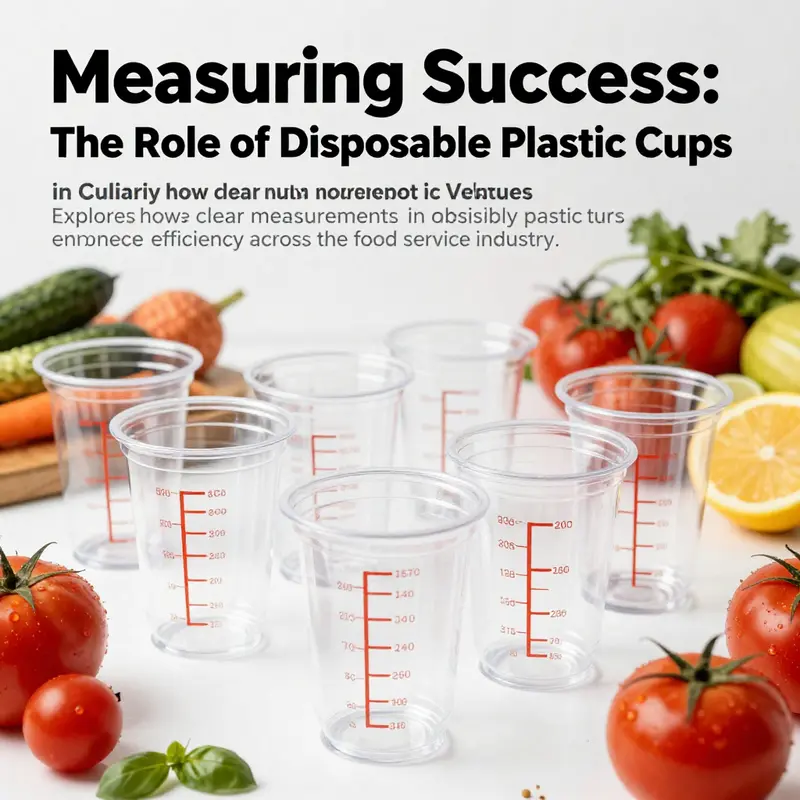
Disposable plastic cups with measurements are indispensable tools across various culinary applications, serving as vital instruments for accuracy in food preparation and service. From bubble tea shops and beverage chains to catering services and event planners, these cups offer convenience and precision that can significantly affect operational efficiency and customer satisfaction. With their robust design and clear measurement markings, they are tailored for diverse uses in mixing beverages, portioning ingredients, and serving drinks with precision. This article delves into the impacts, materials, trends, environmental concerns, and industry-specific applications of these essential items, offering insights that can guide businesses in selecting and utilizing disposable cups to their advantage.
Measured in Moments: The Culinary Value and Environmental Trade-offs of Marked Disposable Cups
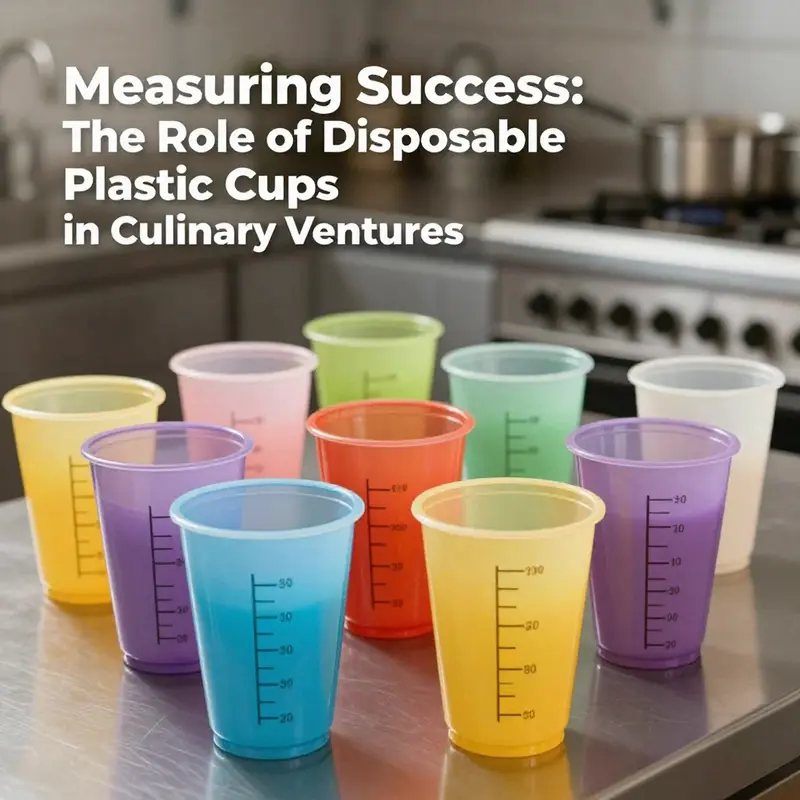
Measured in moments rather than minutes, the small science of marked disposable cups quietly shapes how kitchens operate. In professional settings, catering events, and even classroom demonstrations, these cups offer a compact, portable reference for portioning liquids, semi solids, and even some viscous ingredients with a level of immediacy that scales well from a single recipe to a multi-service menu. The walls of these cups are usually transparent, a design choice that makes graduations in milliliters, fluid ounces, and occasionally cups legible at a glance. The material chemistry matters here as well: polypropylene or polyethylene terephthalate are common because they combine rigidity with clarity, so the read of a fill line remains reliable even during quick, repeated pours. That reliability, in turn, supports consistent taste, texture, and appearance across a kitchen operation where variations in measurement can cascade into batches that differ in saltiness, sweetness, or viscosity. In this way, a modest tool becomes a manager of consistency, helping cooks translate recipe intent into reproducible outcomes under pressure. The effect is not only practical but cultural: the marked cup embodies a professional discipline that prizes accuracy, efficiency, and a shared visual language for portion control. Its utility emerges from the simple premise that a single container can substitute for several separate tools when used with intention and care, enabling cooks to move fast without sacrificing precision.
The immediate benefits of measurement-marked disposable cups extend beyond speed and consistency. In high-turnover kitchens, a single measure can replace multiple devices, reducing the risk of cross-contamination from shared utensils. Standardized graduations create a common baseline that aligns with scaled recipes and menu specifications, making it easier to transfer techniques between stations or teams. The cups’ transparency further reduces guesswork; even in dim service areas, the line between full, partial, and empty is clear enough to prevent a misread that might throw off a sauce’s balance or a glaze’s thickness. For mobile operations and pop-up concepts, the portability of a few cups replaces bulky equipment and simplifies on-site logistics. Readability matters in busy hours, where staff must rapidly confirm a fill level while coordinating with burners, kettles, or dough mixers. When these cups are used properly, they act as speed multipliers and error reducers, reinforcing consistency at every stage of production.
Hygiene is another axis along which marked disposable cups deliver value. The single-use nature of many of these cups reduces the risk of cross-contact between ingredients, a concern that grows with high-volume production or when handling allergen-containing components. In fast-paced environments, the ability to open a fresh cup for every step is appealing, especially when the workflow involves multiple streams of liquids or semi-solid mixtures. At the same time, this advantage raises a broader conversation about waste and end-of-life management. The trade-off is not merely about discarding a cup after use; it is about the entire lifecycle of a disposable tool within a kitchen’s sustainability goals. Some facilities permit limited reuse when cups are cleaned under rigorous hygienic standards, but repeated washing can degrade surface finish, obscure markings, or introduce scratches that degrade readability. The decision to rely on disposable measuring cups thus hinges on a balance between hygienic control and the feasibility of waste reduction within a service model.
Material choice further informs how these cups behave in practice. Polypropylene cups are often favored for their heat resistance and durability, making them suitable for hot liquids and cold preparations alike. The wall clarity helps staff verify fill levels with recipes that rely on precise additions, such as reductions, emulsions, or stock-based sauces. In many culinary contexts, this combination of heat tolerance and visual readability is essential because it allows cooks to move from raw ingredients to near-finished products without interrupting workflow to reach for a separate thermometer or scale. Yet the choice is not universal; PET variants provide excellent transparency but may exhibit lower tolerance to repeated heating or harsher cleaning cycles. The decision between these polymers reflects a broader operational philosophy: how a kitchen prioritizes speed, accuracy, and the risk profile of its ingredients. Material selection is thus a practical expression of a kitchen’s risk management and its commitment to delivering consistent dishes under variable service conditions.
Beyond the physics of the wall and the accuracy of the marks lies a broader culinary imperative: precision as a discipline that informs menu quality and waste control. The cups support a spectrum of tasks, from measuring liquid components like stocks and sauces to portioning thick syrups and viscous blends. They can also serve in small-batch experiments within test kitchens or cooking classes, where careful measurement helps instructors demonstrate how slight changes in volume alter emulsions, color balance, or texture. The versatility of these cups adds to their appeal, particularly for kitchens that design menus with daily specials or seasonal variants. However, the ease of use should not obscure the fact that readability is not a fixed attribute. The typography, contrast, and spacing of graduations influence how quickly a cook can identify the correct amount, especially when attention is divided by other tasks. In practice, a well-marked cup reduces the cognitive load of measurement, enabling cooks to allocate mental energy toward seasoning, plating, and timing rather than chasing accurate pours.
A complex set of considerations also frames the environmental dimension of marked disposable cups. The convenience they offer is frequently juxtaposed with waste generation and the challenges of end-of-life processing. Even when a cup is technically recyclable, real-world recycling rates depend heavily on local infrastructure and consumer behavior. Contamination from residual liquids or food residues can impede processing, while some regions lack the facilities to recover plastic efficiently. The literature comparing polypropylene and polylactic acid cups in 2026 emphasizes a nuanced conclusion: PLA, although marketed as biodegradable, often requires industrial composting that is not universally accessible, dampening its ecological advantage in practice. Consequently, the sustainability profile of marked disposable cups is not simply a matter of material choice but of systemic waste management, consumer habits, and the availability of recycling or composting pathways. The takeaway is that precision tools must be evaluated within a broader ecological context, where the benefits of speed and hygiene must be weighed against the realities of disposal, litter, and resource use.
In response to these tensions, culinary professionals are increasingly exploring sustainable alternatives that do not surrender measurement control. The trend toward compostable or biodegradable options, potentially integrated with readable markings, aims to preserve function while reducing environmental impact. Some design trajectories envision durable, reusable cups that withstand sanitizing cycles, paired with efficient washing systems to support quick turnaround between services. Others imagine plant-based polymers that maintain legibility over time and during cleaning. The transition is not uniform across kitchens; it depends on service format, staffing, and the availability of cleaning infrastructure. What stays constant is the core objective: to maintain precise measurement without compromising safety, quality, or environmental responsibility. The marked cup thus sits at a crossroads, a lightweight instrument that reflects both the craft of cooking and the ethics of consumption.
Readability and reliability remain central to any design conversation around these tools. The goal is to maximize legibility without sacrificing durability or adding complexity to the service flow. Strong contrast between the markings and the wall, well-spaced graduations, and strategic placement all contribute to reducing misreads. In practice, these design choices influence a kitchen’s efficiency, portion control, and waste management. The cup is not a lone device but part of a broader toolkit that includes scales, measuring spoons, and the planning discipline that guides daily operations. When used thoughtfully, marked disposable cups help standardize workflows across shift handoffs and different cooks, reinforcing a culture of portion control and accountability. This is as much about kitchen pedagogy as it is about tool design.
The ongoing dialogue about measurement tools in the culinary arts also invites a broader look at packaging ecosystems. A marked cup can be paired with other packaging formats that support sustainable service, such as eco-friendly paper options with lids for hot or cold beverages, potentially reducing overall waste while preserving convenience. For readers seeking a practical path, the guidance is to assess exact measurement needs, consider the cup’s material and heat tolerance, and evaluate how the cup fits into the facility’s waste and recycling framework. If industrial composting is not accessible, PLA-based options may not deliver the anticipated environmental benefits, and substitutions with reusable containers may become more appealing. Striving for readability, durability, and ecological alignment requires a deliberate procurement approach and a willingness to experiment with alternatives that meet both culinary and environmental goals.
For those who want to delve deeper into the environmental dimensions and the trade-offs among materials, the literature offers a nuanced map rather than a simple verdict. The fate of disposable cups depends on how well waste streams are managed, how readily consumer behavior aligns with recycling or composting practices, and how kitchens adapt to evolving packaging technologies. The external study on polypropylene and polylactic acid cups provides evidence-based perspectives on end-of-life scenarios, reinforcing that precision tools must be viewed within a broader ecological framework. External resource: https://www.sciencedirect.com/science/article/pii/S1359432X26000879
Material Matters: How Plastic Choices Govern Accuracy, Safety, and Sustainability in Measured Disposable Cups
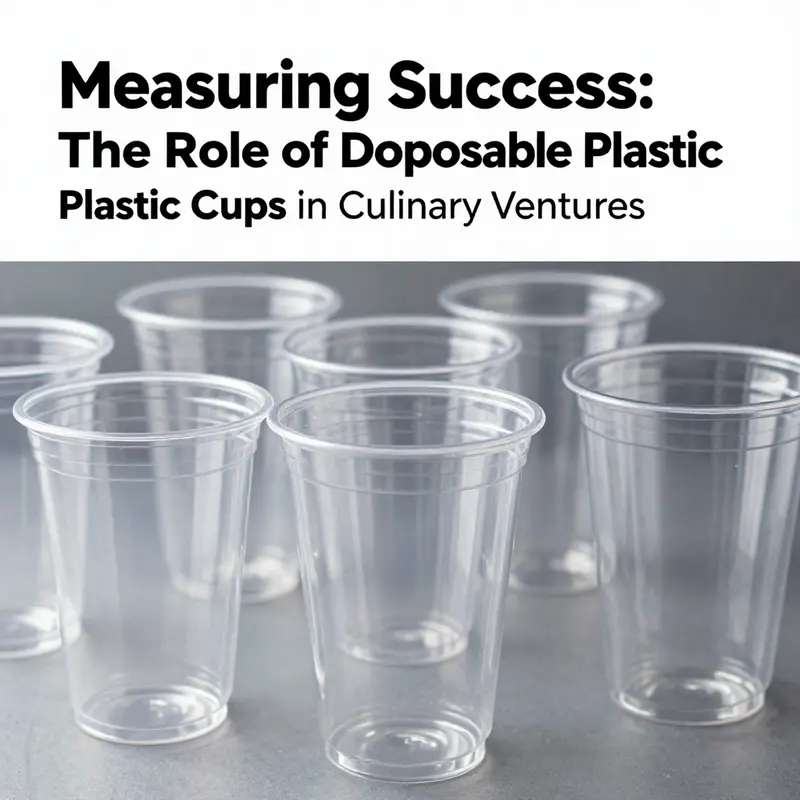
Disposable plastic cups equipped with measurement markings perform a deceptively complex job. They must display volume clearly, resist chemicals, survive handling, and often meet food-safety standards — all while remaining cost-effective and lightweight. The material chosen for a cup is the single biggest factor that determines how well it fulfills these requirements. This chapter explains how common plastics and newer alternatives shape clarity, thermal tolerance, dimensional stability, recyclability, and the precision of printed or molded measurement scales.
At a practical level, material selection starts with visibility. Accurate reading of a meniscus depends on transparency and surface finish. Polymers such as polyethylene terephthalate (PET) and polystyrene (PS) offer high optical clarity, so measurement lines and liquid levels are easy to see. PET gives a glasslike appearance that helps the eye find exact volume marks. Polystyrene, especially in its crystal grades, also provides crisp clarity at a lower cost. However, clarity alone does not guarantee suitability; rigidity and resistance to deformation under load matter for repeatable readings. A flexible cup can bulge and distort scales, producing inaccurate pours. For this reason, many measured cups pair optically clear materials with a level of stiffness that keeps dimensions stable during handling.
Thermal performance is another defining factor. Some applications require hot liquids or exposure to warm mixing environments. Polypropylene (PP) stands out for heat resistance. It retains stiffness and dimensional accuracy at higher temperatures than many other common disposables. That makes PP a preferred choice for measured cups used with hot soups, warm sauces, and some industrial mixes. By contrast, PET and PS soften at moderate temperatures and can warp or release chemicals when heated. High-density polyethylene (HDPE) performs well at moderate cold temperatures and resists impact, but it is typically opaque, which limits its use where visual measurement is essential.
Chemical compatibility is a concern whenever cups are used for solvents, adhesives, or reactive mixes. Some resins and solvents can attack polystyrene, causing crazing or cracking that ruins the scale markings. Polypropylene and HDPE offer stronger resistance to many chemicals, extending the cup’s functional life for tasks such as mixing paints or resins. When precision is required for small volumes, such as 30 ml measuring cups, manufacturers often choose PP or copolymers that balance clarity with solvent resistance. Matching the polymer to the chemical profile of the intended use reduces the risk of swelling, leaching, or loss of printed graduations.
Printing or molding measurement marks presents its own material-driven constraints. Scales can be applied as printed ink, heat-debossed marks, or molded-in graduations. Ink adheres best to polymers with smooth, non-porous surfaces. PET and PS accept fine screen printing easily, enabling small, precise graduations in milliliters and fluid ounces. For molded marks, crystallinity and thermal shrinkage during cooling are critical. Materials with predictable shrink rates, such as PP, allow manufacturers to calibrate mold dimensions to produce accurate molded graduations without post-production adjustments. However, molding fine marks into very thin walls requires rigid resins that will not flex excessively in service.
Dimensional tolerance and wall thickness are also controlled by polymer choice. Thinner walls save material and cost but increase susceptibility to deformation and measurement error. Materials with a higher modulus — that is, stiffness per unit of thickness — permit thinner designs while maintaining accuracy. Polystyrene and some grades of PET have higher modulus values than HDPE and can hold tight tolerances with less material. For bulk catering cups like 20 oz sizes, manufacturers often choose a balance of stiffness and impact resistance to prevent cracks while keeping walls thin for cost efficiency.
Environmental and regulatory pressures increasingly influence material decisions. Recyclability, compostability, and the carbon footprint of raw materials are now part of the evaluation. HDPE and PP are widely recyclable where infrastructure exists, and their recycling streams are well established. PET recycling is also mature, especially for clear beverage containers. Polystyrene poses more recycling challenges and faces bans in some jurisdictions, driving manufacturers to consider alternatives. Bioplastics such as polylactic acid (PLA) offer a compostable option, but PLA’s heat tolerance is low and its clarity can be affected by crystallinity. For measured cups intended for hot liquids or sterilization, PLA may not be a viable choice.
Beyond entirely different polymers, hybrid constructions also appear on the market. Some manufacturers laminate a clear PET or PP outer layer with a recycled fiber core to improve stiffness while increasing recycled content. Others add thin coats or coatings to improve barrier properties or ink adhesion. Each additional layer or additive changes how measurement marks are applied and read, and it can complicate recycling unless the cup is designed for easy separation or single-stream processing.
User safety and hygiene factor into material selection as well. Food-contact certifications guide which resins are acceptable for beverages and edibles. Certain additives, plasticizers, or colorants are restricted in food-contact polymers. Manufacturers must select base resins and approved additives that do not migrate into the liquid under normal conditions. This requirement limits both the types of polymers and the additives available for measured cups. For single-use applications where sterilization is not required, materials are chosen to be nucleated and stable without needing post-processing that might compromise food safety.
Longevity and intended reuse also matter. Although these cups are often single-use for hygiene reasons, some designs tolerate limited reuse. PP and HDPE stand out for repeat use due to heat and chemical resistance. PET is less tolerant of reheat cycles and can craze when scrubbed aggressively. If a measured cup is intended to serve as a reusable tool — for example, in a small laboratory or a craft studio — designers typically spec PP or a higher-grade cyclic olefin copolymer to ensure the dimensions remain accurate over multiple uses.
Manufacturing considerations influence material selection as well. Injection molding, thermoforming, and extrusion-blow molding each favor different polymers and produce distinct wall thicknesses and surface finishes. Thermoforming often uses PET and PS for clarity, delivering thin, transparent cups with printed scales. Injection molding supports molded-in graduations and more complex geometries but is costlier per unit for thin-walled designs. Molded-in marks in PP are durable and resist wear, whereas printed ink marks on PET may degrade if solvents are present.
Finally, practical safety guidance relates to material limits. Cups made from PET and PS should not be used at high temperatures. PP and some HDPE grades handle warmth more safely. When selecting a measured disposable cup, always confirm the material and the manufacturer’s guidance for hot liquids, microwaving, and dishwasher use. These specifications safeguard both accuracy and user safety.
Balancing clarity, stability, thermal tolerance, and sustainability demands nuance. A measured cup for cold beverage portion control may benefit most from PET for visibility and fine printed scales. A cup for hot soups or accurate small-volume mixing may call for PP for heat resistance and molded-in marks. If recyclability matters most, HDPE or PP with clear recycling labels and puckered supply chains will perform better than PS. Emerging biodegradable materials add options, but they introduce trade-offs in heat resistance and recycling compatibility.
For businesses exploring alternatives to plastic measured cups, paper-based solutions designed for liquid service have improved barrier coatings and structural designs. An example of such an option is the 8oz plastic-free single-wall paper cup, which provides a compostable alternative for certain cold and ambient-temperature uses. The presence of such alternatives influences procurement decisions when environmental goals are prioritized.
Material selection governs not just how a disposable measured cup looks, but how reliably it measures, how safe it is to use, and how it fits into waste-management systems. Understanding the strengths and limits of PET, PS, PP, HDPE, and newer bioplastics allows decision-makers to choose the right cup for the job, reducing measurement error, improving user safety, and aligning with sustainability goals.
Source: https://www.plasticcupguide.com/one-time-plastic-glass-guide/
Related alternative: 8oz plastic-free single-wall paper cup – https://greendispopack.com/product/best-price-8oz-double-plastic-free-single-wall-paper-cup/
Measured Demand: How Market Forces Are Reshaping Disposable Plastic Cups with Measurements
Measured Demand: Market Forces and What They Mean for Cups with Measurement Marks
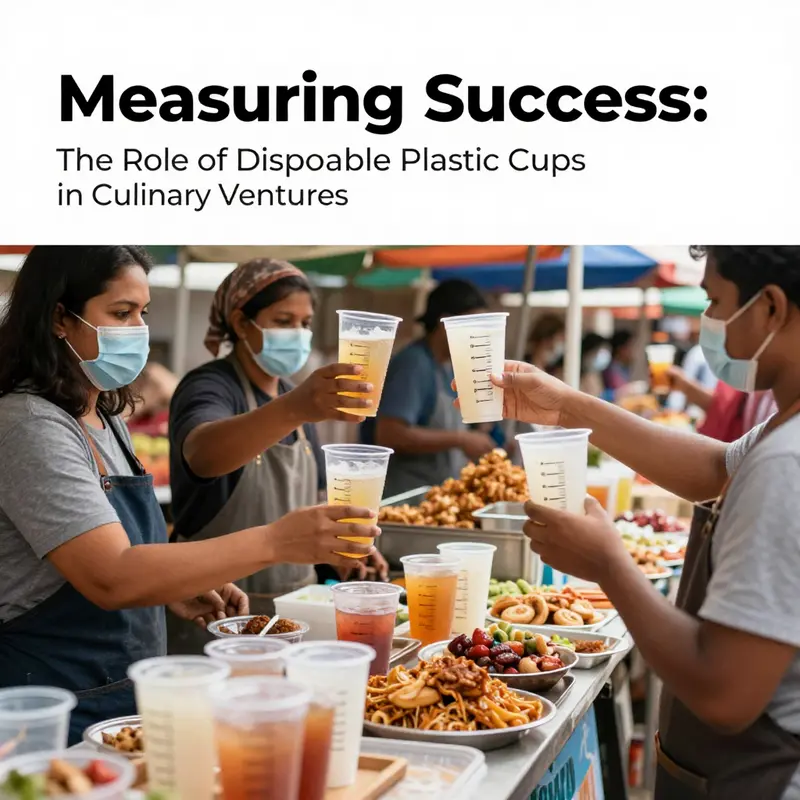
The market for disposable plastic cups with measurement markings has moved beyond simple unit sales. It now reflects deeper forces: changing consumer habits, regulatory pressure, and rapid material innovation. These cups were once valued mostly for convenience and low cost. Today they must also deliver clarity, compliance, and a credible environmental story. This shift affects small 30 ml measuring cups used for resin and baking, and larger 20 oz serving cups used by beverage chains and delivery platforms.
Consumption patterns are telling. The food and beverage sector still drives nearly half of demand. Quick-service and delivery platforms rely on single-use containers for hygiene and logistics. Yet the products they choose are now judged on aesthetics and function as much as price. Measured cups require transparent walls and accurate, durable markings in milliliters and ounces. That precision matters for portion control, recipe consistency, and chemical mixing. For small-scale users in crafts and labs, a 30 ml cup with a clear gradation can be the difference between a successful mix and a failed batch. For cafes and beverage outlets, a 20 oz cup with easy-to-read markings ensures portion accuracy and reduces waste.
Regional production and consumption are concentrated. East China remains the dominant manufacturing cluster, responsible for over a third of national output. A handful of provinces supply most capacity, creating strong supplier networks and efficient logistics. This concentration benefits large buyers who require consistent quality at scale. It also means regulatory changes in these hubs ripple quickly through the supply chain. Local bans and stringent waste-management rules have already forced rapid shifts in material selection and product design.
The most consequential trend is material transformation. Traditional plastics, like polypropylene and polystyrene, are losing ground because of tighter legislation aimed at reducing plastic pollution. Demand for those materials fell sharply in recent years. In contrast, biodegradable polymers such as PLA and PBAT are growing fast. Cities that enforce strict bans show double-digit declines in conventional cup sales and dramatic increases in bioplastic adoption.
This change is not purely environmental theater. Biopolymers pose real technical challenges. They must remain transparent enough for accurate measurement reading. They must resist cracking or warping during storage and use. And they must withstand contact with a variety of liquids, including hot beverages, without compromising structural integrity. Achieving all of this raises production costs. That cost differential is a central strategic problem: buyers want sustainable options but operate with tight margins.
Industry structure is adapting. Market consolidation favors large manufacturers with high annual capacities. These firms can invest in new production lines, quality control systems, and certification processes. They also negotiate better prices for raw materials and amortize R&D across larger volumes. Smaller enterprises still exist in significant numbers, but they struggle to compete on certification, material switches, and compliance costs. Over time, this results in fewer, larger players who can meet both regulatory demands and the quality expectations of premium beverage brands.
Beyond materials, product design is evolving to create value. Measured cups are being reimagined as part of a broader product-service ecosystem. Digital tracing and lifecycle tags enable tracking from production through disposal. These systems allow brands to claim verified recycling or composting streams. Printing measured markings now often includes QR codes or batch identifiers. These additions let operators and consumers check compostability claims and confirm the cup fits local waste systems.
Another innovation is the integration of measurement markings with marketing and operational tools. Cups can serve as instruments for private domain engagement. Measured markings double as brand communication zones and functional guides. For example, measured tiers can recommend pour levels for different beverages or ingredients. This merges product utility with customer guidance. It is particularly relevant for the fast-evolving premium beverage segment, where experience and instruction both drive repeat purchases.
Cost reduction remains a major focus. Producers invest in scale, improved biopolymer synthesis, and hybrid materials that balance performance with compostability. Some manufacturers explore thin multi-layer structures that preserve clarity while reducing bioplastic content. Others invest in supply chain partnerships to secure biopolymer feedstocks at stable prices. Until production costs converge more closely with traditional plastics, widespread replacement will be limited by buyer economics.
Policy and the broader sustainability agenda will shape winners and losers. National and local rules are tightening, but they vary in pace and scope. The strategic question for manufacturers and buyers is whether to back paper-based cup replacements or advanced bioplastics. Paper solutions have traction, especially when paired with compostable liners. They perform well in hot beverages and carry strong consumer recognition. However, paper often lacks the transparency needed for measured cups. Measured clarity matters in many use cases, from laboratory dosing to layered cold drinks where visual appeal matters. Advanced bioplastics preserve transparency and measurement visibility while lowering environmental impact, if managed correctly.
The future will likely be mixed. In contexts where visibility and precise volume markings are essential, bioplastics and hybrid solutions will dominate. In other use cases, paper-based systems will take market share. Successful suppliers will be those who offer a portfolio approach. They will give buyers choices calibrated to specific applications: a clear PLA cup for precise measurement, a coated paper cup for hot drinks, and compostable pulp bowls for bulk foods. Suppliers who can couple material choices with lifecycle services will be best positioned to capture demand.
For buyers and specifiers, the implications are concrete. Evaluate cups not only on unit price, but on lifecycle cost and compliance risk. Demand verified compostability certifications and request stability data for printed measurement marks. Insist on supplier transparency about material sourcing and end-of-life pathways. Consider pilot programs that test bioplastic cups in different regions to map performance against local waste infrastructure. A measured approach to adoption reduces risk and reveals which solutions work in practice.
Finally, innovation will continue at the intersection of measurement, convenience, and sustainability. Expect to see more durable, clear bioplastic cups with accurate, fade-resistant markings. Expect integrated data tools that connect measured cups to brand loyalty and waste recovery programs. And expect supply chains to further consolidate around firms that can navigate regulation and scale clean production.
For a snapshot of global trends in disposable cups, including market-size breakdowns by type, consult authoritative market research sources such as Statista: https://www.statista.com/statistics/1449751/global-disposable-cup-market-size-by-type/.
For buyers exploring alternatives that pair sustainability with usability, consider reviewing available paper cup options such as eco-friendly single-wall paper cup options for cases where transparency is less critical: https://greendispopack.com/product/best-price-8oz-double-plastic-free-single-wall-paper-cup/.
Measured Convenience, Hidden Costs: Environmental Risks of Disposable Plastic Measuring Cups
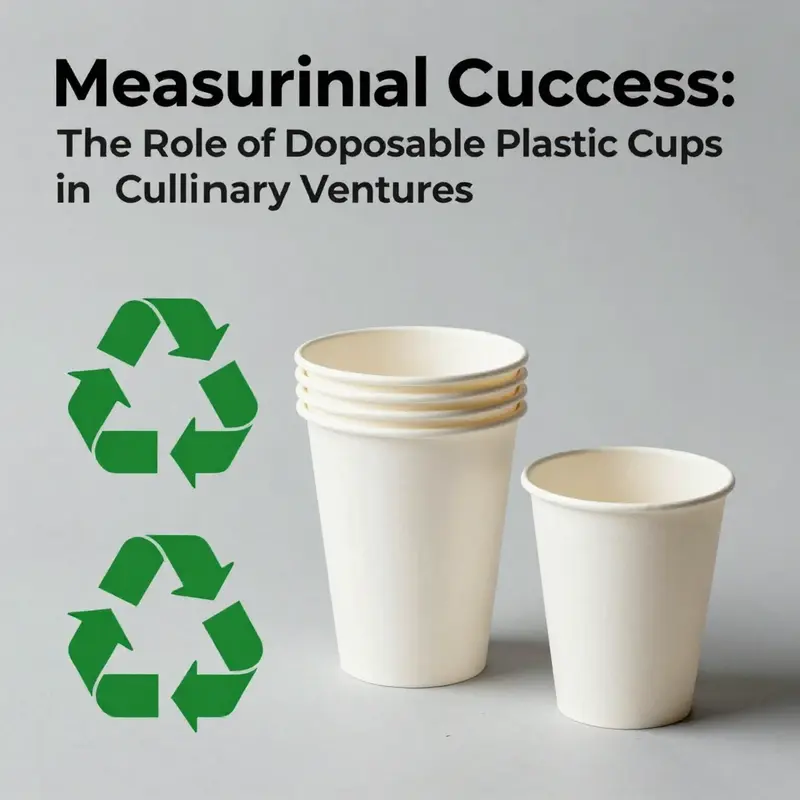
Measured Convenience, Hidden Costs: Environmental Risks of Disposable Plastic Measuring Cups
Disposable plastic measuring cups promise precision and speed. They are clear, graduated, and familiar across kitchens, workshops, and event tents. Yet beneath their practicality lie environmental costs that are often invisible at the point of use. This chapter traces those costs from raw materials through end-of-life, and it outlines practical shifts that reduce harm without sacrificing the measurement reliability that users depend on.
Most disposable measuring cups are made from petroleum-derived polymers. Common types include PET, polystyrene, and polypropylene. Each has distinct properties that make it useful for measurement tasks. PET offers clarity, polystyrene is inexpensive and rigid, and polypropylene tolerates moderate heat. Those qualities help users read graduations, pour accurately, and mix small batches of adhesives, paints, or recipes. But those same polymers lock measurements into a lifecycle tied to fossil fuels and energy-intensive processing.
Production begins with extraction. Fossil feedstocks are refined and polymerized into resin. That stage releases greenhouse gases and consumes energy. The clearer and stiffer a cup is, the more processing it may require. Additives for clarity, impact resistance, or texture can further complicate recycling. In the aggregate, manufacturing millions of single-use measuring cups generates a measurable carbon footprint. For applications that require only occasional measuring, that footprint often outweighs alternatives over time.
After use, disposal reveals another problem: contamination. Measuring cups used for food, paint, resin, or adhesives rarely return to pure streams. Residual food fats, sticky residues, and chemical contaminants reduce the value of a recovered polymer. Recycling systems depend on clean, homogeneous materials. When a used measuring cup is contaminated, it is more likely to be rejected at sorting facilities and sent to landfill or incineration. The effect is a dramatic drop in real-world recycling rates compared with theoretical recyclability.
Material choice changes both function and fate. Clear PET cups are ideal for cold liquids and show measurement lines clearly. They are not robust against heat and can warp above typical warm thresholds. Expanded polystyrene is lightweight and cheap but fragments easily, creating microplastic pollution that spreads through waterways and soils. Polypropylene endures higher temperatures and repeated washing more effectively, but mixed-polymer streams are challenging for facilities to separate and recycle. Compostable bioplastics, such as polylactic acid derived from starches, avoid fossil feedstocks, but they bring conditional benefits. If such a cup enters an industrial composting stream, it can break down under controlled conditions. If it lands in landfill, it behaves like conventional plastic and contributes to long-term waste.
Life-cycle studies underscore that no single material is ideal for all scenarios. A comprehensive assessment accounts for feedstock production, manufacturing energy, transport, use patterns, and end-of-life pathways. When composting infrastructure exists and contamination is minimal, biobased alternatives can reduce measured climate impacts. When recycling collection and sorting are efficient, lightweight polymer cups with higher recyclability can perform better on global warming metrics than heavier alternatives that require intensive processing. The nuance means simple labels—”recyclable” or “biodegradable”—do not guarantee lower environmental harm. Context determines outcomes.
Behavior and system design shape that context. Frequent reuse reduces per-use impacts rapidly. For high-volume settings like offices, schools, or festivals, switching to durable, washable measuring tools makes an immediate dent in waste. Choosing reusable cups requires initial investment and a commitment to cleaning protocols. That trade-off usually pays off. Reusable items that are dishwasher-safe and resilient reduce repeat purchasing and the embedded emissions of single-use items.
At the same time, not every setting can adopt reusables easily. Medical, laboratory, and certain food-safety contexts require single-use items for hygiene. There, material selection and waste handling become more important. Facilities can reduce harm by specifying polymers that local recycling systems accept, and by providing on-site cleaning or collection for contaminated items that are eligible for specialized processing. When compostable options are used, clear signage and dedicated collection are essential to prevent cross-contamination with conventional recycling.
Retail and wholesale procurement choices also matter. Bulk purchasing of larger, measured containers reduces packaging per unit of volume. When disposing is unavoidable, aggregated waste streams are easier to manage than widely dispersed single items. Event organizers can pair measured portions with collection points and signage to channel cups into the most appropriate end-of-life pathway. Where possible, offering incentives for returning measuring cups or setting up centralized washing stations can combine convenience with lower environmental impact.
Technology and material innovation are part of the solution. Manufacturers can reduce polymer use by thinning walls without compromising rigidity. They can design measurement markings that remain readable after multiple cleanings, encouraging reuse. Standardizing polymer types used in measurement items simplifies sorting and increases the chance that a discarded cup can be recycled. Some alternatives combine plant-based fibers with thin polymer coatings to balance barrier properties and recyclability, but these hybrid constructions must be evaluated carefully because mixed materials can hinder recycling.
Policy and infrastructure complete the picture. Municipal recycling systems that accept, sort, and process the polymers used in measuring cups enable real-world recycling. Industrial composting facilities that can handle certified compostable cups translate bioplastic choices into actual biodegradation. Regulation that clarifies labeling requirements reduces consumer confusion and lowers contamination rates. For organizations, procurement policies that prioritize materials aligned with local waste systems avoid the traps of mismatched choices.
Practical steps for users are straightforward. First, evaluate how often a measuring cup is used. If use is frequent, adopt a durable, washable alternative. If single-use is necessary, choose a material that fits local disposal systems. Rinse lightly to reduce contamination and group similar materials before disposal. For decision-makers, build procurement criteria that include end-of-life compatibility and ask suppliers for clear material specifications. For large events and businesses, invest in separation and collection infrastructure or partner with waste handlers to ensure that measuring cups take the path that minimizes environmental harm.
Alternatives to conventional plastics also deserve attention beyond their promise. Paper-based disposable solutions can reduce fossil fuel dependence when produced sustainably and when their coatings and linings are recyclable or compostable. For those exploring such options, learning how they perform in practice helps avoid unintended consequences. One example of a paper-based alternative positioned as plastic-free is available for review here: plastic-free single-wall paper cup alternative. Use such options where local facilities support their intended end-of-life.
Reducing the environmental burden of disposable measuring cups requires layered action. Material choices matter, but so do cleaning protocols, procurement rules, waste collection, and public infrastructure. The clearest gains come when users match the cup type to the disposal pathway and when systems are designed to capture and process materials effectively. Measured convenience becomes sustainable only when the full lifecycle is measured and acted upon.
For readers seeking the science behind these trade-offs, a recent life-cycle assessment examines how material choices and end-of-life scenarios change global warming outcomes for disposable cups. The study provides detailed comparisons and modeling that clarify where substitution or infrastructure improvements yield the most benefit: https://www.sciencedirect.com/science/article/pii/S0956053X24002518
Measured Moments: The Cross-Industry Impact of Disposable Cups with Marked Measurements
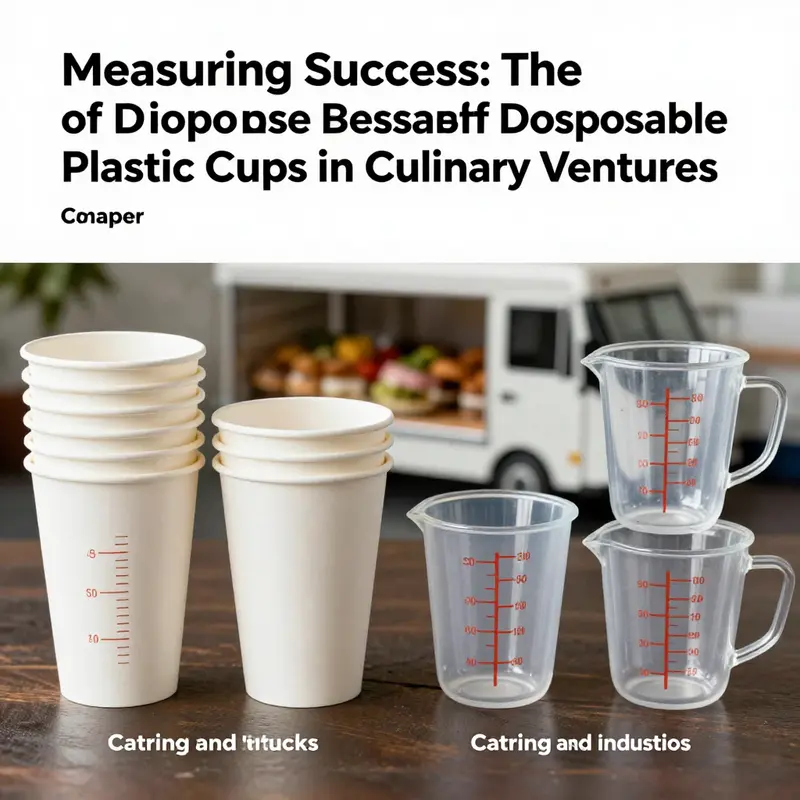
Measured precision has become a quiet backbone of modern operations, stitched into the everyday act of pouring, mixing, and portioning through disposable cups that bear clear measurement marks. These small vessels, often transparent and rigid, do more than hold liquids or pastes; they encode trust in a readable language of units, from milliliters to ounces, sometimes even up to whole cups. The spectrum of applications—ranging from the kitchen counter to a busy lab bench and into the more industrial corners of manufacturing and formulation—rests on three pillars: material choice, the clarity of the markings, and the reliability of the scale itself. In many contexts, a single cup aligns with a precise recipe, a carefully calibrated mixture, or a safety-critical procedure. The most common milestones in the industry landscape are shaped by how these cups are constructed: their material, their graduations, and their thermal limits. For instance, cups designed for small volumes—such as 30 ml or 50 ml markings—are staples in resin art, culinary micro-measurements, and diagnostic or testing workflows. The interplay between readability and durability is not merely a convenience; it defines consistency, reduces waste, and ultimately informs the quality of the final product. A quick survey of typical offerings shows that these cups come in a range of capacities—4 oz, 8 oz, 12 oz, 16 oz, 20 oz, and even 32 oz in many catalogs—each paired with graduated scales that appear in both metric and imperial units. While some of these cups are designed for single-use hygiene in high-turnover settings, others are built with materials that invite cautious reuse in environments where sanitation standards permit it. The material story matters as much as the scale story. Polypropylene (PP) and polystyrene (PS) lead the field in food service and general consumer use because of clarity, cost, and thermal behavior. PP, renowned for heat resistance, offers a practical upper limit that makes hot beverages tolerable—temperatures well above room heat can be managed without deforming the cup or distorting the scale. PS, with its high clarity, often features prominently in cold beverage service where the display of color and opacity is valued. But the material choice also carries a caution: not all disposable cups are microwave-safe or dishwasher-safe, and the presence of PET in some lines can complicate high-heat handling. In every case, resolving the question of “will this cup hold up under my workflow?” begins with examining the marked scales and the conditions under which they endure wear, sterilization, or chemical exposure. The stakes of measurement accuracy extend beyond taste or appearance; they affect recipe fidelity, safety margins in chemical formulations, and the predictability of automated handling in laboratory or manufacturing lines. The absence of a reliable marking system can cascade into misreads and missteps, creating downstream waste, delays, and reputational risk. This is why the discussion around disposable cups with measurements needs to be anchored not only in the visible marks but in the engineering that keeps those marks stable across use, transport, and time. A reader can imagine a café barista pouring a hot drink into a PP cup while weighing the margins of a custom syrup blend, or a lab technician drawing a minute volume for a diagnostic reagent with laser-etched indicators that resist fading during sterilization cycles. The common thread across these scenes is trust in the scale: the confidence that the measurement shown on the cup is what it truly is, not a blurred or misread print, not a misalignment due to a deformed rim, not an error born from a hurried glance at a partially obscured mark. This is where the ‘disposable’ aspect intersects with precision. In the food and beverage sector, the most frequent sizes—4 oz to 32 oz—are chosen not only for consumer appeal but for the practical requirements of portion control, consistent serving, and speed. A 12 oz disposable PP cup, for instance, is a standard that supports rapid service while maintaining the possibility of hot beverage use, thanks to its heat tolerance. The marks may appear in both ounces and milliliters, sometimes with a third reference point in cups, enabling a quick cross-check under time pressure. In a busy café, these markings translate a recipe into a real-world portion with minimal cognitive load, a feature that preserves consistency across shifts and staff. The dual-unit approach—reading in mL alongside oz—also helps in standardized recipe execution, especially when ingredients are measured by volume and need to align with precise brand or culinary specifications. In many catalogs, the emphasis lies on readability and reliability; this is why laser-etched or ink-printed scales are favored, provided they can withstand the rinse cycles of a bustling service or a sterilization regime in professional kitchens where cross-contamination is a concern. The medical and laboratory arena introduces a different, more exacting standard. Here, disposable cups function as vessels for samples, reagents, or calibration solutions rather than beverages. The cups are often sized between 1 mL and 10 mL and are crafted to tight tolerances, with scales that survive chemical exposure and the rigors of automated handling equipment. In these environments, the markings may be laser-etched or printed with FDA-compliant inks and then sealed to resist fading during exposure to cleaning agents and sterilization processes. Accuracy becomes a question of instrument compatibility and process integrity. These cups serve as components in larger workflows, where a tiny misreading can derail an entire analytical run or the throughput of a diagnostic platform. The molecular precision demanded here is a reminder that the measure on the cup is not just a guide; it is a controlling parameter in a sequence of operations that can influence patient outcomes or the quality of a test result. Industrial applications extend the scope even further. When paints, epoxies, or solvents are tested or formulated, the ability to measure small volumes accurately can determine the correctness of a mixture that defines the performance of a product or a coating. In such cases, disposable cups frequently carry dual-unit graduations and scales calibrated in milliliters, cubic centimeters, and occasionally in fraction-based cup units. The plastics used for these tasks, often HDPE or PP, provide chemical resistance and structural integrity that support safe handling of potentially hazardous substances and enable repeated use within hygienic or disposable constraints. The central requirement remains precise, repeatable measurements that translate into stable formulations and predictable outcomes. Pet care and consumer goods markets bring a different emphasis: branding, cost per unit, and usability harmonize with the familiar need for readable graduations. In bulk production, a 12 oz or 20 oz cup might be chosen for ease of handling and compatibility with quick-dispense systems. While these cups may feature printed markings rather than laser-etched scales, the readability requirement persists, as does the challenge of maintaining legibility after repeated handling, labeling, and exposure to household cleaners. The environmental implications of disposable cups with measurements cannot be ignored. The convenience of disposables is increasingly weighed against waste generation and material sustainability. Policy conversations in several regions—such as planned cup-by-cup pricing and broader moves toward recyclable or biodegradable plastics—underscore a shift in how industries think about measurement tools. It is not merely about the accuracy of the scale; it is about the lifecycle of the cup itself. The market response includes higher emphasis on recyclable plastics, alternative polymers with improved heat resistance, and the development of reusable cup programs that preserve the benefits of measurement while reducing waste. In this evolving landscape, a practical approach to selecting measurement cups balances several factors: the temperature exposure expected in use, the chemical compatibility with substances being measured, the explicitness and durability of the scale, and the feasibility of recycling or reuse within the operation’s hygiene guidelines. A comprehensive decision framework also recognizes that different sectors tolerate different levels of cost versus durability. In food service, cost efficiency and speed may take precedence, yet these cups must still deliver reliable readings for portion control. In clinical or laboratory settings, the priority shifts toward precision and compatibility with automation, even if that means accepting higher costs for laser-etched markings and sterile manufacturing. In industrial contexts, resistance to solvents and mechanical durability are critical. And in consumer-facing applications, branding and readability take center stage, with environmental considerations increasingly guiding supplier choices. For those who want to explore more about practical options and product configurations, one useful internal reference points to a range of disposable cups tied to practical everyday use and packaging considerations, such as this example: disposable-kraft-thick-paper-cup-for-hot-drinks. While not a perfect substitute for plastic measuring cups, it illustrates how packaging decisions are shaped by readability, branding, and the consumer experience, and it hints at a broader ecosystem where measurement and material choice intersect with sustainability goals. In the broader discourse about where measurement cups fit, it is important to consider how readers access information and how they translate it into practice. The literature and product catalogs often emphasize the need for robust marking systems, legible typography, and scales that withstand real-world conditions. Markings that fade after repeated washing or exposure to solvents can compromise accuracy, which in turn undermines the reliability of a workflow. A well-designed cup, therefore, is not simply a passive container; it is an instrument calibrated for the task at hand. The place of measurement in this context is not an abstract ideal but a practical standard that guides behavior across industries. When readers look at the cups on a shelf or in a supplier catalog, they should ask themselves: Will the markings remain clear after the expected exposure to heat, moisture, chemical agents, or abrasion? Is the cup compatible with the intended environment—hot beverages, cold beverages, resin mixing, or sterile laboratory workflows? Do the marks convey the necessary units with unambiguous clarity and without requiring conversions in the moment of use? These questions, asked before purchase, help ensure that the cup supports reliable operation rather than becoming a source of confusion. The ongoing evolution in this space is driven by both demand for precision and a push toward sustainability. The industry is gradually embracing solutions that preserve readability—such as laser-etching and UV-stable inks—while also prioritizing recyclability, reduced plastic usage, and the exploration of alternative materials. Readers who navigate this landscape will find that the decision to use a measured disposable cup is a decision about process reliability as much as material science. The cross-industry relevance of these cups lies in their ability to convert a moment of measurement into a reproducible outcome, whether that outcome is a perfectly tempered beverage, a precise chemical formulation, a clean diagnostic output, or a sealed, ready-to-use sample for subsequent testing. The thread that ties all these contexts together is clarity: a cup that tells, at a glance, exactly what it contains and how much of it there is. As the field evolves, the emphasis will continue to be on marks that endure, plastics that resist chemical attack, and systems that support sustainable practice while preserving the integrity of measurement in high-speed workflows. External resource for further reading: https://www.amazon.com/s?k=disposable+plastic+cups+measuring
Final thoughts
The integration of disposable plastic cups with measurements into the culinary sector offers a multitude of benefits, enhancing accuracy and efficiency in various applications from baking to beverage service. As trends indicate a growing demand, it is essential to consider the materials used, the environmental impact, and the unique requirements of different industries while making sourcing decisions. By choosing the right disposable cups, businesses can elevate their service standards, contribute to sustainability, and ensure customer satisfaction.