
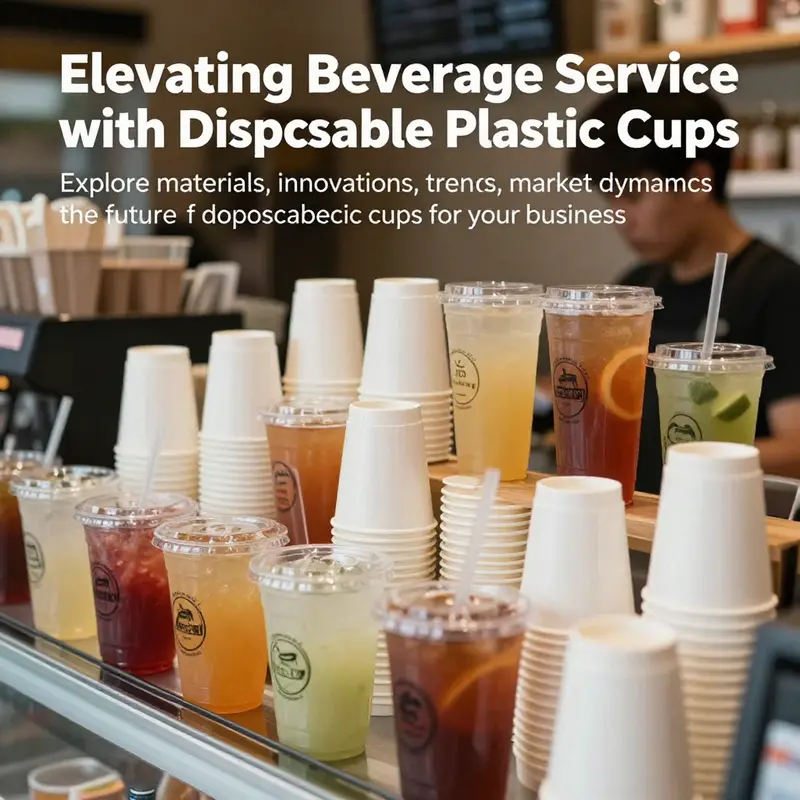
In the ever-evolving landscape of food and beverage service, disposable plastic cups play a vital role in enhancing efficiency and convenience. Whether you’re a bubble tea shop, a trendy beverage chain, or a catering service, understanding the materials, environmental impact, innovations, and market dynamics surrounding disposable plastic cups is essential. This article provides insights into the strengths and weaknesses of various materials, looks at the growing emphasis on sustainability, identifies the latest trends, and examines market dynamics—enabling you to make informed choices that cater to both customer satisfaction and environmental stewardship.
null
null
Lifecycle Contradictions: Weighing the Environmental Cost of Disposable Plastic Cups

Lifecycle Contradictions: Weighing the Environmental Cost of Disposable Plastic Cups
Disposable plastic cups are practical and ubiquitous. They move quickly from factory to hand to waste bin. That speed makes them convenient. It also hides a complex environmental picture. A single comparison can produce surprising results. Life cycle assessments (LCAs) often rank polypropylene (PP) cups as lower-impact than paper cups. Yet PP cups remain sources of long-term pollution. Reconciling these facts requires a nuanced look at production, use, and end-of-life.
LCA studies measure resource use, energy consumption, and greenhouse gas emissions across a product’s life. For disposable cups, those stages include raw materials, manufacturing, transportation, use, and waste management. In many LCAs, PP cups show advantages in energy and water intensity. They typically require less energy to produce than PE-coated paper cups. They also avoid the layered construction that complicates recycling of paper cups. Those differences often translate into lower carbon emissions per cup when the full life cycle is measured.
This does not mean PP cups are harmless. They are derived from fossil fuels. Their production emits greenhouse gases and consumes non-renewable feedstocks. More importantly, PP does not biodegrade in natural environments. When mismanaged, PP cups persist in landfills and ecosystems for centuries. Microplastics and transported litter are tangible harms that an LCA focused on carbon or water use may understate. In short, LCAs capture many crucial metrics but can miss long-lived pollution impacts.
The contradiction becomes clearer when comparing short-term footprints to long-term harm. A PP cup may produce fewer emissions during manufacture. Yet its potential to become persistent litter can create ecological and economic costs that are hard to quantify. Harm to wildlife, aesthetic degradation of natural spaces, and costs for municipal clean-up all accumulate. These impacts may not show up in the primary LCA indicators that favored PP. Decision-makers must weigh both the immediate resource impacts and the longer-term environmental liabilities.
End-of-life pathways are central to this balance. Recycling offers a potential mitigation for plastic’s persistence. In practice, however, disposable PP cups are rarely captured by municipal recycling systems. They are often lightweight, contaminated with food or drink, and difficult to separate from other waste streams. Many recycling facilities are not equipped to process thin plastic cups efficiently. The result is low recycling rates and a high share of cups destined for landfill or incineration. Even when incineration recovers energy, it emits carbon and may release toxic byproducts when plastics are involved.
Paper cups tell a parallel, complex story. Their fiber base is renewable, and paper is widely recycled. Yet paper cups frequently use plastic linings or coatings to prevent leaks. Those linings complicate recycling and can force paper cups into residual waste despite the renewable material inside. The manufacturing of paper cups can also demand more water and energy than PP cups. Thus, a simple ‘paper equals good’ assumption fails under scrutiny. Alternatives that remove plastic linings, or use truly compostable linings, aim to bridge that gap, but they rely on industrial composting infrastructure that is not universally available.
Bioplastics and compostable cups offer another path. Materials such as polylactic acid (PLA) promise compostability and lower fossil-derived content. In controlled industrial composters, these materials can break down. However, PLA and similar polymers often require high temperatures and specific conditions that backyard compost piles cannot provide. If compostables enter regular recycling streams, they can contaminate and reduce the value of recovered plastics. Moreover, some bioplastics still derive from intensive agricultural feedstocks, raising trade-offs related to land use and fertilizers.
A broader perspective reframes the conversation. Instead of seeking a single material that solves all problems, it helps to think in terms of systems. The cup’s environmental performance depends on where and how it is used, how waste systems are structured, and how consumers behave. For example, in a large stadium with on-site material recovery and established composting, a compostable cup can outperform a conventional plastic cup. In a small café without separation systems, a sturdier PP cup that avoids contamination may be the better option from a lifecycle emissions perspective. Local conditions matter.
Beyond material selection, reuse strategies change the equation. Reusable cups have higher upfront footprints from stronger materials and more intensive manufacture. But these footprints amortize across multiple uses. If a reusable cup is used many times, its per-serve environmental cost often becomes lower than that of disposables. This is true across many metrics. The critical factor is actual reuse rates. Systems that encourage reuse—deposit-return schemes, incentivized exchanges, and durable drinkware in workplace or campus settings—turn potential savings into real reductions.
Policy levers reinforce those outcomes. Bans on certain single-use plastics can reduce litter but may shift demand toward alternatives. Effective policy couples restrictions with infrastructure investment. Investment in sorting facilities, targeted collection, and industrial composting increases the chances that greener materials deliver on their promise. Extended producer responsibility (EPR) schemes shift waste management costs back to manufacturers. When brands internalize disposal costs, they gain an incentive to redesign packaging for recyclability and reusability.
Brands and buyers have a role too. Customization and branding remain popular with disposable cup buyers. Custom-printed disposable solutions can increase visibility and customer loyalty. Yet companies increasingly weigh branding gains against sustainability commitments. Choosing materials that align with local waste systems prevents greenwashing and reduces downstream costs. In markets where composting exists, using certified industrial compostable cups makes sense. In others, choosing recyclable or easily washed reusable options is wiser. Clear labeling and consumer education help too. Better-informed users make better disposal choices.
Practically, businesses can take several steps to reduce the environmental burden of disposable cups. First, audit the local waste infrastructure. Know which materials are recyclable, compostable, or likely to land in mixed waste. Second, choose cup materials that match that infrastructure. Third, minimize single-use through reusable programs and incentives. Fourth, design procurement standards that require suppliers to disclose lifecycle data and end-of-life options. Lastly, communicate with customers. Simple messages about where to dispose of different cups reduce contamination and increase recovery rates.
Shifting consumer habits matters. Small changes scale quickly. Encouraging a refill culture at events and facilities lowers reliance on disposables. Incentives, such as small price discounts for reusable cups, work well. Deposit-return schemes create a financial reason to return and reuse. When combined with clear collection points, these measures cut litter and recover materials for reuse. Education campaigns that explain why certain cups must go into specific bins reduce contamination. Over time, consistent messaging changes norms.
The science that favored PP in some LCAs remains useful. It shows that not all disposables are equal. It also highlights a risk: focusing only on production metrics can underplay long-term pollution. The best response is pragmatic: match material choices to local systems, prioritize reuse where feasible, and invest in collection and processing. Equally, avoid one-size-fits-all prescriptions. The most sustainable solution in one region may be impractical in another.
Visible progress combines design, infrastructure, and behavior. Producers designing for recyclability, municipalities investing in targeted recovery, and consumers choosing reuse or proper disposal together form a circular approach. In that circle, disposable plastic cups can still have a place without becoming a chronic pollutant. That balance requires deliberate action, not just better materials.
Ultimately, the conversation about disposable cups is less about declaring winners and losers. It is about aligning choices with system realities and long-term goals. LCAs provide critical evidence on resource use and emissions. Complementary assessments and monitoring must account for litter, persistence, and social costs. When businesses, policymakers, and citizens use both sets of data, they can make decisions that reduce climate impact and limit ecological harm.
For businesses exploring alternatives to conventional plastic cups, materials such as double plastic-free single-wall paper cups can be a viable option where recycling or composting is accessible. Consider that material selection should follow an audit of local processing capabilities and clear labeling to guide disposal.
External reference: Life Cycle Assessment of Disposable Plastic Cups and Paper Cups – ScienceDirect: https://www.sciencedirect.com/science/article/abs/pii/S0956053X10004257
Next‑Generation Disposable Plastic Cups: Materials, Design and Market Shifts
Materials, design and market shifts
The disposable cup sector is moving beyond simple convenience. New materials and clever designs are reshaping what a single‑use cup can deliver. Manufacturers now balance clarity, strength, thermal performance, and environmental impact. The result is a wave of products that look familiar, yet perform very differently under the hood.
Traditional clear cups made from PET still dominate many cold‑beverage applications. PET offers excellent transparency and stiffness. It performs well on automated filling lines. It is also highly recyclable when collected and sorted properly. Polypropylene cups suit thicker juices and hot fill processes. PP resists leakage and survives moderate heat. Both polymers are cost effective and lightweight. But regulatory pressure and consumer expectations pushed suppliers to explore alternatives.
Plant‑derived materials are one major avenue of innovation. Polylactic acid, or PLA, brings biodegradability and a lower carbon footprint when compared to fossil feedstocks. PLA cups can mimic the clarity of PET while introducing compostable claims under the right facilities. That promise spurred investment in new production lines and supply chains. Yet PLA has limits: it softens at relatively low temperatures and requires industrial composting for proper degradation. So manufacturers refine blends, coatings, and processing to close the performance gap.
A practical trend is hybridization. Producers combine recyclable plastics with bio‑based additives to preserve performance. The goal is to avoid multi‑material laminates that defeat recycling. Mono‑material solutions make mechanical recycling feasible. Clear rPET, produced from post‑consumer bottles, is becoming common in refillable and single‑use cup lines. Lightweighting — reducing wall thickness without sacrificing strength — lowers material use while improving transport efficiency. That reduces both cost and the carbon footprint per cup.
Design innovation now targets both user experience and backend waste management. Double‑walled cup constructions provide thermal insulation without sleeves. They trap air between walls to slow heat transfer. For cold drinks, insulated walls prevent condensation and improve grip. Straw cup designs evolved too. Wider openings and dual‑straw models answer social and functional needs. Split or compartment cups hold dips and sauces securely while remaining nestable for storage. These more complex geometries had been costly to produce. Advances in thermoforming and tandem molding lowered that barrier.
Functional improvements extend to lids and sealing systems. Leak‑resistant lids that click or snap into reinforced rims reduce spills and waste. Lids with integrated sips or push‑through seals limit contamination. For beverages served in self‑service settings, transparency remains a priority. Clear cups let servers and customers verify contents instantly. That visibility supports quality control and reduces waste from incorrect orders. It also helps the customer experience, which drives repeat business.
On the sustainability front, the market has become pragmatic. Companies no longer treat compostability or recyclability as interchangeable goals. Instead, they align material choice with local infrastructure. In regions with established industrial composting, compostable cups deliver real environmental benefits. Where mechanical recycling systems are robust, rPET cups yield a stronger circular outcome. This geographic realism leads to varied product lines tailored to different markets and regulations.
Design for recycling is now a basic requirement. That means avoiding mixed materials that are hard to separate. It also means clear labeling and standardized resin identification. Manufacturers seek mono‑material lids and cups so facilities can process them together. Where film or paper sleeves are necessary, they choose hot‑separable adhesives or easily removable components. Such small changes make a big difference in sorting plants, and they reduce contamination that sends material to landfill.
Innovation also addresses the lifecycle beyond material choice. Companies are exploring designs that reduce contamination and boost reuse where possible. For example, sturdier disposable cups can travel further in reuse pilots. They withstand multiple quick cycles and reduce the number of units consumed. While these hybrid reuse models are still emerging, they signal a shift away from the rigid single‑use definition. Industry pilots often pair optimized cups with deposit or return systems.
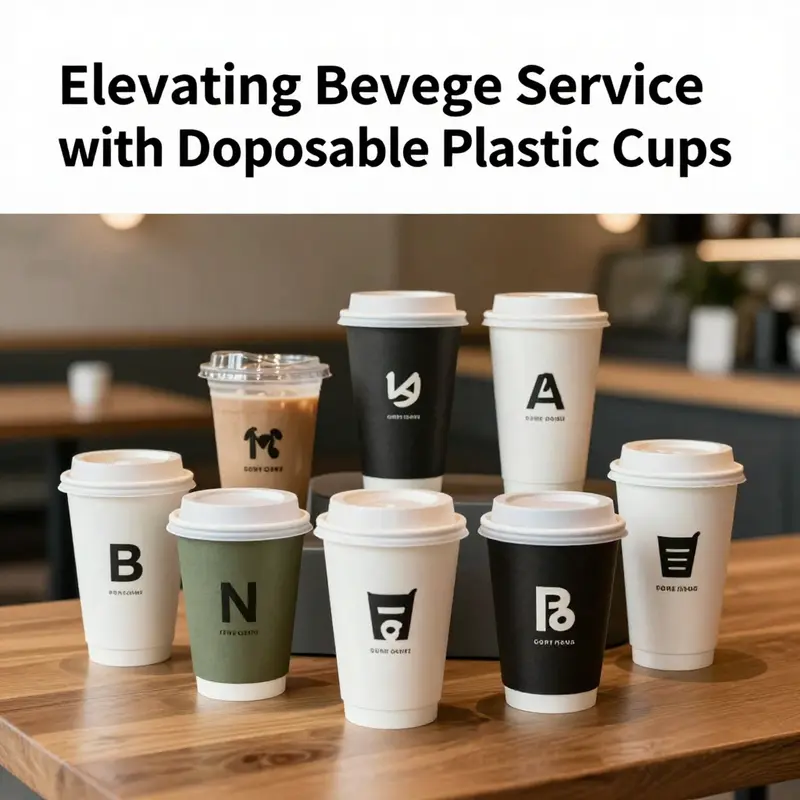
Another practical trend is customization and branding. Advances in printing let businesses add full‑color logos without harming recyclability. Digital and water‑based printing reduce volatile emissions. Custom printed cups serve dual roles as packaging and marketing. They appear at events, in cafes, and on delivery apps. Branding drives demand for newer substrates that accept ink without coatings that block recycling.
Packaging logistics deserve attention too. Nestable cups save warehouse space and lower transportation volumes. That reduces fuel use and distribution cost per cup. Stack stability and nest separation balance speed at dispensing and protection in transport. Manufacturers redesign rims and taper angles to achieve better nesting without jamming. These tweaks improve line throughput and reduce breakage during handling.
Portion control and hygiene became prominent in foodservice. Small condiment cups and multi‑compartment vessels support accurate servings. They reduce over‑dispensing and food waste. The same designs improve sanitary handling, lowering cross‑contamination risk in busy kitchens. For takeout, secure lids and compartmentalization keep meals intact and attractive on arrival. This attention to detail enhances the end‑user experience while streamlining operations.
Regulatory developments also shape product trajectories. Bans on certain single‑use items and rising recycling targets force suppliers to adapt. Where bans are strict, manufacturers pivot to paper‑based or certified compostable cups. In regions that emphasize recycling, the focus shifts toward rPET and mono‑material PP. Compliance has become a core design parameter, not an afterthought. Companies now embed regulatory foresight into product roadmaps.
The industry is also tackling the unintended consequences of materials. Cross‑contamination between PLA and PET in recycling streams undermines value. Microplastic formation and litter remain serious concerns. To mitigate these issues, firms proactively develop collection and labeling programs. Some deploy clear labeling that instructs end users on proper disposal. Others partner with local authorities to pilot collection and sorting improvements.
Technological innovation isn’t limited to polymers. Manufacturing methods improved significantly. Thermoforming yields faster cycle times and more complex part geometry. Injection molding gives precise wall thickness and integrated features. New tooling techniques reduce waste in the mold itself. Additive manufacturing supports rapid prototyping and short‑run customization. These process improvements lower barriers to experimentation and shorten time to market.
Finally, the interplay between material science and consumer expectations will continue to define the industry. Consumers demand convenience and clarity, but they also expect lower environmental impact. Meeting both demands calls for nuanced product portfolios. Businesses will need to choose materials strategically and communicate those choices transparently. Practical labels, evidence of recyclability, and verified compostability claims will matter.
Alternatives to traditional plastic cups have become part of the conversation. Paper cups with plastic‑free linings and compostable coatings are gaining traction. For buyers exploring paper options, consider the best‑price 8oz double plastic‑free single‑wall paper cup as an example of that category’s development. These alternatives emphasize easy disposal and often fit better with existing municipal waste systems.
As design, material, and policy pressures converge, disposable plastic cups are becoming smarter. They are lighter, better suited to recycling, and more tailored to local waste handling. The next stage will likely focus on integration with circular systems. That includes expanded use of recycled feedstocks, improved labeling, and stronger partnerships across the supply chain. The industry will continue evolving to balance convenience, hygiene, and environmental responsibility.
For a deeper look at material standards, technical features, and regional applications, consult this detailed guide: https://www.plasticcupguide.com/disposable-plastic-cups-pakistan-guide-performance-technical-features-and-applications-explained/.
Rising Tides in a Single-Use World: The Market Dynamics of Disposable Plastic Cups
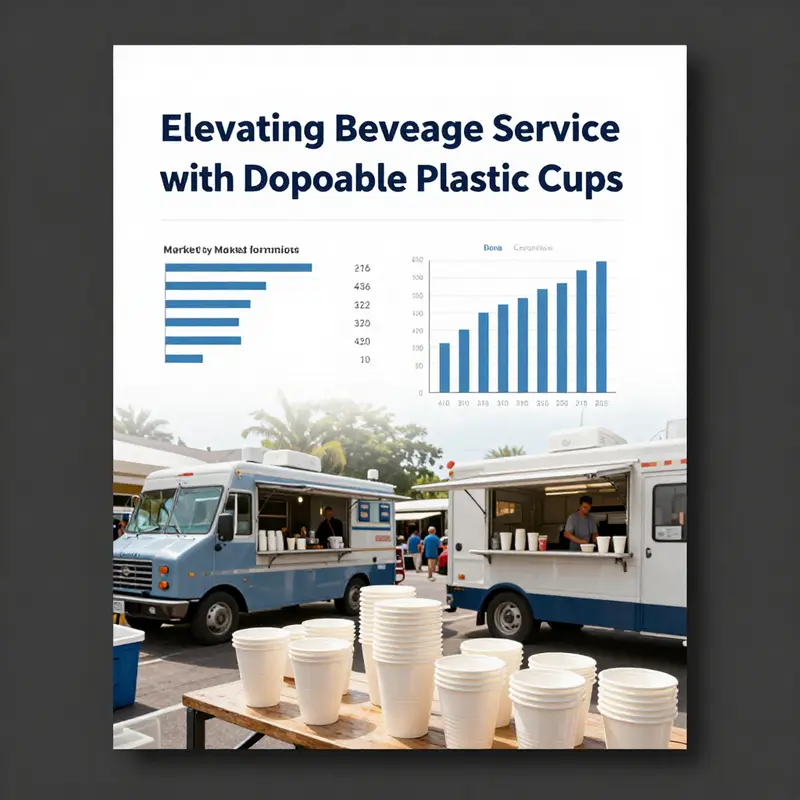
Across continents, the disposable plastic cup has become a familiar vessel for coffee, water, juice, and a spectrum of cold beverages. Its market dynamics are a delicate balance of engineering ingenuity, consumer habit, regulatory pressure, and the logistics of modern commerce. The numbers tell a story of expansion: the global market was valued at 12.44 billion USD in 2024 and is forecast to reach 21.69 billion USD by 2032, growing at a compound annual growth rate of 7.2 percent from 2025 to 2032. This trajectory is not simply about more cups. It reflects how materials, designs, and services evolve in response to changing tastes, stricter rules, and the needs of large buyers who seek reliability and branding opportunities in a single small vessel. The chapter that follows describes the forces behind this growth, how players in the supply chain adapt, and why this seemingly simple item remains central to both everyday dining and large-scale events.
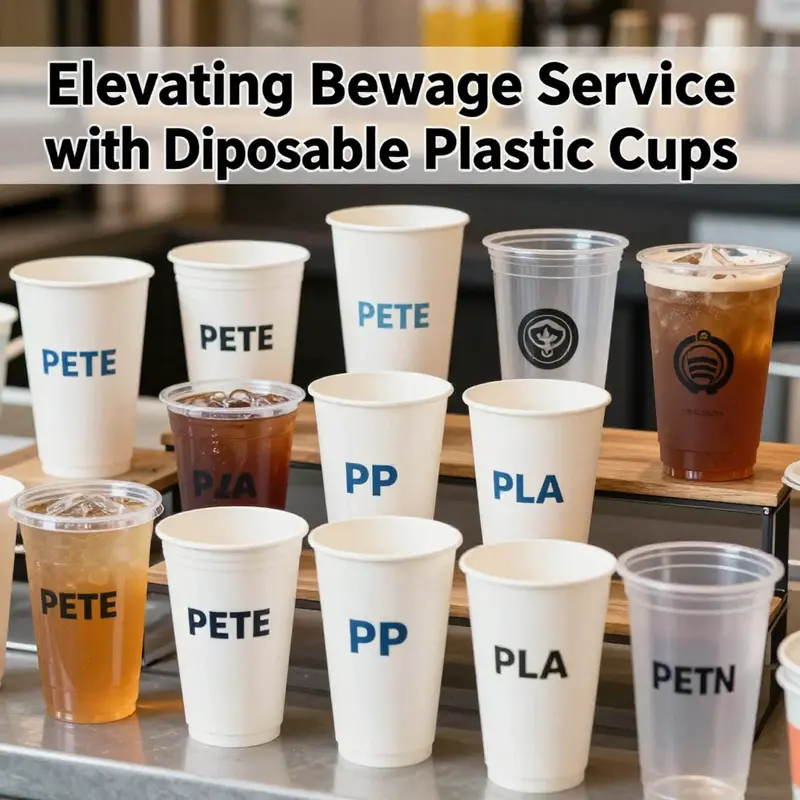
The materials landscape has become more varied. PETE remains a staple for its clarity, rigidity, and shatter resistance. It shines with cold beverages and clear display of product, which is important for brand appeal. Polypropylene offers a similar clarity but adds durability and lower risk of leakage, making it well suited for fruit-based drinks and mixed beverages. Then there is the rise of plant-derived options such as PLA and other compostable or bio-based plastics. These materials promise lower environmental footprints, yet they come with trade-offs. Temperature resistance, shelf life, and compatibility with existing recycling streams can limit adoption in some markets. Consequently, the market today is not dominated by a single material. It reflects a spectrum of choices that buyers select based on event type, storage conditions, and regulatory context. The push toward sustainability continues to push manufacturers to retool lines, reconfigure supply chains, and explore alternative materials. In many regions, the choice of material is increasingly a proxy for a broader decision about the brand’s environmental stance, which can influence consumer perception and loyalty as much as the product’s practicality.
Design and functionality matter almost as much as composition. The standard cup sizes—roughly 400 ml, 500 ml, and 700 ml—remain familiar to buyers and operators. But the design language has broadened. Multi-compartment cups with two or three compartments enable sauces, dips, dressings, or side items to accompany a beverage without requiring extra packaging. This is particularly valuable in fast food and catering where efficiency translates into labor savings and improved customer experience. Nestable features reduce empty weight and spare storage space during transport. For distributors who move thousands of cups daily, these design features improve loading density and lower transport costs, reducing the carbon footprint of logistics. Lids, seals, and stacking aids have evolved as well, strengthening leak protection for hot and cold drinks and smoothing the handoff between kitchen, service area, and table. In the broader packaging ecosystem, these innovations interact with sleeve design, liner materials, and even branding opportunities that show up not just in color but in tactile quality and perceived value.
The growth story is inseparable from customization and the broader supplier ecosystem. For brand owners, customization is a growing determinant of choice. Branded cups with logos, colors, and packaging options fit campaigns or seasonal promotions and reinforce brand identity even during transit. Suppliers now offer flexible MOQs and sample programs, enabling buyers to test look and feel before committing to large orders. The price of customization varies with material, capacity, and complexity. In rough terms, custom PETE cups can be sourced at roughly four to six cents per unit for bulk orders around five thousand pieces, while premium PP cups may run twelve to twenty cents per piece. These price ranges reflect the balance between performance, durability, and branding impact. In high-volume scenarios, procurement efficiency, resin prices, and the degree of customization chosen determine total cost. The result is a market that rewards both operational precision and creative presentation, since the cup is often the most visible point of contact between brand and consumer in a fast-service context.
Regional dynamics add nuance to this picture. Growth has been especially pronounced in emerging markets where rising household incomes, expanding food service ecosystems, and a growing hospitality culture expand demand for convenient, hygienic cups. In such regions, the need for scalable manufacturing capabilities, rapid distribution, and adaptable packaging formats drives investment. The supply base has responded with increased production capacity and more agile product development cycles. The combination of capacity and customization options enables a broader spectrum of buyers to participate in the market. As disposable cups become more common across quick-service restaurants, coffee kiosks, and large events, the channel mix shifts toward direct supply agreements, contract manufacturing, and shorter lead times. This is not a uniform trend; while some regions emphasize lighter weights and compostable options, others prioritize durability and cost control. Yet the overall direction is toward a more versatile, globally integrated market that can serve both a street vendor and a multinational event organizer. In Europe, regulatory clarity and consumer orientation toward sustainable packaging have accelerated the uptake of recyclable and reusable-oriented designs, even as demand for pure convenience remains strong. In parts of Asia and Africa, rapid urbanization, expanding retail footprints, and a push to modernize food service support a robust appetite for better packaging solutions regardless of the material choice.
Regulatory pressures, in particular, shape the roadmap for product development and market entry. Across jurisdictions, rules aimed at reducing single-use plastics push companies to diversify into recyclable, compostable, and bio-based cups. The appeal is twofold: staying ahead of compliance while aligning with consumer expectations around environmental stewardship. At the same time, end-of-life infrastructure varies by region. In places with robust recycling streams, clear labeling and compatible resin systems can enable high recycling rates and better material circularity. In markets where compostable streams are better established, bio-based options gain traction, provided composting facilities can handle the material. These disparities mean that a given cup may be marketed as sustainable in one region while facing a different fate in another. Manufacturers must therefore design with modularity in mind, so a cup can be adapted to meet local standards without sacrificing core performance. The regulatory environment also incentivizes investment in automation and quality control, where consistent production processes reduce waste, improve tolerances, and ensure compliance with labeling and certification schemes.
The sustainability narrative is moving beyond mere material substitution. Brands increasingly seek transparent claims about recyclability, compostability, and the actual end-of-life behavior of their packaging. This has spurred collaborations across the value chain to standardize testing methods, align on measurement of performance, and share data that supports credible sustainability storytelling. Yet the market also faces ongoing tensions between consumer convenience and environmental responsibility. A cup that degrades in a landfill might not provide the intended environmental benefit if infrastructure instead prioritizes recycling or if the material cannot be collected and processed efficiently. To address this, manufacturers are experimenting with hybrid solutions that combine barrier properties with improved end-of-life options. The aim is to deliver cups that meet practical needs—strength, leakage resistance, color stability, and temperature tolerance—while simplifying recycling or composting streams.
Against this backdrop of regulatory and consumer intent, the economic context continues to influence product choice. Global economic trends, including inflation, currency fluctuations, and fluctuations in raw material costs, shape which materials are economically viable for a given application. For instance, the volatility in resin prices can tilt buying decisions toward more stable, higher-performing materials even if initial outlays are greater. Automation and process improvements help offset some input cost pressures by increasing yield, reducing scrap, and lowering labor costs. Companies that maintain flexible supply chains and diversified material portfolios can respond more quickly to shifts in demand, whether that means expanding capacity for PETE and PP cups or launching pilot runs of bio-based designs for select customers.
Sustainability ambition, technical feasibility, and cost efficiency thus converge to define the competitive landscape. In many markets, the fastest route to growth involves not simply expanding production but aligning product families with a broader packaging strategy. Cups increasingly sit inside a packaging ecosystem that includes lids, sleeves, and compatible take-away solutions. The ability to offer an integrated suite can be a decisive factor for operators who want reliability, speed, and brand coherence across outlets. Nestable and multi-compartment formats contribute to this coherence by simplifying stacking and reducing waste, both of which improve supply chain efficiency and end-user experience. In catering and events, where branding and service quality are under close scrutiny, cups become more than receptacles; they become instruments of value creation, signaling attention to detail and investment in guest experience. The result is a market shaped by the interplay of material science, design innovation, regulatory alignment, and the economic calculus of scale.
The cups do not exist in isolation. They function within a broader system of lids, sleeves, and take-out packaging that affects user experience and waste streams. A shift toward compact, nestable designs reduces storage space and the carbon footprint of transport. In catering, event management, and hospitality, the cup becomes part of a broader packaging strategy that integrates with branding, menu design, and guest experience. The ongoing move toward sustainable design does not simply mean switching materials; it means rethinking packaging systems to improve end-to-end efficiency, from procurement to disposal. Buyers increasingly consider not only the material of the cup but also whether it integrates with suppliers who offer end-to-end packaging solutions, including lids, inserts, and even compostable service ware. This integration is essential for large-scale operators who require reliability and uniformity across many service points. The market’s trajectory remains buoyant but contingent on how well the industry can balance affordability, performance, and responsibility.
For brands seeking to balance branding with practicality, there are options to customize disposable vessels that carry logos and color schemes while preserving performance and handling ease. A practical example is the path to specialized cups that also address hot beverage use along with branding needs. disposable-custom-double-wall-hot-paper-coffee-cups-with-lid. This example illustrates how suppliers align design, material choice, and printing capabilities to support campaigns and seasonal promotions. The broader takeaway is that customization is not merely about aesthetics; it is about aligning cup architecture with service workflow, supply chain timing, and consumer expectations for a seamless experience.
As the market expands into new regions and as sustainability aspirations guide material choices, the trajectory of disposable cups will continue to evolve. The next phase is likely to emphasize greater transparency about material composition, clearer recycling and composting guidance, and more sophisticated design features that integrate with digital ordering and analytics. The ongoing dialogue among regulators, manufacturers, buyers, and consumers will shape the path forward for disposable cups, ensuring that the convenience they offer remains compatible with environmental responsibility and social value. In this dynamic landscape, success hinges on the ability to translate complex constraints into simple, reliable, and branded experiences for end users while maintaining responsible stewardship of resources and waste.
External resource: For further trend analysis, see Grand View Research: https://www.grandviewresearch.com/industry-analysis/disposable-cups-market
Final thoughts
Understanding the diverse materials, environmental implications, and market trends surrounding disposable plastic cups is indispensable for businesses in the beverage service industry. As sustainability takes center stage, embracing innovative solutions can not only enhance your brand’s image but also cater to the growing consumer demand for eco-friendly options. By staying informed on market dynamics, selecting the right materials, and adopting new innovations, businesses can thrive while contributing positively to a more sustainable future.