
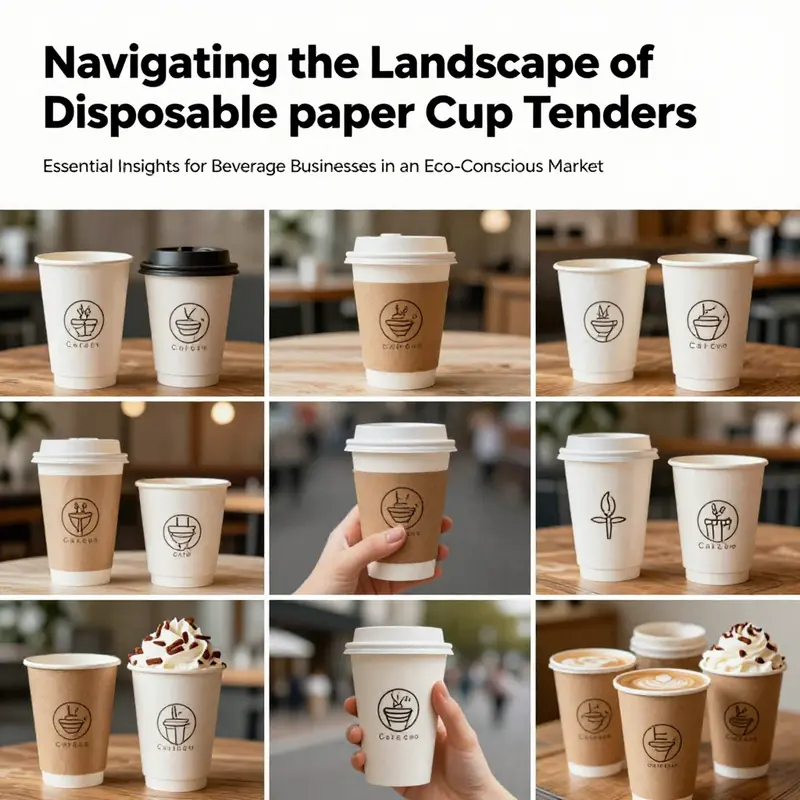
The demand for disposable paper cups continues to rise, particularly within the bubble tea and beverage sectors. Understanding the procurement process through government tenders not only allows beverage chains, food trucks, and event planners to source effectively but also aligns with growing sustainability concerns. From exploring the key tender documents like the one from Stockholm to analyzing U.S. market prices, this article provides a comprehensive overview. We will delve into the environmental impacts associated with paper cups and discuss the role of international manufacturers in the market, equipping you with the knowledge to make informed decisions in a competitive marketplace.
Stockholm’s Silent Tender: Decoding Public Calls for Disposable Paper Cups and Their Market Aftershocks
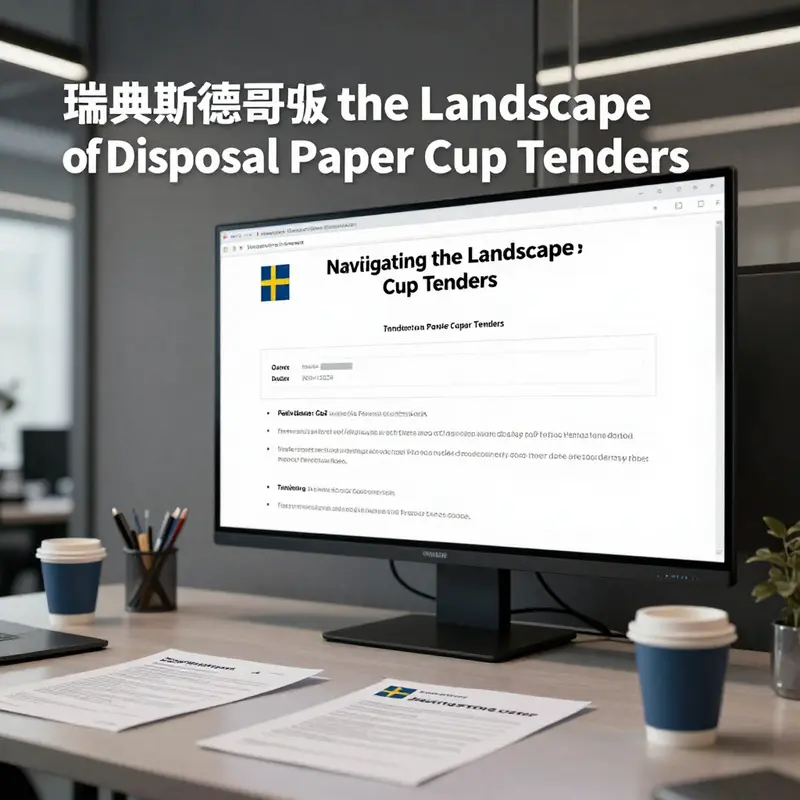
A careful reader of public procurement portals can feel the tremor of a single notice across markets and industries. In the tug-of-war between municipal budgets, environmental aims, and the everyday needs of public services, a tender for disposable paper cups becomes more than a commodity inquiry. It becomes a window into how governments attempt to align convenience with responsibility, and how suppliers translate a set of requirements into real-world production lines. The specific Stockholm region notice, published on a European Union procurement platform, represents a moment when a local administration sought a supplier capable of delivering substantial quantities of disposable cups designed for hot beverages. The dated sequence—publication on 21 September 2021, a bid deadline of 18 October 2021, opening of bids on 19 October 2021, and the awarding decision published on 1 December 2021—reads like a script that procurement offices across the continent could reuse in other contexts. Yet the surface of those dates hides a deeper set of questions about how such tenders shape not only the market, but the very expectations around what disposable cups should do, how they should be produced, and at what cost to the public and the planet.
What makes a tender of this kind instructive is not simply the price it promises or the speed with which it can be fulfilled. It is the criteria embedded in the specification. A city or region that issues a call for disposable cups is implicitly saying: we want a product that is safe to use, reliable in bulk, and preferable in its environmental footprint. The European procurement framework often pushes for specifications that go beyond mere strength and heat resistance. They increasingly address lifecycle considerations—whether the cup is made from responsibly sourced fiber, whether the lining and inks hinder recyclability, and whether the packaging and delivery methods reduce waste in transit. In many jurisdictions, the environmental specification can determine the winner, sometimes even outweighing the initial price advantage. This is not merely about “less waste,” but about a chain of decisions that impacts raw material suppliers, converters, logisticians, and even end-users who handle the cups in kitchens, canteens, and public events.
To understand the Stockholm case in context, it helps to recall how official notices are published and tracked. The public procurement regime relies on transparent tender notices that carry the technical specifications, the evaluation criteria, and the contractual expectations. The record in question is widely cited as the official source, but the precise, locally hosted tender details may not always be readily retrievable in every municipal portal. That is not unusual. Local portals often rely on national or European databases to maintain a consistent record, while the immediate neighborhood portal might have gaps in archival depth. The broader lesson is that the official European platform, sometimes complemented by national tender repositories, remains the most reliable reference for a public-sector procurement event. The dates themselves—publication, bid deadline, opening, and award—are milestones in a sequence that mirrors how a supplier gauges risk, prepares documentation, and calibrates a bid to deliver the required volume with the demanded quality and environmental performance.
From a buyer’s viewpoint, the specification would have likely covered several aligned domains. First, the physical performance: the cup must withstand heat, minimize leakage, and allow safe handling across a range of beverages. Second, hygienic and regulatory compliance: the cup and any inner lining should adhere to food-contact safety standards, with traceable material origins when required by governance guidelines. Third, environmental criteria: modern tenders increasingly demand recyclability, compostability, or a combination of both, with appropriate certifications or test results to verify performance under real-world waste streams. Fourth, supply-chain resilience: the procurement agency would consider lead times, minimum order quantities, and the supplier’s capacity to scale, especially given possible seasonal spikes in demand for events and public services. Fifth, total cost of ownership: the analysis goes beyond unit price, incorporating storage, logistics, returns handling, and potential waste disposal costs when cups are damaged, misused, or rejected due to quality concerns.
These considerations are not abstract. They shape how manufacturers and distributors design their offerings. In markets where sustainability is a core priority, suppliers increasingly segment products not just by size and weight, but by barrier properties, liner chemistry, and end-of-life pathways. The choice between a purely recyclable design and a compostable option, for instance, can hinge on local waste management infrastructure. In urban settings with well-developed curbside recycling, a recyclable cup with a compatible sleeve or lid may perform best for a large municipal contract. In areas where industrial composting is more feasible, compostable materials can gain an edge. The tender therefore operates as a signaling mechanism, directing the industry’s R&D and production planning toward the features and certifications most likely to win future bids. Even when a particular notice is closed, the expectations it embodies travel forward, informing other municipalities, private institutions, and international suppliers about the standards that public buyers are ready to embrace.
A practical observer will also notice how tender notices interact with broader market narratives. The public procurement lens emphasizes accountability, but it also presents opportunities to align procurement with broader policy goals, including worker welfare, vendor diversity, and environmental justice. In practice, this translates into evaluation rubrics that weigh supplier qualifications, demonstrated capacity, and past performance, alongside price. It also means a push toward standardized testing and sampling protocols. Bidders can expect that the winning bid would have included a sample cup batch that undergoes trial use in a real setting, with feedback loops to the procurement body before finalizing manufacture, packing, and delivery schedules. In the European context, this collaborative loop between buyer and supplier is part of what keeps public contracts from becoming mere price wars; instead, they become opportunities to demonstrate reliability, quality, and adherence to shared environmental targets.
In the broader market, such tenders do not exist in isolation. They echo the dynamics of a global supply chain where raw materials, labor costs, shipping routes, and currency fluctuations all imprint themselves on the price and feasibility of large orders. A separate strand of information often cited in connection with disposable cups concerns wholesale pricing in major markets. Reports indicate substantial bulk prices that reflect not only the product’s unit cost but the scale, reliability, and logistics of delivering tens of thousands to hundreds of thousands of units. For buyers, these numbers illustrate that public tenders can leverage bundled logistics and standardized specifications to achieve favorable terms, while suppliers can secure predictable demand profiles over multiple years. For researchers and policymakers, the interplay between public demand and private supply offers a natural laboratory to analyze how sustainability commitments translate into concrete market behavior, from fiber sourcing to end-of-life processing.
Intertwined with market signals is a nod to consumer-facing brands and product lines that inhabit the same ecosystem. A consumer retailer may carry items bearing Stockholm’s name in a product line that evokes the city’s design ethos, even though those items are sold to households rather than to public bodies. The existence of such consumer lines—unrelated to tender specifications—illustrates how a city’s identity and its procurement choices can influence perceptions of quality and style, even if the tender itself governs only business-to-government transactions. For readers who track both public procurement and private market trends, this is a reminder that the differentiation between “official” and “commercial” channels may blur in a connected economy. When a region issues a bid for disposable cups, the implications extend to packaging designers, filter providers for printing inks, and even the logistics teams coordinating deliveries to multiple sites. The ripple effect can reach suppliers that specialize in bulk, custom-printed, or artfully designed cups that still meet the required safety and environmental standards.
From a practical standpoint, anyone engaging with this topic would benefit from knowing where to look for primary information. The Stockholm-region tender confirms that official notices bear long-term value for understanding how publics choose to balance price, performance, and sustainability. In some cases, local portals may not retain exhaustive archives for every tender, which underscores the importance of consulting the European TED database and other national repositories for cross-verification. The TED platform, the central mouthpiece for European public procurement notices, is designed to provide access to the full text of notices, amendments, and award decisions. For researchers, policymakers, and suppliers, it offers a consistent point of reference that helps benchmark how different regions articulate their needs and how they justify budget allocations across time. In navigating these platforms, a practitioner learns to read beyond the surface numbers and to examine how environmental criteria, delivery timetables, and risk management strategies are embedded within the tender’s body.
For readers curious about the commercial side of bulk cups beyond the public sector, several suppliers maintain extensive catalogs of wholesale solutions tailored to food-service operations. For instance, there are bulk offerings for take-away cups with lids, designed to scale up for cafeterias, events, and temporary facilities. These kinds of options illustrate how companies bridge the gap between a public tender’s strict requirements and the practical realities of serving thousands of cups every day. The disconnect between public notices and private catalogs is not a flaw; rather, it reflects the market’s ability to translate a standardized specification into diversified production and delivery arrangements. When evaluating tenders, buyers should consider not only the unit price but also the supplier’s ability to align with their usual procurement cadence, including lead time, sample testing, quality assurance, and the supplier’s capacity to respond to short-notice adjustments to demand.
To provide a concrete example within this broader narrative, consider the wholesale avenues that exist for bulk cups with lids. If you are researching scalable, bulk-ready options for take-away cups, you might explore suppliers offering wholesale take-away 8oz-12oz disposable coffee paper cups with lids. wholesale take-away 8oz-12oz disposable coffee paper cups with lids. Such offerings demonstrate how the market segments its products for efficiency in large-volume use, a logic not unlike what public buyers demand when they seek consistency, timeliness, and predictable performance across extensive deployment across a city’s campuses, clinics, or event venues.
Ultimately, the Stockholm tender episode—whether fully accessible or partially documented in various portals—illustrates how public procurement can shape a market’s future. It is a reminder that the push toward sustainable packaging is not a moral afterthought but a core design principle that informs every stage of the supply chain, from raw pulp sourcing and manufacturing processes to shipping, handling, and end-of-life processing. The public sector’s leverage lies in its ability to set clear expectations, provide verifiable performance metrics, and demand accountability for supplier ecosystems. For suppliers and researchers alike, this means maintaining rigorous documentation, staying attuned to evolving environmental standards, and developing flexible production capabilities that can accommodate a spectrum of demands—from standard, widely used cup sizes to niche, high-performance options for demanding environments. Public tenders, even when archived selectively, leave behind a record that the industry can learn from and a template for how to balance cost, safety, and sustainability in a product that is at once ordinary and essential.
External resource for official notices: https://ted.europa.eu
Bids, Batches, and Cups: How Tender Processes Shape the Global Disposable Paper Cup Market
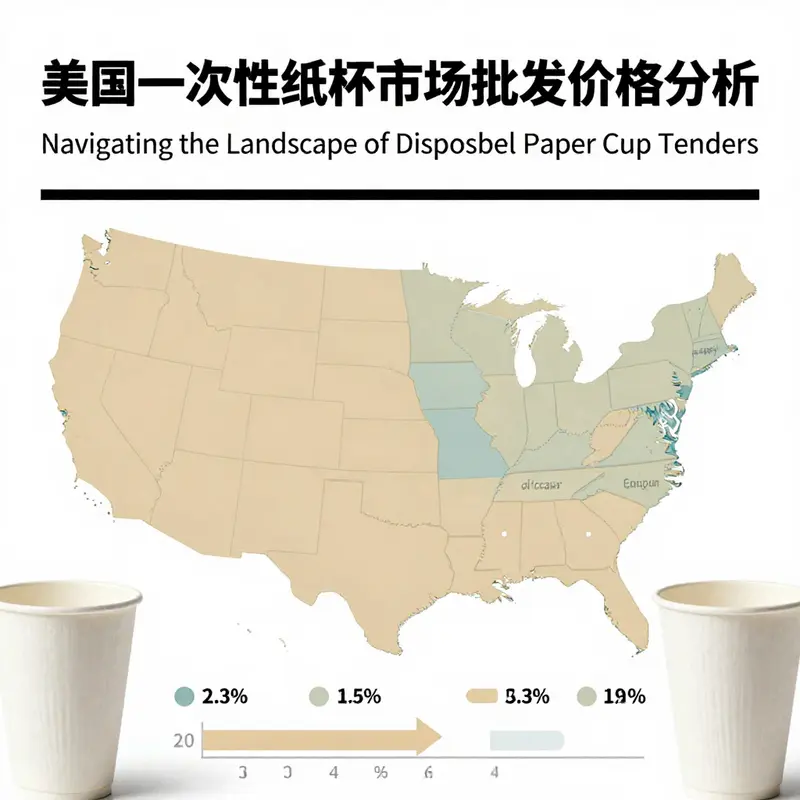
When a tender process is opened for disposable paper cups, the signposts of the market move beyond the price tag on a single cup. Tenders encode policy priorities, supply-chain resilience, material choices, and the lifecycle of a product that seems ordinary until a city, a university, or a hospital commits to a formal procurement. The study of tenders in this space reveals how governments and large institutions translate public expectations—safety, hygiene, environmental impact, and reliable delivery—into concrete specifications that ripple across global production lines. A concrete example from official procurement channels helps anchor this observation. The Stockholm region in Sweden published an official tender for disposable cups on the European Union’s procurement platform, a document issued by the EU’s official publishing office. The tender release occurred on 21 September 2021, with a bid deadline of 18 October 2021, opening of bids the next day on 19 October, and a results notice published on 1 December 2021. Although the call has since expired, it remains a direct lens into how public sector buyers frame needs, define technical requirements, and set expectations for bid responses. It also illustrates how the process imposes discipline on suppliers: a clear timetable, transparent evaluation, and an emphasis on measurable criteria that can include material composition, coatings, recyclability, and even the end-of-life handling of cups. Through this lens, tender activity becomes not merely a procurement episode but a signal of what the market must deliver to satisfy public accountability and operational reliability in everyday settings where cups flow from supply to service counters, from cafeterias to conference halls, and from ships’ galleys to hospital break rooms. This is the choreography of market forces in the visible part of the supply chain: bids, batches, and cups, each step shaped by governance as much as by glass and pulp.
The public tender example also illustrates how formal procurement documents set the tone for what counts as acceptable performance. They often specify not only the basic attributes—size ranges, sealing methods, and safety compliances—but also more nuanced expectations. For instance, sustainability criteria have grown into a decisive factor. In many jurisdictions, tenders now include requirements about recyclability, biodegradability, and the avoidance of certain plastics or coatings that complicate recycling streams. The EU tender process, with its explicit timelines and publicly accessible bid results, demonstrates how environmental and logistical concerns are woven into the functional fabric of the product. This integration matters for manufacturers who must align their product development with evolving policy signals, and for buyers who must articulate precise evaluation criteria that ensure both hygiene and environmental stewardship.
Turning to the commercial side of the market, the global landscape presents a spectrum of price points that reflect capacity, material choices, and the scale of procurement. Across major wholesale platforms, standard paper cups come in a range of capacities, starting with smaller 8-ounce cups and moving up to 12, 16, and 24-ounce formats. In the wholesale data that frequently circulates among B2B buyers, the basic single-wall cups—those commonly used for hot drinks—can be priced quite aggressively. For a typical 8-ounce variant, wholesale quotes on large B2B marketplaces have been observed in a band that can dip as low as roughly four to nine U.S. cents per cup, with minimum order quantities often around 50 boxes, totaling about a thousand cups. The logic is straightforward: large orders drive down the per-unit cost as more efficient production runs achieve economies of scale, and the fixed costs of printing, packaging, and transportation are spread across a bigger base.
When the conversation shifts to higher-capacity cups, the price dynamics change modestly but meaningfully. A 12-ounce to 24-ounce lineup, which sees greater material consumption and occasionally more demanding performance requirements (such as better heat insulation or stronger lids), typically lands in a higher unit-price corridor—roughly in the vicinity of a few cents per cup, though these figures vary with supplier, coating, and whether the cup is intended for hot beverages or cold drinks. The material composition becomes a central determinant. Standard laminated paper cups, with a polyethylene or similar simple lining, are typically cheaper than cups produced with more environmentally oriented materials. In particular, cups coated with PLA—polylactic acid, a compostable alternative—can command a premium that may run into the range of a half-dollar per cup in some configurations. The upcharge reflects not only the material itself but also the processing steps and the end-of-life considerations that accompany PLA cups. For buyers who aim to balance cost and sustainability, these differences require careful modeling in tender responses: the cheapest baseline option may fail to meet environmental criteria, while the green alternative, although more expensive, can be the more prudent long-term choice in compliance-driven markets.
The discussion of raw material and capacity costs would be incomplete without touching on the customization dimension. When a tender or buyer seeks branded cups—cups printed with a logo or promotional artwork—the price math shifts noticeably. Customization typically adds a surcharge in the 5% to 10% range above the base unit price. The same analysis holds for special features that influence usability and durability. Double-wall constructions designed to resist heat transfer, or cups with reflective inner films for visual impact, can carry additional costs that suppliers must recoup. In public tenders, where visual identity and clear branding might be less of a priority than reliability and safety, such add-ons are often evaluated against the broader value proposition: does the feature meaningfully improve user experience, reduction in waste, or efficiency in service flow? The answer to that question often becomes a competitive lever in the bid evaluation, where price is weighed alongside functional and sustainability criteria.
Another strategic axis emerges when considering procurement channels and volume-driven discounts. In the United States, for example, large-volume buyers have access to wholesale markets where the unit price for standard cups decreases with increased order size. In analogous markets, buyers may source directly from manufacturers or via specialized wholesale hubs in major trade hubs like Yiwu or similar platforms. These channels typically offer the lowest unit costs for bulk procurement, especially when the buyer can lock in long lead times and favorable terms. In practice, this means a tender response in a public sector setting might be structured around tiered pricing that rewards larger commitments, balancing risk to supply against cost efficiency. It is here that the tender becomes a tool not just for price competition but for strategic supply planning: a supplier who offers a robust, scalable production plan with reliable delivery timelines can be more attractive than a cheaper bid that risks stockouts or inconsistent quality.
To illustrate how these price and policy factors intersect with practical supply decisions, consider the example of a wholesale option that many buyers consult for take-away cups. An internally linked reference to wholesale take-away cups with lids can provide a concrete sense of current supply options and the kinds of packaging and lid configurations that tend to accompany hot beverage cups in bulk orders. This reference is particularly relevant when buyers must decide whether to pursue standard single-wall cups or invest in more protective, insulated options that reduce burn risk and improve customer experience in high-volume service environments. The choice among these configurations—single-wall versus double-wall, plain versus printed, standard coating versus PLA—becomes one of the core negotiation points in tender responses. The interplay between tender requirements and the actual market offers ensures that the winner is not simply the lowest bidder, but the bidder who can deliver the right balance of cost, performance, and compliance at scale.
The euro-scale and global dimension of tenders for disposable cups also explain why suppliers must maintain flexible production and logistics capabilities. A tender’s geographic footprint can influence sourcing decisions for raw materials, coating formulations, and even the end packaging. If a public body specifies recyclability within a narrow waste-management framework, suppliers may need to source fibers and coatings that align with that framework, even if it means higher production costs or longer lead times. In the broader market, buyers, too, must be mindful of import duties, transport tariffs, and regional waste regulations that shape the true total cost of ownership for a cup over its usable life. These considerations push tender writers and procurement officers to craft more nuanced evaluation criteria. They favor suppliers who demonstrate transparent material disclosures, robust quality assurance processes, and credible end-of-life plans. In short, tenders become a strategic instrument to drive market alignment with public policy, while also shaping the practicalities of supply in busy service contexts.
Against this backdrop, an informed bidder or buyer navigates the market with a simple, practical rule: optimize for scale, reliability, and sustainability in equal measure. The cheapest cup may win a first-price bidding war, but the most effective tender response proves its value by showing consistent supply, traceable materials, and verifiable compliance with environmental standards. For buyers, the lesson is equally clear: articulate precise technical specs, establish transparent evaluation criteria, and align incentives so that suppliers invest in capacity and process improvements that will endure across multiple procurement cycles. The public procurement example from Stockholm underscores the point: a well-structured tender does not merely buy a disposable product; it contracts a reliable, policy-aligned supply chain that will operate daily across a city’s institutions. The chapter, and the broader article, thus track from tender documents to transport pallets, from sustainability statements to service-level assurances, and from bid submissions to the quiet reliability of a coffee service that keeps going without interruption.
For readers who want a closer look at the current supply options that underpin tender decisions, a practical reference point is the wholesale options for take-away cups with lids. These options illustrate the kinds of configurations that bidders weigh when crafting proposals for public buyers and large institutions. The continuous evolution of material science, design for recycling, and the economics of scale means that even within a seemingly simple category—disposable cups—the market remains dynamic and policy-receptive. The tender process makes that dynamic visible and accountable, channeling innovation and efficiency toward service continuity and environmental responsibility. It is this alignment of policy intent, market capability, and practical delivery that defines the modern behavior of tenders in the disposable cup segment.
External resource for further official tender context: https://ted.europa.eu
Internal link reference for practical procurement options: Wholesale take-away 8oz-12oz disposable coffee paper cup with lids
一次性纸杯的环境阵痛与市场走向:从采购标准到绿色转型的实务考量
一次性纸杯的环境阵痛与市场走向:从采购标准到绿色转型的实务考量
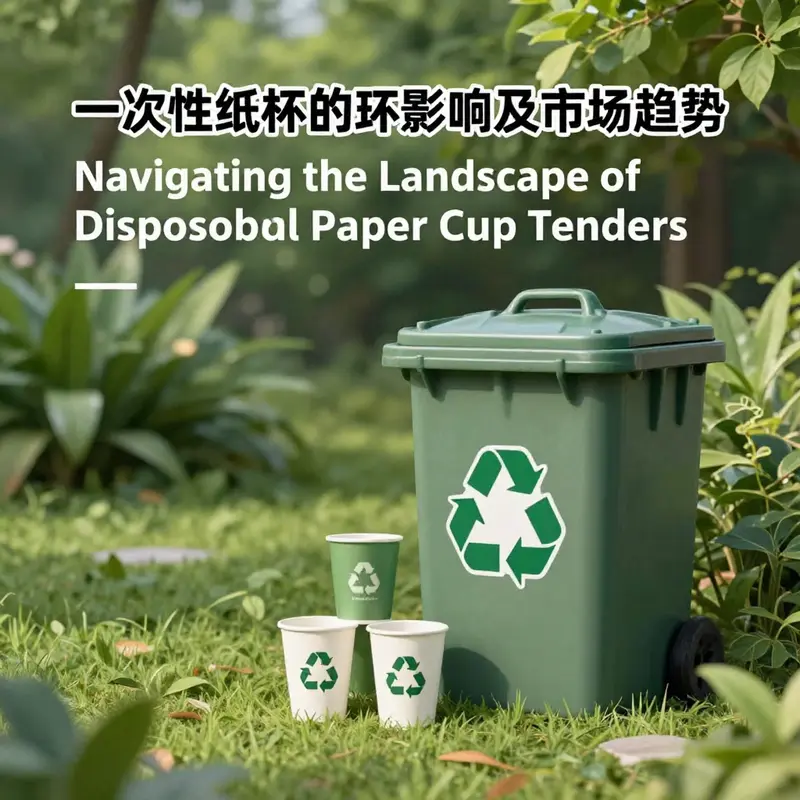
一次性纸杯的普及由便捷需求驱动,但其环境代价已成为公共采购和市场决策的核心问题。对招标方而言,了解纸杯全生命周期的关键影响点,能把控采购质量与社会责任。本文在环境影响和市场趋势之间,勾勒出一条务实的转型路径,指出招标文件、验收流程与供应商管理需如何革新,才能避免“绿色洗白”并推动真正的减量与降害。
一次性纸杯的主要环境问题可归纳为资源消耗、化学污染、废弃物处置与温室气体排放。生产端依赖化学木浆与大规模造纸工艺,导致对林业资源的长期压力。制造过程使用的涂层和粘合剂,多为聚乙烯(PE)、聚丙烯(PP)或聚乳酸(PLA)等材料。这些材料既影响产品性能,也决定了其后续处理路径。带有传统塑料涂层的纸杯,在纸类回收体系中难以分离,常被视为污染源,最终进入填埋或焚烧环节。
当前市场上出现的“可降解”标签并非全部可信。部分产品以低成本塑料或混合材料冒充可降解材料。实测结果显示,有些宣称可降解的纸杯实则掺入不可降解塑料,或在生产中存在有害残留。此类问题不仅影响环境,也带来健康风险。例如,检测曾发现某些一次性杯子中含有超标致癌相关物质。这类事件放大了公众对一次性餐具安全性的担忧,也促使采购方将检验指标纳入招标要求。
市场正在向更环保的材料转型,但路径并不平坦。生物基涂层如聚乳酸(PLA)被视为可替代方案之一。PLA 在工业堆肥条件下可分解,减少传统塑料残留的风险。然而,PLA 的降解效率依赖于特定温度和湿度条件,普通生活垃圾堆放环境通常无法满足这些条件。因此,若缺乏配套的工业堆肥设施,PLA 的环境优势无法充分实现。与此同时,材料成本、生产工艺适配性以及对热饮的耐受性,也是制造商与采购方必须权衡的问题。
另一重要变化是供应链透明度和认证需求上升。公共机构招标对环保声明的信任度降低,因而更倾向于要求第三方认证与实验室检测报告。招标文件中应明确可接受的认证类型。常见标准包括工业堆肥可降解认证、食品接触材料安全认证、以及原料来源可追溯证明。除此之外,生命周期评估(LCA)正成为评估方案环境绩效的核心工具。合格的投标人需提交 LCA 报告,展示从原材料采集、制造到运输与处理的碳足迹与其他影响指标。
招标实践需要从单一价格维度转向综合成本评估。一次性纸杯采购的直接成本低,但长期环境和处理成本高。招标方可在评分细则中加入:材料可降解性、化学安全测试、回收或堆肥配套能力、供应商的环保管理体系等指标。合同条款亦应包含随机抽检、批次不合格追溯与罚则,以及对“伪环保”行为的合同终止条件。通过这些机制,招标方能把质量保证与责任落到实处。
废弃物管理体系同样要与采购策略协调。纸杯的真正环保价值,取决于最终处理方式。若当地缺乏工业堆肥设施或清晰的分拣体系,再好的可降解材料也难以有效分解。因此,招标方在设计项目时,应把处理端能力列入评估。可行做法包括:与地方垃圾处理部门协同,建立专门的回收或堆肥通道;在公共场所设置明确的投放指引;以及与回收服务商签订联动合约,保证使用后的纸杯有明确去向。
此外,采购合同可以鼓励循环利用与减量策略。比如,优先采购可重复使用型饮具的替代方案,或者推动带回收押金的试点项目。对无法避免的一次性杯采购,可要求供应商提供含再生内容物的产品或实施回收回购机制。招标文件中还可引入创新条款,奖励提供可降解材料研发或供应链透明化解决方案的投标人。
对供应商管理而言,建立长期合作与能力建设机制非常重要。单次招标可能只能筛选价格与合规性,但长期合作能促使供应商投资绿色制造。招标方可设置分阶段目标,从基础合规的材料测试,逐步提升到更高标准的可降解和可回收要求。合同中应包含审计与改进计划,督促供应商持续改进其原料来源和生产过程。
消费者与用户教育也是不可忽视的一环。错误的投放行为会把可降解材料带入错误的处理链,削弱其环保效果。招标方在合同中可要求供应商提供可视化标识与使用说明,帮助终端用户理解正确处置方式。公共机构可将此类说明纳入日常运营,如在会议、活动与内部食堂中同步推行统一处置指引。
总之,一次性纸杯的采购与市场演变,不仅仅是产品替换的技术课题。它牵涉到招标文本的精确设计、检测与认证标准的硬性要求、以及废弃物管理与用户教育的系统配合。对公共采购而言,关键在于把环境责任内嵌进合同条款,而非仅凭供应商的环保声明。通过明确的检测指标、可追溯的原料证明、以及对末端处理能力的硬性评估,招标方能降低“绿色洗白”风险,推动真正的材料与体系转型。
在选择供应链合作伙伴时,也应考虑市场上已经出现的环保替代品。采购方可以在招标文件中列出优先考量的材料属性,并要求投标人提供样品检测报告。为便于采购方直观评估,市场上有若干符合环保设计理念的替代包装样式可供参考,例如那些强调无塑料内衬或以可回收材料制成的纸杯设计。一个示例链接作为参考,可供招标方了解产品类型与生产可能性:plastic-free single-wall paper cup。
面对一次性纸杯带来的环境挑战,招标实践与市场趋势必须同步进化。监管者、采购方与制造商需要建立合理的共同目标。精心设计的招标文件,将是把环保承诺变为可执行行动的关键一步。更多关于真实检测与风险事件的权威报道,提醒我们监管与监督不可放松。参见近期对部分一次性杯危害检测的报道,了解实际问题的严重性和公众关注点。
外部参考:
https://www.cctv.com/news/20260210/104798.shtml
Global Players, Local Demands: How International Manufacturers Shape the Disposable Paper Cup Tender Landscape
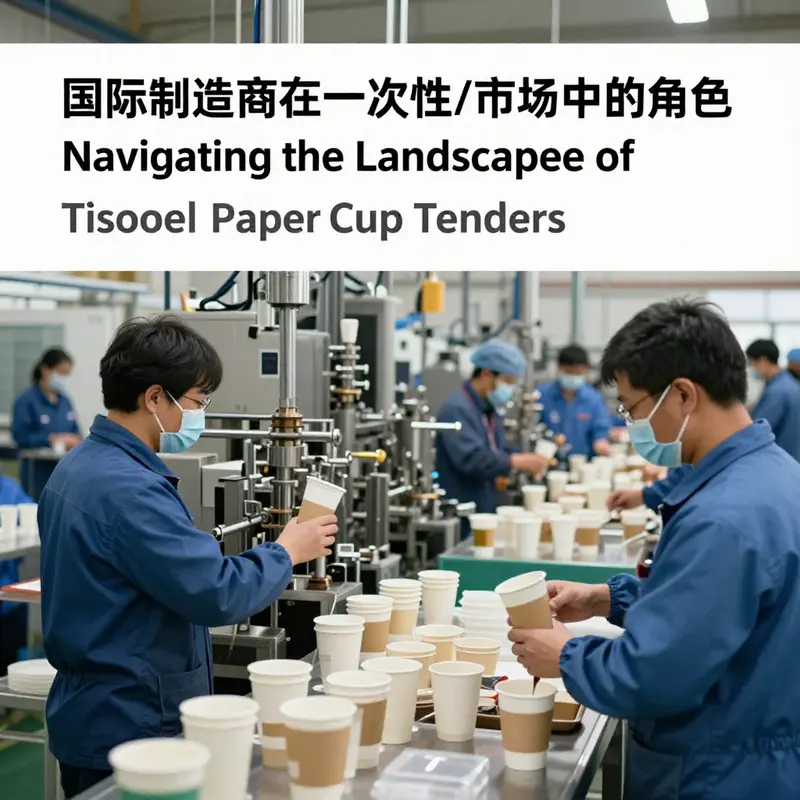
In the arena of disposable paper cups tenders, the conversation rarely stays confined to a single product spec or a lone commodity price. It unfolds as a negotiation among supply reliability, regulatory compliance, environmental responsibility, and the steady drumbeat of innovation. International manufacturers sit at the center of this dialogue, not merely as vendors but as stewards of the modern cup’s journey from pulp to packaging, from tender specification to the consumer’s table. Their role stretches beyond producing a simple container; they shape the expectations that public authorities and large catering networks place on every bid, and they influence the very tempo at which markets move toward greener, smarter solutions.
At the heart of this dynamic is scale. Global producers bring to bear vast networks of mills, converters, and logistics hubs that ensure continuity of supply even in times of volatility. This scaling affords a kind of quiet confidence in tender processes, where the risk of stockouts or delayed deliveries can derail a bid long before the first sample is evaluated. Yet scale alone does not define leadership. The most influential players are those who combine capacity with relentless investment in technology and a clear trajectory toward sustainability. Modern forming lines, with servo-controlled automation, integrated vision systems, and real-time data capture, enable manufacturers to deliver cups that meet exacting tolerances for dimensions, weight, and seal integrity. These features matter in tenders where compliance is validated not just by a sample but by ongoing production metrics that accompany every delivery against a contract.
From a strategic vantage point, international manufacturers drive a fusion of lightweight design with strength and barrier properties that keeps beverages at the desired temperature while minimizing waste and cost. They push for coatings that protect the cup’s interior from liquids while avoiding coatings that complicate recycling streams. They explore and test materials that align with a circular economy model, such as coatings that either rely on or enable post-consumer fiber content without compromising food safety or consumer experience. In this respect, the market’s forward motion is as much about chemistry and process engineering as it is about brand names. The emphasis rests on performance, safety, and environmental footprint, as much as on price and lead times. In tender documentation, this triad often translates into a compact set of requirements: verified food-contact safety, predictable supply, and demonstrable environmental performance.
The leadership role of multinational packaging groups becomes especially evident when tenders adopt broader evaluation criteria. Governments and large-scale buyers increasingly seek suppliers who can demonstrate a robust supply chain, consistent quality across geographic regions, and a credible plan for reducing single-use waste. Standards for safety, traceability, and recyclability are no longer add-ons; they are baseline expectations. In practice, this pushes international manufacturers to standardize specifications across factories and to harmonize testing regimes so that a cup manufactured in one country performs identically to a cup made elsewhere. The result is a market where a cup is not merely a commodity but a predictable unit within a global system, a unit whose production carries a clear audit trail and a known environmental profile.
The tender landscape also rewards bundled capabilities. Suppliers that can offer a portfolio of cup styles—ranging from basic single-wall designs to more complex options with insulation, lids, and compatible packaging—gain flexibility in how contracts are structured. This breadth allows public institutions to consolidate buying into fewer, more efficient categories, while catering networks can optimize their inventory and waste management strategies. For international manufacturers, the ability to adapt products to regional taste and regulatory nuances—without sacrificing the uniformity needed for mass procurement—becomes a decisive advantage. The interplay between global standardization and local customization is where the real value resides in tenders, and where the arms race of capability tends to accelerate.
Another key dimension is innovation in sustainability. The most influential players have positioned themselves as partners in a transition toward environmentally friendlier options. They push coatings that keep the interior compliant with food-safety standards while enabling more recyclable or compostable end-of-life outcomes. They experiment with post-consumer fiber blends and recycled content without compromising the strength or seal integrity essential for hot beverages. They also explore water- and energy-efficient production methods, waste reduction programs, and packaging optimization to minimize overall environmental impact. The result is a spectrum of offerings that allows tendering bodies to specify not only the cup’s dimensions and materials but also its life-cycle performance. When tenders reward lower cradle-to-grave footprints, international manufacturers with proven, auditable sustainability footprints gain a meaningful competitive edge.
Within this evolving ecosystem, a notable but often overlooked driver is the transparency and traceability of the procurement process itself. Official platforms and tender portals—such as those used by regional authorities in Europe—provide a reliable record of release dates, submission deadlines, opening events, and awarded contracts. Even when a tender posting has expired, its documentation serves as a benchmark for industry players assessing what the public sector values most: price stability, supply assurance, and a verifiable environmental narrative. The Swedish Stockholm region’s official tender for disposable cups, documented with precise timelines, exemplifies how procurement cycles can become a learning tool for both buyers and bidders. These public records codify expectations and create a predictable cadence for international manufacturers to align capacity planning, R&D roadmaps, and supplier-diversification strategies.
This alignment between tender expectations and manufacturing strategy is reinforced by market intelligence that crosses borders. Take, for instance, how bulk price signals in major markets can reflect shifts in raw-material costs, energy availability, and transportation logistics. Data points suggesting a wide price band for large-volume cup supply hint at the sensitivity of tenders to feedstock volatility and freight rates. In such environments, the appeal of multinational producers grows stronger: their integrated operations can absorb fluctuations more effectively and offer longer-term pricing constructs, volume discounts, or hedging mechanisms that may appeal to public buyers seeking stability.
Yet even as international manufacturers consolidate leadership, the market remains porous and dynamic. Local and regional producers find opportunities by offering customization, shorter response times, and close cooperation with local waste-management systems. In many tenders, the call for green credentials creates a space for smaller players to compete on specificity—such as cups designed for high-volume café chains in dense urban settings or cups tailored to particular regulatory regimes around labeling and allergen information. The most resilient suppliers in this space are the ones who maintain the agility to combine the reliability of large-scale production with the nimbleness of smaller operations when necessary. In practice, this often means regional plants that can align with global standards while delivering on-site service commitments, rapid replenishment, and collaborative product development.
From a narrative perspective, the international manufacturing sector also frames how buyers interpret the economics of disposability. The conversation shifts from merely counting cups to considering the total cost of ownership, including storage, waste handling, and end-of-life outcomes. Tender briefs increasingly invite bidders to present lifecycle analyses and environmental impact statements that quantify plastic-free or reduced-plastic alternatives, recycling compatibility, and compostability where feasible. This shift elevates the strategic value of global manufacturers who have built robust, auditable reporting practices into their operations. It also challenges the market to innovate in ways that do not simply swap one material problem for another, but rather reduce the overall footprint through smarter packaging, smarter logistics, and smarter end-of-life management.
In this context, the supplier ecosystem does not simply compete on the price of a cup. It competes on the reliability of a complete service—design, testing, certification, production, and after-sales support across multiple jurisdictions. The largest players, equipped with global governance frameworks and cross-border compliance teams, can deliver a consistent experience whether the tender originates in a Nordic capital, a North American city, or a gateway in Asia. They articulate a long-term vision that harmonizes product performance with environmental stewardship, and they translate that vision into concrete capabilities that can be demonstrated in a tender’s technical annex as well as its commercial bid. That combination—capacity, credibility, and a credible sustainability narrative—often defines contract awards in markets where tenders are as much about trust as they are about price.
In keeping with this trajectory, industry observers look to the broader literature and practice to gauge how tenders might evolve in the next few years. The trend toward standardization in testing, supplier qualification, and environmental disclosures will likely accelerate. Buyers will demand greater transparency around supply-chain resilience, not merely for cups but for the entire ecosystem that delivers them. As a result, international manufacturers with deep, auditable data trails and a demonstrated ability to meet diverse regulatory and environmental requirements will remain central to the tender conversation. Local suppliers will still matter, but their competitive edge will lie in how effectively they can partner with global players to deliver on scale while maintaining local value propositions—such as faster delivery, customized designs, or tailored recycling solutions.
For readers curious about practical exemplars of the broader market dynamics within tenders, one can explore a deeper discussion of the current state of the disposable cup market and its regional nuances through industry sources and case studies. A practical example of how procurement documentation captures expectations can be found in public tender disclosures from European platforms. These sources illustrate the precise timelines and decision points that bidders watch closely, and they offer a window into how the market translates policy and environmental goals into concrete bids. Alongside this, market commentary and wholesale pricing data from the United States reflect how demand, material costs, and logistics pressures shape sourcing strategies for large buyers. Taken together, they sketch a picture of a market in which international manufacturers are both the engine of supply and the co-authors of a more sustainable procurement future.
The narrative, then, is not merely about selling cups. It is about showing how a cup fits into a system—how its design, its coatings, and its end-of-life pathway respond to regulatory frameworks, how its production impacts communities and environments, and how tender processes translate these complex realities into concrete contracts. In this system, the interplay between global scale and local needs yields a market that is more resilient, more transparent, and more aligned with social and environmental expectations than ever before. The chapter that follows will continue to trace how procurement strategies, regulatory developments, and technological advances converge to shape the future of disposable paper cups, drawing on the lessons from official tenders and the ongoing innovations at international manufacturing hubs. For readers looking to connect these themes to concrete product and design options in the market today, a practical entry point is provided through a supplier-focused resource that highlights eco-friendly, take-away cup designs and related accessories.
eco-friendly recyclable pulp take-away cup holder
External resources for broader context: a recent market overview discussed in industry commentary and market analysis emphasizes how global players influence market direction through investment in sustainability and supply-chain resilience. See the external resource for a broader perspective on these dynamics: https://www.baijiahao.baidu.com/s?id=1748365656248477245&wfr=spider&for=pc
Final thoughts
With the growing demand and environmental consciousness surrounding disposable paper cups, understanding the dynamics of tenders, pricing, and manufacturing is essential. The contributions of tenders such as the one from Stockholm provide invaluable insights for procurement teams across various sectors. As we move towards more sustainable solutions, beverage businesses and event planners must stay informed about wholesale pricing trends and the global role of manufacturers. Adopting eco-friendly practices while ensuring quality and cost-effectiveness will ultimately enhance service delivery and align with consumer expectations.