
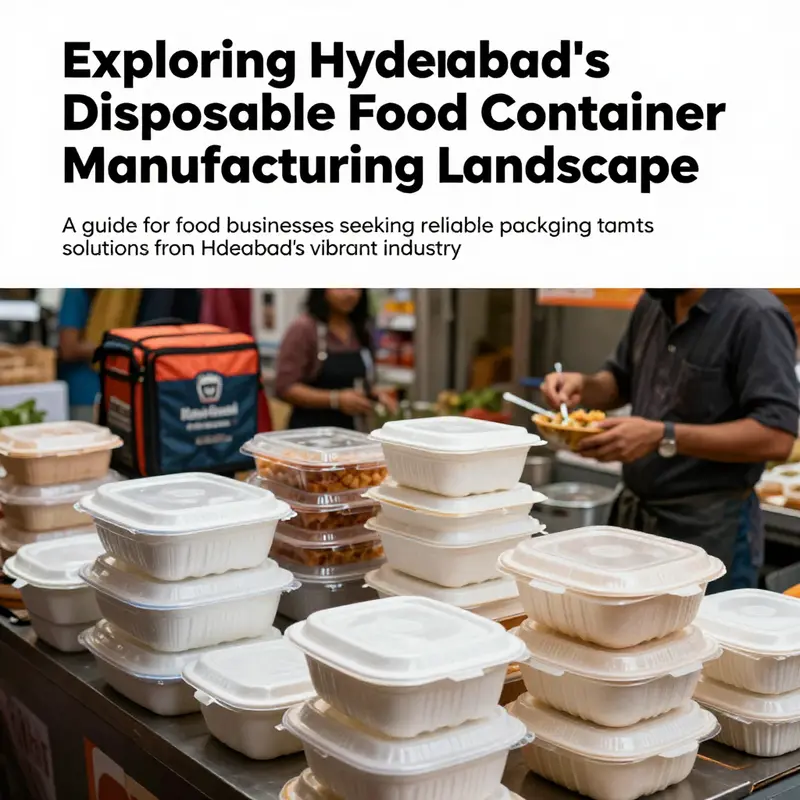
Hyderabad, India, is gaining recognition as a key player in the manufacturing of disposable food containers, making it an essential location for businesses in the food and beverage industry. With a diverse range of production capabilities, this city’s manufacturers supply everything from stylish clamshell containers for bubble tea shops to robust food trays for catering services. As we delve into this article, we will explore the advantages of this manufacturing hub, examining the economic impacts, the vast array of products available, and the sustainable practices beginning to shape the industry. Finally, we will highlight how these manufacturers are building global connections, creating a win-win for both local businesses and international buyers.
Hyderabad’s Packaging Corridor: A Deep Dive into the City’s Disposable Food Container Manufacturers
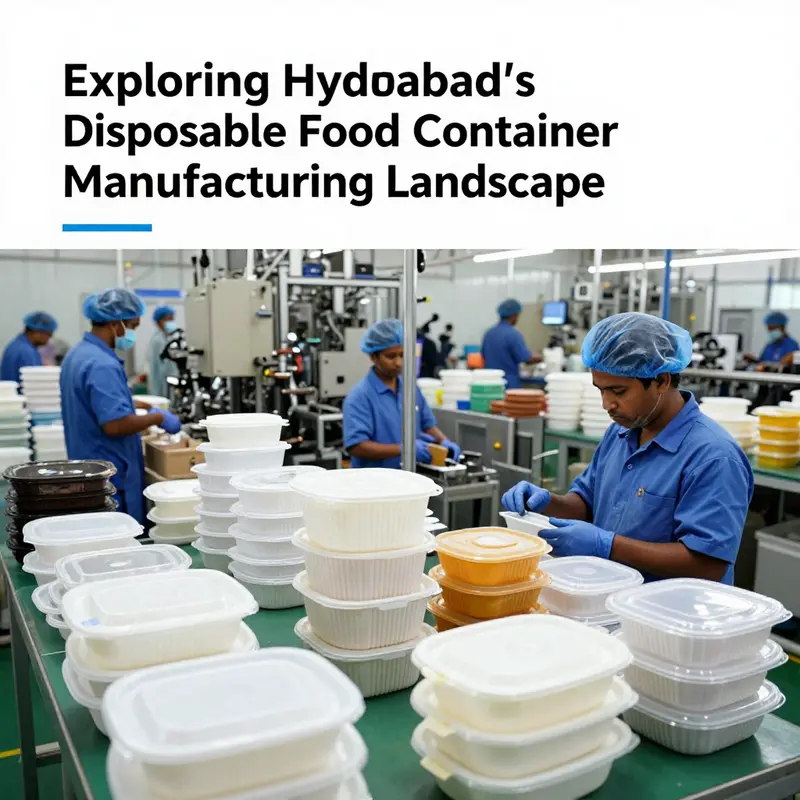
Hyderabad has emerged not as a single factory floor but as a dense, interconnected packaging ecosystem that underpins a significant portion of India’s disposable food container supply. The city’s appeal rests on a practical blend of strategic location, robust infrastructure, and an evolving network of suppliers, manufacturers, and logistics partners that together shorten lead times and sharpen pricing for B2B buyers. What might once have looked like a cluster of workshop production has gradually transformed into an integrated industrial canvas. Here, proximity matters: resin suppliers, mold makers, extrusion lines, and finishing services sit within a manageable radius, enabling companies to source raw materials, develop prototypes, and scale up production with a cadence that few other hubs can match. The result is a city that can respond quickly to changing demand—from the bustling take-out culture of local diners to the more dispersed needs of national food-service chains and export markets that require consistent quality and reliable delivery schedules.
At the core of Hyderabad’s competitiveness is a manufacturing ecosystem that spans the entire lifecycle of disposable packaging. Local factories source plastic resins and bio-based feedstocks from nearby suppliers, reducing both procurement costs and transport-related delays. Equipment manufacturers and service providers cluster around these facilities, offering access to the latest molding technologies, automation, and process control that keep waste low and yields high. This ecosystem is reinforced by strict adherence to international quality standards, with many plants pursuing ISO certifications and compliance with food-safety regimes that govern products intended for contact with edibles. The presence of FSSAI-aligned practices in several facilities further reinforces confidence for buyers who must ensure that containers not only perform well but also meet hygiene and safety requirements for regulatory compliance in both domestic markets and overseas shipments.
Sustainability has become a clear driver of investment in Hyderabad’s disposable packaging space. As brands and retailers seek more responsible packaging options, local manufacturers are expanding into compostable and biodegradable alternatives alongside traditional plastic options. The shift toward materials such as PLA-based bioplastics and sugarcane-based composites reflects a broader, globally influenced strategy: respond to market demand, comply with evolving environmental regulations, and differentiate products through lifecycle thinking. This emphasis on sustainability is not merely a marketing stance; it is a practical decision shaped by regulatory expectations, customer preferences, and the realities of waste management in urban markets. Hyderabad’s factories are increasingly weaving these considerations into product design—selecting materials not only for barrier performance and cost but also for end-of-life scenarios. In many cases, this means offering dual lines or flexible tooling that can switch between conventional and eco-friendly materials without sacrificing speed or scale.
The breadth of manufacturing capability in Hyderabad mirrors the diversity of its customers. On one end, there are established players with scale-oriented operations that excel at high-volume, consistent output for airlines, quick-service restaurants, and large retail chains. On the other end, nimble specialist manufacturers concentrate on custom designs, rapid prototyping, and small-to-mid-size production runs tailored to regional menus, seasonal promotions, or specific culinary formats. In both cases, the capacity to handle bulk orders while maintaining stringent quality controls is a defining feature. This balance—between bulk efficiency and flexible responsiveness—helps Hyderabad attract B2B buyers from across India and beyond, including markets in Southeast Asia, the Middle East, Africa, and Europe, where importers look for reliable partners that can deliver a steady stream of certified, food-safe packaging.
The manufacturing landscape in the city also benefits from its dense network of clusters focused on different stages of the production process. Nearby resin suppliers and additive manufacturers support resin formulations that meet performance and cost targets, while mold makers and tool shops provide the essential customization for container shapes, wall thickness, and sealing features. This proximity supports faster iteration cycles, enabling designers and product developers to test new formats, run durability and heat-resistance tests, and finalize designs with minimal downtime. For buyers, this translates into shorter development timelines and tighter integration between packaging design and manufacturing execution. The end result is a more predictable supply chain in which New Product Introductions (NPIs) can be piloted locally before wider rollouts.
A notable strength of Hyderabad’s sector is its approach to standardization and safety. Many facilities pursue certifications that reassure buyers about consistent performance and hygienic handling. ISO standards provide a framework for quality management, while food-safety certifications align the production process with the expectations of food-service operators and regulators. In practice, this means that containers arriving at a restaurant or catering operation can be counted on to exhibit uniform wall thickness, reliable sealing, and resistance to handling and transport stresses. It also means that manufacturers can confidently export to diverse regulatory environments, where different food-contact requirements may apply. This emphasis on standardization is a cornerstone of the city’s export-oriented mindset and is instrumental in maintaining competitiveness in a crowded global market.
If sustainability and compliance are the rails that keep Hyderabadi manufacturers moving, innovation is the locomotive that speeds them forward. Beyond conventional plastic options, several factories are developing lines that leverage compostable materials and bio-based resins, while others explore fiber-based solutions that align with circular economy principles. The opportunity here extends beyond substitution of one material for another; it encompasses redesigns that optimize for weight, stiffness, barrier properties, and end-of-life handling. Some facilities are adopting modular production lines that can be reconfigured to accommodate new materials or evolving formats without a full capital overhaul. For buyers, this translates into a supplier landscape capable of delivering not just today’s needs but adaptable, future-ready packaging that can respond to shifting consumer tastes and policy landscapes.
From a business perspective, Hyderabad’s appeal lies as much in its connectivity as in its capabilities. For B2B buyers seeking a reliable partner, the city offers access to an established network of manufacturers who can manage large-scale orders and deliver with consistency. Platforms that connect buyers with verified suppliers can help identify these partners, while the local ecosystem provides the on-ground assurance that a supplier can scale, maintain quality, and coordinate with logistics networks across the country and beyond. This combination of grid-like supply-chain capability and the flexibility to handle bespoke projects makes Hyderabad a compelling base for companies aiming to establish or expand a disposable packaging footprint in India and export markets.
Within this landscape, collaboration is essential. Buyers who engage with Hyderabad’s manufacturers often begin with a candid assessment of volume, tolerance for custom designs, and expectations for lead times. The most successful partnerships spring from open dialogue about material choices, processing technologies, and testing regimes. For example, a manufacturer might outline how a given resin formulation performs under typical storage and transport conditions, what seals are capable of withstanding repeated heat exposure, and how their molding process ensures consistent wall thickness across large runs. Such conversations help align customer requirements with the factory’s capabilities, reducing rework, accelerating approval, and lowering the total cost of ownership over the product’s lifecycle. In practice, this alignment frequently hinges on shared standards, transparent communication, and a willingness to adapt—qualities that Hyderabad’s manufacturing community has cultivated through years of serving diverse domestic and international buyers.
For businesses exploring procurement options, Hyderabad also benefits from a mature export-oriented posture. Many manufacturers have built relationships with logistics providers who understand the nuances of handling heavy, bulky packaging components, ensuring that shipments arrive promptly and in good condition. The city’s infrastructure supports efficient distribution to domestic hubs and international gateways, enabling buyers to optimize inventory and respond to demand spikes with confidence. In a market where customer expectations are increasingly precise, Hyderabad’s ability to blend scale with customization—often within a single supplier network—emerges as a distinct advantage. The result is a supply chain that can translate design intent into finished packaging that meets performance, safety, and sustainability criteria while remaining economically viable in competitive bidding scenarios.
For readers seeking a concrete example of the broader supplier landscape, online directories and trade platforms can be a practical starting point. A leading manufacturer based in this region, as identified in industry listings, demonstrates the trend toward integrated, scalable production facilities that meet both domestic and international market demands. These platforms can help buyers vet capabilities, compare certifications, and assess capacity before initiating a partnership. To get a sense of the global supplier landscape and the breadth of options available, you can review an external listing that highlights custom plastic can and disposable container capabilities in a broader market context: https://www.alibaba.com/product-detail/Custom-Plastic-Cans-Disposable-Food-Containers_1600548397129.html.
Alongside scale and capability, buyers should consider how Hyderabad-based partners approach sustainability within the packaging they produce. The city’s manufacturers are increasingly transparent about material choices, recyclability, and end-of-life considerations. Even when plastic remains a primary option for certain applications, there is a discernible shift toward designing containers that are easier to recycle or repurpose. In many facilities, waste streams are managed with attention to segregation, reuse of scrap material, and process optimization to minimize energy use. These practices not only support environmental goals but also contribute to cost savings over the long term, as reductions in scrap loss and energy consumption translate into leaner operations. When combined with the potential for switching to bio-based or compostable materials, Hyderabad’s packaging sector offers a credible pathway to align business objectives with sustainability imperatives that are increasingly central to customer choice and regulatory expectations.
The narrative around Hyderabad’s disposable packaging capabilities is not about a single success story but about a resilient, evolving system. It is a story of a city that has built, and continues to refine, an integrated chain capable of delivering safe, functional, and increasingly sustainable packaging solutions at scale. It is a story about how bustling industrial districts, nearby suppliers, and disciplined quality practices converge to create an environment where designers, manufacturers, and buyers can collaborate efficiently. And it is a story that points to continued growth, driven by ongoing innovation, expanding material options, and a worldwide appetite for packaging that protects food while minimizing environmental impact. As global demand for reliable, responsibly produced disposable containers grows, Hyderabad’s packaging corridor stands ready to respond with consistency, adaptability, and scale that few other hubs can match.
Internal link reference: disposable-octagonal-box-restaurant-food-kraft-paper-packaging
External resource for broader context: https://www.alibaba.com/product-detail/Custom-Plastic-Cans-Disposable-Food-Containers_1600548397129.html
Hyderabad’s Packaging Palette: Exploring the Diverse Product Range of Disposable Food Containers Makers
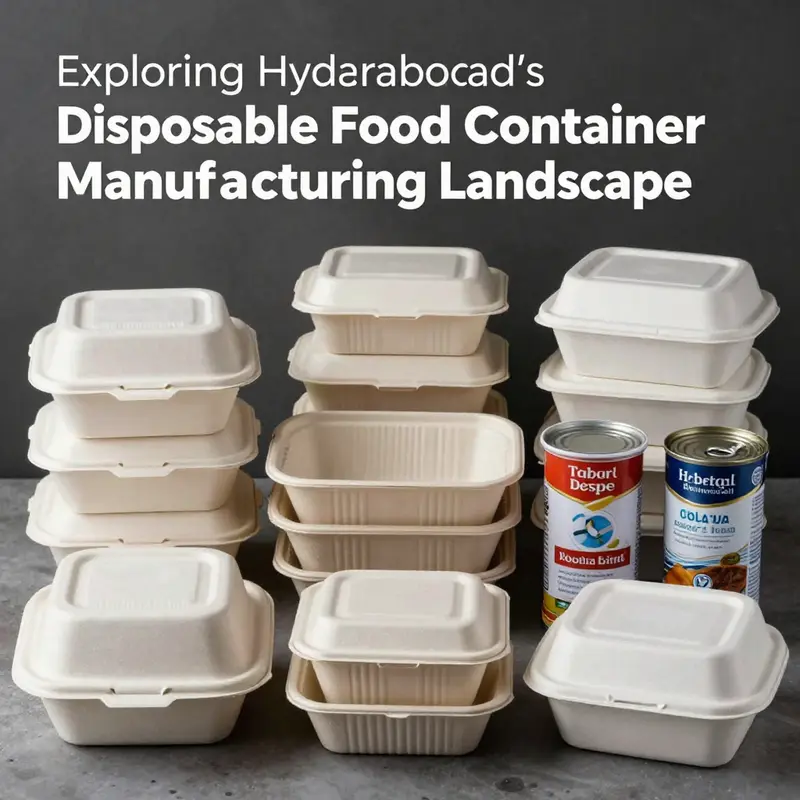
Hyderabad has quietly evolved from a manufacturing crossroads into a full-spectrum supplier of disposable food containers. The city’s strength does not rest on a single material but on a vibrant ecosystem where plastics, paper, and emerging bio-based options coexist and reinforce one another. This multi-material landscape is sustained by well-established industrial clusters that knit together raw-material suppliers, machinery and tooling providers, testing laboratories, and distribution networks. For buyers in search of reliability and efficiency, this means shorter lead times, a broader range of options, and a competitive field where manufacturers continually optimize both process and price. The advantage is not merely geographic; it is systemic: an ecosystem capable of rapid prototyping, scalable production, and integrated quality control that can accommodate everything from small test runs to comprehensive national programs. In this setting, Hyderabad emerges not as a niche producer but as a diversified hub where material choice, design flexibility, and operational discipline come together in ways that meet the evolving needs of restaurants, delivery platforms, and large retail chains across India and beyond.
In terms of product spectrum, the dominant families are clear, yet the lines between them are increasingly permeable as manufacturers expand capabilities. Plastic containers remain foundational, with materials such as PET and PP favored for their clarity, toughness, and heat resistance. These containers cover a wide array of uses—from compact, snap-tight clamshells ideal for media-rich combo meals to sturdy plastic cans and tubes designed for sauces, toppings, or side dishes. The ability to tailor thickness, latch mechanisms, and venting features speaks to a mature supply chain that can deliver both mass-produced standard shapes and customized formats with minimal ramp-up. For hot and cold items alike, the plastic family continues to adapt, leveraging improved barrier properties and better transparency to align with brand aesthetics and consumer expectations.
Yet Hyderabad’s packaging dialogue extends well beyond plastics. Paper-based systems have gained significant traction, driven by consumer demand for eco-friendly solutions and regulatory environments that encourage sustainable takeout. Molded fiber and paperboard options have evolved into sturdy takeout vessels that perform well in delivery contexts while offering added design flexibility. Coatings based on PLA or other biodegradable films allow these boards and fibers to maintain moisture resistance and food-safety integrity without compromising recyclability or compostability where local waste streams permit it. The shift toward paper-based solutions is not just a trend; it reflects a deliberate strategy among manufacturers to diversify risk, appeal to sustainability-minded brands, and offer a balanced portfolio that includes both the comfort of known plastics and the growing preference for fiber-based sustainability.
Alongside these mainstream families, Hyderabad’s manufacturers are expanding into biodegradable and compostable containers that rely on plant-based materials such as sugarcane bagasse, bamboo, and corn starch. The appeal is clear: companies that want to minimize environmental impact, satisfy customers seeking greener options, and position themselves at the forefront of responsible packaging. The performance of these alternatives continues to improve, with enhancements in heat tolerance, rigidity, and barrier properties that are increasingly compatible with common food-service applications. For brands aiming to communicate a sustainability story, these materials offer tangible differentiation and a credible narrative about end-of-life outcomes. The landscape is not about choosing one material over another; it is about matching the right material to the product, the delivery context, and the brand promise.
A standout feature of Hyderabad’s packaging scene is the mature level of customization and design support available through local manufacturers. Many firms offer OEM and ODM services, enabling clients to imprint logos, colors, and distinctive shapes onto containers. This capability extends to a broad spectrum of formats—from branded paper bowls with lids to custom-printed plastic clamshells and tailored fiber trays that align with specific menu concepts. Such operations are supported by design studios, in-house tooling, and rapid prototyping cycles that shorten development timelines and reduce the risk of misalignment between concept and execution. For brands seeking truly integrated packaging solutions, the ability to move from concept to container with one partner translates into smoother supply chains, better quality control, and stronger brand coherence in crowded marketplaces. In some cases, this level of integration also encompasses export capabilities, enabling Hyderabad-based manufacturers to serve international markets with consistent standards and scalable production capacity. A notable example of the kind of integrated, scalable operation that is becoming common in this ecosystem is a leading local producer that specializes in custom plastic cans and food containers while offering both OEM and ODM services to meet diverse market needs.
The breadth of the product range naturally serves a broad client base. Restaurants, catering services, fast-food chains, and e-commerce food-delivery platforms rely on a mix of container types to optimize portion control, temperature management, and branding. For these customers, the choice is not only functional but strategic. A robust, diversified catalog reduces dependency on a single supplier and supports business continuity even when demand patterns shift—for instance, a surge in takeaway orders during a festival season or a spike in demand for sustainable packaging due to a new shopper preference. Hyderabad’s manufacturers are attuned to these swings, with capacities that span from small-batch pilot runs to bulk-production cycles that preserve consistency across tens or hundreds of thousands of units. The combination of scalability and material versatility helps ensure that clients can maintain service levels without sacrificing cost efficiency or quality.
Quality and compliance matter as much as the variety of products. The city’s industrial clusters emphasize standardized testing, food-safety certifications, and traceability across the entire value chain. This is essential because disposable packaging does more than house food; it influences shelf life, temperature retention, and consumer perception of cleanliness and reliability. In practice, Hyderabad-based producers integrate rigorous quality control at multiple stages—mold checks, dimensional accuracy, seal integrity, and barrier performance—so that a batch produced today matches the performance profile promised at the outset. For buyers who operate across multiple regions, the ability to source from a network that adheres to international standards reduces risk and simplifies compliance. The result is a compelling proposition for large-scale operators who require consistent output and predictable scheduling, which in turn supports their own logistics planning and customer satisfaction metrics.
Sourcing dynamics for these manufacturers are further strengthened by active B2B platforms and regional directories. While the knowledge base highlights Chinese suppliers in some contexts, Hyderabad’s ecosystem is increasingly visible on global and domestic procurement channels. Platforms such as IndiaMart and TradeIndia, along with international marketplaces, help buyers locate verified local manufacturers, review catalogs, compare pricing, and initiate bulk orders with confidence. The practical upshot is a more transparent procurement process, shorter negotiation cycles, and easier management of supplier relationships across product families. The result is a procurement experience that mirrors the efficiency of the production lines themselves.
The cross-material versatility in Hyderabad does more than diversify options; it enables brands to optimize lifecycle costs and align packaging choices with brand stories. For example, an operator launching a new delivery concept can begin with plastic containers for durability and then transition to molded-fiber or PLA-coated paper-based options for takeout menus that emphasize sustainability. When combined with customization options, the effect is a packaging suite that reinforces the brand at every touchpoint—from the moment the customer sees the box or cup to the final impression of unboxing and consumption. This strategic flexibility matters because it empowers businesses to manage cost pressures without compromising on quality or brand integrity. It also opens opportunities for co-packaging partnerships and packaging-as-a-service arrangements, where a Hyderabad partner can manage the end-to-end packaging stack for a brand, from design and tooling through to finished goods and onward distribution.
For buyers seeking concrete examples of the kinds of packaging solutions available, the Hyderabad ecosystem offers both breadth and depth. The range includes molded-paper alternatives with robust heat resistance and stiffness, as well as high-clarity plastic variants designed for premium presentation. The universal appeal of OEM/ODM capabilities means brands can preserve their identity while leveraging the scale advantages of a diversified production base. In practical terms, this translates into shorter development timelines, streamlined approvals, and faster time-to-market for new menu items, seasonal promotions, or region-specific packaging variations. The adaptability of the local manufacturers makes Hyderabad a compelling counterpart for businesses pursuing aggressive expansion without sacrificing control over quality and consistency.
As the packaging landscape continues to evolve, Hyderabad’s role is likely to deepen. Sustainability trends, consumer expectations for recyclable and compostable options, and the push toward more efficient, lower-cost production all converge to shape ongoing investment and innovation in the city. The packaging palette—ranging from PET and PP plastics to molded fiber and plant-based composites—offers a practical framework for brands to map their packaging strategy against supply-chain realities and market pressures. The result is a cohesive, resilient ecosystem where diverse materials, customization capabilities, and scalable production coalesce into a compelling value proposition for both domestic and international markets.
Internal link note: for readers exploring specific eco-friendly packaging options available in Hyderabad, a product page detailing biodegradable and customizable kraft paper bowls illustrates how the regional capability translates into tangible branded solutions: Biodegradable Eco-friendly Takeaway Kraft Paper Bowl. This example underscores how local manufacturers combine sustainability with design flexibility to meet contemporary food-service needs.
External resource for broader context on supplier capabilities and standards can be found at a leading global marketplace that lists customized plastic cans and disposable food containers, illustrating the range of features buyers now expect from integrated suppliers: https://www.alibaba.com/product-detail/Custom-Plastic-Cans-Disposable-Food-Containers_1600548397129.html
Industrial Pulse: How Hyderabad’s Disposable Food Container Makers Are Driving India’s Packaging Economy
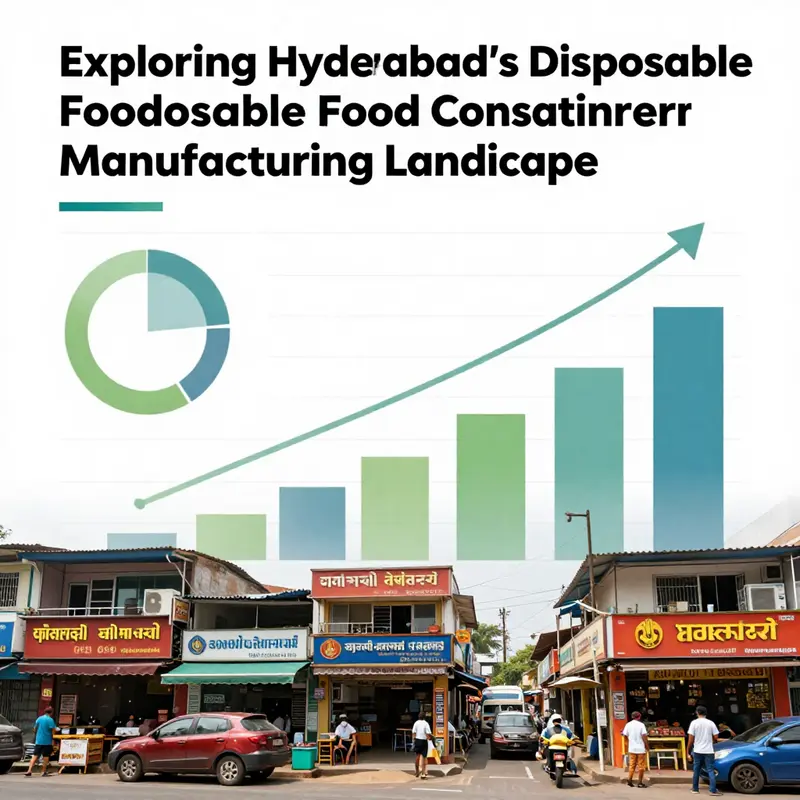
Hyderabad stands at a pivotal moment in the country’s packaging story, where a cluster of manufacturers that specialize in disposable food containers is turning local capabilities into a significant driver of regional and national economic vitality. The city’s appeal rests not only on its logistical advantages and established industrial infrastructure but also on the way it weaves together raw material access, skilled labor, and a growing appetite for hygienic, single use packaging that can meet the diverse demands of a dynamic food service sector. In this context, the economic impact of Hyderabad’s disposable container makers extends far beyond factory gates. It ripples through supply chains, enhances service quality for eateries and delivery platforms, and supports a broader shift toward standardized, compliant packaging that protects consumer health while enabling scale and efficiency across markets. The result is a regional ecosystem that blends tradition with modern manufacturing discipline, where product development, quality assurance, and distribution logistics align to serve restaurants, hotels, cafeterias, and expanding delivery networks across India and, increasingly, beyond its borders. The fabric of this ecosystem is reinforced by Hyderabad’s converging strengths: proximity to raw material suppliers, access to a robust industrial base, and an emerging culture of sustainable alternatives that respond to both regulatory expectations and evolving consumer norms. In this environment, the disposable container segment has matured into more than a transactional supply line. It represents a critical interface between food safety, convenience, and cost control, with manufacturers repeatedly highlighting reliability and consistency as differentiators in a crowded field. The city’s manufacturers consistently emphasize non-toxic, moisture resistant packaging and the adherence to food safety standards, which are essential attributes for containers used in a high-volume food service market. By supplying a broad spectrum of formats—from simple trays to more complex molded designs—these producers help restaurants and delivery services keep pace with demand while maintaining product integrity under varied transport conditions and climates. The market context is clear. The India Food and Beverage Packaging Market has reached substantial scale, with a valuation around the USD 40.73 billion mark in 2026 and an anticipated compound annual growth rate in the mid single digits, projected to hit about USD 55.67 billion by 2031. Such growth signals sustained consumer demand for convenient, hygienic packaging options and creates a favorable backdrop for Hyderabad’s manufacturing clusters to expand capacity and respond to evolving customer needs. Hyderabad’s manufacturing clusters are not isolated islands; they function as a cohesive system with established links to downstream distribution networks, logistics corridors, and regional suppliers of polymers, paperboard, and molded fiber inputs. This interconnectedness reduces lead times, lowers unit costs, and improves predictability in production planning. The result is a compelling value proposition for B2B buyers seeking reliable, scalable production partnerships capable of delivering bulk orders on tight timelines. It is not just about making containers; it is about ensuring quality, safety, and consistency across every batch. The emphasis on quality is evident in how these operations structure their quality assurance processes. From raw material intake to finished product testing, Hyderabad manufacturers pursue rigorous controls that ensure contamination-free guidance and moisture resistance. These controls are especially critical given the role of disposable containers in preserving food quality during transport and storage, as well as in meeting regulatory requirements that govern contact with foodstuffs. The city’s value proposition thus rests on a triple axis: technical capability, supply chain reliability, and a growing commitment to sustainability. Many local players are increasingly investing in eco-friendly alternatives, such as biodegradable and compostable packaging materials, without compromising the essential attributes of performance and cost efficiency. This evolution mirrors a broader national and international demand for packaging solutions that can reduce environmental impact while maintaining the convenience and hygienic standards that modern food service relies upon. For B2B buyers evaluating potential sourcing partners in Hyderabad, the decision often hinges on the ability to scale production quickly while maintaining consistent quality across large orders. The manufacturers’ ability to manage turnkey operations, mold and shape a wide variety of container formats, and offer customization options through OEM or ODM services is a critical advantage. The capability to export or supply at scale reinforces the city’s role as a regional hub rather than a purely domestic producer. In practice, this means a supplier base that can provide end-to-end service—from material procurement and design support to manufacturing, packaging, and dispatch. These advantages translate to faster turnarounds and more competitive pricing, an especially meaningful consideration for clients in food service networks that prioritize cost control without sacrificing safety. The broader supply chain supports and is reinforced by a network of ancillary industries, including raw material suppliers, logistics providers, and testing laboratories, each contributing to a robust industrial economy. The ecosystem benefits SMEs in the area by offering opportunities to participate in larger value chains, scale their operations, and access export channels that were previously beyond reach. This dynamic also prompts innovations in process efficiency and product development. As demand for healthier and more sustainable options grows, Hyderabad’s manufacturers are experimenting with lighter weight formulations, alternative materials, and modular designs that can be adapted to different cuisines, delivery scenarios, and storage requirements. Consumers are increasingly drawn to packaging that withstands the rigors of delivery while remaining convenient to use and dispose of in a responsible way. In markets where consumers value clean, hygienic packaging, single-use options that are easy to dispose of after consumption are likely to remain prevalent. At the same time, the push toward sustainability is accelerating attention to end-of-life considerations, recyclability, and compostability. This tension between convenience and environmental responsibility spurs a continuous loop of product improvement, supplier evaluation, and process optimization. It also nudges policy discussions and industry standards, ensuring that Hyderabad’s manufacturers remain aligned with evolving regulatory expectations and environmental goals. The commercial importance of these trends is visible in how Hyderabad-based producers position themselves in a competitive landscape. They emphasize reliability, quality, and scale, often offering customized solutions to fit the unique requirements of large food service networks and multi-site operations. The potential to integrate with export channels means that Hyderabad’s capabilities can support orders from diverse geographies, underscoring the city’s strategic role in India’s packaging export ecosystem. With this expanded potential comes a need for rigorous risk management. Price volatility of raw materials, energy costs, and shifting regulatory regimes can influence both the cost structure and the speed at which new designs can be brought to market. Manufacturers respond by diversifying their material portfolios, investing in energy-efficient processes, and maintaining flexible production lines that can adapt to changing demand. This adaptability enhances resilience, a characteristic that is highly valued by buyers facing uncertain macro conditions. The consumer trend toward hygienic, single-use packaging—particularly for commercial and home delivery contexts—continues to bolster demand for trays and containers that combine safety, moisture resistance, and user-friendly features. While plastics remain a major material in the segment, there is growing attention to sustainable alternatives that align with circular economy objectives. Hyderabad’s manufacturing community is increasingly seen as a bridge between these competing priorities: ensuring performance and affordability while embracing responsible packaging solutions. The strategic implications for buyers are clear. Partnering with Hyderabad-based manufacturers can yield a dependable supply chain, access to a diversified portfolio of container formats, and opportunities to collaborate on design and process improvements that drive efficiency. In a region where logistics corridors are well established and the industrial base is expanding, these advantages translate into competitive lead times and reduced risk across the procurement cycle. For buyers seeking to connect with reputable disposable container manufacturers in Hyderabad, there are practical avenues to verify supplier credibility and quality controls through industry directories and vetted platforms. When evaluating options, it is worth looking for partners that offer end-to-end capabilities, including customization options and scalable production, as well as compliance with relevant safety standards. For readers who want a tangible example of the kinds of packaging solutions that are increasingly common in this market, one can explore the broader ecosystem of durable, eco-friendly options that are being integrated into the product mix. A direct reference to the type of packaging evolving in the region can be found on specialized product pages that showcase a range of take-away and salad bowls made from kraft paper. These offerings illustrate how traditional materials and modern design can converge to meet food service needs while also supporting sustainability goals. For example, a supplier page highlights a disposable kraft paper bowl designed for take-away use and salad applications, paired with a PET lid for secure transport. This reference point demonstrates how the packaging industry locally frames functional design with consumer convenience and environmental considerations, thereby strengthening the business case for Hyderabad as a manufacturing hub. disposable kraft paper bowl for take-away and salad bowls with PET lid. Beyond design and production, the economic impact of this sector in Hyderabad also reveals broader socio-economic benefits. The expansion of manufacturing capacity supports job creation, provides opportunities for SMEs to scale, and stimulates ancillary industries such as logistics, testing, and material supply. These effects collectively contribute to regional development by increasing employment opportunities, enhancing skill development, and expanding tax bases. This multi-layered growth is particularly meaningful in the context of national market dynamics, where India’s packaging industry is poised to play a central role in meeting rising demand from the food service segment, both domestically and for export markets. The momentum is underscored by official market analyses that project ongoing growth through the next decade, driven by consumer demand for convenience and safety, and reinforced by ongoing investments in quality standards and sustainable packaging options. In sum, Hyderabad’s disposable container manufacturers occupy a central position in India’s packaging economy, serving as a critical link between the needs of the food service industry and the broader goals of sustainable, scalable production. Their success reflects a careful balancing of cost, quality, and environmental responsibility, all of which are essential to supporting a food service network that values hygiene, reliability, and speed. As the market evolves, the city is likely to consolidate its role as a manufacturing hub within India’s expanding packaging ecosystem, benefiting from robust demand signals while continuing to adapt to shifts in materials, processes, and consumer expectations. External resources on market size and trends provide further context for this trajectory and offer deeper insight into how packaging innovations and regulatory developments may shape the growth path of Hyderabad’s disposable container manufacturers. External resource: https://www.marketresearchfuture.com/reports/food-and-beverage-packaging-market-india-12345
Sustainable by Design in Hyderabad: Navigating the Hidden Practices of Disposable Food Container Makers
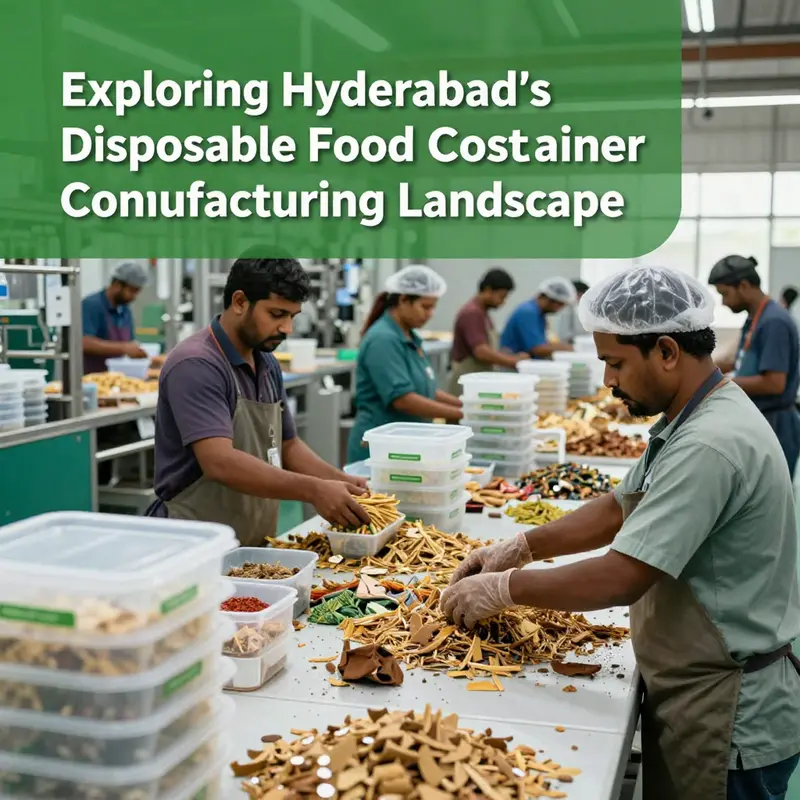
Hyderabad sits at a curious intersection of scale and aspiration in the disposable food packaging sector. The city’s clusters pull together a dense network of manufacturers, suppliers, and distributors, all oriented toward fast, reliable production of plastic and other sustainable materials. Yet sustainability practices remain under-documented in public records. What is visible is a landscape defined by capacity, proximity to raw materials, and the logistical advantages of a well-connected industrial ecosystem. What remains opaque is how deeply environmental stewardship is embedded in everyday operations—how factories manage energy use, water efficiency, waste streams, and end-of-life options for products churned out at scale. This gap isn’t simply a local curiosity; it shapes decisions for international buyers, domestic restaurateurs, and policy observers who want to understand how Hyderabad-based manufacturers align with global sustainability expectations.
The absence of publicly accessible, comprehensive data invites careful inquiry. Instead of presenting a single affirmative narrative, the chapter traces how sustainable practice could unfold in a city with expanding industrial capacity and growing exposure to global markets. In a global supply chain, the environmental footprint of a packaging supplier becomes a core credential informing procurement, pricing, and risk management. For buyers, this means asking for transparency about energy intensity, material sourcing, waste handling, and compliance with environmental regulations both at home and abroad.
Even without citywide disclosures, there are parallels to the broader international dialogue on disposable packaging. Across leading manufacturing hubs, sustainability programs rest on pillars such as material choice and compatibility with recycling streams, energy and water efficiency in production, waste reduction and circular economy strategies, and governance that ensures accountability across supplier tiers. Hyderabad’s manufacturers have access to commonly used materials—polypropylene and PET—alongside bio-based and compostable options such as polylactic acid and bagasse fibers. The challenge is translating these materials into scalable, cost-competitive production without compromising performance, reliability, or export readiness. The regional advantage is the industrial infrastructure that enables rapid prototyping, pilot runs, and line reconfiguration as demand shifts. The challenge is ensuring that flexibility does not sidestep sustainable outcomes in pursuit of throughput.
A thoughtful reading of the landscape suggests pathways to tangible sustainability in Hyderabad’s manufacturing routines, even when data is scarce. First, design for recyclability and end-of-life management must move from theory to practice. Packaging engineers evaluate material streams, identify contaminant sources, and minimize blends that hinder recycling. For Hyderabad’s manufacturers, this means partnering with suppliers who provide consistently recyclable resins and designing products that reduce material variety within a single item, making downstream processing easier. Where feasible, mono-material constructs and thinner walls can yield meaningful reductions in material use and energy.
Second, energy and water efficiency deserve deliberate attention on the shop floor. Energy intensity often shapes unit cost and environmental impact. Hyderabadi facilities, especially those serving export demand, can benchmark against international energy-management standards with regular energy audits, meter-based monitoring, and continuous-improvement cycles. Water stewardship matters too—cooling systems, dyeing or finishing streams, and wash processes interact with local resources. Even modest improvements in wastewater treatment and closed-loop cooling can reduce utility bills and environmental risk, while signaling credible sustainability to buyers.
Third, governance and transparency are essential for building trust. In the absence of broad public disclosures, buyers rely on supplier assessments, third-party audits, and robust contractual clauses that codify environmental performance. A practical approach couples supplier codes of conduct with on-site visits, documentation reviews, and supply-chain traceability. When a factory can point to verifiable practices—certifications, test reports, and documented improvements—buyers gain confidence that sustainability is embedded, not bolted on.
The potential for material innovations in Hyderabad is substantial. Bio-based and compostable materials attract attention, though adoption is uneven. Sugarcane pulp, bagasse, and other agricultural residuals offer pathways to reduce reliance on conventional plastics while delivering performance for take-away and food-service needs. The challenge is ensuring supply reliability, cost parity, and compatibility with recycling infrastructure. In practice, this translates into partnerships with raw material suppliers, testing laboratories, and waste-management networks. For a city ecosystem serving domestic and export channels, such collaborations yield mutual benefits: greater material diversity for customers and safer streams for processors.
In this landscape, buyers who seek sustainable outcomes must practice due diligence. It is not enough to accept eco-friendly claims at face value. Verifiable information—production energy intensity, water usage, material composition, recyclability scores, and end-of-life pathways—should be part of a supplier’s portfolio. Clear documentation, including bill of materials, process flow maps, and certificates of conformity, becomes a baseline for decision-making. Procurers should request public or third-party attestations and look for evidence of ongoing improvement rather than static indicators of past performance. When public data are lacking, demand transparent reporting, periodic audits, and long-term commitments to milestones.
Within this context, Hyderabad’s economy benefits from procurement choices that reward responsible design and production. If buyers insist on defined material specifications and recyclable end-of-life plans, manufacturers are incentivized to optimize formulations and processes. If buyers require energy and water metrics as part of vendor dashboards, facilities will invest in metering, monitoring, and efficiency upgrades. The result could be a more resilient supplier base capable of handling large orders while aligning with evolving regulatory regimes.
As the ecosystem evolves, information asymmetry should fade. The industry’s sustainability narrative should move from hopeful statements to verifiable practices. In Hyderabad, the scale and speed of production can be a competitive edge, but credible sustainability rests on accessible documentation and collaborative problem-solving. Some manufacturers are beginning to explore co-development with customers, sharing performance data from pilot runs, and jointly testing recycled or alternative materials under controlled conditions. Such approaches reduce risk and accelerate learning, fostering a culture where environmental stewardship is embedded in product development, not sacrificed for throughput.
This chapter references global packaging discussions without losing sight of regional realities. The tension between material performance, cost, and environmental impact echoes across continents. The broader discussion of compostable versus recyclable materials, bio-based versus traditional plastics, and the need for scalable end-of-life solutions remains central to meaningful sustainability planning in disposable packaging. The missing Hyderabad-wide data should not deter progress; it should motivate more rigorous reporting, more transparent collaborations, and more deliberate investments in process innovation.
To connect theory to practice, several locally relevant materials and design strategies can be explored in collaboration with suppliers and customers. For instance, moving toward designs that minimize material complexity helps ensure easier sorting in recycling streams. Encouraging suppliers to provide full material declarations and life-cycle data supports buyers pursuing circular economy outcomes. Such measures align with global shifts in procurement that favor supplier responsibility as a criterion for long-term contracts and premium pricing where warranted by credible environmental performance. In the absence of comprehensive Hyderabad-wide disclosures, collaboration and evidence-based approaches become the most responsible path forward, enabling manufacturers to preserve competitiveness while pursuing sustainable development goals.
For readers seeking tangible references in the packaging space, consider how a global packaging platform frames eco-friendly options versus performance demands. While the Hyderabad market has its own dynamics, the underlying tension between material performance, cost, and environmental impact echoes across continents. The broader discussion of compostable versus recyclable materials, bio-based versus traditional plastics, and the need for scalable end-of-life solutions remains central to meaningful sustainability planning in disposable packaging. The absence of public Hyderabad-wide data should not deter progress; it should motivate more rigorous reporting, more transparent collaborations, and more deliberate investments in process innovation.
Hyderabad’s Global Footprint in Disposable Packaging: Connecting Local Craft to Worldwide Demand
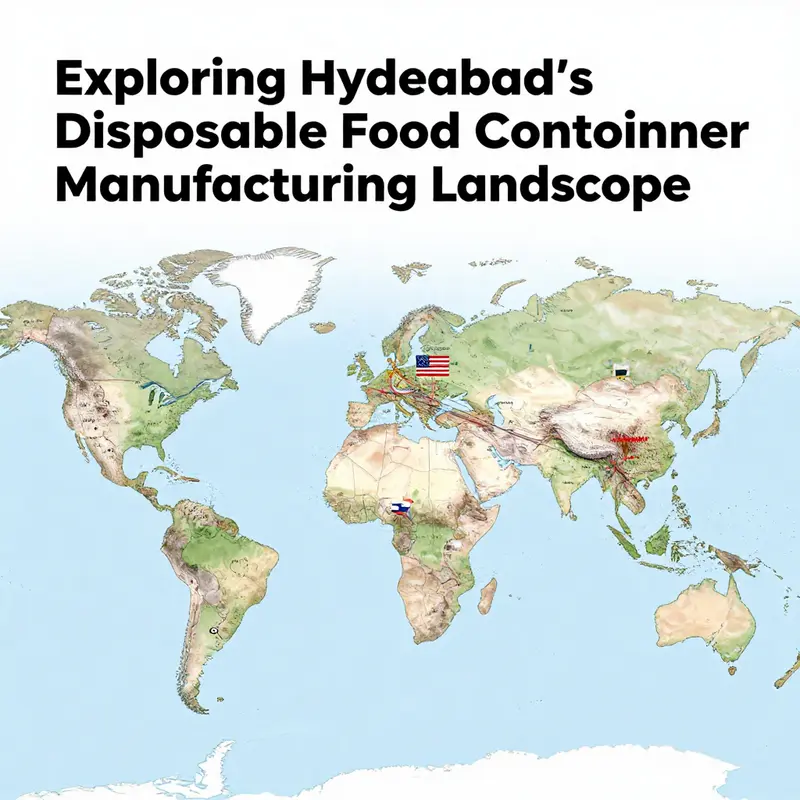
Hyderabad sits at a crossroads where regional craftsmanship meets global demand. The city’s ascent as a hub for disposable food containers is not merely a matter of assembly lines and stockkeeping; it is the product of a deeply interconnected ecosystem that threads local capability through international markets. The core strength of this ecosystem lies in its ability to translate a simple need—convenient, safe, and cost-effective packaging—into scalable production that can meet both domestic restaurant networks and cross-border supply commitments. Behind every package, there is a chain of decisions about materials, manufacturing precision, quality assurance, and delivery logistics that together create reliability in a sector that thrives on speed and trust. Hyderabad’s industrial clusters organize this chain into a living network, where raw material sourcing, conversion into multiple packaging formats, and distribution converge in a cadence that makes the city a practical choice for B2B buyers seeking consistency and value.
A substantial portion of the city’s output focuses on sustainable and recyclable options, with kraft paper-based solutions occupying a prominent place. The choice of kraft paper aligns with a growing global preference for more environmentally considerate packaging, without sacrificing the barrier properties or the structural integrity needed to transport hot meals, sauces, or oily foods. In this regard, Hyderabad-based manufacturers are not just suppliers of containers; they are stewards of a shifting packaging culture that prioritizes recyclability and compostability while maintaining strict safety standards. The result is a portfolio of products that can be as simple as a takeout box or as thoughtful as a multi-functional container designed to withstand transport and ensure a hot or fresh meal reaches consumers in optimal condition.
What makes Hyderabad particularly compelling for B2B buyers is the combination of an established industrial backbone and a responsive, adaptable labor force. The city’s industrial clusters support the entire lifecycle of disposable packaging—from the procurement of base materials and additives to plastic and paper processing, from die-cutting and forming to final packaging assembly, and onward to warehousing and shipping. This integration shortens lead times and improves price stability, both of which are decisive when manufacturers bid for large orders or when vendors need to adjust capacity in response to seasonal demand or new contract commitments. The presence of dedicated logistics corridors and proximity to major ports and hinterlands add another layer of efficiency, enabling Hyderabad-based plants to export to regions as diverse as Europe, North America, and Southeast Asia.
In practice, this connectivity translates into a robust export-oriented mindset among local producers. The most capable players adopt international quality standards, maintain audited supplier statuses, and implement comprehensive traceability across every batch. They invest in staff training and process controls that align with global expectations for food-contact packaging safety. While the supply chain remains rooted in traditional manufacturing skills, it benefits from modern quality management systems, clear performance metrics, and a willingness to adopt new materials that reduce environmental impact. The result is a production environment that can reliably handle bulk orders for large restaurant groups or national retail networks while still offering the flexibility to customize designs for regional tastes or brand aesthetics.
A realistic picture of Hyderabad’s manufacturing strength emerges when considering the role of global connections. Local producers increasingly engage with international buyers through verified supplier directories and export platforms, bridging the gap between regional production capacity and global procurement needs. In this context, one illustrative scenario involves a Hyderabad-based manufacturer offering custom plastic and paper packaging solutions with OEM and ODM capabilities. Such a partner can adapt container dimensions, print branding in compliance with regulatory requirements, and coordinate multi-site production to ensure consistent output across orders. The emphasis on customization is not merely about aesthetic branding; it reflects a strategic approach to meet diverse customer demands—ranging from small takeaway operators seeking simple, economical options to large chains requiring standardized, auditable packaging for uniform consumer experiences across cities and countries.
The sustainability thread in Hyderabad’s packaging story is reinforced by the growing attention to eco-friendly materials and end-of-life considerations. Local producers are increasingly exploring alternatives to conventional plastics, balancing performance with environmental factors such as recyclability and compostability. In formats where the container must perform as a barrier to grease and moisture while also enabling downstream recycling, kraft-based solutions and other pulp or fiber composites are prominent. For many buyers, this means a turnkey proposition: a container that meets food safety standards, supports responsible disposal, and contributes to a brand’s environmental commitments. The sophistication of these offerings arises from years of refining process parameters, such as coating systems that maintain oil resistance without compromising recyclability, or fiber-based structures that deliver adequate rigidity while reducing overall weight and material intensity. The outcome is a compelling choice for food operators who want to project sustainability without incurring prohibitive cost penalties.
For businesses seeking to understand the full scope of Hyderabad’s packaging offerings, the city’s export readiness and quality commitments are key considerations. The most reliable partners operate with a clear export playbook: documented material specifications, third-party testing where necessary, and seasoned logistics teams that can coordinate customs documentation, cargo insurance, and on-time delivery across continents. This level of readiness is essential when competing in markets that enforce stringent packaging standards and where delays or nonconforming lots can disrupt product launches or restaurant rollouts. Hyderabad-based firms that have earned durable reputations for reliability are often the ones that maintain long-term relationships with international buyers by meeting lead times, batch traceability, and post-sales support requirements. They understand that packaging is not just a commodity but a critical component of the consumer experience that can affect brand perception, shelf life, and even the perceived quality of a dish.
The narrative of Hyderabad’s global packaging footprint would be incomplete without acknowledging the platforms that connect buyers with factories. Industry directories and e-commerce marketplaces have become important channels for discovering verified suppliers, validating capabilities, and initiating negotiation on terms such as minimum order quantities and production timelines. These platforms enable buyers to evaluate potential partners based on track records, export performance, and accreditation status. Yet the most effective engagements are not solely transactional; they involve a collaborative posture where buyers and manufacturers co-create solutions. In practice, this collaboration can take the form of design-for-manufacture consultations, material substitutions to align with sustainability goals, or scalable production plans that grow with a buyer’s business. Such partnerships illustrate how Hyderabad’s manufacturers are transitioning from simple suppliers to strategic packaging collaborators capable of supporting diverse culinary concepts and distribution models.
To illustrate the practical texture of this landscape, consider the broader supply chain realities facing Hyderabad’s manufacturers. Raw material sourcing remains a pivotal concern, with prices and supply reliability influencing both short- and long-term planning. Local firms that integrate procurement with manufacturing operations stand a better chance of maintaining steady output and favorable pricing, even when supply shocks affect global markets. In addition, the workforce’s skilled labor force—engineers, die makers, machine operators, and QC technicians—adds a layer of consistency that can differentiate a factory’s output. When combined with the city’s logistics efficiency and climate-aware production planning, Hyderabad can deliver competitive costs without compromising performance, which is vital for both domestic takeaway services and international buyers seeking value without sacrificing safety or regulatory compliance.
Within this ecosystem, one can glimpse how a city that historically built its reputation on other industries has evolved into a supplier of choice for a growing suite of disposable packaging solutions. The opportunity for continuous improvement is real: as environmental expectations rise and as consumer behavior shifts toward more sustainable options, Hyderabad’s manufacturers are positioned to innovate with new materials, multilayer barrier systems, and smarter packaging designs that reduce waste and optimize shipping. The capacity to pilot and scale such innovations, while maintaining rigorous quality control, underscores why Hyderabad has become a preferred destination for those seeking dependable, scalable packaging partners who can operate across multiple geographies and regulatory environments.
For buyers seeking concrete pathways into this ecosystem, a practical approach is to start with a verified supplier directory and then move toward a collaborative, design-first engagement. A representative pattern involves initiating with a clear brief on container dimensions, material choices, and performance criteria; sourcing a few shortlisted partners; and then conducting pilot runs to validate quantities, tolerances, and packaging performance under typical transport conditions. As orders scale, the ability to customize packaging designs while preserving cost effectiveness becomes a decisive advantage. In Hyderabad, the blend of proven manufacturing competence, export orientation, and a willingness to adopt eco-friendly materials creates a compelling proposition for any enterprise looking to align its packaging strategy with global sustainability and efficiency goals.
A concrete example of the packaging ethos found in Hyderabad can be seen in the disposable octagonal box page, which showcases how a simple, versatile design can serve multiple cuisines and distribution channels while maintaining structural integrity and a refined consumer experience. This reference point illustrates how local makers translate material science and craft into scalable packaging solutions that meet international expectations. For further context on how these capabilities translate into broader market access, an external reference provides broader industry context: https://www.alibaba.com/product-detail/Disposable-Takeaway-Paper-Container-Kraft_1600537849546.html. Additionally, to explore related packaging formats and design options that show how Hyderabad firms diversify their offerings, you can browse the internal product page linked here: disposable-octagonal-box-restaurant-food-kraft-paper-packaging.
In sum, Hyderabad’s rise as a global connector for disposable food containers rests on a nuanced balance of local manufacturing skill, strategic material choices, and an export-ready mindset. The city’s clusters foster rapid iteration and scalable production, while its manufacturers continuously calibrate quality, cost, and environmental performance to meet the expectations of both Indian clients and international buyers. As demand for sustainable, safe, and reliable packaging grows, Hyderabad’s engineering ethos and logistics networks will likely deepen their role as a critical node in the global disposable packaging supply chain, weaving together regional capability with worldwide opportunities.
Final thoughts
Hyderabad’s rise as a hub for disposable food container manufacturing showcases not just the strength of its industrial landscape, but also its commitment to sustainability and product diversity. As bubble tea shops, restaurants, food trucks, and catering services continue to seek reliable packaging solutions, the manufacturers in Hyderabad stand ready to meet these demands with innovative, cost-effective options. By fostering global partnerships and adopting eco-friendly practices, these businesses are not only enhancing their local economy but also making a impact in the global marketplace. Businesses looking for trustworthy production partners will find a wealth of opportunities in this vibrant city.