
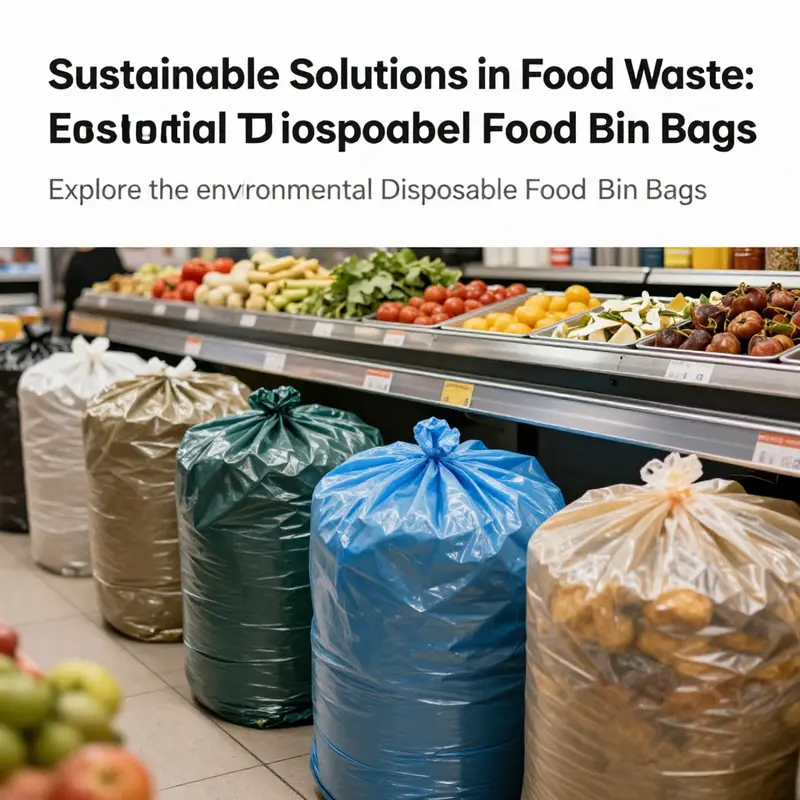
As the food and beverage industry increasingly turns its focus toward sustainability, the role of disposable food bin bags becomes pivotal. Tailored for establishments like bubble tea shops, restaurants, food trucks, and corporate catering services, these eco-friendly bags not only facilitate waste disposal but also align with the growing consumer demand for sustainable practices. This comprehensive exploration will delve into the environmental impact of these bags, analyze the current market trends, review the latest technological advancements, consider relevant regulatory standards, and examine consumer preferences. Together, these elements paint a clear picture of why incorporating high-quality disposable food bin bags is crucial for businesses seeking to uphold their commitment to environmental responsibility and operational efficiency.
The Hidden Footprint: Rethinking the Environmental Cost of Disposable Food Bin Bags
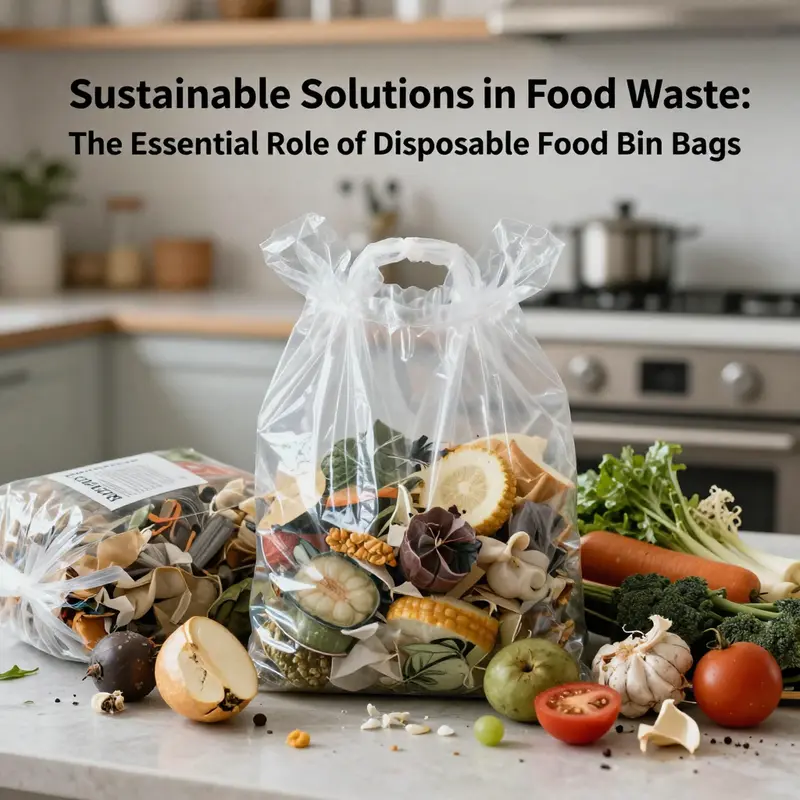
Everyday convenience often shields us from the quiet, persistent footprint of the packaging we rely on. In kitchens, offices, and even bathrooms, disposable food bin bags are the unsung workhorses of waste management. They keep bins cleaner, odors in check, and waste streams orderly. Yet their convenience sits atop a complex material and energy chain that, when viewed from cradle to grave, reveals a web of environmental costs. The discussion around these bags is not simply about whether they break down but about how their entire lifecycle—from raw material extraction through production and distribution, to end-of-life fate—shapes ecosystems, energy use, and climate dynamics. Understanding that lifecycle matters because it reframes a familiar household habit into a strategic moment for reducing ecological harm, especially as cities and households seek practical, scalable ways to cut plastic pollution and resource waste without sacrificing hygiene and convenience.
The story begins with material choices. Most disposable bin bags are made from polyethylene, a form of plastic derived from fossil fuels. This is not a neutral material; it carries the environmental signature of its feedstock and the energy intensity of its processing. The simple act of selecting a bag therefore becomes a decision that echoes across energy use and greenhouse gas emissions. The plastic’s light weight and low price enable widespread adoption, but they also conceal the longer-term consequences of using a product designed for one brief use and then discarded. In this sense, the material is not merely a wrapping for waste but a node in a global system of resource extraction, refining, and transportation that consumes energy and generates emissions in ways people rarely notice when they toss a bag into the bin.
Production is the next layer of this footprint. The manufacture of single-use plastic bags, including those used for food waste, involves substantial energy consumption and greenhouse gas emissions. The Environmental Protection Agency has highlighted that the manufacturing and shipping of single-use plastic bags collectively contribute millions of tons of CO₂ to the atmosphere each year. For context, the figure commonly cited in official assessments places the rough annual climate impact of these processes at several million tons of carbon dioxide. It’s a reminder that the convenience of a bag comes with a diffuse, ongoing cost that travels with every bag from factory to kitchen to landfill. The emissions are not just about the bag’s tiny carbon tally in a single moment; they accumulate across the millions of bags produced globally each year, a scale that matters in a world grappling with climate targets and resource constraints.
End-of-life disposal compounds these concerns. The lifecycle of conventional disposable bin bags is problematic because these bags are typically non-biodegradable and persist in landfills or natural environments for hundreds of years. In landfills, the physical fragmentation of plastics can generate microplastics that migrate through soil and water systems, entering food chains and impacting wildlife and human health in ways that are difficult to quantify but increasingly documented. The durability of these bags means they occupy space and resources long after their brief moment of use, creating a long tail of pollution that outlives the consumer’s intention to discard responsibly. This endpoint—where waste becomes pollution—often argues against the notion that a hygienic, convenient bag is a simple, benign fixture in daily life.
The moral of this lifecycle is not that the bags themselves are inherently villainous, but that their relative convenience masks upstream and downstream costs. If a bag’s environmental calculus stops at “it keeps the bin clean,” it misses the broader picture: the chain of energy, water, and chemical inputs required to produce the bag; the emissions from shipping and manufacturing; and the long, sometimes opaque, duration of waste in what we call the “end-of-life” stage. And while the broader literature recognizes the complexity of this equation, certain trends are clear. The production and energy demands of plastic bags contribute to climate change, and their persistence in the world raises questions about soil and water quality over time. In that sense, the bag becomes a microcosm of the larger plastics problem—high utility paired with high long-term environmental cost.
As awareness grows, manufacturers and policymakers have proposed alternatives aimed at dampening the lifecycle impact. Compostable and biodegradable bags, often marketed as greener alternatives, promise that waste won’t linger in landfills the same way. These bags are typically based on plant-derived polymers such as polylactic acid (PLA) or starch blends. Yet the practical reality is nuanced. Many so-called biodegradable options require industrial composting facilities to break down effectively. In home composters or open landfills, their decomposition can be minimal and slow, meaning the environmental dividend is not always as large as advertised. Even when these bags do degrade more quickly under ideal conditions, their production still demands agricultural inputs, processing energy, and transportation, all of which carry environmental repercussions. Thus, while these materials can reduce certain pressures, they do not automatically deliver a universal improvement across all contexts.
Another pathway people often encounter is the use of paper-based alternatives. It’s important to note, however, that paper products are not a free pass to green credentials. In fact, some lifecycle analyses indicate that producing a paper bag can require substantially more water and can generate higher greenhouse gas emissions than producing a plastic bag, depending on the energy mix and forestry practices involved. The upshot is that a switch from plastics to paper is not a straightforward win; it shifts the burden rather than eliminating it. The broader takeaway is that resource intensity matters. Paper bags may offer end-of-life advantages in certain settings, but their production can be more demanding in water use and climate impact, making their perceived eco-friendliness contingent on how they are produced and managed.
Given these complexities, the most effective strategies for reducing the environmental impact of food waste disposal are nuanced and context-specific. One practical approach is to maximize the performance of reusable bin liners made from recycled materials or durable fabrics. Such options, used repeatedly over time, can dramatically reduce the total number of disposable bags entering the waste stream. The key is robust waste segregation and disciplined composting practices where feasible. By diverting organic waste from bagged disposal to dedicated composting streams, households and organizations can lower the energy and emissions associated with both bag production and landfill management. This is not a blanket prescription but a framework for thinking about how to minimize harm while retaining hygiene and convenience.
The design of packaging itself is also a critical lever. When producers optimize packaging for durability, recyclability, and end-of-life recovery, the overall lifecycle burden can be reduced. This is where broader industry conversations about packaging materials and formats become relevant. Choices that emphasize recyclability, low-energy manufacturing, and compatibility with municipal recycling streams can shift the balance toward lower environmental impact. In practice, this means avoiding overly resource-intensive materials when simpler, lower-energy alternatives can achieve the same hygiene and containment outcomes. For readers exploring options beyond the familiar plastic bag, a related packaging approach can be found in discussions around kraft paper packaging formats that emphasize sustainability and reuse potential. See for example the discussion on disposable octagonal kraft paper packaging options here: disposable-octagonal-box-restaurant-food-kraft-paper-packaging.
Policy and consumer behavior are the other side of the equation. Even the best materials will not achieve their potential if adopted without consideration of usage patterns and end-of-life outcomes. Encouraging proper disposal, supporting access to composting where feasible, and promoting the use of reusable liners can collectively reduce the long-term footprint. In offices and public facilities, standardized waste segregation and clear labeling for organics and recyclables make it easier for people to participate in sustainable waste practices. At the same time, incentives for bulk purchases of reusable solutions and educational campaigns about the lifecycle of packaging can help align daily habits with broader environmental goals. The result is not a single magic switch but a suite of practical adjustments that, together, can lower emissions, conserve resources, and attenuate pollution without compromising the cleanliness and reliability that people expect from modern waste management.
Ultimately, the environmental impact of disposable food bin bags is multifaceted and deeply intertwined with consumer choices, industrial practices, and the policies that govern waste management systems. A candid assessment acknowledges the convenience they provide while also recognizing the long-term ecological costs embedded in their production, use, and disposal. Blind optimism about biodegradable or paper alternatives can obscure the full picture, unless those alternatives are deployed with careful attention to the entire lifecycle. The healthiest path forward combines informed material selection, increased reuse where feasible, and smarter waste segregation that channels organics to composting streams rather than landfills. This integrated approach—balancing hygiene, practicality, and planet-minded stewardship—offers a pragmatic route to reduce the footprint of food waste disposal in homes and workplaces alike. For those who want a broader view of the lifecycle implications across a range of single-use packaging options, authoritative analyses are available from established environmental agencies that quantify these trade-offs and illuminate pathways to lower-impact choices. External reference: Lifecycle Analysis of Single-Use Bags. https://www.epa.gov/epawaste/nonhazardous/msw/pubs/2024lifecycleanalysisofsingleusebags.pdf
Sizing the Opportunity: Market Forces and Growth Paths for Disposable Food Bin Bags
Market Forces and Opportunities
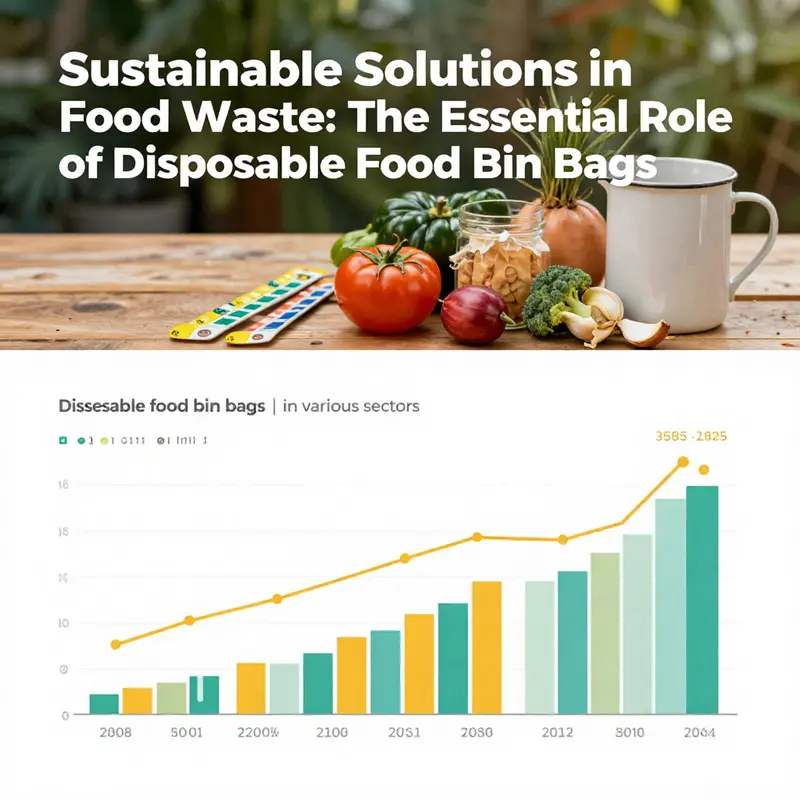
Demand for disposable food bin bags is shaped by clear, measurable shifts in how food is prepared, consumed, and discarded. Urban populations are denser, more meals are prepared outside the home, and food service has diversified into delivery, takeaway and catered events. These structural changes expand the volume of food waste and increase the need for hygienic, convenient liners for kitchen caddies, office bins, and commercial food-prep zones. At the same time, environmental concerns are redefining buyer priorities. The result is a market where volume growth and product evolution occur together.
Market sizing data shows steady expansion across the broader disposable garbage bag industry. Growth is driven by household replacement cycles and by increased procurement from restaurants, cafes, and food processing sites. Commercial buyers place different demands on bag performance than households. Restaurants and food processors require higher puncture resistance, larger capacities, and options suited to wet, greasy waste streams. Households prioritize convenience, small-caddy sizing, and scent-free materials. These differing needs create product tiers that manufacturers can target. For suppliers, mastering both channels unlocks scale and margin improvement.
A major pivot affecting both supply and demand is sustainability. Consumers and procurement officers increasingly prefer alternatives to conventional fossil-fuel plastics. This preference is visible in procurement tenders, retail shelf assortments, and in online search trends. Biodegradable, compostable, and recyclable liners are no longer niche. Manufacturers respond with plant-based polymers such as polylactic acid (PLA), blends with starch, and films containing recycled content. These materials meet stricter regulations in some regions and align with corporate sustainability objectives. However, material innovation raises technical and cost questions. Compostable liners must meet performance standards under real-world conditions. They must retain strength during use but degrade under controlled industrial composting or home compost environments. That balance drives significant research and development activity.
Material selection also influences manufacturing and logistics. Plant-based polymers can require different extrusion and film-forming processes. Recycled-content films need stable input streams and robust quality control. Suppliers operating at scale often invest in flexible production lines capable of handling multiple formulations. This flexibility lets them respond rapidly to shifting customer specifications—such as a retail chain switching between compostable and recycled-content options as incentives or regulations change.
Product sizing and format represent another growth lever. Small caddy liners, often around 6 liters, are popular in domestic kitchens and bathrooms. Larger rolls and heavy-duty construction appeal to commercial kitchens and food processing sites. Beyond capacity, features such as drawstrings, tie-offs, and tear-resistant hems increase perceived value. Customization options, including branded prints or color coding for waste segregation, are particularly attractive to hospitality buyers and municipal programs. For food service brands, the ability to supply custom-printed liners aligns packaging with brand identity and hygiene messaging.
Distribution channels are diversifying. Retail and online grocery remain important for household buyers. Office and institutional procurement channels dominate commercial sales. Wholesale distributors supply restaurants and food processors, while direct-to-business contracts capture larger, recurring orders. This segmentation affects pricing models. Retail products require attractive packaging and consumer-facing marketing. B2B channels focus on bulk pricing, reliable lead times, and consistent product specifications. Companies that integrate omnichannel strategies reduce dependence on any single route to market and stabilize revenues.
Cost and pricing remain central constraints. Eco-friendly materials typically cost more than standard polyethylene. Buyers weigh the environmental benefits against higher per-unit prices. In many markets, regulatory incentives, tax breaks, or procurement policies tip the balance toward greener choices. Where infrastructure for composting exists, compostable liners gain acceptance despite higher costs. Conversely, in regions lacking industrial composting facilities, recyclable or recycled-content films may be a more practical sustainability choice. Understanding regional waste-management ecosystems is therefore crucial for product positioning.
Supply chain resilience is another critical factor. Raw material availability and geopolitical shifts can affect polymer pricing. Manufacturers with diversified sourcing and regional production footprints mitigate these risks. Investment in automation and quality control supports consistent output and reduces labor sensitivity. For new entrants, partnering with established suppliers or contract manufacturers can accelerate market access while minimizing capital intensity.
Regulatory trends shape product design and market access. Many jurisdictions are tightening rules on single-use plastics and introducing labeling requirements for compostability and recyclability. Certification standards influence buyer trust and help products qualify for public tenders. Complying with these standards increases time-to-market and up-front costs, but it also opens procurement opportunities with environmentally conscious organizations. Successful suppliers treat compliance as part of product differentiation rather than a mere cost of doing business.
Opportunities for innovation extend beyond materials. Design improvements that reduce leakage and odor, for example, increase user satisfaction. Smell-control technologies, barrier coatings safe for composting, and engineered film thickness profiles all deliver real value. Packaging innovations that reduce shelf space or improve dispensability in kitchens and commercial settings also provide competitive advantage. In hospitality and retail, cross-selling liners with compostable take-away containers can create integrated solutions. A supplier that offers both food packaging and bin liners can capture a larger share of the foodservice value chain and present cohesive sustainability claims. For an example of complementary eco-friendly food packaging options, see a biodegradable paper bowl product that aligns with compostable foodservice solutions: biodegradable eco-friendly take-away ODM/OEM round kraft paper bowl.
Barriers to adoption persist. Compostable bags require appropriate disposal systems to realize environmental benefits. Without industrial composting, some compostable materials may not break down effectively. Education and clear labeling are necessary to prevent contamination of recycling streams. Manufacturers and retailers must invest in consumer education and in partnerships with waste management services. Collaborative efforts between suppliers, municipalities, and large buyers can create closed-loop systems. Such partnerships make sustainability claims credible and improve long-term demand.
Looking ahead, strategic differentiation will determine winners. Low-cost producers will compete on price and scale. Specialty manufacturers will command premium pricing for certified compostable or high-performance liners. Brands that integrate design, certification, and channel strategies will capture loyal customer segments. The market trajectory shows steady growth and healthy margins for companies that align product features with regulatory dynamics and buyer priorities. For authoritative baseline projections and detailed forecasts, consult independent market research that tracks global trends and compound annual growth rates: https://www.grandviewresearch.com/industry-analysis/disposable-garbage-bags-market
In sum, the disposable food bin bags market blends volume-driven demand with rapid product evolution. Urbanization and food service expansion increase volume. Sustainability and material innovation reshape product specifications. Distribution complexity and regulatory shifts create tactical challenges. Companies that invest in material science, flexible manufacturing, clear certification, and targeted channel strategies can scale profitably. The result is a vibrant market where practical hygiene needs and environmental stewardship converge, offering sustainable growth opportunities for suppliers and credible, high-performing choices for buyers.
null
null
Between Safety, Sustainability, and Standards: Navigating Regulatory Currents for Disposable Food Bin Bags
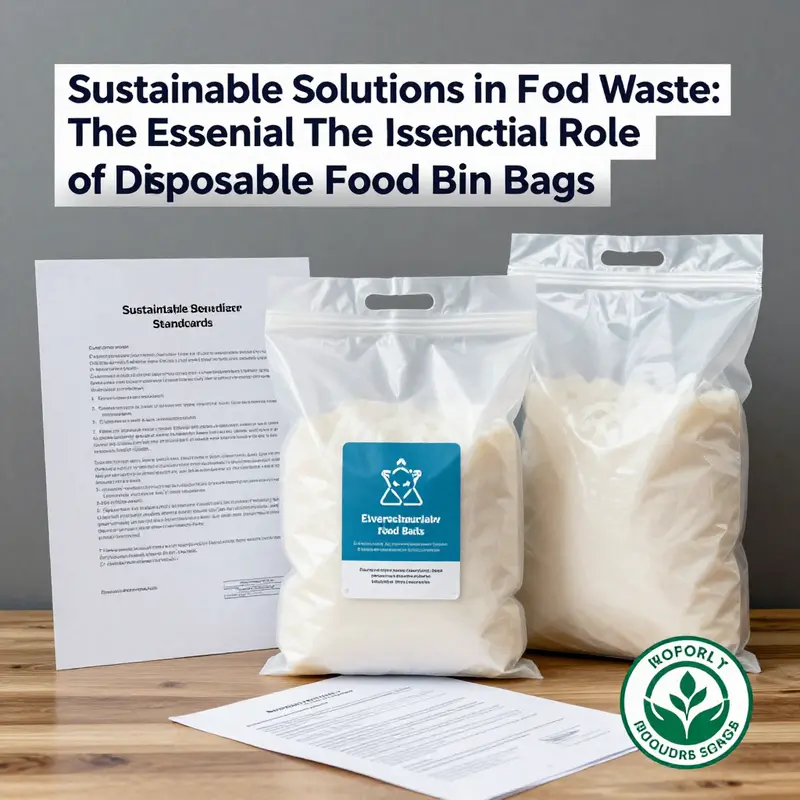
Disposables designed for collecting and transporting food waste occupy a hybrid space where safety, hygiene, and environmental responsibility intersect. The regulatory landscape surrounding these bags is not a single rulebook but a tapestry of requirements shaped by material composition, intended use, and the markets where they are sold. A clear understanding of these standards helps manufacturers choose appropriate materials, guides retailers in labeling and packaging claims, and informs users about safe handling and end-of-life options. What emerges from this regulatory convergence is not merely a checklist of compliance, but a framework that reconciles practical waste management with consumer health protections and broader sustainability goals.
In the United States, the governing logic centers on food contact safety. The U.S. Food and Drug Administration (FDA) sets out the conditions under which substances may be used in packaging that touches food, framed in the Code of Federal Regulations, notably 21 CFR. When a disposable bag is intended to contact food directly, the materials must be evaluated for migration and interaction with the food itself. Common polymer families such as polyethylene and polypropylene are approved when manufactured under Good Manufacturing Practices (GMP) and when their constituents do not migrate into food at levels that could pose a risk. Yet many bins and liners are used to contain waste rather than directly package edible products. In those cases, the direct food-contact standard may seem less binding, but the safety logic remains relevant. The same families of materials that are acceptable for food contact are often chosen for waste liners precisely because their performance characteristics—strength, puncture resistance, and seal integrity—protect the waste stream from contamination and help maintain hygiene within consumer and commercial settings.
Across the Atlantic, the European Union embraces a more integrated approach to food contact materials, anchored in Regulation (EC) No 1935/2004. This regulation requires that any material or article intended to come into contact with food be safe, not transfer harmful substances to food, and maintain its properties during normal use. For disposable bin bags, this translates into a careful balancing act: selecting polymers and additives that are inert with respect to food residues, while ensuring the bag maintains strength under typical handling and storage conditions. The EU framework also foregrounds environmental outcomes, pushing for recyclability and responsible end-of-life management. The EU’s Single-Use Plastics Directive (EU) 2019/904 further tightens requirements by discouraging plastics where feasible substitutes exist and encouraging compostable or recyclable designs. In practice, this means that a bag marketed for kitchen waste in the EU is increasingly expected to be recyclable or compostable within an established waste framework, and labeling must reflect the bag’s end-of-life pathway with accuracy.
Beyond the high-level safety mandates, there are more granular, standards-based criteria that influence bag design and performance. In commercial kitchens and large-scale operations, specific performance specifications come into play. For example, the ASTM F2073 standard—though primarily associated with flexible plastic food storage bags—embodies the kinds of performance traits that bag manufacturers routinely consider for any product used with food or waste streams: puncture resistance, seal integrity, and temperature tolerance. The relevance of such standards becomes more explicit when bags are used in freezing or hot storage, where temperature cycles can affect material behavior. In the realm of thermal disposable bags, insulation efficacy and heat retention characteristics are examined for particular use cases, though such standards may be more industry-specific than legally mandated. The practical takeaway is that the regulatory ecosystem does not operate in the abstract; it translates into measurable properties that determine whether a bag can safely contain a given waste stream without tearing, leaking, or permitting odor or microbial migration to surrounding environments.
As regulators increasingly emphasize environmental stewardship, labeling and certification play pivotal roles in consumer interpretation and market adoption. Independent schemes such as certifications for recyclability, industrial compostability, or biodegradability signal to buyers that the bag has met defined end-of-life criteria. In practice, this often means pursuing certifications from recognized bodies that verify industrial compostability in controlled facilities, as home composting outcomes can vary dramatically depending on climate and waste stream conditions. The distinction between “biodegradable” and “compostable” is not merely semantic; it informs how waste managers handle these bags and whether they can be diverted from landfill into composting streams. For consumers and institutions, such certifications help demystify claims and reduce the risk of greenwashing.
In this landscape, labeling becomes an essential form of consumer guidance. The regulatory emphasis on transparency means bags should carry clear information about the material’s composition, intended use, and end-of-life instructions. Labels should avoid implying food safety beyond what the material actually supports. They should also align with regional recycling or composting infrastructure, acknowledging that a bag deemed recyclable in one country may not be accepted in another because of divergent sorting and processing capabilities. Consumers who aim to minimize environmental impact will find value in disclosures that distinguish recyclable, compostable, or biodegradable pathways, and in guidance about industrial versus home compostability, where available.
The interplay between safety and sustainability creates a design tension that manufacturers must navigate with care. Material choice becomes a strategic decision, balancing barrier properties, strength, and heat resistance against environmental criteria and end-of-life feasibility. The decision is not merely driven by regulatory compliance but by a broader responsibility to reduce plastic pollution and to support waste systems that function effectively. In practice, this means that a bin bag designed for food waste in a hospital setting may require higher puncture resistance and stronger seals to withstand heavy usage and variable waste loads, while a bag intended for home use might prioritize compostability and a transparent end-of-life claim. The regulatory framework thus nudges product development toward materials that deliver functional reliability without compromising the ability of users to dispose of waste in an environmentally responsible manner.
The regulatory mosaic also reflects regional differences in enforcement and market expectations. While the FDA’s guidance emphasizes safety and non-migration for materials in contact with food, regional authorities in other markets may place more explicit emphasis on circularity and waste management outcomes. This is not a license for divergent practices, but a reminder that a single product line may require different specifications or labeling depending on where it is sold. For manufacturers and distributors, the implication is clear: global offerings must be underpinned by a robust compliance framework that accommodates cross-border variability while preserving core safety and performance standards. In practice, this means rigorous supplier qualification, comprehensive testing regimes, and a clear policy for communicating end-of-life options to buyers who may operate in multiple regulatory jurisdictions.
One practical implication of these standards is the need for careful material selection and process controls throughout production. Materials used for disposable bins are often chosen not only for cost and performance but for compatibility with recycling streams and composting facilities. This is where environmental certifications intersect with regulatory compliance. Even when a bag meets safety criteria, it remains essential to assess its compatibility with post-consumption systems. The presence of certain additives or coatings can complicate recycling or composting, triggering additional assessments or alternative formulations. Therefore, manufacturers frequently pursue integrated product declarations that document material composition, additives, and the bag’s behavior under typical waste processing conditions. In turn, buyers—whether households, offices, or food service providers—gain a clearer view of how to dispose of or recycle these liners at the end of their useful life.
For readers seeking a concrete anchor in the regulatory web, the FDA offers an authoritative baseline for materials that contact food. While the focus in this chapter is on disposal and waste containment, it is useful to consider the safety expectations that underlie material choices used across the packaging spectrum. Understanding these expectations helps explain why certain polymers and additives are favored, why some packaging is designed for hot or cold use, and why labeling practices emphasize end-of-life pathways. The broader message is that compliance is not a one-off check but an ongoing discipline, weaving together safety, performance, and sustainability into a coherent product strategy. In this sense, the regulatory story of disposable food bin bags is a microcosm of the packaging field: a disciplined convergence of science, policy, and environmental stewardship that continually evolves as technologies and waste-management systems advance.
Within this narrative, one notable thread connects industry practice to the consumer experience. A well-regulated product supports hygiene and minimizes contamination during waste handling, which, in turn, sustains safer kitchen and work environments. At the same time, responsible material choices and transparent labeling empower users to make decisions aligned with local waste infrastructure and sustainability goals. It is the careful alignment of standards, performance, and end-of-life design that allows disposable bin bags to function as practical, hygienic, and environmentally conscientious tools in homes and workplaces alike. When these elements come together, the result is a packaging ecosystem that respects health protections while advancing broader societal aims to curb plastic pollution and to promote smarter waste management.
For readers who want to explore additional authoritative guidance, the official FDA guidelines provide foundational context on food-contact materials and related safety considerations: https://www.fda.gov/food/food-contact-materials. In parallel, many practitioners reference practical resources and case studies that illustrate how regulatory principles translate into real-world product development and procurement decisions. A useful entry point that offers a sense of how environmental labeling and packaging design intersect with market expectations can be found at industry-focused resources that discuss eco-friendly and recyclable packaging options. As the regulatory conversation continues to mature, the balancing act among safety, usability, and environmental responsibility remains central to how disposable food bin bags are designed, tested, and marketed.
To connect the regulatory narrative with tangible procurement and design considerations, consider the concept of sourcing packaging that communicates clearly with end users. A relevant example from the packaging ecosystem demonstrates how product features—such as unscented composition, strength, and compatibility with waste processing—are framed in ways that align with environmental certifications and regulatory expectations. This approach helps ensure that the liner not only meets safety standards but also harmonizes with how waste streams are managed in diverse settings. For readers who want to explore related packaging options that emphasize sustainability and practical use, a relevant internal resource offers detailed information about eco-friendly disposable packaging alternatives, including variants designed for kitchen and office waste streams. The link below points to a representative example among eco-conscious packaging solutions: Disposable Eco-Friendly Printed Logo Single-Wall Paper Cup.
null
null
Final thoughts
Incorporating disposable food bin bags into your operation is not merely a compliance measure, but a commitment to sustainability that resonates with today’s environmentally-conscious consumers. As the foodservice sector evolves, understanding the environmental impact, market trends, technological advancements, regulatory requirements, and consumer preferences becomes essential for success. By choosing high-quality, eco-friendly disposable bags, businesses not only enhance their waste management processes but also foster a positive brand image. Engaging with these eco-conscious practices reflects a forward-thinking approach that today’s consumers are likely to reward with loyalty and patronage.