
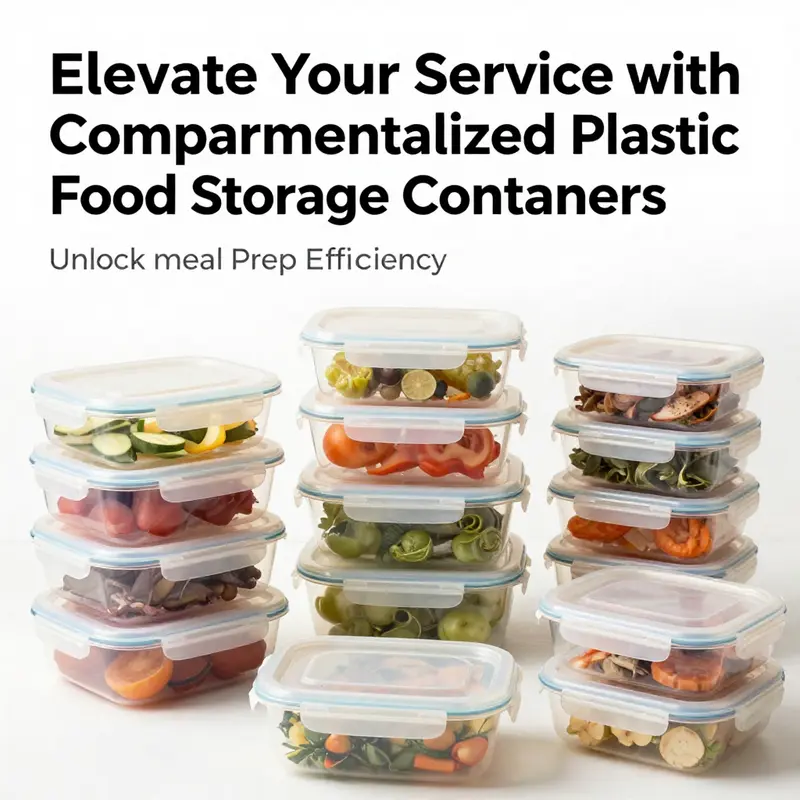
Compartmentalized plastic food storage containers are revolutionizing how businesses manage food storage and meal preparation. With their ability to separate and organize various food items, they offer solutions that affirm not just convenience but also healthier eating habits and eco-friendly practices. In this discussion, we will explore how these containers aid in meal preparation, promote health benefits, align with sustainability initiatives, and highlight market trends and innovations that can streamline operations for bubble tea shops, restaurants, food trucks, catering services, and event planners. Each chapter will delve into these aspects, emphasizing the integral role these containers play in enhancing your food service offerings.
Portioned Precision: Meal Prep and the Case for Compartmentalized Storage
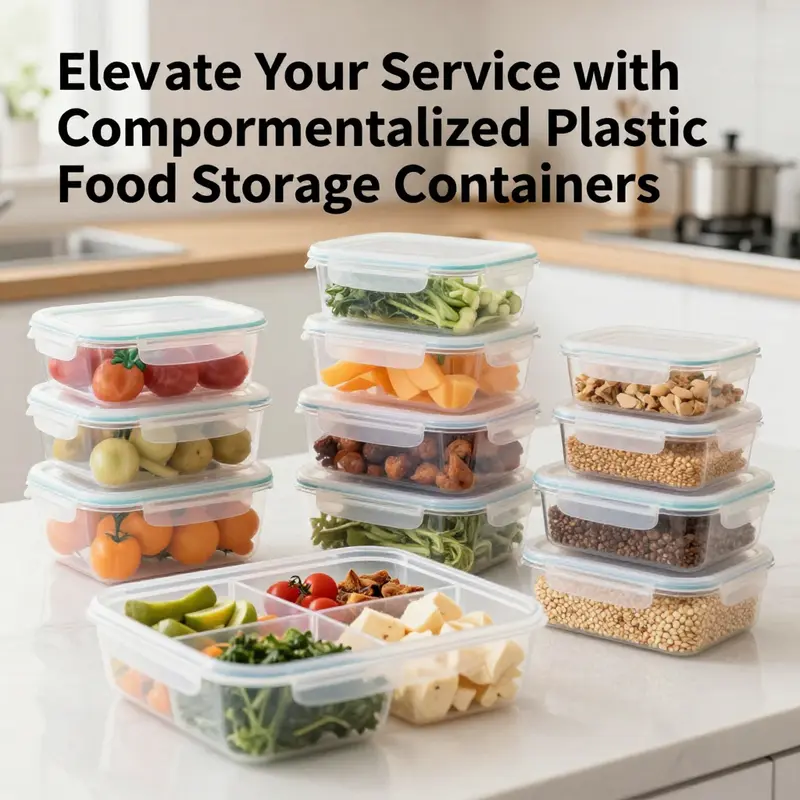
Meal preparation is a choreography of ingredients, flavors, and timing. It is about shaping daily eating into a predictable, nourishing routine. In this chapter, the containers that cradle our food matter as much as the recipes themselves. Compartmentalized plastic storage is not simply storage; it is an organizational system designed to preserve the integrity of diverse foods while supporting portion control and the discipline of planning. The core idea is simple: when you can see, scoop, and seal, you waste less and eat more intentionally.\n\nDesign and function: multi-compartment designs let a single container hold protein, grain, vegetables, and sauces without flavor transfer. The lid should be sturdy and easy to seal, creating an airtight barrier that protects freshness through fridge to microwave. Reheating in place saves steps and reduces spills, a practical advantage for busy weeks.\n\nMaterials and safety: food-grade plastics such as polypropylene balance durability with temperature resistance. Reusable containers minimize waste and can be cleaned in standard dishwashers. Look for BPA-free construction and certifications for food contact to address safety concerns while maintaining performance.\n\nVisibility, stackability, and convenience: clear bodies help you identify contents at a glance, and stackable designs maximize storage in small kitchens. Dust-proof, tight-sealing lids keep contents fresh in refrigeration or freezer, making it easier to plan meals and manage portions across days.\n\nBroader impact: a well-designed multi-compartment system supports healthier eating and time management. When meals are portioned and organized, it is easier to balance protein, complex carbohydrates, vegetables, and sauces, reducing impulse choices and food waste. The result is a practical tool that helps people stay on track with nutrition, without sacrificing flexibility.\n\nIn practice, embrace compartmentalization as a core principle of organized eating. A system that moves smoothly from refrigerator to microwave (and dishwasher) while maintaining freshness stands above more fragmented approaches. The evolving market also addresses safety and environmental concerns, offering options that combine durability with recycled content or biodegradable components. The right container is a platform for habit formation, not merely a container.\n\nFor readers seeking further reading, practical examples of integrated storage options and durable multi-compartment designs can be found in trusted resources that highlight wholesale and consumer solutions. The overarching message remains constant: organization that supports healthier, more mindful eating can be achieved through thoughtful design and responsible materials.
Healthy Boundaries in the Kitchen: The Health Benefits of Compartmentalized Plastic Food Storage
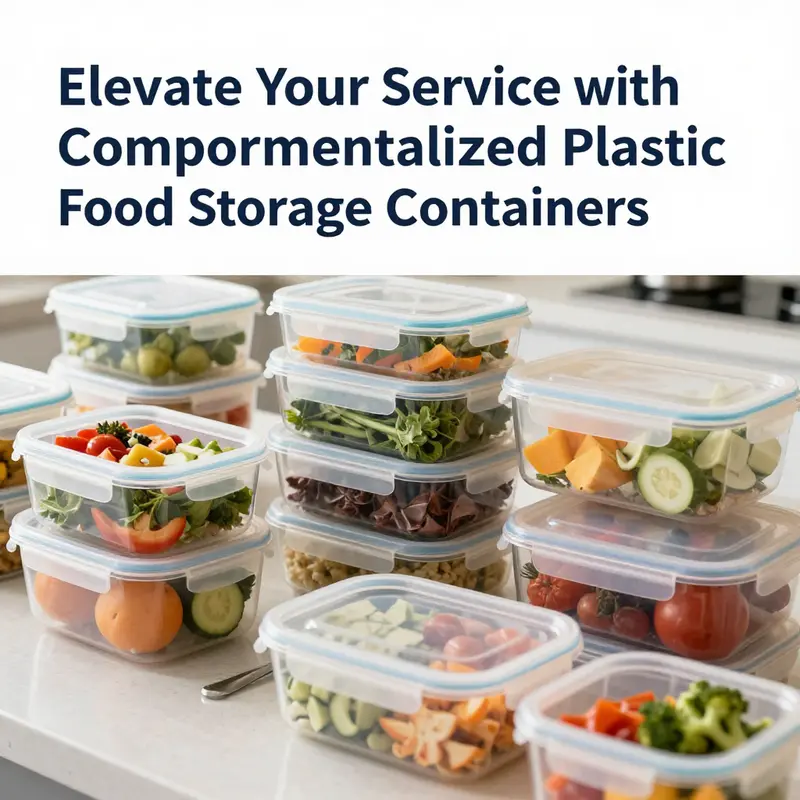
Well-organized kitchens rarely get the credit they deserve for supporting health. Yet when food is stored in compartmentalized plastic containers, the tangible benefits extend far beyond tidiness. These containers, with their multiple sealed chambers, are more than mere receptacles; they are practical tools that shape daily choices, reduce risk, and promote habits that support well-being. At their core, they create physical boundaries within a single vessel, making it easier to separate ingredients, manage portions, and preserve the integrity of flavors and textures. This simple design translates into meaningful health outcomes, especially in environments where meals are planned, prepped, and transported across a busy day. The health advantages begin with the most fundamental risk in food preparation: cross-contamination. In households, offices, and cafeterias, the everyday danger of mixing raw proteins with ready-to-eat items is real. A container that isolates proteins, grains, vegetables, and sauces minimizes the chance that juices, drips, or allergens mingle with other components. For people with food sensitivities or allergies, the separation is not merely convenient; it is a core safeguard. When a meal is assembled in advance, the risk of accidental exposure to trace allergens is reduced because each compartment acts like a micro-barrier, allowing the eater to distinguish between items without relying on memory or improvisation. This is not about rigid diets alone; it is about predictable safety. The simple act of designating space for each component translates into fewer memory lapses and fewer mistaken bites. A portion-control mindset then naturally follows from such organization. The containers enable pre-portioning of meals into balanced servings, which is essential for people aiming to regulate caloric intake or manage conditions such as diabetes. When portions are pre-set, there is less likelihood of oversizing meals in the moment, especially during a long day when hunger cues can be strong but decisions must be made quickly. The result is a more controlled energy intake and a steadier nutritional profile across days. Portion control is closely linked to the broader goal of healthy eating: consistency. A single, reusable container can support a routine of preparing meals ahead of time, ensuring that each day begins with a thoughtfully composed plate rather than a hurried mix of convenience foods. This consistency matters because it reduces the temptation to reach for high-calorie snacks or highly processed options. It also offers a framework for prioritizing a diverse mix of nutrients—protein for satiety, complex carbohydrates for steady energy, and a vibrant array of vegetables for micronutrients. The design of compartmentalized containers often emphasizes freshness and safety through reliable sealing. Airtight and leak-resistant lids protect against moisture loss while containing odors and preventing spills. This not only preserves texture and flavor but also plays a role in food safety. When food is kept at appropriate temperatures and sealed tightly, microbial growth is slowed, reducing the risk of spoilage and foodborne illness. The health benefits, therefore, emerge from a combination of factors: separation to minimize cross-contamination, portioning to support mindful eating, and containment that preserves freshness and safety during storage and transport. A well-chosen container helps maintain the integrity of a meal from kitchen counter to desk drawer, car trunk, or locker, supporting a consistent, healthful eating pattern even in demanding schedules. The discussion of safety would be incomplete without acknowledging the materials that make these containers practical. Most modern compartmentalized containers are built from food-grade plastics such as polypropylene (PP) or polyethylene (PE). These materials are selected for heat resistance, durability, and general safety in everyday use. When used as intended—following the manufacturer’s guidelines—these plastics are designed to withstand microwaving, freezing, and basic dishwashing cycles while limiting leaching. Yet, even with reputable materials, the potential for chemical exposure remains a consideration. The health-conscious consumer should prioritize BPA-free designs and comply with recommended heating practices. It is crucial to note that while BPA-free products reduce one class of concerns, other compounds could be released under extreme conditions. Therefore, the guidance remains: avoid heating in containers not rated for high temperatures, avoid storing highly acidic foods for long periods in non-specialized plastics, and replace damaged containers promptly. The point is not to demonize plastic storage but to use it wisely. Hygiene plays a significant, often overlooked, role in health outcomes. Separate compartments simplify thorough cleaning and reduce the chance of lingering odors or residue that can harbor bacteria. When compartments are easier to clean, there is a greater likelihood that utensils, hands, and dishware will be kept sanitary. Some models are designed to be dishwasher-safe, which adds another layer of convenience and hygiene. The repetitive action of cleaning is less onerous when there is less risk of deep-pitted seams where food particles can lodge. In turn, this fosters a routine of regular, thorough cleaning, reinforcing hygiene as a habit rather than a chore. Beyond the kitchen, compartmentalized containers support healthier meal routines across several settings. For families, they enable a practical approach to healthy eating by enabling diverse components within a single meal. For offices and schools, they offer a structured way to manage portions and minimize waste, encouraging students and colleagues to opt for balanced options rather than impulse purchases. For caregivers and communities, these containers can be a practical solution to ensure that meals remain equitable, varied, and safe for individuals with differing dietary needs. The health advantages described here unfold when the containers are used with thoughtful consideration of storage duration and environmental exposure. For long-term storage or for transport to events and public venues, the integrity of seals and the absence of cracks or warping become critical determinants of safety. Damaged containers can compromise both safety and freshness, allowing air to seep in and moisture to escape. A simple rule of thumb is to inspect containers regularly and replace any with signs of wear. Even with high-quality plastics, repeated cycles of heating and cooling can gradually degrade performance. The consumer is encouraged to follow two practical practices: first, verify that the seals remain airtight and the lids close securely; second, avoid overfilling compartments where sauces and liquids can leak into adjacent sections during movement. The cumulative effect of these practices is a more reliable safeguard against spoilage and contamination, reinforcing the health benefits that motivated the purchase in the first place. A final consideration relates to the broader environmental and ethical dimensions of health. While the health focus centers on safety, hygiene, and nutrition, the lifecycle of the container matters too. Reusability reduces waste and supports long-term health by limiting exposure to single-use packaging waste and its associated disposal concerns. Materials that are durable and repairable contribute to a lower environmental footprint, which indirectly benefits health by reducing exposure to environmental contaminants linked to waste management and resource extraction. In this sense, the health benefits of compartmentalized plastic storage extend beyond the stomach. They contribute to a healthier household environment, calmer routines, and a more predictable daily structure that supports physical well-being. For readers seeking a practical nod to sustainable packaging choices that align with this health-focused approach, a look at Kraft paper storage bowls offers a complementary perspective on how different packaging modalities can fit into a broader plan for healthier eating and reduced waste. For example, you can explore options like custom-printed Kraft paper food storage bowls that integrate with a broader approach to eco-friendly meal solutions. custom-printed Kraft paper food storage bowls This link provides a sense of how packaging design, sustainability, and consumer health values can intersect across different formats, keeping the focus on practical solutions rather than abstract ideals. External considerations may also influence decisions about storage choices. When evaluating health benefits, it is helpful to consult regulatory and technical references that describe safe-use standards for common plastics in food contact. An external resource that discusses FDA-compliant materials and related safety considerations helps contextualize these practices within a broader framework of food safety. External reference: https://www.alibaba.com/product-detail/Biodegradable-Takeout-Container-Hinged-Design_1600582934557.html?spm=a2700.191203.0.0.4d3a4d3fFqVJnN
Sealed for Sustainability: Reimagining Compartmentalized Plastic Food Storage Through Eco-Friendly Practice
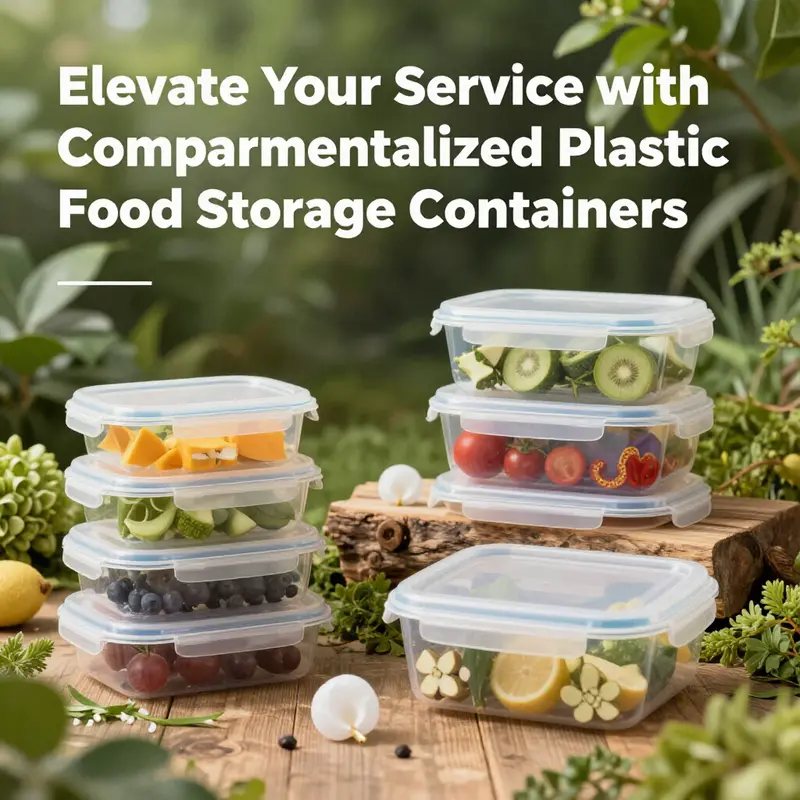
Compartmentalized plastic food storage containers promise order amid the chaos of ingredients. They compartmentalize starches from proteins, sauces from greens, and leftovers from new meals, all within a single, portable shell. The practical appeal is undeniable: portion control that supports healthier eating, reduced food waste, and streamlined meal prep. Yet beneath the surface of convenient design lies a complex web of material choices, production realities, and end-of-life considerations that determine the true environmental footprint of these containers. The chapter that follows treats sustainability not as a single feature—recyclability alone or a BPA-free label—but as a continuum that begins with how a container is made and ends with how it is disposed of, re-used, or repurposed. In this sense, the conversation about compartmentalized containers naturally expands beyond the bench of kitchen efficiency into the broader lens of sustainable consumption and responsible design.
The material choices that form the backbone of these products set the stage for their environmental performance. Many compartments are crafted from common thermoplastics such as polypropylene (PP) or polyethylene (PET and HDPE), each with a different profile of heat resistance, durability, and recyclability. Recyclability is not a simple passport stamp; it depends on how clean the material is after use, how easily it can be separated from other materials in a recycling stream, and whether local facilities can actually reclaim and reprocess the resin. Food residues, oils, sauces, or bits of cling film can contaminate recyclables, undermining the value of the material and complicating the recycling process. When a container features multiple components—dividers, lids, seals, and sometimes metal or elastomer inserts—the recycling challenge compounds. The more materials and coatings involved, the harder it becomes to reclaim the original resin. In practice, this means that the ideal of a fully recyclable, single-material design is still an aspiration in many products, even as manufacturers work to improve disassembly and material separation at the end of life.
Alongside recyclability, the narrative of sustainability has grown beyond the avoidance of toxins to include lifecycle emissions, energy use in production, and the total volume of material that ends up in household waste. Conventional plastic production is powered by fossil fuels and is associated with greenhouse gas emissions across the supply chain—from extraction and polymerization to molding, packaging, and eventual disposal. The cumulative impact hinges on process efficiency, energy sources, and how often the same container is reused. A key implication is that durability and reuse become conservation strategies in their own right. When a container lasts longer and travels through more meals without needing replacement, its environmental footprint per use declines, assuming the product’s cleaning and heating requirements remain reasonable and safe.
Innovation in sustainability is shaping a broader portfolio of options that extend beyond conventional plastics. Recycled plastics, particularly recycled PET (rPET), are increasingly common because they reduce the demand for virgin resin and close the loop in plastic use. Recycled content not only conserves virgin materials but also reduces embodied energy associated with initial polymer synthesis. Yet recycled plastics carry their own caveats. They can suffer from color, odor retention, and degraded mechanical properties if degraded through repeated recycling cycles. Companies are addressing these concerns with advanced sorting, cleaning, and compatibilization technologies, enabling higher-quality rPET formulations that meet food-contact standards. Another avenue is the emergence of bio-based polymers. Derived from renewable sources such as corn starch or sugarcane, these materials promise a lower reliance on fossil fuels. They are not a universal solution, however. Some bio-based polymers are designed for compostability, not recycling, which means they require specific industrial facilities to break down and may contaminate conventional recycling streams if misused. The takeaway is nuanced: sustainability is product-specific, and environmental benefits depend on the entire system—from source materials to end-of-life infrastructure.
To translate these material trends into practical outcomes, manufacturers are adopting production and design approaches aimed at reducing waste and energy use. Energy-efficient molding processes, better waste heat recovery, and streamlined manufacturing lines contribute to lower lifecycle emissions. In packaging design, a growing emphasis on minimalism—reducing unnecessary wrappers, seals, or decorative coatings—helps cut the energy and materials required at scale. A more ambitious tactic is design-for-disassembly: making it easier to separate lid, compartments, and seals so each component can be processed appropriately at end of life. When products are designed with this modularity in mind, they also become better candidates for repair or refurbishment, extending their usable life rather than ending up in a landfill or recycling stream that is unable to reclaim value.
For consumers, sustainability also means choices aligned with long-term use and safer material options. Reusable containers made from durable, non-toxic materials stand out in this regard. Glass and stainless steel provide robust alternatives to single-use plastics and are increasingly offered with compatible, long-lasting seals and microwave-safe properties in certain designs. When households opt for reusable options, the question of cleaning efficiency and heat tolerance becomes central. How well a container tolerates dishwashers, whether the dividers resist staining, and how easily a container can be hand-washed in a busy kitchen all influence its practical longevity. Reusable options may come with heavier weights or higher upfront costs, but their extended lifespans can translate into lower environmental impact per meal, particularly when paired with careful use patterns and safe reheating practices.
In the broader sustainability conversation, it is helpful to acknowledge consumer misperceptions and the realities of disposal. Labels like biodegradable or compostable can be misleading if they suggest instant disposal without understanding the required conditions. Many biodegradable plastics require industrial composting facilities to break down efficiently, and home composting or typical curbside programs may be ill-suited for these materials. When such products end up in the wrong stream, they can contaminate recycling or simply fail to degrade as intended, sometimes becoming indistinguishable waste that adds to environmental burden. Clear, accurate labeling and consumer education are essential components of responsible packaging design. This is where industry guidance and public policy intersect with everyday choices. The U.S. Environmental Protection Agency’s resources on sustainable management of plastics provide a framework for evaluating environmental footprints, recycling viability, and end-of-life options for plastic products, including food storage containers. The EPA’s Sustainable Management of Plastics resource offers guidance on reducing environmental impacts, improving recycling effectiveness, and aligning consumer choices with systemic improvements in waste management.
The practical upshot for households and institutions is nuanced yet actionable. When selecting compartmentalized containers, prioritizing products that emphasize recyclability, material safety, and durability can align daily use with long-term goals. It is not simply a matter of avoiding plastic; it is about choosing plastics that fit within robust waste-management systems and that can be effectively reclaimed or reused across many cycles of use. For instance, containers engineered to be disassembled for easy separation of lids and dividers can improve post-use processing. Similarly, containers with a higher proportion of recyclable resin and fewer non-recyclable coatings tend to perform better in recycling streams that are accessible in urban and suburban areas. This is not an abstract design ideal; it is a practical approach that matches the sophistication of modern waste infrastructure with the everyday demands of meal planning and storage.
The conversation also invites a broader look at sustainable alternatives beyond traditional plastics. The market’s evolving palette includes biodegradable and recyclable materials, which can offer advantages in specific contexts such as take-out services, cafeterias, or catering operations aiming to reduce reliance on single-use packaging. For individuals who want to support a more circular economy, selecting durable, reusable containers—made from glass, stainless steel, or certified food-safe recycled plastics—can be a meaningful step. These choices reduce the volume of disposable packaging while preserving the organizational benefits of compartmentalized designs. In this sense, sustainability becomes a practice rather than a product specification, a habit of choosing materials that pair long life with a clear, realistic path to reuse or safe disposal.
As a concrete example of broader packaging ecosystems, the conversation turns to related take-away packaging types that echo the same sustainability challenges and opportunities. For readers curious about compostable or paper-based alternatives that still offer effective separation and portion control, consider exploring resources like Biodegradable Eco-Friendly Take Away Round Kraft Paper Bowl, which illustrates how different materials can be engineered for function and environmental compatibility. This example underscores that the path to sustainable packaging is not a single material solution but a spectrum of options designed to reduce environmental impact while maintaining user-centered benefits such as organization, flavor integrity, and convenience. Biodegradable Eco-Friendly Take Away Round Kraft Paper Bowl offers a tangible point of reference for how a packaging system can prioritize end-of-life outcomes alongside performance, reminding readers that sustainable choices are often about balancing trade-offs rather than chasing a universal, one-size-fits-all ideal.
For readers seeking further context about how plastics fit into a sustainable economy, external resources provide a broader frame. The EPA’s Sustainable Management of Plastics resource offers guidance on reducing environmental impacts, improving recycling effectiveness, and aligning consumer choices with systemic improvements in waste management. This resource helps connect household decisions about containers to policy and industry-level strategies that shape the resilience and recyclability of plastics in consumer markets.
In sum, compartmentalized plastic food storage containers sit at the intersection of practical kitchen utility and environmental responsibility. Their sustainability hinges on thoughtful material selection, efficient manufacturing, and a lifecycle perspective that accounts for reuse, repair, and end-of-life disposition. The best designs actively reduce waste by enabling longer use, facilitating safe reheating and cleaning, and enhancing recyclability through disassembly and material compatibility. They acknowledge the limits of labeling and consumer interpretation by providing clear guidance on care, recycling, and disposal. They recognize that the journey toward a more sustainable packaging system is incremental, requiring ongoing collaboration among designers, manufacturers, retailers, policymakers, and consumers. When viewed through this integrated lens, compartmentalized containers can remain indispensable tools for organized meals while contributing meaningfully to broader efforts to reduce plastic waste, lower emissions, and create circular pathways for materials. The practical choices we make at home—whether it’s selecting a durable reusable option, understanding end-of-life options, or choosing packaging that aligns with local recycling capabilities—echo through supply chains and waste streams, reinforcing the idea that everyday convenience and environmental stewardship can, indeed, go hand in hand.
Sealed for Freshness: Market Currents and Innovations in Compartmentalized Plastic Food Storage
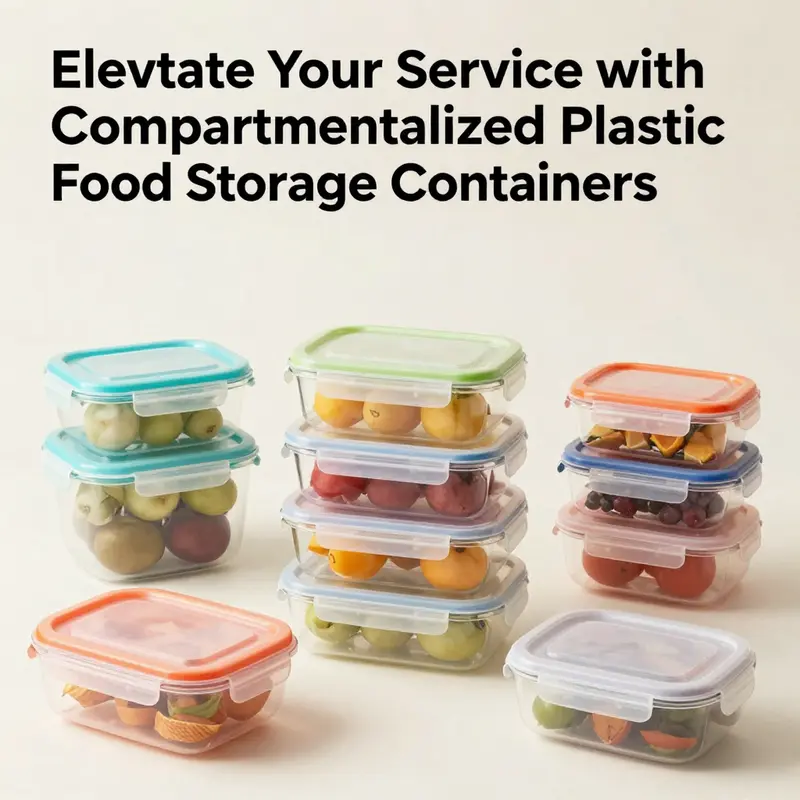
Compartmentalized plastic food storage containers have evolved from simple organizing aids to essential tools that shape kitchen routines, food safety practices, and consumer expectations across multiple sectors. Their core appeal lies in the ability to separate different foods within a single vessel, preserving flavors, textures, and colors while enabling effortless portion control. This functional clarity resonates with people who manage busy schedules, who want predictable nutrition, and who seek meals that look as good as they taste. When people open a well-designed multi-section container, they encounter a practical promise: everything stays in its place, cross-contamination is minimized, and reheating remains straightforward. In a market landscape that prizes convenience without sacrificing quality, these containers have become not just storage devices but daily enablers of healthier eating patterns and more organized work and home environments. The result is a product category that touches home kitchens, school lunchrooms, professional kitchens, and even field operations where reliable portioning matters as much as durability and ease of cleaning.
The forecast for plastic food storage containers underscores their dominant role in the broader packaging ecosystem. Industry analyses point to plastics maintaining a substantial market share—nearly half of the total segment in the mid-2020s—driven by ongoing demand from meal-prep routines, family meal planning, takeout logistics, and catering services. This sustained demand is not a homage to disposability alone; rather, it reflects a well-balanced mix of reuse-friendly designs, improved barrier properties, and user-friendly features that collectively extend the container’s life and usefulness across different settings. Consumers are drawn to designs that deliver reliable performance in everyday tasks: easy open-and-close mechanisms, secure seals that resist leaks, and modular arrangements that can be adapted to varying portion sizes and food groupings. What emerges is a nuanced market where function and presentation reinforce each other, and where the aesthetic appeal of a well-arranged plate inside a tidy container adds tangible value to a meal.
Material science has been a quiet but decisive driver of these shifts. Modern divided containers rely on high-performance plastics such as polypropylene (PP), high-density polyethylene (HDPE), and, in some instances, polystyrene (PS). Each material brings a distinct balance of toughness, clarity, heat tolerance, and chemical resistance. PP, in particular, has earned a central role due to its resilience under microwave temperatures, its resistance to staining and odor carryover, and its well-established safety profile in food-contact applications. HDPE contributes impact resistance and a lower risk of brittle failure, which matters for stackable designs and containers that must withstand repeated use and transport. PS offers clarity and a crisp, premium feel for certain designs, though its heat tolerance and chemical resistance may be more limited compared to PP. The material choice is more than a technical detail; it shapes how a container behaves in real life—from the moment food is packed to the moment it is reheated or stored in a chilly fridge. The effect is a broad spectrum of products that can be tailored for hot foods like soups and curries, for cold meals with delicate dressings, or for foods that benefit from a separation of components, such as rice, vegetables, protein, and sauces.
Functionality sits at the heart of continued innovation. Containers are increasingly designed to be microwave-safe, freezer-safe, and dishwasher-friendly, a trio of attributes that expands their utility beyond mere storage. This functional triad supports healthier routines by allowing people to prepare meals in advance and then heat them without transferring contents to another dish. In addition, airtight seals and robust hinge designs mitigate leaks and keep foods fresher longer. For liquid-rich dishes, seals and divider integrity are critical; manufacturers address these challenges with improved gasket designs, smoother divider interfaces, and materials with lower permeability to moisture and gases. The result is a more predictable reheating experience and a reduction in the need to transfer foods to secondary containers, which in turn minimizes waste and simplifies cleanup. The visual organization inside the container—distinct pockets for different components—also makes it easier to gauge portions at a glance, reinforcing mindful eating without sacrificing variety.
Sustainability remains a driving force shaping both product development and consumer choice. The market increasingly rewards designs that balance performance with environmental responsibility. Recyclability is a core criterion, with manufacturers exploring recyclable variants and, where possible, materials that incorporate post-consumer recycled content. Biodegradable and compostable options are also appearing in pockets of the market where regulatory environments or institutional purchasing power encourage more responsible end-of-life outcomes. Beyond material choices, sustainability is advancing through design for circularity: containers that are easier to disassemble, easier to recycle, and easier to repurpose in institutional settings. Barrier technologies—films and laminates or molded-in features that minimize oxygen and moisture transfer—play a crucial role in extending shelf life, reducing food waste, and preserving flavor without relying on excessive preservatives. Labeling and information access are being improved as well, enabling users to understand storage times, reheating instructions, and safe handling practices at a glance. This combination of durable materials, thoughtful design, and clear information supports a lifecycle approach in which containers remain useful across multiple meals and use cases.
The packaging technology frontier continues to push toward smarter, more resilient systems. Stackability remains a practical, space-saving feature for households and professional kitchens alike, while dust-proof or airtight lids help maintain freshness in cluttered refrigerators or crowded pantries. Designers are experimenting with fewer seams and more seamless interiors to reduce food residue that can complicate cleaning, a consideration that matters when dividers are intricately arranged. Transparency, too, has become a valued trait; clear bodies allow users to identify contents at a glance and assess freshness without opening the container, a small but meaningful benefit in busy environments. These enhancements are not merely cosmetic; they contribute to a safer, cleaner, and more efficient user experience, which in turn sustains demand. In environments like large-scale catering or healthcare facilities, standardized multi-compartment layouts enable streamlined workflows, consistent portioning, and predictable plating that meet high standards for food safety and presentation.
As the market matures, the emphasis on quality and safety continues to align with consumer expectations for clean eating and transparent sourcing. The introduction of barrier technologies and smarter labeling helps reassure buyers about product integrity and storage conditions. This aligns with a broader shift toward information-rich packaging, where labels convey not only handling and safety data but also guidance on sustainable disposal and recycling streams. For institutions and professional kitchens, these features translate into tangible benefits: reduced spoilage, improved inventory management, and clearer compliance with safety protocols. The narrative of the market thus weaves together performance, sustainability, and practicality, illustrating how compartmentalized plastic storage containers have become a versatile platform for modern food routines.
In the wake of these developments, the outlook for innovation remains robust. Advances in material science are likely to bring even higher heat resistance, greater impact durability, and lower environmental footprints through recycled content and bio-based alternatives. Designers will continue to optimize divider geometries to accommodate liquids and sauces without compromising ease of cleaning, while hinge mechanisms will evolve toward longer lifespans and quieter operation. The integration of smart features—such as digital labeling, QR-enabled storage guidance, or track-and-trace capabilities for institutional buyers—might move from concept to commonplace, helping users monitor freshness and manage inventories with greater precision. In parallel, brands will pursue standardized sizing and modular configurations that can be mixed and matched across product lines, enabling customers to compose custom storage solutions without sacrificing compatibility or performance. The enduring appeal lies in combining reliable containment with intuitive use, so that every meal, every lunch, and every batch of ingredients finds a predictable home that respects both taste and time.
For readers seeking a concise vantage on where this market is headed, recent forecasts emphasize that plastic storage containers will retain a commanding role in different channels—from home kitchens to large catering operations—driven by their ability to balance portion control, convenience, and freshness. The story is not about replacing old habits but about reinforcing them with tools that amplify everyday productivity and well-being. The ongoing exploration of materials, sealing technologies, and lifecycle-conscious design signals a future where compartmentalized containers are even better suited to a world that values clean labeling, reduced waste, and satisfying, well-prepared meals. As consumer awareness grows and supply chains evolve to support more sustainable choices, these containers stand as a practical embodiment of efficiency and care in how we store, transport, and enjoy our food.
External resources offer deeper context on market size, competitive dynamics, and the specific trajectories of innovations in this space. For a comprehensive overview of current market dynamics and future projections, see Grand View Research: https://www.grandviewresearch.com/industry-analysis/plastic-food-storage-container-market
Final thoughts
Compartmentalized plastic food storage containers present a multitude of benefits that can significantly enhance operations across various food and beverage sectors. From facilitating effortless meal preparation to promoting health and sustainability, these containers are essential in meeting the growing demands of consumers for organized, healthy, and eco-friendly meal solutions. By embracing these innovative tools, businesses can improve their efficiency, attract environmentally conscious clientele, and ultimately elevate their service to new heights.