

As celebrations evolve and consumer preferences shift, the demand for practical yet elegant drinkware rises. Enter clear plastic wine cups—an innovative choice for beverage service that seamlessly marries convenience with style. Ideal for a plethora of settings—from bustling bubble tea shops to upscale catering services—these cups not only offer a glass-like aesthetic but also ensure breakage is a concern of the past. This article will explore their versatility in various celebrations, the retail landscape and options available for procurement, and their alignment with sustainable practices. The insights provided will guide beverage chains, event planners, and corporate teams in making informed choices about these modern drinkware solutions.
Shimmer Without Shatter: The Quiet Power of Clear Plastic Wine Cups in Celebrations
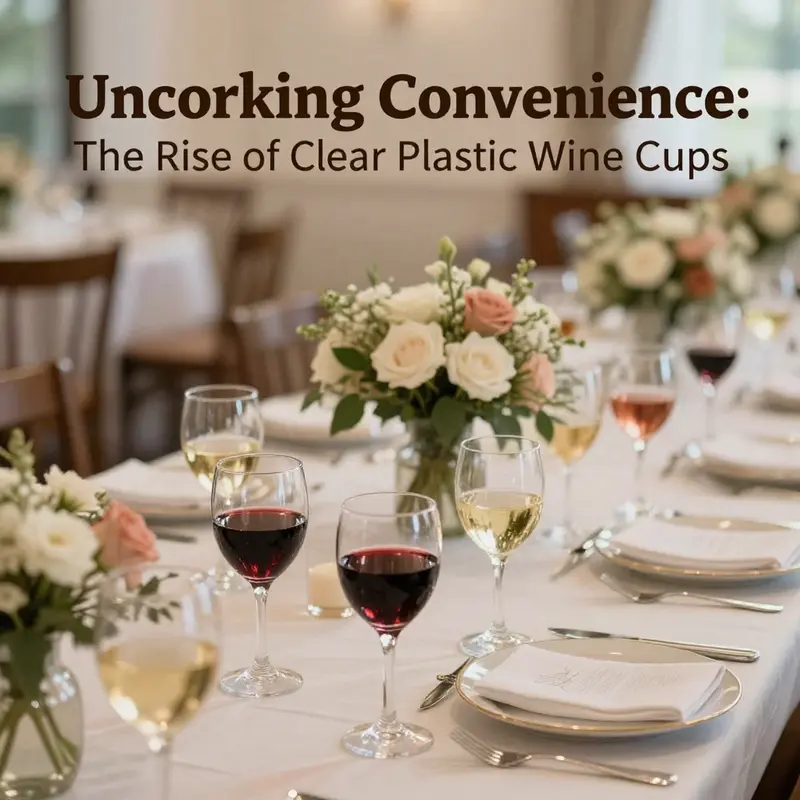
Clear plastic wine cups have quietly transformed the landscape of modern celebrations, weaving practicality and elegance into everyday gatherings. They offer a tangible bridge between the romance of real glass and the realities of hospitality at scale. When guests arrive at weddings, birthdays, or outdoor gatherings, the sight of a wine glass that looks like crystal but feels like resilience sets a tone. The cups are typically crafted from durable, transparent plastics such as PET or PP, which provide a crystal-clear appearance that mimics glass while delivering several practical advantages. The absence of breakage brings a different kind of freedom to event planning: hosts can place tables, dance floors, or picnic lawns with less risk of accidents and more room for spontaneous celebration. In this way, the cups perform a quiet, almost choreographic role, enabling conversations to flow without interruption from shattered glass, while still offering the visual appeal guests expect from a wine service. The promise is not merely function; it is a calm, dependable aesthetic that complements the mood of many occasions rather than demanding the spotlight. \n
Beyond the surface, the material choice matters for both appearance and performance. PET and PP clear plastic are engineered to hold beverages securely, resisting cloudiness and warping that can happen with lower-grade plastics. The result is a surface that resembles glass in its brilliance, with the added assurance that the cup can be dropped, bumped, or stacked without shattering. This is particularly valuable when a celebration spills outdoors or into a bustling venue where guests move between spaces. In such contexts, the cups become an unseen ally, delivering a clean, uncluttered look while preserving the continuity of service—wine, champagne, cocktails, or even soft drinks—without the need to curate multiple glassware types for different drinks. The visual clarity also helps preserve the wine’s color and aroma cues, a subtle but meaningful detail for hosts who care about the guest experience as much as the beverage itself. The cups’ transparency invites the eye to linger on the wine’s hue and legs, enhancing the tasting experience while keeping safety and ease of use at the forefront. As celebrations evolve toward lighter, more accessible formats, this blend of aesthetics and practicality aligns with the broader shift toward flexible, low-wuss venues that still honor traditional moments of toast.\n
The range of sizes and configurations is one of the most useful facets of these cups. They commonly come in 9-ounce, 10-ounce, and 16-ounce versions, a spectrum that covers everything from a sipping pour to a generous glass of wine or a thoughtfully composed cocktail. For producers of wine flights—where guests sample several varieties in a single sitting—smaller 0.5-ounce disposable tasting cups are designed to accompany the spirit of exploration without forcing guests to switch back and forth between multiple full-sized glasses. This capability supports an increasingly common event format: a curated, informal tasting that blends education with sociability. It also speaks to the flexibility of the serving plan at a party or wedding reception, where the same, consistent cup can accommodate a range of beverages—from sparkling wines to mixed drinks and even non-alcoholic options. The stemless variation, which has gained popularity for its ease of use and stacking efficiency, further reinforces the practical side of the equation. Stemless designs reduce storage requirements and simplify transport between kitchens and service stations, a not-insignificant advantage when coordinating a large guest list or hosting in a venue with limited space. The stacking capability also reduces clutter on the service station, allowing staff or hosts to keep a neat, welcoming presentation on hand even as volumes rise. In these ways, the clear plastic wine cup becomes more than a temporary substitute; it evolves into a reliable workhorse that preserves the elegance of glass while embracing the realities of contemporary event planning.\n
Durability, safety, and ease of use sit at the core of why these cups are favored in a wide array of environments. The non-breakable nature of plastic makes them particularly suited to outdoor events, family-friendly celebrations, and venues where glassware could pose a hazard. A summer garden party, a beachside wedding, or a school fundraiser all benefit from a cup that can withstand a little rough handling without compromising service. The ease of cleanup is another practical benefit that resonates with hosts and caterers alike. Depending on the event, cups can be disposed of after use or designed with removable bases that facilitate rinsing and recycling. This adaptability helps planners tailor the cleanup to the event’s scale and sustainability goals, reducing post-event fatigue and enabling a quicker return to daily operations. The lightweight character of these cups also makes them easier to transport, load, and unload, a subtle but meaningful advantage when coordinating large inventories or moving between multiple service points. When service runs smoothly, guests enjoy their drinks with minimal interruption, and staff can maintain a steady rhythm that supports a seamless flow of celebrations. In a word, these are cups built to endure the momentum of a party while preserving the refined look and feel that elevate the moment.\n
Style and versatility go hand in hand. The market has responded with a spectrum of aesthetic options designed to elevate the ceremony of toasts without sacrificing convenience. For those seeking a more refined look, there are clear cups that feature delicate embellishments, as well as stemless variants that align with modern, minimalist sensibilities. Some lines incorporate subtle decorative touches like metallic rims or soft metallic accents that catch the light as guests raise their glasses, offering a hint of glamour without the fragility of traditional glass. Such accents help these cups stand up to the expectations of guests at weddings, corporate events, and social gatherings where a crisp, polished presentation matters. The aim is not to replicate crystal perfectly but to create a convincing, credible impression that resonates with a sense of occasion while keeping the practical upside front and center. In this way, the cups fulfill a role in which style supports the flow of the event rather than dominating it. If the setting calls for a touch of elegance, hosts can pivot to options with rose-gold or metallic accents; if the mood calls for understated chic, they can lean into classic, clear stemless designs that emphasize the beverage itself. These choices enable event planners to align the serving ware with the overall design narrative of the celebration, whether the focus is romance, innovation, or seasonal charm.\n
Another compelling aspect is the growing emphasis on sustainability and responsible manufacturing. Many producers of clear plastic cups emphasize recyclability and traceability, recognizing that celebrations can be as mindful as they are memorable. The cups are often produced in regions that balance efficiency with environmental considerations, reinforcing the idea that a successful event can harmonize convenience with ecological responsibility. This alignment matters not only to eco-conscious guests but also to hosts who want to minimize waste without compromising the guest experience. The narrative around these cups has shifted from a simple, practical choice to a conscious one: a decision that respects the party’s footprint while preserving the happy, carefree spirit of the occasion. In practice, this means that the cups are designed to be recyclable where facilities exist, and many suppliers offer guidance on waste management, ensuring that the celebratory moment can be enjoyed with a clear conscience. The materials, while durable and clear, are chosen with an eye toward responsible end-of-life options, recognizing that celebrations ultimately exist within a larger environmental context.\n
The broader cultural moment around these cups also reflects a convergence of practicality and social ritual. Weddings often rely on a shared, elegant ritual of toasts, and the clarity of these cups helps preserve the ceremonial feel without the fragility of glass. For birthdays, anniversaries, and casual gatherings, the ease of use translates into more time for conversation, dancing, and storytelling. In outdoor settings, where weather, wind, and movement can complicate service, the cups’ stability and durability reduce the friction between guests and their drinks. They enable hosts to design experiences where people linger longer, savor conversation, and celebrate milestones with a sense of ease rather than logistical worry. Even coffee shops and casual venues find a surprising complement in clear plastic options: the same vessel used for wine can be repurposed for iced beverages, mocktails, or espresso-based drinks served with a splash of creativity, further illustrating the versatility of the format. This adaptability renders the cups not merely a disposable convenience but a versatile platform for beverage service, one that scales from intimate gatherings to bustling, high-traffic events without losing the charm of glassware aesthetics.\n
In this evolving landscape, practical details subtly shape the guest experience. For example, some lines of clear cups are designed to minimize condensation on the exterior, helping to keep surfaces clean and guests comfortable in warm climates or vibrant venues. The clear surface also supports the presentation of garnishes, color contrasts, and layered cocktails, allowing bartenders and hosts to craft visually appealing drinks that invite curiosity and conversation. The ease of stacking translates into streamlined service during peak moments, when bartenders and servers must move quickly between stations. The consistency of cup shape and size helps maintain a smooth workflow, reducing mistakes and spills during busy service periods. In that sense, the appeal of these cups extends beyond their immediate function; they become a reliable stagecraft element that supports hospitality teams as they choreograph the flow of a celebration.\n
From the host’s perspective, the decision to use clear plastic wine cups often comes down to balancing form, function, and the event’s logistics. A wedding planner, a caterer, or a venue manager can picture the entire beverage experience: the presentation on tabletops, the ease of replenishment as glasses are emptied, and the satisfaction of guests who feel pampered without the fragility that accompanies traditional glass. The cups’ versatility supports a philosophy of inclusivity as well. In family gatherings or multi-generational celebrations, a single cup can serve diverse preferences without requiring guests to navigate multiple glassware options, ensuring everyone feels comfortable and accommodated. This practical inclusivity translates into a more relaxed atmosphere, where conversations flow freely and the focus remains on connection rather than the mechanics of service. And because the cups can be easily integrated into decorative schemes—whether they’re lined with linen, paired with metallic accents, or coordinated with color palettes—the aesthetic value remains intact even as the event scales up or down.\n
For hosts who want to explore a broader spectrum of eco-conscious serving options, some venues and vendors offer eco-friendly printed logo cold beverage paper cups as a parallel option. This internal focus on sustainability demonstrates a shared industry pivot toward responsible materials and design choices that respect both guests and the environment. While the core value proposition of clear plastic wine cups remains their balance of beauty and practicality, this broader family of vessels reflects a hospitality sector that increasingly prioritizes mindful choices without compromising guest experience. The result is a service ecosystem where guests feel indulged, tables look curated, and cleanup is manageable, all while keeping waste to a minimum where possible.\n
In closing, the story of clear plastic wine cups is not about erasing tradition but about expanding what tradition can look like in diverse settings. They honor the elegance of the toast and the social ritual of wine service while accepting the practical realities of modern events. They adapt to large-scale celebrations and intimate gatherings alike, offering reliability, safety, and a refined appearance that doesn’t demand fragile rituals or heavy logistics. The result is a versatile tool in the modern host’s kit—one that aligns with the evolving expectations of guests who want beauty, ease, and sustainability in equal measure. As celebrations continue to broaden in scope and style, clear plastic wine cups stand as a quiet, dependable partner that helps every moment feel special, without the fear of a courtroom-moment catastrophe over one spilled or broken glass. For organizers and guests who value a seamless experience, these cups offer a fixtured harmony of form and function that makes every toast feel a little brighter.\n\nExternal resource for further exploration on clear cup options for wine serving: Plastic Cups For Wine on Amazon.
null

null
Crystal Without Guilt: The Sustainability-Driven Design Revolution of Clear Plastic Wine Cups

Clear plastic wine cups have long offered a practical alternative to glass, delivering convenience without sacrificing the social rituals that make wine and cocktails a focal point of celebrations. Yet as gatherings expand from intimate weddings to large corporate events, the conversation around these seemingly simple vessels has grown more nuanced. This evolution is not about replacing glass with a cheap substitute; it is about reimagining what disposable can mean in a world that seeks beauty, reliability, and responsibility in equal measure. The cups themselves have become canvases for innovation, balancing the sensory expectations of wine with the logistical realities of planning and cleanup. In this sense, sustainability can be more than a buzzword. It becomes a design imperative that informs every curve, every texture, and every connection point between product, user, and the environment. The result is a category that looks and feels refined, even as it adheres to a life cycle designed to minimize impact.
The shift toward eco-conscious materials is one of the most visible currents shaping modern clear plastic wine cups. Traditional plastics once defined the landscape in a straightforward, if sometimes problematic, way: they were durable, clear, and cheap to produce, but often difficult to recycle after a single use. Now, manufacturers are exploring biodegradable or compostable options that aim to reduce landfill burden without sacrificing performance. Polylactic acid, or PLA, derived from plant-based feedstocks like cornstarch, is a prominent example. It offers a pathway to a more virtuous end-of-life scenario, provided the product is directed into appropriate composting streams. The promise is compelling: a cup that retains its crystal clarity and shatterproof strength during service, then breaks down more readily in an industrial composting facility. But the reality is nuanced. Compostability claims require robust waste management infrastructure, consumer education, and transparent labeling so that the product reaches the right recycling or composting channel rather than ending up in general waste.
The environmental narrative around these cups extends beyond the material itself. In many markets, the sustainability story encompasses sourcing, manufacturing energy and water use, finishing processes, and end-of-life possibilities. For instance, some cups are produced with materials sourced from facilities that prioritize energy efficiency and lower water footprints, while others emphasize closed-loop or near-closed-loop manufacturing where scrap is repurposed and energy is reclaimed. This broader lens helps explain why a single cup can carry multiple sustainability credentials depending on how it is produced, where it is used, and how it is disposed of after the party ends. It also highlights a key truth: purity of one attribute—such as compostability—does not automatically translate into a superior outcome if the broader system cannot handle the product at the end of its life. In other words, the environmental value of a disposable cup emerges only when the entire lifecycle is considered, from design and materials to recycling streams and consumer behavior.
Design has become a central vehicle for marrying aesthetics with responsibility. One of the most striking trends is the effort to recreate the familiar elegance of traditional wineware without the fragility or overhead of real glass. Subtle, glassy contours are being used to mimic the slender precision of a wine goblet while maintaining a sturdy, lightweight profile. Stemless forms, in particular, have gained traction because they are easier to stack, store, and transport—a practical benefit for venues, caterers, and event planners who juggle dozens or hundreds of units. The tactile experience also matters. Designers are refining the surface textures to improve grip, reduce the chance of slips, and even enhance odor and temperature perception, contributing to a more premium feel in a disposable format. These refinements are not superficial; they address real-world usage patterns, such as outdoor events where wind, heat, and uneven surfaces can challenge the stability of fragile items.
Visual sophistication remains paramount. Clear cups that lean into a refined silhouette—wider rims for better aroma release, tapered bodies that catch the light, and smooth edges that read as intentional design choices—help bridge the gap between disposable convenience and the ceremonial aura that wine and cocktails have historically carried. Across the market, brands are experimenting with finishes that echo glassware without crossing into ornamentation that could compromise recyclability or introduce manufacturing complexity. Even the color story has shifted, with some lines offering near-invisible clarity while others use restrained accents like subtle frosts or light tints to differentiate products used for grading flights, tastings, or themed events. The goal is a disciplined elegance: cups that announce quality through proportion, finish, and tactile clarity rather than through heavy branding or ostentation.
Functionality is a thread that runs through every design decision. The most successful cups are those that anticipate the realities of service—whether at a bustling reception, a sun-soaked outdoor garden, or a formal wedding reception. Improved grip is not merely a comfort feature; it reduces breakage and the associated waste. Leaktight or leak-resistant lids, once a novelty, have become standard in many spaces where beverages are poured in advance or served in busy environments. In some configurations, lids also serve a practical purpose in maintaining temperature and aroma, enabling guests to re-seal a cup for later tasting without sacrificing sensory integrity. The interplay between lid design, cup geometry, and the chemistry of the beverage is a sophisticated dance. For sparkling wines or highly aromatic cocktails, the geometry can influence effervescence and aroma capture, subtly shaping the tasting experience while maintaining the convenience of a single-use vessel.
Customization has emerged as a compelling feature rather than a mere afterthought. In event spaces, branding opportunities are no longer confined to the glassware itself; the cup becomes a portable surface for logos, color themes, and messaging. Customization ranges from color-tinted rims that signal different courses or stations to printed motifs on the exterior that reinforce a brand narrative or event theme. From a practical standpoint, customization can serve as inventory shorthand for venues or caterers, helping staff identify different drink lines or service zones at a glance. The craft of customization extends to the packaging and accessories that accompany the cups as well, enabling cohesive event design without excessive material footprint. The key, again, is balance: customization should enhance the user experience and the event’s coherence without complicating waste streams or driving up costs beyond reason.
Underpinning these design and functional advances is a growing emphasis on responsible storytelling about end-of-life outcomes. Consumers are increasingly scrutinizing claims about sustainability, and the most credible products are those that align marketing with verifiable practices. Clear labeling about the material, the intended waste stream, and the availability of industrial composting services is essential. Labels must not mislead about home compostability or recycling compatibility, which can vary dramatically by region. In this landscape, transparency becomes a form of value, signaling respect for the consumer and the waste stream that will receive the cup after its moment in the spotlight. The educational dimension cannot be underestimated: guests at a wedding or attendees at a conference are more likely to dispose of cups correctly if they understand why the product behaves the way it does in their local waste system. This educational thread is not a burden; it is a channel for meaningful engagement with sustainability that can elevate the entire experience rather than detract from it.
The practical implications of these trends for planners and operators are profound. When choosing clear plastic wine cups for events, decision-makers weigh not only the appearance and tactile quality but also the reliability of the supply chain, the feasibility of end-of-life options, and the compatibility with the event’s sustainability commitments. The best choices reflect a holistic approach: a cup that looks and feels premium, performs reliably in service, and aligns with a credible, documented pathway for disposal or composting. This alignment can help mitigate the tensions that sometimes arise between desire for convenience and responsibility for the environment. In the hands of skilled caterers, these cups become more than disposable vessels; they become instruments of thoughtfully designed experiences—experiences that celebrate conviviality while respecting the planet.
An integral dimension of this shift is material science at the macro and micro scales. At the macro level, manufacturers explore blends that preserve clarity and strength while reducing reliance on petroleum-derived feedstocks. The micro level reveals careful attention to additives, including colorants, stabilizers, and surface modifiers, all of which can influence recyclability and compostability. Each additive carries a potential downstream consequence, whether in a recycling stream where pigments can impede processing or in composting where certain films may disrupt the microbial breakdown process. The best in class products are clear about these trade-offs, presenting a design that minimizes the need for additives or ensures that any additives are compatible with the intended end-of-life pathway. In practice, this means choosing materials and finishes that can perform in real-world service—resistant to condensation, oils from beverages, and the occasional accidental spill—yet remain friendly to the waste stream. The balancing act demands rigorous testing, honest marketing, and ongoing collaboration among material suppliers, manufacturers, and waste-management partners.
The social dimension of these trends is equally important. For all the modern efficiencies and aesthetics, clear plastic wine cups are still tools for human connection: toasts, shared tasting flights, and the careful choreography of service that makes a gathering feel special. Sustainability cannot become a barrier to participation or a barrier to joy. Instead, it should enable gatherings to be more inclusive, with fewer fragile moments and less cleanup anxiety. When guests see thoughtful design—grip that aids comfortable handling, lids that protect spillage in breezy venues, and a cup profile that echoes the familiar at a more responsible scale—they experience a sense of care. That sense of care translates into a more relaxed, enjoyable event, where attendees can focus on conversation and memory-making rather than on the fragility of the tableware. In this way, sustainability and design are not antagonists to celebration; they are enablers that expand what is possible in social rituals around wine and cocktails.
To illustrate the practical dimension of these developments, consider how a typical event might approach selection. The planner weighs energy use and waste management alongside the aesthetic decisions. If the event is outdoors in a warm climate, the cup’s design might prioritize a memory of cooling, with a geometry that minimizes heat transfer without compromising clarity. If the goal is a tasting sequence with multiple varietals, the cup may be sized to permit a comfortable sampling while keeping emissions and waste in check through efficient stacking and seamless disposal. In corporate settings, the design language can be a quiet reflection of brand values—professional, approachable, and responsible—while still delivering the sensory and social benefits that make corporate events feel more human and less utilitarian. The most successful campaigns weave together material choices, ergonomic features, visual elegance, and honest communication about disposal, turning the cup into a reliable ambassador for sustainability at every table.
The internal ecosystem supporting these cups—manufacturers, suppliers, retailers, and waste-management partners—plays a crucial role in turning aspiration into market reality. It is not enough to claim a greener product if the supply chain cannot deliver consistent quality at scale or cannot support the necessary post-use pathways. This is where industry collaboration becomes critical. Clear specifications, shared testing protocols, and joint commitments to credible waste streams help ensure that sustainability claims translate into real-world performance. The result is a market where event planners can confidently select a disposable cup that meets aesthetic, functional, and environmental criteria without sacrificing reliability or service quality. The integration of robust design, responsible materials, and transparent labeling helps build trust with guests, who increasingly expect that every facet of an event aligns with their values.
For readers seeking a concrete touchpoint within this evolving landscape, consider how a well-designed, eco-conscious disposable option might be presented in an event brief or procurement guide. The brief would highlight the cup’s ability to mimic glass without sacrificing the ease of disposal, specify the material or compostability pathway, and outline the end-of-life instructions for guests. It would also recognize the variability in waste infrastructure across venues and regions, recommending venue-specific guidance on recycling or composting programs. Such a brief is not a constraint but a compass, steering decisions toward products that support a positive experiential arc for guests while honoring environmental responsibilities. In this way, the chapter’s journey—from materials science to event execution—appears as a continuous thread, weaving together form, function, and stewardship into a cohesive narrative that respects the social rituals of wine and celebration while advancing a more sustainable future.
As this design and sustainability dialogue continues to mature, one practical takeaway emerges: the value of informed choice. The consumer who selects a clear plastic wine cup today is often choosing between a spectrum of options—differences in materials, end-of-life pathways, grip and lip comfort, stackability, and branding capabilities. The educated choice integrates personal values with the realities of event operation, ensuring that the selected cup performs well during service and remains a responsible option afterward. The industry’s ongoing experimentation with materials like plant-based composites, improved surface finishes, and smarter packaging solutions holds promise for a future where the beauty of glass-like clarity does not come at the expense of the planet. The cup becomes not merely a container but a statement: a small but meaningful contribution to a larger cultural shift toward responsible, refined living.
In sum, the sustainability and design trends shaping clear plastic wine cups reveal a thoughtful convergence of aesthetics, practicality, and environmental accountability. The best products in this space are not defined by a single virtue but by a coherent blend of performance, elegance, and credible end-of-life options. They invite guests to savor their drinks with confidence, knowing that the vessel in hand embodies a broader commitment to quality and stewardship. As celebrations continue to evolve, these cups stand as a quiet reminder that even disposable items can be crafted with intention—offering a crystal-clear expression of style that respects the world we share. For practitioners and planners who want to translate this potential into real-world choices, the path is clear: prioritize materials and designs that align with responsible waste streams, invest in ergonomic and aesthetic improvements that elevate the guest experience, and communicate openly about disposal and recycling. In doing so, the act of toasting becomes not only a moment of connection but a small, tangible step toward a more sustainable practice across gatherings large and small.
For further practical exploration within the broader sustainability ecosystem of disposable tableware, you can explore resources that discuss eco-friendly, recyclable materials and their applications. eco-friendly recyclable pulp cup holder. This kind of reference highlights how suppliers are framing products to fit modern waste-management realities, while still delivering the visual and tactile cues that make social drinking moments feel special.
External reference for market context: a representative listing that demonstrates current market expectations around clear plastic wine cups and their environmental framing can be found in contemporaneous retail content. See a Walmart listing that showcases an 8-ounce clear plastic wine cup as an illustrative benchmark for consumer-facing design and durability in disposable tableware. https://www.walmart.com/ip/EcoQuality-8oz-Clear-Wine-Goblet-Plastic-Cup-Disposable-Plastic-Cups-Eco-friendly-Cold-Cups-for-Cocktails-Home-Office-Events-Wedding-Parties-24/156903746
Final thoughts
Clear plastic wine cups have transcended traditional uses, becoming integral to diverse events and celebrations. They offer a remarkable blend of style, practicality, and sustainability, appealing to a wide array of businesses in the beverage industry. Whether you’re a bubble tea shop seeking creative uses or an event planner aiming for a cohesive aesthetic, these versatile drinkware solutions cater to every need. Embracing clear plastic wine cups can enhance service efficiency while aligning with sustainable practices, making them the smart choice for the modern event landscape.