

For businesses in the beverage industry, especially bubble tea shops, restaurants, and catering services, the choice of serveware can make a significant impact on brand perception and customer experience. Clear plastic tea cups, sourced in bulk, present an excellent solution, offering transparency, durability, and versatility for various beverage types. Throughout this article, we’ll delve into the essential aspects of clear plastic tea cups in bulk; from understanding the different types available to customization options that can enhance your branding and finally, effective sourcing strategies to ensure you receive reliable products that meet your operational needs. Each chapter will guide you through the intricacies of these cups, helping you make informed decisions for your business.
Crystal Clarity in Bulk: A Material Guide to Clear Plastic Tea Cups for Safe, Cost-Effective Service
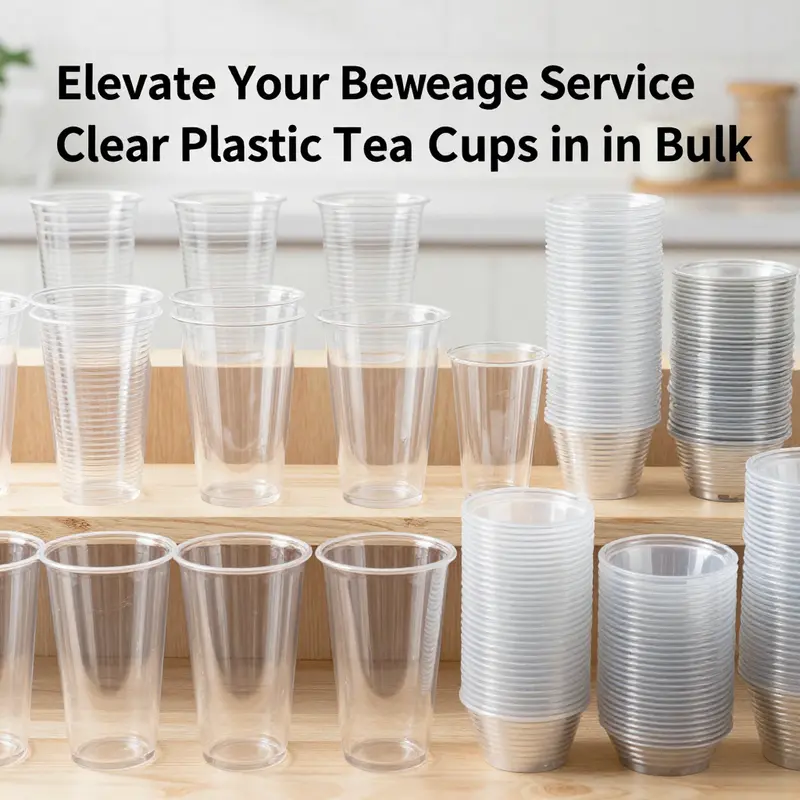
Clear plastic tea cups are more than a simple vessel; they are a strategic choice that shapes how a beverage is perceived, how it travels from kitchen to customer, and how a business manages cost, safety, and sustainability at scale. When ordered in bulk, the material becomes the primary determinant of performance, from how well the cup holds up under heat or ice, to how it displays the tea or bubble tea through its transparent walls, to whether it can be branded to reinforce a store’s identity. The three most common materials used to manufacture clear disposable cups—Polypropylene (PP), High-Density Polyethylene (HDPE), and Polyethylene Terephthalate (PET)—each bring a distinct blend of clarity, stiffness, durability, and compatibility with beverages. Understanding these differences is essential for operators who must balance customer expectations with the realities of supply chains, MOQs, and safety certifications. It is not enough to chase the lowest unit price in a catalog; in bulk, the choice of material ripples through every aspect of service, from the handling stability of a straw-length glassy-clear cup to the end-of-life recycling options that matter to sustainability-minded patrons. The materials also interact with common business practices like branding, packaging, and event logistics, turning a simple cup into a small but meaningful lever for brand experience and operational efficiency.
PP, widely used for disposable clear tea cups, might be the most familiar option for many operators. Its rigidity helps cups hold their shape during transport and handling, which matters when iced beverages are sloshing in carts or when a server stacks cups for quick access. The clarity of PP is excellent, and the material is known for a smooth finish that highlights the color and clarity of the drink inside. For food-contact safety, PP is typically certified to major standards such as FDA and EU requirements, and it is generally considered food-safe for direct contact with beverages. In practical terms, this means a PP cup can be relied on for both hot and cold beverages with careful temperature management, though many users prefer PP cups for cold or room-temperature drinks because heat can gradually affect rigidity and the ease with which lids seal. The cold drink use case—think iced tea, bubble tea, fruit-infused beverages—takes full advantage of PP’s structural integrity. For suppliers, PP cups often come with straightforward MOQs and reasonable pricing in bulk, and the material’s compatibility with flexographic or other simple branding methods makes PP a practical canvas for logos, seasonal artwork, or promotional messages that need to be read from a short distance.
HDPE offers a different mix of strengths. Known for its toughness, HDPE provides high tensile strength and robust resistance to impact and punctures. In bulk scenarios, HDPE cups are especially valuable for outdoor events, long service runs, or environments where rough handling is plausible. The trade-off is that HDPE is typically slightly less transparent than PP, so the drink’s visual appeal can be marginally reduced. Still, HDPE’s moisture resistance and chemical resilience make it a dependable choice when cups may be subjected to rough treatment during transport, storage, or outdoor service. HDPE cups are widely recyclable, adding a sustainability dimension that many buyers weigh carefully. They are a natural fit for beverage programs that emphasize durability and reliability over peak optical clarity, such as self-serve beverage stations in bustling venues where cups may be lifted, stacked, and shuffled frequently. In addition, HDPE’s tolerance for a wide range of temperatures makes it suitable for cold and cool beverages, where the cup must remain functional even as ice slowly elevates the beverage’s thermal shock. Beverage operators who value hard-wearing cups for events, festivals, or camp-style outdoor service find HDPE to be an effective balance of resilience and cost efficiency in bulk orders.
PET cups represent a different tier of clarity and lightness. PET is prized for exceptional visual appeal—the material is renowned for its top-tier transparency, which makes drinks look especially vibrant and inviting. PET cups are lightweight, process-friendly, and highly recyclable, factors that contribute to their popularity in large-scale beverage programs. They are commonly chosen for cold or lukewarm beverages, and they are often seen in coffee shops and cafes that emphasize the aesthetic presentation of drinks in transparent cups. PET does offer heat resistance that can handle safe serving of warm beverages, but it is generally considered to have some limitations relative to PP when it comes to high-temperature performance. Operators who decide to use PET in bulk appreciate the portability and strong display quality, which helps beverages read clearly from a distance, a factor that can influence impulse purchases in retail settings. Because PET cups can be produced in a wide range of sizes, from the common 8 oz to 12 oz and 16 oz formats, they support diverse menu strategies, from compact samples for street food stalls to larger servings for takeaway orders. In bulk procurement, PET is frequently chosen for its combination of high clarity and strong stacking behavior, which helps with efficient warehousing and quick fulfillment during peak periods.
Choosing between PP, HDPE, and PET is not a dry materials exercise; it is a practical decision grounded in beverage type, service context, and the operational realities of bulk buying. For a business that handles mostly cold drinks, PP can deliver crisp presentation and reliable form. For outdoor events subject to rough handling, HDPE’s ruggedness reduces the risk of leaks or breakage and eases logistics. For bottles-on-display appeal or premium beverage merchandising, PET’s clarity can be a decisive advantage, even if it calls for careful temperature management to maximize longevity and avoid buckling when exposed to heat or direct sunlight. Beyond the beverage itself, the materials influence how cups pair with lids, sleeves, and other accessories that complete the customer experience. Lids must seal securely without adding excessive weight, labels or branding must remain legible when the cup is filled, and the cup’s surface should accommodate branding without compromising the drink’s visibility. Flexographic printing, a common option for bulk orders, can render logos and marketing messages clearly on PP and PET cups, though the intricacies of the print may vary with the chosen substrate. In all cases, the end-to-end lifecycle—from manufacturing to disposal—depends on selecting a material that aligns with both the beverage program and the broader sustainability commitments of the business.
As buyers navigate these choices, several sourcing considerations come into play. Cup size is a foundational variable, with common bulk configurations spanning 8 oz, 12 oz, and 16 oz or larger formats. Each size has implications for capacity planning, inventory turnover, and the rate at which a catering operation or café serves customers. When branding is part of the strategy, printing options become a deciding factor. Flexographic printing, for instance, offers cost-efficient branding across large print runs, making it an attractive option for venues that print on every cup. The material’s surface properties influence print durability and color fidelity, so operators should review proofs and run tests to ensure legibility and color accuracy under typical beverage conditions. Minimum order quantities (MOQs) are another essential aspect. Some suppliers require very large MOQs for customization, which can be a barrier for smaller venues or event organizers with variable demand. Others offer lower MOQs for standard, non-custom orders, providing flexibility for seasonal campaigns or pilot programs. Certifications are non-negotiable for many buyers. FDA conformity, ISO 9001 quality management, and EU compliance attest to consistent safety and quality across production lots. When these credentials are in place, buyers gain confidence that cups designed for direct contact with beverages meet robust safety and quality standards.
The practical implications of material choice extend into the logistics of bulk purchasing. In big orders, packaging configurations matter. Cups are typically nested in cartons or trays, with counts that translate into predictable fulfillment times. Delivery timelines after the initial order can vary by supplier, but many reliable wholesalers strive for delivery within a two-week window for standard items and a slightly longer frame for customized runs. The economics of bulk purchases hinge on the unit price, which improves with higher volumes, but buyers must balance price against MOQs, labeling constraints, and color or design options. A critical but sometimes overlooked factor is compatibility with other service ware. Cups often need matching lids, sleeves, or saucers, and the assortments should be coordinated to prevent mismatches during busy service periods. For venues that rely on self-serve stations or online ordering, this coordination can prevent service delays and ensure a consistent customer experience across multiple service points.
Aesthetics and brand resonance play a notable role when cups are used as a canvas for messaging or visual identity. The clear wall of PET and PP cups offers a premium stage for logos, gradients, or photography, while HDPE’s slightly more opaque surface can support bold color blocks that stand out in dim lighting or outdoor settings. The decision framework also includes how the cup will be stored and how long it will be kept before use. Bulk orders must consider shelf-life and practical storage conditions to minimize issues such as surface slickness, dust on unsleeved cups, or subtle changes in clarity over time due to exposure to heat or UV light. Suppliers often provide guidance on worst-case storage conditions, stacking limits, and recommended rotation of stock to maintain optimal appearance and performance on delivery days.
From a buyer’s perspective, the balance of clarity, rigidity, and cost is not absolute. It is deeply contextual, hinging on the beverage category and the service model. A bubble tea shop might prioritize PP for its rigidity and tolerance to cold beverages, while a coffee-forward café might lean toward PET for its high clarity and attractive branding potential even when the drink is not extremely hot. An outdoor festival with long lines and high turnover could benefit from HDPE’s ruggedness and reliability, where the priority is unbroken service rather than the most perfect view of the drink. Even within a single venue, different cups may serve different functions: a glass-clear PET cup for a premium cold beverage display, a sturdy HDPE cup for self-serve stations, and a reliable PP cup for standard iced drinks. The key is to align the material choice with the moment-to-moment realities of the business environment—service speed, display quality, customer perception, and operational risk.
As with all bulk purchasing decisions, engaging with suppliers who offer tangible assurances is essential. Reputable wholesalers often provide free samples, allowing buyers to inspect clarity, rigidity, and lid compatibility before committing to a large order. Customization capabilities, such as logo placement and color matching, should be tested under actual beverage conditions to verify how well printing holds up against handling and the chilling and warming cycles cups undergo during use. Supply chains for disposable cups in bulk are well developed, but they still require careful coordination. Lead times can be influenced by customization complexity, packaging configurations, and stock levels of base materials. A robust procurement plan may include a tiered approach: standard, non-custom items for routine needs; mid-volume orders for seasonal campaigns or promotions; and high-volume, customized runs for large events or flagship product launches.
In the end, the path to a successful bulk purchase of clear plastic tea cups is about matching material characteristics to the beverage and service model, while keeping a keen eye on safety, branding, and sustainability. The choice among PP, HDPE, and PET is not simply a technical decision; it is a strategic one that affects how quickly orders are fulfilled, how confidently staff can handle cups in busy environments, and how customers perceive the drink they are about to enjoy. For teams that favor flexibility and value, PP often represents a reliable baseline for cold beverages, supported by strong certifications and compatibility with straightforward branding methods. For teams that prize ruggedness and resilience, HDPE can minimize breakage and leakage in high-pressure service contexts. For those that want to maximize visual appeal and lightness, PET offers superior clarity that can elevate the drink’s perceived quality. Each path has its own economics, risk profile, and operational implications.
To bring this discussion into a concrete planning frame, consider the integration of bulk clear cup procurement with broader packaging and merchandising strategies. The materials chosen will influence not only the cups themselves but also the design language of the beverage program—from the color palette of branding elements to the typography legibility on the lid or cup sleeve. In practice, teams often work with suppliers to prototype a small run across all three materials, evaluating metrics such as clarity under typical lighting, perceived temperature tolerance during service, and the ease of stacking and replenishment in a high-volume setting. The goal is to identify a material family that can scale across the business’s needs, while delivering consistent quality and a dependable customer experience. With the right material mix, a bulk purchase can transform from a logistical necessity into a strategic asset that reinforces the brand’s promise of clarity, reliability, and care for the customer experience. To explore a real-world example of customized bulk options that align with these considerations, see the following resource that highlights a customized, disposable double-wall cup option: custom-disposable-double-wall-ripple-wall-paper-cup-with-lid.
For operators seeking external reference on large-scale, clear-plastic beverage cups, the wholesale market also presents international options. A widely referenced listing in the global marketplace demonstrates the demand and pricing range for bulk clear plastic tea cups, reflecting the practical realities of sourcing at scale. External resource: https://www.alibaba.com/product-detail/Wholesale-Clear-Plastic-Tea-Cups-Disposable-PET_1600487937843.html?spm=a2700.10096182.0.0.1b0d52c3KpWVwG
In sum, bulk procurement of clear plastic tea cups is a nuanced exercise in material science, supply chain discipline, and customer experience design. Understanding the distinct properties of PP, HDPE, and PET—and how those properties align with beverage type, service context, and branding goals—helps ensure that the cups not only serve their function but also support the overarching business objectives. The right choice will be the one that offers the best union of clarity, rigidity, durability, safety compliance, and cost-efficiency for the given application. When all these factors are weighed together, the bulk purchase of clear plastic tea cups becomes a confident step toward delivering consistent beverage quality, efficient service, and a memorable brand impression, process-driven and customer-centered in equal measure.
Clear Branding in Every Cup: Mastering Bulk Customization for Transparent Plastic Tea Cups
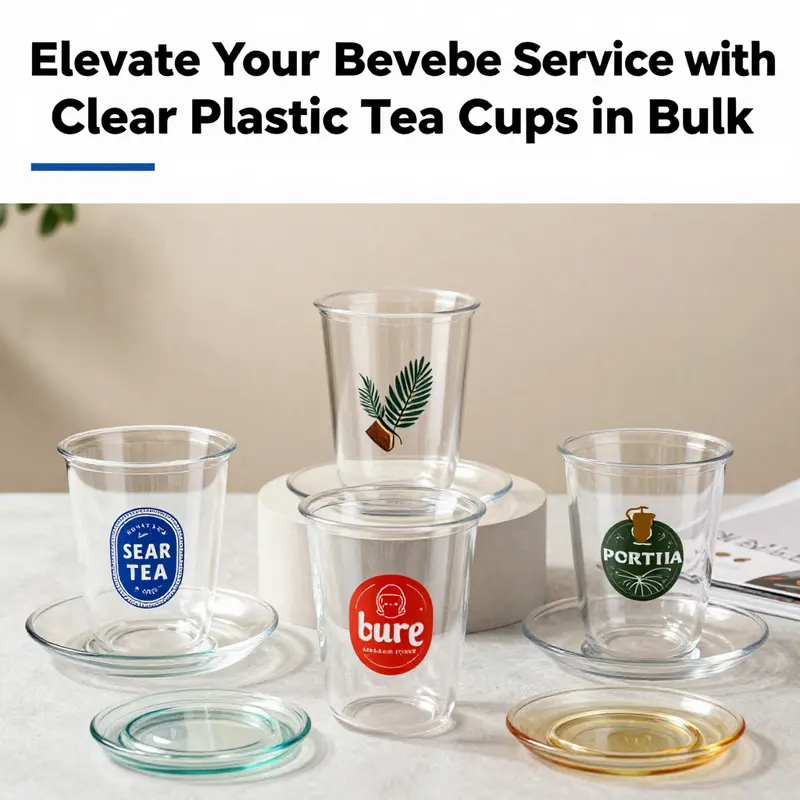
In the ecosystem of modern hospitality, bulk clear plastic tea cups do more than hold beverages; they carry messages, reinforce branding, and enable seamless service across events, cafés, and casual gatherings. The value of customization emerges most clearly when a single transparent cup becomes a consistent touchpoint for a brand, a reminder of a promise, or a cue to a shared experience. The challenge, therefore, is not merely to source cups that are clear and sturdy, but to design a customization program that aligns with the brand’s visual language and the practical realities of service. At the heart of this program lies a careful balance among material choice, printing capabilities, sizing options, and complementary packaging. Consumers may not always articulate it, but they respond to how a cup looks and feels in the hand, and the impression lasts long after the last sip. A well-executed customization strategy turns a disposable item into a portable advertisement and a memorable part of the customer journey. It is this fusion of clarity, durability, and branding that defines success when ordering clear plastic cups in bulk. The first decision in this process is the material itself, with polypropylene (PP) and polyethylene terephthalate (PET) standing out as the most common options. Both PP and PET offer exceptional clarity, which is essential for showing off layered beverages, vibrant tea infusions, or the subtle hues of infused milk teas. PP brings rigidity and shape retention, a quality that helps cups stand upright on crowded tabletops and resist deformation when a drink is poured or handed over a busy counter. It also handles a wider range of temperatures, which makes it a dependable choice for hot or cold beverages without compromising the sipping experience. PET, by contrast, is renowned for its high clarity and strength, delivering a pristine window that makes the beverage look as inviting as the brand intends. PET’s impact resistance adds a reassuring durability in high-traffic environments, from festival lines to cafe takeouts, where cups may be shuffled, stacked, or transported in bulk. Either material can meet safety standards when sourced from reputable suppliers, and both can be recycled in the right logistics chain, aligning with sustainability goals that many brands now prioritize. The decision between PP and PET often hinges on the primary use case: if the cups will see frequent hot beverages or require extra rigidity for bubble tea or layered milk tea, PP can be the more forgiving option; if the priority is maximum clarity to showcase color and texture, PET offers a visually striking advantage. The choice also interacts with printing methods, because the printing process and ink compatibility must harmonize with the material. Flexographic printing and digital printing are the two principal pathways for decorating clear cups, each with its own rhythm of setup, color capacity, and durability. Flexography excels in high-volume runs and is well suited to side-printing the brand mark, a slogan, or a short design that remains legible under a variety of beverage colors and lighting scenarios. It tends to be cost-efficient for large MOQs and can deliver consistent color reproduction across thousands or millions of units, which is why many foodservice operators favor this method when the goal is uniform branding across a bulk order. Digital printing, by contrast, shines when a brand needs flexibility: smaller run sizes, more intricate artwork, or seasonal updates that require frequent design changes. Digital processes support photo-realistic imagery, fine lines, and subtle gradients that can capture a brand’s personality without committing to a long run. The best customization programs bring together both approaches, using flexo for the core branding on margin and lightweight text, and digital for targeted campaigns, event-specific artwork, or regional variations. Beyond the printing technique, the placement of the logo matters as well. The side of the cup offers maximal exposure, especially when the cup is held at eye level during a toast or a gesture at the table. Some brands experiment with wrap-around designs that traverse the curved surface, creating a dynamic effect as the cup rotates in the hand. These design choices are not merely aesthetic; they influence recognition, recall, and even perceived value. A strong, legible logo, paired with a concise message, can be read at a glance, which matters in fast-paced settings like outdoor events or busy cafés. For brands aiming to emphasize color harmony rather than a monochrome emblem, color customization becomes a strategic tool. While the cups themselves remain clear, sleeves or lids in brand hues can create a cohesive look across a range of beverages and sizes. Color sleeves provide a cost-efficient way to signal a particular product line or a seasonal promotion, while colored lids offer a finishing touch that can unify multiple SKUs under a single marketing moment. The result is a visual system that is easy to assemble, simple to rotate, and quick to recognize at a distance. Size and shape variations round out the core customization toolbox. Bulk options commonly span a spectrum from 8 ounces to 16 ounces, with larger formats and even specialized shapes such as rounded bottoms or tapered profiles tailored for different beverages. For tea-based drinks—whether classic, bubble, or what the market increasingly calls “milk tea” blends—the interaction between cup geometry and lid design becomes especially important. A domed lid, for instance, can provide a more generous platform for branding while accommodating wide straws or specialized sipping visuals. A flat lid supports stacking efficiency and a cleaner line for line-of-sight branding, though it may constrain certain straw configurations. In addition to size and shape, the ability to integrate a lid and a straw into the same purchase adds significant value for customers aiming to reduce touchpoints and streamline service. The market responds well to options that include a choice of straw materials, from traditional polypropylene to biodegradable or reusable alternatives. This element taps into broader sustainability objectives, as many operators seek to balance convenience with environmental responsibility. The choice of materials in lids and straws can also influence perceived sustainability. A lid that snaps securely to the cup reduces spillage and helps maintain beverage temperature, which in turn supports a positive customer experience and a lower rate of waste through mess or leakage. When design and packaging align, the effect on consumer perception is meaningful. Packaging customization—an often overlooked dimension—extends the brand experience beyond the cup itself. Retail or event settings benefit from outer packaging that bears the same branding language as the cup, whether it is a branded carton, a shrink-wrapped bundle, or a bag that carries the event’s motif. A complete package reduces the cognitive load for staff and enhances the unboxing experience for guests, delivering a sense of cohesion that reinforces brand recognition. Suppliers frequently accommodate this aspect of customization by offering branded outer packaging that mirrors the design language on the cup. The logic is simple: when customers see consistent branding across touchpoints, they form a stronger impression and are more likely to remember the event or venue. It is worth noting that MOQs for customized cups tend to cluster around significant numbers, reflecting the economics of printing and tooling. Some suppliers set MOQs in the tens of thousands for full customization, while others may accommodate lower minimums for standard items with generic branding. The best programs expose buyers to scalable options: a low-volume line to test color, shape, and print, followed by a transition to higher-volume production as the design proves effective in market tests. Lead times are another practical consideration. For first orders with full customization, timelines typically fall into a window of several days to a couple of weeks, depending on the complexity of the design, proof approvals, and the chosen printing method. A prudent plan considers an initial sampling phase to confirm color accuracy, print fidelity, and the perceived weight and balance of the cup in the hand. Free or low-cost samples are often available, enabling a brand to validate the tactile feel and transparency of the chosen material before committing to a full run. In a bulk program, the culmination of design choices is the confidence that the final product will align with the brand’s identity and the event’s objectives. The process emphasizes not only the visual appeal of the cup but also its functional integrity. A well-printed cup should exhibit legible typography, stable color under varying beverage shades, and a finish that resists smudging or fading through multiple uses at a single event or over the course of a week in a busy shop. This requires careful coordination with suppliers around ink chemistry, adhesion to plastic substrates, and compatibility with food-contact standards. Speaking of standards, the continuity between branding and safety cannot be overstated. Reputable suppliers provide documentation attesting to food-grade materials, and the most dependable programs reference certifications such as FDA compliance for food contact, ISO9001 quality management for consistent manufacturing processes, and EU regulatory alignment where applicable. Buyers should request certificates of conformity and, where relevant, ESG-related disclosures that address recyclability and end-of-life considerations. In practice, the combination of PP or PET with a modern printing approach yields a family of products that can serve a full spectrum of beverage occasions. For hot beverages, PP’s resilience shines, helping the cup maintain its silhouette under thermal stress while delivering a comfortable grip. For beverages that rely on a crystal-clear presentation—like fruit-infused teas, herbals, or any color-forward concoction—PET’s transparency offers a visual punch that can elevate photography, social media content, and the overall guest experience. The best customizations embrace both material properties and the user journey. A cup that looks the part on a web page is compelling only if it performs well in practice: easy to grip, simple to dispose of, and compatible with common vessel types and lids used by the service ecosystem. The design language should also consider compatibility with cold storage and stacking efficiency, since bulk purchases are often shipped in large quantities and allocated across multiple service points. To that end, many buyers opt for standardized packaging that pairs with the chosen cups, including branded cartons and tight bundles that minimize movement during transit. The result is a seamless supply chain where branding, protection, and usability reinforce one another from warehouse to consumer. The practical outcome is clear: the more strategic the customization program, the higher the return on investment. Brands that invest in consistent logos, harmonized color schemes, and stable print methods reduce confusion at the point of sale and increase the likelihood that a consumer will recognize the brand when faced with a crowded display. A well-executed program also supports cross-channel marketing. A single design language on cups can cross over into digital media, on-site signage, and event swag, creating a cohesive narrative that travels across touchpoints. The affordability of bulk customization has evolved in parallel with these expectations. While large, fully customized orders may carry higher upfront costs, the per-unit price declines with scale, particularly when the design remains stable across multiple campaigns or product lines. This means that a brand can sustain a long-tail customization strategy—maintaining a recognizable look—without sacrificing margin or operational simplicity. For those exploring the path from concept to implementation, it helps to study how suppliers structure the customization journey. A typical workflow starts with a design brief, continues through proofs and physical samples, and ends with a move to production followed by quality checks and fulfillment. Buyers often request proofs to validate color accuracy and legibility in real-world lighting and beverage scenarios. After approval, a production window opens, and the order proceeds to manufacturing with ongoing quality assurance checks. A robust program also anticipates post-purchase support, including inventory management guidance and a streamlined process for reorders or updates to branding. In this context, the communication between brand and supplier becomes a strategic partnership rather than a one-off transaction. The most successful collaborations emphasize transparency, responsiveness, and adaptability, recognizing that markets evolve, seasonal campaigns come and go, and events demand timely refreshes of artwork and messaging. For teams that must balance speed with fidelity, it helps to keep a well-documented library of approved print files, a set of color swatches that match across lighting conditions, and a straightforward process for requesting changes without introducing risk to the timeline. This approach minimizes disruption and ensures that even last-minute promotions can ride on the strength of a trusted, well-executed cup design. In the end, the value proposition of customization for clear plastic tea cups in bulk rests on a simple yet powerful truth: clarity and branding are not mutually exclusive. A cup can be transparent enough to reveal a beverage’s natural appeal while still carrying a bold, legible brand mark that anchors a customer’s memory. When executed thoughtfully, customization translates into a consistent, repeatable experience that reduces decision fatigue for operators and elevates guest perception. It creates a reliable framework for promotions, loyalty programs, and seasonal campaigns, enabling a business to scale its beverage program without sacrificing identity or quality. To see a concrete example of how branding on disposable cups can be implemented at scale, consider exploring a range of customized offerings that emphasize logo fidelity, durable print, and packaging cohesion. For inspiration on logo-driven packaging and multi-size cup programs, you can refer to a page that showcases custom-printed logo disposable cups and related design possibilities, which provides a tangible sense of the spectrum from concept to production. custom-printed-logo-disposable-6oz-8oz-9oz-paper-coffee-cup. As you plan, keep in mind that the best choices serve both the guest experience and the business’s marketing objectives, creating a simple, elegant, and scalable path from supplier to spectacle. When all these elements align, the result is not merely a cup that holds a drink; it is a carrier of brand equity, a touchpoint in a customer’s story, and a durable, recyclable piece of the broader sustainability narrative that modern consumers increasingly demand. For those who want to deepen their search into supplier capabilities and customization galleries, the global marketplace hosts a wide range of verified providers and design services. External resources with comprehensive supplier networks offer a window into the possibilities and the pricing dynamics involved in bulk customization for clear plastic tea cups. https://www.alibaba.com/showroom/clear-plastic-tea-cups.html
Crystal Clarity, Measured Cost: A Strategic Narrative for Sourcing Clear Plastic Tea Cups in Bulk
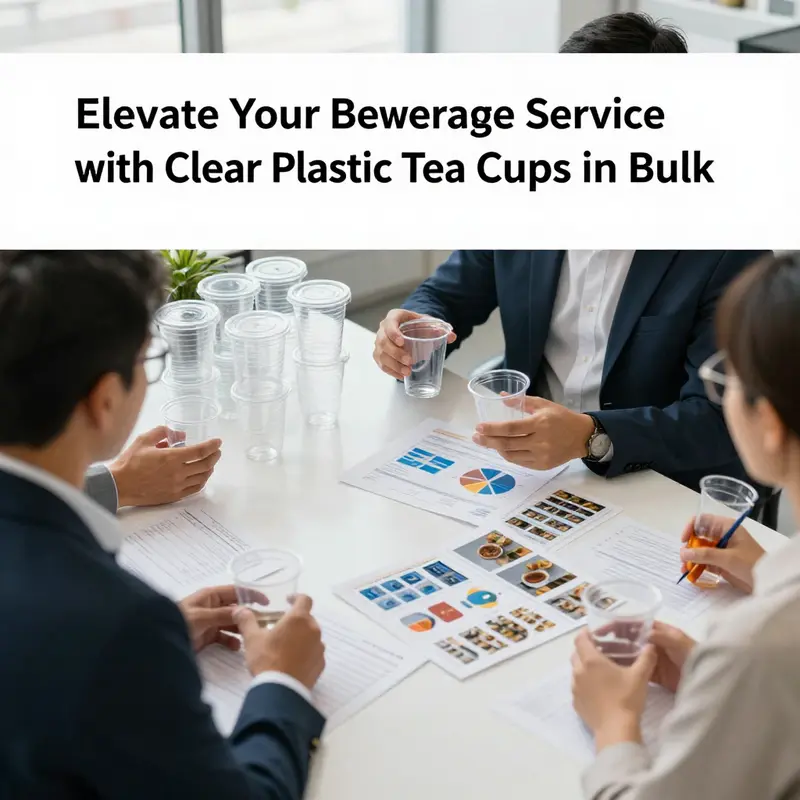
When a business or event planner begins to scale up, the choice of drinkware becomes more than a cosmetic detail; it becomes a backbone of service quality, brand consistency, and operational resilience. Clear plastic tea cups in bulk sit at a precise intersection of transparency, performance, and procurement discipline. The intent of this chapter is to illuminate a cohesive approach to sourcing these cups that transcends a simple price comparison. It is about designing a supply chain that delivers clarity in every sense: clear cups, clear communication with suppliers, and a clear path to sustainable, compliant, and cost-effective beverage service. The journey begins with materials, extends through the factory floor, and ends in a relationship with a supplier that can grow with the business while maintaining strict safety and quality standards. In the modern foodservice landscape, the most common materials—the two that dominate this space—are polypropylene (PP) and polyethylene terephthalate (PET). Each material brings its own profile of rigidity, clarity, heat tolerance, and recyclability. PP cups are valued for their structural integrity and ability to hold shape, which makes them well-suited for cold beverages such as iced tea or bubble tea. PET cups, by contrast, are celebrated for exceptional clarity and strength, offering a level of impact resistance that can be advantageous in high-volume environments where breakage risk must be minimized. The manufacturing decision between PP and PET is rarely about one being universally better than the other; it is about how the chosen material aligns with the venue, the service model, and the anticipated mix of beverages. Yet both materials share a common ground: they are widely accepted for food contact and are generally recyclable, aligning with growing expectations for responsible disposal and circular economy strategies. The procurement strategy, therefore, must reflect not only the initial cost per piece but the total cost of ownership across the product’s life cycle, including storage, transport, waste management, and potential regulatory compliance costs.
In bulk scenarios, the tiered nature of the sourcing decision becomes even more pronounced. The minimum order quantities (MOQs) for custom printing, for instance, can be high, sometimes in the realm of hundreds of thousands of units. This is not merely a numerical barrier; it is a strategic one that compels buyers to forecast demand accurately, align with event calendars, and coordinate with marketing timelines to maximize the impact of branding without risking overstock. On the other hand, many suppliers offer standard items with lower MOQs, enabling smaller runs or test purchases that allow brands to validate performance, appearance, and user experience in real-world service settings before committing to larger volumes. The ability to customize—mold development, Pantone color matching, multi-position branding, and digital proofs delivered within a short window—often becomes a critical differentiator. It is not simply about making a cup look right; it is about ensuring the cup reflects brand integrity across every touchpoint, from the guest hand to the final rinse and recycle stream. In this sense, procurement is as much about design governance as it is about supply chain efficiency.
The sourcing landscape for clear plastic tea cups is heavily influenced by regional capabilities, with China maintaining a dominant role due to its scale, technological sophistication, and access to food-grade materials. The manufacturing ecosystem benefits from tightly knit supply chains, where injection molding lines, precision tooling, and inline quality control systems can handle orders ranging from small promotional runs to multi-million unit commercial shipments. Proximity to polymer suppliers and to major export ports helps reduce lead times and shipping costs, which translates into more predictable service levels for event planners and venues that operate on tight schedules. Within China, certain regional clusters have developed distinctive strengths that can materially affect procurement outcomes. Shenzhen’s high-tech manufacturing ecosystem supports rapid iteration and high automation, reducing the turnaround time for complex customization. Jiangxi, with its strong regional supply chains and cost advantages, can offer favorable economics for bulk orders. Sichuan also contributes to the mix with manufacturing capacity that supports scale while integrating with national distribution networks. The logistical advantages of being near ports like Ningbo, Shekou, and Shanghai mean faster export documentation, streamlined customs processes, and lower risk of supply interruptions. These regional dynamics translate into shorter lead times and more reliable delivery, which is especially valuable for caterers and operators who need to align cups with seasonal demand and event calendars.
Beyond the factory floor, the procurement decision rests on robust certification and compliance practices. Buyers must insist on verified certifications for food-safe materials, including FDA compliance for the U.S. market and LFGB or equivalent EU standards for European operations. Such certifications are more than a line on a certificate; they represent traceable assurance that a batch of cups has been evaluated for contact with consumables and that the materials used will not release harmful substances under normal use. A rigorous QA program becomes a non-negotiable element of supplier selection: material testing, batch traceability, and pre-shipment inspections create a chain of accountability from raw resin to finished cup. In this framework, the supplier’s quality management system—often evidenced by ISO 9001 or similar standards—acts as a proxy for reliability in long-term partnerships. The ability to demonstrate traceability across batches, to provide clear documentation about resin content, and to maintain consistent quality across millions of units is a critical capability that reduces operational risk for buyers who must ensure uniform guest experiences across multiple outlets and events.
Within this broader compliance context, the customization capabilities offered by top-tier suppliers become crucial. A supplier that can deliver mold development, Pantone color matching, multi-position branding, and rapid digital proofs empowers brands to maintain a cohesive visual identity even as orders scale. This is not a luxury but a demand of contemporary hospitality and promotional campaigns, where even a small branding misalignment can detract from the guest experience and undermine perceived value. The speed at which proofs can be delivered, often within 48 hours for approved concepts, becomes a tactical advantage in a fast-moving market. A brand that can iterate quickly on cup design, ensure color fidelity, and lock in branding parameters before large-scale production reduces the risk of costly rework and missed opportunities as events approach or campaigns launch. The procurement process, therefore, blends design discipline with supply chain economics, creating a pathway that avoids the trap of chasing lower unit costs at the expense of reliability, safety, or brand cohesion.
A practical implication of these dynamics is the heightened importance of building long-term supplier partnerships. Short-term hedges may deliver favorable unit costs, but the true value arrives when a supplier can deliver consistent quality, transparent operations, and responsive communication over multiple seasons and across varied market conditions. Long-term partnerships enable better alignment of production schedules with forecasted demand, more predictable pricing through negotiated terms, and easier access to value-added services like pre-production testing, packaging optimization, and tail-end customization for seasonal promotions. In a well-structured supplier relationship, procurement teams move from transactional buying to strategic sourcing, where performance metrics, service levels, and collaborative product development are included in performance reviews, not just price. This shift matters because clear plastic cups, though simple in form, are the vessels through which experiences are delivered. They carry the brand’s message, they influence the guest’s perception of quality, and they can impact operational throughput if they arrive late or in varying quality.
When considering total landed cost, buyers must account for a matrix of factors that extend far beyond the price per piece. Unit price remains important, but so do freight terms, packaging specifications, and the risk of damage in transit. For hot or chilled beverages, the cup’s heat resistance and rigidity can affect overfill risk, guest comfort, and the likelihood of cracking or warping during service. The compatibility of cups with lids, sleeves, or other accessories can also influence overall packaging and service efficiency. Storage conditions, shelf life for resin formulations, and the environmental implications of disposal or recycling add layers of complexity that can alter the comparative value of PP versus PET over time. In markets that emphasize sustainability, the recyclability of PET may be a selling point, while in regions with robust PP recycling streams, PP may offer better long-term value. A forward-looking procurement approach weighs these considerations against projected beverage trends, such as the rise of iced beverages, batch beverage service at events, and the growth of self-service formats, all of which can affect breakage rates and user experience.
In practice, a sourcing strategy for clear plastic tea cups in bulk begins with a rigorous specification that translates brand and service requirements into measurable parameters. Specifications should cover key attributes such as clarity, optical distortion, wall thickness uniformity, rigidity, heat tolerance, and compatibility with common beverage temperatures. They should also define permissible tolerances for weight, dimensional stability, and batch consistency. A well-crafted specification reduces the risk of receiving divergent lots and supports straightforward quality audits upon arrival. Buyers should also outline the desired certification suite, including food-contact approvals, labeling requirements, and any regional compliance expectations for the markets they serve. This specification becomes the reference point for supplier evaluation and supplier development programs, guiding the assessment of technical capacity and the feasibility of customization requests.
Turning to the procurement process itself, it is essential to evaluate suppliers on more than their production capabilities. A supplier’s operational transparency, responsiveness, and willingness to engage in collaborative planning cycles are equally important. In today’s market, organizations that pair advanced manufacturing capabilities with transparent communication tend to outperform those that rely solely on price. Prospective partners should be judged on their ability to provide detailed material disclosures, batch tracing information, and realistic lead times that reflect real-world capacity. The best suppliers can demonstrate a proven track record of on-time delivery, even when demand spikes due to holidays, major events, or promotional campaigns. They also offer flexible terms that reflect the complexity of bulk orders, accommodating staged shipments, volume-based discounts, and options for pre-shipment inspection or third-party testing as needed.
Of course, geographic considerations influence negotiation levers and risk management. The proximity to the supplier’s manufacturing base and the efficiency of the logistics network contribute to shorter lead times and reduced risk of stockouts. Buyers should consider regional strengths in their supplier evaluation matrix. For example, a supplier with a robust network of injection molding facilities and a dense cluster of packaging specialists in a region with easy access to major export routes can deliver faster timelines and more reliable service. Conversely, regions with concentrated production but longer export routes may offer cost advantages but require more careful planning and lead-time allowances. The strategic takeaway is that procurement for clear plastic cups is not just about choosing the cheapest option; it is about selecting partners with the right balance of capability, visibility, and adaptability to the business’s cadence of demand.
Another layer worth exploring is the broader ecosystem of packaging alternatives and the role it plays in strategic decision-making. Retailers and venues often view cups not in isolation but as part of an integrated drinkware system that includes lids, sleeves, and even alternative packaging materials for specific promotions or sustainability goals. In this sense, the procurement strategy can incorporate a tiered approach: standard bulk orders of clear cups for routine service, followed by targeted runs of premium cups with enhanced branding for major campaigns. The ability to scale between these tiers without sacrificing quality or lead time is a hallmark of a mature procurement function. It also enables more precise budgeting and clearer communication with marketing teams, which is essential when promotional activity hinges on a visual identity executed across multiple channels and touchpoints. A well-orchestrated plan reduces the likelihood of misalignment between beverage service standards and branding objectives, thereby safeguarding guest experience and brand equity.
The procurement journey also intersects with sustainability considerations that increasingly shape supplier selection and product design. Buyers should evaluate the end-of-life scenario for these cups, including the availability of recycling streams and the potential for post-consumer reuse or repurposing. Sustainability isn’t merely about choosing recyclable materials; it encompasses the entire lifecycle—from resin sourcing to production energy use, to post-consumer collection. A supplier that can demonstrate a transparent environmental profile, including energy efficiency measures in manufacturing and robust post-use recycling options, resonates with operators who pursue responsible operations and want to meet consumer expectations for greener practices. While PET has clear recycling pathways in many markets, regional realities differ. Some locales maintain high recycling rates for PET beverage cups, while others may offer more limited infrastructure. PP, too, has recycling pathways in many regions, but the specifics of local programs and the acceptability of resin codes in curbside streams can alter the practical value of choosing one material over the other. For procurement teams, this translates into building a sustainability case that aligns with corporate goals, customer expectations, and local waste management capabilities, rather than relying on a single metric like unit price.
As buyers navigate these complexities, the art of effective procurement comes down to disciplined planning, rigorous supplier evaluation, and a willingness to iterate. The best practices emerge when teams connect demand forecasting, product specifications, supplier capabilities, and logistics planning into a coherent operating cadence. Early engagement with suppliers for new campaigns, pre-production testing, and color-matching validation can avert costly delays and misfits. Regular performance reviews, grounded in objective criteria such as on-time delivery rates, defect rates, and response times for inquiries or changes, help maintain alignment across partners and seasons. In practice, this means establishing clear communication channels, defining escalation protocols for supply chain disruptions, and investing in collaborative planning sessions that translate marketing calendars into production and shipping milestones. It also means recognizing that procurement is a dynamic function; it evolves as markets shift, as new regulatory guidelines emerge, and as consumer expectations around sustainability continue to mature.
The overarching objective of a sourcing and procurement strategy for clear plastic tea cups in bulk is to create a resilient, cost-conscious, and brand-consistent supply chain. It is about balancing the immediate needs of a single event with the longer-term goals of reliable service, scalable customization, and responsible stewardship of the environment. It is about choosing the right partner—one who can deliver not just cups, but reliability, transparency, and the confidence that every guest will experience the beverage in a vessel that looks exactly as intended, performs as expected under varied serving conditions, and supports a broader vision of sustainable hospitality. In this light, procurement becomes a strategic differentiator rather than a back-office function, enabling organizations to meet guest expectations with precision and to do so in a way that aligns with broader corporate and societal objectives. For those seeking further guidance on supplier performance and procurement benchmarks in this domain, an authoritative guide provides additional context and benchmarks that can help shape more robust evaluation frameworks. External resource: https://www.globalprocurementinsights.com/bulk-sourcing-clear-plastic-tea-cups-china-supplier-guide
Internal link for broader packaging considerations: For brands exploring complementary packaging options, see disposable-takeaway-paper-cup-custom-logo-kraft-coffee-cup-with-lid. This internal resource offers insights into branding opportunities in paper cup formats that may influence overall packaging strategy and sustainability decisions in parallel with clear plastic cup programs. disposable-takeaway-paper-cup-custom-logo-kraft-coffee-cup-with-lid
Final thoughts
Selecting clear plastic tea cups in bulk not only enhances your beverage offerings but also reinforces your brand’s identity and commitment to quality. Understanding the types available, exploring customization options, and implementing effective sourcing strategies are crucial steps in ensuring that your business stands out in a competitive market. As consumers continue to seek environmentally friendly and reliable beverage solutions, opting for the right clear plastic tea cups can significantly impact customer satisfaction and contribute to your success. Equip your business today with the ideal serveware that meets your needs!