
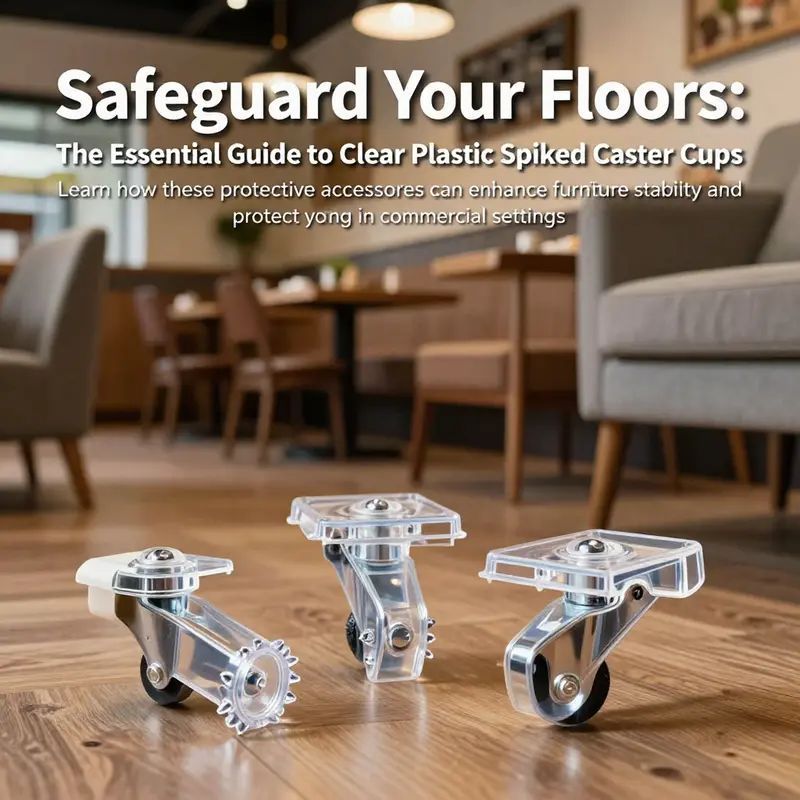
In bustling environments such as bubble tea shops, catering services, and food trucks, the integrity of furniture and flooring can significantly impact your operations. Clear plastic spiked caster cups serve as innovative solutions designed to protect your floors while ensuring your furniture’s stability. This comprehensive guide will delve into the benefits these versatile products offer, assist you in selecting the right cups for your space, provide installation tips, and explore current market trends. Each chapter unpacks essential insights tailored for food service professionals, enabling you to make informed purchasing decisions that enhance both aesthetics and functionality.
Invisible Shields Underfoot: How Clear Plastic Spiked Caster Cups Guard Floors and Furniture
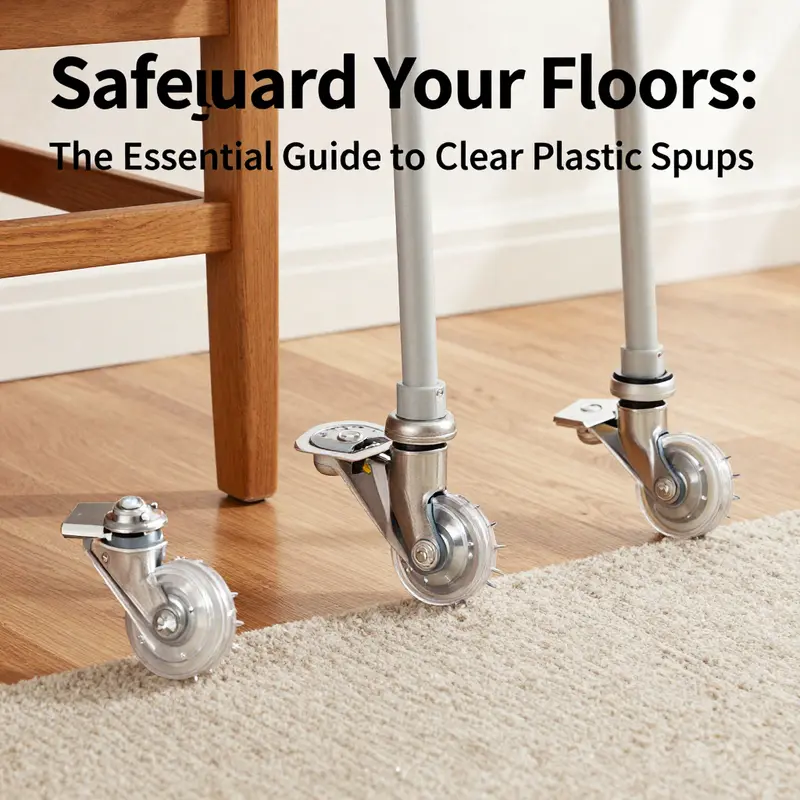
Clear plastic spiked caster cups are more than a simple accessory tucked under furniture legs. They are a quiet commitment to protecting both the character of a room and the integrity of the floor beneath it. When a sofa, a dining chair, or a heavy desk rests on a surface that might bear the brunt of daily use, the right shield can transform wear from a constant concern into a distant memory. The chapter that follows explores how these transparent, spike-enhanced shields work in concert with modern interiors, turning a practical safeguard into a nearly invisible foundation for long-lasting beauty and safer living spaces.
The essence of protection begins with the way weight is distributed. Furniture feet and casters press into floors with force that, over time, can leave scratches on a hardwood surface, indentations on soft carpets, or uneven wear on vinyl and laminate. The spikes embedded in the base of these cups are not merely decorative echoes of a rugged tool. They act as micro-load distributors, guiding heavy loads through a broader contact area rather than concentrating pressure in a single point. In practice, this means fewer marred points along the floor, smaller risk of gouges along the grain of wood, and less likelihood that carpet fibers compress permanently under the chair’s weight. The spikes also contribute to steadiness. On slick surfaces like polished wood or tile, a well-designed spiked bottom creates friction that steadies the furniture, reducing the chance of accidental slips when occupants push a chair back or slide a table during redecorating or cleaning. This stabilizing effect is essential in households with active children, pets, or frequent rearrangements of living spaces.
The aesthetic advantage of clarity cannot be overstated. The visual appeal of a room depends on a balance between furniture presence and floor character. Clear plastic has a unique advantage: it remains neutral in a way that opaque pads cannot. The purpose of a protector is to disappear visually while staying perfectly present in function. When you look across a room, you notice the furniture and the floor, not the padding or the cups beneath. The transparent shield preserves the natural color tone, wood grain, tile pattern, or carpet hue, allowing the floor to speak for itself. In design terms, these cups perform as a kind of architectural invisibility cloak, preserving the continuity of the material palette and reducing the risk of design dissonance caused by visible padding under legs or the sudden dark patches that can appear under mismatched pads.
From a practical standpoint, transparency also makes maintenance easier. Debris and dust can accumulate beneath furniture over time, especially in corners and along baseboards. With opaque pads, small particles may hide beneath the pad, obscuring the need for cleaning and potentially promoting wear or trapping moisture. Clear cups render the space beneath more visible, encouraging regular inspection during routine cleaning. This visibility acts as a preventive measure: it prompts people to lift and wipe away dust, pet hair, or grit that could act like sandpaper on a floor surface if left unattended. The habit of checking beneath furniture becomes part of a broader cleaning routine, supporting both cleanliness and longevity of floor finishes.
Durability under real-world conditions is another cornerstone of effectiveness. High-quality clear cups are crafted to resist cracking and warping, even with repeated movement and exposure to everyday heat or sunlight. The durability matters not only for long-term use but also for the confidence that heavier pieces can be accommodated without fear of failure. A robust set of protectors gives a sense of security during heavy furniture rearrangements or when moving a sofa to reupholster or clean behind it. The lightness of the material is an important factor as well. A durable plastic that remains lightweight reduces the risk of damage to the furniture finish when the leg or caster is lifted for cleaning. In combination, these properties create a solution that endures the daily rhythms of family life, home offices, or busy commercial rooms where furniture is rearranged frequently for meetings, events, or maintenance tasks.
The environmental angle adds another layer of value to this protective approach. In a world increasingly aware of manufacturing footprints, some products carry Extended Producer Responsibility or other sustainability certifications that reassure buyers about responsible production and end-of-life disposal. While sustainability claims vary, the underlying intent remains clear: to align long-lasting, repeat-use solutions with environmentally responsible practices. The idea is to choose protectors that not only guard floors but also align with broader commitments to waste reduction and resource stewardship. Consumers seeking such assurances can look for standards or certifications that reflect responsible manufacturing and end-of-life handling. When a floor-protecting accessory can be part of a sustainable lifecycle, it reinforces the principle that protecting surfaces does not require compromising ecological integrity. This holistic perspective helps keep interiors both beautiful and mindful of the environment.
In the realm of customization, these protectors can be adapted to fit different furniture needs. While the core concept is simple—clear cups with spikes that grip the floor—the practical applications can be tailored. Adjustable spike density, base size, or varying wall thickness can be employed to accommodate different furniture weights or surface types. This means a single solution can be tuned to everything from a fragile antique table with a delicate leg to a heavy office desk that carries a wealth of electronics and equipment. In spaces that mix soft carpets with hard floors, a flexible approach becomes valuable: lighter pieces can use a lower spike density to maintain glide without sacrificing stability, while heavier items gain added grip for safety. Such adaptability resonates with the realities of most interiors, where one room may host a spectrum of furniture types, each carrying unique weight and movement patterns.
The versatility across surfaces is another compelling facet. Clear spiked cups are not limited to carpets alone. On hardwood, tile, vinyl, and engineered wood, they provide a uniform protective layer that minimizes surface wear and reduces the risk of moisture and grit being driven into seams or grain lines during movement. The protection extends beyond the obvious. By reducing scratches and indentations, these cups contribute to preserving resale value or long-term enjoyment of a space where floors tell a story of time and use. In commercial settings—think conference rooms, reception areas, or retail floors—the appeal broadens further. A consistent protection strategy reduces maintenance costs, supports safer traffic patterns, and helps maintain a professional appearance through high-traffic life cycles.
Another dimension worth considering is the ease of installation and maintenance. These protectors are designed to be simple to place. They fit over the legs or casters with minimal friction, requiring no tools or complex adjustments. This ease of use makes them accessible to a wide range of users, from DIY enthusiasts to facility managers who juggle multiple spaces. Maintenance follows naturally: a quick wipe or rinse can clear dust and debris that accumulate over weeks or months. Because the cups are transparent, stains and grime can be spotted quickly and addressed before they become embedded or cause cross-floor staining. The simplicity of maintenance reinforces the practical benefits of long-term use, creating a sustainable practice of floor protection that is not arduous or time-consuming.
The safety dimension, often understated, deserves attention. A secure, non-slip base decreases the likelihood of furniture shifting unexpectedly. This is particularly important on slick floors such as polished hardwood or ceramic tile, where a small nudge can cause a chair to slip and potentially injure someone nearby. The spike design helps anchor furniture without creating sharp protrusions that could mar the floor or injure feet. In busy households, this stabilization translates into fewer accidental slips during daily activities like vacuuming, foot traffic around coffee tables, or when children push a chair back after sitting down. The result is a quieter, safer living environment that doesn’t demand constant vigilance over every piece of furniture.
Economic considerations also come into play. The idea of protecting floors by investing in a simple, durable shield resonates across budgets. In many homes, hardwood floors represent a significant upfront investment, while carpeted areas carry ongoing maintenance costs and potential replacement. A well-chosen set of clear spiked cups can delay or reduce those costs by preventing scratches, dents, and wear patterns that degrade surface appearance or performance. While unit prices vary, the long-term savings from avoiding floor refinishing, repairs, or early replacement can be meaningful. Multiplied across a whole apartment, office, or showroom, the economics become more compelling. The balance between initial investment and long-term protection is often a key consideration for property managers and homeowners who aim to maximize the lifespan of floor materials without sacrificing aesthetics or safety.
From a design standpoint, the visibility of the floor remains central. Homeowners frequently choose materials for their flooring based on color, grain, and texture. When furniture legs introduce wear, the floor’s story begins to change. Clear spiked cups acknowledge this dynamic: they respect the floor’s voice while quietly offering a protective layer. The design sensibility they embody lies in restraint. They do not attempt to compete with the floor’s natural beauty but instead create a controlled environment in which that beauty can endure. In spaces where light and airiness are part of the mood—such as contemporary living rooms, sunlit studios, or open-plan offices—the minimal footprint of these cups is particularly appealing.
Compatibility with different furniture types is an additional practical benefit. Not all protectors work with every piece. Some chairs have uniquely shaped legs, others rely on casters that require a specific top contact surface, and still others rest on a set of small feet that may not align with standard cup dimensions. The clear spiked design is advantageous here because the protective contact can be tuned to a variety of leg geometries. The goal is to achieve a secure, stable fit that does not cause wobble or restrict movement when repositioning furniture. This adaptability can be especially valuable in spaces where furniture is frequently reconfigured or where rental options demand flexibility without compromising floor integrity.
The conversation around such protectors naturally extends into maintenance routines that accompany any durable home solution. A simple cleaning protocol can extend the lifespan of both the protector and the floor. Wipe away dust and debris from the underside of the furniture legs and from the base of the cups themselves. Regular checks can catch loose or damaged components before they lead to more significant issues. In addition, one can consider periodically inspecting for wear along the spikes themselves. If a spike becomes bent or starts to protrude unevenly, replacing the cup can restore balanced load distribution, preserving both floor protection and furniture stability. In this sense, the cups are not a one-off purchase but part of an ongoing stewardship of living spaces.
In sum, the case for clear plastic spiked caster cups rests on a blend of physics, aesthetics, practicality, and sustainability. They harness simple mechanical principles to achieve durable protection without altering the visual language of a room. They provide stability and safety on a range of surfaces, all while remaining discreet and easy to maintain. They offer the possibility of customization to accommodate diverse furniture profiles, reinforcing a modular approach to interior protection. They also reflect a broader ethic: choosing tools that extend the life of floors while minimizing visual disruption and supporting responsible manufacturing practices. If a room’s future holds heavy-use furniture and evolving layouts, these cups become a quiet, reliable ally. They are not the loudest feature in a design story, but they are a dependable, long-term partner in preserving both style and structure.
For readers seeking further exploration of sustainability considerations and standards related to protective floor products, an external resource that outlines packaging and waste considerations in the European context can provide broader context and standards that inform responsible purchasing decisions. External resource: https://ec.europa.eu/environment/waste/packaging/
Internal reference for further reading on related accessory considerations can be explored through a bulk-sourcing perspective that prioritizes eco-friendly and durable options. For instance, an internal link reader can follow this route to learn more about compatible, environmentally mindful packaging solutions: Eco-friendly recyclable pulp cup holder product.
Clear Beneath, Steady Above: How to Choose Clear Plastic Spiked Caster Cups That Protect Floors, Preserve Furniture, and Quiet the Room
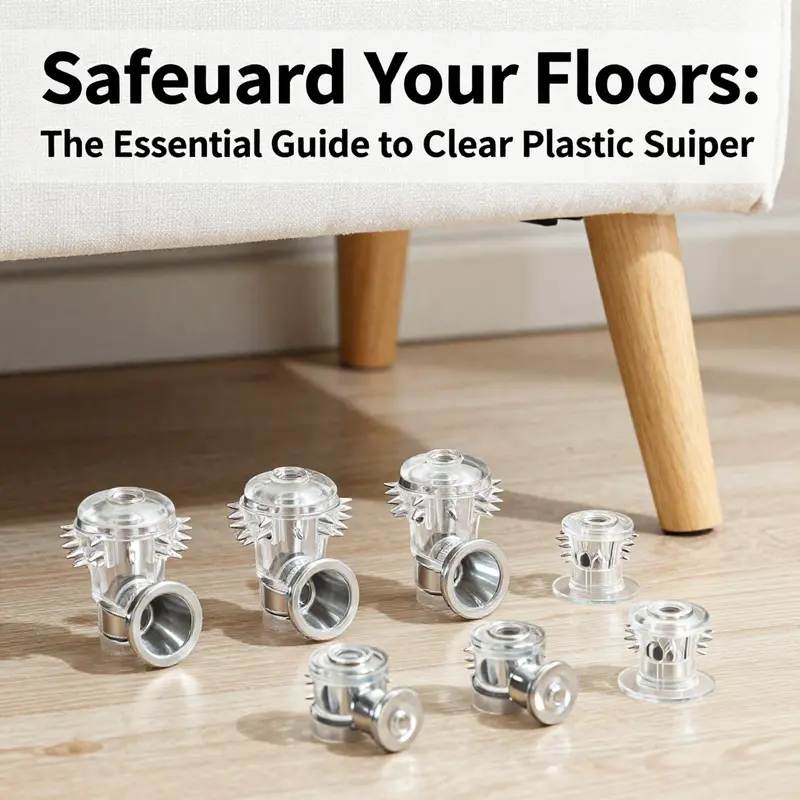
In the quiet seams where furniture meets floor, a small choice can compound into a larger sense of security. Clear plastic spiked caster cups sit there, almost invisible, yet quietly powerful. They shield hardwood from scuffs and carpets from denting, while preventing the furniture itself from sinking into fibers or leaving a mark that would betray years of careful care. The appeal is not only functional; the transparency of these caps matters too. When you can barely notice them, you know they are doing their job without altering the room’s design or the leg’s silhouette. The right cups become a routine part of furniture care—one of those tiny, steadfast details that keep the room honest to its purpose, whether it’s a family living area, a sunlit home office, or a dining room that hosts both daily meals and meaningful conversations. The goal is simple on the surface: keep floors pristine without compromising the ease with which you rearrange or move heavy pieces. Yet the path to that goal is layered. It begins with understanding how these cups work, what to measure, and how to balance the sometimes competing needs of durability, visibility, and stability across different floor surfaces and furniture styles.
Clear plastic spiked caster cups are, at their core, protective sleeves that fit over the legs or casters of chairs, tables, sofas, and other heavy furniture. The “spiked” descriptor refers to small protrusions on the bottom that dig slightly into woven carpet fibers or soften onto hardwood to prevent sliding and to distribute weight more evenly. The advantage of the clear plastic is practical and visual: the cups disappear against most floor colors, so the room’s design remains uninterrupted by obstructive hardware. They are typically sold in assorted counts—packs of four, twelve, or sometimes sixteen—and found across major online retailers. The options you encounter will vary in how they attach, how deep the spikes penetrate, and how much surface area the cap provides for weight distribution. These are not fancy novelties; they are functional, cost-efficient, and, statistically speaking, among the most common upgrades homeowners use when they want to extend the life of their floors without compromising the furniture’s presence in the space.
The decision to invest in clear spiked caps begins, naturally, with fit. Fit is not just about diameter. It is about whether the cup is designed to cradle a leg or to slide over a caster, and whether it accommodates square, round, or irregular profiles. Some legs are slender and rounded; others are chunkier with a flat profile. Some chairs have four legs with narrow gaps, while a dining bench might rely on a single wide central leg. In every case, the cup must align with the piece’s geometry to prevent wobble, which is more than a mere nuisance: inconsistent contact can create micro-mlares on hardwood or cause uneven wear on carpet. A good fit requires honest measurement. There are a few practical checks that consistently produce reliable results: measure the diameter of the leg or caster at its widest point, then compare to the inner diameter of the cup that will slip over or cradle the leg. If the cup slides over a caster, ensure the bore accommodates the stem or the wheel’s axle, and check whether the cup can seat the wheel securely without pinching or binding. If the cup covers a leg, verify that there is enough clearance so that the leg does not rub against the cup’s inner wall as weight shifts. These dimensions matter because even a seemingly minor mismatch can translate into a wobble that strains the connection between floor and furniture. The result is not only an audible clunk when a chair is moved, but an ongoing micro-movement that, over months, may contribute to carpet pelletization or floor micro-scratches.
Beyond fit, the choice between spiked and anti-slip designs is a conversation about where and how the furniture lives in your home. The spikes provide traction, anchoring the leg or caster against lateral movement. On a plush carpet, the spikes can bite down just enough to prevent sliding when someone shifts weight, such as when a dining chair is drawn out or a coffee table is bumped. On a slick hard surface, the same spikes can keep the arrangement from drifting during conversations or late-night rearrangements. Yet there are times when a pure spike is not ideal. Some surfaces benefit from a gentler approach: a broader, flatter contact footprint with fewer penetrations at the bottom. In these situations, an anti-spiked bottom or a slightly recessed base can reduce the risk of accidental floor marking and provide a gentler contact surface for delicate wood finishes. The key is to assess your environment: are you walking across a soft carpet whose fibers could pull back with aggressive spikes, or are you dealing with a polished wood floor where any hard contact could leave a mark over time? The best solutions offer a spectrum of behavior—a clear cap with a studded base that yields reliable grip on carpet, but a perimeter that remains smooth enough on wood to avoid gouging or dulling the finish.
Then there is the question of material integrity and clarity. Clear cups rely on the quality of the plastic and the manufacturing process to stay visually discreet and physically durable. A well-made cup maintains its transparency even after months of use, resisting yellowing under light exposure and retaining a smooth, rounded edge that won’t catch on socks or pant cuffs. Clarity matters for aesthetics, but durability matters for performance. A robust cup will resist cracking under light pressure, endure temperature shifts, and hold its shape when furniture is moved across a room. The bottom line is that the plastic should feel like a protective shield rather than a brittle add-on. In high-traffic areas, or in households with energetic pets and children, the cups can experience incidental impacts that only a sturdy material can absorb without cracking or deforming. A practical test when selecting is to examine the cup’s wall thickness and its edge finishing. Thicker walls and a smoothly fused edge are markers of a product built to endure routine friction and to resist denting when legs or wheels bump against furniture as people rearrange seating for gatherings.
The choice of size—diameter and height—also interacts with room dynamics and furniture hierarchy. Height is not a mere number; it translates into how high the furniture sits from the floor after installation and how that height interacts with the surrounding carpet nap or rug thickness. If a chair or table sits too high, it may disrupt leg clearance for chairs at a dining table, making movement awkward. If it sits too low, it can become a tripping hazard when people enter a room or lean to adjust themselves in a seat. The diameter determines whether the cup stays fully seated and whether it leaves enough room for the leg to glide into place without friction. A well-chosen clear cup with a modest, proportional diameter maintains a clean profile while delivering substantial protective and stabilizing benefits. A careful buyer considers both the intended floor surface and the typical use pattern in the room: desk chairs that are slid in and out during work, coffee-table setups that invite frequent rearrangement, or sofas with legs that need to remain stable as families move around the room.
Maintenance, too, is part of the selection equation. Clear plastic cups should be easy to wipe free of dust, hair, and shoe scuffs. The most practical designs offer smooth exteriors that resist the buildup of microdust and lint, with interior channels that won’t trap dirt or pet hair when you slide a leg into place. Maintenance extends to the way you remove and re-seat a cup. A good cup should be forgiving to install and remove without requiring excessive force or tools. Given that these cups are often used in spaces with bare feet or soft shoes, the edges should be gentle and rounded to avoid snags. The cleaning routine should be straightforward: a quick wipe with a damp cloth during routine floor care, followed by a light dry wipe to restore clarity. Avoid harsh solvents that could degrade the plastic or cause yellowing over time. In practical terms, the long-term performance of a clear spiked caster cup is measured not only by its year-one behavior but by its ability to retain its shine, keep its grip, and stay visually subtle through seasons of use.
Pack size and value also shape the buying decision in a tangible way. These cups are often sold in sets that reflect typical household furniture configurations: four for a compact living room with a small sofa and two armchairs, twelve for a larger lounge with multiple pieces, or sixteen for a more expansive arrangement or a home with several workstations. The economics of bulk purchases matter less for those who want only a few, and more for households that are refreshing an entire living space or office with a consistent protective approach. The right balance is to match the number of pieces in your home with the number of cups needed per item, while leaving a small reserve for future moves or replacements. An important, often overlooked, consideration is whether the cups are designed for universal fit or for more specialized furniture. Universal-fit cups are flexible enough to accommodate a range of leg and caster sizes, which is ideal in homes with a mix of furniture. Specialized cups, crafted for a precise diameter, offer a more secure seat but require exact measurement. The decision hinges on how much you value ease of use versus the long-term guarantee of a snug, secure fit across a mixed collection of furniture.
The practical life of a room—its rhythm of movement and the character of its surface—often dictates the delicate balance between protection and visibility. A well-chosen clear plastic spiked caster cup acts almost invisibly, allowing the room’s color palette, textures, and materials to define the space without interrupted lines from the furniture’s supports. It is easy to underestimate that balance, especially when the room is bright, with natural light casting reflections off the clear plastic. In such spaces, the cups must not catch glints that draw the eye, but rather disappear into the backdrop of wood grain, carpet fibers, or tile. The best picks are those that perform their protective function without becoming a feature in the room’s design language. They quietly do their job—keeping floors like new and furniture legs intact—so small moments, like a chair sliding back into place after a meal or a child pulling a sofa slightly askew to reach a toy, occur with assurance rather than alarm.
There is also a broader context to consider. The habit of using clear spiked caster cups aligns with a philosophy of durable, low-maintenance living. They represent a practical response to two common household frictions: floor wear and furniture movement. Rather than accepting the wear as an inevitable byproduct of daily life, these cups offer a way to reduce it—by distributing weight more evenly, providing a stable contact point, and guiding movement in a way that minimizes scuffing. They acknowledge that the floor is part of the home’s lifespan, not just a backdrop for furniture. They also recognize that furniture is not merely static; it’s designed to be used, repositioned, and enjoyed. The cups support that dynamic use by reducing friction, smoothing transit, and preserving both surfaces in a way that enhances longevity and maintains aesthetic integrity.
In the end, choosing the right clear plastic spiked caster cups is less about chasing a perfect spec sheet and more about aligning three core factors: fit, surface, and longevity. Measure with intention, weigh the benefits of spikes against the friction and potential marks on sensitive floors, and consider how well the material will hold up under daily wear. If you approach the decision with a clear sense of your furniture’s form, your floors’ character, and your household’s rhythm, you will likely find a solution that feels almost invisible—one that quietly supports every scene in your home. And as you move through the process, you may notice a subtle shift in how the room behaves: quieter movement, reduced concern about scuffs, and a subtle confidence that the floor and the furniture are cared for with a simple, dependable choice that lasts. The chapter into which these cups fit is not about a single purchase; it is about a fundamental approach to keeping a space functional, serene, and well-tented against the wear and tear that life inevitably brings. As you stand back and observe the room’s lines, you will feel the difference not only in the surface of the floor but in the way the room invites you to sit, lean, and linger, with clarity and steadiness guiding every moment of use.
Seamless Underfoot: Installing and Maintaining Clear Plastic Spiked Caster Cups for Floor-Safe Mobility
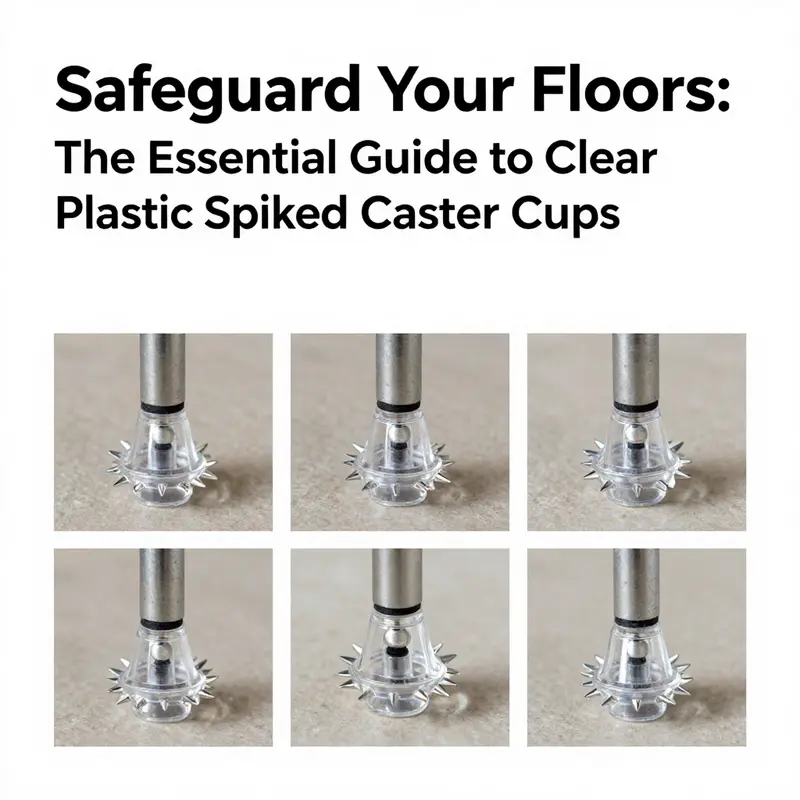
Clear plastic spiked caster cups are more than a small accessory tucked beneath furniture. They act as a quiet, steadfast shield between heavy legs or wheels and the delicate surfaces that support a home or workday. When placed under chairs, tables, sofas, and other movable pieces, these cups help to distribute weight more evenly, reduce the risk of indentations on soft carpets, and guard hard floors from scratches and scuffs. The appeal of clear plastic lies in its unobtrusiveness; the cups fade into the background, letting the furniture’s silhouette and the room’s colors remain the focal point while still delivering protection. This combination of practicality and discretion makes them a pragmatic choice for households and office spaces alike, especially where high-traffic movement can otherwise wear down floor finishes. Beyond mere shielding, the cups contribute to a smoother glide as furniture shifts, subtly reducing friction that leads to scuffing or tearing of carpet fibers. In short, they are a small investment with a long return in aesthetics and longevity, a quiet ally in everyday shelter for floors and furnishings alike.
The core idea behind spiked caster cups is straightforward. A clear, durable sheath fits over the caster or leg, and a series of small protrusions on the underside grips the surface as the furniture is moved. The spikes help counteract the slippage that can occur on smooth or loose-textured floors, especially when chairs are pushed away from a table or moved across a room in a hurry. The transparency of the plastic is more than cosmetic; it ensures that the cups do not disrupt the visual harmony of a room. This is particularly valuable in spaces with light-toned wood or neutral carpeting where visible hardware could stand out. By choosing a clear option, homeowners and designers can maintain a cohesive look while still reaping the protective benefits. The result is a furniture system that feels almost seamless, even as it quietly performs the heavy lifting of floor care.
Installing these cups is typically a straightforward process, and the goal is to achieve a snug, secure fit that protects the floor without impeding movement. Start by examining the caster itself. Modern furniture often uses universal or near-universal designs that the cups can accommodate, but specificity still matters. Place the cup over the caster wheel or over the furniture leg, ensuring that the interior diameter aligns with the wheel’s width or the leg’s profile. The ideal setting is one where the cup fully encapsulates the caster or leg and sits flush against the surface. It should not wobble when the furniture is moved, because any looseness can translate into wear on the floor or an awkward glide that risks tipping. A well-seated cup distributes weight evenly and acts as a buffer that dampens the tiny shocks that come from daily use, from a chair being slid back after a long conversation to a table being rearranged during a meeting or a living room reorganization. The process rewards patience and a quick check after you’ve placed the first row of cups: test each piece with a gentle nudge to confirm stability before loading more furniture.
In terms of placement, a practical rule of thumb is to center the cup over the caster in order to maximize contact with the floor and minimize any edges that could snag on fibers or trim. From there, the aim is to ensure the cup sits evenly around the wheel or leg without tilting, which could create gaps that compromise protection. Under carpet, the stabilization provided by the spikes is especially beneficial, because it reduces the risk of the furniture sinking into the pile and creating uneven wear along pathways. On hard surfaces like hardwood or tile, the cups help guard against micro-scratches generated by small vibrations or the occasional scrape that accompanies a hurried movement. If you are replacing an old protective measure, measure your casters or legs first and compare to the interior dimensions of the cups. A good fit is less about a perfect one-size-fits-all and more about a secure, interference-free seal that remains stable as you move the furniture around the space. With the cups in place, you can enjoy a renewed sense of confidence: the floor retains its finish, and the furniture continues to glide rather than grind across the surface.
Maintenance is an ongoing companion to installation. Regular inspection is essential because wear, cracks, or deformation can develop over time, particularly in high-traffic rooms where chairs are moved many times each day. A quick visual check can reveal hairline cracks or edge wear that, if left unaddressed, could propagate into larger fractures or pockets where dust and debris accumulate. Small cracks are not only cosmetic problems; they can alter how weight is distributed and eventually affect alignment with the caster or leg. Periodic checks should become part of your routine, especially if you notice changes in how smoothly furniture moves or if you observe unusual floor wear patterns. Cleaning the cups is equally important for longevity. A damp cloth with mild soap works well to remove dust, dirt, and debris that gather in crevices. It is best to avoid harsh chemicals or abrasive cleaners that could degrade the clarity of the plastic or weaken the structural integrity of the spikes. When cleaning, also wipe the area immediately beneath each cup. Debris or hair that collects there can impede mobility and negate the cups’ protective function. For consistent results, establish a light weekly wipe-down and a more thorough monthly inspection.
The choice of material and design contributes significantly to how well these cups perform over time. Clear plastic is chosen not only for visibility but because it resists staining and is simple to wipe clean. The spikes under the cups are not merely decorative; they provide a stable contact point that helps anchor the cup on various floor textures. Some designs incorporate a non-slip base or a slightly broader foot to spread contact more widely and reduce the odds of point-loading on sensitive surfaces. The height of a cup matters as well. If it sits too high, it can create a tripping hazard or alter the furniture’s clearance with doors or cabinet bases. If it sits too low, it may fail to insulate the floor from the weight above. The best options strike a balance: they are tall enough to keep the wheel or leg from rubbing directly on the floor, yet compact enough not to interfere with everyday use. As you examine options, pay attention to the interior fit and the exterior silhouette. A snug internal fit across a range of caster diameters is generally more reliable than a cup that fits only a narrow subset of wheels.
Understanding when to replace a caster cup is part of responsible maintenance. If a cup cracks, deforms, or no longer fits the caster securely, replacement is prudent. Replacing keeps the system effective and ensures continued protection. If a cup is chipped or the plastic becomes cloudy enough to obscure the floor beneath, it’s time to swap it out. In addition to functional reasons, consider aesthetics: faded or scratched cups can stand out in a room and draw attention away from the furniture’s design. Keeping a small spare kit on hand—four to eight additional cups, depending on how many furniture items you own—can simplify maintenance and reduce downtime. When you replace, you’ll restore the protective shield and preserve the quiet, effortless mobility that these cups offer. Ultimately, the goal is ongoing floor health and uninterrupted living space, where protection operates in the background so you can focus on daily tasks and gatherings without distraction.
On the practical side, there are a few tips that help make the solution more versatile. For carpeted floors, ensure the carpeting is of a conventional pile and not a low-density, high-nap variant that could deceptively reduce the effectiveness of the spikes. If your floors are a mix of surfaces, you might consider having different cups for different rooms or furniture types. For instance, a leg with a soft gliding foot can be paired with a spike-cup in a high-traffic circle where movement is frequent, while a similar setup on a delicate wood floor in a guest room might benefit from a more conservative design that distributes weight with a broader contact area. As you become more confident with installation and maintenance, you’ll notice a subtle but meaningful improvement in how your room functions. The furniture will not slide uncontrollably, the floor will show fewer signs of wear, and the space will feel calmer because the environment is better protected and more predictable. The small, clear cups working invisibly beneath each piece of furniture become an unassuming cornerstone of interior care and floor longevity. This is the essence of their value: a simple, effective measure that quietly sustains the beauty and usability of the spaces we inhabit daily.
External resource: https://www.amazon.com/dp/B0B7Q5VX2K
Underfoot Mobility and Transparent Protection: Market Insights into Clear Plastic Spiked Caster Cups
Clear plastic spiked caster cups occupy a quiet niche that blends function with form. They sit beneath the heavy furniture that lines offices, clinics, classrooms, and homes, doing work that is easy to overlook until a floor surface complains. The beauty and practicality of these cups lie in their transparency. The clear material allows the natural shade and grain of hardwood, tile, and carpet to show through, preserving the room’s aesthetic while providing a shield against scuffs, indentations, and the small yet stubborn marks that accumulate when furniture is moved or left in place for long periods. In markets where mobility is a growing priority, these cups emerge as a practical solution that respects both the need to rearrange space and the responsibility to protect it. The current discourse around these accessories centers less on novelty and more on a balanced combination of durability, discretion, and environmental responsibility, with buyers increasingly seeking products that vanish into the background while performing reliably in the foreground of daily use. This is a story of subtle engineering that aligns with how contemporary interiors are used today and how they are expected to evolve tomorrow.
The demand dynamics driving clear plastic spiked caster cups reflect a broader shift toward furniture that can be reconfigured easily without compromising the integrity of the flooring beneath. In spaces that see frequent repositioning — from conference rooms to hospital wards to home offices — the capacity to glide or rotate items without leaving behind visible tracks matters as much as the ability to support weight. The spike mechanism at the bottom of these cups offers stability on various floor substrates, reducing the risk of slips and unforeseen shifts that might occur when casters encounter thin carpets or uneven subfloors. Yet the most striking feature is not the spike itself but the way the material remains nearly invisible. The moral here is design restraint: a component that performs well but does not visually compete with the furniture or the room’s palette. There is a growing appreciation that good design sometimes means stepping back rather than stepping forward with a bolder statement. In this sense, clear plastic spiked caster cups satisfy a functional need while preserving the visual quiet that modern interiors prize.
The market signal around these accessories grows louder when one considers the practical ecosystems in which they operate. Offices, retail environments, healthcare facilities, and educational institutions all face a common challenge: how to manage mobility without compromising surface integrity. Heavy equipment and frequent reconfiguration are not rare in these settings. The ability to move a chair or a table for cleaning, reconfiguration, or space optimization without creating new floor damage translates into longer asset life and cleaner maintenance stories. This is not merely about protecting floors; it is about protecting investment. When floors are expensive to refinish or replace, even small daily improvements in wear-reduction contribute to meaningful cost savings over time. The reasoning here extends into the home as well, where the same logic applies to frequently rearranged living spaces or rooms used for dual purposes, such as a home office that doubles as a guest room. Consumers increasingly value tools that enable flexible layouts while preventing unintended harm to the underlying surface.
Durability and cost effectiveness have become a paired mantra for buyers who weigh long-term value against upfront cost. Clear plastic, when chosen with quality standards in mind, offers a compelling combination: resistance to scrapes, impact, and general wear, coupled with a lightweight profile that does not add noticeable bulk to furniture legs. The durability narrative is not about a single factor but about a cascade of benefits that accumulate over time. A longer lifespan translates into fewer replacements and less waste, while the low maintenance demands of these components align with a broader preference for easy upkeep in both commercial and domestic environments. The cost benefits become clearer when one considers the total cost of ownership rather than the sticker price. A good set of clear spiked caster cups can reduce unexpected floor repair costs, minimize downtime in commercial spaces, and lower the frequency of maintenance cycles that disrupt operations. In an era where efficiency is measured in seconds and savings are calculated in small, cumulative amounts, these accessories present themselves as a prudent addition to any furniture plan.
Sustainability is no longer a peripheral concern but a central criterion in consumer choice. A growing segment of buyers is placing eco-friendly materials and recyclable packaging at the top of their decision trees. This mindset extends beyond the product to how it is produced and presented for sale. The use of clear plastics that can be recycled or sourced from post-consumer waste streams is becoming a baseline expectation in many markets. Even the packaging of these products is increasingly scrutinized for ecological impact. The shift toward biodegradable or recycled plastics is not just about reducing the footprint of the component itself; it reflects a larger consumer push toward green living that values transparency in both product appearance and life cycle. In practice, this means manufacturers are experimenting with resin formulations that balance clarity and strength while enabling higher recycling rates. It also means packaging decisions are aligned with the same principles of sustainability, often featuring minimalistic designs and materials that lend themselves to recycling streams. This alignment between performance and responsibility resonates with younger buyers who consider environmental stewardship a core aspect of their consumption habits. The trend is not merely aspirational; it translates into measurable shifts in supplier selection, material sourcing, and end-of-life considerations.
The market narratives around customization and versatility further underscore why clear plastic spiked caster cups have gained traction. Consumers increasingly seek options that let them tailor a solution to their particular needs. The shapes available, whether square or round, the spike configurations, and even the packaging quantities respond to a broad spectrum of use cases. Home offices, small businesses, classrooms, restaurants, and healthcare facilities each have distinct demands for mobility, stability, and protection. The flexibility to purchase in bulk for institutional settings or to buy smaller lots for home use matters. Consumers value the ability to harmonize accessories with specific floor types and furniture designs. A transparent cup that sits quietly under a modern sofa should not draw attention to itself; yet it must adapt to the furniture’s weight distribution, caster geometry, and floor texture. The trend toward modular and multi-use furniture dovetails with these accessories, enabling space planners and interior designers to create coherent environments where every piece, including the floor protection, looks intentional and unobtrusive.
In this evolving market, material science plays a central role in shaping choices. The preference for high-quality clear plastics that resist scuffing, yellowing, and micro-cracking is not incidental. It reflects a broader consumer expectation that plastics used in everyday objects will stand up to real-world stressors. The plastics sector is responding with blends and formulations that maintain optical clarity and surface resilience even after exposure to cleaning agents and varying humidity levels. While the raw performance matters, so does processing efficiency. Castors and legs come in a range of diameters and shapes, so the bottom surfaces of these spacer cups must be compatible with a wide spectrum of geometries. Manufacturers balance the need for a snug fit with a tolerance for deformation under load, ensuring that the cups stay in place while allowing for smooth repositioning. This balancing act contributes to reliable performance across both new installations and retrofits in existing spaces.
A thread running through consumer psychology in this space is the desire for discretion. The clear cups are chosen not to shout but to disappear into the environment. Decorators, facilities managers, and homeowners often want a solution that does not clash with the interior scheme. There is relief in knowing that floor protection exists without sacrificing the room’s atmosphere or color palette. In many ways, the practicality of a transparent component becomes a virtue in interior aesthetics, especially as spaces trend toward lighter, more open, and more adaptable designs. This is a quiet revolution in which the helper under the furniture becomes almost invisible, while still delivering the critical outcomes of protection, stability, and mobility.
The potential for customization also intersects with the realities of packaging and distribution. Bulk options are especially relevant for commercial buyers who need to outfit multiple rooms or entire facilities. The ability to procure in larger quantities can translate into lower per-unit costs and reduced administrative overhead, a practical consideration for procurement teams that must manage inventory and reorder cycles. For residential users, flexibility matters in choosing when and how to refresh or expand the protection system as furniture evolves with a space. The capacity to scale up or down according to space and need speaks to a broader trend toward modularity and configurability in home and work environments. In sum, the market for clear plastic spiked caster cups is not a one-size-fits-all proposition. It is a responsive ecosystem that harmonizes mobility, protection, durability, environmental responsibility, and configurable options to meet the diverse rhythm of contemporary interiors.
To illuminate how these trends connect with broader material trajectories, consider the longer horizon in which plastics increasingly underpin everyday objects. A steady demand for high performance plastics in consumer applications underscores a shift toward components that can endure heavy use without sacrificing clarity or ease of maintenance. The implications for clear plastic spiked caster cups are meaningful. As designers and engineers push for more sustainable materials, easier end-of-life processing, and more adaptable forms, the category is likely to see innovations that improve both user experience and environmental footprint. The result is a marketplace that rewards not just functional excellence but also the thoughtful stewardship of resources. This alignment with sustainability does not simply add value; it broadens the base of buyers who seek components that support sustainable interiors and workplaces without compromising on reliability or aesthetics.
From a strategic perspective, manufacturers and retailers can leverage these insights to craft product and packaging narratives that resonate with a diversified customer base. Emphasizing the transparent quality of the material, the stability provided by the spike configuration, and the resilience across floor types can help position these cups as an essential piece of the furniture ecosystem. At the same time, communicating a commitment to eco-friendly practices, whether through recycled content or recyclable packaging, can enhance trust and expand appeal among environmentally conscious buyers. The dual promise of durable protection and responsible production forms a compelling value proposition that aligns with current consumer preferences for both performance and conscience. In this sense, clear plastic spiked caster cups become more than a practical accessory; they represent a thoughtful integration of mobility, safety, aesthetics, and sustainability in modern interiors.
For readers seeking a concrete example of how sustainability considerations can shape product ecosystems, see this resource on eco friendly packaging choices. The anchor text below links to a supplier that emphasizes recyclable materials and packaging strategies, illustrating how a single product component can be part of a broader sustainability narrative. eco-friendly recyclable cup holder
As this chapter sits within a broader article about clear plastic spiked caster cups, it is crucial to connect each insight to the ongoing evolution of interior design and facility management. The mobility narrative remains central: spaces must adapt quickly without fracturing the surfaces that carry wear and tear from routine use. The clarity of the cups is not just about visibility; it is about allowing interiors to remain cohesive as furniture moves, rearranges, and serves new purposes. The durability narrative accompanies this, ensuring that repeated repositioning does not translate into escalating maintenance. The sustainability narrative then completes the triad, reminding us that every accessory, even one hidden under a sofa leg, participates in a cycle that begins with production and ends with responsible disposal or reuse. This is not a simple product evaluation; it is an examination of how small components contribute to the resilience and adaptability of spaces used by people every day.
In closing, the market for clear plastic spiked caster cups reveals a thoughtful convergence of function, form, and responsibility. Buyers seek a discreet yet durable solution that respects floor integrity and furniture function. They demand options that fit a range of shapes and sizes and that can be scaled from a single living room setup to a corporate facility. They also expect materials and packaging that align with a greener way of living. As the furniture ecosystem continues to embrace mobility and modularity, these cups will likely become a standard, quietly reinforcing how spaces adapt while keeping floors pristine. The narrative here is not about a single product or a single use case; it is about a class of accessories that embodies the practical intelligence modern interiors require. The next chapter will explore how design language and consumer expectations intersect with installation practices, maintenance routines, and the long-term value these components bring to both homes and workplaces.
External resource for broader context on materials trends in consumer goods: https://www.grandviewresearch.com/industry-analysis/plastics-in-consumer-electronics-market
Final thoughts
Clear plastic spiked caster cups are more than just protectors; they are essential components for maintaining the elegance and functionality of your establishment. By understanding their benefits, knowing how to choose the right products, and employing simple installation techniques, you can enhance your business’s operational efficiency and aesthetic appeal. Keep your focus on building a welcoming environment for your customers while safeguarding your investments with these innovative accessories.